Hubbry Logo
DeaeratorDeaeratorMain
Open search
Deaerator
Community hub
Deaerator
logo
8 pages, 0 posts
0 subscribers
Be the first to start a discussion here.
Deaerator
Deaerator
from Wikipedia
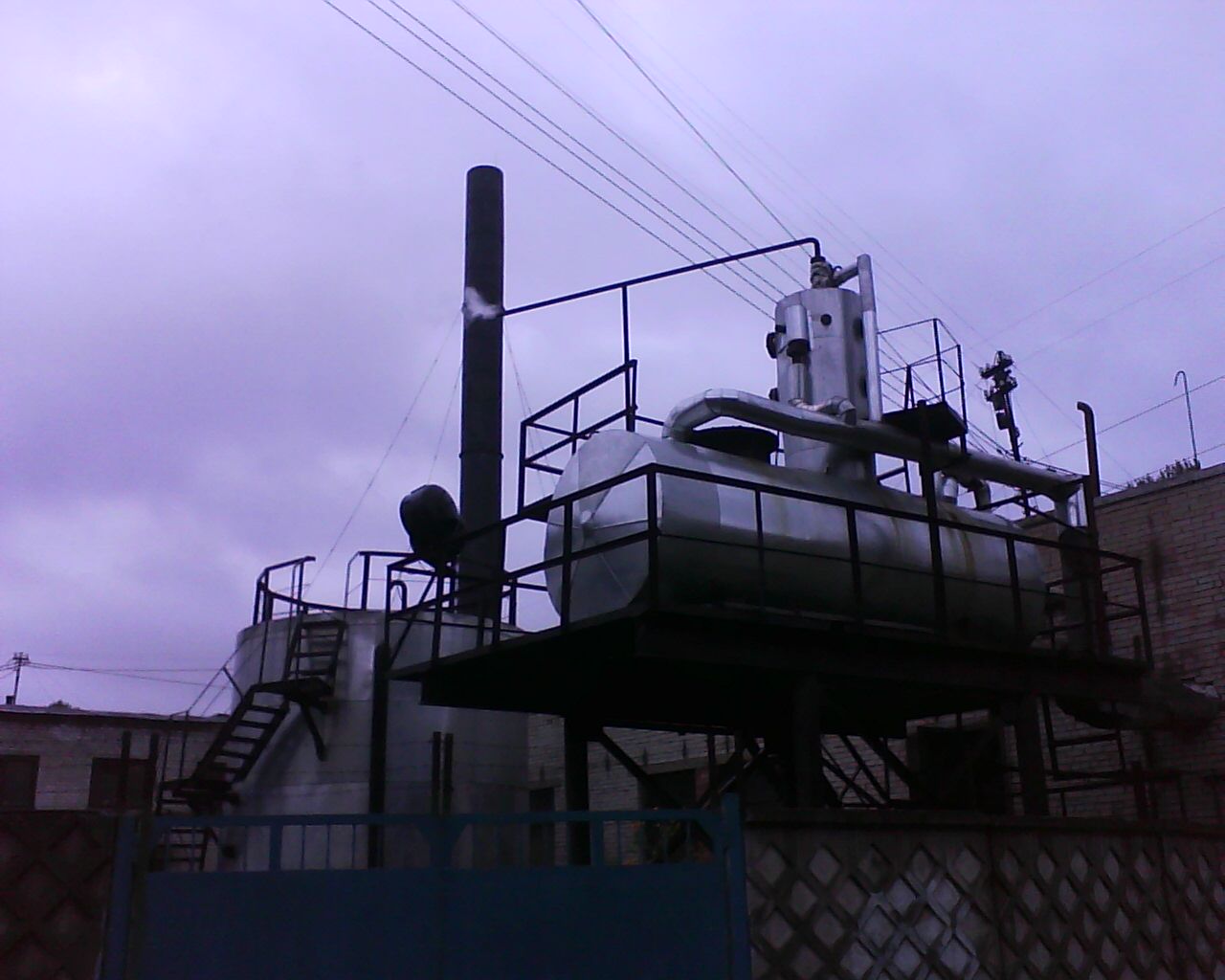
A deaerator plant

A deaerator is a device that is used for the removal of dissolved gases like oxygen from a liquid.

Thermal deaerators are commonly used to remove dissolved gases in feedwater for steam-generating boilers. The deaerator is part of the feedwater heating system.[1][2] Dissolved oxygen in feedwater will cause serious corrosion damage in a boiler by attaching to the walls of metal piping and other equipment forming oxides (like rust). Dissolved carbon dioxide combines with water to form carbonic acid that may cause further corrosion. Most deaerators are designed to remove oxygen down to levels of 7 parts per billion by weight or less, as well as essentially eliminating carbon dioxide.[3][4]

Vacuum deaerators are used to remove dissolved gases from products such as food, personal care products, cosmetic products, chemicals, and pharmaceuticals to increase the dosing accuracy in the filling process, to increase product shelf stability, to prevent oxidative effects (e.g. discolouration, changes of smell or taste, rancidity), to alter pH, and to reduce packaging volume.[5]

Manufacturing of deaerators started in the 1800s and continues to the present day.[citation needed]

History

[edit]

Manufacturing of deaerators started in the 1800s.They were used to purify water used in the ice manufacturing process.[6] Feed water heaters were used for marine applications.[7] In 1899, George M Kleucker received a patent for an improved method of de-aerating water.[8]

Two sister ships, Olympic and Titanic (1912), had contact feed heaters on board.[9] In 1934 the US Navy purchased an atomizing deaerator.[10]

During the 1920s the feedwater heaters and deaerators designs improved.[11][12][13]

Between 1921 and 1933, George Gibson, Percy Lyon, and Victor Rohlin of Cochrane received deaerator / degasification patents for bubbling steam through liquid.[14][15][16]

1926 Brown Stanley received a patent for reducing oxygen and nitrogen gases (deaeration).[17]

In 1937 Samuel B Applebaum of Permutit received a water deaerator and purifier patent.[18][19]

Deaerators continue to be used today for many applications.[citation needed]

Principles

[edit]

Oxygen and Nitrogen are two non-condensable gases that are removed by deaeration. Henry's law describes the relationship of dissolved gases and partial pressures. Thermal deaeration relies on the principle that the solubility of a gas in water decreases as the water temperature increases and approaches its boiling point. In the deaerator, water is heated up to close to its boiling point with a minimum pressure drop and minimum vent. Deaeration is done by spraying feedwater into a chamber to increase its surface area, and may involve flow over multiple layers of trays. This scrubbing (or stripping) steam is fed to the bottom of the deaeration section of the deaerator. When steam contacts the feedwater, it heats it up to its boiling point and dissolved gases are released from the feedwater and vented from the deaerator through the vent. The treated water falls into a storage tank below the deaerator.[20][3]

Oxygen scavenging chemicals are very often added to the deaerated boiler feedwater to remove any last traces of oxygen that were not removed by the deaerator. The type of chemical added depends on whether the location uses a volatile or non-volatile water treatment program. Most lower pressure systems (lower than 650 psi (4,500 kPa)) use non-volatile treatment programs. The most commonly used oxygen scavenger for lower pressure systems is sodium sulfite (Na2SO3). It is very effective and rapidly reacts with traces of oxygen to form sodium sulfate (Na2SO4) which is non-scaling. Most higher pressure systems (higher than 650 psi (4,500 kPa)) and all systems where certain highly alloyed materials are present are now using volatile programs, as many phosphate-based treatment programs are being phased out. Volatile programs are further broken down into oxidizing or reducing programs [(AVT(O) or AVT(R)] depending whether the environment requires an oxidizing or reducing environment to reduce the incidence of flow-accelerated corrosion. Flow-accelerated corrosion related failures have caused numerous accidents in which significant loss of property and life has occurred.[citation needed] Hydrazine (N2H4) is an oxygen scavenger commonly used in volatile treatment programs. Other scavengers include carbohydrazide, diethylhydroxylamine, nitrilotriacetic acid, ethylenediaminetetraacetic acid, and hydroquinone.

Thermal deaerators

[edit]
Schematic diagram of a typical tray-type deaerator
Schematic diagram of a typical spray-type deaerator

Thermal deaerators are commonly used to remove dissolved gases in feedwater for steam-generating boilers. Dissolved oxygen in feedwater will cause serious corrosion damage in a boiler by attaching to the walls of metal piping and other equipment forming oxides (like rust). Dissolved carbon dioxide combines with water to form carbonic acid that may cause further corrosion. Most deaerators are designed to remove oxygen down to levels of 7 parts per billion by weight or less, as well as essentially eliminating carbon dioxide.[3][4] The deaerators in the steam generating systems of most thermal power plants use low pressure steam obtained from an extraction point in their steam turbine system. However, the steam generators in many large industrial facilities such as petroleum refineries may use whatever low-pressure steam is available.[citation needed]

Tray-type

[edit]

The tray-type deaerator has a vertical domed deaeration section mounted above a horizontal boiler feedwater storage vessel. Boiler feedwater enters the vertical deaeration section through spray valves above the perforated trays and then flows downward through the perforations. Low-pressure deaeration steam enters below the perforated trays and flows upward through the perforations. Combined action of spray valves & trays guarantees very high performance because of longer contact time between steam and water.[21][verification needed] Some designs use various types of packed beds, rather than perforated trays, to provide good contact and mixing between the steam and the boiler feed water.[citation needed]

The steam strips the dissolved gas from the boiler feedwater and exits via the vent valve at the top of the domed section. If this vent valve has not be opened sufficiently, the deaerator will not work properly, resulting in feed water with a high oxygen content going to the boilers. Should the boiler not have an oxygen-content analyzer, a high level in the boiler chlorides may indicate the vent valve not being far enough open. Some designs may include a vent condenser to trap and recover any water entrained in the vented gas. The vent line usually includes a valve and just enough steam is allowed to escape with the vented gases to provide a small visible telltale plume of steam.[citation needed]

The deaerated water flows down into the horizontal storage vessel from where it is pumped to the steam generating boiler system. Low-pressure heating steam, which enters the horizontal vessel through a Sparge Pipe in the bottom of the vessel, is provided to keep the stored boiler feedwater warm. Stainless steel material is recommended for the sparger pipe.[22] External insulation of the vessel is typically provided to minimize heat loss.

Spray-type

[edit]

The typical spray-type deaerator is a horizontal vessel which has a preheating section and a deaeration section. The two sections are separated by a baffle. Low-pressure steam enters the vessel through a sparger in the bottom of the vessel. The boiler feedwater is sprayed into section where it is preheated by the rising steam from the sparger. The purpose of the feedwater spray nozzle and the preheat section is to heat the boiler feedwater to its saturation temperature to facilitate stripping out the dissolved gases in the following deaeration section. The preheated feedwater then flows into the deaeration section (F), where it is deaerated by the steam rising from the sparger system. The gases stripped out of the water exit via the vent at the top of the vessel. Again, some designs may include a vent condenser to trap and recover any water entrained in the vented gas. Also again, the vent line usually includes a valve and just enough steam is allowed to escape with the vented gases to provide a small and visible telltale plume of steam. The deaerated boiler feedwater is pumped from the bottom of the vessel to the steam generating boiler system. Silencers (optional) have been used for reducing venting noise levels in the Deaerator equipment industry.[citation needed]

Vacuum deaerators

[edit]
Schematic diagram of rotating disc deaerator

Deaerators are also used to remove dissolved gases from products such as food, personal care products, cosmetic products, chemicals, and pharmaceuticals to increase the dosing accuracy in the filling process, to increase product shelf stability, to prevent oxidative effects (e.g. discolouration, changes of smell or taste, rancidity), to alter pH, and to reduce packaging volume. Vacuum deaerators are also used in the petrochemical field. [5]

In 1921 a tank with vacuum pump for removing gases was used in Pittsburgh.[23] In 1934 and 1940 a tank with vacuum pump for removing gases were used in Indiana.[24][25]

Vacuum deaerators can be rubber lined on the inside to protect the steel heads and shell from corrosion.[26]

Rotating Disc

[edit]

In a typical design, the product is distributed as a thin layer on a high speed spinning disc via special feed system. The centrifugal force slings it through a perforated screen onto the inner wall of the vessel, which is under vacuum. Air (gas) pockets are released in the process and are drawn off by the vacuum. A discharge pump carries the deaerated product to the next process in the production line. For high viscous products the rotating disc is replaced with static one.[citation needed]

Other types

[edit]

Sound waves using ultrasonic equipment can be used to assist deaerating water.[27][28]

Production

[edit]

Welding of the steel pressure vessels during the manufacturing process sometimes requires Post weld heat treatment, XRAY, Dye Penetration, Ultrasonic, and other type non-destructive testing. ASME Boiler and Pressure Vessel Code, NACE International, and HEI (Heat Exchange Institute) have recommendations on the type of testing required.[29] Older fabrication techniques also used cast iron for the shell and heads.[30]

Thermal insulation is sometimes required after fabrication or after installation at the project site. Insulation is used to reduce heat loses.[31]

Inspection and maintenance

[edit]

NACE International (now known as Association for Materials Protection and Performance (AMPP)) and CIBO (Council of Industrial Boiler Owners) have several recommendations to increase the life of the deaerator unit. First, regular inspections (and testing) of the pressure vessel for cracking of welds, and repairing of any weld defects. Second, maintaining a proper water chemistry to reduce deaerator deterioration. Third, minimize temperature and pressure fluctuation. Fourth, internals and accessories should be inspected for proper operation. [32][33][34] NACE had created a Corrosion Task Group in 1984 that studied causes of corrosion and provided recommendations;[35] NACE still provides recommendations to improve operations of the equipment.

Manufacturers

[edit]

Stork (now Bilfinger) started building deaerators in 1839 and are still producing their spray-type deaerators with unique and efficient sprayers. Stickle, Cochrane, and Permutit are three of the oldest Deaerator manufacturers in the USA.[36][37] In 1929, a court case between Elliott Company (no longer in business) and H.S.B.W. Cochrane Corporation allowed both businesses to continue manufacturing deaerators.[38]

In 1909 Weir was manufacturing contact feed heaters (for de-aerating) in Europe.[39][40][41]

By 1937 Permutit was manufacturing deaerators.[42][19]

In 1939, Cochrane, Darby, Elliott, Groeschel, Stearns-Rogers, Worthington, and others were competing against each other for business.[43] In 1949 Chicago Heater was formed and became a leading deaerator manufacturer.[44] In 1954, Allis-Chalmers, Chicago Heater, Cochrane, Elliott, Graver, Swartwout, Worthington, and others were in business.[45]

Applications

[edit]

Deaerators are used in many industries such as co-generation plants, hospitals, larger laundry facilities, oil fields, oil refineries, off-shore platforms, paper mills, power plants, prisons, steel mills, and many other industries.[citation needed]

See also

[edit]
  • Defoamer – Chemical additive that reduces and hinders the formation of foam in liquids
  • Degasification – Removal of dissolved gases from liquids

References

[edit]

Sources

[edit]

Further reading

[edit]
[edit]
Revisions and contributorsEdit on WikipediaRead on Wikipedia
from Grokipedia
A deaerator is a mechanical device integral to steam boiler systems that removes dissolved oxygen, , and other non-condensable gases from feedwater by heating it to its saturation temperature and scrubbing it with , thereby preventing in and associated . This process reduces dissolved oxygen levels to as low as 7 (ppb) or less, minimizing the risk of pitting and general that can compromise system integrity. Deaerators operate on the principle of , which states that the solubility of gases in water decreases as the temperature increases and the of the gas is reduced; thus, feedwater is preheated to near-boiling conditions—typically around 105°C (221°F) at a of 0.2 bar gauge—where scrubs and vents the liberated gases to the atmosphere. The incoming feedwater, which may include a mix of condensate returns and makeup water, is distributed into fine droplets or thin films via sprays or trays to maximize surface area exposure to , ensuring efficient gas stripping without requiring extensive chemical treatments like oxygen . In addition to deaeration, these units serve as feedwater storage tanks, holding 10–20 minutes of demand to buffer load fluctuations and reduce when water enters the . Common types of deaerators include spray-type and tray-type designs, each suited to different operational needs. Spray-type deaerators use nozzles to atomize water into a -filled chamber, promoting rapid heating and gas release; they perform best in systems with stable loads and lower condensate returns (less than 30%). Tray-type deaerators, conversely, direct water through a series of perforated trays where counterflowing creates and thin films for thorough deaeration; these are preferred for power handling high turndown ratios or over 50% condensate returns, complying with standards like those from the Heat Exchange Institute (HEI). Other variants, such as pressurized (operating above for higher efficiency) and atmospheric models, or specialized constant-recycle systems for full 0–100% load turndown, further adapt to industrial or utility-scale applications. By eliminating corrosive gases, deaerators extend the lifespan of boiler components, reduce maintenance costs, and enhance overall energy efficiency—potentially saving up to 6% in fuel consumption through preheating—while minimizing blowdown water losses and environmental impact. They are essential in power generation, industrial processes, and heating systems operating above 20 bar gauge, where oxygen-induced corrosion can accelerate at rates 10 times higher than that from CO₂ alone. Proper venting, typically 0.5–2 kg of steam and air per 1,000 kg of feedwater, ensures continuous operation without re-absorption of gases.

Introduction

Definition and Purpose

A deaerator is a mechanical device designed to remove dissolved non-condensable gases, primarily oxygen (O₂) and (CO₂), from or other liquids used in industrial processes. These gases, if left in the water, can lead to significant operational issues in steam-generating systems. The primary purpose of a deaerator is to prevent , scaling, and efficiency losses in and associated equipment by eliminating these harmful gases from the feedwater. Dissolved oxygen causes on tubes, economizers, and lines, where localized attacks can weaken metal surfaces and lead to leaks or failures. Similarly, reacts with water to form , which increases acidity and promotes general throughout the system. By deaerating the feedwater, the device extends equipment lifespan, reduces maintenance costs, and improves overall system reliability. In operation, deaerators heat the incoming water to near-boiling temperatures under pressure, which reduces gas solubility according to , allowing the non-condensable gases to be vented off. Well-designed deaerators can achieve oxygen removal to levels below 7 (ppb) at standard operating conditions, meeting the stringent requirements for modern systems. The need for such deaeration arose in the early with the widespread use of engines, where dissolved gases in untreated feedwater accelerated and limited durability.

Significance in Steam Systems

Deaerators play a pivotal role in feedwater treatment as a pre-boiler component within the water-steam cycle of industrial and power generation systems. They integrate seamlessly with condensate return lines to recapture and process returned , chemical dosing systems for supplemental oxygen scavenging, and units to ensure do not impair deaeration efficiency. By mechanically stripping dissolved gases—primarily and —to levels as low as 5-7 (ppb), deaerators maintain high , reducing the reliance on chemical treatments and supporting overall system integrity. Inadequate deaeration leads to severe consequences, including accelerated rates due to oxygen-induced pitting, which can penetrate tubes and surfaces rapidly. For instance, untreated feedwater with elevated oxygen levels can dissolve up to 50 pounds of iron per week in a system handling 16 gallons per minute, resulting in tube failures, reduced efficiency from deposits, and escalated chemical dosing requirements to mitigate ongoing damage. Such issues often cause unplanned , with corrosion-related repairs and replacements contributing significantly to operational losses in steam-generating facilities. In high-pressure steam systems operating above 200 psi, deaerators are a standard method to achieve the effective gas removal recommended by guidelines such as the ASME and Code Section I to help prevent and ensure safe operation of power boilers. Economically, proper deaeration yields substantial benefits, including up to a 6% reduction in fuel consumption through improved and significant cuts in maintenance costs by minimizing damage and chemical usage—often achieving payback periods of months in larger installations. Beyond gas removal, deaerators function as integrated storage vessels, holding 10-20 minutes' worth of feedwater to provide a steady, consistent supply to pumps while preheating the to 215-350°F. This preheating minimizes to components upon injection, stabilizing operations and extending equipment lifespan in the cycle.

Historical Development

Early Innovations

Deaeration concepts emerged in the alongside the rapid advancement of steam boiler during the , where dissolved gases in feedwater contributed to corrosion and system failures. Early approaches to gas removal relied on basic techniques such as heating water in open storage tanks to promote natural or applying chemical treatments like lime for control to mitigate oxygen effects. These methods predated mechanical deaerators and were essential for the burgeoning use of steam power in industry and transportation. While basic deaeration techniques date to the , manufacturing of dedicated mechanical deaerators began in the early , with the first open feedwater heaters designed for gas removal appearing in the . The first counter-current tray-type deaerator was developed in the early , featuring a re-boiler coil, internal vent condenser, and multiple perforated trays for efficient steam-water contact. The widespread adoption of deaeration practices was driven by the prevalence of catastrophic boiler explosions, often resulting from corrosion-induced weakening of boiler components due to dissolved oxygen. Throughout the 19th century, such incidents occurred frequently in industrial settings, with historical records indicating hundreds of boiler explosions annually, resulting in several hundred fatalities per year in the United States during the late 19th and early 20th centuries, underscoring the urgent need for improved feedwater treatment. This crisis led to regulatory responses, including the formation of the ASME Boiler Code in 1914, which emphasized corrosion prevention through gas removal. Significant technological innovations appeared in the early , marking the transition to purpose-built mechanical deaerators. In the early 1920s, the first open designed explicitly for dissolved gas removal was developed, featuring a counter-current flow tray-type arrangement that exposed to across multiple perforated trays for efficient stripping. Early patents, such as one granted in 1930 to Stanley Brown (US1750035A) for deaerating processes reducing oxygen and other gases in , further advanced these designs. These initial devices operated at , achieving partial oxygen removal to approximately 0.1 ppm, which provided substantial protection against compared to untreated . By , the limitations of open systems prompted a shift to enclosed deaerators, particularly in power generation facilities, to enable pressurized operation and enhance overall efficiency. This evolution allowed for more complete gas elimination and seamless integration with higher-pressure boilers, reducing residual oxygen levels and minimizing vented losses.

Modern Advancements and Standards

Following , deaerator technology advanced significantly with the integration of systems in the 1950s, enabling effective gas removal in low-pressure applications such as treatment for emerging nuclear and industrial systems. These deaerators, pioneered by companies like Belco starting around 1950, utilized improved pumps to lower operating temperatures and pressures, reducing energy demands while achieving very low oxygen levels, typically below 10 ppb. By the 1970s, material innovations addressed challenges in harsh environments, with becoming standard for critical components like spray nozzles and inlet chambers to enhance durability and resist cyclic thermal stresses in high-temperature operations. In recent decades up to 2025, hybrid deaerator-membrane systems have emerged as key innovations, combining traditional thermal methods with membrane contactors to achieve ultra-low oxygen concentrations below 1 ppb, particularly beneficial for ultrapure in power generation. These systems, such as those using Liqui-Cel technology, minimize usage and integrate with existing deaerators for hybrid operation, outperforming standalone vacuum towers in gas removal . Energy-efficient designs have incorporated variable speed drives on associated pumps and AI-driven monitoring for , allowing real-time performance optimization and reducing unplanned downtime by up to 50% in systems. In the 2020s, sustainability efforts have emphasized deaerators' role in green cycles, where effective oxygen removal significantly cuts reliance on chemical oxygen scavengers, lowering treatment costs and environmental impact without compromising . Regulatory standards for deaerators have evolved from voluntary guidelines to mandatory frameworks, particularly in the 1980s when ASME Boiler and Pressure Vessel Code enforcement strengthened internationally to address safety in pressure equipment. The ASME PTC 12.3, originally issued in 1977 and revised in 1997, establishes performance testing protocols for deaerators, focusing on residual dissolved oxygen (up to 75 μg/L) and terminal temperature difference to ensure operational reliability. In petrochemical applications, API 579-1/ASME FFS-1 provides fitness-for-service assessments for deaerator tanks, enabling Level 1 to 3 evaluations for integrity management and extending service life. For European markets, the Pressure Equipment Directive (PED) 2014/68/EU mandates conformity assessment for deaerators operating above 0.5 bar, covering design, manufacture, and CE marking to harmonize safety across the EU. These standards reflect a shift toward rigorous, enforceable codes, with retrofits in nuclear plants—such as condenser and deaerator optimizations—demonstrating efficiency gains of several percentage points through improved heat recovery and reduced losses.

Operating Principles

Gas Solubility Mechanisms

The solubility of gases in water is governed by , which states that at a constant , the concentration of a dissolved gas in a is directly proportional to the of that gas above the liquid. This relationship can be expressed mathematically as C=KHPgC = K_H \cdot P_g where CC is the concentration of the dissolved gas (in mol/L), KHK_H is the constant (in mol/L/atm), and PgP_g is the of the gas (in atm). According to this , gas decreases as the of the gas decreases, which is a key mechanism exploited in deaeration to drive non-condensable gases out of solution. plays a critical role in gas , with generally decreasing as temperature increases due to the exothermic of the dissolution for most gases. For oxygen (O₂), a non-condensable gas commonly targeted in deaeration, the in at 25°C in equilibrium with moist air at 1 atm total (O₂ ≈ 0.21 atm) is approximately 8.3 mg/L, but this drops to near zero at 100°C under the same , reflecting a reduction of over 90% upon . The constant for O₂ in at 25°C is 0.0013 mol/L/atm, quantifying this temperature-dependent equilibrium. (CO₂), another non-condensable gas of concern, exhibits similar temperature sensitivity but also reacts with to form (H₂CO₃), which dissociates into (HCO₃⁻) and hydrogen ions (H⁺), lowering the and exacerbating in systems. Pressure influences solubility inversely to partial pressure in Henry's Law; higher total pressure increases the partial pressure of the gas, thereby enhancing solubility, while reducing partial pressure (e.g., via stripping with steam) promotes degassing. For CO₂, solubility is further modulated by , as lower (more acidic conditions) shifts the equilibrium toward undissociated , increasing the effective dissolved CO₂ concentration, whereas neutral or higher favors formation and reduces free CO₂ solubility. In contrast, O₂ solubility is largely unaffected by pH changes, as it does not undergo significant chemical reactions in . In deaeration processes, condensable gases like facilitate stripping by providing a countercurrent flow that lowers the partial pressures of O₂ and CO₂, allowing their release as non-condensable vents while the steam condenses to heat the .

Thermodynamic Processes

Deaeration fundamentally relies on thermodynamic principles to remove dissolved gases from feedwater by heating it to its , where gas approaches zero, and employing for stripping to vent non-condensable gases. In this process, direct contact between feedwater and facilitates both to elevate the and to liberate gases at the vapor-liquid interface, with the released oxygen and other gases carried away in a small vent stream of . This stripping exploits the inverse relationship between and gas , ensuring that at the deaerator's operating conditions, the of dissolved gases is minimized, driving their evolution into the vapor phase. The application of Henry's Law is central to quantifying gas removal efficiency in deaerators, stating that the partial pressure of a gas above a liquid is proportional to its concentration in the liquid: Pgas=KHCgasP_{\text{gas}} = K_H \cdot C_{\text{gas}}, where PgasP_{\text{gas}} is the partial pressure (in atm), KHK_H is Henry's Law constant (in atm·L/mol, temperature-dependent), and CgasC_{\text{gas}} is the molar concentration of the dissolved gas (in mol/L). This law derives from the equilibrium at the gas-liquid interface, where the chemical potential of the gas in both phases is equal; for dilute solutions, it simplifies to the linear form above, assuming ideal behavior and neglecting activity coefficients. In deaeration, heating increases KHK_H for oxygen (e.g., KHK_H for O₂ increases from approximately 770 atm·L/mol at 25°C to very large values at 105°C due to lower solubility), and steam scrubbing lowers PgasP_{\text{gas}} to near zero, forcing CgasC_{\text{gas}} to approach zero. For an example calculation of O₂ removal efficiency, consider feedwater at 25°C with 8 ppm (8 mg/L) dissolved O₂ in equilibrium with air, corresponding to C_{\text{O_2}} \approx 2.5 \times 10^{-4} mol/L and P_{\text{O_2}} \approx 0.21 atm; using KH770K_H \approx 770 atm·L/mol, the equilibrium P=KHC0.21P = K_H \cdot C \approx 0.21 atm is satisfied. At 105°C in the deaerator, with steam partial pressure of O₂ reduced to <10^{-6} atm via venting and much higher KHK_H (on the order of 10^5 atm·L/mol or more), C_{\text{O_2}} is reduced to < 2.2 \times 10^{-7} ) mol/L (≈7 ppb), achieving >99.9% removal from the initial 8 ppm in line with ASME PTC 12.3 standards. Energy balances in deaerators account for the heat required to raise feedwater temperature and the latent heat from steam injection, typically expressed as Q=mwCpΔT+msλQ = m_w C_p \Delta T + m_s \lambda, where QQ is the total heat input (kJ), mwm_w is feedwater mass flow rate (kg/s), CpC_p is specific heat of water (≈4.18 kJ/kg·°C), ΔT\Delta T is the temperature rise to saturation (e.g., 105°C - inlet T), msm_s is injected steam mass flow rate (kg/s), and λ\lambda is the latent heat of condensation (≈2257 kJ/kg at 105°C). This equation assumes steady-state conditions and neglects minor sensible heat from steam, balancing inputs (feedwater enthalpy + steam enthalpy) against outputs (deaerated water at saturation + vented steam enthalpy); for a 10 tonne/h boiler with inlet at 85°C, approximately 334 kg/h steam is needed to provide the required QQ. Mass transfer during deaeration occurs primarily through across the steam- interface, governed by Fick's Law, where the J=DCyJ = -D \frac{\partial C}{\partial y} (mol/m²·s) depends on the DD (≈2 × 10^{-9} m²/s for O₂ in at 105°C) and concentration gradient at the interface created by low gas in . Enhanced contact via sprays or trays increases interfacial area, boosting rates by factors of 3-4 compared to stagnant conditions, with overall coefficients ranging 0.01-0.1 m/s in typical designs. A vent condenser then recovers heat from the vented gases by condensing accompanying , preheating incoming and reducing losses by up to 950 kJ per kg of condensed . Deaerators typically operate at 105°C and 0.25 bar gauge pressure to achieve 99.9% or greater O₂ removal, reducing content to <0.007 ppm as per ASME PTC 12.3 standards, which evaluate performance through post-treatment oxygen measurements under controlled conditions.

Types of Deaerators

Tray-Type Deaerators

Tray-type deaerators are thermal devices featuring a pressure vessel that houses a series of stacked, perforated trays to facilitate the stripping of dissolved gases from boiler feedwater through direct contact with steam. These units are commonly configured as a vertical domed deaeration section mounted atop a horizontal cylindrical storage tank, though horizontal orientations exist for specific applications. The trays, typically numbering 10 to 20 layers depending on capacity, are arranged in a counterflow configuration where water cascades downward through perforations, maximizing surface area exposure, while steam rises upward to heat and scrub the water. The vessel shell is generally fabricated from carbon steel, such as SA-516 Grade 70, while internal components like the trays and tray supports are made from corrosion-resistant stainless steel, often Type 430 or 304L, to withstand the operating environment. In operation, preheated feedwater enters the top of the tray stack at temperatures around 80-90°C and is distributed evenly across the uppermost tray, allowing it to flow downward in thin sheets or droplets through successive layers while encountering counterflowing steam heated to 105-110°C under low pressure (typically 0.2 bar gauge). This intimate contact raises the water to its saturation temperature, releasing dissolved oxygen and other non-condensable gases, which are then vented from the top of the vessel via a condenser section to minimize steam loss. The deaerated water collects in the storage section below the trays, achieving residual oxygen concentrations of 0.005 to 0.01 ppm (or 5-10 ppb) in compliance with standards such as those from the Heat Exchange Institute (HEI), sufficient to significantly reduce corrosion in steam systems. Tray spacing is optimized to ensure adequate residence time for gas diffusion, typically in the range of 6-12 inches between layers. These deaerators offer high reliability and operational simplicity due to their lack of moving parts and straightforward mechanical design, making them a preferred choice for capacities from 10 to 1000 tons per hour in fossil fuel-fired power plants and large industrial boiler systems. However, they require relatively higher steam consumption, approximately 5-10% of the feedwater mass flow rate, primarily due to venting needs for effective gas stripping, which can impact overall energy efficiency compared to other types.

Spray-Type Deaerators

Spray-type deaerators employ spray nozzles, such as venturi or direct types, to atomize incoming feedwater into fine droplets within a steam-filled chamber, maximizing surface area for gas release before the deaerated water flows into an adjacent storage section. This design typically features a horizontal vessel divided into a preheating and deaeration section, where the nozzles ensure uniform distribution of the water droplets into the steam atmosphere. In operation, feedwater preheated to around 85°C is sprayed into the chamber containing low-pressure steam at 0.2–0.5 bar, where the steam heats the droplets to saturation temperature, scrubbing dissolved gases like oxygen and carbon dioxide, which are then vented through a dedicated outlet. Residual deaeration occurs in a downstream scrubber section, where additional steam contact polishes the process, achieving oxygen removal to less than 7 ppb (0.007 ppm) in line with ABMA and HEI standards. The reliance on steam stripping efficiency, as outlined in general deaeration principles, facilitates rapid gas diffusion from the thin droplet films. These deaerators offer advantages including lower steam consumption of 2–5% relative to feedwater flow and a compact footprint suitable for space-constrained installations, though they are sensitive to nozzle clogging from impurities, which can impair atomization. They are particularly effective for capacities ranging from 50 to 500 tons per hour, with notable application in marine environments where compact, reliable performance under varying conditions is essential. A key unique aspect is the nozzle pressure drop, typically requiring 2 bar inlet pressure to enhance mass transfer through improved droplet breakup. For larger units, hybrid configurations combining spray mechanisms with tray elements are employed to improve turndown and efficiency at high loads.

Vacuum Deaerators

Vacuum deaerators operate at sub-atmospheric pressures to facilitate the removal of dissolved gases from feedwater at lower temperatures than atmospheric or pressurized systems, thereby enhancing energy efficiency in steam generation processes. By employing vacuum pumps or steam jet ejectors, these units reduce the system pressure to levels typically ranging from 0.1 to 0.5 bar absolute, which lowers the boiling point of water to approximately 60-80°C. This design often incorporates tray or spray internals adapted for vacuum conditions, where preheated feedwater is introduced and distributed to maximize surface area for gas stripping. The process relies on the principle that gas solubility decreases under reduced pressure, allowing oxygen and carbon dioxide to be flashed out as the water boils gently. In operation, feedwater—often from low-temperature sources such as condensate returns—is preheated to near its saturation temperature and fed into the vacuum chamber, where the reduced pressure causes partial flashing and gas liberation. Gases are then vented through the vacuum system, typically achieving oxygen levels as low as 0.007 ppm (7 ppb) and non-detectable carbon dioxide in compliance with ABMA guidelines, which significantly mitigates corrosion in boiler systems. These deaerators are particularly suitable for applications involving cooler inlet waters, such as in combined cycle power plants, where they integrate with flash tanks to recover heat from condensate while removing gases efficiently. Vacuum maintenance is critical, with ejectors or pumps ensuring continuous gas extraction without excessive steam loss. The primary advantages of vacuum deaerators include substantial energy savings due to operation at lower temperatures, reducing the need for high-pressure steam heating. They also eliminate or minimize the use of oxygen scavengers, lowering operational costs and chemical handling in industrial settings. However, disadvantages encompass higher initial costs from specialized vacuum seals and robust construction to prevent air ingress, as well as increased maintenance for seals and pumps. Corrosion risks arise from the flashing process under vacuum, which can be managed through the use of corrosion-resistant alloys like stainless steel in critical components. Overall, their efficiency in low-temperature deaeration makes them ideal for energy-conscious applications like district heating and power generation.

Rotating Disc Deaerators

Rotating disc deaerators employ a vacuum-based design featuring a horizontal cylindrical vessel containing a vertical shaft fitted with multiple stacked flat discs, typically numbering 20 to 50, each with a diameter of 1 to 2 meters. These discs are partially immersed in the incoming liquid, such as or process fluids, and are driven by a central motor to rotate at speeds of 900 to 3000 revolutions per minute (rpm), depending on the model and application, generating centrifugal forces that spread the liquid into thin films (0.1 to 0.5 mm thick) on the disc surfaces for enhanced exposure to the vacuum environment. The motor power requirement ranges from 5 to 20 kW, depending on the unit size and load, ensuring efficient mechanical agitation without excessive energy consumption. In operation, the liquid enters the vessel at temperatures between 40°C and 70°C under a vacuum pressure of 0.05 to 0.2 bar, where the rotating discs facilitate rapid desorption of dissolved gases, primarily oxygen and carbon dioxide, by maximizing the gas-liquid interfacial area through the thin film formation. The desorbed gases are then extracted by a connected vacuum pump and vented, while the degassed liquid flows downward through the inter-disc spaces and exits the bottom of the vessel for further processing. This mechanical agitation under vacuum promotes high mass transfer coefficients exceeding 100 kmol/m²/s, enabling effective gas stripping even at low temperatures compared to thermal methods. These deaerators are particularly suited for low-capacity applications, handling 1 to 50 tons per hour, and excel in managing variable loads due to their continuous flow design and quick response to fluctuations in feed rate or composition, making them ideal for petrochemical processes where consistent degassing is required. They can achieve oxygen removal down to 0.01 parts per million (ppm), meeting stringent requirements for corrosion prevention in sensitive systems. However, the rotating components introduce potential mechanical wear on bearings and seals, necessitating regular maintenance to prevent downtime, though the overall design minimizes moving parts for reliability. This technology traces its origins to patents in the 1960s, initially developed for petrochemical extraction but adapted for efficient vacuum deaeration.

Other Variants

Membrane deaerators employ gas-permeable membranes, typically constructed from polypropylene hollow fibers, to selectively remove dissolved oxygen from liquids through a diffusion process driven by a partial pressure gradient, without requiring heat and operating effectively at ambient temperatures. These systems can achieve dissolved oxygen concentrations below 10 ppb, and with optimized designs, as low as 1 ppb, enabling their use in producing ultrapure water for semiconductor manufacturing processes since the early 2010s. Chemical deaerators function as hybrid systems that integrate oxygen scavengers, such as or , to chemically react with and eliminate trace dissolved oxygen remaining after initial mechanical removal. Electrochemical variants utilize electrolytic cells with electrodes, often carbon-based, to generate reducing conditions that convert oxygen to water via electrochemical reactions, achieving over 97% removal efficiency in flow-through configurations for precise trace-level control. Packed column deaerators feature countercurrent flow in towers filled with random packing material, where water descends while a stripping gas or steam ascends, promoting mass transfer for oxygen stripping. These designs provide modular scalability and require minimal maintenance due to fewer moving parts, though they are less common in high-pressure boiler systems and offer a balance of simplicity and effectiveness for non-critical streams, such as in industrial wastewater treatment. Emerging deaerator technologies include ultrasonic systems, which apply high-frequency acoustic waves to create cavitation bubbles that facilitate the release and expulsion of dissolved gases, providing an energy-efficient alternative suitable for green applications in low-volume or sensitive processes. Catalytic deaerators, often used in seawater treatment, rely on catalysts like palladium to promote the reaction of oxygen with hydrogen or other reductants, enabling ultra-low oxygen levels below 10 ppb while minimizing energy demands compared to vacuum-based methods.

Design and Components

Key Structural Elements

Deaerators typically feature a storage tank that holds the degassed water, providing a reservoir for boiler feedwater after the removal of dissolved gases. This tank is integrated with a vent condenser, which captures and recovers heat from the vented gases during the deaeration process to minimize energy loss. Steam inlets or nozzles introduce heating steam directly into the incoming water, facilitating the scrubbing and release of non-condensable gases, while level controls, such as transmitters and valves, maintain optimal water levels to ensure consistent operation and prevent overflow or dry running. The primary materials for deaerator construction include carbon steel plates conforming to ASTM A516 Grade 70 standards, selected for their strength and suitability in moderate- to high-temperature pressure vessel applications. Internal surfaces are often protected with epoxy linings to resist corrosion from residual moisture and chemicals in the feedwater. Safety features are essential and must comply with ASME Boiler and Pressure Vessel Code Section VIII, including pressure relief valves to prevent overpressurization by discharging excess steam or water, rupture discs as secondary barriers that burst at predetermined pressures to protect against valve failure, and low-water cutoffs that automatically shut down the system to avoid damage from insufficient liquid levels. Auxiliary equipment for deaerators, particularly in low-pressure or vacuum-assisted models, includes vacuum pumps or steam ejectors to create the necessary reduced pressure environment for gas stripping, along with instrumentation such as thermocouples for temperature monitoring and oxygen analyzers to verify the effectiveness of dissolved oxygen removal. Storage tank volumes are designed to hold the equivalent of 10-20 minutes of full-load feedwater flow, ensuring sufficient retention time for deaerated water supply during transient conditions. As pressure vessels, deaerators require mandatory weld inspections, including nondestructive examinations like radiography or ultrasonic testing, in accordance with ASME Section VIII and Section IX to detect defects in welds and heat-affected zones that could lead to fatigue or corrosion failure.

Sizing and Capacity Considerations

Sizing a deaerator involves determining its capacity to meet the feedwater demands of the boiler system while ensuring adequate deaeration efficiency and operational reliability. The primary sizing factor is the boiler's maximum continuous rating (MCR), with deaerator capacity typically selected at 105-110% of the maximum steam demand to accommodate variations in load, makeup water, and condensate returns. This margin allows for startup surges and transient conditions without compromising oxygen removal. Retention time in the storage section is another critical parameter, generally set to 10-20 minutes at full load to ensure complete degasification and provide net positive suction head for feed pumps. The pressure rating of the deaerator vessel is designed to match the operating steam pressure, often 5-15 psig for pressurized types, in accordance with ASME Section VIII Division 1 for pressure vessel construction. Capacity calculations begin with the boiler's feedwater requirement, adjusted for system efficiency and safety factors. Deaerator capacity is typically sized at 105-110% of the boiler's maximum continuous rating (MCR) to account for blowdown and operational margins. For example, a 500 t/h MCR boiler would require a deaerator capacity of approximately 525-550 t/h. This calculation incorporates heat and mass balances to verify steam usage and venting rates. Industry guidelines, such as those from the American Boiler Manufacturers Association (ABMA), recommend a minimum storage volume equivalent to 10 minutes of flow at maximum capacity, though some designs extend to 20 minutes for enhanced stability during low-load conditions. Additional considerations include steam consumption, estimated at 3-8% of the feedwater flow rate, which heats the incoming water to saturation temperature and strips dissolved gases. For vacuum deaerators, altitude plays a role, as higher elevations reduce achievable vacuum levels due to lower atmospheric pressure, potentially requiring derating or auxiliary equipment for sites above 1,000 meters. In dual-boiler systems, redundancy is essential, often involving parallel deaerators sized at 50-100% of individual boiler capacity to allow maintenance without shutdown. Advanced design tools like HTRI software are used for precise heat transfer modeling, simulating tray or spray interactions to optimize sizing and minimize energy losses.

Operation and Control

Startup and Normal Operation

The startup sequence for a deaerator commences with fully opening the main vent valve to exhaust air and non-condensable gases to the atmosphere, ensuring safe initial depressurization and removal of trapped air from the vessel. The storage section is then filled with water to the operating level, typically via the float-controlled make-up valve or condensate return line, while isolating the feed pumps to prevent premature operation. Steam is introduced gradually through the pressure-reducing valve to the target operating pressure—typically 5-15 psig—to heat the water without thermal shock, while monitoring for proper venting of non-condensables. This phase purges residual gases, with the vent valve adjusted to maintain a visible steam plume indicating effective release. Once the water reaches near-saturation temperature, the feed pumps are engaged, and the system stabilizes over a period that can range from 30 minutes to several hours, depending on vessel size, initial conditions, and startup type (cold or hot). During normal operation, the deaerator maintains the feedwater at or near the saturation temperature corresponding to the operating steam pressure, achieved through automatic modulation of steam control valves to ensure consistent heating and gas stripping. Water level is continuously monitored using float switches or, in modern installations, radar-based sensors, which regulate inflow from condensate returns and make-up to keep the level within narrow bands (e.g., 2.7-3.05 m in larger units). The automatic vent operates via a pre-orificed valve to release dissolved oxygen and other non-condensables as a steady steam plume, typically 15-25 inches long, confirming efficient deaeration without excessive steam loss. Oxygen levels are routinely checked at sampling ports downstream of the feed pumps, targeting concentrations below 10 ppb (often achieving 7 ppb or less) to minimize corrosion in downstream systems. Control systems employ proportional-integral-derivative (PID) loops, often in cascade configuration, to regulate water level by adjusting pump speeds or valve positions, with tuning methods like Tyreus-Luyben ensuring rapid settling times (e.g., under 14 seconds) and minimal overshoot (around 22%). Pressure and temperature are indirectly maintained via the steam supply regulator, targeting 5-15 psig and corresponding saturation temperatures (e.g., 227°F at 5 psig). Safety interlocks, including low-level sensors, automatically shut down feed pumps to prevent dry running, while high-level alarms trigger overflows or pump modulation. These controls ensure steady-state efficiency, with the system operating continuously to supply deaerated water to boilers at rates matching demand.

Performance Monitoring and Control

Performance monitoring of deaerators involves continuous assessment of key parameters to ensure effective oxygen removal and operational integrity. Online oxygen analyzers equipped with amperometric sensors are commonly employed to measure dissolved oxygen (DO) concentrations in the deaerated feedwater, typically targeting levels below 7 parts per billion (ppb) for pressure deaerators. Temperature and pressure gauges provide real-time data on operating conditions, as deviations can indicate inefficiencies in gas stripping. Deaerator efficiency is quantified using the formula for oxygen removal percentage: Removal %=(inlet O2outlet O2inlet O2)×100\text{Removal \%} = \left( \frac{\text{inlet O}_2 - \text{outlet O}_2}{\text{inlet O}_2} \right) \times 100 where concentrations are in consistent units such as ppb; this metric helps verify compliance with design specifications during routine evaluations. Control systems integrate deaerators with distributed control systems (DCS) for automated operation and fault detection. DCS platforms manage level control loops, such as three-element strategies using feedwater, condensate, and deaerator flows, while automating vent valve adjustments to maintain optimal steam flow for gas removal. Alarms are configured for DO exceeding 20 ppb, which signals potential corrosion risks, and for level deviations (e.g., low level below 150 mm or high-high level above 310 mm) to prevent overflow or cavitation in downstream pumps. Daily logging of pressure, temperature, and DO levels is recommended per ASME PTC 12.3 guidelines for performance testing and trending analysis. In emergency shutdowns or fault responses, procedures prioritize safe depressurization to avoid thermal shock or gas re-entrainment. Gradual reduction of steam supply prevents rapid boiling and venting issues, followed by activation of the vacuum breaker on the deaerator head to equalize pressure and protect structural integrity. If necessary, draining may be initiated during extended outages to facilitate inspections. For faults such as vent blockage—often caused by condensate buildup in long lines or strainer obstructions—responses include reconfiguring vent paths for shorter, straighter routing and verifying steam regulator functionality to restore efficient gas exhaust. As of 2025, trends in deaerator monitoring incorporate IoT-enabled sensors for real-time analytics, enabling predictive maintenance through cloud-based platforms that track DO, temperature, and pressure remotely. These systems facilitate proactive adjustments, potentially reducing unplanned downtime through optimized venting and early fault detection in feedwater treatment.

Applications and Benefits

Power Generation and Industrial Uses

Deaerators play a critical role in power generation systems, including fossil fuel, nuclear, and combined-cycle plants, by removing dissolved oxygen and other corrosive gases from boiler feedwater to protect high-pressure steam cycles from degradation. In fossil fuel plants, they ensure the reliability of steam-generating boilers by maintaining low oxygen levels in feedwater, typically achieving concentrations below 7 parts per billion. Nuclear power plants, such as pressurized water reactors, integrate deaerators into the secondary cycle to prevent corrosion in steam generators and turbines, drawing on designs proven in extensive operational history. Combined-cycle plants utilize deaerators to optimize heat recovery steam generators, where they handle condensate returns and makeup water to support efficient gas turbine exhaust utilization. In supercritical boilers, which operate at temperatures exceeding 600°C and pressures above 22 MPa, deaerators are engineered for high-capacity feedwater treatment to accommodate the demanding conditions of ultra-high-efficiency cycles, such as those in 660 MW units. These systems process feedwater flows often surpassing 1000 tons per hour, providing the necessary net positive suction head for boiler feed pumps while minimizing dissolved gas carryover. Beyond power generation, deaerators find widespread application in industrial sectors for preparing process water and steam. In refineries, they treat boiler feedwater for process steam generation, reducing oxygen-induced corrosion in distillation and cracking units to sustain continuous operations. Food processing facilities employ vacuum deaerators to remove dissolved gases from liquids and pastes, preserving product quality, flavor, and nutritional value by preventing oxidation and microbial growth in hygienic water systems. In HVAC systems, deaerators eliminate air from closed-loop hydronic circuits, enhancing heat transfer efficiency and mitigating corrosion in chillers, boilers, and distribution piping. Petrochemical plants particularly benefit from vacuum deaerators, which leverage low-grade heat sources for gas removal in process water treatment, enabling energy-efficient recovery of waste heat while protecting equipment from corrosion in low-pressure steam applications. Notable case examples illustrate deaerator integration in emerging applications. In solar thermal power plants developed post-2015, solar-assisted feedwater heating systems, integrated with deaerators, have been shown to increase net power output by up to 12.5%. Similarly, in district heating networks, vacuum deaerators treat circulating water to drastically reduce oxygen levels, thereby minimizing pipeline corrosion and extending system lifespan in large-scale urban heating infrastructures. Deaerator sizing varies significantly by application scale. Small units, rated around 1 ton per hour, suit cogeneration systems in industrial facilities under 5 MW, providing compact deaeration for on-site power and heat needs. In contrast, utility-scale power plants deploy large deaerators capable of handling up to 2000 tons per hour, matching the feedwater demands of gigawatt-class operations.

Efficiency and Economic Advantages

Deaerators achieve high thermal efficiency in feedwater treatment by preheating incoming water to near-boiling temperatures, typically reducing the required for subsequent heating and minimizing thermal shock, which contributes to overall system efficiencies approaching those of optimized steam cycles. In terms of oxygen removal, well-designed deaerators can reduce dissolved oxygen levels to 5 parts per billion (ppb) or less in high-pressure systems (>200 psi), while up to 43 ppb may be tolerated in low-pressure s (<200 psig), concentrations of 5 ppb or less are recommended to extend equipment life across all types. This oxygen scavenging also decreases the required chemical dosing for residual treatment; for instance, dosing can drop from approximately 17.5 ppm in non-deaerated feed tanks to 1.7 ppm in deaerated systems operating at 25 ppb oxygen, yielding annual chemical cost savings of around $17,000 for a typical industrial setup. Economically, deaerators offer rapid payback periods through reduced and operational costs. Installation of a deaerator can achieve a in as little as 1.9 years, primarily via lower chemical consumption and prevention of corrosion-related repairs. Optimized deaerator operations, such as minimizing vented losses, can further enhance ; improvements in deaerator have demonstrated up to 9% increases in net production, translating to economic benefits of $31,859 per unit. These energy recoveries from condensate and vent streams help offset initial , with payback as short as 2.8 months for targeted upgrades in systems. From an environmental perspective, deaerators contribute to reduced emissions by enabling more efficient cycles that lower overall consumption. In one case, deaerator enhancements resulted in an annual CO₂ emission reduction of 324 tons through decreased usage. By minimizing and extending component longevity, deaerated systems versus non-deaerated ones achieve notably longer equipment life with minimal additional cost, as oxygen levels below 5 ppb prevent pitting and scaling that would otherwise necessitate frequent replacements.

Maintenance and Inspection

Routine Inspection Procedures

Routine inspection procedures for deaerators encompass scheduled visual examinations, non-destructive testing (NDT), functional verifications, and meticulous record-keeping to maintain vessel integrity and prevent failures due to or mechanical degradation. These protocols are primarily governed by the National Board Inspection Code (NBIC), which emphasizes periodic assessments tailored to the vessel's service history and condition. Visual and non-destructive inspections form the core of routine upkeep, targeting external and internal components for signs of deterioration. External checks involve examining the shell, heads, and fittings for pitting, scaling, or damage, typically performed annually during shutdowns. Internal examinations of trays, , and high-wear areas like inlets are typically conducted annually, with intervals extendable to a maximum of 3 years if prior inspections reveal no defects, to identify , buildup, or misalignment. Weld integrity is assessed using penetrant testing on and attachment welds to detect surface-breaking flaws, while wet fluorescent magnetic particle testing () is applied to circumferential, longitudinal, and seam intersection welds for subsurface crack detection, conducted by ASNT SNT-TC-1A Level II certified personnel. Ultrasonic thickness (UT) measurements are routinely taken on the shell and heads, particularly in corrosion-prone zones, to monitor wall and ensure compliance with minimum thickness requirements per NBIC guidelines. Functional tests verify the operational reliability of key systems. Hydrostatic pressure tests, at 1.3 to 1.5 times the maximum allowable working (MAWP), are performed after repairs, alterations, or as required by local regulations and NBIC guidelines, to confirm structural . Vent flow verification involves observing non-condensable gas discharge during startup or normal operation to ensure unobstructed venting and prevent over-pressurization. Level control calibration checks the accuracy of sensors, floats, and controllers against known references, typically every 6 months, to maintain stable levels and avoid carryover or flooding. These tests are performed under controlled conditions to simulate operational loads without risking component . Documentation is essential for tracking deaerator condition and . All activities, including visual findings, NDT results, UT thickness , and functional test outcomes, must be logged in accordance with NBIC Part 2 requirements, maintaining a comprehensive file with sketches of defects, repair histories, and ASME reports. Initial inspections occur 1-2 years after commissioning, with subsequent frequencies adjusted based on findings: annually for repaired cracks, 1-2 years for unrepaired indications, and 3-5 years for crack-free vessels. Inspections particularly target vulnerabilities in structural elements like internal trays and nozzles, where and are common.

Troubleshooting and Common Issues

Deaerators, critical for removing dissolved oxygen from , can experience malfunctions that lead to , reduced efficiency, and system failures if not addressed promptly. Common issues often stem from operational imbalances or component degradation, with symptoms typically detected through monitoring oxygen levels, , , and audible indicators. According to industry analyses, a significant portion of deaerator failures—up to 38% involving cracks requiring repair—are linked to inadequate maintenance practices, exacerbated by unit and reduced upkeep in modern plants. Vent condenser fouling is a prevalent problem where scale or deposits accumulate on condenser tubes, impairing and gas removal efficiency. This manifests as elevated dissolved oxygen levels exceeding 10 ppb in the , alongside a reduced plume from the vent (less than 18-24 inches) indicating insufficient venting. The primary causes include buildup from untreated feedwater or inconsistent chemical dosing; corrective actions involve chemical with acidic solutions followed by thorough rinsing, or mechanical methods like brushing and pressure-washing to restore tube performance. Nozzle erosion in spray-type deaerators occurs due to high-velocity and impingement, leading to wear on spray apertures and internal components. Symptoms include unusual and rumbling noises during operation, often accompanied by uneven distribution and outlet temperatures dropping more than 5°F below expected saturation levels. This degradation can result from particulates in the feedwater or prolonged exposure without ; solutions entail annual replacement of affected during shutdowns, along with verifying free movement and clearing any buildup to prevent recurrence. Oxygen carryover, where dissolved oxygen persists in the treated feedwater above target levels (typically >5-10 ppb), compromises protection in downstream systems. Key causes include low reducing heating efficiency, or level fluctuations from erratic feedwater inflow that disrupt in the deaeration zone. To resolve, operators should adjust supply controls to maintain design (e.g., 3-10 psi), stabilize levels via recalibrated level controllers, and verify oxygen analyzer accuracy through routine —ensuring levels drop to ≤5 ppb under steady-state conditions. Vacuum leaks in deaerator systems, particularly in or storage sections operating under partial , introduce non-condensable gases that hinder deaeration. Symptoms appear as poor oxygen removal at lower operating temperatures (e.g., outlet <2-3°F of saturation), often with increased chemical demand or erratic readings. Detection and repair involve systematic seal checks using helium leak testing to pinpoint ingress points at flanges, welds, or valves, followed by resealing or component replacement to restore integrity. Overpressure events, such as exceeding 1.2 times the design due to valve malfunctions or blocked vents, necessitate immediate emergency shutdown to prevent vessel rupture. valves typically activate at this threshold, but protocols require isolating supply and venting excess while investigating root causes like faulty pressure-reducing valves. This underscores the need for proactive monitoring integrated with routine inspections.

References

Add your contribution
Related Hubs
User Avatar
No comments yet.