Hubbry Logo
General surgeryGeneral surgeryMain
Open search
General surgery
Community hub
General surgery
logo
8 pages, 0 posts
0 subscribers
Be the first to start a discussion here.
General surgery
General surgery
from Wikipedia
Not found
Revisions and contributorsEdit on WikipediaRead on Wikipedia
from Grokipedia
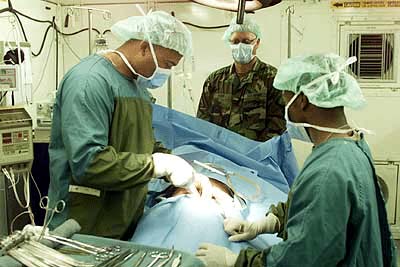
General surgery is a surgical specialty focused on the , preoperative, operative, and postoperative of patients with a broad spectrum of diseases and conditions requiring surgical intervention, particularly those affecting the abdominal organs including the , , small and large intestines, liver, , and biliary system, as well as the , , , head and , vascular system, endocrine system, , trauma, and critical care. This discipline serves as a foundational field in surgery, providing comprehensive care for both elective and procedures while often acting as the initial point of contact for complex surgical issues in community settings. General surgeons are trained to handle a wide range of conditions, such as hernias, , gallstones, , colorectal disorders, , and trauma-related injuries, utilizing both open and minimally invasive techniques like and . Training and may vary internationally. In the United States, training for general surgeons typically involves a minimum of five years of residency following medical school, with at least 54 months dedicated to clinical surgery, including focused experience in the principal components of the field and limited time in non-surgical disciplines to ensure broad expertise. Certification by bodies like the American Board of Surgery requires demonstration of knowledge in these areas through examinations and ongoing maintenance of skills. Many general surgeons pursue additional fellowships in subspecialties such as vascular surgery, colorectal surgery, or surgical oncology, but the core training equips them to adapt to evolving technologies and set standards for surgical care. Common procedures performed by general surgeons include appendectomies, cholecystectomies ( removal), hernia repairs, colectomies for colorectal issues, mastectomies or lumpectomies for conditions, and bariatric surgeries for management, often emphasizing and minimally invasive approaches to reduce recovery time. In trauma and critical care, general surgeons manage life-threatening emergencies, coordinating multidisciplinary teams to stabilize patients and perform urgent interventions. The field continues to evolve with advancements in surgical techniques, underscoring its role as a dynamic cornerstone of modern medicine.

Overview

Definition and principles

General surgery is defined as a surgical specialty that focuses on the operative, perioperative, and non-operative management of a broad spectrum of conditions affecting primarily the , , , and s, while excluding highly specialized fields such as , , and . General surgeons possess core knowledge in foundational areas including , , , , , , , shock and , intensive care, and neoplasia, which underpin their ability to address diverse surgical pathologies. Their expertise extends to nine principal components: the alimentary tract, and its contents, and endocrine system, and , head and , vascular system (excluding intracranial and cardiac), comprehensive trauma management, , and critical care for surgical patients. The core principles of general surgery emphasize comprehensive, patient-centered care that integrates , preoperative assessment, surgical intervention, and postoperative , including the handling of complications. Surgeons are responsible for ensuring across all phases, obtaining through clear communication, maintaining , and advocating for patients by addressing their psychological, social, and medical needs in a multidisciplinary context. This holistic approach prioritizes , ethical practice, and competence in both elective and emergent scenarios, often involving collaboration with other healthcare professionals to optimize outcomes. Key concepts in general surgery include the distinction between acute (emergency) surgery, which addresses immediate, life-threatening conditions like trauma or appendicitis requiring urgent intervention, and elective surgery, which is scheduled in advance for non-emergent issues such as tumor resections to improve quality of life. General surgeons often serve as surgical generalists, particularly in rural or underserved areas, where they manage up to 80% of local surgical needs, including trauma stabilization, routine procedures like cholecystectomies, and coordination with emergency services, thereby reducing the need for patient transfers to distant urban centers. The US faces a projected shortage of up to 23,000 surgeons by 2032, impacting access especially in rural areas.

Role in healthcare systems

General surgeons serve as pivotal in settings, particularly for surgical emergencies such as acute abdominal conditions, trauma, and other life-threatening scenarios that require immediate intervention. Their broad enables them to stabilize patients and coordinate multidisciplinary care, often acting as the initial point of contact in emergency departments and trauma units. , general surgeons perform a substantial volume of the approximately 50 million inpatient surgeries conducted annually (as of 2021). In terms of impact, general surgery contributes significantly to trauma care systems by improving outcomes through organized response protocols and reducing mortality from injuries, which affect millions globally each year. Additionally, general surgeons support programs by performing diagnostic procedures like biopsies and excisions following screenings for , colorectal, and other malignancies, helping to restore pre-pandemic screening volumes and address disparities in early detection. They also facilitate elective procedures in settings, such as hernia repairs and cholecystectomies, which enhance by preventing complications from common conditions. Global variations in general surgery practice highlight disparities between high-resource and low-resource settings. In high-resource environments like the , board-certified general surgeons operate within advanced systems, supported by specialized equipment and teams, performing complex elective and procedures. In contrast, low-resource settings in developing countries, often backed by (WHO) programs, emphasize basic life-saving surgeries such as cesarean sections, trauma repairs, and appendectomies, where access to safe care remains limited for about 5 billion people worldwide due to shortages in and trained personnel (as of 2025). These WHO initiatives prioritize essential surgical interventions to address unmet needs and reduce morbidity in resource-constrained areas. Economically, general surgery demonstrates high cost-effectiveness, particularly in managing common conditions that shorten hospital stays and avert costly complications. For instance, early surgical intervention for acute significantly reduces overall treatment costs compared to delayed management leading to and ; in the , median costs for uncomplicated cases are approximately $9,200 (2016-2017 data), while complicated cases add over $11,000 in incremental expenses. Similarly, timely repair of hernias prevents progression to incarceration or strangulation, lowering hospitalization durations and associated expenses, thereby optimizing resource allocation in healthcare systems.

History

Early developments

The origins of general surgery trace back to ancient civilizations, where early practitioners addressed wounds and injuries through empirical observation and basic techniques. In , the , dating to approximately 1600 BCE, represents the oldest known surgical text, detailing 48 cases of trauma with descriptions of wound management, including suturing, bandaging, and assessments of spinal injuries based on clinical examination rather than supernatural causes. This document emphasized prognosis and conservative treatments, laying groundwork for rational surgical approaches. Similarly, in around the 5th century BCE, advanced surgical principles by promoting detailed anatomical studies through dissection of animals and cadavers, while establishing ethical standards via the , which stressed non-maleficence and patient-centered care in procedures like trephination and fracture reduction. During the medieval and periods in , surgery evolved amid limited scientific understanding, often performed by non-physicians due to prohibitions on clerical involvement in bloodshed. Following the Fourth Lateran Council's decree in 1215, which separated surgery from religious duties, barber-surgeons emerged as key practitioners, handling routine interventions such as , tooth extractions, and amputations for gangrenous limbs in battlefield and civilian settings. These guild-based figures relied on rudimentary tools and to control bleeding, though outcomes were poor due to uncontrolled infections. A pivotal advancement came in the with French surgeon (1510–1590), who, serving as a military surgeon, rejected hot irons for after running out of cauterizing oil during a campaign; instead, he reintroduced ligatures—threads to tie off blood vessels—reducing pain and tissue damage in amputations, as detailed in his 1564 treatise on . The 18th and 19th centuries marked a transition toward formalized general surgery, driven by anatomical research and institutional reforms. Scottish surgeon John Hunter (1728–1793) conducted extensive studies on human and in the late 1700s, dissecting thousands of specimens to elucidate , , and , which informed safer operative techniques and elevated surgery's scientific status. This period saw the establishment of professional bodies, such as the Royal College of Surgeons in , granted a in 1800 to regulate training and practice, separating surgeons from barbers and fostering emerging specialization amid general practice. However, surgery faced profound challenges, including mortality rates exceeding 50% for amputations due to postoperative infections from unsterile conditions before antisepsis. Limited pain control persisted until 1846, when American dentist demonstrated ether inhalation as an anesthetic during a tumor resection at , enabling longer, more precise operations without patient agony.

Modern advancements

In the early 20th century, the principles of aseptic techniques pioneered by in the 1860s continued to profoundly influence surgical practice, evolving from sprays to rigorous sterilization protocols that minimized wound infections and enabled more complex operations. Concurrently, established the first formal surgical residency training program at in the 1890s, introducing a structured, graduated-responsibility model based on European systems that emphasized hands-on experience under supervision, fundamentally shaping modern surgical education worldwide. By the mid-20th century, the widespread availability of antibiotics, particularly penicillin following its in the , dramatically reduced postoperative rates, transforming from a high-risk endeavor to a safer procedure and allowing for broader indications including elective interventions. Post-World War II advancements in vascular techniques, such as sutureless methods developed by Arthur Blakemore in and refined during wartime applications, facilitated reliable vessel repairs, preserving limbs and organs that previously required or ligation. In the late 20th and early 21st centuries, emerged as a cornerstone of surgical innovation, exemplified by Joseph Murray's pioneering first successful transplant between identical twins in 1954 at Hospital, which demonstrated the feasibility of and laid the groundwork for immunosuppressive therapies. The rise of evidence-based surgery gained momentum through randomized controlled trials, such as the 1980 study by Jarvinen on early versus delayed for acute , which provided rigorous data to guide timing and reduce complications, promoting standardized protocols over anecdotal practices. This era also saw the origins of minimally invasive approaches like , initially applied to in the 1980s to shorten recovery times. Recent milestones include the integration of advanced imaging modalities, with computed tomography (CT) introduced in 1971 and in the mid-1970s, enabling precise preoperative planning by visualizing anatomical structures in three dimensions and reducing intraoperative surprises. Global standardization advanced further with the World Health Organization's Surgical Safety Checklist in 2009, a simple tool implemented across operating rooms that has been shown to decrease major complications by up to 36% and mortality by 47% through improved team communication and adherence to safety steps.

Scope and procedures

Trauma and emergency surgery

Trauma and emergency surgery within general surgery encompasses the acute management of life-threatening injuries and conditions, including blunt and penetrating trauma, hemorrhagic shock, and acute abdomen, where rapid intervention is essential to stabilize patients and prevent organ failure. Blunt trauma, often resulting from motor vehicle accidents or falls, can lead to solid organ injuries or mesenteric tears, while penetrating trauma, such as from gunshot or stab wounds, frequently involves visceral perforation and vascular damage. Hemorrhagic shock arises from uncontrolled bleeding, necessitating immediate resuscitation and source control, and acute abdomen may stem from peritonitis due to bowel rupture or ischemia. The scope prioritizes hemodynamic stabilization and definitive repair in unstable patients, guided by standardized protocols to optimize outcomes in high-stakes scenarios. A cornerstone of this field is the (ATLS) protocol, developed by the following a 1976 plane crash involving orthopedic surgeon James K. Styner, with the first course launched in 1978 to standardize initial trauma care. ATLS emphasizes a systematic approach to assessment and , ensuring airway patency, breathing adequacy, and circulation restoration before addressing other threats. Common procedures include , an open abdominal exploration performed under general anesthesia to identify and repair injuries like bleeding vessels or perforated organs in cases of instability or . , popularized in the 1990s by Michael F. Rotondo and colleagues, involves abbreviated operations with temporary measures such as abdominal packing and rapid closure to halt hemorrhage and contamination, allowing physiological in the before definitive repair. Key systems, such as the ABCDE approach—Airway, , Circulation, , and Exposure—enable rapid prioritization of interventions to address immediate threats like tension pneumothorax or uncontrolled . In managing specific injuries, splenic rupture, a frequent consequence of left-sided , is assessed via imaging or clinical signs of ; nonoperative management with is preferred in stable adults, while unstable cases require via to control hemorrhage. Bowel , often from penetrating injury or deceleration forces, presents with and mandates surgical exploration for resection and to prevent . These concepts underscore the balance between speed and precision in trauma care. Outcomes in modern trauma centers reflect improved survival through protocol adherence and multidisciplinary teams, with mortality rates for severe trauma ranging from 5% to 10%, compared to higher rates in non-designated facilities. General surgeons play a pivotal role in mass casualty events, leading , orchestrating , and performing life-saving procedures amid overwhelming patient volumes, as outlined in disaster management guidelines. In hemodynamically stable patients, minimally invasive techniques like may be considered for diagnostic exploration, though open approaches remain standard for emergencies.

Gastrointestinal and colorectal surgery

Gastrointestinal and colorectal surgery encompasses procedures addressing pathologies of the digestive tract from the to the , focusing on both benign and malignant conditions through diagnostic and therapeutic resections. These interventions aim to alleviate symptoms, prevent complications, and improve , often employing minimally invasive techniques to reduce recovery time. Upper gastrointestinal surgeries target esophageal and gastric disorders, while lower gastrointestinal and colorectal procedures address small and large bowel issues, including inflammatory and neoplastic diseases. In upper gastrointestinal surgery, esophagectomy remains the cornerstone for treating localized , involving removal of the and regional lymph nodes, typically followed by reconstruction using or bowel interposition. This procedure, feasible via open or minimally invasive approaches, achieves 5-year survival rates of 15-25% overall, with better outcomes in early-stage disease due to effective local control. For (GERD), laparoscopic wraps the gastric fundus around the lower to reinforce the antireflux barrier, yielding symptomatic relief in 80-95% of patients at long-term follow-up. The of peptic ulcers has transformed since the 1982 discovery of by Marshall and Warren, shifting from frequent surgical interventions like to targeted antibiotic eradication therapy, which cures the infection in over 80% of cases and drastically reduces recurrence rates. Lower gastrointestinal and colorectal surgeries include for conditions such as and (IBD), where sigmoid or segmental resection removes diseased bowel segments to prevent or obstruction. Elective after recurrent episodes results in symptom resolution in 76-88% of patients, with recurrence rates post-resection as low as 1-10%. Hemorrhoidectomy excises symptomatic hemorrhoidal cushions, providing durable relief from bleeding and , though it carries risks of postoperative (common, severe in up to 30%) and transient (1-10%). Screening colonoscopies play a pivotal role in colorectal cancer prevention by enabling polypectomy, which removes precancerous adenomas and reduces cancer incidence by approximately 20-70% and mortality by 30-80% in observational studies, though a 2022 randomized (NordICC) reported more modest effects with 18% lower incidence but no significant mortality reduction after 10 years. Key techniques in these surgeries involve bowel resection followed by to restore continuity, performed via hand-sewn or stapled methods to ensure secure healing. Staging for utilizes for and local tumor assessment, integrated into the TNM classification system where T describes depth of invasion, N nodal involvement, and M , guiding and surgical extent. Oncologic resections in this domain emphasize curative intent through , distinct from glandular tumor management elsewhere. Specific complications include anastomotic leaks, occurring in approximately 5-10% of colorectal cases, leading to or reoperation in severe instances due to impaired at the suture line. Enhanced recovery after surgery (ERAS) protocols, introduced in the early for colorectal procedures, incorporate multimodal elements like preoperative , minimized opioids, and early mobilization, reducing hospital length of stay by 2-3 days and morbidity by up to 50% in GI patients.

Breast, endocrine, and oncologic surgery

Breast surgery within general surgery primarily addresses diseases of the breast, most notably , which accounted for approximately 2.3 million new cases globally in 2022. Surgical options include , which removes the tumor and a margin of surrounding healthy tissue while preserving the breast, and , which involves complete removal of the breast tissue to excise the malignancy. These procedures are selected based on tumor size, location, and patient preferences, with often followed by to achieve equivalent outcomes to in early-stage disease. A key advancement in breast cancer management is the sentinel lymph node biopsy (SLNB), developed in the early 1990s at institutions like the Cancer Institute, which identifies the first draining the tumor to assess without full axillary dissection. This technique reduces morbidity such as while maintaining staging accuracy. Post-mastectomy restores form and symmetry, with options including implant-based methods using saline or prosthetics or autologous tissue flaps from the or back. Endocrine surgery focuses on glands regulating production, emphasizing procedures that address tumors or hyperfunction while aiming to preserve hormonal balance postoperatively through replacement therapy if necessary. , the removal of all or part of the gland, treats benign conditions like nodules and goiter that cause compression or cosmetic concerns, as well as malignancies. targets by excising overactive parathyroid glands, which overproduce leading to elevated calcium levels; this curative surgery normalizes in nearly all cases. removes adrenal tumors, such as pheochromocytomas or adenomas, which can secrete excess hormones like or catecholamines, and is performed laparoscopically for most benign lesions to minimize recovery time. In surgical oncology, general surgeons contribute to multidisciplinary cancer care by performing procedures for staging, which determines disease extent through biopsies and resections, and , which reduces tumor burden to enhance adjuvant therapies. A seminal example is the Whipple procedure () for pancreatic head cancers, involving resection of the pancreatic head, , , and to achieve potential cure in resectable cases. integrates with and in a multimodal approach, where neoadjuvant therapies shrink tumors preoperatively for better resectability, and adjuvant treatments follow to target microscopic disease, improving survival across various cancers.

Subspecialties

Vascular surgery

Vascular surgery, as a within general , primarily addresses non-cardiac vascular pathologies involving arteries, veins, and lymphatic vessels outside the heart and brain's major intracranial supply. It focuses on the management of (PAD), which affects blood flow to the limbs due to , leading to symptoms like and critical limb ischemia; aortic and peripheral aneurysms, where weakened vessel walls risk rupture; and venous disorders such as and . These conditions are treated through a combination of open surgical repairs, endovascular interventions, and medical management to restore perfusion, prevent complications, and improve . Key procedures in vascular surgery include , one of the early successful operations performed in 1953 by , which removes atherosclerotic plaque from the to prevent ischemic strokes by restoring luminal patency. Varicose vein stripping involves ligation and removal of the to alleviate symptoms of venous reflux, typically performed under general or through small incisions. Arteriovenous fistula creation surgically connects an artery to a vein, usually in the arm, to provide durable access for patients with end-stage renal disease, maturing over 6-8 weeks to support high-flow dialysis. Endovascular aneurysm repair (EVAR), introduced in 1991 by Juan Parodi, deploys a stent-graft via to exclude abdominal aortic aneurysms from circulation, reducing rupture risk with shorter recovery than open . Diagnostic evaluation often relies on Doppler ultrasound, a non-invasive imaging modality that assesses blood flow velocity and direction to detect stenoses, occlusions, or venous incompetence with high sensitivity. Surgical interventions frequently utilize graft materials, where autologous veins like the saphenous are preferred for small-diameter vessels due to better patency and reduced infection risk compared to synthetic options such as Dacron or PTFE, which are favored for larger conduits. A common complication is restenosis, the re-narrowing of treated vessels, often managed with re-intervention or stenting. In community settings, general surgeons perform approximately 46% of all vascular procedures, particularly non-complex cases like dialysis access and varicose vein treatments, bridging gaps in specialized care.

Transplant surgery

Transplant surgery within general surgery encompasses the , implantation, and long-term management of solid organs, primarily , livers, and pancreases, to treat end-stage organ failure. The field originated with ethical and technical milestones that addressed donor viability and rejection risks; the first successful kidney transplant occurred in 1954 between identical twins Ronald and Richard Herrick, performed by Joseph E. Murray at Peter Bent Brigham Hospital in , marking the initial breakthrough in human organ transfer without immediate rejection. This was followed by the 1968 Harvard Ad Hoc Committee's report, "A Definition of Irreversible ," which established criteria—unreceptivity, unresponsiveness, absence of reflexes, and electroencephalographic silence—to ethically enable deceased donor while protecting vital functions. These foundations facilitated organized systems like the (UNOS), created under the 1984 National Organ Transplant Act to manage allocation, matching, and data collection for equitable distribution across the U.S. Major procedures include kidney, liver, and pancreas transplants, often performed as isolated or combined operations; for instance, simultaneous pancreas-kidney transplantation addresses type 1 diabetes with renal failure, while multi-organ chains, such as kidney paired donation programs, enable swaps among incompatible living donor-recipient pairs to maximize matches. Deceased donor protocols involve brain-dead or donation-after-circulatory-death procurement, coordinated through UNOS to preserve organs via cold perfusion and rapid transport, whereas living donor protocols emphasize preoperative evaluation for compatibility and consent, with kidneys commonly sourced from relatives due to organ regeneration potential. Liver transplants typically use deceased donors for whole-organ replacement, though living donors can provide partial lobes; pancreas transplants are rarer, usually simultaneous with kidney due to vascular complexity. Technical details center on vascular anastomoses to restore blood flow: in kidney transplantation, the renal artery is anastomosed end-to-side to the recipient's external iliac artery, and the renal vein to the iliac vein, using interrupted or continuous sutures under magnification to minimize ischemia time. Orthotopic liver transplantation, pioneered by Thomas E. Starzl in the 1960s with the first human procedure in 1963 and refined successes by 1967, involves replacing the native liver in situ, with anastomoses of the donor hepatic artery to the recipient's common hepatic artery, portal vein end-to-end, and supra- and infrahepatic inferior vena cava cuffs. Pancreas implantation requires arterial anastomosis of the donor superior mesenteric and splenic arteries (often via Y-graft) to the recipient's iliac vessels and venous drainage to the iliac vein or portal system. Post-operative care focuses on to prevent rejection, monitoring for acute (T-cell mediated, occurring within weeks via biopsy-proven ) versus chronic (fibrosis-driven, gradual over years) allograft injury through serial serum , biopsies, and protocol imaging. prophylaxis is critical due to T-cell suppression, involving antibiotics like trimethoprim-sulfamethoxazole for and antivirals for , with routine surveillance cultures and adjusted dosing to balance graft protection against opportunistic pathogens. One-year patient survival rates for transplants exceed 97% based on 2023 OPTN data for recipients transplanted in 2016-2018, reflecting advances in perioperative management and matching. Long-term outcomes emphasize multidisciplinary follow-up to optimize graft function and quality of life.

Pediatric surgery

Pediatric surgery represents a of general surgery dedicated to the and operative treatment of surgical conditions in infants, children, and adolescents, with a particular emphasis on adapting techniques to the unique physiological and anatomical needs of younger patients. It emerged as a formalized field in the mid-20th century, gaining significant traction in the as became a better-defined area within general surgery, driven by the need to address high mortality from congenital anomalies in newborns. Advances in during this period, including improved airway control through and the introduction of safer agents like , enabled operations on younger and sicker patients, transforming outcomes from high-risk procedures with 30% survival rates to more viable interventions. Formal recognition followed with the establishment of the American Pediatric Surgical Association in 1970 and board certification by the American Board of Surgery in 1973, marking its evolution into a distinct . The scope of pediatric surgery prominently includes the management of congenital defects, which often require neonatal intervention to prevent life-threatening complications. For instance, hypertrophic , a condition causing in infants typically presenting between 2 and 8 weeks of age, is managed surgically through , where the thickened pyloric muscle is incised to relieve the obstruction, often via a laparoscopic approach using small incisions to minimize trauma. Intussusception, a telescoping of the intestine that leads to and ischemia, is another common anomaly addressed in this ; while non-surgical reduction is first-line, surgical intervention is indicated if reduction fails, involving manual detorsion and resection if necrosis is present. Neonatal surgery for , frequently associated with , centers on primary to restore esophageal continuity, with survival rates improving to over 90% in modern practice due to refined techniques and supportive care. Key procedures in pediatric surgery include for acute and repairs, both adapted to accommodate the smaller anatomy and higher vulnerability of pediatric patients. in children is predominantly performed laparoscopically through a few tiny incisions under general , allowing for rapid recovery and same-day or next-day discharge in non-perforated cases, with dissolvable internal sutures to avoid foreign body reactions. repairs, such as for inguinal hernias, typically involve high ligation and excision of the patent processus vaginalis via a small 1-2 cm incision in the inguinal crease, or minimally invasive laparoscopic needle-assisted closure using a 5-mm to precisely suture the internal ring while preserving cord structures like the . These techniques incorporate extracorporeal or intracorporeal methods to navigate limited space, reducing tissue disruption in delicate pediatric tissues. Unique aspects of pediatric surgery emphasize growth considerations, infection risks, and tailored outcomes to support long-term development. Repairs are designed to avoid impeding somatic growth, such as using flexible or absorbable materials in hernia closures to prevent restriction as the child matures, with studies showing normalized height and weight acceleration post-repair in conditions like congenital heart defects that parallel general surgical principles. Children face higher infection risks due to immature immune systems and factors like prolonged ventilation or nutritional support, contributing to surgical site infections in up to 5% of cases in resource-limited settings, though overall rates remain low at 2% or less in optimized environments. Outcomes for common procedures like pediatric hernia repairs demonstrate success rates exceeding 95%, with 0% recurrence in controlled trials and minimal complications such as wound infection or scrotal edema, underscoring the efficacy of age-specific adaptations.

Techniques and innovations

Open and laparoscopic approaches

Open surgery, the traditional cornerstone of general surgery, involves creating a larger incision—such as a midline —to provide direct access to the for exploration, organ manipulation, and precise intervention. This approach dominated general surgical practice throughout the and into the early , enabling surgeons to rely on tactile feedback for assessing tissue texture, margins, and , which is particularly valuable in and complex scenarios. The advent of laparoscopic surgery revolutionized general surgery by introducing minimally invasive techniques that reduce tissue trauma while maintaining efficacy. The first laparoscopic , a procedure to remove the , was performed by Philippe Mouret on March 17, 1987, in , , during an adhesiolysis for a patient with gallbladder stones. This milestone built on earlier developments, including pneumoperitoneum creation via insufflation to distend the for visualization, and the use of trocars—sleeved ports inserted through small incisions—to accommodate a laparoscope and specialized instruments for intracorporeal manipulation. Compared to open surgery, laparoscopy generally yields faster recovery and shorter hospital stays, with patients resuming normal activities in approximately 6.4 days versus 13.1 days for open procedures, and average inpatient durations of 2.1 days versus 4.4 days. Conversion from laparoscopic to open surgery occurs in 5-10% of cases nationwide, often necessitated by factors like dense adhesions, obscure anatomy, or intraoperative bleeding that compromise visualization or safety. Despite these advantages, open surgery remains preferred in highly complex cases, such as extensive adhesions from prior operations, where enhanced access and manual dexterity are essential. In specific applications, laparoscopic appendectomy emerged as the gold standard for acute by the late 1990s, with adoption rates surpassing 95% in many healthcare systems by the 2010s, reflecting its safety and effectiveness for both uncomplicated and complicated cases. Similarly, laparoscopic repair via the totally extraperitoneal (TEP) approach has become widely utilized, involving preperitoneal dissection through three trocars to place a prosthetic over the myopectineal orifice without entering the , thereby minimizing intra-abdominal risks.

Robotic and minimally invasive surgery

Robotic surgery represents a significant advancement in minimally invasive techniques within general surgery, enabling enhanced precision and control through telemanipulated systems. The , developed by , received FDA approval in 2000 for general laparoscopic procedures, marking the introduction of the first commercially available robotic platform in the United States. This system features multi-jointed robotic arms that mimic human wrist movements, providing three-dimensional visualization and tremor filtration, which improve dexterity in confined anatomical spaces. In colorectal resections, the da Vinci system offers advantages in handling complex pelvic dissections, with studies showing lower complication rates and improved surgical accuracy due to enhanced instrument maneuverability. Beyond robotic platforms, other minimally invasive approaches have expanded the scope of general surgery. Endoscopic surgery, particularly natural orifice transluminal endoscopic surgery (), emerged experimentally in the early 2000s, with initial feasibility demonstrations in animal models presented in 2000. NOTES involves accessing the through natural body orifices like the or , avoiding abdominal incisions to potentially reduce postoperative pain and scarring; however, it remains largely investigational due to challenges in safe closure and infection control. Single-incision laparoscopic surgery (SILS), another innovation, performs procedures through a single umbilical port, minimizing port-site complications such as hernias and infections while maintaining the benefits of reduced invasiveness. This technique has been applied in general surgeries like cholecystectomies and appendectomies, offering cosmetic advantages and comparable to multi-port . Adoption of robotic surgery in the United States has grown steadily, with approximately 15% of general surgery procedures incorporating robotic assistance by 2023 and reaching 20-30% by 2025, reflecting a rise from 1.8% in 2012. This expansion is driven by institutional investments in robotic infrastructure, including emerging systems like the Hugo and Asensus Senhance, though initial costs for systems like da Vinci—often exceeding $1 million per unit—pose barriers. Cost-benefit analyses indicate that while robotic procedures incur higher upfront expenses due to equipment and maintenance, these are offset by reduced complications, shorter hospital stays, and lower long-term healthcare costs, rendering the approach cost-effective in select high-volume centers. For instance, evaluations from payer perspectives have shown incremental cost-effectiveness ratios favoring robotics over open surgery when accounting for improved quality-adjusted life years. Looking ahead, the integration of (AI) into robotic systems holds promise for further refining minimally invasive surgery. AI-assisted navigation could enable real-time tissue identification and automated adjustments for optimal instrument paths, enhancing precision in dynamic procedures like colorectal resections. Additionally, virtual reality-based training simulators are increasingly utilized to build proficiency in minimally invasive techniques, allowing surgeons to practice complex robotic maneuvers in simulated environments without patient risk. These developments, supported by ongoing , aim to broaden accessibility and standardize skills across general surgical practices.

Training and certification

Educational pathways

Aspiring general surgeons typically begin their educational journey with undergraduate preparation focused on coursework. , this involves earning a , often in a science-related field such as or chemistry, to fulfill the prerequisites for admission. Common requirements include one year each of and English, and two years of chemistry (including ), though specific courses may vary by institution and some schools adopt competency-based admissions without mandating exact classes. A strong grade point average in these foundational sciences is essential, as it demonstrates readiness for the rigors of . Admission to medical school also requires performance on the (MCAT), a standardized exam administered by the Association of American Medical Colleges (AAMC) that evaluates knowledge in natural, behavioral, and social sciences, along with critical thinking and problem-solving abilities pertinent to medicine. The MCAT is a key component of applications to (MD) or (DO) programs, which are the primary pathways to surgical training in the U.S. Medical school consists of a four-year divided into preclinical and clinical phases. The first two years emphasize foundational sciences, including , , biochemistry, and , through lectures, labs, and small-group sessions to build conceptual understanding of and processes. In the subsequent two years, students engage in clinical clerkships, rotating through core specialties such as , , obstetrics-gynecology, , and ; these rotations provide hands-on exposure to patient care, including surgical procedures, preoperative evaluation, and postoperative management, fostering basic operative skills like suturing and assisting in the operating room. For those interested in general surgery, excelling in the surgery clerkship and pursuing elective rotations in subspecialties like trauma or gastrointestinal surgery are crucial to gaining relevant experience and strong letters of recommendation. To qualify for residency, medical students must pass licensing examinations that assess their readiness for advanced training. In the U.S., this includes the , taken after the preclinical years to evaluate understanding of basic sciences, and Step 2 Clinical Knowledge (CK), completed during or after clinical rotations to test clinical application of medical knowledge in diagnosis and management. Eligibility for these exams requires enrollment in or graduation from an accredited , with a limit of three attempts within 12 months per step. Internationally, equivalents such as the in the serve a similar purpose for international medical graduates, verifying knowledge and skills comparable to a UK doctor at the start of their second foundation year through a written exam and practical . Entry into general surgery residency is highly competitive and occurs through centralized matching programs. In the U.S., the (NRMP) facilitates this process, where applicants submit ranked preferences and programs select candidates based on academic performance, exam scores, clerkship evaluations, and interviews; in the 2025 Main Residency Match, general surgery offered 1,778 PGY-1 positions with 2,529 applicants preferring the specialty (as of 2024 data; 2025 full preference data pending detailed release), yielding approximately 1.4 applicants per position and a 99.8% fill rate. This selection emphasizes not only scholastic achievement but also demonstrated interest in through research, leadership, and clinical exposure during medical school. Internationally, training varies; for example, in , general surgery residency is 5 years, overseen by the Royal College of Physicians and Surgeons of Canada.

Residency and fellowship programs

In the United States, general surgery residency is a five-year postgraduate program accredited by the Accreditation Council for Graduate Medical Education (ACGME), comprising 60 months of training with progressive responsibility from intern to chief resident levels. Trainees advance through graded supervision, starting with direct oversight in early years and transitioning to independent management of complex cases as chief residents in the PGY-5 year, ensuring competence in patient care continuity and decision-making. Recent ACGME updates emphasize competency-based assessments and enhanced simulation training. To graduate, residents must complete a minimum of 850 major cases as the operating , including at least 250 cases by the start of PGY-3, 200 as senior (chief) , and 25 as teaching assistant. The residency curriculum emphasizes rotations across essential content areas, including trauma and emergency surgery, gastrointestinal procedures, and oncologic interventions, with at least 42 months dedicated to these core experiences and 54 months overall in clinical surgery settings. Programs incorporate simulation-based training in dedicated labs to develop technical skills such as suturing, laparoscopic techniques, and non-technical competencies like and , tailored to each postgraduate year () level. Successful completion qualifies residents for American Board of Surgery (ABS) examinations, beginning with the Qualifying Examination (a multiple-choice assessment of surgical knowledge) followed by the oral Certifying Examination evaluating clinical judgment. Post-residency fellowships, typically lasting 1-2 years, provide advanced training in subspecialties such as , , , and transplant surgery, allowing specialization beyond . For example, colorectal surgery fellowships focus on advanced anorectal and inflammatory bowel procedures, with U.S. MD graduates achieving an approximately 80% match rate in recent (NRMP) cycles. International variations exist, such as the United Kingdom's program, which combines 2 years of core surgical training with 6 years of higher specialty training in general surgery, totaling 8 years of postgraduate surgical education. Certification by the ABS requires completion of an ACGME-accredited residency, passage of both examinations, and adherence to ongoing . Maintenance of certification occurs through the ABS Continuous Certification program, involving 90 Category 1 (CME) credits every 3 years (with at least 60 including ), practice improvement activities, and cognitive assessments biennially, ensuring lifelong competence without a fixed 10-year renewal cycle.

Technological integrations

(AI) and (ML) have become integral to general surgery by enhancing for postoperative complications. Models developed using large datasets, such as those from the National Surgical Quality Improvement Program (ACS NSQIP), enable surgeons to forecast risks like infections with high accuracy; for instance, k-nearest neighbors algorithms have achieved 82% accuracy in predicting major complications, including surgical site infections, by analyzing preoperative variables like levels and cancer-related obstructions. These tools outperform traditional risk calculators, with automated ML models demonstrating an area under the curve (AUROC) of 0.956 for 30-day mortality prediction across general surgery cases, allowing for proactive interventions that reduce adverse events. Intraoperatively, AI provides real-time decision support by recognizing surgical phases and anatomical landmarks; in laparoscopic , AI systems identify dissection zones with 88.9% accuracy, aiding in safer navigation and reducing errors during procedures like , where step recognition reaches 82% precision. Advanced imaging technologies, particularly intraoperative ultrasound and fluorescence-guided approaches, have transformed surgical precision since the 2010s. Intraoperative ultrasound facilitates real-time visualization of structures during procedures, complementing traditional methods for tumor localization and vascular assessment in general . Fluorescence-guided using indocyanine green (ICG) dye enables dynamic evaluation; administered intravenously, ICG fluoresces under near-infrared light to highlight tissue viability, reducing anastomotic leaks in colorectal resections by allowing surgeons to resect poorly margins—supported by phase III trials like the IntAct study, which demonstrated clinical benefits in imaging during oesophagectomy and gastric procedures. This technique, adopted widely post-2018 randomized controlled trials, improves outcomes by providing objective data over subjective , with applications in over 20 surgical specialties including emergency general for bowel . Telemedicine has expanded access to general surgical care, particularly through remote consultations that bridge gaps in rural areas following the . Usage surged 766% in early 2020, stabilizing at about 5% of total claims by 2021, with relaxed regulations enabling home-based video assessments for preoperative evaluations and follow-ups, thus minimizing travel burdens for underserved populations. Robotic telementoring has further advanced this integration post-2020, allowing expert surgeons to provide real-time guidance via and 5G-enabled platforms in low-resource settings; systems like SurgTime facilitate skill transfer in laparoscopic general surgery, enhancing training without physical presence and addressing infrastructure challenges in rural or remote clinics. Adoption of these technologies reflects broader trends in surgical efficiency, with evidence from databases like ACS NSQIP underscoring their impact on outcomes. As of October 2025, 66% of U.S. physicians use healthcare AI, representing a 78% increase since 2023, though in surgery remains lower at approximately 22-27% in health systems and organizations implementing domain-specific tools. These integrations, validated through large-scale trials, prioritize operational benefits like reduced operative times and improved without delving into broader societal concerns.

Ethical and global issues

Ethical principles in general surgery emphasize patient autonomy, beneficence, and non-maleficence, with serving as a cornerstone that requires surgeons to disclose risks, benefits, and alternatives before procedures. In emergency situations, obtaining full can be challenging due to time constraints and patient incapacity, yet ethical guidelines mandate or surrogate decision-making to balance urgency with respect for autonomy. The (ACS) Statements on Principles underscore that extends beyond legal requirements to foster trust in the surgeon-patient relationship, while the American Board of Surgery (ABS) Code of Ethics, updated in 2024, requires surgeons to provide compassionate, evidence-based care free from bias. Surgeon-patient conflicts often arise in end-stage cases involving futility, where prolonging life may conflict with quality-of-life goals; the ACS Code of Ethics advises clear communication and adherence to advance directives to resolve such dilemmas ethically. Global disparities in surgical access highlight profound inequities, particularly in low- and middle-income countries, where an estimated 5 billion people—over two-thirds of the global population—lack timely, safe, and affordable surgical and care, contributing to preventable deaths from conditions like trauma and obstetric complications and an unmet need of at least 160 million operations annually as of 2025. This surgical backlog exacerbates morbidity in resource-limited settings, with low-income regions bearing the highest burden relative to other gains. Initiatives such as Operation Hernia Repair address these gaps by providing training and low-cost interventions for common procedures like repairs in underserved areas, aiming to build local capacity and reduce long-term disparities. Key challenges in general surgery include surgeon burnout, which affected approximately 45% of physicians overall in 2023 but declined to 43% by 2024, though up to 60% of trauma surgeons continue to experience high rates driven by workloads, emotional demands, and work-life imbalances. Equity in access remains uneven, with increasing subspecialization concentrating expertise and potentially limiting care for general surgical needs in underserved populations, while racial and ethnic minorities face barriers in training and retention. Additionally, surgical waste contributes significantly to environmental harm, as operating rooms generate 20-33% of waste and emit substantial greenhouse gases, with global surgery's estimated at 9.7 million tonnes of CO2 equivalent annually, underscoring the need for sustainable practices. Policy responses have focused on systemic reforms, including the World Health Organization's (WHO) Global Initiative for Emergency and Essential Surgical Care, launched to promote access to basic surgical services through multidisciplinary stakeholder engagement and integration into primary health systems. The 2015 Lancet Commission on Global Surgery further catalyzed international efforts by outlining scalable solutions for universal surgical coverage by 2030. Efforts to enhance workforce diversity include increasing female representation in surgery, which reached about 23% of active general surgeons by 2024, supported by targeted and programs to address gender inequities.

References

Add your contribution
Related Hubs
User Avatar
No comments yet.