Hubbry Logo
MooneyeMooneyeMain
Open search
Mooneye
Community hub
Mooneye
logo
8 pages, 0 posts
0 subscribers
Be the first to start a discussion here.
Mooneye
Mooneye
from Wikipedia

Mooneye
Temporal range: Ypresian - Recent 49.5–0 Ma
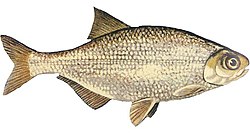
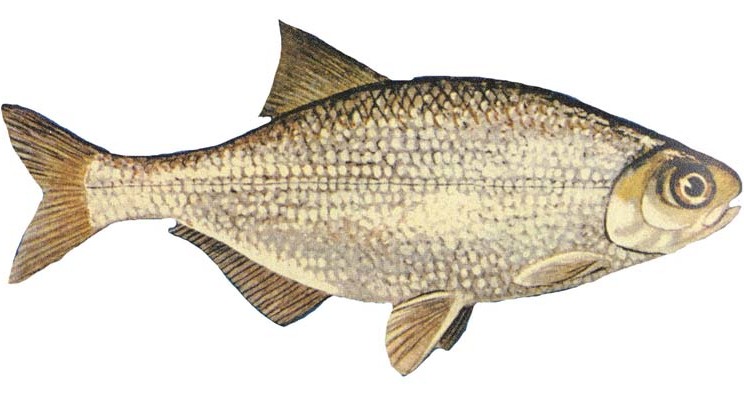
Hiodon tergisus
Scientific classification Edit this classification
Kingdom: Animalia
Phylum: Chordata
Class: Actinopterygii
Order: Hiodontiformes
Family: Hiodontidae
Cuvier & Valenciennes, 1846
Genus: Hiodon
Lesueur, 1818
Species
Synonyms
  • Amphiodon Rafinesque, 1819
  • Clodalus Rafinesque, 1820
  • Elattonistius Gill & Jordan, 1877
  • Eohiodon Cavender, 1966
  • Glossodon Rafinesque, 1818

Hiodontidae, commonly called mooneyes, is a family of ray-finned fish with a single included genus Hiodon. The genus comprise two extant species native to North America and three to five extinct[1] species recorded from Paleocene to Eocene age fossils. They are large-eyed, fork-tailed fish that superficially resemble shads. The vernacular name comes from the metallic shine of their eyes.

The higher classification of the mooneyes is not yet fully established. Some sources have place them in their own order, Hiodontiformes, while others retain them in the order Osteoglossiformes.

Species

[edit]

The goldeye, Hiodon alosoides, is widespread across eastern North America, and is notable for a conspicuous golden iris in the eyes. It prefers turbid slower-moving waters of lakes and rivers, where it feeds on a wide variety of organisms including insects, crustaceans, small fish, and mollusks. The fish has been reported up to 52 centimetres (20 in) in length.

The positive and negative plates of a hiodon falcatus fossil from the Green River Formation

The mooneye, Hiodon tergisus, is also widespread across eastern North America, living in the clear waters of lakes, ponds, and rivers. It consumes aquatic invertebrates, insects, and fish. Mooneyes can reach 47 centimetres (19 in) in length.

An Early Eocene, Ypresian to Late Eocene, Lutetian species. Hiodon woodruffi was described from fossils found in the Klondike Mountain Formation, Washington and Horsefly shale, British Columbia. Further finds have increased the known paleogeographic range to include the Kishenehn Formation of northwestern Montana.

References

[edit]
Revisions and contributorsEdit on WikipediaRead on Wikipedia
from Grokipedia
The mooneye (Hiodon tergisus) is a medium-sized belonging to the family Hiodontidae, characterized by its silvery, laterally compressed body, large metallic eyes, and prominent teeth on the jaws, roof of the mouth, and tongue. Reaching lengths of up to 15 inches (38 cm) and weights of up to 2 pounds (0.9 kg), though typical adults measure 9–12 inches (23–30 cm) and weigh about 0.5 pounds (0.23 kg), it features a fleshy along the belly midline between the pelvic and anal fins, and a triangular axillary process at the base of the pelvic fin. Native to eastern , the mooneye is distributed across the St. Lawrence-Great Lakes basin (excluding ), the basin, and Hudson Bay drainages from to in and southward through the central United States. It prefers clear, open waters in large rivers, lakes, and reservoirs, often inhabiting deep pools, backwaters, and quieter areas, though it actively feeds in swift currents over firm bottoms. As a surface-feeding species, it consumes , other , and small fishes, with spawning occurring in early spring when floating eggs are dispersed by water currents. Although not commercially fished on a large scale, the mooneye is recognized as a gamefish in some regions due to its sporting value and distinctive appearance.

Taxonomy and classification

Family and genus

Mooneyes are classified in the family Hiodontidae, which is the sole family in the order Hiodontiformes, a group within the subclass of the class Teleostei. This order represents a primary freshwater lineage, with Hiodontidae containing a single extant , Hiodon, encompassing the two living of mooneyes. The family Hiodontidae traces its evolutionary origins to an ancient lineage, with records dating back to the late Eocene epoch approximately 34–56 million years ago, though phylogenetic analyses suggest an earlier divergence in during the . Hiodontiformes are considered basal within the superorder Osteoglossomorpha, exhibiting primitive traits such as cycloid scales, a generalized laterally compressed body form, and a positioned directly above the anal fin base. Members of Hiodontidae are distinguished by their large eyes, herring-like appearance, deeply forked caudal fin, and the presence of prominent teeth on the jaws, , and , along with 7–10 branchiostegal rays and 54–61 scales in the lateral series. Unlike the related family (herrings and shads), hiodontids lack sharp, spiny scutes along the ventral midline of the belly and feature a dorsal fin origin opposite or behind the anal fin rather than far forward.

Species

The genus Hiodon comprises two extant species: the American mooneye (H. tergisus) and the (H. alosoides). These species are the only living members of the family Hiodontidae, though they are occasionally confused due to superficial similarities in appearance. The American mooneye (Hiodon tergisus), described by Lesueur in , is native to eastern , occurring in the St. Lawrence-Great Lakes (except ), , and basins from to in and southward to the . It possesses a silvery body and large eyes exhibiting a metallic shine. The goldeye (Hiodon alosoides), described by Rafinesque in 1819, occupies a broadly similar range across eastern and central North America but extends farther westward into drainages such as those of the Saskatchewan River and Mackenzie River systems in Canada. This species is distinguished by its golden-hued iris and more elongate body form. Notable differences between the species include the American mooneye's more oblique mouth and absence of the goldeye's pronounced ventral , which extends anteriorly beyond the pelvic fin bases in the latter; these traits aid in distinguishing the two despite occasional identification challenges. Fossil relatives of Hiodon, such as †Hiodon consteniorum, are known from deposits, including the Eocene formations of western .

Physical characteristics

Morphology

Mooneyes in the family Hiodontidae possess a deep body that is strongly laterally compressed, often described as slab-sided, facilitating maneuverability in open water. This body form is complemented by a forked caudal , which aids in propulsion. The is positioned posteriorly relative to herrings, originating anterior to the base of the anal fin, a feature along with the presence of a that helps distinguish mooneyes from herrings. The head of mooneyes features prominently large eyes, the source of their due to the reflective, metallic shine of the iris, which appears silvery. These eyes are adapted for low-light conditions, containing only rod cells without cones, enabling effective vision during crepuscular or turbid water feeding. The mouth is small and oblique, equipped with prominent teeth on the jaws, (anterior end), , tongue, and basibranchials, supporting a predatory . Fins in mooneyes include cycloid scales covering the body, which are smooth-edged and lack serrations. The pelvic fins bear a distinctive small triangular axillary process at their base, while there is no adipose fin present. The anal fin is long-based, with 26-32 rays, contributing to stability in the water column. Internally, mooneyes are equipped with a that provides , essential for maintaining position in pelagic zones of rivers and lakes. Sensory adaptations, particularly the large eyes suited for dim environments, further support their in low-visibility habitats.

Size and coloration

Adult mooneyes (Hiodon tergisus) typically reach lengths of 28–38 cm (11–15 inches) and weights of 0.45–0.9 kg (1–2 pounds), though maximum recorded lengths extend to 46 cm (18 inches). These dimensions reflect the species' moderate size within the Hiodontidae family, with common lengths around 28 cm in most populations. Growth is rapid during the first year, when juveniles can attain lengths of up to 20 cm (8 inches), before slowing in subsequent years. though no pronounced differences in coloration occur between sexes. The body exhibits a silvery coloration on the sides with a metallic sheen, complemented by a dusky green-gray back and a white belly. Large, reflective eyes are a hallmark feature, appearing silver in mooneyes (contrasting with the golden hue in the related goldeye, Hiodon alosoides), and are partially covered by an adipose eyelid. Juveniles display paler overall tones compared to adults. In preserved specimens, these colors often fade, resulting in a more uniform dull silver appearance.

Habitat and distribution

Geographic range

The mooneye (Hiodon tergisus) is native to eastern . Its range spans the St. Lawrence-Great Lakes basin (except ), the basin, and Hudson Bay drainages from to in and southward through the central United States to . It also occurs in Gulf Slope drainages such as the Mobile and Pearl rivers in and , with isolated populations in the Chattahoochee and Altamaha rivers in Georgia. Introduced populations of the mooneye are not widespread, limited to occasional translocations into reservoirs and non-native basins such as the system in , , , and . Historically, mooneye distributions have experienced slight contractions in the due to loss from construction, , and channelization, particularly in the and northeastern U.S. watersheds, though the overall range remains stable across much of . Core populations in major river basins persist without broad extirpations.

Preferred habitats

The mooneye inhabits clear, temperate freshwater environments, primarily large rivers, lakes, and reservoirs characterized by low and firm substrates such as or . It favors medium to large river systems with interconnecting lakes, where supports its visual behavior. Within these habitats, the mooneye preferentially occupies deep pools, backwaters, and areas with swift currents, often positioning itself near the surface in open water while avoiding heavily vegetated or muddy bottoms. It is frequently observed in non-flowing sections but also utilizes flowing waters with moderate currents, thriving in swift tailwaters downstream of locks and dams. The mooneye exhibits intolerance to high , which limits its distribution to clearer aquatic systems. Optimal water quality for the mooneye includes temperatures ranging from 50–77°F (10–25°C), with a preferred temperature around 23.5°C for adults and well-oxygenated conditions to support its active lifestyle. It tolerates moderate currents but avoids rapids or high-velocity flows that disrupt its preferred microhabitats. Habitat use shifts seasonally, with the mooneye moving to deeper lake waters during summer and favoring shallower river areas in spring. These patterns align with its need for stable, clear conditions across temperate North American freshwater systems.

Biology and ecology

Feeding habits

Mooneye (Hiodon tergisus) are primarily insectivorous, with their diet consisting mainly of aquatic and terrestrial insects such as corixids (water boatmen), larval mayflies (Ephemeroptera), caddisflies (Trichoptera), midges (Chironomidae), beetles (Coleoptera), and other orders including dipterans, odonatans, plecopterans, and hymenopterans. Stomach content analyses indicate that corixids are particularly dominant, occurring in approximately 80% of non-empty stomachs and comprising the bulk of ingested material by volume. Young mooneye in their first year focus on benthic insect larvae, including mayflies, caddisflies, and midges, transitioning to adult insects like corixids by mid-summer. Adults occasionally consume crustaceans such as amphipods and crayfish, as well as filamentous algae, plant materials, and detritus, though these form a minor portion of the diet. As surface or near-surface feeders, mooneye employ visual foraging strategies, relying on their large eyes to detect prey in low-light conditions such as dawn, , or days. Their small, oblique mouth is equipped with prominent teeth on the jaws, roof of the mouth, and , which are suited for grasping small, mobile prey like . Foraging is opportunistic and occurs year-round, with peaks in feeding activity during spring (April–June) and fall (September–November), when stomach fullness and content weights are highest; adult males exhibit particularly high intake during the autumn peak. Diet composition shows seasonal shifts, with greater reliance on aerial in warmer months and reduced variety under cover in winter. In the aquatic , mooneye occupy a mid-level trophic position as predators of , helping to control populations in riverine and lacustrine ecosystems. They serve as prey for larger piscivorous such as (Sander vitreus), (Sander canadensis), and (Esox lucius), as well as fish-eating birds. Stomach analyses of adults reveal that constitute 70–80% of the diet by , underscoring their role as key insectivores with limited piscivory.

Reproduction and life cycle

Mooneyes spawn in the spring, typically from late to , though timing varies by and can begin as early as in southern populations. Spawning occurs in shallow, flowing waters over or pebble substrates, where adults migrate from larger rivers or lakes. They engage in broadcast spawning, releasing eggs and directly into the current without nest construction or site preparation. Males reach at 3–5 years of age (typically 3–4 years), while females at 4–5 years, generally at lengths of 20–25 cm (8–10 inches). ranges from 5,000 to 20,000 eggs per female, depending on body size and population. The eggs are semi-buoyant and float near the surface, a trait uncommon among freshwater fishes, which aids dispersal by currents but exposes them to environmental hazards. occurs at water temperatures of 10–15°C (50–59°F), producing translucent larvae approximately 7 mm in length. Larvae are pelagic, drifting in the water column while feeding on zooplankton, and remain translucent to blend with their surroundings. As they grow into juveniles, they form schools in shallow nearshore areas, transitioning to the open-water pelagic habits of adults by their second year. There is no parental care after spawning, leading to high early-stage mortality from predation, abrasion, and fluctuating flows. Mooneyes typically live 6–9 years, with females outliving males.

Human interactions

Fishing and angling

Mooneye (Hiodon tergisus) and its close relative, the (Hiodon alosoides), are pursued by primarily for sport in rivers and reservoirs across their range in . These fish respond well to light tackle, including ultralight spinning rods with 4-6 lb test line paired with small spinners such as Mepps Aglia or Panther Martin lures, which are cast near the surface to mimic insects or small fish. is also effective using 4-weight rods and flies like dry patterns (e.g., Chernobyl ), nymphs, or streamers (e.g., Woolly Buggers), targeting foam lines and current seams where the fish actively feed. Natural baits, including earthworms suspended under a bobber about 1 foot from the surface, grasshoppers, , or small minnows, further enhance success, particularly during evening or nighttime surface activity. In reservoirs, mooneye are often targeted deliberately for their acrobatic fights, while they frequently appear as incidental catches in fisheries due to similar schooling and feeding behaviors. Commercial fishing for mooneye species remains minor, with comprising the bulk of the harvest, primarily in Canadian waters like and the . are processed into a through (0.5-1 lb salt per gallon for 10-14 hours), optional , and hot-smoking over for 5-7 hours, yielding flaky, mildly flavored fillets sold as "Winnipeg " at premium prices. Historical commercial production peaked at over 1 million pounds annually in the late but declined due to , stabilizing at around 180,000 pounds per year by the ; today, it supports niche markets rather than large-scale operations. While not a primary focus of modern Indigenous diets, held historical dietary significance for northern Indigenous communities as an accessible freshwater resource before widespread commercial smoking elevated its status in the early . is rare but occasionally used for preserved products in regional markets. Fishing regulations for mooneye vary by jurisdiction but generally lack species-specific bag limits in most U.S. states, where they are classified as native rough fish under broader gamefish creel rules (e.g., no daily limit for rough species in Minnesota inland waters). In some areas, such as Ohio, possession of goldeye is prohibited to protect populations, while baitfish regulations in states like Iowa and Kentucky restrict the use of live mooneye or goldeye as bait to prevent disease spread or ecological impacts. Anglers should consult local wildlife agencies for current rules, as creel sizes often align with general limits for nongame species (e.g., 10-25 fish daily in many Midwest states). Culturally, mooneye earn the nickname "freshwater tarpon" for their hyperactive leaps and aggressive fighting style on light tackle, providing thrilling sport akin to the acrobatics of the marine . In , particularly Manitoba's Red River, goldeye are a common bycatch during ice fishing from November through February, often hooked high in the using small spoons or minnow-baited jigs when targeting . This winter pursuit highlights their adaptability and adds to their appeal in regional traditions.

Conservation status

The mooneye (Hiodon tergisus) and (H. alosoides), the two extant species in the genus, are both assessed as Least Concern on the , with evaluations conducted in 2012. Globally, populations are considered stable and secure (NatureServe G5 rank), though local vulnerabilities persist in certain regions due to fragmented distributions. Primary threats include habitat degradation from dam construction, which fragments spawning and nursery areas, as well as pollution and sedimentation that reduce water clarity essential for these sight-dependent feeders. Competition from invasive species, such as common carp, exacerbates pressures in altered river systems, while climate change may further impact water quality through increased turbidity events. No evidence indicates global population declines, but regional reductions have occurred, particularly in the Midwest and Great Lakes basins, where mooneye abundance has decreased in response to habitat alterations since the mid-20th century. Conservation efforts focus on monitoring and habitat restoration rather than endangered listings, as neither species is federally protected under the U.S. Endangered Species Act. In states like New York, mooneye is classified as threatened and included in the 2025 State Wildlife Action Plan (SWAP), which prioritizes surveys and control. Broader protections stem from the Clean Water Act, supporting river restoration projects to mitigate and across their range. Similar state-level monitoring occurs in (endangered for mooneye) and (endangered for ), emphasizing localized management without widespread harvest restrictions.

References

Add your contribution
Related Hubs
User Avatar
No comments yet.