Hubbry Logo
search
logo
1958895

Ice pack

logo
Community Hub0 Subscribers
Read side by side
from Wikipedia
An ice pack
Shipment of vaccine in insulated box with gel packs

An ice pack or gel pack is a portable bag filled with water, refrigerant gel, or liquid, meant to provide cooling. They can be divided into the reusable type, which works as a thermal mass and requires freezing, or the instant type, which cools itself down using chemicals but can only be used once. The instant type is generally limited to medical use as a cold compress to alleviate the pain of minor injuries, while the reusable type is both used as a cold compress and to keep food cool in portable coolers or in insulated shipping containers to keep products cool during transport.[1]

Reusable packs

[edit]

To be prepared for use, the pack is first placed in a freezer. Both ice and other non-toxic refrigerants (mostly water) can absorb a considerable amount of heat before they warm above 0 °C (32 °F).`

Ice packs are used in coolers to keep perishable foods (especially meats, dairy products, eggs, etc.) below the 5–75 °C (41–167 °F) danger zone when outside a refrigerator or freezer, and to keep drinks pleasantly cool. The amount of ice needed varies with the amount of food, its initial temperature, the thermal insulation of the cooler, and the ambient temperature and exposure to direct sunlight. Ice initially well below freezing temperature will last a little longer.

Water has a much higher latent heat of fusion than most substances, and a melting temperature which is convenient and easily attained with, for example, a household freezer. Additives to improve the properties of water are often used. For example, substances can be added to prevent bacterial growth in the pack, or to prevent the water from solidifying so it remains a thick gel throughout use.

Gel packs are often made of non-toxic materials that will remain a slow-flowing gel, and therefore will not spill easily or cause contamination if the container breaks. Gel packs may be made by adding hydroxyethyl cellulose,[2] sodium polyacrylate, superabsorbent polymer or vinyl-coated silica gel.

Hot-or-cold packs

[edit]

Hot-or-cold packs are ice packs that are rated for high temperature use. They can be used as a normal reusable ice pack by storing in a freezer, but they can also be heated in water or a microwave oven to reach the desired temperature. The first hot and cold pack was introduced in 1948 with the name Hot-R-Cold-Pak and could be chilled in a refrigerator or heated in hot water.[3] The first reusable hot cold pack that could be heated in boiling water or a microwave oven was first patented[4] in 1973.

Instant ice packs

[edit]

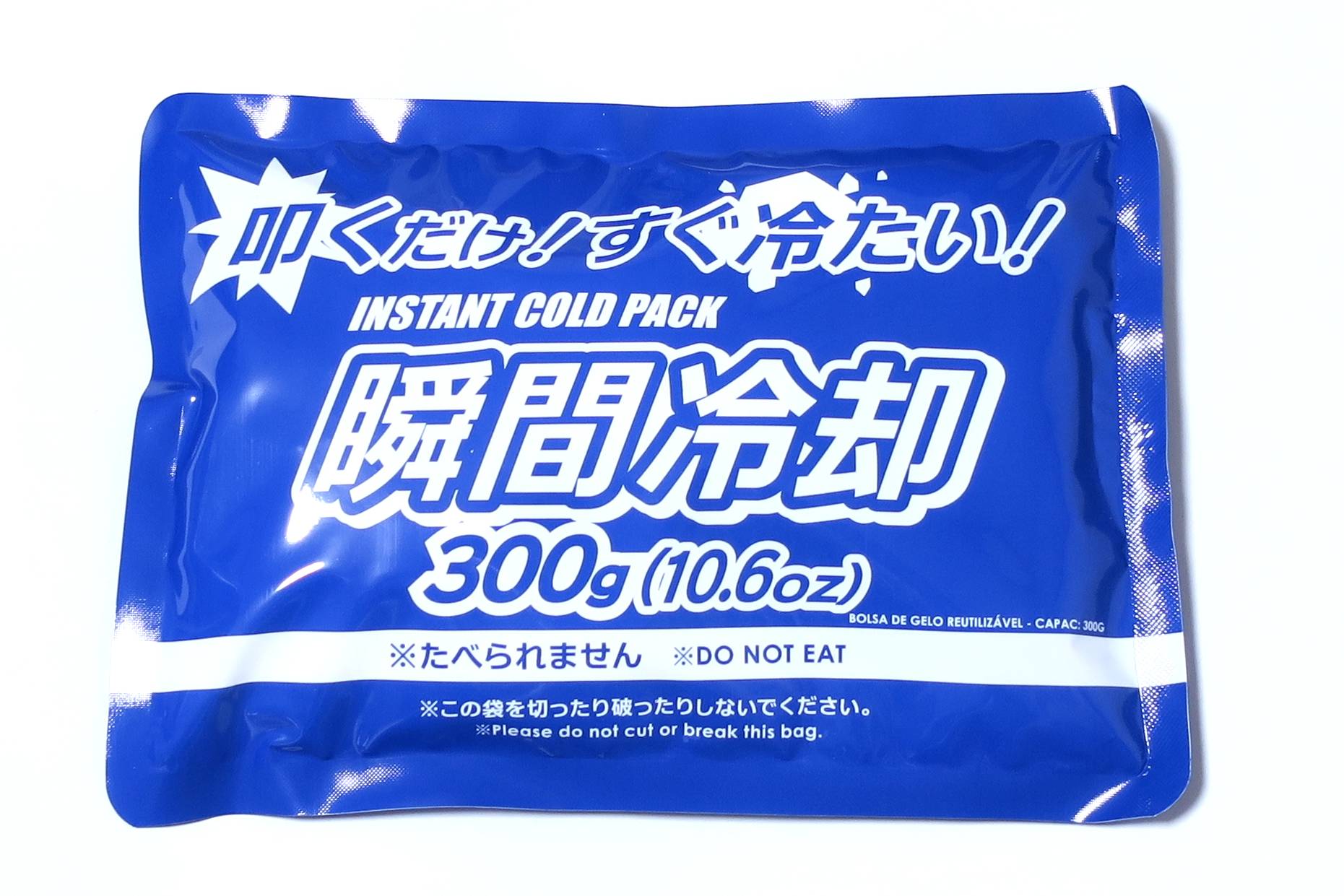
An instant cold pack is a single-use device that consists of two bags; one containing water, inside a bag containing ammonium nitrate, calcium ammonium nitrate or urea. When the inner bag of water is broken by squeezing the package, it dissolves the solid in an endothermic process. This process absorbs heat from the surroundings, quickly lowering the pack's temperature.[5]

Instant cold packs are a convenient replacement for crushed ice used as first aid on sport injuries or heat illness, and can be carried as first aid to remote or wilderness areas where ice is unavailable. However, they do not provide as much or as long-lasting cooling as ice.[6]

Safety concerns

[edit]
An ice pack with gel leaking out of a hole in the upper left corner

Gel packs have been made with diethylene glycol and ethylene glycol. Both can cause illness if ingested in large amounts,[7] making them unsuitable for use with food. The US Consumer Product Safety Commission recalled such packs.[7]

See also

[edit]

References

[edit]
Revisions and contributorsEdit on WikipediaRead on Wikipedia
from Grokipedia
An ice pack, also known as a cold pack or gel pack, is a portable therapeutic device consisting of a sealed container filled with ice, water, a refrigerant gel, or a chemical mixture that provides localized cooling to the body. It is primarily used in first aid to reduce pain, swelling, and inflammation by constricting blood vessels and numbing nerve endings in injured tissues.[1][2] The application of cold therapy, the foundational principle behind ice packs, has ancient origins, with evidence from the Edwin Smith Papyrus around 3500 BC describing cold compresses for treating wounds and reducing swelling. In the 4th century BC, Hippocrates, the Greek physician often called the father of medicine, recommended cold soaks for their analgesic and anti-inflammatory effects on injuries and fevers. During the Napoleonic Wars in the early 19th century, French surgeon Baron Dominique-Jean Larrey applied ice and snow to wounded soldiers' limbs to numb pain and minimize bleeding before amputations. By the mid-20th century, modern ice packs evolved from these practices; the first instant cold pack was patented in 1959 by inventor Albert A. Robbins, initially for cooling food and beverages, before being adapted for medical use in the 1960s as part of cryotherapy protocols for musculoskeletal injuries.[3][4] Ice packs come in several types suited to different needs: reusable gel packs, which are flexible and can be frozen and refrozen; instant chemical packs that activate upon squeezing to mix water with ammonium nitrate or urea for an endothermic reaction producing cold without refrigeration; and improvised versions like bags of frozen vegetables or ice wrapped in cloth. They are most effective when applied as part of the RICE protocol (Rest, Ice, Compression, Elevation) for acute injuries such as sprains, strains, bruises, and post-surgical swelling, as well as facial swelling from causes including injury, post-surgical procedures, allergies, or morning puffiness from sleep or salt intake. Cold compresses can help reduce facial swelling overnight by constricting blood vessels, limiting inflammation, and decreasing fluid buildup, though they should be applied in short sessions (e.g., 10-20 minutes, multiple times) rather than continuously overnight to avoid skin damage; effectiveness depends on the cause and severity of the swelling. They are applied typically for 10-20 minutes at a time with a protective barrier to prevent skin damage.[5][6][7][1][8][9] Prolonged or direct application can risk frostbite, and cold therapy is generally recommended within the first 48-72 hours of injury, after which heat may be more beneficial for chronic conditions.

Overview

Definition and Purpose

An ice pack is a compressible bag or pouch typically filled with ice, gel, or chemical agents, engineered to deliver localized cooling for therapeutic purposes. It functions by absorbing heat from the body through direct contact, thereby lowering tissue temperature in the applied area. This device is widely used in medical and home settings as a form of cryotherapy to address acute conditions without requiring specialized equipment.[10][11] The primary purposes of ice packs include providing temporary relief from inflammation, minor injuries such as sprains or bruises, fever reduction, and aiding post-surgical recovery. By inducing vasoconstriction—narrowing of blood vessels—the pack reduces blood flow to the site, which minimizes swelling and bleeding while numbing nerve endings to alleviate pain. Additionally, the cooling effect decreases the metabolic rate in affected tissues, limiting secondary tissue damage from inflammation and promoting faster initial recovery. This heat transfer occurs primarily via conduction, where thermal energy moves from the warmer body to the colder pack.[8][12][13] Ice packs offer several key benefits, including being non-invasive, portable for on-the-go use, and cost-effective relative to pharmaceutical or clinical interventions. Their physiological impacts, such as reduced inflammation and pain without systemic side effects, make them a first-line option for managing acute injuries. In design, ice packs often incorporate flexible materials like gel-filled vinyl or plastic that conform to body contours for even cooling distribution, and they are commonly paired with outer fabric covers to prevent direct skin contact and avoid risks like frostbite.[11][14][15]

Historical Development

The use of cold therapy for treating injuries dates back to ancient civilizations. As early as 2500 BCE, ancient Egyptians applied natural ice or snow, often wrapped in cloth, to reduce inflammation and alleviate pain from wounds.[16] Similarly, ancient Greeks employed snow and ice for similar purposes, with the physician Hippocrates documenting in his texts around 400 BCE the application of cold compresses to control bleeding, reduce swelling, and numb injuries, recognizing its analgesic and anti-inflammatory effects.[3][17] In the 19th century, advancements in materials enabled more practical cold therapy devices. During the mid-1800s, rubber-based insulated bags emerged for medical cooling, allowing safer and more controlled application of ice compared to loose wrappings; these were notably used by surgeons like Friedrich von Esmarch, a German military physician, to treat battlefield injuries during conflicts such as the wars against Denmark and France.[18] In the United States, ice played a critical role in Civil War battlefield first aid from 1861 to 1865, where it was transported via rail and applied to wounds, fractures, and fevers to combat inflammation and infection, marking early commercial-scale distribution for medical use.[19] The 20th century brought significant innovations in portable and reusable designs. In 1948, the first hot-and-cold pack, known as Hot-R-Cold-Pak, was introduced; it could be chilled in a refrigerator or heated in water and was developed for versatile therapeutic applications, including by the U.S. military for injury management. Building on this, gel-based reusable packs gained prominence in the 1970s, with Jacob Spencer patenting the first versatile medical version in 1971, featuring a neutral gel in a sealed envelope for repeated freezing and safe skin contact.[4] Instant chemical packs also emerged around this time, with Albert A. Robbins securing a patent in 1959 for an early endothermic reaction-based design initially for food cooling, later adapted for medical use through Spencer's refinements.[20] In the post-2000 era, ice pack technology has focused on enhanced performance and sustainability. Phase-change materials (PCMs) were integrated into designs starting in the early 2000s to provide consistent temperature control over extended periods, improving efficacy for therapeutic and transport applications by maintaining a stable cooling phase without constant refreezing.[3] Concurrently, environmental concerns have driven the development of eco-friendly options, such as biodegradable gel packs using plant-based, non-toxic formulations that decompose without harmful residues, with commercial products like TerraTemp and Cryopak Eco Gel becoming widely available by the 2020s to reduce plastic waste in medical and shipping contexts.[21][22]

Types of Ice Packs

Traditional Ice Packs

Traditional ice packs are constructed by placing crushed or cubed ice into a sealable plastic bag or directly into a cloth, towel, or sock, then wrapping the bundle in an additional thin layer of fabric to create a barrier against the skin.[1][23] These packs rely solely on frozen water as the cooling agent, without any chemical additives, making them a basic, non-engineered option for cold therapy. Crushed ice is preferred over cubes because it conforms more easily to body contours and remains in place during application.[1] Preparation involves either freezing water in a container to produce ice cubes or using pre-made ice from a freezer or ice machine, which can be done in households or outdoor settings with access to refrigeration. The pack typically provides cooling for 10 to 20 minutes before the ice begins to melt significantly, after which it may need refilling or replacement to maintain effectiveness.[1][24][23] These ice packs offer advantages such as low cost and high accessibility, as they can be assembled quickly using everyday items like ice trays, bags, and towels found in most homes or available from nearby sources.[1][24] They pose no risk of chemical leaks, providing a safe, natural alternative for basic cooling needs.[23] However, traditional ice packs have limitations, including the necessity of a freezer or ice source for preparation, which restricts their use in remote or non-refrigerated environments. They are susceptible to leakage as the ice melts, potentially causing mess, and may deliver uneven cooling if the ice shifts within the wrapping. Additionally, they lack portability for extended use without ongoing access to refrigeration.[1][24][23] Common variants include filling a clean sock with crushed ice and tying it closed for a flexible, moldable pack, or using a bag of frozen vegetables such as peas or corn as an improvised alternative that conforms well to irregular shapes. Frozen vegetables can be thawed and consumed afterward, adding to their practicality in household settings.[1][23] These options enhance accessibility when standard ice is unavailable.

Reusable Gel Packs

Reusable gel packs typically contain a mixture that remains flexible when frozen, often based on propylene glycol, water, and gelling agents for a moldable cold therapy application. Earlier or some disreputable formulations used ethylene glycol for its superior freezing point depression, but this was discontinued due to severe toxicity risks if the pack leaks and the contents are ingested; multiple international recalls in the late 2000s and early 2010s addressed products containing ethylene or diethylene glycol.[25][26] In manufacturing, these packs are sealed within non-toxic, BPA-free materials to prevent leaks and ensure durability, with designs ranging from small sizes suitable for targeted areas like the eyes to larger formats for broader coverage such as the back.[27] Popular brands like FlexiKold feature double-seamed nylon exteriors that enhance longevity and flexibility.[28] Functionally, reusable gel packs freeze at approximately 0°C (32°F) due to the gel's composition, delivering consistent cooling for 20-40 minutes during therapy sessions.[29] Dual-use variants can be heated via microwave or immersion in hot water for heat therapy, providing versatility for both cold and warm applications without compromising the gel's integrity.[30] Key advantages include their moldability to conform to body contours for effective contact, reusability for hundreds of cycles, and ability to sustain a steady therapeutic temperature longer than traditional ice, reducing the need for frequent replacement.[31][32][33] For maintenance, clean the packs with mild soap and water after use, then air dry before storage in a freezer to preserve the gel's properties; with proper care, they typically last 1-3 years.[34][35]

Instant Chemical Packs

Instant chemical packs, also known as instant cold packs, are single-use devices that provide immediate cooling through an endothermic chemical reaction without the need for pre-freezing or refrigeration. These packs typically consist of an outer plastic bag containing ammonium nitrate crystals and an inner pouch filled with water. When the inner pouch is ruptured by squeezing or striking the pack, the water mixes with the ammonium nitrate, initiating the dissolution process that absorbs heat from the surroundings.[36][37] The chemical reaction is the endothermic dissolution of ammonium nitrate in water, represented by the equation:
NH4NO3(s)NH4+(aq)+NO3(aq)(ΔH>0) \text{NH}_4\text{NO}_3(s) \rightarrow \text{NH}_4^+(aq) + \text{NO}_3^-(aq) \quad (\Delta H > 0)
This process absorbs heat, causing the temperature of the pack to drop rapidly to between 20°F and 40°F (-7°C to 4°C) within seconds. Some formulations use urea instead of ammonium nitrate for similar endothermic effects. The cooling lasts for 15 to 30 minutes, after which the pack is disposed of as it cannot be reactivated.[38][39][40] The invention of instant chemical packs traces back to the late 1950s, when Albert A. Robbins patented a chemical freezing package in 1959 (US Patent 2,898,744) primarily for cooling food and beverages. By the 1970s, adaptations for medical applications had emerged, leading to widespread inclusion in first aid kits by the 1980s. In the 2010s, eco-friendly variants using urea as an alternative to ammonium nitrate gained popularity due to reduced environmental and safety concerns associated with the latter.[41][42] These packs are available in various sizes and forms, including small pouches suitable for treating localized injuries like sprains and larger bags designed for use in coolers or broader cooling needs.[43]

Applications

Medical and Therapeutic Uses

Ice packs are commonly applied in medical settings following acute injuries, such as sprains, to reduce inflammation by inducing vasoconstriction, which limits blood flow to the affected area and minimizes swelling. This mechanism helps control the influx of inflammatory mediators and fluid accumulation in tissues. The RICE protocol (Rest, Ice, Compression, Elevation), which incorporates ice application as a core component, was established in 1978 by Dr. Gabe Mirkin in his book The Sportsmedicine Book. It was widely adopted for initial treatment of soft tissue injuries but Mirkin recanted support for the ice and rest components in 2015, citing evidence that they may delay healing. Current guidelines, such as the PEACE & LOVE protocol (Protect, Elevate, Avoid anti-inflammatories, Compress, Educate, followed by Load, Optimism, Vascularization, Exercise), emphasize early controlled movement and limit routine ice use.[44][45] In pain management, ice packs numb nociceptors by slowing nerve conduction velocity, providing relief for various conditions including migraines, arthritis, and dental pain. Applications lasting approximately 20 minutes have been shown to produce significant pain reduction, with clinical studies reporting notable decreases in visual analog scale (VAS) scores in acute settings. For instance, cryotherapy interventions in patients with chronic pain conditions demonstrate notable analgesic effects, often integrated into multimodal therapy plans.[46] Post-operatively, ice packs are routinely used in hospitals to manage edema after procedures like knee arthroscopy, where they help control swelling and support early mobilization. Professional guidelines endorse cryotherapy as part of recovery protocols to mitigate inflammation and pain in the immediate post-surgical period.[47] Ice packs are also commonly used to reduce facial swelling arising from acute causes such as injuries, post-surgical procedures (particularly dental), allergic reactions, or benign morning puffiness resulting from overnight fluid retention due to factors like sleep position, high salt intake, or dehydration. The cold application induces vasoconstriction, limits inflammation, and decreases fluid buildup in facial tissues. Short sessions of 10–20 minutes, repeated as needed, are recommended rather than continuous overnight application to avoid risks such as skin irritation or frostbite, with effectiveness varying depending on the underlying cause and severity of the swelling.[48][5][49] Specialized applications of cryotherapy, such as in physical therapy for chronic pain, involve targeted ice pack use to alleviate symptoms in conditions like osteoarthritis. Combining ice packs with compression wraps enhances therapeutic outcomes by further promoting vasoconstriction and lymphatic drainage, leading to improved pain relief and functional recovery compared to cryotherapy alone.[50] Meta-analyses and systematic reviews provide evidence supporting the efficacy of ice packs for acute soft tissue injuries, confirming benefits in reducing pain and swelling when used adjunctively with exercise or rest. A key 2004 systematic review of randomized controlled trials found marginal but positive evidence for ice in combination therapies post-injury or surgery, underscoring its role in evidence-based care.[51]

Sports and First Aid

In sports and first aid scenarios, ice packs play a critical role in managing acute injuries through immediate application to reduce swelling, numb pain, and limit tissue damage. For contusions, strains, or fractures common in high-impact activities like soccer or running, icing constricts blood vessels to minimize bruising and inflammation when applied as soon as possible after injury.[52] Recommended intervals are 10-20 minutes per session, repeated every 1-2 hours initially, to prevent further secondary damage while avoiding prolonged exposure that could harm the skin.[53][54] This approach aligns with the traditional RICE protocol, widely adopted in athletic training, though recent evidence questions the effectiveness of ice and complete rest, favoring protocols like PEACE & LOVE that promote early loading within pain-free limits in the first 48-72 hours post-injury.[55][45] Ice packs also support injury prevention by facilitating pre-game cooling in endurance sports, where athletes face heat stress during events like marathons or cycling. Precooling with ice packs on areas such as the neck, armpits, and groin lowers core body temperature, enhancing heat acclimation and delaying fatigue onset in warm environments.[56] This technique has been integrated into sidelines kits since the late 1990s, with innovations like the Australian Institute of Sport's ice jackets first used by Olympic athletes to improve performance in hot conditions.[57] Such strategies are particularly valuable in team sports and long-distance running, where environmental heat can impair endurance by up to 10-20% without intervention.[58] As a staple in first aid kits for homes, cars, workplaces, and sports venues, ice packs or instant cold compresses enable rapid response to emergencies. The American Red Cross includes them in standard kit recommendations for treating sprains, bruises, and minor trauma, emphasizing wrapping in a cloth or towel to prevent direct skin contact and frostbite risks.[59] Protocols advise application for 15-20 minutes at intervals, ensuring safe use even by non-professionals in remote or on-field settings.[60] Effective techniques often combine ice with elevation to optimize outcomes, such as for ankle sprains where the injured limb is raised above heart level during icing to drain fluid and reduce pressure.[61] This method promotes faster hematoma reduction by limiting blood flow to the site, decreasing bruising and aiding natural healing processes in soft-tissue injuries.[62] In practice, a wrapped ice pack is secured gently while the area is propped on pillows, applied in 10-15 minute bursts to maintain circulation. In professional sports like the NFL, enhanced post-2010 concussion protocols focus on assessment and gradual return to play, with cold compresses sometimes used in general first aid for symptom relief like headaches and swelling.[63] Among amateurs, such as hikers, ice packs are sometimes applied to snakebites in an attempt to slow venom spread, though current Red Cross and Mayo Clinic guidelines strongly advise against this due to risks of tissue damage and venom localization.[64][65] Instead, priority is given to immobilization and rapid medical evacuation.

Household and Industrial Uses

In households, ice packs are commonly employed to alleviate discomfort from minor ailments such as headaches, where applying a cold pack to the forehead or neck for 15 to 20 minutes can constrict blood vessels and reduce pain intensity.[66] For reducing elevated body temperatures associated with fevers, particularly in children, external cooling methods like lukewarm compresses applied to areas such as the armpits or groin provide temporary relief by promoting heat dissipation, though they should complement medication and not replace professional advice.[67] During power outages, ice packs help preserve perishable foods in refrigerators or coolers by maintaining internal temperatures below 40°F (4°C), preventing bacterial growth for up to 24 hours if the appliance remains unopened.[68] Since the 1950s, when portable ice chests were patented in 1951, ice packs have been improvised in households for outdoor activities like picnics to keep beverages and snacks chilled.[69] For food and beverage preservation, ice packs are integral to coolers used in transporting groceries or during camping trips, where they surround perishables to sustain temperatures below 4°C and inhibit spoilage.[70] In well-insulated coolers packed with a two-thirds ice-to-contents ratio, gel packs typically maintain safe cooling for 4 to 8 hours, depending on ambient conditions and pack size, ensuring items like meats and dairy remain out of the temperature danger zone.[71][72] In industrial settings, ice packs play a vital role in cold chain logistics for vaccines and pharmaceuticals, as outlined in WHO guidelines, where conditioned frozen packs line insulated containers to keep products at 2–8°C during transport and prevent potency loss.[73] For example, the 2023 CDC Vaccine Storage and Handling Toolkit recommends using gel or block ice packs in emergency scenarios to sustain vaccine integrity outside standard refrigeration.[74] In manufacturing environments, such as welding or electronics assembly, workers in high-heat areas utilize ice pack-integrated cooling vests to mitigate heat stress, with phase-change material packs maintaining 15°C for up to 2 hours to enhance safety and productivity.[75][76] Beyond core applications, ice packs find use in beauty routines to reduce under-eye puffiness, where a cool compress applied for 10 minutes constricts vessels and diminishes swelling from fatigue or allergies.[77] In veterinary care, they aid pet injury management by lowering tissue temperatures; for instance, applying a frozen gel pack for 10 to 20 minutes reduces lumbar region heat in dogs, supporting recovery from strains or post-surgical swelling.[78] Ice packs also adapt to environmental challenges, such as disaster relief efforts where electricity is unavailable, including post-hurricane scenarios; emergency kits equipped with chemical ice packs and coolers ensure food safety by keeping perishables chilled for 24 to 48 hours, aligning with CDC recommendations for outage response.[79][80]

Safety Considerations

Potential Risks and Hazards

Prolonged direct contact with ice packs, particularly without a protective barrier, can lead to frostbite or ice burns by freezing skin tissue and reducing blood flow, with risks increasing after 20 minutes of exposure.[53] Symptoms include numbness, skin discoloration, blisters, and in severe cases, permanent tissue damage or increased susceptibility to hypothermia.[81][82] Instant chemical ice packs pose hazards from leaks or ruptures, as they often contain ammonium nitrate, which can cause skin irritation, chemical burns, or gastrointestinal issues if ingested.[25] Ingestion of ammonium nitrate may result in toxicity effects such as vasodilation, gastritis, acidosis, and nitrite poisoning, especially in larger amounts.[25][83] Rare allergic reactions can occur to gel components in reusable ice packs, such as propylene glycol, manifesting as contact dermatitis with symptoms like redness, itching, swelling, or eczematous rashes.[84][85] Disposable ice packs contribute to environmental plastic waste, as they are typically non-biodegradable and add to the global burden of single-use plastics, with hundreds of millions of units produced annually.[86] Cold therapy should be avoided in individuals with circulatory issues, such as peripheral artery disease or Raynaud's syndrome, or on areas with open wounds, as it may exacerbate conditions.[87] Improper use of ice packs, such as applying them directly to infants or allowing bursting, can lead to choking from gel ingestion or injuries like cuts from sharp plastic fragments.[25][88] Mitigation of these risks follows established usage guidelines to minimize exposure and ensure safe application.

Usage Guidelines and Best Practices

To ensure safe and effective use of ice packs, follow established application protocols recommended by medical experts. Apply ice packs for 10 to 20 minutes at a time, followed by at least 10 to 20 minutes off to allow skin recovery and prevent tissue damage, repeating as needed every few hours depending on the injury.[87][89] Always wrap the ice pack in a thin cloth, towel, or barrier to avoid direct contact with the skin, which helps prevent frostbite or irritation.[87][89] When selecting an ice pack, consider the specific need for portability or reusability to match the situation. For example, instant chemical packs are ideal for on-the-go first aid since they require no pre-freezing and activate quickly.[90] Before use, inspect reusable gel packs for leaks or damage by gently squeezing them; discard any that show signs of compromise to avoid exposure to internal gels.[91] Proper storage extends the lifespan and safety of ice packs. Reusable gel packs should be stored in a freezer maintained at approximately -18°C to ensure they freeze solidly without excessive brittleness.[92] For single-use instant chemical packs, dispose of them according to local environmental regulations after activation, typically as non-hazardous waste once the reaction subsides, without puncturing the packaging.[90][93] For special populations such as children and the elderly, who may have more sensitive skin, use shorter durations (e.g., 10 minutes) and monitor closely for discomfort.[94][95] Individuals with chronic conditions should consult a healthcare provider before using ice packs to tailor the approach to their needs.[87] Guidelines from the Mayo Clinic emphasize these cycles and barriers to minimize risks like frostbite, while OSHA recommends including cold packs in workplace first aid kits and monitoring for adverse effects during industrial applications.[87][96]

References

User Avatar
No comments yet.