Hubbry Logo
InterlagosInterlagosMain
Open search
Interlagos
Community hub
Interlagos
logo
8 pages, 0 posts
0 subscribers
Be the first to start a discussion here.
Interlagos
Interlagos
from Wikipedia
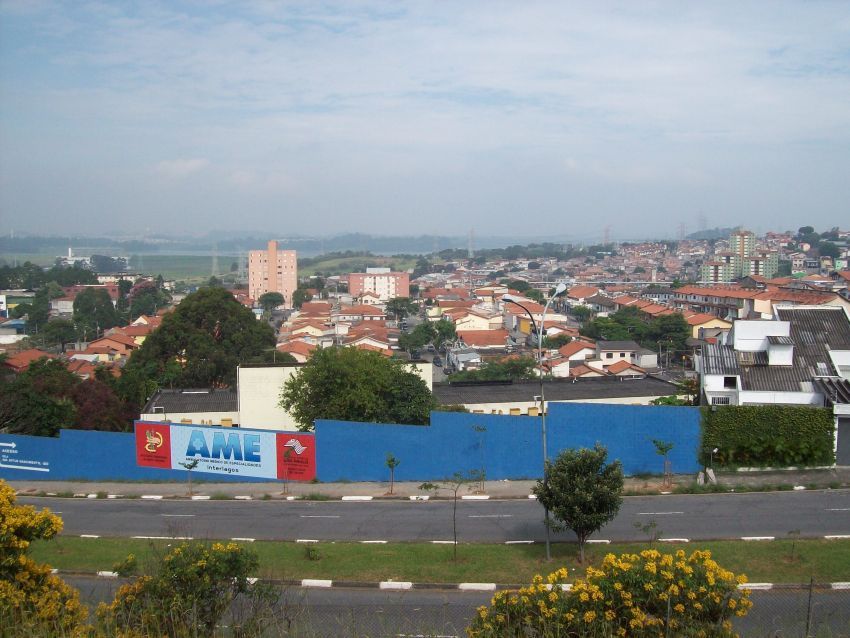
View of Interlagos

Interlagos is a neighborhood located in the district of Socorro in the city of São Paulo, Brazil. Its name comes from the fact that the region is located between two large reservoirs, Guarapiranga and Billings, built in the early 20th century to supply water and electric power to the city. The suburb of Interlagos is located in the south region of São Paulo City on the east bank of the Guarapiranga reservoir.

The Autódromo José Carlos Pace itself is still commonly called Interlagos, although that has not been its official name since the 1970s, and it is actually located in the district of Cidade Dutra, not Socorro.

The history of the Interlagos circuit dates back to the 1920s, when the city of São Paulo was undergoing a process of fast urbanization.

Colégio Humboldt São Paulo

Colégio Humboldt São Paulo, a German international school, is located in Interlagos.[1]

See also

[edit]

References

[edit]
[edit]
Revisions and contributorsEdit on WikipediaRead on Wikipedia
from Grokipedia
Interlagos is a neighborhood (bairro) in the southern zone of São Paulo, Brazil, part of the Capela do Socorro subprefecture. Its name, meaning "between lakes" in Portuguese, derives from its location between the Guarapiranga and Billings reservoirs. Planned in the 1920s by entrepreneur Louis Romero Sanson and urban planner Alfred Agache as a residential and leisure resort inspired by Interlaken, Switzerland, the area was envisioned for wealthy residents with features like an artificial beach. The project stalled due to the 1929 stock market crash but gained prominence with the construction of the Autódromo José Carlos Pace (commonly known as Interlagos Circuit) in 1940. The neighborhood features a mix of residential areas, natural landscapes, and recreational spaces, including parks around the reservoirs. It is best known for hosting the annual at the circuit, which draws international attention and contributes significantly to the local economy. In 2025, the event attracted a record 303,000 attendees and generated over R$2.2 billion in economic impact, supporting 25,000 jobs. The Autódromo, inaugurated on May 12, 1940, and renamed in 1985 to honor driver José Carlos Pace, has been a fixture on the F1 calendar since 1973 (with interruptions) and is renowned for its challenging 4.309 km anti-clockwise layout. Interlagos was designated a heritage site by the São Paulo Prefecture in 2004 to preserve its historical structures.

Geography

Location and boundaries

Interlagos is a neighborhood () in the southern zone (Zona Sul) of , , spanning the districts of Cidade Dutra and Socorro. It falls under the administrative jurisdiction of the Capela do Socorro subprefecture, which encompasses these districts along with Grajaú, covering a total area of 134 km². The neighborhood's boundaries are defined by surrounding areas and natural features: situated between the Guarapiranga Reservoir to the east and the Billings Reservoir to the south, bordering the Santo Amaro district to the north and west, with the Autódromo José Carlos Pace serving as a prominent landmark near its core. Geographically centered at approximately 23°42′05″S 46°41′49″W, Interlagos covers 2.25 km², spanning parts of the Cidade Dutra (29.3 km²) and Socorro districts.

Topography and natural features

Interlagos derives its name from the Portuguese term "entre lagos," meaning "between lakes," due to its strategic position between the and Billings reservoirs in southern . The area's topography is characterized by undulating hilly terrain, shaped by the broader Plateau, with elevations typically ranging from 700 to 800 meters above . This landscape blends urban expansion with pockets of preserved natural areas, where slopes and valleys contribute to a varied profile that influences local drainage and development patterns. Key natural features include the neighborhood's location on the eastern bank of the Guarapiranga Reservoir, a vital water source for the metropolitan region that also supports recreational activities. Adjacent to this is the nearby Billings Reservoir, which plays a critical role in hydroelectric power generation for São Paulo state. These reservoirs not only define the area's hydrology but also create a mosaic of water bodies that enhance biodiversity in surrounding zones. Environmentally, Interlagos retains fragments of the Atlantic Forest, a with secondary vegetation remnants amid urban pressures. However, the proximity to reservoirs exposes parts of the neighborhood to flooding risks, exacerbated by heavy rains and saturated soils in low-lying areas. Urban parks and green initiatives help counter , promoting restoration and ecological connectivity within the city. The region's subtropical is moderated by the reservoirs, resulting in elevated levels averaging around 75-80% annually, which fosters a moist environment conducive to regrowth. Average annual rainfall measures approximately 1,400 mm, concentrated in the summer months from to , influencing both the lush vegetation and periodic flood vulnerabilities.

History

Early development and founding

Interlagos was officially recognized as founded in 1920, with planning initiated in the mid-1920s as a planned residential neighborhood amid São Paulo's rapid , driven by the city's coffee-fueled economic expansion that saw its population double from 240,000 in 1900 to 580,000 by 1920. The project was spearheaded by British engineer Louis Romero Sanson, owner of the construction firm Auto-Estradas S.A. (AESA), who envisioned transforming rural land south of the city center into an upscale satellite community inspired by the Swiss resort town of . Sanson acquired the expansive terrain and collaborated with French urbanist Alfred Agache to design a layout featuring wide avenues, leisure facilities, and housing lots tailored for affluent residents seeking an escape from urban density. The neighborhood's development was strategically positioned between two reservoirs constructed for São Paulo's growing water and hydroelectric needs: the Guarapiranga Reservoir, whose dam was completed in 1928 after initial works began in 1906, and the Billings Reservoir, authorized in 1925 with construction extending into the 1930s. This location enhanced its appeal as a balneário, or resort community, with plans for an artificial beach sourced from Santos sand and recreational amenities like a sports gymnasium. However, the 1929 global economic crisis and the 1932 in stalled progress, limiting early implementation to basic surveying and land acquisition. By the mid-1930s, AESA resumed activities, focusing on essential such as roads and the subdivision of lots for sale, which were marketed as premium properties offering tranquility and proximity to nature. The first major advertisements appeared in 1939, promoting Interlagos as an elite retreat with forthcoming features including a luxury hotel, beachfront, and leisure centers to attract wealthy buyers. These efforts marked the transition from undeveloped rural expanse to initial settlements, with the first permanent residents establishing homes by the early 1940s, laying the groundwork for gradual population influx.

Urbanization and mid-20th century growth

Following , São Paulo experienced rapid industrialization, which spurred suburban expansion and positioned Interlagos as an attractive middle-class residential area due to its proximity to the city's southern industrial zones and natural features like reservoirs. This growth was driven by from rural , particularly the Northeast, as workers sought opportunities in expanding factories and related sectors. State initiatives promoted loteamentos (subdivisions) and autoconstruction in peripheral neighborhoods like Interlagos, facilitating the transition from sparse rural settlements to organized urban communities. A pivotal development occurred in 1940 with the construction and inauguration of the Autódromo de Interlagos, initiated in 1938 on land adjacent to the emerging neighborhood to enhance its recreational appeal and visibility. The track was paved in 1939, drawing crowds and contributing to Interlagos' identity as a leisure destination amid broader suburban planning efforts. Infrastructure improvements accelerated in the 1950s, including the extension of and networks, supported by the nearby and Billings reservoirs, which provided essential resources for residential expansion. The paving of Avenida Interlagos, part of the upgraded highway, improved accessibility and facilitated commuter travel to central . These enhancements, combined with new viário links like the Marginal do Rio Pinheiros, enabled denser settlement patterns. The population of the broader Capela do Socorro district, encompassing Interlagos, surged from 6,583 in 1950 to 19,347 in 1960 and exceeded 100,000 by 1970, reflecting a more than tenfold increase driven by migration and housing projects such as the Conjunto Residencial Santa Cruz (1948). This influx transformed Interlagos from isolated lots into a burgeoning suburb, with over 50,000 residents in the core area by the early 1970s. By the , social structures evolved with the establishment of local commerce, including shops and markets, alongside educational facilities integrated into housing developments like the Cidade Comerciária Presidente Vargas (1954, 523 units). These amenities fostered community cohesion, supporting a middle-class demographic attracted to the area's tranquility and improving services.

Modern developments and challenges

In the 1990s and 2000s, Interlagos underwent significant , transitioning into a predominantly upper-middle-class ("nobre") neighborhood characterized by upscale residential developments and enhanced . The return of the Formula 1 to the Autódromo José Carlos Pace in 1990, following major renovations to the circuit, played a pivotal role in this shift, elevating the area's visibility and attractiveness to affluent residents seeking proximity to green spaces and recreational facilities. This period saw an influx of higher-income families, driven by the neighborhood's established charm of tree-lined streets and sobrados, which contrasted with São Paulo's denser urban core. Recent milestones underscore Interlagos's ongoing evolution, including its 105th anniversary celebration on August 27, 2025, recognizing the neighborhood's founding in 1920. Sustainability efforts have also advanced, with the Autódromo de Interlagos achieving the FIA's highest three-star environmental accreditation on November 7, 2025, building on prior initiatives from 2023 that focused on reducing emissions and waste during events. These accomplishments reflect broader municipal commitments to modernizing the area while honoring its legacy. Despite these progresses, Interlagos faces persistent challenges, particularly environmental vulnerabilities such as flooding from the nearby reservoir, which exacerbated alagamentos during heavy rains in February 2020, displacing residents and straining local drainage systems. Traffic congestion remains acute during Formula 1 race weekends, with annual interdições on key avenues like José Carlos Pace and Interlagos causing hours-long delays and necessitating special CET operations to manage inflows of up to 150,000 spectators. Balancing with green preservation is another tension, as irregular occupations in the zona sul threaten the Mata Atlântica remnants and reservoir buffers, prompting removals of 379 unauthorized structures since 2021 to protect . Urban renewal in the 2010s introduced new housing projects, such as the Idea Condominium Interlagos launched in 2014, featuring modern apartments integrated with green amenities to cater to growing demand. Commercial centers also emerged, complementing residential growth, while the Subprefeitura Capela do Socorro—overseeing Interlagos—has improved public services through initiatives like enhanced zeladoria urbana, infrastructure repairs, and expanded access to social programs since the early 2010s. These efforts have fostered a more integrated neighborhood fabric. Looking ahead, plans for eco- around the and Billings reservoirs aim to leverage Interlagos's natural assets, with the Plano de Gestão dos Parques da Orla da Represa outlining low-impact recreational zones, including trails and educational sites, to promote sustainable visitation while safeguarding water quality and biodiversity. The Formula 1 events provide a notable economic boost through , generating R$2.3 billion from the 2025 Grand Prix as of November 2025.

Demographics

The population of Interlagos, encompassed within the broader Cidade Dutra , experienced rapid expansion during the mid-20th century, reflecting broader patterns in São Paulo's southern suburbs. According to IBGE data compiled by the Municipal Secretariat of Urban Development and Environment, the 's population grew from 2,135 residents in 1950 to 122,990 by 1980, driven primarily by from northeastern seeking industrial and urban employment opportunities. This influx contributed to a surge from under 10,000 inhabitants in the 1940s to over 168,000 by 1991, marking one of the 's most dynamic growth phases. By the turn of the , the reached 191,389 in 2000, before peaking at 196,360 in 2010, after which it stabilized and slightly declined due to urban consolidation and outward migration to peripheral areas. The 2022 IBGE census, as processed by the São Paulo City Hall, recorded 182,459 residents in Cidade Dutra, which includes the Interlagos neighborhood; official data is reported at the district level, with no separate estimates available for Interlagos. This modest decrease aligns with annual growth rates of around 1% during the , transitioning to near-zero or negative in recent years. Migration patterns shifted post-1980s, with continued but reduced arrivals from the Northeast giving way to suburban outflows as families relocated to less dense outskirts amid rising urban costs.
Census YearPopulation (Cidade Dutra District)
19502,135
19607,781
197045,168
1980122,990
1991168,821
2000191,389
2010196,360
2022182,459
Current population density across the district averages approximately 6,523 inhabitants per km² (based on 182,459 residents over 27.97 km² as of 2022), though central residential zones in Interlagos exhibit higher concentrations of 15,000–18,000 inhabitants per km² due to compact housing developments. The Autódromo José Carlos Pace has provided localized economic opportunities, helping to mitigate sharper population declines in the area.

Socioeconomic profile

Interlagos, situated within the Cidade Dutra and Socorro districts, features a diverse ethnic composition reflective of broader trends, with approximately 54% of residents identifying as white and 45.5% as mixed-race () or (preto), alongside smaller Asian and Indigenous communities comprising the remainder (as of 2010 ). This distribution aligns with 2010 patterns across the city, where mixed-race and white populations dominate urban southern neighborhoods, while and Asian groups form notable minorities influenced by historical migration. Education in Interlagos boasts high rates nearing 95-97%, surpassing national averages and supporting a well-educated populace. The area hosts prestigious institutions such as Colégio Humboldt, a bilingual German-Brazilian offering programs from through high school, catering to and affluent local families. Complementing this are robust public , including those under the municipal network, which serve middle-class households with enrollment rates around 66-67% in public institutions and preschool attendance exceeding 63%. Residents benefit from accessible health services, including local facilities like the Hospital Maternidade Interlagos, a specializing in high-risk pregnancies, and the Centro Clínico Interlagos for general and specialized care. Proximity to larger institutions, such as the Hospital do Servidor Público Estadual, further enhances options for advanced treatment. The average age at death in the area is approximately 66 years as of 2021, reflecting improved outcomes relative to more peripheral districts, with around 10 per 1,000 live births (as of 2021-2023) and access to basic health units at 18 per 10,000 residents. Interlagos embodies an upper-middle-class (classe média alta) profile, characterized by stable households with average incomes equivalent to 4-6 minimum wages, fostering homeownership and suburban living. rates remain low at under 10%, indicated by limited dwellings (10% of households) and formal rates supporting . Social challenges are relatively minor compared to central areas, with inequality mitigated by active community associations that engage in local governance, advocacy for , and neighborhood initiatives. These groups promote cohesion in a where gaps (around 9-14% across sectors) and rates are below extremes.

Economy and infrastructure

Local economy and commerce

The local economy of Interlagos is predominantly service-oriented, with residential and community services forming the backbone of economic activity, accounting for approximately 89% of jobs in the broader Zona Sul region that encompasses the neighborhood as of 2007. Small-scale and factories are primarily located in peripheral zones, contributing around 11% to in these areas as of 2007, focusing on light industrial operations such as and assembly. Commerce thrives through key retail hubs like Shopping Interlagos, a major mall opened in 1988 with approximately 300 stores specializing in fashion, electronics, and dining options, alongside street-level vendors providing everyday essentials like groceries and household goods. The sector emphasizes retail and services, with additional auto-related businesses, including repair shops and parts suppliers, supported by the neighborhood's automotive heritage. In the Capela do Socorro subprefecture, which includes Interlagos, commerce generated 22,446 formal jobs in 2021, though the number declined by 10.4% from 2016 amid broader urban shifts. A significant portion of Interlagos residents commute to central for work, reflecting the neighborhood's suburban character and limited large-scale local industry. Formal employment in the Capela do Socorro area totaled 88,216 jobs in 2021, with services leading at 48,828 positions. Local unemployment hovered around the state average of 9.1% in 2022, but has since decreased to approximately 5.1% as of mid-2025, influenced by national recovery trends post-pandemic. Education and health services stand out as major local employers, with institutions like nearby universities and clinics providing stable opportunities for residents. Small businesses, including family-run shops and service providers, are bolstered by the area's socioeconomic stability and growing residential base. In recent years, São Paulo state has added over 450,000 formal jobs since 2024, contributing to economic growth in suburban areas like Interlagos. Interlagos bolsters the Zona Sul's overall GDP through elevated property values in its upscale residential pockets and steady local tax revenues from commerce and services.

Transportation and accessibility

Interlagos is primarily served by a network of major roads that facilitate connectivity within the district and to broader . Avenida Interlagos functions as a key arterial route, running through the heart of the area and providing direct access to local landmarks and residential zones. Avenida das Nações Unidas serves as another primary corridor nearby, linking Interlagos to northern parts of the city and supporting regional traffic flow. Additionally, the Rodovia dos Imigrantes offers a vital connection southward, enabling efficient access from central to the district and beyond toward the coast. Public transportation in Interlagos relies on the (CPTM) and bus services operated by SPTrans. The CPTM Line 9-Emerald, which extends from to , includes the Jurubatuba station approximately 2 kilometers from central Interlagos, providing rail links to downtown and other metropolitan areas. The Autódromo station on the same line offers even closer access, situated about 500 meters from key district sites. Complementing this, numerous bus lines, such as the 6055-10 route, cover local paths and connect to shopping centers like Shopping Interlagos, ensuring coverage for daily commutes. Accessibility to downtown São Paulo from Interlagos typically involves a 20- to 30-minute drive under normal conditions, covering roughly 13 kilometers via major avenues and highways. Bike paths along the nearby Guarapiranga Reservoir promote alternative mobility, forming part of 's expanded cycling network in the southern zone. However, peak-hour poses significant challenges, often extending travel times due to high vehicle volumes on arterial roads. In the , transportation developments have focused on enhancing integration with the M'Boi Mirim subprefecture, including World Bank-supported modernization of urban rail and bus systems for improved reliability. Parking facilities near landmarks, such as those at the Autódromo José Carlos Pace, have been expanded under citywide reforms that eliminated minimum parking requirements to encourage sustainable options. Usage patterns in Interlagos reflect broader trends, with approximately 44% of trips made by private vehicles indicating high for local commutes. utilization has grown since 2010, driven by expansions, now accounting for 56% of including buses and trains. These roads also underpin local by enabling efficient goods movement.

Landmarks and attractions

Autódromo José Carlos Pace

The Autódromo José Carlos Pace, commonly known as Interlagos, was constructed between 1938 and 1940 on a large expanse of land in São Paulo's Interlagos region, initially designed as a versatile motorsport venue amid the area's natural terrain between two lakes. The project, initiated by local authorities, aimed to create a permanent circuit to promote automobile racing in Brazil, with the track paved in 1939 before its official inauguration on May 12, 1940, by Adhemar de Barros, then the intervener of São Paulo state. In 1985, the facility was renamed in honor of Brazilian Formula One driver José Carlos Pace, who achieved a home victory at the circuit in 1975 and tragically died in a plane crash in 1977. The circuit's layout spans 4.309 kilometers in an anti-clockwise direction, incorporating 15 turns and notable elevation variations of about 40 meters that challenge drivers with undulating terrain and tight corners. Distinctive sections include the Senna S—a demanding sequence of high-speed, downhill left-right turns named after —and the Subida do Boxes, a steep uphill straight that tests engine power and braking into the pit area. These features, combined with the track's compact yet technical design, have made it a favorite among Formula 1 drivers for the significant elevation changes, the challenging Senna S section offering multiple overtaking opportunities, and the often dramatic races influenced by variable weather conditions in the surrounding subtropical climate. Drivers frequently describe the circuit as both demanding and enjoyable to drive, further enhanced by the enthusiastic atmosphere created by Brazilian fans. Since 1973, the Autódromo José Carlos Pace has served as the primary venue for the Formula 1 , hosting 51 editions by 2025 and establishing itself as a cornerstone of global with iconic races that have shaped championship outcomes. Beyond Formula 1, it regularly accommodates national and international series, including and the , drawing diverse competitors and enhancing its role as a multifaceted racing hub. The venue also features a dedicated 1.642-kilometer karting track that hosts local and international karting events, providing accessible racing opportunities for enthusiasts. Operated by the Municipality of São Paulo, the circuit supports over 70,000 spectators across its grandstands and natural amphitheater-like viewing areas, ensuring accessibility for large crowds during major events. In 2025, ongoing initiatives, including enhanced and energy-efficient , positioned the venue to achieve the FIA's top-tier 3-star environmental accreditation, reflecting a commitment to eco-friendly operations amid growing global standards for motorsport facilities.

Parks, reservoirs, and recreational areas

Interlagos benefits from its proximity to two major reservoirs, and Billings, which anchor several key green spaces and recreational facilities focused on natural leisure and environmental preservation. These areas provide essential escapes from , offering waterfront access and hotspots within the neighborhood. The Reservoir, constructed in the early as part of São Paulo's water supply system, serves as a central feature for passive recreation along its shores. Prominent sites include the , also known as Laguinho de Interlagos, a 80,000 m² public located on the right bank of the . Established in 1937 on land originally used as a since 1927, the features a central that supports aquatic ecosystems and serves as a vital urban refuge for bird . Nearby, the SESC Interlagos spans 500,000 m² along the Billings Reservoir, functioning as a multifaceted center with open green areas and waterfront views. Additionally, the emphasizes native flora preservation while providing trails and open spaces adjacent to the , enhancing connectivity between urban and natural environments. Access points to the itself allow for direct engagement with the water body through designated shores and nearby facilities. Recreational opportunities in these areas prioritize outdoor and family-oriented activities, including and biking trails that wind through wooded sections and along edges, as seen in the 1.7-mile easy loop at SESC Interlagos with minimal elevation gain. Sports fields for soccer, , and are available at SESC Interlagos, alongside community events such as cultural performances and eco-focused workshops that promote environmental awareness. On the , visitors engage in boating, kayaking, , windsurfing, fishing, and picnicking, with organized regattas like those hosted by local sailing clubs adding seasonal vibrancy. The Parque Comandante offers serene paths for walking and , ideal for relaxed family outings amid its lagoon and shaded greenery. These facilities attract locals and visitors seeking low-impact leisure, fostering community bonds through accessible, no-cost or low-cost options. Environmentally, these parks and reservoirs contribute to Interlagos's integration into São Paulo's broader , where the city maintains over 50% coverage as of 2023, supporting urban cooling and amid rapid . Conservation efforts in the 2020s have included municipal initiatives, such as the 2024 expropriation of private green areas totaling over 16,000 hectares citywide, which bolsters protection around reservoirs like to combat habitat loss. Local projects at sites like the Guarapiranga Ecological Park focus on restoring native species, enhancing ecosystem services such as water filtration and corridors that link Interlagos to larger protected zones. These measures underscore the neighborhood's role in preserving remnant forests against encroaching development. Despite these benefits, challenges persist, particularly pollution control in the reservoirs. The Guarapiranga Reservoir faces ongoing issues with , untreated sewage, pharmaceuticals, and , which degrade and limit full recreational use despite treatment efforts by local authorities. Monitoring and remediation programs, including analysis and , aim to mitigate these threats, ensuring the of Interlagos's natural assets for future generations.

Educational and cultural institutions

Interlagos hosts notable educational institutions that serve both local and international communities. The Colégio Humboldt São Paulo, a bilingual German-Brazilian school, is located in the neighborhood and caters to students from ages 2 to 18 with a curriculum leading to the Abitur qualification. Founded in 1916, it enrolls approximately 900 students representing 27 nationalities, with 85% being local Brazilian students. Public education in the area falls under the São Paulo state system, with state-run schools providing primary and secondary instruction to residents; enrollment in secondary education across São Paulo aligns with national rates around 82% net for the relevant age group. Cultural institutions in Interlagos emphasize community engagement and are managed through the Capela do Socorro subprefecture, which encompasses the neighborhood. The SESC Interlagos serves as a primary cultural hub, featuring spaces for theater performances, libraries, and workshops on topics such as Brazilian dances (frevo and maracatu) and ballroom styles (merengue and gafieira). It hosts regular programming, including exhibitions and events tied to broader city initiatives like the Virada Cultural, which draws thousands for free artistic presentations. The subprefecture supports additional community libraries and small theaters that promote local arts and literacy programs. Heritage elements in Interlagos reflect the neighborhood's mid-20th-century development, including early residential structures from that contributed to its suburban character amid the expansion of São Paulo's southern zone. These include traditional sobrados—two-story homes with balconies— emblematic of Brazilian urban architecture during the period of regional growth around the Guarapiranga Reservoir. is preserved through subprefecture initiatives, though dedicated museums are limited; exhibits on and occasionally appear in SESC programs, highlighting the area's legacy from the early . The presence of quality educational facilities supports Interlagos's middle-class profile, contributing to socioeconomic stability in the Capela do Socorro area.

Culture and community

Sports events and tourism impact

Interlagos serves as a pivotal hub for major sports events, most prominently the annual Formula 1 Grand Prix held at the Autódromo José , which has drawn record crowds since its inception in 1973. The 2025 edition attracted 303,000 attendees over the weekend, marking a sell-out event and underscoring the circuit's enduring appeal. Beyond Formula 1, the venue hosts local karting competitions, including sessions integrated into the Grand Prix schedule, fostering motorsport participation. These events not only highlight Interlagos' role in international racing but also nurture emerging talent through accessible formats like karting. The impact of these events is substantial, driving significant economic activity for . In 2025, the Grand Prix generated over R$2.2 billion in local economic injection through visitor spending on accommodations, dining, and entertainment, while creating approximately 25,000 jobs. Hotel occupancy in surges during race weekends, reaching rates of around 90% in recent years, reflecting a sharp increase from typical levels and boosting the sector. This influx positions Interlagos as a key driver of seasonal , with average per-visitor expenditures around R$4,700 over three days (as of 2023 data), amplifying benefits for retail and services. Culturally, the events enhance Interlagos' global recognition and instill community pride, transforming the neighborhood into a symbol of Brazilian motorsport heritage. Hosting the Grand Prix since 1973 has cultivated a vibrant fan culture, with locals viewing the circuit as a source of and unity. Formula 1 drivers frequently cite the enthusiastic Brazilian fans as a key reason for enjoying races at Interlagos, highlighting the special atmosphere and energy they provide; for example, Fernando Alonso noted in 2018 that "the Brazilian fans are always super passionate," while Max Verstappen described the atmosphere in 2025 as "amazing and it really spurred me on." Spin-off activities, such as major music festivals like Lollapalooza Brasil and The Town held at the Autódromo, extend this appeal, drawing diverse crowds and blending sports with entertainment to reinforce Interlagos' status as a multifaceted venue. Despite these advantages, challenges persist, including from high-decibel engines and short-term disruptions like affecting residents. Environmental concerns, such as emissions and auditory impacts, have prompted calls for mitigation measures, though long-term benefits include infrastructure upgrades funded by event revenues. The Formula 1 contract extension through 2030 ensures continued hosting, with growing emphasis on initiatives, including eco-friendly practices tied to broader efforts in .

Local traditions and community life

Interlagos residents actively participate in annual neighborhood anniversary celebrations, marking the district's founding on August 27, 1920, with the 105th commemoration in 2025 featuring community parades, historical reflections, and events highlighting local pride and . Family-oriented events like Festas Juninas further strengthen bonds, with the traditional São Pancrácio held over multiple June weekends at Praça Vicenzo Galilei, offering dances, typical foods such as and quentão, and activities for all ages from 5 p.m. to 10 p.m. The community's social fabric is bolstered by strong residents' associations, notably the Associação Benfeitores de Interlagos (SBI), established in 1963 to safeguard the neighborhood's interests through advocacy and local initiatives. Arborized streets and prevalent sobrado-style architecture—characterized by two-story homes with ground-floor commercial spaces—promote neighborly interactions and a sense of enclosure in daily life. Cultural diversity in Interlagos reflects broader São Paulo immigration patterns, with Italian and Japanese influences evident in local cuisine through family-run bakeries offering panettone-inspired sweets and ramen variations, as well as festivals incorporating these heritages. Religious sites, including the Paróquia São Pancrácio, serve as communal anchors for Catholic traditions and gatherings. Social activities thrive via sports clubs and volunteer groups, such as SBI-sponsored classes for youth and environmental cleanup efforts organized by local nonprofits like Recanto de Interlagos, contributing to a relatively low crime rate that enhances residents' sense of safety. Modern community engagement includes digital forums on platforms like for association updates and youth integration through arts programs, including cultural workshops at community centers.

References

  1. https://commons.wikimedia.org/wiki/Category:Cidade_Dutra
Add your contribution
Related Hubs
User Avatar
No comments yet.