


Community hub
0 subscribers8 pages, 0 posts
Recent from talks
All channels
Be the first to start a discussion here.
Be the first to start a discussion here.
Be the first to start a discussion here.
Be the first to start a discussion here.
Contribute something
Welcome to the community hub built to collect knowledge and have discussions related to Sound stage.
Nothing was collected or created yet.
Sound stage
View on Wikipediafrom Wikipedia
Not found
Sound stage
View on Grokipediafrom Grokipedia
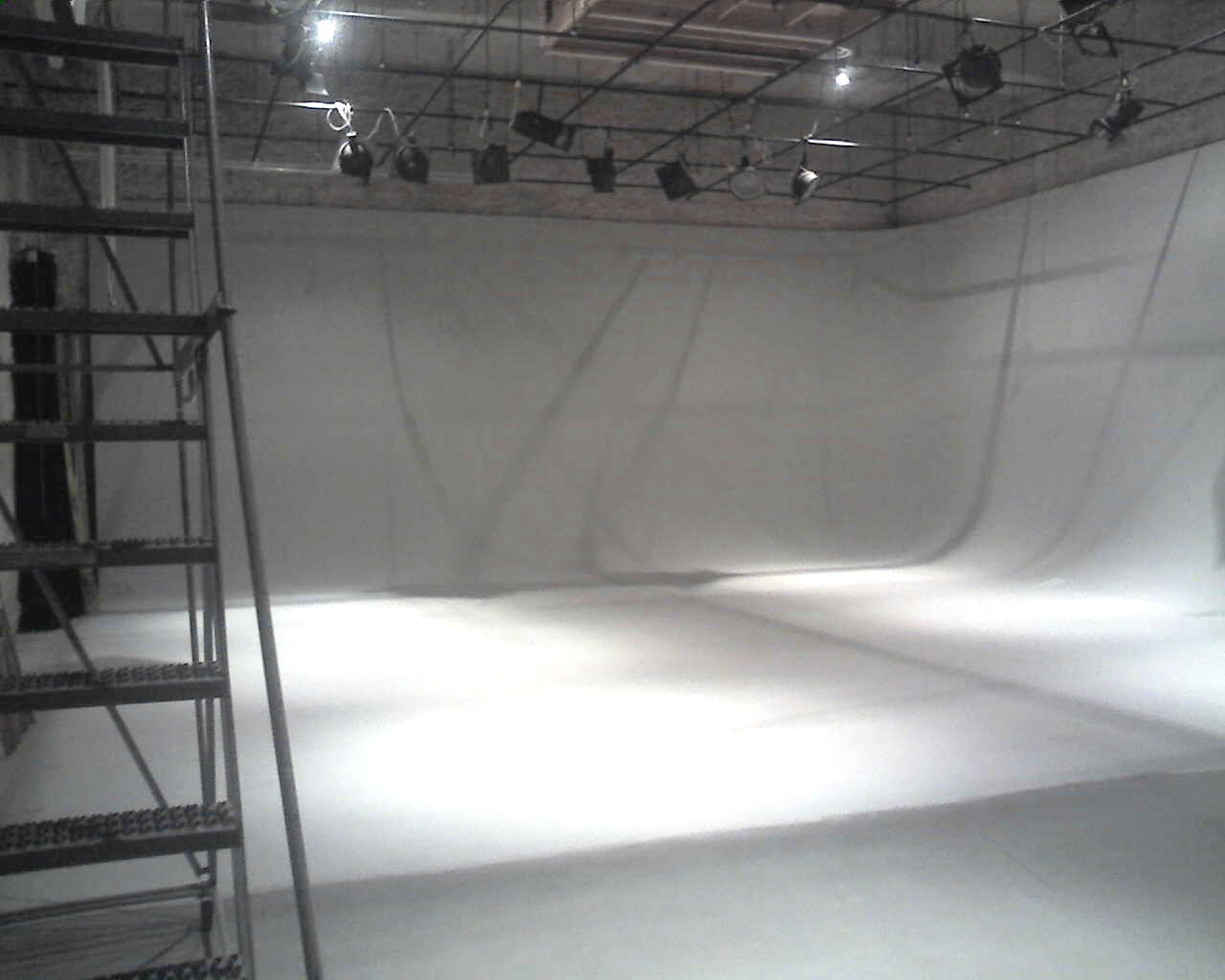
A sound stage is a large, soundproofed facility designed for the controlled indoor filming of motion pictures and television productions, featuring acoustically isolated construction to minimize external noise interference and enable high-quality audio recording.[1][2]
Originating in the late 1920s and early 1930s as a response to the transition from silent films to "talkies," sound stages addressed the challenges of capturing synchronized dialogue and effects on location, where weather, traffic, and ambient sounds posed significant obstacles.[1] Early studios like Warner Bros. and Paramount constructed these warehouse-like structures in Hollywood to facilitate live audio integration, marking a pivotal shift in film production practices during the sound era.[1]
Key features of sound stages include expansive, open interiors—often spanning thousands of square feet—with smooth, flat floors for camera dolly tracks and absorptive wall and ceiling treatments (typically 4–6 inches thick) to create a "dead" acoustic space that prevents echoes while isolating from outside disturbances.[2] Advanced designs incorporate floated floors, double-studded walls, suspended ceilings, and sound-rated doors to further enhance noise control, alongside integrated lighting grids, rigging systems, and adjacent control rooms for sound mixing.[2]
In modern usage, sound stages support elaborate set construction, green screen compositing, and virtual production technologies such as LED walls, as seen in productions like The Mandalorian, allowing filmmakers to simulate diverse environments efficiently.[1] Iconic examples include Warner Bros.' Stage 16, one of the largest at over 31,000 square feet, and Paramount's 30 stages, which have hosted landmark films like Alfred Hitchcock's Rear Window with its fully functional apartment set.[1] These facilities remain essential to the global film industry, rented by productions worldwide for their versatility in creating immersive, distraction-free shooting conditions.[1]