Hubbry Logo
Sports daySports dayMain
Open search
Sports day
Community hub
Sports day
logo
8 pages, 0 posts
0 subscribers
Be the first to start a discussion here.
Sports day
Sports day
from Wikipedia
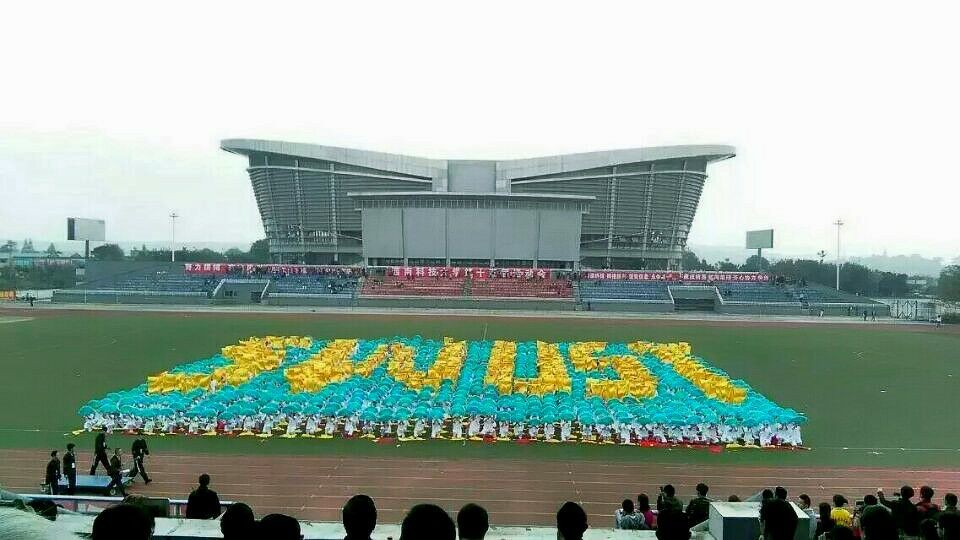
Southwest University of Science and Technology Sports Day opening ceremony

Sports Day (British English and Canadian English), field days (American English), or play days (Canadian English) are events staged by many schools and offices in which people participate in competitive sporting activities, often with the aim of winning trophies or prizes. Though they are often held at the beginning of summer, they are also staged in the autumn or spring seasons, especially in countries where the summer is very harsh. Schools stage many sports days in which children participate in the sporting events. It is usually held in elementary schools.

In schools which use a house system a feature of the school is the competition between the houses; this is especially brought out during sporting events such as an inter-house sports day.

Games that are played on school sports days can be wide and varied. They can include straightforward sprints and longer races for all age groups as well as egg and spoon races. Three-legged races are run as well as sack races, wheelbarrow races, and parent and child races. Long jumps and high jumps are also held. Additional games are traditionally run in Ireland, and the UK, such as horseshoes.

Global

[edit]

India

[edit]

In India, sports days are held for 2–3 days. These include games like football, cricket, throw ball, dodge ball, volleyball, track and field, basketball etc. These sports days are held between the various houses in a particular school. In India, many traditional games such as kho-kho, kabaddi and march-past are played.

Japan

[edit]
Undokai being held at a school in Kamakura, Kanagawa Prefecture, 2005

Sports day, called undōkai (運動会) in Japanese, is usually held on a Saturday or Sunday in Japanese schools. During weeks preceding the sports day, students practice their events which they would like to show their parents and friends, within their class of physical education, which often includes tamaire, performances by the school band and presentations by various school clubs as well as individual and group competitive events. These practices, and the sports days themselves, normally take place on the schools' fields, which provide little relief from the heat and sun.[citation needed]

Some schools have responded by scheduling their sports days during cooler months and by encouraging their students to drink water regularly. Currently, the event occurs most often in the autumn (September/October), or in the spring (May/June). In elementary schools in Hokkaidō, the event is usually held between the later part of May and the earlier part of June.[1]

Pakistan

[edit]

Sport is a significant part of Pakistani culture. Cricket is the most popular sport, while field hockey, polo, and squash are also popular.[2] Many well funded private and government schools hold a Sports Day, when track and field events like running, relay races, high jump, long jump, discus and shot-put are held. These sports are generally played in front of an audience of parents who witness the Sports day events. If the children are divided by house in the school's system, then the various houses also compete against each other for enough points and medals to win that Sports day's events.

Traditional sports like kabaddi and other well-known games are also played. The Pakistan Sports Board was created in 1962 by the Ministry of Education as a corporate body for the purposes of promoting and developing uniform standards of competition in sports in Pakistan comparable to the standards prevailing internationally, and regulating and controlling sports in Pakistan on a national basis. The Ministry of Culture, Sports and Tourism, now has control over the Pakistan Sports Board. The PSB controls all 39 sporting federations. The Pakistan Sports Board is supported by the Pakistan Sports Trust, which assists hard up players and associations so they can continue participating in sports.

Over recent years there has been an increase in sporting activity in Pakistan, with Pakistani sportsmen and women participating at many national and international events. Also, more international tournaments now take place in Pakistan. The size of the teams Pakistan sends, and the number of events they participate in, such as the Olympic Games, Asian Games, World Games, and Commonwealth Games has increased since the turn of the century.

Russia

[edit]

Sports Day in Russia is held on the second Saturday in August.

Qatar

[edit]

Sports day is a national holiday, held every second-Tuesday of February every year.[3] The Olympic Committee is tasked with organizing the large-scale nationwide activities that are held all over Qatar, and include a wide variety of sports such as; football, basketball, tennis, marathons, open walks, as well as regional sports such as camel riding. Other venues of sports day include Aspire Zone, Katara, The Pearl, among others. Sports day's popularity extends to the point that Sheikh Tamim bin Hamad Al-Thani, Qatar's Emir is casually seen participating in events.

In offices

[edit]

Many large organizations have sports days for their employees. One notable example is His Majesty's Civil Service in the UK, which holds a number of departmental sports days.

Controversies

[edit]

There have been a number of controversies surrounding school sports days in recent years, many of which have been publicised by the media.

Some schools have abolished or heavily altered sports days on the grounds that they are too competitive and may damage pupils' self-esteem, with some commentators calling for the event to be banned due to the public humiliation caused to those children who are not gifted athletically.[4] This view has been condemned as "political correctness" by many commentators, notably by journalist Melanie Phillips in her 1996 book All Must Have Prizes, a book heavily criticised by reviewers for its alleged prejudiced, fact-less and distorted analyses.[5]

References

[edit]
Revisions and contributorsEdit on WikipediaRead on Wikipedia
from Grokipedia
A sports day is a day of outdoor sports and athletic competition typically organized for children, involving track events, relays, and novelty games such as sack races and egg-and-spoon races. These events emphasize participation, , and team rivalry, often structured around houses or groups competing for points. Originating in the late alongside the formalization of curricula in Western countries, influenced by Victorian-era promotion of and health reform, sports days became a staple of school traditions by the early . In the and nations, sports days remain annual fixtures in primary and secondary s, featuring standardized activities like the 100-meter dash and tug-of-war to build endurance and coordination. elevates the concept through undōkai, a nationwide school held annually, often coinciding with the of Sports Day on the second Monday of October, established in 1966 to commemorate the 1964 Tokyo Olympics and promote national health and fitness. Unlike elite athletic meets, sports days prioritize broad involvement over individual excellence, though they have faced scrutiny in some educational contexts for potentially discouraging less athletic participants, prompting adaptations toward inclusive formats without competitive scoring. This tradition underscores empirical links between structured play and improved motor skills and social cohesion in youth, as observed in long-standing implementations across cultures.

History and Origins

Development in 19th-century Britain

The integration of organized physical competitions into British public school curricula emerged during the early as a response to concerns over youth enfeeblement amid rapid industrialization and urbanization. , appointed headmaster of in 1828, spearheaded reforms that emphasized athletics to foster moral discipline and Christian character, viewing sedentary lifestyles as a threat to vigor and ethical development. He promoted structured games like and football, arguing they cultivated perseverance, obedience to rules, and hierarchical order among boys, countering the disorder of unregulated play prevalent before the 1830s. These efforts marked an initial shift from sporadic recreation to systematic events aimed at character formation, with Rugby's model influencing other institutions by the 1840s. By the 1850s, this philosophy coalesced into the movement, which explicitly tied physical robustness to spiritual fortitude and imperial readiness. Advocates, drawing on Arnold's legacy, contended that competitive exercises built resilience against vice and idleness, essential for producing upright leaders in an era of social upheaval. In elite public schools such as Eton and Harrow, athletic pursuits gained formal structure during this decade, reflecting broader reforms that prioritized bodily training to instill values of endurance and fair play. Early sports day iterations centered on rudimentary disciplines, including foot races over distances of 100 to 440 yards, high jumps, and long jumps, often held on school fields or nearby grounds to simulate battlefield-like tests of mettle. These events reinforced , with prizes awarded to top performers to encourage emulation and rivalry, while participation ensured collective exposure to the rigors of competition. Unlike later professionalized spectacles, versions remained amateur and school-bound, prioritizing pedagogical outcomes over entertainment, though they laid the foundation for annual traditions by the 1860s.

Spread through education systems and empire

The concept of sports day, rooted in the mid-19th-century athleticism movement within British public schools, disseminated across the through educational institutions modeled on these establishments, including missionary schools and colonial government academies. This exportation occurred primarily from the 1870s onward, as British educators and administrators replicated curricula emphasizing organized athletic competitions to cultivate and among colonial youth. The games ethic, which prioritized team sports and annual meets to foster traits like self-discipline and loyalty, was integrated into imperial policies to prepare students for roles in administration, , and maintaining social hierarchies. In dominions such as , the practice took hold in private schools by the late , with sports houses and annual athletic events introduced to mirror British traditions, expanding to schools in the early 1900s as part of broader efforts to instill imperial values through . These events served administrative needs by promoting group cohesion and resilience, aligning with the empire's requirement for robust citizens capable of upholding order in settler societies. In , under the , sports days emerged in elite and missionary schools from the 1880s, with annual athletic meets documented in regions like by the 1890s, where they included track events, prizes, and school bands to incentivize participation and conduct. By the 1920s, such competitions were widespread in colonial institutions, explicitly linked to policies promoting for and , as evidenced by initiatives from 1903 onward that institutionalized sports to enhance fitness among Indian students for potential imperial service. This diffusion extended to other colonies, such as those in Africa and the Caribbean, where colonial education systems adopted British-style sports days in the early 20th century to reinforce hierarchical social order and prepare indigenous elites for subordinate roles within the empire, often through missionary-led schools that viewed athletics as a tool for cultural assimilation and moral reform. The underlying causality tied these implementations to imperial imperatives: physical competitions were not merely recreational but instrumental in generating disciplined subjects who embodied British ideals of endurance and obedience, thereby sustaining administrative control amid expanding colonial governance.

Core Format and Activities

Standard track and field events

Standard events in sports days form the core of the program, drawing from basic athletic disciplines to emphasize speed, coordination, and basic throwing or jumping skills suitable for school-aged participants. These events are commonly held on marked grass or tarmac tracks on school fields, using simple equipment such as starting lines drawn with chalk or tape, stopwatches for timing, and tape measures for distances, with teachers or volunteers acting as judges to enforce rules like false starts or lane violations. Running events predominate, with short sprints of 100 meters and 200 meters serving as staples to test explosive speed over straight-line distances, often conducted in multiple heats divided by age groups to accommodate larger participant numbers. races, typically involving teams of four runners exchanging a baton over distances like 4x100 meters, promote handoff precision and collective effort while maintaining a track focus. Longer distance runs, such as 800 meters, may appear in older age categories to build endurance, though shorter variants prevail to suit the event's brevity. Field events complement the track with jumping and throwing components, including the where participants sprint and leap into a sand pit to maximize horizontal distance, measured from takeoff board to nearest footprint. High jump setups, using a portable bar over a mat, challenge vertical clearance, though simplified foam pits ensure safety for novices. Throwing events like or use lightweight implements—such as soft balls or foam javelins—to gauge power and form from a marked circle or line, prioritizing controlled release over elite technique. Novelty races integrate track elements with accessible challenges, such as sack races requiring hops in burlap bags over 50 meters to hinder stride while demanding balance, or three-legged races binding two participants' adjacent legs for synchronized . Egg-and-spoon races demand carrying a raw or egg on a across a set distance without dropping, honing fine amid motion. These add variety but emphasize fundamental athleticism—speed in sprints, accuracy in throws—over pure amusement, with disqualifications for infractions ensuring competitive integrity.

Organizational structure and scoring

Sports days are typically structured around inter-house or team competitions, with events divided into preliminary heats to qualify participants for , particularly in larger schools or for sprinting and races. This format allows for broader participation while identifying top performers for decisive races, often organized by year group or ability to manage group sizes of up to 12 pupils per station. Scoring emphasizes competitive outcomes through points systems that aggregate placements across events, such as awarding points for first, second, and third positions to determine the winning house or team by the day's end. Teachers and staff officiate as race starters, result recorders, and overseers, while pupils in older year groups may assist as young leaders; parents commonly attend as spectators to support participants. Prizes, including certificates, badges, and occasionally medals, are distributed to reinforce individual and team achievements, with electronic scoring tools sometimes used for efficiency. The event usually lasts one full school day, commencing with warm-up activities and concluding with closing ceremonies or award presentations, though shorter formats of 2 hours are employed in some primary settings to accommodate younger pupils. This logistical framework promotes high pupil involvement, with all students expected to participate across multiple activities tailored for inclusivity.

Role in Schools and Education

Physical and developmental benefits

Participation in school sports days, through structured track and field events, contributes to improved cardiovascular health among children, including reductions in blood pressure and enhanced arterial wall thickness compared to non-participants. These events promote moderate-to-vigorous physical activity that inversely correlates with cardiovascular risk factors such as elevated cholesterol and hypertension in youth. Concurrently, the running, jumping, and throwing activities inherent to sports days bolster gross motor skills, with empirical reviews confirming that such physical engagements yield measurable gains in coordination, balance, and agility without evidence of detriment from increased activity frequency. Organized , mirroring the competitive format of sports days, have been associated with a 20% lower prevalence of and following approximately of regular involvement, outperforming isolated exercise in mitigating pediatric adiposity and related complications. This effect stems from heightened energy expenditure and habit formation that counteract obesogenic environments, including the rise in sedentary that has doubled average daily exposure for children since the early 2000s. Developmentally, sports day participation fosters and via exposure to competitive stressors, with longitudinal analyses revealing sustained positive associations between team-based sports engagement in late childhood and elevated in early . Such events instill goal-setting and perseverance by linking effort to measurable outcomes like race finishes or team scores, yielding superior in competitors relative to sedentary peers, independent of innate ability. These gains align with causal mechanisms where repeated merit-based challenges build adaptive , countering passive lifestyles that correlate with diminished achievement orientation.

Skill-building through competition

Competitive elements in sports day events, such as relays and tactical positioning in field games, cultivate by necessitating coordinated efforts under time constraints and peer scrutiny. indicates that team competitions heighten effort and emotional investment, fostering adaptive as participants synchronize actions to outperform rivals, unlike solitary tasks where individual focus dominates. This mirrors real-world selective dynamics, where compels strategic alliances and specialization, enhancing collective efficacy without eroding personal . Such structures also instill traits like grit—defined as sustained perseverance toward goals—and adherence to fair play rules amid setbacks. Longitudinal analyses reveal that youth engaged in competitive sports exhibit elevated grit levels into adulthood compared to non-participants, attributing this to repeated exposure to loss and recovery, which tempers resilience against failure. Fair play emerges from enforced norms, where violations incur team penalties, training ethical restraint over opportunistic gains. Variants emphasizing universal participation over ranked outcomes, such as those awarding identical recognitions regardless of performance, undermine these gains by obscuring merit's role in success. Critics, drawing from , argue this insulates children from essential feedback on effort's limits, yielding diminished motivation and fragility when confronting unbuffered competition in professional or academic spheres. Empirical ties to academics underscore these non-physical yields: UK reviews of school sports involvement link competitive formats to bolstered and , with participants demonstrating heightened task akin to grit metrics, as victories reinforce mental fortitude transferable to study habits. This causal chain—rivalry sharpening resolve—prepares youth for environments demanding differentiated outcomes, contrasting sanitized models that prioritize equity over .

Workplace and Corporate Applications

Team-building objectives

Workplace sports days serve as structured interventions to foster interpersonal bonds and dismantle organizational , thereby addressing adult-specific challenges like professional isolation and chronic work-related stress. Rooted in corporate , these events leverage group physical activities—such as tug-of-war or relay races—to encourage cross-departmental interaction, which empirical studies link to enhanced team cohesion and communication. For instance, a 12-week intervention involving workplace team sports demonstrated improvements in workplace relationships and reduced perceptions of through qualitative participant feedback on heightened trust and mutual support. Similarly, research on corporate athletic programs reports that collaborative exertion in such settings correlates with lower burnout symptoms, as shared effort promotes emotional resilience and a sense of collective achievement among participants. These objectives prioritize restoration over scholastic skill development, with events designed to yield 15-30% gains in collaborative metrics like speed and information sharing, per analyses of structured team-building outcomes. Emerging in early 20th-century U.S. firms amid initiatives for employee loyalty—evident in company picnics incorporating athletic games—these gatherings evolved to emphasize inclusive, low-stakes formats that accommodate varying fitness levels and age groups, minimizing injury risks while preserving motivational . Return on investment manifests in sustained engagement lifts, with firms observing up to 21% profitability increases tied to post-event when competitive incentives remain intact, avoiding diluted "participation-only" models that dilute psychological drive. This causal link underscores the events' utility in boosting without overemphasizing individual rankings, aligning with causal mechanisms where reinforced social ties directly enhance operational efficiency.

Adapted activities for adults

In corporate environments, sports day events adapt traditional activities to accommodate adult participants with sedentary desk-based lifestyles, featuring scaled-down versions such as 50-meter relay sprints rather than longer races and beanbag tosses as substitutes for or to reduce physical demands while maintaining competitive elements. These modifications prioritize , often conducted in nearby parks or office-adjacent fields to minimize travel, and incorporate inclusive options like quiz-based relays where teams answer work-related trivia between short physical tasks, ensuring broader engagement without excluding non-athletic employees. Activities integrate with through themed team divisions, such as department-based groups or branded costumes, fostering camaraderie in a voluntary format distinct from mandatory events, with post-activity social gatherings emphasizing networking over alcohol consumption. Unlike educational settings, these events target stress relief for professionals in high-pressure roles, evidenced by corporate reports of improved from low-stakes competitions that counter prolonged sitting. Post-2020, adaptations have included hybrid formats blending in-person relays with virtual components, such as app-based scoring for remote participants in challenges or timed exercises, reflecting a 79% industry expectation for ongoing virtual integration in events to accommodate distributed workforces. This shift maintains the core fun of sports days amid hybrid work trends, with events like office Olympics using everyday items for improvised courses to ensure feasibility in varied settings.

Global Cultural Variations

United Kingdom and Commonwealth traditions

In the , school sports days trace their origins to the , when organized athletic competitions were introduced in public schools to promote physical discipline and character development, with documented events dating back to at least 1873 at . These annual fixtures occur primarily at the end of the summer term in both primary and secondary schools, state and private alike, featuring standard events such as sprints, relays, and field activities like , structured around house systems that encourage rivalry among student groups akin to those in historic institutions like in popular fiction but rooted in real British traditions. A government evidence review indicates that 99% of schools hold at least one sports day or equivalent event each year, underscoring their entrenched role in the national education system. Commonwealth countries inherited these practices through colonial models, maintaining competitive school sports days as core traditions in nations such as and , where events similarly emphasize team-based relays and individual races to build fitness and school spirit. In , these are often termed "sports carnivals," incorporating local adaptations while preserving the -derived focus on measurable performance in athletics. Post-World War II national fitness initiatives across the , including welfare reforms that expanded sports facilities and mandates, further embedded sports days in curricula to address concerns arising from wartime and urban lifestyles. This continuity has resisted shifts toward non-competitive formats in many settings, prioritizing empirical outcomes like improved student endurance over diluted recreational variants.

Japanese undōkai and national emphasis

Undōkai, Japan's school-based sports festivals, emphasize collective participation and , typically held annually in autumn, often aligning with the national holiday Sports Day (formerly Taiiku no Hi). Established as a national holiday in 1966 to commemorate the 1964 Tokyo Olympics, this observance promotes health and sportsmanship nationwide, with schools conducting undōkai events featuring relays, races, group , and team competitions divided into and teams. These events mandate full student involvement, fostering synchronized activities like mass that highlight group coordination over individual achievement. Post-World War II, undōkai gained renewed prominence as part of broader efforts to rebuild national vitality and social cohesion, integrating into compulsory schooling to instill and unity amid reconstruction. Communities participate extensively, with families attending to cheer, reinforcing communal bonds through drumming and ceremonial openings that evoke patriotic harmony. This tradition counters individualistic tendencies observed in some Western educational models by prioritizing collective effort, as evidenced by the structured, all-encompassing format that prepares students weeks in advance via drills. Empirical analyses indicate undōkai cultivates virtues such as , , and a of unity, contributing to holistic development in participants. A study of Japanese sports events notes these gatherings provide opportunities for moral , enhancing responsibility and through competitive yet inclusive activities. High rates, with near-universal participation, sustain this cultural staple into 2025, maintaining its role in promoting physical health and social order without recent structural overhauls.

Practices in India, Pakistan, and other regions

In , school sports days typically feature inter-house competitions including track events, relays, and traditional games, integrated into the as mandated by the National Education Policy (NEP) 2020, which requires dedicated hours for physical activities and annual fitness assessments to promote holistic development. These events are often scheduled outside the season (June to September) to accommodate heavy rainfall and , shifting to drier periods like October-November or February-March, with some schools incorporating indoor alternatives or shortened outdoor sessions during transitional weather. Participation rates remain high, with millions of students involved annually through initiatives like Khel Mela, though resource constraints such as inadequate facilities and low per-capita sports funding—around 3 paise per day as of recent data—limit event quality in many public institutions. In , sports days in schools emphasize similar athletic competitions and team relays, organized under the oversight of the Pakistan Sports Board, established in 1962 to coordinate national youth sports programs. Events adapt to the subtropical climate by avoiding peak summer heat and monsoon disruptions, frequently held in cooler months like or , with venues like Jinnah Stadium hosting inter-school gatherings. While participation is widespread in urban private schools, rural and under-resourced areas face challenges from limited and implementation gaps, contributing to inconsistent program quality despite state efforts. In , the Day of Physical Culture and , observed on the second of since the 1930s, serves as a nationwide event with school-based competitions focused on suited to the country's variable climates, including winter preparations through mass athletics drills. State-sponsored programs emphasize collective participation over parental involvement, drawing millions of into events that prioritize physical preparedness amid harsh environmental conditions. Similarly, Qatar's , held on the second Tuesday of February, promotes development through school tournaments and fitness challenges adapted to heat, featuring air-conditioned venues and early-morning timings, with hundreds of events fostering in a state-driven framework. These regional practices highlight high enrollment—often exceeding 80% in organized settings—but underscore persistent issues like equipment shortages and uneven access in developing areas, affecting overall efficacy.

Criticisms and Debates

Overemphasis on winning vs. participation

Critics of traditional sports day formats argue that an overemphasis on winning fosters undue and potential distress among participants, advocating instead for non-competitive structures where all receive equal recognition to promote inclusivity. However, indicates that indiscriminate participation awards can undermine intrinsic by shifting focus from effort and achievement to unearned affirmation, as demonstrated in a of 128 studies showing that certain extrinsic rewards, such as those contingent on mere engagement, reduce long-term interest in activities. Similarly, experimental findings reveal that prospective awards alter children's self-perception, leading to diminished intrinsic engagement compared to scenarios emphasizing personal mastery. In contrast, competitive elements in youth activities, including ranked sports day events, cultivate resilience by necessitating adaptation to setbacks and , mirroring zero-sum aspects of and economic life where not all participants succeed equally. Psychological studies affirm that exposure to in enhances emotional and skills, with participants developing greater perseverance through direct experience of loss and the drive to improve standings. For instance, youth involved in structured competitive sports exhibit higher resilience markers, such as stress tolerance, than those in purely participatory settings, as competitive prompts behavioral adjustments that build over time. In the , a post-2010 shift toward non-competitive "fun days" in many primary schools—where a 2017 survey found a avoiding winners—has drawn criticism for failing to instill competitive drive, coinciding with broader trends of insufficient , as over half of schoolchildren now exercise less than the recommended hour daily. While participation-focused approaches encourage broad involvement and reduce immediate anxiety for lower performers, causal prioritizes competitive formats for fostering sustained and real-world preparedness, as non-hierarchical events risk normalizing mediocrity without the feedback loops that propel acquisition and character development.

Exclusion of non-athletes and equity concerns

Children with lower athletic ability or shyness often face social pressures during sports days, including ridicule from peers, leading to avoidance behaviors such as feigning illness to skip events. Bullying incidents in physical education and sports settings contribute to reduced exercise engagement among targeted children, exacerbating fitness disparities rather than resolving them. Efforts to promote equity through non-competitive formats, such as eliminating winners or scoring, have been criticized for failing to confront underlying causes like physical inactivity or skill gaps, instead fostering a false sense of achievement that does not prepare participants for merit-based realities. Parents and commentators argue these adaptations undermine the competitive essence of sports days, potentially discouraging high performers and normalizing mediocrity without improving overall participation or health outcomes. Historically, female participation in school sports events lagged significantly, with comprising only about 7% of athletes in 1971 compared to over 40% by the early 2000s following policy interventions like . While such measures addressed empirical access barriers, subsequent equity initiatives emphasizing quotas or lowered standards risk eroding performance incentives, as evidenced by critiques that prioritize demographic parity over ability-based selection in athletic contexts. Data-driven accommodations, such as tailored training to build skills, are preferable to blanket inclusivity mandates that dilute event integrity without verifiable gains in broad engagement. Concerns over injuries or exclusionary practices occasionally prompt opt-outs, yet verifiable severe incidents and resulting lawsuits remain infrequent relative to participation volumes, with public schools often shielded by legal immunities. Media amplification of isolated cases contrasts with aggregate safety data from , where over 3.5 million annual injuries occur but most are minor and not litigated successfully against institutions. This discrepancy highlights how equity fears, while rooted in real vulnerabilities for non-athletes, can lead to overcorrections that prioritize perceived risks over the developmental value of structured competition.

Evidence of Benefits and Empirical Outcomes

Health and psychological impacts

Participation in sports day events, which typically involve competitive physical activities such as running, jumping, and team relays, contributes to reduced symptoms of depression and anxiety among youth, as evidenced by meta-analyses of interventions. A 2022 prospective study found that higher levels of , akin to those in structured sports events, were associated with a lower of future depression onset, with effect sizes indicating preventive benefits independent of other factors. Similarly, longitudinal data from 2023 reviews confirm an inverse relationship between regular vigorous activity and incident anxiety disorders, suggesting causal pathways through improved and endorphin release rather than mere social interaction. On physical health metrics, frequent engagement in organized like those featured in sports days correlates with slower BMI increases and lower obesity prevalence. For instance, children participating in team sports at least once or twice weekly experienced nearly 50% reduced odds of status, based on cross-sectional and longitudinal analyses controlling for socioeconomic variables. Another study tracking primary school children longitudinally reported that organized outdoor sports participation slowed annual BMI growth by 0.05 units after adjusting for confounders like baseline fitness and diet. These outcomes stem from the high-intensity, intermittent efforts in sports day formats, which enhance caloric expenditure and muscle development more effectively than unstructured play. Psychologically, achievements in competitive settings, such as winning races or relays during sports days, foster higher through mastery experiences, outperforming non-competitive participation in building adaptive resilience. Research on shows that team sports accomplishments directly contribute to self-esteem gains, particularly among urban youth, by reinforcing competence and goal attainment over generalized involvement. Longitudinal tracking further indicates that sustained sport participation from early elevates via pride in complex skill progression, countering views that emphasize equity in effort alone without regard for performance differentials. Broader societal links emerge from discipline instilled by competitive sports, associating youth physical activity cohorts with reduced criminal involvement. A meta-analysis of intervention studies concluded that sports programs lower crime rates by enhancing self-regulation and opportunity costs of delinquency, with effect sizes strongest in structured, achievement-oriented formats. Randomized trials in high-risk youth, such as a Chicago experiment, demonstrated that organized sports reduced violent crime perpetration by fostering productivity pathways from routine and accountability, yielding long-term drops in reoffending comparable to formal education gains. These causal chains prioritize empirical outcomes over anecdotal equity concerns, highlighting competition's role in channeling energy toward constructive behaviors.

Long-term societal contributions

Participation in school sports days fosters enduring societal benefits by embedding habits of and collective discipline that support and social order. In , the undōkai , established in schools since , emphasizes group harmony and perseverance through mass athletic events, contributing to a national culture of fitness and mutual support that aligns with broader efforts to maintain low adult rates around 4.5% as of recent health surveys. These events, held annually as part of the national Health-Sports Day since 1966, reinforce physical resilience and cooperative values, which empirical analyses of link to reduced chronic disease risks and enhanced cardiovascular health in adulthood. Longitudinally, sports day-like experiences in settings correlate with improved non-cognitive skills such as self-management and , which underpin societal productivity and lower rates of antisocial . Studies on organized athletics demonstrate that participants develop traits like goal-setting and resilience, leading to higher participation and involvement decades later, as evidenced by outcomes showing sustained in civic activities. In contexts like the , analogous high school sports programs—sharing sports days' focus on communal competition—have cultivated collective identities that enhance local cohesion and deter negative health behaviors, with data indicating long-term reductions in and improved economic contributions from participants. Critically, these contributions hinge on inclusive participation rather than elite competition; overemphasis on winning can diminish broader societal gains, but when structured for universal involvement, sports days yield causal pathways to healthier, more disciplined populations through repeated exposure to structured physical and social challenges.

References

Add your contribution
Related Hubs
User Avatar
No comments yet.