Hubbry Logo
WanderlustWanderlustMain
Open search
Wanderlust
Community hub
Wanderlust
logo
8 pages, 0 posts
0 subscribers
Be the first to start a discussion here.
Wanderlust
Wanderlust
from Wikipedia
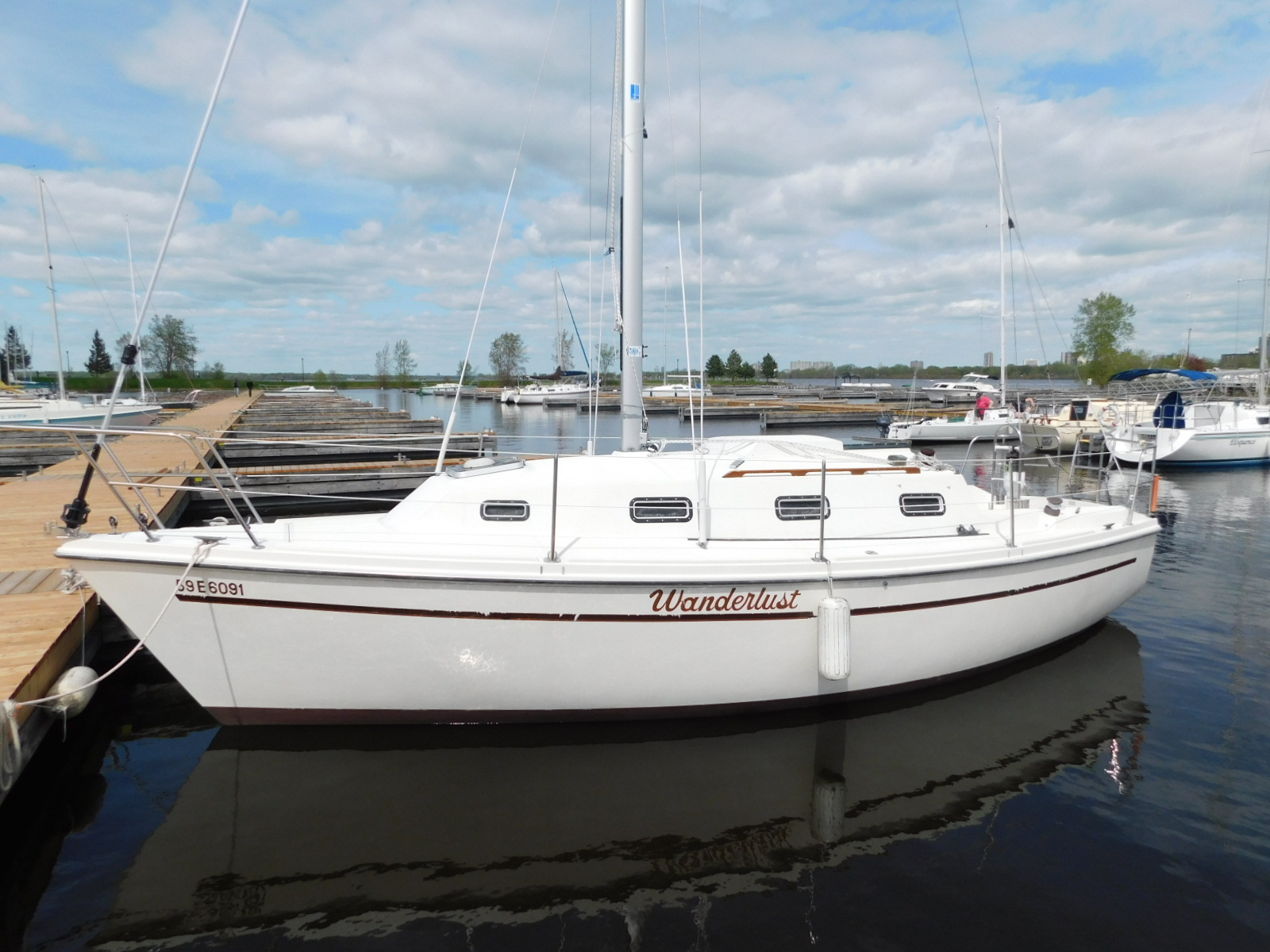
A recreational sailboat named "Wanderlust"

Wanderlust is a strong desire to wander or travel and explore the world. The term has its roots in German Romanticism.

Etymology

[edit]

The first documented use of the term in English occurred in 1902[1] as a reflection of what was then seen as a characteristically German predilection for wandering that may be traced back to German Romanticism and the German system of apprenticeship (the journeyman), as well as the custom of adolescent wanderings in search of unity with nature.[2]

The term originates from the German words wandern ('to hike') and Lust ('desire'), literally translated as 'enjoyment of hiking', although it is commonly described as 'enjoyment of strolling, roaming about, or wandering'.[3]

In recent years, the word Wanderlust is less commonly used in German, having been largely supplanted in the sense of 'desire to travel' by Fernweh ('a longing for far-away places'), coined as an antonym to Heimweh, 'homesickness', or 'travel fever' (Reisefieber).

Sociology

[edit]

Robert E. Park in the early twentieth century saw wanderlust as in opposition to the values of status and organisation,[4][5][6] while postmodernism would by contrast see it largely as playfully empowering.[7]

In post-Enlightenment Europe, upper-class bachelors were encouraged to embark upon a Bildungsreise (roughly, 'cultural education journey'), often sightseeing trips to Italy or France.

Among tourists, sociologists distinguish sunlust from wanderlust as motivating forces – the former primarily seeking relaxation, the latter engagement with different cultural experiences.[8]

Psychology

[edit]

Wanderlust may reflect an intense urge for self-development by experiencing the unknown, confronting unforeseen challenges, getting to know unfamiliar cultures, ways of life and behaviours or may be driven by the desire to escape and leave behind depressive feelings of guilt, and has been linked to bipolar disorder in the periodicity of the attacks.[9]

In adolescence, dissatisfaction with the restrictions of home and locality may also fuel the desire to travel.[10]

See also

[edit]

References

[edit]

Further reading

[edit]
Revisions and contributorsEdit on WikipediaRead on Wikipedia
from Grokipedia
Wanderlust is a German denoting a strong, innate desire to , wander, and explore unfamiliar places, often evoking a sense of restlessness or yearning for adventure beyond one's everyday environment. The term literally combines wandern, meaning "to wander" or "to hike," with lust, signifying "desire" or "pleasure," thus translating directly to a "desire for wandering." Coined in German, wanderlust first appeared in English in 1902, as recorded in literary periodicals like The Athenaeum, marking its adoption into broader usage to describe an impulsive urge for travel. Although the word itself emerged in the early 20th century, the underlying concept traces its cultural origins to 19th-century German Romanticism, where the motif of the wandering hero embodied themes of individualism, emotional depth, and harmony with nature, as explored in literature by figures like Goethe and in Romantic poetry. This Romantic idealization of aimless roaming influenced later perceptions of travel as a path to personal growth and escape from societal constraints. In modern contexts, wanderlust has evolved into a key concept in and studies, representing a distinct linked to positive emotional experiences such as , , and during activities. Research indicates that individuals high in wanderlust traits are more likely to seek novel destinations for experiential enrichment, influencing consumer behavior in the global industry. Today, the term permeates , , and discourse, symbolizing not just physical movement but a broader quest for meaning and discovery.

Origins and Meaning

Etymology

The term wanderlust is a borrowing from German Wanderlust, a compound noun formed from wandern ("to wander" or "to hike") and Lust ("desire" or "pleasure"). This combination literally translates to "desire to wander" or "hiking pleasure," reflecting a deep-seated urge for movement and exploration. The word emerged in German during the late , amid the cultural currents of , which celebrated , , and the restorative power of and wandering in the outdoors. In this context, Wanderlust captured the era's idealization of leisurely hikes and journeys as a means to connect with the sublime in landscapes, influencing and that emphasized escaping urban constraints for the freedom of the wild. Its first documented appearance in English dates to 1902, introduced through translations of German literature, including works by author Heinrich Seidel, where it denoted an eager longing for travel. Over time, the term evolved from its original connotation of a literal "desire for hiking" to a broader, metaphorical expression of an intense yearning for adventure and discovery beyond one's familiar surroundings.

Definition and Usage

Wanderlust refers to a strong, innate desire to , explore, or wander, often accompanied by feelings of restlessness or dissatisfaction with everyday routine. The term originates from German, where "wandern" means to hike or roam and "" denotes desire or pleasure. In its literal usage, wanderlust describes a physical impulse to journey to new places, as seen in examples like "a man consumed by wanderlust" who embarks on extensive travels. Figuratively, it extends to a metaphorical yearning for personal change, adventure, or escape from stagnation, such as a desire to "wander" through new career paths or life experiences. This distinction highlights its flexibility in , where it evokes both tangible exploration and abstract longing. By the , wanderlust has evolved from a niche literary expression—first entering English around —to a ubiquitous term in popular language, amplified by hashtags like #wanderlust and campaigns that promote experiential escapes. This shift has spawned neologisms such as "wanderlusting," which captures the active pursuit or indulgence in such desires, often in contexts of spontaneous or digital daydreaming about .

Psychological Dimensions

Causes and Triggers

The desire for wanderlust is rooted in biological and neurological mechanisms that reward novelty and . release in the brain's plays a central role, as novel stimuli activate neurons, motivating individuals to seek out new experiences and environments. This facilitates anticipation and toward exploration, enhancing the appeal of unfamiliar territories. Evolutionarily, such drives are linked to adaptations for survival, where variations in the D4 receptor (DRD4), particularly the 7-repeat , are associated with higher novelty-seeking behaviors and have been linked to patterns of across continents after controlling for neutral genetic processes, promoting dispersal and resource discovery. Personality traits significantly influence the propensity for wanderlust, with high —one of the Big Five personality dimensions—strongly associated with travel curiosity and a preference for diverse, stimulating journeys. Individuals scoring high on openness exhibit , appreciation for variety, and a willingness to embrace the unfamiliar, making them more prone to wanderlust. Complementing this, traits like and sensation-seeking serve as key triggers; sensation-seeking, characterized by the pursuit of intense, novel sensations, predicts spontaneous travel planning and a heightened drive for adventurous exploration. Environmental and life-stage factors often catalyze wanderlust by disrupting equilibrium and heightening the need for change. Prolonged exposure to routine monotony in daily life fosters a psychological push to escape, as individuals seek to alleviate through 's novelty and disruption of predictability. Midlife crises, marked by reassessment of personal achievements and routines, can intensify this urge, prompting as a means of reinvention and breaking from stagnation. Similarly, periods of global restriction, such as the from 2020 to 2022, amplified wanderlust, with studies showing elevated desires for leisure driven by , compensatory relief, and pent-up needs post-lockdown. These individual triggers can be further amplified by broader sociological trends, such as rising digital connectivity that exposes to global possibilities.

Effects on Mental Health

Wanderlust, characterized by an intense desire for and , can positively influence when acted upon through actual experiences. Exposure to new environments during has been shown to reduce stress and anxiety levels, as evidenced by studies demonstrating lowered responses and enhanced mood post-vacation. For instance, frequency correlates with improved psychological , including greater and reduced burnout, as indicated in integrative reviews of vacations and across populations. Novel experiences inherent in , such as encountering diverse cultures or landscapes, contribute to these benefits by stimulating activity; on nature-based indicates increased serotonin levels, which support emotional regulation and vitality. Despite these advantages, wanderlust can also exert negative effects on , particularly during transitions or when desires remain unfulfilled. The phenomenon known as "post-travel blues" or reverse often manifests upon returning home, leading to depressive symptoms, disorientation, and chronic restlessness that may exacerbate underlying conditions like anxiety or depression. Longitudinal studies of travelers, including international students, reveal that reentry shock involves psychological distress, with symptoms persisting for weeks and potentially lowering overall if not managed. Unmet wanderlust has been linked to heightened dissatisfaction and mood deterioration, as lack of travel opportunities can worsen depressive tendencies over time. In therapeutic contexts, wanderlust fulfillment is increasingly integrated into psychological interventions to bolster . Travel , an emerging approach, leverages exploratory experiences to alleviate stress, with programs like forest demonstrating measurable improvements in relaxation and mood regulation. Mindful travel practices, popularized in recent years, encourage present-moment awareness during journeys and are associated with enhanced and reduced stress in tourist experiences. These applications highlight how structured travel can serve as a tool for emotional resilience, particularly for individuals predisposed to wanderlust through traits like high .

Sociological Contexts

Social media platforms have significantly amplified wanderlust by exposing users to idealized images of , fostering and the (FOMO). On , the hashtag had over 154 million posts as of November 2024, reflecting its role in normalizing and promoting a desire for through and influencer endorsements. further intensifies this by facilitating cultural exchange and economic interconnectedness, making distant destinations seem more attainable and desirable, thus shaping collective aspirations toward mobility. Demographic trends highlight higher wanderlust prevalence among and , driven by the flexibility of the and opportunities. These generations often prioritize experiential living, with surveys indicating that 77% view as central to their identity and 87-89% rank it as a financial priority. The rise of digital nomadism, enabled by platforms like and remote gigs, allows young adults to blend work and , with many of Gen Z and reporting from non-traditional locations in recent years. Economic factors, particularly the proliferation of budget airlines since the early , have democratized by reducing costs and expanding route networks. Carriers like , , and [Southwest Airlines](/page/Southwest Airlines) have enabled more affordable fares in many markets, enabling spontaneous and frequent trips that embed wanderlust into everyday social norms. Complementing this, post-pandemic work-from-anywhere policies have further normalized location-independent lifestyles, with 59% of remote workers citing hybrid models as a motivator for increased . These developments collectively transform wanderlust from an individual urge into a widespread societal expectation.

Cultural Variations

In Western cultures, such as those in the United States and , wanderlust is often framed through the lens of and personal adventure, romanticizing solo exploration as a path to and discovery. This perspective draws from historical frontier narratives that glorify the rugged adventurer as a symbol of autonomy, evident in American myths of the Wild West where travel embodies conquest and personal triumph over nature. In contrast, Eastern traditions, particularly in , tie wanderlust to spiritual seeking and harmony with the natural and cosmic order, as seen in the Henro pilgrimage—a 750-mile circuit visiting 88 temples that represents stages of awakening, training, enlightenment, and nirvana. Pilgrims undertake this journey for and guidance, emphasizing communal rituals like o-settai (alms-giving) and immersion in nature rather than individualistic achievement. Among indigenous and non-Western groups, wanderlust manifests less as a discretionary desire and more as a cultural necessity integral to survival and identity. For the of the , nomadism is a foundational practice shaped by environmental adaptation, where seasonal mobility ensures sustainable resource use and maintains spiritual bonds with the desert through rituals honoring djinns and cosmic balance. Similarly, the Sámi of northern historically followed herds across vast pastures from mountains to coasts, a regulated nomadic essential for livelihood rather than , though modern influences have shifted many to sedentary patterns. This contrasts sharply with escapist wanderlust in urbanized societies, where travel serves as temporary relief from routine rather than an embedded way of life. Global influences have fostered hybrid forms of wanderlust in postcolonial contexts, blending local heritage with Western ideals. In , ethnographic studies of young backpackers in Gokarna reveal a fusion of spiritual pilgrimage to sites like the Mahabaleshwar Temple with beach relaxation and solo exploration inspired by global trends, allowing urban youth to escape societal pressures while reconnecting with cultural roots. This 2019 fieldwork highlights how increased domestic mobility among the creates "existential authenticity" through affordable, nature-focused trips that challenge traditional group norms.

Cultural and Historical Representations

In Literature and Art

Wanderlust has long been a central motif in and art, symbolizing the human impulse to explore beyond familiar boundaries, often intertwined with themes of self-discovery and existential longing. In ancient , Homer's (c. 8th century BCE) portrays as a quintessential wanderer driven by an insatiable desire for adventure, delaying his return home for ten years through voyages marked by encounters with mythical perils and temptations. This heroic quest narrative frames wanderlust as a noble yet perilous force, compelling the protagonist to traverse seas and confront the unknown in pursuit of knowledge and , or homecoming. The Romantic era elevated wanderlust to a romanticized ideal of individual freedom and communion with nature, evident in and visual . Lord Byron's (1812–1818) depicts its titular hero as a restless exile traversing , embodying a profound discontent with society that fuels endless travel. Similarly, Caspar David Friedrich's paintings, such as Wanderer above the Sea of Fog (1818), capture the sublime allure of solitary exploration, with a lone figure gazing over misty cliffs to evoke and the transcendent pull of the natural world, symbolizing the Romantic wanderer's spiritual quest amid vast, untamed vistas. In 20th-century literature, wanderlust evolved into a critique of modern alienation, as seen in Jack Kerouac's (1957), which chronicles the cross-country journeys of Sal Paradise and Dean Moriarty as emblems of restlessness. The novel portrays their "compulsion to move about" as a frantic search for authenticity amid , yet reveals its nihilistic undercurrents, with Sal ultimately yearning for rootedness while Dean remains a tragic, rootless figure: "With the coming of Dean Moriarty began the part of my life you could call my life ." Contemporary visual media continues this tradition, often highlighting wanderlust's dual allure and dangers. Sean Penn's film Into the Wild (2007), adapted from Jon Krakauer's 1996 book, follows Christopher McCandless's odyssey into the Alaskan wilderness, driven by a rejection of and a quest for ; Krakauer notes McCandless's appeal stems from a "wanderlust that everybody can relate to," transforming his real-life trek into a of isolation and unprepared . Thematically, representations of wanderlust in literature and art have shifted from the structured heroic quests of ancient epics like the Odyssey—where travel serves a teleological purpose of return and resolution—to the introspective, fragmented journeys of postmodern works, such as W.G. Sebald's (1995), which blend digressive walks with historical melancholy to explore cognitive drift and non-linear . This evolution mirrors broader cultural transitions from epic coherence to modern existential fragmentation, emphasizing wandering as a mode of ethical and perceptual openness rather than mere physical displacement.

Historical Movements and Figures

, a prominent tradition among European elites during the late 18th and early 19th centuries, embodied the Romantic era's intellectual wanderlust by sending young aristocrats—primarily British men completing their education around age 21—across to immerse themselves in , Roman ruins, and . This extended journey, often lasting months or years and focusing on as a key destination, served not only as cultural education but also as a means to collect artifacts, commission portraits, and cultivate refined tastes that signaled elite status upon return. Participants reflected deeply on ancient civilizations, aligning with Romantic ideals of personal transformation through and nature's sublime encounters. A quintessential figure of this movement was , whose Italian Journey (1786–1788) chronicled his clandestine departure from and subsequent explorations of Italy's landscapes, artworks, and societies, capturing the era's drive for artistic renewal and self-discovery. Goethe's detailed accounts, published in 1816–1817, highlighted how such travels resolved personal intellectual crises and inspired broader European fascination with Mediterranean heritage. Similarly, , a pioneering 19th-century British explorer, documented her solo global expeditions—from the to —in vivid writings that defied Victorian gender constraints, portraying women as capable of rugged independence and thereby influencing perceptions of female mobility in travel. Her books, such as those on unbeaten tracks in , emphasized unfiltered observations that empowered subsequent generations of women adventurers. In the , the post-World War II economic boom fueled a surge in backpacking, as rising affluence and leisure time enabled mass participation in affordable, long-distance hikes and overland adventures across Europe and beyond. This era's countercultural wave peaked with the of the 1960s and 1970s, where disillusioned Western youth traversed from to via and , embracing low-budget, experiential travel as a rejection of and a quest for spiritual enlightenment. Explorers like , active in the early-to-mid-, advanced this adventurous ethos through her prolific writings on uncharted Middle Eastern routes, including the Valley of the Assassins, which celebrated solitary discovery and cultural immersion to inspire bolder, more introspective journeys. Stark's narratives, blending peril with poetic insight, bridged pre-war exploration with the hippie generation's wanderlust.

Contemporary Implications

Impact on Travel and Lifestyle

Wanderlust has significantly fueled the expansion of the global travel industry, contributing to its pre-pandemic economic scale. In 2019, international tourism receipts alone reached approximately US$1.5 trillion, representing a key driver of economic activity through increased demand for experiential travel motivated by the desire for exploration and novelty. By 2024, global export revenues from international tourism reached US$2 trillion, up 14% from 2019 levels. Marketing campaigns have capitalized on this sentiment, such as Airbnb's "Live There" initiative launched in 2016, which encouraged users to immerse themselves in local cultures rather than traditional sightseeing, thereby boosting bookings and redefining travel as a lifestyle choice. This drive has reshaped personal lifestyles, particularly through the surge in digital nomadism, where enables prolonged travel. As of 2024, estimates indicate over 40 million digital nomads worldwide, a demographic increasingly integrating wanderlust into professional routines via flexible arrangements like extended remote stints. Such shifts have normalized sabbaticals as career milestones, allowing professionals to pause traditional employment for immersive travel periods that blend work and discovery, supported by advancements in digital connectivity. In response to the intensified travel patterns spurred by wanderlust, sustainable practices have emerged to balance exploration with environmental responsibility. Eco-tourism has seen substantial growth, with the global market valued at around US$232 billion in 2023 and projected to reach US$823 billion by 2033, as travelers seek nature-based experiences that minimize ecological harm. Complementing this, the slow travel movement, which gained traction in the post-2010s era, advocates for paced itineraries that foster deeper cultural connections and reduce the pressures of in popular destinations.

Challenges and Criticisms

Wanderlust-driven travel has drawn significant criticism for its environmental toll, particularly through the carbon emissions associated with air travel and other transportation modes. A comprehensive study published in Nature Communications estimated that global tourism was responsible for 5.2 gigatonnes of CO₂-equivalent emissions in 2019, accounting for approximately 8.8% of total anthropogenic greenhouse gas emissions. The study projects annual increases in tourism emissions of 3-4% following current trends. This figure underscores how the pursuit of wanderlust exacerbates climate change, with aviation alone contributing a substantial portion due to long-haul flights favored by international tourists. Additionally, overtourism in vulnerable destinations like Venice has intensified ecological damage, including lagoon pollution from cruise ships and wastewater, as well as sediment disruption harming marine habitats. Research in the journal Sustainability highlights how excessive visitor numbers strain local water resources and biodiversity, leading to calls for stricter visitor caps to mitigate these impacts. Social inequities represent another major critique of wanderlust, as the desire for travel often reflects socioeconomic privilege that excludes lower-income individuals and communities. Studies show that factors such as income levels and educational attainment heavily influence travel participation, creating barriers for those without financial resources to afford vacations or time off work. This exclusivity perpetuates a cycle where wanderlust narratives, popularized in media and social platforms, idealize experiences inaccessible to many, reinforcing class divides in leisure opportunities. Furthermore, criticisms focus on cultural appropriation within "exotic" travel stories, where Western tourists commodify and misrepresent indigenous or local cultures for aesthetic or social media appeal, often without regard for historical context or consent. An analysis in Thunderbird International Business Review argues that such practices distort destination images and undermine cultural integrity, prompting ethical debates in tourism scholarship. On a personal level, unchecked wanderlust can impose financial strain and disrupt relationships, as highlighted in 2020s self-help literature addressing as a potential form of . Authors in this genre, such as those exploring the psychological downsides of constant movement, warn that prioritizing over stability leads to accumulation from high costs like flights and accommodations, often at the of long-term savings or career progression. This compulsion also fosters relational tensions, with frequent absences or mismatched priorities eroding partnerships, as evidenced in discussions of how financial pressures from travel habits mute communication and breed resentment between couples. Such emphasize the need for balanced approaches to wanderlust to avoid personal and interpersonal costs.

References

Add your contribution
Related Hubs
User Avatar
No comments yet.