Hubbry Logo
Outdoor recreationOutdoor recreationMain
Open search
Outdoor recreation
Community hub
Outdoor recreation
logo
8 pages, 0 posts
0 subscribers
Be the first to start a discussion here.
Outdoor recreation
Outdoor recreation
from Wikipedia
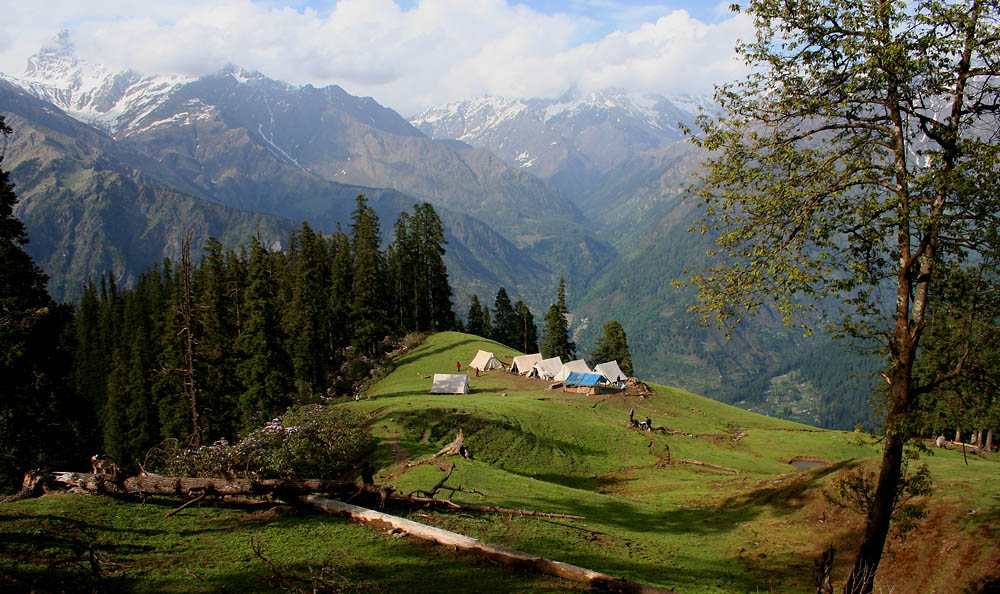
Camping in the Kullu District of Himachal Pradesh, India

Outdoor recreation or outdoor activity refers to recreation done outside, most commonly in natural settings. The activities that encompass outdoor recreation vary depending on the physical environment they are being carried out in. These activities can include fishing, hunting, backpacking, walking and horseback riding — and can be completed individually or collectively. Outdoor recreation is a broad concept that encompasses a varying range of activities and landscapes.

Outdoor recreation is typically pursued for purposes of physical exercise, general wellbeing, and spiritual renewal.[1] While a wide variety of outdoor recreational activities can be classified as sports, they do not all demand that a participant be an athlete. Rather, it is the collectivist idea[2] that is at the fore in outdoor recreation, as outdoor recreation does not necessarily encompass the same degree of competitiveness or rivalry that is embodied in sporting matches or championships. Competition generally is less stressed than in organized individual or team sports.[a] When the activity involves exceptional excitement, physical challenge, or risk, it is sometimes referred to as "adventure recreation" or "adventure training", rather than an extreme sport.

Other traditional examples of outdoor recreational activities include hiking, camping, mountaineering, cycling, dog walking, canoeing, caving, kayaking, rafting, rock climbing, running, sailing, skiing, sky diving and surfing. As new pursuits, often hybrids of prior ones, emerge, they gain their own identities, such as coasteering, canyoning, river trekking, fastpacking, and plogging.

Mountain biker in Levin, New Zealand

In many cities, recreational areas for various outdoor activities are created for the population.[3] These include natural parks, parks, playgrounds, sports facilities but also areas with free sea access such as the beach area of Venice Beach in California, the Promenade des Anglais in Nice or the waterfront of Barcola in Trieste.

Purpose

[edit]
Whitewater rafting

Outdoor recreation involves any kind of activity within an outdoor environment.[4] Outdoor recreation can include established sports, and individuals can participate without association with teams, competitions or clubs.[5] Activities include backpacking, canoeing, canyoning, caving, climbing, hiking, hill walking, hunting, kayaking, and rafting.[6] Broader groupings include water sports, snow sports, and horseback riding.[6]

People engage in physical activity outdoors as a form of recreation.[7] Various physical activities can be completed individually or communally.[8] Sports which are mainly played indoors or other settings such as fields are able to transition to an outdoor setting for recreational and non-competitive purposes. Outdoor physical activities can help people learn new skills, test stamina and endurance, and participate in social activities.[9][10]

Outdoor activities are also frequently used as a setting for education and team building.[11]

List of activities

[edit]

Examples

[edit]

Trekking

[edit]
Trekkers in Gorbea park, south of Biscay in Basque Country, Spain

Trekking can be understood as an extended walk and involves day hikes, overnight or extended hikes. An example of a day trek is hiking during the day and returning at night to a lodge for a hot meal and a comfortable bed. Physical preparation for trekking includes cycling, swimming, jogging and long walks. Trekking requires experience with basic survival skills, first aid, and orienteering when going for extended hikes or staying out overnight.

Mountain biking

[edit]

The activity of mountain biking involves steering a mountain cycle over rocky tracks and around boulder-strewn paths. Mountain bikes or ATBs (all-terrain bikes) feature a rugged frame and fork. Their frames are often built of aluminum so they are lightweight and stiff, making them efficient to ride.[12]

Many styles of mountain biking are practiced, including all mountain, downhill, trials, dirt jumping, trail riding, and cross country.[13] The latter two are the most common.[14]

Balance, core strength, and endurance are all physical traits that are required to go mountain biking. Riders also need bike handling skills and the ability to make basic repairs to their bikes. More advanced mountain biking involves technical descents such as down hilling and free riding.

Canyoning

[edit]
Canyoning at Sundarijal, Kathmandu, Nepal

Canyoning is an activity which involves climbing, descending, jumping and trekking through canyons. The sport originates from caving and involves both caving and climbing techniques. Canyoning often includes descents that involve rope work, down-climbing, or jumps that are technical in nature. Canyoning is frequently done in remote and rugged settings and often requires navigational, route-finding and other wilderness skills.

Education

[edit]

Outdoor education in the United States

[edit]

Education is also a popular focus of outdoor activity. University outdoor recreation programs are becoming more popular in the United States. Studies have shown that outdoor recreation programs can be beneficial to a student's well-being and stress levels in terms of calming and soothing the mind.[15] Universities in the United States often offer indoor rock climbing walls, equipment rental, ropes courses and trip programming.[16] A few universities give degrees in adventure recreation, which aims to teach graduates how to run businesses in the field of adventure recreation.

Outdoor education in the United Kingdom

[edit]

In the UK, the house of commons' Education and Skills Committee supports outdoor education. The committee encourages fieldwork projects since it helps in the development of ‘soft’ skills and social skills, particularly in hard to reach children. These activities can also take place on school trips, on visits in the local community or even on the school grounds.[17]

Outdoor enthusiast

[edit]

Theodore Roosevelt was a noted outdoorsman, conservationist, and big-game hunter
Author and sportsman Ernest Hemingway was a record-holding trophy fisherman, seen here with several marlins caught on a trip to Bimini in 1935

Outdoor enthusiast and outdoorsy are terms for a person who enjoys outdoor recreation. The terms outdoorsman, sportsman, woodsman, or bushman have also been used to describe someone with an affinity for the outdoors.

Some famous outdoor enthusiasts include U.S. president Teddy Roosevelt, Robert Baden-Powell, Ernest Hemingway, Ray Mears, Bear Grylls, Doug Peacock, Richard Wiese, Kenneth "Speedy" Raulerson, Earl Shaffer, Jo Gjende, Saxton Pope, Randy Stoltmann, Christopher Camuto, Eva Shockey, Jim Shockey, Henry Pittock, Eddie Bauer, Gaylord DuBois, Euell Gibbons, Clay Perry, Arthur Hasketh Groom, Les Hiddins, Bill Jordan, and Corey Ford. Some pioneering female outdoor enthusiasts include Mary Seacole, Isabella Bird, Emma Rowena Gatewood, Claire Marie Hodges, Mina Benson Hubbard, Beryl Markham, Freya Stark, Margaret Murie, Celia Hunter, Rachel Carson, Terry Tempest Williams, Marjory Stoneman Douglas, Ruth Dyar Mendenhall,[18] and Arlene Blum.

Sparsely populated areas with mountains, lakes, rivers, scenic views, and rugged terrain are popular with outdoor enthusiasts. In the United States, state parks and national parks offer campgrounds and opportunities for recreation of the sort. In the UK, all of rural Scotland and all those areas of England and Wales designated as "right to roam" areas are available for outdoor enthusiasts on foot. Some areas are also open to mountain bikers and to horse riders.

Outdoor recreation and cuisine

[edit]

Culinary techniques and foods popular with outdoor enthusiasts include dutch ovens, grilling, cooking over "open fires" (often with rock fire rings), fish fries, granola, and trail mix (sometimes referred to as GORP for "good old raisins and peanuts").


See also

[edit]

Notes

[edit]

References

[edit]
Revisions and contributorsEdit on WikipediaRead on Wikipedia
from Grokipedia
Outdoor recreation encompasses any leisure time activity conducted outdoors, ranging from resource-based pursuits that depend on natural or cultural features—such as , , and visiting historic sites—to user-oriented activities like picnicking and use that require minimal specific environmental elements. These activities are typically undertaken for , physical challenge, relaxation, and personal enrichment, often in settings like national forests, parks, waterways, and open public lands. Broadly, outdoor recreation includes both nature-based engagements involving direct interaction with elements like terrain, , and , as well as urban or man-made outdoor experiences. The scope of outdoor recreation is diverse, featuring activities such as , canoeing, , biking, horseback riding, , , , , and , which can be adapted to various skill levels and locations across urban, rural, and areas. Participation in these pursuits continues to grow, particularly in nature-based forms; for instance, in 2024, an estimated 181 million Americans aged 6 and older (nearly 60% of the population) participated in outdoor , up 3% from 2023. This expansion reflects outdoor recreation's role as a fundamental aspect of American culture, fostering connections to heritage, public lands, and . Engaging in outdoor recreation yields significant benefits, including enhanced cardiovascular health, improved circulation, lower , and reduced risk of chronic conditions like and , with even a 30-minute visit shown to positively impact heart metrics and cholesterol levels. Mentally, it promotes stress reduction, better focus, and overall well-being by encouraging time in spaces, which correlate with improved perceived and community bonds. Environmentally, these activities support conservation efforts by raising awareness of natural resources and contributing to mitigation in urban areas through space utilization. The economic impact of outdoor recreation is substantial, forming a key sector that added $639.5 billion to U.S. in 2023—equivalent to 2.3% of the national total—and driving related industries like , equipment , and . This activity supports widespread and generates significant , underscoring its importance for rural economies and national prosperity.

Definition and Overview

Definition

Outdoor recreation refers to voluntary leisure activities conducted outdoors, often depending on natural, cultural, or man-made environments, and typically pursued for personal enjoyment, relaxation, or exploration, distinguishing them from indoor pursuits or structured work-related tasks. Key characteristics of outdoor recreation include its non-competitive nature, in contrast to organized , which often prioritize achievement or rivalry. It is influenced by seasonal factors, such as weather patterns that affect participation in activities like in summer or snowshoeing in winter, leading to variations in engagement across the year. Accessibility ranges from casual, low-effort options like picnicking or walks, suitable for broad audiences, to more adventurous endeavors such as or , which require greater physical preparation and skill. The terminology surrounding outdoor recreation has evolved from early 20th-century concepts like "outdoor life," which emphasized healthful pursuits in nature as a counter to industrialization, as promoted in periodicals such as Outdoor Life. Modern definitions became more inclusive following the environmental movements of the , incorporating broader ecological awareness and principles that highlight recreation's role in fostering . Globally, definitions vary by region; in , outdoor recreation often stresses experiences and primitive immersion in vast, protected natural areas to promote solitude and . In contrast, European interpretations frequently integrate , blending natural settings with historical sites, trails, and community traditions to create multifaceted recreational opportunities.

Historical Development

Outdoor recreation has deep roots in ancient indigenous practices, where activities such as , gathering, and ceremonial walks were integral to survival, , and harmony with the environment. In pre-colonial Native American societies, and gathering traditions involved extensive use of trails for plants, pursuing game, and maintaining seasonal migrations, fostering a profound connection to the land that predated European settlement by millennia. Similarly, engaged in and gathering for over 50,000 years, using techniques like fire management to clear land for game and promote habitat regrowth, while practices such as the —a spiritual journey across ancestral lands—served as rites of passage and means of navigating vast landscapes. These activities were not merely utilitarian but embedded in spiritual and communal frameworks, laying foundational precedents for modern outdoor engagement. The marked the formal emergence of outdoor recreation as a deliberate cultural pursuit, influenced by in Europe and in America, which celebrated nature as a source of inspiration and self-discovery. European Romantics, exemplified by William Wordsworth's poetry that exalted the sublime beauty of the , encouraged leisurely walks and appreciation of wild landscapes as antidotes to industrialization's alienation. In the United States, Henry David Thoreau's 1854 book embodied Transcendentalist ideals, advocating in harmony with nature through his two-year experiment at , which inspired generations to seek solitude and reflection in the outdoors. These intellectual movements shifted perceptions from nature as a resource to exploit toward a space for personal and aesthetic enrichment, paving the way for organized recreational outings. The 20th century witnessed exponential growth in outdoor recreation, driven by post-World War II socioeconomic changes including increased leisure time, rising disposable incomes, and expanded access to public lands. The establishment of in 1872 as the world's first set a global precedent for preserving natural areas for public enjoyment, with visits surging amid broader conservation efforts. By the mid-century, recreational use of public lands exploded due to economic prosperity and technological advancements like automobiles, with per capita time spent in outdoor activities more than doubling from onward. The 1960s saw significant expansion of the U.S. system through initiatives like Mission 66, which modernized facilities and added urban-adjacent recreation areas to accommodate booming visitation. In the since 2000, digital technologies have transformed outdoor recreation by enhancing , , and , while the catalyzed a surge in participation. GPS-enabled apps and devices, evolving from early innovations, allow precise mapping and real-time tracking, enabling users to explore remote areas with greater confidence and reducing reliance on paper maps. Post-pandemic trends from 2020 to 2025 reflect heightened demand, with U.S. use increasing by up to 79% in peak periods like March to July 2020 and overall outdoor participation reaching record levels of 181.1 million people (58.6% of Americans aged six and older) in 2024, growing 3% year-over-year. Continued growth in 2024 saw notable increases among diverse groups such as Black Americans (+12.8%) and Hispanic Americans (+11.8%), and surges in gateway activities like and . Key milestones include the founding of the in 1892, which promoted wilderness preservation and outings under John Muir's leadership, and in 1970, which mobilized global environmental awareness and boosted recreational advocacy.

Benefits and Motivations

Physical and Mental Health Benefits

Outdoor recreation offers substantial physical health benefits, primarily through enhanced cardiovascular function, improved muscular strength, and reduced risk of chronic conditions such as and . Systematic reviews of greenspace exposure, a key component of outdoor activities, demonstrate significant reductions in cardiovascular mortality with an of 0.84 (95% CI: 0.76–0.93), alongside decreases in diastolic by 1.97 mmHg (95% CI: -3.45 to -0.49) and by 2.57 beats per minute (95% CI: -4.30 to -0.83). For instance, meta-analyses indicate that approximately 30 minutes of normal walking daily for five days a week is associated with a 19% reduction in coronary heart disease risk. These activities also promote muscle strength and , as seen in sports-based outdoor pursuits that lower all-cause mortality risks. Additionally, exposure to natural environments correlates with a 28% lower incidence of type II (OR: 0.72, 95% CI: 0.61–0.85), contributing to prevention by encouraging sustained physical engagement. On the mental health front, outdoor recreation significantly alleviates stress and anxiety, with practices like forest bathing () showing robust physiological evidence. Originating from Japanese research in the , involves immersive nature exposure and has been linked to reduced levels, a primary stress , with post-intervention decreases of 0.05 μg/dl (95% CI: -0.06 to -0.04; p < 0.01) compared to urban settings. This effect extends to lowered adrenaline and noradrenaline, fostering overall stress hormone reduction during short-term forest trips. Meta-analyses confirm that nature-based interventions improve depressive mood (SMD: -0.64, 95% CI: -1.05 to -0.23) and reduce anxiety (SMD: -0.94, 95% CI: -1.50 to -0.38), highlighting the psychological restorative power of outdoor settings. Long-term engagement in outdoor recreation enhances immune function and cognitive performance, particularly in children, while lowering depression incidence. Forest bathing boosts activity by up to 53% and increases cell numbers by 50%, with effects persisting for over a week, thereby strengthening immunity against diseases like cancer. In children, residential green space exposure from birth to age five is associated with a 20% higher of (ADHD) for lowest versus highest exposure (IRR: 1.20, 95% CI: 1.13–1.28), equivalent to about a 17% reduction for higher exposure, mediated partly by mitigation and improved restoration. Time spent in green settings also ameliorates ADHD symptoms, with structured and unstructured outdoor play leading to milder behavioral issues compared to indoor or built environments. Broader meta-analyses of , including outdoor forms, reveal a 25% lower depression at recommended levels (8.8 mMET-h/week; 95% CI: 18%–32%), potentially preventing 11.5% of cases.

Social and Environmental Motivations

Outdoor recreation serves as a vital avenue for fostering social connections, enabling individuals to build and strengthen relationships through shared experiences in natural settings. Family bonding, for instance, is enhanced by activities such as , where participants engage in unstructured interactions that promote communication and mutual support, leading to improved relational quality. Similarly, group outings facilitate team-building by altering , encouraging deeper interpersonal engagement and among participants. These social drivers underscore how outdoor pursuits cultivate community ties, as evidenced by studies showing strengthened cohesion and social networks through collective nature immersion. Environmental motivations for outdoor recreation stem from an innate human affinity for the natural world, as articulated in the biophilia hypothesis proposed by biologist E.O. Wilson in 1984, which posits that evolutionary adaptations foster emotional bonds with living organisms and ecosystems. This hypothesis suggests that engaging with biodiversity through recreational activities satisfies a fundamental psychological need, promoting stewardship and appreciation for ecological diversity. Such motivations drive participation not merely for leisure but to deepen connections with the environment, reinforcing behaviors that support conservation. Cultural influences further shape these motivations, exemplified by the Scandinavian philosophy of friluftsliv, which emphasizes open-air living as an integral aspect of and heritage preservation. Originating in the 1850s, the term was coined by Norwegian playwright in his poem "På Vidderne," reflecting a Romantic-era ideal of harmonious coexistence with nature. This tradition, deeply embedded in Nordic societies, promotes simple, accessible outdoor engagement to maintain and environmental reverence, influencing global perspectives on as a means of preserving natural legacies. Contemporary trends highlight the rising appeal of eco-tourism, where motivations blend social and environmental elements through responsible that supports local communities and ecosystems. The global eco-tourism market is projected to reach approximately $296 billion in 2025, reflecting increased demand for experiences that emphasize and cultural immersion. This growth underscores a shift toward that prioritizes ecological awareness and interpersonal connections in pristine environments.

Categories of Activities

Land-Based Activities

Land-based activities form a core category of outdoor recreation, encompassing terrestrial pursuits that engage participants with natural environments through physical movement or mechanized travel on land. These include walking, running, and on trails, where individuals navigate designated paths or unmarked terrain using maps and compasses to complete courses that test and spatial awareness; equestrian activities, such as and endurance competitions on horseback, which combine human-animal partnership with exploration of landscapes; and use, involving all-terrain vehicles (ATVs), utility task vehicles (UTVs), and dirt bikes to traverse rough, unpaved routes for adventure and access to remote areas. Essential equipment for land-based activities prioritizes safety, mobility, and navigation, including durable footwear like hiking boots to protect against uneven surfaces and weather, backpacks for transporting water, food, and gear, and maps for route planning. Navigation tools have evolved significantly since the 2010s, transitioning from static paper maps—long the standard for orientation—to dynamic digital applications on smartphones and GPS devices that offer real-time updates, topographic overlays, and offline capabilities, enhancing accuracy and user-friendliness in diverse terrains. Accessibility in these activities is shaped by terrain variations and seasonal conditions, allowing adaptation to different skill levels and environmental changes. Flat, groomed paths and gentle slopes provide entry points for beginners and those with mobility limitations, while rugged, steep, or rocky terrains challenge experts seeking advanced physical and technical demands; seasonal adaptations involve selecting appropriate gear, such as insulated clothing for winter snow cover that may require snowshoes for traction, or breathable attire for summer heat that can extend activity windows but increases hydration needs. Participation in land-based outdoor recreation remains widespread globally, reflecting its appeal for and . In the United States, 58.6% of the aged six and older—approximately 181 million people—engaged in outdoor activities in 2024, with land-based pursuits like and running comprising a significant portion of this growth. In the , around 40% of citizens reported conducting physical activities in outdoor settings such as parks and trails, underscoring the category's popularity for informal .

Water-Based Activities

Water-based activities encompass a range of outdoor recreations that take place on or in bodies of water, including rivers, lakes, and oceans, relying on and for mobility and engagement. These pursuits, such as , , , and , allow participants to interact directly with aquatic environments, fostering physical exertion and environmental immersion. involves propulsion through using limbs or aids, often in open settings for or exercise, while entails paddling a small, enclosed for or whitewater . focuses on for aquatic species using rods and bait, and harnesses wind to propel across surfaces, requiring skill in and vessel handling. Environmental adaptations are crucial for safe and effective participation in water-based activities, as aquatic settings present unique challenges like tidal fluctuations, variations, and temperature extremes. In coastal areas, influence water levels and currents, affecting access to sites and the feasibility of activities like or , with rising potentially enabling deeper navigation while low expose hazards such as rocks or mudflats. , determined by factors like pollution and clarity, directly impacts suitability for or , as degraded conditions can harbor pathogens or reduce fish populations. In northern latitudes, cold- shock poses a significant risk during immersion, causing involuntary gasping, , and cardiovascular strain due to temperatures often below 15°C (59°F), which can lead to rapid incapacitation even for experienced participants. Essential equipment for water-based recreation includes personal flotation devices (PFDs), such as life vests, which provide to prevent submersion and are mandatory for most activities to mitigate risks. Paddles, typically made from lightweight composites like carbon fiber or aluminum, enable propulsion in and canoeing, with designs optimized for efficiency in calm or turbulent waters. Wetsuits, constructed from —a developed in the 1930s and first applied to wetsuits in 1951 by physicist Hugh Bradner—offer by trapping a thin layer of against the skin, protecting against in cooler conditions; advancements since the have improved flexibility and durability through foaming processes. Regional variations in water-based activities reflect geographic and climatic differences, with inland areas emphasizing freshwater pursuits like lake and river kayaking, while coastal regions prioritize ocean-oriented endeavors such as amid tidal dynamics. In the United States, freshwater alone drew a 14% participation rate among those aged six and older in 2024, equating to more than 43 million participants, underscoring the prominence of inland water recreation compared to coastal alternatives, which often involve fewer but longer visits due to travel distances and environmental constraints.

Aerial and Extreme Activities

Aerial and extreme activities encompass high-adrenaline pursuits that involve significant heights, flight, or inherent risks, often requiring specialized skills to navigate vertical or airborne environments. utilizes a lightweight, ram-air wing to launch from hillsides or mountains, allowing pilots to soar using updrafts for extended flights. Rock climbing focuses on ascending sheer rock faces or boulders using hands, feet, and protective gear to manage falls. and entail descending steep snow-covered slopes at high speeds, incorporating jumps and terrain features for added challenge. represents one of the most perilous variants, involving deployments from fixed objects like cliffs or buildings with minimal altitude for safe opening. These activities are profoundly influenced by environmental factors, particularly altitude and patterns, which demand precise awareness for . At higher altitudes, reduced air density increases while decreasing lift efficiency, potentially leading to hypoxia and impaired pilot judgment in ; studies show heart rates elevate by approximately 14 bpm at extreme altitudes above 5,000 meters compared to moderate levels. Weather dependencies are critical, with —sudden changes in or direction—posing severe risks in aerial sports like , where it can cause rapid loss of control or collapses during low-altitude maneuvers. In and , variable snow conditions and sudden gusts exacerbate instability on exposed ridges, while BASE jumping's ultra-low deployment heights amplify the dangers of microbursts or thermal turbulence. Advancements in equipment have enhanced accessibility and safety since the late . Climbing harnesses evolved from rudimentary waist belts in the to modern sit harnesses by the , incorporating adjustable buckles, padded leg loops, and gear loops for carabiners, improving comfort and load distribution during falls. Helmets progressed from basic hard hats to lightweight foam-lined models in the 1970s, with ventilation and impact-absorbing materials reducing risks. In , gliders and harnesses benefited from carbon fiber integrations in the 2000s, enabling weight reductions of up to 20-30% in structural components like frames and pods, which facilitated easier launches and longer flights without compromising strength. Demographic trends highlight the appeal to thrill-seekers, with extreme sports participation driven by sensations of excitement and mastery over risk. Globally, alone engages over 35 million participants annually, reflecting a surge in interest among young adults seeking adrenaline rushes. Approximately 70% of extreme sports athletes are , with an average age of 27, often motivated by high sensation-seeking traits that correlate with repeated engagement in activities like or high-altitude . This demographic skew underscores the psychological draw of conquering fear, though growth in indoor facilities has broadened access beyond traditional outdoor enthusiasts.

Specific Examples

Hiking and Trekking

Hiking and trekking represent fundamental forms of pedestrian in natural environments, emphasizing self-propelled over varied terrain to foster physical challenge and connection with the outdoors. Hiking typically involves shorter, often day-long outings on established trails, suitable for recreational purposes without overnight stays, while trekking entails multi-day journeys that incorporate or , demanding greater logistical preparation and endurance. These distinctions highlight hiking's accessibility for casual participants and trekking's immersion in remote settings, where participants carry supplies and navigate potentially rugged landscapes. Route planning is essential for both activities, involving assessment of distance, elevation changes, weather, and resupply points to ensure safety and enjoyment. A prominent example is the , a renowned long-distance footpath spanning approximately 2,197 miles (as of 2024) through 14 states in the , from Georgia to . Approximately 3,000–4,000 individuals attempt a thru-hike of the entire trail annually, with about 1,000 successfully completing it in a single season (as of recent years, e.g., 996 in 2024), often taking five to seven months. Key techniques in and trekking include effective pace to prevent and , as well as precise to maintain course. Pace entails setting a sustainable speed based on , difficulty, and individual fitness, with recommendations to let the slowest member lead to keep the party cohesive and avoid overexertion on ascents or descents. often relies on topographic maps combined with tools like altimeters, which measure to track gain and confirm position by correlating readings with contour lines, aiding in low-visibility conditions or off-trail sections. These pursuits hold deep cultural significance, particularly through historic pilgrimage routes that blend physical endeavor with spiritual reflection. The , originating in the 9th century following the discovery of Saint James the Apostle's tomb in , exemplifies this tradition as a network of paths converging on . In the 2020s, it attracts over 400,000 walkers annually, with a record 499,000 pilgrims completing the journey and receiving a Compostela certificate in 2024 alone. Modern adaptations have enhanced accessibility and safety through technology, such as mobile applications for route discovery and real-time tracking. The app, for instance, provides detailed trail maps, user reviews, and navigation aids, serving over 80 million registered users worldwide by 2025 and facilitating planning for diverse hikes and treks.

Cycling and Mountain Biking

Cycling encompasses a range of wheeled activities on paved roads and off-road paths, providing accessible outdoor recreation for diverse skill levels. involves riding on smooth, paved surfaces, often emphasizing endurance and speed over long distances, while focuses on rugged, natural terrain such as trails, rocks, and roots, requiring specialized bikes with robust frames and tires for traction. Within , key disciplines include cross-country, which combines uphill climbs and technical descents for all-day endurance rides, and downhill, a gravity-assisted pursuit involving high-speed descents on steep, obstacle-filled tracks. These variants allow participants to engage with varied landscapes, from forested singletracks to alpine drops, promoting both physical challenge and environmental immersion. Mountain biking originated in the early 1970s in , where local cyclists modified older "clunker" bikes with multiple gears and brakes to navigate fire roads and steep trails on . This grassroots innovation, led by figures like and Charlie Kelly, evolved into a formalized by the , with the first dedicated mountain bikes appearing commercially. Today, boasts widespread appeal, with over 9 million participants in the United States alone in 2023, reflecting its growth into a global pursuit supported by events like the UCI Mountain Bike World Series. Activities span beginner-friendly groomed paths to expert-level black diamond descents, accommodating riders from novices building confidence on gentle slopes to professionals tackling extreme features. For instance, Whistler Bike Park in , , offers over 80 kilometers of trails across four zones, ranging from flowy green runs for beginners to technical double-black diamond lines for advanced riders, complete with lift access for repeated descents. This progression enables skill development while minimizing risk through graded difficulty. Proper maintenance is essential for safe and efficient performance on uneven terrain, particularly tuning suspension systems that absorb shocks from roots, jumps, and drops. Full-suspension bikes, with front forks and rear shocks providing 120-200mm of , excel on rough paths by maintaining tire contact and rider control; regular servicing, including cleaning pivots, checking air pressure, and replacing seals every 50-100 hours of use, prevents failures and extends component life. Riders should also adjust sag—typically 25-30% of under rider weight—for optimal balance between pedaling efficiency and bump absorption, ensuring the bike adapts to specific conditions.

Water Sports and Canyoning

Water sports encompass a range of dynamic outdoor activities that involve navigating bodies of water, often in natural riverine or coastal environments. Kayaking typically involves paddling a small, maneuverable boat through calm or whitewater sections of rivers and lakes, emphasizing personal skill and balance, while rafting entails guiding an inflatable raft through rapids in groups, relying on teamwork to navigate turbulent flows. Canyoning, also known as canyoneering, represents a hybrid pursuit that combines elements of these water sports with technical descending techniques to traverse narrow gorges and slot canyons sculpted by water erosion. In , participants descend canyons using a progression of methods including , , jumping into pools, sliding down natural chutes, and via ropes to overcome vertical obstacles. Rope work is central, involving controlled rappels with and harnesses, often spanning 50-100 meters in narrow slots where waterfalls cascade into confined spaces, as exemplified by descents in Zion Canyon's technical routes in . Bridging, chimneying, and techniques supplement rope descents by leveraging body positioning against opposing canyon walls to cross gaps or ascend short sections. Essential equipment for these activities prioritizes safety and adaptation to wet, rugged conditions. Helmets protect against rockfall and impacts, wetsuits provide thermal insulation against cold water, and carabiners secure s and harnesses during rappels. The Union Internationale des Associations d'Alpinisme (UIAA) has established safety standards for such gear since 1960, initially with testing and expanding to over 25 categories including harnesses and connectors, ensuring equipment withstands forces encountered in canyoning and . Globally, canyoning thrives in diverse terrains, with Europe featuring iconic sites like France's Verdon Gorge—often called the "Grand Canyon of Europe"—where participants navigate turquoise waters, limestone cliffs up to 700 meters deep, and multiple waterfalls via jumps and abseils. In the United States, Utah's slot canyons, such as those in Zion National Park, offer narrow, vertical descents amid desert landscapes, drawing adventurers for their technical challenges and scenic immersion. The activity's popularity is reflected in a global market valued at USD 450 million in 2024, indicating substantial participation amid growing interest in adventure tourism.

Education and Training

Formal Programs and Curricula

Formal programs and curricula in outdoor recreation encompass structured educational initiatives designed to integrate into systems and higher education institutions, fostering skills for safe and responsible engagement with natural environments. In the United States, the No Child Left Inside initiative, emerging in the mid-2000s, sought to counter the decline in outdoor time for children by promoting and hands-on outdoor learning within K-12 curricula, with state-level implementations like Washington's 2007 program emphasizing academic performance, health, and through -based outdoor activities. At the university level, programs such as those at Penn State University and SUNY Cortland offer undergraduate degrees in outdoor , combining coursework in leadership, , and adventure skills with field-based experiences like backpacking and to prepare students for careers in . Globally, these programs vary in scope and emphasis, with the United Kingdom's Duke of Edinburgh's Award, launched in 1956, serving as a seminal development initiative that requires participants aged 14-24 to complete challenges in , physical , skills, expeditions, and residential activities, engaging millions worldwide since its inception and promoting personal discovery through outdoor challenges. In contrast, the U.S.-based (NOLS), founded in 1965, focuses on immersive education, delivering multi-week courses in backcountry settings to teach technical outdoor skills and , with an emphasis on that has expanded to international locations. Core learning objectives in these curricula prioritize practical skill-building, such as navigation using compasses and maps during expeditions, and ecological awareness through activities that highlight environmental relationships and minimum-impact practices. Programs often culminate in multi-week expeditions, where participants apply these skills in real-world scenarios, developing competence in outdoor living, teamwork, and decision-making under challenging conditions like remote trekking or base camping. Post-2020, the integration of virtual simulations and hybrid learning models has enhanced accessibility in outdoor recreation education, allowing students to practice navigation and through digital platforms before field applications, with studies from 2020 to 2025 showing increased adoption in higher education for safe, inclusive training amid global disruptions. By 2025, these tools have become standard in many programs, blending expeditions with in-person outings to broaden participation without compromising experiential depth.

Certifications and Safety Training

Certifications and safety training play a crucial role in preparing participants for the inherent risks of outdoor recreation, focusing on practical skills for response, , and hazard mitigation. One prominent example is the Wilderness First Aid (WFA) certification, a standardized 16-hour course designed to equip individuals with the to assess and treat injuries and illnesses in remote settings where professional medical help may be delayed. Offered by organizations such as the (NOLS) and the Wilderness Medical Associates International, WFA emphasizes patient assessment, wound care, environmental emergencies like , and evacuation protocols, making it essential for leaders in , backpacking, and activities. Another key certification is the Leave No Trace Trainer credential, introduced in the 1990s as part of the broader program developed through partnerships between the U.S. Forest Service and NOLS. This training enables individuals to educate others on minimizing human impact on natural environments through seven core principles, including planning ahead, traveling on durable surfaces, and disposing of waste properly. Since the incorporation of the Leave No Trace, Inc. in 1994—which later became known as the Leave No Trace Center for Outdoor Ethics and simplified to in 2021—the trainer course has trained thousands to promote sustainable practices across various outdoor pursuits. Training methods for these certifications typically incorporate a mix of classroom instruction, hands-on simulations, and field-based practice to build real-world proficiency. For instance, awareness courses for and , aligned with standards from the American Institute for Avalanche Research and Education (AIARE), include scenario-based exercises where participants practice beacon searches, probe techniques, and group decision-making in simulated terrain. These methods ensure learners develop both technical skills and judgment under pressure, with AIARE's Level 1 curriculum requiring at least 24 hours of instruction, including outdoor components for terrain analysis and risk evaluation. On an international level, the (ISO) provides guidelines for adventure safety, notably through ISO 21101:2014, which outlines requirements for safety management systems, including systematic , competency training for staff, and emergency response planning. Updates to related standards, such as ISO 3163:2022 on adventure vocabulary, further emphasize integrating into operational practices to enhance participant safety across global activities like guided treks and water-based adventures. These standards promote uniform credentialing and training protocols, helping operators comply with legal and ethical obligations in diverse jurisdictions. Evidence from research underscores the value of such certifications in reducing incidents. A study of 344 recreational accidents in the United States found that participants with formal training took lower relative risks and employed better mitigation strategies, such as using transceivers and route planning, compared to untrained individuals, thereby decreasing overall exposure to severe outcomes. While specific reduction percentages vary by activity and context, certified practitioners demonstrate improved , contributing to lower injury rates in settings.

Environmental and Sustainability Issues

Conservation Efforts

Conservation efforts in outdoor recreation focus on organized initiatives to safeguard environments essential for activities such as , , and . These efforts involve governments, non-governmental organizations, and international bodies working to preserve habitats, maintain , and promote sustainable access to recreational spaces. By protecting ecosystems, these programs ensure long-term viability for recreation while fostering and public engagement with nature. Major organizations lead these initiatives globally and nationally. The (NPS), established in the United States in 1916, oversees conservation through programs like the Rivers, Trails, and Conservation Assistance (RTCA) initiative, which partners with communities to develop trails, restore rivers, and create recreation opportunities in protected areas. The International Union for Conservation of Nature (IUCN), founded in 1948, operates through global networks of scientists, governments, and NGOs to advance nature conservation, including efforts that support and outdoor activities by protecting key habitats. IUCN's commissions provide expertise on issues like protected areas, which are vital for recreation-dependent ecosystems. Key programs emphasize practical actions such as trail maintenance and habitat restoration. In the U.S., the American Hiking Society coordinates volunteer vacations and events like , where thousands of participants annually improve over 450 miles of trails through clearing, building, and , contributing to the preservation of routes nationwide. Since its inception, these efforts have amassed over 650,000 volunteer hours, equivalent to more than $11.5 million in labor value for trail construction and upkeep. Globally, IUCN's Restoration Initiative has restored hundreds of thousands of hectares of degraded land since 2011, including forests and wetlands that enhance biodiversity and support recreational uses like and . Policy milestones have provided foundational frameworks for these protections. The U.S. of 1964 created the , designating over 9 million acres initially as undeveloped lands where recreation occurs with minimal human impact, influencing subsequent expansions to nearly 112 million acres as of 2024. Internationally, the , adopted in 2015, include Target 15.1 to conserve terrestrial and inland freshwater ecosystems, promoting sustainable land management that underpins outdoor recreation by halting and restoring degraded areas. A prominent success story is the reintroduction of gray wolves to in 1995, which initiated a that boosted by regulating populations, allowing vegetation recovery and benefiting species like beavers and songbirds. This restoration enhanced wildlife viewing opportunities, a key form of outdoor recreation, drawing increased visitor engagement with the park's .

Impacts and Sustainable Practices

Outdoor recreation activities can exert significant negative pressures on natural environments, including along trails caused by repeated foot traffic, which leads to loss of , increased in waterways, and degradation. Wildlife disturbance is another key impact, where presence prompts behavioral changes such as fleeing or altered patterns, potentially reducing access to essential resources and increasing stress levels. For instance, off-trail has been linked to nesting disruptions in birds due to repeated intrusions in sensitive areas. To mitigate these effects, sustainable practices emphasize low-impact principles designed to minimize environmental footprints during outdoor activities. The Seven Principles of , developed in the late 1980s and formalized in the 1990s by the U.S. Forest Service and in collaboration with the Leave No Trace Center for Outdoor Ethics, provide a foundational framework; these include planning ahead, traveling on durable surfaces, and disposing of waste properly to prevent long-term degradation. These principles encourage users to concentrate activities on established paths and avoid sensitive zones, aiming to reduce trail proliferation and vegetation trampling. Assessing and managing these impacts often relies on measurement tools like models, which evaluate the maximum level of use an area can sustain without unacceptable change. The Recreation Opportunity Spectrum (ROS) framework, introduced in the by the U.S. Forest Service, classifies recreation settings along a continuum from primitive to urban based on access, social interaction, and environmental modifications, helping managers set use limits to balance visitor experiences with ecological integrity. Contemporary challenges include , where excessive visitor numbers overwhelm protected sites and amplify and habitat stress. exacerbates these issues through increased wildfires, flooding, and trail degradation, affecting access to recreational areas. The Decade on Ecosystem Restoration (2021–2030) promotes global efforts to restore degraded ecosystems, supporting sustainable outdoor recreation. At , for example, authorities imposed a daily visitor cap of 2,500 in 2019 following recommendations, which has since been raised to up to 5,600 in high season as of 2025, to curb and preserve the archaeological integrity amid rising global pressures.

Safety and Risk Management

Common Hazards

Outdoor recreation encompasses a range of activities that expose participants to various hazards, primarily environmental, biological, and human-induced, which can lead to injuries or fatalities if not anticipated. These risks vary by activity type, such as , , or water sports, but share common patterns across settings like forests, mountains, and waterways. In the United States, outdoor recreational injuries treated in departments occur at a rate of 72.1 per 100,000 population annually (95% CI = 38.6–105.6, based on 2004–2005 data), with males accounting for 68.2% of cases, often involving the lower or upper limbs. In the United States, the reports an average of 358 deaths per year on park lands (2014–2019, with data available up to 2024), many linked to these hazards, though the overall mortality rate remains low at 0.11 per 100,000 visits (2019). Environmental risks pose significant threats through unpredictable weather and challenging terrain. Extreme weather, including lightning strikes, heavy rain leading to flash floods, high winds, ice, and temperature fluctuations, can rapidly endanger participants; for instance, sudden storms contribute to slips and visibility issues in activities like and . Terrain hazards, such as uneven surfaces, rocky paths, wet logs, or steep drops, frequently result in falls, which account for a substantial portion of incidents in settings. , often triggered by wet clothing and cold exposure even above 40°F (4°C), is a prevalent concern in mountain and winter activities, comprising a considerable of primary illnesses in , trekking, and off-piste cases. In northern climates, moderate hypothermia (core temperature 31.9–28°C) accounted for 23% of hypothermia cases in a Swedish study (2000–2007) of 362 cold-related injury hospitalizations. Biological threats include encounters with wildlife and vector-borne diseases from insects, which can cause severe health issues. Wildlife interactions, such as with bears, snakes, or large mammals, are relatively rare but hazardous in areas like national parks, where improper approaches lead to attacks; the U.S. Fish and Wildlife Service notes that maintaining distance and awareness reduces risks, though incidents occur annually during peak recreation seasons. Insect bites, particularly from ticks, transmit diseases like Lyme disease, the most common tick-borne illness in the U.S., with reported cases rising from around 10,000 annually in the early 1990s to over 89,000 in 2023—a more than 800% increase—driven by expanding tick habitats due to climate and land-use changes. Human factors, including navigation errors and fatigue, contribute to a large share of incidents through poor preparation or physical limits. Navigation mistakes, such as veering off-trail or misjudging routes, are the leading cause of search-and-rescue (SAR) operations, accounting for about 42% of cases involving day hikers in U.S. national parks from 2004 to 2014, and up to 48% of all hiking-related SAR incidents. Fatigue exacerbates these risks by impairing judgment and increasing accident likelihood; exceeding physical abilities factors into 17% of hiking mishaps, often combining with inadequate planning in 22% of cases. Across U.S. national parks from 2004–2014, day hikers comprised 42% of the 46,609 search and rescue cases, highlighting the prevalence of these errors in outdoor pursuits.

Mitigation Strategies

Preparation is a foundational element of risk mitigation in outdoor recreation, involving thorough planning to anticipate environmental challenges. Participants are advised to conduct weather checks using reliable forecasts from sources like the to avoid sudden storms or extreme conditions that could escalate dangers. Gear checklists, such as the "10 Essentials" originally developed by The Mountaineers in the 1930s, emphasize carrying items like navigation tools, sun protection, insulation, illumination, first-aid supplies, fire starters, repair kits, nutrition, hydration, and emergency shelters to enable self-sufficiency during unexpected delays or emergencies. Techniques for immediate risk reduction include the , where participants pair up to monitor each other's well-being, provide mutual support, and summon help if needed, a practice long recommended by organizations like the for activities such as . Emergency signaling methods further enhance safety, encompassing auditory tools like whistles for short-range alerts and visual aids such as signal mirrors or ground markers arranged in patterns like the international SOS symbol to attract rescuers from afar. Personal locator beacons (PLBs), compact satellite-linked devices that transmit distress signals with GPS coordinates, have seen substantial adoption growth since the 2010s; in 2013, PLBs contributed to 32% of Cospas-Sarsat rescues (1,931 persons across 731 events), enabling rapid response from search-and-rescue teams. Policy measures implemented by land management agencies help regulate access to high-risk areas, minimizing exposure through structured oversight. For instance, Denali National Park & Preserve requires permits for camping and expeditions to ensure participants meet safety qualifications, limit group sizes, and submit detailed itineraries, thereby facilitating coordinated emergency responses in remote terrains. Similar permit systems in other protected areas enforce trail quotas and seasonal closures to prevent overcrowding and overuse in hazardous zones. Technological aids have revolutionized real-time risk management by providing on-demand information and connectivity during outings. Mobile applications like Gaia GPS offer offline topographic maps, weather overlays, and route-tracking features that alert users to potential hazards such as trail closures or incoming storms, with hiking navigation apps seeing market expansion at a of approximately 9% through the mid-2020s due to rising outdoor participation. These tools integrate with wearable devices for vital sign monitoring and automated emergency notifications, promoting proactive decision-making in dynamic environments.

Cultural and Social Dimensions

Outdoor Communities

Outdoor communities form the social backbone of outdoor recreation, encompassing organized groups, clubs, and digital networks that foster shared interests in activities such as , , and . Traditional organizations like the (AMC), founded in to promote exploration and conservation of the northeastern U.S. mountains, exemplify early structured communities that maintain trails, host outings, and advocate for . These clubs often emphasize and group experiences, with the AMC operating 12 chapters and supporting thousands of members through guided trips and educational initiatives. Complementing physical clubs, online forums have democratized access to community building; for instance, Reddit's r/outdoors subreddit, established in 2008, serves as a hub for discussions on gear, trip reports, and safety tips, attracting over 1.3 million subscribers as of 2024. Social dynamics within these communities highlight efforts toward inclusivity and collective engagement, addressing historical barriers to participation. Women-led and diversity-focused groups, such as Outdoor Afro founded in 2009 by Rue Mapp, connect Black individuals with nature through community events, leadership training, and storytelling to counter underrepresentation in outdoor spaces. These initiatives promote equity by organizing culturally relevant outings and advocating for accessible public lands, with Outdoor Afro partnering with national parks to expand reach. Community events like adventure races further strengthen bonds, blending disciplines such as , , and navigation; examples include the Patagonian Expedition Race in , an annual multisport challenge that draws international teams for endurance and teamwork since 2004. On a global scale, international federations coordinate standards and collaboration across borders, enhancing safety and promotion of specific activities. The (UIAA), established in 1932 in , , unites over 90 national associations to set climbing ethics, equipment safety labels (introduced in 1960), and youth programs, representing millions of climbers worldwide. Such networks facilitate knowledge exchange, like UIAA's medical commissions on altitude health, and host world congresses to address global challenges in access. The evolution of outdoor communities reflects a shift from , affluent pursuits in the late —often limited to urban intellectuals via clubs like the AMC—to widespread mass participation by the mid-20th century, driven by post-World War II prosperity, expansions, and cultural movements emphasizing wellness. Per capita time spent in outdoor recreation more than doubled from 1965 to 2007, signaling broader societal integration. In the U.S., Black Americans have historically shown lower participation rates in outdoor recreation and adventure activities compared to other groups, attributed to historical discrimination and segregation in outdoor spaces, economic and accessibility barriers such as equipment costs and urban concentration, lack of cultural socialization and representation, and safety concerns related to potential racism. Despite these disparities, this progression has included notable diversity gains since 2010, with outdoor participation among Black Americans rising 12.8% and Hispanic Americans 11.8% from 2022 to 2023 alone, contributing to overall participant growth from 148 million in 2010 to 175.8 million in 2023 and further to 181.1 million in 2024, according to the Outdoor Industry Association. These trends underscore communities' role in adapting to inclusive, multigenerational engagement.

Integration with Lifestyle and Cuisine

Outdoor recreation has profoundly shaped modern lifestyles, blending functional gear with everyday attire and promoting alternative ways of balancing work and leisure. The rise of "gorpcore" fashion exemplifies how technical outdoor clothing, such as waterproof jackets and hiking boots, has transitioned into urban wardrobes, prioritizing durability and versatility for daily use. This integration reflects a broader cultural shift toward multifunctional apparel that supports spontaneous adventures amid routine schedules. Similarly, the van life movement embodies work-life harmony through mobile living, enabling remote professionals to pursue outdoor pursuits year-round; by 2025, over 3 million Americans had adopted this nomadic style, often converting vehicles for camping and travel. Culinary practices in outdoor recreation emphasize portability and nutrition, with innovations like dehydrated meals becoming staples since the . Commercial freeze-drying processes, pioneered by companies such as Mountain House, allowed backpackers to carry lightweight, long-lasting entrees that rehydrate easily on the , revolutionizing dining. for wild edibles further ties to traditional , particularly in Nordic cultures where gathering berries, mushrooms, and herbs is a longstanding custom rooted in self-sufficiency and seasonal abundance. These methods not only sustain energy during activities but also foster a deeper connection to natural environments. Cultural expressions of outdoor recreation often fuse with festivals and media, amplifying its role in contemporary identity. Events like incorporate extensive outdoor elements, including desert , self-reliant , and communal installations, drawing tens of thousands annually to experience radical inclusion amid rugged terrain. Films such as (2014), depicting a solo Pacific Crest Trail hike, have heightened public interest in long-distance trekking, inspiring viewers to embrace and resilience in nature. Links between outdoor pursuits and health-focused underscore the discipline's emphasis on performance optimization. recommends high- diets prior to endurance hikes, typically 8-12 grams per kilogram of body weight daily, to maximize stores and delay fatigue during prolonged exertion. This approach, supported by studies on mixed carbohydrate sources like oats and fruits, enhances stamina for activities such as multi-day treks, integrating dietary planning seamlessly into recreational routines.

References

Add your contribution
Related Hubs
User Avatar
No comments yet.