Hubbry Logo
Wine barWine barMain
Open search
Wine bar
Community hub
Wine bar
logo
8 pages, 0 posts
0 subscribers
Be the first to start a discussion here.
Contribute something
Wine bar
Wine bar
from Wikipedia
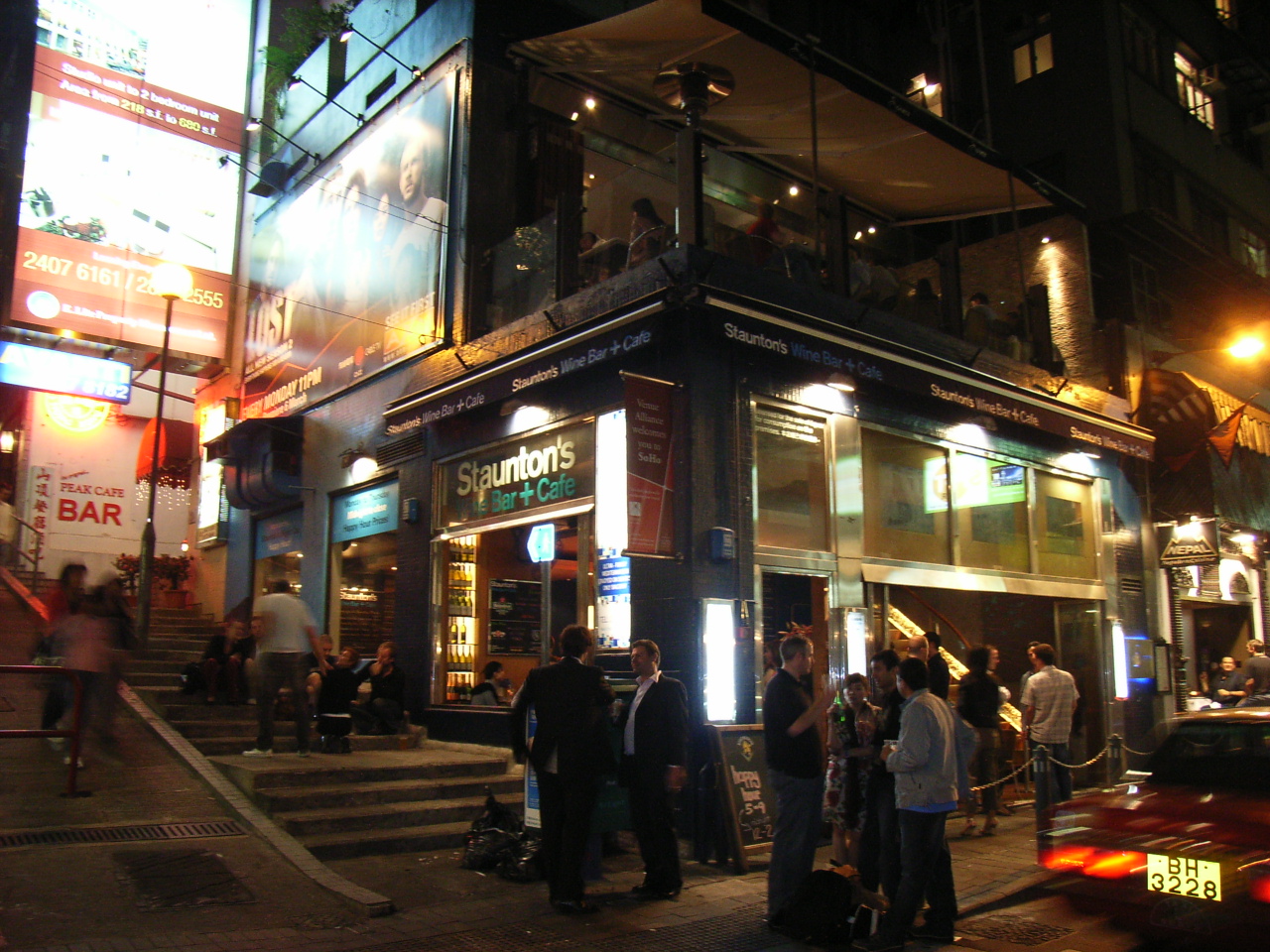
SOHO, Central, Hong Kong
PV wine bar

A wine bar is a tavern-like business focusing on selling wine, rather than liquor or beer. A typical feature of many wine bars is a wide selection of wines available by the glass. Some wine bars are profiled on wines of a certain type of origin, such as Italian wine or Champagne.[citation needed] While many wine bars are private "stand-alone" establishments, in some cases, wine bars are associated with a specific wine retailer or other outlet of wine, to provide additional marketing for that retailer's wine portfolio. In countries where licensing regulations allow this, some wine bars also sell the wines they serve, and effectively function as a hybrid between a wine shop and a wine bar.

United Kingdom

[edit]

Wine bar chains in the UK include All Bar One.

A French Wine Bar, 1888 painting by Eero Järnefelt.

United States

[edit]

Although the trend of wine bars in the United States was not well received in the 1980s, they began to gain popularity in the 1990s. By early 2000, wine bars became very popular and started popping up in many metropolitan neighborhoods across the country. Wine bars now rival the local hangouts such as coffee shops and local bars.[1] The wine bar phenomenon offers the 'taste before you buy' philosophy.[2]

Wine bars add a new dimension to wine tasting. They seek to remove the association of wine with upscale clientele and overwhelming wine lists and replace it with a more casual and relaxing atmosphere. Many of these bars are furnished with nooks and cozy booths encased in rich colors and plush surroundings in hopes their guests will linger.[3] Wine bars look to embrace the intellectual stimulation linked to wine and offer an alternative to the bar scene. The laid-back environment lends itself to a good socializing setting with a less crowded feel and more intimate appeal.[4]

Modern wine bars have begun to incorporate a larger variety of foods. Traditionally associated with cheeses and desserts, wine bars are looking to combine wine with appetizer-sized gourmet selections to enhance the palate. The concept brings the tastes of fancy restaurants to a dressed-down setting.[5] Restaurant owners and chefs sometimes take the opposite approach and use wine bars as an opportunity for expansion.[6]

See also

[edit]

References

[edit]
[edit]
Revisions and contributorsEdit on WikipediaRead on Wikipedia
from Grokipedia
A wine bar is a specialized establishment that centers on the service and appreciation of wine, distinguishing itself from conventional bars by prioritizing an extensive selection of wines available by the glass or bottle, often complemented by light fare such as cheeses, , , or . These venues typically foster a relaxed, social atmosphere conducive to and wine , with staff knowledgeable in pairings, regions, and vintages to enhance the patron experience. The origins of wine bars trace back to , where they evolved from ancient taverns and seasonal wine houses, such as the Strausswirtschaften in authorized during the Charlemagne era in the 8th century, which allowed growers to sell their own wines directly to the public. More formalized iterations emerged during the 15th-century , particularly in , where enotecas—wine libraries or tasting rooms—were referenced in literary works by poets like and as social gathering spots for wine enjoyment. Influenced by models like French bars à vin, Italian enoteche, and Spanish tapas bars, these early establishments emphasized local vintages and community interaction, laying the foundation for the modern wine bar. In the , wine bars proliferated in urban areas, particularly in the United States and , with a notable surge in the late and early 1980s in cities like New York, driven by expanding wine culture and a shift toward more accessible, informal drinking experiences compared to stuffy restaurants. This period marked a transition from male-dominated scenes to inclusive spaces welcoming diverse patrons, including women, and often featured proper , curated lists, and educational elements to demystify wine. By the early 2000s, a resurgence in major cities like , , and New York emphasized by-the-glass service and casual sophistication, further evolving with the rise of natural and organic wines. Contemporary wine bars represent of accessibility and innovation, with a focus on , small producers, and inclusive atmospheres that cater to , Gen Z, and diverse ownership groups, including women- and queer-led ventures. They often incorporate communal seating, local sourcing, and events like tastings to build , while offering price points from affordable glasses to rare bottles, promoting responsible consumption through trained sommeliers and portion control. Globally, wine bars continue to adapt, blending traditional European influences with modern trends like low-intervention wines and experiential pairings, solidifying their role as cultural hubs for wine appreciation.

Definition and characteristics

Definition

A wine bar is a tavern-like establishment that specializes in the sale and consumption of wine, prioritizing it over or other liquors, and typically features a wide selection of wines available by the glass, bottle, or smaller tastings. Unlike full-service restaurants, which emphasize elaborate meals as the primary draw, or bars, which focus on mixed drinks and spirits, wine bars center wine as the main attraction, often paired with minimal or complementary food options like cheese plates or . The term "wine bar" first appeared in English in the mid-20th century, around 1935–1940, to describe these specialized venues, though the concept evolved from ancient wine taverns and Renaissance-era European establishments where wine was the focal beverage. In modern urban settings, wine bars formalized this tradition by offering curated selections in a relaxed atmosphere conducive to wine appreciation. Operationally, wine bars are often licensed primarily for wine service, allowing on-premises consumption with regulations that vary by country, such as restrictions on other alcohols or requirements for seating to promote a lounge-like experience rather than quick service.

Key features

Wine bars typically feature extensive wine menus, which may include dozens to hundreds of bottles, curated to showcase a diverse selection from various regions and varietals, with options available by the or in flights to accommodate different preferences and budgets. Preservation systems such as Coravin enable the serving of premium wines by the without compromising , allowing bottles to remain fresh for weeks after opening. Food offerings are limited and complementary, focusing on like , cheeses, , or simple pairings such as with , designed to enhance the wine experience rather than overshadow it. Staff expertise is a , with many wine bars employing sommeliers or trained servers who provide personalized recommendations, conduct tastings, and educate patrons on wine characteristics, pairings, and serving techniques. This knowledge ensures proper presentation, including the use of appropriate and decanting when necessary, fostering an engaging and informative atmosphere. The physical environment emphasizes intimacy and comfort, often with lounge-like interiors featuring dim, warm lighting to create a cozy ambiance, alongside plush seating such as sofas or high-top stools arranged for relaxed socializing. Visible wine storage, including cellars, racks, or backlit displays, highlights the collection and adds to the aesthetic appeal, encouraging patrons to explore the offerings. Service prioritizes a leisurely pace over efficiency, with an emphasis on wine flights for comparative tastings and interactive discussions that build customer connections, distinguishing wine bars from faster-paced venues. This approach promotes lingering and repeat visits, centered on education and enjoyment rather than rapid turnover.

History

Origins and early development

The origins of wine bars can be traced to ancient civilizations where wine was served in social and commercial settings, serving as precursors to modern establishments. In ancient Mesopotamia around 2000 BCE, taverns known as bit dami functioned as communal hubs where beer was consumed in social interactions, dominating daily life. In ancient Greece from the 5th century BCE, kapêleia—retail wine shops or taverns—proliferated in urban centers like Athens, offering diluted wine for public consumption and fostering intellectual and social gatherings distinct from elite private symposia. These venues catered to a broad clientele, selling wine by the cup or jug and often pairing it with simple foods. Similarly, in ancient Rome, tabernae, thermopolia, and popinae emerged as widespread eateries from the 1st century BCE, serving hot and cold wines alongside snacks in bustling street-front settings, with archaeological evidence from Pompeii revealing over 150 such bars integrated into daily urban life. During the medieval period in , wine culture evolved through monastic preservation and expanding trade routes, laying groundwork for dedicated serving venues. Monasteries, particularly Benedictine and Cistercian orders from the 5th to 15th centuries, played a pivotal role in maintaining after the fall of , producing wine for liturgical use and surplus sales while codifying techniques that spread via pilgrimage and trade paths like the and valleys. This monastic tradition influenced early specialized wine outlets, such as the Strausswirtschaften in , authorized during the era in the , which permitted growers to sell their own wines directly to the public from seasonal houses. By the 15th-century , particularly in , enotecas—wine libraries or tasting rooms—emerged as social gathering spots for wine enjoyment, referenced in literary works by poets like and . In and during the 16th and 17th centuries, taverns and cabarets served imported wines in and local varieties like those from or the in , functioning as social spaces for merchants and locals amid growing urban commerce and influences. These establishments, often licensed under regulations, reflected a shift toward wine-inclusive service alongside ale-dominated inns. The marked the foundation of specialized wine bars in urban , amid temperance movements and agricultural crises. In , Gordon's Wine Bar, established in 1890, exemplifies this development as one of the earliest dedicated venues, offering stored vintages in a cellar setting to promote moderate wine consumption over spirits, aligning with Victorian temperance ideals that viewed wine as a civilized alternative. Across , the epidemic from the to devastated vineyards, destroying up to two-thirds of plantings in and beyond, prompting bars to adapt by sourcing resilient or imported wines and fostering innovation in blending and preservation to sustain supply. This crisis ultimately refined wine bar offerings, emphasizing quality and variety in response to scarcity.

Modern evolution

The modern evolution of wine bars began in the 1970s and 1980s, particularly in urban centers like New York and , where they emerged as sophisticated alternatives to traditional pubs. This rise was significantly influenced by the Judgment of Paris in 1976, a blind tasting event where wines outperformed top French vintages, challenging European dominance and sparking global interest in wines. In , wine bars like those operated by Davy's Wine Merchants capitalized on this shift, offering a more refined drinking experience that appealed to professional crowds seeking respite from male-dominated pub culture. Similarly, in New York, the first dedicated wine bars appeared around 1978, providing upscale venues for wine exploration amid growing urban professionalism. The 1980s and 1990s saw explosive expansion in urban areas, fueled by the demographic—young urban professionals—who embraced wine as a alongside rising wine education initiatives. This era introduced innovations like by-the-glass dispensing technology, exemplified by the Cruvinet system imported to the in 1979, which used inert gas to preserve open bottles and enabled bars to offer diverse selections without waste. Themed wine bars also proliferated, focusing on specific regions or varietals to educate patrons. Key legal milestones supported this growth, including the UK's Licensing Act 1988, which extended alcohol service hours and eased restrictions for wine-focused establishments, and state-level farm winery laws from the late onward, such as New York's 1976 Farm Winery Act, which lowered barriers for small producers and diversified bar offerings. In the , wine bars adapted to by incorporating a broader array of imports from emerging regions like and , reflecting the wine industry's increasing interconnectedness. Economic downturns, such as the , prompted shifts toward affordable tastings and value-driven experiences to attract budget-conscious consumers. The US craft wine movement, emphasizing small-batch, artisanal production inspired by post-Prohibition revival and the Judgment of Paris legacy, further enriched bar inventories with domestic options. By 2010, the US wine bar sector had expanded markedly to nearly 2,000 establishments nationwide, with steady growth continuing into the 2020s and reaching 1,989 as of 2025, underscoring their resilience amid market fluctuations.

Types of wine bars

Traditional wine bars

Traditional wine bars represent a heritage-driven subset of wine establishments, rooted in European wine-producing regions such as in and in , where they prioritize extensive selections of aged and premium wines from local terroirs. These venues typically feature formal ambiance characterized by classical decor, including rustic stone walls, oak barrels, and elegant furnishings that evoke 19th-century elegance, often with white tablecloths in more upscale settings to enhance the refined atmosphere. The typical offerings in traditional wine bars encourage the purchase and sharing of full bottles rather than individual glasses, showcasing deep cellars of premium varietals like Bordeaux's Cabernet Sauvignon-Merlot blends or Tuscany's Sangiovese-based and , often aged for decades to highlight complexity and heritage. These wines are paired with gourmet , such as artisanal cheeses, , and simple yet refined dishes like paté or terrines, emphasizing harmony between the wine's structure and complementary flavors. Staff-led tastings are a hallmark, where knowledgeable sommeliers guide patrons through varietals, focusing on educational narratives about vintages, soils, and winemaking traditions to foster appreciation. Historical examples of traditional wine bars include London's Gordon's Wine Bar, established in 1890 and widely regarded as the city's oldest, which maintains its 19th-century aesthetics with candlelit cellars, vintage memorabilia, and a focus on ports, sherries, and classic wines served alongside cheese platters in an intimate, dimly lit setting. In , La Taverne Henri IV, opened in 1885 on the bridge, exemplifies enduring tradition through its discreet, oasis-like ambiance and multi-generational wine list featuring carefully selected French bottles paired with timeless fare. Tuscan enotecas, such as those in like la Fortezza, preserve Renaissance-era concepts as wine libraries, offering tastings of premium regional bottles in characterful spaces that blend shop and bar functions while upholding formal, heritage-focused service. Operationally, traditional wine bars adopt a model centered on connoisseurship, with higher reflecting the premium nature of their inventories—often marking up aged bottles by 150% or more to cover curation and storage costs—while prioritizing reservation systems to manage intimate seating and ensure personalized service over high-volume casual socializing. This approach cultivates an exclusive environment for wine enthusiasts, where the emphasis lies on deliberate pacing, expert guidance, and the ritual of bottle-sharing rather than quick turnover.

Contemporary and natural wine bars

Contemporary natural wine bars emphasize low-intervention wines, including , , and orange varieties sourced from small, artisanal producers who prioritize organic grapes and minimal additives like . These wines often appear cloudy or unfiltered, preserving their raw, terroir-driven expressions without chemical adjustments or technological manipulations in the vineyard or cellar. Venues adopt a relaxed, eclectic aesthetic to foster , featuring casual decor with bold, quirky colors such as or chartreuse, warm wooden elements, whimsical hand-drawn branding, and cultural touches like vinyl records or installations. Food offerings complement these wines through innovative, sustainability-focused small plates, such as tinned fish conservas, plant-based , vegan Italian dishes, and fresh or cultured butter with , highlighting seasonal and ethical ingredients. Pairings underscore the bars' commitment to authenticity, matching the wines' unpredictable profiles with light, versatile bites that enhance flavors without overpowering them. Events add to the experiential appeal, including pop-up dinners featuring producer takeovers, DJ nights for late-evening vibes, and informal tastings that blend with , often in flexible seating arrangements like barstools and communal rails. This subtype of wine bar emerged prominently in the , propelled by a philosophy centered on —through , native yeasts, and avoidance of synthetic pesticides—and an anti-corporate stance that rejects mass-produced, standardized wines in favor of small-scale, traditional methods. These principles align with broader environmental concerns, positioning as a critique of industrialization while celebrating artisanal craftsmanship and territorial guardianship. Examples include hybrid venues like Demo in or Stir Crazy in , which seamlessly integrate bar, restaurant, and club functions to create spontaneous, all-day social hubs. Market expansion reflects this ethos, with natural wine venues worldwide surging 60% from 5,000 in 2021 to 8,000 in 2024, driven by young urban consumers in cities like and New York who prioritize eco-conscious and culturally resonant experiences. This growth outpaces the broader wine bar sector as demand for low-intervention options continues to rise amid trends.

Regional variations

United Kingdom

Wine bars in the trace their roots to the late 19th century, with Gordon's Wine Bar in , established in 1890, widely regarded as the oldest example. This historic venue features candlelit cellars that evoke a Victorian-era atmosphere, offering a cozy subterranean setting for wine consumption that has endured for over a century. The modern proliferation of wine bars began in during the , emerging as appealing alternatives to traditional , which were often male-dominated spaces. These establishments provided a more refined environment suitable for women and professionals seeking to socialize without the rowdier pub culture, coinciding with shifting social norms and the landmark 1982 court case at El Vino wine bar that challenged gender-based service restrictions. Primarily urban in focus, wine bars are concentrated in cities such as and , where they blend selections of domestic British wines—particularly English sparkling varieties—with extensive imports from and beyond. Interiors often draw on Victorian-inspired designs, featuring dim lighting, wooden paneling, and intimate seating to create a welcoming, nostalgic ambiance that contrasts with the brighter, more casual aesthetic. Post-Brexit, a notable trend has been the increased emphasis on English sparkling wines in these venues, driven by domestic production growth and a shift toward supporting local producers amid trade challenges with the EU. Sales of English sparkling wine rose by 10% in 2023, capturing a larger market share and appearing prominently on wine lists alongside international options. Typical selections range from 50 to over 100 wines, often including by-the-glass pours and curated events such as wine flights—small tastings of three to five varieties—to encourage exploration. Wine bars play a central role in UK city nightlife, serving as convivial hubs for after-work gatherings, casual dining with small plates, and social events that blend wine education with relaxation. By 2025, the sector comprises approximately 2,013 establishments nationwide, contributing to vibrant urban scenes in and other major cities while adapting to contemporary preferences for inclusive, low-key experiences.

United States

Wine bars in the emerged in the 1970s, particularly in and New York, following the 1976 Judgment of Paris tasting, where California wines outperformed French counterparts and sparked national interest in domestic . This event catalyzed a broader appreciation for wines, leading to the establishment of early venues in urban centers that highlighted American producers. By the and , wine bars proliferated in major cities, growing from niche spots to a recognized segment of the , with rapid expansion driven by increasing consumer curiosity about wine education and variety. As of 2025, the sector includes approximately 1,989 businesses, reflecting a of 11.3% since the early 2000s, though the total market value reaches $3.4 billion amid evolving dining preferences. Stylistically, U.S. wine bars are predominantly urban, concentrated in cities such as , , and , where they blend accessibility with regional influences. West Coast establishments often adopt a casual, Napa-inspired vibe, emphasizing community gatherings and relaxed atmospheres with themes tied to local efforts, as seen in venues like Wines in . In contrast, East Coast bars, particularly in New York, lean toward a more sophisticated yet cozy aesthetic, fostering convivial spaces that prioritize small-producer selections without pretension, exemplified by spots like Paradise Wine in Buffalo. Chicago's scene mirrors this diversity, offering intimate settings that bridge casual and refined experiences. Offerings in bars typically feature a broad focus on wines, with many venues curating lists of over 200 selections by the bottle, including extensive domestic options from regions like Napa Valley and the Finger Lakes. Hybrid models integrate craft beers and wine-based cocktails, such as or spritzes, to appeal to varied palates, while educational tastings—often themed around regions—provide guided explorations of varietals and pairings. These elements underscore a commitment to demystifying wine, with flights and classes highlighting U.S. innovations in production and flavor profiles. Economically, U.S. wine bars have thrived in the amid shifts toward casual dining, offering flexible, walk-in-friendly experiences with that allow patrons to control spending in an era of economic uncertainty. bars represent a significant trend, with global venues offering such selections surging 60% from 2021 to 2024, a pattern mirrored in the U.S. where they account for a growing share of new openings due to demand for low-intervention, sustainable options. This resurgence positions wine bars as resilient hubs, adapting to younger demographics seeking approachable, vibe-driven social spaces.

Europe

Wine bars maintain a strong presence across , particularly in major wine-producing nations such as , , , and , where they serve as hubs for local viticultural traditions and social gatherings. These establishments, often numbering in the thousands continent-wide, blend retail, tasting, and casual dining experiences tailored to regional terroirs. In , wine bars known as cavistes emphasize local appellations, with many venues highlighting and selections in intimate, dimly lit settings that encourage pairings with regional cheeses like Comté or . These spots trace their roots to 19th-century cafés, where intellectuals and locals debated over glasses of vin ordinaire, evolving into specialized outlets that prioritize small-producer wines and educational tastings. Similarly, Italian enoteche function as wine libraries, featuring extensive lists of native varietals such as or in wood-paneled interiors with marble bars, often accompanied by simple antipasti to showcase the wines' nuances. Originating in the post-World War II era as repositories for Italy's diverse regional bottles, they foster a scholarly approach to , with sommeliers guiding patrons through vertical tastings. Iberian variations highlight a tapas-style culture, where Spanish tabernas in cities like pair robust Rioja or with of and , reflecting a tradition of communal snacking that dates to the 19th century. In , similar tabernas in offer petiscos (tapas equivalents) alongside indigenous fortified wines like , creating lively atmospheres for after-work crowds. Further east, Hungarian wine bars spotlight native grapes such as from , while those in Georgia celebrate ancient varietals like in qvevri-fermented styles, often in rustic settings that nod to millennia-old practices. Modern adaptations in European wine bars are influenced by EU regulations promoting sustainable , including stricter limits on sulfites in organic wines (100 mg/L for reds versus 150 mg/L in conventional) to encourage eco-friendly offerings. This shift supports bars in sourcing low-intervention bottles, while tourist-driven expansion has boosted venues in urban centers like , where Catalan Priorat tastings draw international visitors, and , with its Heuriger-style taverns expanding amid rising wine tourism.

Global expansion

The global expansion of wine bars has been particularly pronounced in since the 2010s, driven by economic growth and evolving consumer preferences in urban centers. In , the elimination of wine duties in 2008 spurred a thriving wine bar culture, with establishments blending international selections alongside local influences like pairings to appeal to affluent patrons. Similarly, Tokyo's hidden izakaya-style wine bars and Singapore's sleek venues have integrated rice wines with global varietals, reflecting a fusion trend that enhances accessibility for Asian drinkers. Shanghai has seen a parallel boom, where modern bars experiment with yellow rice wine in cocktails alongside imported reds and whites, capitalizing on China's post-2010 import liberalization that boosted overall wine consumption by 7% of global totals during the decade. By 2025, directories list over 260 natural wine-focused bars across , indicative of broader proliferation in these hubs. In and , wine bars in and emphasize domestic varietals such as from and Chardonnay from Yarra Valley, often in casual settings that echo the country's vineyard tourism heritage. Establishments like Jonah's in offer beachside tastings of these wines, drawing on the laid-back coastal lifestyle and proximity to wine regions to create relaxed, tourism-oriented experiences. Melbourne's scene, with venues like those in the city's laneways, similarly highlights local producers, fostering a connection between urban sipping and regional excursions that has grown alongside Australia's reputation for bold and crisp whites. Emerging markets in South America and Africa have adapted the wine bar model to local terroirs and demographics. In Buenos Aires, Malbec-focused bars like JA! Lo de Joaquin Alberdi and La Malbequeria have proliferated, showcasing Argentina's flagship grape amid a surge in urban wine culture fueled by a rising middle class and international tourism. This growth aligns with Mendoza's gourmet evolution, where wine drives culinary tourism and diversifies beyond traditional exports. In Cape Town, Pinotage-centric spots such as Beyerskloof highlight South Africa's unique hybrid grape, with an explosion of over a dozen specialized wine bars in the past five years supported by expanding wine tourism that generated R9.3 billion for the economy in 2022 and a burgeoning middle class seeking premium local experiences. These expansions face hurdles like import tariffs, which elevate costs for international bottles in regions such as and , prompting operators to prioritize domestic or regional wines. Cultural shifts necessitate wine education initiatives, as seen in China's efforts to build consumer knowledge amid economic fluctuations. Adaptations include hybrid models that incorporate local spirits—sake-infused offerings in Asian bars, pairings in venues, and indigenous distillates like African ogogoro in spots—to bridge traditions and broaden appeal in tariff-sensitive markets.

Social and cultural role

Wine bars serve as vital social hubs, facilitating networking, romantic dates, and casual interactions in welcoming environments that encourage conversation and connection. Their intimate settings often draw diverse groups, from professionals seeking after-work gatherings to couples enjoying relaxed evenings, fostering a sense of belonging that studies link to reduced and improved among patrons. In the during the 1980s, wine bars emerged as particularly inclusive spaces for women, offering alternatives to male-dominated pubs where was common, thus promoting greater gender equity in public . Culturally, wine bars play a key role in advancing wine and appreciation, with knowledgeable staff guiding patrons through selections and hosting tastings that demystify varietals and regions for novices and experts alike. These venues often feature curated lists from small producers, sparking discussions that deepen cultural understanding of wine's global heritage. Additionally, by organizing events like workshops and pairings, wine bars bolster local economies through increased and patronage, drawing visitors who extend their stays to explore nearby attractions and dine locally. Etiquette in wine bars emphasizes respect for the shared experience, with norms varying by venue formality—casual spots allow more lively chatter, while upscale ones favor subdued tones. Patrons are encouraged to pace tastings by sipping slowly to savor flavors, ask staff questions about wines to enhance learning, and consider suggested pairings to elevate enjoyment without overwhelming the . Common guidelines include holding glasses by the stem to preserve , limiting unsolicited samples to avoid excess, and tipping generously to acknowledge service. On a level, wine bars support local producers by prioritizing regional wines in their offerings and hosting events that showcase winemakers, thereby strengthening ties between urban consumers and rural economies. In diverse cities, many have become safe havens for marginalized groups, such as LGBTQ+ individuals, through inclusive programming and lists highlighting queer-owned labels, redefining wine culture as accessible and celebratory for all. In recent years, the wine bar sector has experienced a notable surge in openings, driven by shifting consumer preferences toward casual dining options amid persistent economic pressures like . Wine bars position themselves as an affordable luxury, offering intimate atmospheres and lower operational costs compared to full-service restaurants, which has fueled their appeal in urban and suburban markets. This trend aligns with broader bar industry projections, with the cafe and bars market expected to reach USD 0.79 trillion in 2025 and grow at a CAGR of 10.56% to USD 1.31 trillion by 2030, as establishments recover from disruptions. Sustainability has become a central pillar in wine bar operations, with a strong emphasis on organic and natural wines that prioritize minimal intervention and . Establishments are increasingly adopting low-waste practices, such as refillable and zero-waste events, alongside eco-friendly designs like recyclable packaging and lightweight bottles to reduce carbon footprints. These efforts reflect consumer demand for transparent, planet-positive experiences, with sales globally reaching $12.4 billion and projected to grow over 10% in the coming years. Innovations in the wine bar space are diversifying offerings to cater to health-conscious and tech-savvy patrons, including the rise of non-alcoholic wines that mimic traditional profiles through advanced dealcoholization techniques. AI-assisted tools are emerging for personalized recommendations, analyzing preferences to suggest pairings and blends, while hybrid events blend wine with wellness activities like or mindful tastings to create immersive, balanced experiences. Premiumization continues, with a focus on value-driven selections around $30 per bottle that deliver quality without excess, alongside non-alcoholic categories expected to grow nearly 8% annually through 2030. Market data underscores these shifts, with natural wine venues worldwide increasing by 60% from 2021 to 2024, reaching over 8,000 establishments, particularly in and the where cities like and New York lead new openings. Post-pandemic, there has been a global pivot toward experiential wine bars that emphasize curated, social gatherings over transactional service, enhancing community and education in response to evolving consumer behaviors.

References

Add your contribution
Related Hubs
Contribute something
User Avatar
No comments yet.