


Community hub
Recent from talks
Contribute something
Nothing was collected or created yet.
Bill Watts
View on Wikipedia
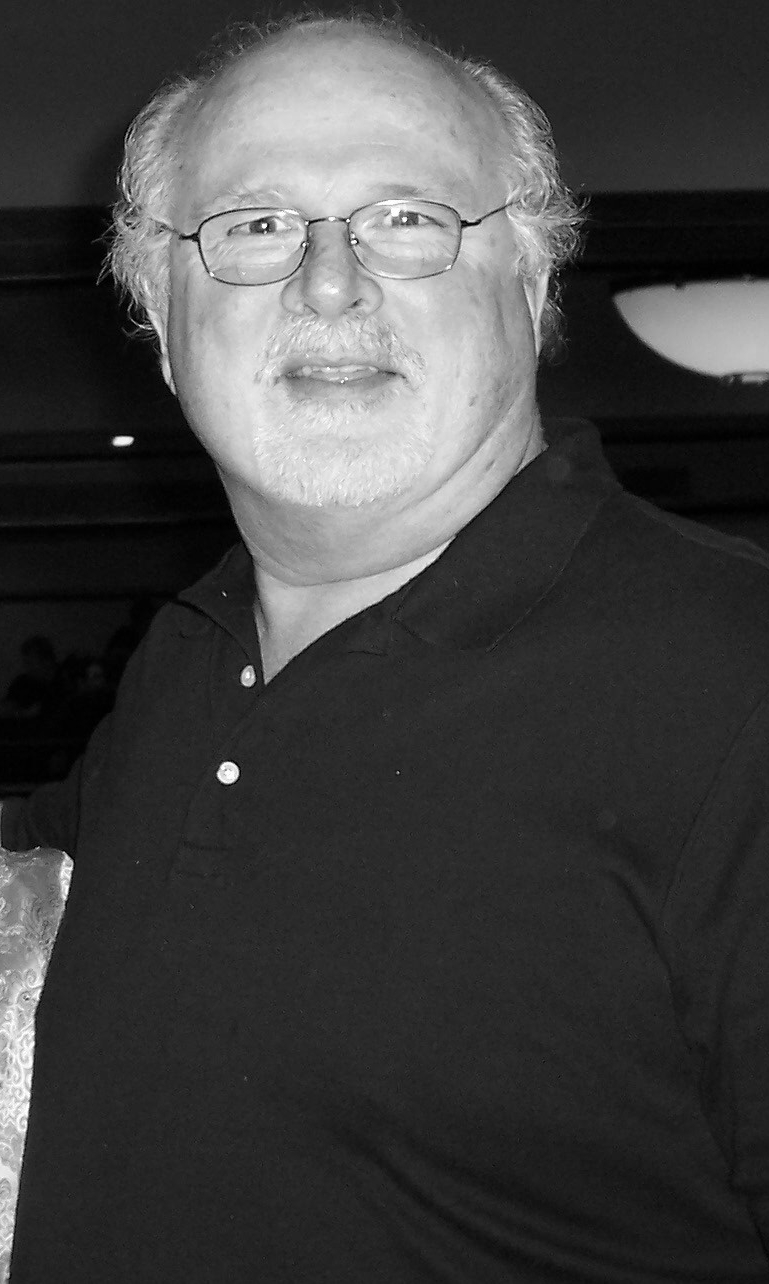
William F. Watts Jr. (born May 5, 1939),[6] better known under the ring name Bill Watts, is a retired American professional wrestler, promoter and former American football player. Watts garnered fame under his "Cowboy" gimmick in his wrestling career, and then as a promoter in the Mid-South United States, which grew to become the Universal Wrestling Federation (UWF). Watts also worked under the ring name Doctor Scarlett which was sometimes stylised as Dr. Scarlett.[1][2][3]
Key Information


In 1992, Watts was the Executive Vice President of World Championship Wrestling (WCW) but after clashes with management over a number of issues, as well as feeling pressure from Hank Aaron over an interview in which Watts supported a business owner's right to refuse service, he resigned.[7] He was subsequently replaced by Ole Anderson.[8]
In 1995, Watts briefly worked as a booker for the World Wrestling Federation (WWF; now WWE). In 2009, he was inducted into the WWE Hall of Fame.
Football career
[edit]Watts played as a linebacker for his high school football team, the Putnam City Pirates.[9][10] Bud Wilkinson recruited him to play for the Oklahoma Sooners, where he played as a guard during his sophomore and junior years.[11] However, his junior year was marred by a near fatal car accident involving him and his mother, resulting in him going into a coma.[12] When he came out, he had lost a significant amount of weight,[13] and had to put it back on, despite the coaches at the time preferring their players to be small and quick, which Watts had struggled with before the accident.[14] Former Sooners teammate Wahoo McDaniel (then of the Houston Oilers of the AFL), introduced him to professional wrestling for the first time, something McDaniel did in the off-season.[15] Watts turned professional in 1961 and joined the Oilers, but did not last long there, and according to a shoot interview, he left after knocking out a coach.[14]
Through McDaniel's friendship with defensive coach Bob Griffin, Watts played for the Indianapolis Warriors of the United Football League, while also being able to wrestle for NWA Indianapolis.[16] Watts then had a try-out with the Minnesota Vikings of the National Football League (NFL), but after a discussion with general manager Jim Finks, who wanted him to quit his wrestling career, Watts left the Vikings having decided he could make more money back in Oklahoma.[14]
Professional wrestling career
[edit]
Wrestling career (1962–1979)
[edit]As a professional wrestler, he famously feuded with WWWF Champion Bruno Sammartino, but was unable to win the title. In the 1960s, he wrestled in many areas, such as San Francisco, Chicago, St. Louis, and even Japan for All Japan Pro Wrestling (AJPW). During these periods, Watts challenged for both the National Wrestling Alliance (NWA) and American Wrestling Association (AWA) versions of the World Title. Watts also had a successful run winning tag belts with Buck Robley in the NWA Tri-State/Mid South Wrestling before he became head promotor in the Oklahoma/Louisiana areas.
Booking career (1979–1995)
[edit]Mid-South Wrestling / Universal Wrestling Federation (1979–1987)
[edit]
Watts is perhaps even more famous for being a pioneering promoter in the Mid-South area of the United States, with his base of operation being in the Shreveport, Louisiana area. His promotion was known as Mid-South Wrestling. He is often credited with creating the current and popular "episodic" style of TV wrestling, building solid creative storylines week-on-week, with an emphasis on solid in-ring action with dependable wrestlers like "Dr. Death" Steve Williams, The Junkyard Dog, Ted DiBiase and Jim Duggan. He is an outspoken critic on breaking kayfabe and "smart" wrestling fans. A Watts-run promotion always had face and heel wrestlers dress in different locker rooms and to have faces and heels not meet publicly. He has also been known to revamp his booking plans in order to protect the business from such fans.
After losing over half a million dollars, Watts sold the UWF to NWA Mid-Atlantic's Jim Crockett Promotions, who kept many of their stars, such as Sting. Instead of having UWF as a separate organization, Crockett sent his mid-card wrestlers to the UWF and had them quickly win their titles. Eventually, the UWF folded, and Crockett would be bought out by Ted Turner in 1988. In April 1989, after firing George Scott, WCW offered Watts the chance to book, but he declined the offer and WCW instead decided to go with a booking committee, which included Ric Flair and Kevin Sullivan.
World Championship Wrestling (1992–1993)
[edit]Watts became Executive Vice President of World Championship Wrestling, succeeding short-tenured Kip Frey in 1992. He took many of his old-school values with him, such as minimizing action outside the ring and banning moves from the top rope and the babyfaces and heels separation among other series of rules that he reportedly detailed in a memo to wrestlers. His tenure was not long, nor were his ideas overly embraced. According to his autobiography, Controversy Creates Ca$h, Eric Bischoff, who worked under Watts at the time, felt Watts would intimidate anyone he was talking to and was only interested in taking the WCW product back to 1970s standards, with poorly lit arenas and house shows in remote, rural towns.
The circumstances of Watts' departure in 1993 are controversial. Prior to taking the job with WCW, Watts had given an interview to Wade Keller of the Pro Wrestling Torch. After a lengthy interview on wrestling, Watts commented on Lester Maddox, a 1960s restaurant owner and segregationist, as well as a former Governor of Georgia, who refused service to black customers. Watts supported the owner's position, illegal under the Civil Rights Act of 1964, that any business owner had a right to discriminate as did Watts in his business. Watts further expressed his view that slavery was beneficial for bringing black people to America. He also made numerous other controversial statements pertaining to race and sexual orientation, including using numerous highly offensive slurs:[17] "If you want a business, and you put money in it, why shouldn't you be able to discriminate? It's your business... That's why I went into business, so that I could discriminate... Who's killed more blacks than anyone? The fuckin' blacks."[18] However, in February 1993, wrestling journalist Mark Madden brought the interview to the attention of Hank Aaron, himself a vice president in the Turner organization with the Atlanta Braves, as Madden had seen Aaron conversing with Watts on a TV special. Aaron, who dealt with plenty of racial abuse in his career as an African American baseball player, particularly when he broke Babe Ruth's home run record in 1974, pushed for Watts' removal.
February 1993 saw the company decide to take management of pay per views and programming entirely out of his hands and stated that he would be part of a large booking committee. Watts left prior to SuperBrawl III. In a letter he wrote in April 1993 addressed to Aaron, Watts contended that he resigned for his own reasons from WCW while arguing his comments were taken out of context and that the interview “was in the possession of TBS executives prior to my hiring in WCW; and I had already responded to that very allegation prior to being hired.” [19][18]
World Wrestling Federation (1995)
[edit]Watts later went on to a position of booking power in the World Wrestling Federation (WWF). His tenure there was short, as he stated in later interviews that he was only there on a three-month contract and had no interest in staying long-term.[20] On April 4, 2009, Watts was inducted into the WWE Hall of Fame as a part of the Class of 2009.[21][4]
Personal life
[edit]Watts has five children. From his first marriage, he has a son, William III (nicknamed Biff), and from his second marriage, he has three sons, Joel, Erik, Micah and a daughter, Ene.[22] In March 2006, Watts released his autobiography The Cowboy and the Cross: The Bill Watts Story: Rebellion, Wrestling and Redemption through ECW Press. The book chronicles his upbringing, his career as first a wrestler, then a promoter, along with events in his personal life.
Watts served as co-host of a sports talk radio show on The Sports Animal in Tulsa, Oklahoma until late 2008. He was a longtime resident of Bixby, a Tulsa suburb.[21]
Championships and accomplishments
[edit]
- American Wrestling Alliance
- Cauliflower Alley Club
- Other honoree (2001)
- Championship Wrestling from Florida
- George Tragos/Lou Thesz Professional Wrestling Hall of Fame
- Class of 2013[23]
- Gulf Coast Championship Wrestling
- Japan Wrestling Association
- Mid-South Sports
- NWA Tri-State / Mid-South Wrestling Association
- Mid-South North American Heavyweight Championship (2 times)
- Mid-South Tag Team Championship (1 time) – with Buck Robley
- NWA Louisiana Tag Team Championship (1 time) – with Buck Robley[24]
- NWA North American Heavyweight Championship (Tri-State version) (7 times)
- NWA Tri-State Brass Knuckles Championship (2 times)
- NWA United States Tag Team Championship (Tri-State version) (5 times)– with Jerry Kozak (1), Billy Red Lyons (1), Greg Valentine (1), Billy Robinson (1) and Buck Robley (1)
- Professional Wrestling Hall of Fame
- Southwest Sports, Inc.
- World Wide Wrestling Federation / World Wrestling Entertainment
- WWWF United States Tag Team Championship (1 time) – with Gorilla Monsoon
- WWE Hall of Fame (Class of 2009)[4]
- Wrestling Observer Newsletter awards
References
[edit]- Notes
- ^ a b c "Bill Watts". Cagematch.net. Retrieved November 2, 2024.
- ^ a b c "Bill Watts". Wrestlingdata.com. Retrieved November 2, 2024.
- ^ a b c "Bill Watts". The SmackDown Hotel. Retrieved November 2, 2024.
- ^ a b c d "WWE Hall of Fame profile". Retrieved March 29, 2011.
- ^ Hornbaker, Tim (2007). National Wrestling Alliance: The Untold Story of the Monopoly That Strangled Pro Wrestling. ECW Press. p. 351. ISBN 978-1-55022-741-3.
- ^ a b c Watts & Williams (2006), p. 6.
- ^ Foley (1999), p. 238.
- ^ Foley (1999), p. 237.
- ^ Bentley, Mac (June 27, 2000). "Cowboy Bill Pro wrestling pioneer helped build a sport he now calls immoral". The Oklahoman. Retrieved October 19, 2020.
- ^ Przybylo, Robert (March 6, 2009). "Boxing/mma notebook: 'Cowboy' Bill Watts makes WWE Hall of Fame". The Oklahoman. Retrieved October 19, 2020.
- ^ "Bill Watts 1958-1960". soonerstats.com. Retrieved October 19, 2020.
- ^ Watts & Williams (2006), p. 2.
- ^ Watts & Williams (2006), p. 3.
- ^ a b c Truitt, Brandon (July 14, 2003). "Bill Watts Shoot". thesmartmarks.com. Retrieved October 19, 2020.
- ^ Marvez, Alex (May 12, 2006). "Cowboy Bill Watts leaves ring for cross". The Oklahoman. Retrieved October 19, 2020 – via South Florida Sun-Sentinel.
- ^ Watts & Williams (2006), p. 45.
- ^ Pro Wrestling Torch Summer Annual 1991
- ^ a b "Deadspin | Hank Aaron Sparked Pro Wrestling's First Major Racism Story 25 Years Ago". deadspin.com. Retrieved July 8, 2024.
- ^ Lister, John (February 26, 2024). "Bill Watts In WCW (FSM, 2012)". John Lister Wrestling.
- ^ Russo, Ric (April 14, 2000). "What Ever Happened To . . . Cowboy Bill Watts?". Orlando Sentinel.
- ^ a b Jimmie Tramel, "WWE Hall of Fame to induct 'Cowboy Bill'", Tulsa World, April 3, 2009.
- ^ "Official website profile". Archived from the original on February 21, 2015. Retrieved January 10, 2010.
- ^ "Flair, Watts, Taylor to enter Tragos/Thesz Hall of Fame". WrestleView. October 17, 2012. Archived from the original on October 21, 2012. Retrieved October 17, 2012.
- ^ Royal Duncan and Gary Will (2000). "United States: Louisiana". Wrestling Title Histories. Archeus Communications. p. 233. ISBN 0-9698161-5-4.
- ^ Johnson, Steven; Oliver, Greg. "Cowboy Bill Watts". Professional Wrestling Hall of Fame and Museum. Archived from the original on June 18, 2016. Retrieved February 10, 2017.
- ^ Meltzer, Dave (December 10, 2012). "Mon. update: Major Spike announcement tomorrow, Aces & 8s identity, TNA injury updates, Hall of Fame inductions announced, WWE two PPVs this weekend, Jericho schedule, Amateur wrestling hits MSG first time ever". Wrestling Observer Newsletter. Retrieved December 10, 2012.
- ^ *Will, Gary; Duncan, Royal (2000). "Texas: NWA Texas Heavyweight Title [Von Erich]". Wrestling Title Histories: professional wrestling champions around the world from the 19th century to the present. Pennsylvania: Archeus Communications. pp. 268–269. ISBN 0-9698161-5-4.
- ^ "NWA Texas Heavyweight Title". Wrestling-Titles. Retrieved March 30, 2017.
- Bibliography
- Foley, Mick (1999). Have A Nice Day: A Tale of Blood and Sweatsocks. HarperCollins. ISBN 978-0-06039-299-4.
- Watts, Bill; Williams, Scott (2006). The Cowboy and the Cross: The Bill Watts Story. ECW Press. ISBN 978-1-55022-708-6.
External links
[edit]
- Official website
- Bill Watts at IMDb
- Bill Watts's profile at WWE , Cagematch , Internet Wrestling Database
- Professional Wrestling Hall of Fame Profile

| |||||||||||||||||||||||||||||||||||||||||||||||||||||||||||
| |||||||||||||||||||||||||||||||||||||||||||||||||||||||||||
| |||||||||||||||||||||||||||||||||||||||||||||||||||||||||||
| |||||||||||||||||||||||||||||||||||||||||||||||||||||||||||

| International | |
|---|---|
| National | |
| Other | |
Bill Watts
View on GrokipediaEarly Life and Education
Childhood and Family Background
William F. Watts Jr. was born on May 5, 1939, in Oklahoma City, Oklahoma. He grew up in Warr Acres, a modest suburb northwest of the city, during the post-Depression and World War II years when Oklahoma's economy revolved around oil extraction, agriculture, and ranching.[5][6] Raised in a working-class family, Watts experienced an environment that prioritized physical endurance and self-sufficiency, reflective of the state's roughneck oil field culture and rural traditions around horse ranches and cattle operations. These formative surroundings, amid economic hardships common to mid-20th-century Oklahoma, cultivated early lessons in discipline and resilience, as detailed in his autobiography where he describes a "stormy upbringing."[7][6] Watts' family instilled a strong work ethic, with exposure to manual labor and competitive outlets from a young age shaping his no-nonsense approach to challenges. This background, free from privilege, emphasized practical toughness over formal advantages, aligning with causal factors like regional poverty rates exceeding 20% in rural Oklahoma during the 1940s and the demand for physical prowess in local industries.[7]College Football and Early Athletic Development
Bill Watts attended the University of Oklahoma on a football scholarship, recruited by head coach Bud Wilkinson to play for the Sooners.[8] He competed as an offensive lineman from 1958 to 1960, lettering each season and contributing to the team's offensive line during a period of competitive success, including an undefeated 11-0 regular season in 1959.[9] In his sophomore year (1958), Watts started at right guard, listed at 6 feet 2 inches and 230 pounds; as a junior (1959), he shifted to left guard at 219 pounds; and in his senior year (1960), he played right tackle at 229 pounds.[9] Watts' physical attributes—particularly his size, leverage, and raw power as a high school linebacker transitioning to college lineman—drew attention from scouts seeking durable blockers for professional leagues, where his build proved advantageous despite collegiate weight restrictions.[10] The Sooners' rigorous training emphasized leaner frames for linemen, around 220 pounds, which clashed with Watts' preference for a heavier, more imposing physique, foreshadowing his later resistance to institutional constraints.[11] A car accident during his college tenure further disrupted his development, limiting his on-field impact and underscoring the role of unforeseen variables in athletic progression over pure merit.[10] These experiences at Oklahoma honed Watts' foundational athletic skills, emphasizing blocking technique and endurance in high-stakes Big Eight Conference play, which positioned him for professional evaluation based on demonstrated physicality rather than favoritism or external narratives.[9] His tenure reflected the era's emphasis on empirical performance metrics, such as snap counts and line protection in run-heavy offenses, though individual stats for interior linemen were rarely quantified beyond roster participation.[8]Football Career
Collegiate Achievements
Bill Watts joined the University of Oklahoma Sooners football team after being recruited by legendary head coach Bud Wilkinson, playing offensive line from 1958 to 1960.[12] As a sophomore in 1958, he started at right guard (number 69) on a squad that compiled a 10–1 overall record and went undefeated in Big Seven Conference play at 7–0, finishing ranked No. 5 in the final Associated Press poll.[13][9] Shifting to left guard (still number 69) for his junior year in 1959, Watts contributed to a 7–3 team that captured the conference championship with a 5–1 record against Big Seven opponents. The Sooners' offensive line, including Watts, supported a ground attack that averaged over 200 rushing yards per game amid the program's transition following Wilkinson's dynasty era. In his senior season of 1960, Watts moved to right tackle (number 71) as the program adjusted to new head coach Gomer Jones after Wilkinson's retirement; the team posted a 3–6–1 record, reflecting broader challenges in maintaining prior dominance without detailed individual blocking metrics available for linemen of that era.[9] Watts' physical presence as an oversized lineman—standing 6-foot-2 and weighing around 230 pounds—exemplified the raw athletic development emphasized in Oklahoma's program, though no All-Big Eight selections or tackle-specific stats are recorded for him.[14]Professional Football Tenure
Watts signed with the Houston Oilers of the American Football League in 1961 as an undrafted free agent out of the University of Oklahoma, where he had played as a defensive tackle, but was released prior to the regular season and recorded no official statistics or game appearances.[8] The Oilers went on to win the AFL championship that year, though Watts' involvement was limited to preseason or training camp activities, with no verified on-field contribution during the title run.[8] In 1962, Watts joined the Indianapolis Warriors of the minor-league United Football League (UFL), listed at 6 feet 3 inches tall and 290 pounds as a defensive tackle on the team's roster.[15] Specific performance statistics from his UFL stint remain undocumented in available records, but the league's lower competitive level allowed him to maintain physical conditioning while exploring off-season opportunities in professional wrestling, which he had begun part-time during college.[8] By 1963, Watts attempted an NFL return with the Minnesota Vikings, signing as a free agent, but departed without playing in regular-season games after refusing to agree to contract terms that restricted his wrestling engagements to the off-season only.[8] This dispute over scheduling flexibility—prioritizing wrestling's more immediate financial and personal rewards over football's rigid structure—effectively ended his professional gridiron career after less than two full years of peripheral involvement, during which he accumulated zero tackles, snaps, or other measurable stats in major leagues.[8] His imposing size and college-honed strength demonstrated potential for trench warfare dominance, yet the pivot underscored football's unforgiving injury risks, team hierarchies, and limited playing time for non-stars, factors that paled against wrestling's endurance for athletes of his build.[8]Professional Wrestling Career
Entry into Wrestling (1962–1970s)
After concluding his professional football endeavors, Bill Watts entered professional wrestling in 1962, motivated by the substantial earnings he observed from his acquaintance Wahoo McDaniel's wrestling appearances.[11] His debut match took place in October 1962 against Dale Lewis within the NWA Tri-State territory, centered in Oklahoma.[5] Watts rapidly embraced the "Cowboy" Bill Watts persona, which authentically reflected his Oklahoma origins, including exposure to horse ranches and cattle operations during his youth in Bixby.[6] This character emphasized genuine toughness and physical prowess derived from his football background, prioritizing substantive athletic confrontations over exaggerated showmanship amid wrestling's less regimented environment compared to structured team sports.[16] Throughout the 1960s, Watts competed across multiple territories, including the Midwest, San Francisco, Chicago, St. Louis, and Japan with All Japan Pro Wrestling, where he honed his in-ring style.[17] Key early rivalries, such as against AWA promoter and champion Verne Gagne, highlighted his regional draw and ability to generate fan interest through intense, hard-fought bouts that leveraged his size and stamina.[5] These performances established a dedicated following in heartland areas, solidifying his reputation as a reliable power performer by the 1970s.[18]Peak In-Ring Performances and Feuds
During the 1970s, Bill Watts established himself as a premier brawling heavyweight in NWA territories, particularly in Florida and Tri-State, where his in-ring style emphasized stiff strikes, realistic grappling, and unyielding toughness over high-flying maneuvers, resonating with audiences seeking authentic combat simulations.[19] His matches often featured hard-hitting exchanges that blurred the line between performance and genuine aggression, drawing vocal crowd support for their intensity and physical toll, as evidenced by prolonged rallies in title defenses that kept spectators engaged through attrition-based storytelling.[20] A defining feud unfolded in 1974 against Dusty Rhodes in Championship Wrestling from Florida, culminating in multiple bouts for the NWA Florida Heavyweight Championship, which Watts held three times that year. On July 2, 1974, Watts defeated Robert Fuller to claim the title in Tampa, setting the stage for a rivalry marked by brutal, no-holds-barred clashes with Rhodes, including a DQ-rules-waived match on October 22, 1974, at Fort Homer Hesterly Armory where Rhodes emerged victorious amid chaotic brawling that spilled beyond the ring.[21] This series highlighted Watts' resilience, as he regained the belt on November 12, 1974, and defended it in stiff, crowd-inciting wars that boosted house show energy through their raw physicality.[22] Watts' territorial dominance extended to the NWA North American Heavyweight Championship in Tri-State, where he secured nine reigns, defeating opponents like The Spoiler on April 12, 1970, in Tulsa and later Rhodes, Stomper, and Buddy Colt in hard-fought encounters that underscored his drawing power via punishing, ground-and-pound bouts.[23] These performances, including a lights-out street fight against Colt on May 3, 1973, in Jacksonville, exemplified his preference for stiff forearms and suplexes that elicited strong reactions from live crowds, often leading to sold-out arenas in Oklahoma and Louisiana due to the perceived legitimacy of his aggressive persona.[24] Feuds with figures like Dick Murdoch, as in their January 25, 1975, Florida title clash, further cemented his reputation for matches that prioritized endurance and impact over scripted athleticism.[25]Retirement from Active Wrestling
By the late 1970s, following approximately 18 years of intense in-ring competition since his debut in 1961, Bill Watts scaled back his wrestling schedule to prioritize behind-the-scenes roles, culminating in his acquisition of the Tri-State Wrestling territory in 1979 from Leroy McGuirk, which he rebranded as Mid-South Wrestling. This move effectively ended his full-time active wrestling career, as the relentless physical demands—intensified by prior knee and other injuries from his NFL stints with teams like the Houston Oilers—necessitated a strategic evolution to sustain his industry presence.[17][26] Watts entered semi-retirement around this juncture, wrestling only sporadically thereafter to avoid further bodily breakdown from the sport's high-impact maneuvers and travel rigors. The transition reflected pragmatic recognition that prolonged exposure to such attrition, common among wrestlers of his era who lacked modern recovery protocols, risked curtailing his ability to influence territorial operations. He maintained occasional involvement, such as a 1982 announcement of intent to return and a 1984 tag team match partnering with a masked Junkyard Dog (as Stagger Lee) against the Midnight Express to resolve a key storyline feud.[27][26] Prior to deeper immersion in booking, Watts assumed informal mentorship duties, guiding younger performers in fundamentals like chain wrestling and psychology during Mid-South's formative phase, thereby bridging his performer expertise to talent cultivation amid his own ring limitations. This pre-booking emphasis on development preserved continuity in the promotion's hard-hitting, realism-oriented style without demanding his constant physical participation.[6]Booking and Promotional Ventures
Mid-South Wrestling and Universal Wrestling Federation (1979–1987)
In 1979, Bill Watts purchased the Tri-State Wrestling territory from promoter Leroy McGuirk, rebranding it as Mid-South Wrestling and assuming control over operations in Oklahoma, Louisiana, Arkansas, and Mississippi.[26] Under Watts' direction, the promotion shifted focus toward high-stakes storytelling and athletic matches, drawing crowds to arenas like the Louisiana Superdome and establishing it as a leading regional entity through consistent live events and syndicated television exposure.[6] Mid-South's operational strategies emphasized cost-effective production, including weekly television tapings that aired the flagship Mid-South Wrestling program, allowing efficient content distribution across local stations.[6] Key storylines during this period highlighted homegrown talent, such as the Junkyard Dog's rise as a dominant babyface in feuds against Ernie Ladd and the Fabulous Freebirds, which blurred lines between performance and reality to build intense fan engagement.[6] Watts also advanced wrestlers like Ron Simmons, integrating him into tag team dynamics as part of the Doom stable in the later UWF phase, setting the stage for individual prominence.[28] In 1986, seeking broader appeal, Watts rebranded Mid-South as the Universal Wrestling Federation (UWF), relocating TV tapings to live event venues for cost savings and authenticity while expanding into new markets like Texas.[6] However, aggressive national pushes incurred expansion costs nearing $500,000, compounded by competition from the WWF's territorial incursions, prompting Watts to sell the UWF to Jim Crockett Promotions on April 9, 1987.[6]Brief WCW Executive Role (1992–1993)
In 1992, following the demotion of Dusty Rhodes and the replacement of Kip Frey, Bill Watts was appointed Executive Vice President of World Championship Wrestling (WCW), assuming control over booking and operations shortly after the WrestleWar pay-per-view event on May 17.[29] Watts, drawing from his territorial wrestling background, immediately enacted stringent cost-cutting measures, including pay reductions for wrestlers, fines for unprofessional conduct, and roster reductions that eliminated several underperforming talents.[30] These actions aimed to instill discipline and prioritize merit-based advancement, exemplified by his decision to elevate Ron Simmons to WCW World Heavyweight Champion on August 2, 1992, at a house show in Baltimore, marking the first time a Black wrestler held the title in a major national promotion.[28] Watts shifted booking toward greater realism and house show viability, mandating title changes at non-televised events—such as immediately altering the World Tag Team and Light Heavyweight championships at the Omni in Atlanta—to counteract declining live attendance and treat house shows as revenue drivers rather than mere fillers.[31] He enforced kayfabe continuity outside arenas, requiring wrestlers to maintain storyline injuries in public to preserve immersion, a holdover from his Mid-South era that clashed with WCW's growing television-centric model.[30] These territorial strategies, including rapid pushes for performers like Simmons based on proven drawing power, temporarily stabilized finances but alienated talent accustomed to looser corporate policies under Turner Broadcasting.[28] Tensions escalated over policy disputes, as Watts' rigid, cost-focused approach conflicted with WCW's executive expectations for a national product less reliant on regional house show economics.[29] By early 1993, disagreements with management—compounded by reported clashes in meetings, including comments perceived as racially insensitive—led to his abrupt departure on February 10, framed as a mutual termination amid broader operational friction.[32] This exit highlighted the incompatibility between Watts' merit-driven, austerity mindset and the emerging corporate structure of WCW.[16]WWF Involvement and Exit (1995)
In 1995, amid the intensifying competition of the Monday Night Wars, Bill Watts joined the World Wrestling Federation (WWF) in a limited executive role focused on creative direction and booking. Hired by Vince McMahon, Watts assumed responsibility for storyline development and match planning, with his influence evident as early as the October 2, 1995, episode of WWF Raw, where announcements highlighted his oversight of upcoming content.[33] This stint contrasted sharply with Watts' prior territorial successes in Mid-South Wrestling, as WWF operated on a national scale emphasizing entertainment spectacle over regional discipline.[16] Watts' tenure lasted approximately 90 days, marked by immediate friction over talent management and expansion strategies. He advocated for reverting to rugged, merit-based booking reminiscent of his Mid-South era, including proposals to reposition wrestlers like renaming Ahmed Johnson to emphasize physicality, which clashed with McMahon's vision for character-driven narratives and broader market appeal.[16] A pivotal dispute arose after just three weeks, centered on the future direction of Kevin Nash's Diesel character, leading to an irreconcilable argument with McMahon.[34] McMahon subsequently reclaimed creative control, prompting Watts' resignation, as he later described the environment as incompatible with his operational philosophy.[16] The empirical results of Watts' involvement yielded negligible long-term alterations to WWF programming, with no enduring storylines or roster shifts directly traceable to his input amid the promotion's transition toward Attitude Era precursors. This rapid exit underscored a fundamental cultural mismatch: Watts' emphasis on cost-control, wrestler accountability, and authentic athleticism ill-suited the WWF's pivot to mainstream entertainment and merchandising, which prioritized high-profile personalities over traditional booking rigor.[16][35]Booking Philosophy and Innovations
Discipline and Merit-Based Booking
Bill Watts enforced rigorous disciplinary policies in his promotions, emphasizing personal accountability among wrestlers to maintain professional standards and operational efficiency. Wrestlers were required to adhere to strict travel schedules, often driving themselves to events rather than relying on company-provided transportation, with tardiness or no-shows resulting in fines or dismissal.[36] Drug use was strictly prohibited, reflecting Watts' view that substance abuse undermined performance and the industry's integrity, leading to swift terminations for offenders.[37] These measures fostered a culture of reliability, correlating with consistent house show attendance in Mid-South territories, where gates averaged over 5,000 fans per event in peak years like 1984.[6] Advancement under Watts' booking hinged on merit, specifically a wrestler's ability to draw revenue, rather than personal connections or demographic quotas. Talents such as Junkyard Dog and Ron Simmons received top pushes because they generated strong crowd reactions and ticket sales; for instance, Junkyard Dog headlined multiple sold-out cards in Louisiana Superdome events from 1980 to 1985, boosting overall promotion revenue by integrating high-energy matches that appealed across audiences.[38][39] Similarly, Ron Simmons' athletic background and in-ring dominance translated to measurable draws, culminating in his WCW World Heavyweight Championship win in 1992, justified by prior territorial success metrics.[40] This data-driven approach contrasted with favoritism-driven bookings elsewhere, where underperforming stars protected by insiders contributed to stagnant attendances, as evidenced by comparative territory declines in the 1980s.[41] Watts criticized contemporary wrestling trends that eroded kayfabe—the suspension of disbelief central to the sport's realism—arguing that practices like heels and babyfaces socializing publicly diluted audience investment and causal storytelling.[42] He maintained that preserving character separation enhanced match intensity and long-term feuds, directly linking such discipline to Mid-South's narrative-driven popularity over gimmick-heavy alternatives that prioritized spectacle over earned progression.[43] This philosophy yielded sustainable success, with promotions under his model outperforming those indulging lax enforcement, where blurred lines accelerated fan disillusionment by the early 1990s.[44]
Financial and Operational Strategies
Watts emphasized live event revenue as the cornerstone of Mid-South Wrestling's financial model, prioritizing house show gates over lucrative television rights deals that were scarce in the territorial era. Syndicated TV served primarily as a promotional tool to drive attendance at live events, with minimal direct monetary returns, allowing the promotion to generate substantial income from packed arenas across Louisiana, Oklahoma, Arkansas, and Mississippi. This approach yielded consistent profitability, as evidenced by frequent sell-outs in major venues like the Louisiana Superdome and Oklahoma City arenas during peak years from 1980 to 1984.[45][6] Operationally, Watts implemented efficient regional touring circuits, scheduling wrestlers for multiple weekly house shows within a compact geographic footprint to optimize logistics and curb travel expenditures. Tight itineraries—often involving 4-5 events per week per talent—minimized downtime and overhead, while a merit-based pay structure rewarded top draws with higher guarantees and percentages of the gate, incentivizing performers to boost attendance without inflating fixed costs. Cost controls extended to rigorous enforcement of kayfabe through internal rules, such as fines for public breaches (e.g., $1,000 for first offenses like discussing business outside the ring), which reduced legal risks and maintained the illusion essential to fan buy-in.[42][46] Reflecting on the transition to the Universal Wrestling Federation in 1986, Watts later critiqued over-expansion into national markets as a self-inflicted financial wound, incurring approximately $500,000 in losses from increased production and travel demands that outpaced revenue growth in unproven territories. This shift from disciplined regional dominance to broader ambitions strained resources, ultimately forcing the sale to Jim Crockett Promotions in 1987, underscoring Watts' view that unchecked growth eroded the lean operational efficiencies that had sustained Mid-South's success.[6][47]Influence on Wrestler Development
In Mid-South Wrestling, Bill Watts implemented a rigorous, merit-driven development system that required wrestlers to demonstrate physical and mental toughness through "paying dues" in stiff, realistic matches, prioritizing long-term skill acquisition over immediate stardom. This approach involved testing newcomers with hazing-like initiations, such as physically dominating them in the ring to instill humility and resilience, as recounted by wrestlers like the Ultimate Warrior, who described Watts roughing up bodybuilder-types to enforce submission and basics like proper stance.[48] Watts viewed this "tough love" as essential for weeding out those unable to withstand the grind, fostering performers capable of sustaining careers amid territorial travel and physical demands, in contrast to promotions reliant on rapid pushes that often led to burnout.[49] Watts applied this philosophy to underdogs, elevating talents like Steve Williams—a four-time All-American amateur wrestler—by introducing him to professional wrestling in 1982 and pairing him with veterans for trial-by-fire feuds that honed his stiff, credible style as "Dr. Death." Under Watts' oversight, Williams transitioned from collegiate athlete to a dominant force, headlining events and later thriving internationally, exemplifying how Mid-South's merit trials built enduring ring generals rather than flash-in-the-pan attractions. Similarly, Watts identified and advanced Jim Ross from local Oklahoma broadcasting to lead announcer, exposing him to booking intricacies and emphasizing storytelling grounded in athletic realism, which Ross credited for shaping his career trajectory into national prominence.[50][51] The empirical outcomes validated Watts' methods, as Mid-South alumni routinely transitioned to dominate 1980s-1990s national scenes: Williams excelled in New Japan Pro-Wrestling tag teams, while peers like Ted DiBiase and Hacksaw Jim Duggan secured top WWF roles, attributing their adaptability to Watts' insistence on no-shortcuts progression and real-fight preparedness, including policies like dismissing wrestlers who lost legitimate bar altercations. This causal framework—enforced discipline yielding battle-tested pros—produced a roster disproportionately successful in major promotions, underscoring resilience over coddling as the key to prolonged viability in an era of expanding competition.[49][52]Controversies and Criticisms
Racial Remarks and WCW Dismissal
In February 1993, Bill Watts was dismissed from his role as WCW executive vice president following renewed scrutiny of comments he made in a 1991 interview with Pro Wrestling Torch.[32] In the interview, Watts questioned restrictions on business owners' rights to discriminate, stating, "If you want a business and you put money in, why shouldn’t you be able to discriminate? It’s your business," and remarked that Black people had killed more of their own than anyone else, adding, "Who’s killed more blacks than anyone? The fuckin’ blacks."[32] He also critiqued portrayals of slavery in media like Roots, arguing that African tribal leaders often traded slaves willingly for goods from Europeans, saying, "All you have to do if you want slaves is to hand beads to the chiefs and they gave you slaves," and claimed the export of slaves benefited Africa by introducing Christianity.[41] These statements, blunt and reflective of unfiltered historical interpretations prevalent in pre-1990s wrestling circles, resurfaced amid WCW's corporate integration under Turner Broadcasting, where heightened sensitivities to racial topics clashed with Watts' territorial-era directness.[32] Hank Aaron, a Turner Broadcasting executive and baseball Hall of Famer, reviewed the interview and described Watts' views as "horrible" and "despicable," reportedly advocating for his removal due to their incompatibility with the network's standards.[32] Watts departed WCW on February 10, 1993, in a mutual resignation framed as personal, though he later attributed it partly to the controversy, insisting the comments were known to executives prior to his 1992 hiring and taken out of context from a discussion on a PBS slavery documentary.[32] He defended his stance by emphasizing actions over rhetoric, noting that selective outrage ignored broader patterns in African history and internal community dynamics, but the corporate environment—prioritizing image in an era of increasing media oversight—prevailed, marking one of wrestling's early high-profile clashes between old-school candor and modern institutional pressures.[32][53] Watts' promotional record, however, demonstrated empirical commitment to merit-based elevation of Black talent predating such mandates. In Mid-South Wrestling during the 1980s, he positioned Junkyard Dog (Sylvester Ritter) as the territory's top babyface and North American champion, leveraging his appeal to African American audiences to drive attendance and revenue without racial pandering.[47] Similarly, in WCW, Watts booked Ron Simmons to defeat Vader for the World Heavyweight Championship on August 2, 1992, making him the first recognized Black world champion in major American wrestling, a decision Simmons later praised as genuine recognition of ability rather than tokenism.[54][55] Watts cited these pushes as evidence of judging performers on draw and skill, countering accusations by highlighting outcomes over isolated statements, though critics in media outlets with progressive leanings often emphasized the remarks while downplaying the results.[32]Interpersonal Conflicts and Management Style
Watts enforced a rigorous management style emphasizing discipline and toughness, which frequently resulted in conflicts with wrestlers perceived as lacking commitment or professionalism. He implemented policies such as firing performers who lost bar fights outside the ring, viewing such defeats as detrimental to the promotion's image of credible, hard-edged competitors.[49] This approach extended to backstage enforcement, where Watts reportedly used physical intimidation to assert authority, as recounted by wrestlers like Kevin Nash during his WCW tenure in 1992–1993.[56] Specific clashes included a December 1992 confrontation between Scott Steiner and Watts over contract terms and pay reductions, culminating in the Steiner Brothers' abrupt departure from WCW after Scott allegedly threatened physical retaliation.[57] Similarly, tensions with Hulk Hogan stemmed from philosophical differences, with Watts prioritizing wrestlers capable of "winning in a bar fight" and adhering to strict operational rules, contrasting Hogan's preference for creative control and entertainment-focused booking.[58] Critics among wrestlers labeled Watts a bully for his unyielding demands and willingness to terminate contracts over attitude issues, contributing to high turnover in WCW where his 1992–1993 regime alienated talent accustomed to more lenient environments.[59] However, proponents argue this harshness correlated directly with operational discipline and long-term success, particularly in Mid-South Wrestling (1979–1986), where Watts' high expectations groomed undervalued performers into main-event draws without relying on external subsidies. Ted DiBiase, who rose to prominence under Watts, credited his promoter's talent recognition and tough grooming for producing reliable, revenue-generating stars amid territorial competition.[47] The promotion's consistent profitability and innovative episodic television format during this era—achieving sold-out houses and syndicated growth—demonstrated that Watts' merit-driven rigor yielded superior results compared to contemporaneous promotions undermined by lax oversight and entitlement.[60]Critiques of Modern Wrestling
Watts has consistently criticized the professional wrestling industry's departure from athletic realism toward scripted entertainment, particularly in the post-territorial era dominated by WWE. He viewed the emphasis on cartoonish characters and storylines as a dilution of wrestling's core appeal, prioritizing short-term profits over long-term integrity and performer merit. In interviews, Watts attributed this shift to executives favoring celebrity crossovers and visual spectacle, such as Hulk Hogan's Hollywood ventures, which he argued eroded the discipline required for believable contests.[10] A key target of Watts' ire was the widespread use of anabolic steroids and performance-enhancing drugs, which he linked to health risks and ethical lapses exposed in scandals like the 1994 WWE federal steroid trial involving over a dozen wrestlers and Vince McMahon. Watts condemned these practices in shoot interviews as symptomatic of an industry chasing inflated physiques for marketability rather than genuine toughness, stating that drug dependency compromised wrestlers' longevity and authenticity.[61][62] He contrasted this with his territorial philosophy, where hard work and natural athleticism—embodied in the "mud, blood, and beer" ethos—built credible rivalries without chemical enhancement.[63] Watts also decried the erosion of kayfabe, the unwritten code maintaining wrestling's illusion of reality, as a pivotal factor in the business's moral and commercial decline by the 2000s. In his 2006 autobiography The Cowboy and the Cross, he argued that blurring lines between performers and fans through backstage revelations and "smart" fan culture undermined the escapism that drew audiences, leading to an "immoral" direction focused on sensationalism over traditional values like merit-based booking and personal accountability.[64] Watts advocated restoring territorial-style realism, emphasizing wrestler development through rigorous training and ethical conduct rather than diversity-driven or fame-based hires that bypassed proven ability.Personal Life
Family and Relationships
Bill Watts married for the first time at age 17 and divorced two years later following the birth of a son.[65] He remarried on March 10, 1966, to Ene Watts, with whom he had three children before the marriage ended in divorce in 1989.[66] The extensive travel and irregular schedule inherent to his wrestling career imposed significant strains on family life, contributing to the dissolution of his second marriage and emotional hardship for Watts and his children.[37] Two of Watts' sons from his second marriage entered the professional wrestling industry, reflecting a degree of familial involvement amid his promotional endeavors. Joel Watts worked as a ring announcer for his father's Mid-South Wrestling territory.[5] Erik Watts, born December 19, 1967, trained under his father and debuted as a wrestler in Mid-South promotions before competing in larger organizations such as World Championship Wrestling and the World Wrestling Federation.[67] Erik's career paralleled aspects of his father's, including athletic pursuits in football prior to wrestling, though it drew scrutiny for perceived nepotism in booking decisions during Watts' tenure as WCW booker.[67] Despite professional overlaps, the Watts family maintained involvement in the business as a form of support structure during the volatile territorial era.[5]Religious Conversion and Autobiography
In the mid-1980s, during the later stages of his wrestling career, Bill Watts experienced a religious conversion, becoming a born-again Christian.[68] He later reflected that Christian values were incompatible with the excesses of professional wrestling, framing much of his professional life as a period of rebellion against spiritual principles.[68] [69] Watts detailed this transformation in his 2006 autobiography, The Cowboy and the Cross: The Bill Watts Story: Rebellion, Wrestling and Redemption, co-authored with Scott Williams and published by ECW Press.[70] The book chronicles his upbringing, wrestling achievements, personal failings—including excesses tied to the industry's culture—and ultimate redemption through faith, emphasizing accountability for past sins.[69] [10] Following his career, Watts engaged in faith-based activities, including appearances at Christian events alongside other former wrestlers such as Ted DiBiase and Jim Duggan to share messages of spiritual change.[71] In October 2022, at age 83, he endured a severe health crisis involving COVID-19 and viral pneumonia, requiring five hospitalizations over four to five months, which he characterized as a desperate fight for survival amid profound physical weakness.[72]Championships and Accomplishments
Major Titles Won
Bill Watts secured multiple regional heavyweight and tag team championships across National Wrestling Alliance (NWA) territories, emblematic of drawing power and in-ring prowess in the fragmented territorial system where titles signified territorial dominance rather than national supremacy.[1] His reigns emphasized frequent defenses against top challengers, underscoring a merit-based hierarchy in pre-monopoly wrestling.[17] Key singles titles include three NWA Florida Heavyweight Championship reigns in Championship Wrestling from Florida, with documented defenses against competitors like Don Muraco and Johnny Walker during his 1974 run from July 2 to August 27.[1] [21] He also claimed the Mid-South North American Heavyweight Championship on January 5, 1980, by defeating Mike George in Mid-South Wrestling, retaining it through May 17, 1980, amid high-stakes matches that bolstered the promotion's credibility.[17] [21] In tag team competition, Watts partnered with Gorilla Monsoon to win the WWWF United States Tag Team Championship on April 8, 1965, holding it until August 5, 1965, in the World Wide Wrestling Federation.[21] Additional tag successes encompassed the NWA Florida Tag Team Championship with Jimmy Garvin (September 2–9, 1974) and Mid-South Tag Team Championship with Buck Robley (November 12–24, 1979), each involving brief but intensely defended partnerships.[21]| Championship | Reign Period | Partner (if applicable) | Promotion/Territory | Defenses/Notable Details |
|---|---|---|---|---|
| WWWF United States Tag Team Championship | April 8, 1965 – August 5, 1965 | Gorilla Monsoon | WWWF | Multiple house show defenses in Northeast territories.[21] |
| NWA Florida Heavyweight Championship (3 reigns) | Various, including July 2 – August 27, 1974 | N/A | CWF Florida | Key 1974 defenses vs. top heels; total reigns affirm regional dominance.[1] [21] |
| Mid-South North American Heavyweight Championship | January 5 – May 17, 1980 | N/A | Mid-South Wrestling | Won from Mike George; defended in Tri-State area.[17] [21] |
| Mid-South Tag Team Championship | November 12–24, 1979 | Buck Robley | Mid-South Wrestling | Short reign with immediate high-profile matches.[21] |