Hubbry Logo
HazingHazingMain
Open search
Hazing
Community hub
Hazing
logo
8 pages, 0 posts
0 subscribers
Be the first to start a discussion here.
Hazing
Hazing
from Wikipedia
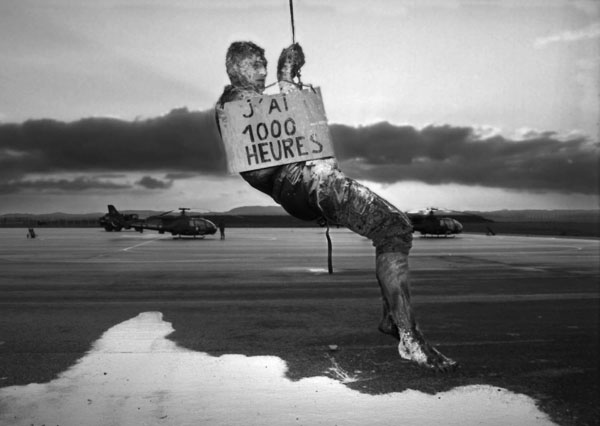
Hazing of a French Army pilot in 1997 after he completed 1,000 flight hours

Hazing (American English), initiation,[1] beasting[2] (British English), bastardisation (Australian English), ragging (South Asian English) or deposition refers to any activity expected of someone in joining or participating in a group that humiliates, degrades, abuses, or endangers them regardless of a person's willingness to participate.[3]

Hazing is seen in many different types of social groups, including gangs, sports teams, schools, cliques, universities, fire departments,[4] law enforcement, military units, prisons, fraternities and sororities, and even workplaces in some cases. The initiation rites can range from relatively benign pranks to protracted patterns of behavior that rise to the level of abuse or criminal misconduct.[5]

Hazing is often prohibited by law or institutions such as colleges and universities because it may include either physical or psychological abuse, such as humiliation, nudity, or sexual abuse. Hazing activities have sometimes caused injuries or deaths.

While one explanation for hazing is that it increases group cohesion or solidarity, laboratory and observational evidence on its impacts on solidarity are inconclusive. Other explanations include displaying dominance, eliminating less committed members, and protecting groups that provide large automatic benefits for membership from exploitation by new members.

Terms

[edit]

In some languages, terms with a religious theme or etymology are preferred, such as baptism or purgatory (e.g. baptême in Belgian French, doop in Belgian Dutch, chrzest in Polish) or variations on a theme of naïveté and the rite of passage such as a derivation from a term for freshman, for example bizutage in European French, ontgroening ('de-green[horn]ing') in Dutch and Afrikaans (South Africa and Namibia), novatada in Spanish, from novato, meaning newcomer or rookie or a combination of both, such as in the Finnish mopokaste (literally 'moped baptism').[6] In Latvian, the word iesvētības, which means 'in-blessings', is used, also standing for religious rites of passage, especially confirmation. In Swedish, the term used is nollning, literally 'zeroing', as the first-year hazees still are 'zeroes' before attending their first year.[7] In Portugal, the term praxe, which means 'practice' or 'habit', is used for initiation. At education establishments in India, Pakistan, Bangladesh, and Sri Lanka, this practice involves existing students baiting new students and is called ragging.[8]

Hazings are sometimes concentrated in a single session, which may be called a hell night,[9] prolonged to a hell week, or over a long period, resembling fagging. In the Italian military, the term used was nonnismo, from nonno (literally 'grandfather'), a jargon term used for the soldiers who had already served for most of their draft period. A similar equivalent term exists in the Russian military, where a hazing phenomenon known as dedovshchina (дедовщи́на) exists, meaning roughly 'grandfather' or the slang term 'gramps' (referring to the senior corps of soldiers in their final year of conscription).

Methods

[edit]

One way of initiating a new member into a street gang is for multiple other members of the gang to assault the new member with a beating.[10]

Hazing activities can involve ridicule and humiliation within the group or in public, while other hazing incidents are akin to pranks. A snipe hunt is such a prank when a newcomer or credulous person is given an impossible task. Examples of snipe hunts include being sent to find a tin of Tartan paint or a "dough repair kit" in a bakery.[11] While in the early 1900s, rookies in the Canadian military were ordered to obtain a "brass magnet" when brass is not magnetic.[12]

Spanking is done mainly in the form of paddling among fraternities, sororities, and similar clubs. This practice is also used in the military.[13]

Paddling depicted on 1922 cover of College Humor magazine.

The hazee may be humiliated by being hosed or by sprinklers or buckets, covered with dirt or with (sometimes rotten) food, or even urinated upon.[14] Olive or baby oil may be used to "show off" the bare skin, for wrestling, or just for slipperiness (e.g., to complicate pole climbing). Cleaning may be limited to a dive into the water, hosing down, or even paddling the worst off. They may have to do tedious cleaning, including swabbing the decks or cleaning the toilets with a toothbrush. In fraternities, pledges often must clean up a mess intentionally made by brothers, including fecal matter, urine, and dead animals.[15]

Servitude such as waiting on others (as at fraternity parties) or other forms of housework may be involved, often with obedience tests. Sometimes, the hazee may be made to eat raw eggs, peppers, hot sauce, or drink too much alcohol.[16] Some hazings include eating or drinking things such as bugs or rotting food.[13][16]

The Okipa ceremony of the Mandan people as witnessed by George Catlin, c. 1832

The hazee may have to wear an imposed piece of clothing, outfit, item, or something else worn by the victim in a way that would bring negative attention to the wearer.[16] Examples include a uniform (e.g., toga), a leash or collar (also associated with bondage), infantile and other humiliating dress and attire.[17][18]

Markings may also be made on clothing or bare skin. They are painted, written, tattooed, or shaved on, sometimes collectively forming a message (one letter, syllable, or word on each pledge) or may receive tarring and feathering (or rather a mock version using some glue) or branding.[19][20]

Submission to senior members of the group is common. Abject "etiquette" required of pledges or subordinates may include prostration, kneeling, literal groveling, and kissing body parts.[21]

Other physical feats may be required, such as calisthenics and other physical tests, such as mud wrestling, forming a human pyramid, or climbing a greased pole.[22][14][16] Exposure to the elements may be required, such as swimming or diving in cold water or snow.[14] A pledge auction is a variation on the slave auction, where people bid on the paraded pledges.[23][24] Orientation tests may be held, such as abandoning pledges without transport.[16] Dares include jumping from some height, stealing items, and obedience.[16][25]

Blood pinning among military aviators (and many other elite groups) to celebrate becoming new pilots is done by piercing their chests with the sharp pins of aviator wings.[26] On a pilot's first solo flight, they are often drenched with water and have the back of their shirt cut off to celebrate the achievement. Cutting off the back of the shirt originates from the days of tandem trainers, where the instructor sat behind the students and tugged on the back of their shirts to get their attention; cutting off the back of the shirt symbolizes that the instructor does not need to do that anymore.[27] On their first crossing the equator in military and commercial navigation, each "pollywog" is subjected to a series of tests, usually including running or crawling a gauntlet of abuse and various scenes supposedly situated at King Neptune's court.[28]

Hazing also occurs for apprentices in some trades, often involving beatings, shaving the heads, physical and sexual assault, or smearing the genitals with grease or wax.[29]

Psychology, sociology, purpose and effects

[edit]

Solidarity and group cohesion

[edit]

One theory proposed to explain hazing behaviors is that it increases solidarity among a group's inductees, between the inductees and existing members, or between new members and the group.[30]: 409 

Laboratory studies

[edit]

Attempts at replicating hazing in laboratory studies have yielded inconclusive results concerning group solidarity.[30]: 410 [31] A 1959 study by Aronson and Mills found that students made to read embarrassing material to join a discussion group reported liking the group more.[32] On the other hand, a 1991 experiment by Hautaluoma et al. found that severe initiations could sometimes lead to lower liking for a group.[33] Laboratory-based recreations of hazing may be limited in informativeness because they are only able to impose brief unpleasant experiences whose severity is limited by ethical restrictions on laboratory research. Real-world hazing may last months, may be far more severe, and may involve a confluence of different feelings, in contrast to the relatively simple distress induced in laboratory experiments.[31][34]: 137  Researcher Aldo Cimino also points out that laboratory groups are "ephemeral", whereas real-world organizations that engage in hazing are "serious and enduring coalitions".[30]: 410 

Naturalistic surveys and studies

[edit]

Surveys and studies examining real-world hazing have also yielded inconclusive results about its impacts on group solidarity.[30]: 410 

A 2022 study of new members of an American social fraternity that engaged in hazing found that hazing was "not substantially related to feelings of solidarity".[30]: 414 

A 2016 survey of members of sororities and fraternities in the Netherlands found that mentally severe, but not physically severe, initiation rituals were linked to lower affiliation with fellow inductees and that the humiliation experienced by inductees explained this relationship.[35]: 86–87 

A 2007 survey of student-athletes conducted by Van Raalte et al. found that hazing was associated with lower task cohesion and had no apparent relation to social cohesion; by contrast, appropriate team building activities had a positive impact on social cohesion but had little impact on task cohesion.[36] The study, which included activities like "tattooing" and "engaging in or simulating sex acts" as "acceptable team building" activities because respondents categorized them as appropriate,[36] has been criticized for using an improper definition for hazing.[37]: 142–143 

Views and theories

[edit]

Citing the 1959 study by Aronson and Mills,[32] Psychologist Robert Cialdini uses the framework of consistency and commitment to explain the phenomenon of hazing and the vigor and zeal to which practitioners of hazing persist in and defend these activities even when they are made illegal.[38] The 1959 study shaped the development of cognitive dissonance theory by Leon Festinger.[39]

Many people view hazing as an effective way to teach respect and develop discipline and loyalty within the group and believe that hazing is a necessary component of initiation rites.[40] Hazing can be used as a way to engender conformity within a social group, something that can be seen in many sociological studies.[citation needed][41] Moreover, initiation rituals when managed effectively can serve to build team cohesion and improve team performance,[42] while negative and detrimental forms of hazing alienate and disparage individuals.[43]

Dissonance can produce feelings of group attraction or social identity among initiates after the hazing experience because they want to justify the effort used. Rewards during initiations or hazing rituals matter in that initiates who feel more rewarded express a stronger group identity.[44] As well as increasing group attraction, hazing can produce conformity among new members.[45] Hazing could also increase feelings of affiliation because of the stressful nature of the hazing experience.[46] Also, hazing has a hard time of being extinguished by those who saw it to be potentially dangerous like administration in education or law enforcement.

A 2014 paper by Harvey Whitehouse[47] discusses theories that hazing can cause social cohesion though group identification and identity fusion. A 2017 study published in Scientific Reports found that groups that share painful or strong negative experiences can cause visceral[vague] bonding and pro-group behavior.[48]

Dominance over new members

[edit]

Another theory that seeks to explain hazing is that hazing activities allow senior members to exercise dominance and establish power over newer members.[49]: 245 

Anthropologist Aldo Cimino notes that some elements of hazing are not entirely consistent with the theory that it is a pure display of dominance.[49]: 252  Hazing occurs in a "ceremonial or ritualistic" context that creates a distinction between hazing activities and everyday life, which is inconsistent with a desire to set up a lasting dominance hierarchy.[49]: 250  Newcomers also gain a far more egalitarian standing after hazing ends, showing that the dynamics that occur during hazing are "profoundly exaggerated relative to the actual social hierarchy".[49]: 251 

Selection

[edit]

The theory of hazing as a selection mechanism posits that hazing seeks to eliminate prospective members who are not sufficiently committed to a group or who would otherwise be free riders.[49]

Anthropologist Aldo Cimino notes that hazing ordeals can sometimes provide information about how a prospective member values a group by demonstrating the costs they are willing to endure.[49]: 248  Cimino also notes, however, those common elements of hazing, such as disorientation and intimidation, may cause people to endure hazing rituals regardless of how much they value a group,[49]: 248  and that hazing occurs even in situations in which less committed inductees are not free to leave, suggesting that selection may not fully explain hazing activities.[49]: 249–250 

Protection from exploitation of automatic benefits

[edit]

Aldo Cimino proposes that hazing is an evolutionarily-acquired behavior that specifically seeks to protect groups from the exploitation of "automatic benefits"—benefits that are automatically gained by being a member of the group—by newcomers.[49]: 252 

Prevention

[edit]

Anti-hazing messaging

[edit]

In the United States, universities and hazing-prevention organizations have published messages directed at students that seek to deter students from engaging in hazing activities. This includes messaging focused on the potential harms of hazing, the ineffectiveness of hazing for group bonding, and social norms statistics that show large majorities in opposition to hazing.[50]

Hazing researcher Aldo Cimino has noted that the anti-hazing messaging released by institutions is sometimes inaccurate and that the ambiguous state of current research on hazing makes it difficult to accurately make strong claims about the effects of hazing activities of differing severities.[50]: 297 

Scope

[edit]

China

[edit]

In June 27, 2012 in the China Fire Services [zh] Wuhai Fire Department's Wuda District 2nd Company, 8 older firefighters continuously beat and verbally abused 5 new firefighters as part of a hazing ritual. The footage was leaked onto Weibo on December 9, 2013, sparking public outrage.[4][51] Since the China Fire Services was part of the Ministry of Public Security Active Service Forces, it is often considered a military hazing incident.

Tied and blindfolded first-year students from Universidad de Talca, Chile

United States

[edit]

According to one of the largest US National Surveys regarding hazing including over 60,000 student-athletes from 2,400 colleges and universities:[52]

Over 325,000 athletes at more than 1,000 National Collegiate Athletic Association schools in the US participated in intercollegiate sports during 1998–99. Of these athletes:

  • More than a quarter of a million experienced some form of hazing to join a college athletic team.
  • One in five was subjected to unacceptable and potentially illegal hazing. They were kidnapped, beaten, tied up, and abandoned. They were also forced to commit crimes – destroying property, making prank phone calls, or harassing others.
  • Half were required to participate in drinking contests or alcohol-related hazing.
  • Two in five consumed alcohol on recruitment visits, even before enrolling.
  • Two-thirds were subjected to humiliating hazing, such as being yelled at or sworn at, forced to wear embarrassing clothing (if any clothing at all), or forced to deprive themselves of sleep, food, or personal hygiene.
  • One in five participated exclusively in positive initiations, such as team trips or ropes courses.

The survey found that 79% of college athletes experienced some form of hazing to join their team, yet 60% of the student-athlete respondents indicated that they would not report hazing incidents.[52]

A 2007 survey at American colleges found that 55% of students in "clubs, teams, and organizations" experienced behavior the survey defined as hazing, including in varsity athletics and Greek-letter organizations. This survey found that 47% of respondents experienced hazing before college; in 25% of hazing cases, school staff were aware of the activity. 90% of students who experienced behavior the researchers defined as hazing did not consider themselves to have been hazed, and 95% of those who experienced what they defined as hazing did not report it. The most common hazing-related activities reported in student groups included alcohol consumption, humiliation, isolation, sleep deprivation, and sex acts.[53]

Police forces, especially those with a paramilitary tradition or sub-units of police forces such as tactical teams, may also have hazing rituals. Rescue services, such as lifeguards[54][55] or air-sea rescue teams may have hazing rituals.[citation needed]

Belgium

[edit]

In Belgium, hazing rituals are a common practice in student clubs (fraternities and sororities, called studentenclubs in Dutch and cercles étudiants in French) and student societies (called studentenverenigingen, studentenkringen or faculteitskringen in Dutch and associations étudiantes or associations facultaires in French). The latter are typically attached to the faculty of the university. In contrast, the first ones are privately operated by hazing committees (Dutch: doopcommissies, French: comités de baptême), which are usually led by older students who have previously been hazed themselves. Hazing rituals in student societies have generally been safer than those in student clubs, precisely because they are to some extent regulated by universities.[citation needed]

For example, KU Leuven drew up a hazing charter in 2013 following an animal cruelty incident in the hazing ritual of student club Reuzegom. The charter was to be signed by student societies, fraternities, and sororities. Signing the charter would have been a pledge to notify the city of the place and time of the hazing ceremony and to abstain from violence, racism, extortion, bullying, sexual assault, discrimination, and the use of vertebrate animals. Reuzegom, as well as the other fraternities and sororities of the Antwerp Guild, refused. In 2018, twenty-year-old student Sanda Dia died from multiple organ failure in the Reuzegom hazing ritual as a result of abuse by fellow Reuzegom members. The killing of a black student in a mostly-white fraternity, some of whose members are alleged to have engaged in racist behaviour, led to controversy.[56][57] As of 2019, a few sororities have signed the charter, as well as all student societies. In April 2019, the 28 remaining fraternities in Leuven signed the charter.[58]

Netherlands

[edit]

In the Netherlands, the 'traditional fraternities' have an introduction time, including hazing rituals.[59] The pledges go to a camp for a few days, during which they undergo hazing rituals. Meanwhile, they are introduced to the traditions of the fraternity. After camp, there are usually evenings or whole days when the pledges must be present at the fraternity. However, the pressure is released slowly, and the relations become somewhat more equal. Often, pledges collect or perform chores to raise funds for charity. At the end of the hazing period, the new members' inauguration occurs. Hazing ritual often include alcohol abuse, mental and physical abuse, and violence.[59][60] Incidents have occurred, resulting in injuries and death.[61]

In 1965, a student at Utrecht University choked to death during a hazing ritual (Roetkapaffaire). There was public outrage when the perpetrators were convicted to light conditional sentences while left-wing Provo demonstrators were given unconditional prison sentences for order disturbances. The fact that the magistrates handling the case were all alumni of the same fraternity gave rise to accusations of nepotism and class justice. Two incidents in 1997, leading to one heavy injury and one death, led to sharpened scrutiny over hazing. Hazing incidents have nevertheless occurred since, but justice is becoming keener in persecuting perpetrators.

The Netherlands has no anti-hazing legislation. Hazing incidents can be handled by internal resolution by the fraternity itself (in the lightest cases) or via the criminal justice system as assault or, in case of death, negligent homicide or manslaughter.[61] Universities generally support student unions (financially and by granting board members a discount on the required number of ECTS credits).[61] Still, in the most extreme case, they can suspend or withdraw recognition and support for such unions.

Philippines

[edit]

There is a long history of fraternity and school hazing in the Philippines.[62] The first recorded death due to hazing in the Philippines was recorded in 1954, with the death of Gonzalo Mariano Albert. Hazing was regulated under the Anti-Hazing Act of 1995 after the death of Leonardo Villa in 1991.[62] Still, many cases, usually causing severe injury or death, continued even after it was enacted, the including the death of Darwin Dormitorio, a 20-year-old Cadet 4th Class from the Philippine Military Academy. In 2018, the Philippines updated its Anti-Hazing Act to include all forms of hazing with organizations both in and outside of schools, including businesses and the military.[62]

Republic of Ireland

[edit]

Hazing incidents are relatively rare in the Republic of Ireland but are known at certain elite educational institutions.

At Trinity College Dublin, an all-male society, Knights of the Campanile, was implicated in a hazing incident in 2019, where initiates were taunted, jeered at, told to get in a shower, insulted each other, and required to eat large amounts of butter.[63][64][65] Campus newspaper The University Times was criticised for using secret recording devices to record the event.[66][67] Dublin University Boat Club is also known for hazing, with rituals including consumption of alcohol, stripping to one's underwear, caning with bamboo rods, push-ups, being shouted at, standing in the rain, being tied together by shoelaces and crawling a maze while being hit with pillows.[68][69] Hazing is common at Trinity sports societies and teams. Zeta Psi fraternity has a presence at Trinity as well, and some hazing has been reported.[70]

Hazing also took place at Dublin City University's Accounting & Finance Society in 2018, where first-years standing for committee positions had to complete a variety of sexualized games. The club was suspended for a year as a result.[71][72]

A report on Gaelic games county players noted that 6% of players reported were aware of forced binge drinking as a form of hazing.[73]

Ragging in South Asia

[edit]

Ragging is similar to hazing in educational institutions in the Indian subcontinent. The word is mainly used in India, Pakistan, Bangladesh and Sri Lanka. Ragging involves existing students baiting or bullying new students. It often takes a malignant form wherein the newcomers may be subjected to psychological or physical torture.[74] In 2009, the University Grants Commission of India imposed regulations upon Indian universities to help curb ragging. It launched a toll-free 'anti-ragging helpline'.[75] The effectiveness of these measures are unknown; many accused of ragging first-year students are either let out with a warning or saved from legal action by political or caste lobbyists.

Although ragging is a criminal offense in Sri Lanka under the Prohibition of Ragging and Other Forms of Violence in Educational Institutions Act, No. 20 of 1998, and carries a severe punishment,[76] several variations of ragging can be observed in universities around the country. Through the years, this practice has worsened all types of violence, including sexual violence and harassment, and has also claimed the lives of several students.[77] The university grants commission of Sri Lanka, have set up several pathways to report ragging incidents, including a special office, helpline and a mobile app where students can make a complaint anonymously or seek help.[78][79]

Controversy

[edit]
The "Scenes of Hazing", as portrayed in an early student yearbook of the Massachusetts Agricultural College. c. 1879.

Because of its long-term acceptance and secretive nature of the ritual abuse among social groups the practice of hazing is not clearly understood. In military circles, hazing is sometimes assumed to test recruits under situations of stress and hostility. According to opponents, the problem with this approach is that the stress and hostility come from inside the group and not from outside as in actual combat situations, creating suspicion and distrust towards the superiors and comrades-in-arms. Willing participants may be motivated by a desire to prove to senior soldiers their stability in future combat situations, making the unit more secure. Still, blatantly brutal hazing can produce negative results, making the units more prone to break, desert, or mutiny than those without hazing traditions, as observed in the Russian army in Chechnya, where units with the strongest traditions of dedovshchina were the first to break and desert under enemy fire.[80] At worst, hazing may lead into fragging incidents. Colleges and universities sometimes avoid publicizing hazing incidents for fear of damaging institutional reputations or incurring financial liability to victims.[81]

In a 1999 study, a survey of 3,293 collegiate athletes, coaches, athletic directors, and deans found a variety of approaches to prevent hazing, including strong disciplinary and corrective measures for known cases, implementation of athletic, behavioral, and academic standards guiding recruitment; provisions for alternative bonding and recognition events for teams to prevent hazing; and law enforcement involvement in monitoring, investigating, and prosecuting hazing incidents.[52] Hoover's research suggested half of all college athletes are involved in alcohol-related hazing incidents, while one in five is involved in potentially illegal hazing incidents. Only another one in five was involved in what Hoover described as positive initiation events, such as taking team trips or running obstacle courses.

Hoover wrote: "Athletes most at risk for any kind of hazing for college sports were men; non-Greek members; and either swimmers, divers, soccer players, or lacrosse players. The campuses where hazing was most likely to occur were primarily in eastern or southern states with no anti-hazing laws. The campuses were rural, residential, and had Greek systems."[52] (Hoover uses the term "Greek" to refer to U.S.-style fraternities and sororities.) Hoover found that non-fraternity members were most at risk of hazing and that football players were most at risk of potentially dangerous or illegal hazing.[52] In the May issue of the American Journal of Emergency Medicine, Michelle Finkel reported that hazing injuries are often not recognized for their actual cause in emergency medical centers. The doctor said hazing victims sometimes hide the real cause of injuries out of shame or to protect those who caused the harm. In protecting their abusers, hazing victims can be compared with victims of domestic violence, Finkel wrote.[82]

Finkel cites hazing incidents including "beating or kicking to the point of traumatic injury or death, burning or branding, excessive calisthenics, being forced to eat unpleasant substances and psychological or sexual abuse of both males and females". Reported coerced sexual activity is sometimes considered "horseplay" rather than rape, she wrote.[82] Finkel quoted from Hank Nuwer's book Wrongs of Passage, which counted 56 hazing deaths between 1970 and 1999.[83]

In November 2005, controversy arose over a video showing Royal Marines fighting naked and intoxicated as part of a hazing ritual. The fight culminated with one soldier receiving a kick to the face, rendering him unconscious.[84] The victim, according to the BBC, said "It's just Marine humour".[85] The Marine who leaked the video said "The guy laid out was inches from being dead."

In 2008, Dr. Elizabeth Allan and Dr. Mary Madden from the University of Maine conducted a national hazing study. This investigation is the most comprehensive study of hazing to date. It includes responses from more than 11,000 undergraduate students at 53 colleges and universities in different regions of the United States and interviews with more than 300 students and staff at 18 of these campuses. Through the vision and efforts of many, this study fills a significant gap in the research and extends the breadth and depth of knowledge and understanding about hazing. Ten initial findings are described in the report, "Hazing in View: College Students at Risk". These include:

  1. More than half of college students in clubs, teams, and organizations experience hazing.
  2. Nearly half (47%) of students have experienced hazing before coming to college.
  3. Alcohol consumption, humiliation, isolation, sleep deprivation, and sex acts are hazing practices common across student groups.[3]

Hazing incidents at European universities

[edit]
  • 1495: Leipzig University banned the hazing of freshmen by other students: "Statute Forbidding Any One to Annoy or Unduly Injure the Freshmen. Each and every one attached to this university is forbidden to offend with insult, torment, harass, drench with water or urine, throw on or defile with dust or any filth, mock by whistling, cry at them with a terrifying voice, or dare to molest in any way whatsoever physically or severely, any, who are called freshmen, in the market, streets, courts, colleges and living houses, or any place whatsoever, and particularly in the present college, when they have entered to matriculate or are leaving after matriculation."[86]
  • 1997: During the hazing period of a Dutch fraternity, a pledge was run over by members when he was sleeping drunk in the grass. A few weeks later, a pledge, Reinout Pfeiffer, died after drinking a large quantity of jenever as part of an initiation ritual for his student house attached to the same fraternity. These incidents prompted Dutch fraternities to regulate their hazing rituals more strictly.
  • 2005: in May 2005, a Dutch student almost died from water intoxication after participating in a hazing drinking game in which the liquor was replaced by water.[87]
  • 2005: The victim of a high-profile hazing attack in Russia, Andrey Sychyov, required the amputation of his legs and genitalia after he was forced to squat for four hours whilst being beaten and tortured by a military group on New Year's Eve, 2005. President Vladimir Putin spoke out about the incident and ordered Defense Minister Sergei Ivanov "to submit proposals on legal and organizational matters to improve educational work in the army and navy".[88]
  • 2010: In a hazing incident in the Netherlands, pledges were asked to 'baffle the members' with a stunt. They decided to do so by dressing one of them in a Sinterklaas costume, dousing the suit in lamp oil, and setting it on fire. The victim jumped in the water in his burning costume and suffered second-degree burns, needing medical treatment. The student who set the victim's costume on fire was sentenced to 50 hours of unpaid work.[89]
  • 2016: In August 2016, a student in a Dutch fraternity suffered serious head injuries after a member forced him to lie on the floor, placed his foot on his head, and exercised pressure on the skull. The perpetrator was convicted to a prison sentence of 31 days (of which 30 days were conditional), 240 hours of unpaid labor, and €5,066.80 damage compensation to the victim.[90] The perpetrator appealed against this verdict, after which it was reduced in appeal to a fine of €1,000.
  • 2016: In December 2016, Newcastle University student Ed Farmer, 20, died from a cardiac arrest and immense brain damage after an initiation ceremony into the Agricultural Society. Events included head shaving, being sprayed with paint used to mark stock, drinking vodka from a pig's head, and bobbing for apples in a mixture of urine and alcohol.[91] Farmer was known to have drunk 27 vodka shots in three hours.[92] Initiation ceremonies have been strictly banned by the university.
  • 2018: Three Flemish Belgian students, from the KU Leuven were hospitalized after consuming a large amount of fish sauce as part of a hazing ritual. One slipped into a coma and died, likely due to a combination of the high concentration of salt in the sauce and hypothermia.[93]

Hazing deaths at Asian universities

[edit]
  • 1993–2007: In Indonesia, 35 people died as a result of hazing initiation rites in the Institute of Public Service (IPDN). The most recent was in April 2007 when Cliff Muntu died after being beaten by the seniors.[94]
  • 1997: Selvanayagam Varapragash, a first-year engineering student at University of Peradeniya, was murdered on the campus due to hazing. He was subjected to sadistic ragging, and in a post-mortem examination, a large quantity of toothpaste was found in his rectum.[95]
  • 2002: Rupa Rathnaseeli, a 22-year-old student of the Faculty of Agriculture, University of Peradeniya, Sri Lanka, became paralyzed as a result of jumping from the second floor of the hostel "Ramanathan Hall" to escape the physical ragging carried out by older students. It was reported that she was about to have a candle inserted into her vagina just before she jumped out of the hostel building.[96] She committed suicide in 2002.[97]
  • 2007: On June 26 at the Tokitsukaze stable, 17-year-old sumo wrestler Takashi Saito was beaten to death by his fellow rikishi with a beer bottle and metal baseball bat at the direction of his trainer, Jun'ichi Yamamoto. Though Saito's cause of death was originally reported as heart failure, his father demanded an autopsy, which uncovered evidence of the beating. Both Yamamoto and the other rikishi were charged with manslaughter.[98]

Notable examples in the U.S.

[edit]

These examples are limited to incidents in the USA which did not lead to death.

  • 1684: Cambridge, Massachusetts, a Harvard University Student, Joseph Webb, was expelled for hazing.[99]
  • 1873: A New York Times headline read: "West Point. 'Hazing' at the Academy – An Evil That Should be Entirely Rooted Out"[100]
  • 1900: Oscar Booz began at West Point in June 1898 in good physical health. Four months later, he resigned due to health problems. He died in December 1900 of tuberculosis. During his long struggle with the illness, he blamed the illness on hazing he received at West Point in 1898, claiming he had hot sauce poured down his throat on three occasions as well as several other grueling hazing practices, such as brutal beatings and having hot wax poured on him in the night. His family claimed that scarring from the hot sauce made him more susceptible to the infection, causing his death. Among other things, Booz claimed that his devotion to Christianity made him a target and that he was tormented for reading his Bible.[101]

The practice of hazing at West Point entered the national spotlight following his death. Congressional hearings investigated his death and the pattern of systemic hazing of first-year students, and serious efforts were made to reform the system and end hazing at West Point.[102][103][104]

  • 1903: Three young boys in Vermont, aged 11, 10, and 7, read about hazing practices in college and decided to try it themselves. They built a fire in a pasture behind the schoolhouse, leading 9-year-old Ralph Canning to the spot. They heated several stones until they were red hot. The boys forced Canning to both sit and stand on the hot stones and held him there despite his screams. The boys then either walked or jumped on him (depending on the source). He was finally allowed to leave, and he crawled home, where he died two weeks later.[105]
  • 1967: Delta Kappa Epsilon, Yale University. Future US president George W. Bush (who at the time was president of the fraternity) was implicated in a scandal where members of the DKE fraternity were accused of branding triangles onto the lower back of pledges. Bush is quoted as dismissing the injuries as "only a cigarette burn". The fraternity received a fine for their behavior.[106]
  • 2004: In Sandwich, Massachusetts, nine high school football players faced felony charges after a freshman teammate lost his spleen in a hazing ritual.[107][108]
  • 2011: Two Andover High School basketball players were expelled and five were suspended for pressuring first- and second-year students to play "wet biscuit", where the loser was forced to eat a semen-soaked cookie.[109]
  • 2011: Thirteen students from Florida Agricultural and Mechanical University attacked drum major Robert Champion on a bus after a marching band performance, beating him to death. Since then, a series of reports of abuse and hazing within the band have been documented. In May 2012, two faculty members resigned in connection with a hazing investigation, and 13 people were charged with felony or misdemeanor hazing crimes. Eleven of those individuals faced one count of third-degree felony hazing resulting in death, which is punishable by up to six years in prison. The FAMU incident prompted Florida Governor Rick Scott to order all state universities to examine their hazing and harassment policies in December. Scott also asked all university presidents to remind their students, faculty and staff "how detrimental hazing can be".[110]
  • 2013: Tyler Lawrence, a student at Wilmington College (Ohio), lost a testicle as a result of hazing after being forced to lie down nude on a basement floor wet with three inches of water, stuffed with hamburgers, then ball-gagged, and finally being hit in his scrotum with towels and shirts that were tied with balled ends or other objects. Despite being painfully injured, he was then forced to sit up and swallow vinegar-soaked bananas.[111]
  • 2014: Seven members of the Sayreville War Memorial High School football team in Sayreville, New Jersey, were arrested and charged with sexual assaults on younger players. "In the darkness, a freshman football player would be pinned to the locker-room floor, his arms and feet held down by multiple upperclassmen. Then, the victim would be lifted to his feet" and sexually abused.[112] Six of the team members were sentenced for lesser crimes, and the seventh case was still pending in 2016.[113]
  • 2015: Western Kentucky University swim team hazing scandal – After investigations revealed several incidents of hazing within the swimming and diving program at Western Kentucky University, the university placed the entire program on a five-year suspension. As of 2024, the program has yet to be revived.
  • 2021: Danny Santulli was made to drink 1.75 liters of vodka at a University of Missouri fraternity. He was 18 at the time. The incident left him with severe brain damage, complete loss of eyesight, and unable to walk or communicate in any way.[114]
  • 2023: The coach of the Northwestern University football team was fired after allegations surfaced of physically and sexually abusive hazing on the team.[115]
  • 2025: Two fraternity pledges were hospitalized for burns after being set on fire as part of hazing at University of Tennessee at Chattanooga. Victims were also subjected to water torture, laid on beds of mouse traps, and had lemon juice squeezed into their eyes. No charges were filed, leading to allegations of corruption.[116]

See also

[edit]

References

[edit]

Further reading

[edit]
[edit]
Revisions and contributorsEdit on WikipediaRead on Wikipedia
from Grokipedia
Hazing refers to the practice of subjecting individuals seeking membership or participation in a group—such as fraternities, sororities, athletic teams, or units—to rituals involving , physical discomfort, , or endangerment as a prerequisite for . These activities, often conducted in secret, range from mild pranks to severe abuses including beatings, forced consumption of substances, or exposure to extreme conditions, with the stated aim of testing or fostering among participants. Originating in ancient educational and contexts, such as the pennalism observed in Plato's around 387 B.C., hazing has persisted across cultures and institutions, evolving into formalized initiations in modern Western societies particularly within college Greek life and sports programs by the 19th and 20th centuries. Despite proponents' claims that hazing strengthens group bonds through shared adversity, empirical research indicates limited or negligible support for enhanced solidarity, with severe forms more likely correlating to coercion and resentment rather than cohesion. Prevalence studies reveal widespread occurrence: approximately 36% of college students report participating in hazing activities, with higher rates among athletes (up to 21% engaging in dangerous behaviors) and fraternity members, while an estimated 47% of incoming freshmen have prior exposure from high school. Risks are substantial, encompassing physical injuries, alcohol poisoning, and fatalities—over 100 hazing-related deaths documented in the U.S. since the 1970s—alongside psychological harms like diminished self-esteem, anxiety, and post-traumatic stress, particularly in coercive environments. Legally, hazing has prompted bans and prosecutions in many jurisdictions, with U.S. states enacting anti-hazing laws since the early , though enforcement varies due to underreporting and institutional cover-ups; for instance, hazing scandals have highlighted failures in oversight despite federal policies. Controversies persist over its purported benefits versus evident harms, with causal analyses suggesting that any perceived unity stems more from independent of , underscoring hazing's role as a maladaptive often perpetuated by rather than proven utility.

Definition and Terminology

Core Concepts and Distinctions

Hazing constitutes any activity imposed upon individuals seeking entry or retention in a group that involves , degradation, , or , irrespective of the participant's or perceived voluntariness. This emphasizes the coercive group expectation rather than individual willingness, distinguishing hazing from voluntary challenges by framing it as a structural tied to membership status. Core elements include the exercise of by incumbents over newcomers, often manifesting in rituals that test endurance or loyalty through discomfort, thereby reinforcing hierarchical bonds within settings such as fraternities, sports teams, or military units. Central distinctions arise between hazing and constructive rites, where the latter encompass pro-social ceremonies designed to foster , , and relational understanding without inherent harm. Hazing, by contrast, imposes induction costs unrelated to relevant group skills or preparations, such as arbitrary humiliations that serve signaling functions for commitment rather than practical competency. Unlike , which typically involves dyadic or opportunistic absent a formalized group , hazing operates as a sanctioned, process embedded in organizational norms, often rationalized as despite lacking adaptive utility. Hazing manifests in categorized forms, broadly divided into subtle, , and violent variants. Subtle hazing relies on or enforced , such as withholding information about group expectations to induce isolation. hazing induces psychological distress or minor physical strain, including , excessive chores, or verbal degradation aimed at eroding . Violent hazing escalates to direct physical or , encompassing beatings, branding, or coerced intoxication, which carry explicit risks of or trauma. These types underscore a of severity, yet all share the causal mechanism of leveraging to cement , often under the guise of "tradition" despite empirical detachment from beneficial outcomes.

Historical Context

Ancient and Pre-Modern Origins

In ancient Sparta, the agoge system, established around the 7th century BCE, subjected boys aged seven to twenty to rigorous physical and psychological trials designed to foster discipline and warrior ethos, including encouraged fights and verbal humiliations among peers to build resilience and group loyalty. Older trainees often hazed younger ones through deprivation of food, clothing, and shelter, compelling theft for survival as a test of cunning and endurance, while ritualized beatings occurred during festivals like the Diamastigosis at Artemis Orthia, where boys whipped each other to prove stoicism. These practices, documented by Plutarch in his Life of Lycurgus, emphasized dominance hierarchies and risk tolerance, mirroring modern hazing's role in weeding out the weak, though framed as civic duty rather than fraternal initiation. Greek philosophical academies, such as Plato's Academy founded in 387 BCE, featured early forms of academic hazing known as pennalism, where senior students imposed menial tasks, pranks, and mild humiliations on juniors to enforce hierarchy and intellectual toughness. This tradition extended to Roman military cults like , prevalent from the 1st to 4th centuries CE, where initiates underwent ordeals of extreme heat, cold, and starvation in underground temples to symbolize rebirth and loyalty, as evidenced by archaeological inscriptions and sacrifice records. Such rites, restricted to soldiers and select civilians, reinforced through shared suffering, with progression through seven grades demanding secrecy and endurance, though textual sources like Tertullian's critiques highlight their exclusivity and physical demands over outright abuse. Pre-modern European universities, emerging in the , perpetuated hazing via deposition rituals, particularly in German and French institutions by the , where freshmen (bejauni or nations) faced servitude to seniors, forced drinking, beatings with boar-bristle whips, and public humiliations like crawling or wearing fools' caps. At the and , these bizutage-like practices, rooted in -like student nations, served to integrate newcomers into stratified societies, often escalating to violence documented in university statutes attempting regulation by the 1400s, yet persisting as markers of elitism until Enlightenment reforms. apprenticeships in medieval crafts echoed this, with novices enduring pranks and tasks from masters, though less formalized than academic variants, as noted in charters emphasizing obedience trials for skill transmission.

Emergence in Modern Institutions

Hazing practices in modern institutions, particularly universities and military academies, crystallized during the 19th century in the United States, evolving from informal rituals into structured initiations aimed at enforcing hierarchy and group norms among newcomers. In American colleges, these rituals initially manifested as class-based conflicts, where upperclassmen subjected freshmen to humiliations and physical tests to assert dominance and facilitate integration into campus culture, with documented instances appearing as early as the 1850s. By the late 19th century, as secret societies and fraternities proliferated—following the founding of groups like Phi Beta Kappa in 1776—hazing shifted toward pledge processes within these organizations, becoming widespread by the 1880s and routine in nearly every fraternity by the 1890s. In military academies, such as the at West Point (founded in 1802), hazing emerged concurrently as a means to toughen plebes and instill discipline, with reports of multifaceted practices including physical and psychological ordeals documented by 1850. These rituals persisted through the Civil War era, often resulting in injuries or expulsions, and intensified in the late amid debates over their role in building character versus fostering abuse, leading to voluntary curtailment by cadets in and subsequent federal oversight. Similar patterns appeared in European student corps and universities, where 19th-century nationalist fervor and corporatist structures amplified initiatory violence, though American cases drew early national scrutiny due to publicized scandals. This institutional adoption reflected broader societal shifts toward formalized group affiliations in expanding educational and military systems, where hazing served to screen for resilience and loyalty, despite mounting evidence of harms like the first state anti-hazing law in New York in 1894.

Theoretical Foundations

Evolutionary Psychology Explanations

Evolutionary psychologists view hazing as a manifestation of ancestral adaptations for formation and maintenance, where costly initiations ensured that newcomers demonstrated sufficient commitment to offset risks of defection in small-scale groups. In environments demanding high-stakes for , such as warfare or resource sharing, groups benefited from mechanisms that filtered free-riders, as uncommitted members could exploit collective efforts without reciprocating. Hazing's persistence across cultures, from units to fraternities, suggests an evolved psychological predisposition toward imposing and enduring such rituals to signal alliance reliability. Costly signaling theory provides a primary explanation, positing that hazing's pains and humiliations function as honest indicators of traits like and resilience, which are difficult to fake without genuine investment. By enduring verifiable costs, initiates credibly convey their willingness to prioritize group interests, reducing uncertainty for incumbents who might otherwise withhold trust or resources. This aligns with broader patterns in , where painful rites in tribal societies—such as or endurance tests—enhanced perceived member value and deterred opportunists. Experimental evidence supports this, showing that anticipated group benefits motivate advocacy for severe initiations among veterans. Aldo Cimino's framework emphasizes motivational asymmetries, arguing that hazing evolves because veterans experience intrinsic drives to abuse newcomers, deriving psychological rewards akin to dominance assertion in primate coalitions. These mechanisms, potentially rooted in coalitional , allow established members to enforce hierarchies and extract compliance, while newcomers' submission reinforces group stability. Cross-organizational from fraternities and sports teams reveal that hazing severity correlates with incumbents' desired control over initiates, independent of solidarity gains. However, recent analyses challenge cohesion benefits, finding no causal link between hazing intensity and enhanced loyalty or retention, suggesting dominance motives may dominate over selection effects.

Sociological and Psychological Rationales

Sociological functionalism posits that hazing fulfills adaptive roles in maintaining group structure and integration. One key function is schooling, whereby initiations transmit group-specific norms, skills, and attitudes to newcomers, such as emphasizing physical resilience among athletes or tolerance for and deviance in fraternal organizations. A second role involves conveying , as hazing rituals allow established members to assert dominance and reinforce status differentials, with empirical associations observed between socially deviant hazing elements and perceived power gaps. Thirdly, hazing promotes social dependency by inducing cognitive and behavioral reliance on the group, evidenced by heightened following discomforting inductions in both samples. Psychologically, hazing arises from mechanisms oriented toward dominance and newcomer evaluation within coalitions. Established members often devalue initiates strategically to elicit demonstrations of commitment, leveraging mental adaptations that motivate subordinates to invest more in gaining acceptance. This aligns with social dominance orientations, where hazing expresses hierarchical control and filters for loyal participants capable of enduring costs, thereby mitigating risks from uncommitted entrants. Such processes exploit tendencies toward obedience and investment escalation, as initiates rationalize endured hardships to affirm group value. Although frequently rationalized as enhancing via shared ordeals, empirical scrutiny reveals scant causal support for hazing bolstering cohesion. A 10-week longitudinal analysis of 126 U.S. pledges across multiple classes found hazing severity linked to only one minor metric (other-in-self identification among pledges, B=0.11), with no significant ties to broader group bonds and stronger effects from enjoyable induction elements. These findings challenge macro-level theories, suggesting hazing's persistence stems more from dominance dynamics and perceptual biases than verified bonding efficacy.

Empirical Research on Purposes and Effects

Evidence for Group Cohesion and Loyalty

Some participants in hazing rituals report perceiving increased group cohesion as a result of shared challenging experiences, with surveys indicating that hazers and victims alike often endorse the view that endurance tests foster unity and loyalty within fraternities, sororities, and sports teams. This belief aligns with functionalist interpretations positing that hazing serves to reinforce social identity by creating collective markers of commitment, though such perceptions may stem from post-hoc rationalization rather than measured outcomes. Laboratory experiments provide early empirical support for the cohesion-building potential of severe . In a 1959 study, participants who underwent a humiliating (reading obscene passages aloud) to join a reported significantly higher liking for the group and its members compared to those with mild or no , with ratings averaging 6.62 versus 2.31 on a liking scale (p < 0.01), attributed to reduction where individuals justify endured hardship by elevating group value. Analogous mechanisms appear in costly signaling , where hazing acts as a commitment signal; analysis of 19th-century religious communes showed that groups with stricter initiation costs persisted 60% longer on average, suggesting enhanced through demonstrated devotion. Field studies on real-world rituals akin to hazing further substantiate links to via shared . Among 146 U.S. and sorority members, those rating their hazing experiences as more self-defining exhibited stronger identity fusion with the group (r = 0.430, p < 0.0001), which mediated greater willingness for (r = 0.429, p < 0.0001), as identity fusion fosters perceptions of oneness driving pro-group actions like combat support or resource sharing. Similarly, in a survey of 605 practitioners enduring belt-whipping gauntlets—a hazing-like ordeal—positive experiences correlated with identity fusion (r_s = 0.36, p < 0.001), predicting costly pro-group behaviors such as time donations ( b = 0.13, 95% CI [0.08, 0.18]). These findings indicate that synchronized negative in initiations can paradoxically amplify cohesion by forging indelible collective memories and affiliations, though effects depend on perceived meaning rather than pain alone.

Data on Dominance, Selection, and Risk Mitigation

Empirical studies indicate that hazing motivations in fraternities are associated with social dominance orientations, where chapter-level endorsement of certain masculine norms predicts greater inclination toward dominance-based hazing practices. In a 2019 multilevel analysis of 28 U.S. fraternity chapters involving 496 members, four specific masculine norm climates—such as winning, risk-taking, and emotional control—positively predicted social dominance hazing motivations, with regression coefficients showing significant effects after controlling for individual differences and organizational factors (e.g., β ranging from 0.12 to 0.28, p < 0.05). These findings suggest hazing serves to reinforce intra-group hierarchies, though the study attributes this to cultural norms rather than inherent group utility, and notes limitations in generalizability beyond fraternities. Regarding selection, longitudinal data from a single U.S. fraternity demonstrate that hazing severity functions as a mechanism to filter uncommitted members, leading to differential attrition rates. Among 126 pledges tracked across six induction classes from 2017 to 2022, 47% exited the group, with revealing that higher induction harshness significantly predicted dropout (log odds = 0.697, p = 0.019), particularly among low-commitment individuals (interaction log odds = -0.41, p = 0.003). High-commitment pledges showed reduced sensitivity to hazing intensity, supporting the that costly inductions selectively retain dedicated members while weeding out others, thereby enhancing group composition; however, the study's single-case design limits broader causal inferences. On risk mitigation, experimental links hazing to reduced free-riding by newcomers, who might otherwise exploit group benefits without reciprocal contribution, thus stabilizing coalitions in high-stakes environments. In two vignette-based studies with U.S. undergraduates (N=132 and N=175), participants preferred more severe hazing for strongly groups (e.g., mean severity rating 2.49 vs. 1.08 in Experiment 1, Cohen's d=1.64, p<0.001), with effects mediated by perceived automatic benefits like status and (B=0.30, p<0.001 in a larger representative sample of N=914). This aligns with costly signaling theory, where hazing imposes , assorting cooperators and mitigating risks in evolutionary terms, though lab settings may not fully capture real-world dynamics.

Findings on Harms and Pathologies

Hazing has been linked to severe physical injuries, including , organ rupture, blunt force trauma, burns, and heatstroke, often resulting from violent rituals such as beatings, forced consumption of irritants, or extreme physical exertion. These injuries arise from practices prevalent in fraternities, athletic teams, and units, where initiations escalate beyond controlled discomfort into acute medical emergencies. Documented fatalities from hazing exceed 300 cases in the United States since the , with alcohol poisoning accounting for the majority, followed by asphyxiation, cardiac events, and direct trauma; a comprehensive database tracking these incidents reports 122 college-related deaths in the 25 years prior to 2025. Psychological pathologies associated with hazing include elevated risks of (PTSD), depression, and , particularly when rituals involve , isolation, or peer-enforced . A of over 40,000 U.S. personnel deployed to or found that soldiers exposed to unit-based hazing or during deployment exhibited 1.5 to 2 times higher odds of PTSD, , and suicidality in follow-up assessments up to four years later, independent of exposure. Victims often report chronic effects such as diminished and trust issues, stemming from the betrayal inherent in group-sanctioned degradation, which contradicts purported bonding rationales. Pathological emerge when hazing normalizes deviance, fostering cultures of silence and retaliation that perpetuate harm; surveys indicate that 55% of students in organizations encounter hazing, with 11% involving dangerous physical acts and 40% tied to , correlating with broader institutional risks like cover-ups and legal liabilities. Empirical data from high school and collegiate samples reveal that hazing participants are more prone to alcohol misuse and risky behaviors post-initiation, suggesting a causal pathway from ritualized excess to entrenched maladaptive patterns rather than resilience. These findings underscore hazing's tendency to amplify vulnerabilities, particularly among lower-performing students, without evidence of offsetting adaptive benefits in controlled studies.

Practices and Variations

Common Methods and Rituals

Common hazing rituals typically structure as a multi-phase process, often culminating in a "hell week" or equivalent endurance trial, where recruits or pledges perform escalating tasks to demonstrate submission and loyalty. These rituals draw from traditions in fraternal groups, athletic teams, and units, emphasizing dominance hierarchies through imposed hardships. A 2011 national survey of over 11,000 undergraduates found that 55% of those involved in groups experienced hazing, with rituals frequently incorporating elements of risk and discomfort to test resilience. Physical methods predominate in many settings, including paddling or striking with paddles and belts, excessive to the point of exhaustion, and branding or burning with cigarettes or hot objects. In contexts, initiates may be forced into dangerous activities such as "elephant walks" (marching in formation while holding genitals) or tree climbs without safety gear, aiming to simulate combat-like stress in analogs. hazing often involves unsanctioned beatings or "blanket parties," where recruits are assaulted under covers to avoid detection, as documented in U.S. Army cases from the early . Psychological and humiliation-based rituals focus on degradation to erode individual identity and foster group dependence, such as requiring pledges to wear embarrassing attire (e.g., diapers or women's ), perform menial servitude like cleaning seniors' rooms, or endure in "lineups" where they stand motionless for hours while mocked. through all-night tasks or forced marches is widespread, reported by 21% of hazed students in empirical data, alongside isolation tactics like road trips or kidnappings to disorient initiates. Substance-related practices center on coerced alcohol consumption, including "beer bongs," forced chugging contests, or mixing drinks with non-beverages, which 73% of hazed athletes identified as common in a 1990s survey updated in later analyses. Sexual rituals, though less overt, involve requirements, simulated acts, or gender-crossing humiliations, occurring in 9-20% of cases across groups per self-reported studies. In hazing often blends these with pranks like shaving heads or consuming vile mixtures, reinforcing pecking orders among athletes.

Contextual Differences Across Groups

Hazing practices vary significantly across organizational types, shaped by each group's operational demands, hierarchical structures, and cultural norms, leading to differences in both the forms of and participants' perceptions of acceptability. In fraternities, rituals commonly include excessive alcohol consumption, paddling, and to erode and build group identity, with fraternities emphasizing heavy as a core element. In contrast, sororities prioritize psychological hazing, such as isolation, , and verbal degradation, with members more likely than those in other groups to classify even mild physical tasks like as hazing (mean agreement score of 4.33 on a 5-point scale). Athletic teams, particularly varsity sports, feature hazing tailored to physical conditioning, including runs, feats of strength, and team-specific drills like excessive , which 74% of U.S. athletes report experiencing upon joining; these activities often originate in high programs and persist into , with athletes hazed by teammates at rates comparable to involvement. Marching bands exhibit overlaps with athletics in physical elements but incorporate alcohol-related tasks more prominently, such as enforced excessive , though empirical remains limited due to smaller sample sizes in studies (n=8). Military-affiliated groups, including ROTC, diverge by integrating hazing into discipline-building, with verbal , marching drills, and tests viewed as normative rather than —ROTC members show the lowest agreement in labeling such activities as hazing (overall mean of 3.47 versus 4.17 for sororities). Broader environments extend this to rituals like "blood pinning" in Marine units, where pins are driven through flesh to symbolize commitment, or group beatings termed "jump-ins," emphasizing and enforcement over civilian-style . Racial and ethnic variations within fraternal settings further highlight contextual disparities: hazing in Greek-letter organizations is markedly more physically , linked to ideals of , while Asian American fraternities incorporate hyper-masculine influenced by familial norms, differing from the alcohol-centric patterns in predominantly groups. These differences underscore how hazing aligns with group-specific goals—cohesion through shared suffering in athletics and , versus identity reconfiguration in fraternities—but also reflect perceptual gaps, with women across organizations more prone to identify both physical and psychological acts as hazing than men.

Institutional and Global Scope

Prevalence in Educational and Fraternal Settings

In colleges and universities, surveys consistently report high rates of hazing among students involved in extracurricular organizations. A 2008 national study surveying over 11,000 undergraduate students found that 55% of those participating in clubs, teams, Greek-letter organizations, or other groups experienced hazing behaviors, defined as actions causing embarrassment, , or to join or maintain membership. Among varsity athletes, the rate reached 74%, with activities including personal servitude, public , and sleep deprivation. These figures derive from self-reported data collected via anonymous and paper surveys across diverse institutions, though broader definitions of hazing in such studies may encompass non-physical rituals, potentially inflating prevalence compared to narrower legal standards. Fraternal organizations, particularly social fraternities and sororities, exhibit some of the highest documented rates. The same 2008 study reported that 73% of students in these groups encountered hazing to join or belong, with males at 68% and females at 64%; common practices included forced consumption of alcohol or (47%) and wearing embarrassing attire (39%). A separate analysis of student populations confirmed /sorority involvement as a strong predictor of hazing victimization, second only to intercollegiate among extracurricular activities. Empirical data from these sources, drawn from large-scale surveys, highlight persistence despite institutional bans, with underreporting likely due to norms and of . Hazing extends to , where it often precedes college experiences. A national high school survey estimated that 47% of students underwent hazing, projecting over 1.5 million incidents annually based on responses from thousands of participants. Among high school athletes, rates vary by sport and region but include 17-50% exposure to qualifying behaviors like or physical tests, per targeted studies of middle and high school teams. This early prevalence contributes to 47% of incoming college freshmen arriving with prior hazing exposure, normalizing such practices in educational pipelines. Data limitations include reliance on retrospective self-reports, which may undercount due to stigma or overcount via inclusive definitions excluding consent-based bonding.

Hazing in Military and Professional Environments

Hazing in military environments often manifests as initiation rituals intended to instill discipline, foster unit cohesion, and test resilience, but it frequently escalates into abusive behaviors that undermine morale and operational effectiveness. According to a 2021 Government Accountability Office (GAO) report, the U.S. Department of Defense (DOD) recorded between 183 and 299 hazing complaints annually from fiscal years 2017 to 2020, though a 2018 DOD survey indicated significant underreporting, potentially missing tens of thousands of incidents due to inconsistent definitions and fear of reprisal. The Marine Corps accounted for nearly 90% of these complaints in fiscal year 2018, with 256 out of 291 reports originating there, highlighting its prevalence in combat-oriented branches where such practices are rationalized as building esprit de corps. Empirical studies, including a 2014 DOD assessment, estimated hazing exposure rates from 2% to 11% across services (9% in the Army, 11% in the Marine Corps), while a scoping review of military hazing found it linked to both intended outcomes like loyalty and unintended harms such as mental health deterioration and eroded trust. Research on hazing's effects reveals a mixed causal impact: proponents argue it promotes group solidarity and , as evidenced by qualitative accounts where shared adversity allegedly enhances loyalty, yet quantitative data associates it with negative outcomes including increased PTSD risk, during deployments, and reduced reporting due to perceived normalization. A 2023 of U.S. soldiers found that 12.2% exposed to hazing or during deployment reported higher rates of issues compared to non-exposed peers, with prevalence of physical assaults also elevated (3.9% vs. 1.1%). Despite DOD efforts like the 2015 RAND Corporation recommendations for systematic prevention, hazing persists, often justified as weeding out unfit personnel but criticized for scarring recruits and impairing readiness, as articulated in congressional testimonies emphasizing zero-tolerance policies. In professional environments such as , policing, and teams, hazing typically involves initiations ranging from pranks to physical , with limited empirical prevalence data but documented risks of and cultural entrenchment. academies have reported hazing incidents including and physical tasks perceived as team-building, though studies indicate divergent interpretations between perpetrators and victims, potentially fostering a cycle of that erodes and operational cohesion. In and emergency services, analogous practices persist as informal dominance rituals, while professional athletics feature examples like forced consumption or degrading acts, as cataloged in incident compilations, often leading to scandals that highlight harms without clear evidence of net benefits to performance. Overall, these settings mirror patterns where hazing is rationalized for but empirically correlates with psychological strain and institutional critiques urging alternatives like structured to achieve cohesion without abuse.

International Variations and Cultural Norms

In , bizutage refers to hazing rituals primarily in preparatory schools (classes préparatoires) and universities, involving humiliating tasks such as forced consumption of unpleasant substances or ridicule to mark entry into academic hierarchies. These practices, rooted in traditions dating to at least the , reflect cultural norms valuing endurance and conformity within competitive educational environments, though a 1998 prohibits them amid reports of physical harm like and exposure to irritants. Despite legal bans, bizutage persists in informal settings, often framed by participants as playful integration rather than , contrasting with stricter enforcement in Anglo-American contexts. In , praxe encompasses student initiation rituals organized by university associations, featuring public parades, endurance tests, and symbolic humiliations to foster group loyalty and regional pride. Cultural norms here tie praxe to historical student autonomy and camaraderie, with freshmen expected to demonstrate resilience through activities like beach challenges; however, a 2013 incident at Meco Beach, where six students drowned during a suspected ritual involving tied formations, exposed risks and led to public debates on regulation without outright bans. Empirical analysis indicates these norms prioritize over individual safety, differing from U.S. hazing by emphasizing communal rather than secretive abuse. South African schools exhibit hazing, termed "," predominantly driven by senior (Grade 12) learners imposing dominance on juniors through physical beatings, forced errands, and isolation to enforce belonging and hierarchy. This reflects post-apartheid cultural norms of peer-enforced conformity in resource-scarce environments, where reproduces power structures amid social divisions, with surveys showing over 70% of victims experiencing as normative . Unlike European academic variants, South African practices often lack institutional oversight, correlating with higher injury rates tied to unresolved ethnic tensions. In , particularly and , "" in universities involves seniors coercing freshmen into subservient acts, escalating to assaults or , justified culturally as toughening character in collectivist societies valuing seniority. Studies document ragging as an expression of power in divided contexts, with Sri Lankan data from 2020-2022 revealing over 1,000 reported incidents annually, often unpunished due to norms prioritizing group harmony over reporting. This contrasts with Western emphases on , as ragging embeds caste-like deference, leading to suicides and policy inadequacies despite bans. Globally, military hazing varies by systems: in professional forces like the U.S., it manifests as informal dominance displays for cohesion, while in conscript armies such as Russia's or South Korea's, senior enlisted impose severe on juniors, including beatings and , normalized as enforcement. Cross-cultural evidence from experiments in the U.S., , and indicates hazing motivations evolve from newcomer signaling of commitment, with intensity higher in high-stakes groups regardless of region. Norms differ by cultural tolerance for physicality—e.g., more ritualized in hierarchical Asian militaries versus psychologically oriented Western ones—but empirical reviews show universal patterns of for loyalty testing, often unchecked in opaque structures.

Key Legislation and Policies

In the United States, the Stop Campus Hazing Act, signed into law by President Biden on December 23, 2024, represents the first federal mandate specifically addressing hazing on college campuses by amending the Clery Act (20 U.S.C. § 1092). This legislation requires institutions of higher education participating in federal student aid programs to disclose hazing incidents in their annual security reports, compile biannual hazing statistics, develop comprehensive prevention programs, and report credible hazing allegations publicly while protecting victim privacy. Effective January 1, 2025, the act aims to enhance transparency and accountability but does not impose criminal penalties, relying instead on institutional compliance and existing state laws for enforcement. At the state level, 44 states and the District of Columbia have enacted anti-hazing statutes as of , though the provisions differ markedly in scope, penalties, and definitions, with many classifying hazing as a unless it results in serious or . Only 10 states, including via the 2018 Timothy Piazza Anti-Hazing Law, elevate aggravated hazing causing substantial risk of or to a offense, often with mandatory minimum sentences and civil liability for organizations. These laws typically prohibit acts that cause physical or mental harm during initiations into groups like fraternities or sports teams, but exemptions for voluntary participation without exist in some jurisdictions, reflecting debates over personal consent versus inherent risks. In the U.S. , hazing is prohibited under Department of Defense Instruction 1020.03 (2018), which defines it as unauthorized conduct causing physical or mental distress, including in off-duty settings, and mandates reporting and prevention training across all branches. The addresses hazing through articles on (Article 128), cruelty/indignity (e.g., 10 U.S.C. § 6964 for Naval Academy cadets), and conduct prejudicial to good order (Article 134), with penalties up to ; 600-20 further classifies it as abusive behavior incompatible with discipline. Enforcement emphasizes command accountability, with recent directives like the 's 2024 harassment policy integrating hazing into broader anti-bullying frameworks. Internationally, anti-hazing policies vary, with explicit criminalization in countries like the under the 1995 Anti-Hazing Law (Republic Act No. 8049), which imposes felony penalties for severe initiations resulting in injury or death, and similar statutes in and targeting educational and fraternal groups. Many nations rely on institutional codes rather than uniform laws, such as prohibitions in Canadian universities or European military academies, often aligned with broader anti-bullying or frameworks, though enforcement data remains inconsistent due to cultural acceptance in some regions.

Critiques of Anti-Hazing Interventions

Critiques of anti-hazing interventions center on their limited empirical success in reducing hazing incidence, despite widespread implementation of laws, educational programs, and policies across educational institutions. In the United States, 44 states have enacted anti-hazing legislation, yet hazing persists among athletes, fraternities, and other student groups, indicating that legal prohibitions alone do not eradicate the practice. Colleges have introduced numerous prevention programs, including campaigns and bystander intervention training, but these efforts continue to struggle against entrenched , with hazing reported in up to 36% of in some studies, often conducted in secrecy to evade detection. Zero-tolerance policies, which impose automatic severe sanctions such as expulsion or criminal charges, face particular scrutiny for failing to achieve deterrence through punishment severity rather than certainty of enforcement. Research on analogous zero-tolerance approaches, such as anti-bullying and policies, demonstrates no significant reduction in targeted behaviors and may exacerbate issues by increasing covert actions, like cyber-bullying or hidden rituals. In hazing contexts, these policies drive activities underground, where they become more isolated and dangerous, as evidenced by ongoing fatalities in fraternities like in 2011 and persistent incidents at institutions such as Penn State in 2017, despite policy enforcement. Critics argue this punitive focus overlooks root causes, such as perceived needs for group cohesion, without fostering cultural change through reliable detection mechanisms like regular audits of high-risk groups. Educational and intervention strategies also reveal shortcomings in scope and execution, often limiting assessments to specific subgroups like fraternities while neglecting athletics or programs, leading to incomplete cultural audits and unaddressed persistence. Case studies highlight absent or ineffective reporting tools, slow institutional responses that fail to build trust, and the continuation of underground pledging even after group sanctions or interventions. In settings like historically Black fraternities or campuses, prevention efforts have dismantled visible structures without eliminating hazing's , underscoring the need for broader, evidence-informed approaches beyond reactive measures. Many programs lack rigorous , with empirical gaps in demonstrating reduced behaviors, as hazing endures due to its perceived role in despite known risks.

Notable Cases and Outcomes

High-Profile Deaths and Incidents

One of the most publicized hazing fatalities occurred on February 2, 2017, when Timothy Piazza, a 19-year-old engineering student at Pennsylvania State University, died from head and abdominal injuries sustained during a pledging ritual at the Beta Theta Pi fraternity house. Piazza consumed a lethal quantity of alcohol—equivalent to a blood alcohol concentration exceeding 0.40%—as part of the event, leading to multiple falls down stairs captured on surveillance video; fraternity members waited nearly 12 hours before calling for medical assistance, by which time he had suffered irreversible trauma including a ruptured spleen and skull fracture. In 2024, two former fraternity leaders received prison sentences of two to four months for their roles in the cover-up and negligence. Another prominent case involved Max Gruver, an 18-year-old freshman from , who died on September 14, 2017, at following an alcohol-forced hazing ritual known as "Bible Study" during pledging for fraternity. Gruver was compelled to drink vodka and other liquors until his blood alcohol level reached approximately 0.495%, causing acute alcohol poisoning, aspiration of vomit into his lungs, and subsequent hypoxic organ failure; the fraternity chapter was suspended, and a key participant was sentenced to five years in prison in 2019. Gruver's family later secured a $6.1 million civil judgment against the fraternity's national organization in 2023, highlighting failures in oversight and . In a non-fraternity context, Robert Champion, a 26-year-old drum major for Florida A&M University's , perished on November 19, 2011, after participating in a violent "Crossing Bus C" initiation ritual involving repeated beatings with fists, knees, and feet aboard a moving bus. Champion endured over 100 strikes, resulting in a lacerated liver, ruptured , and fatal hemorrhagic shock from ; autopsy confirmed the death as a due to the physical trauma. The ringleader, , was convicted of and hazing, receiving a sentence of over six years in prison in 2015, while the incident led to the band's temporary disbandment and reforms in university policies. These incidents, often involving or blunt force trauma, have drawn national scrutiny to institutional tolerances for such practices, with databases tracking over 120 hazing-related deaths in U.S. colleges since 2000 alone. Legal outcomes typically include convictions and civil liabilities, though critics note inconsistent enforcement across cases. In the United States, the Stop Campus Hazing Act, enacted in December 2024 as the nation's first federal anti-hazing law, mandates that higher education institutions participating in programs develop and publish hazing policies, including reporting mechanisms, by June 30, 2025, and submit annual hazing incident reports starting January 1, 2025. This legislation aims to enhance transparency and data collection, with institutions required to disclose hazing statistics in their annual security reports by December 23, 2025. Reported hazing incidents on U.S. campuses totaled 946 between 2018 and 2025, reflecting increased documentation amid heightened awareness and legal pressures, though underreporting remains prevalent as approximately 95% of hazed students do not report due to or of retaliation. Hazing deaths averaged five per year from 2000 to 2025, with 122 recorded in the last 25 years, often linked to alcohol poisoning or extreme ; notable recent cases include the 2024 manslaughter charge against a member in the death of a Southern University student from hazing-related injuries. Prevalence surveys indicate that 55% of students in extracurricular groups experience hazing, with over half encountering it pre-, showing no significant decline despite prevention efforts. In military contexts, the U.S. Department of Defense in October 2025 narrowed definitions of hazing and bullying while shortening investigation timelines, a policy shift under Secretary intended to streamline operations and reduce administrative burdens, though critics, including Rep. , argue it may discourage reporting and erode protections against abuse. Annual hazing reports in the ranged from 183 to 299 between and 2020, with self-reported experiences affecting 40% of personnel, often during training duties. Globally, hazing trends mirror U.S. patterns, with incidents spreading beyond traditional groups to include women and minorities, and becoming more hazardous in form, though comprehensive international data remains limited; efforts like centralized databases, such as HazingInfo.org launched in 2023, facilitate better tracking and prevention strategies.

Ongoing Debates and Perspectives

Arguments for Retention or Moderation

Proponents of retaining moderated forms of hazing argue that it serves as a mechanism for signaling commitment to the group, deterring free-riders who might exploit resources without contributing fully. In evolutionary terms, hazing functions as a costly initiation that weeds out low-commitment individuals, thereby enhancing group productivity and longevity, as evidenced by experiments showing consistent motivations for harsher initiations when groups perceive automatic benefits like increased labor input. This perspective posits that such practices provided fitness advantages in ancestral environments by fostering coalitions with reliable members, reducing internal exploitation. Shared experiences of discomfort or mild adversity during hazing are claimed to build cohesion through psychological mechanisms like , where enduring severity leads participants to value the group more highly to justify their sacrifices. Classic experiments, such as Aronson and Mills' 1959 study, demonstrated that individuals subjected to severe initiations (e.g., reading obscene words) rated a group discussion more favorably than those in mild or control conditions, suggesting hazing reinforces bonds via post-hoc rationalization. Anthropological views frame hazing as an enduring that marks status transitions, demonstrates individual resilience, and solidifies group hierarchies, with painful collective rituals empirically linked to heightened generosity and cooperation in subsequent interactions. In military contexts, advocates highlight hazing's role in cultivating , , and group identity through shared pain, which acts as "social glue" to enhance under stress. Traditions in institutions like the U.S. Naval Academy view moderated hazing as a that retains committed personnel while instilling attitudes aligned with organizational demands, such as and . Similarly, in fraternities and sports teams, participants often perceive hazing as strengthening social attraction and , with calls for moderation emphasizing non-physical rituals to preserve these benefits without escalating to . While empirical tests of cohesion gains yield mixed results, proponents argue that outright bans overlook these adaptive functions, advocating regulation to distinguish beneficial initiations from harmful excesses.

Counterarguments and Reform Proposals

Critics of hazing retention or moderation argue that empirical evidence demonstrates its disproportionate risks, including physical injuries, , and fatalities, without reliable benefits for group cohesion. A comprehensive study of over 11,000 undergraduate students found that 71% of those hazed experienced negative outcomes such as , loss of self-confidence, and emotional instability, with 73% reporting negative feelings immediately after participation. Similarly, military deployment data from a cohort of U.S. soldiers linked hazing exposure to elevated risks of (PTSD), depression, and suicidality, independent of combat exposure. Quantitative reviews further challenge claims of enhanced solidarity, finding no causal link between hazing and improved group bonding; instead, associations often reflect pre-existing cohesion rather than hazing's effects. Long-term harms extend to chronic mental health issues, including anxiety, depression, and generalized distrust, as victims process experiences akin to peer . Physical consequences range from bruises and exhaustion to severe cases requiring hospitalization or resulting in death, eroding trust within groups rather than fostering it. Moderation proposals fail to mitigate these risks adequately, as even non-physical hazing correlates with psychological distress, and perpetuates underreporting and escalation. Reform efforts emphasize prevention through , education, and alternatives. The Stop Campus Hazing Act, signed into law on December 23, 2024, mandates institutions of higher education to develop comprehensive anti-hazing programs, report incidents publicly for at least five years, and integrate prevention into orientation and . In military contexts, advocates push for reinforced reporting mechanisms and cultural shifts away from tolerance, countering recent policy reviews that risk rollback. Effective alternatives prioritize voluntary, non-degrading activities to build camaraderie, such as ropes courses, outdoor adventures, skill-building workshops, and group challenges like trivia nights reviewing organizational history. These methods achieve bonding without harm, as evidenced by their adoption in universities and teams, focusing on shared achievement over . Implementation involves clear policies distinguishing permissible bonding from hazing—e.g., skits without verbal degradation—and mandatory bystander intervention to disrupt cycles early.

References

Add your contribution
Related Hubs
User Avatar
No comments yet.