Hubbry Logo
logo
Ejection fraction
Community hub

Ejection fraction

logo
0 subscribers
Read side by side
from Wikipedia

An ejection fraction (EF) related to the heart is the volumetric fraction of blood ejected from a ventricle or atrium with each contraction (or heartbeat).[1][2] An ejection fraction can also be used in relation to the gallbladder, or to the veins of the leg.[3][4] Unspecified, it usually refers to the left ventricle of the heart. EF is widely used as a measure of the pumping efficiency of the heart and is used to classify heart failure types. It is also used as an indicator of the severity of heart failure, although it has recognized limitations.[5]

The EF of the left heart, known as the left ventricular ejection fraction (LVEF), is calculated by dividing the volume of blood pumped from the left ventricle per beat (stroke volume) by the volume of blood present in the left ventricle at the end of diastolic filling (end-diastolic volume). LVEF is an indicator of the effectiveness of pumping into the systemic circulation. The EF of the right heart, or right ventricular ejection fraction (RVEF), is a measure of the efficiency of pumping into the pulmonary circulation. A heart which cannot pump sufficient blood to meet the body's requirements (i.e., heart failure) will often, but not always, have a reduced ventricular ejection fraction.[6]

In heart failure, the difference between heart failure with reduced ejection fraction (HFrEF) and heart failure with preserved ejection fraction (HFpEF) is significant, because the two types are treated differently.

Measurement

[edit]

Modalities applied to measurement of ejection fraction is an emerging field of medical mathematics and subsequent computational applications. The first common measurement method is echocardiography,[7][8] although cardiac magnetic resonance imaging (MRI),[8][9] cardiac computed tomography,[8][9] ventriculography and nuclear medicine (gated SPECT and radionuclide angiography)[8][10] scans may also be used. Measurements by different modalities are not easily interchangeable.[11] Historically, the gold standard for measurement of the ejection fraction was cardiac ventriculography,[12] but cardiac MRI is now considered the best method.[13] Prior to these more advanced techniques, the combination of electrocardiography and phonocardiography was used to accurately estimate ejection fraction.[14]

Physiology

[edit]

Normal values

[edit]

In a healthy 70-kilogram (150 lb) man, the stroke volume is approximately 70 mL, and the left ventricular end-diastolic volume (EDV) is approximately 120 mL, giving an estimated ejection fraction of 70120, or 0.58 (58%). Healthy individuals typically have ejection fractions between 50% and 65%,[15] although the lower limits of normality are difficult to establish with confidence.[16]

Ventricular volumes
Measure Right ventricle Left ventricle
End-diastolic volume 144 mL (± 23 mL)[17] 142 mL (± 21 mL)[18]
End-diastolic volume / body surface area (mL/m2) 78 mL/m2 (± 11 mL/m2)[17] 78 mL/m2 (± 8.8 mL/m2)[18]
End-systolic volume 50 mL (± 14 mL)[17] 47 mL (± 10 mL)[18]
End-systolic volume / body surface area (mL/m2) 27 mL/m2 (± 7 mL/m2)[17] 26 mL/m2 (± 5.1 mL/m2)[18]
Stroke volume 94 mL (± 15 mL)[17] 95 mL (± 14 mL)[18]
Stroke volume / body surface area (mL/m2) 51 mL/m2 (± 7 mL/m2)[17] 52 mL/m2 (± 6.2 mL/m2)[18]
Ejection fraction 66% (± 6%)[17] 67% (± 4.6%)[18]
Heart rate 60–100 bpm[19] 60–100 bpm[19]
Cardiac output 4.0–8.0 L/minute[20] 4.0–8.0 L/minute[20]

Pathophysiology

[edit]

Heart failure categories

[edit]

Damage to heart muscle (myocardium), such as occurring following myocardial infarction or cardiomyopathy, compromises the heart's performance as an efficient pump and may reduce ejection fraction. This broadly understood distinction marks an important determinant between ischemic vs. nonischemic heart failure. Such reduction in the EF can manifest itself as heart failure. The 2021 European Society of Cardiology guidelines for the diagnosis and treatment of acute and chronic heart failure subdivided heart failure into three categories on the basis of LVEF:[21]

  1. normal or preserved LVEF [≥50%] (HFpEF)
  2. moderately reduced LVEF [in the range of 41–49%] (HFmrEF)
  3. reduced LVEF [≤40%] (HFrEF)]

A chronically low ejection fraction less than 30% is an important threshold in qualification for disability benefits in the US.[22]

Calculation

[edit]

By definition, the volume of blood within a ventricle at the end of diastole is the end-diastolic volume (EDV). Likewise, the volume of blood left in a ventricle at the end of systole (contraction) is the end-systolic volume (ESV). The difference between EDV and ESV is the stroke volume (SV). The ejection fraction is the fraction of the end-diastolic volume that is ejected with each beat; that is, it is stroke volume (SV) divided by end-diastolic volume (EDV):[23]
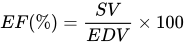
Where the stroke volume is given by:

EF is inherently a relative measurement—as is any fraction, ratio, or percentage, whereas the stroke volume, end-diastolic volume or end-systolic volume are absolute measurements.[citation needed]

History

[edit]

William Harvey described the basic mechanism of the systemic circulation in his 1628 De motu cordis. It was initially assumed that the heart emptied completely during systole.[24] However, in 1856 Chauveau and Faivre[25] observed that some fluid remained in the heart after contraction. This was confirmed by Roy and Adami in 1888.[26] In 1906, Henderson[27] estimated the ratio of the volume discharged in systole to the total volume of the left ventricle to be approximately 2/3. In 1933, Gustav Nylin proposed that the ratio of the heart volume/stroke volume (the reciprocal of ejection fraction) could be used as a measure of cardiac function.[28] In 1952, Bing and colleagues used a minor modification of Nylin's suggestion (EDV/SV) to assess right ventricular function using a dye dilution technique.[29] Exactly when the relationship between end diastolic volume and stroke volume was inverted into its current form is unclear. Holt calculated the ratio SV/EDV and noted that '...The ventricle empties itself in a "fractional" manner, approximately 46 per cent of its end-diastolic volume being ejected with each stroke and 54 per cent remaining in the ventricle at the end of systole'.[30]

In 1962, Folse and Braunwald used the ratio of forward stroke volume/EDV and observed that "estimations of the fraction of the left ventricular end-diastolic volume that is ejected into the aorta during each cardiac cycle, as well as of the ventricular end-diastolic and residual volumes, provide information that is fundamental to a hemodynamic analysis of left ventricular function".[31] Elliott, Lane and Gorlin used the term "ejection fraction" in a conference paper abstract published in January 1964.[32] In 1965, Bartle et al. used the term ejected fraction for the ratio SV/EDV,[33] and the term ejection fraction was used in two review articles in 1968 suggesting a wide currency by that time.[2][34]

References

[edit]
Revisions and contributorsEdit on WikipediaRead on Wikipedia
from Grokipedia
Ejection fraction (EF), specifically the left ventricular ejection fraction (LVEF), is a critical echocardiographic measure of systolic heart function that quantifies the percentage of blood volume pumped out of the left ventricle with each contraction, serving as a primary indicator of myocardial contractility and overall cardiac performance.[1] It is mathematically defined as the stroke volume (the difference between end-diastolic volume and end-systolic volume) divided by the end-diastolic volume, multiplied by 100 to express it as a percentage: EF = [(EDV - ESV) / EDV] × 100%.[1] In healthy individuals, LVEF typically ranges from 50% to 70%, with values below 40% often indicating impaired systolic function associated with conditions like heart failure.[2] LVEF is most commonly measured using two-dimensional transthoracic echocardiography via the biplane method of disks (also known as the modified Simpson's rule), which provides a non-invasive, real-time assessment of ventricular volumes and is widely accessible in clinical settings.[1] Alternative modalities include cardiac magnetic resonance imaging (MRI), considered the gold standard for accuracy due to its superior tissue characterization and volumetric precision; multidetector computed tomography (CT); nuclear ventriculography (MUGA scan); and invasive contrast ventriculography during cardiac catheterization.[1] These methods vary in invasiveness, cost, and availability, but echocardiography remains the first-line approach for routine evaluation because of its portability and lack of radiation exposure.[1] Clinically, LVEF plays a pivotal role in diagnosing and classifying heart failure, distinguishing between heart failure with reduced ejection fraction (HFrEF, LVEF ≤40%) and heart failure with preserved ejection fraction (HFpEF, LVEF ≥50%), which guides therapeutic decisions such as the use of beta-blockers, ACE inhibitors, or device therapies like implantable cardioverter-defibrillators (ICDs) for patients with LVEF ≤35%.[1] As a robust predictor of cardiovascular outcomes, including mortality and hospitalization risk, LVEF informs prognosis in various cardiac pathologies, from ischemic cardiomyopathy to valvular disease, and is essential for monitoring response to treatments like pharmacotherapy or revascularization.[1] Despite its utility, LVEF has limitations, such as load-dependence and variability across imaging techniques, underscoring the need for serial measurements and integration with other biomarkers for comprehensive assessment.[3]

Definition and Physiology

Core Concept

Ejection fraction (EF) is defined as the percentage of the end-diastolic volume (EDV) ejected from a ventricle of the heart during systole, representing the fraction of blood volume expelled with each contraction. Mathematically, it is expressed as end-diastolic volumeend-systolic volumeend-diastolic volume×100\frac{\text{end-diastolic volume} - \text{end-systolic volume}}{\text{end-diastolic volume}} \times 100, where end-systolic volume (ESV) is the residual blood remaining after contraction. This metric quantifies the efficiency of ventricular emptying and serves as a fundamental indicator of cardiac pumping performance.[3] The primary application of EF centers on the left ventricle, known as left ventricular ejection fraction (LVEF), which is the standard measure used to evaluate left-sided heart function in clinical practice. LVEF assesses systolic function by reflecting the ventricle's ability to contract and propel oxygenated blood into the systemic circulation, thereby providing insight into myocardial contractility. Although right ventricular ejection fraction (RVEF) follows the same conceptual framework for the right ventricle's ejection of deoxygenated blood to the lungs, it is assessed less frequently due to the right ventricle's complex geometry.[1][4][5]

Normal Values and Variations

In healthy adults, the normal range for left ventricular ejection fraction (LVEF) is 50% to 70%, with mean values around 60% to 65%. These ranges may vary slightly depending on the imaging modality used, such as echocardiography or cardiac magnetic resonance.[6][1] For the right ventricular ejection fraction (RVEF), the normal range is 45% to 60%, exhibiting greater variability due to measurement challenges and anatomical differences.[7] These ranges are derived from large cohort studies using imaging modalities like echocardiography and cardiac magnetic resonance, providing reference standards for clinical assessment. Data from seminal cohort studies, such as the Framingham Heart Study, support these reference ranges, defining normal LVEF as ≥50% in population-based analyses.[8][9] Variations in ejection fraction occur across demographic factors. Women typically have higher LVEF values than men, with medians of approximately 75% versus 70% in population studies, independent of left ventricular volume differences.[10] A slight decline in LVEF is observed with advancing age, particularly in the elderly, attributed to age-related changes in cardiac compliance and structure.[11] Ejection fraction is often indexed to body surface area (BSA) to account for body size influences, ensuring comparability across individuals of varying stature.[12] Ethnic differences also exist, with African American men showing lower LVEF and greater left ventricular size compared to white counterparts or African American women.[13]

Physiological Role

Ejection fraction (EF) serves as a key surrogate measure of systolic ventricular performance, encapsulating the interplay between myocardial contractility and the hemodynamic influences of preload and afterload. Through the Frank-Starling mechanism, increased end-diastolic volume stretches myocardial sarcomeres, enhancing contractile force and thereby optimizing EF to match venous return with cardiac output demands.[14][15] This dynamic balance ensures efficient ventricular emptying during systole, reflecting the heart's ability to adapt to varying physiological loads while maintaining circulatory homeostasis.[16] EF directly governs stroke volume by determining the fraction of end-diastolic blood that is ejected into the arterial system, which, when combined with heart rate, sustains overall cardiac output. This output is vital for perfusing systemic and pulmonary circulations, enabling oxygen delivery and carbon dioxide removal across tissues.[16] In normal physiology, preserved EF supports these processes by preventing excessive residual volume, thus avoiding undue strain on ventricular walls and promoting sustained hemodynamic stability.[17] Notably, EF characteristics differ between ventricles: left ventricular EF (LVEF) exhibits greater load dependence due to the high-resistance systemic circulation, making it more sensitive to afterload variations, whereas right ventricular EF (RVEF) is predominantly shaped by lower pulmonary pressures, rendering it less affected by systemic load changes under typical conditions.[18] These distinctions underscore EF's role in coordinating biventricular function, where LVEF drives systemic perfusion and RVEF facilitates pulmonary blood flow, collectively upholding balanced circulation.[15]

Measurement Techniques

Echocardiography

Echocardiography serves as the primary non-invasive imaging modality for assessing left ventricular ejection fraction (LVEF), offering real-time visualization of cardiac structures and function with wide availability and no ionizing radiation.[1] Transthoracic echocardiography (TTE) is the first-line approach, utilizing ultrasound waves to generate two-dimensional (2D) images of the heart.[19] In 2D TTE, the modified Simpson's biplane method, also known as the biplane method of disks, is the recommended technique for LVEF calculation, endorsed by major guidelines for its reliability in clinical practice.[19] This method involves tracing the endocardial borders of the left ventricle at end-diastole and end-systole from apical four-chamber and two-chamber views, dividing the ventricle into 20 stacked disks to compute end-diastolic and end-systolic volumes without relying heavily on geometric assumptions.[1] The procedure requires careful patient positioning to obtain optimal views, including the apical four-chamber for longitudinal assessment and parasternal long-axis for basal evaluation, while avoiding foreshortening of the ventricle.[19] However, echocardiography is operator-dependent, with manual border tracing introducing variability; interobserver reproducibility can be improved by using ultrasound contrast agents when endocardial borders are unclear in two or more contiguous segments.[1][19] Three-dimensional (3D) echocardiography represents an advancement over 2D methods, enabling direct volumetric measurement of the left ventricle from a full-volume dataset acquired via the apical window using a matrix-array transducer.[1] This approach minimizes geometric assumptions, particularly beneficial for irregularly shaped ventricles, and provides more reproducible LVEF values that correlate closely with cardiac magnetic resonance imaging.[19] Optimal results require high-quality images with frame rates of at least 15 Hz and semi-automated software for border adjustment.[19] Complementary techniques such as Doppler echocardiography and strain imaging enhance EF estimation by providing additional insights into ventricular function. Doppler methods, including pulsed-wave Doppler measurement of velocity-time integral in the left ventricular outflow tract, can estimate stroke volume when combined with ventricular volumes, supporting LVEF assessment in cases of suboptimal 2D imaging.[1] Strain imaging, particularly global longitudinal strain via speckle-tracking echocardiography from apical views (frame rate 60-90 Hz), quantifies myocardial deformation and correlates with LVEF, with normal peak values around -20%; reduced absolute values indicate systolic dysfunction.[19] Recent advances in artificial intelligence (AI) have addressed operator dependence through automated edge detection and LVEF calculation. Post-2020 developments include FDA-cleared AI tools, such as us2.ai's Echo Copilot, which automates over 45 echocardiographic parameters including LVEF and strain analysis with high reproducibility.[20] These systems mimic expert interpretation, reducing adjudication time by cardiologists and improving workflow efficiency in routine assessments, as demonstrated in blinded trials showing superior precision compared to manual methods (e.g., mean absolute difference of 2.79% for initial versus final LVEF).[21]

Advanced Imaging Modalities

Cardiac magnetic resonance imaging (CMR) serves as the gold standard for measuring left ventricular ejection fraction (LVEF) and right ventricular ejection fraction (RVEF), employing short-axis stack acquisitions to provide precise volumetric assessments without geometric assumptions or ionizing radiation.[22][1] This modality achieves high accuracy with inter-observer variability typically within ±5%, making it particularly valuable for tissue characterization, such as detecting fibrosis or infiltration via late gadolinium enhancement, in cases where echocardiography yields inconclusive results.[23][22] Cardiac computed tomography (CT), often performed as CT angiography, enables volumetric analysis of ventricular function for EF estimation, offering detailed coronary artery evaluation alongside functional data.[24] However, its utility is tempered by concerns over ionizing radiation exposure, typically ranging from 5-15 mSv depending on protocol, and the requirement for iodinated contrast, positioning it as a secondary option when non-invasive alternatives like CMR are unavailable or contraindicated.[24][22] Nuclear imaging techniques, including single-photon emission computed tomography (SPECT) and positron emission tomography (PET), utilize gated studies synchronized to the cardiac cycle to quantify EF, with particular efficacy in assessing myocardial ischemia through perfusion-viability imaging.[25][22] These methods provide reproducible LVEF measurements, often within ±5-10% of reference standards, and are especially useful in patients with suspected ischemic cardiomyopathy where rest-stress protocols can reveal inducible dysfunction.[23][25] Despite their strengths, radiation doses (8-20 mSv for SPECT) limit routine use, reserving them for viability assessment or when other modalities fail.[22] Invasive ventriculography, conducted during cardiac catheterization, remains a historical yet viable method for direct EF measurement via contrast opacification of the left ventricle, still employed in catheterization laboratories for real-time functional evaluation during coronary interventions.[26][22] It offers accuracy comparable to non-invasive standards but involves procedural risks, including contrast-induced nephropathy and arrhythmia, thus restricting its application to scenarios requiring simultaneous angiography.[26] Inter-modality comparisons reveal notable variability in EF measurements, with echocardiography often underestimating LVEF by 3-10% relative to CMR due to differences in imaging planes, geometric modeling, and operator factors.[27][23] The 2022 AHA/ACC/HFSA guidelines acknowledge this discordance, recommending CMR as the reference for precise quantification in heart failure staging when initial echocardiography is suboptimal, while advising against over-reliance on any single modality without clinical correlation.[22]

Calculation Methods

Fundamental Formulas

The ejection fraction (EF) is fundamentally defined as the percentage of end-diastolic volume (EDV) that is ejected from the ventricle during systole. The core equation is:
EF=EDVESVEDV×100% \text{EF} = \frac{\text{EDV} - \text{ESV}}{\text{EDV}} \times 100\%
where EDV represents the end-diastolic volume, the maximum volume of blood in the ventricle at the end of diastole, and ESV denotes the end-systolic volume, the residual volume remaining after systole.[1][28] This formula derives from the relationship between stroke volume (SV) and ventricular filling. Stroke volume, the amount of blood ejected per beat, is calculated as the difference between EDV and ESV:
SV=EDVESV \text{SV} = \text{EDV} - \text{ESV}
Substituting this into the EF expression yields:
EF=SVEDV×100% \text{EF} = \frac{\text{SV}}{\text{EDV}} \times 100\%
This step-by-step derivation underscores EF as a normalized measure of systolic performance relative to preload (EDV).[1][29] Volumes are typically expressed in milliliters (mL), rendering EF a dimensionless percentage.[1] The calculation can be affected by valvular regurgitation, which may inflate the apparent SV by including backward flow volume, leading to overestimation of EF; thus, it assumes negligible regurgitation for accurate assessment of forward flow.[30][31]

Volumetric and Derived Approaches

Volumetric and derived approaches to ejection fraction (EF) calculation extend beyond direct volumetric measurements by leveraging approximations from linear or velocity data, as well as advanced reconstructions and computational models, primarily in echocardiography settings. These methods aim to simplify or automate EF estimation while addressing limitations of geometric assumptions in standard formulas. Many rely on isotropic contraction, implying uniform shortening of the ventricular walls in all directions. The Teichholz formula provides an empirical approach to derive left ventricular volumes from linear dimensions, typically obtained via M-mode echocardiography. It calculates volume as $ V = \frac{7 D^3}{2.4 + D} $, where $ D $ is the end-diastolic or end-systolic internal diameter in centimeters, enabling EF computation as $ \frac{EDV - ESV}{EDV} \times 100 $. Developed from correlations between echocardiographic and angiographic data, this method assumes a modified bullet-shaped geometry but exhibits reduced accuracy in irregular ventricular configurations, such as those with regional wall motion abnormalities.[32] Similarly, the Quinones formula offers a simplified derivation for EF using squared linear dimensions from 2D echocardiography, expressed as $ EF (%) = 100 \times \frac{LVIDd^2 - LVIDs^2}{LVIDd^2} $, where LVIDd and LVIDs denote end-diastolic and end-systolic left ventricular internal diameters. This technique, validated against angiographic standards, facilitates rapid estimation in parasternal views but, like Teichholz, underperforms in distorted chamber shapes due to its reliance on uniform contraction assumptions.[33] Velocity-based methods, such as the Tei index (myocardial performance index), incorporate Doppler-derived timings to assess global ventricular function indirectly related to EF. The index is computed as $ MPI = \frac{ICT + IRT}{ET} $, with ICT as isovolumetric contraction time, IRT as isovolumetric relaxation time, and ET as ejection time, all measured from mitral inflow and aortic outflow velocities. This non-geometric parameter correlates with EF reductions in systolic dysfunction, providing a comprehensive view of performance without explicit volume tracing.[34] Three-dimensional echocardiography supports full volumetric reconstruction by capturing real-time pyramidal volumes of the left ventricle, enabling automated or semi-automated endocardial border detection across the entire chamber. This technique computes EF directly from traced end-diastolic and end-systolic volumes without predefined geometric models, improving accuracy over 2D methods in asymmetrical ventricles and aligning closely with gold-standard modalities like cardiac magnetic resonance. Machine learning models have emerged as advanced derived tools for EF prediction from raw echocardiographic images, particularly apical views, using deep neural networks trained on annotated datasets. These algorithms, such as convolutional networks processing video sequences, achieve expert-level accuracy (e.g., mean absolute error <5%) and have been integrated into clinical software like automated quantification platforms by 2023–2025, reducing interobserver variability and enabling point-of-care applications. For example, multi-stream models handling 2D video inputs demonstrate robust performance across diverse patient populations, with correlations to manual EF exceeding r=0.90.[35]

Clinical Significance

Heart Failure Classification

Heart failure is classified based on left ventricular ejection fraction (LVEF) into distinct categories to guide diagnosis, treatment, and prognosis, as outlined in major clinical guidelines. The 2022 AHA/ACC/HFSA Guideline and the 2021 ESC Guidelines for the diagnosis and treatment of acute and chronic heart failure both adopt a similar framework, dividing heart failure into heart failure with reduced ejection fraction (HFrEF), heart failure with mildly reduced ejection fraction (HFmrEF), and heart failure with preserved ejection fraction (HFpEF).[22] HFrEF is defined as LVEF ≤40%, HFmrEF as LVEF 41% to 49%, and HFpEF as LVEF ≥50%. These categories reflect differences in underlying pathophysiology, therapeutic responses, and outcomes, with HFrEF typically involving systolic dysfunction amenable to certain guideline-directed medical therapies, while HFpEF often relates to diastolic impairment and comorbidities.[22] Recent updates have introduced heart failure with improved ejection fraction (HFimpEF), characterized by a previous LVEF ≤40% that has improved to >40% with treatment, recognizing this subgroup's unique management needs to prevent relapse. This classification is incorporated in the 2022 AHA/ACC/HFSA Guideline and aligns with focused updates emphasizing sustained therapy.[22] Right ventricular ejection fraction (RVEF) plays a key role in classifying and assessing right heart failure, particularly in conditions like pulmonary hypertension, where reduced RVEF (typically <40%) indicates RV systolic dysfunction and correlates with disease severity and prognosis. Normal RVEF ranges from 45% to 60%, and its measurement helps differentiate isolated right heart involvement from biventricular failure.[36] Heart failure classification integrates EF-based categories with symptom-based assessments, such as the New York Heart Association (NYHA) functional classes, which range from I (no limitation) to IV (severe limitation) and are used alongside LVEF to stratify patients for risk and therapy in both guidelines. For instance, NYHA class II-IV symptoms combined with specific EF ranges inform trial eligibility and personalized care, bridging structural and symptomatic dimensions.[22]

Diagnostic and Prognostic Applications

Ejection fraction (EF) plays a pivotal role in diagnosing various cardiac conditions by quantifying left ventricular systolic function. A reduced left ventricular ejection fraction (LVEF <40%) is a hallmark of systolic dysfunction in conditions such as dilated cardiomyopathy and ischemic heart disease, where it indicates impaired contractility often resulting from myocardial infarction or chronic ischemia.[37] In contrast, a preserved EF (LVEF ≥50%) is characteristic of diastolic dysfunction, as seen in heart failure with preserved ejection fraction (HFpEF), where normal systolic performance coexists with impaired ventricular relaxation and filling, commonly due to hypertension or age-related changes.[38][37] Prognostically, LVEF serves as a strong predictor of outcomes in heart failure patients, with values below 35% associated with substantially elevated mortality risk; for instance, in stable outpatients, LVEF ≤25% correlates with a 44% higher hazard of death compared to LVEF 36-45%, driven primarily by arrhythmic and pump failure events.[39] Serial measurements of LVEF are essential for monitoring therapeutic responses, as improvements in EF—such as a 7-percentage-point increase observed after 6 months of beta-blocker therapy like carvedilol—reflect enhanced contractility and reduced heart rate, contributing to better survival.[40] In clinical guidelines, LVEF informs risk stratification and management decisions per the 2022 AHA/ACC/HFSA recommendations, where it integrates into staging (e.g., LVEF <40% signals Stage B asymptomatic dysfunction, escalating to advanced stages with LVEF ≤35%).[22] For instance, LVEF ≤30% post-myocardial infarction identifies candidates for implantable cardioverter-defibrillator (ICD) placement for primary prevention of sudden cardiac death, even in asymptomatic NYHA Class I patients after ≥40 days, based on evidence of 31% mortality reduction from trials like MADIT-II.[22] Recent analyses highlight the value of LVEF trajectories in prognosticating survival, particularly in HFpEF and related phenotypes; a 2024 multicenter study of heart failure with improved EF (HFimpEF) found that persistent LVEF >40% was linked to a 79% lower risk of all-cause death compared to transient improvements, underscoring the need for ongoing monitoring to guide therapy adjustments.[41]

Limitations and Alternatives

Sources of Error and Variability

Measurement of ejection fraction (EF) is subject to various sources of error and variability that can affect clinical accuracy. In echocardiography, the most commonly used modality, observer variability arises from subjective interpretation of endocardial borders and differences in tracing techniques, with interobserver variability typically ranging from 8% to 10% for left ventricular EF (LVEF) assessments.[42] Additionally, two-dimensional echocardiography relies on geometric assumptions about left ventricular shape, such as modeling it as a truncated ellipsoid, which can lead to significant errors—up to 10% to 37% in LVEF under ideal conditions—particularly in distorted ventricles due to ischemia or remodeling.[43] Physiological factors further introduce variability by altering the hemodynamic conditions during measurement. EF is load-dependent, with increases in afterload (e.g., from hypertension or aortic stenosis) reducing stroke volume and thus lowering EF, while changes in preload can similarly impact results; this dependence is more pronounced in failing hearts.[44] Arrhythmias, such as atrial fibrillation, cause beat-to-beat variations in filling times and irregular rhythms, degrading image quality in gated imaging and complicating accurate timing of systolic ejection.[45] Patient-specific factors can exacerbate measurement challenges. Obesity often limits acoustic windows in transthoracic echocardiography due to excess adipose tissue attenuating ultrasound signals, resulting in poor endocardial visualization and reduced reproducibility.[46] Valvular diseases, particularly regurgitant lesions like mitral or aortic regurgitation, inflate calculated end-diastolic volumes by including regurgitant flow, leading to overestimation of EF.[31] Discordance between imaging modalities adds another layer of variability, with differences between echocardiography and cardiac magnetic resonance (CMR) reaching a mean absolute value of about 7.3%, and up to 10% or more in some cases, due to variations in geometric modeling and resolution.[23] To mitigate these issues, guidelines recommend using consistent measurement methods within institutions, such as the biplane method of disks for two-dimensional echocardiography or three-dimensional approaches, and employing ultrasound contrast agents when endocardial borders are inadequately visualized to improve reproducibility and correlation with reference standards like CMR.[19]

Complementary Cardiac Measures

Global longitudinal strain (GLS) serves as a sensitive measure of left ventricular systolic function, particularly for detecting subclinical myocardial dysfunction in patients with preserved ejection fraction. Unlike traditional metrics, GLS quantifies the deformation of the myocardium during the cardiac cycle using speckle-tracking echocardiography, revealing early impairments before overt reductions in ejection fraction occur. Normal GLS values typically range from -18% to -20%, with values less negative than -16% indicating abnormality. In conditions such as aortic stenosis or chemotherapy-induced cardiotoxicity, GLS identifies subclinical dysfunction that correlates with adverse outcomes, providing incremental prognostic value beyond ejection fraction alone.[47][48][49][50] Diastolic parameters, including the E/A ratio from transmitral Doppler and tissue Doppler imaging metrics like E/e', offer critical insights into left ventricular relaxation and filling pressures, especially in heart failure with preserved ejection fraction (HFpEF). The E/A ratio assesses the balance between early (E) and late (A) diastolic filling velocities, with a normal value around 1 in younger adults, though it varies with age and loading conditions. Tissue Doppler-derived E/e' ratio estimates left atrial pressure, where values below 8 suggest normal filling pressures and above 14 indicate elevation, aiding in HFpEF diagnosis when combined with other signs like elevated tricuspid regurgitation velocity. These parameters enhance the evaluation of diastolic dysfunction, which ejection fraction alone cannot fully capture, and are integral to updated guidelines for diastolic function assessment.[51][52][53][54] For right ventricular assessment, tricuspid annular plane systolic excursion (TAPSE) and fractional area change (FAC) provide reliable alternatives to right ventricular ejection fraction, focusing on longitudinal and areal systolic performance. TAPSE measures the displacement of the tricuspid annulus toward the apex during systole, with normal values exceeding 17 mm, reflecting global right ventricular longitudinal function. FAC calculates the percentage change in right ventricular end-diastolic and end-systolic areas in the apical four-chamber view, where values greater than 35% are considered normal and correlate well with overall right ventricular contractility. These metrics are particularly useful in pulmonary hypertension or right heart failure, where they offer prognostic information and guide therapy without the need for more invasive imaging.[55][56][57][58] Emerging techniques like 4D flow magnetic resonance imaging (MRI) enable detailed evaluation of cardiac dyssynchrony by quantifying intracardiac blood flow patterns and hemodynamic forces, addressing limitations in assessing mechanical synchrony with ejection fraction. This modality visualizes three-dimensional velocity-encoded flow over time, revealing altered kinetic energy and vortex formation in heart failure patients with left bundle branch block, which may predict response to cardiac resynchronization therapy. As of 2025, AI-derived multiparametric scores integrate echocardiography, MRI, and clinical data to generate comprehensive cardiac function indices, improving risk stratification in HFpEF and cardiomyopathy through automated analysis of strain, volumes, and flow. These scores, often based on machine learning models, enhance prognostic accuracy by combining multiple parameters into a single, interpretable metric.[59][60][61][62][63][64]

Historical Development

Early Concepts

The foundational concepts of ejection fraction trace back to early understandings of cardiac function and blood circulation, beginning with William Harvey's seminal work in 1628. In his treatise Exercitatio Anatomica de Motu Cordis et Sanguinis in Animalibus, Harvey described the heart as a muscular pump that ejects blood from the ventricles into the arterial system during systole, challenging the prevailing Galenic view of blood ebbs and flows.[65] He quantified the volume of blood ejected per beat by estimating ventricular capacity and stroke volume, noting that even a fraction of the ventricular contents propelled per contraction would necessitate a circulatory system to avoid excessive blood accumulation.[66] This introduced the idea of ventricular ejection as central to systemic circulation, laying groundwork for later quantitative assessments of cardiac performance. In the 19th century, advances in instrumentation enabled more precise observations of cardiac output through pulse wave analysis. Étienne-Jules Marey developed the sphygmograph in 1860, a device that graphically recorded arterial pulse waves by capturing the pressure oscillations from ventricular ejection.[67] This tool linked peripheral pulse characteristics to central cardiac output, allowing physiologists to infer ejection dynamics from waveform amplitude and timing without direct ventricular measurement.[68] Marey's work emphasized the heart's role in generating pressure waves proportional to ejected volume, bridging qualitative anatomy with emerging hemodynamic principles.[69] Pre-ejection fraction metrics emerged with Adolf Fick's principle in 1870, which provided an indirect method to quantify cardiac output as the product of oxygen consumption and arteriovenous oxygen difference.[70] This approach, applied clinically in the late 19th century, measured total blood flow from the heart without isolating stroke volume, serving as a precursor to fractional ejection assessments by establishing baseline cardiac output norms.[71] Fick's method highlighted the ventricle's output as a systemic variable, influencing subsequent efforts to dissect ejection efficiency.[72] Early 20th-century physiology advanced these ideas through Ernest Starling's law of the heart, articulated in his 1918 Linacre Lecture. Starling demonstrated that increased ventricular preload—via end-diastolic volume—enhances the force of contraction and thus stroke output, up to an optimal length-tension relationship in cardiac muscle fibers.[73] This intrinsic regulatory mechanism underscored the ventricle's adaptive ejection capacity, setting the stage for quantitative measures like ejection fraction to evaluate how preload influences output efficiency.[74] Starling's findings integrated prior circulatory concepts into a framework for assessing cardiac reserve.[75]

Modern Milestones

The term "ejection fraction" was first formalized in clinical literature during the mid-1960s through angiographic studies of left ventricular function. In 1966, Kennedy and colleagues introduced the concept as the ratio of stroke volume to end-diastolic volume, termed "systolic ejection fraction," to quantify normal left ventricular performance in a cohort of 16 adults, reporting a mean value of 0.67 ± 0.08. This marked a pivotal shift toward standardized volumetric assessment in invasive cardiology, building on prior angiographic volume calculations but providing a dimensionless index for systolic efficiency. The 1970s saw the rapid adoption of echocardiography as a non-invasive alternative for ejection fraction measurement, transforming its clinical accessibility. Pioneering work by Teichholz et al. in 1970 established formulas for deriving left ventricular volumes from M-mode echocardiographic dimensions, enabling ejection fraction calculations with reasonable correlation to angiography in non-asynergic ventricles. By the mid-1970s, two-dimensional echocardiography further refined these assessments, with widespread clinical implementation standardizing serial monitoring of ejection fraction in outpatient and inpatient settings, reducing reliance on catheterization. From the 1990s to the 2000s, cardiac magnetic resonance imaging (MRI) emerged as the gold standard for ejection fraction quantification due to its superior accuracy and reproducibility without geometric assumptions. Early validation studies in the 1990s demonstrated MRI's close agreement with angiography for left ventricular volumes and ejection fraction, with interobserver variability under 5%, establishing it as the reference modality for research and complex cases. Concurrently, heart failure classifications evolved to emphasize ejection fraction thresholds; the 2001 ACC/AHA guidelines highlighted reduced ejection fraction (≤40%) as a core feature of systolic heart failure (later termed HFrEF), guiding targeted therapies like ACE inhibitors. In the 2010s and into the 2020s, advancements in three-dimensional echocardiography improved ejection fraction accuracy by overcoming two-dimensional limitations, with automated border detection yielding results comparable to MRI in multicenter trials. Artificial intelligence-driven automation further streamlined measurements, achieving over 90% agreement with expert readings for left ventricular ejection fraction in routine echocardiograms by 2020. Guideline updates reflected these innovations; the 2022 AHA/ACC/HFSA heart failure guidelines formally incorporated heart failure with mid-range ejection fraction (HFmrEF, 41-49%) as a distinct category, recommending SGLT2 inhibitors with class 2a evidence. The 2023 ESC focused update of the 2021 guidelines expanded treatment recommendations for HFmrEF and HFpEF based on new trials, while the 2024 ACC expert consensus pathway refined sequencing of therapies for HFrEF. Post-2020, emphasis grew on right ventricular ejection fraction in pulmonary hypertension, as per the 2022 ESC/ERS guidelines, where its assessment via MRI or echocardiography aids prognostic stratification in right heart failure. Recent AI innovations include models for EF estimation from 12-lead ECG signals (2025) and real-time automated quantification using handheld ultrasound devices (2025), enhancing accessibility in resource-limited settings.[22][76][77][78][79]

References

User Avatar
No comments yet.