Hubbry Logo
Imphal East districtImphal East districtMain
Open search
Imphal East district
Community hub
Imphal East district
logo
8 pages, 0 posts
0 subscribers
Be the first to start a discussion here.
Imphal East district
from Wikipedia

Imphal East district (Meitei pronunciation: /ˈɪmfəl or ɪmˈfɑːl/) is one of the 16 districts of Manipur state in northeastern India. In 2011, it was the second most populous district in the state, after Imphal West.[2] In 2016, the Jiribam subdivision, which was an exclave at the western periphery of the state, was separated as an independent district.[3]

Key Information

Description

[edit]

The Imphal East district occupies the northeastern part of the Imphal Valley. It was created in June 1997 by dividing the erstwhile Imphal district into two parts. Prior to that, it was a subdivision of the Imphal district.[4] The hill territory of Jiribam, which was attached to the Impal East district since its formation, was separated into its own district in 2016 as part of a major reorganisation of districts.[5][3] At the same time, several hilly regions in the interior of Imphal East associated with Senapati district, were included in Imphal East.[6]

A major part of the Imphal city urban agglomeration is included in Imphal West, the rest being in Imphal East. Roughly half the population of Imphal East lives in the urban area.

The district headquarters of Imphal East is at Porompat. The total area of the district, prior to the 2016 reorganisation, was approximately 497 km2. The district is situated at an altitude 790 metres above the M.S. Level. The climate of the district is salubrious and the monsoon is tropical. The minimum temperature goes down to 0.6 degree Celsius in the winter and 41 degree Celsius in the summer. It has no rail network and hence communication is entirely dependent on road. The district is connected via N.H. 39, N.H. 53 and N.H. 150.

Demographics

[edit]

Population

[edit]
Historical population
YearPop.±%
1951 89,821—    
1961 135,594+51.0%
1971 189,713+39.9%
1981 255,365+34.6%
1991 330,460+29.4%
2001 394,876+19.5%
2011 456,113+15.5%
2011 Imphal East district (including the Jiribam subdivision)
Source: Census of India[7]
Languages of Imphal East district (2011)[8]
  1. Manipuri (91.0%)
  2. Nepali (1.66%)
  3. Kabui (1.61%)
  4. Tangkhul (1.02%)
  5. Others (4.70%)
Religions in Imphal East district (2011)[9]
  1. Hinduism (61.5%)
  2. Sanamahi (16.8%)
  3. Islam (15.8%)
  4. Christianity (5.22%)
  5. Others (0.66%)

According to the 2011 census Imphal East district has a population of 456,113.[2] This gives it a ranking of 551st in India (out of a total of 640).[2] The district has a population density of 638 inhabitants per square kilometre (1,650/sq mi) .[2] Its population growth rate over the decade 2001-2011 was 14.63%.[2] Imphal East has a sex ratio of 1011 females for every 1000 males,[2] and a literacy rate of 82.81%.[2]

Population[10] Percentage

of Total Pop.

All Scheduled Tribes 27,657 6.1%
Kuki-Zo tribes[a] 10,737 2.4%
Naga tribes[b] 12,902 2.8%
Old Kuki/Naga[c] 3,556 0.8%

After the separation of the Jiribam subdivision, the residual district has population 412,275. It has a sex ratio of 1023 females per 1000 males. 42.65% of the population live in urban areas. Scheduled Castes and Scheduled Tribes made up 2.04% and 5.38% of the population respectively.[2]

Languages

[edit]

As per 2011 census, the languages spoken in Imphal East district (excluding newly created Jiribam district) are Manipuri (375,207), Nepali (6,851), Kabui (6,622), Tangkhul (4,205), and Kuki (2,066).[8]

Administrative divisions

[edit]
Sub Divisions Tehsils/ SDC Circles
Porompat Heingang, Porompat, Bashikhong
Keirao Bitra Keirao Bitra, Tulihal
Sawombung Sawombung, Sagolmang

Recently, Jiribam district is carved out from Imphal East district comprising sub-divisions of Jiribam, Borobekra, and Babukhal.

Areas under Imphal Urban Agglomeration

[edit]

Economy

[edit]

Agriculture

[edit]

Agriculture is the main occupation of the people in the district. There are 27,000 and 4,100 hectares of land for H.Y.V. (High Yield Variety) and improved local paddy field respectively. There are 450 hectares of land for maize, 60 hectares for wheat and 350 hectares for potato. The main food crops are paddy, potato and vegetables. Among the cash crops are sugarcane, maize, pulse, oil seed and other vegetables. The total number of workers engaged in agriculture in the district was 42,473 as per the 1991 census of which 28,661 were males and 13,812 were females. Spices like chilli, onion, ginger, turmeric and coriander of good quality are grown in the district.

AREA & PRODUCTION OF IMPORTANT CROPS: (during 1998 -99 in Imphal East district)
Sl. No. Name of Crops Area in Hect. Production in MT
KHARIF CROPS
1 Paddy (HYV) 27.00 80.14
2 Local paddy 4.10 5.44
3 Maize 0.45 0.80
4 Sugar cane 0.29 17.84
5 Kharif Pulse 0.22 0.26
RABI CROPS
1 Wheat 0.06 0.08
2 Pea & other pulses 1.53 1.09
3 Potato 0.35 1.52
4 Muster & other Oilseeds crops 0.60 1.22

Horticulture

[edit]

Horticulture products have been acquiring popularity with the people in the district. Fruits like pineapple, banana, lemon and papaya grow well in the district. Pineapple grows in plenty at the slope of Ngariyan Hill. There is considerable scope for increasing the area under different horticulture crops. The soil and climate favour for mass plantation of horticulture products in the district.

The following is the areas and production of horticulture crops in the district during 1998-99.

Sl.No. Crops Area in Hectare Annual production ( M.T.)
1 Pineapple 650 3,700
2 Banana 50 392
3 Lemon 56 224
4 Plum, Pear & Peach 30 180
5 Papaya 230 1,150
6 Mango 12 60
7 Guava 30 138
8 Others 250 397
Total 1,358 6,646

Livestock

[edit]

In the district, there is a dairy farm and a veterinary training center. There are also 5 veterinary hospitals and 19 veterinary dispensaries along with three aids centers. The following is the population of livestock as per survey report of 1997 census.

Sl. No. Category Total Population
A LIVESTOCK
1 Cattle 85,964
2 Buffaloes 2,310
3 Sheep 461
4 Goats 2,189
5 Horses & Ponies 542
6 Pigs 10,563
7 Dogs 15,940
8 Rabbits 799
B POULTRY
1 Cock 30,719
2 Hen 2,37,704
3 Chicken (below three months) 1,60,018
4 Drakes 21,029
5 Ducks 35,832
6 Ducklings ( below six months ) 21,512
7 Other fowls 5,784

Forest

[edit]

The following is the information of forest products available in the district

OUTTURN VALUES OF MINOR FOREST PRODUCES OF CENTRAL FOREST DIVISION (IMPHAL EAST & IMPHAL WEST) FOR THE YEAR 1999–2000.
Sl.No. Items Units Quantity Value (in Rs.)
1 Firewood M.T. 16.8 43.560
2 Bamboo nil nil nil
3 Charcoal Qtl. 1 80
4 Earth C.M. 1,060 16,620
5 Stone C.M. 31,610 4,77,340
6 Sand C.M. 23,542 3,29,685

Tourism

[edit]

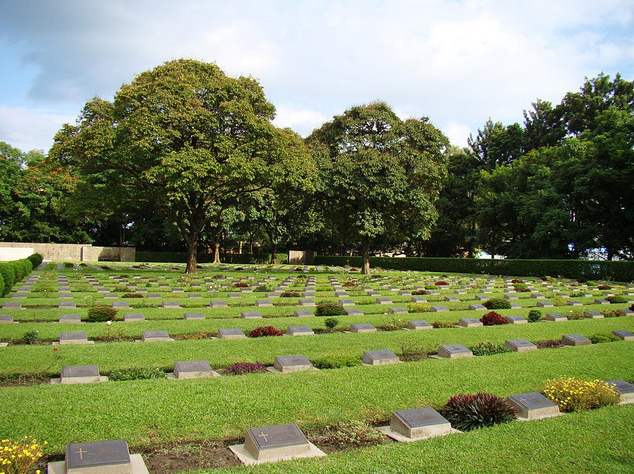
There are two motels in the district at Kaina and Jiribam. Shree-Shree Govindajee Temple, a golden temple is located in the palace compound area. There are two war cemeteries maintained by the British War Grave Commission. There is a temple at Kaina and it is a holy place of the Hindus. The Hanuman temple at Mahabali is a pre-historical place in the State.

Manipur is known for its scenic environment, landscapes, climate and cultural heritage, which has a great potential for development of tourism.[original research?]

Geography

[edit]

Porompat town is the administrative headquarters of the district. Nandeibam is also in the district.

Climate

[edit]
Imphal
Climate chart (explanation)
J
F
M
A
M
J
J
A
S
O
N
D
 
 
13
 
 
21
4
 
 
31
 
 
23
7
 
 
61
 
 
27
11
 
 
101
 
 
29
15
 
 
146
 
 
29
18
 
 
284
 
 
29
21
 
 
231
 
 
29
22
 
 
197
 
 
29
21
 
 
124
 
 
29
20
 
 
120
 
 
28
17
 
 
36
 
 
25
10
 
 
10
 
 
22
5
Average max. and min. temperatures in °C
Precipitation totals in mm
Source: IMD
Imperial conversion
JFMAMJJASOND
 
 
0.5
 
 
70
39
 
 
1.2
 
 
74
44
 
 
2.4
 
 
81
51
 
 
4
 
 
84
60
 
 
5.7
 
 
84
65
 
 
11
 
 
84
69
 
 
9.1
 
 
84
71
 
 
7.7
 
 
84
70
 
 
4.9
 
 
84
68
 
 
4.7
 
 
82
62
 
 
1.4
 
 
77
51
 
 
0.4
 
 
72
41
Average max. and min. temperatures in °F
Precipitation totals in inches

See also

[edit]

Notes

[edit]

References

[edit]
[edit]
Revisions and contributorsEdit on WikipediaRead on Wikipedia
from Grokipedia
Imphal East district is an in the northeastern Indian state of , established on June 18, 1996, by bifurcating the former Imphal district (reorganized in 2016 by separating Jiribam subdivision), with its headquarters located at Porompat. Covering a geographical area of 497 square kilometers, it represents about 2.2% of Manipur's total land area and lies in the at an of 790 meters above mean . According to the (excluding Jiribam), the district had a population of 412,275, with a density of 830 persons per square kilometer, marking it as one of the more densely populated regions in the state. The district borders to the north and east, Thoubal to the south, and West to the west, encompassing a mix of valley plains, low hills, and urban centers that form part of the greater . Geographically, Imphal East spans latitudes from 24°39′49.09″N to 25°04′05.45″N and longitudes from 93°55′30″E to 94°08′42″E, featuring hilly terrains such as the Khundrakpam hills (up to 820 meters) and Mount Nungsikon (1,168 meters, the district's highest point), alongside fertile alluvial plains suited for agriculture. The climate is subtropical, with temperatures ranging from a low of 0.6°C in winter to a high of 41°C in summer, supporting rice cultivation as the dominant crop, though irrigation challenges limit commercialization. Administratively, it comprises two community development blocks—Imphal East-I and Imphal East-II—and includes urban areas integrated into Imphal's municipal corporation, contributing to the region's role as Manipur's political and economic hub. Demographically, the recorded 203,555 males and 208,720 females, yielding an overall of 1,026 females per 1,000 males, with higher ratios in urban areas (1,051) compared to rural (995). The rate between 2001 and 2011 was 15.50%, reflecting a decadal increase from approximately 357,000 residents (excluding Jiribam), with 60% residing in rural areas (229,068) and 40% in urban settings (183,207). stands at 81.95% overall—higher than Manipur's state average of 76.94%—with male at 88.77% and female at 75.32%, underscoring educational progress amid a predominantly Meitei ethnic composition. The economy is predominantly agriculture-based, with a net sown area of 35,680 hectares and total cropped area of 52,990 hectares as of 2016-17, though only 17,490 hectares are irrigated, hindering productivity. Supplementary sectors include cottage industries like handloom weaving, bamboo crafts, pottery, and small-scale manufacturing, supported by 45,346 establishments employing 75,172 workers in 2013, of which 55.69% were rural. Culturally, the district hosts significant sites such as the Shree Shree Govindajee Temple, a historic Vaishnavite center in Imphal, reflecting Manipur's rich heritage tied to the ancient Meitei kingdom and its enduring traditions in dance, sports, and festivals.

Overview

General Description

Imphal East is one of the 16 administrative districts of state in northeastern , with its headquarters located at Porompat. The district was formed on June 18, 1996, through the bifurcation of the original district into Imphal East and West, establishing it as a key administrative unit in the region. Situated in the , the district features predominantly valley terrain and serves as a significant urban-rural hub within . As of the 2011 census, it ranked as the second most populous district in the state, after Imphal West, reflecting its central role in the state's demographic landscape. The area spans approximately 497 square kilometers following the 2016 administrative reorganization that separated Jiribam as a distinct district, with an average elevation of around 790 meters above mean sea level. The economy of Imphal East remains primarily agrarian, supported by valley-based farming, alongside emerging urban activities such as small-scale industries and trade. Lacking rail connectivity, the district depends entirely on road networks, including 102 and 202, for transportation and linkage to broader and neighboring .

Location and Boundaries

Imphal East district is situated in the northeastern part of state, , encompassing the northeastern portion of the . It lies between latitudes 24°39′49.09″N and 25°04′05.45″N and longitudes 93°55′30″E and 94°08′42″E. The district's terrain features predominantly flat alluvial plains characteristic of the valley, interspersed with surrounding hills that rise to notable elevations. Key topographic features include Khundrakpam Hill at 1,168 meters and Nongmaijing Hill at 1,565 meters. The district is bordered by to the north and east, to the south, and Imphal West district to the west. Until December 2016, it also included the Jiribam subdivision as a distant exclave in the southwestern part of the state, which was separated to form the independent . Connectivity to Imphal East relies primarily on road networks, as the district lacks a railway system. It is accessed via National 37 (connecting Imphal to Silchar via Jiribam), National 102 (towards Moreh), and other state roads. The nearest airport is Bir Tikendrajit International Airport, located approximately 8 km away in Imphal West district. Imphal East is directly adjacent to Imphal city, the state capital in Imphal West district, and together they form the greater Imphal urban area, facilitating seamless integration for administrative and economic activities.

History

Formation and Reorganization

Imphal East District came into being with effect from 30 August 1996, through a notification by the , which bifurcated the erstwhile Imphal district into two separate administrative units: Imphal East and Imphal West. This division was intended to enhance governance efficiency in the densely populated by creating more manageable administrative boundaries amid rapid population growth and urban development pressures. The new district encompassed the eastern portion of the original Imphal district, with its headquarters at Porompat, and initially covered an area of approximately 709 square kilometers, including the Jiribam sub-division. A significant reorganization occurred in 2016 when the Jiribam sub-division was separated to form an independent , effective December 8, 2016, via Notification No. 16/20/2016-R published in the Manipur Gazette. This change reduced Imphal East's area to 497 square kilometers, addressing the administrative challenges posed by Jiribam's geographical isolation—over 200 kilometers from and separated by hilly terrain—while improving local service delivery in the remote valley outpost. Concurrently, certain hilly areas previously associated with were incorporated into Imphal East to streamline boundary management and better integrate interior hill-valley interfaces. According to the 2011 Census, the pre-reorganization population of East (including Jiribam) stood at 456,113, reflecting a of 643 persons per square kilometer and underscoring the need for subdivision to handle urban expansion in the valley core. Post-reorganization, the adjusted for the residual Imphal East district was approximately 412,275, based on the same census data excluding Jiribam’s 43,838 residents, which facilitated more targeted resource allocation for the remaining valley and transitional hill areas. These adjustments positioned Imphal East as one of Manipur's 16 , emphasizing decentralized administration in the state's evolving district framework.

Historical Significance in Manipur

Imphal East district, encompassing parts of the historic , has been integral to 's ancient political and cultural landscape as part of the Kangleipak kingdom since the establishment of the Pakhangba dynasty in 33 AD. This era marked the beginning of a centralized in the valley, where served as the heartland for royal governance, religious practices, and societal organization under successive kings who ruled for over three millennia. The valley's fertile terrain supported a sophisticated agrarian economy and the development of and literature, reinforcing its role as the cultural epicenter of the region. During the colonial period, the , including areas now in Imphal East, emerged as a strategic focal point in the Anglo-Manipuri Wars of 1891, where Manipuri forces resisted British expansion, culminating in battles around that led to the kingdom's subjugation and the end of its sovereignty. Imphal's position as a key base facilitated British control over , transforming the valley into an administrative hub under colonial oversight. This era also saw the valley's involvement in broader imperial logistics, setting the stage for its military prominence in the . In , Imphal East's terrain played a pivotal role in the (1939-1945), serving as a critical Allied supply route and logistics base against Japanese advances, with airfields and roads in the district enabling the sustainment of forces during the prolonged siege. The in 1944, fought across the valley plains, represented a turning point, where Allied troops repelled the Japanese invasion, preventing their thrust into ; the district's landscape hosted key defensive positions and supply depots that were vital to the campaign's success. Postwar, the in the district, maintained by the , commemorates over 1,600 Commonwealth burials from these battles, underscoring the area's enduring historical ties to global conflict. Following India's independence, the areas, including Imphal East, were central to Manipur's integration into the Indian Union on October 15, 1949, through a merger agreement that shifted administrative control to while preserving local governance structures. The Meitei community, predominant in the valley, drove post-merger administrative and , establishing as the state's political and commercial nucleus with institutions that fostered , , and growth. This integration solidified the district's position as a driver of Manipur's modernization within the federal framework.

Geography and Environment

Physical Features

Imphal East district forms part of the , characterized by predominantly flat alluvial terrain at an average elevation of 790 meters above mean , which supports extensive agricultural landscapes. The northeastern portion transitions into low hills, contributing to varied topography within the district. The highest elevation in the district is Mount Nungsikon, reaching 1,168 meters above mean in the Khundrakpam hill range. The district's soils are primarily alluvial and loamy, derived from transported sediments, rendering them fertile and suitable for cultivation across much of the valley floor. These types cover the alluvial plains that constitute the core of East, which spans approximately 477 square kilometers—about 2.1% of Manipur's total geographical area of 22,327 square kilometers (following the bifurcation of Jiribam sub-division). Organic soils are also present in localized areas, enhancing moisture retention in the ecosystem. Hydrologically, the district is drained by the Imphal River and its key tributaries, including the Iril, Sekmai, and Nambul rivers, which originate from surrounding hills and flow southward through the valley. These waterways support a network of wetlands and small lakes, such as those in the Lamphelpat area, fostering aquatic habitats and seasonal water storage that bolster local biodiversity. Natural resources in Imphal East include moderate forest cover, estimated at 28.81% of the district's land area (175.54 sq km) as of the 2023 assessment, with a slight decrease of 2.07 sq km since 2021. Mineral resources are limited, though deposits of clay are notable, particularly in areas like Andro village, where they sustain traditional pottery industries using locally sourced materials. The district's is anchored in valley ecosystems, featuring riparian zones along rivers, paddy-dominated wetlands, and scattered orchards that harbor diverse and adapted to subtropical conditions. Sacred groves within East, such as those in the valley districts, preserve over 90 woody species and serve as refugia for endemic plants and birds, though expanding poses ongoing threats to these habitats through .

Climate and Weather Patterns

Imphal East district features a subtropical humid climate, classified under the tropical monsoon regime, with persistently high humidity levels throughout the year and an average annual rainfall ranging from 1,200 to 1,600 mm, concentrated mainly during the southwest monsoon period from June to September. This seasonal precipitation pattern is driven by depressions originating from the Bay of Bengal, which bring intense rainfall to the region. The district's location in the Imphal Valley moderates some of the more extreme hill influences, resulting in relatively consistent weather dynamics compared to surrounding elevated areas. Temperature variations in the district are marked by seasonal extremes, with winter months recording lows as low as 0.6°C in and summer highs reaching up to 41°C in May, while the annual average hovers around 24°C. Winters from to are generally mild and dry, often accompanied by that reduces visibility, though extreme snowfall is absent. The post-winter transition leads into a hot pre-monsoon period in to May, followed by the wet summer that cools the air temporarily through heavy downpours. Weather hazards in Imphal East include risks of flooding during the due to heavy rains overwhelming the valley's drainage systems, as well as occasional cyclonic depressions that amplify and wind speeds. Dry periods outside the can lead to , while foggy conditions in winter pose challenges for transportation. As of 2025 observations, has manifested in rising average temperatures and increasingly erratic patterns, contributing to more frequent floods and droughts that broadly impact local .

Demographics

Population and Growth

According to the , Imphal East district recorded a total of 456,113 prior to the administrative separation of Jiribam sub-division in 2016; following this reorganization, the adjusted stood at 412,275, comprising approximately 203,555 males and 208,720 females. The district ranks as the second most populous in . The population density in Imphal East is approximately 864 persons per square kilometer (post-separation), notably higher than Manipur's state average of 128 persons per square kilometer, reflecting its concentration in the fertile . Urban areas account for 42.65% of the population, underscoring a significant rural-urban divide, with rural residents numbering 272,906 (59.8%) and urban residents 183,207 (40.2%) based on pre-adjustment figures. Decadal population growth in the district accelerated to 15.50% between and (from 394,624). The overall sex ratio is approximately 1,026 females per 1,000 males (post-adjustment), with variations across locales: 995 in rural areas and 1,051 in urban areas. Literacy stands at 81.95%, higher among males at 88.77% compared to 75.32% for females. As of 2025 projections (no 2021 conducted), the district's is estimated at approximately 549,000, driven by natural growth and migration patterns. Ongoing ethnic violence in since 2023 has displaced over 60,000 people statewide, with potential influx to districts like East.

Ethnic Groups, Languages, and

Imphal East district is predominantly inhabited by the , an ethnic group of Tibeto-Burman origin with historical influences from Indo-Aryan culture, who form the majority in the Manipur valley regions. The Meitei constitute approximately 80-90% of the district's , reflecting their dominance in valley districts like Imphal East. Minority ethnic groups include the Kuki-Zo and Naga tribes, primarily classified as Scheduled Tribes, who account for approximately 5.38% of the total or 22,167 individuals as per the 2011 (post-adjustment). Scheduled Castes represent approximately 2.04% of the , totaling 8,414 persons (post-adjustment). The primary language spoken in Imphal East is Manipuri (also known as Meiteilon), the of state, used by about 85.19% of the population and traditionally written in the Bengali-Assamese script, though the was reintroduced alongside it via the 2021 amendment to the Manipur Official Language Act. Other notable mother tongues include Bengali at 5.08%, Kabui (Rongmei) at 2.37%, and Nepali at approximately 1.66%, with the 2011 Census indicating linguistic diversity particularly in multilingual households influenced by the district's valley-hill interface. Smaller percentages speak tribal languages such as Tangkhul (1.4%), Hmar (0.78%), and Thado (0.65%), reflecting the presence of Naga and Kuki-Zo communities. Religiously, is the largest faith, practiced by 60.27% of the population or 274,906 individuals, largely among the Meitei who adopted in the while retaining elements of indigenous beliefs. The indigenous Sanamahi faith, a traditional Meitei centered on ancestor worship and nature deities, accounts for a significant portion of the 15.28% classified under "Other Religions" (69,734 persons), making it a key cultural marker in the district. , followed by the Pangal (Manipuri Muslim) community, constitutes 17.58% or 80,199 people, while , more prevalent among tribal minorities, represents 6% or 27,361 adherents. Smaller groups include Buddhists (0.24%), (0.04%), and Jains (0.01%).

Government and Administration

Administrative Subdivisions

Imphal East district is administratively divided into three sub-divisions: Porompat (headquarters), Keirao Bitra, and Sawombung. These sub-divisions were established following the bifurcation of the erstwhile Imphal district in 1996, with further reorganization in December 2016 when the Jiribam sub-division was separated to form the new . Each sub-division is further subdivided into sub-divisional circles, also known as tehsils or circles, totaling seven across the district. Porompat sub-division includes Heingang, Porompat, and Bashikhong circles; Keirao Bitra sub-division comprises Keirao Bitra and Tulihal circles; and Sawombung sub-division covers Sawombung and Sagolmang circles. For rural governance, the district is organized into four blocks—Sawombung, Heingang, Khetrigao, and Keirao—each managing local development initiatives through a network of gram panchayats. These blocks collectively oversee 50 gram panchayats, which handle grassroots-level administration and welfare programs in the rural areas. The district encompasses 149 revenue villages distributed across these administrative units. It also includes two statutory towns, Lamlai and Andro, alongside census towns like Porompat and rural villages, forming the complete administrative structure. Overall administration is led by the Deputy Commissioner, who coordinates district-level functions, while the Zilla Parishad supports through decentralized planning and implementation of schemes.

Urban Areas and Governance

Imphal East district forms a significant portion of the Imphal Urban Agglomeration, which encompasses the broader of Manipur's and includes key suburban extensions within the district. The district's urban component contributes substantially to this agglomeration, with an urban population of 183,207 as per the 2011 Census, representing approximately 40.17% of the district's total population of 456,113. This is driven by the district's proximity to the state capital, fostering residential and commercial growth in peripheral areas. The primary municipal body overseeing urban areas in Imphal East is the Imphal Municipal Corporation (IMC), established in 2016 under the Municipalities Act and covering both Imphal East and Imphal West districts with a total area of 30.75 square kilometers and a population of 268,243 in 2011. Porompat, the district headquarters and a with a population of around 6,191, serves as a notified under the IMC's , functioning as a key suburban hub with integrated administrative oversight. The IMC comprises 27 wards, each represented by elected councillors, and is led by a and with five-year terms, emphasizing coordinated urban services across the agglomeration. Prominent urban centers in the district include Porompat, Lamlai, and Andro, which host essential infrastructure such as local markets and healthcare facilities. For instance, the Regional Institute of Medical Sciences, located nearby in the area, supports urban health needs for these centers. These areas feature growing commercial zones that cater to daily necessities and contribute to the district's economic vibrancy. Urban governance in Imphal East operates through a three-tier structure involving the state Urban Development Department, urban local bodies like the , and ward-level committees for localized decision-making. Elected councils prioritize , including building permit issuance (subject to state approval by the Town Planning Department) and solid initiatives to address suburban expansion. , however, remains under the Engineering Department, highlighting inter-departmental coordination in service delivery. This framework supports amid a decadal urban growth rate of 68.36% from to , reflecting rapid .

Economy

Agriculture and Horticulture

forms the economic backbone of Imphal East district, engaging a substantial portion of the local in farming activities. The sector provides to approximately 52% of the total workers across , with comparable reliance observed in the valley districts including Imphal East, where it remains the predominant occupation despite limited industrialization. The district's fertile alluvial soils in the facilitate intensive cultivation, primarily through traditional wet-rice methods that depend on rains and rudimentary systems. Paddy, the principal staple , dominates use, with around 28,750 s under kharif cultivation, much of it dedicated to high-yielding varieties introduced through initiatives since the early . Annual paddy production reaches approximately 41,380 tonnes during the kharif season (2022-23), yielding about 1.44 tonnes per hectare, though overall output can approach 50,000 tonnes when including pre-kharif contributions from areas. Other key field crops include and , which support local food security and small-scale processing, but persistent deficits—covering approximately 38% of paddy area (as of 2021-22)—hinder expansion and commercialization efforts. Cultivation practices remain vulnerable to erratic monsoons and seasonal floods, which frequently damage crops and reduce yields in lowland fields. Horticulture plays a vital role in diversifying income, with emerging as the flagship crop on the district's hilly terrains, such as Ngariyan Hill, where it thrives under rainfed conditions. Imphal East accounts for a significant share of the state's output, cultivating over 1,250 hectares and producing around 15,630 tonnes (2016-17), positioning the district as a leading contributor to Manipur's status as a top producer. Other prominent fruits like and are grown on smaller scales, benefiting from the subtropical climate, though marketing constraints and post-harvest losses limit their economic potential. programs promoting high-density planting and organic practices have bolstered horticultural productivity since the mid-2000s.

Livestock, Forestry, and Other Sectors

Livestock rearing plays a significant role in the rural economy of Imphal East district, supporting livelihoods through activities such as , piggery, and . According to the 20th of 2019, the district had 40,644 , including 11,923 males and 28,721 females, alongside 481 buffaloes, 28,442 pigs, , and 1,165 sheep. Piggery is particularly prominent in rural areas, contributing to meat production and income generation, while remains vital, with the district producing approximately 4,736 tonnes of as of 2015, bolstered by local ponds and the agricultural base providing feed resources. Current estimates suggest growth in these sectors due to ongoing veterinary support and programs. Forestry in Imphal East is limited due to its location, covering about 13.7% of 's 457 square kilometers geographical area (2023), primarily as open totaling 57 square kilometers. Hilly extensions adjacent to enhance resource availability, providing timber and essential for local crafts and construction. State-managed reserved , such as the Nongmaiching Reserved spanning 67 square kilometers and others like Chingkheiching and Langol, serve conservation purposes while supporting sustainable extraction of forest products. Other economic sectors in Imphal East emphasize cottage industries and small-scale activities, with no major heavy industries owing to the rugged terrain. Handloom weaving, , bamboo crafts, and form key components, employing a substantial portion of the in household-based production. Approximately 20% of employment is in agriculture-allied sectors, including these industries, with total workers across establishments numbering 75,172 as per 2013 surveys. Government initiatives like the National Rural Employment Guarantee Act (MGNREGA) provide crucial rural job opportunities, generating person-days of work for households in allied activities, averaging around 24 days per household at the state level in recent years. Trade revolves around local markets dealing in agricultural produce and products, fostering small-scale in rural and urban areas. Emerging hubs in Porompat, such as computer training centers and educational institutes including the NIELIT extension, indicate growing opportunities in IT and skill-based , supporting diversification beyond traditional sectors.

Culture and Society

Cultural Traditions

The cultural traditions of Imphal East district are deeply rooted in the Meitei community's heritage, blending indigenous rituals, , and artisanal practices that reflect a harmonious connection to nature and spirituality. Central to these traditions is the Ras Leela, a classical dance-drama performed annually at the Shri Shri Govindajee Temple in , depicting the divine love between and Krishna through graceful movements and thematic episodes like Vasanta Ras and Maha Ras. This Vaishnavite-influenced performance, enacted with intricate costumes and live music, underscores the district's enduring artistic legacy since the . Meitei households in Imphal East maintain the Sanamahi faith through daily rituals at home shrines dedicated to , the primordial , involving offerings of rice, fruits, and at sunset to invoke and . These practices, passed down matrilineally, emphasize ancestor worship and environmental reverence, with family members gathering for prayers that reinforce communal bonds. Complementing these spiritual observances are women's festivals like , where rituals honor ancient deities through folk dances and feasts featuring fermented foods. Arts and crafts thrive as vital expressions of identity, with handloom weaving producing fine Phanek saris—traditional wrapped garments—in motifs inspired by nature and mythology, woven by women on back-strap looms in villages across the district. In Andro village, black pottery crafted using the unique Charai Taba coil technique, fired in traditional kilns without wheels, serves both utilitarian and ceremonial purposes, symbolizing the Meitei's ancestral ingenuity. Cuisine in Imphal East highlights fermented staples integral to daily and festive life, such as Ngari—sun-dried and —used in dishes like , a tangy mash of boiled vegetables, chilies, and Ngari that accompanies meals during celebrations. These preparations, low in oil and rich in local produce, embody the district's sustainable food practices tied to seasonal abundance. Social customs emphasize the joint family system, where extended kin live together, fostering mutual support and cultural transmission. The Yaoshang festival features community sports, including Thang-Ta and a precursor to Manipuri played on horseback, promoting physical vitality and social harmony among youth. Minority communities enrich the district's tapestry, with Kuki-Zo groups in peripheral areas preserving folk songs like Gosem, melodic narratives of harvest and valor sung during communal gatherings with traditional instruments. In the hilly pockets, Naga weavers create vibrant textiles on loin looms, incorporating geometric motifs that denote tribal affiliation and are worn in rituals.

Social Structure and Recent Challenges

The of Imphal East district is predominantly shaped by the Meitei community, which forms the majority in the and maintains a hierarchical system influenced by clan-based and historical claims to status. Meitei society emphasizes endogamous marriages within specific salai (clans), reinforcing community cohesion while limiting inter-clan alliances, a practice rooted in traditional kinship norms. Gender roles within this structure have evolved, with women historically active in markets and public life, though patriarchal customs persist; female literacy rates in urban areas of , including Imphal East, reached 91.4% in 2019-21, surpassing male rates at 86.3% and reflecting greater educational access for women in the valley. Socioeconomic inequalities in Imphal East highlight a stark rural-urban divide, with urban areas benefiting from better infrastructure and services compared to rural pockets, where access to opportunities remains limited. Scheduled Tribe (ST) reservations, primarily benefiting hill tribes like the Kuki-Zo, create disparities with the 's Meitei population, as hill areas receive for land and education not extended equally to non-ST residents. Pre-conflict multidimensional in Imphal East stood at 12.87% in 2019-21, lower than the state average of 15.31% but indicative of persistent vulnerabilities in rural segments, where rates were nearly three times higher than urban areas statewide. Ethnic violence erupted on May 3, 2023, in Manipur's , pitting the Meitei community against Kuki-Zo tribes over demands for ST status, land rights, and , leading to over 260 deaths and the displacement of more than 60,000 people, many from mixed areas in Imphal East. The conflict has caused an economic standstill, with Manipur's GST growth declining sharply in 2025 due to market closures and disrupted trade. Highway blockades have exacerbated shortages of essentials like food and medicine in the valley, while has collapsed entirely and schools remain closed for extended periods, deepening social fragmentation. In response, the central government deployed additional forces in 2023 and imposed in February 2025 following the chief minister's resignation, but efforts to recover looted arms and establish buffer zones have yielded limited results. Peace talks involving Kuki-Zo armed groups and the Centre occurred in 2025, during which the demand for a separate with legislature for Kuki-Zo areas was rejected, leading to a stall in negotiations amid mutual distrust; as of November 19, 2025, tensions persist with and boycott calls deepening rifts ahead of the Festival's resumption after a two-year hiatus due to the violence, and the RSS chief's planned visit marking the first such outreach since 2023. This has resulted in irreversible shifts such as segregated communities and fortified enclaves in East.

Tourism

Major Attractions

Imphal East district offers a diverse array of tourist attractions that highlight its rich religious heritage, historical significance, and natural beauty. Key sites include ancient temples, memorials, and cultural villages, drawing visitors interested in spirituality, history, and local traditions. The Shree Shree Govindajee Temple, a prominent Vaishnavite center, features a striking golden twin-domed structure built in the and located adjacent to the historic palace compound in . It serves as a major site, attracting devotees for its architectural elegance and spiritual ambiance. Another revered religious landmark is the Thakur Temple, situated on the banks of the River amid the serene forest groves. Constructed in 1725 AD by King Garib Niwaj, the temple houses an idol of Lord in human form and provides panoramic hilltop views, making it a peaceful spot for worship and reflection. Historical attractions center on the district's role in , with two significant cemeteries maintained by the . The contains over 1,600 Commonwealth burials from the and , featuring stone markers, a , and memorials honoring soldiers who died in 1944. Nearby, the Imphal Indian Army War Cemetery commemorates Indian troops, including a memorial for those with no known grave, underscoring the area's wartime legacy. For cultural immersion, Andro village, located about 25 km east of , is renowned for its traditional black pottery heritage crafted by married Meitei women using coil techniques from local clay and stone mixtures. In , Andro was conferred the Best Village in the Heritage category by the Ministry of , . Visitors can observe artisans at work and explore the village's ancient customs, including its role as a living heritage site. Nearby, Santhei Natural Park in Andro showcases ethnic Manipuri cultures through traditional structures like the Meetei Yumjao and Pakhangba Temple, offering recreational facilities and insights into tribal heritage. Natural attractions include the expansive pineapple orchards dotting the hilly terrains around East, where the fruit's cultivation spans eight months annually, offering scenic vistas of lush green fields and ripe harvests that reflect the district's agricultural vibrancy. These attractions uniquely blend the serene landscapes with poignant war history, creating an appealing mix of tranquility and remembrance for tourists exploring Imphal East.

Development and Accessibility

Imphal East district benefits from its central location in the , facilitating relatively strong connectivity compared to Manipur's hill districts. The Bir Tikendrajit International Airport, located approximately 8 km south of city center in neighboring Imphal West district, serves as the primary air gateway to the region, offering domestic flights to major Indian cities such as , , and . Operated by the , the airport handles around 1.2 million passengers annually and supports cargo operations, enhancing and accessibility. Road infrastructure is a key strength, with the district integrated into 102 (Imphal-Porompat-Tamenglong), 37, and 2, which connect it to neighboring states like , , and . The ongoing Imphal Ring Road project, spanning 51.23 km across Imphal East and West districts and funded by the , aims to alleviate urban congestion, improve emergency response times, and integrate women-operated electric vehicles for . Additionally, the National Highways and Infrastructure Development Corporation Limited (NHIDCL) is upgrading sections of the Imphal-Kohima , including the 4-laning of the Sekmai to Nilakuthi stretch (approximately 40 km), to enhance inter-state linkages. Public transport includes state-run buses from the Inter-State Bus Terminus and intermediate para-transit like auto-rickshaws, though rail connectivity remains limited, with the nearest stations at (215 km away) and Jiribam (225 km away) on the Jiribam-Imphal line, which is over 95% complete and expected to be operational soon. Development efforts in Imphal East focus on bolstering basic infrastructure to support its population of approximately 549,000 as of 2025 and urban growth. Water supply has seen significant upgrades, including the 45 million liters per day (MLD) treatment plant at Chingkhei Ching, commissioned in 2023, which draws from the Nambul River to address shortages in the district's urban areas. This is part of broader initiatives like the Manipur Water Supply Project, funded by the , targeting piped connections for rural households under the Jal Jeevan Mission and aiming for 100% coverage by 2024. Power infrastructure is being modernized through the North Eastern Region Power System Improvement Project (NERPSIP), a World Bank-supported effort that has installed 132/33 kV substations and upgraded 33 kV distribution lines in Imphal East, reducing outages and improving reliability to over 22 hours daily supply in urban pockets. Health facilities include the proposed Infectious Disease Centre at Porompat under the , enhancing preparedness for outbreaks, alongside upgrades to the District Hospital in Porompat, which serves as a secondary care hub with specialized units for maternity and health. Education infrastructure supports over 200 schools and several colleges; for instance, the District Institute of Education and Training (DIET) in Imphal East occupies 5 acres with modern buildings compliant with national guidelines, while PM-DevINE scheme projects fund infrastructure at institutions like the Manipur University of Culture in Wakha. Economic development projects emphasize sustainable and resilience. The GIS-Based Master Plan for Greater (2041) identifies Imphal East for mixed-use , promoting industrial clusters in handloom and horticulture while preserving wetlands for flood mitigation. Recent initiatives under the College Fagathansi Mission include building upgrades at Liberal College, boosting higher education access. Road concretization efforts, covering 547 km of city roads as of 2025, target flood-prone areas in Imphal East to improve durability and reduce maintenance costs. These developments, supported by central schemes like NESIDS, aim to integrate the district into Manipur's growth corridor, though challenges like ethnic conflicts have occasionally disrupted progress.

References

Add your contribution
Related Hubs
User Avatar
No comments yet.