Hubbry Logo
Nathan ReesNathan ReesMain
Open search
Nathan Rees
Community hub
Nathan Rees
logo
8 pages, 0 posts
0 subscribers
Be the first to start a discussion here.
Nathan Rees
Nathan Rees
from Wikipedia

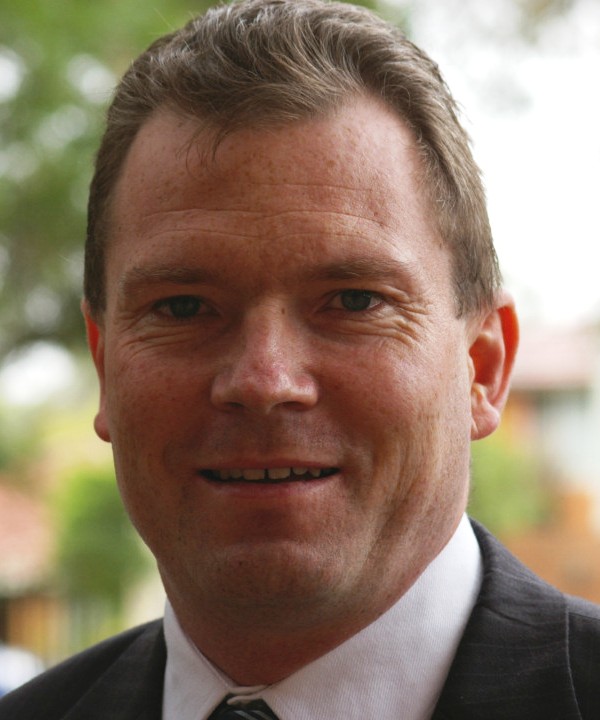
Nathan Rees (/rz/; born 12 February 1968)[1] is an Australian former politician who served as the 41st Premier of New South Wales and leader of the New South Wales Labor Party from September 2008 to December 2009. Rees was a Member of the New South Wales Legislative Assembly, representing Toongabbie for Labor from 2007 to 2015.

Key Information

Rees replaced Morris Iemma as Premier and party leader on 5 September 2008. At 40 years and 206 days of age, Rees became the youngest person to assume the office, a record that has since been surpassed by Dominic Perrottet.[2] On 3 December 2009, Rees was deposed as leader of the Labor Party by Kristina Keneally after he resoundingly lost a secret ballot in the Labor Party caucus after fifteen months as Premier. He is the shortest-serving member of the New South Wales Parliament to become Premier since Federation, and the only Labor Premier of New South Wales not to lead the party into an election. To date, he is also the most recent Australian state premier not to take his party into a general election.

Early life

[edit]

Rees was born in 1968 in Western Sydney to parents Daryl and Frances, his mother being a longtime member of the Labor Party, reportedly from Penrith, New South Wales.[3] He attended Northmead Creative and Performing Arts High School where he served as school captain. On leaving school he initially took up a horticultural apprenticeship and worked as a greenskeeper for Parramatta Council. Subsequently, he went on to study English literature at the University of Sydney, attaining an honours degree in 1994, supporting himself by working as a garbage collector at the same council.[4][5][6] During his time at the Council he became Secretary of the then Municipal and Shire Employees Union.[4]

Rees was a long-distance runner, and a member of the Parramatta Cycling Club, where he won many events. When training for races, Rees would cycle up to 1,000 km per week. He once attained third place in a state triathlon.[7]

Politics

[edit]

Rees's first job in politics was in 1995, when he became an adviser to the then deputy premier Andrew Refshauge, for whom his mother, Frances, worked. During this period, Rees cycled between Bullaburra in the Blue Mountains, where he lived at the time, and central Sydney, a distance of more than 90 km (56 mi).[8]

He subsequently worked for Ministers Craig Knowles and Morris Iemma,[9] and as chief of staff for Minister Milton Orkopoulos. Rees transferred to the Premier's office in 2006, three months before Orkopoulos was charged with child sexual abuse.[8] Rees has stated that he had no knowledge of the crimes committed by Orkopoulos,[10] and would have reported him to the police had he been aware of them.[dubiousdiscuss]

Minister for Water Utilities and Minister for Emergency Services

[edit]

Rees was elected to the New South Wales Legislative Assembly on 24 March 2007. He was almost immediately promoted to cabinet, becoming Minister for Emergency Services and Minister for Water Utilities on 2 April 2007.[11]

As Minister for Water Utilities, Rees was responsible for implementing the $1.9 billion Sydney Desalination Plant at Kurnell, and the proposed Tillegra Dam in the Hunter Region.[12][13]

At the time Rees was appointed Minister for Water Utilities, Sydney was experiencing extreme drought conditions requiring transfer of water from the Shoalhaven River to Sydney and the imposition of water restrictions.[14]

The construction of the controversial Sydney Desalination Plant to prepare Sydney for future droughts was completed whilst Rees was Minister. The project came in $60 million under budget and doubled the initial capacity.[15][16] Contracts were also entered into to provide for the powering of the desalination plant through renewable sources.[17]

In July 2008, he was touted by the Sydney media as being a contender for Premier. Rees denied that he was a contender for the role, saying that "Premier Iemma has my rock-solid, unequivocal support and he knows that".[18] Two months after this interview, Morris Iemma was deposed as Premier in favour of Rees.[18]

Premier

[edit]
Rees in 2009

Iemma resigned on 5 September 2008 after his own Right faction rebuffed his plans to reshuffle the Cabinet. However, the Right had no credible replacement candidate. It thus agreed to support Rees, a member of the Socialist Left faction.[19] Thus, later in the day, Rees was unanimously elected Labor leader, and hence Premier.[2] He was sworn in by the Lieutenant Governor of New South Wales, Chief Justice of New South Wales James Spigelman after only nineteen months as a member of parliament. Carmel Tebbutt was elected unanimously as Deputy Leader, and thus Deputy Premier.[20] The following Monday, 8 September, Rees was also sworn in as Minister for the Arts.

A slump in revenues during the 2008 financial crisis compelled Rees and the State Treasurer Eric Roozendaal to implement a mini-budget which was handed down on 11 November 2008.[21] The mini-budget increased taxes and charges such as land tax, mineral royalties, parking space levies and also announced the privatisation of state assets. A universal scheme providing free travel on public transport for all students going to and from school was curtailed—a decision since reversed[22]—and the previously announced North West Metro and South West rail projects were indefinitely postponed.[23] A series of by-elections to replace former Premier Morris Iemma, Deputy Premier John Watkins and Health Minister Reba Meagher resulted in massive swings against the government and saw John Watkins' former seat of Ryde resoundingly lost to the Liberals.

Soon after returning from his wedding in New York, Rees dismissed rumours of a leadership challenge within the Labor party.[24] After the resignation of John Della Bosca as Minister for Health and the Central Coast, and after a subsequent cabinet reshuffle, Rees appointed himself as Minister for the Central Coast.

On 14 November 2009, Rees was granted extraordinary powers by the New South Wales Labor State Conference to pick his own cabinet (usually the Labor caucus and Head Office chooses the ministry, and the leader only assigns portfolios).[25] The next day Rees sacked Finance Minister (and Labor powerbroker) Joe Tripodi, Primary Industries Minister Ian Macdonald, and Parliamentary Secretaries Henry Tsang and Sonia Hornery for blocking key reforms aimed at distancing the government from corruption and improving the provision of services to constituents and for plotting to remove him from the premiership.[26][27] This was the fourth cabinet reshuffle since Rees took over the premiership.

Economy

[edit]

Rees took over as Premier on 5 September 2008. Eleven days later, Lehman Brothers collapsed during the 2008 financial crisis.

The Rees government responded to the crisis with a three-point plan. Firstly, Rees reaffirmed his government's commitment to the retention of a Triple A credit rating. Rees emphasised that as finance and credit became harder to get around the world, retaining a Triple A credit rating was essential to being able to borrow money at the lowest rates available.[28] Secondly, as chair of the government's Budget sub-committee, Rees announced there would be a mini-budget which was delivered in November 2008.[29] The mini-budget delayed a number of large-scale capital works projects with long lead times and instead emphasised capital expenditure on smaller projects which could generate employment more quickly.[30] Third, Rees drew industry and business leaders together to conduct a job summit.[31] This summit was co-chaired by Roger Corbett, Steve Harkins and David Gonski. In addition to the Work Plan developed by the summit, Rees also announced the establishment of 4,000 government apprenticeships across the state and 2,000 cadetships.[32]

After the delivery of the 2009/10 Budget, the AAA credit rating in NSW was reaffirmed by the major credit ratings agencies[33] and the agency's outlook for NSW was upgraded from negative to stable.[34] Rees has since claimed that NSW is the only jurisdiction in the world to have improved its credit rating during the 2008 financial crisis.

The 2009/10 Rees Budget had the largest capital works expenditure to date in the State's history, more than $18 billion.[35]

Education

[edit]

In his short period as Premier, Rees and his Education Minister, Verity Firth, made substantial changes to the NSW Education system. From 1998 to 2008, there had only been a slight increase in the retention rate for students remaining to complete Year 12, with significant inequality as measured by socio-economic status. In response, in January 2009, Rees announced that he would be increasing the minimum leaving age from 15 to 17 years.[36]

Together with the Federal government, Rees also established 175,000 new training places in the vocational training sector, and provided a training guarantee for apprentices who had had their apprenticeships interrupted.[37]

Controversially, Rees also introduced non-religious Ethics classes into primary schools against fierce opposition from church groups.[38]

Law and order

[edit]

Shortly after coming to office, the death of an outlaw motorcycle gang member at Sydney airport[39] required Rees to introduce controversial laws aimed at banning criminal gangs.[40] Fierce opposition from civil libertarians followed,[41] and in June 2011, the High Court ruled against the government.[42]

In the 09/10 Budget, the NSW police force was provided with $10 million to equip frontline police with Taser stun guns.[43]

Rees also introduced measures aimed at reducing alcohol-related violence. These included mandatory lockouts, plastic cups and the naming and shaming of the most violent venues.[44] In the comparison period, 'glassings' went from 17 incidents in the previous year to one incident after these measures were introduced.

Despite ongoing disputes between criminal gangs, the Bureau of Crime Statistics and Research reported that in the 24 months to December 2010, ten of the 17 major offence categories were stable and seven were falling.[45]

Environment

[edit]

Building on the environmental legacy of Bob Carr, Rees announced the preservation of the last remaining large tract of River Red Gums in the state's south.[46] This completed the forest preservation program commenced by Carr, who had preserved the North Coast and Brigalow natural heritage areas.[47]

Rees also announced the establishment of Yengo National Park in the Upper Hunter region; 120,000 hectares of pristine bushland, in June 2009.[48] Furthermore, the Rees government announced an additional 65,000 hectares of land in Yanga National Park in the Riverina.[49]

Transport

[edit]

Successive Labor administrations had been criticised for inadequate spending on public transport. Financially restrained from large-scale projects due to the 2008 financial crisis, Rees and his Transport Minister David Campbell determined that massive expansion of the bus network would improve transport options more quickly than large heavy rail expansions.[50] Accordingly, 450 new buses were ordered.[51]

Rees also opened the Epping to Chatswood rail line, the first piece of significant rail infrastructure in a decade, and projected usage was quickly outstripped.[52]

In November 2009, Rees announced approval for Stage 2 of the South West Rail Link, a $1.3 billion project to improve public rail services to south western Sydney.[53]

Rees and Campbell enjoyed a close working relationship, and on their watch train service reliability rose to a ten-year high of 95% on-time running.[54] They also announced the restoration of ferry services from the city to Parramatta to ease rail and road congestion.[55] To ease congestion in city centres, free shuttle buses were also introduced into Sydney city and Wollongong.[56] To encourage public transport use on weekends, the Rees Government introduced $2.50 Family Fun Day fares for Sundays,[57] with discount entry to museums and other tourist locations. Rees and Campbell also delivered a simplified fare structure for the rail network and 300 new buses.[58]

Health

[edit]

Rees established the Bureau of Health Information in July 2009 to produce regular and timely reports on the performance of the NSW health system, including waiting lists, and developing and distributing tools to allow users to interrogate data.[59]

While often criticised for the performance of hospitals, Rees was able to point to an Australian Government report titled The State of Our Public Hospitals[60] which in June 2009 reported that NSW had the best elective surgery and emergency department performances in Australia.[61]

Rees also introduced eyesight screening for preschoolers[62] to complement universal hearing tests previously introduced by Craig Knowles.[63]

Aboriginal affairs

[edit]

In November 2009, Rees announced the single largest handback of Aboriginal land in the state's history. The Yuin people of the South Coast of NSW had lodged a claim under the Aboriginal Land Rights Act for 20,000 hectares bordering the Morton National Park, including Yarramumum and Boolijong Creeks and parts of the Yerriyong State Forest. Rees granted the claim in full.[64]

Arts

[edit]

As Arts Minister, one of Rees early tasks was to announce the establishment of an annual festival, Vivid Sydney.[65] Described as a 'festival of lights and ideas', the inaugural curator was Brian Eno, an influential music and album producer. Despite being an international superstar in his own field, the choice of Eno was the subject of derision by sections of the media. Many argued they would have preferred to have Tiger Woods (who was to play golf in Victoria). Rees famously said "I'd rather have Brian Eno for two weeks than Tiger Woods for 3 days".[66]

While Minister for the Arts, Rees also granted independence to the National Art School,[67] and commenced master planning for a new visual arts centre at the Old King's School site in Parramatta. This latter commitment was retained by Kristina Keneally when she took over as Premier, and it formed the central element of the Arts policy announcement in the 2011 election.[68]

Rees also established the sub-continental festival 'Parramasala' based in Parramatta,[69] and he was instrumental in bringing A.R. Rahman, of Slumdog Millionaire fame, to Sydney for a free open-air concert which attracted more than 50,000 people to Parramatta Park.[70]

[edit]

Acknowledging Labor history, Rees and the Lord Mayor of Sydney officially renamed parts of Hickson Road, The Rocks, as 'The Hungry Mile'.[71] In years past, unemployed men would line up for work each day, thus giving the strip its name. A ceremony recognising the change was held on 29 July 2009.[72]

NSW Labor had also been instrumental in holding the asbestos firm James Hardie to account. Under Premier Bob Carr, the Jackson Inquiry precipitated an ongoing fund to be established and maintained by James Hardie to provide for future payouts to sufferers of asbestosis.[73] James Hardie made inadequate provision, and Rees intervened in 2009 to ensure that affected individuals would be able to claim into the future.[74] A number of directors of James Hardie were ruled ineligible to be directors arising from their role in James Hardie restructures.[75]

Government reform

[edit]

After 15 years in government, there had been a number of scandals involving Labor ministers which were reported negatively in the press.[76] Rees distanced himself from these with a range of reforms. Rees overhauled the Freedom of Information Act[77] and replaced it with the Government Information (Public Access) Act which had an explicit bias towards public disclosure of documentation and Government information.[78] Rees also appointed an independent commissioner to oversee the operation of this Act.[79]

In November 2009, Rees announced that he wanted to move towards public funding of election campaigns instead of a reliance on large corporate donations.[80] To further this, he established a Parliamentary Joint Select Committee which recommended sweeping changes to donation laws. Rees also banned donations from property developers to the NSW Labor Party.[81]

Rees also introduced the requirement for lobbyists to be registered and to abide by a Lobbyist Code of Conduct.[82]

Resignation

[edit]

On 3 December 2009, Rees was forced to face a spill motion at a caucus meeting. The motion passed 43 to 25.[83] In the subsequent leadership vote, the dominant right faction threw its support to Planning Minister Kristina Keneally, who defeated Rees by 47 votes to 21. Earlier that day, Rees said at a press conference, "Should I not be premier by the end of this day, let there be no doubt in the community’s mind. No doubt, that any challenger will be a puppet of Eddie Obeid and Joe Tripodi."[84][85] On 22 October 2010, Rees was granted by the Governor retention of the title "The Honourable".[86] Rees is the first New South Wales Labor Party Premier not to take the party into an election. He was also the first NSW Labor leader since Pat Hills who did not lead the party into a general election.

Following his removal as Premier, Rees declined to serve in the Keneally Cabinet, and went to the backbench until the March 2011 election.[87]

The Keneally government was heavily defeated at the 2011 state election. Rees nearly lost his own seat, suffering a massive 14.2 percent swing and surviving by only 205 votes. By comparison, he'd won election in 2007 with 64.5 percent of the two-party vote; he was one of several MPs from Labor's traditional stronghold of west Sydney who saw their majorities more than halved. Following the election, new Opposition leader John Robertson appointed Rees as Shadow Minister for Police and Emergency Services and Shadow Minister for the Arts in his Shadow Cabinet.

Independent Commission Against Corruption

[edit]

In 2013, the Independent Commission Against Corruption (ICAC) commenced public hearings into the allegations of corrupt conduct by Ian Macdonald and Eddie Obeid. Both men had been instrumental in the removal of Rees as Premier.[88] The ICAC findings released after the hearings were scathing of both men. Both Macdonald and Obeid were found to have acted corruptly by the ICAC, who recommended the Director of Public Prosecutions give consideration to criminal charges being laid against both men. Rees repeatedly stressed he did not feel vindicated, but rather was distressed that the Party and its members had been subject to the smear of association with those who had been investigated.[89]

Retirement

[edit]

On 28 March 2014, after resigning from the Shadow Cabinet, Rees announced that he would be retiring from politics and would not contest the next state election in 2015. This was likely prompted by a redistribution that seemingly made his seat impossible to hold. The bulk of his old seat of Toongabbie had been transferred into a recreated Seven Hills, notionally a fairly safe Liberal seat.[90]

Post-political career

[edit]

In October 2014, following his announcement to retire from politics, Rees took up a position as the chief executive of the Public Education Foundation (PEF), a non-profit organisation that provides scholarships to disadvantaged students to support them to stay at school: "The public education system in NSW is very strong but this foundation will allow those kids who may not have the resources to buy the extra book or the bit of software they need."[91]

After leaving the PEF, Rees was subsequently appointed as the National Assistant Secretary of the Finance Sector Union (FSU) in May 2017 where he worked until early 2021. Rees then joined MetLife Australia as Head of External Affairs & Public Policy.[citation needed]

In August 2022, the NSW Government appointed Rees as chair of Transport Heritage NSW until 31 May 2025.[92]

Personal life

[edit]

Rees is a non-practising Roman Catholic and proudly describes himself as "a westie".[8] He met his wife, Stacey Haines, at Northmead High School when they were both aged 14.[93] Rees and Haines married in a ceremony at the Manhattan Marriage Bureau in New York City on 7 January 2009.[94]

Rees is a supporter of NRL club Parramatta Eels.

References

[edit]
Revisions and contributorsEdit on WikipediaRead on Wikipedia
from Grokipedia
Nathan Rees (born 12 February 1968) is a former Australian politician who served as the 41st and leader of the Branch of the Australian Labor Party from 5 September 2008 to 4 December 2009. Elected to the as the member for in 2007, Rees ascended rapidly to the premiership following the of amid internal party strife and corruption allegations against Labor figures. His short tenure, the briefest for a premier in over a century, focused on initiatives to curb political donations from property developers and enhance transparency in response to widespread perceptions of within the state Labor apparatus. Rees lost the party leadership in a caucus ballot to in December 2009, after which Labor suffered a defeat in the 2011 state election. He remained in parliament until announcing his retirement in 2014, citing a desire to pursue opportunities, though his later career included advisory roles on relations and leadership of the Public Education Foundation. His time in office was overshadowed by personal controversies, including a 2013 admission of an extramarital affair with a constituent that prompted his from Labor's frontbench.

Early life and education

Family and upbringing

Nathan Rees was born on 12 February 1968 and grew up in the western suburbs of , particularly around North Rocks. His mother, Frances Rees, maintained a long association with the Australian Labor Party, including work for state MP Virginia Judge, and along with his father, insisted that Rees complete his Higher School Certificate despite his preference to depart after Year 10. Rees attended Northmead High School, where he was elected school captain, achieved distinction as an athletic champion, and participated in school productions such as Oliver!. This environment shaped his early exposure to leadership and community involvement in a working-class area of Sydney's west.

Academic and early professional background

Rees earned a degree with honours in English literature from the in 1994. To finance his education, he held positions with Parramatta City Council, including night shifts as a garbage collector and greenkeeper. After graduating, Rees began his professional career in politics as a staffer, starting in 1995 as an adviser to Andrew Refshauge, who served as Deputy Premier of New South Wales from 1995 to 2006. He later advised other ministers, such as Craig Knowles and during their tenures as health ministers.

Entry into politics

2007 election and initial roles

Rees was elected to the as the member for at the state election held on 24 March 2007, representing the Australian Labor Party in a seat covering parts of the City of Blacktown, , and in outer western . The Labor government under Premier secured a fourth consecutive term, winning 52 of 93 seats with 36.7% of the primary vote. Following the election, on 2 April 2007, Rees was sworn in as Minister for Emergency Services and Minister for Utilities in the reconstructed Iemma ministry, one of ten new appointments announced by the . These roles tasked him with oversight of fire and rescue services, state management, and infrastructure projects amid ongoing drought conditions, including early involvement in planning. He retained the Emergency Services portfolio until September 2008 but held Utilities only until a on 27 2008.

Ministerial positions prior to premiership

Rees entered the as the member for following the 24 March 2007 state election, securing the seat for the Labor Party amid its fourth consecutive victory. On 2 April 2007, Premier appointed him to two junior ministerial positions: Minister for Emergency Services, overseeing agencies such as the NSW Fire Brigades, , and rural fire services; and Minister for Water Utilities, responsible for water supply infrastructure, sewerage systems, and regulatory oversight of utilities like and Hunter Water. These roles positioned him within the government's response to ongoing challenges in disaster management and during a period of and infrastructure strain in the state. Rees' tenure as Minister for Water Utilities lasted until 27 February 2008, when the portfolio was abolished and its functions redistributed amid cabinet reshuffles to streamline water policy under broader and environment responsibilities. Throughout this period, he managed initiatives related to and utility pricing adjustments in response to persistent dry conditions affecting southeastern Australia, though specific legislative outputs remained limited due to the portfolio's short duration and overlap with federal water reforms. He continued as Minister for Emergency Services until 5 2008, handling operational coordination during events such as flood responses and bushfire preparedness, including enhancements to inter-agency communication protocols following reviews of prior incidents. This role gained prominence amid public scrutiny of emergency response capabilities, with Rees advocating for increased funding for volunteer-based services amid budget constraints. His ministerial service, spanning less than 18 months, was marked by a focus on operational delivery rather than high-profile reforms, reflecting his status as a relatively new parliamentarian in a facing internal factional pressures and declining public support. By mid-2008, Rees had emerged as a key figure in , which contributed to his surprise selection as Iemma's successor amid party leadership instability.

Premiership (2008–2009)

Appointment amid Labor turmoil

The appointment of Nathan Rees as Premier of New South Wales occurred during a period of intense internal conflict within the state Labor Party, primarily triggered by disputes over electricity privatization reforms. In August 2008, Premier Morris Iemma's cabinet faced a revolt when key ministers, including Treasurer Michael Costa and Deputy Premier John Watkins, opposed further sales of state-owned power assets following a failed legislative push in Parliament. Costa resigned on 31 August 2008, citing irreconcilable differences with Iemma's leadership, while Watkins stepped down on 4 September, exacerbating the crisis. On 4 September 2008, Iemma announced his resignation as and Labor leader, stating he could no longer lead effectively amid the divisions, marking the first time in the party's 117-year history that a sitting premier was effectively ousted by internal party dynamics. The Labor , comprising 52 members, convened the following day and unanimously elected Rees, then 40 years old and a first-term MP with just 18 months in , as the new leader and Premier. Rees, previously Minister for Emergency Services and Water Utilities, had served as a staffer to Iemma and was viewed as a compromise candidate backed across factions to restore stability. Rees was sworn in as Premier on 7 September 2008 by Governor , inheriting a government plagued by low approval ratings and perceptions of dysfunction, with Labor trailing the opposition in polls by double digits. He immediately appointed as Deputy and reshuffled the cabinet, including promoting figures like Eric Roozendaal to Treasurer, in an effort to signal renewal amid the ongoing turmoil. Rees publicly defended Iemma's integrity, insisting the resignation was voluntary rather than forced, though critics within and outside the party highlighted the factional maneuvering and policy failures as root causes of the .

Policy priorities and implementation

Upon taking office on 5 September 2008, Nathan Rees identified the as his foremost priority, pledging to strengthen ' fiscal position through a mini-budget process amid the global and international market volatility. This initiative aimed to mitigate economic downturns, with Rees later affirming that economic management superseded internal ministerial issues in his early agenda. Rees also prioritized infrastructure development, directing that projects be selected based on their capacity to deliver economic returns and achieve financial viability without undue reliance on public funds. In parallel, he committed to overhauling the state's regime to enhance government transparency, promising to "turn the law on its head" by reducing and exemptions that had previously hindered public access to official documents. Public safety emerged as a key focus following the 21 March 2009 brawl at involving bikie gang members, prompting Rees to swiftly introduce targeting outlaw motorcycle gangs, including provisions for declaring organizations criminal entities and enabling police powers to dismantle them. In child protection, Rees responded to the 2008 Wood special commission by launching the Keep Them Safe five-year action plan on 3 March 2009, allocating $750 million to reform services for vulnerable children, emphasizing early intervention and inter-agency coordination. On environmental policy, Rees announced the establishment of Wind Renewable Energy Precincts on 27 February 2009 to accelerate development and support targets, streamlining approvals in designated zones to balance with emissions reduction. Additionally, his administration advanced reforms in government communications, with Rees endorsing initiatives to simplify legislation and public documents for broader accessibility. These measures reflected a broader push for administrative efficiency, though Rees's 15-month tenure limited full implementation, with many reforms building on or reversing prior Labor commitments, such as opposition to privatization.

Economic and fiscal challenges

Rees assumed the premiership on 5 September 2008 amid pre-existing state fiscal pressures, including inherited budget shortfalls from the prior Iemma administration, which were exacerbated by the unfolding global financial crisis following the collapse. briefings revealed a $1 billion revenue shortfall, prompting Rees to warn of impending tough decisions to safeguard ' AAA credit rating. In response, the government unveiled a mini-budget on 11 November 2008, featuring $3.3 billion in spending reductions over four years alongside revenue-raising measures such as increased property rates, new fees for vehicle registrations, and hikes in fines. These steps aimed to curb a projected $1 billion deficit for 2008-09, driven by sharp declines in state revenues from , , and gaming taxes amid the economic downturn. Critics, including business groups and opposition figures, decried the package as regressive, arguing it imposed higher taxes on households while cutting essential services, though Rees defended it as necessary fiscal prudence to avoid deeper structural imbalances. The 2009-10 state , delivered in 2009, forecasted a $1.3 billion operating deficit, reflecting sustained GFC impacts like reduced GST allocations from the and subdued economic activity, despite record exceeding $18 billion on to stimulate growth. Rees prioritized economic stability, rejecting claims of state and aligning with federal stimulus efforts while implementing targeted efficiencies, such as deferring or cancelling projects like the North-West Metro rail line deemed unaffordable. Actual 2008-09 outcomes showed an improved underlying deficit of $232 million excluding federal grants, attributed to cost controls, though ongoing revenue volatility underscored the fragility of NSW's fiscal position.

Law, order, and public safety measures

During his premiership, Nathan Rees prioritized measures to combat , particularly targeting outlaw motorcycle gangs (OMCGs) amid rising associated with groups like the Comancheros and . In March 2009, Rees attended a NSW Police briefing on OMCG-related violence and subsequently supported the introduction of the Crimes (Criminal Organisations Control) Act 2009, which empowered courts to declare organizations as criminal entities, impose control orders restricting members' activities, and facilitate enhanced police searches without warrants in certain cases. This legislation, rushed through in May 2009 following a Sydney airport bikie brawl in 2009, mirrored Queensland's anti-association laws and aimed to disrupt gang operations, though critics argued it risked by enabling preemptive restrictions on association. Rees also addressed alcohol-fueled violence through liquor licensing reforms. In October 2008, shortly after assuming office, he announced that from December 1, 2008, the 48 licensed premises recording the highest number of assaults would face mandatory trading restrictions, such as earlier closing times, to reduce late-night disorder. Complementing this, Rees directed the NSW Sentencing Council in October 2008 to review penalties for alcohol-related offenses, seeking tougher sentences to deter assaults and public disturbances, with the review informing subsequent judicial guidelines. In public housing, Rees introduced amendments to the Residential Tenancies Act in September 2009, granting authorities expedited powers to evict tenants engaged in serious criminal activity or whose associates posed risks to neighbors, exemplified by the "Ferguson laws" response to a high-profile case involving repeated gang-related incidents. These measures underscored Rees's "tough on crime" rhetoric, positioning public safety as a core priority amid perceptions of softening law enforcement under prior Labor administrations, though implementation faced legal challenges over proportionality. Overall, such initiatives contributed to a reported uptick in police seizures and gang disruptions by late 2009, yet drew scrutiny for potentially expanding state powers without commensurate reductions in underlying crime drivers like socioeconomic factors.

Environmental and infrastructure policies

During his premiership, Nathan Rees prioritized expanding sources to reduce ' dependence on coal-fired power, announcing plans in October 2009 to accelerate clean energy development including , solar, and other low-emission technologies. He endorsed a green jobs strategy in November 2009 focused on and industries, eco-friendly housing retrofits, and carbon abatement initiatives at industrial sites such as Port Kembla steelworks. In February 2009, Rees established Wind Renewable Energy Precincts across the state to streamline approvals and investment for projects, aiming to boost renewable capacity amid global financial pressures. On water management, Rees continued oversight of drought-response measures inherited from his prior role as Minister for Water, including projections from August 2008 indicating a potential 20% reduction in average annual water availability by 2030 due to declining rainfall patterns, which informed long-term conservation policies. His government maintained state control over and transmission infrastructure, rejecting proposals in November 2008 to ensure reliability during energy transitions. In , Rees emphasized economic viability in project selection, stating in October 2008 that proposed initiatives funded by federal contributions would be prioritized based on direct benefits to growth and employment. He committed to rapid implementation of federally stimulated projects in February 2009, leveraging economic recovery packages for construction acceleration. Key transport advancements included approval in June 2009 for a $4.4 billion acceleration of road upgrades across and regional NSW, targeting congestion relief and connectivity. Rail expansions featured prominently, with Rees announcing in 2009 the progression of Stage 2 of the South West Rail Link, a $1.3 billion extension enhancing services to southwestern suburbs. For urban rail, he proposed in October 2008 a revised $4 billion CBD Metro line partially funded by the , while deeming the North-West Metro financially unsustainable without external support in December 2008. These efforts reflected a pragmatic approach balancing fiscal constraints with stimulus-driven .

Health, education, and social services

In September 2008, shortly after assuming the premiership, Nathan Rees endorsed initiatives to improve services for Sydney's homeless population, criticizing existing approaches as insufficient for long-term solutions. He highlighted the adoption of New York's Common Ground model, which prioritizes prevention over temporary crisis accommodation, and indicated plans to develop a facility accommodating up to 90 units. On health funding, Rees advocated for a shift from the federal government to a allocation model in late September 2008, arguing it would more accurately address state population demands and reduce disparities in service delivery. In , Rees announced the awarding of 30 Scholarships in October 2008 to support first-, second-, and third-year apprentices, aiming to bolster vocational training pathways amid economic pressures. A key social services reform was the Keep Them Safe action plan, released on 3 March 2009 as a direct response to Justice James Wood's inquiry into failures. Backed by $750 million over five years, the plan focused on early intervention, family support, and systemic improvements to reduce and neglect, including recommendations for universal access to services that were subsequently debated at the .

Relations with unions and internal party dynamics

Rees's administration navigated contentious relations with unions, primarily over privatization proposals inherited from prior governments. In late 2008, revised plans to sell assets failed to appease electrical unions, who criticized the scheme for insufficient protections against job losses and service disruptions. By May 2009, facing potential industrial unrest akin to earlier disputes, Rees reversed the government's intention to Cessnock Correctional Centre, conceding to union demands for public ownership to maintain operational stability. These episodes highlighted unions' leverage in blocking asset sales, with Unions NSW intensifying opposition through public campaigns and parliamentary in mid-2009. Despite policy frictions, union affiliations with Labor fostered tactical alliances. In December 2009, nine major unions warned of withholding financial support from the if Rees were deposed, signaling endorsement of his amid broader discontent with factional maneuvering. This support underscored unions' preference for Rees's relative independence over entrenched powerbrokers, even as wage negotiations for workers, including a controversial executive pay adjustment revealed in 2008, drew for perceived inconsistencies in fiscal restraint. Internally, Rees confronted entrenched factional dynamics within NSW Labor, positioning himself against "" influences that had dominated under predecessors. Following his September 2008 cabinet , which demoted figures like Planning Minister Frank Sartor, opposition critics accused him of remaining beholden to factions despite promises of renewal. Rees dismissed persistent leadership speculation and infighting claims in February 2009, emphasizing policy delivery over internal rivalries. At the November 2009 NSW Labor , Rees advocated structural reforms, successfully restoring "Lang powers" to premiers for appointing party officials, a move that weakened factional vetoes and drew conference approval despite resistance from traditional power centers. This effort reflected his push to dilute factional control, initially buoyed by hopes he would supplant , though it exacerbated tensions with the party's right wing and contributed to caucus disillusionment. Overall, these dynamics revealed Rees's premiership as a brief interlude of reformist intent amid Labor's factional sclerosis, with unions providing external against internal erosion.

Ousting and immediate aftermath

Factional maneuvers leading to resignation

In November 2009, the NSW Labor state conference amended party rules to grant Nathan Rees authority over cabinet appointments, enabling him to bypass traditional factional vetoes. On November 15, 2009, Rees exercised these powers by dismissing two right-faction ministers—Joe Tripodi, the Minister for Finance, and , the Minister for Primary Industries—both closely aligned with influential powerbroker . These sackings, aimed at addressing perceptions of amid poor polling, alienated Obeid's sub-faction within the , which controlled a significant bloc. The right faction, viewing Rees—a Socialist Left member who had prioritized measures over — as increasingly unmanageable, orchestrated a leadership challenge. Obeid and allies, including Tripodi, pivoted support to , a centrist US-born MP from the right who agreed to their terms for elevation, including retaining key factional influences in government. This maneuver exploited Rees's limited cross-factional alliances, as his earlier reforms had eroded goodwill without securing broad loyalty. On December 3, 2009, Labor voted to remove Rees as leader, with the falling largely along factional lines; he received 25 votes to Keneally's 47. Rees resigned as the next day, December 4, 2009, concluding a 15-month term marked by his resistance to entrenched party machines but undermined by their retaliatory consolidation. The ousting highlighted the dominance of sub-factional deal-making in NSW Labor, where Obeid's network prioritized control over reformist .

Transition to Kristina Keneally

On December 3, 2009, Nathan Rees faced a motion in the , which he lost amid intense factional pressure from the party's Right wing. The spill was triggered by dissatisfaction with Rees's and decisions, including his attempts to curb influence from figures like , leading Right faction powerbrokers to rally behind Planning Minister as a unifying candidate. Rees contested the subsequent leadership ballot but was defeated by Keneally in a 47-21 vote among Labor MPs, marking the end of his 15-month premiership. Keneally, a Right faction member and former Heffron MP, was immediately elected unopposed as deputy leader, with John Watkins retaining the deputy premier role briefly before resigning. This rapid transition positioned Keneally as ' 37th and first female premier, sworn in the following day on December 4, 2009. The handover reflected deeper factional realignments within NSW Labor, where the Right sought to consolidate control after Rees's independent streak alienated key allies, though it did little to stem the party's declining public support ahead of the . Keneally pledged a "new reign of respect" and continuity in policy, inheriting a facing low approval ratings and ongoing scandals. Rees, in his concession, expressed no bitterness but later criticized the "knifing" as emblematic of internal dysfunction.

ICAC involvement and corruption exposures

Testimonies on Obeid influence and Australian Water Holdings

During the Independent Commission Against Corruption's (ICAC) Operation Credo inquiry into Australian Water Holdings Pty Ltd (AWH) dealings with public officials, testimonies highlighted Eddie Obeid's efforts to leverage his influence as a former Labor MP to advance AWH's interests, including lobbying Nathan Rees, then Water Minister from 27 February to 5 September 2008. Obeid approached Rees to discuss AWH's disputes with Sydney Water Corporation and urged a meeting with AWH executive Nicholas Di Girolamo, but Rees recalled no such meeting occurred and took no action. On 23 April 2008, Di Girolamo emailed Rees requesting ministerial intervention in the commercial dispute, to which Rees's chief of staff responded that it was a private matter outside government purview, effectively declining involvement. Rees testified that he viewed AWH unfavorably, privately describing the company as "a bunch of crooks" in internal correspondence revealed during the ICAC public hearings, amid evidence of the Obeid family's undisclosed financial stake in AWH, which included a $3 million share acquisition in November 2010 misrepresented as a . Obeid's extended to accosting Rees on the steps of Parliament House to advocate for AWH, as Rees later confirmed in , though he resisted advancing the company's public-private partnership (PPP) proposal for water . Further approaches occurred after Rees became in September 2008 and Minister in December 2009, including a 14 August 2009 letter from Di Girolamo pushing the PPP and subsequent correspondence in December 2009, but these did not result in favorable government decisions during Rees's tenure. ICAC's 2017 report on Operation Credo concluded that Obeid engaged in serious corrupt conduct by misusing his parliamentary position from late onward to lobby ministers, including Rees, for AWH's benefit, motivated by the Obeid family's concealed ownership interests that stood to gain from government contracts potentially worth tens of millions. The commission recommended Obeid's prosecution for in public office, citing his deliberate breaches of , while finding no of corrupt conduct by Rees, who was deemed a target of the rather than a participant. Obeid denied awareness of the PPP details or family control over AWH shares during his , claims rejected by ICAC as inconsistent with phone records showing over 100 contacts with AWH principals and family discussions confirming profit expectations exceeding $100 million.

Criticisms of Labor cronyism and reform calls

Rees has publicly decried the embedded in NSW Labor's factional structures, particularly as illuminated by ICAC inquiries into figures like , whom he accused of exerting through and family business interests. In a , Rees lambasted the party for its "infighting, spivs, charlatans, urgers and dodgy characters" and a "factional fix" that fostered "capitulations to the wealthy and influential," arguing these dynamics prioritized vested interests over core Labor principles and enabled scandals to dominate the party's agenda for an entire parliamentary term. ICAC's Operation Credo inquiry into Australian Water Holdings (AWH) further exemplified such , with Rees testifying in March 2014 that he regarded the company—secretly part-owned by the Obeid family—as "a bunch of crooks" amid its aggressive pursuit of favorable government contracts and questionable billing practices, including luxury expenses and political donations. He recounted being lobbied directly by Obeid in 2008 on AWH's behalf during a parliamentary encounter, though Rees advised the company to resolve its disputes with through legal channels rather than political intervention, and described related ministerial actions, such as alleged tampering with cabinet minutes by Joe Tripodi, as "highly unusual." To address these systemic issues, Rees has repeatedly called for reforms aimed at reducing external influences and internal factional dominance. As in 2009, he announced a ban on political donations from developers to curb sector sway over policy. He also pushed for public funding of elections in NSW to diminish reliance on private donors, a measure he viewed as essential to breaking cycles of favoritism, though it faced resistance and did not materialize during his tenure. Post-ICAC findings on Obeid and Macdonald's corrupt conduct in July 2013, Rees urged of party processes, demanding "active membership" and rank-and-file selection of leaders and officials to supplant factional control, while insisting that reform resisters "resign" to enable modernization and rebuild . He positioned these changes as a direct response to corruption's electoral toll, estimating ICAC revelations could erode Labor's primary vote by up to 3 percent.

Long-term impact on NSW politics

The corruption exposures linked to Rees's testimonies at the Independent Commission Against Corruption (ICAC), particularly regarding Eddie Obeid's influence in his 2009 ousting and dealings with Australian Water Holdings, accelerated the Australian Labor Party's (ALP) decline in . These revelations, combined with broader inquiries into factional misconduct, fueled public distrust that manifested in the ALP's catastrophic 2011 state election loss, ending 16 years of incumbency. The party was reduced to 20 seats in the 93-seat , with its primary vote plummeting to 25.4 percent from 36.9 percent in , as voters rejected a tainted by and undue influence from figures like Obeid. Rees estimated that ICAC findings alone could erode the ALP's primary vote by 2 to 3 percent, a projection borne out by the scandals' role in insulating the incoming Liberal-National from scrutiny amid rising issues like . This electoral rout ushered in a 12-year opposition stint for NSW Labor, compelling incremental internal reforms to diminish factional dominance, such as greater rank-and-file involvement in selections and promotion of contests over backroom deals. Rees repeatedly urged radical cultural overhaul, arguing that resistance from vested interests perpetuated a "transactional" structure and risked permanent irrelevance. Key legacies included the endurance of Rees-initiated measures like the ban on property developer political donations, enacted in 2008, which curbed one avenue of influence-peddling and informed subsequent enhancements. ICAC's pursuits yielded convictions, notably Obeid's 2016 imprisonment for in public office over rigged licenses in the Hunter Valley, symbolizing of "old regime" elements but highlighting persistent cultural flaws, as Rees observed in ongoing donation scandals a later. The era entrenched ICAC's prominence in NSW governance, prompting cross-party accountability demands and influencing national debates on federal anti-corruption bodies, though Labor's 2023 return to power under Premier underscored that full rehabilitation required sustained distancing from factional excesses rather than isolated prosecutions.

Post-premiership political and union roles

Return to opposition frontbench

Following Labor's landslide defeat in the 26 March 2011 state election, which ended 16 years of government, John Robertson was elected unopposed as the party's new on 31 March 2011. On 7 April 2011, Robertson unveiled his initial shadow ministry, comprising 15 portfolios, and appointed Nathan Rees as Shadow Minister for Police and Emergency Services. This appointment represented Rees's return to the opposition frontbench after more than 18 months as a , following his replacement as by on 4 and Labor's subsequent electoral . Rees's selection drew attention due to his prior experience as Minister for Police from May 2008 to 2008, though the new ministry included several figures from previous Labor governments amid efforts to rebuild the party's credibility. The at the time, , expressed unexpected approval of the lineup's relative freshness compared to prior iterations.

Resignation following personal scandal

In November 2013, Nathan Rees, then serving as Shadow Police Minister in the New South Wales Opposition, resigned from the Labor frontbench following revelations of an extramarital affair with a female constituent, a single mother of two children living in his electorate of Toongabbie. The affair, which reportedly occurred while Rees was separated from his wife, was exposed by The Daily Telegraph on November 20, 2013, prompting immediate political fallout within the Australian Labor Party. Rees publicly acknowledged the relationship in a statement, stating, "I offer no excuses," and announced he would take personal leave to address the impact on his family and political responsibilities. He stood aside from his shadow portfolio to allow the party to manage , emphasizing that the decision prioritized his and children over his career. The drew media scrutiny, with some outlets questioning the in private conduct, though Labor leader John Robertson accepted the without further party sanctions at the time. The episode contributed to Rees's broader withdrawal from frontline politics; on March 27, 2014, he announced he would not contest the next state election and retire from , citing the need to focus on family amid ongoing personal challenges. No formal investigations into misconduct followed, as the matter centered on personal ethics rather than professional impropriety, though it highlighted tensions between private life and public office in Australian politics.

Advocacy within Financial Services Union

Nathan Rees joined the Finance Sector Union (FSU), representing workers in banking, , and superannuation, as National Assistant Secretary in early 2017. He was appointed deputy leader of the union in May 2017, positioning him to advocate against banking industry practices amid growing scrutiny from the ongoing into misconduct. In this role, Rees focused on enhancing member protections, pay equity, and regulatory accountability, often clashing with industry leaders and former colleagues like Australian Banking Association chief . Rees spearheaded efforts to recruit self-employed financial advisers into FSU membership, a strategy aimed at expanding union influence amid reforms like the Financial Adviser Standards and Ethics Authority (FASEA) requirements. He criticized delays in FASEA legislation, urging government action to protect advisers from regulatory uncertainty and advising members to lobby senators directly. During the 2017-2019 banking , Rees advocated for greater transparency from institutions like on misconduct handling and executive accountability. He also submitted evidence to parliamentary inquiries on the Banking Executive Accountability Regime (BEAR), emphasizing its role in curbing excessive risk-taking by bank executives. In enterprise bargaining, Rees led FSU campaigns for improved wages and conditions, including a 2020 dispute with Insurance Australia Group over delayed pay rises amid COVID-19 branch closures. He demanded hazard pay for frontline Victorian bank workers exposed to higher COVID risks, estimating around 800 branches remained operational and citing elevated stress levels among staff. Rees publicly condemned AMP's executive compensation post-royal commission revelations, questioning how "insane" perks persisted despite scandals like fee-for-no-service failures, and represented affected AMP staff in seeking explanations for operational lapses. He warned of risks in unregulated buy-now-pay-later services like Afterpay, calling for oversight to prevent predatory practices targeting vulnerable consumers. Rees departed the FSU in March 2021 after nearly four years, transitioning to roles while leaving a legacy of aggressive union positioning against finance sector misconduct. His advocacy aligned with FSU's pro-worker stance but drew criticism from industry observers for prioritizing confrontation over collaboration in a sector facing branch closures and technological shifts.

Private sector career

Appointments in insurance and advisory

In March 2021, Rees joined Australia, a of the US-based giant, as Head of External Affairs and Public Policy. In this capacity, he engaged with and regulators on policy matters, including reforms to life insurance commissions, drawing on his prior experience as Assistant National Secretary of the Finance Sector Union from 2017 to early 2021. The appointment positioned him to advocate for industry interests amid ongoing regulatory scrutiny of financial advice practices. Rees also serves as an advisor at Counsel House, a Sydney-based relations consultancy, where he provides expertise on navigating interactions with entities. His role leverages his tenure as NSW (2008–2009) and subsequent political involvement to assist clients in policy advocacy and , though specific client engagements or compensation details remain undisclosed in . No further appointments in or advisory have been publicly reported as of 2025.

Criticisms of regulatory influence

Rees's appointment as Head of External Affairs and Public Policy at Australia in March 2021 positioned him to engage directly with governments and regulators on life insurance policy matters, including efforts to amend remuneration structures amid ongoing industry challenges. In this capacity, he has endorsed removing the 60% cap on upfront commissions for risk insurance products—introduced in 2019 under the Life Insurance Framework to curb conflicts of interest identified in the Hayne —arguing that the restrictions have diminished advice availability and left coverage gaps for millions of Australians. Such advocacy, leveraging Rees's prior experience as NSW Premier and ongoing ties to the Labor Party, exemplifies the between politics and private in , where former officials influence favoring their employers. While no formal allegations of impropriety or specific conflicts have been leveled against Rees personally, his role has coincided with broader scrutiny of industry to unwind post-Royal Commission safeguards, with debates centering on whether prioritizes profitability over preventing historical mis-selling practices like churning. Rees's submissions and public statements on behalf of , such as those to the Quality of Advice Review, emphasize enhancing trustee responsibilities and expanding super fund advice on insurance, positions aligned with insurer interests but potentially at odds with efforts to minimize remuneration-driven biases. This engagement underscores concerns in policy circles about ex-politicians amplifying corporate voices in regulatory debates, though Rees's interventions have primarily focused on market viability arguments rather than direct rule-making influence.

Personal life

Marriage and family

Rees married Stacey Haines, his partner of 18 years and high school sweetheart from Northmead High School, on 7 January 2009 in a low-key ceremony at a Manhattan registry office. The wedding, attended only by close family and held during a brief overseas trip, reflected the couple's preference for privacy amid Rees's role as New South Wales Premier. The couple has no children.

Extramarital affair and media scrutiny

In November 2013, details emerged of an extramarital affair between Nathan Rees, then Shadow Minister for Police, and a 40-year-old single mother who was a constituent in his electorate and had lobbied his office on personal matters. The relationship, which lasted approximately three months, was first reported by The Daily Telegraph on November 20, 2013, prompting widespread media coverage and public debate over its implications for Rees's position of authority as a parliamentarian. Rees publicly acknowledged the affair on the same day, stating, "I offer no excuses," and expressing regret for the impact on his family, including his wife and children. He immediately stood aside from the Labor opposition frontbench and took personal leave to address the fallout, with Opposition Leader John Robertson confirming the decision while emphasizing Rees's need to resolve private issues. The woman involved described the relationship as consensual, though critics highlighted potential ethical concerns arising from Rees's role in assisting her with constituency services during the affair. Media scrutiny intensified, with The Daily Telegraph defending its reporting as a matter of public interest due to Rees's breach of trust in a representative capacity, while ABC's Media Watch program challenged the story's newsworthiness and questioned the outlet's portrayal of the woman's credibility. Political reactions included pointed criticisms from within Labor ranks, such as Senator Sam Dastyari's off-mic comment during a Senate estimates hearing urging restraint in personal conduct, which itself drew media attention. The episode strained Rees's marriage and contributed to ongoing personal challenges, including a reported altercation involving the former partner in October 2014, though no charges resulted.

Hobbies and public persona

Rees maintains an active lifestyle centered on endurance sports, particularly , which he has pursued since his youth as a member of the Cycling Club. A former competitive cyclist with ambitions for the Olympics derailed by a 1992 car accident that fractured his , he continued the activity as a hobby, reportedly cycling up to 1,000 kilometers per week and forgoing a in favor of proximity to work and . He has also engaged in and s, placing third in a state-level triathlon event. Rees is a vocal supporter of the National Rugby League's , reflecting his Western Sydney roots, and publicly urged statewide backing for the team ahead of the . His interests extend to music and arts, as evidenced by prioritizing British producer Brian Eno's curation of the inaugural festival over hosting golfer , citing Eno's cultural impact. Publicly, Rees projects a no-nonsense, blunt persona shaped by his working-class origins as a garbage collector and , often described as determined, intelligent, and decent yet unyielding in political confrontations. His rapid ascent from obscurity to premiership in 2008 underscored an image of a "westie-made-good" with reformist zeal, particularly against , earning him labels like "incorruptible" for rejecting developer influence and prioritizing ethical over factional expediency. This straightforward style, blending blue-collar grit with an appreciation for liberal arts, contrasted with the insider machinations of NSW Labor, though his short tenure amplified perceptions of him as an outsider challenging entrenched power.

Legacy and assessments

Achievements in anti-corruption stance

During his premiership from September 2008 to December 2009, Nathan Rees committed to implementing all 40 recommendations arising from the Independent Commission Against Corruption's (ICAC) inquiry into bribery and fraud at RailCorp, announced on December 14, 2008, aiming to address systemic vulnerabilities exposed in public sector procurement. In October 2008, he initiated the establishment of the NSW Register of Lobbyists and a corresponding Lobbyists Code of Conduct, requiring professional lobbyists to register with the Department of Premier and Cabinet, disclose client details, and adhere to ethical standards to enhance transparency in government interactions. Rees advanced electoral reforms by enforcing an immediate ban on property developer donations to the NSW Labor Party at the party's annual conference on November 14, 2009, in response to scandals such as the development corruption affair, and pledged legislative extension to all parties to curb in decisions. On November 15, 2009, leveraging expanded authority granted by Labor Party reforms at the Mount Penny conference, he dismissed Ministers Joe Tripodi and from cabinet—figures later scrutinized by ICAC for alleged misconduct—marking a direct intervention against entrenched factional elements perceived to enable . Post-premiership, Rees continued advocacy, testifying before ICAC on August 10, 2010, in support of prohibiting private donations to to mitigate risks, and serving as a member of the NSW Parliament's Committee on the Independent Commission Against Corruption from June 2011 to March 2015, contributing to oversight of the body's operations. These measures, while contributing to longer-term party reforms, faced resistance from factions and were partially reversed by subsequent governments, underscoring challenges in sustaining institutional changes.

Criticisms of governance effectiveness

Rees' administration encountered sharp rebukes for fiscal decisions, notably the mini-budget of November 11, 2008, which imposed new levies such as higher fines for red-light camera offenses and adjustments to thresholds amid the global . Opponents and community groups contended these steps exacerbated economic pressures on families and small businesses without delivering meaningful stimulus, resulting in widespread public backlash and a sharp drop in Labor's approval ratings to around 25% by December 2008. Critics, including advocates, labeled the package a "mega-budget" disguised as minor adjustments, arguing it prioritized revenue extraction over structural efficiencies and ignored federal stimulus synergies, thereby undermining consumer confidence in a downturn where NSW rose to 5.4% by mid-2009. Parliamentary debates highlighted its absence of long-term fiscal pathways, with Liberal spokespeople decrying it as evasive on debt reduction despite projected deficits exceeding $1 billion annually. Infrastructure oversight drew further scrutiny, particularly regarding the Sydney Desalination Plant, a $1.9 billion project inherited but defended under Rees, where his government faced accusations of opaque costing and inadequate contingency planning; economists termed it a "billion-dollar bungle" for over-reliance on unproven amid shifting risks, with operational delays pushing full activation to 2010. As , Rees' inability to furnish precise updated figures for related expansions fueled claims of "back-of-the-envelope" , eroding trust in project delivery timelines. Broader critiques centered on stalled reforms like electricity privatization, where Rees' push to divest 51% of state generators in 2009 met fierce union resistance and factional revolt, stalling revenue-raising efforts needed to address a $12 billion backlog and highlighting executive fragility in navigating party divisions. These elements culminated in his ouster on December 3, 2009, after 447 days, with analysts attributing the government's persistent service delivery shortfalls—such as protracted hospital wait times averaging 40 days for —to leadership indecision rather than resource constraints alone.

Broader influence on Labor Party reforms

Rees's tenure as from 5 September 2008 to 4 December 2009 marked an attempt to curb corrupting influences in politics, including within the Labor Party, by enacting the Election Funding Amendment (Political Donations) Bill 2008, which prohibited property developer donations to . This reform addressed scandals linking developers to decisions and party funding, aiming to sever financial dependencies that fueled factional . At the NSW Labor State Conference in November 2009, delegates granted him unprecedented authority to select his ministry directly, overriding factional preselections and conventions that had long prioritized over competence. These measures challenged entrenched factional warlords, such as and Joe Tripodi, whose influence persisted despite Rees's efforts to prioritize anti-corruption over internal deals. His ousting by ballot in December 2009, amid resistance from these groups, underscored the limits of top-down reform but highlighted the need for deeper structural change, foreshadowing later revelations at the Independent Commission Against Corruption (ICAC). Post-premiership, Rees amplified calls for party renewal, endorsing the Australian Labor Party national executive's 2013 intervention in the NSW branch, which dismantled factional vetoes on candidates, mandated merit-based preselections, and enabled direct member election of leaders. He warned that failure to implement such reforms would render the party irrelevant, criticizing insufficient cultural shifts under leaders like John Robertson. In a 2019 Sydney Morning Herald , Rees urged comprehensive cleanup, including ending developer loopholes and factional dominance, to rebuild voter trust eroded by scandals. Rees's advocacy contributed to sustained pressure for , influencing NSW Labor's post-2011 opposition reforms and partial recovery, though critics note persistent factional undercurrents limited full realization of his vision for merit-driven .

References

Add your contribution
Related Hubs
User Avatar
No comments yet.