Hubbry Logo
PseudomonadaceaePseudomonadaceaeMain
Open search
Pseudomonadaceae
Community hub
Pseudomonadaceae
logo
8 pages, 0 posts
0 subscribers
Be the first to start a discussion here.
Pseudomonadaceae
Pseudomonadaceae
from Wikipedia

Pseudomonadaceae
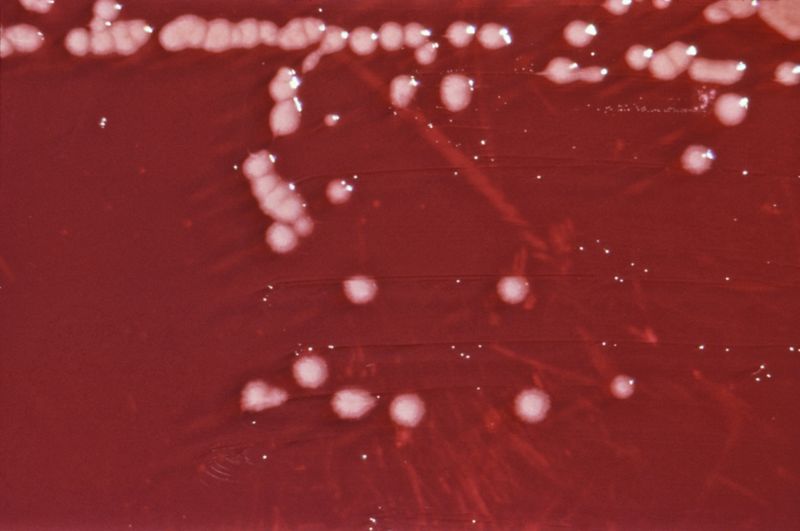
"P. aeruginosa" colonies on an agar plate
P. aeruginosa colonies on an agar plate
Scientific classification Edit this classification
Domain: Bacteria
Kingdom: Pseudomonadati
Phylum: Pseudomonadota
Class: Gammaproteobacteria
Order: Pseudomonadales
Family: Pseudomonadaceae
Winslow et al., 1917
Type genus
Pseudomonas
Migula 1894 (Approved Lists 1980)
Genera
Synonyms[1]
  • Azotobacteraceae Pribram 1933 (Approved Lists 1980)

The Pseudomonadaceae are a family of bacteria which includes the genera Azomonas, Azorhizophilus, Azotobacter, Mesophilobacter, Pseudomonas (the type genus), and Rugamonas.[2][3] The family Azotobacteraceae was recently reclassified into this family.[4]

History

[edit]

Pseudomonad literally means false unit, being derived from the Greek pseudo (ψευδο- – false) and monas (μονος – a single unit). The term "monad" was used in the early history of microbiology to denote single-celled organisms. Because of their widespread occurrence in nature, the pseudomonads were observed early in the history of microbiology. The generic name Pseudomonas created for these organisms was defined in rather vague terms in 1894 as a genus of Gram-negative, rod-shaped, and polar-flagellated bacteria. Soon afterwards, a large number of species was assigned to the genus. Pseudomonads were isolated from many natural niches. New methodology and the inclusion of approaches based on the studies of conservative macromolecules have reclassified many species.

Pseudomonas aeruginosa is increasingly recognized as an emerging opportunistic pathogen of clinical relevance. Studies also suggest the emergence of antibiotic resistance in P. aeruginosa.[5]

In 2000, the complete genome of a Pseudomonas species was sequenced; more recently, the genomes of other species have been sequenced, including P. aeruginosa PAO1 (2000), P. putida KT2440 (2002), P. fluorescens Pf-5 (2005), P. fluorescens PfO-1, and P. entomophila L48. Several pathovars of Pseudomonas syringae have been sequenced, including pathovar tomato DC3000 (2003), pathovar syringae B728a (2005), and pathovar phaseolica 1448A (2005).[3]

Distinguishing characteristics

[edit]

The presence of oxidase and polar flagella and inability to carry out fermentation differentiate pseudomonads from the Enterobacteriaceae.[7]

References

[edit]
Revisions and contributorsEdit on WikipediaRead on Wikipedia
from Grokipedia
Pseudomonadaceae is a family of in the class , order Pseudomonadales, and phylum , characterized by rod-shaped cells that are typically aerobic or facultatively anaerobic and motile via polar flagella. The family encompasses a diverse array of genera, including the prominent genus —which contains over 200 validly named species—as well as Aquipseudomonas, Atopomonas, Azomonas, , Caenipseudomonas, Chryseomonas, Ectopseudomonas, Geopseudomonas, Halopseudomonas, Metapseudomonas, Phytopseudomonas, , Stutzerimonas, Thiopseudomonas, and Zestomonas, reflecting ongoing taxonomic refinements based on phylogenomic analyses. Members of Pseudomonadaceae are - and catalase-positive, chemoorganotrophic, and non-spore-forming, with many capable of utilizing a wide range of carbon sources and exhibiting metabolic versatility. These are ubiquitous in natural environments, thriving in , freshwater, marine ecosystems, and as symbionts or associated with , animals, and humans, where they contribute to nutrient cycling, , and of pollutants such as hydrocarbons and . Notable species include , an opportunistic human responsible for infections in immunocompromised individuals and associated with resistance; , widely used in for biocontrol against and promotion of growth through production; and , a key causing diseases in crops like tomatoes and beans. The family's ecological and medical significance is underscored by their production of diverse secondary metabolites, including pigments like and pyoverdin, enzymes, and toxins, which enable adaptation to varied niches but also pose challenges in clinical and agricultural settings. Recent genomic studies have highlighted the polyphyletic nature of some lineages within the family, leading to proposals for further reclassification to better reflect evolutionary relationships.

Taxonomy and Classification

Phylogenetic Position

Pseudomonadaceae is classified within the domain , phylum , class , order Pseudomonadales, with serving as the . The family name derives from the Greek words "pseudo" (false) and "monas" (unit), originally coined for the genus to describe its rod-shaped, motile appearance resembling but distinct from other monad-like bacteria. Historically, the family was proposed as Pseudomonadaceae by Winslow et al. in 1917, with an earlier synonym Azotobacteraceae established by Pribram in 1933 to accommodate nitrogen-fixing genera like . This classification was formalized and validated in the Approved Lists of Bacterial Names in 1980, which conserved the name Pseudomonadaceae and integrated Azotobacteraceae members based on phenotypic similarities. Subsequent reclassifications in the late transferred nitrogen-fixing taxa from Azotobacteraceae into Pseudomonadaceae, reflecting their shared aerobic, Gram-negative traits. Modern phylogeny has been refined through 16S rRNA gene sequencing, which confirmed the monophyletic nature of Pseudomonadaceae within and delineated its boundaries from related families. Whole-genome analyses further support this, revealing conserved genomic signatures and resolving intrafamily clades that distinguish nitrogen-fixing members (e.g., and Azomonas) from non-fixing ones like most species, based on average nucleotide identity and phylogenomic trees. Pseudomonadaceae shows close phylogenetic affiliation with families such as Moraxellaceae in the broader , sharing a common ancestor in the Pseudomonadales order, though recent genomic studies have elevated Moraxellaceae to its own order (Moraxellales) due to distinct evolutionary divergences.

Included Genera

The Pseudomonadaceae family encompasses 16 genera of Gram-negative, aerobic bacteria primarily characterized by their rod-shaped morphology and metabolic versatility, with Pseudomonas serving as the type genus. Recent phylogenomic studies, including analyses of whole genomes and conserved signature indels as of 2025, have refined the taxonomy by reclassifying over 150 species previously in Pseudomonas into novel genera, reflecting distinct evolutionary clades. These genera collectively comprise over 300 species, with approximately 150-200 in Pseudomonas sensu stricto. The recognized genera are Aquipseudomonas, Atopomonas, Azomonas, Azotobacter, Azorhizophilus, Caenipseudomonas, Chryseomonas, Ectopseudomonas, Geopseudomonas, Halopseudomonas, Metapseudomonas, Phytopseudomonas, Pseudomonas, Serpens, Stutzerimonas, Thiopseudomonas, and Zestomonas, though ongoing analyses may lead to further adjustments. Azomonas consists of free-living, aerobic nitrogen-fixing that form motile, peritrichous rods capable of fixing atmospheric under microaerobic conditions. The is Azomonas agilis, and the includes two validly described species, emphasizing their role in nitrogen cycling without formation, distinguishing them from related genera. Azotobacter comprises free-living nitrogen fixers known for producing desiccation-resistant , with cells appearing as pleomorphic rods under nitrogen-limiting conditions. The is Azotobacter vinelandii, and the includes approximately seven species, valued for their biotechnological potential in biofertilizers due to robust activity. Azorhizophilus is a monotypic genus represented solely by Azorhizophilus paspali (formerly Azotobacter paspali), featuring nitrogen-fixing rods associated with plant roots, exhibiting polar flagellation and aerobic growth. This genus highlights specialized plant-microbe interactions in rhizospheric environments. Pseudomonas, the type genus of the family, includes approximately 150-200 validly described species of versatile, motile rods with polar flagella, exhibiting broad metabolic capabilities such as denitrification and aromatic compound degradation. The type species is Pseudomonas aeruginosa, and this genus encompasses both environmental and pathogenic lineages adapted to diverse habitats. The remaining genera (Aquipseudomonas, Atopomonas, Caenipseudomonas, Chryseomonas, Ectopseudomonas, Geopseudomonas, Halopseudomonas, Metapseudomonas, Phytopseudomonas, , Stutzerimonas, Thiopseudomonas, Zestomonas) were primarily established from reclassified Pseudomonas clades between 2021 and 2025, often specialized for particular environments such as aquatic (Aquipseudomonas), halophilic (Halopseudomonas), or plant-associated (Phytopseudomonas) niches, based on phylogenomic distinctiveness.

Morphology and Physiology

Cellular Structure

Members of the Pseudomonadaceae family are with cells that vary in shape and size across genera, typically straight or curved rods measuring 0.5-1.0 μm in width and 1.5-5.0 μm in length in , but larger and often oval or polymorphic (including cocci-like forms) in (1-2 μm width, 2-10 μm length). These dimensions contribute to their versatility in various environments, with the rod morphology facilitating efficient nutrient uptake and movement. Motility is a defining feature in most members, achieved through polar arranged in monotrichous (single ) or lophotrichous (multiple, up to five) configurations at one or both cell poles; however, genera like possess peritrichous distributed around the cell. This enables rapid swimming in liquid media, enhancing dispersal and in aqueous habitats. The cell envelope consists of a thin layer in the periplasmic space, overlaid by an outer membrane rich in lipopolysaccharides (LPS) that provide structural integrity and barrier functions. Certain genera, such as and , produce exopolysaccharides like alginate, which form protective matrices essential for development and adhesion. Unlike many , most Pseudomonadaceae species lack endospores or other resting stages, rendering them vulnerable to ; however, species form cysts with thickened walls and alginate layers for under stress. Under microscopic examination, these are non-acid-fast, appearing as slender rods without staining retention in acid-alcohol conditions, and they test positive for and enzymes, aiding in rapid identification.

Metabolic Properties

Members of the Pseudomonadaceae family are predominantly aerobic chemoorganotrophs that employ oxygen as the primary terminal electron acceptor in their respiratory metabolism. Most species are obligate aerobes, but certain members, such as those in the genus Pseudomonas, display facultative anaerobic traits, particularly through denitrification processes under oxygen-limited conditions, where nitrate serves as an alternative electron acceptor, ultimately reducing it to dinitrogen gas. This respiratory versatility enables adaptation to fluctuating oxygen levels in natural habitats. Pseudomonadaceae exhibit non-fermentative , lacking the ability to ferment carbohydrates and instead oxidizing them via aerobic pathways, which results in the production of acids from substrates like glucose. Their nutritional profile is highly versatile, functioning as chemoorganotrophs that metabolize a broad array of carbon sources, including simple sugars, , and complex hydrocarbons. Notably, genera such as possess nitrogen-fixing capabilities, employing the enzyme complex to convert atmospheric dinitrogen into under strictly aerobic conditions to protect the oxygen-sensitive enzyme. Key enzymatic characteristics include oxidase-positive and catalase-positive reactions, which facilitate electron transport in respiration and the decomposition of reactive oxygen species, respectively. Species like Pseudomonas aeruginosa produce pigments such as pyocyanin, a phenazine compound that contributes to redox homeostasis and environmental signaling. Optimal growth occurs under mesophilic conditions, with temperatures ranging from 25°C to 37°C, and neutrophilic pH levels between 6 and 8; many strains also tolerate moderate salinity and intrinsic antibiotic resistance, supporting persistence in diverse settings.

Ecology and Habitat

Natural Distribution

Pseudomonadaceae exhibit a ubiquitous global distribution, occurring in diverse environments including , freshwater systems, marine habitats, rhizospheres, and occasionally animal hosts. Members of this family, particularly genera like and , are prevalent in terrestrial, aquatic, and associated niches worldwide, with no evidence of strict endemism. In environments, Pseudomonadaceae are dominant components of microbial communities, especially in agricultural and soils where abundances typically range from 10^6 to 10^8 colony-forming units (CFU) per gram of dry . This prevalence is notably higher in plant rhizospheres compared to bulk , often exceeding 10^7 CFU/g due to the attraction of exudates that provide carbon sources and stimulate . For instance, species are enriched in the rhizospheres of crops and trees, contributing to their ecological success in these nutrient-amended zones. Aquatic ecosystems also harbor significant populations of Pseudomonadaceae, with commonly detected in rivers, lakes, coastal waters, and ocean surfaces at densities supporting their role as opportunistic colonizers. species, in particular, are frequently isolated from freshwater and marine sediments, where they persist at levels of 10^2 to 10^3 CFU/g, facilitating in low-oxygen benthic layers. The distribution of Pseudomonadaceae is influenced by environmental factors such as and availability, with a strong preference for moist, nutrient-rich sites that favor rapid proliferation as r-strategists. They demonstrate resilience in oligotrophic conditions through metabolic scavenging mechanisms, allowing survival in nutrient-poor waters and soils despite optimal growth in more fertile settings. Geographically, diversity is higher in temperate regions, where moderate climates support varied assemblages, though isolates have been reported minimally from extreme environments like hot springs.

Environmental Interactions

Members of the Pseudomonadaceae family play crucial roles in nitrogen cycling within natural ecosystems, particularly through free-living nitrogen fixation performed by genera such as Azotobacter and Azomonas. These bacteria convert atmospheric nitrogen into ammonia using the enzyme nitrogenase, enhancing soil fertility in non-symbiotic associations with plants and contributing to the availability of fixed nitrogen for microbial and plant communities. This process is especially prominent in aerobic soils, where Azotobacter species thrive, supporting broader ecosystem productivity without relying on host plants. Pseudomonadaceae species, notably those in the Pseudomonas, are key contributors to the of environmental pollutants, facilitating natural remediation in contaminated soils and aquatic systems. Pseudomonas strains efficiently degrade polycyclic aromatic hydrocarbons (PAHs) such as , , and through enzymatic pathways that break down these persistent organic compounds into less toxic metabolites. Similarly, they metabolize pesticides like beta-cypermethrin, reducing their environmental persistence and mitigating toxicity to non-target organisms in natural settings. This degradative capacity underscores their ecological importance in restoring polluted habitats. In plant-microbe interactions, Pseudomonadaceae colonize the , where many species act as plant growth-promoting rhizobacteria (PGPR) by producing siderophores that chelate iron, making it available to plants while limiting it for competitors, and synthesizing phytohormones such as to stimulate root growth. Conversely, certain strains like function as phytopathogens, causing diseases in crops and wild plants by deploying type III secretion systems to inject effectors that disrupt host defenses. These dual roles highlight the family's influence on plant health and community dynamics in terrestrial ecosystems. Within microbial communities, Pseudomonadaceae exhibit antagonism toward pathogens through the such as phenazines and 2,4-diacetylphloroglucinol, which inhibit competing microbes and prevent outbreaks in soil consortia. Additionally, mechanisms in species regulate formation, enabling coordinated behaviors that enhance community resilience and influence interactions in polymicrobial environments like the . Pseudomonadaceae contribute to nutrient cycles by solubilizing insoluble phosphates through the secretion of organic acids, thereby increasing bioavailability for and microbes in phosphorus-limited soils. They also participate in the of , breaking down complex carbon compounds via versatile metabolic pathways that release nutrients and support turnover.

Significance

Pathogenic Species

Pseudomonadaceae encompasses a family of mostly environmental bacteria, with pathogenic potential primarily arising from opportunistic infections rather than obligate parasitism. No species in the family are obligate pathogens, meaning they do not require a host to complete their life cycle and instead thrive in diverse habitats before causing disease under specific conditions. Among Pseudomonadaceae, Pseudomonas aeruginosa stands out as the primary human pathogen, acting as an opportunistic invader in immunocompromised individuals. It commonly causes severe infections such as pneumonia, urinary tract infections (UTIs), and wound infections, particularly in hospital settings where it contributes to nosocomial outbreaks. In patients with cystic fibrosis, P. aeruginosa chronically colonizes the lungs, leading to persistent inflammation and progressive respiratory decline. The pathogenicity of P. aeruginosa relies on multiple virulence factors that enhance survival and host damage. formation allows the bacterium to adhere to surfaces and resist antibiotics and immune clearance, a key contributor to chronic infections. Exotoxins, such as exotoxin A, inhibit protein synthesis in host cells, while coordinates population-level behaviors like toxin production and motility. (LPS) endotoxins trigger intense inflammatory responses, exacerbating tissue damage. Antibiotic resistance complicates P. aeruginosa infections, with multidrug-resistant (MDR) strains emerging as a threat. These strains often exhibit resistance to multiple classes of through mechanisms like efflux pumps and enzymatic degradation, leading to higher mortality rates in affected patients. Nosocomial transmission, often via contaminated medical equipment, drives the , with prevalence rates of 10-20% in intensive care units, as reported in recent studies. Beyond humans, other Pseudomonadaceae species target and . Pseudomonas syringae is a prominent , causing diseases like bacterial speck on tomatoes through type III systems that inject effectors into host cells, disrupting immunity and promoting . In , Pseudomonas entomophila induces lethal gut infections, particularly in , by secreting toxins that damage epithelial barriers and evade innate immune responses. In animals, Pseudomonas species occasionally cause infections, including in such as , where P. aeruginosa contaminates milking equipment and leads to udder inflammation with economic losses. Zoonotic transmission from animals to humans remains rare but has been documented in cases involving contact with infected or veterinary settings.

Biotechnological and Industrial Uses

Members of the Pseudomonadaceae family, particularly species in the genus , have been extensively utilized in efforts due to their robust capacity to degrade hydrocarbons and xenobiotics. stands out for its ability to metabolize a wide range of aromatic compounds and hydrocarbons, making it a key agent in cleaning up contaminated sites. Nutrient supplementation during the cleanup in 1989 stimulated indigenous microbial populations, including species, contributing to enhanced degradation of spilled crude oil in Alaskan shorelines. Such applications demonstrate P. putida's efficacy in reducing environmental pollutants under controlled conditions, with field trials showing hydrocarbon removal efficiencies of 20-90% in treated sediments compared to untreated controls, depending on conditions. In agriculture, Pseudomonadaceae species serve as effective biocontrol agents and biofertilizers, promoting plant health and reducing reliance on chemical pesticides. Pseudomonas fluorescens is widely employed to suppress soilborne fungal and bacterial pathogens through mechanisms such as siderophore production and antibiotic secretion, which inhibit competitors like Fusarium and Rhizoctonia species in crops including wheat and tomato. Field applications of P. fluorescens strains have demonstrated yield increases of 20-30% in various crops by protecting roots from damping-off diseases. Additionally, genera like Azotobacter within Pseudomonadaceae contribute to biofertilization by fixing atmospheric nitrogen aerobically, converting it into plant-available forms; Azotobacter inoculants enhance soil fertility and crop productivity, particularly in non-leguminous plants, with studies reporting nitrogen fixation rates of up to 20-30 kg N/ha in rice fields. These attributes position Pseudomonadaceae as sustainable alternatives in integrated pest management and nutrient supplementation programs. Pseudomonadaceae-derived products play significant roles in , particularly in the production of biosurfactants and enzymes. Pseudomonas aeruginosa produces rhamnolipids, biosurfactants that exhibit superior emulsification and foaming properties compared to synthetic counterparts, finding applications in formulations for enhanced cleaning efficiency in conditions. Industrial-scale production of rhamnolipids reaches yields of 10-20 g/L under optimized , enabling their use in eco-friendly laundry and household cleaners that reduce and improve soil removal. Furthermore, lipases from species, such as those from P. fluorescens, are harnessed in for hydrolyzing fats in and industries, facilitating processes like and flavor enhancement with high specificity and stability at neutral . These enzymes improve product quality while minimizing byproducts, with commercial preparations achieving high efficiency in oil emulsions under optimized conditions. In the pharmaceutical sector, Pseudomonadaceae contribute to antibiotic development and resistance research. Pseudomonas aeruginosa synthesizes , a pigment with broad-spectrum antimicrobial activity against and fungi, which has been explored for derivatives in topical s and wound treatments due to its redox-mediated bactericidal effects. production in optimized media yields concentrations of 50-100 mg/L, supporting its potential in combating multidrug-resistant pathogens. Moreover, P. aeruginosa serves as a premier for studying resistance mechanisms, including efflux pumps and formation, with genomic analyses of clinical isolates revealing over 200 resistance genes that inform strategies. As of 2025, emerging carbapenem-resistant P. aeruginosa strains heighten clinical challenges. Genetic engineering leverages the versatile metabolism of Pseudomonadaceae species as chassis in synthetic biology. Pseudomonas aeruginosa PAO1, a well-characterized strain, is frequently modified for metabolic pathway engineering due to its genetic tractability and tolerance to stressors, enabling applications in biofuel production and xenobiotic synthesis. Tools like CRISPR/Cas9 have facilitated precise genome edits in PAO1, such as targeted deletions for attenuated virulence while preserving catabolic capabilities, resulting in strains with significantly improved yields in heterologous protein expression, often by 20-100% depending on the system. As of 2025, advances in CRISPR/Cas9 editing of non-pathogenic strains like P. putida enhance safety in biotechnological applications. Similarly, Pseudomonas putida is engineered as a robust host for degrading recalcitrant pollutants, with synthetic circuits integrating quorum sensing for controlled gene expression in bioreactors. These modifications underscore the family's utility in creating modular platforms for industrial biotechnology.

History and Research

Discovery and Naming

The earliest conceptual foundations for classifying bacteria resembling those in the Pseudomonadaceae trace back to the late 18th century, when Danish naturalist Otto Friedrich Müller introduced the term Monas in 1773 to describe small, actively motile infusoria, distinguishing them from larger forms; this laid groundwork for recognizing rod-shaped, motile microbes observed under early microscopes. Müller's 1786 posthumous work further advanced bacterial systematics by categorizing motile organisms like vibrions and monads based on morphology and movement, influencing later bacteriologists in grouping polarly flagellated rods. A pivotal early isolate came in 1882, when French pharmacist Carle Gessard first described after culturing it from the blue-green pus on bandages of wounded soldiers, noting its distinctive production and rod morphology. This highlighted the bacterium's association with infections, though initial identifications relied on crude and cultural methods without standardized . The was formally established in 1894 by German botanist Walter Migula, who defined it to include Gram-negative, rod-shaped, aerobic bacilli with polar flagella, drawing on his broader contributions to such as systematic descriptions of microbial and morphology. Early classifications faced challenges, as these organisms were often lumped with other non-spore-forming rods due to limitations in pre-Gram techniques, which only refined distinctions after Christian Gram's 1884 method emphasized differences. The family Pseudomonadaceae was proposed in by Winslow et al. as part of a preliminary report on bacterial families and genera, grouping with related aerobic, Gram-negative rods based on shared metabolic and flagellar traits. This nomenclature was later validated in the 1980 Approved Lists of Bacterial Names, which standardized retained taxa with type strains to resolve historical ambiguities in .

Key Developments

In the mid-20th century, early investigations into the ecological roles of Pseudomonadaceae members laid foundational insights, particularly regarding their plant growth-promoting activities. During the 1970s, researchers identified certain species as key plant growth-promoting (PGPR), demonstrating their ability to enhance development and nutrient uptake in crops through mechanisms such as siderophore production and phosphate solubilization. These discoveries, exemplified by studies on strains colonizing roots, highlighted the family's potential in and spurred further exploration of microbe-plant interactions. Advancements in molecular during the 1980s and 1990s revolutionized the of Pseudomonadaceae. Pioneering work by Palleroni and colleagues established rRNA homology groups, dividing the genus into five distinct subgroups based on ribosomal RNA-DNA hybridization, which revealed significant genetic diversity and prompted the separation of non-fluorescent, nitrogen-fixing genera like from the core family. Subsequent 16S rRNA sequencing efforts in the 1990s, such as those by Moore et al., refined family boundaries by confirming phylogenetic relationships and excluding unrelated species, leading to a more precise delineation of Pseudomonadaceae from broader pseudomonad-like groups. This shift emphasized the family's monophyletic nature within the , influencing subsequent taxonomic revisions. The early 2000s marked a milestone in genomic research for Pseudomonadaceae, with the complete sequencing of key genomes providing unprecedented insights into their metabolic versatility and pathogenicity. The genome of PAO1, published in 2000, revealed a 6.3 Mb encoding over 5,500 genes, including those for and toxin production, establishing it as a model for opportunistic infections. This was followed by the 2002 sequencing of KT2440 (6.18 Mb), which highlighted its aromatic compound degradation pathways, and the 2005 analysis of Pf-5 (7.07 Mb), underscoring biosynthesis for biocontrol. By 2025, over 14,000 genomes had been sequenced, enabling comparative analyses that illuminated evolutionary adaptations across diverse environments. Parallel to genomic progress, pathogenicity research in the elevated Pseudomonas aeruginosa's status as an emerging global threat, particularly in healthcare settings. Surveillance studies from 2000–2002 documented rising multidrug resistance in hospital-acquired infections, attributing it to intrinsic efflux pumps and acquired beta-lactamases, which complicated treatment of and exacerbations. Into the 2020s, CRISPR-Cas9 applications have advanced resistance studies, with engineered systems targeting formation and plasmid-borne resistance genes in P. aeruginosa, achieving up to 90% reduction in biomass and offering prospects for precision antimicrobials. Ecological understanding deepened in the through metagenomic approaches, revealing the abundance of Pseudomonadaceae in microbiomes. High-throughput sequencing of global samples demonstrated that species constitute 1–5% of bacterial communities in agricultural and forest , often dominating in nutrient-poor environments due to their versatile carbon utilization. These insights, from projects like the Earth Microbiome Project, quantified their roles in nutrient cycling and highlighted correlations with and , informing models of microbial dynamics. Post-2020 developments have included taxonomic revisions and innovations within Pseudomonadaceae. In 2025, Flores-Félix et al. reorganized the families within the order Pseudomonadales based on phylogenomic analyses, emending the description of Pseudomonadaceae and proposing new families such as Oceanobacteraceae to better reflect evolutionary relationships. Concurrently, has engineered strains for enhanced , incorporating CRISPR-edited pathways for polychlorinated biphenyl degradation and integrating kill switches for controlled deployment in contaminated sites. These efforts underscore the family's expanding utility in environmental restoration.

References

Add your contribution
Related Hubs
User Avatar
No comments yet.