Hubbry Logo
search
logo
2195106

Quercus macrocarpa

logo
Community Hub0 Subscribers
Read side by side
from Wikipedia

Quercus macrocarpa
A 400-year old tree in Missouri known as The Big Tree
Scientific classification Edit this classification
Kingdom: Plantae
Clade: Tracheophytes
Clade: Angiosperms
Clade: Eudicots
Clade: Rosids
Order: Fagales
Family: Fagaceae
Genus: Quercus
Subgenus: Quercus subg. Quercus
Section: Quercus sect. Quercus
Species:
Q. macrocarpa
Binomial name
Quercus macrocarpa
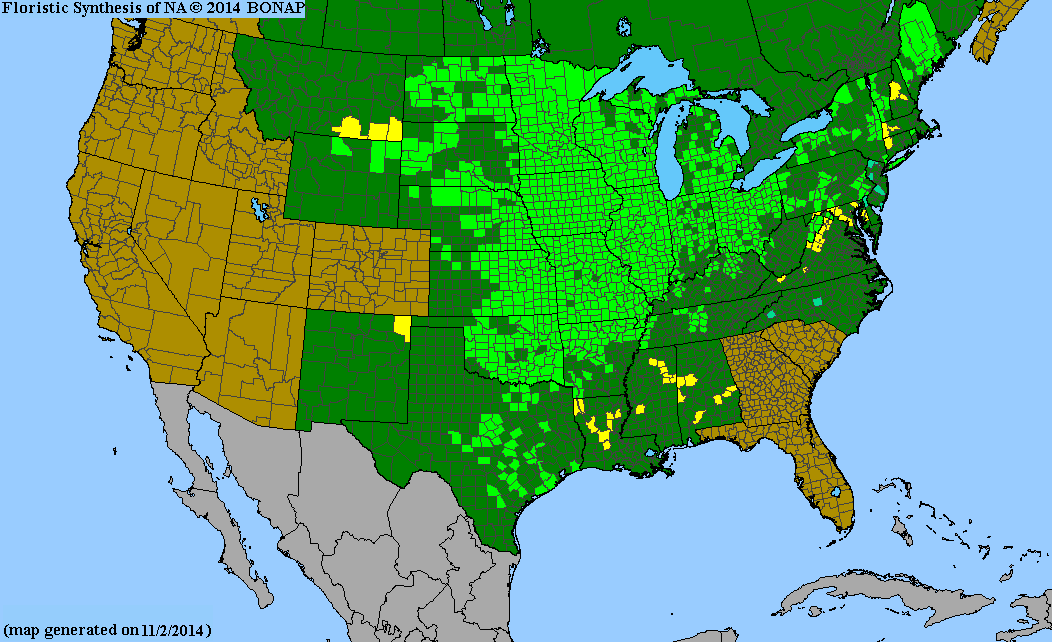
Generalized natural range
Synonyms[2]
List
  • Quercus macrocarpus Michx.
  • Cerris macrocarpa (Michx.) Raf.
  • Cerris oliviformis (F.Michx.) Raf.
  • Quercus macrocarpa var. abbreviata A.DC.
  • Quercus macrocarpa var. alata Coleman
  • Quercus macrocarpa f. appressa Trel.
  • Quercus macrocarpa var. minor A.DC.
  • Quercus macrocarpa f. olivaeformis (F. Michx.) A. Gray
  • Quercus macrocarpa f. oliviformis (F.Michx.) Trel.
  • Quercus macrocarpa var. oliviformis (F.Michx.) A.Gray
  • Quercus macrocarpa subsp. oliviformis (F.Michx.) A.Camus
  • Quercus macrocarpa f. orbiculata Trel.
  • Quercus oliviformis F.Michx.
  • Quercus olivaeformis F.Michx.
  • Quercus macrocarpa subsp. eumacrocarpa (Michx.) A. Camus

Quercus macrocarpa, the bur oak or burr oak, is a species of oak tree native to eastern North America. It is in the white oak section, Quercus sect. Quercus, and is also called mossycup oak, mossycup white oak, or scrub oak. The acorns are the largest of any North American oak (thus the species name macrocarpa, from Ancient Greek μακρός makrós "large" and καρπός karpós "fruit"), and are important food for wildlife.

Description

[edit]

Quercus macrocarpa is a large deciduous tree growing up to 30 metres (98 feet), rarely 50 m (160 ft), in height,[3] and is one of the most massive oaks with a trunk diameter of up to 3 m (10 ft). It is one of the slowest-growing oaks, with a growth rate of 30 centimetres (12 in) per year when young. However, one source states that a well-established tree can grow up to 51 cm (20 in) per year.[4][unreliable source?] A 20-year-old tree will be about 18 m (60 ft) tall if grown in full sun.[citation needed] Naturally occurring saplings in forests will typically be older. Bur oaks commonly live to be 200 to 300 years old, and may live up to 400 years.[5] The bark is gray with distinct vertical ridges.[3]

The leaves are 7–15 cm (2+34–6 in) long and 5–13 cm (2–5 in) broad, variable in shape, with a lobed margin. Most often, the basal two-thirds is narrower and deeply lobed, while the apical third is wider and has shallow lobes or large teeth. They usually do not show strong fall color, although fine golden hues are occasionally seen.[4] The flowers are greenish-yellow catkins, produced in the spring. The acorns are very large, 2.5–5 cm (1–2 in) long and 2–4 cm (341+12 in) broad, having a large cup that wraps much of the way around the nut, with large overlapping scales and often a fringe at the edge of the cup.[3]

The wood when sawn transversely shows the characteristic annual rings formed by secondary thickening.

Bur oak is sometimes confused with other members of the white oak section, such as Quercus bicolor (swamp white oak),[6] Quercus lyrata (overcup oak), and Quercus alba (white oak). It hybridises with several other species of oaks.

Varieties

[edit]

Two varieties are accepted in Kew's Plants of the World Online:[7]

  • Quercus macrocarpa var. macrocarpa
  • Quercus macrocarpa var. depressa (Nutt.) Engelm.

Distribution and habitat

[edit]
A bur oak savanna in Wisconsin hill country (the Driftless Area) in winter

Quercus macrocarpa is widespread in the Atlantic coastal plain from New Brunswick to North Carolina, west as far as Alberta, eastern Montana, Wyoming, and northeastern New Mexico. The vast majority of the populations are found in the eastern Great Plains, the MississippiMissouriOhio Valley, and the Great Lakes region.[8] The bur oak's range extends farther north than any other North American oak, but the oak tends to be smaller and shrubby at the northern and eastern limits of its range.[9]

Bur oaks primarily grow in a temperate climate on the western oak–hickory forested regions in the United States and into Canada.[10] It commonly grows in the open, away from dense forest canopy. For this reason, it is an important tree on the eastern prairies, often found near waterways in otherwise more forested areas, where there is a break in the canopy. It is drought resistant, possibly because of its long taproot. At the end of the growing season, a one-year sapling may have a taproot 1.37 m (4+12 ft) deep and a lateral root spread of 76 cm (2+12 ft).[11] The bur oak shows a preference for limestone or other calcareous soils.[9] The West Virginia state champion bur oak has a trunk diameter of almost 3 m (10 ft).

Large bur oaks, older than 12 years,[12] are fire-tolerant because of their thick bark.[11] One of the bur oak's most common habitats, especially in Midwestern United States, is the oak savanna, where fires often occurred in early spring or late fall. Without fires, bur oak is often succeeded by other tree and shrub species that are more shade-tolerant. Older bur oaks may survive in dense woodlands for 80 years, until they are weakened by wood-rot fungi in the lower branches killed by shade, and by 100 to 110 years, they are often snapped by wind storms.[12]

Ecology

[edit]
Andricus dimorphus gall

The acorns are the largest of any North American oak[11] and are an important wildlife food; American black bears sometimes tear off branches to get them. However, heavy nut crops are borne only every few years. In this evolutionary strategy, known as masting, the large seed crop every few years overwhelms the ability of seed predators to eat the acorns, thus ensuring the survival of some seeds. Other wildlife, such as deer and porcupine, eat the leaves, twigs and bark. Cattle are heavy browsers in some areas. The bur oak is the only known host plant of Bucculatrix recognita caterpillars.

Many species of arthropods form galls on the leaves and twigs, including Aceria querci (a mite) and numerous cynipid wasps: Acraspis macrocarpae, Acraspis villosa, Andricus chinquapin, Andricus dimorphus, Andricus foliaformis, Andricus flavohirtus, Andricus quercuspetiolicola, Callirhytis flavipes, Disholcaspis quercusmamma, Neuroterus floccosus, Neuroterus saltarius, Neuroterus umbilicatus, Philonix nigra, and Phylloteras poculum.[13]

Diseases

[edit]

Bur oak blight is caused by a fungal pathogen Tubakia iowensis.[14] It forms black pustules on the petioles and causes leaf discoloration and death, making the tree more susceptible to other secondary issues such as Armillaria root rot or Agrilus bilineatus (two-lined chestnut borer).[14]

Cultivation

[edit]

Quercus macrocarpa is cultivated by plant nurseries for use in gardens, in parks, and on urban sidewalks. It has been planted in many climates, ranging northwards to Anchorage, Alaska, and as far south as Mission, Texas.[citation needed] It withstands chinook conditions in Calgary, Alberta.[citation needed] It is drought tolerant.[6]

Coppicing has been shown to produce superior growth.[15]

Uses

[edit]
Wood showing growth rings

The wood of Quercus macrocarpa is commercially valuable; it is durable, used for flooring, fence posts, cabinets, and barrels.[11][16] The acorns can be eaten boiled and raw.[17] Native Americans have used the astringent bark to treat wounds, sores, rashes, and diarrhea.[16][17]

Culture

[edit]

Many places are named after the burr oak, such as Burr Oak State Park in Ohio, the cities of Burr Oak, Iowa and Burr Oak, Kansas, and the village of Burr Oak, Michigan. Burr Oaks (1947) is a volume of poetry by Richard Eberhart.[18]

References

[edit]

Further reading

[edit]
[edit]
Revisions and contributorsEdit on WikipediaRead on Wikipedia
from Grokipedia
Quercus macrocarpa, commonly known as bur oak or mossy-cup oak, is a large deciduous tree in the beech family (Fagaceae) native to North America. It features a massive trunk up to 2.6 meters in diameter, a broad spreading crown, and deeply lobed leaves that measure 15–30 cm long with 5–9 rounded lobes. The tree's distinctive acorns are 2–5 cm long, with a deep, fringed cup covering one-third to three-quarters of the nut, giving it a mossy appearance. Reaching heights of 20–40 meters, Q. macrocarpa is the northernmost-ranging oak species, thriving in diverse habitats from dry prairies and savannas to moist bottomlands and woodlands, typically at elevations below 1,000 meters but up to 1,600 meters in some western areas.[1][2] Native to central and eastern North America, Quercus macrocarpa has one of the broadest distributions among North American oaks, extending from southern Manitoba and Ontario in Canada southward to Texas and east to the Atlantic seaboard, though it is most abundant in the Great Plains and Midwest. It occurs statewide in states like Missouri and is found in localized populations at the edges of its range, such as in Montana's Carter County. The species prefers calcareous soils but adapts to a range of conditions, including sandy plains, limestone hillsides, and floodplains, where it often grows in mixed stands with other hardwoods.[1][3][2] Ecologically, Quercus macrocarpa is a shade-intolerant, early-successional species that benefits from frequent low-intensity fires, which its thick, fire-resistant bark protects against; it can live up to 440 years and regenerates well post-disturbance. The acorns serve as a vital food source for wildlife, including squirrels, deer, turkeys, and birds, providing high caloric value (around 4,300 calories per gram). Drought- and cold-tolerant, it hybridizes with other white oaks and faces threats from habitat loss, fire suppression, and climate change, which may shift its range northward.[1][2]

Taxonomy

Etymology

The genus name Quercus derives from the classical Latin term for oak tree, a designation employed since ancient Roman times to refer to trees in this genus.[4] The specific epithet macrocarpa originates from the Greek words makros (large) and karpos (fruit), alluding to the species' characteristically large acorns.[4] This name was coined by French botanist André Michaux, who first described Quercus macrocarpa in 1801 in his monograph Histoire des chênes de l'Amérique.[5] Common names for the species, including "bur oak" and "burr oak," stem from the fringed, mossy appearance of the acorn cup, which evokes the texture of burrs.[6] An alternative name, "mossycup oak," similarly reflects the moss-like scales covering the cup.[7]

Varieties

Quercus macrocarpa is recognized as comprising two varieties in certain taxonomic treatments, although their status remains debated among botanists. The nominate variety, Q. macrocarpa var. macrocarpa, represents the typical form of the species, characterized by larger acorns and a more upright growth habit.[1] This variety is widespread across the eastern portions of the species' range, extending from central and southeastern Canada southward to Alabama and westward into the central United States.[8] The second variety, Q. macrocarpa var. depressa (Nutt.) Engelm., exhibits a smaller stature and more prostrate growth form, adapted to open prairie environments.[1] It is primarily distributed in the western Great Plains, including regions of Iowa, Minnesota, South Dakota, and North Dakota, where it often occurs as a shrub or low tree along the species' western margin. Quercus macrocarpa forms natural hybrids with at least nine other oak species, particularly where ranges overlap, resulting in taxa that display intermediate morphological traits such as blended leaf shapes and acorn characteristics.[9] Notable examples include Q. × bebbiana C.K. Schneid. (with Q. alba, white oak), featuring leaves intermediate between the lobed forms of both parents; Q. × schuettei Trel. (with Q. bicolor, swamp white oak), with hybrid vigor and mixed leaf lobing; and hybrids with Q. gambelii (Gambel oak), post oak (Q. stellata as Q. × guadalupensis Sarg.), and others like overcup oak (Q. lyrata as Q. × megaleia Laughlin).[9][1] These hybrids often show transitional features in leaf sinuosity and acorn cup fringing, aiding identification in mixed stands. The infraspecific taxonomy of Q. macrocarpa lacks recognized subspecies, with varieties like var. depressa accepted in sources such as the USDA PLANTS Database but treated as synonyms of the species in others, including the Flora of North America.[10] This debate stems from overlapping morphological variation and clinal distributions, leading some classifications to recognize only the species level without subdivisions; however, var. macrocarpa and var. depressa are upheld in ecological and silvicultural contexts for their distinct regional adaptations.[1] Kew’s Plants of the World Online accepts the species without infraspecific taxa, reflecting ongoing taxonomic uncertainty.[11]

Description

Morphology

Quercus macrocarpa is a deciduous tree that typically attains a height of 20 to 30 meters, though exceptional specimens may reach up to 50 meters, with a trunk diameter of up to 3 meters.[9][1] It features a broad, rounded crown that is often wider than the tree's height, supported by stout, ascending upper branches and more horizontal lower branches, giving it a spreading, open habit.[12][2] The bark is thick, gray to brown, developing deep irregular furrows, flat corky ridges, and a cracked appearance with scaly, flat-topped plates as the tree matures, reaching thicknesses of up to 7.4 centimeters that provide insulation and enhance fire resistance by protecting the cambium layer. In woodland habitats such as those in Illinois, the bark commonly hosts lichens, which are harmless to the tree and indicate good air quality.[1][2][13][14][15] Twigs are stout, initially light brown and hairy, becoming darker and smoother with age, and frequently develop corky ridges or wings after the first year.[12][2] Leaves are alternate, simple, and leathery, measuring 15 to 30 centimeters long and 7.6 to 15 centimeters wide, with an obovate to oblong shape featuring 5 to 9 rounded, sinuate lobes that are more deeply incised toward the base.[12][2] The upper surface is shiny deep green, while the lower surface is pale and pubescent, and in autumn, the foliage turns yellow-brown.[12][2] The acorns, which are the largest among native North American oaks and contribute to the species epithet macrocarpa meaning "large-fruited," are ovoid nuts measuring 2 to 5 centimeters long and 2 to 4 centimeters broad, often solitary or paired, and enclosed by a deep, fringed, mossy cup that covers one-half to two-thirds of the nut; they mature in a single year.[9][2][12]

Growth habits

Quercus macrocarpa exhibits a moderate growth rate typical of many oak species, beginning slowly in its juvenile phase at approximately 30 cm per year before accelerating to around 51 cm annually once established.[9] This pattern allows the tree to develop a sturdy structure early on, supporting its long-term dominance in various ecosystems.[16] The species is renowned for its longevity, with typical lifespans ranging from 200 to 300 years, though individuals can exceed 400 years under favorable conditions.[17] Notable examples include "The Big Tree" in Boone County, Missouri, estimated at nearly 400 years old and recognized as a national champion bur oak.[18] Its extensive root system features a deep taproot that can reach up to 4.5 meters, with documented depths of 1.37 meters in young trees, complemented by widespread lateral roots in the upper soil layers; this architecture enhances drought tolerance by accessing deep water reserves.[1] Phenologically, Q. macrocarpa flushes leaves in spring around April to May, aligning with its flowering period.[16] Acorn production commences at about 35 years of age, peaking between 75 and 150 years, with masting events occurring every 2 to 5 years to produce large seed crops.[17] The tree demonstrates notable adaptations for resilience, including fire tolerance conferred by its thick, corky bark—which insulates against surface fires—and a strong coppicing ability that enables vigorous regrowth from stumps following disturbance or cutting.[1][19]

Distribution and habitat

Geographic range

Quercus macrocarpa, commonly known as bur oak, has a broad native range across eastern and central North America. It extends from Nova Scotia and New Brunswick westward to Manitoba and Saskatchewan, reaching southward to Texas and including parts of New Mexico, and eastward to North Carolina and Alabama. The species is particularly abundant in the core regions of the Great Plains, the Mississippi-Missouri-Ohio River valleys, and the Great Lakes area, where it forms a key component of oak savannas and woodlands.[17][1][20] Historically, the distribution of Q. macrocarpa has remained relatively stable in its core areas, though populations at the range edges have become fragmented due to agricultural conversion and fire suppression since European settlement. Midwestern oak savannas, once covering approximately 32 million acres, have been reduced to less than 0.02% of their original extent, leading to localized declines, but no widespread contractions have occurred in central strongholds. The species is absent from the Pacific coast and the deeper southeastern United States, limiting its natural occurrence to continental interior and eastern zones.[1] In terms of elevation, Q. macrocarpa primarily occupies sites below 1,000 meters but extends up to about 1,600 meters (5,300 feet) in the Rocky Mountains. Beyond its native range, the tree is widely planted as an ornamental and shade species in urban landscapes across North America, including western states and disjunct populations as far north as Alaska and south to Texas. Occasional escapes from cultivation have established in non-native disturbed sites, though these remain limited.[1][21]

Environmental preferences

Quercus macrocarpa thrives in a variety of soil types but shows a strong preference for calcareous and limestone-derived soils, which are often well-drained and nutrient-rich. It tolerates clay, loam, and sandy soils effectively, with an optimal pH range of 6.0 to 7.5, though it can survive in more acidic conditions down to pH 5.3. The species is notably drought-resistant due to its deep taproot system, which accesses subsurface moisture, but it is intolerant of prolonged flooding, poor drainage, or excessively wet sites.[1][17][22][13] In terms of climate, Q. macrocarpa is adapted to temperate regions across USDA hardiness zones 3 to 8, enduring extreme cold down to -40°C and heat up to 40°C. It performs well in areas with 100 to 190 frost-free growing days and annual precipitation ranging from 38 to over 127 cm, though it can persist in drier conditions with as little as 38 cm by accessing subsoil water. The tree is resilient to variable weather patterns, including strong winds in open landscapes.[1][17][22][13] Preferred site conditions for Q. macrocarpa include open woodlands, savannas, prairies, and riverbanks, where it receives full sun exposure for optimal growth. It typically favors elevations below 1,000 m, extending to 1,600 m in western ranges, and sites with periodic disturbance to prevent canopy closure, supporting its role in maintaining diverse habitats.[1][17][22] This oak commonly associates with species in oak-hickory forests, such as hickories (Carya spp.), black walnut (Juglans nigra), and maples (Acer spp.), while on prairie edges it coexists with native grasses and forbs.[1][17]

Ecology

Wildlife interactions

Quercus macrocarpa acorns serve as a primary mast crop for numerous wildlife species, providing essential nutrition during fall and winter periods. These large acorns are consumed by black bears (Ursus americanus), white-tailed deer (Odocoileus virginianus), eastern gray squirrels (Sciurus carolinensis), and wild turkeys (Meleagris gallopavo), among others such as ruffed grouse (Bonasa umbellus), wood ducks (Aix sponsa), and various songbirds including blue jays (Cyanocitta cristata). The tree exhibits mast seeding patterns, with good acorn crops occurring every 2 to 3 years, which can trigger population booms in dependent species by supplying surplus food that exceeds immediate consumption needs.[1][2][23] Browsing and herbivory on Q. macrocarpa involve consumption of leaves, twigs, and stems by several animals. White-tailed deer frequently browse leaves and twigs, particularly in winter, while porcupines (Erethizon dorsatum) feed on stems, and livestock such as cattle (Bos taurus) graze on seedlings and young shoots. Although acorns are a valued food source for many wildlife, they contain tannins that can be toxic to cattle and some other herbivores if consumed in large quantities without processing, potentially causing kidney damage and digestive issues.[1][24] The tree acts as a host for various insects, supporting biodiversity through gall formation and larval feeding. Galls are induced by cynipid wasps such as Andricus dimorphus, which create clustered midrib galls on leaves, and by eriophyid mites that produce smaller, felt-like galls on foliage and buds. Q. macrocarpa is the sole host plant for the oak skeletonizer moth (Bucculatrix recognita), whose caterpillars mine and skeletonize leaves, contributing to the tree's role in sustaining specialized insect populations.[25][26] Symbiotic relationships enhance Q. macrocarpa's ecological integration, particularly through ectomycorrhizal associations that facilitate nutrient uptake from soil. These fungi, including species from genera such as Russula and Laccaria, form mutualistic networks with roots, improving phosphorus and nitrogen acquisition in nutrient-poor habitats like savannas. In fire-prone ecosystems, the tree's thick, corky bark provides resistance to low-severity fires, promoting post-fire regeneration; heat from fires can scarify acorns, breaking dormancy and aiding seedling establishment in disturbed areas.[27][1][28] Recent genetic research highlights changes in Q. macrocarpa's reproductive dynamics in fragmented landscapes. Studies in south-central Minnesota indicate that pollen-mediated gene flow has decreased over the last 100 years in isolated stands, potentially reducing hybridization with related oak species and affecting population resilience in remnant savannas.[1][29]

Diseases and pests

Quercus macrocarpa is susceptible to several fungal diseases that can significantly impact tree health. Bur oak blight, caused by the fungus Tubakia iowensis, manifests as purple-brown spots along leaf veins in early summer, progressing to wedge-shaped necrotic areas and black pustules on petioles, often leading to canopy dieback over multiple years.[30] This disease primarily affects bur oak and is exacerbated by wet spring conditions that promote spore dispersal.[31] Armillaria root rot, induced by Armillaria mellea, girdles roots and causes slow decline, with honey-colored mushrooms appearing at the base during wet periods; it often acts as a secondary pathogen following initial stress from bur oak blight.[32] Insect pests pose additional threats, particularly to stressed trees. The two-lined chestnut borer (Agrilus bilineatus) targets weakened bur oaks, with larvae boring under the bark to girdle branches, resulting in canopy thinning and dieback; outbreaks have intensified following drought or defoliation events.[33] Oak wilt, caused by the fungus Bretziella fagacearum and spread via root grafts or sap-feeding beetles, leads to wilting and bronzing of leaves starting in the crown, with bur oaks typically succumbing over 1–7 years.[34] The spongy moth (Lymantria dispar, formerly gypsy moth) causes defoliation during population outbreaks, reducing vigor and predisposing trees to secondary invaders like borers.[30] Indirect impacts from the emerald ash borer (Agrilus planipennis) include altered forest dynamics, as ash mortality reduces competitive stress on oaks, potentially favoring their growth.[35] Arthropod-induced galls, formed by wasps such as Disholcaspis quercusmamma, appear as woody swellings on twigs and leaves, diverting resources and reducing photosynthesis, though severe infestations are uncommon.[36] Recent increases in these biotic threats have been linked to climate-induced stresses like drought, which weaken tree resistance and facilitate pest establishment in the 2020s.[37] Management focuses on cultural practices rather than chemical controls. No effective fungicides exist for bur oak blight, so emphasis is placed on maintaining tree vigor through irrigation during dry periods and sanitation pruning of dead branches to limit secondary infections.[31] For oak wilt, root graft disruption via trenching and wound avoidance during spring are critical, supplemented by propiconazole injections for high-value trees.[34] Insecticide applications, such as systemic imidacloprid for borers, are recommended only for stressed urban trees, while ongoing research addresses spongy moth invasions through biological controls.[33] Urban decline from soil compaction can exacerbate these vulnerabilities.[38]

Conservation

Status assessments

Quercus macrocarpa is assessed as Least Concern (LC) (assessed 2015) on the IUCN Red List due to its extensive distribution across eastern North America and stable overall population, despite localized pressures. Globally, NatureServe ranks it as G5 (secure), a status last reviewed on May 25, 2018, reflecting its abundance and wide range, though trends remain unknown.[39] Nationally, the species is considered secure in both the United States (N5) and Canada (N5). In core range states such as Illinois (S5), it is abundant and stable.[39] However, at the range edges, it faces greater risks; for example, in Massachusetts, it is listed as a species of special concern under the state Endangered Species Act as of 2025.[40] In Ontario, it holds an S5 (secure) rank, indicating low risk province-wide.[39] Regionally, Q. macrocarpa is critically imperiled (S1) in peripheral areas like New Jersey due to rarity and habitat limitations.[41] It is also described as critically imperiled, of special concern, or endangered at the eastern and southern fringes of its range, including parts of the Southeast and Appalachians.[1] In the Great Plains core, populations remain stable but are monitored for potential fragmentation effects.[39] Overall, Q. macrocarpa populations are abundant, with millions of individuals estimated across its range based on its prevalence in suitable habitats.[39] Old-growth stands, however, are declining due to historical land use changes and stressors, leaving scattered remnants of trees often exceeding 300 years in age.[1] The species is not listed as endangered or threatened under the U.S. Endangered Species Act.[42]

Major threats

Habitat loss poses the primary anthropogenic threat to Quercus macrocarpa populations, primarily through conversion of oak savannas to agriculture and urbanization, which has fragmented and reduced these ecosystems by over 99% in the Midwest and Great Plains since European settlement.[1] This shade-intolerant species struggles to regenerate under closed canopies that develop in the absence of disturbance, further limiting recruitment in altered landscapes.[1] Livestock grazing exacerbates this by preventing seedling establishment in remaining open areas.[39] Climate change threatens range shifts for Q. macrocarpa, with models predicting southern contraction due to increased drought and warming temperatures, while northern expansion may occur in parts of the Midwest under scenarios of 9°F (5°C) temperature rise.[1] Recent studies indicate heightened vulnerability at distribution edges, where altered precipitation patterns and more severe storms compound stress on mature trees.[43] For instance, ongoing droughts in the Great Plains have led to widespread mortality of established bur oaks, underscoring the species' sensitivity to prolonged water deficits.[44] Invasive species and associated pests accelerate decline by spreading diseases such as bur oak blight (Tubakia iowensis), which has intensified in fragmented habitats across the Midwest, reducing vigor and acorn production.[45] Land use changes exacerbate this by limiting gene flow and increasing susceptibility to non-native pathogens like those causing oak wilt, which affect Q. macrocarpa in urban and rural settings.[46] Exotic plant invasions further outcompete bur oak seedlings in disturbed savannas, hindering natural regeneration.[40] Fire suppression has profoundly altered prairie and savanna habitats, allowing dense woody encroachment that shades out Q. macrocarpa and disrupts its fire-adapted life cycle, contributing to a regional decline in oak-dominated communities.[1] Overbrowsing by white-tailed deer (Odocoileus virginianus) severely limits recruitment, with studies in south-central Minnesota showing near-complete prevention of bur oak establishment in heavily browsed stands.[1] In urban Midwest environments, older bur oaks—often predating surrounding development—exhibit accelerated decline due to age-related stress, soil compaction, and pollution, as documented in regional assessments.[38] Recent conservation assessments highlight the escalating risks to oaks, including Q. macrocarpa; a 2022 NatureServe report estimated 11-16% of U.S. tree species at extinction risk, with invasive pests and habitat loss as dominant threats to the genus Quercus.[47] A 2024 global analysis revealed a substantial underestimation of threats to tree species in current assessments, particularly for those facing compounded pressures from climate change and invasives, including many oaks.[48] In Massachusetts, Q. macrocarpa is listed as of special concern due to these cumulative factors.[40]

Cultivation

Propagation techniques

Seed propagation is the primary method for reproducing Quercus macrocarpa in cultivation, relying on acorns collected in the fall as soon as they drop to maximize viability.[49] Acorn viability declines rapidly post-fall due to desiccation and infestation by pests such as acorn weevils and fungal pathogens like Fusarium spp., which can reduce seed quality if not addressed promptly.[50] To break dormancy, acorns undergo cold, moist stratification for 30 to 135 days at 0 to 5°C, after which they are sown in well-drained media such as a mix of peat moss and vermiculite.[51][52] Germination typically occurs in 4 to 8 weeks under greenhouse conditions with consistent moisture, yielding high success rates for viable seeds, though variability arises from incomplete dormancy release or pest damage during the process.[51][50] Vegetative propagation methods, such as cuttings and tissue culture, are less commonly employed for Q. macrocarpa due to generally poor rooting success, particularly from mature trees. Hardwood cuttings, taken in spring at lengths of 6 inches or more from pencil-thick stems, can be treated with rooting hormones like indole-3-butyric acid (IBA) or thidiazuron (TDZ) to encourage adventitious roots, but establishment rates remain low without specialized conditions like cold pretreatment or high humidity.[53][54] Tissue culture techniques, including micropropagation from leaf explants on Murashige-Skoog medium supplemented with TDZ, have been explored for cloning historic specimens, achieving some callus formation and limited root initiation despite challenges with contamination rates exceeding 80%.[54] Grafting, such as modified side or nurse-seed methods using dormant scionwood, offers higher success rates above 90% for select material but is more suited to propagation of superior genotypes rather than mass production.[50] Best practices for propagation emphasize seed quality assessment via flotation tests to select sinkers, optional scarification through 24-hour water soaking to enhance germination if coats are impermeable, and initial planting in deep pots to accommodate the species' taproot system.[51][55] Seedlings should be grown in containers for the first year under mist irrigation to prevent flooding and fungal issues, with fertilization at low nitrogen levels initially.[51] In the wild, trees reach average seed-bearing age around 35 years, informing cultivation timelines for seed orchards.[17] Recent advancements include enrichment planting of nursery-raised seedlings in old fields to accelerate successional restoration, where Q. macrocarpa plantings enhance native community development over unmanipulated controls.[56]

Landscape applications

Quercus macrocarpa, commonly known as bur oak, is well-suited for landscape applications in parks, along streets, and as windbreaks due to its adaptability to a range of environmental stresses.[57][17] It thrives in USDA hardiness zones 3 to 8, tolerating drought, soil compaction, aerosol salt, and urban pollution while exhibiting slow but steady growth that contributes to its longevity of several centuries.[57][58][59] In prairie and suburban settings, it provides substantial shade through its broad, oval canopy, aids in erosion control via its deep taproot system, and supports wildlife habitat by producing large acorns that attract squirrels and birds.[58][12] Its tolerance of chinook winds makes it particularly valuable in urban areas like Calgary, Alberta, where it withstands extreme temperature fluctuations.[60] For planting, bur oaks should be spaced 10 to 15 meters (33 to 50 feet) apart to accommodate their mature height of 20 to 25 meters (70 to 80 feet) and similar spread, ensuring room for development in large open spaces.[57][61] Mulching around the base helps retain soil moisture, especially for young trees that require supplemental irrigation until established, after which they rely on natural precipitation.[58] Select cultivars such as 'Urban Pinnacle' for narrow, upright forms ideal for constrained urban sites or 'Boomer' for enhanced windbreak performance in multi-row plantings.[62][12] Propagation from acorns can provide starting stock for these applications. Despite its benefits, the bur oak's large ultimate size restricts its use to spacious yards and public areas, as it may overwhelm smaller residential landscapes.[58] Abundant acorn production leads to significant litter, necessitating regular cleanup in high-traffic zones.[57] In recent restoration efforts, such as enrichment plantings in old-field successional areas, bur oaks have shown promise for accelerating habitat recovery, with studies demonstrating improved establishment when integrated into prairie transitions.[63] Maintenance is minimal once established, with little pruning required beyond structural shaping in youth to promote strong branching.[57] Its thick, corky bark renders mature trees fire-resistant, making it suitable for wildfire-prone landscapes in the Great Plains and beyond.[58][16]

Uses

Timber applications

The wood of Quercus macrocarpa, commonly known as bur oak, is characterized by its hardness, heaviness, and durability, with a specific gravity of 0.64 on a 12% moisture content basis, equivalent to a density of approximately 0.64 g/cm³.[64] It exhibits ring-porous structure with medium-to-large pores and a fairly coarse grain, resembling white oak but with coarser texture.[65] This wood demonstrates very good resistance to decay, making it suitable for applications requiring longevity.[65] Historically, bur oak timber was employed for fence posts and railroad ties prior to the early 1900s, leveraging its strength and rot resistance.[66] Its tight grain also facilitated use in barrel staves for aging liquids, similar to other white oak group species. In modern contexts, the wood finds application in flooring, cabinetry, and furniture due to its workability, including ease of gluing, staining, and steam-bending.[65][67] Urban-sourced lumber is often limited by smaller tree sizes in developed areas, while sustainable harvesting occurs in Midwest forests where bur oak stands support local milling operations without major exports.[9] Coppicing practices enhance production of pole wood for fencing and stakes.[68]

Food and medicinal uses

The acorns of Quercus macrocarpa, known as bur oak, have served as a traditional food source for various Native American tribes, including the Chippewa, Ojibwa, Dakota, Ponca, Winnebago, Pawnee, Cheyenne, and Omaha, who roasted or boiled them after processing to remove tannins.[69] These acorns are nutritious, providing carbohydrates, fats, and protein, and were historically ground into meal for bread, porridge, or other staples, though the labor-intensive preparation limited their role as a primary sustenance.[69][70] To make them edible, the acorns must undergo leaching to eliminate high tannin content, typically by shelling, dicing, and repeatedly boiling in water until it runs clear, or by roasting; unprocessed acorns are bitter and indigestible.[69][2] The inner bark of bur oak has been used traditionally in herbal medicine as an astringent due to its tannin compounds, with decoctions applied to treat wounds, sores, rashes, cramps, and diarrhea.[70][71] Among the Ojibwe, bark preparations addressed stomach cramps, heart troubles, and injuries such as broken legs, while infusions helped with diarrhea.[72] Today, such uses are limited in modern herbalism owing to potential toxicity from tannins, which can cause gastrointestinal distress if not properly prepared or dosed.[71] Processed bur oak acorns have also been fed to livestock as a supplemental forage, providing nutritional value similar to human uses, though excessive consumption without leaching can lead to toxicity in animals.[2] Despite their historical significance, bur oak acorns and bark see no widespread commercial application in food or medicine currently, though they remain foraged in survival or traditional contexts where preparation mitigates risks.[69] Raw or inadequately processed parts pose safety concerns, as tannins may induce stomach pain, constipation, bloody diarrhea, and excessive thirst or urination due to their low but notable toxicity.[69]

Cultural significance

Historical and indigenous roles

Native American tribes in the Great Lakes and Plains regions extensively utilized Quercus macrocarpa, known as bur oak, for practical and cultural purposes. Tribes such as the Ojibwe (also called Chippewa), Dakota (Sioux), Ponca, Winnebago, Pawnee, and Ho-Chunk processed the acorns into a staple food by leaching out tannins through boiling or soaking, then grinding them into meal for porridge, bread, or oil. The Ojibwe specifically roasted acorns for consumption and used the tree's bark to treat stomach cramps, heart troubles, and broken legs, while the Ho-Chunk employed infusions of the inner bark as an astringent and tonic for diarrhea and cramps. The wood's durability, comparable to white oak, made it suitable for crafting tool handles and other implements, though specific tribal records are limited.[69][72][73][20] In Plains cultures, bur oaks held ceremonial significance, including as "burial trees" for elevated graves documented in 19th-century photographs by European American observers, where bodies were placed in platforms among the branches to protect them from predators. Additionally, clusters of bur oaks, such as the Four Sacred Oaks near the Mississippi River, marked sites for vision quests in some traditions.[70][74] Early European explorers and settlers recognized the bur oak's value upon arrival in North America. French botanist André Michaux first described and named the species Quercus macrocarpa in 1801 during his expeditions in the Ohio Valley and Great Lakes region. Settlers in Midwestern savannas harvested the wood for fuel, construction of homes, and fencing due to its strength and availability in open landscapes, which also provided forage for livestock. The town of Burr Oak, Iowa, is associated with the brief residence of author Laura Ingalls Wilder and her family in the 1870s, highlighting the tree's role in 19th-century settler life as depicted in her writings.[75][1][76] Symbolically, the bur oak embodied strength and longevity in indigenous and settler folklore, its thick, fire-resistant bark allowing survival in prairie fires often intentionally set by Native Americans to maintain oak openings—expansive savannas that facilitated hunting and travel. These fire-shaped landscapes, captured in 19th-century historic photographs, highlighted the tree's resilience as a cultural anchor.[70][77] By the 19th and early 20th centuries, the bur oak influenced place names and literature reflecting its historical prominence. The area around what became Burr Oak State Park in Ohio was settled in the mid-1800s, named for the abundant bur oaks that provided resources for Native Americans and early European pioneers in the Sunday Creek valley. In 1947, poet Richard Eberhart published Burr Oaks, a collection evoking the tree's enduring presence in American landscapes and memory.[78][79]

Modern representations

In the 2020s, Quercus macrocarpa has gained prominence in reforestation efforts, particularly for old-field restoration and erosion control. A 2023 study in central Kansas demonstrated that enrichment plantings of bur oak seedlings in former agricultural fields significantly increased native woody species richness and reduced invasive non-natives over 16 years, accelerating successional recovery toward oak savanna ecosystems.[63] Its deep root system and drought tolerance make it effective for stabilizing soils on degraded lands, as noted by conservation agencies promoting its use in wetland and dryland reforestation projects.[2] Urban green initiatives have highlighted Q. macrocarpa as a resilient species for city landscapes. At Lincoln Park Zoo in Chicago, a 250- to 300-year-old bur oak reached the end of its life in 2022, prompting public awareness campaigns on its ecological legacy; in 2025, a genetically identical sapling was planted in the same location to maintain biodiversity and urban heritage continuity.[80] This effort underscores the tree's role in modern restoration amid urban expansion. Projections for sustainable forestry emphasize Q. macrocarpa's drought tolerance, positioning it as a key species for climate-adaptive planting by 2026, especially in reforestation on marginal lands to enhance carbon sequestration and ecosystem stability.[81] In Midwest symbolism, it represents resilience, often invoked in discussions of oak ecosystems' endurance against changing climates, echoing themes in contemporary environmental literature on forest regeneration.[82] The town of Burr Oak, Iowa, embodies the tree's cultural footprint, named for the prominent bur oak groves that once dominated the local prairie landscape.[83] Historic groves are featured along trails such as those in Neal Smith National Wildlife Refuge, where restoration events showcase bur oak's role in preserving Midwestern savannas. Q. macrocarpa contributes substantially to biodiversity, supporting diverse understory species in oak savannas; a 2024 recovery plan identifies it as fire-tolerant and notes that oaks host over 500 moth and butterfly species.[84][1] As urban heritage trees, mature specimens are prioritized for protection against development, with agencies in Canada and the U.S. designating bur oak habitats as conservation priorities due to encroachment pressures. In Markham, Ontario, surviving bur oaks in parks exemplify ongoing efforts to safeguard these icons amid suburban growth.[85]

References

User Avatar
No comments yet.