Hubbry Logo
Agonistic behaviourAgonistic behaviourMain
Open search
Agonistic behaviour
Community hub
Agonistic behaviour
logo
8 pages, 0 posts
0 subscribers
Be the first to start a discussion here.
Agonistic behaviour
Agonistic behaviour
from Wikipedia
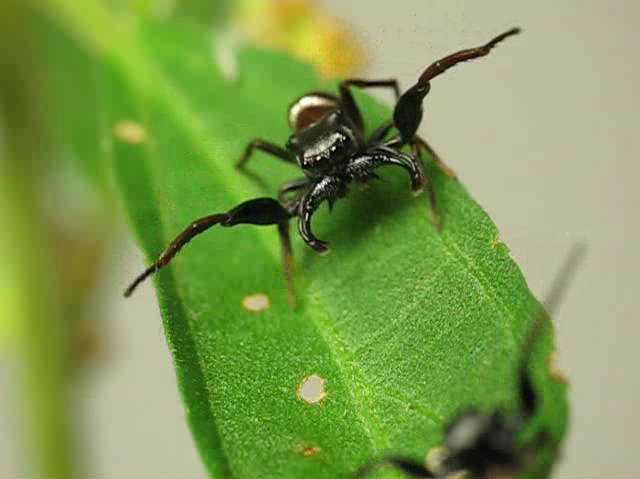
Ritualized agonistic behaviour between male Zygoballus sexpunctatus spiders

Agonistic behaviour is any social behaviour related to fighting, which can include aggressive behaviour, but also threats, displays, retreats, placation, and conciliation. The term "agonistic behaviour" was first defined and used by J.P. Scott and Emil Fredericson in 1951 in their paper "The Causes of Fighting in Mice and Rats" in Physiological Zoology.[1][2] Agonistic behaviour is seen in many animal species because resources including food, shelter, and mates are often limited.

Ritualized aggression or ritualized fighting is when animals use a range of behaviours as posture or warning but without engaging in serious aggression or fighting, which would be expensive in terms of energy and the risk of injury. Ritualized aggression involves a graded series of behaviours or displays that include threatening gestures (such as vocalizations, spreading of wings or gill covers, lifting and presentation of claws, head bobbing, tail beating, lunging, etc.) and occasionally posturing physical actions such as inhibited (non-injurious) bites. This behavior is explained by evolutionary game theory.[3]

Some forms of agonistic behaviour are between contestants who are competing for access to the same resources, such as food or mates. Other times, it involves tests of strength or threat display that make animals look large and more physically fit, a display that may allow it to gain the resource before an actual battle takes place. Although agonistic behaviour varies among species, agonistic interaction consists of three kinds of behaviours: threat, aggression, and submission.[4] These three behaviours are functionally and physiologically interrelated, yet fall outside the narrow definition of aggressive behaviour. While any one of these divisions of behaviours may be seen alone in an interaction between two animals, they normally occur in sequence from start to end.[5] Depending on the availability and importance of a resource, behaviours can range from a fight to the death or a much safer ritualistic behaviour, though ritualistic or display behaviours are the most common form of agonistic behaviours.[5]

As studied in rodents

[edit]

Scott and Fredericson describe that agonistic behaviour is displayed in a variety of different circumstances in response to different stimuli. Scott and Fredericson studied mice and rats, and classified three main categories of agonistic behaviour these animals display, which include preliminary behaviour, attack, and defensive and escape behaviour. Preliminary behaviour describes the behaviours displayed by these rodents if fighting does not immediately begin. These may include involuntary behaviours such as hair-fluffing, where the rodent's hair stands up on end with no prominence on a particular region of the body, or tail-rattling where the rodent's tail experiences muscle contraction and twitches from side to side, making a loud sound if struck against a hard object.[2] Another preliminary agonistic behaviour demonstrated by mice is referred to as mincing behaviour which is when mice circle their opponent before a fight begins. The fight itself is classified as one of the pattern of behaviour that occurs and involves physical violence between the rodents.[2] Finally, the defensive and escape behaviour occurs usually immediately after the fight and is displayed by the mouse that was defeated in the fight. The defeated mouse, if allotted space, will run away and try and take shelter from the victorious mouse. If it is not possible for the mouse to physically run and escape because space is not available, the defeated mouse will rear up on its hind legs and hold its front legs up in a way that is characterized as a "submissive stance".[2] These are examples of the physical behaviours that are responses to conflict in mice.

Evolution and ecology of agonistic behaviour: Stomatopoda (praying mantis shrimp)

[edit]
Mantis shrimp

Agonistic behaviour is a result of evolution,[6] and this can be studied in a number of species facing different environmental pressures. Though agonistic behaviours can be directly observed and studied in a laboratory setting, it is also important to understand these behaviours in a natural setting to fully comprehend how they have evolved and therefore differ under different selective pressures. Mantis shrimp, predatory crustaceans, are an example of an aggressive and territorial organism whose agonistic behaviour has been studied in an ecological and evolutionary context.

Mantis shrimp are among the world's most aggressive crustaceans.[7] These sea creatures are secretive, but highly alert and active predators who inhabit burrows and cavities along coral reefs, rocky coasts, and muddy shores of tropical and subtropical waters.[7]

Roy Caldwell and Hugh Dingle conducted research on mantis shrimp and other stomatopods, which focused on the evolution of agonistic behaviour and how it applies to the ecology of these organisms.[7] Agonistic behaviour has co-evolved alongside biotic factors such as body morphology, competition both within the species and against other species, and the habitats that these shrimp inhabit. Stomatopods arose from leptostracan stock, as is indicated by fossil evidence, approximately 400 million years ago.[7] Morphology of stomatopods is consistent with most malacostracans in that they have three main body segments: the cephalon, the thorax and the abdomen. The abdomen is made up of six segments, five of which possess a pair of pleopods, which are used for respiration and swimming.

The key appendage used by stomatopods for fighting behaviour is referred to as the raptorial appendage, which is actually a pair of enlarged second maxillipeds just behind the maxillae.[7] These strong maxillipeds are used for purposes of prey capture in addition to fighting. The morphology of this appendage, particularly the propodus and dactyl which extend forward in such a way that resembles the striking appendage of a praying mantis, gives this crustacean its name.[7] Caldwell et al. classified the raptorial appendage into two categories based on its functional purpose: a smashing appendage or a spearing appendage. The smashing appendage is possessed by members of gonodactylidae and the dactyl contains several short spines. The spearing appendage is possessed by squillids, lysiosquillids, bathysquillids, and a couple gonodactylids; the last group contains both spearers and smashers.[7]

"Smashers" are able to use the raptorial appendage with such a force, particularly the gonodactylids, that they are able to smash the glass of double walled aquaria in the laboratory.[citation needed] These smashers are able to use this immense force to kill same-species competitors with one blow. Caldwell et al. describe how two stomatopods generally display severe fighting behaviour when they have an encounter, both between species and within the same species, and males and females display the same level of this behaviour except in breeding season.[7] Most species of stomatopods, regardless of the type of appendage, ordinarily deliver blows during agonistic encounters with the dactyl closed. When the dactyl is open, the result is usually serious injury or death of the opponent. These crustaceans may deliver blows with the dactyl open but generally only in situations of extremely intense fighting displays, which are rare amongst most species.[7]

A comparison of "smasher" and "spearer" stomatopods; the spearer appendage is on the left.

Behaviour that is common during agonistic displays is raptorial appendage display, which is a common behaviour across many taxa. Display and expansion of the raptorial appendage is conducted in order to make the animal appear larger and therefore more threatening to competitors in times of agonistic encounters, and comparable displays in other taxa include teeth baring in canines or horn display in ungulates.[8] This display behaviour is an evolutionarily conserved behaviour in agonistic displays.

Evolutionary differences are clear in "smasher" and "spearer" stomatopods who inhabit different substrates and either burrow or do not burrow. Caldwell et al. describe these differences with respect to a behavioural display called a "meral spread".[9][7] This behaviour is described by these researchers as the most extreme of raptorial appendage displays, and is defined by the elevation of the cephalothorax and antennae and antennules while the raptorial appendage itself is elevated and spread. Interestingly, this meral spread may be displayed dozens of times during an agonistic encounter and Caldwell et al. explain it is used as a method to inhibit actual physical violence.

An evolutionary divergence between stomatopods is described in appearance of the meral spot, which is a dorsal, medial groove on the raptorial merus of the raptorial appendage.[7] Smasher stomatopods, which are species that tend to inhabit cavities within rocks or coral, have brightly coloured meral spots which aid in making the meral spot more visible during these meral spread displays in fights. These bright meral spots possessed by smashers are either yellow, blue, red or white and are outlined by a conspicuous black pigment. Conversely, spearing Stomatopods or some smashing species that do not inhabit rock or coral cavities, have much duller meral spots.[7] This correlation suggests to researchers that habitat and meral spot colouration have co-evolved, and those that inhabit burrows possess these bright spots and those species that do not have dull spots. This demonstrates how ecology and evolution of organisms within the same order directly affects agonistic behaviour.

Hormonal influence

[edit]

Agonistic behaviour is influenced by the action of hormones such as vasopressin, which is a small peptide synthesized in the brain by magnocellular neurons.[10] Agonistic behaviour itself may be divided into two categories: offensive or defensive.[11][12] Each of these classes of agonistic behaviour are the result of different neurobehavioural pathways, and offensive and defensive agonistic behaviour are elicited by different stimuli.[13]

Offensive behaviour specifically has been studied in the context of intruder interactions in studies employing rodents as test subjects. For example, when an unfamiliar male hamster is placed into cage of a conspecific male, a stereotypical suite of agonistic behaviours follow.[13][14] The resident male approaches the intruder and sniffs him intently, threatens the intruder with an upright posture, and finally initiates a physical attack on the intruder. The resident male attacks the belly of the intruder male and attempts to maneuver the intruder onto his back.[14]

Studies have shown that offensive behaviour displayed by hamsters may be modulated due to the presence of vasopressin. Specifically, research conducted by Ferris et al. (1990) suggests that when a vasopressin receptor antagonist is injected into the anterior hypothalamus of the resident male, the tendency to attack intruder males decreases as the dose of antagonist increases.[15] This antagonist has been known to decrease the tendency of offensive aggression via injections into the ventrolateral hypothalamus, therefore is able to act on multiple regions of the brain and exhibit the same effects of offsetting this agonistic behaviour.

While vasopressin plays a role in offensive aggression in agonistic behaviour, serotonin also plays a role in aggressive behaviour in rodents as well as similar effects in humans. Research has shown that increased levels of serotonin or stimulating serotonin receptors in rodents corresponds with decreased agonistic behavioural display, such as behaviours like attacking and biting.[16]

Male resident hamsters, which typically always display stereotypical offensive agonistic behaviours, display a significant decrease in bite attempts toward intruder males when treated with a serotonin reuptake inhibitor called fluoxetine. Vasopressin and serotonin both play significant roles in agonistic behavioural displays, and understanding the interaction of these two opposing neurotransmitters is important in fully understanding the neurobiology of agonistic behaviour.[13] It is understood that vasopressin enhances aggression in agonistic displays due to increased activity in the neural pathways that are associated with increased flank marking and the offensive aggression demonstrated in resident hamsters in the presence of an intruder. This neural pathway that enhances aggression is subdued by the presence of serotonin.[13] It is hypothesized[by whom?] that serotonin acts as an antagonist to vasopressin by eliciting its effects on vasopressin-sensitive neurons and therefore inhibiting these neurons.

Steroid hormones are also associated with offensive aggression behaviour. Androgens in particular have well documented effects on enhancing aggression in male rodents, and testosterone injections into the septum and medial pre-optic area of castrated mice greatly increased offensive aggression.[17] Glucocorticoids also have reported effects on agonistic behaviour in mice, though these effects are not as thoroughly understood as effects of androgens. Research has demonstrated that in mice that have been defeated in agonistic encounters have elevated levels of corticosterone, which appears to enhance submissive behaviour and therefore has opposing effects on agonistic aggressive behaviour.[18]

Prediction of winning

[edit]

The type of agonistic behaviour observed, whether it be aggressive or submissive, all depend on the likelihood of winning. For instance, size is usually a good predictor of fighting success, and many animals will display to flaunt their size. Animals are better able to assess their next form of agonistic action by judging the opponent's size and if they are likely to win a fight if a physical altercation were to occur.[19]

Stalk-eyed fly

Example: Stalk-eyed flies (Diopsidae)

[edit]

In aggressive behaviour by male stalk-eyed flies the males "square off" by displaying their eyes.[20] Females show a strong preference for mating with males with longer eyestalks. Due to the female preference, males have evolved to compete with each other for mating rights. In the threat display the two flies face each other head-to-head, with their forelegs spread outward and parallel to the eyestalks.[21] This behaviour allows each individual to judge the distance between its competitor's eyes. Eyestalk length increases with body size, and males with shorter eyestalks will usually retreat.[21] A further distance between the eyes conveys a bigger body size, and a better chance of winning.[21]

Avoidance

[edit]

Physical fighting is actually rare between animals.[22] It would seem that normally the more aggressive an animal is, the more it has to gain. However, in a normal scenario if an animal is too aggressive it might face an unacceptably high cost such as severe injury or death.[1] Unless an animal has a sure indication that they will win without injury, or the resources are valuable enough for the risk of death, animals usually avoid fighting.[1] An animal must weigh the relative costs and benefits of fighting. If the costs are too high, avoiding a fight is preferable.[1]

Ritual display

[edit]

For animals, display is any behaviour modified by evolution that is used to convey information.[1] Animals display particular signs, which recipients can use to infer something about the mental and physical state of the first animal.[23] To avoid the heavy cost of fighting, animals have evolved sophisticated rituals, which they use to bluff their opponents into backing down or fleeing. The cost-benefit model of display makes three assumptions: (1) type of display varies depending on the cost; (2) the risk of the display increases as the effectiveness of display increases; and (3) the value of resource being disputed over determines the choice of display used.[23] Animals have evolved to use their physical attributes as a display of ability. If contests can be resolved with ritual display, fighting is not needed. Display can be used to dispute for mates, territory, and food through symbolic gestures instead of battles to the death. If an animal can display without fighting that he is more physically fit than his opponent, he will have gained more than he would have if he had fought and in the process possibly been injured.

Examples

[edit]

Male grey catbird (Dumetella carolinensis)

[edit]

Male grey catbirds fluff their feathers and spread their lower tails to defend their territory when threatened by another male. The bird that is capable of puffing up and appearing to be the biggest will win the territory.[24]

Western gorilla (Gorilla gorilla)

[edit]

Male western gorillas display a wide range of both vocal and gestural communications when threatened by an opponent.[21] A silverback will start hooting, throwing, chest pounding, leg kicks, and sideways running when approached by another male.[21] This is done to intimidate the opponent and show physical abilities without actually making any physical contact.

Ring-tailed lemur

[edit]

Male ring-tailed lemurs have scent glands on their wrists, chests, and in the genital area. During encounters with rival males they may perform ritualized aggression by having a "stink fight". The males anoint their tails by rubbing the ends of their tails on the inside of their wrists and on their chests. They then arch their tails over their bodies and wave them at their opponent. The male toward which this is directed either responds with a display of his own, physical aggression, or flees. "Stink fights" can last from 10 minutes to one hour.[25]

Oscar cichlids

[edit]

Oscar cichlids (Astronotus ocellatus) are able to rapidly alter their colouration, a trait which facilitates ritualised territorial and combat behaviours amongst conspecifics.[26] Individuals of another cichlid species, the blunthead cichlid (Tropheus moorii), defend their feeding territory with a display, quivering the tail and fins to intimidate, or an attack, darting at the intruder and chasing them away.[27] Astatotilapia burtoni cichlids have similar displays of aggressive behaviour if they are territorial, which include threat displays and chasing.

Threats

[edit]
Two domestic cats threatening each other. Note the more flattened ears of the cat on the right

Threat behaviour is any behaviour that signifies hostility or intent to attack another animal.[1] Threat behaviour is meant to cause the opponent to back down and leave.[1] While ritual display can be used for an array of reasons or communicative purposes, threat distinctly is meant for hostility and is the last step before fighting or submission. Threat does not involve physical contact with another animal. Any threat behaviour most often elicits other agonistic behaviour in the recipient.[1] This initiation of threat will result in a display of physical attributes, a fight, or submission; the behaviour or sequence of behaviours depends on what resources are being fought over and each individual's chance of winning against his opponent.[1] In any animal species, threat always contains components of attack and fleeing, which expresses an animal's readiness and likelihood of winning.[1] An intimidation display with a means to threat are exhibited through: hair bristling, feather ruffling, raising skin folds and crest, teeth displaying, horn displaying, making sound, etc.[1]

Examples

[edit]

Frill-necked lizard (Chlamydosaurus kingii)

[edit]

Chlamydosaurus kingii, an Australian agamid lizard, uses its frill as a way to display size and aggression to opponents. It is one of the largest and most notable displays seen in the animal kingdom.[28] In comparison to its body size, the frill can flare out to make the lizards head look several times bigger, and it displays bright orange and red scales.[28] Males of C. kingii fight and display frills often during the mating seasons. The male ritualistic display includes repeated partial erections of the frill, head bobbing, tail lashing, and waving of forelimbs.[29]

Spider monkeys

[edit]

Spider monkeys (genus Ateles) defend their territory by screams, barks, rattling or dropping branches, and urinating and defecating on intruders below.[30][31]

Agonistic fighting

[edit]
Agonistic behaviour in a zoo between two chickens

Actual fighting in contests is rare because of the risk of injury to both participants. It is most likely to occur when individuals are similarly sized, or when the contested resource is essential for reproduction or survival. Even when agonistic behaviour escalates to fighting, restraint may be used. Fish such as Oreochromis mossambicus often exhibit aggressive displays, but rarely fight to the point of injury or bodily harm. This is also the case in fights among some male venomous snakes; they wrestle, but refrain from biting.

Examples

[edit]

Black mamba (Dendroaspis polylepis)

[edit]

Agonistic fighting for black mambas involves a wrestling match in which opponents attempt to pin each other's head repeatedly to the ground.[32] Fights normally last a few minutes but can extend to over an hour.[32] The purpose of fighting is to secure mating rights to receptive females nearby during the breeding season.

Creek chub

[edit]

The creek chub (Semotilus atromaculatus) engages in ritualized aggression when others of the species invade its territory. Engaging in parallel swimming, the fish widens its fins and mouth and swims at a caudal fin beat. Intimidating opponent fish throughout these rituals, the forward fish stops and directs blows to the head of the other fish to ensure territory dominance.[33]

Submissive behaviour

[edit]

Submissive behaviour involves an individual indicating by an act or posture that it will not challenge a dominant individual in a social group.[1] Submissive behaviours are part of the maintenance of a dominance hierarchy of cooperating individuals in a social group that have overlapping but not entirely coincident interests.

Example: Bearded dragon (Pogona vitticeps)

[edit]

Communication between animals is often achieved by adding a succession of behaviours to a display.[34] Social interactions among bearded dragons (Pogona vitticeps) consist of a unique set of movements or visual signals. Waving is one of the most visible signs of submission one lizard can display to another. The lizard rests on three of its legs, raises one of the front arms and then slowly waves the arm in a circular motion. This circular motion, along with the dragon puffing up slightly, shows submission. This display is seen between opponents, as well as adolescents towards adults.[35]

See also

[edit]
  • Trading blows
  • References

    [edit]
    Revisions and contributorsEdit on WikipediaRead on Wikipedia
    from Grokipedia
    Agonistic behaviour encompasses a broad spectrum of social interactions in animals associated with conflict and , including not only overt and fighting but also threats, defensive postures, submission, , and flight. The term was coined in 1951 by ethologists and Emil Fredericson in their seminal study on fighting in , where they described it as a functional system of behaviors for adjusting social positions within groups. Unlike narrow definitions of , agonistic behaviour emphasizes ritualized displays that often resolve disputes without physical injury, thereby minimizing costs to participants. These behaviors are ubiquitous across animal taxa, from like crustaceans to vertebrates such as birds, reptiles, and mammals, and serve critical evolutionary functions in resource acquisition and social structuring. Agonistic interactions typically arise over limited resources like food, territory, shelter, or opportunities, helping to establish dominance hierarchies that reduce future conflicts by signaling relative fighting ability. Key models in , such as those incorporating resource holding potential (RHP)—an individual's fighting capability based on size, strength, or stamina—and resource value (RV)—the perceived benefit of the contested item—explain variation in contest escalation and outcomes. For instance, when opponents have similar RHP, displays may prolong assessment, while asymmetries often lead to quick retreats by the weaker contender. Influenced by genetic, hormonal, environmental, and experiential factors, agonistic behaviour can be modulated by context; for example, higher or resource scarcity intensifies interactions. In social , repeated encounters foster stable hierarchies, promoting group cohesion, though excessive agonism may incur energetic or injury costs. Studies across highlight its adaptive value, underscoring how these behaviors balance with in natural populations.

    Overview

    Definition and Scope

    Agonistic behaviour encompasses a broad spectrum of social interactions related to conflict or between conspecifics, including not only aggressive acts such as attacks but also s, defensive responses, submission, , and avoidance. These behaviours function primarily to resolve disputes over limited resources like , , or opportunities, often without escalating to physical harm. The term was coined in by ethologists John P. Scott and Emil Fredericson in their seminal paper on fighting in , where they defined it as "the group of behavioral adjustments associated with fighting, which includes attack, escape, , and defense." Derived from word agōn, meaning "contest" or "struggle," the concept emphasizes the competitive nature of these interactions rather than mere violence. In contrast to , which is typically limited to offensive or harmful actions, agonistic behaviour highlights the full repertoire of strategies, incorporating non-aggressive elements like ritualized displays or conciliatory gestures that minimize injury and maintain social stability. This distinction underscores its role in adaptive , where outcomes can establish hierarchies or resource access without destructive consequences. Agonistic behaviour is prevalent across a wide array of animal taxa, particularly in social species where interactions over shared resources are frequent. It is observed in vertebrates, including mammals (e.g., rodents and primates), birds, fish, and reptiles, as well as in invertebrates such as insects (e.g., crickets) and crustaceans (e.g., crayfish and shrimps). However, it is not typically exhibited in solitary species lacking regular conspecific encounters.

    Functions and Contexts

    Agonistic behavior serves several primary functions in animals, primarily facilitating over limited resources and social positions. It plays a key role in establishing dominance hierarchies, where repeated interactions determine stable rank orders that minimize future conflicts within groups. Through these hierarchies, dominant individuals gain priority access to critical resources such as , , and mates, thereby enhancing their and . Additionally, agonistic interactions help defend personal resources against intruders, ensuring exclusive use in competitive environments. Ritualized displays and threats often resolve contests without physical harm, reducing the risk of that could otherwise compromise fitness. These behaviors also contribute to maintaining group cohesion by clarifying social roles and preventing excessive once hierarchies are formed. In ecological contexts, agonistic behavior is most prevalent in resource-limited environments, where competition intensifies due to scarcity. The frequency of such interactions increases with higher population densities, as proximity heightens encounters over shared spaces or food sources. During breeding seasons, agonistic displays escalate in intensity and occurrence, particularly among males vying for opportunities or among females securing nesting sites, driven by heightened resource value. This temporal patterning aligns with seasonal fluctuations in resource availability and reproductive pressures, optimizing energy allocation for and . Social contexts further shape agonistic behavior, differing markedly between group-living and solitary species. In gregarious animals, it regulates access to status within the group, reinforcing hierarchies that promote efficient resource partitioning and reduce overall conflict. For solitary species, interactions primarily defend personal space or territory during chance encounters, often lacking the repeated assessments seen in social groups and focusing on immediate deterrence. The costs and benefits of agonistic behavior underscore its adaptive value, framed as "economic" contests where participants weigh potential gains against risks. Benefits include improved access to mates and food, boosting , while costs encompass energy expenditure, risk, and elevated like . In many species, escalation to physical fighting remains rare due to the high costs of , favoring ritualized resolutions that preserve both parties' fitness. This selective escalation ensures that contests yield net benefits, such as territory expansion or hierarchical stability, without undue harm.

    Physiological Mechanisms

    Hormonal Influences

    Hormonal influences play a central role in modulating agonistic behavior across vertebrates, primarily through endocrine pathways that regulate , submission, and contest decisions. Key hormones such as androgens, neuropeptides like and oxytocin, and corticosteroids interact to shape the intensity and form of agonistic responses, often in response to social or environmental challenges. These effects are mediated by fluctuations in hormone levels, which can be influenced by breeding seasons, stress, or reproductive status, ultimately affecting dominance hierarchies and resource . Testosterone, a primary , elevates and promotes threat displays in males, particularly during breeding periods when levels surge to facilitate territorial defense and mate guarding. In many vertebrates, higher testosterone concentrations correlate with dominance status and increased agonistic interactions, enhancing the motivation to initiate contests for resources. Experimental evidence from demonstrates this causal link: significantly reduces aggressive behavior in male rats, while subsequent administration of testosterone restores or even amplifies it, underscoring the hormone's direct role in promotion. Vasopressin and oxytocin, nonapeptide hormones, exert context-dependent effects on agonistic behavior, particularly in . promotes territorial by enhancing social recognition and defensive responses, acting through receptors in regions involved in social processing to intensify attacks on intruders. Oxytocin, while generally facilitating affiliation and social bonding, can enhance maternal in females, where elevated levels in the correlate with protective attacks on threats to , linking it to both prosocial and agonistic contexts. Corticosteroids, such as , influence agonistic outcomes via the stress response, with effects varying by duration and intensity. Acute elevations trigger fight-or-flight decisions, mobilizing energy for rapid agonistic escalation or escape in vertebrates facing immediate threats. In contrast, chronic elevation, often seen in subordinates during prolonged , promotes submission and avoidance behaviors, suppressing to reduce further conflict and injury risk. Sexual dimorphism in agonistic behavior is largely attributable to higher baseline levels in males, which drive greater initiation of contests and aggressive displays compared to females. This androgen-mediated difference explains why males often exhibit more frequent and intense agonistic interactions, particularly in where reproductive is male-biased.

    Neural and Genetic Factors

    Agonistic behavior is modulated by specific neural circuits within the , particularly involving subcortical regions that integrate sensory inputs and initiate or suppress aggressive responses. The , especially its ventromedial nucleus (VMH), plays a central role in generating aggressive actions by coordinating motor outputs and autonomic arousal during confrontations. Similarly, the processes threat-related stimuli and facilitates the escalation of through projections to hypothalamic and areas. In contrast, the septal area, including the lateral (LS), acts as an inhibitory gate, reducing the likelihood of attack; optogenetic activation of LS neurons suppresses ongoing , while inhibition enhances it. Neurotransmitter systems further refine these neural responses, with serotonin (5-HT) and exerting opposing influences on agonistic tendencies. Low serotonin levels are associated with heightened and increased , as reduced serotonergic activity in the and limbic regions impairs inhibitory control during social conflicts. Conversely, signaling, particularly in the , promotes the rewarding aspects of agonistic success, reinforcing aggressive behaviors through enhanced motivation following victories. These interactions highlight how imbalances in monoamine transmission can tip the balance toward escalation or restraint in contests. Genetic factors contribute substantially to individual variation in agonistic behavior, indicating a moderate polygenic basis influenced by multiple loci. studies in mice have demonstrated that disruption of the 1b receptor gene (Avpr1b) significantly reduces territorial aggression and social motivation, underscoring its role in modulating inter-male confrontations. Epigenetic mechanisms provide an additional layer of regulation, where environmental stressors such as early adversity induce changes in aggression-related genes, altering their expression without modifying the DNA sequence and thereby heightening susceptibility to aggressive traits. Neural plasticity enables adaptive modifications in these circuits based on , as seen in the "winner effect," where repeated victories lead to enhanced future through dopamine-mediated strengthening of synaptic connections in reward pathways. This experience-dependent plasticity involves in hypothalamic and accumbal regions, allowing prior social outcomes to bias subsequent agonistic responses toward increased .

    Behavioral Forms

    Threat Displays and Rituals

    Threat displays and rituals represent non-contact forms of agonistic behavior that animals employ to intimidate rivals, assess opponent strength, and bluff relative weakness without risking physical harm. These displays typically consist of highly stereotyped signals, such as specific postures, vocalizations, or physiological changes like color alterations, which convey information about an individual's and fighting ability. By signaling asymmetries in value or competitive prowess, they facilitate mutual assessment and often prevent escalation to costly fights. The ritualization process underlies the of these displays, transforming originally functional actions—such as preparatory movements for or fleeing—into exaggerated, unambiguous signals that minimize miscommunication and injury risk. Through , these behaviors become simplified, intensified, and stereotyped, enhancing their reliability as honest indicators of intent while reducing the ambiguity that could lead to unnecessary . This evolutionary refinement is evident across taxa, where displays serve as low-cost alternatives to , promoting efficient resolution of disputes over resources like territory or mates. Threat displays encompass diverse sensory modalities to maximize communicative impact. Auditory types include growls, barks, and territorial songs that signal aggressive intent; for instance, soft songs in song sparrows reliably predict subsequent attacks, allowing opponents to gauge escalation risk. Visual displays often involve erecting crests, flaring body parts, or altering pigmentation, such as the intense zebra display in or the bilateral pectoral fin depression in during defensive threats. Olfactory signals, like marking in , further reinforce territorial claims by triggering opponent responses without direct confrontation. The effectiveness of these displays lies in their ability to resolve the majority of contests through intimidation alone, with physical escalation occurring only when asymmetries in motivation or ability are not clearly signaled. In many species, threats deter intruders without contact, as seen in stomatopods where displays settle disputes efficiently. For example, the frill-necked lizard (Chlamydosaurus kingii) erects its colorful neck frill during male-male interactions, combining it with head-bobbing and hissing to advertise dominance and deter rivals. Similarly, the employs varied songs in territorial defense, using vocal and calls to assert presence and ward off intruders during breeding conflicts.

    Avoidance and Submission

    Avoidance strategies in agonistic behavior primarily involve spatial separation or fleeing to minimize encounters with potential aggressors, particularly among subordinate individuals or in non-territorial settings. These behaviors allow to evade conflict without direct confrontation, such as using olfactory cues to detect and avoid conspecifics or adjusting approach-avoidance decisions based on prior social experiences. In common interacting with birds, avoidance includes retreating or hiding to prevent escalation, demonstrating how such tactics are context-dependent and effective in multi-species environments. Submission signals serve as appeasement gestures that communicate non-threat to inhibit the aggressor's attack, including actions like cowering, averted , or postural changes. For instance, Norway rats may roll onto their backs to signal submission and reduce incoming aggression, while birds avert their or turn away from attackers to de-escalate encounters. In reptiles such as , darkening body color acts as a submissive signal to concede during contests, and in bearded dragons, slow head-bobbing or arm-waving indicates yielding to a dominant individual. Among like Japanese macaques, detailed ethograms describe submissive postures such as crouching or grooming-directed behaviors to appease superiors. These avoidance and submission behaviors hold significant adaptive value by reducing the energy costs and injury risks associated with escalated fights, while also preserving social bonds in group-living species. By preventing physical harm to both participants, they promote overall group stability and survival, as seen in fish like daffodil cichlids where submission increases in constrained environments to avoid costly escapes. In social vertebrates, such signals facilitate within agonistic contexts, minimizing and enhancing collective fitness. Repeated displays of submission contribute to the formation of stable dominance hierarchies, where consistent yielding establishes clear ranks and reduces the frequency of future conflicts. In species like or dwarf mongooses, submissive postures reinforce without aggression, leading to steeper based on decided interactions rather than undecided ones. For example, in ring-tailed lemurs, scent-marking behaviors, including tail-waving, can function in agonistic contexts to signal status and avoid direct physical clashes, aiding hierarchy maintenance. This process ensures efficient and lowers overall aggression levels in established groups.

    Escalation to Fighting

    Escalation in agonistic interactions occurs when initial displays fail to resolve the conflict, prompting physical as opponents persist in their challenge. This progression is triggered by factors such as the high value of contested resources, like territories or mates, which increases to fight despite risks, or when opponents are symmetrically matched in size, strength, or prior , reducing perceived in fighting ability. Such escalations are relatively rare, comprising less than 20% of agonistic disputes across , as most encounters resolve through displays or submission to minimize energy expenditure and risk. Once escalated, fighting styles vary by species and morphology, often involving grappling to pin or immobilize opponents, biting to target vulnerable areas, or charging to ram and displace rivals. These bouts typically last from mere seconds in insects, where quick mandible clashes decide dominance, to several minutes in mammals, allowing assessment of stamina through prolonged exertion. For instance, in male black mambas (Dendroaspis polylepis), escalated encounters during mating season feature intertwining grapples and coiling aimed at pinning the opponent's head without biting. Similarly, creek chubs (Semotilus atromaculatus) engage in fin-nipping and chasing during nest defense, where males aggressively target opponents' fins to assert territorial control. Injury outcomes from these fights are generally limited due to ritualized elements that emphasize testing over lethal force, such as conventional targeting of non-vital areas to signal resolve without causing permanent harm. Fatalities remain rare in most , though they can occur in intense rivalries over critical resources where restraint fails, leading to severe wounds or exhaustion. This ritualization helps conserve fitness by resolving contests efficiently while avoiding the high costs of or . The resolution of escalated fights often produces winner and loser effects, where victorious individuals exhibit heightened confidence and in subsequent contests, increasing their likelihood of future success by up to 7.7 times compared to naive animals. Conversely, defeated animals display reduced and submission in later encounters, potentially as an adaptive response to avoid further risk based on updated assessments of their competitive ability. These effects, mediated by hormonal changes like elevated testosterone in , reinforce social hierarchies and influence long-term interaction dynamics.

    Contest Assessment

    Predicting Outcomes

    In agonistic contests, animals often predict outcomes prior to full engagement by evaluating their own capabilities and those of opponents through behavioral signals and displays. This predictive process minimizes costly escalations, allowing contestants to assess asymmetries in fighting ability, motivation, or resource value, thereby influencing decisions to persist or withdraw. A key distinction in outcome prediction lies between self-assessment and mutual assessment. In , an individual gauges its own strength—such as body , , or prior condition—relative to an expected opponent, deciding to escalate or retreat based solely on internal evaluation without directly observing the rival's state. Conversely, mutual assessment involves comparing one's own attributes against signals from the opponent, such as threat displays that reveal size or vigor, enabling both parties to calibrate their commitment accordingly. Empirical studies across taxa, including arthropods and vertebrates, show variation in these strategies, with self-assessment prevailing when information on opponents is costly to acquire, while mutual assessment emerges in prolonged interactions where displays provide reliable cues. Detection of asymmetries plays a central role in forecasting contest results, as differences in resource-holding potential, , or payoff value often lead to rapid resolutions. When asymmetries are pronounced—for instance, one contestant has significantly higher due to or greater stakes—the weaker or less motivated individual typically withdraws early, shortening the encounter. Symmetric contests, where contestants are evenly matched in ability and value, tend to prolong as neither quickly concedes, increasing the likelihood of escalation. Game-theoretic models highlight how such asymmetries stabilize conventional settlements, reducing the need for injurious fights by favoring the side with the dominant advantage. The Hawk-Dove model, a foundational game-theoretic framework, illustrates how assessment strategies evolve to predict outcomes in agonistic interactions. In this model, "Hawks" escalate to aggressive fighting, risking injury for potential gains, while "Doves" rely on non-contact displays, bluffing or retreating to avoid costs. Evolutionarily stable strategies emerge when a mixed of Hawks and Doves persists, as pure Hawk populations suffer high costs from mutual fighting, and assessment via displays allows Doves to bluff effectively against uncertain opponents. This predicts that animals invest in signaling to gauge rival resolve, favoring mutual assessment in low-cost display phases before deciding on Hawk-like escalation. Prior contest experience introduces winner-loser effects, biasing predictions and altering future behavior. Winners of previous encounters tend to overestimate their success probability, displaying heightened and persistence in subsequent contests, while losers become more submissive, underestimating their abilities and retreating sooner. Meta-analyses confirm these effects are widespread across and vertebrates, with prior winners securing victories in approximately two-thirds of subsequent fights and losers suffering defeats at similar rates, independent of intrinsic differences like size. Such effects likely stem from updated self-perceptions of fighting ability, enhancing predictive accuracy but also perpetuating dominance hierarchies. Empirical patterns from meta-analyses underscore the efficacy of predictive mechanisms, revealing that the majority of agonistic contests are resolved by initial displays without escalating to physical contact, conserving energy and reducing risk. These findings align with assessment models, as quick resolutions via signals dominate when asymmetries or experience provide clear outcome forecasts, while symmetric, inexperienced bouts more frequently prolong.

    Resource Holding Potential

    Resource holding potential (RHP) refers to an individual's fighting ability, which determines their capacity to acquire, retain, or protect s during agonistic contests. This concept encompasses physical attributes such as body size, strength, weaponry (e.g., antlers or claws), and stamina, which collectively influence the likelihood of winning a physical confrontation. RHP is distinct from an individual's , which is driven by the perceived value of the resource at stake, though the two can interact to shape overall contest persistence. In agonistic interactions, RHP plays a pivotal role in processes, where individuals with higher RHP are more likely to initiate threats, escalate displays, or engage in physical fighting, while those with lower RHP tend to retreat early to minimize costs. For instance, in contests over territories or mates, a dominant RHP often leads to rapid resolution without full escalation, as the weaker contender assesses the imbalance and withdraws. This assessment helps avoid the high energetic and risks associated with prolonged fights, promoting efficient in competitive environments. Proxies for measuring RHP include morphological traits like body size or weapon length, which often correlate with fighting success; for example, larger claw size in fiddler crabs predicts higher win rates in male-male combats. Prior contest outcomes also serve as indicators, with winners exhibiting elevated aggression in subsequent encounters due to reinforced confidence in their RHP. Additionally, honest signals such as badge size in birds (e.g., throat patch area in house sparrows) reliably indicate underlying RHP, as larger badges are associated with greater dominance and fewer challenges received. The theoretical foundation of RHP stems from game-theoretic models of animal contests, notably Parker's 1974 assessment strategy framework, which posits that asymmetries in RHP drive the evolution of signaling and fighting behaviors to resolve disputes with minimal cost. In territorial disputes, RHP-related asymmetries, including prior residency, contribute to outcomes where owners win approximately 70% of contests, as demonstrated in male snow skinks where burrow holders leverage positional advantages. These models emphasize that unequal RHP promotes conventional settlements, reducing the frequency of costly escalations. Despite its utility, RHP has limitations in practice, as it is not always directly observable, requiring reliance on indirect cues that may not perfectly correlate with actual fighting ability in complex or variable environments. For example, environmental factors or motivational states can override apparent RHP differences, leading to unexpected contest results where weaker individuals prevail due to higher resource valuation.

    Evolutionary and Ecological Aspects

    Adaptive Evolution

    Agonistic behavior is thought to have evolved from ancestral defense responses against predators and rivals, where initial aggressive actions served to protect resources or . Over time, these responses underwent ritualization, transforming functional movements into stereotyped displays that signal intent without escalating to physical harm, thereby reducing the energetic and costs associated with full . According to Zahavi's , such ritualized signals remain honest because only high-quality individuals can afford the sustained costs of producing and maintaining them, ensuring reliability in assessing fighting ability during contests. Selective pressures have further shaped agonistic behavior through , which promotes restrained aggression among relatives to avoid harming shared genetic interests and preserve . In contrast, often drives the exaggeration of male traits used in agonistic interactions, such as enlarged weapons or displays, to gain advantages by outcompeting rivals. Phylogenetic patterns indicate that agonistic behavior has evolved conservatively, with similar threat displays and submission signals conserved across related taxa, reflecting shared ancestry. has also produced analogous agonistic behaviors in distantly related groups, such as elaborate displays in birds and , adapting to similar social and ecological demands. While agonistic behavior enhances fitness by securing resources and mates, it involves trade-offs, including risks of or that can outweigh benefits in high-density or resource-scarce environments. Optimal levels of aggression thus vary ecologically, with favoring moderation where costs exceed gains. Fossil evidence provides indirect support through morphological adaptations, such as craniofacial lesions in early predatory dinosaurs indicative of intraspecific and weapon-like structures in ancient arthropods suggesting agonistic use.

    Invertebrate Examples

    In (Stomatopoda), agonistic interactions often revolve around territorial disputes over in habitats, where individuals assess rivals through visual signals before potential escalation. Clubbing species, such as Neogonodactylus bredini, employ smashers—raptorial appendages capable of generating extreme forces—to deliver ritualized strikes during contests, while spearing species use piercing appendages less frequently in such interactions. These strikes, performed in a coiled posture, allow opponents to gauge resource holding potential without immediate lethal injury, as the telson's exoskeletal armor absorbs up to 69% of impact energy through inelastic deformation. Escalation to full smashes occurs if displays fail to resolve the dispute, with winners landing more strikes on average, underscoring the ecological importance of these behaviors in maintaining territories critical for and predation. Stalk-eyed flies (Diopsidae), such as Cyrtodiopsis dalmanni, exhibit agonistic behavior where males signal resource holding potential via eyestalk length, a sexually selected trait that hyperallometrically scales with body size to enhance assessment precision. During encounters, rivals approach head-on, align their eyestalks in a rearing posture, and engage in mutual assessment through prolonged facing, allowing comparison of eye spans as proxies for fighting ability. Larger-eyed males typically win contests and deter escalation, leading to retreat by the inferior rival, though by the contestant may also influence duration based on relative size disparities. This ritualized staring reduces physical contact, conserving energy in lekking systems where males compete for female attention. In ant colonies, particularly in species like Harpegnathos saltator, agonistic behavior manifests as ritualized duels among workers following the queen's , establishing dominance to determine reproductive roles. Workers engage in mandible-locking combats, biting, and policing, peaking in intensity around days 5–8 post-queen loss, with about 60% participating before hierarchies stabilize after four months. Victorious individuals transition to status, adopting dominant postures and ovarian activation, while losers submit, forming a linear hierarchy that partitions and maintains cohesion without widespread injury. Similar mandibular duels occur among in some species or workers in others, reinforcing social structure through low-cost ritualization. Spider contests, as seen in orb-weaving species like , begin with vibratory threats where males jerk the female's web to intimidate rivals from afar, decaying in intensity with distance to signal aggression without contact. If unresolved, interactions escalate to at close range, involving physical chases and leg-locking to displace opponents, with larger males gaining advantages in these bounded web arenas. In extreme cases, such as during mating in , female aggression can culminate in , where the male is consumed post-copulation, representing a high-stakes escalation tied to resource acquisition and . These behaviors highlight the role of substrate-mediated signals in resolving male-male competition for mates. Agonistic behavior in shows high ritualization, driven by exoskeletal constraints that limit tolerance and favor displays over lethal , as evidenced by the co-evolution of armored structures like the with assessment strikes. This adaptation minimizes energetic costs and mortality risks, promoting endurance-based resolutions in contests across taxa.

    Examples

    Agonistic behavior in encompasses a range of displays and interactions adapted to diverse ecological niches, from aquatic territories in to complex social hierarchies in mammals. These behaviors often prioritize ritualized signals over outright violence to assess opponents and minimize , reflecting the evolutionary pressures of resource competition and across classes like , reptiles, birds, and mammals. In fish, agonistic encounters frequently involve visual and physical rituals to establish dominance without severe harm. Oscar cichlids (Astronotus ocellatus) engage in jaw-locking behaviors, where males interlock their jaws during territorial disputes or mate competition, allowing assessment of strength while limiting escalation to bites. Similarly, creek chubs (Semotilus atromaculatus) initiate conflicts with lateral fin displays and parallel swimming to signal intent, which can intensify to nipping or biting if one fish retreats insufficiently. Reptiles exhibit striking postural and submissive gestures tailored to solitary or territorial lifestyles. The frill-necked lizard (Chlamydosaurus kingii) deploys a dramatic threat display by rapidly erecting its colorful , gaping its mouth, and hissing to deter predators or rivals, creating an illusion of greater size. In contrast, bearded dragons (Pogona vitticeps) use slow head nods and arm-waving as submissive signals to appease dominant individuals, reducing the risk of aggressive retaliation during formation. The (Dendroaspis polylepis), when cornered, adopts a defensive posture by flattening its neck into a hood and delivering rapid strikes to ward off threats, emphasizing speed over prolonged combat. Among birds, agonistic behaviors blend vocal, aerial, and performative elements, often linked to breeding territories. Male gray catbirds (Dumetella carolinensis) defend areas through aerial chases interspersed with quiet songs, using these to harass intruders and maintain boundaries without constant physical contact. In lekking species like birds-of-paradise (Paradisaea spp.), males perform elaborate dances on communal display grounds, incorporating agonistic postures and chases to assert dominance and secure prime positions for attracting females. Mammalian vertebrates, particularly , showcase sophisticated social influenced by and olfactory cues. Western lowland gorillas (Gorilla gorilla gorilla) feature silverback-led charges and ritualized displays, escalating from soft hoots to explosive chest-beating and bluff runs to protect the troop from rivals. Spider monkeys (Ateles spp.) form male coalitions during intergroup encounters, coordinating threats and raids to defend resources or females, highlighting cooperative in fission-fusion societies. Ring-tailed lemurs (Lemur catta) resolve male rivalries through scent-based "stink fights," where individuals rub wrist glands on their tails and wave them aggressively to overwhelm opponents with odor, often avoiding direct contact.

    Research Approaches

    Laboratory Studies in Rodents

    Laboratory studies in have been instrumental in elucidating the mechanisms of agonistic behavior due to the species' genetic manipulability, which allows for targeted modifications such as knockouts or transgenics to isolate specific genes influencing . Rodents also form observable dominance hierarchies in controlled laboratory colonies, enabling researchers to quantify interactions like submission postures or escalated fights with high precision. These advantages facilitate reproducible experiments that reveal underlying neural and physiological processes not easily studied in more complex systems. A cornerstone of these studies is the resident-intruder paradigm, where a territorial resident confronts an unfamiliar intruder in its home cage, reliably eliciting defensive and allowing measurement of latency to attack or fight duration. This setup demonstrates how environmental familiarity enhances territorial , with residents showing shorter attack latencies compared to neutral arenas. Additionally, testosterone implants in castrated male significantly increase the frequency and intensity of agonistic attacks, underscoring the hormone's role in modulating aggressive responses. Such findings highlight how hormonal manipulations can amplify baseline levels in experimental contexts. Behavioral assays further refine these investigations; for instance, mirror tests expose to their reflection as a simulated , eliciting investigative or aggressive responses that correlate with individual dominance status. The social defeat model, involving repeated subordination to a dominant conspecific, induces submissive behaviors and long-term stress responses, modeling anxiety-like outcomes in defeated animals. These paradigms provide quantifiable metrics, such as ultrasonic vocalizations during encounters, to assess perception and escalation. Advances in neural mapping, particularly in mice, have pinpointed the ventromedial hypothalamus (VMH) as a critical node in aggression circuits, where stimulating VMH neurons triggers immediate attack behaviors toward intruders. This technique reveals how specific projections from the VMH to other brain regions, like the , orchestrate the motor components of fighting. Hormonal assays in these models briefly confirm elevated following defeat, linking stress to behavioral suppression. Despite these insights, conditions often exaggerate relative to wild populations, as enriched environments reduce baseline conflict in . Ethical concerns also arise in studies like , prompting refinements such as shorter exposure durations to minimize impacts.

    Field and Observational Studies

    Field and observational studies of agonistic emphasize naturalistic observations in wild or semi-wild settings to capture the ecological context of , submission, and related interactions among animals. These approaches prioritize behavioral plasticity and environmental influences that are often absent in controlled environments. Key methods include focal sampling, where researchers observe a single individual or group for a continuous period to record all occurrences of agonistic events such as threats, chases, or submissions, and sampling, which involves opportunistic recording of disputes as they occur without predefined time constraints to build comprehensive ethograms. Camera traps have also proven effective for monitoring agonistic interactions in elusive by capturing spontaneous encounters in remote habitats without direct human presence. Insights from these studies highlight the contextual variability of , with often escalating during breeding seasons due to resource competition and mate guarding, as observed in various and fish species. For instance, interspecific agonism is prevalent in mixed habitats, where animals direct aggressive displays toward heterospecific intruders to defend territories, reducing overlap in resource use. Long-term field studies on , such as those on lemurs in , have revealed the stability of dominance hierarchies over years, with agonistic interactions reinforcing social structures and minimizing costly fights through ritualized submissions. In coral reef ecosystems, observational data on cichlids demonstrate that fights are primarily resource-driven, with peaking over sites or feeding territories, influencing population distribution and species coexistence. Despite their value, field studies face challenges including observer effects, where human presence can alter —such as increased vigilance or suppressed —and incomplete data on interaction outcomes due to limited visibility in dense habitats. Integrating GPS tracking with behavioral observations helps map territories but requires careful calibration to avoid biasing data collection. Advances since the include the use of drones for non-invasive aerial monitoring of large-scale agonistic events in mammals and birds, combined with AI-driven video analysis to automate detection and tracking of behaviors like chases or displays in wild . These technologies enable high-resolution over expansive areas, enhancing understanding of spatial dynamics in .

    References

    Add your contribution
    Related Hubs
    User Avatar
    No comments yet.