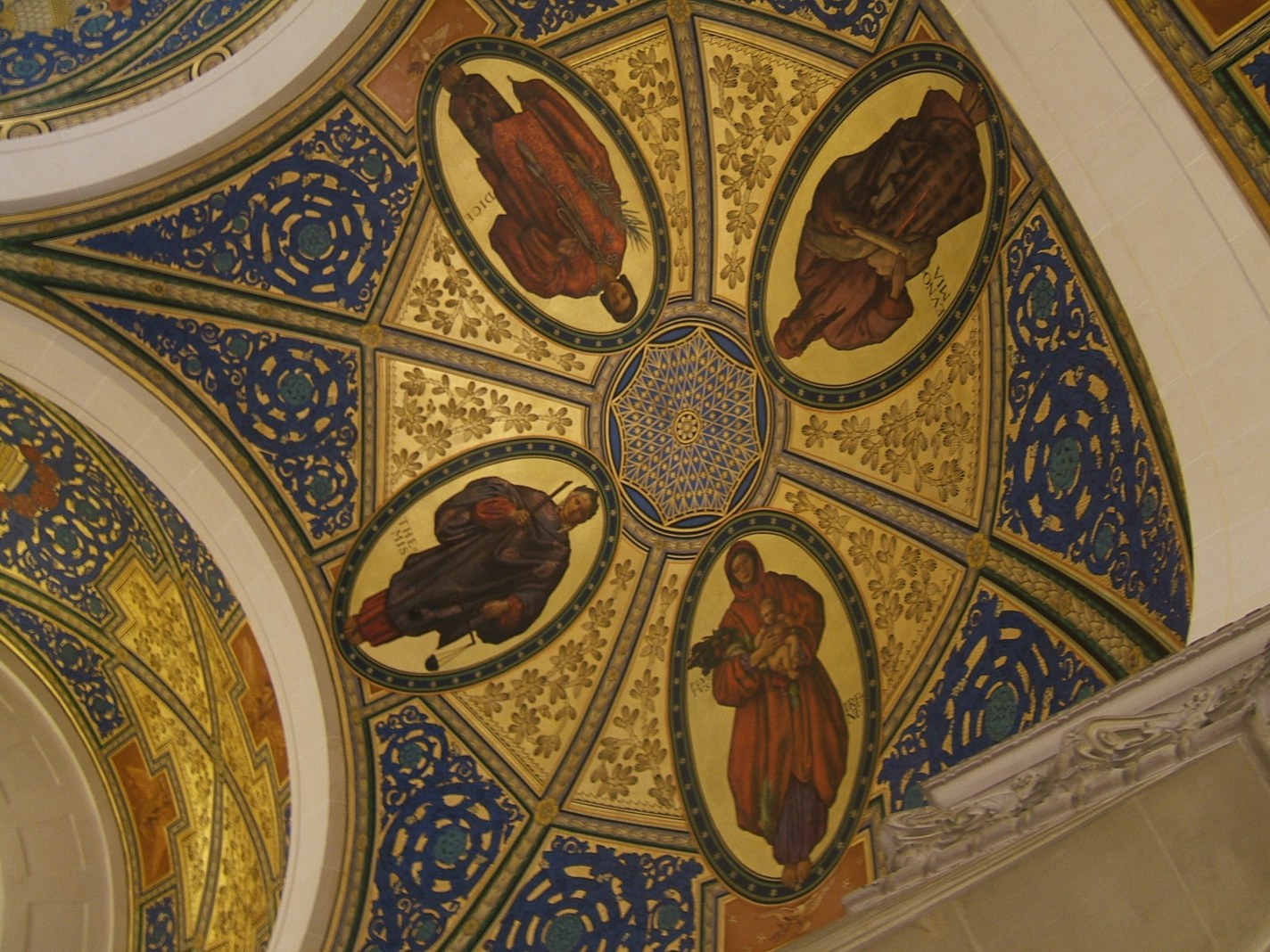

Eunomia
View on Wikipedia| Eunomia | |
|---|---|
Goddess of both natural and legislative laws | |
| Member of the Horae | |
 Eunomia putting incense or corns on a thymiaterion, red-figure Apulian volute krater c. 375-350 BC, Berlin | |
| Ancient Greek | Εὐνομία |
| Genealogy | |
| Parents | Themis and Zeus |
| Siblings | Dikē Eirene |
| Children | Hesychia |
In Greek mythology, Eunomia (Ancient Greek: Εὐνομία) was a minor but important goddess of law and legislation. Her name can be translated as "good order", "governance according to good laws". She was also the spring-time goddess of green pastures (eû means "well, good" in Greek, and νόμος, nómos, means "law", while pasturelands are called nomia).[1] She was by most accounts the daughter of Themis and Zeus,[2] as well as the mother of Hesychia (tranquility).[3] Her opposite number was Dysnomia (Lawlessness).
Eunomia was commonly worshiped by state officials and others involved in government.[3] She and her sisters were all described as young women wearing golden diadems, and were usually depicted holding a flower, an ear of corn, and a vine stock.[3]
Horae
[edit]
Eunomia was the goddess of law and legislation and one of the Second Generation of the Horae along with her sisters Dikē and Eirene. The Horae were law and order goddesses who maintained the stability of society, and were worshipped primarily in the cities of Athens, Argos and Olympia. From Pindar:
Eunomia and that unsullied fountain Dikē, her sister, sure support of cities; and Eirene of the same kin, who are the stewards of wealth for humanity—three glorious daughters of wise-counselled Themis.[4]
The Horae were also associated with natural laws, such as the seasons.[5]
Eunomia's name, together with that of her sisters, formed a Hendiatris Good Order, Justice, and Peace.
She was frequently depicted in Athenian vase painting amongst the companions of Aphrodite, and in this sense represented the lawful or obedient behavior of women in marriage. As such she was identified with Eurynome, mother of the Charites (Graces).[citation needed]
Legacy
[edit]The Eunomia asteroid and the Eunomia family of asteroids are named after her.
Notes
[edit]- ^ "Strong's Greek: 3551. νόμος (nomos) – that which is assigned, hence usage, law". biblehub.com.
- ^ Pseudo-Clement, Recognitions 10, p. 123, l. 39
- ^ a b c Bane, Theresa (18 September 2013). Encyclopedia of Fairies in World Folklore and Mythology. McFarland. p. 131. ISBN 978-0-7864-7111-9. Retrieved 15 August 2026.
- ^ Pindar, Thirteenth Olympian Ode 6 ff (Conway, tr.).
- ^ Gall, Susan; Gall, Timothy (2006). The Lincoln Library of Greek & Roman Mythology: Dis Pater to Janus. Lincoln Library Press. p. 20. ISBN 978-0-912168-21-0. Retrieved 15 August 2026.
References
[edit]- Grimal, Pierre, The Dictionary of Classical Mythology, Wiley-Blackwell, 1996, ISBN 978-0-631-20102-1. "Horae" p. 217
- Smith, William; Dictionary of Greek and Roman Biography and Mythology, London (1873). "Horae"
 | This article relating to a Greek deity is a stub. You can help Wikipedia by adding missing information. |