Hubbry Logo
Lewis HineLewis HineMain
Open search
Lewis Hine
Community hub
Lewis Hine
logo
8 pages, 0 posts
0 subscribers
Be the first to start a discussion here.
Lewis Hine
Lewis Hine
from Wikipedia

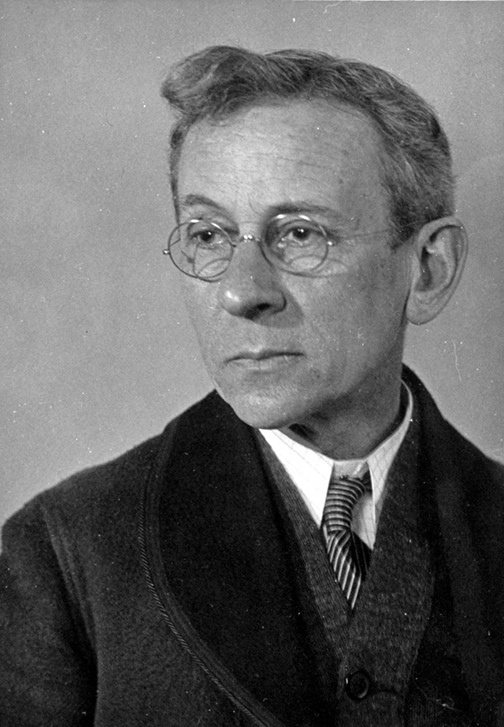
Lewis Wickes Hine (September 26, 1874 – November 3, 1940) was an American sociologist and muckraker photographer. His photographs taken during times such as the Progressive Era and the Great Depression captured young children working in harsh conditions, playing a role in bringing about the passage of the first child labor laws in the United States.[1]

Key Information

Early life

[edit]

Hine was born in Oshkosh, Wisconsin, on September 26, 1874. Following the accidental death of his father, the teenaged Hine was forced to undertake a number of jobs to support his widowed mother and sisters. Aspiring to become an educator like his mother, Hine managed to save a portion of his earnings as the family breadwinner to pay for schooling at the University of Chicago, where he enrolled in 1900. While a student in Chicago, Hine met Frank Manny, a professor of education at the Normal School who was named superintendent of the Ethical Culture School in New York City in 1901. At Manny's invitation, Hine accepted a position as an assistant teacher and relocated to New York. There, he encouraged his students to use photography as an educational medium.[2] Hine also studied sociology at Columbia University and New York University.

Brooklyn Museum – Climbing into the Promised Land Ellis Island

Hine led his sociology classes to Ellis Island in New York Harbor, photographing the thousands of immigrants who arrived each day. Between 1904 and 1909, Hine took over 200 plates (photographs) and came to the realization that documentary photography could be employed as a tool for social change and reform.[1]

Documentary photography

[edit]

In 1907, Hine became the staff photographer of the Russell Sage Foundation; he photographed life in the steel-making districts and people of Pittsburgh, Pennsylvania, for the influential sociological study called The Pittsburgh Survey.

Child laborers in glasswork. Indiana, 1908
Little Lottie, a regular oyster shucker in Alabama Canning Co. (Bayou La Batre, Alabama, 1911)

In 1908, Hine left his teaching position to become the photographer for the National Child Labor Committee (NCLC). Over the next decade, Hine documented child labor, with a focus on the use of child labor in the Carolina Piedmont,[3] to aid the NCLC's lobbying efforts to end the practice.[4] In 1913, he documented child laborers among cotton mill workers with a series of Francis Galton's composite portraits.

Hine's work for the NCLC was often dangerous. As a photographer, he was frequently threatened with violence or even death by factory police and foremen. At the time, the immorality of child labor was meant to be hidden from the public. Photography was not only prohibited but also posed a serious threat to the industry.[5] To gain entry to the mills, mines and factories, Hine was forced to assume many guises. At times he was a fire inspector, postcard vendor, bible salesman, or even an industrial photographer making a record of factory machinery.[6]

Soldier Thrown in Air, 1917, National Gallery of Art

During and after World War I, he photographed American Red Cross relief work in Europe. In the 1920s and early 1930s, Hine made a series of "work portraits", which emphasized the human contribution to modern industry. In 1930, Hine was commissioned to document the construction of the Empire State Building. He photographed the workers in precarious positions while they secured the steel framework of the structure, taking many of the same risks that the workers endured. To obtain the best vantage points, Hine was swung out in a specially designed basket 1,000 ft above Fifth Avenue.[7] At times, he remembered, he hung above the city with nothing below but "a sheer drop of nearly a quarter-mile."[8]

"Power house mechanic working on steam pump" (1920)

During the Great Depression, Hine, once again, worked for the Red Cross, photographing drought relief in the American South, and for the Tennessee Valley Authority (TVA), documenting life in the mountains of eastern Tennessee.

Later life

[edit]

In 1936, Hine was selected as chief photographer for the Works Progress Administration's National Research Project, which studied changes in industry and their effect on employment, but his work there was not completed. He was also a faculty member of the Ethical Culture Fieldston School.

The last years of his life were filled with professional struggles by loss of government and corporate patronage. Hine hoped to join the Farm Security Administration photography project, but despite writing repeatedly to Roy Stryker, Stryker always refused.[9] Few people were interested in his work, past or present, and Hine lost his house and applied for welfare. He died on November 3, 1940, at Dobbs Ferry Hospital in Dobbs Ferry, New York, after an operation. He was 66 years old.[10]

Legacy

[edit]

Hine's photographs supported the NCLC's lobbying to end child labor, and in 1912 the Children's Bureau was created. The Fair Labor Standards Act of 1938 eventually brought child labor in the US to an end.[5]

After Hine's death, his son Corydon donated his prints and negatives to the Photo League, which was dismantled in 1951. The Museum of Modern Art was offered his pictures and did not accept them, but the George Eastman Museum did.[11]

In 1984, PBS produced a one-hour documentary, America and Lewis Hine, about Hine's life and work. The film was directed by Nina Rosenblum, written by Dan Allentuck and narrated by Jason Robards, Maureen Stapleton, and John Crowley.[12]

In 2006, author Elizabeth Winthrop Alsop's historical fiction middle-grade novel Counting on Grace was published by Wendy Lamb Books. The latter chapters center on 12-year-old Grace and her life-changing encounter with Hine, during his 1910 visit to a Vermont cotton mill known to have many child laborers. On the cover is the iconic photo of Grace's real-life counterpart, Addie Card[13] (1897–1993), taken during Hine's undercover visit to the Pownal Cotton Mill.

In 2016, Time published altered (colorized) versions of several of Hine's original photographs of child labor in the US.[14]

Collections

[edit]

Hine's work is held in the following public collections:

Notable photographs

[edit]
  • Young Doffers in the Elk Cotton Mills (1910)[19]
  • Newsies at Skeeter's Branch (1910)
  • Steam Fitter (1920)
[edit]

See also

[edit]
  • House Calls (2006 film), a documentary about physician and photographer Mark Nowaczynski, who was inspired by Hine to photograph elderly patients.[20]

References

[edit]

Further reading

[edit]
[edit]
Revisions and contributorsEdit on WikipediaRead on Wikipedia
from Grokipedia
Lewis Wickes Hine (September 26, 1874 – November 3, 1940) was an American sociologist and whose documentary images chronicled child labor abuses and industrial working conditions in the early 20th-century . Hine initially gained prominence for his undercover on behalf of the , capturing over 5,000 images of children toiling in factories, mines, and fields under hazardous circumstances, often disguising himself to evade factory owners' restrictions. These stark depictions of exploitation, including young workers operating dangerous machinery or shucking oysters for minimal wages, galvanized public outrage and contributed to legislative reforms such as state-level restrictions and the federal Keating-Owen Child Labor Act of 1916. Beyond child labor, Hine's oeuvre encompassed poignant portraits of immigrants arriving at and later, in , elevated views of construction workers erecting the , emphasizing human endeavor amid structural grandeur. His methodical approach—combining sociological insight with photographic realism—elevated as a tool for social advocacy, influencing subsequent reformers despite Hine's personal financial struggles and the medium's nascent status.

Early Life and Education

Childhood in Oshkosh

Lewis Wickes Hine was born on September 26, 1874, in , a bustling mill town in the late 19th century known for its sawmills and industries. His parents, Douglas Hull Hine, a Civil War veteran, and Sarah Hayes Hine, operated a modest coffee shop and on , reflecting the working-class socioeconomic context of the family. In 1892, when Hine was 18 years old, his father died in an accident, compelling him to assume financial responsibilities for the household and delay further formal education. To support his mother and family, he took on various manual jobs, including factory labor, janitorial work, and clerical positions in local businesses. These roles provided early exposure to Oshkosh's industrial environments, such as processing and operations that dominated the local economy. Hine's mother, Sarah Hayes Hine, who had worked as a teacher, played a central role in maintaining family stability after the loss, instilling a of responsibility amid the challenges of working-class life in a . He received his initial through local Oshkosh schools, where the emphasized basic literacy and practical skills suited to the region's economic demands. This formative period in a centered on timber production and labor-intensive trades shaped his understanding of everyday economic struggles.

Teaching Career and Sociological Training

In the late 1890s, following his early teaching experiences in , Lewis Hine relocated to around 1900 to pursue advanced teacher training and sociological studies at the , where he engaged with emerging ideas in social sciences amid the city's rapid industrialization and immigrant influx. This period exposed him to academic frameworks analyzing urban poverty and labor conditions, fostering an analytical approach to societal issues grounded in empirical observation. By 1901, Hine moved to upon invitation from Amos E. Manny, superintendent of the Ethical Culture School—a progressive institution established by Felix Adler in 1878 to offer tuition-free education emphasizing moral and civic development to children from immigrant and working-class families. There, Hine served as an elementary science and later instructed in and nature studies, interacting daily with a student body reflecting New York's diverse ethnic composition, including recent arrivals from whose personal stories revealed the hardships of life and parental employment in low-wage industries. These classroom encounters sharpened his recognition of systemic social ills, such as inadequate housing and limited opportunities for the underprivileged, without yet involving photographic documentation. Hine's tenure at the Ethical Culture School coincided with his completion of sociological training, including coursework at where he pursued a degree in the field, immersing himself in philosophies that prioritized and ethical reform over rote instruction. This academic environment, influenced by Adler's ethical humanism—which advocated for through —reinforced Hine's commitment to evidence-based critique of industrial-era inequities, viewing teaching as a platform for cultivating awareness of causal links between economic structures and human welfare. His observations of students' backgrounds thus transitioned his focus from general to sociological , emphasizing data-driven insights into class disparities prior to any shift toward visual advocacy.

Initiation into Documentary Photography

Ethical Culture School Projects

In 1901, Lewis Hine joined the faculty of the Ethical Culture School in , teaching subjects including , nature studies, and to a student body largely composed of children from immigrant and working-class families. By 1904, at the urging of school principal Frank Manny, Hine adopted as a pedagogical instrument, establishing what is regarded as the first formal program in an American school to augment lessons on social environments. This initiative involved Hine capturing images of students in classroom settings, recreational activities, and personal vignettes, with an emphasis on close-up portraits and group compositions that portrayed subjects at eye level to convey individuality and resilience. These school-based projects integrated visual documentation into the to facilitate student analysis of urban immigrant experiences and socioeconomic realities, fostering empirical without pursuing reformist objectives. Hine's approach prioritized empathetic framing to highlight the inherent of his young subjects amid material hardships, laying an early foundation for photography's role in ethical at the institution.

Ellis Island Immigrant Documentation

In 1905, Lewis Hine, then a teacher at New York's Ethical Culture School, initiated fieldwork at by accompanying his students to document arriving immigrants through . This effort produced approximately 200 images between 1905 and 1909, capturing the arrivals' physical and emotional states amid the processing. Hine's portraits emphasized the human elements of migration, portraying families and individuals from predominantly European origins, including , , and , in moments of disorientation, anticipation, and familial solidarity. The photographs depicted the rigors of Ellis Island's procedures, such as baggage searches and tagging for onward rail travel, highlighting immigrants' fatigue from transatlantic voyages and their tentative hope upon reaching the United States. Hine focused on close-up portraits that conveyed ethnic diversity and personal narratives, such as an Italian family inquiring about lost luggage or a Russian group embodying the "Madonna" archetype of maternal resilience. While not explicitly centering medical inspections, his images implicitly reflected the station's health protocols, where arrivals faced examinations for communicable diseases before entry approval. Hine's sociological training shaped his approach, framing as a dynamic social process integral to American society rather than mere administrative routine. This perspective, drawn from principles at the Ethical Culture School, positioned the Ellis Island series as an early exploration of patterns, predating his later engagements with labor organizations. By humanizing diverse newcomers through empathetic documentation, Hine underscored the transformative potential of in revealing societal influxes and cultural integrations. Hine revisited in 1926, post-immigration quotas, to photograph altered conditions, but the initial series established his method of using visuals to illuminate social phenomena.

Core Documentary Efforts on Labor Conditions

National Child Labor Committee Work (1908–1916)

In 1908, the (NCLC) hired Lewis Hine as its investigative photographer to document child labor conditions across the . Hine conducted undercover fieldwork in factories, mines, and agricultural fields, often disguising himself as a Bible salesman, postcard vendor, or industrial photographer to evade restrictions imposed by factory owners and gain access to work sites. His efforts focused on capturing empirical evidence of young workers' exploitation, including hazardous environments and extended shifts, while facing frequent ejection or pursuit by authorities. During this period, Hine targeted key industries, such as glassworks in in August 1908, where he photographed night-shift children as young as ten operating machinery until midnight or later. In the American South, from 1908 onward, he exposed conditions in mills, documenting underage spinners and doffers in facilities like those in Lancaster and , who worked twelve-hour days amid dangerous equipment. These investigations highlighted evasion tactics, including photographing during breaks outside gates when indoor access was denied. Hine's NCLC work yielded over 5,000 photographs, each accompanied by detailed captions recording subjects' ages, wages, working hours, tasks, and sometimes addresses, providing verifiable data on labor practices. For instance, captions noted children earning as little as 50 cents daily for multi-year tenures in mills or shucking oysters for 3:30 a.m. to 5:30 p.m. shifts. This systematic emphasized factual conditions over embellishment, forming a core evidentiary output of his 1908–1916 tenure.

Coverage of Factories, Mills, and Urban Poverty

During the , Lewis Hine captured images of adult laborers enduring perilous conditions in sweatshops, canneries, and mills, highlighting the physical toll of unchecked industrial expansion. His photographs depicted workers operating unguarded machinery amid dust-filled air and extreme temperatures, environments that contributed to widespread . Contemporaneous U.S. data revealed injury rates often surpassing 50 incidents per million labor-hours by 1915, with machinery entanglement and falls accounting for a significant portion of cases. Hine's work extended to urban poverty, documenting overcrowded tenements in New York City where Italian and Eastern European Jewish immigrant families resided amid squalor. These images portrayed multi-generational households crammed into dim, unsanitary rooms, underscoring the linkage between factory wages insufficient for decent housing and the perpetuation of slum conditions. Long shifts exceeding 12 hours daily, common in mills and factories, exacerbated exhaustion and accident proneness, as evidenced by reports of over 700,000 nonfatal injuries in U.S. manufacturing alone in 1914. Shifting toward broader working-class depictions, Hine photographed street trades including hawking papers late into the night, integrating these vignettes with scenes to convey the interconnected hardships of urban proletarian life. By , this approach emphasized holistic portrayals of laborers, from power plant mechanics repairing steam pumps under strain to immigrant operators, revealing systemic exploitation beyond isolated child cases. Such documentation illuminated causal chains from influxes to tenancies and hazardous employment, without reliance on reformist narratives alone.

Photographic Methods and Ethical Practices

Technical Approaches and Equipment

Hine relied on large-format cameras to produce detailed, high-resolution images suitable for purposes and potential enlargement. In the early phase of his fieldwork, commencing around , he used a 5x7 fitted with a rapid , exposing glass plates to capture scenes with sharp focus and depth. By approximately 1920, he adopted a more portable 4x5 Graflex , often adapted with 5- or 8-inch lenses, which allowed for quicker composition and focusing in dynamic environments while retaining the advantages of sheet film or plates. To address the dim lighting in industrial interiors, Hine employed wide-angle lenses combined with wide-open apertures to gather maximum available light, permitting faster shutter speeds that reduced image blur from subject or camera movement. He typically mounted his camera on a tripod for stability during exposures, especially indoors where conditions often afforded only a single attempt per setup due to the era's slow emulsions and low ambient illumination. Natural light was prioritized for its unaltered quality, supplemented by magnesium flash powder in low- or no-light scenarios such as nighttime factory operations. Hine's mobility in restricted settings was enhanced by practical adaptations, including disguises to bypass and gain unobstructed access for tripod setup and plate exposure. Common ruses involved posing as a Bible salesman, postcard vendor, fire inspector, or insurance agent, enabling him to carry and deploy his equipment without immediate detection. He complemented these approaches with on-site note-taking in a stenographer's notebook, recording specifics like worker ages, shifts, and environmental details to inform precise image captions post-processing.

Authenticity Debates and Responses to Staging Accusations

Critics associated with industrial interests in the challenged the authenticity of Hine's child labor photographs, alleging that he selectively chose sympathetic subjects and occasionally directed poses or interactions to amplify emotional appeals and bolster ist narratives. These accusations arose amid broader defenses of conditions, where manufacturers contended that Hine's images misrepresented typical operations by focusing on extreme cases rather than average practices. One documented instance involved William McCue, who in the early sued the NCLC after a depicted him inaccurately as a wayward in a , resulting in a $3,500 judgment against the committee for . Hine countered such claims by asserting that his core fieldwork prioritized unposed captures, achieved through disguises like posing as a salesman or industrial photographer to evade detection and record natural conditions without interference. He insisted on verbatim captions derived from direct, pretextual interviews with subjects, scribbled covertly to preserve accuracy, and maintained that any minimal arrangements—such as repositioning for visibility or safety—did not alter underlying realities. In defending his methods, Hine emphasized empirical fidelity over artistic contrivance, arguing that the photographs served as unaltered of causal harms in labor environments. Verification of specific images has substantiated these rebuttals; for example, the 1910 portrait of Addie Card, a spinner at North Pownal Cotton Mill in , includes a caption detailing her age (12, though mill girls claimed 10), start of work at eight, family dependency after her father's death, and daily wage of 50 cents—details corroborated by later genealogical records confirming her identity (born 1897, died 1993) and employment history. Such cases demonstrate alignment between Hine's documentation and independent records, countering manipulation charges. Analyses of Hine's oeuvre indicate limited proven staging relative to peers like Jacob Riis, whose works often involved more explicit arrangements; frontal gazes in Hine's images, while suggestive of subject awareness, frequently reflect candid encounters in constrained settings rather than directed performance. Later posed elements, such as cooperative employer portraits in the 1920s or illustrative NCLC posters, were acknowledged as such but distinct from his primary investigative series, preserving the evidentiary value of unaltered field exposures in revealing systemic conditions.

Later Professional Engagements

World War I Red Cross Assignments

During , Lewis Hine shifted from domestic labor documentation to international humanitarian photography, accepting a commission from the in 1918 to record relief operations in . Traveling primarily through from mid-1918 onward, he captured the organization's aid to war refugees, orphaned children, and wounded soldiers amid widespread devastation. His work extended into early 1919, producing over 1,100 images that highlighted the human toll of the conflict and the necessity of American assistance, including scenes of children receiving meals and education in Red Cross-supported facilities. Hine's European assignments focused on and , where he documented the dire living conditions of civilians displaced by the war, emphasizing Red Cross efforts to provide shelter, food, and rehabilitation for Belgian orphans and French refugee families. One notable series depicted destitute children at grace before luncheons in outdoor Red Cross homes, underscoring the scale of orphan care for thousands rendered homeless by the fighting. These photographs, taken under austere wartime logistics, conveyed both the raw of his earlier style and a promotional intent to rally U.S. support for ongoing relief, differing from his pre-war critiques of industrial exploitation by prioritizing immediate human suffering over systemic reform. The fieldwork demanded rapid documentation in unstable environments, with Hine navigating camps and front-line stations from June 1918 to April 1919, often under military oversight that shaped output toward morale-boosting narratives. While his images retained a documentary authenticity rooted in direct observation, they aligned with Red Cross objectives to illustrate efficacy, such as distributing supplies to orphans and aiding reconstruction in ravaged Belgian and French communities. This phase marked a pragmatic pivot, leveraging his expertise for wartime infused with genuine compassion, though constrained by the era's informational controls on graphic war imagery.

1920s–1930s Infrastructure and WPA Projects

In the late and early , Lewis Hine transitioned from critiquing exploitative labor conditions to producing "work portraits" that celebrated the skilled contributions of workers to industrial and infrastructural advancements. This shift aligned with his evolving interpretive , emphasizing human ingenuity in modern projects amid economic challenges. Hine's images from this period, often commissioned by private entities and later bodies, depicted laborers not as victims but as masterful artisans conquering vast scales of construction. Hine served as the official photographer for the Building's construction from spring 1930 to its completion in 1931, capturing workers in daring positions such as riveting steel beams at elevations exceeding 1,000 feet. Using large-format cameras hauled to precarious heights, he documented tasks like , positioning girders, and erecting the mast, producing dozens of images that highlighted the precision and bravery required in assembly. These photographs, including views of "" figures suspended high above , portrayed the project—completed in just 410 days despite the onset of the —as a testament to American resilience and technical prowess. From 1936 to 1937, Hine was commissioned by the Works Progress Administration's National Research Project to document industrial modernization, resulting in over 700 photographs of factories, power plants, and processes across the Northeast. Focusing on operations like steam pump maintenance in powerhouses and assembly in mechanized facilities, his work illustrated labor's to technological shifts, such as automated machinery that enhanced productivity. Unlike his earlier exposés, these images adopted a promotional tone, funded by agencies to showcase infrastructural progress and job creation during the Depression, thereby contrasting reformist advocacy with affirmative narratives of national renewal.

Personal Challenges and Demise

Family Dynamics and Financial Hardships

Lewis Hine married Sara Ann Rich in , establishing a unit that would accompany his extensive travel for photographic assignments in the ensuing years. The demands of his fieldwork often necessitated relocations, contributing to a nomadic existence that strained domestic stability amid the uncertainties of early 20th-century reform activism. By the late , Hine's commissions dwindled amid shifting market priorities away from social documentary work, forcing reliance on sporadic odd jobs and efforts to market his prints personally. His wife played a role in these attempts to generate income through photograph sales, though such endeavors yielded minimal returns during an era when freelance photographers' weekly earnings averaged under $30, exacerbated by the Great Depression's contraction of opportunities. These financial pressures intensified family tensions, as Hine's unwavering focus on unprofitable reform-oriented projects clashed with the need for steady provision, culminating in the loss of their home in January 1940 due to defaulted repayments on a mortgage. Hine died in on November 3, 1940, his archive unsold and personal circumstances reflective of the broader precarity faced by non-commercial photographers whose incomes rarely exceeded subsistence levels in .

Death and Posthumous Handling of Archive

Hine died on November 3, 1940, at Dobbs Ferry Hospital in , following an operation; he was 66 years old. In his final years, he had encountered severe financial distress, including the loss of his home in Hastings-on-Hudson and reliance on welfare, reflecting a stark contrast to the enduring policy influence of his earlier . After his death in relative obscurity, Hine's extensive archive of negatives and prints—estimated at thousands of items documenting child labor, industrial workers, and infrastructure projects—received limited immediate attention, mirroring the undervaluation of his oeuvre during his lifetime. Associates and family preserved portions amid his poverty, with no substantial estate value realized to secure his dependents or legacy at the time. By the mid-1950s, a major collection comprising approximately 4,000 negatives and over 6,000 prints was transferred to the George Eastman House (now George Eastman Museum) in Rochester, New York, through custodial efforts that effectively amounted to archival donation rather than commercial transaction, given the era's lack of market recognition for his materials. This handling highlighted the unrecognized monetary potential of his holdings, which later fueled rediscovery and institutional elevation, though initial dispersal risked fragmentation without broader valuation.

Societal and Policy Influences

Contributions to Child Labor Legislation

Lewis Hine was hired by the (NCLC) in 1908 to serve as its investigative photographer, documenting the working conditions of children across the in factories, mills, mines, and other industries. His photographs, often taken covertly to evade factory restrictions, captured the physical toll on young workers and were distributed through NCLC pamphlets, exhibitions, and reports to build public support for reform. These images provided visual evidence that complemented the advocacy of NCLC founders like Felix Adler, who emphasized empirical documentation to influence policymakers. Hine's work played a key role in galvanizing support for federal intervention, contributing to the passage of the Keating-Owen Child Labor Act on September 1, 1916, which prohibited the interstate sale of goods produced by children under age 14 (or under 16 in mining and quarrying). The NCLC utilized Hine's photographs in promotional materials, such as posters urging support for , and in traveling exhibitions that reached urban audiences and legislators. Although the struck down the act in 1918 on grounds that it exceeded congressional commerce powers, Hine's documentation had already spurred numerous state-level child labor restrictions between 1908 and 1916, including minimum age and hour limits in over a dozen states influenced by NCLC campaigns. The momentum from Hine's earlier efforts persisted into the 1930s, aiding the broader reform movement that culminated in the Fair Labor Standards Act (FLSA) signed on June 25, 1938, which established federal minimum ages for hazardous occupations (18 years) and non-hazardous work (16 years), alongside limits on hours for younger workers. NCLC archives, enriched by over 5,000 of Hine's images, were referenced in congressional hearings and reports leading to the FLSA, reinforcing arguments for uniform national standards after earlier federal attempts failed. This legislative progress coincided with a decline in child labor, from approximately 1.75 million children ages 10-15 employed in 1900 to fewer than 1 million by 1930, as state laws and economic shifts reduced participation rates from 18% to around 5%.

Empirical Assessments of Reform Efficacy and Counterarguments

Historical analyses of U.S. child labor trends indicate that employment rates for children aged 10-15 fell from approximately 18% in 1890 to under 5% by 1930, coinciding with the enactment of state and federal restrictions, but multiple studies attribute the primary decline to preceding economic shifts rather than regulatory causation alone. Rising adult wages during industrialization increased the of child labor, enabling families to forgo supplemental child earnings, while expanding public schooling options drew children away from work independently of mandates. Compulsory attendance laws often followed rather than preceded these reductions, suggesting market-driven factors like technological advancements in and reduced demand for unskilled child workers. Economic critiques of child labor prohibitions highlight potential costs to low-income households, arguing that bans disrupted income streams without addressing underlying , thereby risking greater deprivation or shifts to unregulated, hazardous informal work. Contemporary opponents, including manufacturers' associations in the early , contended that child contributions were vital for immigrant and rural poor families' survival, warning that restrictions could exacerbate and indigence absent wage subsidies or alleviation. Empirical models from , applicable to historical U.S. contexts, demonstrate that abrupt labor bans can lower household welfare in credit-constrained settings by eliminating mechanisms for income shocks, though long-term gains in may offset this if enforcement aligns with schooling access. Limited historical data on post-regulation shows no widespread spikes attributable to child labor laws, but localized disruptions in labor-intensive industries like textiles were reported anecdotally. Causal assessments underscore that while , including Lewis Hine's images, heightened public awareness and legislative momentum, overattribution to visual advocacy ignores independent drivers: U.S. child labor participation had begun declining by the late amid and skill-biased , with reforms accelerating but not originating the trend. Balanced econometric analyses, such as those examining state-level variations, find that reforms had marginal effects on once controlling for wage growth and enrollment rates, implying that industrialization's productivity gains—elevating family standards and educational returns—were the dominant reducers of child work. Counterarguments from free-market perspectives emphasize that coercive interventions risk like black-market labor or delayed escape, privileging voluntary economic transitions over sentiment-driven policy.

Enduring Recognition

Archival Collections and Institutional Holdings

The houses the core of Hine's (NCLC) output in its dedicated collection, comprising approximately 5,100 photographic prints mounted in 21 albums and 355 glass negatives, acquired in alongside NCLC records. These materials, produced mainly from 1908 to 1924, include Hine's handwritten captions on index cards that detail subject ages, work environments, locations, and dates, enabling precise verification of depicted conditions. The Prints and Photographs Division has digitized all 5,127 prints using overhead scanning to preserve originals while mitigating handling risks from fragile album mounts and early 20th-century paper stock. The preserves Hine's personal archive, including over 7,000 photographs and nearly 4,000 negatives deposited after his 1940 death, encompassing non-NCLC works such as immigrants, efforts, and infrastructure projects. These holdings, stored in climate-controlled facilities, address deterioration issues like emulsion cracking on glass negatives through ongoing conservation, distinct from the NCLC-focused LOC materials. Additional repositories include the , which holds select prints like field workers from (1911), and the (ICP), maintaining documentary images from Hine's child labor and phases for research access. The (UMBC) safeguards original negatives via NEH-funded conservation, focusing on physical stabilization against and . These distributed holdings facilitate cross-institutional cataloging, though challenges persist in reconciling variant prints, lost captions, and post-mortem dispersals from Hine's financial distress.

Influence on Subsequent Photographers and Documentary Traditions

Lewis Hine's emphasis on photographic documentation as a means of exposing social conditions directly inspired subsequent photographers like Walker Evans and Dorothea Lange, who adopted his approach to factual social photography during the Great Depression. Evans, in particular, drew from Hine's portraiture techniques to create unadorned images of American life, prioritizing evidentiary detail over aesthetic flourish to highlight economic hardships. Hine's integration of photographs into narrative essays for advocacy purposes established the photo-essay as a key tool for social reform, a format Lange later employed to document migrant workers and rural poverty, using images to build public support for policy interventions. Hine's methodological rigor influenced the Farm Security Administration (FSA) photographic project from 1935 to 1942, where photographers systematically recorded Depression-era conditions to inform programs. His model of embedding photography within sociological investigation provided a template for FSA teams, who produced over 250,000 images emphasizing unmanipulated depictions of rural distress and labor exploitation to justify federal aid, much as Hine's earlier work had substantiated child labor abuses. This ethical commitment to unaltered evidence marked a shift in documentary practices, countering staged or sensationalized imagery prevalent in some prior and fostering a tradition grounded in verifiable causal links between observed conditions and proposed reforms. While some modern realist photographers have critiqued Hine's images for perceived that risks emotional manipulation over strict objectivity, such assessments often overlook his deliberate intent to pair empathetic with precise factual reporting to drive legislative change. Hine's enduring legacy lies in prioritizing causal evidence—documenting exploitative environments and their human toll to compel policy responses—over narrative bias, influencing a lineage of photographers who value empirical substantiation in advocating for structural reforms. This approach persists in contemporary traditions that scrutinize institutional failures through data-driven visuals rather than stylized .

References

Add your contribution
Related Hubs
User Avatar
No comments yet.