Hubbry Logo
Fireplace mantelFireplace mantelMain
Open search
Fireplace mantel
Community hub
Fireplace mantel
logo
8 pages, 0 posts
0 subscribers
Be the first to start a discussion here.
Fireplace mantel
Fireplace mantel
from Wikipedia
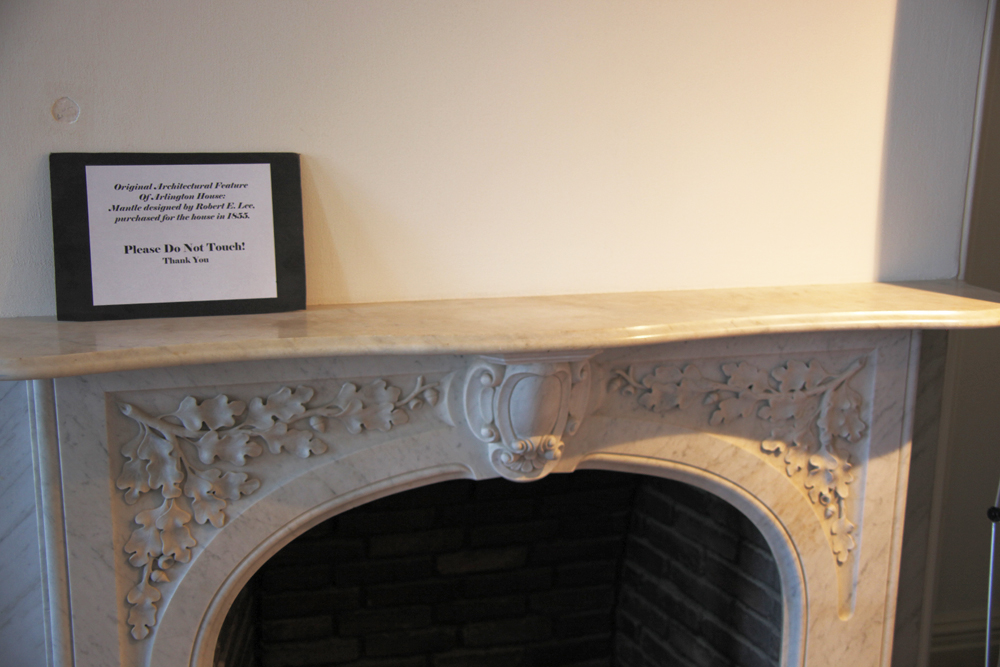
Fireplace mantel of a marble slab atop decorative stonework, at Arlington House
Parisian chimneypiece, circa 1775–1785, Carrara marble with gilt bronze, height: 111.4 cm (43+34 in), width: 169.5 cm (66+34 in), depth: 41.9 cm (16+12 in), Metropolitan Museum of Art (New York City)

The fireplace mantel or mantelpiece, also known as a chimneypiece, originated in medieval times as a hood that projected over a fire grate to catch the smoke. The term has evolved to include the decorative framework around the fireplace, and can include elaborate designs extending to the ceiling. Mantelpiece is now the general term for the jambs, mantel shelf, and external accessories of a fireplace. For many centuries, the chimneypiece was the most ornamental and most artistic feature of a room, but as fireplaces have become smaller, and modern methods of heating have been introduced, its artistic as well as its practical significance has lessened.[1]

Where the fireplace continues up the wall with an elaborate construction, as in historic grand buildings, this is known as an overmantel.[2] Mirrors and paintings designed to be hung above a mantel shelf may be called "mantel mirror", "mantel painting" and so on.

History

[edit]
Fireplace and overmantel at Boston Manor House

Up to the twelfth century, fires were simply made in the middle of a home by a hypocaust, or with braziers, or by fires on the hearth with smoke vented out through the lantern in the roof.[1] As time went on, the placement of fireplaces moved to the wall, incorporating chimneys to vent the smoke. This permitted the design of a very elaborate, rich, architectural focal point for a grand room.

At a later date, in consequence of the greater width of the fireplace, flat or segmental arches were thrown across and constructed with archivolt, sometimes joggled, with the thrust of the arch being resisted by bars of iron at the back.[1]

In domestic work of the fourteenth century, the chimneypiece was greatly increased in order to allow of the members of the family sitting on either side of the fire on the hearth, and in these cases great beams of timber were employed to carry the hood; in such cases the fireplace was so deeply recessed as to become externally an important architectural feature, as at Haddon Hall. The largest chimneypiece existing is in the great hall of the Palais des Comtes at Poitiers, which is nearly 30 feet (9.1 m) wide, having two intermediate supports to carry the hood; the stone flues are carried up between the tracery of an immense window above.[1]

The history of carved mantels is a fundamental element in the history of Western art. Every element of European sculpture can be seen on great mantels. Many of the historically noted sculptors of the past, i.e., Augustus St. Gaudens, designed and carved magnificent mantels, some of which can be found on display in the world's great museums. Exactly as the facade of a building is distinguished by its design, proportion, and detail so it is with fine mantels. The attention to carved detail is what defines a great mantel.

Today

[edit]
Modern wooden fireplace mantel in a suburban American home.

Up until the 20th century and the invention of mechanized contained heating systems, rooms were heated by an open or central fire. A modern fireplace usually serves as an element to enhance the grandeur of an interior space rather than as a heat source. Today, fireplaces of varying quality, materials and style are available worldwide. The fireplace mantels of today often incorporate the architecture of two or more periods or cultures.

Styles

[edit]
Neoclassical design of a chimneypiece with Ionic columns, and a frieze with cornice, from 1745 to 1796, pen and brown ink, brush and gray wash over graphite, in the Metropolitan Museum of Art (New York City)

In the early Renaissance style, the chimneypiece of the Palais de Justice at Bruges is a magnificent example; the upper portion, carved in oak, extends the whole width of the room, with nearly life-size statues of Charles V and others of the royal family of Spain. The most prolific modern designer of chimneypieces was G. B. Piranesi, who in 1765 published a large series, on which at a later date the Empire style in France was based. In France, the finest work of the early Renaissance period is to be found in the chimneypieces, which are of infinite variety of design.[1]

The English chimneypieces of the early seventeenth century, when the purer Italian style was introduced by Inigo Jones, were extremely simple in design, sometimes consisting only of the ordinary mantel piece, with classic architraves and shelf, the upper part of the chimney breast being paneled like the rest of the room. In the latter part of the century the classic architrave was abandoned in favor of a much bolder and more effective molding, as in the chimneypieces at Hampton Court, and the shelf was omitted.[1]

In the eighteenth century, the architects returned to the Inigo Jones classic type, but influenced by the French work of Louis XIV. and XV. Figure sculpture, generally represented by graceful figures on each side, which assisted to carry the shelf, was introduced, and the over-mantel developed into an elaborate frame for the family portrait over the chimneypiece. Towards the close of the eighteenth century the designs of the Adam Brothers superseded all others, and a century later they came again into fashion. The Adam mantels are in wood enriched with ornament, cast in molds, sometimes copied from the carved wood decoration of old times.[1]

Mantels or fireplace mantels can be the focus of custom interior decoration[3]. A mantel traditionally offers a unique opportunity for the architect/designer to create a personal statement unique to the room they are creating. Historically the mantel defines the architectural style of the interior decor, whether it be traditional i.e. Classic, Renaissance, Italian, French, American, Victorian, Gothic etc.

The choice of material for the mantel includes such rich materials as marble, limestone, granite, or fine woods. Certainly the most luxurious of materials is marble. In the past only the finest of rare colored and white marbles were used. Today many of those fine materials are no longer available, however many other beautiful materials can be found worldwide. The defining element of a great mantel is the design and workmanship.

A mantel offers a unique opportunity in its design for a sculptor/artisan to demonstrate their skill in carving each of the fine decorative elements. Elements such as capitals, moldings, brackets, figurines, animals, fruits and vegetation are commonly used to decorate a mantel. One might say that a mantel can be an encyclopedia of sculpture. More than the material, it is the quality of the carving that defines the quality of the mantel piece thus highlighting the magnificence of the room.

See also

[edit]

References

[edit]

Further reading

[edit]
[edit]
Revisions and contributorsEdit on WikipediaRead on Wikipedia
from Grokipedia
A fireplace mantel, also known as a mantelpiece or chimneypiece, is an architectural feature consisting of a protruding horizontal shelf above the opening, typically supported by vertical elements such as legs, columns, or pilasters, and often encompassing the broader decorative framework surrounding the firebox. This structure serves both functional and aesthetic purposes, originally designed to direct smoke upward into the while preventing it from spreading into the room, and later evolving into a focal point for ornamentation and display. The mantel originated in medieval Europe as a practical hood over open hearths and has evolved through various architectural periods into diverse styles and materials, continuing to enhance modern interiors while adhering to safety standards.

Definition and Components

Structure and Parts

A mantel serves as a decorative and structural framework that surrounds the firebox, typically comprising several interconnected elements that form the upper portion of the assembly. The primary components include the mantel shelf, which is the horizontal top surface protruding over the firebox and providing a ledge for placement of objects. The jambs, also known as legs, are the vertical side supports that frame the sides of the firebox opening and bear the weight of the shelf. Below the shelf lies the , a horizontal panel that spans between the jambs and often features decorative detailing, connecting the vertical and horizontal elements into a cohesive unit. An overmantel is an optional extension that rises above the shelf, adding height and further ornamentation to the overall structure. These parts interconnect to create stability and visual balance: the jambs anchor the base, supporting the which in turn upholds the mantel shelf, while the overmantel, if present, attaches directly atop the shelf for seamless integration. Design variations enhance the mantel's form, such as pilastered jambs where the vertical supports incorporate flattened column-like pilasters for added architectural detail. Another variation involves corbel-supported shelves, in which decorative brackets or corbels project from the jambs to brace the horizontal shelf, distributing weight and introducing sculptural elements. The mantel is distinct from the full surround, as it specifically refers to the protruding upper portion—including the shelf, jambs, , and overmantel—while the surround encompasses the broader framing around the entire firebox and .

Functions and Purposes

The mantel primarily serves to contain smoke rising from the fire, functioning as a projection that directs it toward the flue while preventing it from dispersing into the room. It also enhances heat radiation by warming both sides of the , distributing warmth more effectively into the living space. Additionally, the mantel's shelf provides a practical display surface for decorative items such as clocks, artwork, pictures, Christmas stockings, and other seasonal ornaments, adding utility to its form. Beyond these core roles, the mantel acts as an architectural focal point, drawing attention to the as the room's central feature and enhancing overall spatial harmony. It protects surrounding walls from direct heat exposure and accumulation, serving as a barrier that shields combustible surfaces and maintains cleaner interiors. The mantel integrates with the , often covering joints and lintels to provide structural continuity between the firebox and the wall assembly. In modern adaptations, particularly with electric or gas fireplace conversions, the mantel offers versatile space for mounting media devices like televisions or installing fixtures, transforming it into a multifunctional element for contemporary living areas. Elements such as the shelf and jambs contribute to these purposes by providing stable platforms and framing.

History

Origins and Early Development

In prehistoric and early medieval dwellings across , heating and cooking relied on central open hearths placed in the middle of large halls, where smoke escaped through roof vents or louvered openings to minimize accumulation indoors. These basic stone or packed-earth hearths, often surrounded by a low to contain embers, lacked any mantel structure, as the design prioritized communal gathering around the while allowing smoke to rise and exit centrally. Archaeological evidence from sites like the Viking-era settlement at (c. 870 CE) shows such setups in timber halls up to 53 cubic meters, requiring substantial fuel—around 50 kg of daily—to achieve modest temperatures of 15–17.5°C, though the smoky conditions remained a persistent challenge. The transition began in the with the introduction of wall-mounted fireplaces and chimneys, primarily in elite structures like castles, marking a functional from central hearths to more efficient, localized heating. This innovation, first evident in around the mid-12th century, allowed fires to be built against interior s with vertical flues channeling outward, reducing fire risks from sparks and enabling lower ceilings for better heat retention. Simple hood-like overmantels emerged concurrently as protruding stone or timber canopies to capture and direct rising more effectively, preventing it from filling the room; these were often supported by corbels and integrated into the . Early adopters included monastic and noble residences, such as the chimney in the of the Carolingian hall at Doué-la-Fontaine (c. 900 CE) and the more advanced setup in Conisbrough Keep, (c. 1185 CE). By the 13th and 14th centuries, these elements scaled up for communal use in , with mantels enlarging to accommodate family gatherings and basic display functions. A key example from this period is found in late 14th-century English halls, reflecting the shift toward enclosed, wall-based systems. Similarly, the great hall of the Palais des Comtes de in , rebuilt in the early 15th century under Duke Jean de Berry, incorporated monumental carved fireplaces with wide overmantels—spanning nearly 30 feet in one configuration—to serve large assemblies, underscoring the structural adaptations for smoke management in expansive medieval interiors.

Evolution in Architectural Periods

The evolution of the fireplace mantel during the period (15th–16th centuries) was profoundly shaped by Italian architectural principles, which emphasized classical proportions, intricate detailing, and the integration of sculpture into functional elements. Italian designers favored carved wood, particularly , for mantels that projected outward, often supported by caryatids or male figures to evoke antiquity, as seen in early 16th-century stone chimney-pieces at the Museum. These designs transitioned from medieval hoods to more refined structures, incorporating grotesques and temple-like motifs in materials like green and white marble, as exemplified by a mantel near . A notable Northern European adaptation appears in the 1529 chimneypiece at the Palais de Justice , carved in with elaborate jambs featuring statues and bold, complicated ornamentation that blended local Gothic remnants with elegance. In the 17th and 18th centuries, mantel designs underwent a transition from restrained Palladian simplicity to ornate neoclassical forms, reflecting broader shifts toward classical revival in British architecture. Architect (1573–1652), influenced by Andrea Palladio's Italian treatises, introduced simple, symmetrical mantels in the early that prioritized clean lines and balanced proportions over excessive decoration, as evident in his adaptations of classical elements for English country houses. By the mid-18th century, the Adam brothers— (1728–1792) and James (1730–1794)—elevated this to neoclassical opulence, employing for carved surrounds that emphasized symmetry and integrated with room ensembles, viewing fireplaces as central to spatial harmony. Their designs, such as those at , featured delicate swags, urns, and pediments in statuary , drawing from ancient Roman motifs to create unified interiors. The 19th century saw mantel styles swing from Victorian extravagance to Arts and Crafts restraint, influenced by lingering 17th-century precedents like those of Christopher Wren (1632–1723). Victorian mantels (1837–1901) exemplified excess through heavy, elaborate carvings in wood or marble, often incorporating Gothic Revival or Rococo elements with deep reliefs, brackets, and overmantels laden with foliage, shells, and figural motifs to convey opulence in middle-class homes. Architects like Wren, whose 17th-century chimney-pieces at Hampton Court Palace featured broad, architectural frames with classical entablatures, indirectly shaped this era's revivalist tendencies by providing templates for symmetrical, monumental designs. In reaction, the late-19th-century Arts and Crafts movement, led by figures like William Morris, advocated simplification with natural motifs—such as stylized leaves and vines—in handcrafted oak or stone, rejecting machine-made ornateness for honest, rustic forms that harmonized with organic interiors.

Innovations and Modern Adaptations

In the late , significant advancements in fireplace design emerged with the work of , known as Count Rumford, who revolutionized efficiency by introducing shallow fireboxes and angled covings. These features maximized radiant reflection into the room while minimizing smoke and turbulence through a streamlined , addressing longstanding issues of heat loss and poor draft in traditional open hearths. Rumford's innovations, detailed in his 1796 essay on chimney fireplaces, influenced architectural practices across and America, promoting more effective home heating without requiring entirely new structures. The marked a pivotal shift toward sources, with gas and electric fireplaces gaining prominence as conversions from wood-burning models became widespread, offering cleaner operation and easier installation in urban homes. By the , the first electric fires appeared, evolving into popular flame-effect models by the 1950s and 1980s, while gas options provided higher heat output (20,000-40,000 BTUs per hour compared to electric's 3,000-10,000 BTUs). This era also saw architectural influences like those of , who simplified mantels using rustic stone and wood to integrate fireplaces harmoniously with natural surroundings in Prairie-style homes, such as the sunburst-patterned hearths in his 1904 Martin House. further democratized access, particularly through , which allowed for affordable replication of geometric and clean-lined designs during the and Modernist movements of the early 1900s. Entering the 21st century, fireplace mantels have adapted to contemporary lifestyles through integration with smart home technology, enabling app-based or voice-activated controls for flame adjustment, ignition, and energy monitoring via platforms like Wi-Fi and Bluetooth. Sustainable materials, such as reclaimed wood, recycled concrete, and bioethanol fuels derived from plant sources, have become standard in eco-conscious designs, reducing environmental impact while maintaining aesthetic appeal. Minimalist mantels, often floating or frameless, emphasize non-heating focal points in modern interiors, using slim steel, concrete, or stone surrounds to serve as decorative elements in electric or ventless systems without traditional chimneys. These adaptations prioritize versatility, allowing mantels to function as media walls or art displays in energy-efficient, low-maintenance setups.

Design Styles

Traditional Styles

Traditional fireplace mantels draw from historical architectural periods, emphasizing ornate and robust designs that served both functional and decorative purposes in grand homes and halls. These styles often incorporated symbolic elements and craftsmanship reflective of their era's social and cultural values, providing enduring inspiration for restorations and new builds. The Tudor and Elizabethan styles feature heavy timber beams as a defining element, typically exposed in the great halls of timber-framed manor houses where they formed the structural over the fire opening. These beams were often left visible to showcase the building's framework, contributing to the rustic yet imposing character of the interior. Carved motifs, including heraldic shields and vines, adorned spandrels and overmantels, with work sometimes displaying royal arms to denote loyalty and status. For instance, at Hardwick Old Hall, a massive overmantel from around 1587 incorporates Renaissance-inspired details alongside traditional Tudor arches. In contrast, Georgian and Neoclassical mantels prioritize symmetry and classical restraint, often crafted from to evoke and Roman influences adapted by architects like . Designs typically include fluted pilasters flanking the fire opening, supporting a corniced shelf or that maintains balanced proportions across the facade. Low-relief carvings, such as reeded details or inlaid colored panels, add subtle elegance without overwhelming the room's harmony. The , in particular, exemplifies this through light, graceful forms like those in the Cumberland mantel, where Ionic capitals and restrained ornamentation create a refined focal point. Victorian mantels embrace exuberant ornamentation, frequently using dark woods like or for their rich and carvability, which allowed for intricate detailing in middle-class and upper-class homes. These pieces often incorporate supporting brackets with scrolling forms, overmantels topped by large mirrors to amplify , and floral carvings evoking motifs in high relief. Such elements, as seen in the angled parlor mantel at Bembridge House with its two-tiered columns and wide mirror, transformed the into a dramatic social centerpiece. inserts behind the woodwork further enhanced functionality while harmonizing with the era's eclectic tastes.

Contemporary Styles

Contemporary fireplace mantels prioritize simplicity, clean lines, and seamless integration with modern interiors, often eschewing ornate details in favor of functional aesthetics that enhance open-plan living spaces. These designs draw from mid-20th-century influences but adapt them for today's minimalist environments, using materials that blend warmth with sleek profiles to serve as subtle focal points rather than dominant features. Mid-century modern mantels embody this ethos through their emphasis on clean, unadorned lines and floating shelf configurations, often crafted from or metal to evoke a sense of mid-20th-century functionality and balance. For instance, sleek metal surrounds paired with white oak benches create a streamlined look that promotes visual flow in living areas, highlighting the style's focus on without unnecessary ornamentation. This approach allows the mantel to integrate effortlessly with surrounding furniture, using angular forms and natural wood grains to add subtle texture while maintaining a pared-back profile. Industrial-style mantels take simplicity to a raw edge, incorporating exposed surrounds or untreated elements with minimalist shelving to convey an urban, factory-inspired vibe suited to loft-like contemporary homes. Blackened hot-rolled panels, often accented by countersunk hardware, provide a bold yet understated contrast against neutral walls, emphasizing durability and exposed textures over polish. or mantels further amplify this aesthetic, offering a sleek, metallic sheen that pairs well with or open-beam ceilings in modern industrial interiors. In and rustic contemporary interpretations, mantels feature reclaimed wood beams with natural, unfinished surfaces, scaled oversized to anchor expansive open spaces and infuse warmth into otherwise stark designs. Weathered barn wood or beams, sometimes whitewashed for subtlety, create a tactile contrast to sleek surroundings, promoting a cozy yet modern feel through their organic forms and visible grain. These elements often span wide widths to accommodate decorative displays, blending rustic charm with contemporary scale to suit vaulted or multi-use rooms.

Materials

Common Materials

Fireplace mantels are commonly constructed from , which offers a warm aesthetic and is relatively easy to carve into intricate designs. Varieties such as provide durability and a classic grain pattern, making them suitable for traditional styles where detailed moldings and paneling emphasize architectural elegance. , being lightweight and soft, allows for straightforward carving and is frequently used in rustic applications to achieve a natural, unrefined charm. , with its rich reddish tones and fine texture, lends a luxurious feel and has been employed in sophisticated traditional mantels since the period. Historically, mantels emerged in medieval as simple protective shelves above hearths, evolving into ornate features by the to showcase craftsmanship and warmth in domestic interiors. In modern contexts, these woods continue to dominate traditional and rustic designs for their inviting texture and versatility in staining or finishing. Stone materials, including and , are prized for their durability and inherent heat resistance, ensuring longevity in proximity to fire. , often polished to a smooth finish, conveys luxury through its veined patterns and has been a staple in classical mantels since the , where it was carved with motifs like allegorical figures to symbolize wealth in palazzos. offers a harder, more robust alternative with varied colors from gray to black, resisting wear while providing a solid, grounded appearance in both historical and contemporary settings. These stones were integral to early mantel evolution, transitioning from utilitarian medieval hearths to decorative frameworks by the as fireplaces integrated with chimneys. Today, they feature prominently in classical and modern luxury designs, enhancing focal points with timeless elegance and minimal maintenance needs. Other materials expand mantel options for diverse aesthetics and budgets. , molded from aggregates to imitate natural stone like or , provides an affordable yet durable alternative with low maintenance and weather resistance. Historically used in medieval cathedrals and villas for intricate fireplace details, it now serves modern restorations and new builds by replicating authentic textures without the weight or cost of quarried stone. Metal, particularly , is malleable and corrosion-resistant due to its low carbon content and inclusions, allowing into ornate shapes with high tensile strength. Its slightly rugged, industrial vibe suits contemporary and eclectic styles, often as accents in urban lofts for a bold, heat-tolerant contrast. , valued for its customizable forms and fireproof nature, delivers a sleek, minimalist profile in modern mantels, where it can be cast in varied textures and colors for seamless integration into . Precast variants offer lighter weight and faster production, ideal for urban residences seeking durable, low-maintenance innovation.

Selection Considerations

When selecting materials for a fireplace mantel, key practical factors include heat resistance, weight, maintenance requirements, and budget, all of which influence compatibility with the fireplace and home structure. Non-combustible materials such as stone, brick, or metal are preferred for mantels positioned close to the firebox to prevent ignition or damage from radiant heat, as combustible options like wood must maintain a minimum clearance of 12 inches above the opening per NFPA 211 standards. For instance, granite or slate provides excellent heat resistance and durability, withstanding high temperatures without warping or cracking. Weight is another critical consideration, particularly for heavier materials like natural stone or , which may necessitate structural to support loads up to several hundred pounds and avoid sagging or over time. Lighter alternatives, such as urethane or MDF composites, reduce installation demands but may compromise on in high-heat environments. Maintenance varies by material; wood mantels, including hardwoods like , require periodic sealing or varnishing to protect against and accumulation, potentially needing refinishing every few years, whereas stone or options demand only occasional cleaning with mild . Budget plays a pivotal role, with emerging as an affordable alternative to premium natural , offering similar aesthetics while maintaining durability and heat resistance. Environmental sustainability can guide choices toward options like reclaimed wood, sourced from salvaged barns or buildings, which repurposes existing timber to minimize deforestation and waste. Recycled metal, such as steel from industrial scraps, provides another eco-friendly path for modern mantels, combining recyclability with inherent non-combustibility. Aesthetic matching ensures harmony with room decor; for example, light-colored marble suits contemporary spaces with clean lines, while dark-stained wood complements traditional interiors for a warm, cohesive look. These factors, when balanced, yield a mantel that enhances both functionality and visual appeal without compromising safety or longevity.

Construction and Installation

Building Techniques

Building techniques for fireplace mantels vary depending on the desired aesthetic and , with custom fabrication allowing for intricate designs while prefabricated options prioritize ease of assembly. Custom woodworking involves crafting components like jambs and shelves from or engineered lumber in a setting. In custom woodworking, jambs—vertical supports often shaped as pilasters—are typically cut from boards such as poplar to the required height, then detailed using a router to create fluting, rabbets, or other decorative profiles for enhanced visual depth. Chisels are employed for finer carving tasks, such as shaping corbels or intricate motifs, allowing artisans to achieve period-specific styles like Georgian or Victorian. The shelf, or , is fashioned from a wider board spanning the jambs with added overhang, where routers shape edges and is secured with glue and screws before sanding for a smooth finish. Stone masonry techniques focus on durability and permanence, often used for traditional or rustic mantels. Blocks of natural stone, such as or , are cut to precise dimensions using diamond-blade saws or hammer and chisel methods to fit the mantel surround's geometry. These blocks are then assembled by laying them in a full of mortar—mixed to a peanut butter-like consistency—against a backup wall, with metal ties embedded in the joints for stability and even mortar application ensuring strong bonds. For replicas mimicking designs, involves creating molds from or , pouring a mixture of , aggregates, and pigments into them, and curing the forms to produce lightweight yet authentic-looking pieces that replicate carved details without extensive quarrying. Prefabricated mantel options cater to DIY enthusiasts seeking efficiency, utilizing modular kits constructed from materials like MDF or composites for cost-effective replication of wood or stone appearances. These kits include pre-cut components such as legs, headers, and shelves that assemble via brackets, , and nails, often requiring only basic tools like a for quick workshop or home setup. This method reduces fabrication time while maintaining structural integrity through reinforced joints.

Installation Guidelines

Installing a fireplace mantel requires careful preparation to ensure proper fit and stability. Begin by measuring the firebox dimensions accurately using a tape measure to determine the mantel's width, height, and projection, ensuring compliance with local building codes for clearances from the firebox opening. For combustible mantels, the International Residential Code (IRC) requires that materials within 12 inches of the opening project no more than 1/8 inch for each 1 inch of distance, often necessitating at least 12 inches above the opening for typical projections; clearance requirements differ for combustible and non-combustible materials, with non-combustible mantels (e.g., stone) allowing closer placement but still subject to heat exposure limits. Locate structural supports such as wall studs or the chimney breast with a stud finder for wooden surrounds, or identify mortar joints in masonry walls to avoid drilling into stone. Essential tools include a stud finder, hammer drill with masonry bits (typically 3/16-inch for pilot holes), level (both torpedo and 3-foot for precision), tape measure, saw for cutting supports, screwdriver, and lag bolts or concrete screws (2-1/2 to 3 inches) for secure anchoring. The installation process typically starts with attaching a ledger board or cleat for primary support. Cut 2x4 to span the mantel's length, position it level at the desired height (often around 54 inches from the floor), and secure it to studs with lag bolts or to using wedge anchors drilled into mortar joints. For assembled mantels, secure the side jambs or legs first by sliding them onto dowels or cleats and fastening with screws every 16 inches, then position and attach the shelf atop the ledger using finish screws, ensuring the assembly is plumb and level with shims if necessary. In cases involving heavy stone mantels, which can weigh over 200 pounds, employ professional masons and like cranes or multiple assistants to position components, adhering legs with construction adhesive and substantial fixings before setting the shelf. Common pitfalls include uneven leveling, which can cause sagging, or improper anchoring that leads to instability; always dry-fit components before final securing to verify alignment. While simpler wood mantels can be a DIY project rated as easy and completable in half a day with basic skills, installations involving or heavy stone require professional contractors to handle weight and ensure structural integrity, often necessitating specialized tools and compliance with building standards.

Safety and Regulations

Fire Safety Requirements

Fire safety requirements for fireplace mantels are governed by standards such as NFPA 211 (2024 edition), which outlines protections against fire hazards from heat exposure in chimneys, fireplaces, and solid fuel-burning appliances. These regulations ensure that mantels do not ignite or contribute to fire spread by maintaining appropriate distances from heat sources. Specific mantel clearances are primarily specified in building codes such as the International Residential Code (IRC) for the US, with local variations applying globally. Compliance helps prevent structural fires, with local building codes often adopting or adapting these guidelines. Clearance distances are critical to avoid direct heat contact. For combustible mantels, such as those made of wood, combustible material within 12 inches (305 mm) of the opening shall not project more than 1/8 inch (3.2 mm) for each 1 inch (25 mm) of distance above the opening. This often results in a practical minimum of 12 inches above the firebox opening for mantels with minimal projection. Non-combustible materials, like stone or metal, can be placed directly adjacent to the firebox opening, with no clearance required, reducing the risk while allowing flexibility. Side clearances for combustible trim must also be at least 6 inches from the opening. NFPA 211 serves as a key standard, but local variations apply; for example, the Building Code requires combustible materials to maintain at least 150 mm (approximately 6 inches) from the opening, with adjustments for projections to ensure no heat trapping occurs. These codes emphasize that mantels should avoid deep overhangs or enclosed designs that could trap , promoting open airflow to dissipate heat effectively. For gas or electric fireplaces, mantels must align with UL-listed specifications to verify safe operation under heat conditions. UL certification involves rigorous testing for heat resistance and , ensuring that mantel installations do not exceed safe thresholds during use. Manufacturers' instructions, which incorporate UL standards, must be followed to maintain these protections.

Maintenance Tips

Maintaining a mantel involves regular , periodic inspections, and timely repairs to ensure its longevity and structural integrity, particularly given the exposure to heat and environmental factors associated with different materials such as wood and stone. For , begin by dusting wooden mantels weekly using a soft cloth or duster to remove surface particles, paying special attention to carved details and crevices to prevent buildup that could trap moisture. Avoid harsh chemicals or excessive near the firebox, as these can damage the finish or cause warping; instead, use a mild oil-based cleaner diluted with for deeper every few months, followed by a high-quality wood conditioner applied along the grain to restore moisture. Stone mantels should be wiped down regularly with a damp cloth and warm mixed with a mild , using a soft non-wire for or stains, then sealed annually with a penetrating stone sealer to protect against stains and moisture absorption, especially for porous varieties like . Inspections are crucial to identify early signs of from heat exposure. For wooden mantels, visually check quarterly for warping or splitting, which can occur due to prolonged proximity to the firebox, and ensure no loose joints or discoloration from . Stone mantels require examination for cracks or chips that might develop from , particularly after heavy use. In homes with gas fireplace conversions, schedule professional annual inspections to verify the mantel's compatibility and stability, as heat output differences can stress materials over time. Repairs should address issues promptly to avoid further deterioration. For intricate carvings on wooden mantels, patch minor damages with a wood-compatible filler like durabond, then sand smooth before refinishing with stain or paint to match the original appearance. Refinishing involves stripping old layers if needed, repairing veneers or gouges, and applying a protective finish, but always test products in inconspicuous areas. For stone, small cracks can be filled with epoxy-based repair kits, while larger issues may require professional patching to maintain the mantel's structural integrity without altering its design. Damaged sections, such as warped wood panels or fractured stone ledges, should be replaced by experts using matching materials to preserve the overall aesthetic and function.

References

Add your contribution
Related Hubs
User Avatar
No comments yet.