Hubbry Logo
Balance disorderBalance disorderMain
Open search
Balance disorder
Community hub
Balance disorder
logo
8 pages, 0 posts
0 subscribers
Be the first to start a discussion here.
Balance disorder
Balance disorder
from Wikipedia
Balance disorder
The image shows the labyrinth of the inner ear, and labels the semicircular canals, which help maintain balance.
SpecialtyNeurology, Otolaryngology
SymptomsUnsteadiness, wooziness, dizziness, giddiness, sense of floating, vertigo, nausea
Diagnostic methodHearing and vision tests, ENG, VNG, rotary chair test, computerized dynamic posturography
TreatmentVestibular rehabilitation, medication, surgery, Tai chi

A balance disorder is a disturbance that causes an individual to feel unsteady, for example when standing or walking. It may be accompanied by feelings of giddiness, or wooziness, or having a sensation of movement, spinning, or floating. Balance is the result of several body systems working together: the visual system (eyes), vestibular system (ears) and proprioception (the body's sense of where it is in space). Degeneration or loss of function in any of these systems can lead to balance deficits.[1]

Signs and symptoms

[edit]

Cognitive dysfunction (disorientation) may occur with vestibular disorders. Cognitive deficits are not just spatial in nature, but also include non-spatial functions such as object recognition memory.[citation needed] Vestibular dysfunction has been shown to adversely affect processes of attention and increased demands of attention can worsen the postural sway associated with vestibular disorders. Recent MRI studies also show that humans with bilateral vestibular damage (damage to both inner ears) undergo atrophy of the hippocampus which correlates with their degree of impairment on spatial memory tasks.[2][3]

Causes

[edit]

Problems with balance can occur when there is a disruption in any of the vestibular, visual, or proprioceptive systems. Abnormalities in balance function may indicate a wide range of pathologies from causes like inner ear disorders, low blood pressure, brain tumors, and brain injury including stroke.[citation needed]

[edit]
Different sections of semicircular canals. utricle and saccule are indicated by circles.

Causes of dizziness related to the ear are often characterized by vertigo (spinning) and nausea. Nystagmus (flickering of the eye, related to the Vestibulo-ocular reflex [VOR]) is often seen in patients with an acute peripheral cause of dizziness.[citation needed]

  • Benign paroxysmal positional vertigo (BPPV) – The most common cause of vertigo. It is typically described as a brief, intense sensation of spinning that occurs when there are changes in the position of the head with respect to gravity. An individual may experience BPPV when rolling over to the left or right, upon getting out of bed in the morning, or when looking up for an object on a high shelf.[4] The cause of BPPV is the presence of normal but misplaced calcium crystals called otoconia, which are normally found in the utricle and saccule (the otolith organs) and are used to sense movement. If they fall from the utricle and become loose in the semicircular canals, they can distort the sense of movement and cause a mismatch between actual head movement and the information sent to the brain by the inner ear, causing a spinning sensation.[4]

Migraine

[edit]

Migraine headaches are a common neurological disease. Although typical migraines are characterized by moderate to severe throbbing headaches, vestibular migraines may be accompanied by symptoms of vestibular disorders such as dizziness, disequilibrium, nausea, and vomiting.[5]

Presyncope

[edit]

Presyncope is a feeling of lightheadedness or simply feeling faint. Syncope, by contrast, is actually fainting. A circulatory system deficiency, such as low blood pressure, can contribute to a feeling of dizziness when one suddenly stands up.[6]

Diagnosis

[edit]

The difficulty of making the right vestibular diagnosis is reflected in the fact that in some populations, more than one-third of the patients with a vestibular disease consult more than one physician – in some cases up to more than fifteen.[7]

Treatment

[edit]

There are various options for treating balance disorders. One option includes treatment for a disease or disorder that may be contributing to the balance problem, such as ear infection, stroke, multiple sclerosis, spinal cord injury, Parkinson's, neuromuscular conditions, acquired brain injury, cerebellar dysfunctions and/or ataxia, or some tumors, such as acoustic neuroma. Individual treatment will vary and will be based upon assessment results including symptoms, medical history, general health, and the results of medical tests. Additionally, tai chi may be a cost-effective method to prevent falls in the elderly.[8]

Vestibular rehabilitation

[edit]

Many types of balance disorders will require balance training, prescribed by an occupational therapist or physiotherapist. Physiotherapists often administer standardized outcome measures as part of their assessment in order to gain useful information and data about a patient's current status. Some standardized balance assessments or outcome measures include but are not limited to the Functional Reach Test, Clinical Test for Sensory Integration in Balance (CTSIB),[9] Berg Balance Scale and/or Timed Up and Go[10] The data and information collected can further help the physiotherapist develop an intervention program that is specific to the individual assessed. Intervention programs may include training activities that can be used to improve static and dynamic postural control, body alignment, weight distribution, ambulation, fall prevention and sensory function.[11]

Bilateral vestibular loss

[edit]

Dysequilibrium arising from bilateral loss of vestibular function – such as can occur from ototoxic drugs such as gentamicin – can also be treated with balance retraining exercises (vestibular rehabilitation) although the improvement is not likely to be full recovery.[12][13]

Research

[edit]

Scientists at the National Institute on Deafness and Other Communication Disorders (NIDCD) are working to understand the various balance disorders and the complex interactions between the labyrinth, other balance-sensing organs, and the brain. NIDCD scientists are studying eye movement to understand the changes that occur in aging, disease, and injury, as well as collecting data about eye movement and posture to improve diagnosis and treatment of balance disorders. They are also studying the effectiveness of certain exercises as a treatment option.[14] Recently, a study published in JAMA Otolaryngology-Head & Neck Surgery found that balance problems are an indicator of mortality potentially due to altered metabolism of vestibular system.[15]

See also

[edit]

References

[edit]
[edit]
Revisions and contributorsEdit on WikipediaRead on Wikipedia
from Grokipedia
A balance disorder is a condition that disrupts the body's ability to maintain equilibrium, resulting in sensations of unsteadiness, , or vertigo, where individuals may feel as though they are moving, spinning, or floating despite being stationary. These disorders arise from dysfunctions in the , which includes the , sensory nerves, and regions responsible for processing balance and spatial orientation signals. As of 2016, approximately 15.5% of American adults (about 36.8 million people) reported experiencing a balance or problem in the past year, with prevalence increasing among older adults—about 30% of those aged 65 and over experience such issues at some point—due to age-related changes. Balance disorders can significantly impair daily activities, increasing the risk of falls and affecting , particularly in older populations. Common types of balance disorders include , the most frequent cause of vertigo in adults, triggered by displaced calcium particles in the canals; , an inflammation of the often following a viral ; , a involving fluid buildup in the that typically affects individuals aged 20 to 40; , inflammation of the usually due to ; perilymph fistula, a tear allowing inner ear fluid leakage; and , a persistent sensation of rocking or swaying after exposure to motion. These disorders often stem from infections, , circulatory issues, low , medications, neurological conditions, or aging, though many cases have no identifiable cause. Risk factors include migraines, certain medications, and underlying health issues like or heart disease.

Introduction

Definition and Classification

A balance disorder is a condition that impairs an individual's ability to maintain physical equilibrium, resulting in sensations of unsteadiness, , or perceived motion, typically arising from disruptions in the vestibular, visual, or proprioceptive systems. These disruptions prevent the from accurately integrating sensory inputs to coordinate posture and movement. Balance disorders are classified primarily into peripheral, central, and mixed categories based on the anatomical location of the underlying dysfunction. Peripheral balance disorders originate in the or , such as (BPPV) or Meniere's disease, which account for the majority of cases due to their impact on labyrinthine structures. Central disorders involve the or , exemplified by , leading to broader coordination deficits. Mixed types combine elements of both, often seen in conditions affecting multiple sensory pathways simultaneously. The terminology for balance disorders has evolved significantly from ancient descriptions centered on "vertigo," derived from the Latin vertere meaning "to turn," which historically encompassed a range of disorienting sensations like spinning or giddiness. In modern usage, organizations like the Bárány Society have refined classifications through consensus documents, such as the 2017 criteria for disorders including persistent postural-perceptual dizziness and bilateral vestibulopathy, emphasizing precise symptom definitions to distinguish vestibular syndromes. Key to understanding balance disorders is differentiating true loss of balance, characterized by objective unsteadiness or instability, from subjective , which involves illusory sensations like or non-spinning vertigo without actual postural disruption. In clinical coding, the () categorizes these under AB34 for disorders of vestibular function, encompassing peripheral vertigo (AB34).

Epidemiology and Risk Factors

Balance disorders affect a significant portion of the global , with estimates indicating that approximately 10-15% of adults experience , vertigo, or imbalance annually as of 2018, rising sharply with age to around 30% among those over 65 years. In the United States, about 11.9% of adults report or balance problems as of 2018, with peripheral vestibular disorders affecting roughly 6.5% of the as of 2019. These figures underscore the widespread nature of the condition, particularly as populations age worldwide. Demographic patterns reveal a pronounced age-related increase, driven by presbyastasis—the progressive degeneration of the in older adults—which contributes to higher fall risks and instability. Incidence is notably higher in the elderly, with up to 40% of individuals over 40 reporting symptoms as of 2004, and gender disparities are evident; women experience balance issues more frequently than men (21% vs. 17.7% in those over 65), partly due to conditions like vestibular migraine, which predominantly affects females. Key risk factors include both modifiable and unmodifiable elements. Modifiable risks encompass head trauma, exposure to ototoxic medications such as aminoglycoside antibiotics, and alcohol use, all of which can damage the or disrupt sensory integration. Unmodifiable factors involve genetic predispositions, as seen in familial forms of Meniere's disease, and autoimmune conditions that target vestibular structures. The economic and social burden is substantial, with falls related to balance disorders costing the US healthcare system approximately $80 billion annually for non-fatal injuries among older adults in 2020, predominantly covered by Medicare. Socially, underdiagnosis is prevalent in low-resource settings, where limited access to specialized vestibular testing exacerbates vulnerability, particularly for vestibular migraine and other treatable causes.

Anatomy and Physiology

The Vestibular System

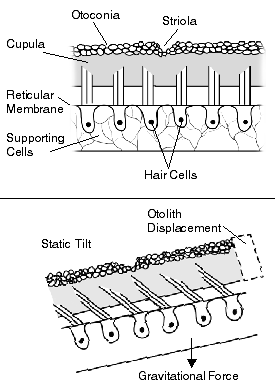
The , located within the , serves as the primary sensory apparatus for detecting head position and motion, enabling balance and spatial orientation. It comprises two main anatomical components: the and the organs. The three —anterior (superior), posterior, and lateral (horizontal)—are fluid-filled, orthogonally oriented ducts that detect and rotational movements of the head. Each canal features an at one end containing the ampullaris, a sensory ridge embedded with hair cells and covered by the gelatinous cupula, which deflects in response to endolymph flow during rotation. The organs, consisting of the utricle and saccule, sense linear acceleration, head tilt, and gravitational forces; the utricle primarily detects horizontal movements, while the saccule responds to vertical ones. These organs feature a lined with hair cells and a gelatinous otolithic studded with otoconia ( crystals) that shear against the hair cells under mechanical stress. At the cellular level, the vestibular apparatus relies on specialized hair cells to transduce mechanical stimuli into neural signals. Both type I (flask-shaped, innervated by a single afferent) and type II (cylindrical, multiply innervated) hair cells possess and a single atop each, arranged in a hair bundle that polarizes deflection-induced or hyperpolarization. Mechanical displacement of the cupula in or otoliths in maculae bends these bundles, opening mechanically gated ion channels and altering release onto afferent neurons. The fluids—perilymph surrounding the bony labyrinth (similar in composition to , low in ) and endolymph filling the (high in )—create an essential for function and signal propagation. These peripheral elements converge on bipolar neurons in Scarpa's (vestibular) , whose central processes form the vestibular division of the (cranial nerve VIII), conveying signals to the . Centrally, vestibular afferents project primarily to the vestibular nuclear complex in the medulla and , including the superior, lateral, medial, and inferior nuclei, which integrate sensory input for reflex coordination. These nuclei receive direct inputs from cranial nerve VIII and reciprocal connections from contralateral vestibular nuclei, while also relaying to the via the inferior cerebellar peduncle for fine-tuning of motor responses. The vestibulo-ocular reflex (VOR), crucial for gaze stabilization, arises from excitatory pathways in the superior and medial vestibular nuclei projecting via the to the oculomotor (III), trochlear (IV), and abducens (VI) nuclei, generating compensatory eye movements opposite to head rotation. Additional descending projections through the medial and lateral vestibulospinal tracts influence postural muscles, underscoring the system's role in reflexive balance maintenance. Key evolutionary adaptations in mammals highlight the vestibular system's tuning to terrestrial , with otolith organs developing otoconia that enable precise detection of linear accelerations during upright locomotion; studies in demonstrate plasticity in otoconia size under altered , reflecting adaptations from aquatic ancestors to gravitational stability. A common congenital anomaly, Mondini dysplasia, arises from arrested embryogenesis around the seventh week of , resulting in a with only 1.5 turns (instead of 2.5), an enlarged vestibule, and dilated , which can disrupt vestibular function due to the enlarged vestibule and associated structural changes, although the are typically normal.

Sensory Integration for Balance

Balance relies on the seamless integration of sensory inputs from the , , and to maintain postural stability. The provides environmental cues through optic flow, which detects motion and orientation relative to surroundings, helping to stabilize and posture during movement. , derived from muscle spindles and joint receptors, conveys information about body position, limb angles, and internal forces, enabling awareness of segmental alignment without visual input. Vestibular signals from the detect head acceleration, gravity, and rotational movements, contributing to the sense of spatial orientation. These inputs are not processed in isolation but are combined in a weighted manner, where the dynamically adjusts their relative contributions based on reliability and context to generate accurate estimates of body sway and environmental stability. Neural processing of these multisensory signals occurs across multiple brain regions, beginning in the where initial convergence of vestibular, visual, and proprioceptive afferents forms a foundational estimate of body orientation. The plays a critical role in refining this integration, particularly through Purkinje cells that modulate motor outputs based on error signals from mismatched sensory data, ensuring coordinated postural adjustments. Higher-level processing in the , including areas like the posterior parietal cortex, further evaluates and adapts these signals for voluntary control and environmental interaction, allowing for predictive adjustments during dynamic tasks. A classic demonstration of this reliance on multiple systems is the Romberg test, where standing with eyes closed increases sway if proprioceptive or vestibular inputs are insufficient, highlighting the brain's default weighting toward visual cues when available. Balance control mechanisms utilize this integrated sensory information to activate postural reflexes that correct sway. The ankle involves distal-to-proximal muscle , primarily engaging calf muscles to generate at the ankles for small perturbations, relying on proprioceptive feedback from lower limbs. In contrast, the hip employs rapid trunk flexion or extension via hip muscles for larger or faster disturbances, integrating vestibular signals for quicker head stabilization. These strategies exhibit adaptive plasticity, where the recalibrates responses to repeated perturbations, enhancing efficiency through learned patterns of muscle synergy. A key concept in sensory integration is reweighting, whereby the reduces reliance on unreliable inputs and amplifies others—for instance, increasing visual dependence in cases of vestibular impairment to maintain stability. This process occurs dynamically, with time constants ranging from 0.1 to several seconds depending on perturbation amplitude and modality shifts. Age-related declines in integration efficiency further complicate this, as older adults experience reduced sensory acuity across all modalities—such as diminished vestibular function and slower proprioceptive processing—leading to impaired reweighting and greater postural . These changes result in heightened sway variability and delayed reflex responses, underscoring the progressive vulnerability of multisensory fusion with advancing age.

Clinical Presentation

Symptoms

Balance disorders manifest through a range of subjective symptoms that disrupt an individual's sense of spatial orientation and stability. The primary symptoms include vertigo, characterized by a false sensation of rotational movement; , often described as or a feeling of faintness; imbalance, presenting as unsteadiness or a tendency to veer while walking; and , which involves blurred or shaky vision during head or body motion. These symptoms can vary in their temporal patterns, occurring acutely with sudden onset, episodically in response to specific triggers, or chronically as a persistent issue. Acute symptoms may arise abruptly and last for hours to days, while episodic patterns often involve short bursts triggered by head movements, and chronic symptoms can endure for months or years, leading to ongoing daily challenges. Associated features frequently accompany these core symptoms, including and due to the sensory mismatch, heightened anxiety from unpredictable episodes, and cognitive difficulties such as trouble concentrating or mental fog. Severity is often assessed using validated scales like the Dizziness Handicap Inventory, which quantifies the perceived impact on physical, emotional, and functional aspects of life. From a perspective, these symptoms profoundly affect , fostering a that promotes avoidance of and social engagement, thereby increasing isolation and dependency.

Physical Signs and Complications

Balance disorders manifest through several observable physical signs during clinical examination. , characterized by involuntary, rhythmic eye movements, is a common sign often linked to vestibular dysfunction underlying balance issues. Gait ataxia presents as an unsteady, wide-based walk with veering, reflecting impaired coordination and postural control. A positive Romberg sign occurs when a patient sways or falls when standing with eyes closed and feet together, indicating reliance on visual input to maintain balance due to proprioceptive or vestibular deficits. Head-shaking nystagmus, elicited by rapid horizontal head shaking, further reveals vestibular asymmetry, with nystagmus beating toward the side of healthier function in peripheral disorders. This sign helps differentiate central from peripheral contributions to balance impairment. Specific examination findings include abnormal , where patients cannot walk heel-to-toe in a straight line, demonstrating poor dynamic balance. Past-pointing on the finger-nose test shows overshooting or undershooting the target, signifying cerebellar or vestibular involvement in limb coordination. Reduced vestibulo-ocular reflex (VOR) on the head-thrust test, indicated by corrective saccades after rapid head rotation, points to vestibular hypofunction. Untreated balance disorders heighten the of complications, particularly falls and related injuries. Approximately 25-36% of adults over 65 experience falls annually, with those having balance disorders facing a 2-3 times higher ; among those who fall, about 40% suffer recurrent episodes, leading to fractures, head trauma, and hospitalizations. Secondary anxiety disorders arise frequently, as persistent imbalance fosters and avoidance behaviors. from inactivity exacerbates and further impairs balance, creating a vicious cycle. Long-term effects of chronic balance disorders include progressive disability and dependency in daily activities, such as mobility and self-care, often resulting in institutionalization. Mental health impacts are significant, with elevated rates of depression stemming from reduced quality of life and social isolation.

Causes

Vestibular and Inner Ear Disorders

Vestibular and inner ear disorders represent a primary category of peripheral causes for balance disturbances, originating from dysfunction in the labyrinth or vestibular nerve. These conditions disrupt the sensory input from the inner ear's semicircular canals, otolith organs, and cochlea, leading to vertigo, disequilibrium, and associated symptoms without involving central neural pathways. Common examples include benign paroxysmal positional vertigo (BPPV), Meniere's disease, and vestibular neuritis, each characterized by distinct pathophysiological mechanisms that affect vestibular function unilaterally or bilaterally. Benign paroxysmal positional vertigo (BPPV) arises from canalithiasis, a process in which free-floating otoconia—calcium carbonate crystals dislodged from the utricular —enter the and trigger abnormal flow during head position changes. This results in brief episodes of rotational vertigo lasting seconds to minutes, often provoked by maneuvers like rolling over in bed. The lifetime prevalence of BPPV is approximately 2.4%, with an annual incidence of about 64 per 100,000 individuals, commonly affecting adults over 50 and triggered by head trauma, prolonged , or inner ear infections. Meniere's disease involves endolymphatic hydrops, an excessive accumulation of endolymph fluid in the , which distends the scala media and disrupts normal ionic balance in the and vestibular apparatus. This leads to episodic vertigo attacks lasting 20 minutes to several hours, accompanied by fluctuating , , and aural fullness, typically affecting one initially. The prevalence is estimated at 200–500 per 100,000, with symptoms often triggered by stress, high salt intake, or vascular factors contributing to fluid dysregulation. Vestibular neuritis manifests as acute inflammation of the , primarily due to viral infection such as reactivation, causing sudden, severe vertigo without . The condition typically presents unilaterally, with symptoms peaking within 24–48 hours and gradually improving over weeks through central compensation, though residual imbalance may persist. Infections or recent upper respiratory illnesses serve as common triggers, with an estimated annual incidence of 3.5–4 per 100,000. Broader pathophysiological mechanisms in these disorders include labyrinthine ischemia, where reduced blood flow to the —often from vascular occlusion or —impairs function and leads to acute vestibular failure. Autoimmune processes, as seen in Cogan's syndrome, involve inflammatory attacks on the structures, resulting in vestibulo-auditory symptoms like progressive and vertigo, frequently bilateral and associated with ocular inflammation. Ototoxicity from antibiotics or agents damages vestibular s, causing dose-dependent, often irreversible bilateral vestibular hypofunction with and . Unilateral involvement predominates in infectious or traumatic etiologies like vestibular neuritis or BPPV, whereas bilateral effects are more common in toxic or autoimmune conditions, altering the pattern and severity of balance impairment. Differentiation from central causes relies on characteristic peripheral nystagmus patterns, such as unidirectional horizontal-torsional that fatigues and suppresses with visual fixation, contrasting with the persistent, non-suppressible, or direction-changing seen centrally. Triggers like head trauma or infections further support peripheral origins, as they directly impact mechanics without involvement. Superior canal dehiscence syndrome (SCDS) exemplifies a structural peripheral disorder, where a thinning or absence of bone over the superior semicircular canal creates a "third window" , allowing abnormal transmission of sound and pressure to the fluids. This produces sound-induced vertigo (Tullio phenomenon), pressure-related , and autophony, often mimicking perilymphatic but confirmed via high-resolution CT imaging. The anatomic abnormality is present in approximately 0.7–2% of the population, with only a subset developing symptomatic vertigo. The condition's symptoms are triggered by loud noises, straining, or altitude changes, highlighting the role of bony defects in vestibular hypersensitivity.

Neurological and Systemic Causes

Neurological causes of balance disorders often stem from disruptions in central brain structures responsible for coordination and postural control. Cerebellar degeneration, for instance, progressively impairs the cerebellum's role in fine-tuning movements and maintaining equilibrium, leading to symptoms such as intention tremor and unsteady gait in conditions like spinocerebellar ataxia. Brainstem lesions, commonly seen in multiple sclerosis or stroke, can affect the vestibular nuclei and pathways, resulting in impaired integration of sensory inputs for balance and causing persistent dizziness or veering during locomotion. In Parkinson's disease, dopaminergic loss in the basal ganglia and cerebellum disrupts postural reflexes and automatic adjustments, contributing to frequent falls and gait instability, with pathological cerebellar changes exacerbating these deficits. Systemic factors extend beyond the to influence balance through multisystem interactions. Vestibular migraine, characterized by episodes of vertigo often accompanied by aura-like symptoms, arises from central sensitization and vascular changes in the , mimicking peripheral vestibular issues but rooted in migrainous . Presyncope from , frequently linked to autonomic dysfunction, or cardiac arrhythmias can provoke transient balance loss by reducing cerebral , leading to and falls during postural changes. side effects, particularly from anticonvulsants or antihypertensives, may suppress vestibular function or induce , thereby compromising stability and coordination. The underlying pathophysiology of these neurological and systemic causes involves failures in central compensation mechanisms, where the brain's ability to adapt to vestibular or sensory perturbations is hindered. demyelination in conditions like disrupts signal transmission in balance-related pathways, while vascular insufficiency from or impairs neural oxygenation and function. Genetic mutations, such as those in the CACNA1A gene, underlie episodic ataxia type 2 by altering function in cerebellar neurons, precipitating recurrent attacks of and vertigo. Emerging etiologies highlight the role of immune-mediated processes in balance disruption. Autoimmune encephalitides associated with anti-glutamic acid decarboxylase (anti-GAD) antibodies can target cerebellar Purkinje cells, inducing progressive and imbalance through inflammatory damage to coordination centers. Similarly, post-COVID vestibular syndromes, observed in a subset of patients following infection, manifest as persistent and gait instability, potentially due to lingering or direct viral effects on central vestibular pathways, with studies noting slower compensation in affected individuals. Recent nationwide studies as of 2024 have shown an increased risk of conditions such as , vestibular neuritis, and following infection.

Diagnosis

Clinical Evaluation

The clinical evaluation of balance disorders begins with a detailed to characterize the patient's symptoms and identify potential underlying causes. Key components include the onset (abrupt versus gradual), duration (ranging from seconds to weeks), and triggers of or imbalance, such as positional changes for (BPPV) or spontaneous episodes suggesting vestibular neuritis or Meniere's disease. Associated symptoms like , , , or neurological deficits (e.g., ) help differentiate peripheral from central etiologies, while red flags such as sudden severe or focal weakness may indicate serious conditions like . The physical examination focuses on targeted maneuvers to assess vestibular function, , and neurological integrity. The Dix-Hallpike maneuver, involving rapid head turning while seated to supine, provokes vertigo and in BPPV, confirming posterior canal involvement if torsional-upbeating appears within seconds and resolves quickly. The head-thrust test evaluates the vestibulo-ocular reflex (VOR) by observing for corrective saccades during quick head rotations; absence of saccades suggests peripheral vestibular hypofunction. Neurological screening includes cranial nerve assessment, coordination tests (e.g., finger-to-nose), Romberg stance for , and evaluation to detect or imbalance. Differential diagnosis involves systematically ruling out non-vestibular mimics, such as anxiety, , or metabolic disturbances, which can present similarly to vestibular issues. Standardized questionnaires like the Activities-specific Balance Confidence (ABC) scale, which measures self-perceived balance confidence during daily activities (with scores below 67% indicating fall risk), aid in quantifying impairment and identifying psychogenic components. The TiTrATE approach—focusing on timing, triggers, and targeted examination—guides prioritization of peripheral versus central causes. Multidisciplinary input is essential, with referral to otolaryngology (ENT) for suspected peripheral disorders or neurology for central concerns, ensuring comprehensive assessment. Common pitfalls include overemphasizing symptom descriptors like "dizziness" without provocation tests or overlooking psychogenic dizziness, a common consideration in primary care.

Specialized Testing

Specialized testing for balance disorders involves objective laboratory and imaging modalities to identify underlying vestibular, auditory, or etiologies, often guided by clinical history. These tests quantify dysfunction in the vestibular system's components, such as , otoliths, and neural pathways, providing data that bedside evaluations cannot. Common protocols follow standardized guidelines to ensure reliability and reproducibility. Electronystagmography (ENG) or videonystagmography (VNG) assesses eye movements to detect and evaluate the vestibulo-ocular reflex (VOR), distinguishing peripheral from central vestibular pathologies. These tests include subcomponents like testing, positional maneuvers, and analysis, with VNG preferred for its non-invasive video recording that captures subtle abnormalities. Abnormalities in ENG/VNG, such as direction-changing , suggest central lesions, while unidirectional indicates peripheral issues. Caloric testing, a key component of ENG/VNG batteries, evaluates unilateral vestibular weakness by irrigating the ear canal with warm or cool air/water to stimulate the horizontal semicircular canal. It measures induced nystagmus velocity, with asymmetry greater than 25% indicating significant unilateral hypofunction, as seen in conditions like vestibular neuritis. Bithermal caloric irrigation is the gold standard for quantifying canal paresis, offering high sensitivity for peripheral vestibular loss. Rotary chair testing assesses the VOR gain and phase during sinusoidal rotations, particularly useful for detecting bilateral vestibular weakness where caloric testing may be inconclusive. It provides frequency-specific data on low-frequency VOR function, with reduced gain below 0.04 Hz signaling symmetric hypofunction, common in or genetic disorders. This test complements ENG/VNG when bilateral involvement is suspected. The video head impulse test (vHIT) quantifies high-frequency VOR responses to rapid head rotations, assessing individual semicircular canal function with high sensitivity (up to 100%) and specificity (97-100%) for acute unilateral vestibulopathy. Unlike caloric testing, vHIT targets all six canals and detects covert saccades, aiding diagnosis of canal-specific deficits in superior canal dehiscence or . Pure-tone audiometry evaluates hearing thresholds across frequencies (typically 250-8000 Hz) to identify sensorineural hearing loss associated with vestibular disorders, such as in Meniere's disease where low-frequency loss correlates with endolymphatic hydrops. It serves as a proxy for cochlear-vestibular involvement, with asymmetric thresholds prompting further retrocochlear evaluation. Computerized posturography measures postural sway and balance under varying sensory conditions using force platforms, quantifying limits of stability and sensory integration deficits. The Sensory Organization Test reveals reliance on visual or somatosensory cues when vestibular input is compromised, with abnormal sway in conditions 5-6 indicating vestibular hypofunction. It is particularly valuable for assessing functional impairment in chronic balance disorders. Cervical vestibular evoked myogenic potentials (cVEMP) and ocular VEMPs (oVEMP) assess otolith organ function, specifically the saccule (cVEMP via sternocleidomastoid response) and utricle (oVEMP via ), using air-conducted tones or bone vibration. Reduced amplitudes or absent responses indicate otolith dysfunction in superior canal dehiscence (lowered thresholds) or bilateral vestibulopathy, with multi-frequency protocols improving detection rates per recent guidelines. These tests are standardized for evaluating non-canal vestibular contributions to imbalance. Imaging modalities like (MRI) detect central lesions such as acoustic neuromas or plaques affecting vestibular pathways, recommended when ENG/VNG shows unilateral weakness with hearing asymmetry. High-resolution MRI with enhancement identifies retrocochlear with sensitivity up to 95%. (CT) is preferred for bony abnormalities, such as superior semicircular canal dehiscence, visualizing thin bone defects that correlate with Tullio phenomenon in balance disorders. Functional MRI may evaluate central sensory integration in complex cases.

Management

Pharmacological and Surgical Treatments

Pharmacological treatments for balance disorders primarily target symptom relief in acute episodes and underlying mechanisms in specific etiologies such as Ménière's disease and vestibular migraine. Antivertigo agents, including antihistamines like meclizine, are commonly used for acute vertigo to suppress vestibular symptoms and reduce nausea, with evidence showing efficacy comparable to other vestibular suppressants in short-term relief. Benzodiazepines, such as diazepam or lorazepam, provide short-term suppression of severe vertigo but are recommended for limited use due to risks of sedation and dependency. For , characterized by endolymphatic hydrops, diuretics (e.g., hydrochlorothiazide combined with triamterene) are employed to reduce fluid retention and vertigo frequency, though systematic reviews indicate low-level evidence for their benefit in controlling symptoms like and . , a analog, is widely prescribed to improve blood flow and vertigo control in , though systematic reviews indicate limited evidence for its efficacy in reducing attack frequency compared to . In vestibular , a neurological cause of recurrent vertigo, prophylactic anti-migraine agents like have shown equal effectiveness to beta-blockers in reducing vertiginous episodes, with network meta-analyses supporting its role in symptom amelioration. Surgical interventions are reserved for refractory cases where conservative measures fail, focusing on decompression, , or occlusion to address peripheral vestibular . Endolymphatic sac decompression targets hydrops in by shunting excess , achieving vertigo control in approximately 75-90% of patients at long-term follow-up (beyond 24 months) while preserving hearing in most cases. section, indicated for refractory unilateral vestibular disorders like intractable , severs afferent signals from the affected , yielding excellent vertigo control in 95% of patients with minimal impact on hearing. For (BPPV) unresponsive to repositioning maneuvers, posterior semicircular canal plugging occludes the affected canal to prevent otoconia displacement, resulting in complete symptom resolution in 100% of intractable cases across multiple studies, with low rates of hearing deterioration. In , intratympanic gentamicin serves as an ablative therapy by selectively damaging vestibular hair cells, achieving vertigo control in approximately 72-80% of patients but carrying a risk of in up to 30% of cases. For autoimmune disease contributing to balance impairment, emerging biologic immunosuppressants (e.g., rituximab targeting B-cells) show promise in stabilizing symptoms when combined with corticosteroids, though evidence remains limited to case series with variable hearing and balance recovery. Minimally invasive options like gamma knife radiosurgery are preferred for , a tumor compressing vestibular pathways, offering high tumor control rates (over 95% at 5 years) and hearing preservation in nearly 60% of patients at long-term follow-up, as demonstrated in 2023 prospective studies and confirmed in 2024 analyses comparing it to microsurgery. These treatments are often adjunctive to for optimal functional outcomes.

Vestibular Rehabilitation Therapy

Vestibular rehabilitation therapy (VRT) is an exercise-based approach designed to promote vestibular compensation and adaptation, thereby alleviating symptoms of balance disorders such as , , and postural imbalance. Developed in the and refined through subsequent research, VRT targets the brain's ability to recalibrate sensory inputs from the vestibular, visual, and proprioceptive systems following peripheral or central vestibular dysfunction. It is particularly effective for conditions like unilateral vestibular hypofunction, where the intact side can compensate, though benefits extend to bilateral cases with more limited recovery potential. The core principles of VRT encompass , stabilization, and balance training. Habituation exercises involve repeated exposure to provocative movements or visual stimuli, such as rapid head turns or watching moving patterns, to desensitize the and reduce provoked by self-motion. stabilization exercises, often based on vestibulo-ocular reflex (VOR) adaptation, require maintaining visual fixation on a stationary target (e.g., X1 viewing) during head movements to enhance eye-head coordination and minimize . Balance training progresses from stable surfaces to challenging ones, like standing on foam with eyes closed, to improve postural control through sensory reweighting and substitution strategies. For (BPPV), VRT incorporates canalith repositioning maneuvers, such as the , to relocate displaced otoconia and resolve positional vertigo. VRT protocols are customized according to diagnostic findings, such as those from or caloric testing, to address specific deficits like unilateral weakness or bilateral hypofunction. Programs typically involve supervised sessions 2-3 times per week for 4-12 weeks, supplemented by daily home exercises, leading to substantial symptom reduction in most patients. In chronic unilateral vestibulopathy, randomized controlled trials demonstrate 70-80% of participants achieving clinically meaningful improvements in , balance, and daily function. Even in bilateral vestibular loss, where central compensation is constrained, VRT yields moderate gains in postural stability and fall risk reduction, though outcomes are less robust than in unilateral cases. A 2022 clinical practice guideline, based on of over 50 studies, provides strong evidence for VRT's efficacy across these populations, recommending its use as a first-line non-invasive intervention. Recent advancements include (VR)-assisted VRT, integrated into protocols since 2021 to enhance sensory adaptation through immersive environments that simulate dynamic head movements and visual-vestibular conflicts. VR systems allow precise control of stimuli for and exercises, improving engagement and outcomes in peripheral vestibular dysfunction by facilitating substitution of non-vestibular cues. Preliminary trials indicate VR-VRT is comparable or superior to conventional methods in reducing disability and enhancing , particularly for patients with limited access to in-person , with ongoing 2025 studies exploring emergency department applications for acute cases.

Prognosis and Prevention

Outcomes and Recovery

Recovery from balance disorders varies widely depending on the underlying cause, with acute conditions often showing substantial spontaneous improvement through peripheral recovery or adaptation, while chronic cases typically involve partial compensation mechanisms. In vestibular neuritis, for instance, 40% to 60% of patients experience partial or complete nerve function recovery within the first 4 to 6 weeks, primarily via spontaneous regeneration of vestibular nerve function. Static vestibular imbalances, such as postural steadiness, tend to resolve more rapidly than dynamic ones, like those during head movements, with most patients reporting symptom relief within 1 to 6 weeks despite incomplete peripheral restoration. For chronic balance disorders, central adaptation plays a key role, involving neuroplastic changes in the that recalibrate sensory integration and motor responses to minimize symptoms like and unsteadiness over months to years. This process relies on mechanisms such as , substitution of sensory inputs, and sensorimotor recalibration, often supported by to enhance outcomes. Prognostic factors significantly influence recovery trajectories, with early intervention, particularly vestibular rehabilitation therapy, associated with improved balance and reduced in up to 51% of cases involving bilateral vestibular hypofunction. In contrast, bilateral vestibular loss carries a poorer , with approximately 34% of patients showing little or no improvement in symptoms like and even after rehabilitation, leading to persistent . Among elderly individuals, comorbidities such as or exacerbate outcomes by impairing and mobility, increasing the risk of prolonged unsteadiness and functional decline independent of age alone. Outcomes are commonly assessed using validated scales that quantify impacts on daily functioning, such as the Vestibular Disorders (VADL) scale, which evaluates self-perceived limitations in personal care, household tasks, and mobility due to vertigo or imbalance. The VADL, developed for planning, demonstrates strong reliability in measuring and has been adapted for use to track progress. Long-term prognosis often incorporates recurrence data; for (BPPV), a common balance disorder, the recurrence rate is approximately 22% to 40% over 5 years, with most relapses occurring within the first year post-treatment. Untreated or poorly managed balance disorders heighten the risk of complications, including falls that result in fractures or in about 20% of cases among affected older adults. Additionally, psychological sequelae such as persistent postural-perceptual (PPPD) can emerge as a following acute vestibular events like or BPPV, characterized by ongoing non-spinning lasting at least three months and triggered by disrupted balance processing.

Preventive Strategies

Lifestyle interventions play a crucial role in mitigating the risk of balance disorders, particularly through targeted exercises and habits that enhance stability and prevent dehydration-related . Regular participation in exercises, such as , has been shown to significantly reduce fall incidence in older adults; a 2024 network of 17 randomized trials involving 3,470 participants found that the 24-form simplified reduced the relative risk of falls by 41% (RR = 0.59, 95% CI [0.40, 0.86]) compared to controls. Maintaining adequate hydration is essential to avoid induced by fluid loss, while moderating alcohol intake prevents exacerbation of vertigo symptoms, as alcohol acts as a that disrupts fluid balance and worsens conditions like Ménière’s disease. Medical prophylaxis strategies focus on preempting triggers for balance impairments through preventive measures against infections and medication-related risks. Vaccinations, particularly the recombinant (Shingrix), are recommended for adults aged 50 and older to prevent herpes zoster reactivation, which can lead to vestibular neuritis or herpes zoster oticus; administration of two doses spaced 2-6 months apart effectively reduces the incidence of these viral complications affecting the . Monitoring for is vital when prescribing drugs like antibiotics or platinum-based chemotherapeutics, with guidelines advocating baseline and periodic audiometric assessments to detect early vestibular damage and adjust therapies promptly. Managing vascular risks via antihypertensive medications helps prevent presyncope in hypertensive individuals; evidence from trials like SPRINT indicates that intensive control (target <120 mm Hg systolic) can decrease incidence, thereby lowering fall risks associated with fluctuations in older adults. Environmental modifications and therapeutic support are key to reducing fall hazards for at-risk populations. Home safety assessments identify and eliminate common dangers, such as securing or removing loose throw rugs, clearing clutter from floors and stairs, and installing grab bars in bathrooms, which collectively lower fall risks by addressing environmental contributors to imbalance. tailored for high-risk groups like the elderly involves comprehensive evaluations of strength, balance, and home environments, providing training in adaptive strategies and equipment use to promote safe mobility and prevent falls. Public health campaigns in the emphasize proactive screening and education to support vestibular health in aging populations. Initiatives under the EU4Health programme (2021–2027) promote awareness of age-related balance issues through community-based efforts, including guidelines that encourage routine assessments for older adults to address vestibular decline early and reduce associated morbidity.

Research Directions

Current Studies

Ongoing clinical trials and longitudinal studies are actively investigating the long-term effects of post-viral vestibular loss, particularly in the context of sequelae. A notable NIH-funded initiative at the , launched with an $11.9 million grant in 2025, is establishing the Balance and Auditory Research Center to advance research into the mechanisms of balance and hearing disorders, including , regeneration, and vestibular impairments. Earlier observations from 2022 onward have highlighted persistent and balance issues in up to 20% of recovered patients. Similarly, genetic research is advancing the identification of biomarkers for familial ataxias, with a 2025 study using long-read sequencing to detect ATXN3 repeat expansions in type 3 (SCA3), revealing conserved progression signatures that could enable non-invasive monitoring and early intervention. Epidemiological efforts are being bolstered by global registries designed to capture real-world data on incidence and outcomes of balance disorders. The DizzyReg Patient Registry, a prospective database from the German Center for Vertigo and Balance Disorders expanded in recent years, facilitates large-scale of vestibular conditions by integrating patient-reported outcomes and clinical metrics, aiding in the of diagnostic approaches across diverse populations. These registries are crucial for understanding temporal trends, such as the increased of vestibular post-COVID-19, reported in nationwide studies showing a twofold compared to non-infected individuals. Methodological advances include AI-driven tools for analyzing posturography data to enable early detection of balance impairments. A 2025 study demonstrated the utility of posturography in quantifying subtle vestibular deficits in patients, with AI algorithms improving sensitivity for progression monitoring over traditional methods. Multicenter randomized controlled (RCTs) are also evaluating combination therapies, such as integrating with pharmacological agents; for instance, a double-blind crossover of noisy galvanic vestibular combined with standard care showed preliminary efficacy in reducing vertigo symptoms in unilateral vestibular hypofunction. Key events in 2025 underscore the focus on aging and understudied populations in balance research. The Bárány Society's ongoing biennial meetings have highlighted multifactorial interventions for age-related balance decline, emphasizing falls prevention through integrated sensory-motor .

Emerging Therapies

Emerging therapies for balance disorders encompass a range of investigational approaches aimed at addressing underlying vestibular pathologies through genetic, neuroprotective, and regenerative mechanisms. represents a promising avenue for treating congenital vestibular defects, particularly in conditions like , which involves progressive hearing and balance loss due to mutations in genes such as USH2A. Phase 1/2 clinical trials, such as the STELLAR study (NCT05176717), have evaluated intravitreal injections of antisense oligonucleotides like QR-421a to modulate USH2A expression, demonstrating safety and potential preservation of retinal function in early participants since 2023. Similarly, lentiviral vector-based therapies have shown partial recovery of vestibular function in preclinical models of by targeting genetic defects. Neuroprotective agents, including synthetic analogs of , are under investigation for mitigating ototoxic damage in vestibular tissues. EF-24, a derivative, has demonstrated the ability to reduce and prevent cisplatin-induced damage in vestibular tissues of models, suggesting potential for protecting neuronal integrity during episodes. These agents work by suppressing and , key contributors to vestibular degeneration, though human trials remain in early stages. Technological innovations focus on enhancing and balance through wearable devices. Vibrotactile insoles provide by delivering targeted vibrations to the plantar surface, improving sensory input for postural stability in individuals with sensory deficits such as ; prototypes incorporating such technology are under evaluation, with a 2025 assessing their efficacy for balance and mobility. implants offer a regenerative alternative by targeting loss, a of vestibular hypofunction. Preclinical studies using mesenchymal stem cells derived from sources have successfully promoted regeneration in organoids and animal models of vestibular injury, restoring afferent innervation and balance reflexes. Regenerative strategies extend to neuromodulation techniques like optogenetic stimulation of vestibular neurons, which has been tested in rodent models to restore central compensation after peripheral damage. In mice, selective optogenetic activation of vestibular nuclei neurons induces reversible postural adjustments, mimicking natural vestibular signaling and highlighting potential for human translation, with phase 1 trials anticipated in 2026. Non-invasive brain stimulation, such as (tDCS) applied to the , enhances vestibular compensation by modulating neural plasticity in patients with chronic dizziness; exploratory trials combining tDCS with rehabilitation have reported improved balance scores and reduced vertigo symptoms compared to sham stimulation. Nanomedicine advances enable to the , overcoming barriers like the blood-labyrinthine barrier for sustained therapeutic effects in balance disorders. Nanoparticles, including lipid-based and polymeric formulations, have been developed to encapsulate agents like for localized release, with 2024 studies demonstrating enhanced vestibular blood flow and reduced vertigo in preclinical models of Meniere's disease without systemic side effects. These systems prioritize and controlled release, positioning them as a bridge to precision therapies for pathologies.

References

Add your contribution
Related Hubs
User Avatar
No comments yet.