Hubbry Logo
SCARB1SCARB1Main
Open search
SCARB1
Community hub
SCARB1
logo
8 pages, 0 posts
0 subscribers
Be the first to start a discussion here.
SCARB1
SCARB1
from Wikipedia
SCARB1
Identifiers
AliasesSCARB1, CD36L1, CLA-1, CLA1, HDLQTL6, SR-BI, SRB1, scavenger receptor class B member 1
External IDsOMIM: 601040; MGI: 893578; HomoloGene: 21132; GeneCards: SCARB1; OMA:SCARB1 - orthologs
Orthologs
SpeciesHumanMouse
Entrez
Ensembl
UniProt
RefSeq (mRNA)

NM_005505
NM_001082959

NM_001205082
NM_001205083
NM_016741

RefSeq (protein)

NP_001192011
NP_001192012
NP_058021

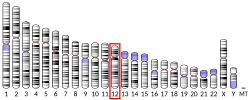
Location (UCSC)Chr 12: 124.78 – 124.88 MbChr 5: 125.35 – 125.42 Mb
PubMed search[3][4]
Wikidata
View/Edit HumanView/Edit Mouse

Scavenger receptor class B type 1 (SRB1) also known as SR-BI is a protein that in humans is encoded by the SCARB1 gene.[5] SR-BI functions as a receptor for high-density lipoprotein.[6]

Function

[edit]

Scavenger receptor class B, type I (SR-BI) is an integral membrane protein found in numerous cell types/tissues, including enterocytes, the liver and adrenal gland. It is best known for its role in facilitating the uptake of cholesteryl esters from high-density lipoproteins in the liver. This process drives the movement of cholesterol from peripheral tissues towards the liver, where cholesterol can either be secreted via the bile duct or be used to synthesise steroid hormones.[7] This movement of cholesterol is known as reverse cholesterol transport and is a protective mechanism against the development of atherosclerosis, which is the principal cause of heart disease and stroke.

SR-BI is crucial in carotenoid and vitamin E uptake in the small intestine.[8][9] SR-B1 is upregulated in times of vitamin A deficiency and downregulated if vitamin A status is in the normal range.[10]

In melanocytic cells SCARB1 gene expression may be regulated by the MITF.[11]

Species distribution

[edit]

SR-BI has also been identified in the livers of non-mammalian species (turtle, goldfish, shark, chicken, frog, and skate), suggesting it emerged early in vertebrate evolutionary history. The turtle also seems to upregulate SR-BI during egg development, indicating that cholesterol efflux may be at peak levels during developmental stages.[12]

Clinical significance

[edit]

SCARB1 along with CD81 is the receptor for the entry of the Hepatitis C virus into liver cells.[13]

Preclinical research

[edit]

Although malignant tumors are known to display extreme heterogeneity, overexpression of SR-B1 is a relatively consistent marker in cancerous tissues. While SR-B1 normally mediates the transfer of cholesterol between high-density lipoproteins (HDL) and healthy cells, it also facilitates the selective uptake of cholesterol by malignant cells. In this way, upregulation of the SR-B1 receptor becomes an enabling factor for self-sufficient proliferation in cancerous tissue.[14][15]

SR-B1 mediated delivery has also been used in the transfection of cancer cells with siRNA, or small interfering RNAs. This therapy causes RNA interference, in which short segments of double stranded RNA acts to silence targeted oncogenes post-transcription. SR-B1 mediation reduces siRNA degradation and off-target accumulation while enhancing delivery to targeted tissues. In "metastatic and taxane-resistant models of ovarian cancer, rHDL-mediated siren delivery improved responses.[16]

Interactive pathway map

[edit]

Click on genes, proteins and metabolites below to link to respective articles.[§ 1]

[[File:
Statin_Pathway_WP430go to articlego to articlego to articlego to articlego to articlego to articlego to articlego to articlego to articlego to articlego to articlego to articlego to articlego to articlego to articlego to articlego to articlego to articlego to articlego to articlego to articlego to articlego to articlego to articlego to articlego to articlego to articlego to articlego to articlego to articlego to articlego to articlego to articlego to articlego to articlego to articlego to articlego to articlego to articlego to articlego to articlego to articlego to articlego to articlego to articlego to articlego to articlego to articlego to article
[[
]]
[[
]]
[[
]]
[[
]]
[[
]]
[[
]]
[[
]]
[[
]]
[[
]]
[[
]]
[[
]]
[[
]]
[[
]]
[[
]]
[[
]]
[[
]]
[[
]]
[[
]]
[[
]]
[[
]]
[[
]]
[[
]]
[[
]]
[[
]]
[[
]]
[[
]]
[[
]]
[[
]]
[[
]]
[[
]]
[[
]]
[[
]]
[[
]]
[[
]]
[[
]]
[[
]]
[[
]]
[[
]]
[[
]]
[[
]]
[[
]]
[[
]]
[[
]]
[[
]]
[[
]]
[[
]]
[[
]]
[[
]]
[[
]]
[[
]]
Statin_Pathway_WP430go to articlego to articlego to articlego to articlego to articlego to articlego to articlego to articlego to articlego to articlego to articlego to articlego to articlego to articlego to articlego to articlego to articlego to articlego to articlego to articlego to articlego to articlego to articlego to articlego to articlego to articlego to articlego to articlego to articlego to articlego to articlego to articlego to articlego to articlego to articlego to articlego to articlego to articlego to articlego to articlego to articlego to articlego to articlego to articlego to articlego to articlego to articlego to articlego to article
|alt=Statin pathway edit]]
Statin pathway edit
  1. ^ The interactive pathway map can be edited at WikiPathways: "Statin_Pathway_WP430".

References

[edit]

Further reading

[edit]
Revisions and contributorsEdit on WikipediaRead on Wikipedia
from Grokipedia
SCARB1, or scavenger receptor class B member 1, is a gene located on chromosome 12q24.31 that encodes the scavenger receptor class B type I (SR-BI), a multifunctional transmembrane glycoprotein essential for lipid metabolism, particularly the selective uptake of cholesteryl esters from high-density lipoprotein (HDL) without endocytosis of the lipoprotein particle itself. SR-BI is an 82-84 kDa protein consisting of 409 or 509 amino acid isoforms, featuring two transmembrane domains, short intracellular N- and C-terminal tails, and a large extracellular domain rich in glycosylation sites that facilitates ligand binding and lipid transfer through a hydrophobic tunnel. It forms oligomers, which enhance its function, and interacts with adaptor proteins like PDZK1 to stabilize expression, particularly in the liver. The receptor is highly expressed in the liver, adrenal glands, ovaries, and testes, with lower levels in macrophages, endothelial cells, and adipocytes, where its expression is regulated by transcription factors such as SREBP-1, LXRα, and PPARα, as well as hormones like ACTH and estrogen. The primary physiological role of SR-BI is mediating reverse cholesterol transport by facilitating the bidirectional flux of free cholesterol and selective uptake of cholesteryl esters, phospholipids, triglycerides, and lipophilic vitamins (A and D) from HDL, thereby delivering cholesterol to the liver for biliary excretion and to steroidogenic tissues for hormone synthesis. In addition to HDL, SR-BI binds modified low-density lipoproteins (LDL), very low-density lipoproteins (VLDL), and lipoprotein(a) [Lp(a)], promoting their clearance and reducing plasma lipid levels, while also enabling cholesterol efflux from macrophages to mitigate foam cell formation in atherosclerosis. Beyond lipid homeostasis, SR-BI serves as a sensor of plasma membrane cholesterol content, influences cellular signaling pathways (e.g., via PI3K/Akt and eNOS activation), and facilitates entry of pathogens like hepatitis C virus and dengue virus into host cells. Genetic variants in SCARB1, such as the missense mutations P297S and P376L, are associated with elevated HDL cholesterol levels but paradoxically increased risk of coronary heart disease due to impaired SR-BI function in delivery. These polymorphisms also influence responses to dietary fats, postprandial lipemia, and conditions like and cancer progression, underscoring SR-BI's broad impact on metabolic and inflammatory diseases.

Gene and Protein Overview

Gene Structure and Location

The SCARB1 is located on the long arm of at the q24.31 cytogenetic band, spanning genomic positions 124,776,856 to 124,863,864 on the GRCh38.p14 reference assembly, which corresponds to approximately 87 kilobase pairs (kb). In mice, the orthologous Scarb1 resides on at positions 125,354,151 to 125,418,082 on the GRCm39 assembly, encompassing about 64 kb. The human SCARB1 gene consists of 13 s and 12 introns, with the canonical transcript (ENST00000261693.11) encoding the full-length SR-BI protein. of the gene produces multiple isoforms, including the predominant SR-BI isoform and the shorter SR-BII isoform, which results from skipping of 12 and features a distinct C-terminal domain. Similarly, the Scarb1 gene shares this 13- structure and undergoes comparable to generate SR-BI and SR-BII variants. A notable common polymorphism in SCARB1 is rs5888 (c.889C>T, p.Pro297Ser) in exon 8, with the minor allele frequency (T) reported at approximately 0.35 in global populations based on gnomAD exome data and ranging from 0.22 in East Asians to 0.46 in Europeans. This variant has been extensively studied for its potential functional implications, though its direct effects on protein activity remain under investigation in genetic association contexts. The proximal promoter region of SCARB1, spanning about 2.2 kb upstream of the transcription start site, contains sterol regulatory elements (SREs) that bind sterol regulatory element-binding proteins (SREBPs), particularly SREBP-2, to mediate cholesterol-responsive transcriptional activation. Additional regulatory elements include estrogen response element half-sites in both promoter and intronic regions, which facilitate estrogen-dependent regulation, as well as distal enhancers identified through genomic surveys that influence tissue-specific expression. These elements collectively ensure dynamic control of SCARB1 transcription in response to lipid homeostasis cues.

Protein Structure and Domains

The scavenger receptor class B type I (SR-BI), encoded by SCARB1, is a 509-amino-acid with an approximate molecular weight of 57 prior to post-translational modifications. It adopts a topology typical of class B scavenger receptors, featuring short intracellular N- and C-terminal domains flanking two transmembrane-spanning helices (residues 82–104 and 431–453, approximately 22 and 23 long, respectively). These are connected by a large extracellular loop comprising about 408 residues, which forms the primary site for interaction. The N-terminal cytoplasmic domain spans 9 , while the C-terminal domain extends 44 , both oriented toward the . Key structural domains of SR-BI include the cytoplasmic termini, which mediate intracellular signaling and interactions with adaptor proteins such as PDZK1, and the extensive extracellular domain, which contains cysteine-rich motifs and a hydrophobic that facilitates selective uptake of lipophilic molecules. The extracellular region exhibits sequence variability across species and isoforms, contributing to ligand specificity for diverse partners like (HDL) and phospholipids. Additionally, the protein includes conserved charged residues (e.g., Glu96, Arg98, Lys117) lining a potential conduit for transport within the extracellular loop. Post-translational modifications significantly influence SR-BI stability and localization. The protein undergoes N-linked at 11 sites, with Asn-108 and Asn-173 being particularly critical; at these positions impair plasma membrane trafficking, reduce protein stability, and diminish lipid transfer efficiency. These glycans, along with bonds formed by six conserved cysteines in the extracellular domain, enhance structural integrity and protect against degradation. Fatty may also occur, further modulating membrane association. SR-BI exists in multiple isoforms generated by , primarily SR-BI (full-length, 509 amino acids) and SR-BII (475 amino acids). The isoforms share identical N-termini, transmembrane domains, and extracellular loops but differ in their C-termini due to splicing exclusion of 12 in SR-BII, resulting in a unique 40-amino-acid tail (ending in SAMA) instead of the 44-amino-acid tail of SR-BI (ending in EAKL). This alteration eliminates PDZK1-binding motifs in SR-BII, affecting signaling and localization. Expression ratios vary by tissue; SR-BII typically constitutes 5–40% of total SR-B in human liver (∼13–20%) and steroidogenic tissues like adrenal glands and ovaries, with higher relative abundance in testis.

Physiological Functions

Role in Lipid Metabolism

SCARB1, encoding the scavenger receptor class B type I (SR-BI), plays a central role in by facilitating the selective uptake of cholesteryl esters (CEs) from (HDL) particles into cells without degrading or internalizing the entire particle. This non-endocytic process involves the binding of HDL to the extracellular domain of SR-BI, which forms a hydrophobic channel or tunnel that allows the transfer of CEs directly to the plasma membrane, where they are subsequently internalized by the cell. The efficiency of this uptake is proportional to the CE content in HDL and is particularly prominent in tissues such as the liver and steroidogenic organs, where it supports delivery for essential physiological functions. A key aspect of SR-BI's function is its contribution to reverse (RCT), the pathway that removes excess from peripheral tissues and delivers it to the liver for excretion in . SR-BI promotes the efflux of free from cells, such as macrophages in arterial walls, to lipid-poor A-I or HDL particles, initiating the process. In the liver, SR-BI then mediates the selective uptake of HDL-derived , enabling its conversion to bile acids or direct biliary secretion, thereby preventing accumulation and reducing the risk of . Studies in SR-BI-deficient models demonstrate impaired RCT and elevated plasma HDL levels, underscoring its critical role in maintaining . Beyond HDL, SR-BI interacts with other lipoproteins, including (LDL), (VLDL), and (Lp(a)), by binding them with varying affinities and facilitating selective lipid uptake. This binding modulates plasma lipoprotein levels; for instance, hepatic overexpression of SR-BI enhances the clearance of LDL and VLDL, lowering their circulating concentrations, while also promoting the uptake of oxidized or acetylated forms of LDL in certain cellular contexts. For Lp(a), SR-BI serves as a receptor that supports the selective transfer of associated , contributing to its hepatic and influencing overall plasma Lp(a) dynamics. These interactions highlight SR-BI's multifunctional nature in lipoprotein metabolism. The expression of SCARB1 is subject to regulatory feedback by intracellular levels through the regulatory element-binding protein (SREBP) pathway, ensuring adaptive control of uptake. When is depleted, SREBP-1 (and to some extent SREBP-2) translocates to the nucleus and binds to specific regulatory elements in the SCARB1 promoter, upregulating transcription to increase SR-BI-mediated uptake. Conversely, high intracellular suppresses SREBP processing and activation, leading to downregulation of SCARB1 expression and preventing excessive accumulation. This feedback mechanism is evident in liver and steroidogenic tissues, where it fine-tunes influx in response to cellular needs.

Interactions with Vitamins and Carotenoids

SCARB1, encoding the scavenger receptor class B type I (SR-BI), mediates the selective uptake of lipophilic vitamins, including vitamins A, D, and E, from high-density lipoprotein (HDL) particles. For vitamin A, SR-BI facilitates the cellular uptake of provitamin A carotenoids such as beta-carotene, supporting its conversion to retinol for vision and immune functions. Similarly, SR-BI contributes to the delivery of vitamin D, with deficiencies in SR-BI leading to reduced serum and tissue levels of 25-hydroxyvitamin D3, impacting bone health and calcium homeostasis. SR-BI facilitates the selective uptake of fat-soluble , particularly alpha-tocopherol, from (HDL) particles into enterocytes and other cells, thereby enhancing its and contributing to cellular protection against . This process is mediated by SR-BI's interaction with HDL-bound alpha-tocopherol, where inhibitors such as BLT1 block up to 80% of uptake in intestinal models, underscoring SR-BI's critical role in intestinal absorption. In maternal-embryonic transfer, SR-BI supports provision during development, with deficiencies impairing closure in mouse models. SR-BI also enables the transport of , including , , and beta-carotene, via selective uptake from HDL and other carriers, with a preference for macular xanthophylls like and over beta-carotene in overexpression studies. This function is essential for deposition in tissues, notably contributing to pigmentation in birds, where SCARB1 mutations abolish yellow, orange, and feather coloration by disrupting uptake and transport. In mammals, SR-BI similarly promotes absorption in the gut and peripheral tissues, linking it to defense and visual health. The uptake mechanism for both vitamins and mirrors SR-BI's non-endocytic selective transfer of HDL-derived , involving a hydrophobic channel in the receptor's extracellular domain that allows direct into the plasma membrane without lipoprotein internalization. This pathway exploits SR-BI's -binding affinity, enabling efficient delivery of hydrophobic nutrients while retaining the carrier particle. In SR-BI knockout models, such as Scarb1^{-/-} mice, vitamin E bioavailability is markedly reduced in tissues like the liver and brain, leading to abnormal alpha-tocopherol metabolism and heightened oxidative stress due to diminished antioxidant enzyme activity. Similarly, carotenoid uptake is impaired, resulting in lower tissue levels and compromised antioxidant status, as evidenced by reduced provitamin A carotenoid absorption and pigmentation defects in avian mutants. These findings highlight SR-BI's auxiliary role in maintaining nutrient-dependent antioxidant homeostasis.

Expression and Regulation

Tissue and Cellular Distribution

SCARB1 exhibits high expression levels in several key tissues, particularly the liver where it is abundantly present in hepatocytes to facilitate handling, as well as in steroidogenic tissues such as the adrenal glands, ovaries, and testes. In the adrenal glands, expression is prominent in the zona fasciculata-reticularis cells, while in the ovaries, it occurs in granulosa and theca-interstitial cells, supporting delivery for hormone synthesis. Moderate expression is observed in the intestine and macrophages, contributing to lipid processing in these sites. At the cellular level, the SCARB1 protein localizes primarily to the plasma membrane of polarized cells, where it functions as an integral receptor. In enterocytes, it shows a specific apical distribution along the brush-border membrane, positioning it for interaction with luminal contents. Expression of SCARB1 is tightly regulated by various factors, including transcriptional activators and dietary influences. PPAR-alpha agonists, such as fibrates, upregulate SCARB1 promoter activity through PPARα/RXR heterodimers, enhancing hepatic expression. Estrogen similarly induces upregulation, particularly in steroidogenic tissues, via estrogen receptor-mediated mechanisms that influence splicing and overall levels. In conditions like type 2 diabetes mellitus and insulin resistance, SCARB1 expression is reduced in hepatic cells, associated with hyperglycemia, while high-fat diets can suppress expression in the liver through altered lipid signaling pathways. SCARB1 produces two main isoforms, SR-BI and SR-BII, differing in their C-terminal domains due to . SR-BI predominates in steroidogenic tissues like the liver, adrenals, and ovaries, comprising the majority of protein (up to 95% in some sites). In contrast, SR-BII is less abundant overall and shows relatively higher expression in some non-steroidogenic tissues, though it exhibits lower efficiency in lipid uptake compared to SR-BI.

Species Distribution and Evolutionary Conservation

The SCARB1 gene, encoding the scavenger receptor class B type 1 (SR-BI), is widely distributed across species, with expression identified in mammals, birds, reptiles, amphibians, and various , including teleosts like and amphibians like frogs, as well as cartilaginous such as and skates. In non-mammalian s, SR-BI is prominently expressed in the liver of species including chickens, frogs, , , and skates, indicating an early emergence in . This broad presence underscores its conserved role in handling across diverse lineages. In non-mammalian , SCARB1 plays specialized physiological roles beyond basic . For instance, in birds, SCARB1 is essential for -based coloration, as demonstrated by a loss-of-function in the canary that impairs yellow pigmentation by disrupting uptake. In reptiles, such as the (Chrysemys picta), SR-BI expression is upregulated in the during development, correlating with increased efflux to support . Additionally, in Chinese soft-shelled (Pelodiscus sinensis) embryos, SCARB1 exhibits dynamic expression patterns that covary with skin content and xanthophore development during pigmentation formation. At the sequence level, SCARB1 demonstrates high evolutionary conservation among s, particularly in its extracellular domain, which shares approximately 80-90% identity across mammalian and non-mammalian species, facilitating conserved functions in transport. Overall sequence identity among vertebrate SCARB1 orthologs ranges from 50% to 99%, reflecting strong selective pressure on core structural elements. In contrast, SCARB1 is absent in , though functional homologs like ninaD in mediate similar carotenoid transport, suggesting divergence after the vertebrate-invertebrate split. Evolutionarily, SCARB1 belongs to the gene family, arising from ancient events in an ancestral that generated the paralogs SCARB1, SCARB2, and , enabling diversification of scavenger receptor functions in and nutrient handling. This duplication likely occurred prior to the divergence of major clades, as evidenced by the presence of family members in both jawed and jawless vertebrates.

Disease Associations

Cardiovascular and Metabolic Disorders

SCARB1 variants, particularly the rs5888 (SNP), have been associated with elevated cholesterol (HDL-C) levels and increased [Lp(a)] concentrations, contributing to a distinct . The T allele of rs5888 is linked to higher HDL-C and larger HDL particle sizes, which may offer protection against by enhancing reverse transport, though it also raises the risk of hyperalphalipoproteinemia, a condition characterized by excessively high HDL-C that paradoxically correlates with increased cardiovascular events in some populations. Additionally, this variant influences Lp(a) , as SCARB1 facilitates selective uptake of cholesteryl esters from Lp(a), and its dysfunction leads to accumulation of this atherogenic particle. Reduced SR-B1 activity, often due to genetic polymorphisms in SCARB1, plays a role in by promoting and . Studies indicate that lower SR-B1 expression disrupts HDL-mediated cholesterol efflux, leading to altered lipid profiles with elevated triglycerides and reduced HDL functionality, which exacerbate in adipose and hepatic tissues. In individuals with , SCARB1 variants are associated with low HDL-C and heightened , underscoring the receptor's contribution to the metabolic disturbances characteristic of the syndrome. Animal models, particularly SCARB1 knockout mice, demonstrate the consequences of SR-B1 deficiency on cardiovascular and metabolic health, exhibiting nearly doubled plasma HDL-C levels and impaired efflux from macrophages, which accelerates despite the hyperalphalipoproteinemia. These mice also show disrupted , with increased free bioavailability in tissues, contributing to pathological accumulation. Recent studies, including those from 2021 to 2024 in journals, have confirmed SCARB1 variants' role in novel phenotypes involving concurrently high HDL-C and Lp(a), with rare compound heterozygous mutations linked to severe premature , highlighting the dual-edged impact of SR-B1 dysfunction on lipid-related cardiovascular risks. These findings emphasize the need for genotype-specific risk stratification in metabolic disorders.

Infectious Diseases

SCARB1, also known as scavenger receptor class B type I (SR-BI), serves as a critical co-receptor facilitating the entry of (HCV) into hepatocytes. It interacts with HCV glycoproteins E1 and E2, in conjunction with , to enable viral attachment and internalization via clathrin-dependent endocytosis. Blockade of SCARB1, through antibodies or , significantly reduces HCV infection efficiency in models, highlighting its essential role in viral uptake. In bacterial infections, SCARB1 promotes the endocytosis of pathogens such as in epithelial cells, particularly through association with lipid rafts and coordination with (TLR4) signaling. This mechanism enhances bacterial internalization and activates downstream inflammatory pathways like , aiding host defense during mammary gland infections. SCARB1's involvement extends to other bacteria by binding lipopolysaccharides (LPS), the endotoxin component of Gram-negative bacterial cell walls, which facilitates LPS uptake and modulates innate immune responses. SCARB1 also contributes to the entry of additional pathogens, including and parasites. For , SCARB1 acts as a binding receptor for the nonstructural protein NS1 on hepatic and cells, potentially promoting viral dissemination. In , SCARB1 enhances hepatocyte permissiveness to sporozoites, boosting invasion and early liver-stage development across species like P. falciparum and P. berghei. In immune cells such as macrophages, SCARB1 expression supports clearance by mediating uptake of microbial components and triggering pro-inflammatory signaling. However, this receptor can also enable viral persistence; for instance, in HCV infection, SCARB1 facilitates viral RNA uptake and maintenance in macrophages, altering and impairing antiviral responses.

Cancer and Other Pathologies

Oncogenic Roles

SCARB1, encoding the scavenger receptor class B type 1 (SR-B1), is frequently overexpressed in various malignancies, where it facilitates selective uptake of (HDL)-derived to support tumor . In , elevated SR-B1 levels enhance influx, promoting cell growth and survival by maintaining lipid homeostasis essential for rapid division. Similarly, in , SR-B1 upregulation drives steroidogenic and nonsteroidogenic , enabling androgen-independent tumor progression and increased proliferative capacity. In nasopharyngeal carcinoma (NPC), SR-B1 overexpression correlates with advanced disease stages, supplying that fuels metabolic demands for uncontrolled growth. SR-B1 contributes to cancer , particularly through its incorporation into extracellular vesicles (EVs) secreted by tumor cells. In NPC, SCARB1-enriched EVs are internalized by macrophages, co-regulating M1 and M2 polarization to suppress antitumor immunity and enhance invasive potential; this mechanism was elucidated in a 2023 study showing that SCARB1-EVs upregulate CYP1B1 in M2 macrophages, impairing and promoting tumor dissemination. SR-B1 activates key oncogenic signaling pathways, notably the PI3K/Akt axis, which supports tumor cell survival and resistance to . Overexpression of SR-B1 in response to HDL binding triggers PI3K/Akt phosphorylation, driving proliferation and migration in and cancers. This pathway activation is linked to poor clinical outcomes, with high SR-B1 expression associating with aggressive tumor behavior, , and reduced overall survival across multiple cancer types, including , , and NPC. As a biomarker, elevated SR-B1 levels hold diagnostic and prognostic value in several cancers. In ovarian cancer, high SR-B1 expression in tumor cells and ascites fluid indicates advanced disease and immune evasion, serving as a potential marker for metastasis risk. In lung cancer, SR-B1 overexpression correlates with tumor aggressiveness and poorer prognosis, enabling its use in identifying high-risk patients.

Emerging Associations

Recent studies have implicated SCARB1 in neurological disorders, particularly through its role in amyloid-beta (Aβ) clearance mechanisms in the . SCARB1, expressed on and involved in Aβ binding on , contributes to Aβ clearance, with impairment potentially contributing to synaptic dysfunction and neuronal loss in (AD) pathology. Additionally, genetic variants in SCARB1, such as rs5888, have been linked to and elevated risk of (MCI) in the elderly, with carriers showing higher plasma total and HDL-cholesterol levels that correlate with cognitive decline. In autoimmune and inflammatory conditions, SCARB1 influences disease progression independent of its primary lipid transport functions. In , SCARB1 deficiency leads to elevated free bioavailability, which drives inflammatory responses in the arterial wall, including increased and leukocyte recruitment beyond mere lipid accumulation. Similarly, in (RA), SCARB1 is upregulated in synovial tissue and mediates (A-SAA)-induced inflammation by promoting production (IL-6, IL-8) and adhesion molecule expression (, ) in fibroblasts and endothelial cells, exacerbating joint inflammation. SCARB1 also shows emerging ties to carotenoid-related pathologies, notably age-related (AMD). The rs5888 variant in SCARB1 increases susceptibility to AMD by impairing selective uptake of macular carotenoids like and , which protect against oxidative damage in the ; heterozygous CT carriers exhibit a 2.9- to 3.6-fold higher risk of advanced or exudative AMD. In infectious contexts, recent investigations (2023–2025) highlight SCARB1's role in bacterial , where hepatic SCARB1 facilitates (LPS) clearance and modulates inflammatory responses; its deficiency heightens susceptibility to sepsis-induced mortality by impairing cholesterol efflux, synthesis, and cytotoxicity protection in models like cecal ligation and puncture. Updates on lipoprotein(a) [Lp(a)] associations reveal SCARB1 variants elevating both HDL-cholesterol and Lp(a) levels through reduced receptor-mediated clearance, conferring increased cardiovascular risk via pro-atherogenic and prothrombotic effects independent of traditional lipid profiles. Furthermore, SCARB1 influences inflammation in non-oncologic settings, such as diet-induced obesity, where its deficiency exacerbates inflammatory dyslipidemia and adipocyte hypertrophy.

Research and Therapeutic Potential

Preclinical Studies

Preclinical studies on SCARB1, encoding the scavenger receptor class B type 1 (SR-B1), have primarily utilized genetic knockout models and cell-based assays to elucidate its roles in , viral entry, and cellular signaling. In SR-B1-deficient (SR-B1^{-/-}) mice, plasma cholesterol (HDL-C) levels are markedly elevated, accompanied by enlarged, cholesterol-rich HDL particles that impair reverse . These models exhibit due to dysfunctional HDL and ovarian dysregulation, highlighting SR-B1's essential function in steroidogenesis and reproduction. Additionally, SR-B1^{-/-} mice demonstrate resistance to (HCV) infection, as SR-B1 facilitates viral entry into hepatocytes, providing a foundational tool for studying HDL-mediated reverse and . Cell-based assays employing (siRNA) knockdown of SCARB1 have revealed its mechanistic contributions to entry and oncogenesis. In hepatoma cells, SR-B1 knockdown significantly impairs HCV entry by disrupting HDL-HCV interactions at the cell surface, confirming SR-B1's as a co-receptor in viral attachment and internalization. Similarly, in clear cell (ccRCC) and cell lines, siRNA-mediated SR-B1 depletion reduces cell viability, colony formation, migration, and invasion, indicating that SR-B1 supports tumor growth through enhanced uptake and lipid-dependent signaling. SR-B1 integrates into broader pathways, including those modulated by s and efflux mechanisms. It facilitates bidirectional , promoting free efflux to HDL while enabling selective uptake, which intersects with -induced LDL-C lowering by influencing HDL particle remodeling and reverse transport efficiency. SCARB1 polymorphisms have been shown to alter responsiveness in preclinical profiling, underscoring its regulatory node in hepatic efflux pathways involving and ABCG1 transporters. Conceptual pathway diagrams illustrate SR-B1's positioning within networks, where it bridges HDL binding to downstream PI3K/Akt activation for cellular delivery. Recent advances from 2023 to 2025 have expanded SR-B1's preclinical relevance to extracellular vesicle (EV)-mediated processes and microbial interactions. In nasopharyngeal carcinoma models, EVs enriched with SR-B1 promote by co-regulating M1/M2 polarization, enhancing tumor immune evasion and distant organ colonization. Bacterial uptake assays in mammary epithelial cells demonstrate that SR-B1 facilitates of , linking it to innate immune responses against Gram-negative pathogens via TLR4 signaling integration. These findings, derived from CRISPR-edited cell lines and EV isolation techniques, emphasize SR-B1's emerging role in dynamic intercellular communication and infection models.

Targeted Therapies and Inhibitors

ITX5061, a small-molecule of SCARB1 (also known as SR-B1), inhibits (HCV) entry into hepatocytes by blocking the receptor's interaction with viral particles, thereby preventing infection. Developed as an entry inhibitor, ITX5061 demonstrated potent antiviral activity in preclinical models with an of 0.1 nM against HCV pseudoparticles. In clinical trials, including phase I and II studies for treatment-naive HCV patients and liver transplant recipients, ITX5061 at 150 mg/day was well-tolerated over 28 days, showing modest HCV RNA reductions, particularly in 1 infections, and limited in transplant settings. However, despite safety in preventing post-transplant reinfection, the compound did not advance beyond phase II due to limited efficacy when used alone. In cancer therapy, SCARB1 overexpression in tumor cells, such as in , , and nasopharyngeal carcinomas, has been exploited for targeted delivery of (siRNA) therapeutics. Cholesterol-conjugated siRNAs bind to (HDL), which interacts with SCARB1 to facilitate selective uptake into cancer cells, enabling against oncogenic targets like KIF11 in large-cell and small-cell cancers. This approach enhances specificity and reduces off-target effects compared to non-targeted siRNA nanoparticles. Similarly, antibody-drug conjugates and nanoparticle-based mimics of HDL have been developed to exploit SCARB1 expression on tumor surfaces for delivering cytotoxic payloads, showing promise in preclinical models of and by promoting selective internalization and . For cardiovascular applications, small molecules that enhance SCARB1 expression or stability have been investigated to promote reverse transport and mitigate progression. Novel compounds identified through stabilize SCARB1 mRNA, increasing receptor levels in hepatic cells and reducing plaque formation in models. However, challenges arise from SCARB1's multiple isoforms (e.g., full-length vs. splice variants), which exhibit tissue-specific functions, complicating selective modulation without disrupting or exacerbating off-target effects like altered HDL . Emerging preclinical studies as of 2025 highlight SCARB1 inhibitors targeting (NPC) , where receptor-mediated extracellular vesicles drive polarization and tumor spread. SCARB1 knockdown in NPC-derived EVs has been shown to reduce vesicle uptake by macrophages and suppress polarization, inhibiting metastatic niches and in xenografts. Additionally, as of 2025, SCARB1 has been linked to metabolism-mediated inhibition, contributing to in tumor cells and suggesting modulation as a strategy to enhance cancer therapies. These strategies build on preclinical validations showing SCARB1 modulation alters tumor resistance via pathways.

References

Add your contribution
Related Hubs
User Avatar
No comments yet.