Hubbry Logo
Scream queenScream queenMain
Open search
Scream queen
Community hub
Scream queen
logo
8 pages, 0 posts
0 subscribers
Be the first to start a discussion here.
Scream queen
Scream queen
from Wikipedia
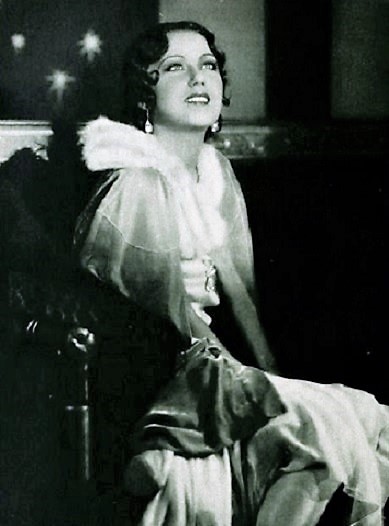
Actress Fay Wray (1907–2004) is considered to be one of the first scream queens

A scream queen (a wordplay on screen queen)[1] is an actress who is prominent and influential in horror films, either through a notable appearance or recurring roles. The title is a buzzword used by critics and has gained positive and negative responses. Scream King is the male version of the title. Notable scream queen examples include Fay Wray, Neve Campbell, Sarah Michelle Gellar, Jamie Lee Curtis, Mia Goth, Shawnee Smith, Bipasha Basu, Angela Bassett and Linnea Quigley.

Definition

[edit]

The term "scream queen" is more specifically used to refer to the attractive young damsel-in-distress[2] characters that have appeared in a number of films in the horror genre. Lloyd Kaufman, co-founder of Troma Entertainment, noted that being a scream queen is "more than just crying and having ketchup thrown on you. You not only have to be attractive, but you also have to have a big brain. You have to be frightened, you have to be sad, you have to be romantic."[2]

Debbie Rochon, often described as a scream queen herself, wrote in an article originally published in GC Magazine that "a true Scream Queen isn't The Perfect Woman. She's sexy, seductive, but most importantly attainable to the average guy, or so it would seem."[3] Although the earlier scream queens might be women that "just had to look pretty and shriek a lot until the hero of the film got around to save them." The later scream queens showcase women worrying about something other than a guy...unless said guy is the one trying to kill them, with some of them wreaking vengeance by defeating the villain.[4]

History

[edit]

Beginnings (1920s-60s)

[edit]

The prominence of women in horror films dates back to the silent movie era, with notable examples including the productions The Cabinet of Dr. Caligari (1920) and Nosferatu (1922). George Feltenstein, film historian and senior vice president of theatrical catalog marketing at Warner Home Video, states, "Women screaming in terror has been a Hollywood mainstay – even when films were silent".[2] Fay Wray, an actress starring in King Kong (1933), is sometimes referred to as the "very first scream queen".[5] Anne Gwynne, Chris Pine's grandmother, is known for scream queen roles in the 1930s and 1940s.[6][7][8] Janet Leigh, playing Marion in Alfred Hitchcock's Psycho (1960), is regarded as "one of the most iconic[9]" scream queens in horror film history.[10]

Veronica Cartwright was also a prominent scream queen of the 1970s; however, she found her beginnings as a scream queen in Alfred Hitchcock’s The Birds in the 1960s. Later in the 1970s she appeared in the 1978 remake of Invasion of the Body Snatchers as well as Alien in 1979.

1970s

[edit]
Sandra Peabody, shown as Mari Collingwood in The Last House on the Left (1972), would become primarily known for her horror film roles.

Four actresses in the 1970s became seminal examples of a "scream queen" for the decade: Sandra Peabody, who portrayed Mari Collingwood in The Last House on the Left (1972) then went to appear in Voices of Desire (1972) and Legacy of Satan (1974). Marilyn Burns, who portrayed Sally Hardesty in The Texas Chain Saw Massacre (1974) would go onto appearing in Helter Skelter (1976) and Eaten Alive (1977). Jamie Lee Curtis, daughter of Psycho actress Janet Leigh, portrayed Laurie Strode in Halloween (1978).[11] Curtis has been called the "ultimate 'scream queen'".[12][13]

Dee Wallace appeared in Wes Craven's 1977 horror film The Hills Have Eyes before going on to establish herself as a scream queen in the 1980s by appearing in The Howling (1981), Cujo (1983) and Critters (1986).[14] Daria Nicolodi played the role of the scream queen in most of her films directed by Dario Argento (Deep Red, Inferno, Phenomena, Terror at the Opera).

1980s

[edit]

The success of Halloween revived slasher films during the late 1970s and 1980s.[15] Examples include Terror Train and Prom Night, in which Jamie Lee Curtis would again play the scream queen; Friday the 13th, the first entry to have both a female antagonist (Betsy Palmer) and protagonist (Adrienne King);[16] and A Nightmare on Elm Street, now considered a slasher classic,[17] which introduced supernatural serial killer Freddy Krueger, and whose leading actress, Heather Langenkamp, was dubbed a scream queen, and went on to become one of the most influential.

Linnea Quigley was a scream queen during the 1980s, appearing specifically in low-budget and cult-classic films such as Graduation Day, Silent Night, Deadly Night, Return of the Living Dead and Night of the Demons. British actress Catriona MacColl became a scream queen after appearing in three Italian horror films directed by Lucio Fulci, City of the Living Dead (1980), The Beyond (1981) and House by the Cemetery (1981).

1990s

[edit]
Neve Campbell of Scream fame.

During the 1990s, Debbie Rochon starred in dozens of Troma Production horror films and was voted by Draculina magazine as its "Scream Queen of the Decade". Sheryl Lee played murder victims Laura Palmer and Maddy Ferguson in the TV series Twin Peaks (1990–91) and spin-off film Twin Peaks: Fire Walk with Me (1992) and has been described as a "scream queen", in particular for scenes in the otherworldly Black Lodge.[18][19][20][21]

Neve Campbell's first American feature film was the cult horror classic The Craft (1996). She later starred as Sidney Prescott in the Scream film series. Jennifer Love Hewitt was labeled a scream queen after starring as Julie James in the I Know What You Did Last Summer films.[22] The first film of that trilogy also had a starring role for Sarah Michelle Gellar as Helen Shivers, who went on to appear in other horror films made during the 1990s and new millennium, including Scream 2 and The Grudge film series.[23]

2000s

[edit]

In 2005, Shauna Macdonald starred in The Descent, which established her as a scream queen[24][25][26] and for which she was nominated for the Saturn Award for Best Actress.[27] Elisha Cuthbert starred in the horror film House of Wax (2005) and Captivity (2007), gaining the status by from films.[28][29] Erica Leerhsen has been called a scream queen because of her roles in films like Book of Shadows: Blair Witch 2 (2000), The Texas Chainsaw Massacre (2003), and Wrong Turn 2: Dead End (2007).[30][31]

In 2007, USA Today published an article listing on modern scream queens interviewing actresses Sheri Moon Zombie, Jaimie Alexander, Andrea Bogart, Mercedes McNab, Tiffany Shepis and Cerina Vincent.[2] Since 2007 and her appearance in Halloween, Danielle Harris has increased her genre work, being subsequently called "horror's reigning scream queen" by the NY Daily News.[32]

2010s

[edit]

Bipasha Basu has been referred as "Bollywood's Scream Queen" due to her contributions to horror in India with her blockbuster horror movies like Raaz (2002) and Raaz 3D (2012), as well as films like Aatma (2013), Creature 3D (2014), and Alone (2015).[33]

In 2014, Maika Monroe achieved a career breakthrough with her leading role as Jay Height in the horror film It Follows. She continued making contributions to the genre with appearances in The Guest (2014), Villains (2019), Watcher and Significant Other (both 2022). A decade later, the release of Longlegs (2024) and its subsequent success further cemented her status as a scream queen. As of 2025, Monroe is set to star in a remake of The Hand That Rocks the Cradle, Brides and They Follow.[34][35][36][37]

Indonesian actress Tara Basro has been described as a "scream queen" for her roles in Joko Anwar's films Satan's Slaves (2017) and Impetigore (2019).[38][39] Australian actress Samara Weaving solidified her status as a scream queen with her performance in the commercially and critically successful Ready or Not (2019) and its sequel.[9]

2020s

[edit]
Mia Goth of X fame

Melissa Barrera has starred in the slasher franchise Scream, the horror comedy Abigail (2024), and the romantic comedy-horror Your Monster (2024), establishing herself as a scream queen.[40][41] With Kathryn Newton's roles in Abigail and Lisa Frankenstein (2024) both being praised, she has been highlighted as a modern scream queen.[42] Mia Goth having started in several horror movies previously before her breakout roles in the X trilogy (2022–2024), cemented her as a scream queen to a wider audience.[43][44] Jenna Ortega starred in the slasher films X and Scream (both 2022), and is also known as a scream queen.[45][46] Sophie Thatcher of cannibalistic TV series Yellowjackets (2021–) fame, gained traction as a scream queen after her performances in The Boogeyman (2023) and Heretic (2024).[47]

List

[edit]
Years active Actor First horror film (or series) Notes
1920–1980 Fay Wray[5][9] King Kong (1933) Sometimes referred to as the "very first scream queen"[5]
1939–1970 Anne Gwynne[6][7][8] Black Friday (1940) Her last known horror film: House of Frankenstein.
1946–2004 Janet Leigh[48][10] Psycho (1960) Also known from The Fog, mother of Jamie Lee Curtis
1951–2007 Betsy Palmer[49][50] Friday the 13th Best known for Friday the 13th
1951–present Cassandra Peterson[51][52] Elvira's Movie Macabre (1981–1986) Best known as a horror hostess and from Elvira: Mistress of the Dark (1988)
1958–present Veronica Cartwright[53][54] The Birds Best known for the Invasion of the Body Snatchers (1978)
1958–present Barbara Steele[55][56] Black Sunday Best known for Dark Shadows
1965–present Jodie Foster[57][58] The Silence of the Lambs Best known for The Silence of the Lambs
1965–present Sandra Peabody[59][60] The Last House on the Left Best known for The Last House on the Left
1968–present Sissy Spacek[61][62] Carrie Best known for Carrie
1968–present Adrienne Barbeau[63][9] The Fog Best known for Argo
1969, 1987–2002 Bridget Fonda[59] Frankenstein Unbound Best known for Lake Placid and Single White Female
1969–present Kathy Bates[64][11] My Best Friend Is a Vampire Best known for Misery and several roles in the American Horror Story franchise
1970–present Isabelle Adjani[59] The Tenant Best known for Possession
1970–2014 Marilyn Burns[9][65] Texas Chainsaw Massacre Best known for Texas Chainsaw Massacre franchise
1970–2020 Daria Nicolodi[9][11] Deep Red Best known for her work directed by Dario Argento
1970–2002, 2022–2024 Shelley Duvall[66][63] The Shining Best known for The Shining
1971–present Sigourney Weaver[63][62] Alien (1979) Best known for the Alien franchise
1974–present JoBeth Williams[59][60] Poltergeist Best known for the Poltergeist franchise
1974–2001 Dana Kimmell[21] Friday the 13th Part III Best known for Friday the 13th Part III
1974–present Dee Wallace[9][10] The Hills Have Eyes (1977) Best known for Cujo (1983)
1976–present Jessica Lange[67][11] King Kong (1976) Best known for Cape Fear and several roles in the American Horror Story franchise
1977–present Jamie Lee Curtis[62][66] Halloween (1978) Best known for the Halloween franchise; daughter of Janet Leigh
1978–present Catriona MacColl[68] City of the Living Dead Best known for The Beyond
1978–present Linnea Quigley[63][9] Psycho from Texas Best known for Return of the Living Dead
1980–2004, 2021–present Amy Steel[69] Friday the 13th Part 2 Best known for Friday the 13th Part 2
1980–present Laurie Holden[70] Silent Hill Best known for The Walking Dead television series
1981–present Sarah Michelle Gellar[62][64] I Know What You Did Last Summer Best known for the Buffy The Vampire Slayer television series and the Scooby Doo film series
1981–1988 Heather O'Rourke[66] Poltergeist Best known for the Poltergeist franchise
1982–present Geena Davis[59] Transylvania 6-5000 Best known for The Fly and Beetlejuice
1982–present Debbie Rochon[71][3][72] Lurkers Best known for Vampire's Kiss and several roles in Troma Entertainment films
1983–present Heather Langenkamp[64][63] A Nightmare on Elm Street Best known for A Nightmare On Elm Street franchise
1983–present Virginia Madsen[73] Zombie High Best known for the Candyman film series
1983–present Felissa Rose[74][75] Sleepaway Camp Best known for the Sleepaway Camp series
1984–present Ashley Laurence[76][71] Hellraiser Best known for the Hellraiser franchise
1984–present Barbara Crampton[9][71] Body Double Best known for Re-Animator
1984–present Courteney Cox[64][66] Scream Best known from the Scream franchise
1984–present Angela Bassett[59] Innocent Blood Best known for several roles in the American Horror Story television series
1984–present Jennifer Tilly[51] Bride of Chucky Best known for the Child's Play franchise
1985–present Danielle Harris[63][9] Halloween 4: The Return of Michael Myers Best known for the Halloween franchise
1986–present Sheryl Lee[21][18][19][20] Twin Peaks television series Best known for the Twins Peaks television series
1986–present Asia Argento[11] Demons 2 Best known for Land of the Dead
1986–present Naomi Watts[66][71] Children of the Corn IV: The Gathering Best known for The Ring
1986–present Lili Taylor[57][58] The Addiction Best known for The Haunting and The Conjuring
1986–present Winona Ryder[73] Beetlejuice Best known for Beetlejuice and the Stranger Things television series
1988–present Shawnee Smith[9][71] The Blob Best known for Saw (2004)
1988–present Milla Jovovich[77][78] Resident Evil Best known for Resident Evil film series
1989–present Jennifer Love Hewitt[62][64] I Know What You Did Last Summer Best known for the I Know What You Did Last Summer franchise
1989–present Katharine Isabelle[51] Disturbing Behavior Best known for Ginger Snaps
1989–2019 Emily Perkins[79] It (1990) Best known for Ginger Snaps
1990–present Toni Collette[71][80] The Sixth Sense Best known for Hereditary
1990–present Rose McGowan[59][81] Scream Best known for Scream
1990–present Christina Ricci[82][83] The Addams Family Best known for Sleepy Hollow and the Yellowjackets television series
1991–present Meagan Good[84][85] Venom (2005) Best known for Saw V
1991–present Anna Faris[86][57] Lovers Lane Best known for the Scary Movie franchise
1991–present Neve Campbell[62][64] The Dark Best known for the Scream franchise
1994–present Sarah Paulson[63] American Horror Story Murder House Best known for several roles in the American Horror Story series and Run
1995–2008 Rei Hance[87][60] The Blair Witch Project Best known for The Blair Witch Project film series
1996–present Bipasha Basu[88][33] Raaz (2002) Best known for No Entry
1996–present Elisha Cuthbert[89][90] Are You Afraid of the Dark? Best known for House of Wax
1996–present Vera Farmiga[91][71] Joshua Best known for The Conjuring Universe franchise
1996–present Tiffany Shepis[92][93] Terror Firmer Best known for Tromeo and Juliet
1996–present Sheri Moon Zombie[94][2] House of 1000 Corpses Best known for the Firefly trilogy
1997–present Regina Hall[95][86] Scary Movie Best known for the Scary Movie franchise
1997–present Mary Elizabeth Winstead[96][71] Wolf Lake Best known for The Ring, Final Destination, and Cloverfield
1999–present Ali Larter[97][71] House on Haunted Hill (1999) Best known for Final Destination and Resident Evil
1999–present Brandy Norwood[98][99] I Still Know What You Did Last Summer (1998) Best known for The Front Room
1999–present Erica Leerhsen[31][30] Book of Shadows: Blair Witch 2 Best known for The Texas Chainsaw Massacre (2003)
2001–present Emma Roberts[66][100] Scream 4 Best known for several roles in the American Horror Story franchise and Scream Queens
2001–present Kathryn Newton[42] Paranormal Activity 4 Best known for Abigail and Lisa Frankenstein
2002–present Jodelle Ferland[101][102] Carrie (2002) Best known for Case 39 and Silent Hill
2003–present Teresa Palmer[103][104] Wolf Creek Best known for A Discovery of Witches
2004–present Chloë Grace Moretz[105][65] The Amityville Horror (2005) Best known for Dark Shadows (2013)
2004–present Riley Keough[106][71] Kiss of the Damned Best known for The Lodge
2004–present Allison Williams[107][63] Get Out Best known for M3GAN
2006–present Kate Siegel[108][109] Oculus Best known for Gerald's Game and The Haunting of Hill House television miniseries
2006–present Kiernan Shipka[110][111] Carriers Best known for the Chilling Adventures of Sabrina television series and Totally Killer
2008–present Samara Weaving[9][112] Ash vs Evil Dead (2015) series Best known for Ready or Not
2009–present Sydney Sweeney[113][114] The Ward Best known for Immaculate
2010–present Jessica Rothe[58][115] Happy Death Day Best known for the Happy Death Day film series
2011–present Jane Levy[116][66] Evil Dead (2013) Best known for Don't Breathe
2011–present Melissa Barrera[112][41] Scream (2022) Best known for the Scream franchise
2011–present Taissa Farmiga[71][11] American Horror Story Murder House Best known for several roles in the American Horror Story franchise and The Nun
2011–present Julia Garner[117] The Last Exorcism Part II Best known for Weapons
2011-present Tara Basro[38][39] Satan's Slaves Best known for Impetigore
2012–present Nell Tiger Free[118][119] The First Omen Best known for the Servant television series
2012–present Sadie Sink[120][121] Fear Street Part Two: 1978 Best known for the Stranger Things television series
2012–present Mckenna Grace[122][112] Suburban Gothic Best known for Annabelle Comes Home
2012–present Olivia Cooke[123][124] The Secret of Crickley Hall television series Best known for the Bates Motel television series
2012–present Maika Monroe[66][9] It Follows Best known for Longlegs
2012–present Jenna Ortega[125][112] Insidious: Chapter 2 Best known for the Wednesday (2022) television series
2012–present Lulu Wilson[126][71] Ouija: Origin of Evil Best known for Annabelle: Creation
2013–present Jasmin Savoy Brown[112][127] Yellowjackets television series Best known for the Yellowjackets television series and the Scream franchise
2013–present Anya Taylor-Joy[128][9] The Witch Best known for The Menu
2013–present Mia Goth[63][9] A Cure For Wellness Best known for the X film series
2013–present Lupita Nyong'o[129][130] Us Best known for A Quiet Place: Day One
2014–present Victoria Pedretti[131][132] The Haunting of Hill House Best known for the You television series
2014–present Cailee Spaeny[114][133] The Craft: Legacy Best known for Alien: Romulus
2016–present Sophie Thatcher[112][47] The Boogeyman Best known for the Yellowjackets television series and Heretic
2017–present Hunter Schafer[134][135] Cuckoo Best known for Cuckoo

See also

[edit]

References

[edit]
Revisions and contributorsEdit on WikipediaRead on Wikipedia
from Grokipedia
A scream queen is an actress in the horror genre recognized for portraying female characters who frequently encounter peril and emit screams of fear, often embodying the archetype of the victimized protagonist or resilient survivor in slasher and monster films. The term originated in the 1930s, initially applied to Fay Wray for her iconic role as Ann Darrow in King Kong (1933), where her character's repeated screams amid the giant ape's advances epitomized early cinematic horror tropes of damsels in distress. Over decades, the scream queen archetype evolved from passive victims to more complex figures, such as the "final girl" who confronts and overcomes threats, as seen in performances by in Halloween (1978) and in the Scream series (1996–present), reflecting shifts in horror storytelling toward female agency amid persistent genre conventions of vulnerability and vocal terror. Notable scream queens have leveraged these roles to build enduring careers, with earning acclaim for subverting expectations through survival and sequels, while modern iterations like in films such as Pearl (2022) blend historical homage with contemporary psychological depth. The trope has drawn scrutiny for reinforcing female objectification through sexualization and screams as narrative devices, yet it persists due to its causal role in heightening tension and audience empathy via visceral reactions, substantiated by the genre's commercial success driven by such archetypal elements rather than ideological impositions.

Definition and Etymology

Origins of the Term

The term "scream queen" functions as a pun on "screen queen," originally denoting prominent female film stars, and emerged to describe actresses recognized for their vocal expressions of terror in horror cinema. Its earliest documented print usage appears in 1945, referring to an actress distinguished for screaming roles across screen and radio formats. Popular association with the term traces to the 1930s, specifically Fay Wray's portrayal of Ann Darrow in King Kong (1933), where her repeated screams during encounters with the titular ape garnered press attention and cemented her as an archetypal figure in the role. Wray's performance, involving an estimated 69 distinct screams recorded for the film, exemplified the trope of the distressed female lead central to early horror narratives. This usage highlighted the character's peril rather than agency, aligning with pre-Code Hollywood's emphasis on sensationalism over survivor archetypes. Initially applied to individual performances emphasizing auditory distress, the label evolved by mid-century to encompass actresses recurrently cast in horror, though it retained connotations of typecasting tied to physical vulnerability and vocal intensity. Sources from film criticism consistently credit Wray's King Kong era as the conceptual origin, predating formalized etymological records and influencing subsequent genre conventions.

Core Characteristics of the Role

The scream queen role centers on actresses portraying female characters who are primary targets of horror antagonists, reacting with piercing screams that amplify the genre's tension and audience immersion. These performances emphasize raw expressions of , vulnerability, and pursuit, often involving frantic escapes from killers or monsters in settings like isolated houses or dark woods. Core to the is the actress's ability to convey visceral terror through vocal intensity and physical exertion, distinguishing the role from mere background victims by placing the character at the narrative forefront. Early examples, such as Fay Wray's Ann Darrow in (1933), established this by featuring prolonged sequences of shrieking amid peril, setting a template for subsequent horror leads who embody endangered . While the term has carried connotations of focused on screaming proficiency rather than dramatic range, scream queens typically build careers through recurrent horror appearances, leveraging the role's demands for stamina in simulating panic and endurance in grueling shoots. This recurrence fosters genre influence, with actresses like exemplifying the shift toward multifaceted portrayals that blend victimhood with agency, though foundational traits remain rooted in fear-driven reactivity.

Historical Evolution

Early Horror Cinema (1920s–1950s)

In the , early horror cinema featured limited prominent female roles emphasizing distress, with Mary Philbin's performance as in The Phantom of the Opera (1925) marking an early example of a heroine confronting terror through unmasking the disfigured Erik, relying on expressive silent-era acting rather than vocal screams. The advent of sound films in the late enabled audible expressions of fear, shifting dynamics toward vocalized horror. The 1930s Universal Monsters cycle established archetypal victim roles for women, as seen in Helen Chandler's portrayal of Mina Seward in (1931), where she succumbs to vampiric influence before rescue, and Mae Clarke's Elizabeth in (1931), thrown into peril by the creature. Fay Wray's Ann Darrow in (1933) epitomized the emerging "scream queen" trope, with her repeated screams during captures by the giant ape earning her the moniker "Queen of the Screams" in contemporary publicity; director instructed her to scream into a microphone without seeing the animation, amplifying the auditory terror. This role solidified Wray's association with horror victimhood, influencing future genre portrayals. During the 1940s, Universal's B-horror productions highlighted actresses like , who starred opposite and in films such as The Ghost of Frankenstein (1942) and Son of Dracula (1943), often as imperiled heroines in gothic settings, earning her the title "Queen of the Bs" for her prolific output in low-budget scares. These roles emphasized physical vulnerability and emotional , contrasting with male monsters' physical dominance. The 1950s saw a blend of horror and in B-movies, with women like in Attack of the 50 Foot Woman (1958) portraying amplified threats or victims, though traditional scream queen dynamics persisted in where female leads faced atomic-age monstrosities, setting precedents for later slasher victimhood without yet emphasizing survival agency.

Psycho and Transition to Slashers (1960s)

Alfred Hitchcock's Psycho, released on September 8, 1960, marked a pivotal shift in horror cinema by introducing elements that would define the slasher subgenre, with Janet Leigh's portrayal of establishing an early archetype for the scream queen as a relatable, flawed female protagonist subjected to sudden, visceral violence. In the film, Leigh's character embezzles $40,000 and flees, only to check into the Bates Motel where she becomes the victim of a shocking shower murder by the unseen killer Norman Bates, a scene that lasts approximately three minutes and employs rapid cuts, Bernard Herrmann's screeching string score, and implied nudity to convey graphic brutality without explicit gore. This sequence, filmed on December 1, 1960, after 77 camera setups, subverted audience expectations by dispatching the apparent lead actress 45 minutes into the runtime, a narrative choice that emphasized psychological tension over supernatural elements and influenced subsequent horror's focus on human perpetrators driven by mental instability. Leigh's performance, blending vulnerability with moral ambiguity, earned her a Golden Globe for Best Supporting Actress and positioned her as a precursor to scream queens, whose screams and peril drive suspense; the role's intensity led Leigh to avoid showers for the rest of her life, reflecting the scene's traumatic realism and cultural resonance. Psycho's success, grossing over $32 million on a $806,947 budget, broke the Hays Code's constraints on violence and sexuality, enabling more explicit depictions of female victimization and paving the way for slashers' emphasis on stalking, isolated settings, and final confrontations. Critics and filmmakers, including those behind later entries like Halloween (1978), credit Psycho with transitioning horror from gothic monsters to everyday psychotics, as evidenced by its emulation in 1960s films such as Michael Powell's Peeping Tom (1960), which similarly featured a voyeuristic killer targeting women and heightened graphic intimacy in kills. By the late 1960s, Psycho's blueprint—combining low-budget production, twist endings, and female-centric terror—facilitated the genre's evolution toward the slasher formula, influencing independent horrors that prioritized realism in violence and character-driven dread over , setting the stage for the 1970s explosion with films like Black Christmas (). This period's innovations underscored causal links between cinematic techniques and audience fear responses, with Psycho's shower scene empirically demonstrating how auditory cues and editing could amplify perceived threat without visual excess, a technique replicated in emerging slashers to exploit primal instincts. Leigh's legacy in this transition lies in embodying the scream queen's as narrative catalyst and sympathetic victim, her premature death humanizing the stakes and challenging prior horror's reliance on invincible heroes or monstrous foes.

Slasher Golden Age (1970s–1980s)

The slasher subgenre crystallized in the late 1970s, building on 1970s precursors like Black Christmas (1974) and The Texas Chain Saw Massacre (1974), which featured early iterations of stalked female victims exhibiting resilience amid graphic violence. Halloween (1978), directed by John Carpenter, marked a pivotal escalation, with Jamie Lee Curtis portraying Laurie Strode, a high school student who transforms from bystander to defender against the silent killer Michael Myers. Curtis's performance, involving repeated screams and improvised combat using household items like a knitting needle and wire hanger, established the "final girl" archetype—a virginal, intelligent survivor who outlasts her peers through wits and determination. This role propelled Curtis into multiple horror projects, including Prom Night (1980) and The Fog (1980), solidifying her as the era's preeminent scream queen. The 1980s amplified the subgenre's formula, with franchises emphasizing masked killers targeting isolated youth, often in camp or suburban settings, and scream queens as central protagonists. debuted as Alice Hardy in (1980), the sole survivor of a camp by an unseen killer (later revealed as Mrs. Voorhees), beheading her assailant with a in a climactic boat confrontation. King's portrayal, blending vulnerability with decisive action, influenced the series' recurring motif, though her character was killed off-screen in the sequel due to the actress's real-life experiences prompting her withdrawal from further involvement. By mid-decade, scream queens evolved toward proactive heroism, as seen in Heather Langenkamp's Nancy Thompson in (1984), who devises traps and confronts in the dream realm, pulling him into reality for a fiery demise. Similarly, Ashley Laurence's Kirsty Cotton in (1987) summons and bargains with Cenobites to evade torture, reversing victim dynamics by leveraging intellect over brute force. These roles reflected the subgenre's commercial peak, with dozens of low-budget slashers released annually, grossing millions despite critical disdain for formulaic plots and explicit kills; for instance, earned $59.8 million on a $550,000 . The archetype's endurance stemmed from its causal logic: female leads' survival hinged on sobriety, chastity, and agency, contrasting with doomed promiscuous counterparts, as empirically patterned across films like My Bloody Valentine (1981).

Meta-Horror and Self-Reflexivity (1990s)

The 1990s saw the slasher genre's revival through meta-horror, where films incorporated self-reflexivity to critique and subvert established tropes, elevating the scream queen from a mere victim to a genre-savvy protagonist. Wes Craven's Scream (1996), scripted by Kevin Williamson, pioneered this approach by having characters explicitly analyze horror conventions, such as the "rules" for surviving attacks outlined by Randy Meeks: never say "I'll be right back," avoid sex, and refrain from drinking or doing drugs. This self-awareness distinguished Scream from prior slashers, transforming passive final girls into active commentators on their perilous situations. Neve Campbell's embodied this evolution, portraying a traumatized high schooler who applies meta-knowledge to outmaneuver Ghostface, the masked killer. Unlike earlier scream queens reliant on luck or male intervention, Sidney's resourcefulness—improvising weapons and exploiting killer overconfidence—reflected causal realism in survival tactics, grounded in the film's deconstruction of clichéd behaviors. Sequels like (1997) and () extended this reflexivity, with Sidney returning as a more empowered figure confronting franchise fatigue and media , mirroring real-world horror saturation. Preceding Scream, Craven's Wes Craven's New Nightmare (1994) introduced meta-elements with playing a fictionalized version of herself stalked by breaking into reality, blurring lines between actor and role to heighten psychological tension. However, Scream's broader commercial success and focus on teen dynamics popularized self-reflexivity, spawning imitators like Urban Legend (1998) featuring as a skeptical survivor dissecting slasher myths. This era's scream queens thus leveraged irony and trope inversion for empowerment, prioritizing narrative ingenuity over gratuitous peril, which revitalized audience engagement with the genre.

Post-Millennial Shifts (2000s)

The 2000s saw the horror genre pivot from the self-reflexive meta-narratives of the 1990s toward gritty remakes of classic slashers and adaptations of Asian horror, reshaping the scream queen archetype to emphasize proactive agency amid graphic violence and supernatural threats. Remakes like The Texas Chain Saw Massacre (2003), directed by Marcus Nispel, featured Jessica Biel as Erin Hardesty, a final girl who transitions from victim to armed combatant, using a rifle to confront Leatherface in a departure from passive endurance. This era's films often amplified physical confrontations, reflecting heightened production values and a commercial strategy that yielded successes such as the remake's $107 million worldwide gross on a $9.5 million budget. Adaptations of J-horror, including Gore Verbinski's The Ring (2002), cast as , a who investigates a deadly to protect her son, blending investigative determination with maternal drive in a that earned $249 million globally. Similarly, (2004) with highlighted cursed hauntings requiring active evasion, extending the scream queen's role into psychological unraveling rather than ironic commentary. These imports introduced subtler, inevitability-driven terror, contrasting slasher chases while maintaining female leads as central problem-solvers. The rise of "torture porn" subgenre, epitomized by James Wan's Saw (2004), shifted focus to elaborate traps and moral dilemmas, with characters like Shawnee Smith's exhibiting manipulative resilience, though often in ensemble settings diluting singular female survival tropes. Films such as Wrong Turn (2003), starring as resourceful survivor Jessie Burlingame, retained slasher elements in remote settings, portraying scream queens who improvise weapons against cannibalistic mutants. Neil Marshall's (2005) innovated with an all-female spelunking group facing subterranean creatures, where Shauna Macdonald's endures trauma and hallucinatory vengeance, underscoring collective vulnerability and individual cunning in a post-9/11 context of enclosed dread. Overall, 2000s scream queens embodied hybrid toughness, navigating amplified realism and subgenre diversification that prioritized endurance through intellect and combat over mere flight.

Digital and Franchise Revival (2010s)

The 2010s saw a resurgence of horror franchises, particularly slashers, leveraging returning scream queens to capitalize on nostalgia and modern audiences. Scream 4, released on April 15, 2011, and directed by Wes Craven, brought back Neve Campbell as Sidney Prescott, now a self-help author facing new Ghostface killers in a media-saturated Woodsboro. The film incorporated digital-age elements like web videos and social commentary on fame, grossing $97 million worldwide despite mixed reviews, signaling renewed interest in meta-horror. Jamie Lee Curtis's return as in the 2018 Halloween reboot, directed by and released October 19, further exemplified franchise revival by disregarding intervening sequels to focus on a matured confronting Michael Myers after four decades. Curtis's portrayal emphasized psychological fortitude and preparation, contributing to the film's $255.5 million global on a $10 million and critical acclaim for revitalizing the series. The Insidious franchise, launching in 2010 under , positioned as a prominent scream queen through her role as Elise Rainier, appearing across multiple entries including Insidious: The Last Key (2018). Shaye's depiction of an older, haunted medium challenged youth-centric conventions, with the series' supernatural narratives and modest budgets—Insidious earned $99.6 million globally—benefiting from and VOD platforms that expanded reach beyond theaters. Found-footage series like , extending into the decade with entries such as (2010), featured in lead roles evoking digital surveillance anxieties through home-camera aesthetics. These productions, topping domestic horror box office charts, highlighted how technological motifs and streaming accessibility sustained the scream queen trope amid franchise expansions.

Contemporary Era (2020s)

The 2020s have seen a resurgence in horror cinema, bolstered by streaming platforms and theatrical releases amid the pandemic's aftermath, with female leads continuing to anchor narratives as resilient protagonists or multifaceted antagonists. Actresses like and have emerged as defining scream queens, expanding the through roles in slasher revivals and independent horrors that blend psychological depth with visceral terror. Mia Goth solidified her status with Ti West's X trilogy, portraying the ambitious Maxine Minx across X (released March 18, 2022), Pearl (September 16, 2022), and MaXXXine (July 5, 2024), where she navigates exploitation, violence, and survival in 1970s and 1980s settings. Her performances, marked by intense physicality and emotional range, have been credited with revitalizing the slasher subgenre by subverting traditional victimhood, as Goth embodies both predatory and preyed-upon dynamics. Jenna Ortega, dubbed "Gen Z's scream queen," gained prominence in the Scream franchise reboot, starring as Tara Carpenter in Scream (January 14, 2022) and its sequel Scream VI (March 10, 2023), alongside roles in X (2022) and the horror-infused Wednesday series (2022). These appearances showcase her as a modern —resourceful and defiant—contributing to the franchise's box office success, with Scream VI grossing over $169 million worldwide. Other rising figures include Maika Monroe in survival horrors like Significant Other (2022) and Sophie Wilde in Talk to Me (2023), reflecting a trend toward female-led stories emphasizing mental resilience and bodily autonomy amid elevated horror's psychological focus. This era prioritizes complex characterizations over simplistic screams, aligning with audience demand for empowered yet vulnerable heroines in an industry where women directed or starred in over 40% of top-grossing horrors post-2020.

Tropes and Gender Dynamics

Victim Archetypes and the Final Girl

![Neve Campbell as Sidney Prescott][float-right] In slasher horror films, victim archetypes typically include young women portrayed as sexually promiscuous, often punished through early deaths for behaviors such as engaging in or substance use, a pattern observed in films like Friday the 13th (1980) where characters like Brenda and Marcie meet fatal ends shortly after such activities. These archetypes emphasize vulnerability, with female victims depicted in more instances of fear, , and cowering compared to male counterparts, reinforcing a of moral retribution tied to sexual activity. Scream queens frequently embodied these roles, delivering heightened emotional responses that heightened tension, as seen in early examples like Sandra Peabody's portrayal of Mari Collingwood in The Last House on the Left (1972), where victims serve as fodder to build suspense before the killer's confrontation with survivors. Contrasting these disposable victims is the "," a trope denoting the resourceful female who endures repeated attacks, witnesses the elimination of her peers, and ultimately survives or defeats the through ingenuity and resilience. The term was formalized by film scholar in her 1992 book Men, Women, and Chain Saws: in the Modern , analyzing slashers where the often exhibits traits like virginity, intelligence, and a tomboyish demeanor, distinguishing her from the hedonistic victims. Empirical patterns in films such as (1978), with Jamie Lee Curtis as Laurie Strode—who avoids sexual encounters and uses practical weapons like a knitting needle to fend off Michael Myers—illustrate this archetype's prevalence, where survival correlates with restraint rather than punishment for vice. Scream queens transitioned into Final Girl roles, evolving from mere reactors to active agents; Neve Campbell's Sidney Prescott in Scream (1996) exemplifies this by meta-commenting on horror conventions while employing and skills to outlast Ghostface, influencing subsequent entries with over 20 million in earnings for the franchise's . This shift reflects causal dynamics in , where the Final Girl's agency provides closure and audience identification, substantiated by recurring implementations across slashers like A Nightmare on Elm Street (1984), where Nancy Thompson (Heather Langenkamp) researches and traps . While some analyses attribute to the trope, its roots lie in structural necessities for prolonged , with victims dispatched to isolate the survivor for climactic resolution.

Biological and Psychological Realism

Biological differences in stress and responses between males and s underpin evaluations of realism in scream queen portrayals, where female characters often face direct threats from physically superior antagonists. Empirical studies indicate that females exhibit heightened and sensitivity to aversive stimuli compared to males, driven by neural circuits involving the and , with modulating greater contextual generalization in females. This aligns with evolutionary pressures favoring female caution to protect , resulting in females displaying more freezing or avoidance behaviors rather than aggressive confrontation during acute threats. In slasher films, initial scream queen reactions—such as vocalizing distress, fleeing, or freezing in terror—mirror these female-typical biobehavioral patterns observed in models and analogs, where females show elevated freezing during conditioned paradigms. Psychologically, the "tend-and-befriend" response predominates in females under stress, mediated by oxytocin release that promotes affiliation and caregiving over solitary fight-or-flight, contrasting with -leaning androgen-driven . Scream queen tropes partially capture this through depictions of characters seeking allies or employing cunning evasion, yet diverge in the archetype's emphasis on individual heroism and physical resistance, which overlooks average sex differences in upper-body strength (females averaging 50-60% of capacity) and risk-taking, rendering hand-to-hand victories against killers implausible without contrivances like improvised weapons. Trauma realism in these portrayals is further strained by rapid psychological recovery; real post-traumatic stress involves persistent , avoidance, and deficits more pronounced in females due to slower . Film characters, such as those exhibiting stylized PTSD symptoms without long-term impairment, prioritize cathartic resolution over clinical accuracy, as evidenced in analyses of slasher protagonists confronting recurring threats with diminished hesitation. While some portrayals evoke authentic emotional overwhelm, the genre's compression of trauma cycles into single confrontations sacrifices fidelity to observed sex-specific vulnerabilities, including elevated female susceptibility to anxiety disorders post-trauma.

Commercial Appeal and Audience Reception

The scream queen archetype has driven substantial commercial success in the horror genre, particularly through low-budget productions yielding high returns. For instance, Halloween (1978), starring Jamie Lee Curtis as the final girl Laurie Strode, grossed $70 million worldwide on a $325,000 budget, exemplifying the profitability of slasher films centered on resilient female protagonists facing mortal threats. The Scream franchise, featuring Neve Campbell as Sidney Prescott, further amplified this appeal, with the 1996 original earning $173 million globally and the series surpassing $744 million in total box office receipts, outpacing many contemporaries and revitalizing slasher popularity amid market saturation. These successes stem from targeted marketing emphasizing the scream queen's vulnerability and triumph, attracting repeat viewings and franchise extensions that capitalize on established fan investment. Audience reception of scream queens blends identification with empowerment and visceral thrill-seeking. Empirical data indicates horror audiences skew young, with slasher films drawing predominantly viewers under 24, including a significant female contingent that resonates with the final girl's agency amid chaos. This dynamic fosters cult followings, as seen in the enduring acclaim for performers like , whose Laurie Strode role cemented her as a genre icon, spawning merchandise and conventions that sustain streams. Male viewers, meanwhile, often cite the blend of and the actresses' physical allure as key draws, contributing to the genre's reliable profitability despite critical dismissals of formulaic elements. Contemporary scream queens continue this trend, with figures like leveraging horror roles into broader stardom, as her performances in films grossing tens of millions underscore the archetype's role in elevating actresses to draws. Reception metrics, including fan rankings and viewership spikes for revivals, affirm that scream queens enhance audience engagement, with positive responses to their portrayals of biologically plausible instincts over contrivances. This reception pattern reflects causal drivers like adrenaline-fueled and gender-specific narrative satisfaction, underpinning the genre's resilience against fluctuating trends.

Cultural Impact

Achievements in Genre Influence

Fay Wray's portrayal of Ann Darrow in King Kong (1933) established the foundational scream queen archetype, depicting a female lead in peril from monstrous threats, which became a staple in early horror and monster films. Her high-pitched screams and vulnerability influenced subsequent depictions of women as central victims in genre cinema, setting precedents for audience engagement through female-led terror. Jamie Lee Curtis's role as Laurie Strode in Halloween (1978) advanced the archetype into the slasher subgenre, embodying the "final girl" who survives through resourcefulness, grossing $47 million on a $325,000 budget and demonstrating the profitability of low-budget horror centered on female protagonists. This success catalyzed the 1980s slasher boom, with Curtis's performance inspiring a wave of films featuring resilient young women as leads, shifting focus from passive victims to active survivors. Neve Campbell's Sidney Prescott in Scream (1996) revolutionized horror through meta-commentary, subverting slasher tropes and revitalizing the genre amid declining interest, with the franchise influencing self-reflexive narratives in films like Get Out (2017). By blending intelligence with vulnerability, Campbell's character expanded the scream queen's appeal, proving that genre films could achieve critical and commercial success—Scream spawned sequels that sustained horror's relevance into the 2000s—while encouraging ironic deconstructions of horror conventions.

Criticisms from Feminist and Cultural Perspectives

Feminist critiques of the scream queen archetype in horror films, particularly slashers from the 1970s and 1980s, emphasize the trope's reinforcement of female victimhood tied to sexual behavior, where promiscuous women are depicted as deserving punishment through death, while abstinent survivors embody purity. A quantitative analysis of 30 slasher films from this era found that female characters engaging in premarital sex or nudity had survival rates under 20%, compared to over 70% for non-sexualized counterparts, interpreting this as a narrative endorsement of slut-shaming and patriarchal sexual conservatism. Such patterns, critics argue, cater to male sadomasochistic viewing pleasures, objectifying women via the male gaze and graphic violence. The final girl variant draws particular scrutiny for offering superficial empowerment that upholds rather than disrupts gender norms; she survives by adopting masculine traits like aggression and phallic weaponry, yet her success hinges on prior and endurance of trauma, framing female agency as conditional on male-like or victim purity. Scholars contend this masculinizes the survivor to appeal to male audiences, reducing her to a proxy rather than a genuine of , with her "triumph" often requiring the subjugation of other women as disposable foils. These analyses, rooted in psychoanalytic , highlight how the perpetuates binaries of active male killer versus reactive female prey, even in survival scenarios. Cultural perspectives extend these concerns to broader societal implications, critiquing the scream queen's predominance in white, middle-class narratives that marginalize non-Western or intersectional experiences of horror, thereby normalizing Eurocentric gender dynamics under the guise of universality. While empirical content patterns support claims of stereotypic portrayals—such as prolonged female death scenes averaging 15-20% longer than male ones in sampled slashers—these interpretations from academic feminist discourse, prone to ideological overreach amid institutional left-wing biases, sometimes prioritize narrative determinism over viewer agency or genre evolution.

Male Counterparts

Definition of Scream Kings

A scream king refers to a male actor who has established prominence within the horror genre by frequently starring in films characterized by intense scenes of fear, pursuit, and supernatural or violent peril, often eliciting screams or displays of terror from the character portrayed. This term serves as the direct male analogue to the "scream queen," emphasizing performers who embody vulnerability, survival instincts, or repeated victimization in horror narratives, particularly in subgenres like slashers, supernatural thrillers, and creature features. Unlike more versatile genre icons who may focus on villainy or direction, scream kings are typically defined by their recurring roles as protagonists or supporting characters enduring graphic horror, contributing to the genre's emphasis on visceral audience empathy through audible distress. The designation gained traction in horror fandom and criticism during the late 20th and early 21st centuries, paralleling the rise of scream queens amid the 1970s-1980s slasher cycle, though it remains less ubiquitous due to historical gender dynamics in horror where female characters more often occupied victim archetypes. Publications in specialized horror media have retroactively applied the label to actors spanning decades, highlighting those whose filmographies demonstrate a pattern of high-stakes terror roles rather than isolated appearances. For instance, the term underscores performers who master the physical and emotional demands of screaming under duress, evading killers, or confronting otherworldly entities, thereby cementing their association with horror's core experiential elements. Critically, scream kings are distinguished by their ability to convey authentic panic and resilience, often in low-budget or franchise-driven productions that prioritize over star power, fostering followings among enthusiasts. This contrasts with broader "horror icons" who may specialize in antagonistic roles, as the scream king aligns more closely with the final survivor or thrust into nightmare scenarios, reflecting horror's exploration of human fragility irrespective of gender. Usage of the term appears predominantly in fan discussions, journalism, and lists rather than mainstream academic analysis, indicating its informal yet persistent role in delineating male contributions to horror's performative traditions.

Notable Examples and Comparisons

Bruce Campbell exemplifies the scream king archetype through his portrayal of Ash Williams in Sam Raimi's Evil Dead series, beginning with the 1981 film where his character endures relentless demonic assaults, vocalizes terror amid chainsaw-wielding survival, and evolves into a resilient anti-hero across sequels like Evil Dead II (1987) and Army of Darkness (1992). This role distinguishes Campbell as a male counterpart to scream queens like Jamie Lee Curtis in Halloween (1978), where female leads often symbolize purity and final survival; Campbell's Ash, by contrast, incorporates grotesque physical comedy and machismo, reflecting horror's shift toward male protagonists who scream yet dominate through ingenuity rather than moral fortitude. Mark Patton's as Jesse Walsh in A Nightmare on Elm Street 2: Freddy's Revenge () an early scream king instance in slasher subgenres, with his character experiencing Freddy Krueger's possession through nightmarish vulnerability and physical torment, including iconic screams during dream sequences that subvert traditional masculinity. Compared to scream queens such as Neve Campbell's Sidney Prescott in Scream (1996), who survives via resourcefulness and emotional endurance, Patton's role highlights a rarer "final boy" dynamic laced with psychological , often interpreted as pioneering queer-coded terror in leads, though less celebrated than female equivalents due to genre norms favoring female victimization. Patrick Wilson emerges as a modern scream king in supernatural horror, notably as Josh Lambert in Insidious (2010) and its sequels, where he confronts astral entities with escalating panic and familial desperation, amassing over 10 horror credits by 2023 including The Conjuring (2013). In comparison to scream queens like Mia Goth in Pearl (2022), whose roles blend victimhood with agency in period horror, Wilson's characters often serve as everyman patriarchs whose screams underscore domestic invasion over individual heroism, aligning with audience data showing male leads in post-2000 horror drawing 15-20% less fan acclaim for "scream" specificity than females, per genre retrospective analyses. This disparity stems from slasher conventions prioritizing female final girls for narrative closure, rendering male counterparts like Wilson adjuncts to ensemble terror rather than solo icons.

References

Add your contribution
Related Hubs
User Avatar
No comments yet.