Hubbry Logo
LarkLarkMain
Open search
Lark
Community hub
Lark
logo
8 pages, 0 posts
0 subscribers
Be the first to start a discussion here.
Lark
Lark
from Wikipedia

Lark
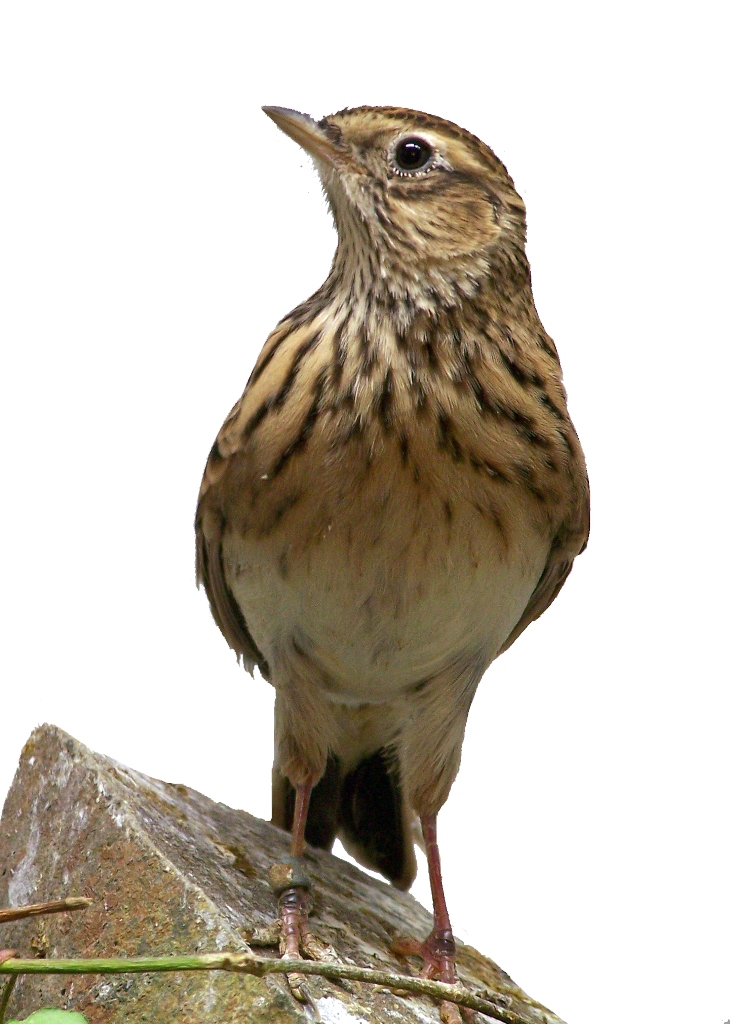
Eurasian skylark (Alauda arvensis)
Scientific classification Edit this classification
Kingdom: Animalia
Phylum: Chordata
Class: Aves
Order: Passeriformes
Parvorder: Sylviida
Family: Alaudidae
Vigors, 1825
Genera

see text

Larks are passerine birds of the family Alaudidae. Larks have a cosmopolitan distribution with the largest number of species occurring in Africa. Only a single species, the horned lark, occurs in North America, and only Horsfield's bush lark occurs in Australia. Habitats vary widely, but many species live in drier regions. When the word "lark" is used without specification, it often refers to the Eurasian skylark (Alauda arvensis).[1]

Taxonomy and systematics

[edit]

The family Alaudidae was introduced in 1825 by the Irish zoologist Nicholas Aylward Vigors as a subfamily Alaudina of the finch family Fringillidae.[2][3] Larks are a well-defined family, partly because of the shape of their tarsus.[4] They have multiple scutes on the hind side of their tarsi, rather than the single plate found in most songbirds. They also lack a pessulus, the bony central structure in the syrinx of songbirds.[5] They were long placed at or near the beginning of the songbirds or oscines (now often called Passeri), just after the suboscines and before the swallows, for example in the American Ornithologists' Union's first check-list.[6] Some authorities, such as the British Ornithologists' Union[7] and the Handbook of the Birds of the World, adhere to that placement. However, many other classifications follow the Sibley-Ahlquist taxonomy in placing the larks in a large oscine subgroup Passerida (which excludes crows, shrikes and their allies, vireos, and many groups characteristic of Australia and southeastern Asia). For instance, the American Ornithologists' Union places larks just after the crows, shrikes, and vireos. At a finer level of detail, some now place the larks at the beginning of a superfamily Sylvioidea with the swallows, various "Old World warbler" and "babbler" groups, and others.[8][9] Molecular phylogenetic studies have shown that within the Sylvioidea the larks form a sister clade to the family Panuridae which contains a single species, the bearded reedling (Panurus biarmicus).[10] The phylogeny of larks (Alaudidae) was reviewed in 2013, leading to the recognition of the arrangement below.[11][12]

The genus level cladogram shown below is based on a molecular phylogenetic study of the larks by Per Alström and collaborators published in 2023. The subfamilies are those proposed by the authors.[13] For two species the results conflict with the taxonomy published online in July 2023 by Frank Gill, Pamela Rasmussen and David Donsker on behalf of the International Ornithological Committee (IOC): the rusty bush lark (Mirafra rufa) and Gillett's lark (Mirafra gilletti) were found to be embedded in the genus Calendulauda.[12][13] Alström and collaborators proposed that the genus Mirafra should be split into four genera: Mirafra, Plocealauda, Amirafra and Corypha.[13]

Alaudidae
Certhilaudinae

Alaemon – hoopoe-larks (2 species)

Ammomanopsis – Gray's lark

Chersomanes – larks (2 species)

Certhilauda – long-billed larks (6 species)

Eremopterix – sparrow-larks (8 species)

Pinarocorys – larks (2 species)

Ramphocoris – thick-billed lark

Ammomanes – larks (3 species)

Mirafrinae

Calendulauda – larks (8 species)

Heteromirafra – larks (2 species)

Mirafra – larks (7 species)

Plocealauda – bush larks (5 species)

Amirafra – larks (3 species)

Corypha – larks (11 species)

Alaudinae

Lullula – woodlark

Spizocorys – larks (7 species)

Alauda – skylarks (4 species)

Galerida – larks (7 species)

Eremophila – horned larks (2 species)

Calandrella – short-toed larks (6 species)

Melanocorypha – larks (5 species)

Chersophilus – Dupont's lark

Eremalauda – larks (2 species)

Alaudala – short-toed larks (6 species)

Extant genera

[edit]

The family Alaudidae contains 102 extant species which are divided into 24 genera:[12] For more detail, see list of lark species.

Image Genus Living Species
Alaemon Keyserling & Blasius, 1840
Chersomanes Cabanis, 1851
Ammomanopsis Bianchi, 1905
  • Gray's lark (Ammomanopsis grayi)
Certhilauda Swainson, 1827
Pinarocorys Shelley, 1902
Ramphocoris Bonaparte, 1850
  • Thick-billed lark (Ramphocoris clotbey)
Ammomanes Cabanis, 1851
Eremopterix Kaup, 1836
Calendulauda Blyth, 1855
Heteromirafra Grant, 1913
Mirafra Horsfield, 1821
Lullula Kaup, 1829
Spizocorys Sundevall, 1872
Alauda Linnaeus, 1758
Galerida Boie, F, 1828
Eremophila F. Boie, 1828
Calandrella Kaup, 1829
Melanocorypha F. Boie, 1828
Chersophilus Sharpe, 1890
  • Dupont's lark (Chersophilus duponti)
Eremalauda WL Sclater, 1926
Alaudala Horsfield & Moore, 1858

Extinct genera

[edit]

Description

[edit]
A chestnut-backed sparrow-lark

Larks, or the family Alaudidae, are small- to medium-sized birds, 12 to 24 cm (4.7 to 9.4 in) in length and 15 to 75 g (0.5 to 2.6 oz) in mass.[14] The smallest larks are likely the Spizocorys species, which can weigh only around 14 g (0.49 oz) in species like the pink-billed lark and the Obbia lark, while the largest lark is the Tibetan lark.[15]

Like many ground birds, most lark species have long hind claws, which are thought to provide stability while standing. Most have streaked brown plumage, some boldly marked with black or white. Their dull appearance camouflages them on the ground, especially when on the nest. They feed on insects and seeds; though adults of most species eat seeds primarily, all species feed their young insects for at least the first week after hatching. Many species dig with their bills to uncover food. Some larks have heavy bills (reaching an extreme in the thick-billed lark) for cracking seeds open, while others have long, down-curved bills, which are especially suitable for digging.[14]

Larks are the only passerines that lose all their feathers in their first moult (in all species whose first moult is known). This may result from the poor quality of the chicks' feathers, which in turn may result from the benefits to the parents of switching the young to a lower-quality diet (seeds), which requires less work from the parents.[14]

In many respects, including long tertial feathers, larks resemble other ground birds such as pipits. However, in larks the tarsus (the lowest leg bone, connected to the toes) has only one set of scales on the rear surface, which is rounded. Pipits and all other songbirds have two plates of scales on the rear surface, which meet at a protruding rear edge.[4]

Calls and song

[edit]

Larks have more elaborate calls than most birds, and often extravagant songs given in display flight.[14] These melodious sounds (to human ears), combined with a willingness to expand into anthropogenic habitats—as long as these are not too intensively managed—have ensured larks a prominent place in literature and music, especially the Eurasian skylark in northern Europe and the crested lark and calandra lark in southern Europe.

Behaviour

[edit]

Breeding

[edit]

Male larks use song flights to defend their breeding territory and attract a mate. Most species build nests on the ground, usually cups of dead grass, but in some species the nests are more complicated and partly domed. A few desert species nest very low in bushes, perhaps so circulating air can cool the nest.[14] Larks' eggs are usually speckled. The size of the clutch is very variable and ranges from the single egg laid by Sclater's lark up to 6–8 eggs laid by the calandra lark and the black lark.[16] Larks incubate for 11 to 16 days.[14]

In culture

[edit]

Larks as food

[edit]

Larks, commonly consumed with bones intact, have historically been considered wholesome, delicate, and light game. They can be used in a number of dishes; for example, they can be stewed, broiled, or used as filling in a meat pie. Lark's tongues are reputed to have been particularly highly valued as a delicacy. In modern times, shrinking habitats made lark meat rare and hard to come by, though it can still be found in restaurants in Italy and elsewhere in southern Europe.[17]

Symbolism

[edit]

The lark in mythology and literature stands for daybreak, as in Chaucer's "The Knight's Tale", "the bisy larke, messager of day",[18] and Shakespeare's Sonnet 29, "the lark at break of day arising / From sullen earth, sings hymns at heaven's gate" (11–12). The lark is also (often simultaneously) associated with "lovers and lovers' observance" (as in Bernart de Ventadorn's Can vei la lauzeta mover) and with "church services".[19] These meanings of daybreak and religious reference can be combined, as in Blake's Visions of the Daughters of Albion, into a "spiritual daybreak"[20] to signify "passage from Earth to Heaven and from Heaven to Earth".[21] With Renaissance painters such as Domenico Ghirlandaio, the lark symbolizes Christ, with reference to John 16:16.[22]

Literature

[edit]

Percy Bysshe Shelley's famed 1820 poem "To a Skylark" was inspired by the melodious song of a skylark during an evening walk.[23]

English poet George Meredith wrote a poem titled "The Lark Ascending" in 1881.

In Mervyn Peake's Titus Groan, first book of the Gormenghast trilogy, "Swelter approache[s] [Lord Sepulchrave] with a salver of toasted larks" during the reception following newborn Titus's christening.

Canadian poet John McCrae mentions larks in his poem "In Flanders Fields".[24]

Music

[edit]

English composer Ralph Vaughan Williams wrote a musical setting of George Meredith's poem, completed in 1914. It was composed for violin and piano, and entitled The Lark Ascending - A Romance. The work received its first performance in December 1920. Soon afterwards the composer arranged it for violin and orchestra, in which version it was first performed in June 1921, and this is how the work remains best-known today.

The old Welsh folk song Marwnad yr Ehedydd (The Lark's Elegy) refers to the death of "the Lark", possibly as a coded reference to the Welsh leader Owain Glyndŵr.

The French-Canadian folk song Alouette refers to plucking feathers from a lark.[25]

Pet

[edit]

Traditionally, larks are kept as pets in China. In Beijing, larks are taught to mimic the voice of other songbirds and animals. A traditional habit of the Beijingers to teach their larks 13 kinds of sounds in a strict order (called "the 13 songs of a lark", Chinese: 百灵十三套). The larks that can sing the full 13 sounds in the correct order are highly valued, while any disruption in the songs will decrease their value significantly.[26]

Early awakening

[edit]

Larks sing early in the day, often before dawn,[27] leading to the expression "up with the lark" for a person who is awake early in the day,[28] and the term lark being applied to someone who habitually rises early in the morning.

See also

[edit]

References

[edit]

Further reading

[edit]
[edit]
Revisions and contributorsEdit on WikipediaRead on Wikipedia
from Grokipedia
#Lark Larks are small- to medium-sized birds belonging to the Alaudidae, characterized by their slender bodies, long hind claws adapted for walking on the ground, and predominantly brownish that provides in open habitats. Comprising approximately 100 , this exhibits a cosmopolitan distribution but is predominantly , with the greatest diversity occurring in and only one , the , native to the . Larks are renowned for their elaborate songs, often delivered during prolonged aerial displays known as song-flights, which males use to defend territories and attract mates. These birds inhabit a wide range of open environments, including grasslands, deserts, , and agricultural fields, where they forage primarily on seeds, , and other small by walking or running on the ground rather than perching. Most larks are ground-nesters, constructing cup-shaped nests hidden in vegetation or shallow scrapes, and they exhibit territorial behavior through vocalizations and visual displays during the breeding season. While many are sedentary or short-distance migrants, some undertake longer migrations in response to seasonal changes in food availability.

Taxonomy and systematics

Classification and evolution

Larks belong to the family within the order Passeriformes, the largest order of birds, encompassing perching songbirds. The family comprises approximately 100 distributed across 34 genera, primarily adapted to open habitats worldwide, with the highest diversity in and . The evolutionary origins of Alaudidae trace back to the early epoch, approximately 23 to 5 million years ago, with initial diversification occurring in Eurasian grasslands as expanding open environments facilitated adaptation to terrestrial lifestyles. Phylogenetic analyses indicate that the crown-group radiation began around 21 million years ago, coinciding with mid- climatic shifts that promoted the spread of arid and semi-arid habitats across . Early lineages likely emerged in response to these environmental changes, leading to subsequent colonizations of and other regions. Molecular phylogenetic studies, including multilocus analyses incorporating such as and nuclear markers, have clarified the position of Alaudidae within the oscine passerines, placing them as sister to the formed by (Hirundinidae) and pipits and wagtails (Motacillidae) in the superfamily Sylvioidea. These genetic investigations reveal complex patterns of morphological evolution, with non-monophyletic genera and evidence of cryptic species diversity driven by parallel adaptations in isolated populations. evidence supports deep divergences within the family, highlighting its ancient origins and in open terrains. Key evolutionary adaptations in larks include ground-nesting behaviors and enhanced , which evolved as responses to predator pressures and habitat openness in ancestral grasslands. Ground-nesting, characterized by open-cup or domed structures in shallow depressions, represents a derived trait from more arboreal ancestors, enabling in sparse vegetation. Similarly, modifications in structure and support efficient walking and running on the ground, reducing reliance on flight for foraging and escape, and reflecting long-term selection for xeric environments.

Extant species and genera

The family Alaudidae encompasses approximately 100 extant distributed across 34 genera, primarily in the with extensions into and the . Recent multilocus phylogenetic analyses have refined this , identifying hidden and non-monophyletic groupings, resulting in revisions such as the subdivision of the large genus Mirafra (formerly over 20 ) into four genera—Mirafra sensu stricto (about 7 ), Plocealauda (5 ), Heteromirafra (2 ), and the incorporation of others like Calendulauda (8 )—to better reflect evolutionary relationships. Genetic studies in the 2020s have proposed splitting the widespread complex (Eremophila alpestris) into up to six distinct based on mitochondrial and nuclear DNA divergences across and , though this is not yet accepted by major taxonomic authorities such as the IOC, which continues to recognize it as a single . Diversity is highest in , home to approximately 78 species (about 78% of the total), many adapted to arid and grassland habitats, followed by with around 16% of species occurring exclusively there. hosts shared species, while a few are endemic to isolated regions, underscoring driven by geographic barriers. The International Ornithological Congress (IOC) revised genera and species within Alaudidae in July 2024, including splits such as Kidepo Lark from Red-winged Lark and lumps like Barlow's Lark with Dune Lark, further refining the as of 2025. Notable examples include the Raso lark ( razae), the only species in its genus restricted to the 7 km² Raso Islet in the archipelago, where it faces severe limitations. Key genera illustrate this variation. The genus , known as skylarks, comprises four , including the cosmopolitan (Alauda arvensis) and the Oriental skylark (Alauda gulgula), with the Raso lark as a critically restricted outlier. Galerida, the bush larks, includes five mainly in and southern , such as the (Galerida cristata), noted for its adaptable open-country distribution. The revised Mirafra group, now spanning multiple genera, accounts for over 20 collectively, predominantly African with some Asian endemics like the Bengal bush lark (Mirafra assamica). Other significant genera encompass Eremophila (horned larks, 1 with numerous subspecies, though splits proposed), Ammomanes (desert larks, 3 in arid zones), Certhilauda (4 , long-billed African larks), and Calendulauda (8 , short-clawed African larks), alongside smaller genera like Chersomanes (2 , spike-heeled larks) and Pinarocorys (2 , dune larks). These 34 genera collectively highlight the family's radiation in open habitats, with ongoing genetic research likely to further adjust boundaries.

Fossil record

The fossil record of larks (Alaudidae) is relatively sparse compared to other families, with the earliest known specimens dating to the in . The extinct Eremarida, represented by E. xerophila, is known from a discovered at the Hrabarsko locality in , dated to the (approximately 11–5 million years ago), providing the oldest evidence of alaudids in the region and suggesting early adaptation to open, arid-like habitats. Notable extinct genera include Eremarida from and forms closely related to modern genera in , such as the upper Eremophila orkhonensis from the Beregovaya locality in southern Transbaikalia, , and the Shaamar locality in northern (dated to MN 16a–b zones, about 3.6–2.6 million years ago). These fossils, including humeri and other postcranial elements, indicate a diverse assemblage of larks in during the , with E. orkhonensis marking the oldest record of the genus Eremophila and pointing to a Central Asian origin for this lineage amid expanding open landscapes driven by . Fossils from , primarily of the Eremophila (), are documented from localities across the continent (less than 400,000 years ago), demonstrating a historical presence that extended further south and east than the modern range, likely before range contractions associated with Pleistocene climatic fluctuations and the end of the last .106[0160:TSOTFA]2.0.CO;2) Recent paleogenomic studies, including analyses of a remarkably preserved ~46,000-year-old female (Eremophila alpestris) from Siberian , have utilized for species identification and stable of bone to reconstruct diet and . These methods reveal a C3-plant-dominated diet consistent with open environments, offering insights into migratory behaviors and distributional shifts during the , as larks adapted to fluctuating Ice Age conditions in and .

Physical description

Morphology and plumage

Larks, members of the family Alaudidae, are small to medium-sized birds, typically ranging from 12 to 24 cm in length and 15 to 75 g in weight. They possess slender, pointed bills suited for probing soil and capturing , along with elongated hind claws—particularly the hallux—that facilitate walking and running on terrestrial substrates. Their overall body plan emphasizes ground-dwelling adaptations, including relatively modest flight musculature optimized for brief, direct flights rather than sustained aerial travel. The of larks is predominantly cryptic, featuring mottled brown-gray upperparts that provide effective against earthy backgrounds, contrasted with paler, often buff or white underparts. This coloration varies across , with some exhibiting bolder streaks or tones on the wings and ; for instance, many have inconspicuous crests or tufts formed by elongated feathers. Seasonal molts occur annually post-breeding in most , leading to subtle shifts such as brighter, more contrasting patterns in breeding for like the (Lullula arborea). Sexual dimorphism is generally minimal in larks, with males and females similar in plumage and overall appearance, though slight differences in size or bill length appear in certain taxa. For example, in the (Galerida cristata), males may average slightly larger than females, but such variations are not pronounced. Size extremes within the family include the Tibetan lark (Melanocorypha maxima), the largest at 21–22 cm, and the pink-billed lark (Spizocorys conirostris), the smallest at 12–13 cm. Structural features further underscore their terrestrial lifestyle, with the hind toe and claw often elongated and straight in species inhabiting soft soils, enhancing stability during foraging. Flight-related adaptations, such as undulating wingbeats supported by pectoral muscles geared for short bursts, reflect their preference for ground-based activities over prolonged flight.

Vocalizations and calls

Larks produce a diverse array of vocalizations, primarily and calls, that serve key communicative roles within the family Alaudidae. Male larks typically deliver complex, melodious during aerial displays to defend territories and attract mates, with these often characterized by warbling trills and sustained phrases. For instance, the (Alauda arvensis) performs a continuous, hovering that can last 1–10 minutes, occasionally extending to 20 minutes or more, featuring a flow of clear, shrill warbles. These function in territorial advertisement and mate attraction, as observed in related species like the sand lark (Alaudala raytal), where vocal output reinforces male presence against intruders. Call variations among larks include short, sharp chirps and softer contact notes used for maintaining group cohesion or signaling danger. Species-specific calls enhance identification; the (Galerida cristata), for example, emits a distinctive plaintive "ch'wee" or "cherr-ook" note during flight or on the ground. calls are typically abrupt and high-pitched to alert nearby individuals, while contact calls facilitate coordination in or social groups. Acoustic analysis of lark songs reveals intricate patterns suited to open habitats, with frequencies generally ranging from 2 to 8 kHz to carry over distances. The Eurasian skylark's aerial centers around 2–5 kHz, incorporating rapid note sequences that can reach rates of up to 43 notes per second in trilled sections. These parameters—high and mid-to-high frequencies—optimize transmission for defense and mate attraction in windy, expansive environments. Some lark species exhibit vocal , incorporating imitations of other birds into their repertoire to enrich song complexity. The Australian singing bushlark (Mirafra javanica), for instance, frequently mimics local avian species during its melodious displays, a trait particularly common in Australian populations. This ability adds variety to songs, potentially enhancing their effectiveness in mate attraction.

Distribution and habitat

Global range

Larks of the family Alaudidae exhibit a predominantly distribution, spanning , , and , with approximately 80% of the roughly 100 species occurring in , many of which are concentrated south of the . Recent integrative taxonomic studies, such as those published in 2023, have identified additional species diversity within African lark complexes, further highlighting the region's high . This high diversity is concentrated in the Ethiopian , where 59–60% of all lark species and 33% of genera are endemic, reflecting adaptations to diverse arid and semi-arid landscapes. In , species richness decreases eastward, with notable concentrations in the Palearctic grasslands and steppes, while the Oriental realm hosts several genera adapted to tropical grasslands. The family's presence in the is limited to a single native species, the (Eremophila alpestris), which breeds across northern and western from to and winters southward into northern as a vagrant. has minimal native representation, with only Horsfield's bush lark (Mirafra javanica) occurring in northern and eastern and parts of . Introduced populations have expanded the family's range beyond its native confines, particularly through the Eurasian skylark (Alauda arvensis), which was deliberately released in New Zealand during the mid-19th century and in Hawaii starting in 1865, establishing self-sustaining populations that have since become invasive in modified grasslands. These introductions, often for aesthetic or sporting purposes, have led to ecological impacts in recipient ecosystems, including competition with native ground-nesters. Biogeographic patterns underscore larks' affinity for open habitats, with the Ethiopian and Oriental realms supporting the majority of genera due to historical vicariance and events. Recent studies from the indicate poleward range expansions in several European lark species, driven by climate warming, with average northward shifts of about 70 km observed across the .

Habitat preferences

Larks, belonging to the Alaudidae, primarily inhabit open landscapes such as grasslands, steppes, deserts, and agricultural fields, where sparse allows for ground-dwelling and aerial displays. These birds generally avoid dense forests and wooded areas, favoring environments with low plant cover that facilitate visibility and foraging on the ground. Species like the (Eremophila alpestris) and skylark (Alauda arvensis) exemplify this preference, thriving in expansive, treeless terrains across temperate and tropical regions. At the microhabitat level, larks require short vegetation for efficient and patches of bare ground for nesting, as taller grasses can hinder access to and seeds. For instance, the selects areas with sparse grasses no more than a few inches high, often in dry, open soils, while red-capped larks (Calandrella cinerea) favor short-grass plains with exposed earth. Their altitudinal distribution spans from to approximately 5,000 m, with such as the Tibetan lark (Melanocorypha maxima) occurring in high-elevation plateaus of the at 3,200–4,954 m. Larks exhibit adaptations to extreme environments, particularly in arid zones, where species like Dunn's lark (Eremalauda dunni) demonstrate water-conserving behaviors, including reduced evaporative loss through lower basal metabolic rates and cutaneous loss compared to mesic counterparts. larks maintain body temperatures about 1.1°C lower than those in wetter habitats, aiding in hot, dry conditions. In contrast, temperate larks often occupy cooler, seasonal grasslands, while tropical species like the red-capped lark prefer stable, open savannas with consistent short-grass cover, reflecting differences in pace-of-life strategies where tropical and forms exhibit slower metabolic rates. Many lark species have adapted to human-modified habitats, commonly utilizing farmlands and cultivated fields for breeding and feeding, as seen with the horned lark's preference for bare agricultural soils. However, they decline in overgrazed areas where vegetation is excessively shortened or in urbanized zones that fragment open spaces, leading to reduced suitable patches for nesting.

Behavior and ecology

Diet and foraging

Larks (family Alaudidae) maintain an omnivorous diet dominated by seeds from grasses and weeds, supplemented by a variety of such as beetles, , grasshoppers, and caterpillars. Juveniles are more insectivorous, as adults provision nestlings and fledglings almost exclusively with high-protein arthropods to support rapid growth, while adult diets include a broader mix. In the breeding season, insects can comprise a substantial portion of the overall family intake, reflecting the nutritional demands of . Foraging occurs almost entirely on the ground in open habitats, where larks use their adapted bills to probe or leaf litter for hidden prey and pick exposed . Techniques include rapid, short-distance runs to chase mobile and bill-digging to access buried items; for instance, the calandra lark (Melanocorypha calandra) employs its stout bill to excavate beetles and larvae from the . Bill morphology varies across to suit these methods, with longer, curved bills in some arid-adapted larks enabling deeper probing for scarce . Seasonal dietary shifts are pronounced in temperate species, which increase granivory during winter when insects become scarce, relying on persistent seeds and occasional plant buds for sustenance. In arid environments, larks exhibit opportunistic foraging, incorporating whatever invertebrates or seeds are available, often obtaining supplemental water from dew or food moisture to endure dry conditions. Many species ingest small grit particles to enhance gizzard function in grinding hard seeds, an adaptation common to ground-foraging granivores. Larks frequently forage in loose social groups, which may improve vigilance during feeding bouts.

Daily and social behaviors

Larks exhibit primarily diurnal activity patterns, with peaks often occurring and , during which individuals engage in , , and territorial maintenance. They are predominantly ground-dwellers, running or walking rather than hopping to navigate open habitats in search of food and resources, supplemented by short, undulating flights between foraging patches. In hotter environments, such as deserts, larks may seek shade during midday to avoid peak temperatures, resuming activity as conditions cool. Resident populations, including some subspecies of the (Eremophila alpestris), maintain territorial displays through song and posturing year-round to defend resources in stable habitats. Socially, larks are generally solitary or form monogamous pairs during the breeding season, with individuals maintaining small, defended territories that minimize interactions with conspecifics. Outside of breeding, many aggregate into loose, nomadic flocks for , particularly in open agricultural fields or coastal areas, where group sizes can reach dozens to over 100 individuals, as observed in non-breeding shore larks (a of ). These flocks facilitate communal feeding on seeds and while providing mutual vigilance, though they disband quickly if disturbed. occasionally occurs in small groups even during breeding, but detailed dynamics are tied to resource availability. Beyond vocalizations, larks employ visual signals for communication, such as crest-raising in species like the (Galerida cristata), where the head feathers are elevated prominently during territorial disputes or to assert dominance, making the appear larger to rivals. Agonistic encounters may involve bill-wiping, a performed after feeding or in response to threats, serving both hygienic and signaling functions to deter intruders. These non-vocal cues complement songs and calls, enhancing clarity in dusty or windy open environments. Larks rely on several anti-predator strategies adapted to their exposed ground habitats, including cryptic that provides effective against and , allowing individuals to freeze motionless when predators approach. Adults emit sharp calls to alert others upon detecting threats like raptors, sometimes escalating to distraction displays where they feign injury to lure predators away from nests or young. during non-breeding periods further dilutes individual risk by increasing group vigilance and enabling coordinated evasion.

Migration and movement

Larks display diverse migration strategies shaped by their distribution across temperate and tropical regions. In temperate zones, many function as partial migrants, where only portions of the population undertake seasonal journeys while others remain resident. The (Alauda arvensis), for instance, exemplifies this pattern: northern and eastern European breeding populations are highly migratory, moving southward to winter in the Mediterranean Basin, including areas in and Iberia, whereas southern populations exhibit sedentary behavior with only local dispersals. In contrast, numerous African lark , which represent the family's greatest diversity, adopt nomadic lifestyles, irregularly shifting across arid and semi-arid landscapes in response to variable rainfall and resource availability rather than fixed seasonal cycles. Migration distances and routes among larks vary by species and region, typically involving medium- to long-distance travels along predictable corridors. For the , northern individuals cover 1,000–2,000 km during autumn migration, traveling in flocks along a northeast-southwest axis from breeding grounds to wintering sites in , with stopovers in open grasslands essential for refueling. Some lark species undertake longer journeys exceeding 3,000 km, such as certain Asian populations crossing into , while nomadic African forms like the bar-tailed desert lark (Ammomanes cincturus) exhibit irruptive movements—sudden, large-scale displacements triggered by food scarcity following droughts or erratic . These irruptions allow opportunistic exploitation of transient resource booms, such as post-rain emergences. Navigation during lark migrations relies on a combination of innate and learned cues, enabling precise orientation over vast distances. Migratory larks use celestial compasses, including the position of the sun at sunset and starry patterns, calibrated against geomagnetic fields to maintain directional accuracy. on songbirds, including larks, reveals that juveniles experience higher orientation errors during their first migration, often resulting in broader scatter in flight paths due to incomplete of these cues, though adults refine routes through experience. During stopovers, larks preferentially select habitats for , as explored in habitat preferences. Climate change has induced shifts in lark migration , particularly in , with warming temperatures prompting earlier departures and arrivals. Banding and phenological data from the 2020s indicate that spring migrations have advanced nonlinearly, with arrival dates in regions like , , shifting earlier by up to several days per decade in response to rising temperatures, potentially desynchronizing with breeding cues. Analyses of indicate advances of 2–3 days per decade globally.

Reproduction and life cycle

Breeding systems

Larks primarily exhibit monogamous systems, in which males and females form pairs that cooperate in breeding activities for the duration of a single season. Social occurs infrequently, typically in areas with abundant resources, allowing some males to attract multiple females; for instance, in the ( arvensis), polygynous males sire more offspring on average than monogamous ones, though such cases remain rare. displays feature prominent song flights, during which males ascend to considerable heights while delivering prolonged s to advertise their fitness and quality to potential mates. Breeding seasons vary by and . In temperate zones, larks such as the initiate in spring, typically from late March or early April through July or August, aligning with peak insect availability. In tropical regions, like the red-capped lark (Calandrella cinerea) breed opportunistically year-round, responding to local rainfall patterns rather than strict seasonality. Clutch sizes generally range from 2 to 6 eggs, with temperate often producing larger clutches (3–5) compared to tropical ones (2–3), though extremes of 1 to 8 eggs have been recorded depending on food abundance. Males establish breeding territories early in the season, defending areas of 0.5 to 2 hectares through persistent from elevated posts or during flights to deter rivals and attract females; for example, territories average 0.5 hectares, while those of the (Eremophila alpestris) range up to 3.1 hectares in open habitats. Pair bonds persist for one breeding season, often dissolving afterward as birds disperse or migrate. Photoperiod serves as a primary cue triggering breeding in temperate larks, with lengthening days stimulating gonadal development and release to synchronize with favorable conditions. has advanced breeding phenology in many lark by several days to about a week. For instance, warmer spring temperatures advance the activation of reproductive s in the Asian short-toed lark (Calandrella cheleensis) by approximately 0.5–1 day per °C.

Nesting and eggs

Larks construct nests primarily on the ground, forming shallow cups or scrapes lined with grasses, weeds, feathers, and other fine materials to provide and insulation. These nests are often situated in depressions amid vegetation or bare , with the typically responsible for the majority of over a period of several days. In arid regions, certain species, such as desert larks, may build elevated nests low in shrubs to facilitate cooling through air circulation while maintaining concealment. Lark eggs are generally in , measuring 15–25 mm in length and weighing 1.5–5 g, with variations across reflecting body size differences. The eggs feature a pale ground color—ranging from white or cream to grayish—adorned with speckles, blotches, or spots in shades of brown, reddish-brown, or gray, which provide against predators by blending with the nest substrate and surrounding environment. Clutch sizes typically range from 2 to 5 eggs, laid at daily intervals. Incubation begins after the clutch is complete and lasts 11–16 days, during which the performs the bulk of the duties, though biparental care is common in many , with males delivering food to the incubating to sustain her. The eggs are vulnerable to fluctuations, prompting adults to adjust behaviors like or frequent turns to ensure viability.

Development and parental care

Lark chicks are altricial, hatching helpless with eyes closed and sparse down covering, requiring intensive parental provisioning from the outset. Both parents participate in feeding the nestlings, primarily with insects such as small beetles and caterpillars, which provide essential nutrients for rapid growth. The female initially handles most brooding duties to maintain nest temperature, while the male contributes to early feeding; as chicks develop, biparental feeding intensifies. Nestlings grow quickly, gaining weight at rates of about 2-3 grams per day in some , and typically after 7-12 days, often before achieving full flight capability. Upon , young larks remain ground-dwelling and dependent, continuing to receive food from parents for 15-25 days post-, during which they gradually improve foraging skills and mobility. Independence is reached around 25-40 days after , though some show prolonged family associations. To deter predators, adults employ displays, such as feigning by dragging a wing, particularly near active nests or fledglings. Larks often raise 1-3 broods per breeding season, depending on and productivity, with pairs in temperate regions commonly attempting second or third clutches after the first fledges. In certain species like the , later broods benefit from experienced parents, potentially yielding higher fledging success rates compared to initial attempts. Post-fledging, juvenile larks disperse from the natal area, with siblings typically separating as parents initiate new broods or territories shift. This period is perilous, with 50-70% mortality among juveniles often attributable to , as fledglings struggle to meet energetic demands independently. Larks typically reach and breed in their first year. Average lifespan in the wild is 3–5 years, though some individuals survive over 10 years.

Conservation status

Major threats

Habitat loss and degradation pose the most significant threat to lark populations worldwide, primarily driven by agricultural intensification and urbanization that convert grasslands into croplands and built environments. In , the (Alauda arvensis) has experienced a of over 50% since 1980, largely due to the expansion of large-scale farming, which reduces nesting sites and areas through mechanized harvesting and loss of field margins. Similarly, in , species like Rudd's lark (Heteromirafra ruddi) face habitat fragmentation from and inappropriate , leading to the destruction of open grasslands essential for breeding. Pesticides, particularly insecticides and , indirectly threaten larks by disrupting food chains and reducing prey availability, which is critical for chick survival. pesticides have been linked to sublethal effects on songbirds, including impaired and , contributing to declines in species like the (Eremophila alpestris). For the , increased pesticide use in arable fields has been associated with lower breeding success, as applications diminish weed seeds and associated . Urban pollution, including from traffic and industry, further contaminates foraging grounds, though direct impacts on larks remain understudied. Climate change exacerbates habitat vulnerability through altered precipitation patterns and events. In , prolonged droughts linked to shifting rainfall have dried out grassland habitats, severely impacting breeding for species such as the Raso lark (Alauda razae) and Botha's lark (Spizocorys fringillaris), where successive dry seasons reduce food resources and population viability. Increased storm frequency disrupts migration routes for Palearctic larks, potentially causing higher mortality during transit. Other threats include by , which compacts and reduces cover needed for nesting. Collisions with wind turbines in migration flyways also pose risks, with studies showing elevated fatality rates for ground-dwelling larks such as the and Dupont's lark (Chersophilus duponti) near wind farms. These factors collectively contribute to ongoing population declines across lark . The family Alaudidae comprises approximately 100 species of larks, with the majority classified as Least Concern on the , though about 14% face conservation concerns, including three such as the Red lark (Calendulauda burra). Global population estimates for larks are not precisely quantified due to their widespread distribution, but aggregate figures from major species suggest hundreds of millions of individuals, with the (Alauda arvensis) alone numbering 88.7–158 million mature individuals in . Population trends vary regionally, with significant declines observed in since the , where many lark species have decreased by 20–50% due to agricultural intensification, as documented by monitoring programs. In contrast, populations in remain relatively stable for most species, though some endemics like the melodious lark (Mirafra cheniana) show localized contractions. Protection measures include habitat reserves and agri-environment schemes, which incentivize farmers to maintain uncultivated areas and reduce use, benefiting lark populations across farmland landscapes. While no lark are currently listed under , rare endemics receive protection through national parks and biodiversity action plans in regions like the Islands for the Raso lark ( razae). Monitoring efforts rely heavily on platforms like eBird, which aggregate observations to track distribution and abundance changes for such as the streaked (Eremophila alpestris).

Cultural and historical significance

Symbolism and folklore

In Western traditions, larks, particularly the (Alauda arvensis), symbolize joy and the onset of dawn, their melodious marking the transition from night to . In Christian , the skylark is interpreted as a representation of Christ, directing its face toward the sun in as an act of divine praise and embodying spiritual healing and . This association with dawn extends to broader themes of hope and renewal, while in Romantic symbolism, the skylark evokes untrammeled and transcendent , inspiring visions of a spirit liberated from human constraints. Among some Native American tribes, the (Sturnella neglecta), a New World bird in the family Icteridae that resembles Old World larks in appearance and song, functions as a sacred messenger of positive omens, friendship, and loyalty; the , for instance, regard it as a of devotion and take measures to protect it from harm. In modern contexts, the skylark has served as a , notably as Denmark's official from 1960 to 1984, reflecting its cultural resonance with themes of everyday resilience and natural beauty in Scandinavian heritage.

Use in food and hunting

Larks have been utilized in since , primarily as a for the due to their abundance during migrations and the challenge of capture. In medieval , larks were among the wild consumed by elites, often roasted whole or incorporated into savory pies alongside spices like , pepper, and mace to enhance their subtle flavor. Similarly, in , larks were prepared as alouettes à la broche, skewered and roasted on a spit with for added richness, reflecting their status as a seasonal treat trapped in nets during autumn passages. This tradition extended to , where lark pies (Lerchenpastete) became iconic, originating in the through influences from Italian and French culinary practices, with the birds baked in for banquets. Hunting methods for larks evolved with regional practices, emphasizing non-firearm techniques until the . In Britain, larks were commonly trapped using clap nets—spring-loaded devices that ensnared flocks drawn in by decoy calls mimicking their song or visual lures like rotating lark mirrors that flashed sunlight to attract curious birds from the sky. These methods targeted roosting or migrating skylarks (Alauda arvensis), the most widespread , during winter fields or coastal areas, yielding small but numerous catches for market sale. Nutritionally, lark meat offers high protein content with low fat, typical of small songbirds, providing lean sustenance. Modern analysis of similar small game birds confirms elevated levels of essential , making larks a protein-rich option historically valued for their digestibility among . Today, lark hunting and consumption are largely prohibited across the under the Birds Directive, which permits sustainable harvest of species listed in Annex II, including skylarks, but bans mass-capture methods like nets to prevent depletion. Illegal poaching persists in Mediterranean regions, with estimates of 0.7 million skylarks killed annually as of 2015 through traps and lime-sticks, though intensified crackdowns in the have reduced some activities. This illicit trade contributes to broader declines in lark , though enforcement has curbed the scale in countries like and .

Depictions in literature and arts

In literature, the skylark has been celebrated as a symbol of poetic inspiration, most notably in Bysshe Shelley's 1820 poem "," where the bird's joyous, ascending song is portrayed as an ethereal spirit pouring forth unpremeditated art from the heavens, evoking themes of unbridled creativity and transcendence over human sorrow. frequently referenced lark songs in his novels to convey pastoral serenity and emotional uplift, as in (1841), where the lark trills high above pleasant fields during a journey, and (1839), where its soaring melody accompanies scenes of rural beauty amid human trials. Larks feature prominently in musical traditions, particularly through folk and classical compositions that capture their melodic flights. The Irish-English folk song "The Lark in the Morning" (Roud 151), dating back to at least the early in collected forms, describes the bird's dawn song as a herald of the day's labors, often performed with or in traditional sessions to evoke rural awakening and simplicity. In , composed The Lark Ascending in 1914 as a violin romance inspired by George Meredith's poem, premiered in orchestral form in 1920, where the solo 's improvisatory lines mimic the skylark's spiraling ascent against a serene English countryside backdrop. Visual arts have depicted larks in naturalistic illustrations emphasizing their habitats and behaviors, especially in 19th-century ornithological works. John James Audubon's Birds of America (1827–1838) includes detailed plates of the horned lark (Eremophila alpestris), the only true lark native to the Americas, shown foraging in open fields to highlight its adaptability to grasslands, as well as the meadowlark (Sturnella magna), an icterid blackbird resembling larks, perched on fenceposts with yellow underparts and black chest markings. These engravings, based on Audubon's field observations, influenced subsequent bird art by blending scientific accuracy with dramatic poses. In 20th- and 21st-century and media, larks appear symbolically to represent innocence amid tragedy or natural wonder. The 2007 Italian The Skylark Farm (original title La masseria delle allodole), directed by the Taviani brothers and adapted from Antonia Arslan's novel, uses the skylark in its title and narrative to evoke the fragile harmony of a rural Armenian family estate disrupted by the 1915 , underscoring themes of lost .

African cultural significance

In , particularly among Zulu communities in , larks are associated with the coming of spring and renewal of life, symbolizing and through their songs in open grasslands. Various , abundant in the , feature in oral traditions as harbingers of dawn and resilience in arid environments, though specific myths vary by region.

References

Add your contribution
Related Hubs
User Avatar
No comments yet.