Hubbry Logo
LardLardMain
Open search
Lard
Community hub
Lard
logo
8 pages, 0 posts
0 subscribers
Be the first to start a discussion here.
Lard
Lard
from Wikipedia

Lard
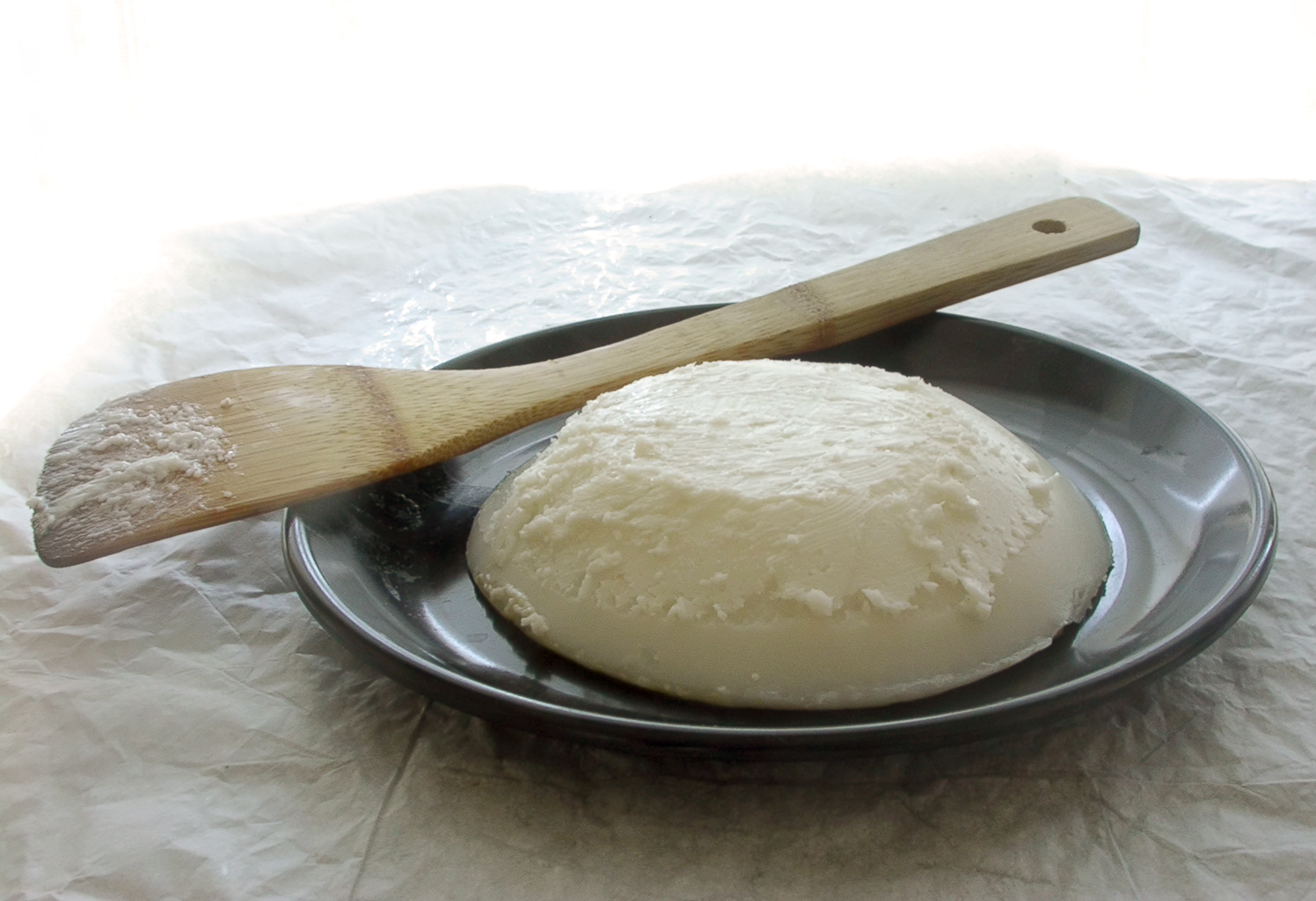
Wet-rendered lard, from pork fatback
Fat composition
Saturated fats
Total saturated38–43%:
Palmitic acid: 25–28%
Stearic acid: 12–14%
Myristic acid: 1%
Unsaturated fats
Total unsaturated56–62%
Monounsaturated47–50%:
Oleic acid: 44–47%
Palmitoleic acid: 3%
PolyunsaturatedLinoleic acid: 6–10%[1][2]
Properties
Food energy per 100 g (3.5 oz)3,770 kJ (900 kcal)
Melting pointbackfat: 30–40 °C (86–104 °F)
leaf fat: 43–48 °C (109–118 °F)
mixed fat: 36–45 °C (97–113 °F)
Smoke point121–218 °C (250–424 °F)
Specific gravity at 20 °C (68 °F)0.917–0.938
Iodine value45–75
Acid value3.4
Saponification value190–205
Unsaponifiable0.8%[2]

Lard is a semi-solid white fat product obtained by rendering the fatty tissue of a pig.[3][4] It is distinguished from tallow, a similar product derived from fat of cattle or sheep.

Lard can be rendered by steaming, boiling, or dry heat. The culinary qualities of lard vary somewhat depending on the origin and processing method; if properly rendered, it may be nearly odorless and tasteless.[5] It has a high saturated fatty acid content and no trans fat. At retail, refined lard is usually sold as paper-wrapped blocks.

Many cuisines use lard as a cooking fat or shortening, or as a spread in the same ways as butter. It is an ingredient in various savoury dishes such as sausages, pâtés, and fillings. As a replacement for butter, it provides flakiness to pastry. In western cuisine, it has ceded its popularity to vegetable oils, but many cooks and bakers still favor it over other fats for certain uses.

History

[edit]
Raw fatback being diced to prepare tourtière

Lard has always been an important cooking and baking staple in cultures where pork is an important dietary item, with pig fat often being as valuable a product as pork.[6]

During the 19th century, lard was used in a similar way to butter in North America and many European nations.[7] Lard remained about as popular as butter in the early 20th century and was widely used as a substitute for butter during World War II. As a readily available by-product of modern pork production, lard had been cheaper than most vegetable oils, and it was common in many people's diet until the Industrial Revolution made vegetable oils more common and more affordable. Vegetable shortenings were developed in the early 1900s, which made it possible to use vegetable-based fats in baking and in other uses where solid fats were called for. Upton Sinclair's novel The Jungle, though fictional, portrayed men falling into rendering vats and being sold as lard, which generated negative publicity.

By the late 20th century lard began to be considered less healthy than vegetable oils (such as olive and sunflower oil) because of its high content of saturated fatty acids and cholesterol. However, despite its reputation, lard has less saturated fat, more unsaturated fat and less cholesterol than an equal amount of butter by weight.[2] Unhydrogenated lard contains no transfats. It has also been regarded as a "poverty food".[6]

In the 1990s and early 2000s, however, chefs and bakers rediscovered lard's unique culinary values, leading to a partial rehabilitation of this fat among "foodies". Negative publicity about the transfat content of the partially hydrogenated vegetable oils in vegetable shortening has partially driven this trend. Chef and food writer Rick Bayless is a prominent proponent of the virtues of lard for certain types of cooking.[8][9][10][11]

Zsíros kenyér or zsíros deszka ("lardy plank") from Hungary. It is eaten with red onions and paprika.
The raviola di ricotta nissena a Sicilian dessert strictly fried in lard

It is also again becoming popular in the United Kingdom among aficionados of traditional British cuisine. This led to a "lard crisis" in late 2004.[12][13]

Production

[edit]

Lard is produced mainly in China, followed by Germany, Brazil, United States, and Russia.[14]

Country Production, 2018
(tonnes)
1  China 2,544,847
2  Germany 549,989
3  Brazil 508,600
4  United States 447,474
5  Russia 434,100
6  Italy 215,513
7  Poland 174,649
8  Romania 148,997
9  France 146,519
10  Mexico 143,842
Source : FAOSTAT

Lard can be obtained from any part of the pig that has a high concentration of fatty tissue. The highest grade of lard, known as leaf lard, is obtained from the "flare" visceral fat deposit surrounding the kidneys and inside the loin. Leaf lard has little pork flavor, making it ideal for use in baked goods, where it is valued for its ability to produce flaky, moist pie crusts. The next-highest grade is obtained from fatback, the hard subcutaneous fat between the pig's back skin and muscle. The lowest grade (for purposes of rendering into lard) is obtained from the soft caul fat surrounding digestive organs, such as small intestines, though caul fat is often used directly as a wrapping for roasting lean meats or in the manufacture of pâtés.[15][6][16]

Lard may be rendered by two processes: wet or dry. In wet rendering, pig fat is boiled in water or steamed at a high temperature and the lard, which is insoluble in water, is skimmed from the surface of the mixture or separated in an industrial centrifuge. In dry rendering, the fat is exposed to high heat in a pan or oven without water (a process similar to frying bacon). The two processes yield somewhat differing products. Wet-rendered lard has a more neutral flavor, a lighter color, and a high smoke point. Dry-rendered lard is somewhat browner and has a caramelized flavor and has a lower smoke point.[17][18]

Industrially-produced lard, including much of the lard sold in supermarkets, is rendered from a mixture of high and low quality fat from throughout the pig.[19] Lard is often hydrogenated to improve its stability at room temperature. Hydrogenated lard sold to consumers typically contains fewer than 0.5 g of transfats per 13 g serving.[20] Lard is also often treated with bleaching and deodorizing agents, emulsifiers, and antioxidants such as BHT.[6][21] These treatments make it more consistent and prevent spoilage. (Untreated lard must be refrigerated or frozen to prevent rancidity.)[22][23]

Consumers wanting a higher-quality source of lard typically seek out artisanal producers, or render it themselves from leaf lard or fatback.[19][23][8][9][10]

A by-product of dry-rendering lard is deep-fried meat, skin and membrane tissue known as cracklings.[6]

Composition

[edit]
A triglyceride molecule, the main constituent of lard

Lard consists mainly of fats, which in the context of chemistry are known as triglycerides. Triglycerides contain three fatty acids, varying from one triglyceride to another. In general lard is similar to tallow in its composition. About 20% of lard is the achiral triglyceride with palmitic acid on carbon 2 and oleic acid on carbons 1 and 3.[7] Pigs that have been fed different diets will have lard with a significantly different fatty acid content and iodine value. Peanut-fed hogs or the acorn-fed pigs raised for Jamón ibérico therefore produce a somewhat different kind of lard compared to pigs raised in North American farms that are fed corn.[2][24]

Culinary use

[edit]

Lard is one of the few edible oils with a relatively high smoke point, attributable to its high saturated fatty acids content. Pure lard is especially useful for cooking since it produces little smoke when heated and has a distinct flavor when combined with other foods. Many chefs and bakers prize lard over other types of shortening because of its flavor and range of applications.[25]

Nutritional value

[edit]
Lard
Nutritional value per 100 g (3.5 oz)
Energy3,765.6 kJ (900.0 kcal)
0 g
100 g
Saturated39 g
Monounsaturated45 g
Polyunsaturated11 g
0 g
Vitamins and minerals
VitaminsQuantity
%DV
Vitamin E
4%
0.6 mg
Other constituentsQuantity
Cholesterol95 mg
Zinc0.1 mg
Selenium0.2 mg

Fat percentage can vary
Percentages estimated using US recommendations for adults.[26]

Compared to other fats

[edit]
Properties of common cooking fats (per 100 g)
Type of fat Total fat (g) Saturated fat (g) Monounsaturated fat (g) Polyunsaturated fat (g) Smoke point
Butter[27] 81 51 21 3 150 °C (302 °F)[28]
Canola oil[29] 100 6–7 62–64 24–26 205 °C (401 °F)[30][31]
Coconut oil[32] 99 83 6 2 177 °C (351 °F)
Corn oil[33] 100 13–14 27–29 52–54 230 °C (446 °F)[28]
Lard[34] 100 39 45 11 190 °C (374 °F)[28]
Peanut oil[35] 100 16 57 20 225 °C (437 °F)[28]
Olive oil[36] 100 13–19 59–74 6–16 190 °C (374 °F)[28]
Rice bran oil 100 25 38 37 250 °C (482 °F)[37]
Soybean oil[38] 100 15 22 57–58 257 °C (495 °F)[28]
Suet[39] 94 52 32 3 200 °C (392 °F)
Ghee[40] 99 62 29 4 204 °C (399 °F)
Sunflower oil[41] 100 10 20 66 225 °C (437 °F)[28]
Sunflower oil (high oleic) 100 12 84[30] 4[30]
Vegetable shortening[42] 100 25 41 28 165 °C (329 °F)[28]

In baking

[edit]

Because of the relatively large fat crystals in lard, it is extremely effective as a shortening in baking. Pie crusts made with lard tend to be flakier than those made with butter. Many cooks employ both types of fat in their pastries to combine the shortening properties of lard with the flavor of butter.[6][43][44]

In cuisines

[edit]

Lard was once widely used in the cuisines of Europe, China and the New World and still plays a significant role in British, Central European, Mexican and Chinese cuisines. In British cuisine, lard is a traditional ingredient in mince pies and Christmas puddings, lardy cake and for frying fish and chips as well as many other uses.[12][13]

Lard is traditionally one of the main ingredients in the Scandinavian pâté leverpostej.

1916 advertisement for lard produced by Swift & Company

In Spain, one of the most popular versions of the Andalusian breakfast includes several kinds of mantecas differently seasoned, consumed spread over toasted bread. Among other variants, manteca colorá (lard with paprika)[45] and zurrapa de lomo (lard with pork flakes)[46] are the preferred ones. In Catalan cuisine lard is used to make the dough for the pastry known as coca. In the Balearics particularly, ensaïmada dough also contains lard.

A slice of bread spread with lard was a typical staple in traditional rural cuisine of many countries.

Lard consumed as a spread on bread was once very common in Europe and North America, especially those areas where dairy fats and vegetable oils were rare.[6]

As the demand for lard grows in the high-end restaurant industry, small farmers have begun to specialize in heritage hog breeds with higher body-fat contents than the leaner, modern hog. Breeds such as the Mangalitsa hog of Hungary or Large Black pig of Great Britain are experiencing an enormous resurgence, to the point that breeders are unable to keep up with demand.[47]

When used without qualification the word 'lard' in English generally refers to wet-rendered lard, which has a very mild, neutral flavor as opposed to the more noticeably pork-flavored dry-rendered lard, or dripping. Dripping sandwiches are still popular in several European countries—Hungarian zsíroskenyér ("lardy bread") or zsírosdeszka ("lardy plank"), and German "Fettbemme", seasoned pork fat. Similar snacks are sometimes served with beer in Poland, Czech Republic, and Slovakia. They are generally topped with onions, served with salt and paprika, and eaten as a side-dish with beer. All of these are commonly translated on menus as "lard" sandwiches, perhaps due to the lack of familiarity of most contemporary English native speakers with dripping. Attempts to use Hungarian zsír or Polish smalec (both meaning "fat/lard") when British recipes calling for lard will reveal the difference between the wet-rendered lard and dripping.[48][49] In Taiwan, Hong Kong and Macao, as well as in many parts of China, lard was often consumed mixed into cooked rice along with soy sauce to make "lard rice" (豬油拌飯 or 豬油撈飯). And in Japan, back loin (fatback) lard is frequently used for ramen, creating a thick, nutty, slightly sweet and very hearty dish.

Traditionally, along with peanut oil, lard is extensively used in Asian cooking as a general-purpose cooking oil, esp. in stir-fries and deep-frying.

Schweineschmalz, German lard
Griebenschmalz, German lard with crispy pieces of pork skin

In Germany lard is called Schweineschmalz (literally, "rendered fat from swine") and has been a longtime favorite as a spread. It can be served plain, or it can be mixed with seasonings: pork fat can be enhanced with small pieces of pork skin, called Grieben (cf. Yiddish gribenes) to create Griebenschmalz. Other recipes call for small pieces of apple or onion. In English, however, schmaltz usually refers to kosher fat rendered from chicken, duck or goose.

Vegetarian Grieben from onions or apples, which began as a makeshift means of diluting Schmalz in time of need, became rather popular on their own account because they allow for a specific taste and a lower fat content. Completely vegetarian Schmalz-like spreads based on vegetable fats use those ingredients as well. In Germany it is forbidden to use the term Schmalz for non-lard products.

In Poland, lard mixed with fruit, usually chopped apple, and spread on thick slices of bread, is often served as a starter.

In Ukrainian cuisine lard was historically used for preservation of sausages.[50]

Other uses

[edit]

Rendered lard can be used to produce biofuel[51] and soap. Lard is also useful as a cutting fluid in machining. Its use in machining has declined since the mid-20th century as other specially engineered cutting fluids became prominent. However, it is still a viable option. Lard and other animal fats were formerly used as an anti-foaming agent in industrial fermentation processes such as brewing; there, animal fats have been superseded by polyethers.[52]

See also

[edit]

References

[edit]
[edit]
Revisions and contributorsEdit on WikipediaRead on Wikipedia
from Grokipedia
Lard is a semi-solid white derived from rendering the of , primarily consisting of triglycerides and serving as a traditional cooking and . It is obtained from various parts of the , with leaf lard—extracted from the surrounding the kidneys and loin—considered the highest quality due to its neutral flavor and purity. Rendering involves heating the to separate it from connective tissues and impurities, resulting in a product that is solid at room temperature but melts easily for culinary applications. Historically, lard has been a staple in European and American cuisines since the , valued for its affordability, stability, and ability to create flaky pastries and fried foods. It was the dominant cooking in the United States until the early , when hydrogenated shortenings like gained popularity due to marketing campaigns emphasizing purity and health over animal-derived fats. Today, lard remains essential in traditional dishes such as Mexican tamales, Chinese potstickers, and Southern biscuits, where it imparts tenderness and richness unattainable with many plant-based alternatives. Nutritionally, lard is composed almost entirely of , providing approximately 902 calories per 100 grams, with no carbohydrates or protein. Its profile includes about 41% saturated fats (primarily palmitic and stearic acids), 47% monounsaturated fats (mainly ), and 12% polyunsaturated fats, making it more balanced than previously assumed compared to some tropical oils. Lard also contains small amounts of (up to 1,000 IU per in pastured varieties) and (95 mg per 100 grams), contributing to its role as a source of fat-soluble nutrients in diets relying on animal products. Recent reevaluations highlight its potential benefits for metabolic health when used in moderation, due to its high monounsaturated content similar to .

Introduction

Definition and Properties

Lard is a semi-solid white derived from rendering the of pigs, consisting primarily of triglycerides extracted from the fattiest parts of the animal. It serves as a versatile cooking medium, , or spread, valued for its ability to enhance flavor and texture in preparation. The physical properties of lard make it suitable for a range of culinary uses. It has a of approximately 30–40 °C, remaining solid at while liquefying easily upon gentle heating. Pure lard possesses a creamy, semi-soft texture, contributing to its spreadability and incorporation into doughs. When refrigerated, it maintains for approximately 1 year in an airtight container, though proper storage extends this further. Refined lard exhibits a of 190–210 °C, allowing it to withstand moderate to high cooking temperatures without breaking down excessively. Lard is obtained through a basic rendering , in which is applied to raw to melt and separate the from connective tissues, , and impurities, resulting in a purified product. This distinguishes it from , which is rendered from beef or sheep, and , the raw, unrendered typically surrounding the kidneys and loins of or sheep.

Types and Varieties

Lard is classified primarily by the source of the used in rendering, each yielding distinct characteristics in texture, flavor, and suitability for culinary applications. Leaf lard is derived from the fat surrounding the kidneys and , prized for its creamy texture, mild and neutral flavor with minimal taste, and high purity, making it the preferred choice for delicate where flakiness is desired. Back fat lard comes from the subcutaneous fat along the pig's back and area, resulting in a firmer product with a more pronounced flavor and lower purity compared to leaf lard, suitable for general and savory cooking. , sourced from the lacy membrane around the intestines, is typically used unrendered as a wrapping for meats to add and flavor during cooking, though it can be rendered into lard with a bacon-like . Processed varieties of lard further diversify its forms beyond basic rendering, which involves melting and straining the fat to produce a pure product. Rendered lard is the standard, filtered form consisting of 100% pork fat with no additives, offering a clean base for cooking. Whipped lard is created by aerating rendered lard, often with , salt, or , to form a light, spreadable consistency akin to for or . Hydrogenated lard, once common for improved shelf stability and solidity at , is now rarely used due to the formation of trans fats during partial , which pose risks. Regional types of lard reflect variations in production and cultural preferences, often tied to whether the fat is refined or left unprocessed. In , lard tends to be unrefined and artisanal, emphasizing pork-specific flavors; for instance, Strutto di Mora Romagnola from is rendered from heritage pigs, yielding a tender, sweet product rich in polyunsaturated fats. In contrast, American lard is typically refined through bleaching and deodorizing to achieve a neutral flavor and longer , commonly produced on a commercial scale. Artisanal grades, whether European or American, are small-batch renders from pasture-raised pigs, retaining natural purity and subtle flavors, while commercial grades undergo extensive processing for uniformity and stability.

History

Early and Traditional Uses

The earliest documented uses of lard, derived from rendered , date back to ancient around 3000 BCE, where it was incorporated into specialty breads by beating it into dough alongside other fats like and mutton , and added to soups for moisture and flavor. was valued in the region due to the domestication of pigs in large herds supplemented with , making fat a scarce but essential dietary component in the hot climate. Animal fats, including those from pigs, also served practical purposes such as anointing the body for protection and potentially fueling lamps, as evidenced by tablets recording their distribution from 3000 to 1600 BCE. In traditional , lard was used as a cooking fat and in everyday recipes, reflecting widespread husbandry. fat's prominence continued into medieval , where pigs were ubiquitous due to their ability to in forests and on marginal lands without requiring extensive pasture, providing a reliable source of lard for rural communities. This ease of rearing pigs made lard a cornerstone of diets across northern and , used for , spreading on , and enriching simple meals when dairy products like were scarce or reserved for the . Traditionally, lard functioned beyond cooking as a for meats, notably in French de porc, where salted shoulder or belly was slow-cooked and stored submerged in its own rendered fat to prevent spoilage, a method dating to pre-industrial rural practices. In Eastern European folk medicine, lard was applied topically as a for burns, cuts, and skin inflammations, leveraging its emollient properties in home remedies passed down through generations. Lard's pre-19th-century global spread included its adoption in during the (206 BCE–220 CE), where pig fat was rendered for high-heat stir-frying before vegetable oils like largely displaced it around the CE. Following the Spanish introduction of pigs to the in the , lard quickly integrated into Mesoamerican cooking, becoming essential for preparing tamales, , and fried dishes in regions like , where it enhanced texture and flavor in indigenous staples. In medieval European , lard served as a key in crusts and pastries, contributing to the stiff, flaky textures favored in guild-regulated urban bakeries across northern regions. As a , pig appeared in ancient exchanges, such as Hittite price lists for "good pork " used in perfumes and during the Late (c. 1400 BCE), underscoring its economic value in Near Eastern networks.

Industrial Development and Decline

The industrialization of lard production began in the as scaled up with mechanized slaughterhouses and rendering processes in and the , transforming it from a household into a major commercial commodity. By the late 1800s, meatpacking companies like and in employed steam-powered equipment to render fat efficiently on an industrial scale, producing high volumes of neutral lard for food, , and lubricants. , initially reliant on animal fats including lard for soap manufacturing, faced competition from cheaper ; in 1907, the company acquired a cottonseed crushing mill, leading to the 1911 launch of , a hydrogenated marketed as a superior alternative to lard for and . U.S. per capita lard consumption averaged around 12 pounds per year from 1900 to 1920, reaching a postwar peak of 12.7 pounds in 1948, reflecting its ubiquity in households and industry. The World Wars further elevated lard's strategic importance, with governments prioritizing it as an essential fat for both civilian and military use. During , lard was stockpiled and exported to support Allied efforts, while in , the U.S. implemented in 1943 under the Office of Price Administration, limiting purchases to preserve supplies for troops and explosives production—households saved used cooking fat, including lard drippings, for glycerol extraction in munitions. extended to and oils, underscoring lard's role in national ; post-war, production rebounded, with the U.S. alone outputting nearly 2.3 billion pounds (about 1 million tonnes) in 1958 from 71 million hogs slaughtered. Lard’s decline accelerated from the 1950s through the , driven by health concerns over saturated fats and aggressive marketing of alternatives. ' research in the linked saturated fats like those in lard to , prompting campaigns and dietary guidelines that vilified animal fats; by 1960, U.S. consumption had dropped below 10 pounds annually. The rise of and similar shortenings, promoted as "pure" and stable with a longer , captured in and processed foods, while margarines were rebranded as "heart-healthy" options amid the low-fat movement. Industrial bakers shifted en masse to oils, reducing demand for lard and leading to surplus production and price crashes by the 1970s; Germany's output similarly waned as EU policies favored leaner pork breeds and plant-based fats.

Modern Revival and Cultural Significance

In the late 1990s and early 2000s, lard's resurgence gained momentum through the nose-to-tail eating philosophy championed by British chef Fergus Henderson, whose St. John restaurant and 1999 cookbook Nose to Tail Eating promoted utilizing every part of the animal, including rendering pork fat into lard for its rich flavor and texture in dishes like pastries and confits. This approach aligned with broader culinary shifts toward sustainability and waste reduction, influencing chefs worldwide to revive traditional fats. Concurrently, the popularity of low-carbohydrate diets such as keto and paleo in the 2010s elevated lard's status as a stable, monounsaturated fat source, free from processed additives and suitable for high-heat cooking. Artisanal farming further fueled this revival, with small-scale producers like White Oak Pastures emphasizing pasture-raised pork to yield premium leaf lard, appealing to consumers seeking ethical, heritage-bred alternatives to industrial oils. Lard holds deep cultural symbolism in various global traditions, often representing heritage and communal rituals. In Southern U.S. , it is indispensable for creating flaky buttermilk biscuits, evoking family gatherings and historical resilience among African American communities where it enhanced affordability and texture in staples like and . Similarly, in , lard binds the dough in tamales, a dish central to holidays like Día de los Muertos, symbolizing abundance and ancestral ties through its role in wrapping fillings for steaming. For Polish pierogi, traditional dough recipes occasionally incorporate lard for tenderness, underscoring its place in Eastern European immigrant narratives of comfort and festivity during events like . These uses highlight ongoing debates between "heritage" fats—praised for authenticity and flavor—and industrial variants, criticized for additives and lower quality, as seen in advocates pushing for unprocessed, locally rendered options. The 2010s farm-to-table movement amplified lard's integration into high-end dining, with establishments like Chicago's Bang Bang Pie and Biscuits employing leaf lard for superior pie crusts, and Fort Worth's Thirteen Pies featuring -topped pizzas. Even Michelin-starred venues have embraced it, such as those showcasing cured from in refined , valuing its marbled subtlety over vegetable shortenings. Production has seen an uptick, particularly in , the world's leading producer at approximately 2.5 million tons annually in the early 2020s, driven by domestic demand for traditional cooking amid rising output. Socially, lard's history intersects with gendered domestic roles, as women historically managed its rendering and use in home kitchens, a practice tied to labor and identity in pre-industrial eras. In contemporary discourse, vegan critiques frame lard as emblematic of animal exploitation, urging plant-based substitutes to challenge its normalization in recipes and reject ties to patriarchal meat-centric cultures.

Production

Sources and Rendering Methods

Lard is derived primarily from the adipose tissues of domestic pigs (Sus scrofa domesticus), with the fat often comprising 20-30% of the carcass weight depending on , diet, and practices, and serving as a key byproduct of the meat processing industry. These tissues include back fat, leaf fat surrounding the kidneys, and trimmings from various cuts, where leaf fat is prized for its purity and mild flavor in premium lard production. In slaughtering, approximately 9-12% of the pig's live weight can emerge as renderable lard after processing. Rendering extracts lard by melting and clarifying these fatty tissues, primarily through two methods: dry rendering and wet rendering. Dry rendering heats the chopped or ground fat slowly in open kettles, ovens, or steam-jacketed vessels without added , typically maintaining temperatures of 100-120°C to melt the fat while minimizing scorching and preserving its natural flavor for artisanal applications. This batch process yields (fried tissue remnants) as a and results in a slightly lower extraction efficiency compared to wet methods. Wet rendering, the predominant industrial approach, involves injecting or the in within closed kettles or continuous flow systems, which accelerates , achieves yields of 90-95% by fully separating from tissues, and produces a neutral-tasting product suitable for broad commercial use. Equipment such as centrifuges or presses then separates the liquid lard from and solids, with temperature controls ensuring operation below 120°C to prevent oxidation or off-flavors. Overall, rendering approximately 2-3 kg of trimmings typically produces 1 kg of finished lard, varying by method and .

Composition and Refining

Lard is composed primarily of triglycerides, with its fatty acid profile consisting of approximately 40% saturated s—mainly palmitic (C16:0) and stearic (C18:0) acids—45% monounsaturated fatty acids, predominantly (C18:1), and 11% polyunsaturated fatty acids, such as (C18:2). This composition contributes to lard's solid consistency at and its versatility in applications. Unlike partially hydrogenated vegetable shortenings, natural lard contains no trans fatty acids, as it is not subjected to processes. In addition to its lipid components, includes minor amounts of fat-soluble vitamins, such as (about 2.5 µg per 100 g) and (approximately 5 mg/kg), which can vary based on the animal's diet and rearing conditions. Refined lard also contains around 95 mg of per 100 g and maintains a very low water content, typically less than 0.5%, ensuring microbiological stability. These trace elements are retained in minimal quantities after processing, supporting lard's role as a pure source. Refining lard involves several purification steps to produce grades like prime lard (from high-quality back fat) and commercial lard (from mixed sources), enhancing purity and . Bleaching uses activated clay adsorbents to filter out color pigments and impurities, resulting in a neutral white appearance. Deodorizing employs under vacuum to remove volatile odor compounds, yielding a bland flavor. Winterizing cools the lard to low temperatures, allowing waxy or fractions to solidify and be filtered out, improving clarity and cold stability. The low polyunsaturated content of lard further bolsters its oxidative resistance, reducing rancidity compared to high-PUFA oils.

Sustainability and Quality Control

The environmental footprint of lard production is significant, primarily stemming from intensive pig farming practices that contribute to methane emissions from manure management and enteric fermentation, as well as land use for feed crops such as soy, which is linked to deforestation and biodiversity loss. Pork production accounts for approximately 60% of its climate impact from feed production and 27% from manure management, exacerbating greenhouse gas emissions. However, lard serves as a valuable byproduct of pork processing, utilizing rendered fat from animal tissues that would otherwise contribute to waste, thereby promoting resource efficiency in the meat industry. Sustainability initiatives in lard production include sourcing from organic and free-range pig farming systems, which aim to lower environmental impacts through reduced reliance on synthetic feeds and improved . In the , regulations on have advanced since the 2010s, with a 2013 directive restricting gestation crates to the first four weeks of and the week before farrowing, promoting group housing to enhance sow well-being and potentially reduce stress-related emissions. In 2021, the announced plans to propose by the end of 2023 to phase out the use of cages and crates for farmed animals, including sow stalls beyond the current restrictions, targeting implementation by 2027; as of 2025, this remains in development. Further national measures, such as Germany's plan to phase out sow stalls by 2030, support broader sustainability goals in supply chains. estimates for lard vary but generally align with production's range of 2-3 kg CO₂ equivalent per kg, influenced by feed sourcing and farming intensity. Quality control for lard emphasizes purity standards set by the FDA and USDA, which define pure lard as rendered fat meeting specific criteria for color, odor, flavor, moisture content (maximum 0.2%), and free fatty acids (maximum 0.5% as ), with no additives permitted in unadulterated forms. Testing protocols routinely screen for contaminants such as (e.g., lead, , mercury) using methods like (ICP-MS) to ensure compliance with safety limits and prevent risks from environmental pollutants. Labeling requirements allow claims like "pasture-raised" only when verified by third-party certifications, ensuring transparency about rearing practices that support and . Future trends in lard sustainability focus on enhancing pork production through genetic advancements that reduce the carbon footprint by improving feed efficiency and lowering emissions, while plant-based alternatives like coconut oil blends emerge as mimics to decrease reliance on animal fats.

Culinary Applications

Nutritional Profile

Lard is a pure fat derived from pork, consisting almost entirely of lipids with no carbohydrates or protein. Per 100 grams, it provides approximately 902 kilocalories, all from fat, making it a dense energy source comparable to other animal and vegetable fats. The fatty acid profile of lard includes a mix of saturated, monounsaturated, and polyunsaturated fats. In 100 grams, it typically contains 39.2 grams of saturated fat, 45.1 grams of monounsaturated fat (primarily oleic acid), and 11.2 grams of polyunsaturated fat (including about 10.2 grams of omega-6 and 1.0 gram of omega-3 fatty acids). It also contains 95 milligrams of cholesterol per 100 grams. Lard provides trace amounts of certain fat-soluble vitamins but lacks significant minerals. It contains about 0.66 milligrams of vitamin E (alpha-tocopherol) per 100 grams and 2.5 micrograms of per 100 grams in standard formulations; levels of vitamin D can be higher, up to approximately 200 IU per 100 grams (or 25 IU per ), in lard from pasture-raised pigs due to increased exposure during rearing. No notable quantities of calcium, iron, , or sodium are present. The fats in lard exhibit high digestibility, with exceeding 95% in the , similar to other dietary triglycerides, facilitating efficient absorption of fatty acids and associated nutrients.

Health Considerations and Comparisons

Lard, as a source of s, has been subject to ongoing health debates, particularly in the 2020s, where emerging research challenges earlier associations between saturated fat intake and (CVD). Recent studies indicate that lard's stability during high-heat cooking reduces oxidation products compared to polyunsaturated-rich seed oils, potentially lowering harmful compound formation. The () has maintained recommendations to limit saturated fats but acknowledges that overall dietary patterns, rather than isolated fats, moderate CVD risk, with some reevaluations suggesting neutral effects from moderate consumption. For instance, a 2024 mouse study showed that a high-fat diet with 60% calories from lard elevated risks for metabolic issues such as , , and reduced glucose tolerance. Among lard's potential benefits, it serves as a natural source of , particularly from pasture-raised pigs exposed to , providing up to approximately 25 IU per tablespoon without synthetic additives common in processed alternatives. However, its high caloric density—about 115 calories per tablespoon—contributes to risk if overconsumed, similar to other fats. Recent meta-analyses from 2015 to 2025, including those reassessing randomized trials, have found neutral impacts on CVD and mortality from moderate intake like lard, emphasizing replacement with unsaturated fats only if total energy balance is maintained. Compared to , lard has a profile of around 39% versus butter's 63%, but higher monounsaturated fats (45% versus 29%), potentially offering a slight edge for heart health, though introduces allergens absent in lard. Versus oils, lard contains fewer omega-6 fatty acids, which some studies link to pro-inflammatory pathways in excess, while oils' polyunsaturated content promotes oxidation at high temperatures; however, the AHA notes oils' overall CVD benefits when used moderately. Plant-based alternatives like mimic lard's composition (approximately 50% saturated) for cooking stability but raise environmental concerns due to , with comparable metabolic effects on health. Dietary guidelines from the (WHO) and U.S. Department of Agriculture (USDA) recommend limiting saturated fats, including those from lard, to less than 10% of total daily calories to reduce CVD risk, equating to about 20-22 grams for a 2,000-calorie diet.

Uses in Baking

Lard plays a key role in due to its unique functional properties, particularly its ability to create flakiness in crusts and pastries. When lard is cut into at cool temperatures, it forms distinct layers of that separate the strands, preventing excessive development and resulting in a tender, layered texture upon as the melts and releases . This flakiness is enhanced by lard's grainy , which contrasts with smoother fats and contributes to the characteristic crisp layers in items like dough. In biscuits and breads, lard tenderizes the crumb by lubricating and shortening the gluten network, yielding a soft, melt-in-the-mouth quality without toughness. Bakers employ specific techniques to maximize lard's benefits, such as the creaming method for cakes, where softened lard is beaten with to incorporate air and create a light that supports even rising and fine crumb. For scones and similar quick breads, the rubbing-in method involves chilling the lard and rubbing it into with fingertips until the mixture resembles breadcrumbs, ensuring even distribution and minimal activation for tenderness. In , a typical of 1:2 to —using lard for its neutral flavor and stability—produces a crumbly yet workable ideal for tarts and pies. Historical recipes highlight lard's traditional application in , as seen in Southern U.S. , where a mixture of lard and is incorporated into batter to achieve a moist, golden crust and fluffy interior, reflecting 19th-century rural practices. Similarly, British suet puddings, originally made with beef , were adapted using leaf lard—hog's —for steamed desserts like plum pudding, providing a rich, custardy texture that held fruits and spices during long cooking. In modern , lard is often blended with in equal parts to combine the former's flakiness with the latter's flavor, as in hybrid crusts that balance texture and taste. Its natural shelf stability makes lard suitable for commercial , where refined versions resist rancidity and maintain consistency in large-scale production of pastries and biscuits.

Role in Global Cuisines

Lard has played a pivotal role in shaping diverse culinary traditions worldwide, serving as a versatile that enhances flavor, texture, and preservation in both savory dishes and cooking techniques. In European cuisines, it contributes to the richness of preserved meats and hearty stews, while in Asian preparations, it provides tenderness in doughs and aids in . Across the , lard's integration reflects indigenous, colonial, and immigrant influences, often central to fried and stewed staples. Adaptations continue to evolve, including vegetarian alternatives that maintain traditional qualities without animal fats. In , de canard traditionally uses rendered duck fat to submerge and preserve duck legs, a method that slowly cooks the meat at low temperatures for tenderness and extended . In Polish cooking, lard or rendered pork fat is essential for sautéing meats and vegetables in , the hunter's stew combining , cabbage, and assorted pork cuts like and , yielding a robust, fermented depth. British fish and chips historically relied on lard for deep-frying, imparting a crisp exterior to potatoes and batter-fried fish, a practice common in chip shops until vegetable oils largely replaced it in the mid-20th century for health and cost reasons. Asian cuisines leverage lard's neutral flavor and high for delicate applications. In Chinese dim sum, such as shrimp dumplings, lard is kneaded into the wheat starch and dough for translucent, chewy wrappers that hold steam without tearing, a technique rooted in tradition. Filipino lechon, a celebratory whole roasted , renders its own fat into lard during spit-roasting over coals, which bastes the skin for crackling crispness and collects for later uses like paksiw . In the , lard's incorporation often stems from colonial introductions of . Mexican , or frijoles refritos, are classically mashed and fried in lard to achieve a creamy, savory consistency that binds the dish, distinguishing it from oil-based versions. Southern U.S. employs lard for dredging and frying, creating a golden, flavorful crust as seen in historic recipes from the , where it was preferred for its stability and synergy. Brazilian , a black stew with and smoked meats, uses lard to sauté aromatics and integrate fats from cured elements, forming the stew's silky broth. Immigrant influences have embedded lard in fusion dishes like tamales, where Spanish colonizers introduced it to the dough for softer, more pliable wrappers around fillings, evolving from pre-Columbian corn-based versions. In regions with growing vegetarian preferences, substitutes such as or vegetable shortening replicate lard's tenderness in tamales and pie crusts without altering texture significantly.

Non-Culinary Uses

Industrial Applications

Lard serves as a valuable feedstock for through the process of , where triglycerides in the fat react with in the presence of a catalyst to yield methyl esters and , achieving conversion yields of up to 96.2% under optimized conditions such as specific catalyst loadings and reaction temperatures. This application aligns with policies under the recast Directive (RED III), which requires EU member states to achieve either at least 29% of transport from renewable sources or a 14.5% reduction in the intensity of transport fuels by 2030, including advanced biofuels derived from waste-based animal fats like lard to promote in the energy sector. In the cosmetics and pharmaceutical industries, lard and its derivatives, such as lard , function as emulsifiers and -conditioning agents in products like soaps and ointments, providing emollient properties that historically served as alternatives to for moisturizing formulations. These ingredients are incorporated at concentrations up to 10% in bath soaps and moisturizers, contributing to stable emulsions and enhanced in contemporary creams designed for sensitive . Beyond energy and personal care, lard finds use as a bio-based in industrial machinery due to its high , typically ranging from 162 to 197, which ensures stable performance across varying temperatures and reduces in mechanical applications. Additionally, refined lard acts as an energy-dense additive in animal feeds, supplying essential fatty acids like and boosting overall caloric intake to support growth and production efficiency in diets.

Traditional and Miscellaneous Uses

In the , lard was a staple in folk medicine for creating salves and ointments to treat burns, wounds, bruises, and various conditions, valued for its ability to form a protective barrier and soothe . Its fatty composition allowed it to penetrate the effectively, promoting healing and reducing irritation in traditional remedies. Lard also featured in household cures for respiratory ailments, often mixed with or and rubbed on the chest and neck to relieve congestion from colds. Prior to widespread in the late , lard served as a key for illumination, rendered into candles or burned in lamps to provide steady in homes and workshops. These lard-based sources offered a practical alternative to , burning with less smoke and a relatively brighter for everyday use. In maintenance tasks, lard was applied to condition items like boots, saddles, and harnesses, restoring and flexibility to prevent drying and cracking—a practice rooted in pre-industrial resourcefulness. It was also incorporated into simple bird feeders as a binder for seeds and nuts, attracting during harsh seasons with its high caloric content. Beyond domestic applications, lard found niche roles in veterinary care, where it was smeared directly onto affected areas to treat skin conditions like scabies and mange in livestock such as sheep and goats, leveraging its emollient qualities. However, by the mid-to-late 1800s, many of these traditional uses waned as synthetic substitutes emerged, including paraffin wax for candles and lamps, which provided cleaner, more efficient burning without the odor or variability of animal fats. The rise of electricity and petroleum derivatives further diminished lard's prominence in household and miscellaneous contexts.

References

Add your contribution
Related Hubs
User Avatar
No comments yet.