Hubbry Logo
AllometryAllometryMain
Open search
Allometry
Community hub
Allometry
logo
8 pages, 0 posts
0 subscribers
Be the first to start a discussion here.
Allometry
Allometry
from Wikipedia
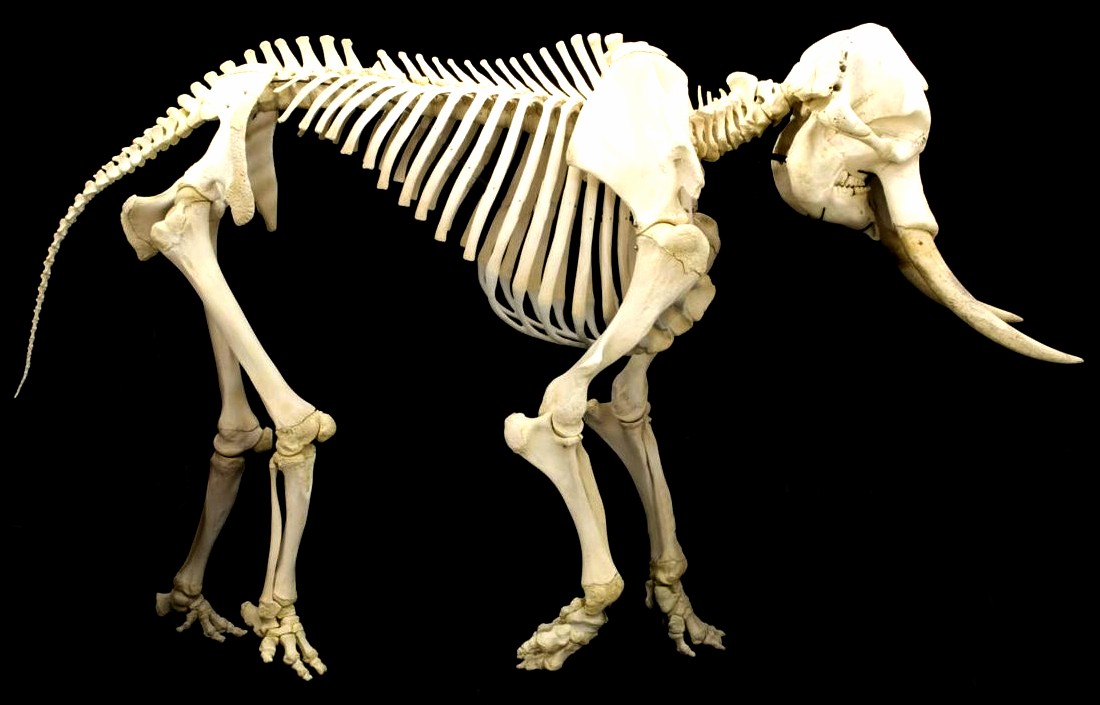
Skeleton of an elephant
Skeleton of a tiger quoll (Dasyurus maculatus).

The proportionately thicker bones in the elephant are an example of allometric scaling

Allometry (Ancient Greek ἄλλος állos "other", μέτρον métron "measurement") is the study of the relationship of body size to shape,[1] anatomy, physiology and behaviour,[2] first outlined by Otto Snell in 1892,[3] by D'Arcy Thompson in 1917 in On Growth and Form[4] and by Julian Huxley in 1932.[5]

Overview

[edit]

Allometry is a well-known study, particularly in statistical shape analysis for its theoretical developments, as well as in biology for practical applications to the differential growth rates of the parts of a living organism's body. One application is in the study of various insect species (e.g., Hercules beetles), where a small change in overall body size can lead to an enormous and disproportionate increase in the dimensions of appendages such as legs, antennae, or horns.[6] The relationship between the two measured quantities is often expressed as a power law equation (allometric equation) which expresses a remarkable scale symmetry:[7]

Power function, logarithm
Allometric equation: way of expressions[8]

or in a logarithmic form,

or similarly,

where is the scaling exponent of the law. Methods for estimating this exponent from data can use type-2 regressions, such as major axis regression or reduced major axis regression, as these account for the variation in both variables, contrary to least-squares regression, which does not account for error variance in the independent variable (e.g., log body mass). Other methods include measurement-error models and a particular kind of principal component analysis.

The allometric equation can also be acquired as a solution of the differential equation

Allometry often studies shape differences in terms of ratios of the objects' dimensions. Two objects of different size, but common shape, have their dimensions in the same ratio. Take, for example, a biological object that grows as it matures. Its size changes with age, but the shapes are similar. Studies of ontogenetic allometry often use lizards or snakes as model organisms both because they lack parental care after birth or hatching and because they exhibit a large range of body sizes between the juvenile and adult stage. Lizards often exhibit allometric changes during their ontogeny.[9]

In addition to studies that focus on growth, allometry also examines shape variation among individuals of a given age (and sex), which is referred to as static allometry.[10] Comparisons of species are used to examine interspecific or evolutionary allometry (see also Phylogenetic comparative methods).

Isometric scaling and geometric similarity

[edit]
Scaling range for different organisms[11]
Group Factor Length range
Insects 1000 10−4 to 10−1 m
Fish 1000 10−2 to 10+1 m
Mammals 1000 10−1 to 10+2 m
Vascular plants 10,000 10−2 to 10+2 m
Algae 100,000 10−5 to 100 m

Isometric scaling happens when proportional relationships are preserved as size changes during growth or over evolutionary time. An example is found in frogs—aside from a brief period during the few weeks after metamorphosis, frogs grow isometrically.[12] Therefore, a frog whose legs are as long as its body will retain that relationship throughout its life, even if the frog itself increases in size tremendously.

Isometric scaling is governed by the square–cube law. An organism which doubles in length isometrically will find that the surface area available to it will increase fourfold, while its volume and mass will increase by a factor of eight. This can present problems for organisms. In the case of above, the animal now has eight times the biologically active tissue to support, but the surface area of its respiratory organs has only increased fourfold, creating a mismatch between scaling and physical demands. Similarly, the organism in the above example now has eight times the mass to support on its legs, but the strength of its bones and muscles is dependent upon their cross-sectional area, which has only increased fourfold. Therefore, this hypothetical organism would experience twice the bone and muscle loads of its smaller version. This mismatch can be avoided either by being "overbuilt" when small or by changing proportions during growth, called allometry.

Isometric scaling is often used as a null hypothesis in scaling studies, with 'deviations from isometry' considered evidence of physiological factors forcing allometric growth.

Allometric scaling

[edit]

Allometric scaling is any change that deviates from isometry. A classic example discussed by Galileo in his Dialogues Concerning Two New Sciences is the skeleton of mammals. The skeletal structure becomes much stronger and more robust relative to the size of the body as the body size increases.[13] Allometry is often expressed in terms of a scaling exponent based on body mass, or body length (snout–vent length, total length, etc.). A perfectly allometrically scaling organism would see all volume-based properties change proportionally to the body mass, all surface area-based properties change with mass to the power of 2/3, and all length-based properties change with mass to the power of 1/3. If, after statistical analyses, for example, a volume-based property was found to scale to mass to the 0.9th power, then this would be called "negative allometry", as the values are smaller than predicted by isometry. Conversely, if a surface area-based property scales to mass to the 0.8th power, the values are higher than predicted by isometry and the organism is said to show "positive allometry". One example of positive allometry occurs among species of monitor lizards (family Varanidae), in which the limbs are relatively longer in larger-bodied species.[14] The same is true for some fish, e.g. the muskellunge, the weight of which grows with about the power of 3.325 of its length.[15] A 30-inch (76 cm) muskellunge will weigh about 8 pounds (3.6 kg), while a 40-inch (100 cm) muskellunge will weigh about 18 pounds (8.2 kg), so 33% longer length will more than double the weight.

Determining if a system is scaling with allometry

[edit]

To determine whether isometry or allometry is present, an expected relationship between variables needs to be determined to compare data to. This is important in determining if the scaling relationship in a dataset deviates from an expected relationship (such as those that follow isometry). Using tools such as dimensional analysis is very helpful in determining expected slope.[16][17][18] This 'expected' slope, as it is known, is essential for detecting allometry because scaling variables are comparisons to other things. Saying that mass scales with a slope of 5 in relation to length doesn't have much meaning unless knowing the isometric slope is 3, meaning in this case, the mass is increasing extremely fast. For example, different sized frogs should be able to jump the same distance according to the geometric similarity model proposed by Hill 1950[19] and interpreted by Wilson 2000,[20] but in actuality larger frogs do jump longer distances.

Data gathered in science do not fall neatly in a straight line, so data transformations are useful. It is also important to remember what is being compared in the data. Comparing a characteristic such as head length to head width might yield different results from comparing head length to body length. That is, different characteristics may scale differently.[21] A common way to analyze data such as those collected in scaling is to use log-transformation.

There are two reasons why logarithmic transformation should be used to study allometry —a biological reason and a statistical reason. Log-log transformation places numbers into a geometric domain so that proportional deviations are represented consistently, independent of the scale and units of measurement. In biology, this is appropriate because many biological phenomena (e.g., growth, reproduction, metabolism, sensation) are fundamentally multiplicative.[22] Statistically, it is beneficial to transform both axes using logarithms and then perform a linear regression. This will normalize the data set and make it easier to analyze trends using the slope of the line.[23] Before analyzing data, it is important to have a predicted slope of the line to compare the analysis to.

After data are log-transformed and linearly regressed, comparisons can then use least squares regression with 95% confidence intervals or reduced major axis analysis. Sometimes, the two analyses can yield different results, but often they do not. If the expected slope is outside the confidence intervals, allometry is present. If the mass in this imaginary animal scaled with a slope of 5, which was a statistically significant value, then mass would scale very fast in this animal versus the expected value. It would scale with positive allometry. If the expected slope were 3 and in reality, in a certain organism mass scaled with 1 (assuming this slope is statistically significant), it would be negatively allometric.

Examples

[edit]
Allometric relations show as straight lines when plotted on double-logarithmic axes

To find the expected slope for the relationship between mass and the characteristic length of an animal (see figure), the units of mass (M) from the y-axis are divided by the units of the x-axis, Length (L). The expected slope on a double-logarithmic plot of L3 / L is 3 (). This is the slope of a straight line.

Another example: Force is dependent on the cross-sectional area of muscle (CSA), which is L2. If comparing force to a length, then the expected slope is 2. Alternatively, this analysis may be accomplished with a power regression. Plot the relationship between the data onto a graph. Fit this to a power curve (depending on the stats program, this can be done multiple ways), and it will give an equation with the form: y=Zxn, where n is the number. That "number" is the relationship between the data points. The downside, to this form of analysis, is that it makes it a little more difficult to do statistical analyses.

Physiological scaling

[edit]

Many physiological and biochemical processes (such as heart rate, respiration rate or the maximum reproduction rate) show scaling, mostly associated with the ratio between surface area and mass (or volume) of the animal.[7] The metabolic rate of an individual animal is also subject to scaling.

Metabolic rate and body mass

[edit]

In plotting an animal's basal metabolic rate (BMR) against the animal's own body mass, a logarithmic straight line is obtained, indicating a power-law dependence. Overall metabolic rate in animals is generally accepted to show negative allometry, scaling to mass to a power of ≈ 0.75, known as Kleiber's law, 1932. This means that larger-bodied species (e.g., elephants) have lower mass-specific metabolic rates and lower heart rates, as compared with smaller-bodied species (e.g., mice). The straight line generated from a double logarithmic scale of metabolic rate in relation to body mass is known as the "mouse-to-elephant curve".[24] These relationships of metabolic rates, times, and internal structure have been explained as, "an elephant is approximately a blown-up gorilla, which is itself a blown-up mouse."[25]

Max Kleiber contributed the following allometric equation for relating the BMR to the body mass of an animal.[24] Statistical analysis of the intercept did not vary from 70 and the slope was not varied from 0.75, thus:

(although the universality of this relation has been disputed both empirically and theoretically[26][27])

where is body mass, and metabolic rate is measured in kcal per day.

Consequently, the body mass itself can explain the majority of the variation in the BMR. After the body mass effect, the taxonomy of the animal plays the next most significant role in the scaling of the BMR. The further speculation that environmental conditions play a role in BMR can only be properly investigated once the role of taxonomy is established. The challenge with this lies in the fact that a shared environment also indicates a common evolutionary history and thus a close taxonomic relationship. There are strides currently in research to overcome these hurdles; for example, an analysis in muroid rodents,[24] the mouse, hamster, and vole type, took into account taxonomy. Results revealed the hamster (warm dry habitat) had lowest BMR and the mouse (warm wet dense habitat) had the highest BMR. Larger organs could explain the high BMR groups, along with their higher daily energy needs. Analyses such as these demonstrate the physiological adaptations to environmental changes that animals undergo.

Energy metabolism is subjected to the scaling of an animal and can be overcome by an individual's body design. The metabolic scope for an animal is the ratio of resting and maximum rate of metabolism for that particular species as determined by oxygen consumption. Oxygen consumption VO2 and maximum oxygen consumption VO2 max. Oxygen consumption in species that differ in body size and organ system dimensions show a similarity in their charted VO2 distributions indicating that, despite the complexity of their systems, there is a power law dependence of similarity; therefore, universal patterns are observed in diverse animal taxonomy.[28]

Across a broad range of species, allometric relations are not necessarily linear on a log-log scale. For example, the maximal running speeds of mammals show a complicated relationship with body mass, and the fastest sprinters are of intermediate body size.[29][30]

Allometric muscle characteristics

[edit]

The muscle characteristics of animals are similar in a wide range of animal sizes, though muscle sizes and shapes can and often do vary depending on environmental constraints placed on them. The muscle tissue itself maintains its contractile characteristics and does not vary depending on the size of the animal. Physiological scaling in muscles affects the number of muscle fibers and their intrinsic speed to determine the maximum power and efficiency of movement in a given animal. The speed of muscle recruitment varies roughly in inverse proportion to the cube root of the animal's weight (compare the intrinsic frequency of the sparrow's flight muscle to that of a stork).

For inter-species allometric relations related to such ecological variables as maximal reproduction rate, attempts have been made to explain scaling within the context of dynamic energy budget theory and the metabolic theory of ecology. However, such ideas have been less successful.

Allometry of legged locomotion

[edit]

Methods of study

[edit]

Allometry has been used to study patterns in locomotive principles across a broad range of species.[31][32][33][34] Such research has been done in pursuit of a better understanding of animal locomotion, including the factors that different gaits seek to optimize.[34] Allometric trends observed in extant animals have even been combined with evolutionary algorithms to form realistic hypotheses concerning the locomotive patterns of extinct species.[33] These studies have been made possible by the remarkable similarities among disparate species' locomotive kinematics and dynamics, "despite differences in morphology and size".[31]

Allometric study of locomotion involves the analysis of the relative sizes, masses, and limb structures of similarly shaped animals and how these features affect their movements at different speeds.[34] Patterns are identified based on dimensionless Froude numbers, which incorporate measures of animals' leg lengths, speed or stride frequency, and weight.[33][34]

Alexander incorporates Froude-number analysis into his "dynamic similarity hypothesis" of gait patterns. Dynamically similar gaits are those between which there are constant coefficients that can relate linear dimensions, time intervals, and forces. In other words, given a mathematical description of gait A and these three coefficients, one could produce gait B, and vice versa. The hypothesis itself is as follows: "animals of different sizes tend to move in dynamically similar fashion whenever the ratio of their speed allows it." While the dynamic similarity hypothesis may not be a truly unifying principle of animal gait patterns, it is a remarkably accurate heuristic.[34]

It has also been shown that living organisms of all shapes and sizes utilize spring mechanisms in their locomotive systems, probably in order to minimize the energy cost of locomotion.[35] The allometric study of these systems has fostered a better understanding of why spring mechanisms are so common,[35] how limb compliance varies with body size and speed,[31] and how these mechanisms affect general limb kinematics and dynamics.[32]

Principles of legged locomotion identified through allometry

[edit]
  • Alexander found that animals of different sizes and masses traveling with the same Froude number consistently exhibit similar gait patterns.[34]
  • Duty factors—percentages of a stride during which a foot maintains contact with the ground—remain relatively constant for different animals moving with the same Froude number.[34]
  • The dynamic similarity hypothesis states that "animals of different sizes tend to move in dynamically similar fashion whenever the ratio of their speed allows it".[34]
  • Body mass has even more of an effect than speed on limb dynamics.[32]
  • Leg stiffness, , is proportional to , where is body mass.[32]
  • Peak force experienced throughout a stride is proportional to .[32]
  • The amount by which a leg shortens during a stride (i.e. its peak displacement) is proportional to .[32]
  • The angle swept by a leg during a stride is proportional to .[32]
  • The mass-specific work rate of a limb is proportional to .[32]

Drug dose scaling

[edit]

The physiological effect of drugs and other substances in many cases scales allometrically. For example, plasma concentration of carotenoids scales to the three-quarter power of mass in nine predatory and scavenger raptor species.[36]

West, Brown, and Enquist in 1997 derived a hydrodynamic theory to explain the universal fact that metabolic rate scales as the 34 power with body weight. They also showed why lifespan scales as the +14 power and heart rate as the -14 power. Blood flow (+34) and resistance (-34) scale in the same way, leading to blood pressure being constant across species.[37]

Hu and Hayton in 2001 discussed whether the basal metabolic rate scale is a 23 or 34 power of body mass. The exponent of 34 might be used for substances that are eliminated mainly by metabolism, or by metabolism and excretion combined, while 23 might apply for drugs that are eliminated mainly by renal excretion.[38]

An online allometric scaler of drug doses based on the above work is available.[39]

The US Food and Drug Administration (FDA) published guidance in 2005 giving a flow chart that presents the decisions and calculations used to generate the maximum recommended starting dose in drug clinical trials from animal data.[40]

Allometric scaling in fluid locomotion

[edit]

The mass and density of an organism have a large effect on the organism's locomotion through a fluid. For example, a tiny organism uses flagella and can effectively move through a fluid it is suspended in, while on the other end of the scale, a blue whale is much more massive and dense relative to the viscosity of the fluid compared to a bacterium in the same medium. The way in which the fluid interacts with the external boundaries of the organism is important with locomotion through the fluid. For streamlined swimmers, the resistance or drag determines the performance of the organism. This drag or resistance can be seen in two distinct flow patterns: laminar flow, where the fluid is relatively uninterrupted after the organism moves through it, and turbulent flow, where the fluid moves roughly around an organism, creating vortices that absorb energy from the propulsion or momentum of the organism. Scaling also affects locomotion through a fluid because of the energy needed to propel an organism and keep up velocity through momentum. The rate of oxygen consumption per gram body size decreases consistently with increasing body size.[41]

In general, smaller, more streamlined organisms create laminar flow (R < 0.5x10⁶), whereas larger, less streamlined organisms produce turbulent flow (R > 2.0×10⁶).[19] Also, increase in velocity (V) increases turbulence, which can be proved using the Reynolds equation. In nature however, organisms such as a 6-foot-6-inch (1.98 m) dolphin moving at 15 knots does not have the appropriate Reynolds numbers for laminar flow (R = 107), but exhibit it in nature. G. A. Steven observed and documented dolphins moving at 15 knots alongside his ship leaving a single trail of light when phosphorescent activity in the sea was high. The factors that contribute are:

  • the surface area of the organism and its effect on the fluid in which the organism lives.
  • the velocity of an organism through fluid, which changes the dynamic of the flow around that organism – the shape of the organism becomes more important for laminar flow as velocity increases.
  • the density and viscosity of the fluid.
  • the length of the organism, as the surface area of just the front 2/3 of the organism has an effect on the drag.

The resistance to the motion of an approximately stream-lined solid through a fluid can be expressed by the formula: C(total surface)V2/2,[19] where:

V = velocity
ρ = density of fluid
Cf = 1.33R − 1 (laminar flow)
R = Reynolds number

The Reynolds number R is given by R = VL/ν, where:

V = velocity
L = axial length of organism
ν = kinematic viscosity (viscosity/density)

Notable Reynolds numbers:

R < 0.5 million = laminar flow threshold
R > 2.0 million = turbulent flow threshold

Scaling also has an effect on the performance of organisms in fluid. This is extremely important for marine mammals and other marine organisms that rely on atmospheric oxygen for respiration and survival. This can affect how fast an organism can propel itself efficiently or how long and deep it can dive. Heart mass and lung volume are important in determining how scaling can affect metabolic function and efficiency.

Aquatic mammals, like other mammals, have the same size heart proportional to their bodies. In general, mammals have hearts about 0.6% of their total body mass: , where M is the body mass of the individual.[41] Lung volume is also directly related to body mass in mammals (slope = 1.02). The lung has a volume of 63 ml for every kg of body mass, with the tidal volume at rest being 1/10 the lung volume. In addition, respiration costs with respect to oxygen consumption is scaled in the order of .[41] This shows that mammals, regardless of size, have similarly scaled respiratory and cardiovascular systems and the same relative amount of blood: about 5.5% of body mass. This means that for similarly designed marine mammals, a larger individual can travel more efficiently, as it takes the same effort to move one body length. For example, large whales can migrate far distance in the oceans and not stop for rest. It is metabolically less expensive to be larger in body size.[41] This goes for terrestrial and flying animals as well: smaller animals consume more oxygen per unit body mass than larger ones. The metabolic advantage in larger animals makes it possible for larger marine mammals to dive for longer durations of time than their smaller counterparts. That the heart rate is lower means that larger animals can carry more blood, which carries more oxygen. In conjuncture with the fact that mammals reparation costs scales in the order of , this shows having a larger body mass can be advantageous. More simply, a larger whale can hold more oxygen and at the same time demand less metabolically than a smaller whale.

Traveling long distances and deep dives are a combination of good stamina and also moving an efficient speed and in an efficient way to create laminar flow, reducing drag and turbulence. In sea water as the fluid, it traveling long distances in large mammals, such as whales, is facilitated by their neutral buoyancy and have their mass completely supported by the density of the sea water. On land, animals have to expend a portion of their energy during locomotion to fight the effects of gravity.

Flying organisms such as birds are also considered as moving through a fluid. In scaling birds of similar shape, it has also been seen that larger individuals have less metabolic costs per kg, as expected. Birds also have a variance in wing beat frequency. Beyond the compensation of larger wings per unit body mass, larger birds also have slower wing beat frequencies, allowing them to fly at higher altitudes, longer distances, and faster absolute speeds than smaller birds. Because of the dynamics of lift-based locomotion and the fluid dynamics, birds have a U-shaped curve for metabolic cost and velocity. Because flight, in air as the fluid, is metabolically more costly at the lowest and the highest velocities. On the other end, small organisms such as insects can make gain advantage from the viscosity of the fluid (air) that they are moving in. A wing-beat timed perfectly can effectively uptake energy from the previous stroke (Dickinson 2000). This form of wake capture allows an organism to recycle energy from the fluid or vortices within that fluid created by the organism itself. This same sort of wake capture occurs in aquatic organisms as well, and for organisms of all sizes. This dynamic of fluid locomotion allows smaller organisms to gain advantage because the effect on them from the fluid is much greater because of their relatively smaller size.[41][42]

Allometric engineering

[edit]

Allometric engineering is a method for manipulating allometric relationships within or among groups.[43]

In characteristics of a city

[edit]

Arguing that there are a number of analogous concepts and mechanisms between cities and biological entities, Bettencourt et al. showed a number of scaling relationships between observable properties of a city and the city size. GDP, "supercreative" employment, number of inventors, crime, spread of disease,[25] and even pedestrian walking speeds[44] scale with city population. This phenomenon goes under the name of urban scaling. Theoretical explanations for the presence of allometry in cities propose different mechanisms. Bettencourt’s model suggests that superlinear scaling arises from the quadratic growth of social interactions with population size under budget constraints.[45] A different mechanism was proposed by Gomez-Lievano et al. in which superlinear scaling is linked to the exponential growth in outputs resulting from the combination of diverse, complementary factors (or capabilities) found in cities, which scale logarithmically with city size.[46]

Examples

[edit]

Some examples of allometric laws:

  • Kleiber's law, metabolic rate is proportional to body mass raised to the power:
  • breathing and heart rate are both inversely proportional to body mass raised to the power:
  • mass transfer contact area and body mass :
  • the proportionality between the optimal cruising speed of flying bodies (insects, birds, airplanes) and body mass raised to the power :

Determinants of size in different species

[edit]

Many factors go into the determination of body mass and size for a given animal. These factors often affect body size on an evolutionary scale, but conditions such as availability of food and habitat size can act much more quickly on a species. Other examples include the following:

  • Physiological design
Basic physiological design plays a role in the size of a given species. For example, animals with a closed circulatory system are larger than animals with open or no circulatory systems.[24]
  • Mechanical design
Mechanical design can also determine the maximum allowable size for a species. Animals with tubular endoskeletons tend to be larger than animals with exoskeletons or hydrostatic skeletons.[24]
  • Habitat
An animal's habitat throughout its evolution is one of the largest determining factors in its size. On land, there is a positive correlation between body mass of the top species in the area and available land area.[47] However, there are a much greater number of "small" species in any given area. This is most likely determined by ecological conditions, evolutionary factors, and the availability of food; a small population of large predators depend on a much greater population of small prey to survive. In an aquatic environment, the largest animals can grow to have a much greater body mass than land animals where gravitational weight constraints are a factor.[19]

See also

[edit]

References

[edit]

Further reading

[edit]
[edit]
Revisions and contributorsEdit on WikipediaRead on Wikipedia
from Grokipedia
Allometry is the study of how biological traits, such as morphology, , , and , scale with body size or relative to each other in living organisms, often revealing patterns of growth, development, and . These relationships are typically expressed through power-law functions of the form Y = aWb, where Y represents a trait, W is body size (often ), a is a constant, and b (the scaling exponent or allometric ) indicates whether the trait scales proportionally (b = 1, ), faster than proportionally (b > 1, positive allometry or hyperallometry), or slower than proportionally (b < 1, negative allometry or hypoallometry). The concept of allometry originated in the early 20th century, with foundational work by Julian Huxley, who in 1924 analyzed the disproportionate growth of fiddler crab claws relative to body size, identifying patterns of "constant differential growth." The term "allometry" was formally coined in 1936 by Huxley and Georges Teissier to describe these size-dependent changes in relative dimensions, building on earlier ideas from researchers like Otto Snell and D'Arcy Thompson, but distinguishing allometric from isometric growth. Huxley's 1932 book Problems of Relative Growth systematized the approach, applying it to diverse taxa and emphasizing its role in understanding evolutionary processes. Allometry encompasses several types based on context: ontogenetic allometry examines shape changes during individual development; static allometry compares traits within a single age or size class across individuals; and evolutionary (or phylogenetic) allometry assesses scaling differences across species or lineages. In geometric morphometrics, a modern extension, allometry is analyzed by separating size (e.g., via centroid size from landmarks) from shape variation, often using multivariate regression or principal component analysis to quantify how up to 50% of shape variance can be size-related. These methods highlight allometry's foundational role in developmental biology, where it links genetic and environmental factors to morphological outcomes, and in evolutionary studies, where shifts in scaling exponents explain diverse forms like the exaggerated traits in sexual selection. In ecology and physiology, allometry predicts key processes such as metabolic rates scaling with body mass to the power of approximately ¾ across taxa, influencing energy use, lifespan, and population dynamics. For instance, larger body sizes often correlate with increased fecundity or dispersal ability, aiding models of trophodynamics and community structure, while in medicine, allometric scaling extrapolates drug dosages from adults to pediatric or obese populations based on body size differences. Overall, allometry provides a quantitative framework for integrating individual-level traits with broader ecological and evolutionary patterns, underscoring the pervasive influence of size in biology.

Introduction

Overview

Allometry is the study of size-dependent changes in the shape, physiology, anatomy, or other traits of organisms, capturing how these attributes vary disproportionately with overall body size. This field examines relationships often expressed through power-law models of the form Y=aXbY = aX^b, where YY represents a trait, XX is body size, aa is a constant, and b1b \neq 1 signifies non-proportional (allometric) scaling, distinguishing it from isometric cases where b=1b = 1. Such patterns arise during growth, across species, or in static comparisons, revealing fundamental principles of biological form and function. The importance of allometry extends across biology, informing processes like growth and development, where it explains how organisms adapt to size changes without proportional adjustments in all features. In evolution, allometric scaling highlights selective pressures that shape trait exaggeration or constraint, such as in morphological diversity among related species. Ecologically, it underpins community dynamics and resource use by linking body size to interaction strengths. Beyond biology, allometric principles apply to engineered systems and urban planning, where scaling laws predict infrastructure demands or socioeconomic outputs in growing cities, analogous to metabolic rates in organisms. Key pioneers, including D'Arcy Thompson in his seminal work On Growth and Form, emphasized allometry's role in integrating mathematics and biology to uncover universal scaling rules. Overall, allometry illuminates non-proportional scaling in living systems, demonstrating how size influences efficiency, adaptation, and organization from cells to ecosystems.

Historical Development

The concept of allometry emerged in the early 20th century as biologists sought to understand disproportionate growth patterns in organisms. D'Arcy Wentworth Thompson's influential book On Growth and Form, published in 1917, provided a foundational perspective by emphasizing the geometric and morphological principles that govern biological structures during development, influencing subsequent studies on form and scaling. This work highlighted how physical laws shape organic forms, setting the stage for quantitative analyses of relative growth. In 1932, Max Kleiber's analysis revealed a foundational relationship between body mass and metabolic rate, demonstrating that metabolic rate across species scales approximately as the three-quarters power of body mass—a pattern later termed —which became a benchmark for understanding energy allocation in physiology. Julian Huxley's 1932 monograph Problems of Relative Growth formalized the field by developing mathematical frameworks to model heterogonic growth, where parts grow at rates differing from the whole, drawing on empirical data from diverse species, such as fiddler crabs and salamanders, and thus establishing allometry as a core tool in developmental biology. The term "allometry" was coined in 1936 by Huxley and Georges Teissier in a joint paper to describe the study of size-dependent variations in the proportions of body parts. His contributions shifted focus from descriptive morphology to predictive modeling of growth trajectories. Following World War II, allometric approaches extended further into physiological scaling and other areas. During the 1970s and 1980s, allometry broadened into ecology and evolutionary biology, integrating scaling principles with population dynamics and life-history traits. Robert H. Peters' 1983 synthesis The Ecological Implications of Body Size compiled extensive interspecific data to show how body size governs ecological patterns, such as population density and resource use, thereby linking allometry to broader environmental processes. This era also saw evolutionary applications, with researchers like William A. Calder exploring size-related invariants in life histories. Building on these, Geoffrey West and collaborators in the late 20th century unified allometric scaling with network theory to explain universal patterns in biology. From 2020 to 2025, allometric research has increasingly adopted interdisciplinary methods, particularly computational models for applications like tree allometry. Advances in remote sensing, such as LiDAR integration, have refined biomass estimation models. These developments enhance predictions of carbon sequestration and ecosystem resilience, extending allometry's utility to global environmental modeling.

Core Concepts

Isometric Scaling

Isometric scaling describes the proportional growth of structures where shape and proportions remain unchanged as overall size varies, characterized by the power-law relationship Y=aXbY = a X^{b} with the scaling exponent b=1b = 1. In this case, any linear dimension YY (such as length) increases directly in proportion to the reference size XX, ensuring geometric similarity across different scales. This form of scaling, first formalized in studies of relative growth, contrasts with deviations where proportions alter, but it represents the baseline expectation for uniform expansion. The principles of geometric similarity underpin isometric scaling, dictating how dimensions transform with size. Linear dimensions scale directly with the overall size factor, while surface areas scale with its square and volumes with its cube. As a result, linear dimensions are proportional to the cube root of volume, since volume VL3V \propto L^3 implies LV1/3L \propto V^{1/3}, where LL is a linear measure. This relationship holds in idealized systems, preserving form without distortion, and serves as a reference for analyzing real-world growth patterns. Examples of isometric scaling appear in non-biological systems like crystal growth, where uniform environmental conditions allow crystals to enlarge while maintaining fixed proportions, such as in isometric mineral habits like those of garnet or halite. Similarly, ideal geometric shapes, such as spheres or cubes, exemplify this scaling: enlarging a cube doubles its edge length results in volumes eight times larger, but the shape remains identical, with all faces and angles unchanged. These cases illustrate pure geometric fidelity without adaptive modifications. In biology, heart mass often scales isometrically with body mass in mammals, maintaining relative proportions across body sizes. In uniformly scaling structures under isometric principles, implications for mechanical integrity arise, particularly regarding stress and strength. Structural strength depends on cross-sectional area, which scales with the square of linear dimensions (L2\propto L^2), whereas gravitational loads like weight scale with volume (L3\propto L^3). Consequently, stress (load per unit area) increases with size, as the cube-to-square ratio grows, making larger isometric structures prone to failure under their own weight unless reinforced— a challenge evident in hypothetical uniform scaling of load-bearing elements like beams or limbs. This scaling mismatch highlights why pure isometry becomes unsustainable beyond certain sizes in weight-bearing designs.

Allometric Scaling

Allometric scaling refers to the disproportionate change in the size of a biological trait relative to the overall size of an organism, typically described by a power-law relationship where the scaling exponent deviates from unity. In this framework, the size of a trait YY scales with body size XX according to the equation Y=aXbY = a X^b, where aa is a constant and bb is the allometric exponent; when b1b \neq 1, the trait does not grow proportionally with the body, leading to changes in shape or proportions. Positive allometry occurs when b>1b > 1, indicating that the trait grows faster than the body as a whole, such as in certain exaggerated structures; conversely, negative allometry arises when b<1b < 1, where the trait grows more slowly, resulting in relatively smaller proportions in larger individuals. This concept was formalized by in his 1932 work Problems of Relative Growth, building on earlier observations of relative growth patterns in organisms. Allometric scaling manifests in three primary types, distinguished by the scale of observation. Ontogenetic allometry describes changes within an individual during its development, where the exponent bb reflects differences in growth rates between the trait and overall body size over time. Static allometry examines variation among individuals of the same species at a single developmental stage, capturing intraspecific differences in relative trait sizes. Evolutionary allometry, in contrast, compares traits across species or populations, revealing interspecific patterns shaped by phylogenetic history. These types highlight how scaling relationships can differ depending on whether the focus is individual growth, population variation, or macroevolutionary trends. For empirical analysis, the power-law relationship is often transformed into a log-linear form to facilitate linear regression. Taking the logarithm (base 10 or natural) of both sides of Y=aXbY = a X^b yields logY=loga+blogX\log Y = \log a + b \log X, where the slope of the resulting straight line on a log-log plot directly estimates the exponent bb, and the intercept corresponds to loga\log a. This derivation simplifies the detection of nonlinear scaling patterns and allows for statistical testing of deviations from isometry (where b=1b = 1). The value of the exponent bb is influenced by underlying biological processes, including developmental constraints and natural selection pressures. Developmental constraints, such as shared regulatory mechanisms for growth, can limit the evolvability of bb on short timescales, stabilizing scaling relationships within populations or species. Selection pressures, acting on body size or specific traits, can drive shifts in bb over evolutionary time, as seen in cases where functional demands alter relative growth rates. For instance, stabilizing selection may maintain particular exponents to preserve adaptive proportions, while directional selection can promote deviations in response to ecological or mating pressures.

Analytical Methods

Identifying Scaling Relationships

To identify scaling relationships in allometric studies, researchers commonly apply ordinary least squares (OLS) regression to log-transformed data, which linearizes the relationship between two variables and allows estimation of the scaling exponent bb as the slope of the fitted line. This approach tests for isometry by evaluating whether b=1b = 1, indicating proportional scaling, or b1b \neq 1, signifying allometry with either positive (b>1b > 1) or negative (b<1b < 1) deviation. Statistical inference on the slope involves t-tests to assess significant deviation from isometry (H0:b=1H_0: b = 1) or examination of 95% confidence intervals that exclude 1 as evidence of allometry. For bivariate datasets where measurement error affects both variables equally, reduced major axis (RMA) or standardized major axis (SMA) regression is preferred over OLS, as these methods account for symmetric error structures and provide unbiased slope estimates. Phylogenetic confounding, arising from shared evolutionary history among species, can bias standard regressions; this is addressed using phylogenetically independent contrasts (PIC), which compute differences in traits along phylogenetic branches to yield independent data points for analysis. Alternatively, phylogenetic generalized least squares (PGLS) incorporates the phylogenetic covariance matrix directly into the regression model, adjusting for non-independence while estimating slopes and testing deviations from isometry. These methods ensure robust detection of scaling patterns by isolating evolutionary signals from historical correlations.

Examples of Analysis

One illustrative example of allometric analysis involves examining the relationship between bird wing length and body mass to detect scaling patterns relevant to flight capabilities. In a study of diverse avian species, total wing bone length (comprising humerus, ulna, and manus) was found to scale against body mass with an exponent of approximately 0.37 to 0.39, indicating positive allometry since this exceeds the isometric expectation of 1/3 for linear dimensions versus mass. This positive scaling suggests that larger birds develop relatively longer wings, which may enhance lift generation and reduce wing loading for sustained flight. To demonstrate this, consider a simplified dataset from representative bird species spanning small to large body sizes. The following table presents sample body mass and corresponding wing length measurements (total bone length, approximate):
Species ExampleBody Mass (g)Wing Length (cm)
Hummingbird54.0
Sparrow308.5
Crow50030.0
Eagle500042.0
Fitting a log-linear model to these data (log(wing length) = log(a) + b × log(body mass)) yields a slope b ≈ 0.35, confirming positive allometry. This exponent interpretation highlights how wing elongation accelerates beyond isometric growth, adapting to aerodynamic demands in larger taxa. Regression techniques, such as ordinary least squares on log-transformed variables, facilitate this detection as outlined in prior methodological sections. Another example draws from insect morphology, focusing on leg segment proportions relative to overall body size across species. In orthopterans (e.g., grasshoppers and crickets), hind femur length scales negatively allometric against body length, with exponents typically below 1 (e.g., b ≈ 0.65–0.78 across suborders). This pattern is evident in comparative datasets where evolutionary trends show femur growth lagging behind body elongation in bigger forms. A representative dataset for orthopteran species illustrates this scaling:
Species ExampleBody Length (mm)Hind Femur Length (mm)
Small cricket106.0
Medium grasshopper2512.5
Large katydid6025.0
Applying a log-linear model here produces a slope b ≈ 0.79, underscoring negative allometry, as the femur becomes relatively shorter in larger species. The exponent less than 1 interprets a disproportionate reduction in segment proportion with increasing size, a common outcome in insect analyses. In both examples, log-linear models are fitted via regression to estimate the allometric exponent b, where deviations from 1 (for length-length) or 1/3 (for length-mass) indicate non-isometric growth; positive b > expected value denotes disproportionate increase, while negative b < expected value shows relative decrease. However, a common pitfall in such analyses is residual heteroscedasticity after log transformation, where variance increases with predictor size, potentially biasing slope estimates and confidence intervals. Log transformation often mitigates original data heteroscedasticity by stabilizing variance, but analysts must inspect residuals (e.g., via plots or Breusch-Pagan tests) and address persistent issues through weighted least squares or generalized linear models to ensure valid inferences.

Physiological Allometry

Metabolic Rate and Body Mass

One of the foundational observations in physiological allometry is , which states that the basal metabolic rate (BMR) of organisms scales with body mass (M) according to the power law BM3/4B \propto M^{3/4}, derived from empirical measurements across a wide range of taxa including mammals, birds, reptiles, and fish. This relationship, first quantified by Max Kleiber in 1932 based on data from diverse species, indicates that metabolic rate increases sublinearly with body size, meaning larger organisms have relatively lower energy expenditure per unit mass compared to smaller ones. The 3/4 exponent has been corroborated in numerous interspecific studies, highlighting its broad applicability despite variations in phylogeny and environment. Explanations for this scaling have evolved from early geometric arguments to more mechanistic models. Initially, the sublinear relationship was attributed to surface area limitations, where heat dissipation or nutrient absorption constrains metabolic demands in larger bodies, predicting an exponent closer to 2/3 based on isometry of volume to surface. A more comprehensive framework emerged from the West-Brown-Enquist (WBE) model, which posits that metabolic rate is governed by the geometry and optimization of resource transport networks, such as vascular or respiratory systems, leading to the 3/4 scaling through principles of space-filling fractals and minimized energy dissipation. This model predicts that terminal units in these networks (e.g., capillaries) operate at fixed metabolic rates, with overall scaling arising from network branching efficiency. Scaling exponents vary between endotherms and ectotherms, with endotherms typically exhibiting a 3/4 exponent for BMR while ectotherms show steeper slopes around 0.8 to 0.9, reflecting differences in thermoregulatory demands and activity levels. Recent studies on large baleen whales, such as blue and fin whales, reveal deviations due to feeding allometry; their lunge-feeding strategy imposes high drag costs, resulting in field metabolic rates less than half those predicted by standard and an effective scaling exponent around 0.7 when accounting for foraging efficiency. These findings, based on biologging data from 2020-2025, underscore how behavioral adaptations can modulate allometric patterns in extreme body sizes. The implications of metabolic allometry extend to energy budgets and life history traits, as sublinear scaling influences resource allocation for growth, reproduction, and maintenance across species. Larger organisms allocate a greater proportion of energy to maintenance rather than reproduction, shaping slower life histories with extended lifespans and fewer offspring, as seen in comparisons between small mammals and megafauna. This framework also informs ecological models, where metabolic scaling predicts population dynamics and trophic interactions by linking individual energy use to community-level processes.

Muscle Characteristics and Strength

In allometric scaling, muscle force generation is fundamentally limited by the cross-sectional area of muscle fibers, which increases with the square of linear dimensions (L^2), while body mass scales with the cube (L^3), resulting in a relative strength that declines as body size increases. This principle holds for humans, where strength scales roughly with the square of linear body size due to its dependence on muscle cross-sectional area. This geometric constraint implies that larger animals produce forces adequate for absolute loads but struggle with proportionally heavier burdens compared to smaller ones. Empirical studies confirm that total muscle mass in mammals scales approximately isometrically with body mass, with an exponent b ≈ 1.0, meaning muscle proportion remains roughly constant (~40-50% of body mass) under geometric similarity. This isometric scaling does not offset the L^3 scaling of weight, exacerbating relative strength deficits in larger species. Muscle fiber properties, such as specific tension (force per unit cross-sectional area), remain remarkably constant across body sizes, typically around 200–300 kPa in vertebrates, indicating no inherent variation in contractile efficiency with scale. A classic illustration of these principles appears in the relative lifting capacities of insects and mammals: ants can carry loads up to 10–50 times their body weight due to their small size and favorable L^2/L^3 ratio, whereas elephants, despite immense absolute power, lift only a fraction of their mass relative to body weight, constrained by the same scaling laws. These disparities underscore how allometry influences mechanical limits, linking muscle output directly to skeletal support demands in larger animals, where bones must bear increasing stress without proportional strength gains.

Drug Dosage Scaling

In allometric dosing, drug doses are scaled across species using the relationship dose ∝ BW^b, where BW is body weight and b ≈ 0.75 for clearance, reflecting the allometric scaling of metabolic processes that govern drug elimination. This exponent arises from empirical observations that clearance (CL) in mammals follows a power-law relationship with body size, allowing extrapolation from preclinical animal data to predict human pharmacokinetics. Simple allometry applies this fixed exponent directly to total clearance without accounting for species-specific factors, while more complex models incorporate variables like plasma protein binding to refine predictions, as binding can significantly alter the unbound fraction available for metabolism and excretion. The U.S. Food and Drug Administration (FDA) endorses allometric scaling in its guidance for estimating safe starting doses in clinical trials, recommending its use alongside body surface area normalization for interspecies extrapolation, particularly when data from multiple animal species are available. Simple allometry is straightforward and widely applied for initial dose predictions but often overpredicts human clearance for drugs with high protein binding or nonlinear kinetics, prompting the adoption of physiologically based pharmacokinetic (PBPK) models that integrate binding affinities, enzyme expression, and transporter activities for greater accuracy. These complex approaches outperform simple methods in scenarios involving monoclonal antibodies or compounds with variable interspecies binding, reducing extrapolation errors by up to 50% in validation studies. Recent advances from 2020 to 2025 have introduced in silico tools like ANDROMEDA by Prosilico, which leverage machine learning and conformal prediction on top of PBPK frameworks to enhance allometric predictions beyond basic scaling. ANDROMEDA integrates preclinical data to forecast human clearance, volume of distribution, and bioavailability with narrower confidence intervals than simple allometry, achieving prediction accuracies of 70-80% for diverse compound sets including antibiotics and small molecules. For instance, in evaluating 30 modern antibiotics, the tool successfully predicted human pharmacokinetics where traditional scaling failed due to unaccounted protein binding variations. Examples of interspecies extrapolation using allometric dosing are prominent in veterinary pharmacology, where doses for drugs like antimicrobials are scaled from rodent or canine data to large animals such as horses, often employing b = 0.75 to adjust for clearance differences. In contrast, human applications focus on refining veterinary-derived insights for zoonotic disease treatments, such as scaling antiparasitic doses from livestock models to pediatric humans while incorporating complex models to mitigate underdosing risks from metabolic variances. These methods have accelerated drug development for veterinary vaccines and therapies, ensuring efficacious dosing across body sizes from mice (BW ~0.02 kg) to elephants (BW ~4000 kg).

Locomotion Allometry

Legged Locomotion

Allometry profoundly influences the biomechanics of legged locomotion in terrestrial animals, where body mass MM affects key parameters such as stride length, frequency, and energetic costs, leading to variations in walking, running, and stability across species sizes. Larger animals typically exhibit longer strides and lower step frequencies, enabling efficient movement over greater distances, while smaller animals rely on rapid, shorter steps to maintain balance and propulsion. These scaling relationships arise from geometric similarity, where linear dimensions like leg length scale with M1/3M^{1/3}, and from biomechanical constraints that optimize energy use and structural integrity during ground contact. Stride length generally scales approximately as M0.37M^{0.37}, reflecting the influence of leg length on reach during swing and stance phases, allowing elephants to cover more ground per step compared to mice. Stride frequency, in contrast, decreases with size as fM0.15f \propto M^{-0.15}, meaning small animals like cockroaches take 7-9 steps per second, while large ones like horses manage about 2 Hz during galloping; this scaling helps smaller species achieve comparable relative speeds despite shorter limbs. The metabolic cost of transport, defined as energy expended per unit distance per body mass, scales as M0.3\propto M^{-0.3}, making locomotion relatively more expensive for small animals—such as a mouse expending about 15 times more energy per kilometer than a horse—due to higher frequencies and less efficient force application over distance. These patterns emerge from empirical data across mammals, where cost per stride remains roughly size-independent at preferred speeds, but overall transport efficiency improves with mass because stride length increases faster than other costs. Dynamic similarity in gait transitions is captured by the Froude number, Fr=v2/(gL)Fr = v^2 / (g L), where vv is speed, gg is gravitational acceleration, and LL is leg length; animals of different sizes exhibit comparable gaits when moving at equivalent FrFr values, ensuring mechanical stresses remain proportional. For instance, the walk-to-trot transition occurs around Fr0.5Fr \approx 0.5, corresponding to absolute speeds scaling as M1/6M^{1/6} since LM1/3L \propto M^{1/3}—a pony switches at about 2 m/s, while a mouse does so at roughly 0.2 m/s. This dimensionless approach predicts that trot-to-gallop shifts happen at Fr23Fr \approx 2-3, explaining why larger animals maintain walking or trotting at higher absolute speeds before accelerating further. Such transitions minimize energetic costs and maximize stability by aligning swing and stance dynamics with body size. Kinematic analysis and force plate studies provide the primary methods for quantifying these allometric effects. Kinematic techniques use high-speed video or cinematography to measure stride parameters in three dimensions, revealing how frequency and length vary with speed and mass across species like lizards and mammals. Force plates, embedded in treadmills or tracks, record ground reaction forces to assess stability and power output, showing that peak forces scale with MM but relative impulses remain similar under dynamic similarity. These approaches confirm principles like the pendulum-like leg swing, where legs act as inverted pendulums in walking, exchanging gravitational potential and kinetic energy to reduce muscular effort; swing frequency naturally follows M0.15M^{-0.15}, optimizing efficiency without additional power input for larger animals. A representative example illustrates these dynamics: small animals like mice transition to trotting at lower absolute speeds (around 0.2 m/s) than large ones like horses (about 1.8 m/s), due to the M1/6M^{1/6} scaling of transition speeds via the , which keeps relative dynamics consistent but compresses small animals' speed range before fatigue or instability sets in. This allometric constraint arises partly from muscle force limits that scale sublinearly with mass, forcing smaller species to prioritize high-frequency gaits for propulsion. Overall, these adaptations ensure legged locomotion remains viable across body sizes, balancing speed, stability, and energy economy in terrestrial environments.

Fluid-Based Locomotion

Fluid-based locomotion in animals, encompassing swimming and flying, is profoundly influenced by allometric scaling due to the interplay between body size, fluid dynamics, and biomechanical efficiency. As body mass MM increases, linear dimensions scale as M1/3M^{1/3}, affecting the characteristic length LL in fluid interactions and leading to variations in hydrodynamic and aerodynamic forces. This scaling is particularly evident in the Reynolds number (Re=ρvL/μRe = \rho v L / \mu), where ρ\rho is fluid density, vv is velocity, LL is a characteristic length, and μ\mu is dynamic viscosity; larger animals operate at higher ReRe, transitioning from viscous-dominated flows in small organisms to inertia-dominated regimes in larger ones, which alters drag characteristics and propulsive efficiency. Drag force DD in both swimming and flying follows the quadratic relation Dρv2AD \propto \rho v^2 A, where AA is the projected area scaling as M2/3M^{2/3}, implying that drag increases nonlinearly with size for a given velocity, necessitating adaptations in propulsion to maintain efficient locomotion. In flying animals, lift and induced drag are similarly scaled, with wing area AwM2/3A_w \propto M^{2/3} under isometric growth, but actual morphologies deviate to optimize performance. For instance, bird wings exhibit positive allometry in aspect ratio (wingspan squared divided by wing area), increasing with body size to reduce induced drag and enhance gliding efficiency in larger species. In swimming animals, fish caudal fins show comparable adaptations; aspect ratio often decreases slightly with increasing body size in many species, favoring steady cruising over maneuverability, as seen in sharks where lower aspect ratios correlate with larger body lengths and sustained speeds. Energy costs for fluid-based locomotion reflect these scalings, with mechanical power for flight PM0.90P \propto M^{0.90} empirically, though theoretically predicted as M7/6M^{7/6} arising primarily from induced drag, which dominates in larger birds and limits flapping rates, prompting reliance on gliding or soaring in species like over 10 kg. This exponent emerges from combining mass-specific power availability (scaling near M1/4M^{-1/4}) with aerodynamic demands, linking to broader metabolic scaling observed in physiological . In cetaceans, whale flukes demonstrate isometric span scaling with body length, but higher aspect ratios in larger species such as blue whales (up to 6.16) relative to smaller humpbacks (4.07) enhance thrust efficiency for low-speed filter feeding, reducing energy expenditure per distance traveled.

Evolutionary and Ecological Allometry

Determinants of Body Size

Body size variation across species is profoundly influenced by evolutionary drivers such as , which often promotes positive allometry in secondary sexual traits. In traits like s of deer species, where the scaling exponent b>1b > 1, sexual selection favors exaggerated growth relative to body size, enhancing male-male competition and mate attraction. This positive allometry is evident in comparative analyses of cervids, where antler length scales hypermetrically with body mass beyond certain thresholds, driven by selection pressures rather than neutral drift. Similarly, in diverse clades, sexual selection induces positive allometry in male head structures used for combat, with slopes exceeding 1 in over 38% of species, underscoring its role in trait exaggeration across taxa. Developmental and environmental constraints further shape allometric variation in body size. , which orchestrate axial patterning and regional identity during embryogenesis, impose structural limits on modifications, restricting how size can evolve without disrupting proportional development. For instance, conserved Hox cluster organization in vertebrates constrains segmental elaboration, preventing unconstrained size increases that could compromise functionality. Environmental factors, particularly resource availability, modulate these constraints; transitions to resource-rich habitats, such as open grasslands in the Neogene, facilitated larger body sizes in North American herbivores by alleviating nutritional limits, while persistent forest environments in maintained smaller sizes. Recent insights from 2020–2025 highlight multi-scaling dynamics and in mammalian and broader . Multi-scaling allometry reveals that brain-to-body size relationships deviate from a universal 0.75 exponent, with varying scaling across mammalian distributions, suggesting adaptive diversification in growth strategies over evolutionary time. in body size limits, such as repeated events in alvarezsaurian dinosaurs, demonstrates convergent evolutionary responses to ecological pressures, where independent size reductions lead to similar morphological simplifications despite phylogenetic distance. These patterns indicate that size often converges on limits due to shared developmental and selective barriers. Across taxa, physiological scaling imposes hard limits on maximum body size, as seen in . The tracheal respiratory system, reliant on oxygen , scales hypermetrically with body volume, leading to insufficient delivery in larger individuals; this constrains most insects to a maximum of approximately 10 cm under current atmospheric conditions, beyond which hypoxia impairs function. Historical hyperoxic periods allowed by easing these limits, but modern oxygen levels reinforce this boundary.

Plant and Forest Applications

In , allometry plays a crucial role in modeling structural relationships, such as the scaling between tree height (H) and (D), which informs dynamics and . These relations are typically expressed as H=aDbH = a D^b, where aa is a scaling and bb is the allometric exponent, often ranging from approximately 0.5 to 0.7 across diverse environments. For instance, in across the , bb values are around 0.53 for angiosperms and 0.60 for , reflecting theoretical predictions from elastic similarity (b ≈ 0.67) and stress similarity (b ≈ 0.50) models. Environmental factors like temperature seasonality, , and altitude drive variations in bb, with angiosperm heights decreasing in more seasonal and gymnosperm heights reduced at higher elevations or drier sites. In tropical , similar exponents hold, but bb shifts with regional and stand structure, such as higher basal area promoting taller trees for a given . Allometric equations are essential for estimating above-ground biomass (AGB) in , particularly for in forests and global inventories. A widely used model relates AGB to trunk (D in cm) and wood density (ρ in g/cm³) as AGB ≈ 0.0673 × (ρ D² H)^{0.976}, where H is ; when height scales with diameter (H ∝ D^{0.5}), this effectively yields AGB ∝ D^{2.4} under fixed environmental conditions. This form, derived from over 4,000 trees across moist, wet, and dry tropical forests, underpins IPCC guidelines for carbon stock assessments and reduces estimation errors compared to diameter-only models. Variations in exponents occur by forest type, with drier sites showing slightly lower scaling (around 2.3–2.4), emphasizing the need for site-specific calibrations in projects. Recent advances from 2020 to 2025 highlight how rising atmospheric CO₂ and are altering allometric relationships, potentially accelerating growth and shifting scaling exponents at multiple scales. Elevated CO₂ has been shown to modify tree growth sensitivity to water availability, with long-term free-air CO₂ enrichment experiments demonstrating increases from both faster individual growth and changes in allometry, such as steeper height-diameter slopes in enriched plots. For example, in coast redwood () forests, recent decades show accelerated growth rates exceeding 300 kg/year per tree, linked to warmer conditions and higher CO₂, with new allometric equations revealing up to 1,667 Mg/ha in second-growth stands—suggesting unprecedented environmental drivers. Globally, multi-scale variability in exponents has been documented, with CO₂-driven shifts causing 10–20% increases in tropical productivity but uneven responses across biomes due to interactions. At the forest stand level, allometry extends to scaling productivity with structural metrics like basal area (BA, the cross-sectional area of stems). Metabolic scaling theory predicts stand ∝ BA^{3/4}, reflecting the aggregate 3/4-power law for individual metabolism integrated over stand density and size distributions. This relation holds in diverse forests under steady-state conditions, aiding predictions of carbon fluxes and responses to disturbances. Empirical validations from long-term plots in tropical and temperate regions confirm the exponent, with deviations linked to age or limitations.

Applied Allometry

Allometric Engineering

Allometric engineering involves the deliberate manipulation of developmental processes to shift the scaling exponents in allometric relationships, such as altering during to change the exponent b in the equation Y=aXbY = a X^b, where Y is a trait size, X is body size, a is a constant, and b describes the scaling pattern. This approach builds on theoretical foundations from studies of ontogenetic allometry, enabling experimental tests of how deviations in scaling affect performance and . The concept emphasizes targeted interventions to redirect growth trajectories, distinct from natural variation, to achieve desired morphological outcomes at the level. Common techniques include treatments to modify growth rates and partitioning, as well as physical interventions like in or nutritional control in animals, which shift ontogenetic scaling by influencing differential growth of body parts. For instance, in , transgenesis in ( kisutch) accelerates overall growth while altering allometric relationships, such as reducing relative eye and proportional to body length, potentially optimizing body proportions for faster maturation. In , modifies allometric coefficients between height and basal diameter, redirecting allocation to enhance growth in species like . Applications focus on improving , such as enhancing yield in crops by increasing the scaling exponent for reproductive allocation—evident in (Glycine max) varieties where genetic selection raised this exponent between 1980 and 2013, boosting seed relative to vegetative growth. In , nutritional supplementation alters allometry in deer (Cervus elaphus), where improved protein and intake during development increases mass relative to body size in young males, supporting for larger trophies or meat yield. These methods also inform broader phenotypic optimization in breeding programs. Genetic engineering for allometric shifts raises ethical concerns, including potential welfare impacts on animals from unintended morphological changes and long-term ecological risks from modified traits in released populations. Such interventions require balancing productivity gains against animal suffering and effects, as seen in debates over transgenic where altered growth can lead to issues like skeletal deformities.

Urban Systems

Allometric principles have been extended to urban systems by treating cities as complex, emergent "superorganisms" analogous to biological entities, where population size (N) serves as the proxy for "body mass." Seminal work by Geoffrey West and colleagues in the 2000s developed quantitative models predicting how urban traits scale with population, revealing universal patterns that differ from biological systems in key ways. For instance, urban metabolism—encompassing total energy consumption and material flows—scales sublinearly with population as approximately N^{0.8}, implying economies of scale where larger cities use energy more efficiently per capita. Similarly, infrastructure elements such as road networks, electrical grids, and water distribution systems exhibit sublinear scaling with an exponent around 0.85, meaning the length or volume of infrastructure grows slower than population, enhancing efficiency but potentially straining maintenance in megacities. These patterns draw direct parallels to biological allometry, where metabolic rates and vascular systems scale sublinearly with body mass (e.g., ~M^{3/4}), but urban models adapt this to account for human-driven networks optimized for transport and resource distribution. In contrast to these sublinear material scalings, socioeconomic and in cities often follow superlinear patterns, accelerating with size. , measured by patents or R&D output, scales as approximately N^{1.15}, while (GDP) follows a similar exponent, leading to higher per-capita and in larger cities— for example, a with 10 times the of a smaller one generates about 17 times the GDP, boosting economic output by 70% per person. Social interactions and negative externalities like also scale superlinearly (exponent ~1.2), explaining why larger urban areas experience faster-paced social lives and elevated per-capita rates of , as interpersonal networks and opportunities intensify nonlinearly. This superlinearity arises from the dense, interactive nature of human societies, differing from biological organisms where social or metabolic paces typically decelerate with size; urban growth thus requires accelerating to sustain expansion without collapse. Recent extensions of these models emphasize implications, highlighting how sublinear resource scaling supports environmental efficiency in growing cities, but superlinear socioeconomic pressures can exacerbate issues like emissions and inequality if unchecked. For example, analyses of material stocks and flows in urban systems confirm allometric predictions for reduced per-capita resource use in larger cities, informing policies for sustainable such as optimized to minimize . Emerging as of 2025 explores spatiotemporal scaling laws in urban , revealing in fluctuations from city centers to peripheries. By comparing urban scalings to biological ones, researchers predict growth trajectories: just as allometry forecasts limits in organisms, urban models suggest that without interventions, superlinear demands could outpace sublinear resource supplies, guiding strategies for resilient development.

References

Add your contribution
Related Hubs
User Avatar
No comments yet.