Hubbry Logo
Cosmetics in the 1920sCosmetics in the 1920sMain
Open search
Cosmetics in the 1920s
Community hub
Cosmetics in the 1920s
logo
8 pages, 0 posts
0 subscribers
Be the first to start a discussion here.
Cosmetics in the 1920s
from Wikipedia

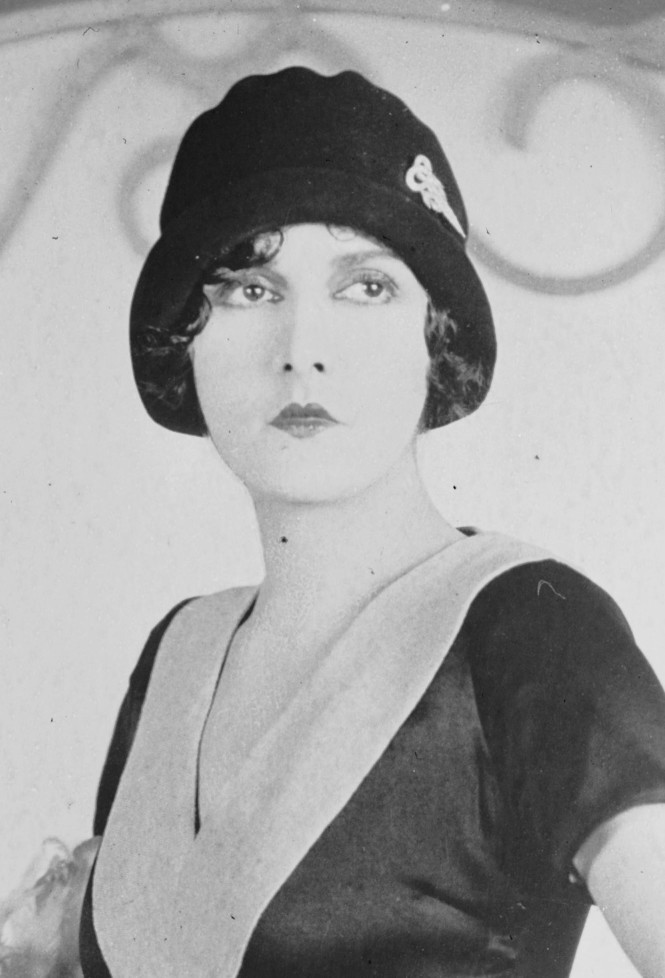
Actress Evelyn Brent's exaggerated lipline is characteristic of cosmetics in the 1920s.

Cosmetics in the 1920s were characterized by their use to create a specific look: lips painted in the shape of a Cupid's bow, kohl-rimmed eyes, and bright cheeks brushed with bright red blush.[1]

Context

[edit]

The heavily made-up look of the 1920s was a reaction to the demure, feminine Gibson Girl of the pre-war period.[1] In the 1920s, an international beauty culture was forged, and society increasingly focused on novelty and change.[1][2] Fashion trends influenced theater, films, literature, and art.[1]

The introduction of makeup was reasonably new to the society. Women were figuring out methods to apply it correctly, which later defined makeup looks.

Women also found a new need to wear more make-up, as a skewed postwar sex ratio created a new emphasis on sexual beauty.[2] Additionally, as women began to enter the professional world, publications such as the French Beauty Industry encouraged women to wear makeup to look their best while competing with men for employment.[2]

Products

[edit]

Lipstick

[edit]

Lipstick became widely popular after Maurice Levy's 1915 invention of the metal lipstick container.[3] It was available in salve, liquid, and stick forms,[3] and long-lasting, indelible stains were the most popular.[3] Women chose their lipstick based on their skin complexion for a more natural look. Lip pomade, also called lip gloss, was later invented by Max Factor, Sr. in an effort to provide a glamorous appearance to actress' lips on film.[4] Soon after, 'natural' lip gloss was created, which used bromo acid to create a red effect as it reacted with the wearer's skin.[3] Finally, flavored lipstick was also popular, with the most popular variety being cherry.[3]

In 1916, Max Factor began selling eye shadow and eyebrow pencils. This was the first time such products were available outside of the movie industry. Max continued to be a driving force behind make-up until his death in 1938. In 1991, his company became a part of the Procter & Gamble family.[4]

In the 1920s, different products were also developed that showed the decade's preoccupation with shaping the mouth.[3] Metal lip tracers, made in various sizes to satisfy the wishes of the wearer, were developed to ensure flawless lipstick application. Helena Rubinstein created a product called "Cupid's Bow," that billed itself as a "self-shaping lipstick that forms a perfect cupid's bow as you apply it."[3] The development of the mirrored lipstick container in the 1920s also points to the importance of shaping the lips through the application of lipstick.[3]

Rouge

[edit]

During the 1920s, the messy elixir blushes of past years were replaced by creams, powders, liquids, and rouge papers.[3] Powder blushes became more popular after the invention of spill-proof containers and the compact.[3] Blush was applied in circular motions on the cheek and occasionally on the knees depending on the type of woman you identify within society.

Indelible blushes, like indelible lipsticks, were popular.[3]

Mascara

[edit]

In the early 1920s many women fulfilled their desire for darker fuller lashes by resorting to the use of common household products. Petroleum jelly (Vaseline) was mixed with soot or coal. The resulting solution was a dark gel that was then applied to the lashes with a fine brush.

During the middle of the decade, mascara was available in cake, tube, wax, and liquid form and applied with a brush. Surprisingly enough, there were even waterproof formulations available.

The various forms of brush-on mascara served to darken the lashes but did not provide the sculpting abilities of modern-day mascara wands. For this, ladies used eyelash curlers such as the then popular Kurlash.

Eyebrows

[edit]

Eyebrows in the 1920s were very thin, resembling a straight line pointing downward toward the outside corner of the eye. Natural colors like black and brown colored eyebrows were in style. Actress Clara Bow was famous for her dramatic Cupid's bow eyebrows.

Footnotes

[edit]

References

[edit]
Revisions and contributorsEdit on WikipediaRead on Wikipedia
from Grokipedia
Cosmetics in the 1920s marked a profound shift in Western beauty practices, evolving from subtle, often concealed applications to bold, public displays that symbolized female and ethos, with women routinely employing vivid red lipsticks, kohl-lined eyes, and face powders to craft dramatic, youthful visages. This decade witnessed the maturation of the industry into a mass-market enterprise, propelled by innovations in product formulation and packaging—such as compact rouge cases, swivel-up lipsticks, and the first commercial nail polishes—alongside aggressive advertising in magazines and department stores that normalized makeup for middle-class consumers. Pioneering brands like , which introduced "makeup" as a term and tailored products for Hollywood stars, and , known for its , capitalized on cinematic influences to drive sales, contributing to an industry valued at approximately $52 million in the United States by 1929 and the proliferation of over 18,000 beauty parlors nationwide. Defining trends emphasized a pale facial base contrasted with rosy cheeks and a pronounced mouth, though mid-decade introductions like Coco Chanel's promotion of suntans began challenging monochromatic ideals, while underlying controversies arose from the unregulated inclusion of potentially toxic ingredients such as lead in some formulations.

Historical and Social Context

Pre-1920s Norms and Taboos

In the (1837–1901), visible use of cosmetics by women was widely stigmatized as a marker of moral laxity, deception, or association with vice, such as or theatrical performance. Respectable middle- and upper-class women adhered to ideals of natural and unadorned features, viewing painted faces as artificial enhancements that undermined claims of innate virtue and purity. publicly deemed makeup "impolite," reinforcing its social unacceptability beyond these marginalized groups, with rouge in particular symbolizing the "moral state" linked to . Religious doctrines further entrenched these taboos, drawing on biblical passages like 4:30, which condemns a woman's "rentest thy face with " as futile amid impending , a verse historically interpreted in Christian contexts as decrying artificial as spiritually corrupt. This aligned with broader Protestant emphases on inner over outward , portraying as emblematic of worldly seduction rather than godly . The Edwardian period (1901–1910) perpetuated Victorian restraint, prioritizing a "no makeup" natural aesthetic of pale skin achieved subtly through light face powders to mattify oiliness, while overt applications like rouge or kohl remained confined to "immoral" women or performers. Into the early , actresses adopted heavy greasepaint—pale bases, darkened lips, and exaggerated eyes—to counter orthochromatic film's darkening of skin tones, inadvertently modeling cosmetics to audiences but without broad acceptance among respectable women, who limited use to discreet powders until movements fostered greater social autonomy.

Post-World War I Shifts and Cultural Catalysts

The entry of women into the industrial workforce during , where millions replaced men in factories and munitions plants, fostered a sense of economic independence that extended into the postwar era. This shift enabled greater disposable income for personal consumption, including beauty products, as women's labor force participation rose from approximately 20% in 1920 to higher rates by the decade's end, supporting the burgeoning cosmetics market. The ratification of the 19th Amendment on August 18, 1920, granting women the right to vote, further symbolized and reinforced this newfound autonomy, aligning with cultural rebellions against prewar constraints on female expression. Hollywood's industry played a pivotal role in normalizing , as orthochromatic required heavy, visible makeup to counteract its rendering of pale skin as dark, compelling actresses to adopt bold facial enhancements that captivated audiences. Stars like , who rose to prominence in the early 1920s through films demanding such applications, embodied a glamorous, defiant that contrasted sharply with Victorian-era corseted ideals, inspiring young women to emulate these looks in daily life. icons, with their short hemlines and bobbed hair, represented a broader rejection of restrictive norms, using to signal liberation and modernity amid the era's social flux. Urbanization accelerated in the 1920s, with the U.S. urban population surpassing rural for the first time, concentrating youth in cities where speakeasies proliferated under (1920–1933), hosting performances and mixed-gender socializing that encouraged audacious aesthetics. These clandestine venues, evading the 18th Amendment's alcohol ban, cultivated a hedonistic -age culture where accentuated the bold, youthful vitality of patrons amid economic prosperity—real GDP grew at an annual compound rate of 4.1% from 1920 to 1929—fueling on beauty aids as markers of affluence and rebellion.

Beauty Ideals and Application Practices

The Flapper Look and Its Elements

The flapper aesthetic of the 1920s embodied youthful rebellion and androgynous minimalism, characterized by a stark contrast between pale facial complexions and boldly accentuated features. Women achieved a porcelain-like pallor using heavy applications of powder, evoking both doll-like fragility and the boyish "garçonne" silhouette that rejected Victorian curves in favor of a flattened, modern form. This pale base served as a canvas to highlight exaggerated eyes and lips, aligning with the era's short bobbed haircuts and low-waisted dresses that emphasized slim, athletic figures. Central to the look were the lips, painted in vivid red shades that sharply contrasted the whitened face, creating an illusion of fullness through overlining the upper lip into a pronounced heart shape. Popularized by Hollywood stars like , this style drew from theatrical influences and symbolized sensual defiance, with applied to extend beyond natural contours for dramatic effect. Eyebrows were plucked to extreme thinness and arched high on the forehead, enhancing a wide-eyed, innocent yet provocative gaze that complemented the downturned, elongated eye shape. Smoky eye makeup, achieved by smudging kohl or dark pigments around the entire eye contour, produced a sultry, almond-like extension that mimicked the era's fascination with and . This dramatic ocular emphasis tied into the flapper's overall androgynous edge, blending feminine allure with a hint of masculine angularity.

Variations in Everyday and Elite Usage

Cosmetic practices in the exhibited stark contrasts between everyday users and elites, shaped by and urban-rural divides. Working-class women typically applied lighter layers of and rouge to simulate a natural, youthful glow, eschewing the dramatic contrasts favored by flappers. In contrast, urban elites and Hollywood influencers employed heavier greasepaint foundations and bold accents, such as kohl-lined eyes and vivid red lips, to achieve a theatrical, artificial appearance visible under or early . Elite women, particularly in cities, accessed luxury imports like Coty's lipsticks and powders, packaged in elegant compacts introduced in the early , which signified status and enabled sophisticated, full-faced applications. Brands such as catered similarly to affluent consumers, offering specialized formulations unavailable to the masses. Rural and conservative demographics, including older women, adhered to pre-war norms of subtlety, using minimal products like basic vanishing creams for everyday enhancement due to limited availability and cultural resistance in non-urban areas. Innovations in application tools amplified these variations, with compact powder puffs and metal tubes—patented as early as 1915 but widely adopted by the mid-1920s—providing portability essential for flappers' nocturnal lifestyles and quick reapplications during social outings. These devices were less transformative for working women, who prioritized discretion over frequent touch-ups in daily routines.

Products and Formulations

Face Powders and Base Preparations

In the , face powders emerged as essential for achieving the era's signature matte, pale complexion, often applied over a base to create a smooth, porcelain-like finish. Loose and pressed powders dominated, with pressed variants gaining traction through innovations like compact cases including mirrors and puffs, facilitating portable touch-ups. By the late , approximately 3,000 varieties of face powders were available in the American market, reflecting surging demand driven by cultural shifts toward visible enhancement. Max Factor's , introduced in the mid-1920s, exemplified specialized formulations tailored for black-and-white film photography, using shades optimized for that rendered skin tones more naturally under studio lights but appeared unnaturally pale or "ghostly" in daylight. These powders were typically applied over greasepaint to set the base and reduce shine, addressing the greasy residues from earlier liquid or cream foundations that exacerbated issues under hot incandescent lighting adopted in late-1920s . The preference for dry powders over liquids stemmed from their ability to provide a non-reflective matte surface, essential for avoiding glare in early talkie films and satisfying the decade's beauty ideal of unblemished mismatched to natural skin tones. Base preparations, particularly cold creams, served as preparatory cleansers and moisturizers before powder application, formulated with emollients like to soften skin and purportedly prevent wrinkles. Lanolin-enriched cold creams, building on pre-1920s recipes, were marketed for their dual role in removing prior makeup residues while hydrating dry skin, creating an ideal canvas for powder adherence without excess oiliness. These products, often applied nightly and sparingly in the morning routine, underscored the era's emphasis on foundational skincare to sustain the powdered facade amid increasing daily cosmetic use.

Lip and Cheek Colorants

Lip colorants in the 1920s featured bold red shades applied to form an exaggerated , a heart-shaped upper lip that symbolized youthful sensuality and defiance of Victorian restraint. This application involved over-drawing the natural lip line with from metal-cased tubes, an innovation patented by Maurice Levy in as the "Levy Tube," which used a mechanism to advance the stick for precise control. Formulations typically combined as a structural base with synthetic bromo-acid dyes for intense pigmentation, shifting from earlier natural colorants to achieve durable, non-fading coverage suited to the era's active lifestyles. A preference for matte finishes dominated, avoiding the sheen of gloss to maintain a velvety, powdered aesthetic that aligned with the overall flapper ideal of controlled allure rather than overt wetness. Certain lip colorants employed pH-reactive dyes that appeared nearly colorless upon initial application but deepened to red upon contact with skin moisture, simulating a natural flush while delivering bolder results. Cheek colorants, known as rouge, were applied in cream or compacted powder forms to sculpt high cheekbones, evoking a healthy, wind-kissed glow that contrasted sharply with the era's pale facial achieved via powder bases. These products often relied on red pigments like derivatives or for their vivid, flushed tonality, blended sparingly to avoid unnatural streaks and emphasize angular bone structure over rounded softness. The application technique involved circular blending upward from the cheek apples toward the temples, enhancing the perception of and sensuality in social settings.

Eye Enhancements

Eye enhancements in the 1920s emphasized a sultry, almond-shaped appearance through darkened lashes, smoky lids, and precisely shaped brows, creating dramatic contrast against pale skin. This look drew from aesthetics and influences, prioritizing bold definition over natural subtlety due to the era's limited pigment options, which focused on black and grey tones. Mascara application centered on cake formulations, such as Maybelline's product launched in 1917, which consisted of a solid black or brown block costing 75 cents and requiring activation with water or saliva on a for clumped, voluminous lashes. Users would wet the thoroughly, rub it against the cake to form a paste, and apply it to upper and lower lashes, often resulting in a heavy, spiky effect that enhanced the downturned eye shape. By the mid-1920s, variations included waterproof liquids applied via integrated es, though cake remained dominant for its portability and intensity. Eyeshadow techniques relied on grey-black shades achieved with commercial kohl or homemade mixtures of soot and , smudged around the entire eye for a smoky depth that elongated and intensified the gaze. This matte, sooty application, inspired by ancient methods but adapted for modern boldness, was applied generously to the lids and under the eyes, limited by formulation constraints to high-contrast effects rather than blended gradients. Eyebrows were groomed thin and arched high, frequently penciled after partial shaving to maintain a straight-to-curved line with a downward inner tilt, using black or brown pencils for sharp definition. Performers and everyday users alike plucked or razed excess , then drew precise arches to frame the eyes dramatically, aligning with the era's preference for exaggerated expressiveness in silent cinema.

Commercial Development and Innovations

Key Brands and Manufacturers

, founded by Polish immigrant Maksymilian Faktorowicz, transitioned from wig-making in since 1909 to pioneering film , supplying with greasepaint adapted for cameras. In 1920, he coined the term "make-up" and launched Society Make-up, a retail line allowing women to replicate cinematic looks beyond professional use. By the mid-, the brand's products, including panchromatic shades for black-and-white film, entered mass distribution, marking a shift from theatrical exclusivity to consumer accessibility. Helena Rubinstein established luxury salons in major cities, starting with in 1902 and expanding to New York by 1915, where she offered bespoke skin treatments using imported creams. In the , her Valaze line featured pasteurized facial creams and powders tailored for elite clientele seeking refined complexions, with salons worldwide by decade's end generating substantial revenue from high-end formulations. , operating from her 1910 New York salon, similarly catered to affluent women with specialized creams and imported French powders, emphasizing salon consultations for personalized luxury regimens that positioned her as a key figure in upscale cosmetic distribution during the era. Maybelline emerged as an affordable innovator under T.L. Williams, who in 1917 formulated the first commercial cake —Lash-Brow-Ine, later rebranded —from and carbon, priced at 75 cents for mass appeal to young women. This product, applied via wet brush, democratized eye enhancement, with sales surging through mail-order and drugstore channels by the early . , led by François Coty since 1904, dominated perfumes with launches like Emeraude in 1921 but extended into via scented face powders and compacts, bridging fragrance and color application for broader consumer integration.

Technological and Marketing Advances

The 1920s marked significant packaging innovations that enhanced the portability and usability of , catering to women's increasingly active social lives. The modern metal lipstick tube, refined for twist-up application by the early decade, replaced messy pots and allowed precise, hygienic use . Pressed compacts with built-in mirrors and accompanying puffs, including portable variants like the houpette or pli, facilitated quick reapplications during outings. Specialized accessories such as "dance purses"—compact cases holding , , and rouge—emerged to support era's nightlife, making touch-ups discreet and routine. These developments shifted from bulky, home-bound formats to personal, everyday essentials. Marketing campaigns leveraged print media and celebrity culture to position cosmetics as tools for empowerment and modernity, expanding beyond elite consumers. Advertisements in Vogue and Ladies' Home Journal depicted makeup as enhancing natural allure rather than masking flaws, appealing to middle-class aspirations for sophistication. Hollywood endorsements played a pivotal role, with stars like Clara Bow and Louise Brooks featuring in magazine promotions that tied products to on-screen glamour and independence. These tactics, initially concentrated in film periodicals before broadening to women's journals, normalized cosmetics as aspirational necessities. Distribution innovations further accelerated accessibility, with department store beauty counters introducing experiential shopping and early direct sales models reaching remote areas. The California Perfume Company's approach, formalized in the 1920s and rebranded as Avon by 1928, bypassed traditional retail to serve housewives directly. Combined with counter displays in urban stores, these channels fueled rapid industry expansion during , transforming cosmetics into a mass-market sector.

Health Risks and Ingredient Realities

Toxic Components in Common Products

Many face powders and lipsticks of the 1920s incorporated lead compounds, such as and , to achieve desired opacity and a smooth, pale finish; chemical examinations of surviving products and formulations from the era confirm concentrations up to several percent by weight, with lead's solubility enabling dermal absorption into the bloodstream. Mercury, often as (mercurous chloride) or derivatives, appeared in some rouges and cold creams for its and whitening effects, with analyses revealing levels sufficient for cumulative via penetration, as documented in early 20th-century medical journals reviewing cosmetic ingredients. , present in forms like or arsenious oxide, was added to certain powders and eye preparations for vibrancy and longevity, with period laboratory tests identifying it in concentrations linked to historical data from similar Victorian-era products still in use. Depilatories for shaping eyebrows and removing frequently contained thallium acetate, a highly toxic salt prized for its efficacy in dissolving ; the product Koremlu, marketed widely in the , was found upon 1931 analysis by the to include this compound at levels comparable to rodenticides, facilitating absorption through intact skin and mucous membranes. Prior to the 1938 Federal Food, Drug, and Cosmetic Act, U.S. law provided no pre-market safety requirements or labeling mandates for , allowing manufacturers to formulate with these substances despite accumulating evidence from medical case studies and chemical assays dating to the highlighting their hazards. This regulatory void persisted even as voluntary industry standards, such as those proposed by the in the 1920s, failed to curb widespread inclusion of such ingredients.

Documented Adverse Effects

Medical reports from the early 1920s, including Goeckermann's 1922 documentation, established causal links between mercurial face creams and adverse skin outcomes, such as paradoxical that intensified rather than alleviated or blemishes, often accompanied by slate-gray discoloration in like the eyelids and neck. Prolonged application exacerbated these effects through cumulative mercury absorption, leading to lens opacities termed "mercurialitis." Systemic toxicity from mercury in popular cosmetics, such as mercury chloride in Dr. T. Felix Gouraud’s Oriental Cream (marketed until 1936), manifested in neurological damage including tremors, , and psychiatric symptoms like depression, anxiety, and , as evidenced by case studies of chronic users with elevated urinary mercury and . These outcomes persisted even after cessation, with irreversible neuropsychiatric alterations reported in individuals exposed over years. Contemporary dermatological observations linked powder-based to localized irritations and , where compacted particles clogged pores and promoted bacterial overgrowth, resulting in acneiform eruptions and potential scarring, though such cases were frequently underreported amid widespread promotion of for flapper-era . Long-term risks, including fatigue from trace like residual lead in some pigments, contributed to underrecognized chronic effects such as and reproductive impairments, overshadowed by the decade's beauty enthusiasm and lack of regulatory oversight until the 1938 Food, Drug, and Cosmetic Act.

Societal Reception and Criticisms

Conservative and Moral Backlash

The surge in cosmetics use among flappers provoked significant conservative opposition, with critics portraying heavy makeup—such as bright red and rouged cheeks—as a gateway to and the unraveling of structures in the jazz-age . Religious leaders and traditionalists frequently invoked biblical imagery, equating with the figure of , whose adornment preceded her downfall in 2 Kings 9:30, to argue that such practices encouraged moral laxity and defied scriptural calls for modesty. Sermons and editorials warned that cosmetics enabled women to masquerade their intentions, fostering vice in a post-Prohibition culture rife with speakeasies and casual relationships. Groups like the Anti-Flirt League, founded in 1921 by Alice Reighly in , embodied this backlash by promoting rules against immodest displays, implicitly targeting the flirtatious allure amplified by visible makeup and bobbed hair, which they saw as eroding chaste norms. Moral reformers pushed legislative measures, exemplified by New Hampshire's failed attempt to outright ban cosmetics statewide, motivated by concerns over their role in deceiving men and undermining societal virtue. These efforts reflected broader anxieties about the suffrage victory empowering women to reject Victorian restraint, with cosmetics symbolizing a rejection of submissive roles. Press outlets amplified these critiques, associating bold cosmetic looks with and the decline of rural piety; for instance, commentators decried the trend as corrupting youth and blurring class distinctions, as working-class women increasingly aped elite styles, intensifying fears of social inversion post-suffrage. Such objections persisted despite ' commercialization, underscoring a cultural chasm between progressive urbanites and traditional heartland values.

Empirical Critiques of Health and Vanity

The proliferation of in the contributed to escalating , as households increasingly allocated income to non-essential products amid a broader culture of installment buying and credit extension. more than doubled between 1920 and 1930, with discretionary purchases like exemplifying the shift toward consumption-driven growth that masked underlying economic fragilities leading into the 1929 crash. By 1925, American women expended roughly $6 million daily on products and services, a figure reflecting aggressive rather than essential needs, and underscoring how such spending patterns prioritized transient trends over financial prudence. Advertising campaigns during the decade manipulated psychological vulnerabilities by linking cosmetics to emotional fulfillment and , fostering dependency rather than genuine or biological imperative. Tactics employed emotional appeals and of inadequacy to drive sales, portraying beauty enhancements as indispensable for desirability, which historical analyses attribute to the industry's exploitation of women's perceived insecurities rather than organic . This causal dynamic—rooted in and Hollywood imagery—created cycles of habitual use, where initial applications bred escalating reliance, eroding self-perception tied to unaltered features and amplifying vanity's toll through perpetual dissatisfaction. Early 1920s formulations often yielded unflattering results due to limited shade ranges and crude textures, prioritizing stylistic exaggeration over compatibility with natural skin biology and yielding chalky, waxy finishes that accentuated . guides and periodicals critiqued these applications as manipulative distortions of appearance, arguing they undermined authentic indicators like clear in favor of trend-driven , with empirical observations from the noting frequent mismatches that clashed with individual undertones. Such discrepancies, evident in widespread adoption despite suboptimal outcomes, highlighted vanity's precedence, as biological harmony yielded to fashionable imperatives without corresponding evidence of enhanced well-being.

References

Add your contribution
Related Hubs
User Avatar
No comments yet.