Hubbry Logo
Dipeptidyl peptidase-4Dipeptidyl peptidase-4Main
Open search
Dipeptidyl peptidase-4
Community hub
Dipeptidyl peptidase-4
logo
8 pages, 0 posts
0 subscribers
Be the first to start a discussion here.
Dipeptidyl peptidase-4
from Wikipedia

DPP4
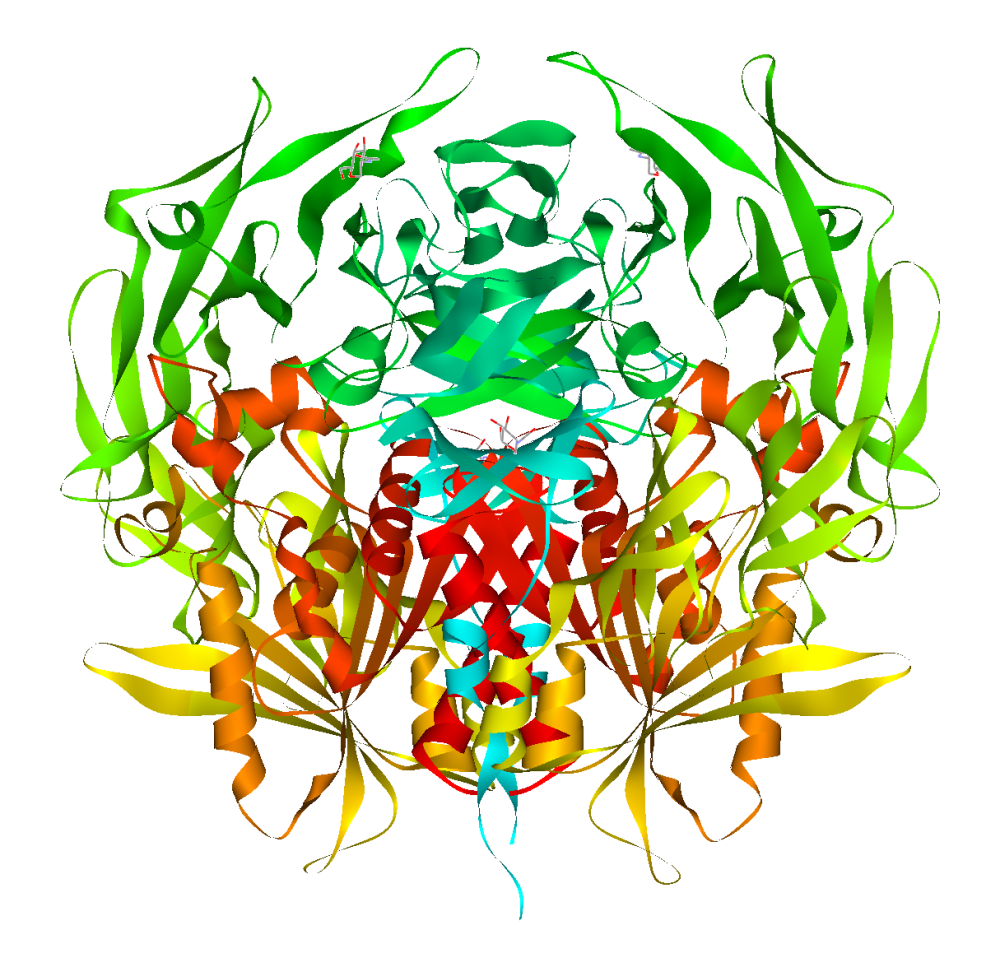
Available structures
PDBOrtholog search: PDBe RCSB
Identifiers
AliasesDPP4, ADABP, ADCP2, CD26, DPPIV, TP103, dipeptidyl peptidase 4
External IDsOMIM: 102720; MGI: 94919; HomoloGene: 3279; GeneCards: DPP4; OMA:DPP4 - orthologs
Orthologs
SpeciesHumanMouse
Entrez
Ensembl
UniProt
RefSeq (mRNA)

NM_001935

NM_001159543
NM_010074

RefSeq (protein)

NP_001926
NP_001366533
NP_001366534
NP_001366535

NP_001153015
NP_034204

Location (UCSC)Chr 2: 161.99 – 162.07 MbChr 2: 62.16 – 62.24 Mb
PubMed search[3][4]
Wikidata
View/Edit HumanView/Edit Mouse

Dipeptidyl peptidase-4 (DPP4 or DPPIV), also known as adenosine deaminase complexing protein 2 or CD26 (cluster of differentiation 26) is a protein that, in humans, is encoded by the DPP4 gene.[5] DPP4 is related to FAP, DPP8, and DPP9. The enzyme was discovered in 1966 by Hopsu-Havu and Glenner,[6] and as a result of various studies on chemism, was called dipeptidyl peptidase IV [DP IV].

Function

[edit]

The protein encoded by the DPP4 gene is an enzyme expressed on the surface of most cell types and is associated with immune regulation, signal transduction, and apoptosis. It is a type II transmembrane glycoprotein, but a soluble form, which lacks the intracellular and transmembrane part, is present in blood plasma and various body fluids. DPP-4 is a serine exopeptidase that cleaves X-proline or X-alanine dipeptides from the N-terminus of polypeptides. Peptide bonds involving the cyclic amino acid proline cannot be cleaved by the majority of proteases and an N-terminal X-proline "shields" various biopeptides.[7] Extracellular proline-specific proteases therefore play an important role in the regulation of these biopeptides.

DPP-4 is known to cleave a broad range of substrates including growth factors, chemokines, neuropeptides, and vasoactive peptides.[8][9] The cleaved substrates lose their biological activity in the majority of cases, but in the case of the chemokine RANTES and neuropeptide Y, DPP-4 mediated cleavage leads to a shift in the receptor subtype binding.[8]

DPP4 plays a major role in glucose metabolism. It is responsible for the degradation of incretins such as GLP-1.[10] Furthermore, it appears to work as a suppressor in the development of some tumors.[11][12][13][14]

DPP-4 also binds the enzyme adenosine deaminase specifically and with high affinity. The significance of this interaction has yet to be established.

Animal studies

[edit]

Animal studies suggest its pathogenetic role in development of fibrosis of various organs, such as liver and kidney.[15][16]

Clinical significance

[edit]

CD26/DPPIV plays an important role in tumor biology, and is useful as a marker for various cancers, with its levels either on the cell surface or in the serum increased in some neoplasms and decreased in others.[17]

A class of oral hypoglycemics called dipeptidyl peptidase-4 inhibitors works by inhibiting the action of this enzyme, thereby prolonging incretin effect in vivo.[18]

Middle East respiratory syndrome coronavirus has been found to bind to DPP4. It is found on the surface of cells in the airways (such as the lungs) and kidneys. Scientists may be able to use this to their advantage by blocking the virus's entry into the cell.[19]

DPP4,[20] or its Mycobacterial homologue MtDPP,[21] might play a role in the pathogenesis of tuberculosis via cleavage of the chemokine C-X-C motif chemokine ligand 10 (CXCL10).

See also

[edit]

References

[edit]

Further reading

[edit]
[edit]
Revisions and contributorsEdit on WikipediaRead on Wikipedia
from Grokipedia
Dipeptidyl peptidase-4 (DPP-4), also known as CD26, is a serine exopeptidase that selectively cleaves N-terminal dipeptides from substrates featuring or at the penultimate position, thereby inactivating key regulatory peptides such as incretins. This ubiquitous plays a pivotal role in physiological processes, particularly , by rapidly degrading hormones like (GLP-1) and glucose-dependent insulinotropic polypeptide (GIP), which normally enhance insulin secretion and suppress release in response to intake. DPP-4 exists in two forms—a membrane-anchored on the surface of cells in tissues including the , liver, lungs, intestines, and immune cells, and a soluble circulating variant released into the plasma—allowing it to influence both local and systemic functions. Structurally, DPP-4 is a 766-amino-acid protein encoded by the DPP4 gene on 2q24.3, comprising a short cytoplasmic domain (residues 1–6), a transmembrane (residues 7–28), and a large extracellular catalytic domain (residues 29–766) that forms a homodimer. The features a of serine 630, aspartate 708, and 740, enabling its exopeptidase activity with high specificity for Xaa-Pro or Xaa-Ala motifs. Beyond incretins, DPP-4 processes a diverse array of substrates, including (e.g., stromal cell-derived factor-1/SDF-1 and RANTES), neuropeptides (e.g., and ), and growth factors, which broadens its regulatory scope. In metabolism, DPP-4's inactivation of GLP-1 (half-life <2 minutes) and GIP (half-life ~5–7 minutes) limits postprandial insulinotropic effects, contributing to glycemic control; its inhibition thus extends incretin activity to improve insulin sensitivity and β-cell function without significant hypoglycemia risk. DPP-4 also modulates immune responses by altering T-cell activation, chemokine gradients for leukocyte recruitment, and cytokine processing, implicating it in inflammation, autoimmunity, and host defense. Emerging research highlights additional roles in cardiovascular protection, renal fibrosis, bone remodeling, and even cancer progression, where soluble DPP-4 may serve as a biomarker or therapeutic target. Clinically, DPP-4 inhibitors (gliptins), such as sitagliptin, vildagliptin, linagliptin, and alogliptin, represent a cornerstone of type 2 diabetes management; sitagliptin, linagliptin, and alogliptin are approved by the FDA and EMA, while vildagliptin is approved by the EMA, for monotherapy or combination therapy with agents like metformin or sulfonylureas. These oral agents achieve ~0.5–1% reductions in HbA1c over 52 weeks, promote weight neutrality, and exhibit favorable cardiovascular safety profiles, though rare associations with pancreatitis or heart failure warrant monitoring. Ongoing investigations explore their potential in non-diabetic conditions, including cardiovascular disease, neurodegenerative disorders, and post-transplant diabetes, underscoring DPP-4's multifaceted therapeutic relevance.

Discovery and Nomenclature

Historical Discovery

Dipeptidyl peptidase-4 (DPP-4), initially termed glycylproline p-nitroanilidase, was first identified in 1966 through histochemical studies on mammalian tissues, specifically in the kidney and intestinal mucosa of rats. Researchers V. K. Hopsu-Havu and G. G. Glenner detected enzymatic activity that hydrolyzed the dipeptide substrate glycyl-L-proline β-naphthylamide, distinguishing it from other peptidases based on its specificity for proline-containing dipeptides. This discovery laid the foundation for recognizing DPP-4 as a novel exopeptidase localized to the brush border of epithelial cells. In the late 1960s and 1970s, early biochemical characterizations expanded on this initial finding, with efforts focused on purification and substrate specificity. DPP-4 was isolated from various sources, including purification from pig kidney in 1981, where it was characterized as a glycoprotein with a molecular weight of approximately 270 kDa under native conditions, exhibiting activity against substrates like Gly-Pro-p-nitroanilide. These studies confirmed its presence across multiple tissues, such as liver, kidney, and submandibular gland, and highlighted its role in cleaving N-terminal dipeptides with proline or alanine in the penultimate position. Further work in this period, including investigations into its inhibition by diisopropyl fluorophosphate, suggested a potential serine-based catalytic mechanism, though definitive classification awaited later analyses. The 1980s marked significant advances in understanding DPP-4's structure and function through sequence analysis, leading to its initial recognition as a serine protease. Partial amino acid sequencing and comparisons revealed homology to known serine protease families, with the active site featuring a catalytic triad typical of this class. A key milestone was the cloning of the rat DPP-4 cDNA in 1989, which encoded a 760-amino-acid protein and confirmed the serine protease motif, including the essential serine residue at position 624. For the human enzyme, cDNA cloning in 1992 provided the full sequence, solidifying its classification as a type II transmembrane serine protease. Additionally, in 1992, DPP-4 was identified as the T-cell activation antigen CD26 (also known as Tp103), linking it to immune functions beyond peptidolysis. These developments shifted research toward its molecular identity and broader physiological implications.

Names and Aliases

Dipeptidyl peptidase-4 (DPP-4), also known as dipeptidyl peptidase IV (DPP-IV), is the primary standardized name for this serine protease enzyme. Key aliases include CD26, a designation from its identification as cluster of differentiation 26, an immune cell surface marker, and adenosine deaminase complexing protein 2 (ADCP2), reflecting its binding interaction with adenosine deaminase. CD26 serves as a specific marker in flow cytometry for identifying leukemic stem cells with the phenotype CD34+/CD38-/CD26+ in peripheral blood and bone marrow of patients with chronic myeloid leukemia (CML), a phenotype absent in normal hematopoietic stem cells and leukemic stem cells of other myeloid neoplasms, thereby enabling rapid, non-invasive diagnosis with high sensitivity and specificity complementary to genetic confirmation of BCR-ABL1. The enzyme is classified under the Enzyme Commission (EC) number 3.4.14.5, corresponding to the systematic name serine-type dipeptidyl-peptidase, which emphasizes its role in cleaving dipeptides from the N-terminus of proteins with proline or alanine in the penultimate position. Historically, the enzyme was first described in early literature as glycylproline dipeptidyl aminopeptidase or glycylproline naphthylamidase, based on its activity toward specific synthetic substrates like glycyl-prolyl-β-naphthylamide, before evolving to the current IUPAC-recommended name of dipeptidyl-peptidase IV.

Molecular Biology

Gene and Genetics

The DPP4 gene is located on the long arm of chromosome 2 at position 2q24.2 in humans, spanning approximately 82 kilobases and comprising 28 exons. This genomic organization supports the production of multiple transcript variants, with the primary isoform encoding the full-length protein. The gene encodes a precursor protein consisting of 766 amino acids, which includes an N-terminal signal peptide of 26 residues that directs the protein to the membrane for processing into the mature form. This precursor undergoes post-translational modifications to yield the active dipeptidyl peptidase-4 enzyme, a type II transmembrane glycoprotein. Genetic variations in DPP4 include common polymorphisms such as rs17574, which have been associated with alterations in enzyme levels and activity, potentially influencing metabolic and inflammatory processes. Rare mutations, including the A654V variant, have been identified in families with schizophrenia and bipolar disorder, suggesting a role in psychiatric susceptibility through disrupted protein function. The DPP4 gene exhibits strong evolutionary conservation across mammals, with orthologs in species such as mice (Dpp4 on chromosome 2) sharing high sequence similarity essential for conserved enzymatic roles. In bacteria, functional homologs like the prolyl dipeptidyl peptidase (MtDPP) in Mycobacterium tuberculosis display low sequence homology to human DPP4 but similar substrate cleavage activity, as demonstrated in structural and biochemical studies from 2023.

Protein Structure and Expression

Dipeptidyl peptidase-4 (DPP-4) is a type II transmembrane glycoprotein composed of 766 amino acids, with an unglycosylated molecular mass of approximately 88 kDa that increases to about 110 kDa upon glycosylation. The protein features a short cytoplasmic tail spanning residues 1–6, a hydrophobic transmembrane domain from residues 7–28, and a large extracellular domain encompassing residues 29–766. The extracellular domain of DPP-4 adopts a modular architecture, consisting of an N-terminal eight-bladed β-propeller domain that facilitates substrate recognition and binding, followed by a C-terminal α/β-hydrolase fold domain housing the catalytic residues. This β-propeller structure, formed by antiparallel β-sheets, creates a central tunnel for peptide access, while the α/β-hydrolase domain exhibits the canonical fold typical of , with alternating α-helices and β-strands. Crystal structures have confirmed that DPP-4 functions as a homodimer, with inter-subunit contacts primarily mediated by the β-propeller domains. Post-translational modifications play a key role in DPP-4 maturation and function, particularly N-linked glycosylation at up to nine asparagine residues within the extracellular domain (including positions such as Asn85, Asn92, and others clustered on the β-propeller). These glycan attachments, which account for 18–25% of the protein's mass, are essential for proper folding, dimerization, and stability, and have been shown to modulate enzymatic activity without being strictly required for catalysis. DPP-4 exhibits a broad expression profile, with high levels in epithelial cells of the kidney, small intestine, and liver, as well as on the surface of immune cells including activated T-lymphocytes where it serves as the CD26 marker. A soluble, catalytically active form of DPP-4 is generated through ectodomain shedding mediated by matrix metalloproteinases, releasing it into the circulation from tissues such as adipose and endothelial cells.

Biochemical Function

Enzymatic Mechanism

Dipeptidyl peptidase-4 (DPP-4) functions as a serine exopeptidase, catalyzing the hydrolysis of dipeptides from the N-terminus of polypeptide substrates featuring proline or alanine at the penultimate position (X-Pro or X-Ala motifs). This cleavage occurs via a two-step mechanism typical of serine proteases, with an optimal pH of approximately 7.5 under physiological conditions. The core of the catalytic process relies on a conserved triad of residues: Ser630, His740, and Asp708. Ser630 serves as the nucleophile, launching a direct attack on the carbonyl carbon of the scissile peptide bond, which generates a tetrahedral oxyanion intermediate. This intermediate is stabilized by hydrogen bonding from backbone amides in the oxyanion hole, while His740 acts as a general base to deprotonate Ser630, enhancing its nucleophilicity, and Asp708 orients His740 for efficient proton transfer. The subsequent deacylation step regenerates the active site through hydrolysis of the acyl-enzyme intermediate. Kinetic analysis reveals substrate affinities reflecting moderate binding efficiency for incretin hormones such as glucagon-like peptide-1 (GLP-1). DPP-4 activity is potently inhibited by competitive dipeptide analogs like diprotin A (Ile-Pro-Ile), which mimic substrates and occupy the active site with low micromolar IC50 values. Additionally, allosteric regulation via dimerization enhances catalytic efficiency; the enzyme operates optimally as a homodimer, where inter-subunit interactions stabilize the active conformation. The membrane-bound form exhibits higher local efficiency compared to the soluble circulating form, which, while catalytically active, shows reduced overall processing rates due to differences in substrate access and stability.

Substrate Specificity

Dipeptidyl peptidase-4 (DPP-4), also known as CD26, exhibits a distinct substrate specificity as a serine protease that cleaves the N-terminal dipeptide from peptides and proteins with specific amino acid residues at the penultimate (P1) position. It preferentially hydrolyzes bonds where the P1 residue is proline or alanine, though it can also accommodate serine and glycine with lower efficiency. This specificity arises from the enzyme's active site architecture, which features S1 and S2 subsites that favorably interact with the hydrophobic side chains of proline and alanine, while the catalytic triad facilitates the hydrolysis. Among its key substrates are incretin hormones such as glucagon-like peptide-1 (GLP-1) and glucose-dependent insulinotropic polypeptide (GIP), both of which possess alanine at the P1 position and are rapidly inactivated by DPP-4 cleavage, limiting their half-life in circulation. Neuropeptides like substance P, which has a proline at P1, are also cleaved, modulating pain signaling and inflammation. Additionally, chemokines such as C-X-C motif chemokine ligand 10 (CXCL10) serve as substrates; DPP-4 removes the N-terminal dipeptide (valine-proline), converting the full-length agonist form into an antagonist that competes for the CXCR3 receptor, thereby attenuating immune cell recruitment. Beyond peptide hydrolysis, DPP-4 engages in non-catalytic interactions, notably binding to adenosine deaminase (ADA) via its extracellular domain without cleaving it, which enhances ADA activity on the cell surface and influences immune responses by regulating adenosine levels. This binding occurs independently of the enzymatic active site and underscores DPP-4's role as a multifunctional protein. Competitive inhibitors of DPP-4, such as sitagliptin, exploit this substrate specificity by mimicking the P1-P2 dipeptide transition state and binding tightly to the S1 and S2 pockets of the active site, thereby blocking access to natural substrates like GLP-1. These inhibitors feature structural elements that form hydrogen bonds with key residues like Arg125, Glu205, and Ser630 in the S1 pocket and Tyr547 in the S2 pocket, achieving high potency and selectivity.

Physiological Roles

Role in Incretin Degradation

Dipeptidyl peptidase-4 (DPP-4) plays a central role in the regulation of glucose homeostasis by rapidly degrading incretin hormones, primarily (GLP-1) and glucose-dependent insulinotropic polypeptide (GIP), which are secreted in response to nutrient ingestion. This enzymatic action ensures that the insulinotropic effects of these hormones are transient, aligning with the postprandial state to avoid excessive insulin secretion during fasting. DPP-4 specifically cleaves the active form of GLP-1, GLP-1(7-36)amide, at the penultimate N-terminal residue, producing the inactive metabolite GLP-1(9-36)amide. This cleavage occurs rapidly in circulation, reducing the half-life of intact GLP-1 from approximately 1-2 minutes to that of the degraded form, thereby limiting its ability to stimulate glucose-dependent insulin secretion and suppress glucagon release. Similarly, DPP-4 processes GIP by removing the first two N-terminal amino acids from GIP(1-42), yielding GIP(3-42), which exhibits markedly reduced potency in promoting insulin secretion after meals. This attenuation of GIP's activity contributes to fine-tuning postprandial insulin responses. In physiological contexts, DPP-4-mediated degradation restricts the duration of incretin signaling to the period immediately following food intake, preventing prolonged hypoglycemia by curtailing insulinotropic actions when glucose levels are low. DPP-4 activity remains relatively stable across fasting and postprandial states, further ensuring minimal incretin influence during periods of low nutrient availability. Measurements of plasma DPP-4 activity have shown correlations with postprandial glucose excursions, highlighting its influence on meal-related glycemic control.

Immune Regulation and Other Functions

Dipeptidyl peptidase-4 (DPP-4), also known as CD26, serves as a co-stimulatory molecule on the surface of T cells, where it enhances T-cell proliferation and activation through interactions with caveolin-1 on antigen-presenting cells. This association triggers intracellular signaling pathways, including CARMA1-mediated NF-κB activation, which promotes T-cell effector functions such as cytokine production and cytotoxicity. DPP-4's co-stimulatory function via caveolin-1 interaction is independent of its enzymatic activity. In addition to co-stimulation, DPP-4 modulates immune cell migration by cleaving N-terminal dipeptides from chemokines such as (IP-10) and CXCL12 (SDF-1α), thereby inactivating their chemoattractant properties and altering T-cell trafficking to inflammatory sites. For instance, truncation of CXCL12 by DPP-4 generates an antagonist form that reduces CXCR4-mediated migration, while similar processing of limits recruitment of CXCR3-expressing Th1 cells and NK cells, fine-tuning inflammatory responses. This cleavage activity helps regulate leukocyte homing and prevents excessive immune infiltration. DPP-4 also contributes to apoptosis regulation by binding adenosine deaminase (ADA), which influences purine metabolism and immune suppression; this complex deaminates extracellular adenosine, reducing its anti-inflammatory effects on T cells and promoting Th1-like responses. Furthermore, CD26-mediated co-stimulation on CD8+ T cells upregulates Fas ligand (FasL) expression, enhancing cytotoxic activity against target cells, including tumors, through Fas/FasL-induced apoptosis pathways. Beyond immune cells, DPP-4 interacts with extracellular matrix components like collagen and fibronectin, facilitating cell adhesion and migration, while in fibroblasts, it transduces signals via PAR2 and NF-κB/SMAD pathways to support tissue remodeling and fibrosis.

Clinical Applications

DPP-4 Inhibitors in Diabetes

Dipeptidyl peptidase-4 (DPP-4) inhibitors represent a class of oral antidiabetic agents that exert their therapeutic effects by inhibiting the DPP-4 enzyme, thereby prolonging the half-life of endogenous incretin hormones such as (GLP-1) and glucose-dependent insulinotropic polypeptide (GIP). This action enhances glucose-dependent insulin secretion from pancreatic beta cells and suppresses glucagon release from alpha cells, leading to improved glycemic control without significantly increasing the risk of hypoglycemia when used as monotherapy. The first DPP-4 inhibitor, sitagliptin, received FDA approval in October 2006 for the treatment of type 2 diabetes mellitus as an adjunct to diet and exercise. Prominent DPP-4 inhibitors include sitagliptin (typically dosed at 100 mg once daily), vildagliptin (50 mg twice daily, approved in Europe but not by the FDA), and saxagliptin (2.5–5 mg once daily). These agents demonstrate modest efficacy, reducing HbA1c levels by approximately 0.5–1.0% as monotherapy and 0.6–1.1% in combination therapy, with benefits most pronounced in patients with baseline HbA1c between 7.5% and 9%. Common side effects are mild, including upper respiratory tract infections, headache, and nasopharyngitis, and they carry a low risk of hypoglycemia compared to sulfonylureas or insulin; however, rare cases of acute pancreatitis and severe joint pain have been reported. Clinical trials have supported the cardiovascular safety profile of DPP-4 inhibitors overall, though specific concerns exist for certain agents. For instance, the SAVOR-TIMI 53 trial (2013) for saxagliptin demonstrated noninferiority to placebo for major adverse cardiovascular events but noted a modest increase in hospitalization for heart failure (3.5% vs. 2.8%), prompting an FDA warning in 2016 for saxagliptin and similar agents like alogliptin in patients with preexisting heart or kidney disease. Combinations with are well-tolerated and effective, with meta-analyses of over 60 trials showing comparable HbA1c reductions to other add-on therapies while preserving beta-cell function. In recent guidelines, such as the 2025 American Diabetes Association Standards of Care (published in 2024), DPP-4 inhibitors are recommended as a second-line option for type 2 diabetes management after metformin and lifestyle interventions, particularly for patients requiring oral therapy without cardiovascular or renal benefits from preferred agents like GLP-1 receptor agonists or SGLT2 inhibitors. They are favored in scenarios where hypoglycemia avoidance is prioritized, but their use is cautioned in patients with heart failure history due to potential risks with agents like saxagliptin. A new recommendation (9.21) advises against concurrent use of DPP-4 inhibitors with GLP-1 receptor agonists or dual GIP/GLP-1 receptor agonists due to lack of additional glucose-lowering benefit.

Role in Infections and Other Diseases

Dipeptidyl peptidase-4 (DPP-4), also known as CD26, serves as the primary receptor for the Middle East respiratory syndrome coronavirus (MERS-CoV), where the receptor-binding domain of the viral spike protein's S1 subunit directly interacts with the extracellular domain of DPP-4 to facilitate viral entry into host cells such as human bronchial epithelial cells and fibroblasts. This interaction has been structurally confirmed at high resolution, highlighting key residues in DPP-4's α/β-hydrolase domain that mediate binding affinity. In contrast, the role of DPP-4 in severe acute respiratory syndrome coronavirus 2 (SARS-CoV-2) infection remains debated, with molecular docking and simulation studies from 2020 to 2023 proposing potential interactions between SARS-CoV-2 spike variants and DPP-4, though experimental evidence is inconclusive and ACE2 is the dominant receptor. These findings suggest DPP-4 may contribute to viral tropism in some cell types, but clinical correlations are lacking. Regarding bacterial infections, Mycobacterium tuberculosis secretes a prolyl dipeptidyl peptidase homolog (MtDPP) that cleaves N-terminal peptides from host chemokines, such as the immunoprotein CXCL-10 (IP-10), thereby modulating immune responses and potentially aiding bacterial persistence within macrophages. This enzyme exhibits strong specificity for proline residues at the penultimate position of substrates, similar to human DPP-4, and its activity has been biochemically characterized in 2023 studies as a virulence factor that impairs chemokine-mediated recruitment of T cells to infection sites. In cancer, elevated levels of soluble DPP-4 in plasma have been identified as a potential tumor marker for prostate cancer, correlating with increased enzymatic activity in malignant tissues compared to benign prostatic hyperplasia. Similarly, in renal cell carcinoma, altered DPP-4 expression patterns, including upregulated soluble forms in advanced disease, support its use as a diagnostic indicator, though tissue levels are often downregulated in primary tumors. DPP-4 promotes cancer metastasis through cleavage of CXCL12 (SDF-1α), generating a truncated form that alters CXCR4/ACKR3 signaling, enhances cell migration, and induces senescence-like states in stromal cells, facilitating tumor invasion in models of breast and prostate cancers. Beyond infections and oncology, DPP-4 acts as a marker for fibrosis in chronic liver and kidney diseases, with elevated hepatic and renal expression correlating to activated fibroblasts and extracellular matrix deposition in conditions like non-alcoholic steatohepatitis and diabetic nephropathy. In cardiovascular pathology, DPP-4 modulates inflammation by cleaving pro-inflammatory cytokines and chemokines, influencing atherosclerotic plaque formation and endothelial dysfunction, as evidenced by reduced monocyte chemotaxis and lipid accumulation in preclinical models. Soluble DPP-4 levels in plasma further link these processes to systemic vascular risk.

Diagnostic Role in Chronic Myeloid Leukemia

CD26 (dipeptidyl peptidase-4, DPP-4) serves as a highly specific cell surface marker for leukemic stem cells (LSCs) in chronic myeloid leukemia (CML). It is expressed on the CD34+/CD38-/CD26+ phenotype characteristic of CML LSCs in both peripheral blood and bone marrow, while absent on normal hematopoietic stem cells and leukemic stem cells in other myeloid neoplasms. Flow cytometry detection of CD26 on CD34+/CD38- cells enables rapid identification of CML-specific LSCs, with the method demonstrating high sensitivity (detectable in 100% of chronic-phase CML patients in large cohorts) and specificity in peripheral blood samples. This approach provides a non-invasive, quick diagnostic tool (results within hours) that complements genetic confirmation of the BCR-ABL1 fusion gene. CD26+ LSCs can be quantified in peripheral blood at diagnosis and during treatment, supporting its use in CML diagnosis, monitoring of therapeutic responses, and assessment of residual disease.

Research Findings

Animal Models

Dipeptidyl peptidase-4 (DPP-4) mice (Dpp4-/-) exhibit elevated plasma levels of (GLP-1), leading to enhanced insulin secretion and improved glucose tolerance following oral glucose challenges compared to wild-type controls. These models also demonstrate reduced cardiac in response to transverse aortic constriction or doxorubicin-induced injury, with younger knockout mice showing preserved ventricular function and lower deposition. Additionally, DPP-4 deficiency attenuates in bleomycin-challenged mice, highlighting a role in regulation beyond metabolic effects. In models of liver induced by ligation, treatment with DPP-4 inhibitors such as vildagliptin can mitigate associated pathological changes, including , as observed in studies from the . Similarly, in models of injury, including anti-glomerular disease and obese diabetic strains, DPP-4 inhibition with linagliptin or other agents ameliorates interstitial by suppressing transforming growth factor-β signaling and inflammatory cell infiltration. These findings from models underscore DPP-4's contribution to organ scarring through non-enzymatic interactions with stromal cells. In infection models, Syrian hamsters have been adapted as models for respiratory syndrome (MERS-CoV) through viral passage, enabling replication despite initial DPP-4 receptor incompatibility, as shown in studies post-2014. In mouse models of , DPP-4-mediated cleavage of like (IP-10) impairs T-cell recruitment to granulomas, with inhibition enhancing bioactivity and improving immune containment of . Long-term toxicology studies in rodents, including two-year carcinogenicity assessments with DPP-4 inhibitors like vildagliptin at doses up to 900 mg/kg, reveal no treatment-related increases in tumor incidence across multiple organs, supporting the safety profile for chronic inhibition.

Emerging Therapeutic Targets

Recent research has explored the modulation of dipeptidyl peptidase-4 (DPP-4), also known as CD26, as a promising strategy in oncology, particularly for tumors expressing high levels of CD26. Dual inhibition approaches combining DPP-4 inhibitors with chemotherapy have shown potential in enhancing antitumor immune responses in CD26-positive cancers, such as glioblastoma and colorectal carcinoma. An ongoing phase II clinical trial (NCT07003542, started September 2024) is evaluating sitagliptin adjunctively with standard therapies in patients with progressive glioblastoma to assess immune activation, safety, and potential effects on progression-free survival. Similarly, network pharmacology studies have identified DPP-4 inhibition as modulating cancer-associated pathways like proteoglycans in colorectal cancer, supporting its role in combination regimens to overcome chemotherapy resistance. In , DPP-4 inhibition has emerged as a target for mitigating pathology, with preclinical evidence highlighting reductions in . Mouse models of Alzheimer's, such as the 3xTg-AD strain, treated with linagliptin exhibited decreased cognitive deficits and lowered levels of pro-inflammatory cytokines like TNF-α and IL-6 in the brain, alongside reduced amyloid-beta plaque burden. These findings from 2024 studies suggest that DPP-4 inhibitors may preserve neuronal integrity by attenuating microglial activation and , offering a mechanistic basis for potential translation to human trials. Insights from these animal models underscore the anti-inflammatory pleiotropic effects of DPP-4 modulation beyond glycemic control. Repurposing DPP-4 inhibitors for viral infections akin to and has gained traction post-2020, driven by DPP-4's role as a co-receptor for coronaviruses. Exploratory clinical trials have investigated inhibitors like sitagliptin in patients, revealing associations with reduced disease progression to severe outcomes, including , in those with . A 2025 retrospective analysis reported a significant decrease in mortality risk ( 0.50) among hospitalized patients receiving DPP-4 inhibitors, attributed to modulation of inflammatory cascades and viral entry. Ongoing trials continue to evaluate these agents for broader prophylaxis, building on earlier MERS-CoV evidence. As a biomarker, soluble DPP-4 (sDPP-4) levels in serum have been linked to predicting fibrosis progression in conditions like liver and systemic sclerosis. A 2023 study in systemic sclerosis patients found elevated DPP-4 activity correlated with advancing fibrosis scores, independent of inflammatory markers, suggesting sDPP-4 as a non-invasive prognostic tool for monitoring disease trajectory. In type 2 diabetes cohorts, higher sDPP-4 concentrations were associated with increased liver stiffness on transient elastography, indicating advanced fibrosis stages, as per analyses from 2021-2023 that pooled data across multiple cohorts. This biomarker potential facilitates early intervention strategies in fibrotic disorders. Recent 2025 network pharmacology research further supports sDPP-4's role in predicting responses to anti-fibrotic therapies in colorectal cancer-associated fibrosis.

References

Add your contribution
Related Hubs
User Avatar
No comments yet.