Hubbry Logo
CD135CD135Main
Open search
CD135
Community hub
CD135
logo
8 pages, 0 posts
0 subscribers
Be the first to start a discussion here.
CD135
CD135
from Wikipedia
FLT3
Available structures
PDBOrtholog search: PDBe RCSB
Identifiers
AliasesFLT3, CD135, FLK-2, FLK2, STK1, fms related tyrosine kinase 3, fms related receptor tyrosine kinase 3
External IDsOMIM: 136351; MGI: 95559; HomoloGene: 3040; GeneCards: FLT3; OMA:FLT3 - orthologs
Orthologs
SpeciesHumanMouse
Entrez
Ensembl
UniProt
RefSeq (mRNA)

NM_004119

NM_010229

RefSeq (protein)

NP_004110

NP_034359

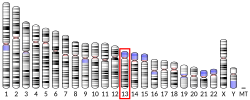
Location (UCSC)Chr 13: 28 – 28.1 MbChr 5: 147.27 – 147.34 Mb
PubMed search[3][4]
Wikidata
View/Edit HumanView/Edit Mouse

Cluster of differentiation antigen 135 (CD135) also known as fms like tyrosine kinase 3 (FLT-3 with fms standing for "feline McDonough sarcoma"), receptor-type tyrosine-protein kinase FLT3, or fetal liver kinase-2 (Flk2) is a protein that in humans is encoded by the FLT3 gene. FLT3 is a cytokine receptor which belongs to the receptor tyrosine kinase class III. CD135 is the receptor for the cytokine Flt3 ligand (FLT3L).

It is expressed on the surface of many hematopoietic progenitor cells. Signalling of FLT3 is important for the normal development of haematopoietic stem cells and progenitor cells.

The FLT3 gene is one of the most frequently mutated genes in acute myeloid leukemia (AML).[5] High levels of wild-type FLT3 have been reported for blast cells of some AML patients without FLT3 mutations. These high levels may be associated with worse prognosis.

Structure

[edit]

FLT3 is composed of five extracellular immunoglobulin-like domains, an extracellular domain, a transmembrane domain, a juxtamembrane domain and a tyrosine-kinase domain consisting of 2 lobes that are connected by a tyrosine-kinase insert. Cytoplasmic FLT3 undergoes glycosylation, which promotes localization of the receptor to the membrane.[6]

Function

[edit]

CD135 is a class III receptor tyrosine kinase. When this receptor binds to FLT3L a ternary complex is formed in which two FLT3 molecules are bridged by one (homodimeric) FLT3L.[7] The formation of such complex brings the two intracellular domains in close proximity to each other, eliciting initial trans-phosphorylation of each kinase domain. This initial phosphorylation event further activates the intrinsic tyrosine kinase activity, which in turn phosphorylates and activates signal transduction molecules that propagate the signal in the cell. Signaling through CD135 plays a role in cell survival, proliferation, and differentiation. CD135 is important for lymphocyte (B cell and T cell) development.

Two cytokines that down modulate FLT3 activity (& block FLT3-induced hematopoietic activity) are:

TGF-beta especially, decreases FLT3 protein levels and reverses the FLT3L-induced decrease in the time that hematopoietic progenitors spend in the G1-phase of the cell cycle.[6]

Clinical significance

[edit]

Cell surface marker

[edit]

Cluster of differentiation (CD) molecules are markers on the cell surface, as recognized by specific sets of antibodies, used to identify the cell type, stage of differentiation and activity of a cell. In mice, CD135 is expressed on several hematopoietic (blood) cells, including long- and short-term reconstituting hematopoietic stem cells (HSC) and other progenitors like multipotent progenitors (MPPs) and common lymphoid progenitors (CLP).[8]

Role in cancer

[edit]

CD135 is a proto-oncogene, meaning that mutations of this protein can lead to cancer.[9] Mutations of the FLT3 receptor can lead to the development of leukemia, a cancer of bone marrow hematopoietic progenitors. Internal tandem duplications of FLT3 (FLT3-ITD) are the most common mutations associated with acute myelogenous leukemia (AML) and are a prognostic indicator associated with adverse disease outcome.

FLT3 inhibitors

[edit]

Gilteritinib, a dual FLT3-AXL tyrosine kinase inhibitor[10] has completed a phase 3 trial of relapsed/refractory acute myeloid leukemia in patients with FLT3 ITD or TKD mutations.[11] In 2017, gilteritinib gained FDA orphan drug status for AML.[12] In November 2018, the FDA approved gilteritinib (Xospata) for treatment of adult patients with relapsed or refractory acute myeloid leukemia (AML) with a FLT3 mutation as detected by an FDA-approved test.[13]

In July 2023, quizartinib (Vanflyta) was also approved for the treatment of newly diagnosed AML with FLT3 internal tandem duplication (ITD)-positive, as detected by an FDA-approved test.[14] Precisely, it should be used with standard cytarabine and anthracycline induction and cytarabine consolidation, and as maintenance monotherapy following consolidation chemotherapy.[14]

Midostaurin was approved by the FDA in April 2017 for the treatment of adult patients with newly diagnosed AML who are positive for oncogenic FLT3, in combination with chemotherapy.[15] The drug is approved for use with a companion diagnostic, the LeukoStrat CDx FLT3 Mutation Assay, which is used to detect the FLT3 mutation in patients with AML.

Sorafenib has been reported to show significant activity against Flt3-ITD positive acute myelogenous leukemia.[16][17]

Sunitinib also inhibits Flt3.

Lestaurtinib is in clinical trials.

A paper published in Nature in April 2012 studied patients who developed resistance to FLT3 inhibitors, finding specific DNA sites contributing to that resistance and highlighting opportunities for future development of inhibitors that could take into account the resistance-conferring mutations for a more potent treatment.[18]

See also

[edit]

References

[edit]

Further reading

[edit]
[edit]
Revisions and contributorsEdit on WikipediaRead on Wikipedia
from Grokipedia
CD135, also known as fms-like 3 (FLT3), is a class III encoded by the FLT3 on 13q12 that plays a pivotal role in regulating the proliferation, survival, and differentiation of hematopoietic stem and cells. The receptor consists of an extracellular -binding domain with five immunoglobulin-like motifs, a transmembrane region, a juxtamembrane domain, and an intracellular split domain, which becomes activated upon binding its , FLT3 ligand (FLT3L), to initiate downstream signaling pathways such as PI3K/AKT and MAPK/ERK that control early development. In normal hematopoiesis, CD135 is predominantly expressed on CD34-positive hematopoietic stem cells and early progenitors in the , where it supports the maintenance, expansion, and lineage commitment of myeloid and lymphoid cells, including dendritic cells, without being essential for steady-state or megakaryopoiesis. Dysregulation of CD135 signaling is a hallmark of several hematologic malignancies, particularly (AML), where activating mutations such as internal tandem duplications (ITD) in the juxtamembrane domain occur in approximately 30% of cases at , leading to ligand-independent constitutive , uncontrolled proliferation of leukemic blasts, and impaired differentiation. Point mutations in the domain, such as Asp835Tyr (D835Y), are found in about 7-14% of AML patients and similarly promote leukemogenesis by enhancing receptor autophosphorylation and survival signals. CD135 expression is also prevalent in (ALL); activating mutations occur in approximately 5-10% of adult cases and are associated with poor prognosis, often correlating with high white blood cell counts and extramedullary disease. Beyond leukemia, aberrant CD135 activity has been implicated in autoimmune conditions like , where elevated FLT3L levels in drive in monocytes and dendritic cells, exacerbating inflammation. Therapeutically, CD135 has emerged as a key target in AML treatment, with inhibitors like midostaurin (approved 2017), (approved 2018), and quizartinib (approved 2023) for patients with FLT3-mutated disease, demonstrating improved overall survival when combined with by selectively blocking mutant receptor activity while sparing normal hematopoiesis to a degree. Ongoing research explores CD135's role in , including the use of FLT3L to expand dendritic cells for cancer vaccines, highlighting its dual potential in both oncogenesis and immune modulation.

Molecular Structure

Protein Domains and Architecture

CD135, also known as FLT3 or FLK2, is a type III encoded by the located on 13q12.2 at positions 28.0–28.1 Mb. The spans approximately 97 kb and consists of 24 coding exons, producing a 993-amino acid precursor protein with a calculated molecular weight of about 113 kDa that matures to 130–160 kDa. The protein architecture of CD135 features an N-terminal extracellular region, a single transmembrane helix, and an intracellular portion characteristic of receptor kinases. The extracellular domain comprises five immunoglobulin-like subdomains: three Ig-like domains (D1–D3) involved in recognition and two type III-like domains (D4–D5) that contribute to . Encoded primarily by s 3–12, this region spans residues 1–541 and facilitates dimerization upon activation. The transmembrane domain, a hydrophobic α-helix of about 22 residues (approximately 542–564), anchors the receptor in the plasma membrane and is encoded by 13. Intracellularly, CD135 includes a juxtamembrane (JM) domain (residues ~565–609), a split domain (TKD; residues 610–944), and a short C-terminal tail (~50 residues). The JM domain, encoded by parts of exons 14–15, plays a regulatory role by maintaining the in an autoinhibited state through interactions that prevent ATP binding in the inactive conformation. The TKD is divided into an N-lobe and C-lobe separated by a insert (KI) of approximately 50–100 residues (encoded by exons 16–21), which lacks catalytic activity but is essential for substrate recognition and signaling specificity. The C-terminal tail (exon 24) contains residues that can serve as autophosphorylation sites, though its primary role is in modulating activity. Structurally, CD135 exhibits high homology to other type III receptor kinases, including the receptors (PDGFRα/β), colony-stimulating factor 1 receptor (CSF1R), and KIT, sharing over 80% sequence identity in the domain and a conserved overall with five extracellular domains, a transmembrane segment, and an interrupted core. This family resemblance underscores the autoinhibitory function of the JM domain across these receptors, where it wedges between the lobes to stabilize the inactive form until ligand-induced dimerization disrupts it.

Glycosylation and Maturation

CD135, also known as FLT3, undergoes extensive N-linked at nine residues within its extracellular domain, specifically at positions N43, N100, N151, N306, N323, N351, N354, N473, and N502. These modifications involve the addition of chains, which contribute to proper , prevent endoplasmic reticulum (ER) retention, and increase the apparent molecular weight from an unglycosylated core of approximately 110 kDa to 130-143 kDa for the immature form. The maturation process begins with synthesis of the 110 kDa precursor polypeptide in the ER, where initial high-mannose occurs to yield the 130 kDa immature glycoprotein. This form is then transported to the Golgi apparatus for further processing, including trimming and addition of complex carbohydrate chains, resulting in the fully mature 155-160 kDa that is trafficked to the plasma membrane. Immature or misfolded forms retained in the ER are subject to degradation via the unfolded protein response pathway, ensuring during . Glycosylation is critical for CD135 functionality, as it stabilizes the extracellular immunoglobulin-like domains necessary for binding affinity and receptor dimerization upon FLT3 . Defects in these modifications, such as those induced by inhibitors like , impair folding and lead to reduced surface expression, ER accumulation, and activation of stress responses that can promote .

Biological Function

Ligand Interaction and Receptor Activation

CD135, also known as FLT3, is activated primarily by its cognate ligand, FLT3 ligand (FLT3L), a that exists in both transmembrane and soluble forms and functions as a homodimer. The homodimeric FLT3L binds to the extracellular immunoglobulin-like domains (primarily D3) of two CD135 monomers, forming a dimeric receptor-ligand complex that induces dimerization. This binding event is highly specific, as FLT3L does not cross-react with other related cytokines such as (SCF), which instead binds to the closely related receptor KIT. Upon FLT3L binding, the induced dimerization of CD135 brings the intracellular domains of the two receptor monomers into close proximity, relieving autoinhibitory constraints and enabling trans-autophosphorylation. Key autophosphorylation occurs on specific residues, including Y589 and Y591 in the juxtamembrane domain, which serve as docking sites for downstream signaling molecules, and Y842 within the kinase domain, contributing to the loop conformation and overall kinase activity. These events initiate the receptor's catalytic , marking the transition from an inactive monomeric state to a signaling-competent dimeric form. FLT3L remains the sole known physiological for CD135, underscoring the receptor's dedicated role in hematopoietic signaling without overlap from other growth factors in the class III family.

Downstream Signaling Pathways

Upon -induced dimerization and autophosphorylation, CD135 (FLT3) recruits adaptor proteins such as and SHC via specific tyrosine sites in its cytoplasmic domain, initiating multiple intracellular signaling cascades. These adaptors facilitate the of key pathways that regulate cellular proliferation, , and differentiation in hematopoietic cells. The primary downstream pathways include the RAS-RAF-MEK-ERK cascade, which promotes by driving related to progression. The PI3K-AKT-mTOR pathway enhances cell survival and growth by inhibiting through phosphorylation of targets like BAD and upregulation of anti-apoptotic proteins such as BCL-2. Additionally, PLCγ leads to IP3 production and intracellular calcium mobilization, contributing to immediate signaling events like enzyme . The JAK/STAT pathway, particularly STAT5, and SRC family kinases (e.g., LYN, HCK) further amplify signals for proliferation and survival, with SRC kinases enhancing STAT . Key sites on CD135, such as Y599 and Y607 in the juxtamembrane domain, serve as docking platforms for SH2-domain-containing proteins like SRC family kinases and SHP2, thereby initiating survival signals. Other sites, including Y589/Y591, recruit SRC kinases to propagate signals. PI3K activation occurs via docking of the p85 subunit to Y919. Negative regulation of CD135 signaling occurs through phosphatases like SHP-1, which dephosphorylate the receptor and attenuate pathway activation. Additionally, TGF-β down-modulates CD135 expression via SMAD-dependent transcriptional repression, limiting prolonged signaling.

Expression Patterns

Cellular Distribution in Normal Tissues

CD135, also known as FLT3, is predominantly expressed on immature hematopoietic cells within the of healthy individuals, where it plays a key role in early populations. High levels of expression are observed on hematopoietic stem cells (HSCs), multipotent progenitors (MPPs), common lymphoid progenitors (CLPs), and early B-cell precursors, whereas it is typically low or absent on mature hematopoietic cells such as granulocytes, erythrocytes, and differentiated lymphocytes. This restricted distribution underscores CD135's association with primitive, undifferentiated stages of hematopoiesis. In humans, CD135 is prominently featured on +- HSCs and ++ pro-B cells in the , reflecting its presence in both multipotent s and early lymphoid-committed progenitors. In mice, expression is similarly confined to early compartments, notably on Lin-Sca-1+c-Kit+ cells, which encompass HSCs and MPPs, with approximately 60% of this population showing CD135 positivity; levels are low on long-term HSCs (around 5% protein expression) but increase progressively to near 100% on lymphoid-primed MPPs and 80% on CLPs. These species-specific patterns highlight conserved yet nuanced roles in maintenance across mammals. Detection of CD135 expression in normal relies primarily on with monoclonal antibodies, such as clone 4G8 or BV421-conjugated variants, which identify CD135-positive cells aligning with the frequency of primitive s. Radioligand binding assays using 125I-labeled FLT3 ligand have further confirmed high-affinity receptor presence on + subsets.

of Expression

The expression of CD135, also known as FLT3, is primarily regulated at the transcriptional level by lineage-specific s during early hematopoiesis. The ETS family PU.1 promotes FLT3 transcription in hematopoietic stem and cells (HSPCs), facilitating their proliferation and differentiation into myeloid and lymphoid lineages. Similarly, RUNX1 enhances FLT3 expression in early s, often through cooperative interactions with factors like Meis1 to support HSPC maintenance and commitment. In contrast, represses FLT3 in more mature hematopoietic lineages by antagonizing PU.1 activity, thereby restricting receptor levels as cells progress beyond the progenitor stage. Post-transcriptional mechanisms further fine-tune CD135 levels, with microRNAs playing a key role in modulating FLT3 mRNA stability and translation. For instance, miR-155 contributes to the downregulation of FLT3 mRNA in hematopoietic cells, influencing progenitor dynamics and lineage bias. Additionally, the cytokine environment impacts surface expression of the receptor; stem cell factor (SCF) synergizes with FLT3 ligand (FLT3L) to upregulate CD135 on the cell surface of HSPCs, enhancing responsiveness to growth signals and promoting expansion. Developmentally, CD135 expression exhibits dynamic changes, peaking in fetal liver HSPCs where it drives rapid self-renewal and amplification of the pool. As hematopoiesis transitions to the adult , FLT3 levels decline markedly with and the establishment of quiescence, becoming low or absent in long-term repopulating adult HSCs.

Role in Hematopoiesis

Impact on Stem and Progenitor Cells

CD135 (FLT3) plays a critical role in the maintenance and expansion of hematopoietic stem cells (HSCs) and multipotent progenitors (MPPs) by promoting their proliferation and survival through ligand binding to FLT3L. In vitro studies demonstrate that FLT3L synergizes with (SCF) to expand HSCs and MPPs, facilitating the exit from quiescence while avoiding exhaustion of the stem cell pool. This combination supports the self-renewal and multipotency of these early precursors without driving excessive differentiation, as evidenced by enhanced colony-forming unit-spleen (CFU-S) formation and long-term repopulating activity in murine models. In vivo, the absence of functional CD135 signaling, as seen in FLT3 knockout mice, results in reduced numbers of B-cell progenitors and natural killer (NK) cells, while myeloid development remains largely unaffected, indicating a selective impact on lymphoid-biased early progenitors. Conversely, administration of FLT3L in wild-type mice and humans significantly increases numbers, reflecting CD135's role in amplifying multipotent pools that contribute to immune cell lineages. These findings underscore CD135's permissive function in steady-state hematopoiesis, where it fine-tunes progenitor expansion without disrupting overall myeloid . A 2024 study on FLT3L deficiency revealed more severe effects, including a 9-fold reduction in + hematopoietic stem and cells (HSPCs) and a bias toward megakaryocytic-erythroid lineages, with reduced myeloid s, highlighting species differences where CD135 signaling appears more essential for HSPC maintenance compared to mice. Quantitative assessments in cultures reveal that CD135 signaling supports approximately 20-30% of early proliferation, particularly among + cells, highlighting its contribution to a substantial but not dominant fraction of multipotent expansion. This effect is mediated in part by downstream activation of pathways such as PI3K/AKT, which sustains viability during stress or mobilization. Overall, CD135 ensures balanced output from HSCs and MPPs, prioritizing lymphoid and myeloid priming over erythroid or megakaryocytic fates.

Contribution to Lymphocyte Development

CD135, also known as FLT3, plays a critical role in the early stages of B-cell development within the , particularly facilitating the transition from pro-B to pre-B cells. FLT3 ligand (FLT3L) signaling supports IL-7-dependent proliferation of early lymphoid progenitors, enabling the commitment and expansion of B-cell precursors. In FLT3L-deficient mice, the number of immature B cells is reduced by approximately 70%, highlighting the receptor's essential function in maintaining B-lymphoid output. This involvement is mediated through synergistic interactions with IL-7, where FLT3L promotes the survival and differentiation of common lymphoid progenitors (CLPs) into + pro-B cells, with Pax5 subsequently repressing FLT3 expression to enforce B-cell lineage commitment. In humans with FLT3L deficiency, B-cell counts are reduced by ~90%, with impaired differentiation and low transitional B cells, indicating a more profound impact than observed in murine models. In the development of natural killer (NK) cells and dendritic cells (DCs), FLT3 signaling directs the commitment of CLPs toward these lymphoid lineages. FLT3L drives the differentiation of FLT3+ CLPs into NK cell precursors and plasmacytoid DCs (pDCs), with deficiency in FLT3L leading to marked reductions in NK cell numbers and impaired DC in mice. In contrast, human FLT3L deficiency shows normal or near-normal NK cell counts and differentiation. Human studies demonstrate that FLT3+ hematopoietic progenitors, when stimulated with FLT3L, preferentially generate DCs, including both conventional and plasmacytoid subsets, underscoring the conserved role across species in lymphoid branching from multipotent progenitors. Regarding T-cell development, CD135 exhibits a minimal direct role but contributes indirectly through its expression on early thymic progenitors. FLT3 is highly expressed on intrathymic T-cell precursors, supporting their initial expansion and settlement in the , yet expression is lost following thymic selection, with no significant impact on mature T-cell output observed in FLT3-deficient models.

Pathological Implications

Mutations and Dysregulation

CD135, also known as FLT3, is subject to various genetic alterations that result in its pathological activation, primarily through gain-of-function that disrupt normal regulatory mechanisms. The most prevalent is the internal tandem duplication (ITD) in the juxtamembrane domain of the FLT3 gene, occurring in approximately 25% of (AML) cases. This duplication involves the tandem repetition of a short sequence (typically 3–400 base pairs) within exon 14, leading to an elongated juxtamembrane region that impairs autoinhibitory interactions. Consequently, FLT3-ITD promotes ligand-independent receptor dimerization, autophosphorylation, and constitutive activation of downstream signaling pathways, bypassing the need for FLT3 ligand binding. Point mutations in the domain (TKD) represent another key class of alterations, affecting 7–10% of AML patients. These are typically missense mutations in the activation loop, with the D835V substitution being a prototypical example that stabilizes the active conformation, resulting in enhanced autophosphorylation and signaling independent of stimulation. FLT3-ITD and TKD mutations are mutually exclusive in most cases, though rare dual mutants have been reported. While these mutations are hallmarks of AML, FLT3-ITD occurs infrequently in other hematological malignancies, with frequencies of 2–5% in (ALL) and approximately 1–3% in myelodysplastic syndromes (MDS), though higher in high-risk subsets. Dysregulation is further exacerbated by the allelic burden of FLT3-ITD, where a high mutant-to-wild-type ratio (often >0.5) indicates dominant expression of the mutant allele. This imbalance frequently arises from loss of the wild-type FLT3 allele through mechanisms such as uniparental disomy or somatic deletion, which eliminates competitive inhibition by the wild-type receptor and amplifies constitutive signaling from the mutant. In murine models, homozygous FLT3-ITD (with complete loss of the wild-type allele) accelerates myeloproliferative disease progression compared to heterozygous states, underscoring the role of wild-type loss in enhancing mutant dominance. Such genetic alterations collectively drive aberrant proliferation and survival of hematopoietic cells by sustaining hyperactive kinase activity.

Association with Hematological Disorders

CD135, also known as FLT3, plays a significant role in (AML) through frequent activating mutations, particularly internal tandem duplications (ITD) in the juxtamembrane domain, which occur in approximately 25% of newly diagnosed cases. These FLT3-ITD mutations are strongly associated with clinical features such as elevated counts at diagnosis, cytogenetically normal karyotypes, and a higher of , contributing to an adverse . In the absence of targeted therapies, patients with FLT3-ITD-positive AML exhibit a median overall survival of less than one year, often around 8-9 months, underscoring the mutation's impact on disease aggressiveness and treatment resistance. Beyond AML, tyrosine kinase domain (TKD) mutations in FLT3 are observed in about 2% of (ALL) cases, with point mutations such as D835 substitutions being predominant among these alterations. In (MDS) and (CMML), FLT3 mutations are rare (approximately 1-3% incidence), but receptor overexpression frequently occurs independently of genetic alterations, promoting aberrant signaling and disease progression in high-risk subsets. Recent research from 2024-2025 has elucidated key mechanisms linking FLT3 to leukemic persistence. In ITD-mutated AML, FLT3 signaling is genetically essential for the establishment and propagation of leukemic stem cells (LSCs), yet it proves dispensable for normal hematopoietic stem cells (HSCs), highlighting a therapeutic window for selective targeting. Furthermore, in early T-cell precursor ALL, the LMO2 drives an autocrine FLT3 ligand-receptor loop that sustains chemoresistance, representing a novel pathway of dysregulation without canonical mutations.

Therapeutic Applications

Diagnostic and Prognostic Uses

CD135 surface expression serves as a valuable marker in for detecting (MRD) in (AML), where the presence of CD135-positive leukemic blasts post-induction therapy correlates with higher relapse risk. The loss of the CD135+ fraction following treatment is indicative of remission, enabling sensitive monitoring of disease persistence with detection limits approaching 10^{-4}. This approach leverages CD135's overexpression on AML blasts compared to normal hematopoietic cells, providing prognostic insight independent of FLT3-ITD mutational status. Molecular diagnostics for CD135 (FLT3) involve (PCR) to quantify the internal tandem duplication (ITD) allelic burden at , which informs stratification in AML. FLT3-ITD mutations are classified as intermediate per the 2022 European LeukemiaNet (ELN) guidelines, regardless of allelic ratio; however, a high FLT3-ITD allelic ratio (>0.5), particularly without favorable co-mutations like , is associated with adverse prognosis in clinical studies and may guide decisions for intensified therapy or transplantation. The 2022 ELN guidelines remain the standard as of 2025. This metric, expressed as the ratio of mutant to wild-type alleles, refines intermediate- categorization when combined with other genetic features in research contexts, emphasizing standardized fragment length analysis for accuracy. In recent developments from 2024 to 2025, CD135 has emerged as a target in chimeric antigen receptor T-cell (CAR-T) trials aimed at eradicating MRD in relapsed/refractory AML, with preclinical and early-phase studies demonstrating selective cytotoxicity against FLT3-expressing blasts while sparing normal hematopoiesis. combining CD135 with and CD117 enhances the enrichment of hematopoietic stem and progenitor cells, identifying cycling subpopulations for transplantation or research applications.

Targeting Strategies and Inhibitors

Small-molecule inhibitors targeting CD135 (FLT3) represent the cornerstone of therapeutic strategies for FLT3-mutated (AML), classified by their binding conformation to the kinase domain. Type I inhibitors, which bind the active conformation of FLT3 and exhibit activity against both internal tandem duplication (ITD) and domain (TKD) mutations, include midostaurin and . Midostaurin, a multi-kinase inhibitor, was approved by the FDA in 2017 for use in combination with standard induction for newly diagnosed FLT3-mutated AML, based on the RATIFY trial demonstrating improved overall survival. , a more selective type I inhibitor, received FDA approval in 2018 for relapsed or FLT3-mutated AML, showing superior response rates and survival compared to salvage in the ADMIRAL trial. Type II inhibitors, which bind the inactive conformation and are generally less effective against TKD mutations, include quizartinib, approved by the FDA in 2023 for newly diagnosed FLT3-ITD-positive AML in combination with , as evidenced by the QuANTUM-First trial's prolongation of event-free survival. Multi-kinase inhibitors such as and , which target FLT3 alongside other kinases like RAF and VEGFR, have been investigated off-label in FLT3-mutated AML, with demonstrating clinical activity in combination regimens despite its broader inhibitory profile. Emerging therapies aim to address limitations of current inhibitors through enhanced selectivity and novel modalities. Next-generation selective inhibitors, such as crenolanib—a type I agent active against both ITD and resistant TKD mutations—are under evaluation in clinical trials, including phase II studies showing promising responses in relapsed FLT3-mutated AML. Chimeric antigen receptor () T-cell therapies targeting CD135 are in early-phase development for AML, with phase I trials assessing safety and efficacy in relapsed/refractory settings, where anti-FLT3 CAR-T cells have induced complete remissions in preclinical models and initial patients. Bispecific T-cell engagers, such as CLN-049 (FLT3xCD3), redirect T cells to FLT3-expressing blasts and are being tested in phase I/II trials for relapsed AML, demonstrating potent in vitro and without bridging molecules. Resistance to FLT3 inhibitors often arises through secondary mutations or adaptive pathways, necessitating combination strategies. Secondary TKD mutations, particularly at aspartate 835 (D835), confer resistance primarily to type II inhibitors like quizartinib by stabilizing the active kinase conformation, while type I inhibitors like retain partial activity. Combinations of FLT3 inhibitors with and hypomethylating agents (HMAs), such as , have shown high complete remission rates (up to 90%) and durable responses in frontline treatment of older patients with FLT3-mutated AML, as reported in 2025 long-term outcome analyses. Recent 2025 studies have identified PRDM16-mediated epigenetic modifications, including monomethylation of FLT3-ITD at 614, as a mechanism promoting inhibitor resistance by enhancing FLT3 signaling and localization in leukemic cells.

References

Add your contribution
Related Hubs
User Avatar
No comments yet.