Hubbry Logo
Hand sanitizerHand sanitizerMain
Open search
Hand sanitizer
Community hub
Hand sanitizer
logo
8 pages, 0 posts
0 subscribers
Be the first to start a discussion here.
Hand sanitizer
Hand sanitizer
from Wikipedia

Hand sanitizer
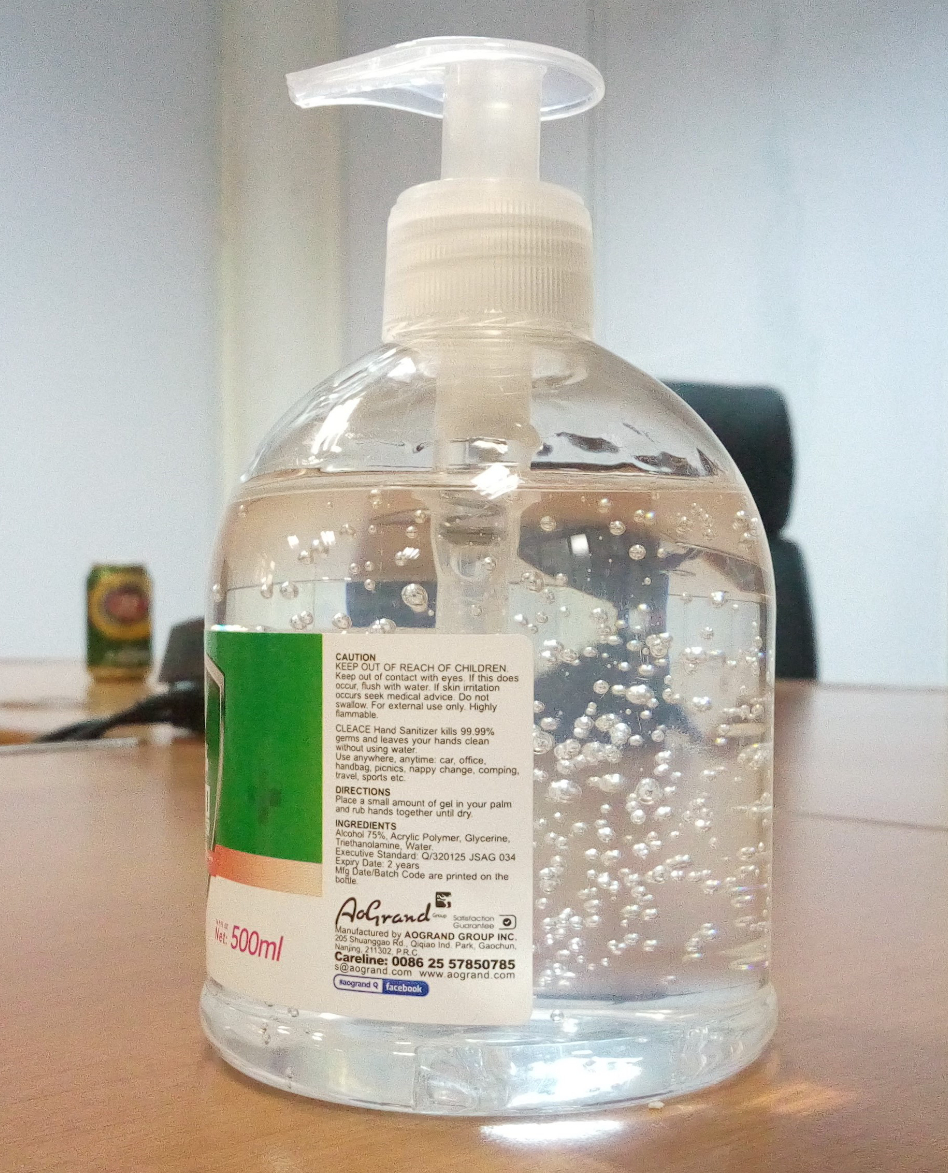
A typical pump bottle dispenser of hand sanitizer gel
Clinical data
Other namesHand sanitizer, hand antiseptic,[1] hand disinfectant, hand rub, handrub[2]

Hand sanitizer (also known as hand antiseptic, hand disinfectant, hand rub, or handrub) is a liquid, gel, or foam used to kill viruses, bacteria, and other microorganisms on the hands.[3][4] It can also come in the form of a cream, spray, or wipe.[5] While hand washing with soap and water is generally preferred,[6] hand sanitizer is a convenient alternative in settings where soap and water are unavailable. However, it is less effective against certain pathogens like norovirus and Clostridioides difficile and cannot physically remove harmful chemicals.[6] Improper use, such as wiping off sanitizer before it dries, can also reduce its effectiveness, and some sanitizers with low alcohol concentrations are less effective.[6] Additionally, frequent use of hand sanitizer may disrupt the skin's microbiome and cause dermatitis.[7]

Alcohol-based hand sanitizers, which contain at least 60% alcohol (ethanol or isopropyl alcohol), are recommended by the United States Centers for Disease Control and Prevention (CDC) when soap and water are not available.[8] In healthcare settings, these sanitizers are often preferred over hand washing with soap and water because they are more effective at reducing bacteria and are better tolerated by the skin.[9][10] However, hand washing should still be performed if contamination is visible or after using the toilet.[11] Non-alcohol-based hand sanitizers, which may contain benzalkonium chloride or triclosan, are less effective and generally not recommended,[9] though they are not flammable.[5]

The formulation of alcohol-based hand sanitizers typically includes a combination of isopropyl alcohol, ethanol, or n-propanol, with alcohol concentrations ranging from 60% to 95% being the most effective.[4] These sanitizers are flammable[9] and work against a wide variety of microorganisms, but not spores.[4] To prevent skin dryness, compounds such as glycerol may be added, and some formulations include fragrances, though these are discouraged due to the risk of allergic reactions.[12] Non-alcohol-based versions are less effective and should be used with caution.[13][14][15]

The use of alcohol as an antiseptic dates back to at least 1363, with evidence supporting its use emerging in the late 1800s.[16] Alcohol-based hand sanitizers became commonly used in Europe by the 1980s[17] and have since been included on the World Health Organization's List of Essential Medicines.[18][19]

Uses

[edit]

General public

[edit]

Alcohol-based hand sanitizers may not be effective if the hands are slimy, greasy or visibly soiled. In hospitals, the hands of healthcare workers are often contaminated with pathogens, but rarely soiled or greasy.

Some commercially available hand sanitizers (and online recipes for homemade rubs) have alcohol concentrations that are too low.[20] This makes them less effective at killing germs.[6] Poorer people in developed countries[20] and people in developing countries may find it harder to get a hand sanitizer with an effective alcohol concentration.[21] Fraudulent labelling of alcohol concentrations has been a problem in Guyana.[22]

Schools

[edit]

The current evidence that the effectiveness of school hand hygiene interventions is of poor quality.[23]

In a 2020 Cochrane review comparing rinse-free hand washing to conventional soap and water techniques and the subsequent impact on school absenteeism found a small but beneficial effect on rinse-free hand washing on illness related absenteeism.[24]

Health care

[edit]
Hand alcohol in a hospital
A pump with hand alcohol in a square in Ystad, Sweden, on 28 November 2020.
An automated hand sanitizer dispenser

Hand sanitizers were first introduced in 1966 in medical settings such as hospitals and healthcare facilities. The product was popularized in the early 1990s.[25]

Alcohol-based hand sanitizer is more convenient compared to hand washing with soap and water in most situations in the healthcare setting.[9] Among healthcare workers, it is generally more effective for hand antisepsis, and better tolerated than soap and water.[4] Hand washing should still be carried out if contamination can be seen or following the use of the toilet.[11]

Hand sanitizer that contains at least 60% alcohol or contains a "persistent antiseptic" should be used.[26][27] Alcohol rubs kill many different kinds of bacteria, including antibiotic resistant bacteria and TB bacteria. They also kill many kinds of viruses, including the flu virus, the common cold virus, coronaviruses, and HIV.[28][29]

90% alcohol rubs are more effective against viruses than most other forms of hand washing.[30] Isopropyl alcohol will kill 99.99% or more of all non-spore forming bacteria in less than 30 seconds, both in the laboratory and on human skin.[26][31]

In too low quantities (0.3 ml) or concentrations (below 60%), the alcohol in hand sanitizers may not have the 10–15 seconds exposure time required to denature proteins and lyse cells.[4] In environments with high lipids or protein waste (such as food processing), the use of alcohol hand rubs alone may not be sufficient to ensure proper hand hygiene.[4]

For health care settings, like hospitals and clinics, optimum alcohol concentration to kill bacteria is 70% to 95%.[32][33] Products with alcohol concentrations as low as 40% are available in American stores, according to researchers at East Tennessee State University.[34]

Alcohol rub sanitizers kill most bacteria, and fungi, and stop some viruses. Alcohol rub sanitizers containing at least 70% alcohol (mainly ethyl alcohol) kill 99.9% of the bacteria on hands 30 seconds after application and 99.99% to 99.999%[note 1] in one minute.[30]

For health care, optimal disinfection requires attention to all exposed surfaces such as around the fingernails, between the fingers, on the back of the thumb, and around the wrist. Hand alcohol should be thoroughly rubbed into the hands and on the lower forearm for a duration of at least 30 seconds and then allowed to air dry.[35]

Use of alcohol-based hand gels dries skin less, leaving more moisture in the epidermis, than hand washing with antiseptic/antimicrobial soap and water.[36][37][38][39]

Hand sanitizers containing a minimum of 60 to 95% alcohol are efficient germ killers. Alcohol rub sanitizers kill bacteria, multi-drug resistant bacteria (MRSA and VRE), tuberculosis, and some viruses (including HIV, herpes, RSV, rhinovirus, vaccinia, influenza,[40] and hepatitis) and fungi. Alcohol rub sanitizers containing 70% alcohol kill 99.97% (3.5 log reduction, similar to 35 decibel reduction) of the bacteria on hands 30 seconds after application and 99.99% to 99.999% (4 to 5 log reduction) of the bacteria on hands 1 minute after application.[30]

Drawbacks

[edit]

There are certain situations during which hand washing with soap and water are preferred over hand sanitizer, these include: eliminating bacterial spores of Clostridioides difficile, parasites such as Cryptosporidium, and certain viruses like norovirus depending on the concentration of alcohol in the sanitizer (95% alcohol was seen to be most effective in eliminating most viruses).[41] In addition, if hands are contaminated with fluids or other visible contaminates, hand washing is preferred as well as after using the toilet and if discomfort develops from the residue of alcohol sanitizer use.[42] Furthermore, CDC states hand sanitizers are not effective in removing chemicals such as pesticides.[43]

Safety

[edit]

Fire

[edit]

Alcohol gel can catch fire, producing a translucent blue flame. This is due to the flammable alcohol in the gel. Some hand sanitizer gels may not produce this effect due to a high concentration of water or moisturizing agents. There have been some rare instances where alcohol has been implicated in starting fires in the operating room, including a case where alcohol used as an antiseptic pooled under the surgical drapes in an operating room and caused a fire when a cautery instrument was used. Alcohol gel was not implicated.[citation needed]

To minimize the risk of fire, alcohol rub users are instructed to rub their hands until dry, which indicates that the flammable alcohol has evaporated.[44] Igniting alcohol hand rub while using it is rare, but the need for this is underlined by one case of a health care worker using hand rub, removing a polyester isolation gown, and then touching a metal door while her hands were still wet; static electricity produced an audible spark and ignited the hand gel.[4]: 13  Hand sanitizer should be stored in temperatures below 105 °F and should not be left in a car during hot weather due to risk of flammability.[45] Fire departments suggest refills for the alcohol-based hand sanitizers can be stored with cleaning supplies away from heat sources or open flames.[46][47]

Skin

[edit]

Researchers have not thoroughly studied the implications of hand sanitizer use for the body and the microbiome.[7] Studies of healthcare workers have correlated high rates of hand eczema with hand sanitizer use.[48][49]

The alcohol in hand sanitizer strips the skin of the outer layer of oil, which may have negative effects on barrier function of the skin. A study also shows that disinfecting hands with an antimicrobial detergent results in a greater barrier disruption of skin compared to alcohol solutions, suggesting an increased loss of skin lipids.[50][51]

Frequent use of alcohol-based hand sanitizers can cause dry skin unless emollients and/or skin moisturizers are added to the formula. The drying effect of alcohol can be reduced or eliminated by adding glycerin and/or other emollients to the formula.[52] In clinical trials, alcohol-based hand sanitizers containing emollients caused substantially less skin irritation and dryness than soaps or antimicrobial detergents. Allergic contact dermatitis, contact urticaria syndrome or hypersensitivity to alcohol or additives present in alcohol hand rubs rarely occur.[31] The lower tendency to induce irritant contact dermatitis became an attraction as compared to soap and water hand washing.

Ingestion

[edit]

In the United States, the U.S. Food and Drug Administration (FDA) controls antimicrobial handsoaps and sanitizers as over-the-counter drugs (OTC) because they are intended for topical anti-microbial use to prevent disease in humans.[53]

The FDA requires strict labeling which informs consumers on proper use of this OTC drug and dangers to avoid, including warning adults not to ingest, not to use in the eyes, to keep out of the reach of children, and to allow use by children only under adult supervision.[54] According to the American Association of Poison Control Centers, there were nearly 12,000 cases of hand sanitizer ingestion in 2006.[55] If ingested, alcohol-based hand sanitizers can cause alcohol poisoning in small children.[56] However, the U.S. Centers for Disease Control recommends using hand sanitizer with children to promote good hygiene, under supervision, and furthermore recommends parents pack hand sanitizer for their children when traveling, to avoid their contracting disease from dirty hands.[57]

Denaturants are an ingredient added to hand sanitizers, such as Purell, that is used to stop the liquid gel from being digested. This chemical adds a taste to the gel that makes it less enticing to consume. It is especially helpful in keeping younger children away because of the different smells and colors of hand sanitizers that tend to attract children.[58][59]

People with alcoholism may attempt to consume hand sanitizer in desperation when traditional alcoholic beverages are unavailable, or personal access to them is restricted by force or law. There have been reported incidents of people drinking the gel in prisons and hospitals to become intoxicated. As a result, access to sanitizing liquids and gels is controlled and restricted in some facilities.[60][61][62] For example, over a period of several weeks during the COVID-19 pandemic in New Mexico, seven people in that U.S. state who were alcoholic were severely injured by drinking sanitizer: three died, three were in critical condition, and one was left permanently blind.[63][64]

In 2021, a dozen children were hospitalized in the state of Maharashtra, India, after they were mistakenly orally administered hand sanitizer instead of a polio vaccine.[65]

Absorption

[edit]

On 30 April 2015, the FDA announced that they were requesting more scientific data based on the safety of hand sanitizer. Emerging science suggests that for at least some health care antiseptic active ingredients, systemic exposure (full body exposure as shown by detection of antiseptic ingredients in the blood or urine) is higher than previously thought, and existing data raise potential concerns about the effects of repeated daily human exposure to some antiseptic active ingredients. This would include hand antiseptic products containing alcohol and triclosan.[66]

Surgical hand disinfection

[edit]

Hands must be disinfected before any surgical procedure by hand washing with mild soap and then hand-rubbing with a sanitizer. Surgical disinfection requires a larger dose of the hand-rub and a longer rubbing time than is ordinarily used. It is usually done in two applications according to specific hand-rubbing techniques, EN1499 (hygienic handwash), and German standard DIN EN 1500 (hygienic hand disinfection) to ensure that antiseptic is applied everywhere on the surface of the hand.[67]

Alcohol-free

[edit]
Alcohol free hand sanitizer

Some hand sanitizer products use agents other than alcohol to kill microorganisms, such as povidone-iodine, benzalkonium chloride or triclosan.[4] The World Health Organization (WHO) and the CDC recommends "persistent" antiseptics for hand sanitizers.[68] Persistent activity is defined as the prolonged or extended antimicrobial activity that prevents or inhibits the proliferation or survival of microorganisms after application of the product. This activity may be demonstrated by sampling a site several minutes or hours after application and demonstrating bacterial antimicrobial effectiveness when compared with a baseline level. This property also has been referred to as "residual activity." Both substantive and nonsubstantive active ingredients can show a persistent effect if they substantially lower the number of bacteria during the wash period.

Laboratory studies have shown lingering benzalkonium chloride may be associated with antibiotic resistance in MRSA.[69][70] Tolerance to alcohol sanitizers may develop in fecal bacteria.[71][72] Where alcohol sanitizers utilize 62%, or higher, alcohol by weight, only 0.1 to 0.13% of benzalkonium chloride by weight provides equivalent antimicrobial effectiveness.

Triclosan has been shown to accumulate in biosolids in the environment, one of the top seven organic contaminants in waste water according to the National Toxicology Program[73] Triclosan leads to various problems with natural biological systems,[74] and triclosan, when combined with chlorine e.g. from tap water, produces dioxins, a probable carcinogen in humans.[75] However, 90–98% of triclosan in waste water biodegrades by both photolytic or natural biological processes or is removed due to sorption in waste water treatment plants. Numerous studies show that only very small traces are detectable in the effluent water that reaches rivers.[76]

A series of studies show that photodegradation of triclosan produced 2,4-dichlorophenol and 2,8-dichlorodibenzo-p-dioxin (2,8-DCDD). The 2,4-dichlorophenol itself is known to be biodegradable as well as photodegradable.[77] For DCDD, one of the non-toxic compounds of the dioxin family,[78] a conversion rate of 1% has been reported and estimated half-lives suggest that it is photolabile as well.[79] The formation-decay kinetics of DCDD are also reported by Sanchez-Prado et al. (2006) who claim "transformation of triclosan to toxic dioxins has never been shown and is highly unlikely."[80]

Alcohol-free hand sanitizers may be effective immediately while on the skin, but the solutions themselves can become contaminated because alcohol is an in-solution preservative and without it, the alcohol-free solution itself is susceptible to contamination. However, even alcohol-containing hand sanitizers can become contaminated if the alcohol content is not properly controlled or the sanitizer is grossly contaminated with microorganisms during manufacture. In June 2009, alcohol-free Clarcon Antimicrobial Hand Sanitizer was pulled from the US market by the FDA, which found the product contained gross contamination of extremely high levels of various bacteria, including those which can "cause opportunistic infections of the skin and underlying tissues and could result in medical or surgical attention as well as permanent damage". Gross contamination of any hand sanitizer by bacteria during manufacture will result in the failure of the effectiveness of that sanitizer and possible infection of the treatment site with the contaminating organisms.[81]

Types

[edit]

Alcohol-based hand rubs are extensively used in the hospital environment as an alternative to antiseptic soaps. Hand-rubs in the hospital environment have two applications: hygienic hand rubbing and surgical hand disinfection. Alcohol based hand rubs provide a better skin tolerance as compared to antiseptic soap.[39] Hand rubs also prove to have more effective microbiological properties as compared to antiseptic soaps.

The same ingredients used in over-the-counter hand-rubs are also used in hospital hand-rubs: alcohols such as ethanol and isopropanol, sometimes combined with quaternary ammonium cations (quats) such as benzalkonium chloride. Quats are added at levels up to 200 parts per million to increase antimicrobial effectiveness. Although allergy to alcohol-only rubs is rare, fragrances, preservatives and quats can cause contact allergies.[82] These other ingredients do not evaporate like alcohol and accumulate leaving a "sticky" residue until they are removed with soap and water.

The most common brands of alcohol hand rubs include Aniosgel, Avant, Sterillium, Desderman and Allsept S. All hospital hand rubs must conform to certain regulations like EN 12054 for hygienic treatment and surgical disinfection by hand-rubbing. Products with a claim of "99.99% reduction" or 4-log reduction are ineffective in hospital environment, since the reduction must be more than "99.99%".[30]

The hand sanitizer dosing systems for hospitals are designed to deliver a measured amount of the product for staff. They are dosing pumps screwed onto a bottle or are specially designed dispensers with refill bottles. Dispensers for surgical hand disinfection are usually equipped with elbow controlled mechanism or infrared sensors to avoid any contact with the pump.

Composition

[edit]

Consumer alcohol-based hand sanitizers, and health care "hand alcohol" or "alcohol hand antiseptic agents" exist in liquid, foam, and easy-flowing gel formulations. Products with 60% to 95% alcohol by volume are effective antiseptics. Lower or higher concentrations are less effective; most products contain between 60% and 80% alcohol.[83]

In addition to alcohol (ethanol, isopropanol or n-Propanol), hand sanitizers also contain the following:[83]

WHO formulations

[edit]

The World Health Organization has published the following formulations to guide to the production of large quantities of hand sanitizer from chemicals available in developing countries, where commercial hand sanitizer may not be available:[2]

Formulation 1

[edit]
Ingredient Volume required (10-L prep.) Active ingredient % (v/v)
Ethanol 96% 8333 mL 80%
Glycerol 98% 145 mL 1.45%
Hydrogen peroxide 3% 417 mL 0.125%
Distilled water added to 10000 mL 18.425%

Formulation 2

[edit]
Ingredient Volume required (10-L prep.) Active ingredient % (v/v)
Isopropyl alcohol 99.8% 7515 mL 75%
Glycerol 145 mL 1.45%
Hydrogen peroxide 3% 417 mL 0.125%
Distilled water added to 10000 mL 23.425%

Production

[edit]

COVID-19 pandemic

[edit]
A notice about hand sanitizer coronavirus shortages at a CVS Pharmacy on 17 March 2020

In 2010 the World Health Organization produced a guide for manufacturing hand sanitizer, which received renewed interest in 2020 because of shortages of hand sanitizer in the wake of the COVID-19 pandemic.[2] Dozens of liquor and perfume manufacturers switched their manufacturing facilities from their normal product to hand sanitizer.[84] In order to keep up with the demand, local distilleries started using their alcohol to make hand sanitizer.[85] Distilleries producing hand sanitizer originally existed in a legal grey area in the United States, until the Alcohol and Tobacco Tax and Trade Bureau declared that distilleries could produce their sanitizer without authorization.[86][87]

In the beginnings of the pandemic, because of hand sanitizer shortages due to panic buying, people resorted to using 60% to 99% concentrations of isopropyl or ethyl alcohol for hand sanitization, typically mixing them with glycerol or soothing moisturizers or liquid contain aloe vera to counteract irritations with options of adding drops of lemon or lime juice or essential oils for scents, and thus making DIY hand sanitizers.[88] However, there are cautions against making them, such as a wrong measurement or ingredient may resulting in an insufficient amount of alcohol to kill the coronavirus, thus rendering the mixture ineffective or even poisonous.[89]

Additionally, some commercial products are dangerous, either due to poor oversight and process control, or fraudulent motive. In June 2020, the FDA issued an advisory against use of hand sanitizer products manufacture by Eskbiochem SA de CV in Mexico due to excessive levels of methanol – up to 81% in one product. Methanol can be absorbed through the skin, is toxic in modest amounts, and in substantial exposure can result in "nausea, vomiting, headache, blurred vision, permanent blindness, seizures, coma, permanent damage to the nervous system or death".[90] Products suspected of manufacture by Eskbiochem SA with excessive methanol have been reported as far away as British Columbia, Canada.[91]

In August 2020, the FDA expanded the list of dangerous hand sanitizers.[92][93]

See also

[edit]

Notes

[edit]

Sources

[edit]
  1. ^ "Tentative Final Monograph for Health-Care Antiseptic Drug Products; Proposed Rule" (PDF). United States Federal Food and Drug Administration. March 2009. pp. 12613–12617. Archived from the original (PDF) on 10 March 2010.
  2. ^ a b c Guide to Local Production: WHO-recommended Handrub Formulations (Report). WHO. April 2010. Archived from the original on 2022-10-27. Retrieved 2023-01-25.
  3. ^ "hand sanitizer - definition of hand sanitizer in English". Oxford Dictionaries. Archived from the original on 18 September 2017. Retrieved 12 July 2017.
  4. ^ a b c d e f g h Boyce JM, Pittet D (October 2002). "Guideline for Hand Hygiene in Health-Care Settings. Recommendations of the Healthcare Infection Control Practices Advisory Committee and the HICPAC/SHEA/APIC/IDSA Hand Hygiene Task Force. Society for Healthcare Epidemiology of America/Association for Professionals in Infection Control/Infectious Diseases Society of America" (PDF). MMWR. Recommendations and Reports. 51 (RR-16): 1–45, quiz CE1–4. PMID 12418624.
  5. ^ a b Jing JL, Pei Yi T, Bose RJ, McCarthy JR, Tharmalingam N, Madheswaran T (May 2020). "Hand Sanitizers: A Review on Formulation Aspects, Adverse Effects, and Regulations". International Journal of Environmental Research and Public Health. 17 (9): 3326. doi:10.3390/ijerph17093326. PMC 7246736. PMID 32403261.
  6. ^ a b c d "Show Me the Science – When & How to Use Hand Sanitizer in Community Settings". cdc.gov. 3 March 2020. Retrieved 16 March 2020. CDC recommends washing hands with soap and water whenever possible because hand washing reduces the amounts of all types of germs and chemicals on hands. But if soap and water are not available, using a hand sanitizer with at least 60% alcohol can help... sanitizers do not eliminate all types of germs... Hand sanitizers may not be as effective when hands are visibly dirty or greasy... Hand sanitizers might not remove harmful chemicals
  7. ^ a b Bhatt S, Patel A, Kesselman MM, Demory ML (June 2024). "Hand Sanitizer: Stopping the Spread of Infection at a Cost". Cureus. 16 (6) e61846. doi:10.7759/cureus.61846. PMC 11227450. PMID 38975405.
  8. ^ "Clean Hands Save Lives!". Centers for Disease Control and Prevention. 11 December 2013. Archived from the original on 18 August 2017.
  9. ^ a b c d Bolon MK (September 2016). "Hand Hygiene: An Update". Infectious Disease Clinics of North America. 30 (3): 591–607. doi:10.1016/j.idc.2016.04.007. PMID 27515139. In 2002, the CDC released an updated hand hygiene guideline and, for the first time, endorsed the use of alcohol-based hand rubs for the majority of clinical interactions, provided that hands are not visibly soiled
  10. ^ Hirose R, Nakaya T, Naito Y, Daidoji T, Bandou R, Inoue K, et al. (September 2019). "Situations Leading to Reduced Effectiveness of Current Hand Hygiene against Infectious Mucus from Influenza Virus-Infected Patients". mSphere. 4 (5) e00474-19. doi:10.1128/mSphere.00474-19. PMC 6751490. PMID 31533996. For many reasons, alcohol hand sanitizers are increasingly being used as disinfectants over hand washing with soap and water. Their ease of availability, no need for water or plumbing, and their proven effectiveness in reducing microbial load are just a few.
  11. ^ a b World Health Organization (2015). The selection and use of essential medicines. Twentieth report of the WHO Expert Committee 2015 (including 19th WHO Model List of Essential Medicines and 5th WHO Model List of Essential Medicines for Children). Geneva: World Health Organization. hdl:10665/189763. ISBN 978-92-4-069494-1. ISSN 0512-3054. WHO technical report series; no. 994.
  12. ^ "Guide to Local Production: WHO-recommended Handrub Formulations" (PDF). Retrieved 11 April 2020.
  13. ^ Long BW, Rollins JH, Smith BJ (2015). Merrill's Atlas of Radiographic Positioning and Procedures (13th ed.). Elsevier Health Sciences. p. 16. ISBN 978-0-323-31965-2. Archived from the original on 18 September 2017.
  14. ^ Baki G, Alexander KS (2015). Introduction to Cosmetic Formulation and Technology. John Wiley & Sons. p. 173. ISBN 978-1-118-76378-0. Archived from the original on 18 September 2017.
  15. ^ "Alcohol-free hand sanitizer prices are skyrocketing, but they don't actually work to prevent the coronavirus, Business Insider - Business Insider Singapore". www.businessinsider.sg. Archived from the original on 11 April 2020. Retrieved 11 April 2020.
  16. ^ Block SS (1977-12-01). "Disinfection, sterilization, and preservation". Soil Science. 124 (6): 378. Bibcode:1977SoilS.124..378B. doi:10.1097/00010694-197712000-00013. ISSN 0038-075X.
  17. ^ Miller CH, Palenik CJ (2016). Infection Control and Management of Hazardous Materials for the Dental Team (5th ed.). Elsevier Health Sciences. p. 269. ISBN 978-0-323-47657-7. Archived from the original on 18 September 2017.
  18. ^ World Health Organization (2019). World Health Organization model list of essential medicines: 21st list 2019. Geneva: World Health Organization. hdl:10665/325771. WHO/MVP/EMP/IAU/2019.06. License: CC BY-NC-SA 3.0 IGO.
  19. ^ World Health Organization (2021). World Health Organization model list of essential medicines: 22nd list (2021). Geneva: World Health Organization. hdl:10665/345533. WHO/MHP/HPS/EML/2021.02.
  20. ^ a b Reynolds SA, Levy F, Walker ES (March 2006). "Hand sanitizer alert". Emerging Infectious Diseases. 12 (3): 527–529. doi:10.3201/eid1203.050955. PMC 3291447. PMID 16710985.
  21. ^ Okafor W (31 March 2020). "COVID-19: Not all hand sanitizers can kill virus — Pharmacist". InsideMainland. Archived from the original on June 1, 2020.
  22. ^ "Purcill Hand Sanitizer being recalled for low alcohol content". News Source Guyana. 9 April 2020.
  23. ^ Willmott M, Nicholson A, Busse H, MacArthur GJ, Brookes S, Campbell R (January 2016). "Effectiveness of hand hygiene interventions in reducing illness absence among children in educational settings: a systematic review and meta-analysis". Archives of Disease in Childhood. 101 (1): 42–50. doi:10.1136/archdischild-2015-308875. PMC 4717429. PMID 26471110.
  24. ^ Munn Z, Tufanaru C, Lockwood C, Stern C, McAneney H, Barker TH (April 2020). "Rinse-free hand wash for reducing absenteeism among preschool and school children". The Cochrane Database of Systematic Reviews. 2020 (4) CD012566. doi:10.1002/14651858.CD012566.pub2. PMC 7141998. PMID 32270476.
  25. ^ "Origin of ordinary things: Hand sanitizer". The New Times. Rwanda. 17 March 2020. Retrieved 29 March 2020.
  26. ^ a b "Handwashing in Communities: Clean Hands Save Lives | CDC". www.cdc.gov. October 3, 2022. Archived from the original on July 29, 2017.
  27. ^ "Dirty Hands Spread Dangerous Diseases like H1N1 (aka swine flu)". San Jose Mercury News. 25 April 2009.
  28. ^ Trampuz A, Widmer AF (January 2004). "Hand hygiene: a frequently missed lifesaving opportunity during patient care". Mayo Clinic Proceedings. 79 (1): 109–116. doi:10.4065/79.1.109. PMC 7094481. PMID 14708954. alcohol effectively kills all coronaviruses. The virucidal activity of alcohol against enveloped viruses (such as influenza virus or human immunodeficiency virus) is good, except for rabies virus.
  29. ^ "Coronavirus Disease 2019 (COVID-19)". U.S. Centers for Disease Control and Prevention. 11 February 2020. Retrieved 9 March 2020.
  30. ^ a b c d Rotter ML (1999). "Handwashing and hand disinfection". In Mayhall CG (ed.). Hospital Epidemiology and Infection Control (2nd ed.). Lippincott Williams & Wilkins. ISBN 978-0-683-30608-8.
  31. ^ a b Hibbard JS (May–June 2005). "Analyses comparing the antimicrobial activity and safety of current antiseptic agents: a review". Journal of Infusion Nursing. 28 (3): 194–207. doi:10.1097/00129804-200505000-00008. PMID 15912075. S2CID 5555893.
  32. ^ Kramer A, Rudolph P, Kampf G, Pittet D (April 2002). "Limited efficacy of alcohol-based hand gels". Lancet. 359 (9316): 1489–1490. doi:10.1016/S0140-6736(02)08426-X. PMID 11988252. S2CID 30450670.
  33. ^ Pietsch H (August 2001). "Hand antiseptics: rubs versus scrubs, alcoholic solutions versus alcoholic gels". The Journal of Hospital Infection. 48 (Supl A): S33 – S36. doi:10.1016/S0195-6701(01)90010-6. PMID 11759022.
  34. ^ Reynolds SA, Levy F, Walker ES (March 2006). "Hand sanitizer alert". Emerging Infectious Diseases. 12 (3): 527–529. doi:10.3201/eid1203.050955. PMC 3291447. PMID 16710985. Archived from the original on 2 February 2007. Retrieved 2 February 2007.
  35. ^ Girou E, Loyeau S, Legrand P, Oppein F, Brun-Buisson C (August 2002). "Efficacy of handrubbing with alcohol based solution versus standard handwashing with antiseptic soap: randomised clinical trial". BMJ. 325 (7360): 362. doi:10.1136/bmj.325.7360.362. PMC 117885. PMID 12183307. Archived from the original on 27 November 2009.
  36. ^ Pedersen LK, Held E, Johansen JD, Agner T (December 2005). "Less skin irritation from alcohol-based disinfectant than from detergent used for hand disinfection". The British Journal of Dermatology. 153 (6): 1142–1146. doi:10.1111/j.1365-2133.2005.06875.x. PMID 16307649. S2CID 46265931. Archived from the original on 25 February 2021.
  37. ^ Pedersen LK, Held E, Johansen JD, Agner T (February 2005). "Short-term effects of alcohol-based disinfectant and detergent on skin irritation". Contact Dermatitis. 52 (2): 82–87. doi:10.1111/j.0105-1873.2005.00504.x. PMID 15725285. S2CID 24691060.
  38. ^ Boyce JM (July 2000). "Using alcohol for hand antisepsis: dispelling old myths". Infection Control and Hospital Epidemiology. 21 (7): 438–441. doi:10.1086/501784. PMID 10926392.
  39. ^ a b Boyce JM, Kelliher S, Vallande N (July 2000). "Skin irritation and dryness associated with two hand-hygiene regimens: soap-and-water hand washing versus hand antisepsis with an alcoholic hand gel". Infection Control and Hospital Epidemiology. 21 (7): 442–448. doi:10.1086/501785. PMID 10926393. S2CID 22772488.
  40. ^ Larson EL, Cohen B, Baxter KA (November 2012). "Analysis of alcohol-based hand sanitizer delivery systems: efficacy of foam, gel, and wipes against influenza A (H1N1) virus on hands". American Journal of Infection Control. 40 (9): 806–809. doi:10.1016/j.ajic.2011.10.016. PMID 22325728.
  41. ^ Gold NA, Mirza TM, Avva U (2018). "Alcohol Sanitizer". StatPearls. Treasure Island (FL): StatPearls Publishing. PMID 30020626.
  42. ^ Seal K, Cimon K, Argáez C (9 March 2017). Summary of Evidence. Canadian Agency for Drugs and Technologies in Health.
  43. ^ "When & How to Wash Your Hands". cdc.gov. 4 October 2018.
  44. ^ "Alcohol-Based Hand-Rubs and Fire Safety". Centers for Disease Control and Prevention. 15 September 2003. Archived from the original on 3 April 2007. Retrieved 26 April 2007.
  45. ^ "Q&A for Consumers | Hand Sanitizers and COVID-19". Center for Drug Evaluation and Research. U.S. Food and Drug Administration. 2023-05-12.
  46. ^ "1301:7-7-3405.5". Ohio Administrative Code.
  47. ^ "Craftex 5 Litre Hand Sanitiser Gel". AES Industrial Supplies Limited. Retrieved 2021-05-25.
  48. ^ MacGibeny MA, Wassef C (August 2021). "Preventing adverse cutaneous reactions from amplified hygiene practices during the COVID-19 pandemic: how dermatologists can help through anticipatory guidance". Archives of Dermatological Research. 313 (6): 501–503. doi:10.1007/s00403-020-02086-x. PMC 7210798. PMID 32388643.
  49. ^ Emami A, Javanmardi F, Keshavarzi A, Pirbonyeh N (July 2020). "Hidden threat lurking behind the alcohol sanitizers in COVID-19 outbreak". Dermatologic Therapy. 33 (4) e13627. doi:10.1111/dth.13627. PMC 7280687. PMID 32436262.
  50. ^ Löffler H, Kampf G (October 2008). "Hand disinfection: how irritant are alcohols?". The Journal of Hospital Infection. 70 (Suppl 1): 44–48. doi:10.1016/S0195-6701(08)60010-9. PMID 18994681.
  51. ^ Pedersen LK, Held E, Johansen JD, Agner T (December 2005). "Less skin irritation from alcohol-based disinfectant than from detergent used for hand disinfection". The British Journal of Dermatology. 153 (6): 1142–1146. doi:10.1111/j.1365-2133.2005.06875.x. PMID 16307649. S2CID 46265931.
  52. ^ Menegueti MG, Laus AM, Ciol MA, Auxiliadora-Martins M, Basile-Filho A, Gir E, et al. (2019-06-24). "Glycerol content within the WHO ethanol-based handrub formulation: balancing tolerability with antimicrobial efficacy". Antimicrobial Resistance and Infection Control. 8 (1) 109. doi:10.1186/s13756-019-0553-z. PMC 6591802. PMID 31285821.
  53. ^ Wagner DS (2000). "GENERAL GUIDE TO CHEMICAL CLEANING PRODUCT REGULATION" (PDF). International Sanitary Supply Association, Inc. Archived from the original (PDF) on 31 December 2009.
  54. ^ Foulke JE (May 1994). "Decoding the Cosmetic Label". FDA Consumer Magazine.
  55. ^ "Paging Dr. Gupta, Hand sanitizer risks". CNN. 21 June 2007. Archived from the original on 25 April 2009.
  56. ^ "Hand Sanitizers Could Be A Dangerous Poison To Unsupervised Children". NBC News Channel. Retrieved 15 July 2007.
  57. ^ "International Travel with Infants and Young Children". Travelers' Health – Yellow Book. 8. March 2009.
  58. ^ "PURELL Hand Sanitizer Ingredients". www.gojo.com. Retrieved 2023-12-08.
  59. ^ "It's the Season for Hand Sanitizer. Should You Replace Old Bottles?". Health. Retrieved 2023-12-08.
  60. ^ Gormley NJ, Bronstein AC, Rasimas JJ, Pao M, Wratney AT, Sun J, et al. (January 2012). "The rising incidence of intentional ingestion of ethanol-containing hand sanitizers". Critical Care Medicine. 40 (1): 290–294. doi:10.1097/CCM.0b013e31822f09c0. PMC 3408316. PMID 21926580.
  61. ^ "Prisoner 'drunk on swine flu gel'". BBC News online. 24 September 2009.
  62. ^ Don't Drink the Hand Sanitizer Archived 14 May 2017 at the Wayback Machine NY Times Retrieved March 2017
  63. ^ Karimi F (27 June 2020). "Three people died and one is permanently blind after drinking hand sanitizer in New Mexico". CNN. Retrieved 27 June 2020.
  64. ^ Yip L, Bixler D, Brooks DE, Clarke KR, Datta SD, Dudley S, et al. (August 2020). "Serious Adverse Health Events, Including Death, Associated with Ingesting Alcohol-Based Hand Sanitizers Containing Methanol - Arizona and New Mexico, May-June 2020". MMWR. Morbidity and Mortality Weekly Report. 69 (32): 1070–1073. doi:10.15585/mmwr.mm6932e1. PMC 7440116. PMID 32790662.
  65. ^ Pratap RM, Guy J (2 February 2021). "Indian children hospitalized after ingesting hand sanitizer instead of polio drops". CNN. Retrieved 2 February 2021.
  66. ^ "FDA issues proposed rule to address data gaps for certain active ingredients in health care antiseptics". U.S. Food and Drug Administration. 30 April 2015. Archived from the original on 2 July 2015.
  67. ^ Kampf G, Ostermeyer C (April 2003). "Inter-laboratory reproducibility of the hand disinfection reference procedure of EN 1500". The Journal of Hospital Infection. 53 (4): 304–306. doi:10.1053/jhin.2002.1357. PMID 12660128.
  68. ^ "Do hand sanitizers really work?". University of Toronto News. Retrieved 29 March 2020.
  69. ^ AKimitsu N, Hamamoto H, Inoue R, Shoji M, Akamine A, Takemori K, et al. (December 1999). "Increase in resistance of methicillin-resistant Staphylococcus aureus to beta-lactams caused by mutations conferring resistance to benzalkonium chloride, a disinfectant widely used in hospitals". Antimicrobial Agents and Chemotherapy. 43 (12): 3042–3043. doi:10.1128/AAC.43.12.3042. PMC 89614. PMID 10651623.
  70. ^ "Antibacterial Household Products: Cause for Concern". Centers for Disease Control and Prevention. Archived from the original on 16 August 2001. Retrieved 1 June 2001.
  71. ^ Davis N (1 August 2018). "Bacteria becoming resistant to hospital disinfectants, warn scientists". The Guardian.
  72. ^ Pidot SJ, Gao W, Buultjens AH, Monk IR, Guerillot R, Carter GP, et al. (August 2018). "Increasing tolerance of hospital Enterococcus faecium to handwash alcohols". Science Translational Medicine. 10 (452) eaar6115. doi:10.1126/scitranslmed.aar6115. PMID 30068573.
  73. ^ "Hand NTP Research Concept: Triclosan" (PDF). National Toxicology Project. Archived from the original (PDF) on 10 May 2009. Retrieved 20 November 2008.
  74. ^ McMurry LM, Oethinger M, Levy SB (August 1998). "Triclosan targets lipid synthesis". Nature. 394 (6693): 531–532. Bibcode:1998Natur.394..531M. doi:10.1038/28970. PMID 9707111. S2CID 4365434.
  75. ^ "Environmental Emergence of Triclosan" (PDF). Santa Clara Basin Watershed Management Initiative. Archived (PDF) from the original on 3 June 2008. Retrieved 1 January 2006.
  76. ^ Heidler J, Halden RU (January 2007). "Mass balance assessment of triclosan removal during conventional sewage treatment". Chemosphere. 66 (2): 362–369. Bibcode:2007Chmsp..66..362H. doi:10.1016/j.chemosphere.2006.04.066. PMID 16766013.
  77. ^ Capdevielle M, Van Egmond R, Whelan M, Versteeg D, Hofmann-Kamensky M, Inauen J, et al. (January 2008). "Consideration of exposure and species sensitivity of triclosan in the freshwater environment". Integrated Environmental Assessment and Management. 4 (1): 15–23. Bibcode:2008IEAM....4...15C. doi:10.1897/ieam_2007-022.1. PMID 18260205. S2CID 28986794.
  78. ^ Wisk JD, Cooper KR (1990). "Comparison of the toxicity of several polychlorinated dibenzo-p-dioxins and 2,3,7,8-tetrachlorodibenzofuran in embryos of the Japanese medaka (Oryzias latipes)". Chemosphere. 20 (3–4): 361–377. Bibcode:1990Chmsp..20..361W. doi:10.1016/0045-6535(90)90067-4.
  79. ^ Aranami K, Readman JW (January 2007). "Photolytic degradation of triclosan in freshwater and seawater". Chemosphere. 66 (6): 1052–6. Bibcode:2007Chmsp..66.1052A. doi:10.1016/j.chemosphere.2006.07.010. PMID 16930676.
  80. ^ Sanchez-Prado L, Llompart M, Lores M, García-Jares C, Bayona JM, Cela R (November 2006). "Monitoring the photochemical degradation of triclosan in wastewater by UV light and sunlight using solid-phase microextraction". Chemosphere. 65 (8): 1338–1347. Bibcode:2006Chmsp..65.1338S. doi:10.1016/j.chemosphere.2006.04.025. PMID 16735047.
  81. ^ "Consumers Warned Not to Use Clarcon Skin Products". U.S. Food and Drug Administration. 15 June 2009. Archived from the original on 14 June 2009. Retrieved 15 June 2009.
  82. ^ de Groot AC (July 1987). "Contact allergy to cosmetics: causative ingredients". Contact Dermatitis. 17 (1): 26–34. doi:10.1111/j.1600-0536.1987.tb02640.x. PMID 3652687. S2CID 72677422.
  83. ^ a b Bonnabry P, Voss A (2017). "Hand Hygiene Agents". In Pittet D, Boyce JM, Allegranzi B (eds.). Hand Hygiene: a Handbook for Medical Professionals. John Wiley & Sons. pp. 51 et seq. ISBN 978-1-118-84686-5.
  84. ^ "White House Works With Distillers to Increase Hand Sanitizer Production", Forbes, 18 March 2020
  85. ^ Kaur H (16 March 2020). "Distilleries are making hand sanitizer with their in-house alcohol and giving it out for free to combat coronavirus". CNN. Retrieved 21 March 2020.
  86. ^ Levenson M (19 March 2020). "Distilleries Race to Make Hand Sanitizer Amid Coronavirus Pandemic". The New York Times. Retrieved 21 March 2020.
  87. ^ "Production of Hand Sanitizer by Distilled Spirits Permittees". The TTB Newsletter. Alcohol and Tobacco Tax and Trade Bureau, US Department of the Treasury. Archived from the original on 20 March 2020. Retrieved 21 March 2020.
  88. ^ "71° Store shelves wiped clean? Here's how you can make homemade hand sanitizer". Fox 6 Now. Fox Television Stations, LLC. 14 March 2020. Retrieved 1 July 2020.
  89. ^ Mitroff S. "No, you shouldn't make your own hand sanitizer". CNET. Retrieved 25 March 2020.
  90. ^ "FDA advises consumers not to use hand sanitizer products manufactured by Eskbiochem". fda.gov. Food and Drug Administration. 19 June 2020. Retrieved 27 June 2020.
  91. ^ "British Columbians warned over hand sanitizers containing potentially toxic ingredient". richmond-news.com. Richmond News. 27 June 2020. Retrieved 27 June 2020.
  92. ^ "FDA updates on hand sanitizers consumers should not use". U.S. Food and Drug Administration (FDA). 10 August 2020. Retrieved 10 August 2020.
  93. ^ "COVID-19". U.S. Food and Drug Administration (FDA). 5 August 2020. Archived from the original on April 13, 2020. Retrieved 10 August 2020.
[edit]
Revisions and contributorsEdit on WikipediaRead on Wikipedia
from Grokipedia
Hand sanitizer, also known as hand or handrub, is a topical product designed to reduce the number of microorganisms on the hands when and are not available. It is typically formulated as a , , , or wipe and serves as a convenient alternative for hand , particularly in healthcare settings, public spaces, and during outbreaks of infectious diseases. The most common type, alcohol-based hand sanitizer (ABHS), contains (ethyl alcohol) or isopropanol () at concentrations of 60% to 95% as the , which denatures proteins and disrupts cell membranes in , viruses, and fungi to achieve rapid antimicrobial action. Inactive ingredients often include water, glycerin for moisturizing, and fragrances or emollients to improve usability and prevent skin dryness. Non-alcohol-based options exist, such as those with , but they are less effective against certain viruses and are not recommended as primary alternatives by health authorities. ABHS products are regulated as over-the-counter drugs in many countries, requiring specific alcohol levels for efficacy and safety. Hand sanitizers gained prominence in the late , with commercial products such as Purell introduced by in 1988 for broader use. Their importance surged during the , when they became a key tool in preventing the spread of , alongside handwashing, as recommended by global health organizations. Studies confirm that proper use of ABHS can reduce hand by up to 99.9% for many pathogens, though they are less effective against certain non-enveloped viruses or when hands are visibly soiled.

Overview

Definition and purpose

Hand sanitizer is a topical product formulated as a , , or that is applied to the hands to reduce the number of microorganisms, including and viruses, on the skin surfaces. These products are designed for use without and serve as an alternative for hand hygiene when and running water are not accessible. The term "hand sanitizer" first appeared in the , with common alternative names including hand rub, hand , and hand . The primary purpose of hand sanitizer is to provide rapid disinfection by killing or inactivating transient microorganisms—those temporarily present on the skin from external contact—thereby helping to prevent the spread of infections. It targets pathogens such as and enveloped viruses but is most effective against certain types when formulated appropriately. Hand sanitizers are particularly useful in settings like healthcare facilities, public transportation, or during travel, where immediate hand cleaning is needed to maintain . Effective hand hygiene fundamentally involves the mechanical removal or chemical inactivation of germs to break the chain of transmission. While hand sanitizers supplement this process by quickly reducing microbial load on , they do not replace handwashing with and , which physically removes dirt, oils, and a broader spectrum of germs, including spores and non-enveloped viruses. Sanitizers are recommended only when hands are not visibly soiled, as visible dirt can reduce their efficacy.

History

The concept of hand hygiene in medical settings traces back to the mid-19th century, when Hungarian physician demonstrated in 1847 that washing hands with a chlorinated lime solution significantly reduced puerperal fever mortality rates in maternity wards from 18% to under 2%, laying foundational principles for practices that later evolved to include alcohol-based agents. Alcohol had been recognized for its properties since the late 19th century, with early 20th-century developments focusing on its use in surgical preparations and wound care, though portable, waterless formulations for routine hand disinfection remained undeveloped until the mid-20th century. Commercialization of hand sanitizers began in the and , driven by industrial and healthcare needs. In 1946, Goldie and Jerry Lippman founded and developed the first commercial waterless hand cleaner using petroleum-based solvents and emollients, initially targeted at mechanics in rubber factories to remove grease without water. This was followed in 1965 by Sterillium, the world's first marketable alcohol-based hand rub, created by Hartmann Group in under the guidance of surgeon Peter Kalmár, featuring 45% 2-propanol, 30% n-propanol, and mecetronium ethylsulfate for rapid disinfection in surgical settings. By 1988, introduced Purell, an ethanol-based gel sanitizer (62% ethyl alcohol) designed for healthcare workers, marking a shift toward convenient, gel-form products that minimized skin irritation compared to liquid alcohols. Purell was notable as one of the first gel-based formulations, which helped prevent rapid evaporation of the alcohol and reduced skin dryness compared to liquid versions. Adoption remained limited in the pre-2000s era due to high production costs, lack of widespread awareness, and regulatory uncertainties, confining use primarily to hospitals and laboratories. The U.S. (FDA) advanced acceptance through its 1994 Tentative Final Monograph for Over-the-Counter Topical Antimicrobial Drug Products, which proposed conditions for alcohol-based hand antiseptics as safe and effective for healthcare personnel hand antisepsis. In the , the (WHO) expressed growing interest in low-cost alcohol-based formulations to improve hand hygiene in resource-limited developing countries, where access to and was often inadequate, setting the stage for global standardization efforts. Post-2000 developments accelerated growth, with the Centers for Control and Prevention (CDC) endorsing alcohol-based rubs as the preferred method for hand in healthcare settings in its 2002 guidelines, leading to broader FDA approvals and formulations meeting efficacy standards. This regulatory support, combined with increasing evidence of efficacy against pathogens, fueled expansion into consumer markets during the 2010s, where sales grew from niche healthcare products to everyday items, with the U.S. market surpassing $400 million by 2015 amid rising awareness. Alcohol remained the core active ingredient, typically at 60-95% concentration, enabling quick-drying, no-rinse application.

Types

Alcohol-based

Alcohol-based hand sanitizers primarily utilize or isopropanol as active agents to achieve effects. These formulations work by denaturing proteins and disrupting cell membranes in and viruses, leading to the loss of microbial function and integrity. This mechanism is most effective at alcohol concentrations ranging from 60% to 95% by volume, as lower levels fail to sufficiently penetrate and coagulate microbial structures, while higher concentrations may evaporate too quickly to act fully. Two common variants dominate: ethanol-based sanitizers, which are preferred due to their lower upon accidental , and isopropanol-based ones, which evaporate more rapidly but carry a stronger, more pungent . formulations, such as the Health Organization's recommended 80% preparation, are widely adopted for their balance of efficacy and safety in broad applications. These sanitizers are available in multiple physical forms to suit different usage scenarios: gels, which incorporate thickeners like carbomer for better and controlled application on hands; foams, designed for even distribution and easier spreading without ; and liquids, offering simplicity and rapid absorption. Key advantages include broad-spectrum activity against Gram-positive and , fungi, and enveloped viruses, alongside quick-drying properties that leave no residue, enabling immediate use of hands post-application.

Alcohol-free

Alcohol-free hand sanitizers employ non-alcohol agents to reduce microbial load on the skin. The primary active ingredients are quaternary ammonium compounds (quats), such as and benzethonium chloride, which serve as cationic effective at low concentrations (typically 0.1-0.2%). , another formerly common agent, has been phased out in consumer products in regions like the following regulatory restrictions on its use in over-the-counter antiseptics due to and environmental concerns. These agents exert their antimicrobial effects primarily through disruption of microbial cell membranes, causing leakage of intracellular contents and eventual , while some also inhibit key enzymes and denature proteins within the cell. This mechanism contrasts with the rapid protein denaturation of alcohol-based sanitizers and often necessitates a longer contact time—typically 30 seconds to 2 minutes—for optimal efficacy against and enveloped viruses. Alcohol-free sanitizers find niche applications in settings where alcohol use is restricted, such as near open flames or in flammable environments, owing to their non-volatile and non-flammable formulations. They are also favored for individuals with sensitive or dry , as they incorporate moisturizers and cause less irritation or depletion compared to alcohol-based alternatives. Moreover, quats provide residual persistence on and surfaces, extending protection beyond the initial application. A key limitation of alcohol-free sanitizers is the potential for bacterial adaptation and resistance to quats, which can enhance cross-resistance to antibiotics through mechanisms like efflux pump overexpression. Additionally, they exhibit reduced effectiveness against non-enveloped viruses, such as norovirus, compared to enveloped viruses like SARS-CoV-2. In contrast to alcohol-based sanitizers, which act more rapidly on a broader viral spectrum, alcohol-free options prioritize persistence over speed.

Composition

Active ingredients

Hand sanitizers primarily rely on active ingredients that disrupt microbial cell membranes and denature proteins to achieve effects. The most common active ingredients are alcohols, specifically (ethyl alcohol) and isopropanol (), which are effective against a broad spectrum of , viruses, and fungi when used at appropriate concentrations. Ethanol is typically formulated at concentrations of 60% to 95% by volume in hand sanitizers to ensure efficacy, with the U.S. Centers for Disease Control and Prevention (CDC) recommending a minimum of 60% for virucidal activity against enveloped viruses like SARS-CoV-2. Isopropanol is used at 70% to 91.3% by volume, offering similar antimicrobial properties but with a faster evaporation rate that can enhance skin tolerance in some formulations. To prevent ingestion and misuse, ethanol in hand sanitizers is often denatured with additives such as tert-butanol (tert-butyl alcohol), which imparts a bitter taste without compromising the alcohol's antimicrobial action. The World Health Organization (WHO) specifies formulations with 80% ethanol or 75% isopropanol as optimal for broad-spectrum activity, emphasizing that concentrations below these thresholds may reduce effectiveness against certain pathogens. Non-alcohol active ingredients are used in alcohol-free hand sanitizers, particularly in settings where alcohol is unsuitable, such as near open flames or for individuals with alcohol sensitivities. , a quaternary ammonium compound, is the primary non-alcohol , typically at concentrations of 0.1% to 0.2% by weight, where it acts by disrupting bacterial cell membranes. gluconate, effective against and some viruses, is incorporated in some formulations at 0.5% to 4%, often combined with alcohol for enhanced persistence on skin. , which releases free iodine to oxidize microbial proteins, is used in specialized hand rubs at concentrations around 1% to 10%, though it is less common in consumer products due to potential skin staining. To mitigate the drying effects of active ingredients like alcohols, synergistic additives such as glycerin (at approximately 1.45% in WHO formulations) or are included, which help maintain skin hydration without interfering with antimicrobial performance. These components ensure the sanitizer remains gentle for repeated use while preserving the core disinfecting properties.

Standard formulations

Standard formulations for hand sanitizers are established through international and national guidelines to ensure efficacy, safety, and consistency in production, particularly for alcohol-based products. The (WHO) provides two recommended formulations for local production, designed to be simple, cost-effective, and suitable for use in healthcare and community settings where commercial products may be unavailable. WHO Formulation I uses as the primary and is prepared for a batch yielding approximately 1000 ml of final product. It consists of 80% v/v (833.3 ml of 96% v/v ), 1.45% v/v (14.5 ml of 98% ), and 0.125% v/v (41.7 ml of 3% H₂O₂), with the volume topped up to 1000 ml using distilled or boiled and cooled . Preparation involves pouring the into a graduated flask, adding the , then the , topping up with , and gently shaking to mix; all ingredients must be of pharmacopoeial to minimize risks. The is stored in a cool, well-ventilated area away from ignition sources due to its flammability ( of 17.5°C), with production limited to 50 liters per batch to ensure . WHO Formulation II serves as an alternative when ethanol is scarce or unavailable, substituting while maintaining similar additive concentrations for skin protection and microbial spore inactivation. It includes 75% v/v (751.5 ml of 99.8% purity ), 1.45% v/v , and 0.125% v/v , topped up to 1000 ml with distilled or boiled and cooled . The preparation steps mirror Formulation I: add to the flask, followed by , , , and gentle mixing. Storage requirements are comparable, with a of 19°C and the same batch size limit; this formulation is particularly useful in resource-limited settings where may be more accessible from industrial sources. In the United States, the (FDA), aligning with Centers for Disease Control and Prevention (CDC) recommendations, requires alcohol-based hand sanitizers to contain a minimum of 60% or 70% for efficacy, exercising enforcement discretion for compliant products marketed as over-the-counter antiseptics. These concentrations ensure broad-spectrum activity while allowing for variations in inactive ingredients like emollients, but products must comply with good manufacturing practices for OTC distribution. The European Norm EN 1500 provides a standardized testing protocol for hygienic hand rubs, evaluating their ability to reduce transient bacterial flora on hands by at least 5 log₁₀ units within 60 seconds of application, typically using alcohol concentrations of 60-80% to meet the criteria. This norm focuses on validation rather than prescribing exact formulations but influences European product standards by requiring compliance for market approval as surgical or hygienic rubs. For resource-limited settings, WHO formulations are adapted to prioritize low-cost sourcing, such as using locally available technical-grade alcohols tested for purity (e.g., absence of ), with quality control steps including adjustment to 5.5-7.0 and visual inspection for clarity. These adaptations emphasize simple equipment like graduated flasks and avoid complex machinery, enabling production in pharmacies or small facilities while maintaining safety through small-batch limits and proper labeling.

Effectiveness

Against microorganisms

Hand sanitizers, particularly alcohol-based formulations, demonstrate broad-spectrum antimicrobial activity against enveloped viruses such as and A (H1N1), achieving significant inactivation within short contact times. Ethanol at concentrations of 80% or higher inactivates all tested enveloped viruses, including coronaviruses and influenza strains, by disrupting their lipid envelopes. These products are also highly effective against both Gram-positive and Gram-negative bacteria, such as and , with reductions exceeding 5 log10 (equivalent to over 99.999% kill rates) observed in multiple species within 15 seconds of application. However, efficacy diminishes against non-enveloped viruses like , where alcohol-based sanitizers show limited virucidal activity compared to soap and water. Similarly, they exhibit poor performance against bacterial spores, including those of , failing to remove or inactivate them effectively even in laboratory settings. Standardized testing protocols quantify this performance through log reductions in microbial counts. The EN 1500 evaluates hygienic hand rubs by requiring at least a 5-log10 reduction in transient bacterial counts, such as E. coli, on artificially contaminated hands after a 60-second application, serving as a benchmark for regulatory approval in many regions. For viral efficacy, while ASTM E1115 primarily assesses bacterial reductions in surgical hand scrub formulations (typically achieving 1-2 log10 immediate effects), complementary standards like EN 14476 measure virucidal activity, demanding a 4-log10 reduction against enveloped viruses to confirm broad efficacy. Several factors influence the outcomes of hand sanitizers. A minimum contact time of 20-30 seconds is recommended by the to ensure thorough coverage and drying, as shorter durations may reduce log reductions by up to 50% for certain pathogens. Alcohol concentration is critical, with optimal bactericidal and virucidal effects occurring between 60% and 90% (v/v), where lower levels fail to denature proteins effectively and higher ones evaporate too rapidly. Additionally, the presence of organic soil load, such as dirt or bodily fluids, can impair efficacy by binding to active ingredients, potentially halving log reductions in contaminated scenarios. Key clinical and laboratory studies underscore these effects. In vivo trials using alcohol-based gels (70-85% ) demonstrated 99.9% (3-log10) reductions in H1N1 on human hands after 20-40 seconds of application, outperforming non-alcohol alternatives in direct comparisons. Against methicillin-resistant Staphylococcus aureus (MRSA), a single 2 mL application of alcohol consistently achieved over 99% reduction in viable counts, though incomplete elimination occurred in some cases due to skin residues. These findings, from peer-reviewed evaluations, highlight the role of hand sanitizers in rapid pathogen control when used correctly.

Limitations and comparisons

Hand sanitizers, particularly alcohol-based formulations, exhibit significant limitations in scenarios involving visible dirt, , or heavy soils, as they lack the mechanical action necessary for physical removal of contaminants. Ordinary wet wipes are similarly ineffective for hand disinfection, as ingredients like propylene glycol primarily function as moisturizers, solvents, and mild preservatives that provide slight antibacterial effects to maintain wipe integrity and prevent microbial growth within the product, rather than delivering substantial microbial reduction on hands comparable to alcohol-based sanitizers or soap and water. In such cases, handwashing with and is recommended to effectively dislodge and eliminate these materials, whereas sanitizers may fail to penetrate or address soiled surfaces adequately. Alcohol-based hand sanitizers are also ineffective against certain resilient pathogens, such as and the spores of , which require alternative interventions like soap and water or bleach-based disinfectants for elimination. , a non-enveloped , resists alcohol's disruptive effects on its protein , while C. difficile spores remain viable despite sanitizer exposure, necessitating mechanical washing or sporicidal agents. The efficacy of hand sanitizers further depends on proper contact time and full coverage during application; incomplete rubbing or insufficient volume can substantially diminish action, with studies indicating that volumes below 2 result in 67% to 87% incomplete hand coverage and correspondingly reduced bacterial log reductions. Guidelines emphasize rubbing all hand surfaces until dry, typically for 20 seconds, to achieve optimal results, but deviations often lead to patchy disinfection. Compared to traditional handwashing with and , sanitizers offer faster application—around 15-20 seconds versus 40 seconds for washing—but are inferior for soiled hands, food preparation, or environments with visible dirt, where mechanical friction from washing superiorly removes pathogens and debris. The Centers for Disease Control and Prevention (CDC) advises against sanitizer use in these contexts, prioritizing and to ensure comprehensive germ and chemical reduction. Overuse of quaternary ammonium compounds (QACs) in alcohol-free hand sanitizers raises concerns about , with 2020s laboratory studies demonstrating bacterial adaptations such as upregulation and membrane modifications that confer tolerance to QACs and potential cross-resistance to antibiotics like . Clinical evidence remains limited, but increased QAC exposure during the has been linked to emerging tolerance in pathogens like Escherichia coli and Listeria monocytogenes, underscoring the need for judicious application to mitigate resistance risks.

Uses

Consumer and public settings

In consumer and public settings, hand sanitizers serve as a convenient option for maintaining personal when and are unavailable, particularly in everyday scenarios where quick application is needed. At home, they are frequently used after meals to remove residues or following contact with high-touch surfaces like remote controls or shopping bags, providing rapid germ reduction on . Portable formulations in small bottles, typically 1 to 2 ounces, are widely carried in purses, cars, or pockets to facilitate on-the-spot use without needing a . Public spaces such as retail stores, shopping malls, and airports often feature hand sanitizer dispensers at entrances, checkout areas, and high-traffic zones to encourage routine among shoppers and travelers. These installations became more prevalent following campaigns, including the CDC's Clean Hands Count initiative launched in the 2010s, which promoted hand awareness through posters, , and community outreach to reduce germ transmission in communal environments. For travel and outdoor activities, TSA-compliant hand sanitizers limited to 3.4 ounces (100 ml) per container in carry-on luggage enable passengers to sanitize hands during flights or layovers. In scenarios without washing facilities, such as hiking trails or outdoor events like festivals, compact sanitizers help prevent contamination from shared equipment or natural surfaces. Adoption trends in the 2020s have shifted toward consumer-friendly variants, with increased popularity of scented options like fruit or floral fragrances to enhance appeal and mask alcohol odor, alongside moisturizing formulas infused with vitamins such as E for hydration. Market growth reflects this, driven by post-pandemic preferences for multifunctional products that combine with sensory and skincare benefits.

Institutional and educational environments

In educational settings, particularly schools, hand sanitizer dispensers are commonly installed at entrances, classrooms, and high-traffic areas to promote frequent hand hygiene among students and staff. Following the 2009 H1N1 influenza pandemic, the Centers for Disease Control and Prevention (CDC) issued guidelines recommending the availability of alcohol-based hand sanitizers containing at least 60% alcohol in K-12 schools as a complement to handwashing, especially when and are unavailable. These policies, updated in various state education departments such as New York's in 2020 to reflect ongoing pandemic lessons, emphasize integration into daily routines to reduce respiratory and gastrointestinal illnesses. Studies have demonstrated that such implementations can reduce infection-related absenteeism by 20-50% in elementary schools, attributing the impact to consistent use alongside education on proper application. In workplaces and offices, the (OSHA) recommends providing alcohol-based hand sanitizers that contain at least 60% alcohol and are readily available to support hand hygiene and minimize germ transmission. These dispensers, often wall-mounted for accessibility, integrate with (PPE) protocols by providing a quick alternative to handwashing during breaks or after handling communal items, as outlined in OSHA's guidance for returning to work post-pandemic. Employers are encouraged to ensure sanitizers contain at least 60% alcohol and are readily available in high-traffic zones to support overall workplace hygiene without disrupting productivity. Public facilities such as and shopping malls frequently deploy wall-mounted or freestanding hand sanitizer units at entry points, security checkpoints, and restrooms to facilitate hygiene for large crowds. To comply with the Americans with Disabilities Act (ADA), these dispensers must be operable with one hand, without requiring tight grasping or pinching, and positioned at heights accessible to users, typically between 15 and 48 inches from the floor. Such designs ensure equitable access, with touchless options increasingly adopted to reduce contact points in high-volume areas like terminals and retail corridors. Despite these benefits, institutional deployment faces challenges including , which can damage units in shared spaces, necessitating vandal-resistant models for durability in high-use environments. Refilling logistics in large buildings pose additional hurdles, as manual processes risk cross-contamination and time inefficiencies for maintenance staff, prompting shifts toward automated or sealed systems to maintain supply consistency.

Healthcare and professional applications

In healthcare settings, alcohol-based hand rubs (ABHRs) are widely utilized for hand during care to reduce the transmission of healthcare-associated infections. These products, typically containing 60-95% or isopropanol, are recommended by the (WHO) as the preferred method when hands are not visibly soiled, offering rapid action and convenience over traditional soap-and-water washing. The WHO's "My 5 Moments for Hand " framework guides healthcare workers to perform hand at critical points: before touching a , before clean/aseptic procedures, after body fluid exposure risk, after touching a , and after contact with surroundings. This approach has been adopted globally in hospitals to standardize practices and improve compliance, with studies showing it can achieve up to 50% reduction in infection rates when implemented effectively. For surgical disinfection, pre-operative hand rubs must meet stringent standards such as EN 12791, which evaluates immediate and sustained bactericidal activity through testing on human volunteers, requiring at least a 2-log10 reduction in microbial counts compared to a reference procedure. Ethanol-based formulations exceeding 75% v/v concentration are particularly effective in fulfilling these criteria, providing equivalent or superior efficacy to traditional scrubs while minimizing skin irritation and preparation time. variants of ABHRs, such as those registered under regulatory approvals like Australia's ARTG, offer no-rinse application for surgical hand preparation, ensuring even coverage and rapid drying within 120 seconds to support operating room protocols without compromising sterility. In the , the FDA Food Code permits the use of FDA-approved hand antiseptics as an additional measure following proper handwashing with and , particularly in environments to further reduce microbial on employees' hands. However, hand sanitizers are not a substitute for handwashing and are restricted in scenarios involving direct contact with ready-to-eat foods, where bare-hand contact is generally prohibited unless part of a pre-approved variance procedure that includes validated controls like gloves or utensils. This framework ensures in food handling while prioritizing soap-and-water washing at designated sinks to achieve effective removal, with sanitizers applied post-wash only if they comply with regulations under 21 CFR Part 178. Professional training programs in healthcare emphasize correct ABHR application techniques to maximize efficacy, often certified through resources from organizations like the CDC and WHO. These programs instruct workers to dispense sufficient product into the palm, rub hands palm-to-palm, interlace fingers, and cover all surfaces—including backs of hands, thumbs, and fingertips—for at least 20 seconds until dry, achieving comprehensive microbial reduction. Certification typically involves interactive modules and audits, such as the CDC's "Clean Hands in Healthcare" training, which integrates these techniques with the WHO's multimodal strategy to foster sustained compliance and reduce errors in high-stakes environments.

Safety and risks

Flammability hazards

Hand sanitizers containing high concentrations of alcohol, typically or isopropanol at 60% or more, present significant flammability hazards due to their classification as Class IB flammable liquids. These products can release ignitable vapors at , increasing the risk of fire when exposed to ignition sources such as sparks or open flames. The of ethanol-based hand sanitizer gels ranges from 60°F to 80°F, allowing ignition under common indoor conditions if vapors accumulate. For instance, a 2013 incident at Doernbecher Children's Hospital in , involved hand sanitizer vapors ignited by , causing severe burns to a shortly after application. Operating room fires have also been linked to alcohol vapors from sanitizers or prep solutions near electrocautery devices, underscoring the need for caution in medical settings. Proper storage follows the (NFPA) 30 Flammable and Combustible Liquids Code, which requires limiting quantities in enclosed spaces—such as no more than 5 gallons per smoke compartment without additional protections—to avoid vapor buildup, and mandates separation from heat sources like electrical equipment or sunlight. Storage cabinets must be approved for flammables, with spill containment to prevent pooling that could spread fires. Use precautions include applying sanitizer in well-ventilated areas away from ignition sources and allowing it to dry fully before proximity to flames, as recommended by the U.S. (FDA). To prevent accidental misuse, such as children using sanitizer as a substitute for play or lighters, secure storage with child-resistant caps is advised, aligning with general product guidelines. In high-risk environments like hospitals or laboratories, mitigation strategies involve switching to low-alcohol formulations (below 60%) or non-flammable alternatives, such as those based on , which maintain efficacy without the fire risk.

Skin and dermal effects

Hand sanitizers, particularly alcohol-based formulations (ABHS), induce acute skin dryness by solubilizing and removing components of the intercellular in the , disrupting the skin's function. This depletion leads to and , characterized by redness, itching, and scaling. Studies report that frequent users, such as healthcare workers applying ABHS more than 10 times daily, experience adverse skin reactions in 21% to 55% of cases, with higher rates during periods of intensive hygiene like the . Chronic use exacerbates these effects, resulting in skin cracking, fissuring, and exacerbation of underlying conditions like eczema. Prolonged exposure to alcohol can worsen by further compromising the skin barrier, leading to increased permeability and . Additionally, 2020s research highlights that repeated application disrupts the skin , reducing microbial diversity and potentially contributing to -linked dermatological issues, such as heightened susceptibility to infections or allergic responses. For instance, surveys during the found cracked skin in up to 33% of regular users. Post-pandemic studies (as of 2024) suggest potential for persistent skin dysbiosis in frequent users, increasing long-term infection susceptibility, though recovery occurs with reduced use. To mitigate these dermal effects, ABHS formulations often incorporate humectants like , which acts as an emollient to retain moisture and reduce dryness, as recommended in guidelines. Hypoallergenic variants minimize irritants such as fragrances, while rotating hygiene methods—using and when feasible—helps prevent cumulative damage by avoiding constant alcohol exposure. Vulnerable populations, including children with thinner barriers, the elderly with age-related dryness, and individuals with , exhibit heightened sensitivity, experiencing amplified irritation and barrier disruption at lower usage frequencies.

Ingestion and toxicity

Ingestion of hand sanitizers, which typically contain high concentrations of or isopropanol, can result in acute alcohol poisoning, leading to symptoms such as , , , , and in severe cases, , seizures, respiratory depression, and organ damage. Children are particularly vulnerable due to their smaller body size and immature liver enzymes, which can cause rapid intoxication and from even small amounts, as low as 10-30 mL of product containing 60% alcohol. The (LD50) for is approximately 5-8 g/kg in adults and 3 g/kg in children, while for isopropanol it is around 5 g/kg based on animal data extrapolated to s, though human fatalities have occurred with ingestions as low as 200 mL of 70% solution. Prior to 2020, U.S. poison control centers reported nearly 85,000 exposures to hand sanitizers among children from 2011 to 2015, averaging over 17,000 cases annually, with most involving unintentional and resulting in minor effects like vomiting, though rare severe outcomes included and . Chronic risks from repeated are less documented but may include long-term neurological effects from sustained alcohol exposure, particularly in cases of intentional misuse. To deter ingestion, hand sanitizers often include denaturants such as denatonium benzoate (commonly known as Bitrex), a added at concentrations of 20-50 ppm to make the product unpalatable. However, cases of contamination in illicit or substandard products have led to severe toxicity, including , blindness, and death; for instance, in 2020, the FDA identified over 100 contaminated products, with 15 reported poisonings in and resulting in four fatalities. As of 2025, the FDA continues to issue warnings and recalls for -contaminated products, with recent alerts noting adverse events including deaths from ingestion; additionally, 2025 recalls of certain sanitizers due to bacterial contamination (e.g., Burkholderia cepacia) increase infection risks for immunocompromised users. In response to ingestion, poison control protocols recommend immediate contact with a poison center (e.g., via 1-800-222-1222 in the U.S.) for guidance, which may include monitoring for symptoms, administering activated charcoal if recent, supportive care like IV fluids and glucose for , and in severe cases, for or high alcohol levels. Following the surge in household stockpiling, health authorities in the issued warnings emphasizing secure storage to prevent child access, noting that even a lick of sanitizer can cause in toddlers.

Systemic absorption concerns

Hand sanitizers, particularly alcohol-based formulations, can lead to systemic absorption of active ingredients through both dermal penetration and inhalation of vapors, raising concerns about potential internal health effects. Pharmacokinetic studies on ethanol-based products have demonstrated that 0.5% to 2.3% of the applied alcohol is absorbed into the bloodstream during hygienic or surgical hand disinfection, depending on the alcohol concentration (55% to 95%) and application volume. Peak blood ethanol concentrations typically occur within 20 to 30 minutes post-application, reaching levels of 6.9 to 30.1 mg/L after excessive use simulating multiple applications, though these remain below toxic thresholds for adults. Inhalation contributes significantly in enclosed environments, with vapor exposure during surgical disinfection yielding absorbed doses up to 203.9 mg per procedure, equivalent to short bursts exceeding short-term exposure limits (9.5 mg/L) for up to 63 seconds. In surgical contexts, where hand sanitizers are used for preoperative preparation, absorption risks extend to non-alcohol agents like , which can trigger rare but severe reactions due to systemic uptake, particularly via mucosal surfaces. Chlorhexidine-related accounts for 7.7% to 9.6% of perioperative cases, with incidence rates below 1% overall but increasing in procedures involving urologic or gynecologic exposure. Alcohol vapors from sanitizers in operating rooms further amplify inhalation risks, potentially leading to transient elevations in blood alcohol levels among staff and patients, though no direct links to acute surgical complications have been established beyond general ventilation recommendations. Vulnerable populations, such as premature infants, face heightened absorption due to thinner and immature barriers, allowing evaporated alcohol from nearby sanitizer use to penetrate via dermal and respiratory routes. In neonatal intensive care units, blood alcohol concentrations in preterm infants (<34 weeks ) reached medians of 7.0 mg/dL from ambient vapors before interventions reduced exposure, highlighting the need for modified application practices in incubators. For healthcare workers with chronic exposure, repeated applications (e.g., 20+ times daily) result in detectable systemic , but long-term effects like liver enzyme alterations remain understudied, with isolated case reports suggesting potential hepatic impacts from isopropanol variants rather than routine ethanol use. Monitoring systemic absorption involves measuring blood alcohol levels following heavy sanitizer use, particularly in high-risk settings, with peaks detectable via for up to several hours. Guidelines from health authorities, such as those for neonatal care, recommend limiting application frequency and delaying hand entry into enclosed spaces to minimize vapor accumulation, though no universal caps exist for adult occupational use due to low overall toxicity.

Production and regulation

Manufacturing processes

Hand sanitizer manufacturing begins with sourcing high-purity raw materials to ensure efficacy and safety. , the primary active ingredient, is typically obtained through and processes from agricultural feedstocks like corn or , or via synthetic methods from , and must meet pharmaceutical-grade standards such as USP or equivalent for purity, with limits on impurities like (≤630 ppm) and (≤2 ppm). serves as an alternative, sourced similarly and verified for 99.8% purity. Other components include distilled or boiled , humectants like (98% purity), and (3-6% solution) for microbial spore elimination, all procured from certified suppliers to prevent . The mixing phase employs batch processes in stainless steel or plastic vessels under sanitary conditions to blend ingredients precisely. For alcohol-based formulations, ethanol or isopropyl alcohol (75-96% v/v) is combined with water, glycerol (1.45% v/v), and hydrogen peroxide (0.125% v/v), often using high-shear mixers to achieve homogeneity without aeration, which could introduce bubbles and affect stability. pH is adjusted to 5-7 using neutralizers like triethanolamine for optimal viscosity and skin compatibility, particularly in gel formulations. Contamination is avoided through dedicated equipment, filtered air environments, and sequential addition of ingredients—starting with water and humectants before alcohol—to minimize volatile loss and ensure uniform distribution. Production of specific forms follows mixing, tailored to gel, , or variants. For gels, carbomers (0.2-1% w/w, such as Carbopol®) are dispersed into the aqueous phase under high shear to form a lump-free suspension, then neutralized to activate gelling and achieve a clear, viscous product suitable for bottles. Foaming formulations incorporate (e.g., 0.5-2% sodium lauryl or non-ionic types) to lower and enable foam generation upon dispensing, without altering the base mixing process significantly. The mixture is then filled into (PET) or (HDPE) bottles (100-1000 ml capacities) using automated filling lines to prevent exposure to air and maintain sterility. Quality assurance encompasses rigorous testing throughout and post-production to verify product integrity. Microbial testing, per pharmacopeial standards like the European Pharmacopeia, checks for bacterial, yeast, and mold contamination after a 72-hour quarantine period, during which hydrogen peroxide eliminates spores. Stability trials assess shelf life (typically 2-3 years) through accelerated aging tests monitoring alcohol concentration (via alcoholmeter or gas chromatography), pH, viscosity, and efficacy against microbes, ensuring no degradation under controlled storage conditions. Scale-up from laboratory to industrial production involves validating larger batch sizes (e.g., 50-10,000 L) with pilot runs to confirm consistency in mixing dynamics and final product uniformity.

Regulatory standards and guidelines

In the United States, the Food and Drug Administration (FDA) regulates hand sanitizers as over-the-counter (OTC) drug products under the Topical Antiseptic Drug Products for Over-the-Counter Human Use monograph, requiring alcohol-based formulations to contain at least 60% ethyl alcohol or 70% isopropyl alcohol by volume to ensure efficacy against microorganisms. The FDA enforces these standards through actions against non-compliant products, including widespread recalls in 2020 of hand sanitizers contaminated with methanol, a toxic substance not permitted in these products, resulting in over 200 advisories and warning letters to manufacturers for adulterated or misbranded items. In the and , hand sanitizers are classified as biocidal products under the Biocidal Products Regulation (BPR) (EU) No. 528/2012, which mandates authorization for active substances and compliance with efficacy standards such as EN 1500 for hygienic hand disinfection and EN 12791 for surgical hand disinfection to verify bactericidal and virucidal activity. Products must also meet general safety requirements, with required if classified as medical devices (e.g., dispensers), though most alcohol-based sanitizers fall under BPR rather than the Medical Devices Regulation. The (WHO) and Centers for Disease Control and Prevention (CDC) provide global guidelines recommending alcohol-based hand sanitizers with a minimum of 60% alcohol concentration for effective reduction of transient microorganisms, aligning with standards for broad-spectrum activity. Recent WHO guidelines (2024) stress integrated to address from sanitizer overuse, while FDA encourages sustainable sourcing as of 2025. In 2016, the FDA banned and 18 other agents in consumer antiseptic washes (such as hand s), due to insufficient evidence of safety and efficacy over plain and , a decision echoed in WHO and CDC recommendations against non-alcohol active ingredients in such products. Regulatory standards vary internationally, with some countries enforcing stricter minimum alcohol thresholds (e.g., 70% in certain regions) or less rigorous testing, leading to circulation of subpotent products that fail to meet WHO efficacy benchmarks and pose risks. As of late 2025, the EU's ECHA is considering proposals under the BPR to classify in biocidal products as reprotoxic (Category 1A), which could lead to enhanced hazard labeling or restrictions if approved, while sustainability initiatives emphasize eco-friendly packaging and reduced environmental impact in product formulations.

Pandemic influences and developments

The COVID-19 pandemic caused an unprecedented surge in demand for hand sanitizers worldwide, resulting in widespread shortages by early 2020 as consumers and institutions stockpiled supplies to mitigate viral transmission. In the United States, hand sanitizer sales increased by approximately 600% that year, far outpacing regular production capacity and prompting emergency measures to bolster output. Numerous distilleries converted their facilities to produce ethanol-based sanitizers, leveraging existing alcohol distillation infrastructure to supply healthcare providers and frontline workers; for example, nearly 40 craft distilleries in New York State alone shifted production with technical guidance to meet regional needs. Supply chain challenges exacerbated the crisis, with global ethanol shortages in 2020 disrupting sanitizer manufacturing due to redirected supplies for medical and fuel uses amid pandemic-related logistics strains. These issues were largely resolved by 2021, as regulatory agencies provided temporary flexibilities for technical-grade ethanol and production pathways stabilized with increased sourcing. Concurrently, authorities intensified crackdowns on counterfeit products; the U.S. Food and Drug Administration issued multiple alerts in 2020 about toxic batches contaminated with methanol, leading to import bans on certain foreign sanitizers and over 100 product recalls to prevent poisoning risks. The World Health Organization also highlighted substandard and falsified sanitizers in global alerts, emphasizing quality control to safeguard public health during peak demand. Pandemic pressures spurred innovations in hand sanitizer formulations, including long-lasting variants designed for extended protection. Products such as non-alcohol-based foaming sanitizers have claimed up to 24-hour germ-killing efficacy, often incorporating agents like quaternary ammonium compounds or silver ions. Eco-friendly developments gained traction post-2020, with biodegradable gels formulated from plant-derived alcohols and natural thickeners emerging to address environmental concerns from single-use plastics and chemical runoff. From 2023 to 2025, the hand sanitizer market normalized after the acute crisis, with global sales stabilizing at a projected of around 6%, driven by sustained awareness rather than emergency stockpiling. Industry focus shifted toward , incorporating biodegradable ingredients, recyclable packaging, and ethical sourcing to align with consumer preferences for low-impact products. Emerging studies during this period examined the pandemic-era overuse of sanitizers, linking frequent application to potential contributions in among , and recommended integrated strategies to mitigate long-term risks.

References

Add your contribution
Related Hubs
User Avatar
No comments yet.