Hubbry Logo
logo
Interphase
Community hub

Interphase

logo
0 subscribers
Read side by side
from Wikipedia
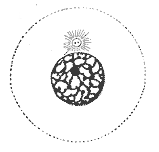
An illustration of interphase. The chromatin has not yet condensed, and the cell is undergoing its normal functions.
An image of the nucleus of a cell (HT1080) currently in interphase (likely G1). Note: Cytoplasm of this cell or the neighboring cell is not visible (top-left), which is currently in the telophase of mitosis. Image taken using an optical microscope and DAPI staining of DNA.

Interphase is the active portion of the cell cycle that includes the G1, S, and G2 phases, where the cell grows, replicates its DNA, and prepares for mitosis, respectively. Interphase was formerly called the "resting phase," but the cell in interphase is not simply dormant. Calling it so would be misleading since a cell in interphase is very busy synthesizing proteins, transcribing DNA into RNA, engulfing extracellular material, and processing signals, to name just a few activities. The cell is quiescent only in G0. Interphase is the phase of the cell cycle in which a typical cell spends 90% of its life. Interphase is the "daily living" or metabolic phase of the cell, in which the cell obtains nutrients and metabolizes them, grows, replicates its DNA in preparation for mitosis, and conducts other "normal" cell functions.[1]

A common misconception is that interphase is the first stage of mitosis, but since mitosis is the division of the nucleus, prophase is actually the first stage.[2]

In interphase, the cell gets itself ready for mitosis or meiosis. Somatic cells, or normal diploid cells of the body, go through mitosis in order to reproduce themselves through cell division, whereas diploid germ cells (i.e., primary spermatocytes and primary oocytes) go through meiosis in order to create haploid gametes (i.e., sperm and ova) for the purpose of sexual reproduction.

Stages of interphase

[edit]

There are three stages of cellular interphase, with each phase ending when a cellular checkpoint checks the accuracy of the stage's completion before proceeding to the next. The stages of interphase are:

  • G1 (Gap 1), in this phase the cell grows and functions normally. During this time, a high amount of protein synthesis occurs and the cell grows (to about double its original size) – more organelles are produced and the volume of the cytoplasm increases. If the cell is not to divide again, it will enter G0.[3]
  • Synthesis (S), in this phase the cell synthesizes its DNA and the amount of DNA is doubled but the number of chromosomes remains constant (via semiconservative replication).
  • G2 (Gap 2), in this phase the cell resumes its growth in preparation for division. The cell continues to grow until mitosis begins. In plants, chloroplasts divide during G2.
  • In addition, some cells that do not divide often or ever, enter a stage called G0 (Gap zero), which is either a stage separate from interphase or an extended G1.

The duration of time spent in interphase and in each stage of interphase is variable and depends on both the type of cell and the species of organism it belongs to. Most cells of adult mammals spend about 24 hours in interphase; this accounts for about 90%-96% of the total time involved in cell division.[4] Interphase includes G1, S, and G2 phases. Mitosis and cytokinesis, however, are separate from interphase.

DNA double-strand breaks can be repaired during interphase by two principal processes.[5] The first process, non-homologous end joining (NHEJ), can join the two broken ends of DNA in the G1, S and G2 phases of interphase. The second process, homologous recombinational repair (HRR), is more accurate than NHEJ in repairing double-strand breaks. However HRR is only active during the S and G2 phases of interphase when DNA replication is either partially or fully accomplished, since HRR requires two adjacent homologous chromosomes.

Interphase within sequences of cellular processes

[edit]

Interphase and the cell cycle

[edit]

When G2 is completed, the cell enters a relatively brief period of nuclear and cellular division, composed of mitosis and cytokinesis, respectively. After the successful completion of mitosis and cytokinesis, both resulting daughter cells re-enter G1 of interphase.

In the cell cycle, interphase is preceded by telophase and cytokinesis of the M phase. In alternative fashion, interphase is sometimes interrupted by G0 phase, which, in some circumstances, may then end and be followed by the remaining stages of interphase. After the successful completion of the G2 checkpoint, the final checkpoint in interphase, the cell proceeds to prophase, or in plants to preprophase, which is the first stage of mitosis.

G0 phase is viewed as either an extended G1 phase where the cell is neither dividing nor preparing to divide, or as a distinct quiescent stage which occurs outside of the cell cycle.[6]

Interphase and other cellular processes

[edit]

In gamete production, interphase is succeeded by meiosis. In programmed cell death, interphase is followed or preempted by apoptosis.

Interphase (Materials)

[edit]

The transition region between two materials. For example between the fibre and matrix of a composite material.

See also

[edit]

References

[edit]
Revisions and contributorsEdit on WikipediaRead on Wikipedia
from Grokipedia
Interphase is the longest and most active phase of the eukaryotic cell cycle, during which a cell grows, performs its normal metabolic functions, duplicates its DNA, and prepares for mitotic division, comprising approximately 90% or more of the total cycle duration in proliferating cells.[1] In materials science, interphase refers to the three-dimensional region at the boundary between two phases in a composite material, exhibiting properties distinct from the adjacent bulk phases.[2] It is divided into three distinct subphases—G1 (gap 1), S (synthesis), and G2 (gap 2)—that collectively ensure the cell achieves the necessary size, resources, and genetic fidelity before entering mitosis.[3] Unlike the visible chromosomal movements of mitosis, interphase is characterized by diffuse chromatin and ongoing cellular activities, with the cell existing in a state of metabolic engagement rather than division.[4] The G1 phase occurs immediately following mitosis and involves cell growth, protein synthesis, and organelle production, lasting variably from hours to days depending on external signals and nutrient availability, during which the cell assesses its environment at a key restriction point to commit to division.[1] This is followed by the S phase, where DNA replication precisely duplicates the genome into sister chromatids, typically spanning 10–12 hours in mammalian cells and ensuring each daughter cell will receive an identical set of chromosomes.[1] In the G2 phase, the cell continues to grow, repairs any DNA damage from replication, and synthesizes proteins essential for mitosis, such as tubulin for the mitotic spindle, culminating in checkpoints that verify readiness for division.[1] Overall, interphase is critical for maintaining genomic integrity and cellular homeostasis, with dysregulation linked to diseases like cancer; for instance, in rapidly dividing human cells, it may occupy about 23 hours of a 24-hour cycle, underscoring its dominance over the brief mitotic phase.[1] Checkpoints throughout interphase, particularly in G1 and G2, act as regulatory mechanisms to halt progression if conditions are unfavorable, preventing errors in DNA replication or unequal chromosome distribution.[3]

Biological interphase

Definition and overview

Interphase is the longest phase of the eukaryotic cell cycle, comprising approximately 90% of its total duration, during which the cell grows, performs its routine metabolic functions, and prepares for division without visible condensation of chromosomes.[5] Unlike the brief mitotic phase that follows, interphase lacks the dramatic structural changes associated with nuclear and cytoplasmic division, allowing the cell to maintain its normal architecture while accumulating resources for replication and segregation.[6] Historically, interphase was first described by Walther Flemming in 1882 as a "resting stage" between mitotic divisions, observed through staining techniques in plant cells where no apparent nuclear changes occurred beyond an increase in cell size.[7] This view persisted until the mid-20th century, when advancements in autoradiography and microscopy, notably by Alma Howard and Stephen Pelc in 1953, revealed interphase as a dynamic period of intense activity, including DNA synthesis and cellular preparation.[7] Key characteristics of interphase include sustained metabolic activity, with the nuclear envelope remaining intact and chromatin dispersed throughout the nucleus to facilitate ongoing processes such as transcription and translation.[6] In contrast, during mitosis, the nuclear envelope breaks down, and chromosomes condense into distinct structures for segregation, highlighting interphase as the preparatory and maintenance-dominant segment of the cycle.[6] Interphase plays a critical role in promoting cell growth, ensuring the fidelity of DNA replication, and minimizing errors that could arise during subsequent division, thereby safeguarding genomic integrity across generations of cells.[8] Disruptions in interphase regulation, such as aberrant progression through its subphases, are strongly associated with diseases like cancer, where uncontrolled proliferation stems from faulty checkpoint mechanisms.[7]

Stages of interphase

Interphase, the longest phase of the cell cycle, is divided into three sequential subphases: G1 (gap 1), S (synthesis), and G2 (gap 2), which together prepare the cell for mitosis.[1] These stages occur in temporal progression, with the cell undergoing growth, DNA replication, and final preparations before division./07:_Cell_Division/7.03:_The_Cell_Cycle) The G1 phase follows mitosis and represents the initial growth period, during which the cell increases in size and synthesizes proteins and organelles to restore its full complement after division.[1] This phase is highly variable in duration, lasting from several hours to days depending on cell type and environmental conditions; for instance, in typical mammalian fibroblasts, it occupies about 11 hours within a 24-hour cell cycle.[9] During G1, the cell assesses its environment and accumulates resources needed for subsequent replication.[10] The S phase is characterized by the synthesis of DNA, during which the genome is duplicated in a semi-conservative manner, ensuring each daughter cell receives an identical copy and maintaining genetic fidelity.[11] DNA content doubles from the diploid 2n level to 4n as each chromosome is replicated into two sister chromatids, while the number of chromosomes remains 2n./02:_Chromosomes_Mitosis_and_Meiosis/2.04:_The_Cell_Cycle_and_Changes_in_DNA_Content) Centrosomes also duplicate during this phase to provide organizing centers for the mitotic spindle.[1] The S phase typically lasts 6-8 hours in mammalian cells.[9] In the G2 phase, the cell continues to grow and synthesizes proteins essential for mitosis, while also checking DNA integrity to repair any replication errors from the S phase.[1] Microtubules begin reorganizing to form the framework for the mitotic apparatus.[12] This phase generally lasts 3-4 hours.[9] Transitions between these stages are tightly controlled; notably, the restriction point in late G1 commits the cell to proceed through the cycle and complete division, independent of external growth signals thereafter.[13] DNA content specifically doubles only during the S phase, marking a key irreversible step in interphase progression./02:_Chromosomes_Mitosis_and_Meiosis/2.04:_The_Cell_Cycle_and_Changes_in_DNA_Content)

Molecular mechanisms and regulation

The progression through interphase is tightly regulated by cyclin-dependent kinases (CDKs) and their cyclin partners, which form heterodimeric complexes that drive phase-specific transitions via phosphorylation of target substrates. In G1 phase, cyclin D binds to CDK4 or CDK6, forming complexes activated by cyclin-dependent activating kinase (CAK) phosphorylation at threonine 172 (CDK4) or 177 (CDK6), enabling nuclear translocation and initial phosphorylation of the retinoblastoma protein (Rb) at serine 807/811 to release E2F transcription factors and promote G1/S transition.[14] Cyclin E then associates with CDK2, activated by CAK at threonine 160, to further hyperphosphorylate Rb, degrade p27 via ubiquitination, and initiate DNA replication licensing.[14] During S phase, cyclin A-CDK2 complexes, also CAK-activated at threonine 160, phosphorylate replication proteins like RPA and PCNA to ensure faithful DNA synthesis and prevent re-replication by targeting CDC6.[14] In G2 phase, cyclin A/B-CDK1 complexes prepare for mitotic entry, with activation involving CAK phosphorylation and dephosphorylation of inhibitory sites (T14/Y15) by CDC25 phosphatases, while cyclin B peaks to coordinate progression.[14] Cell cycle checkpoints in interphase monitor genomic integrity and halt progression upon detecting anomalies. The G1/S checkpoint assesses DNA damage through the p53-Rb pathway: DNA lesions activate p53, which transcriptionally induces p21/CDKN1A to inhibit cyclin E-CDK2, maintaining hypophosphorylated Rb that represses E2F targets essential for S-phase entry, thereby preventing replication of damaged DNA.[15] The S-phase checkpoint, triggered by replication stress or stalled forks, involves ATR kinase (recruited to single-stranded DNA via ATRIP) phosphorylating Chk1 at serines 317/345, which inhibits CDC25A to block CDK2 activity and stabilizes replication forks.[16] ATM kinase complements ATR in response to double-strand breaks, activating Chk2 via phosphorylation at threonine 68 for autophosphorylation and downstream signaling.[16] The G2/M checkpoint ensures complete replication and repair, with ATR-Chk1 and ATM-Chk2 pathways converging to inhibit CDC25B/C, preventing CDK1 activation and mitotic entry if damage persists.[16] Broader regulatory pathways integrate these controls during interphase. The DNA damage response (DDR) coordinates repair or apoptosis: unrepaired lesions via p53 activation lead to p21-mediated arrest or pro-apoptotic gene induction, while ATR/ATM-Chk1/Chk2 enforce checkpoint fidelity across G1, S, and G2.[15] Telomere maintenance occurs primarily in S phase, where shelterin proteins (TRF1, TRF2, POT1) facilitate replication by recruiting helicases like BLM/WRN to resolve G-quadruplexes and t-loops, with residual stress activating ATR to promote telomerase recruitment via TPP1-POT1 for end elongation and counteracting shortening.[17] Epigenetic modifications, such as histone acetylation by HATs like p300/CBP, enhance chromatin accessibility and gene expression during interphase, influencing cell cycle genes by acetylating H3K27 to activate E2F targets in G1/S while countering repressive H3K27me3 marks.[18] Dysregulation of these mechanisms drives uncontrolled proliferation, notably in cancers where overactive CDKs bypass checkpoints; for instance, cyclin D-CDK4/6 amplification or loss of inhibitors like p16 promotes Rb inactivation and G1 progression.[19] Mutations in p53, occurring in approximately 50% of human tumors, impair G1/S arrest and DDR, allowing damaged cells to enter S phase and accumulate genomic instability.[20]

Role in cellular processes

During interphase, cells engage in extensive metabolic activities that support growth and maintenance, including the biogenesis and expansion of organelles such as mitochondria and the endoplasmic reticulum (ER), particularly in the G1 phase. Mitochondrial fusion and elongation occur during the G1-S transition to meet the increased metabolic demands for DNA replication and cellular expansion. Similarly, ER morphology expands in preparation for heightened protein synthesis and lipid metabolism needs. Protein synthesis, mediated by ribosomes, is a hallmark of interphase, with ribosomal biogenesis and translation occurring continuously to produce cellular components essential for growth. Energy production through glycolysis and the tricarboxylic acid (TCA) cycle in the cytoplasm and mitochondria, respectively, generates ATP and NADH to sustain these biosynthetic processes throughout interphase. Interphase also facilitates active gene expression and intracellular signaling, enabling cells to respond to environmental cues. Housekeeping genes, which maintain basic cellular functions, undergo continuous transcription within the nuclear architecture during interphase, often localized in specific chromatin domains for efficient expression. External signals like growth factors activate the mitogen-activated protein kinase (MAPK) pathway in the G1 phase, promoting progression through the cell cycle by phosphorylating downstream targets that regulate proliferation. Concurrently, RNA processing—including capping, splicing, polyadenylation—and nuclear export of mature mRNAs occur in the nucleus, ensuring timely delivery to cytoplasmic ribosomes for translation. In non-dividing cells, interphase extends into a quiescent G0 phase, a variant of G1, allowing specialized functions such as neurotransmitter production in neurons while preserving tissue homeostasis through reversible cell cycle exit. This state enables long-term maintenance of differentiated phenotypes without replication, supporting organ stability in multicellular organisms. Pathologically, interphase can be dysregulated, as seen in cellular senescence where progressive telomere shortening leads to prolonged G1 arrest and a persistent interphase-like state, contributing to aging and tissue dysfunction. Additionally, viruses like human papillomavirus (HPV) hijack interphase mechanisms, with viral genomes integrating into host DNA during the S phase to disrupt normal cellular control and promote oncogenesis.

Interphase in materials science

Definition and characteristics

In materials science, the interphase refers to a distinct three-dimensional zone, typically 1-100 nm thick but sometimes extending to micrometers, located between the matrix and reinforcement phases in multiphase materials such as polymer composites. This region arises from chemical and structural gradients at the boundary, resulting in properties that differ from those of the adjacent bulk phases, such as altered molecular orientation, density, or composition due to interactions like adsorption or diffusion.[21][22][23] The concept of the interphase originated in the 1960s through early theoretical models for predicting elastic properties in multiphase materials, notably introduced by B. Paul in his work on elastic constants where transitional zones between phases were considered to influence overall behavior. Its understanding evolved significantly in the late 20th century with advances in microscopy techniques that enabled visualization of nanoscale interphase structures and confirmed its role beyond idealized boundaries.[24][25] Key characteristics of the interphase include gradual transitions in mechanical properties, such as a decrease in modulus from the rigid reinforcement (e.g., fiber) to the compliant matrix, which can significantly affect load transfer and overall composite performance. These properties are influenced by factors like interfacial adhesion, wetting during processing, and curing conditions, leading to types such as rigid (brittle) interphases that enhance stiffness but may promote cracking, or ductile (compliant) ones that improve toughness through energy dissipation. Interphases often exhibit reduced shear strengths compared to the bulk matrix due to reduced chain entanglement and stress concentrations.[26][27][28] Unlike the idealized zero-thickness interface, which represents a mere two-dimensional boundary in classical models, the interphase possesses finite thickness and volume, allowing it to contribute measurably to the composite's thermo-mechanical behavior and necessitating its inclusion in advanced predictive models.[21][29][30] (Note: This materials science context is distinct from the biological interphase in cell cycles.)

Formation and properties

Interphases in materials science, particularly in polymer-matrix composites, form primarily through mechanisms occurring during material processing, such as diffusion at the fiber-matrix boundary, where polymer chains migrate toward the reinforcement surface, creating a gradient region with altered molecular ordering.[26] Chemical reactions, including transcrystallization in semicrystalline polymers, also contribute, as fiber surfaces act as nucleating sites that induce epitaxial crystal growth perpendicular to the interface, forming a distinct crystalline layer distinct from the bulk matrix.[31] Additionally, environmental factors like humidity during processing can induce moisture gradients that alter the interphase by promoting hydrolysis or swelling at the boundary, leading to a more diffuse transition zone.[32] The physical properties of interphases are characterized by their nanoscale dimensions and distinct mechanical and thermal behaviors compared to bulk phases. Interphase thickness typically ranges from 20 to 50 nm in systems like carbon fiber-epoxy composites, measurable using techniques such as small-angle X-ray scattering (SAXS) for structural gradients or atomic force microscopy (AFM) for surface topography and modulus mapping.[23] Mechanically, interphases often exhibit reduced shear strengths compared to the bulk matrix due to reduced chain entanglement and stress concentrations, which can initiate debonding under load.[33] Thermally, interphases show altered conductivity, with effective values influenced by phonon scattering at boundaries, potentially reducing overall composite thermal performance by up to 20% in fibrous systems.[34] Chemically, interphases display compositional gradients, such as higher cross-link density near the interface in epoxy-based composites, arising from localized curing reactions that enhance molecular packing but increase brittleness.[35] These gradients can lead to stress concentrations that promote interfacial debonding, particularly under cyclic loading.[36] The incorporation of additives like silane coupling agents modifies these properties by forming covalent bonds across the interface, improving adhesion and increasing cross-link density in the interphase region, thereby enhancing load transfer efficiency.[37] Experimental characterization of interphases relies on advanced techniques to probe bonding and mechanical variations at the nanoscale. Fourier-transform infrared (FTIR) spectroscopy can identify chemical bonding changes in the interphase from silane treatments in glass fiber composites. Nanoindentation, often combined with AFM, maps modulus gradients, revealing softer interphases in unsized carbon fiber-epoxy systems with thicknesses around 20-50 nm and reduced stiffness near the fiber surface. These methods confirm the interphase's role in dictating composite performance, with modulus variations across the boundary in carbon fiber-epoxy examples.[38]

Applications and significance

In composite materials, the interphase plays a critical role in enhancing load transfer between fibers and the matrix, thereby improving overall mechanical performance. For instance, in carbon fiber-reinforced polymer (CFRP) composites used in aerospace applications, interphase failure is a primary contributor to delaminations, which account for a significant portion of structural failures under cyclic loading. Tailoring the interphase through fiber sizings, such as applying compatible coatings during manufacturing, strengthens adhesion and significantly improves fatigue resistance by mitigating crack propagation at the fiber-matrix boundary.[39][40][41] Modeling and prediction of interphase behavior are essential for optimizing composite design, with the Cox shear-lag model providing a foundational approach to describe stress transfer. This model assumes that interfacial shear stress arises from differential axial displacement between the fiber and matrix, given by the equation
τ=Efr2dudz, \tau = \frac{E_f r}{2} \frac{du}{dz},
where τ\tau is the interfacial shear stress, EfE_f is the fiber modulus, rr is the fiber radius, and dudz\frac{du}{dz} is the axial strain gradient along the fiber (simplified single-fiber form). Complementary finite element simulations that incorporate explicit interphase zones enable detailed prediction of stress distributions and failure initiation, accounting for realistic gradients in properties across the interphase.[42][43][44] The significance of interphases extends to advanced materials like nanocomposites, where clay-polymer interphases enhance barrier properties by creating tortuous paths that impede gas permeation, leading to up to several orders of magnitude improvement in permeability compared to neat polymers. However, in bio-based composites, weak interphases often result from poor compatibility between natural fibers and matrices, contributing to brittleness and reduced toughness under mechanical stress.[45][46][47] Recent advances as of 2025 include nanoscale engineering of interphases for sustainable applications, such as integrating graphene for conductive boundaries in electronics and improving interphase stability in recyclable composites to reduce waste. Looking to future directions, interphase degradation during recycling processes poses environmental challenges, as hydrolysis and thermal exposure weaken adhesion in recovered fibers, complicating reprocessing and increasing waste generation in sustainable material cycles.[48][49][50]

References

User Avatar
No comments yet.