Hubbry Logo
Plateau effectPlateau effectMain
Open search
Plateau effect
Community hub
Plateau effect
logo
8 pages, 0 posts
0 subscribers
Be the first to start a discussion here.
Plateau effect
Plateau effect
from Wikipedia
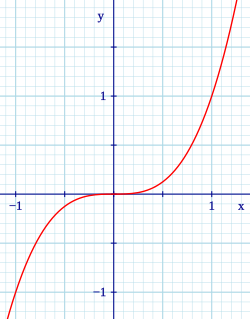
Curve exhibiting a plateau between steeply ascending sections.

The plateau effect is a phenomenon that lessens the effectiveness of once effective measures over time. An example of the plateau effect is when someone's exercise fails to be as effective as in the past, similar to the concept of diminishing returns. A person enters into a period where there is no improvement or a decrease in performance.[1][2]

Overview

[edit]

The plateau effect may appear in learning, when students experience a dwindling (less steady) benefit from their learning effort. Studies of elementary school students have found there is a plateau effect in reading level during the upper elementary years.[3][4] This effect is shown in the forgetting curve developed by Hermann Ebbinghaus, who established the hypothesis of the exponential nature of forgetting. Ebbinghaus hypothesized that the use of the ancient mnemonic device, Method of Loci, and spaced repetition can help overcome the plateau effect.

The plateau effect is also experienced in acclimation, which is the process that allows organisms to adjust to changes in its environment. In humans, this is seen when the nose becomes acclimated to a certain smell. This immunity is the body's natural defense to distraction from stimulus. This is similar to drug tolerance, when a person's reaction to a specific drug is progressively reduced, requiring an increase in the amount of the drug they receive. Over the counter medications, in particular, have a maximum possible effect, regardless of dose.[5][6]

Health and fitness

[edit]

In fitness, the Exercise Plateau Effect refers to when a body becomes accustomed to a certain stimulus and thus ceases to respond to it.[7] Overcoming the plateau usually involves a change in the person's workout, including adding periods of rest, changing volume of exercises, or increasing/decreasing the weight used in strength exercises.[8][better source needed]

Television ratings

[edit]

According to industry consultant Gary Kahan, a television show's ratings plateau after the show reaches a "crescendo" and then slowly decline over time.[9]

Paradox of the pesticides

[edit]

An example of the plateau effect is found in the paradox of the pesticides. The paradox states that applying pesticide to a pest may end up increasing the abundance of the pest if the pesticide upsets natural predator–prey dynamics in the ecosystem.

Paradox in testing

[edit]

In testing, when the same test case is run repeatedly on a product under test, the test case becomes ineffective and may induce costs, notably in maintenance.[10]

The "deliberate practice" theory

[edit]

In the book Moonwalking with Einstein by Joshua Foer, a theory called "deliberate practice" is brought up. The theorist that came up with this theory was K. Anders Ericsson who said: "Our civilization has always recognized exceptional individuals, whose performance in sports, the arts, and science is vastly superior to that of the rest of the population".[11]

This quote coincides with the three stages because these would be the main topics or ideas that would come in mind to reach the plateau effect in many of people. When these conditions are met, practice improves accuracy and speed of performance on cognitive, perceptual, and motor tasks.[12]

Three stages

[edit]

The plateau effect was mentioned in the book Moonwalking With Einstein by Joshua Foer. The book mentions the three stages that lead up to "The Plateau Effect"; the theory of the three stages was created by Fitts and Posner. These men base the stages on the theory created by K. Anders Ericsson. The first stage of the plateau effect is the cognitive stage which means “You’re intellectualizing the task and discovering new strategies to accomplish it more proficiently.”[13] The second stage is the associative stage which means “You’re concentrating less, making fewer major errors, and generally becoming more efficient.”[13] The last and final stage is autonomous stage (aka the plateau effect) which means as “When you figure that you’ve gotten as good as you need to get at the task and you’re basically running on autopilot.”[13] Reaching the final stage of the plateau effect starts the mental exercises to keep the mind guessing.

The Plateau Effect: Getting From Stuck to Success

[edit]

The Plateau Effect was popularized in application to daily life by Bob Sullivan and Hugh Thompson’s 2013 book The Plateau Effect: Getting From Stuck to Success.[14][15] The book outlines common causes of plateaus, and the author's findings on how to overcome.[16][17] According to the authors, the common causes of plateaus include immunity, greedy algorithm, bad timing, flow issues, distorted data, distraction, failing slowly, and perfectionism.[18]

See also

[edit]

References

[edit]
Revisions and contributorsEdit on WikipediaRead on Wikipedia
from Grokipedia
The plateau effect, often referred to as the learning plateau or , is a in which an individual's progress or improvement in a , task, or metric stagnates after an initial period of rapid gains, despite ongoing effort or practice. This leveling off typically occurs due to physiological, psychological, or adaptive mechanisms that limit further advancement, such as limits in optimization or compensatory adaptations in physical . The concept is widely documented across disciplines, highlighting how once-effective strategies diminish in impact over time as the body or mind adapts to repeated stimuli. In and , the plateau effect manifests during skill acquisition, where learners experience a temporary halt in measurable improvement after mastering basic elements, often misinterpreted as a lack of but actually reflecting deeper cognitive stabilization processes. For instance, in aviation training or tasks, individuals may reach an intermediate stage where progress slows, requiring varied techniques to break through. Similarly, in sports and fitness, it describes the of muscles and cardiovascular systems to consistent training loads, leading to diminished returns in strength or gains unless routines are modified. This effect underscores the nonlinear nature of human development, where sustained growth demands periodic adjustments to avoid long-term stagnation. The plateau effect has broader implications in fields like achievement testing and , where performance metrics may flatten due to ceiling effects or motivational factors, prompting strategies such as increased variability in practice or targeted interventions to reignite progress. Research emphasizes that recognizing and addressing plateaus—through methods like introducing novelty or somatic stimulation—can unlock further adaptive potential, preventing the misconception that inherent limits have been reached. Overall, it serves as a critical reminder of the dynamic interplay between effort, , and in .

Definition and Overview

Core Definition

The plateau effect refers to the stage in a process of improvement or where the rate of progress slows significantly or ceases altogether, despite the persistence of the same or efforts, resulting in a period of apparent stagnation. This phenomenon is commonly observed following an initial phase of rapid advancement, as the system—whether biological, psychological, or otherwise—reaches a temporary limit in its responsiveness. Key characteristics of the plateau effect include its occurrence after early, often exponential gains, making it a universal pattern in diverse domains such as skill acquisition in and physiological adaptations in . For instance, in , performance levels off as learners consolidate acquired abilities, even with ongoing practice. Similarly, in physiological contexts like exercise-induced , initial reductions in body weight halt due to metabolic adjustments, illustrating the effect's broad applicability beyond isolated fields to systemic responses in living organisms. These traits highlight the plateau not as a but as a natural transition point requiring altered strategies for resumption of progress. While related to the economic concept of —where each additional unit of input yields progressively smaller outputs—the plateau effect is distinguished by its emphasis on psychological elements, such as motivational fatigue or loss of interest, and adaptive resistance mechanisms that actively counteract further change, rather than a purely incremental decline in efficiency. This differentiation underscores the plateau's role in human-centered and biological systems, where , rather than external resource constraints, often drives the stagnation.

Historical Development

The concept of the plateau effect originated in early 20th-century through studies of learning curves, where progress in skill acquisition often stalled after initial gains. Pioneering work by William Lowe Bryan and Noble Harter in 1899 examined telegraph operators, revealing hierarchical plateaus in performance as learners mastered sub-skills before advancing, a pattern that challenged linear models of improvement. This was expanded in applied settings, such as Crosby J. Chapman's 1919 analysis of typewriting proficiency, which documented irregular curves with extended flat periods attributed to or consolidation, establishing plateaus as a normal phase in . Similarly, A.B. Blankenship and H.R. Taylor's 1938 study on skills confirmed these dynamics, showing early rapid output increases followed by prolonged stagnation, with individual differences influencing plateau duration. By the mid-20th century, the plateau effect extended beyond into and , reflecting adaptive resistance in biological systems. In , Archibald V. Hill and Hartley Lupton's experiments on maximal oxygen uptake introduced the idea of a respiratory plateau, where oxygen consumption stabilizes during exhaustive work, marking the limit of aerobic capacity and influencing modern fitness training paradigms. Concurrently, in , the 1950s saw widespread documentation of as a plateau in efficacy; for instance, house fly populations developed stable resistance to by 1951, reducing the insecticide's impact after initial successes and prompting strategies. These observations formalized plateaus as evolutionary adaptations, paralleling learning stalls in human contexts. The plateau effect achieved broader recognition in the through popular literature, evolving from domain-specific terms like "learning plateau" to a general framework applicable across disciplines. Bob Sullivan and Hugh Thompson's book The Plateau Effect: Getting from Stuck to popularized the concept by framing it as a universal barrier in areas like , advancement, and skill development, drawing on psychological and physiological examples to advocate for strategic disruptions. In organizational , recent research has deepened this understanding; a 2024 study linked plateaus to reduced job via psychological distress, emphasizing the role of perceived stagnation in growth. Building on this, a 2025 investigation revealed how structural and content-related plateaus trigger counterproductive behaviors through negative reciprocity, highlighting ongoing relevance in modern workplaces. This terminological shift underscores the concept's expansion from educational "learning plateaus" to the inclusive "plateau effect," encompassing adaptive resistance in diverse fields.

Causes and Mechanisms

Biological and Physiological Factors

The plateau effect in biological and physiological contexts arises primarily from adaptive resistance, where organisms adjust to repeated stimuli, diminishing the initial response over time. In weight loss, for instance, metabolic adaptation occurs as the body reduces energy expenditure in response to calorie restriction, leading to a plateau in fat loss despite sustained dietary efforts. This adaptive thermogenesis involves a decrease in resting metabolic rate beyond what is expected from loss of body mass alone. Other biological contributors include loss of muscle mass, which further reduces metabolism; reduced non-exercise activity thermogenesis (NEAT), leading to lower calorie expenditure through daily spontaneous movements; hormonal changes, such as decreased leptin (promoting satiety) and increased ghrelin (stimulating hunger), along with potential alterations in thyroid hormones; and temporary water retention or glycogen fluctuations that can cause scale weight to stall or increase even while fat loss continues. Such adaptations help preserve energy stores but hinder continued progress, as evidenced in studies of obese patients undergoing prolonged calorie restriction. Homeostatic mechanisms further contribute to the plateau by driving biological systems toward equilibrium, countering sustained interventions that disrupt balance. During exercise training, initial muscle hypertrophy and strength gains slow as recovery processes reach limits, with neural adaptations plateauing after several months of consistent resistance work. In strength training, for example, early improvements stem from neural efficiency, but subsequent gains depend on slower hypertrophic changes, often stalling without variation in stimulus. These homeostatic responses prioritize systemic stability, such as maintaining energy balance or preventing overexertion, thereby capping physiological improvements. Hormone regulation exemplifies these factors in fitness contexts, where chronic exercise can lead to cortisol accumulation, inducing fatigue and stagnation. Elevated cortisol from prolonged training disrupts anabolic processes, contributing to overtraining syndrome and reduced performance gains, as the hypothalamic-pituitary-adrenal axis becomes dysregulated. In endurance athletes, this buildup correlates with plateaus in aerobic capacity, where stress hormones inhibit further adaptations like mitochondrial biogenesis. Similarly, in medicine, microbial resistance to antibiotics demonstrates adaptive resistance, with bacterial populations evolving tolerance that follows an S-shaped curve: rapid initial increase, followed by a plateau in efficacy as dominant resistant strains stabilize. In pharmacological applications, the plateau effect manifests through the half-life of drug effectiveness, where repeated dosing leads to steady-state concentrations after approximately 4-5 elimination half-lives, beyond which plasma levels stabilize without further accumulation. This pharmacokinetic plateau limits escalating therapeutic responses, as seen with many first-order kinetics drugs, ensuring homeostasis but potentially requiring dose adjustments to overcome diminished efficacy over time.

Psychological and Environmental Factors

Psychological factors play a significant role in the plateau effect by altering and during prolonged efforts toward improvement. , a where repeated exposure to the same stimuli diminishes responsiveness, often leads to and waning effort, transforming initial enthusiasm into routine disengagement. For instance, individuals engaging in consistent exercise may experience gym burnout after several months, as the novelty fades and perceived rewards decrease, reducing overall commitment. This amplifies stagnation, distinct from biological responses that may underlie it as fixed amplifiers. Environmental factors contribute to plateaus by imposing external constraints that limit progress despite sustained input. Saturation occurs when resources, opportunities, or feedback mechanisms reach capacity, creating self-reinforcing loops of diminished returns; in business contexts, market saturation exemplifies this, where demand plateaus amid intense , halting growth even with increased efforts. Such situational barriers, like limited access to new inputs or supportive networks, foster a sense of futility and discourage . Cognitive biases further entrench plateaus by skewing and . Individuals may overestimate their progress due to , mistaking stability for success and avoiding necessary adjustments, or succumb to , where fear of change perpetuates inefficient patterns and reinforces stagnation. These mental shortcuts hinder recognition of the need for variation, as seen in learners who persist with outdated methods out of comfort rather than efficacy. Sullivan and Thompson outline eight non-biological causes of plateaus, emphasizing modifiable psychological and environmental elements that lead to perceived or actual stagnation. These include immunity ( to routines), the (prioritizing short-term gains over sustainable strategies), bad timing (misaligned efforts without rest), flow issues (disruptions like choke points or inefficient patterns, akin to "running in circles" where repeated actions yield no advance), distorted data (misjudged goals, such as "false summits" where apparent progress masks true endpoints), (divided focus impeding ), failing slowly (unnoticed gradual decline), and perfectionism (unrealistic standards delaying breakthroughs). Addressing these through targeted interventions, like introducing novelty or recalibrating goals, can mitigate their impact on .

Stages of Progression

Initial Rapid Improvement

The initial rapid improvement phase in skill acquisition or performance enhancement is characterized by swift, often exponential or linear gains due to the novelty of the task and minimal physiological or cognitive resistance. In fitness contexts, beginners frequently experience quick primarily from the depletion of stores in muscles and the liver, which releases bound water and leads to noticeable reductions on the scale within the first few weeks. Similarly, in motor skill learning, such as finger-tapping sequences, performance improves rapidly across initial trials as basic procedural elements are quickly mastered with low interference from prior habits. This phase contrasts with the subsequent plateau effect, where progress diminishes despite continued effort. Neurologically, this early stage is supported by heightened signaling, which reinforces through reward anticipation and sustains during novel activities. release in regions like the facilitates instrumental , optimizing adherence to learning goals and accelerating initial in motor tasks. Concurrently, synaptic strengthening occurs rapidly, with new connections forming and existing ones stabilizing in the to encode basic skill components; for instance, motor-skill training induces selective within hours to days, enabling fast without extensive rewiring. These mechanisms create a feedback loop where early successes further boost , driving the observed gains. The duration of this phase varies by domain, typically lasting weeks in physical fitness—often two to three weeks for initial water and glycogen-related changes—while extending to months in complex skill acquisition, such as procedural learning tasks where fast improvements consolidate over multiple sessions before slowing. In motor skills, the fast learning stage may span initial training sessions to several weeks, depending on task complexity and individual factors like prior experience. Transition indicators to the impending plateau include subtle decreases in the rate of performance gains, where efforts begin to yield , and the task starts feeling more laborious relative to prior ease. For example, in , scale readings stabilize after the initial drop, signaling the shift from water loss to slower fat metabolism. In learning, this manifests as slower improvement across trials, with potentially waning as novelty fades, though overt stagnation has not yet set in.

Onset of Stagnation

The onset of stagnation in the plateau effect occurs when initial rapid improvements in performance give way to a period of minimal or no further gains, despite continued effort and consistent practice. This manifestation is characterized by a flattening of progress metrics, such as stabilized strength levels in resistance training or unchanged accuracy in skill-based tasks, where additional input yields . For instance, in acquisition, performance may stabilize after repeated sessions, with no substantial enhancement in movement efficiency or speed observed across trials. In physiological contexts like fitness training, this appears as a halt in adaptations such as increased or capacity, often after 3–4 weeks of routine exercise. Triggers for this stagnation typically arise from cumulative physiological and psychological adaptations that precipitate the plateau, including neural redundancies where habitual motor circuits become entrenched and resistant to further refinement. Feedback loops exacerbate the issue, as the body reaches efficiency thresholds—such as stabilized VO2max or —leading to a point where effort no longer elicits proportional output due to compensatory mechanisms. These factors build on underlying causes like over-reliance on familiar strategies or environmental consistencies, creating a self-reinforcing cycle of minimal . The duration of this stagnation phase can extend from several months to years if left unaddressed, varying by individual factors and domain, with examples in showing persistence beyond 6–12 months. Psychologically, it often imposes a toll through mounting and reduced , as learners perceive their efforts as futile, potentially leading to disengagement or emotional strain. To identify the onset, researchers and practitioners rely on learning curves or performance graphs, which visually depict the transition as a horizontal line following an initial steep ascent, indicating stabilized metrics without upward . These tools provide a clear, non-invasive method to quantify the shift from progress to stasis.

Potential Breakthrough Dynamics

Breakthroughs from the plateau effect often manifest as sudden jumps resulting from the accumulation of subtle, subthreshold changes that eventually trigger a qualitative shift. In learning contexts, these can occur as "aha" moments, where resolves a stalled problem-solving process after an , leading to rapid integration of previously disconnected knowledge. For instance, neuroscientific research indicates that such moments involve heightened activity in the right anterior , facilitating novel connections that propel progress beyond stagnation. In physiological domains like fitness training, resets can emerge from detraining periods, where temporary cessation allows recovery and resensitization of adaptive pathways, resulting in accelerated gains upon resumption due to mechanisms. Enabling factors for these breakthroughs typically include rest periods that permit neural consolidation or physiological recovery, disrupting entrenched adaptations and fostering renewed responsiveness. Perturbations, such as introducing variability in training intensity or environmental stressors like hypoxia, can similarly jolt systems out of equilibrium, prompting compensatory enhancements that exceed prior levels. These dynamics align with the resolution phase in the stages of progression, where accumulated rest or disruption naturally transitions stagnation into renewed advancement. Prolonged plateaus carry risks, including heightened likelihood of disengagement due to and demotivation, which can contribute to loss of treatment in chronic therapies, affecting over 40% of patients in cases like anti-TNF drug responses. Individual variability further complicates outcomes, with factors such as age, , and influencing plateau duration and breakthrough propensity—for example, females often experience earlier VO2max plateaus than males, while genetic polymorphisms modulate anaerobic responses. Empirical evidence supports spontaneous resolution in select scenarios; for example, a 24-week resistance training study found that intermittent protocols (6 weeks training followed by 3 weeks off) yielded comparable and strength gains to , with post-break periods showing elevated progress rates indicative of natural resensitization. Similarly, in perceptual insight tasks, N2 sleep during naps increased the probability of achieving aha moments by promoting subconscious restructuring, resolving prior impasses without active intervention. These findings underscore that while not universal, time-bound plateaus in 4–12 weeks often self-resolve through inherent recovery processes in responsive individuals.

Key Theories and Explanations

Deliberate Practice Framework

The deliberate practice framework, developed by psychologist K. Anders Ericsson and colleagues, posits that superior performance in skill-based domains emerges from extended periods of targeted, effortful training rather than innate talent or unstructured repetition. Core principles emphasize activities designed specifically to enhance aspects of performance, involving full concentration, immediate feedback from teachers or coaches, and clear, attainable goals that push beyond current abilities. Unlike naive practice, which often leads to rote repetition and eventual stagnation, deliberate practice requires motivation and structured sessions limited to 1-4 hours daily to prevent burnout, accumulating to approximately for elite expertise across domains like music and sports. In the context of plateaus, this framework explains stagnation as a consequence of insufficient deliberate effort, where initial rapid gains from basic or playful practice give way to halted progress once individuals remain within their comfort zones without challenging weaknesses. True advancement resumes only through deliberate practice that restructures skills, such as breaking down complex tasks into focused drills with feedback, thereby circumventing performance limits imposed by or lack of . This approach aligns with progression phases where early improvements stem from foundational repetition, but sustained growth demands ongoing, discomfort-inducing refinement to break through barriers. Empirical evidence supporting the framework comes from longitudinal studies on musicians, where violinists at a conservatory had accumulated 7,410 hours of deliberate practice by age 18, compared to 5,301 hours for less accomplished peers, correlating with international solo levels after about 10 years of such . Similarly, among pianists, experts logged 7,606 hours versus 1,606 for amateurs by age 18, demonstrating how structured drills targeting technical flaws prevented plateaus and fostered superior memory and control. In athletics, swimmers exhibited gains through 16 hours weekly of deliberate sessions at ages 15-16, outperforming national competitors and illustrating plateau breakthroughs via technique-specific exercises, such as stroke optimization under coaching feedback. Despite its explanatory power in skill acquisition, the deliberate practice framework has limitations, as it primarily applies to domains requiring trainable mental representations, such as arts and sports, and is less relevant to non-skill contexts like inherent biological constraints in physiological adaptation. External factors, including access to expert instruction and sustained motivation, can hinder its implementation, potentially leading to unequal outcomes even among dedicated practitioners. Additionally, meta-analyses have criticized the framework for overemphasizing deliberate practice, finding it accounts for only about 18% of variance in performance across domains, suggesting other factors like genetic predispositions contribute significantly.

Exponential Knowledge Growth Model

The exponential knowledge growth model, proposed by learning expert Scott H. Young, posits that intermediate plateaus in skill acquisition arise because advancing beyond basic proficiency demands exponentially increasing amounts of , leading to disproportionate effort relative to gains. In this framework, early-stage learning follows a relatively linear as learners master foundational elements that yield immediate, noticeable improvements, but progress stalls at intermediate levels when the required knowledge base expands combinatorially, making each additional increment far more resource-intensive. A key cause of this shift is the combinatorial complexity inherent in many domains, where advanced proficiency relies on integrating rarer and more interconnected concepts rather than simply accumulating basics. For instance, in language learning, initial progress is linear through high-frequency vocabulary and simple grammar, but fluency plateaus occur because rarer words—governed by Zipf's law, which describes how word frequency decreases inversely with rank—appear infrequently and are prone to forgetting without repeated exposure. This pattern manifests similarly in technical fields, where basic engineering principles allow steady advancement, but expert-level synthesis of specialized, interdependent knowledge creates barriers to further growth. Evidence for the model draws from 2023 analysis of progression patterns across disciplines, highlighting how exponential knowledge demands explain observed plateaus in areas like and sciences, where foundational rebuilding is often necessary to unlock higher . In , for example, novices quickly grasp core syntax, but scaling to design requires exponentially more conceptual integration, mirroring the rarity-driven challenges in linguistic acquisition. The implications of this model emphasize that intermediate plateaus serve as indicators of underlying knowledge gaps, signaling the need for targeted strategies to rebuild and deepen foundations through intensified, domain-specific immersion rather than superficial repetition. This approach complements deliberate practice methods by addressing structural knowledge barriers that pure effort refinement alone may not overcome.

Applications Across Domains

Health and Fitness Contexts

In health and fitness, the plateau effect commonly manifests as stalled progress in after an initial period of rapid reduction, typically occurring between 6 and 12 months of consistent caloric restriction or lifestyle interventions. During this phase, individuals often experience a stabilization of body weight despite ongoing efforts, as the body reaches a new energy equilibrium. Similarly, muscle gain can halt due to , where prolonged resistance exercise leads to diminished hypertrophic responses as muscle cells become less sensitive to growth signals. This stagnation is exacerbated by overtraining syndrome, which disrupts hormonal balance and recovery, resulting in declines. In hypertrophy training programs aimed at muscle growth, plateaus often occur when progress in strength or muscle size stalls despite consistent training. To address stalled progress, increasing daily protein intake to 1.6-2.2 g/kg of body weight supports muscle protein synthesis. Prioritizing 7-9 hours of quality sleep nightly is crucial for recovery and hormone regulation essential for hypertrophy. Additionally, adding a modest caloric surplus of 100-200 kcal per day can provide the necessary energy for growth, with weekly reassessment of body measurements and progress to adjust as needed. For individuals aged 40 and older, age-related reductions in recovery capacity and anabolic response make breaking through muscle training plateaus more challenging, necessitating tailored strategies that emphasize recovery and varied stimuli. Slower adaptation rates require prioritizing adequate rest between sessions, incorporating deload weeks, gradually applying progressive overload, and changing training programs (such as varying rep ranges, sets, or introducing periodization) to renew adaptation. Lower training frequency of 2-3 sessions per week, focusing on compound lifts (e.g., squat, deadlift, bench press, rows) in full-body or upper/lower splits, is often effective for promoting gains while managing fatigue. A minimalist approach like the "2-2-2" method (2 sessions/week, 2 sets/exercise, leaving 2 reps in reserve) can facilitate progress with minimal recovery demands. Personalization by a qualified trainer is recommended to optimize programming and reduce injury risk. Unique to fitness contexts, caloric adaptation plays a central role, where the body reduces resting metabolic rate in response to sustained energy deficits, contributing to weight maintenance at lower levels. A 2024 study published in the journal Obesity indicates that metabolic slowdown—characterized by adaptive thermogenesis—intensifies after initial weight loss, necessitating adjustments to sustain progress. Additionally, plateaus heighten injury risk, particularly when athletes intensify training without adequate recovery, leading to overuse injuries from imbalanced stress loads. A representative example is , where individuals often achieve an initial 5-10% body weight within the first six months through reduced-energy intake, only for progress to plateau as metabolic adaptations set in. In endurance training, athletes frequently encounter limits after consistent aerobic work, such as stalled improvements in or , due to physiological ceilings in cardiovascular and muscular adaptations. To address a weight loss plateau when individuals report eating little but not losing weight, strategies include verifying true calorie intake through accurate tracking for several weeks to identify underreporting or hidden calories. Incorporating a moderate caloric deficit of 300-500 kcal per day, combined with high-protein intake, strength training, and ensuring good sleep quality, can help restart progress. Additionally, implementing a diet break—such as a short period of maintenance calories—to potentially reset metabolism may be beneficial. If the plateau persists, consulting a doctor for blood tests (e.g., TSH, FT4, insulin, glucose) to rule out hormonal issues, or seeking advice from a clinical dietitian, is recommended. To detect these plateaus early, tracking —via methods like (DEXA) scans or —provides precise metrics on fat mass, lean muscle, and overall changes, revealing stagnation beyond simple scale weight. This approach allows practitioners to identify subtle shifts, such as preserved muscle amid fat loss plateaus, informing targeted monitoring.

Career and Professional Development

In career and professional development, the plateau effect manifests in two primary forms: hierarchical plateaus, where individuals encounter limited opportunities for promotions due to organizational structures, and content plateaus, where job tasks become routine and lack new challenges. These manifestations are closely linked to self-efficacy, with a 2025 study by the International Association of Applied Psychology (IAAP) finding that hierarchical plateaus tend to erode employees' confidence in their abilities, while content plateaus may paradoxically enhance self-efficacy by allowing deeper mastery of existing roles. This distinction influences job satisfaction, as hierarchical stagnation often leads to frustration over blocked advancement, whereas content routine can foster complacency but also stability. Key factors contributing to career plateaus include rigid organizational hierarchies that cap upward mobility and rapid skill obsolescence in dynamic industries, where evolving technologies outpace professional adaptation. For instance, in fast-changing fields like technology, professionals may reach a plateau after approximately 10 years when initial expertise no longer aligns with emerging demands, resulting in diminished motivation and subsequent declines in performance. Reduced motivation from these plateaus can manifest psychologically as lower engagement, exacerbating the sense of stagnation and potentially leading to burnout. Recent 2025 research highlights the contrasting impacts of these plateau types on job output, with hierarchical plateaus negatively affecting performance through lowered , particularly among mid-career employees in the maintenance stage, while content plateaus show a positive indirect effect by bolstering in routine tasks. Another study from the same year corroborates this, noting that content plateaus can sustain output in stable roles but hierarchical ones correlate with increased work alienation and reduced task efficiency. These findings underscore the need for targeted interventions to mitigate differential effects on . Prolonged career plateaus are associated with increased turnover intentions, as empirical studies show a positive correlation between perceived stagnation in skill development, advancement opportunities, and the likelihood of employees seeking new roles elsewhere to resume progress. High-performing individuals may be particularly prone to early departure upon recognizing limited future prospects, to safeguard motivation, market value, and long-term career trajectories. Signs of such stagnation can include diminished engagement, absence of novel challenges or projects, and perceived unresponsiveness to growth needs from leadership.

Learning and Skill Acquisition

In the realm of learning and skill acquisition, the plateau effect commonly manifests as an intermediate stagnation phase following the initial rapid gains in educational or hobby-based pursuits. For instance, learners often encounter this after acquiring foundational and rules, where advancing to conversational or nuanced comprehension slows considerably due to the increasing of idiomatic expressions and contextual usage. Similarly, individuals practicing musical instruments, such as the or , experience plateaus after mastering basic techniques and simple compositions, as integrating advanced phrasing, dynamics, and ensemble playing demands a shift from rote repetition to interpretive depth. Several factors contribute to these plateaus in skill development. One key element is the widening of knowledge gaps, where the in required expertise outpaces , creating barriers to further progress without targeted expansion of conceptual understanding. Additionally, a lack of escalating challenges can lead to an "autopilot mode," in which learners revert to habitual, low-effort routines that reinforce existing abilities but fail to push cognitive or motor boundaries, resulting in diminished attention and adaptation. Representative examples illustrate these dynamics in hobby contexts. In chess, amateur players frequently stall at intermediate ratings around 1500 Elo, where basic tactics are sufficient for casual play but insufficient for handling complex middlegame strategies, leading to repeated losses against more versatile opponents. In coding, progress often halts after the stage of writing simple scripts, as transitioning to full applications exposes gaps in algorithmic thinking and under real-world constraints, causing frustration without structured problem-solving practice. This stagnation ties briefly to established theories like the deliberate practice framework, which posits that breaking through plateaus requires intentional, feedback-driven efforts focused on weaknesses rather than comfortable repetition to achieve higher expertise levels.

Specific Examples and Paradoxes

Pesticide Resistance Paradox

The pesticide resistance paradox, often termed the , describes a self-reinforcing cycle in where the adaptive of pest populations to s leads to diminished , compelling increased application rates or dosages to maintain control, which further hastens the development of resistance. This dynamic emerged prominently in the mid-20th century with the widespread adoption of synthetic chemicals and persists globally, as pests evolve countermeasures that undermine initial gains in crop protection. At its core, the paradox operates through genetic selection in pest populations, where exposure to pesticides eliminates susceptible individuals, allowing those with rare heritable traits conferring tolerance to survive, reproduce, and pass on resistance genes, thereby shifting the population's genetic makeup over generations. This process is exacerbated by biological causes such as high reproductive rates and genetic variation in pests, providing a foundation for rapid adaptation. Laboratory bioassays, while useful for detecting resistance, frequently overestimate real-world efficacy because they occur under controlled conditions that fail to account for field complexities like pest mobility, sublethal exposures, and environmental degradation of the chemical. A seminal historical example is the resistance to in populations during the 1950s, where initial successes in control via indoor spraying were rapidly eroded as species developed tolerance within a few years, necessitating higher doses and alternative insecticides that initiated the broader . By the mid-1950s, resistant strains were documented across multiple regions, illustrating how unchecked selection pressure can transform a breakthrough tool into a liability. The impacts of this paradox are profound, encompassing substantial from elevated chemical runoff, in non-target species, and economic burdens on through escalated input costs and reduced yields. In the United States, as of 2005, annual agricultural benefits lost to exceeded $1.5 billion (approximately $2.8 billion in 2025 dollars when adjusted for ). In the United States, external costs—including health effects and resistance management—accounted for 10-25% of total expenditures, estimated at over $10 billion annually in societal damages as of the early 2000s. Recent cases include resistance in weeds, costing over $10 billion globally annually as of 2019. Representative cases highlight the scale: resistance to insecticides like has reached 500-fold levels in selected populations after just eight generations, driving up chemical dependency without proportional yield gains.

Media Ratings Decline

The plateau effect in media ratings manifests as shows or networks reaching peak viewership followed by a sharp decline, even amid aggressive promotional efforts. In the early , ABC's Who Wants to Be a Millionaire exemplified this, dominating ratings with up to 30 million viewers per episode in its debut season but experiencing a 16-20% drop in subsequent viewings due to overexposure from frequent airings across multiple nights. This decline persisted despite heavy marketing, highlighting how initial hype can accelerate audience disengagement rather than sustain interest. Key factors contributing to such plateaus include audience fatigue and intensifying competition. Audience fatigue arises from repeated exposure to similar content, leading viewers to seek novelty elsewhere, a process akin to psychological habituation where diminishing returns set in after prolonged stimulation. Competition has escalated with the proliferation of alternatives; by 2021, scripted programming like sitcoms saw broad viewership drops as streaming platforms captured fragmented audiences, with pay-TV subscriptions falling approximately 10% from 2016 levels. Post-2010s algorithmic shifts in streaming services have further exacerbated these plateaus by altering content discovery and viewer retention. Platforms like prioritized data-driven personalization, often resulting in generic recommendations that prioritize broad appeal over innovation, contributing to viewer burnout and stagnant session lengths. By 2025, streaming viewership continued to grow, reaching record shares of TV usage (e.g., 47.3% in July 2025), though average daily hours showed signs of stabilization amid market saturation. A notable in this dynamic is how increased can lead to oversaturation, worsening the drop-off. Heavy promotion, intended to boost , often results in ad fatigue and saturation, diminishing on social media and traditional campaigns; for instance, 75% of marketers reported declining ad performance in 2025 due to these factors. This counterproductive effect mirrors broader media trends, where excessive exposure erodes the novelty that initially drove peaks. Specific cases in the 2020s illustrate ongoing plateaus, particularly in late-night television. Shows like The Late Show with Stephen Colbert and Jimmy Kimmel Live! have seen aggregate viewership decline 9% year-over-year among total viewers and 21% in the 18-49 demographic as of Q2 2025, with ad revenue across the genre halving from $439 million in 2018 to $220 million in 2024. Overall late-night audiences plummeted from around 15 million combined nightly viewers across major shows in the 2010s to approximately 6-7 million by 2025, driven by shifts to on-demand clips on YouTube and streaming.

Strategies for Overcoming

General Behavioral Techniques

One effective general behavioral technique for overcoming plateaus involves goal resetting through the establishment of micro-goals, which breaks larger objectives into smaller, achievable steps to sustain and provide regular of progress. indicates that this approach enhances task persistence and performance by activating the brain's more frequently, reducing the overwhelm associated with ambitious targets. Incorporating rest and recovery periods is another universal method to reset physiological and psychological adaptations that contribute to stagnation. By deliberately pausing routines, individuals allow the body and mind to recover from accumulated , thereby preventing and facilitating renewed gains upon resumption. from protocols demonstrates that structured recovery phases, such as deload weeks, can restore performance capacity and enable subsequent improvements in strength and . Mindset shifts play a crucial role in navigating plateaus, particularly by reframing them as a natural phase of non-linear development rather than , which helps mitigate discouragement and promotes resilience. Tracking progress through diverse metrics—beyond immediate outcomes, such as logging effort levels or qualitative insights—further supports this by highlighting incremental advancements often overlooked in linear expectations. Studies on show that adopting this perspective correlates with higher motivation and adaptive behaviors during stagnant periods. General studies support the efficacy of introducing variety into routines to disrupt adaptation patterns, with variability-based approaches leading to significant performance enhancements, such as greater gains in VO2max and strength compared to monotonous . For instance, alternating parameters has been shown to prevent compensatory plateaus and yield up to 20-30% better outcomes in and power metrics across diverse populations. In their analysis of stagnation dynamics, Sullivan and Thompson advocate the principle of "stopping to start," which entails intentionally halting entrenched routines to foster fresh perspectives and break cycles of . This technique, drawn from observations in high-performance contexts, emphasizes that brief interruptions can recalibrate neural and behavioral pathways, enabling breakthroughs without requiring radical overhauls.

Domain-Specific Interventions

In health and fitness contexts, particularly for addressing weight loss plateaus—where progress stalls despite consistent efforts due to common causes such as metabolic adaptation (the body burning fewer calories as weight decreases), loss of muscle mass reducing metabolism, decreased non-exercise activity thermogenesis (NEAT), inaccurate calorie tracking, hormonal changes, and water retention or glycogen fluctuations—strategies begin with verifying true calorie intake through accurate tracking using food diaries or apps for several weeks to identify underreporting or hidden calories. This is followed by reassessing and adjusting calorie intake, often maintaining a moderate deficit of 300-500 kcal per day or further reducing it as needed to promote sustainable fat loss while minimizing metabolic slowdown, and implementing calorie cycling by alternating periods of higher and lower calorie intake to counteract metabolic adaptation and prevent weight loss stagnation, as recommended in evidence-based guidelines for managing plateaus. Incorporating high protein intake at 1.2–1.5 g/kg/day helps preserve lean mass, promotes satiety, and boosts metabolism through the thermic effect of food. Complementing this, incorporating or intensifying strength training with progressive overload—gradually increasing intensity, duration, or resistance—builds muscle mass, elevates , and breaks through stalls, while varying workout routines (such as changing exercises or training modalities) to prevent adaptation. Target at least 150 minutes per week of moderate-intensity aerobic activity or 75 minutes of vigorous-intensity aerobic activity, plus muscle-strengthening activities on 2 or more days a week, per guidelines. Increasing daily movement to boost non-exercise activity thermogenesis (NEAT)—such as taking more steps, using stairs, or incorporating standing activities—can significantly enhance overall energy expenditure. Ensuring good sleep of 7-8 hours per night is crucial, as insufficient sleep can disrupt hormones like leptin and ghrelin, increasing appetite and hindering weight loss; similarly, improving stress management through techniques like mindfulness, meditation, or yoga helps mitigate the impact of chronic stress and elevated cortisol on weight regulation. Remaining patient is essential, as plateaus can last weeks to months before renewed progress occurs with consistent adherence to these strategies. For persistent plateaus, incorporating a diet break with a short-term increase in calories can reset metabolism and reduce dietary fatigue, restoring hormonal balance such as levels. If issues persist despite these measures, consulting a doctor for blood tests including TSH, FT4, insulin, and glucose to rule out underlying hormonal or metabolic disorders, or seeing a clinical dietitian, is advised. These interventions, drawn from established physiological evidence on weight regulation including 2024 studies, have shown efficacy in resuming progress after 8–12 weeks of . For hypertrophy programs, where progress in muscle growth stalls, strategies include changing training stimuli through program switching (varying reps, sets, and incorporating periodization), applying progressive overload by gradually increasing weight, volume, or intensity, and prioritizing recovery—particularly important for individuals in their 40s due to slower physiological adaptation and greater recovery needs. Key nutritional and lifestyle measures involve high protein intake at 1.6-2.2 g/kg bodyweight to support muscle repair and synthesis, adequate sleep of 7-9 hours per night to optimize recovery and hormone regulation, and adding a modest calorie surplus (e.g., ~100 kcal/day) if needed to fuel growth while monitoring body weight changes. Efficient methods for those over 40 include the "2-2-2" training approach (2 sessions/week, 2 sets per exercise, leaving 2 reps in reserve) to minimize fatigue while promoting gains. Emphasis should be placed on compound lifts (squat, deadlift, bench press, rows) in full-body or upper/lower splits performed 2-3 times per week. A sample basic routine is full-body training 3 times per week with 3-4 sets of 6-12 reps on major lifts, incorporating progressive weight increases. Reassessing measurements such as body weight, circumferences, or strength metrics weekly helps track progress and adjust as needed. Consulting a qualified trainer for personalization is recommended to avoid injury. For career and , upskilling programs address stagnation by equipping workers with emerging skills like AI and digital competencies, with 85% of global employers prioritizing this strategy through 2030 to counter macrotrends such as technological disruption. , by shifting employees across roles, moderates the negative effects of plateaus on turnover intentions and , particularly in high-stress environments, allowing exposure to new challenges that reignite . Networking serves as a means to circumvent rigid hierarchies, fostering lateral opportunities and that expand visibility beyond traditional promotion paths, as evidenced by surveys linking it to 85% of job placements. Recent 2025 studies further indicate that job content plateaus—mastery without novelty—can paradoxically boost job and performance by building confidence through resolved challenges, mediating positive outcomes across career stages. In learning and skill acquisition, enhances retention and overcomes plateaus by scheduling reviews at expanding intervals, prioritizing difficult material to reinforce neural pathways and combat the . A 2025 of over 26,000 physicians demonstrated that this method improved learning accuracy by 15 percentage points (Cohen's d = 0.62) and by 6 points (Cohen's d = 0.26) compared to non-repeated exposure, with double repetitions yielding even stronger effects. skills, involving diversification into complementary areas such as applying coding principles to , provides perspective shifts that disrupt routine stagnation and accelerate breakthroughs, as seen in adaptive models for complex skill mastery. Media and business domains combat growth plateaus through audience segmentation, which uses first-party to tailor content and advertising to niche demographics, improving engagement amid fragmented consumption patterns projected for 2025. Content pivots, such as shifting from broad narratives to personalized, AI-optimized formats, enable real-time adjustments to media mixes and strategies, countering declines in traditional viewership where only 56% of now watch three or more hours of TV daily. These tactics, informed by 2025 industry outlooks, support closed-loop attribution and to sustain revenue in competitive landscapes.

Notable Works and Publications

The Plateau Effect Book (2013)

The Plateau Effect: Getting from Stuck to Success is a 2013 book by journalist Bob Sullivan and mathematician Hugh Thompson, published by Dutton, a division of . The authors present the plateau effect as a pervasive natural force that halts progress in diverse domains, including , business, and biology, likening it to physical laws like that inevitably flatten trajectories of growth. They argue that plateaus are not mere setbacks but signals of underlying stagnation, drawing on scientific principles and interdisciplinary examples to explain why initial successes often yield . At its core, the book posits that achieving sustained demands vigilance in identifying plateaus and deliberately disrupting the repetitive patterns that sustain them, emphasizing proactive over passive persistence. Sullivan and Thompson outline eight primary causes of plateaus—such as immunity (where repeated stimuli lose effectiveness), the (favoring short-term gains at long-term expense), bad timing, flow issues, distorted data, distraction, failing slowly, and perfectionism—using metaphors like climbing the "wrong mountain" to illustrate misdirected efforts or mistaking "false peaks" for true summits. To counter these, they propose tailored "solvents," including introducing diversity, strategic rest, and recalibration, illustrated through real-world narratives ranging from athletes refining training regimens to companies innovating amid market saturation. The book achieved commercial success, influencing the genre by popularizing plateau-breaking strategies for everyday application. It received praise for its accessible blend of and , with endorsements from figures like Daniel Pink highlighting its practical insights, though some critiques noted oversimplification of complex psychological dynamics. Overall, its impact lies in demystifying stagnation as a solvable , encouraging readers to view plateaus as opportunities for reinvention rather than endpoints. Key sections of the book delve into breakthrough methods, such as fostering through diverse inputs to combat immunity and flow disruptions, and leveraging rest to address bad timing by allowing recovery periods that recharge motivation and creativity. These chapters underscore the authors' framework of three flattening forces (repetition, resource limits, and environmental adaptation) balanced against two guiding principles—constant experimentation and holistic evaluation—culminating in actionable steps for peak performance.

Recent Research and Studies (Post-2020)

In 2023, Scott H. Young published an analysis of the "intermediate plateau" in skill acquisition, identifying it as a common where learners reach basic proficiency but struggle to advance due to cognitive constraints like limited and the of domain-specific knowledge required for higher expertise. Young's work draws on to propose strategies such as deliberate practice variations and techniques to break through this barrier, emphasizing that plateaus often stem from mismatched practice intensity rather than inherent limits. This study highlights how intermediate plateaus affect diverse fields, from language learning to professional skills, and underscores the need for adaptive training regimens. A review in the NCBI StatPearls series examined plateaus in management, attributing them to physiological adaptations like metabolic slowdown and hormonal shifts that reduce the efficacy of initial caloric deficits after sustained . The analysis recommends multifaceted interventions, including periodic re-evaluation of dietary intake, incorporation of , and behavioral modifications to sustain progress, with evidence showing that plateaus typically occur after 6-12 months of efforts. This work provides clinical guidelines for healthcare providers, stressing the integration of pharmacological aids like GLP-1 agonists when lifestyle changes alone prove insufficient. In early 2025, research published in the International Association of Applied Psychology's journal explored the link between career plateaus and job performance through a social-cognitive framework, finding that hierarchical plateaus (limited promotions) erode and thus impair task execution, while job content plateaus (stagnant responsibilities) can sometimes foster deeper expertise if moderated by organizational support. Drawing from surveys of over 500 professionals, the study reveals that proactive mitigates these effects, leading to a 15-20% improvement in performance metrics for affected employees, and calls for longitudinal tracking in dynamic work environments. Recent trends in plateau research increasingly integrate (AI) into skill learning protocols to personalize interventions and prevent stagnation. For instance, a 2022 narrative review proposed subject-tailored variability-based platforms for overcoming plateaus in sports training, incorporating elements of AI to enhance and prevent stagnation from fixed regimens, with brief applications to rehabilitation contexts like robotic-assisted training for patients. Contemporary studies address prior gaps in understanding by prioritizing mechanisms and digital tools over static models. For example, a 2025 study on brain-computer interface (BCI) interventions showed that short-term training enhances functional brain connectivity associated with motor performance in chronic rehabilitation, promoting through network integration and yielding measurable improvements in function. Digital platforms, such as VR-based cognitive exercises, further emphasize individualized to sustain progress, marking a shift toward technology-enabled, brain-adaptive strategies that build on earlier behavioral insights.

References

Add your contribution
Related Hubs
User Avatar
No comments yet.