Hubbry Logo
Physical comedyPhysical comedyMain
Open search
Physical comedy
Community hub
Physical comedy
logo
8 pages, 0 posts
0 subscribers
Be the first to start a discussion here.
Contribute something
Physical comedy
Physical comedy
from Wikipedia
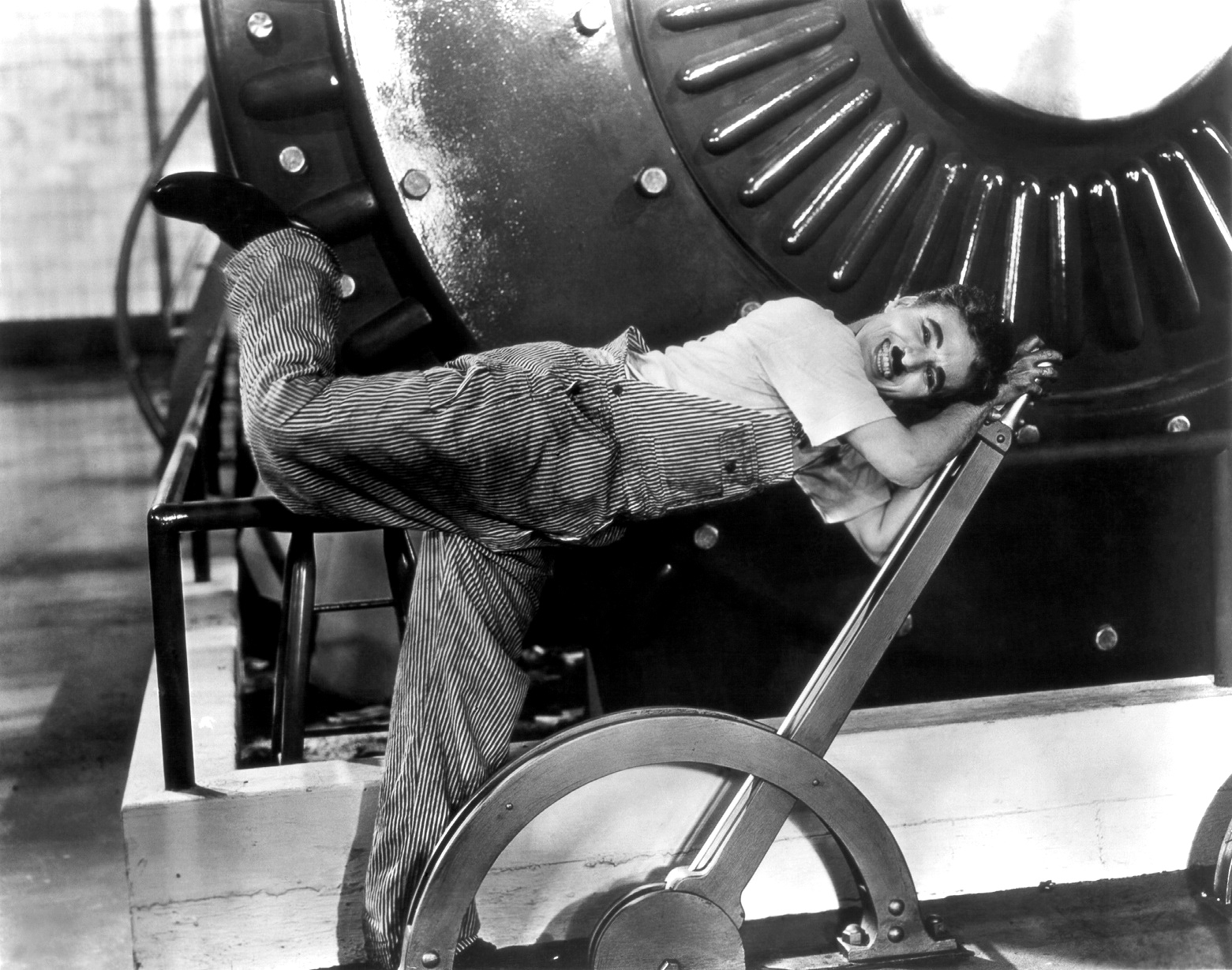
An example of physical comedy as Charlie Chaplin wrestles with factory controls in his 1936 comedy Modern Times

Physical comedy is a form of comedy focused on manipulation of the body for a humorous effect. It can include slapstick, clowning, mime, physical stunts, or making funny faces.[1]

Physical comedy originated as part of the Commedia dell'arte.[2] It is now sometimes incorporated into sitcoms; for example, in the sitcom Three's Company, actor John Ritter frequently performed pratfalls. Cartoons, particularly film shorts, also commonly depict an exaggerated form of physical comedy (incorporating cartoon physics), such as in Tom and Jerry and Wile E. Coyote and the Road Runner.[3]

Examples

[edit]

Charlie Chaplin started his film career as a physical comedian; although he developed additional means of comic expression, Chaplin's mature works continued to contain elements of slapstick.

In the movies, physical comedy is used by, for example,

In television sitcoms, the use of physical comedy was seen in, for example,

See also

[edit]

References

[edit]
Revisions and contributorsEdit on WikipediaRead on Wikipedia
from Grokipedia
Physical comedy is a form of humorous performance that emphasizes nonverbal expression through exaggerated body movements, gestures, facial expressions, and physical antics to generate laughter, often transcending language barriers and appealing universally across cultures. Rooted in ancient theatrical traditions, it encompasses techniques such as —involving props for simulated violence like trips, pratfalls, and collisions—and , which uses illusionary gestures to convey stories without words, drawing from Greco-Roman and later refined in forms like . Historically, physical comedy evolved from ritualistic folk performances and Greek in the BCE, through Italian in the 16th century with agile characters like , to 19th-century and the era, where it flourished via innovations like the Lumière brothers' cinematograph. Key performers include , who in the early 1800s established the modern whiteface with and heavy makeup in ; silent film icons (as ) and , known for precise timing and stoic reactions to chaos; and 20th-century figures like , who advanced through Bip the , alongside television stars and for pratfalls and elastic physicality. In contemporary contexts, physical comedy persists in theater, film, and television, influencing works like Rowan Atkinson's series and modern clowning by artists such as , blending tradition with innovative improvisation.

Definition and Characteristics

Core Principles

Physical comedy is a form of humor primarily derived from the body's movements, accidental mishaps, and visual absurdities, rather than relying on spoken words or verbal . This style emphasizes the performer's physical actions to create comedic effect, often through exaggerated gestures or clumsy interactions with the environment that highlight human vulnerabilities. As the most universal type of humor, it taps into shared bodily experiences, such as limitations in coordination, balance, or , making it accessible across cultures without the need for linguistic barriers. Central to its effectiveness are several key attributes: precise timing and rhythm, which build anticipation and deliver punchlines through physical beats; exaggeration of movements to amplify everyday actions into absurd spectacles; surprise generated by incongruity, where expected outcomes are subverted by unexpected physical failures; and the simulated physical risk, as seen in pratfalls or chaotic chases, which heightens tension before resolving harmlessly. These elements work together to engage audiences kinesthetically, fostering a visceral response that underscores the body's role in comedy. Slapstick serves as a classic example of these principles in action. Psychologically, physical comedy provokes by blending empathy for the performer's simulated struggles with , the pleasure derived from observing others' benign misfortunes, which reassures viewers of their own relative safety. This dual mechanism aligns with that view as a response to perceived vulnerabilities, allowing audiences to vicariously experience and release tension through shared human frailties without real harm. From an evolutionary perspective, physical comedy predates verbal language, functioning as a primordial tool in to signal playfulness, build social bonds, and communicate mutual among early hominids and even great apes through laughter-like vocalizations during physical interactions. This form of humor likely evolved to facilitate cooperation and emotional connection, enhancing group cohesion in pre-linguistic societies by mimicking survival-related physical scenarios in a non-threatening way.

Distinction from Other Humor Forms

Physical comedy distinguishes itself from verbal comedy primarily through its independence from , relying instead on visual and kinetic actions to generate laughter. Verbal comedy, such as puns or , depends on linguistic manipulation and cultural for its effect, often failing to translate across language barriers. In contrast, physical comedy employs bodily movements and exaggerated gestures that are universally accessible, evoking humor through immediate visual without requiring . Unlike situational comedy, which derives humor from interpersonal dynamics, misunderstandings, or plot circumstances among characters, physical comedy centers on the body's direct interaction with the environment as the core source of amusement. In situational formats, physical elements may amplify comedic tension—such as a character tripping during a heated argument—but the primary driver remains the unfolding scenario rather than the physical act itself. This kinetic focus allows physical comedy to stand alone, even in silence, whereas situational humor often integrates verbal exchanges to build narrative context. Physical comedy also diverges from satire and intellectual humor, which prioritize cognitive engagement and social critique over bodily spectacle. employs irony or to target institutions or behaviors, demanding audience analysis of underlying meanings, while intellectual humor rewards through logical twists or philosophical insights. Physical comedy, by comparison, bypasses such mental processing, using raw physicality to elicit instinctive responses like surprise or with human . In hybrid forms like dark comedy, physical elements contribute visceral impact but serve secondary roles to thematic exploration of subjects. For instance, bodily depictions in dark narratives heighten discomfort and around mortality or stigma, yet the humor stems mainly from ironic commentary on societal norms rather than the actions alone. This integration underscores physical comedy's adaptability, though its pure form avoids such layered cognition. Exaggerated physicality in physical comedy shares traits with , emphasizing non-verbal expression.

Historical Development

Ancient Origins

The roots of physical comedy can be traced to prehistoric and early human societies, where tribal rituals, dances, and mock fights incorporated physical exaggeration to elicit communal laughter and reinforce social bonds. Anthropological evidence from ancient Mesoamerican cultures, such as the Maya, reveals ritual clowns and spoofs involving acrobatic performances and excessive behaviors during ceremonies, serving as a form of ritual merriment that blended humor with religious practice. Similarly, in and European , depictions of paired figures engaging in what appear to be ritual duels or mock combats, along with acrobatic figures, indicate early instances of exaggerated physicality in ritual and communal settings. These practices highlight how physical antics predated formal theater, functioning as a universal mechanism for stress relief and group cohesion in pre-literate societies. In , physical comedy emerged prominently in , exemplified by the plays of in the 5th century BCE, which featured acrobatic through exaggerated costumes, masks, and bodily distortions to amplify humorous effects. Actors donned oversized phalluses, padded bellies and buttocks, and grotesque masks to caricature social figures, creating visual and kinetic comedy that relied on physical absurdity rather than solely verbal wit. This style drew from Dionysian rituals, where phallic processions and boisterous satyr plays incorporated tumbling, mimicry, and slapstick-like interactions to mock authority and celebrate fertility. ' works, such as The and The , integrated these elements into structured performances at festivals like the , blending with physical spectacle to engage audiences through bodily humor. Roman theater further developed these traditions through and troupes, which emphasized improvised physical comedy from the BCE onward. Originating from the Oscan region near Atella, these short, masked farces featured stock characters like the hunchbacked fool Bucco and the glutton Maccus, engaging in outlandish chases, beatings, and pratfalls depicted on ancient vases and Pompeian frescoes. Unlike more literary Greek forms, Atellan plays prioritized lowbrow physicality—slaps, trips, and exaggerated gestures—performed by amateur troupes at festivals, influencing later professional acts that toured the empire with acrobatic routines and props for comic violence. This native Italian genre provided a bridge to subsequent European , sustaining elements of bodily farce amid the dominance of adapted Greek New Comedy. During the medieval period, physical comedy evolved through jesters and fool characters in European courts and festivals, serving as precursors to the structured improvisation of . Court fools, emerging around the 13th century, performed antics like tumbling, mock duels, and exaggerated to entertain while subtly critiquing power, often using bells, baubles, and physical distortions for visual humor. These figures drew from Roman mime traditions that persisted through the , with itinerant performers incorporating elements in mummer plays and rituals across and . By the late , such antics influenced the nascent professional troupes in , where fools' physical satire laid the groundwork for masked characters and (comic bits) in emerging theater forms. A pivotal development occurred in 16th-century Italian theater with the introduction of the batocchio, a wooden prop consisting of two hinged slats that produced a loud slapping without causing injury, marking the first recorded use of a dedicated slapstick-like device in . Carried by the character Arlecchino (Harlequin), the batocchio enabled performers to stage exaggerated blows and chases, enhancing the physical comedy of improvised scenarios. This innovation, documented in early Commedia scenarios from the 1540s, symbolized the transition from medieval folk antics to professional stage , amplifying auditory and visual impact in outdoor performances.

Modern Evolution

In the late 19th century, physical comedy flourished in the circuits of the and the music halls of Britain and , where professional troupes staged variety shows featuring acrobatic stunts, pratfalls, and exaggerated gestures to entertain working-class audiences amid rapid industrialization. These formats emphasized broad, accessible humor through live performances that blended with novelty acts, fostering the rise of organized comedy ensembles that toured urban theaters and promoted a sense of communal . Vaudeville's structured bills, typically comprising 7 to 10 acts, integrated physical gags as a core element, influencing the commercialization of humor and setting the stage for its migration to . The transition to early 20th-century marked a pivotal evolution, as the lack of synchronized sound necessitated reliance on visual and physical gags to convey humor, amplifying the form's emphasis on motion and exaggeration. Mack Sennett's Keystone Studios, founded in 1912, pioneered chaotic ensemble comedy through innovations like the Keystone Kops series, which featured frenzied car chases, pratfalls, and improvised stunts that captured the era's kinetic energy and critiqued modern urban life. This approach revitalized for the screen, drawing from traditions while exploiting film's ability to depict impossible physical feats without auditory cues, thus establishing physical comedy as a foundational genre in cinema. Scholars note that these shorts, often one- or two-reelers, prioritized rapid pacing and visual irony, where exaggerated actions produced comedic dissonance without implying real harm. Following , physical comedy adapted to television and animation, shifting toward broadcast-friendly formats that combined serialized with amplified visual humor to suit home audiences. Warner Bros.' and series, evolving from their roots, exemplified this by integrating synchronized sound effects, music, and grotesque physical violence—such as anvil drops and elastic deformations—into structured narratives during the and . Innovations like "schizophonic ," where recontextualized everyday sounds (e.g., metallic clangs for impacts) heightened the of cartoon bodies, allowed to thrive in shorter, episodic formats suitable for TV syndication. This era's emphasis on audiovisual rhythm and participatory gags laid the groundwork for 's enduring role in physical humor, contrasting with more restrained live-action television while maintaining broad appeal. The 21st century brought digital shifts that democratized physical comedy through on platforms like , where viral videos of stunts, pranks, and fails echoed vaudeville's immediacy but leveraged global sharing for rapid dissemination. CGI enhancements in films and video games further evolved the form by enabling hyper-realistic yet impossible physical antics—such as seamless body distortions or zero-gravity chases—reducing risks for performers while amplifying comedic exaggeration. In like , players generate emergent physical humor through avatar mishaps, blending traditional with participatory digital mechanics to create novel, shareable experiences. This integration of technology has sustained physical comedy's vitality, adapting it to fragmented online consumption while preserving its core reliance on bodily absurdity. This evolution has continued to short-form video platforms like , where user-generated pranks and physical challenges frequently achieve viral status as of 2025.

Key Techniques

Slapstick Mechanics

Slapstick mechanics revolve around the deliberate orchestration of exaggerated physical actions that simulate violence or mishaps without causing actual injury, relying on props and choreographed movements to amplify comedic effect. Common elements include the use of items like cream pies thrown in faces or banana peels placed for slips, which create visual chaos through sudden impacts or falls that disrupt everyday scenarios. This form of physical comedy derives from intentional feats with props or the body, emphasizing broad, cartoonish disruption over subtle . Central to slapstick's execution is precise timing and , which sequences around build-up, , and explosive release to heighten humor. Performers create tension through deliberate pauses or escalating actions leading to the gag's payoff, such as a slow-motion wind-up before a pratfall, ensuring the audience's aligns with the rhythmic beat of the disruption. This durational incongruity—mismatched expectations of timing—forms the core of comedic impact, with rhythms mimicking musical cadence to guide viewer reactions. Safety protocols have evolved to mitigate risks inherent in these high-impact routines, incorporating historical innovations like breakaway props—furniture or objects designed to shatter harmlessly, such as sugar-glass bottles—and padding beneath fall zones. In early film examples, performers like employed preparatory tests, such as dropping dummies to verify mattress padding, to minimize dangers during daring sequences. Modern productions involve professional stunt coordinators who choreograph every element, from wire work to collisions, ensuring compliance with industry standards for performer protection while maintaining the illusion of peril. Variations in slapstick mechanics span from low-budget adaptations, which favor simple, reusable props like wooden batons for sound effects and minimal setups to enable quick resets, to high-production versions that integrate advanced , , and multi-camera for amplified spectacle. iterations, rooted in traditions, prioritize live improvisation and audience interaction with basic physical gags, whereas cinematic approaches leverage editing and CGI to enhance scale, as seen in coordinated ensemble stunts that build layered chaos.

Exaggerated Physicality

Exaggerated physicality in physical comedy relies on the performer's body as the primary instrument for humor, employing , , and fluid non-prop movements to defy natural limitations and evoke through . Core methods include elastic movements, where actions like walking or gesturing are stretched into bouncy, prolonged extensions that mimic cartoonish resilience, and impossible contortions that twist the body into unnatural poses to heighten comedic tension. Synchronized group antics further amplify this, as performers coordinate elastic dodges, bends, and leaps in unison to create chaotic , turning individual distortions into collective mayhem. The exemplified these techniques in their vaudeville-derived routines, particularly through Harpo Marx's chaotic physical presence, which featured signature leg lifts, wild contortions, and chases that synchronized with his brothers' movements for escalating . Harpo's silent, body-driven gags, such as exaggerated horn-honking sprints or improbable escapes involving full-body twists, relied solely on elastic distortion to convey without dialogue or props, influencing generations of non-verbal humor. These , honed in films like Duck Soup, showcased impossible contortions in mirrored illusions and synchronized evasions, blending individual elasticity with ensemble precision to mock social norms. Mime techniques, central to exaggerated physicality, utilize invisible props and gesture-based humor to simulate interactions with imagined objects, creating comedic illusions through precise body control. , a pivotal figure in modern , popularized this approach with his character Bip, employing subtle yet amplified gestures—like pushing against unseen walls or climbing imaginary ropes—to evoke humor from everyday frustrations, validating the power of actions over words in silent performance. His influence extended gesture-based by demonstrating how non-prop movements could "make the invisible visible," inspiring performers to distort postures for emotional exaggeration without verbal cues. Facial and postural exaggerations play a crucial role in amplifying physical gags, where performers contort expressions and stances to underscore or , drawing audiences into the humor through heightened emotional display. Over-the-top facial grimaces, such as wide-eyed shock or pursed-lip , combine with postural distortions—like shrinking the frame to feign bashfulness or lurching forward in mock surprise—to magnify internal conflicts and failures, turning subtle reactions into laugh-inducing spectacles. In clowning traditions, these elements synchronize with to human traits, as seen in exercises where exaggerated or in mundane acts like face-washing escalates to hilarity. Training for exaggerated physicality draws heavily from physical comedy schools and circus disciplines, emphasizing flexibility and body awareness to master elastic and contorted movements. Institutions like The Actors Gymnasium integrate circus techniques, such as and classes, with clowning labs that build resilience through stretching, , and drills, enabling performers to achieve the required elasticity for non-prop gags. Programs at The Clown School further refine these skills via self-paced units on , escalation, and character development, fostering the postural control needed for synchronized antics and amplification. Circus influences, including aerial and tumbling practices, enhance overall flexibility, allowing comedians to safely execute impossible distortions while maintaining comedic timing.

Notable Performers and Traditions

Pioneering Figures

, active in the early 19th century, is considered a foundational figure in modern physical comedy, particularly through his development of the whiteface clown in English . Performing at Theatre, Grimaldi's acrobatic feats, pratfalls, and exaggerated makeup influenced clowning traditions, blending humor with athleticism in shows like Harlequin and Mother Goose (1806). His legacy paved the way for later adaptations in and . Charlie Chaplin emerged as a foundational figure in physical comedy during the era, particularly through his iconic character, which debuted in shorts like in 1914. The , a bowler-hatted vagrant with a cane and mustache, embodied a blend of antics and emotional , allowing Chaplin to explore themes of resilience amid hardship in films such as The Kid (1921) and (1925). This duality—combining physical gags like pratfalls and chases with poignant expressions of vulnerability—elevated physical comedy beyond mere farce, making it a vehicle for during the 1910s to 1930s. Buster Keaton, active primarily in the 1920s, pioneered a deadpan style of physical comedy characterized by stoic facial expressions amid escalating chaos and elaborate, self-performed stunts. In films like The General (1926), Keaton's character navigates perilous situations—such as train chases and acrobatic falls—with unflinching composure, relying on precise timing and innovative camera work to heighten the absurdity and danger. His approach emphasized the body's resilience and ingenuity, performing feats like bridging a gap between buildings without safety nets, which underscored the raw athleticism central to his contributions from the mid-1910s to the late 1920s. Harold Lloyd developed thrill-comedy in the 1910s to 1940s, integrating physical humor into relatable, everyday urban settings through his "Glasses" character, an optimistic . Films such as Safety Last! (1923) featured daring climbs and precarious stunts, like the famous clock-hanging sequence on a , where Lloyd's real-life risks amplified the tension and humor of ordinary aspirations turning extraordinary. This style fused with , using authentic locations to ground the comedy in realism and heighten audience empathy. These pioneers adapted physical comedy from and theater traditions to the cinematic medium, transforming stage-bound timing and spatial gags into dynamic visual storytelling. Chaplin's rhythmic edits and expressive close-ups, Keaton's long takes showcasing stunt precision, and Lloyd's location-based sequences exploited film's ability to manipulate scale and perspective, influencing narrative pacing and the integration of action with in subsequent . Their innovations established core techniques for silent-era physical humor, laying groundwork for later performers to refine these elements in evolving media.

Cultural Traditions

Physical comedy manifests distinctly across various cultural traditions, adapting to local performance forms and social contexts while emphasizing bodily expression for humor. In European traditions, , originating in 16th-century , exemplifies physical comedy through its stock characters and improvised scenarios. (Arlecchino), a agile servant from , is renowned for his acrobatic feats, gluttony, and use of a batacchio () for comedic blows, often performing dazzling leaps and tumbles in —rehearsed interludes of comic business that highlight physical skill. (Pedrolino), a naive and sweet-natured counterpart, contributes to the clowning dynamic with his unmasked, white-faced appearance and subtle physical awkwardness, evolving into a symbol of artistic melancholy while participating in ensemble gags that blend mime and exaggeration. These elements influenced broader European clowning, spreading to France where they inspired and masked performances that prioritized and visual humor over dialogue. Asian traditions integrate physical comedy into stylized theatrical forms, balancing verbal narrative with bodily gestures. In Chinese opera, particularly Peking opera, the chou (clown) role employs physical comedy through improvisation, comedic timing, and acrobatic stunts, including stylized falls that symbolize defeat or supernatural elements, requiring performers to master precise muscular control from rigorous training starting in childhood. These falls, often executed with symbolic flourishes like the "zombie fall" in martial sequences, combine , , and combat to evoke laughter amid dramatic tension. African and Indigenous traditions often embed physical comedy in communal storytelling and rituals, using mimicry and dance to satirize social norms. Among Yoruba communities in West Africa, indigenous performances like the Efe and Alatipa incorporate mimicry and dance to deliver scathing humor, exaggerating human follies through rhythmic movements and imitative gestures that confront moral issues while entertaining. The Udje dance of the Urhobo people further exemplifies this, where physical syncopation and bodily mimicry create satirical humor, merging song, dance, and imitation to preserve cultural critique. In various Indigenous North American traditions, storytelling through dance employs mimicry of animals or daily life for humorous effect, with performers using exaggerated movements to convey narratives and evoke communal laughter, as seen in powwow dances that blend ritual with playful physicality. Contemporary global fusions adapt physical comedy to , blending traditional elements with modern narratives. Bollywood films frequently employ , featuring exaggerated physical gags like chases, falls, and crude antics that draw from universal comedic tropes while incorporating Indian cultural motifs, as evident in the of genres since the . This physical humor, often involving violent yet cartoonish interactions, provides accessible laughs amid song-and-dance sequences. In Latin American telenovelas, physical gags enhance dramatic , with sight gags like accidental plunges or mishaps punctuating emotional plots, as in adaptations that retain the format's emphasis on bodily exaggeration for comedic relief. These fusions reflect ongoing exchanges, revitalizing physical comedy in popular entertainment.

Impact and Examples

Influence on Media

Physical comedy has profoundly shaped cinema and television, evolving from the visual gags of shorts, where relied on exaggerated physical actions and sight gags to convey humor without dialogue. This form transitioned to sound-era television in the 1950s through sitcoms like , where Lucille Ball's innovative physical antics—such as turning everyday tasks into chaotic pratfalls—drove the show's success and set new production standards with three-camera filming to preserve authentic comedic timing. Ball's mastery of nonverbal physical humor challenged gender norms in comedy, influencing subsequent TV formats by emphasizing visual storytelling over verbal wit. In animation, physical comedy found amplified expression through depictions of impossible physics, particularly in and productions, where characters routinely violated natural laws for comedic effect. , emerging from the Termite Terrace era, incorporated mechanics like delayed gravity realization—where figures like Wile E. Coyote plummet only after acknowledging their predicament—and gadget malfunctions, echoing traditions while adding layers of absurdity through collisions and acrobatic mishaps. animations, by contrast, employed squash-and-stretch techniques to exaggerate movements in a semi-realistic manner, enhancing physical gags in shorts and features to heighten emotional and visual impact without fully abandoning plausibility. These innovations not only popularized but also broadened animation's appeal as a medium for universal, timing-based humor. The influence extends to interactive media like video games and digital platforms, where physical comedy manifests through player-driven contingencies and shared online content. In video games, slapstick arises from unpredictable interactions, such as character collisions or control losses in titles like Counter-Strike, captured in "mischief videos" and fail compilations that parody in-game physics for humorous effect. On the internet, memes and TikTok challenges repurpose physical humor via visual clips of pranks, mime, and exaggerated failures, fostering participatory slapstick that builds community through relatable, low-stakes absurdity. Beyond specific formats, physical comedy's nonverbal essence enhances media accessibility for global, non-verbal audiences by relying on universal cues like facial expressions and that transcend linguistic barriers. Productions such as demonstrate this through shared human experiences of awkwardness and surprise, conveyed via physical antics in both live-action and animated forms, allowing broad cross-cultural engagement without reliance on spoken dialogue. This quality makes physical humor particularly inclusive, appealing to diverse viewers including those with language limitations or in multilingual contexts.

Iconic Scenes

One of the earliest and most influential examples of physical comedy in film is the chaotic chase scenes featuring the Keystone Kops, a group of bumbling policemen created by in the . These sequences, often involving high-speed pursuits through urban settings filled with pratfalls, collisions, and exaggerated stunts, exemplified slapstick's reliance on accelerated film speeds to heighten the absurdity and vigor of the action. The Kops' routines, which included tumbling over obstacles and piling into heaps, set a template for visual humor that prioritized physical disruption over dialogue, influencing generations of comedians. In the 1990s, Rowan Atkinson's revived silent-era physical comedy through sequences like the supermarket shopping chaos, where Bean navigates aisles with clumsy precision, leading to escalating mishaps. This scene showcases Atkinson's mastery of and expressive gestures, turning everyday errands into a of errors without relying on words. The humor arises from Bean's childlike determination clashing with adult constraints, making the physical gags universally relatable across cultures. In animation, the perpetual pursuits of Wile E. after the Road Runner in shorts, particularly the anvil drops, represent a pinnacle of physical comedy from the 1940s onward. Coyote's elaborate contraptions, like suspending an over a cliff only for it to backfire and plummet onto him, highlight the genre's embrace of impossible physics and self-inflicted injury as comedic payoff. These gags, drawn from traditions of disruption and violence, use squash-and-stretch to amplify the impact, turning failure into rhythmic hilarity. On stage and television, Monty Python's "Ministry of Silly Walks" sketch from 1970 satirizes bureaucracy through John Cleese's exaggerated gaits, where characters demonstrate comically inefficient walks funded by a fictional government department. The physicality, including Cleese's lanky frame contorting into asymmetric strides, draws from music-hall traditions while parodying British formality. reveals these movements as 4.7 to 6.7 times more variable than normal walking, underscoring the humor in deliberate awkwardness. Similarly, modern TV like employs pratfalls through Michael Scott's clumsy tumbles, such as his backward fall during a or slip on a wet floor, blending awkward authority with relatable incompetence for cringeworthy laughs. In recent cinema, films like (2024) showcase physical comedy through elaborate stunts and pratfalls, paying homage to the stunt performer's craft, while (2024) incorporates violence amid its superhero action. These scenes endure due to their precise timing—pauses building anticipation before explosive releases—and universality, rooted in shared human experiences of mishap and resilience that transcend language and era. Such elements, including exaggerated physicality and mechanics, allow global audiences to connect viscerally without cultural barriers.

References

Add your contribution
Related Hubs
Contribute something
User Avatar
No comments yet.