Hubbry Logo
Thrombospondin 1Thrombospondin 1Main
Open search
Thrombospondin 1
Community hub
Thrombospondin 1
logo
8 pages, 0 posts
0 subscribers
Be the first to start a discussion here.
Thrombospondin 1
Thrombospondin 1
from Wikipedia

THBS1
Available structures
PDBOrtholog search: PDBe RCSB
Identifiers
AliasesTHBS1, THBS, THBS-1, TSP, TSP-1, TSP1, thrombospondin 1
External IDsOMIM: 188060; MGI: 98737; HomoloGene: 31142; GeneCards: THBS1; OMA:THBS1 - orthologs
Orthologs
SpeciesHumanMouse
Entrez
Ensembl
UniProt
RefSeq (mRNA)

NM_003246

NM_011580
NM_001313914

RefSeq (protein)

NP_003237

n/a

Location (UCSC)Chr 15: 39.58 – 39.6 MbChr 2: 117.94 – 117.96 Mb
PubMed search[3][4]
Wikidata
View/Edit HumanView/Edit Mouse

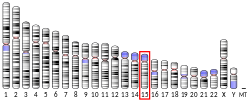
Thrombospondin 1, abbreviated as THBS1, is a protein that in humans is encoded by the THBS1 gene.[5][6]

Thrombospondin 1 is a subunit of a disulfide-linked homotrimeric protein. This protein is an adhesive glycoprotein that mediates cell-to-cell and cell-to-matrix interactions. This protein can bind to fibrinogen, fibronectin, laminin, collagens types V and VII and integrins alpha-V/beta-1. This protein has been shown to play roles in platelet aggregation, angiogenesis, and tumorigenesis.[7][8]

Function

[edit]

The thrombospondin-1 protein is a member of the thrombospondin family. It is a multi-domain matrix glycoprotein that has been shown to be a natural inhibitor of neovascularization and tumorigenesis in healthy tissue. Both positive and negative modulation of endothelial cell adhesion, motility, and growth have been attributed to TSP1. This should not be surprising considering that TSP1 interacts with at least 12 cell adhesion receptors, including CD36, αv integrins, β1 integrins, syndecan, and integrin-associated protein (IAP or CD47). It also interacts with numerous proteases involved in angiogenesis, including plasminogen, urokinase, matrix metalloproteinase, thrombin, cathepsin, and elastase.

Thrombospondin-1 binds to the reelin receptors, ApoER2 and VLDLR, thereby affecting neuronal migration in the rostral migratory stream.[9]

The various functions of the TSRs have been attributed to several recognition motifs. Characterization of these motifs has led to the use of recombinant proteins that contain these motifs; these recombinant proteins are deemed useful in cancer therapy. The TSP-1 3TSR (a recombinant version of the THBS1 antiangiogenic domain containing all three thrombosopondin-1 type 1 repeats) can activate transforming growth factor beta 1 (TGFβ1) and inhibit endothelial cell migration, angiogenesis, and tumor growth.[10]

Structure

[edit]

Thrombospondin's activity has been mapped to several domains, in particular the amino-terminal heparin-binding domain, the procollagen domain, the properdin-like type I repeats, and the globular carboxy-terminal domain. The protein also contains type II repeats with epidermal growth factor-like homology and type III repeats that contain an RGD sequence.[11]

N-terminus

[edit]

The N-terminal heparin-binding domain of TSP1, when isolated as a 25kDa fragment, has been shown to be a potent inducer of cell migration at high concentrations. However, when the heparin-binding domain of TSP1 is cleaved, the remaining anti-angiogenic domains have been shown to have decreased anti-angiogenic activity at low concentrations where increased endothelial cell (EC) migration occurs. This may be explained in part by the ability of the heparin-binding domain to mediate attachment of TSP1 to cells, allowing the other domains to exert their effects. The separate roles that the heparin-binding region of TSP1 plays at high versus low concentrations may be in part responsible for regulating the two-faced nature of TSP1 and giving it a reputation of being both a positive and negative regulator of angiogenesis.[12]

Procollagen domain

[edit]

Both the procollagen domain and the type I repeats of TSP1 have been shown to inhibit neovascularization and EC migration. However, it is unlikely that the mechanisms of action of these fragments are the same. The type I repeats of TSP1 are capable of inhibiting EC migration in a Boyden chamber assay after a 3-4 hour exposure, whereas a 36- to 48-hour exposure period is necessary for inhibition of EC migration with the procollagen domain.[12] Whereas the chorioallantoic membrane (CAM) assay shows the type I repeats of TSP1 to be antiangiogenic, it also shows that the procollagen sequence lacks anti-angiogenic activity. This may be in part because the animo-terminal end of TSP1 differs more than the carboxy-terminal end across species, but may also suggest different mechanisms of action.[13]

TSP1 contains three type I repeats, only the second two of which have been found to inhibit angiogenesis. The type I repeat motif is more effective than the entire protein at inhibiting angiogenesis and contains not one but two regions of activity. The amino-terminal end contains a tryptophan-rich motif that blocks fibroblast growth factor (FGF-2 or bFGF) driven angiogenesis. This region has also been found to prevent FGF-2 binding ECs, suggesting that its mechanism of action may be to sequester FGF-2. The second region of activity, the CD36 binding region of TSP1, can be found on the carboxy-terminal half of the type I repeats.[13] It has been suggested that activating the CD36 receptor causes an increase in ECs sensitivity to apoptotic signals.[14][15] Type I repeats have also been shown to bind to heparin, fibronectin, TGF-β, and others, potentially antagonizing the effects of these molecules on ECs.[16] However, CD36 is generally considered to be the dominant inhibitory signaling receptor for TSP1, and EC expression of CD36 is restricted to microvascular ECs.

Soluble type I repeats have been shown to decrease EC numbers by inhibiting proliferation and promoting apoptosis. Attachment of endothelial cells to fibronectin partially reverses this phenomenon. However this domain is not without a two-faced nature of its own. Bound protein fragments of the type I repeats have been shown to serve as attachment factors for both ECs and melanoma cells.[17]

C-terminus

[edit]

The carboxy-terminal domain of TSP1 is believed to mediate cellular attachment and has been found to bind to another important receptor for TSP1, IAP (or CD47).[18] This receptor is considered necessary for nitric oxide-stimulated TSP1-mediated vascular cell responses and cGMP signaling.[19] Various domains of and receptors for TSP1 have been shown to have pro-adhesive and chemotactic activities for cancer cells, suggesting that this molecule may have a direct effect on cancer cell biology independent of its anti-angiogenic properties.[20][21]

Cancer treatment

[edit]

One study conducted in mice has suggested that, by blocking TSP1 from binding to its cell surface receptor (CD47) normal tissue confers high resistance to cancer radiation therapy and assists in tumor death.[22]

However, the majority of studies of cancer using mouse models, demonstrate that TSP1 inhibits tumor progression by inhibiting angiogenesis.[23][24] Moreover, stimulating TSP1 via over-expressing prosaposin or treating with a small prosaposin-derived peptide potently inhibits and even induces regression of existing tumors in mice.[25][26][27]

Interactions

[edit]

Thrombospondin 1 has been shown to interact with:

References

[edit]
[edit]
Revisions and contributorsEdit on WikipediaRead on Wikipedia
from Grokipedia
Thrombospondin 1 (TSP-1) is a large, multidomain, calcium-binding extracellular glycoprotein encoded by the THBS1 gene on human chromosome 15q14, functioning as a prototypic matricellular protein that modulates cell-to-cell and cell-to-matrix interactions by binding to components such as fibrinogen, fibronectin, laminin, type V collagen, and integrins αVβ1 and α3β1. As a disulfide-linked homotrimer with a molecular weight of approximately 450 kDa, TSP-1 features seven modular domains, including an N-terminal domain that mediates interactions with glycosaminoglycans, calreticulin, and integrins, as well as three thrombospondin type 1 repeats (TSRs) critical for anti-angiogenic activity. TSP-1 plays essential roles in physiological processes, including platelet aggregation during , where it is released from activated platelets and binds fibrinogen to promote clot formation. It also regulates by acting as a potent endogenous inhibitor, suppressing endothelial , proliferation, and survival through direct binding to VEGF, antagonism of VEGFR2 , and activation of apoptotic pathways via receptors like and CD47. Additionally, TSP-1 activates latent TGF-β, influencing , , and immune responses, while modulating signaling to control vascular tone and tissue perfusion. In , TSP-1 is implicated in tumor progression, where its expression can inhibit but also support cancer stem cell survival via signaling, contributing to and therapy resistance. Dysregulated TSP-1 levels are associated with , chronic inflammation, and cardiovascular diseases, such as impaired in TSP-1 null models and endothelial in . Its broad expression, highest in tissues like the appendix and gall bladder, underscores its versatile role in maintaining homeostasis and responding to injury.

Gene and expression

Genomic organization

The THBS1 gene, which encodes thrombospondin 1, is located on the long arm of human chromosome 15 at cytogenetic band q14, with its genomic coordinates spanning from 39,581,079 to 39,599,466 on the reference genome GRCh38 (approximately 19 kb in length). The gene comprises 22 exons interrupted by 21 introns, with the majority of the protein-coding sequence contained within exons 2 through 21. Exon 1 and exon 22 primarily contribute untranslated regions to the mature mRNA. The intron-exon boundaries of THBS1 exhibit structural features that reflect the modular of the encoded protein, including symmetrical exon arrangements for the three type I repeats (encoded by exons 7–9) and a split organization for the heparin-binding domain across two adjacent exons. occurs at specific sites, such as within the 5' and certain internal s, generating minor isoforms alongside the predominant full-length transcript; for instance, Ensembl annotations identify 11 transcripts, though only a produce distinct protein variants. Evolutionarily, THBS1 is highly conserved across species, with orthologs sharing significant sequence identity in coding exons, particularly in domains critical for protein function, and demonstrating homology to other members like THBS2 (TSP2). The thrombospondin originated from ancient events, including a specific duplication that gave rise to the TSP1 and TSP2 lineages approximately 583 million years ago during the era. Subsequent expansions of the , leading to five canonical thrombospondins, were driven by whole-genome duplication rounds early in , followed by lineage-specific gene losses in certain clades.

Regulation and isoforms

The expression of thrombospondin 1 (TSP-1), encoded by the THBS1 gene, is tightly regulated at the transcriptional level by key signaling pathways responsive to environmental stresses. Transforming growth factor-β (TGF-β) potently upregulates THBS1 transcription in fibroblasts, endothelial cells, and other mesenchymal cell types, promoting its role in extracellular matrix remodeling and anti-angiogenic responses. The tumor suppressor p53 directly activates the THBS1 promoter, enhancing TSP-1 expression in response to DNA damage or cellular stress, thereby contributing to angiogenesis inhibition in normal tissues. Similarly, hypoxia-inducible factor-1α (HIF-1α) induces THBS1 transcription under hypoxic conditions in vascular smooth muscle cells and macrophages, facilitating adaptive responses such as enhanced phagocytosis and migration control. Post-transcriptional regulation further modulates TSP-1 levels, primarily through microRNAs (miRNAs) that influence mRNA stability and . Members of the miR-29 family, such as miR-29b, bind to the 3' (UTR) of THBS1 mRNA, suppressing its expression by promoting mRNA degradation or inhibiting , a mechanism implicated in and cancer progression. Other miRNAs, including miR-18a and miR-194, similarly target the THBS1 3' UTR to fine-tune TSP-1 protein output in response to inflammatory or oncogenic signals. The canonical TSP-1 protein is synthesized as a 1170-amino-acid precursor, including a 29-amino-acid signal peptide, yielding a mature monomer of 1141 amino acids with a molecular weight of approximately 130 kDa that oligomerizes via disulfide bonds into a homotrimer of about 450 kDa. Alternative splicing of THBS1 pre-mRNA generates rare isoforms, primarily non-coding transcripts or minor variants that may alter the N-terminal region, though these do not significantly impact the predominant homotrimeric structure or function in most tissues. The Ensembl database identifies at least one such variant (THBS1-203) as a 500-nucleotide non-protein-coding transcript containing intronic sequences. TSP-1 exhibits tissue-specific expression patterns, with particularly high levels in platelets, where it is stored in α-granules and released upon activation to support . It is also prominently synthesized by endothelial cells lining blood vessels and fibroblasts in connective tissues, contributing to local regulation of and repair.

Protein structure

N-terminal domain

The N-terminal domain of thrombospondin 1 (TSP-1), also known as TSPN-1, is a globular region spanning approximately residues 1–210 that initiates the protein's multidomain architecture. This domain features a heparin-binding motif characterized by a polybasic patch of positively charged residues, including R29, K32, R42, R77, K80, K81, and K106, which facilitate interactions with glycosaminoglycans in the extracellular matrix. A single disulfide bond between C153 and C214 stabilizes the domain's core, contributing to its structural integrity at the interface with the adjacent trimerization region. The domain's involvement in oligomerization arises through its connection to a flexible ~30-residue linker that links it to the downstream coiled-coil structure, enabling the formation of TSP-1 trimers essential for the protein's overall quaternary assembly. Crystal structures of TSPN-1, resolved at 1.8 Å and 1.45 Å resolutions, reveal a β-sandwich fold composed of 13 antiparallel β-strands arranged in a concave front sheet and a convex back sheet, with an additional irregular strand-like segment; these structures are deposited in the Protein Data Bank under entries 1Z78 (native form), 1ZA4 (complex with synthetic pentameric heparin Arixtra), and 2ERF (high-resolution native). This fold belongs to the concanavalin A-like lectins/glucanases superfamily, distinguishing TSPN-1 from related domains like those in laminin G. Evolutionarily, the N-terminal domain of TSP-1 exhibits adaptations for matrix binding that trace back to early metazoan ancestors, with a conserved polybasic patch in the G-like region enabling high-affinity interactions with and other glycosaminoglycans. In chordates, including vertebrates, the domain's linkage to a coiled-coil oligomerization motif represents an adaptation from ancestral dimeric forms in basal metazoans to trimeric assemblies, enhancing TSP-1's capacity for stable incorporation into extracellular matrices. These evolutionary features underscore the domain's role in maintaining protein-matrix associations across diverse species.

Central domains

The central region of thrombospondin 1 (TSP-1) encompasses several modular domains that contribute to its overall architecture and functional versatility. Following the N-terminal domain, this area begins with the procollagen-like domain, spanning residues 211-248, which features characteristic Gly-X-Y repeats where X and Y are often or , conferring homology to collagen triple helices and facilitating subunit assembly in the trimeric protein. Adjacent to this is a series of three type I repeats, known as thrombospondin type 1 repeats (TSRs), located at residues 263-475. Each TSR consists of approximately 60 forming a compact, antiparallel β-sheet structure stabilized by three bonds, creating a right-handed spiral groove for recognition. These motifs mediate interactions with glycosaminoglycans and contain key anti-angiogenic sequences, such as the CSVTCG in the second TSR, which binds to inhibit endothelial and proliferation. The central region continues with type II and type III repeats, spanning residues 548-950. The three type II repeats exhibit (EGF)-like folds, characterized by cysteine-rich motifs that support protein-protein interactions and contribute to the protein's adhesive properties. In contrast, the eight type III repeats adopt G-like β-sandwich structures and incorporate multiple calcium-binding sites, typically involving aspartate- and glutamate-rich loops that coordinate Ca²⁺ ions with high affinity. These sites, numbering around 10-13 in the type III region, induce conformational changes that rigidify the domain and modulate accessibility, essential for TSP-1's calcium-dependent functions.

C-terminal domain

The C-terminal domain (CTD) of thrombospondin 1 (TSP-1), spanning residues 951–1170, is a globular lectin-like module with a β-sandwich composed of 15 antiparallel β-strands arranged in a jelly-roll fold. This structure, homologous to L-type , features a concave cleft potentially involved in recognition, supported by conserved calcium-binding sites, including a double-calcium site and additional sites coordinating a total of four calcium ions in the domain. The domain's overall dimensions contribute to a compact assembly (approximately 70 × 50 × 35 ) when linked to the preceding type 3 repeats. Key functional epitopes within the CTD include sequences for receptor interactions, such as the RFYVVMWK motif (residues 1096–1103) that serves as the primary for CD47. Additionally, the adjacent type 3 repeats contain integrin-binding sites, including an RGD motif (residues 972–974) in the seventh type 3 repeat, whose accessibility is modulated by calcium binding in the CTD. The CTD plays a role in stabilizing the oligomeric state of TSP-1 by facilitating non-covalent trimeric assembly of the C-terminal region, which is essential for the protein's conformational integrity, although primary interchain disulfide bonds occur earlier in the sequence. Structural analyses, including NMR , demonstrate calcium-dependent tertiary folding and loop flexibility in the CTD, while cryo-EM reveals it as a single, rigid globule in the calcium-replete form of the full protein.

Biological functions

Angiogenesis regulation

Thrombospondin 1 (TSP-1) serves as a potent endogenous inhibitor of , counteracting the formation of new blood vessels by targeting endothelial cell functions and availability. This regulation is critical in maintaining vascular , where TSP-1 limits excessive neovascularization while allowing controlled vessel development in physiological contexts. A primary mechanism of TSP-1's anti-angiogenic action involves binding to the scavenger receptor on endothelial cells via its type I repeats, which triggers a signaling cascade leading to caspase-3 and subsequent . This interaction specifically inhibits endothelial and migration, thereby suppressing capillary-like structure formation and neovascularization . Additionally, TSP-1 sequesters key pro-angiogenic growth factors such as (VEGF) and fibroblast growth factor-2 (FGF-2) through its N-terminal and central domains, reducing their and disrupting downstream signaling pathways that promote endothelial . For instance, the N-terminal domain binds FGF-2, preventing its association with heparan sulfate proteoglycans in the , while interactions with VEGF limit receptor engagement. In hypoxic environments, TSP-1 expression is upregulated, contributing to vessel normalization by enhancing pericyte recruitment and stabilizing nascent vessels, which mitigates pathological angiogenesis driven by oxygen deprivation. This process balances pro-angiogenic signals, promoting mature, functional vasculature rather than leaky, disorganized networks. Furthermore, TSP-1 exhibits dose-dependent effects on angiogenesis, where low concentrations may support limited vessel sprouting through subtle matrix interactions, whereas higher levels robustly inhibit proliferation and induce endothelial cell death.

Cell adhesion and migration

Thrombospondin 1 (TSP1), a large multidomain matricellular glycoprotein, plays a key role in modulating cell-extracellular matrix interactions that govern adhesion and migration across various cell types. TSP1 mediates adhesion of fibroblasts and endothelial cells primarily through its C-terminal domain, which interacts with integrins such as αvβ3 and α3β1 to facilitate cell attachment and spreading. In endothelial cells, the C-terminal region of TSP1 engages αvβ3 integrin via association with CD47 (integrin-associated protein), enhancing cell adhesion to the extracellular matrix and modulating cytoskeletal reorganization for stable attachment. Similarly, binding to α3β1 integrin via the C-terminal domain promotes fibroblast adhesion, as demonstrated by increased cell spreading on TSP1-coated substrates. These interactions are critical for maintaining cellular integrity in tissues where dynamic adhesion is required. In vascular smooth muscle cells (VSMCs), TSP1 inhibits migration through signaling via its receptor , particularly by antagonizing (NO)-stimulated motility. The C-terminal domain of TSP1 binds , suppressing NO-induced cGMP elevation and downstream activation of protein kinase G. This inhibitory effect is -dependent, as cells lacking show no migration suppression in response to TSP1, highlighting its role in limiting excessive VSMC movement during vascular remodeling. The central type 1 repeats of TSP1 activate latent transforming growth factor-β (TGF-β), influencing cell motility by promoting cytoskeletal changes and remodeling. Specifically, sequences like KRFK (residues 413-415) and GGWSHW (residues 418-423) within these repeats bind and conformationally alter the latency-associated of TGF-β, releasing active TGF-β with an EC50 of approximately 0.06 nM, which in turn upregulates motility-related genes such as those for α-smooth muscle in fibroblasts. This activation reduces cell motility in endothelial cells by enhancing TGF-β-mediated contractility, as evidenced by decreased migration rates in Boyden chamber assays following TSP1 exposure. TSP1 also contributes to neuronal migration by interacting with reelin receptors ApoER2 and VLDLR, facilitating directed movement in the postnatal . The N-terminal domain of TSP1 binds these receptors with high affinity (Kd ~15-30 nM), promoting chain migration of neuroblasts in the rostral migratory stream by stabilizing receptor clustering and downstream Dab1 , which guides neuronal positioning without affecting proliferation. Disruption of this interaction impairs migration efficiency by approximately 47%, underscoring TSP1's supportive role in neurodevelopmental processes.

Physiological roles

In hemostasis and wound healing

Thrombospondin 1 (TSP1) is highly expressed in platelets, where it constitutes a major component of alpha granules and is rapidly released upon platelet activation at injury sites. This release plays a critical role in by promoting platelet aggregation and stabilizing formation. Specifically, TSP1 interacts with fibrinogen to bridge platelets, enhancing fibrinogen binding to the αIIbβ3 on the platelet surface and reinforcing platelet-platelet interactions during clot formation. Additionally, TSP1 facilitates platelet aggregation through interactions with glycoprotein Ib (GPIb) as a counter-receptor for initial under high shear conditions and with to support subsequent firm attachment and activation. In mouse models, TSP1 deficiency leads to impaired hemostasis, characterized by prolonged bleeding times and reduced thrombus stability due to diminished platelet activation and aggregation. These effects highlight TSP1's essential function in modulating cyclic adenosine monophosphate (cAMP) signaling to counteract inhibitory pathways, thereby ensuring efficient clot formation in vivo. Beyond , TSP1 contributes to by facilitating closure through incorporation into the clot, where it supports the recruitment of inflammatory cells such as to the injury site. In TSP1-null mice, exhibit delayed influx and prolonged , underscoring its role in coordinating early inflammatory responses. Furthermore, TSP1 modulates (ECM) remodeling by activating latent transforming growth factor-β (TGF-β), which promotes expression, matrix deposition, and organization essential for tissue repair. Through these mechanisms, TSP1 enhances fibroblast-mediated contraction and epithelial migration, accelerating re-epithelialization and overall resolution.

In immune modulation

Thrombospondin 1 (TSP1) suppresses T-cell activation primarily through its interaction with the -SIRPα signaling pathway, which delivers inhibitory signals that limit T-cell proliferation and production, thereby promoting . This mechanism involves TSP1 binding to on T cells, preventing activation of downstream pathways like signaling and reducing T-cell responsiveness to antigens. In experimental models, TSP1- engagement has been shown to attenuate excessive T-cell responses, highlighting its role in maintaining . TSP1 also modulates polarization toward the anti-inflammatory M2 phenotype, enhancing resolution of immune responses. By activating latent TGF-β and stimulating IL-10 production in , TSP1 shifts their profile from pro-inflammatory M1 to reparative M2 states, which express markers like Arg1 and CD206. This polarization is evident in lung injury models where TSP1 treatment promotes M2-associated secretion and tissue repair. Research as of 2023 has elucidated TSP1's interaction with dendritic cells (DCs), where it inhibits and DC maturation via signaling. TSP1 binding reduces co-stimulatory molecule upregulation on DCs, impairing their ability to prime T cells and fostering tolerogenic responses.

Role in disease

In cancer progression

Thrombospondin 1 (TSP-1) exhibits a dual role in cancer progression, acting as a suppressor in early tumor stages while promoting advancement in later phases. In initial tumor development, TSP-1 inhibits by binding to the receptor on endothelial cells, which disrupts pro-angiogenic signaling pathways such as those mediated by (VEGF). This interaction triggers Src inhibition and activates phosphatase , thereby blocking VEGF receptor-2 and endothelial cell , migration, and tube formation. Consequently, TSP-1 limits vascular support for tumor growth and early metastatic spread, as demonstrated in preclinical models where TSP-1 overexpression reduced vascularization and micrometastasis formation. This anti-angiogenic mechanism aligns with its broader capacity to induce endothelial cell and maintain tumor through vascular niche stabilization. In advanced cancers, however, TSP-1 shifts to a pro-tumorigenic function, facilitating epithelial-mesenchymal transition (EMT), migration, and , particularly in . Recent studies show that TGF-β-induced TSP-1 expression in cells interacts with αv (ITGAV) and TGF-β receptor I (TβRI), forming a complex that enhances remodeling and cell motility. High TSP-1 levels correlate with elevated Gleason scores, advanced tumor stages, and in patient cohorts, where it serves as a in CRPC-derived exosomes. This promotes escape by enabling disseminated cells to reactivate and invade, as evidenced by increased metastatic potential in TSP-1-expressing CRPC models compared to low-expression counterparts. Stromal overexpression of TSP-1 in and gynecological cancers is associated with unfavorable outcomes, serving as a poor prognostic indicator. A of 24 studies involving 2,379 patients revealed that elevated TSP-1 expression significantly predicts reduced overall survival ( [HR] = 1.40, 95% CI: 1.17–1.68, P < 0.001), with subgroup analyses confirming stronger associations in and gynecological malignancies. In specifically, stromal TSP-1 upregulation in the correlates with aggressive subtypes and recurrence risk, contrasting its tumor-suppressive effects in epithelial compartments. TSP-1 interactions within the further contribute to , modulating responses to , antiangiogenic agents, and . In 2023 analyses, TSP-1 secreted by stromal and immune cells in the TME impairs drug penetration by altering and composition, while also suppressing antitumor immune infiltration via CD36-mediated effects on macrophages and T cells. This leads to enhanced resistance in solid tumors, where high TSP-1 levels predict poorer therapeutic outcomes and relapse, highlighting its context-dependent role in sustaining malignant progression.

In fibrosis and inflammation

Thrombospondin 1 (TSP-1) promotes dermal by activating latent transforming growth factor-β (TGF-β), which drives differentiation and excessive deposition in hypertrophic scars. This activation occurs through TSP-1 binding to the latency-associated peptide on TGF-β, enhancing Smad2 phosphorylation and synthesis in dermal fibroblasts. Inhibition of this interaction with peptides like LSKL reduces α-smooth muscle expression, a marker of differentiation, thereby attenuating fibrogenesis. In , TSP-1 similarly exacerbates disease progression by facilitating TGF-β release from the small latent complex, leading to increased Smad2/3 signaling and activation in tissue. While TSP-1 facilitates TGF-β release from the small latent complex in , leading to increased Smad2/3 signaling and activation, its deficiency does not reduce Smad or severity, indicating redundant activation mechanisms. TSP-1 ameliorates acute by limiting recruitment and in cutaneous models. In TSP-1 transgenic mice, infiltration is reduced by approximately 50% compared to wild-type controls, accompanied by decreased ear swelling and proinflammatory levels such as IL-1β and TNF-α. Conversely, TSP-1-deficient mice exhibit heightened influx and prolonged , indicating TSP-1's endogenous role in downregulating leukocyte and production. Circulating TSP-1 levels are elevated in patients with systemic sclerosis (SSc), correlating with disease severity and vascular dysregulation. In SSc skin, TSP-1 is upregulated in both involved and uninvolved dermis, driven by TGF-β-dependent mechanisms that contribute to fibrosis. In atherosclerosis models, TSP-1 expression increases in injured hypercholesterolemic arteries, associating with intimal hyperplasia and plaque progression. Higher plasma TSP-1 is also observed in patients with coronary artery disease, linking it to endothelial dysfunction. TSP-1 exerts a protective role in by dampening excessive innate immune responses, as evidenced by recent interactome analyses highlighting its interactions in networks. In pathogen-induced injury models mimicking , TSP-1 limits neutrophilic and bacterial pathology by restricting proinflammatory production and recruitment. This immune-modulatory effect helps prevent tissue damage from overactive responses, with TSP-1 deficiency worsening outcomes in acute pulmonary infections.

Molecular interactions

Receptor bindings

Thrombospondin 1 (TSP1) engages multiple cell surface receptors to mediate its regulatory functions in cellular processes. These interactions primarily occur through specific structural domains of the protein, including its N-terminal region, type I repeats, and C-terminal globular domain. The N-terminal domain of TSP1 binds to , which associates with and to inhibit . TSP1 exhibits high-affinity binding to , also known as integrin-associated protein, with a dissociation constant (K_D) of approximately 12 pM, as determined by cell-based binding assays on Jurkat T cells. This interaction is mediated by a specific motif in the C-terminal domain of TSP1, which ligates the extracellular N-terminal region of and modulates signaling pathways. The type I repeats of TSP1, particularly the thrombospondin type 1 repeats (TSRs), bind to , a scavenger receptor expressed on endothelial and immune cells. This engagement occurs through electrostatic interactions involving positively charged surfaces on the TSRs and negatively charged regions of CD36's C-terminal domain, facilitating anti-angiogenic signaling. TSP1 also interacts with receptors, including α_vβ_3 and β_1 subtypes, to promote . The N-terminal region contains a for the β1 integrin α_3β_1. The type I repeats bind to α_5β_1 s. Additionally, the C-terminal domain features an RGD motif in the seventh type 3 repeat that specifically binds α_vβ_3 with calcium-dependent affinity.

Matrix associations

Thrombospondin 1 (TSP1) binds and primarily through its N-terminal domain, which facilitates the retention of TSP1 within the (ECM). This interaction occurs via specific high-affinity sites in the N-terminal region, allowing TSP1 to associate with heparan sulfate proteoglycans and contribute to matrix stability. TSP1 also interacts with several ECM components, including collagens types V and XI, , and , particularly within the provisional matrix formed during tissue repair processes. These bindings, mediated by distinct domains of TSP1, support the assembly and organization of the provisional ECM scaffold. In ECM remodeling, TSP1 modulates (MMP) activity, notably by inhibiting MMP-9 activation, which limits proteolytic degradation of matrix components. Additionally, TSP1 inhibits plasminogen activation by blocking and , thereby regulating and matrix turnover. During , TSP1 is incorporated into clots through copolymerization with fibrinogen, enhancing clot structure and stability. This integration occurs as polymerizes, positioning TSP1 to influence early matrix formation in the hemostatic plug.

Clinical significance

As a

Thrombospondin 1 (TSP1) serves as a circulating for assessing tumor burden in and s, where elevated plasma levels are associated with advanced disease stages and poorer . In , higher circulating TSP1 concentrations correlate with increased aggressiveness and worse overall survival, reflecting greater tumor progression and potential. Similarly, in , baseline plasma TSP1 levels above normal thresholds indicate higher tumor burden and reduced survival rates, with levels often decreasing post-chemotherapy in responsive cases. In fibrotic conditions, serum TSP1 measurements aid in monitoring disease severity, particularly in (IPF), where elevated levels distinguish patients from healthy controls and correlate with lung function decline. Multicenter studies confirm that plasma TSP1 is significantly higher in IPF cohorts, supporting its role as a non-invasive indicator of fibrotic activity. TSP1 levels also correlate with chemotherapy response across cancers, with recent analyses indicating that higher expression predicts improved sensitivity to agents like and , potentially guiding treatment stratification. For instance, in intrahepatic , elevated serum TSP1 serves as a biomarker for better outcomes, as highlighted in 2023 investigations. Common assay methods for TSP1 detection include enzyme-linked immunosorbent assay () for quantifying circulating levels in plasma or serum, offering high sensitivity for clinical samples. Immunohistochemistry () is widely used for tissue-based evaluation, enabling localization of TSP1 expression in tumor or fibrotic lesions with reliable paraffin-embedded section compatibility.

Therapeutic targeting

Therapeutic strategies targeting thrombospondin 1 (TSP1) primarily focus on modulating its interactions to inhibit pathological processes such as and immune evasion in cancer, while exploring its potential in inflammatory conditions. One key approach involves blocking the TSP1- axis to promote antitumor immunity. The humanized anti- hu5F9-G4 (magrolimab) disrupts TSP1-mediated signaling through , a receptor that inhibits of tumor cells, thereby enhancing macrophage-mediated clearance in . Phase I clinical trials demonstrated that hu5F9-G4 was well-tolerated in patients with advanced solid tumors, with evidence of increased and antitumor activity when combined with rituximab in lymphomas. As of 2025, while early trials showed promise, phase III studies in hematological malignancies such as and (e.g., ENHANCE-2 and ENHANCE-3) did not meet efficacy endpoints and were discontinued due to futility; ongoing trials are evaluating its efficacy primarily in solid tumors. TSP1 mimetics have been developed to harness its antiangiogenic properties for . ABT-510, a mimetic of the type 1 repeats in TSP1, inhibits signaling and endothelial cell migration. In phase II clinical trials for advanced , ABT-510 administered subcutaneously showed manageable toxicity, including injection-site reactions and fatigue, but did not significantly improve compared to historical controls, with an objective response rate of approximately 4%. Similarly, trials in reported stable disease in some patients but limited overall efficacy, leading to discontinuation of further development. Despite these outcomes, ABT-510 demonstrated potential in preclinical models to normalize tumor vasculature, suggesting utility in combination regimens. Gene therapy approaches aim to upregulate TSP1 expression to leverage its regulatory effects in fibrotic diseases. In models of collagen-induced , a condition involving synovial fibrosis and inflammation, adenovirus-mediated delivery of the TSP1 gene reduced joint inflammation, cartilage destruction, and angiogenic activity by inhibiting endothelial cell proliferation. This strategy attenuated disease severity through TSP1's antiangiogenic and immunomodulatory actions, with treated animals showing decreased formation and preserved joint architecture compared to controls. Such gene transfer methods highlight TSP1's potential to counter excessive vascularization and remodeling in fibrotic pathologies, though clinical translation remains exploratory. Disrupting TSP1 signaling has shown promise in enhancing tumor responses to conventional therapies, particularly through improved and sensitization. In preclinical models, TSP1 knockdown increased tumor and infiltration, leading to better penetration of chemotherapeutic agents and heightened sensitivity to treatment. Recent 2024 studies in indicate that inhibiting TSP1 via small-molecule antagonists like disrupts prosurvival signaling, improving overall survival post- and by reducing tumor recurrence rates in patient cohorts. These findings underscore TSP1 blockade as a synergistic adjunct to and , with emerging data supporting targeted delivery improvements in solid tumors.

References

Add your contribution
Related Hubs
User Avatar
No comments yet.