Hubbry Logo
Alexander LuriaAlexander LuriaMain
Open search
Alexander Luria
Community hub
Alexander Luria
logo
8 pages, 0 posts
0 subscribers
Be the first to start a discussion here.
Alexander Luria
Alexander Luria
from Wikipedia

Key Information

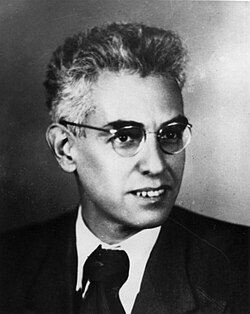
Alexander Romanovich Luria (/ˈlʊəriə/;[1] Russian: Алекса́ндр Рома́нович Лу́рия, IPA: [ˈlurʲɪjə]; 16 July 1902 – 14 August 1977) was a Soviet neuropsychologist, often credited as a father of modern neuropsychology. He developed an extensive and original battery of neuropsychological tests during his clinical work with brain-injured victims of World War II, which are still used in various forms. He made an in-depth analysis of the functioning of various brain regions and integrative processes of the brain in general. Luria's magnum opus, Higher Cortical Functions in Man (1962), is a much-used psychological textbook which has been translated into many languages and which he supplemented with The Working Brain in 1973.

It is less known that Luria's main interests, before the war, were in the field of cultural and developmental research in psychology. He became famous for his studies of low-educated populations of nomadic Uzbeks in the Uzbek SSR arguing that they demonstrate different (and lower) psychological performance from their contemporaries and compatriots under the economically more developed conditions of socialist collective farming (the kolkhoz). He was one of the founders of cultural-historical psychology and a colleague of Lev Vygotsky.[2][3] Apart from his work with Vygotsky, Luria is widely known for two extraordinary psychological case studies: The Mind of a Mnemonist, about Solomon Shereshevsky, who had highly advanced memory; and The Man with a Shattered World, about Lev Zasetsky, a man with a severe traumatic brain injury.

During his career Luria worked in a wide range of scientific fields at such institutions as the Academy of Communist Education (1920–1930s), Experimental Defectological Institute (1920–1930s, 1950–1960s, both in Moscow), Ukrainian Psychoneurological Academy (Kharkiv, early 1930s), All-Union Institute of Experimental Medicine, and the Burdenko Institute of Neurosurgery (late 1930s). A Review of General Psychology survey, published in 2002, ranked Luria as the 69th most cited psychologist of the 20th century.

Life and career

[edit]

Early life and childhood

[edit]

Luria was born on 16 July 1902,[4] to Jewish parents in Kazan, a regional centre east of Moscow. Many of his family were in medicine. According to Luria's biographer Evgenia Homskaya, his father, Roman Albertovich Luria was a therapist who "worked as a professor at the University of Kazan; and after the Russian Revolution, he became a founder and chief of the Kazan Institute of Advanced Medical Education."[5][6] Two monographs of his father's writings were published in Russian under the titles, Stomach and Gullet Illnesses (1935) and Inside Look at Illness and Gastrogenic Diseases (1935).[7] His mother, Evgenia Viktorovna (née Khaskina), became a practicing dentist after finishing college in Poland. Luria was one of two children; his younger sister Lydia became a practicing psychiatrist.[8]

Early education and move to Moscow

[edit]

Luria finished school ahead of schedule and completed his first degree in 1921 at Kazan State University. While still a student in Kazan, he established the Kazan Psychoanalytic Society and briefly exchanged letters with Sigmund Freud. Late in 1923, he moved to Moscow, where he lived on Arbat Street. His parents later followed him and settled down nearby. In Moscow, Luria was offered a position at the Moscow State Institute of Experimental Psychology, run from November 1923 by Konstantin Kornilov.

In 1924, Luria met Lev Vygotsky,[9] who would influence him greatly. The union of the two psychologists gave birth to what subsequently was termed the Vygotsky, or more precisely, the Vygotsky–Luria Circle. During the 1920s Luria also met a large number of scholars, including Aleksei Leontiev, Mark Lebedinsky, Alexander Zaporozhets, Bluma Zeigarnik, many of whom would remain his lifelong colleagues. Following Vygotsky and along with him, in mid-1920s Luria launched a project of developing a psychology of a radically new kind. This approach fused "cultural", "historical", and "instrumental" psychology and is most commonly referred to presently as cultural-historical psychology. It emphasizes the mediatory role of culture, particularly language, in the development of higher psychological functions in ontogeny and phylogeny.

Independently of Vygotsky, Luria developed the ingenious "combined motor method", which helped diagnose individuals' hidden or subdued emotional and thought processes. This research was published in the US in 1932 as The Nature of Human Conflicts and made him internationally famous as one of the leading psychologists in Soviet Russia. In 1937, Luria submitted the manuscript in Russian and defended it as a doctoral dissertation at the University of Tbilisi (not published in Russian until 2002).

Luria wrote three books during the 1920s after moving to Moscow, The Nature of Human Conflicts (in Russian, but during Luria's lifetime published only in English translation in 1932 in the US), Speech and Intellect in Child Development, and Speech and Intellect of Urban, Rural and Homeless Children (both in Russian). The second title came out in 1928, while the other two were published in the 1930s.

In early 1930s both Luria and Vygotsky started their medical studies in Kharkiv, then, after Vygotsky's death in 1934, Luria completed his medical education at 1st Moscow Medical Institute.

Multiculturalism and neurology

[edit]

The 1930s were significant to Luria because his studies of indigenous people opened the field of multiculturalism to his general interests.[10] This interest would be revived in the later twentieth century by a variety of scholars and researchers who began studying and defending indigenous peoples throughout the world[citation needed]. Luria's work continued in this field with expeditions to Central Asia. Under the supervision of Vygotsky, Luria investigated various psychological changes (including perception, problem solving, and memory) that take place as a result of cultural development of undereducated minorities. In this regard he has been credited with a major contribution to the study of orality.[11]

In response to Lysenkoism's purge of geneticists,[12][13] Luria decided to pursue a physician degree, which he completed with honors in the summer of 1937. After rewriting and reorganizing his manuscript for The Nature of Human Conflicts, he defended it for a doctoral dissertation at the Institute of Tbilisi in 1937, and was appointed Doctor of Pedagogical Sciences. "At the age of thirty-four, he was one of the youngest professors of psychology in the country."[14] In 1933, Luria married Lana P. Lipchina, a well-known specialist in microbiology with a doctorate in the biological sciences.[15] The couple lived in Moscow on Frunze Street, where their only daughter Lena (Elena) was born.[15]

Luria also studied identical and fraternal twins in large residential schools to determine the interplay of various factors of cultural and genetic human development. In his early neuropsychological work in the end of the 1930s as well as throughout his postwar academic life he focused on the study of aphasia, focusing on the relation between language, thought, and cortical functions, particularly on the development of compensatory functions for aphasia.

World War II and aftermath

[edit]

For Luria, the war with Germany that ended in 1945 resulted in a number of significant developments for the future of his career in neuropsychology. He was appointed Doctor of Medical Sciences in 1943 and Professor in 1944. Of specific importance for Luria was that he was assigned by the government to care for nearly 800 hospitalized patients with traumatic brain injury caused by the war.[16] Luria's treatment methods dealt with a wide range of emotional and intellectual dysfunctions.[16] He kept meticulous notes on these patients, and discerned from them three possibilities for functional recovery: "(1) disinhibition of a temporarily blocked function; (2) involvement of the vicarious potential of the opposite hemisphere; and (3) reorganization of the function system", which he described in a book titled Functional Recovery From Military Brain Wounds, (Moscow, 1948, Russian only.) A second book titled Traumatic Aphasia was written in 1947 in which "Luria formulated an original conception of the neural organization of speech and its disorders (aphasias) that differed significantly from the existing western conceptions about aphasia."[17] Soon after the end of the war, Luria was assigned a permanent position in General Psychology at the central Moscow State University in General Psychology, where he would predominantly stay for the remainder of his life; he was instrumental in the foundation of the Faculty of Psychology, and later headed the Departments of Patho- and Neuropsychology. By 1946, his father, the chief of the gastroenterological clinics at Botkin Hospital, had died of stomach cancer. His mother survived several more years, dying in 1950.[18]

1950s

[edit]

Following the war, Luria continued his work in Moscow's Institute of Psychology. For a period of time he was removed from the Institute of Psychology, and in the 1950s he shifted to research on intellectually disabled children at the Defectological Institute. Here he did his most pioneering research in child psychology, and was able to permanently disassociate himself from the influence that was then still exerted in the Soviet Union by Pavlov's early research.[19] Luria said publicly that his own interests were limited to a specific examination of "Pavlov's second signal system" and did not concern Pavlov's simplified primary explanation of human behavior as based on a "conditioned reflex by means of positive reinforcement".[20] Luria's continued interest in the regulative function of speech was further revisited in the mid-1950s and was summarized in his 1957 monograph titled The Role of Speech in the Regulation of Normal and Abnormal Behavior. In this book Luria summarized his principal concerns in this field through three succinct points summarized by Homskaya as: "(1) the role of speech in the development of mental processes; (2) the development of the regulative function of speech; and (3) changes in the regulative functions of speech caused by various brain pathologies."[21]

Luria's main contributions to child psychology during the 1950s are well summarized by the research collected in a two-volume compendium of collected research published in Moscow in 1956 and 1958 under the title of Problems of Higher Nervous System Activity in Normal and Anomalous Children. Homskaya summarizes Luria's approach as centering on: "The application of the Method of Motor Associations (which) allowed investigators to reveal difficulties experienced by (unskilled) children in the process of forming conditioned links as well as restructuring and compensating by means of speech ... (Unskilled) children demonstrated acute dysfunction of the generalizing and regulating functions of speech."[22] Taking this direction, already by the mid-1950s, "Luria for the first time proposed his ideas about the differences of neurodynamic processes in different functional systems, primarily in verbal and motor systems."[23] Luria identified the three stages of language development in children in terms of "the formation of the mechanisms of voluntary actions: actions in the absence of a regulative verbal influence, actions with a nonspecific influence, and, finally, actions with a selective verbal influence."[21] For Luria, "The regulating function of speech thus appears as a main factor in the formation of voluntary behavior ... at first, the activating function is formed, and then the inhibitory, regulatory function."[24]

Cold War

[edit]

In the 1960s, at the height of the Cold War, Luria's career expanded significantly with the publication of several new books. Of special note was the publication in 1962 of Higher Cortical Functions in Man and Their Impairment Caused by Local Brain Damage. The book has been translated into multiple foreign languages and has been recognized as the principal book establishing Neuropsychology as a medical discipline in its own right.[25] Previously, at the end of the 1950s, Luria's charismatic presence at international conferences had attracted almost worldwide attention to his research, which created a receptive medical audience for the book.

Luria's other books written or co-authored during the 1960s included: Higher Brain and Mental Processes (1963), The Neuropsychological Analysis of Problem Solving (1966, with L. S. Tzvetkova; English translation in 1990), Psychophysiology of the Frontal Lobes (first published in 1973), and Memory Disorders in Patients with Aneurysms of the Anterior Communicating Artery (co-authored with A. N. Konovalov and A. N. Podgoynaya). In studying memory disorders, Luria oriented his research to the distinction of long-term memory, short-term memory, and semantic memory. It was important for Luria to differentiate neuropsychological pathologies of memory from neuropsychological pathologies of intellectual operations.[26] These two types of pathology were often characterized by Luria as; "(1) the inability to make particular arithmetical operations while the general control of intellectual activity remained normal (predominantly occipital disturbances)... (2) the disability of general control over intellectual processes (predominantly frontal lobe disturbances."[27] Another of Luria's important book-length studies from the 1960s which would only be published in 1975 (and in English in 1976) was his well-received book titled Basic Problems of Neurolinguistics.

Late writings

[edit]

Luria's productive rate of writing new books in neuropsychology remained largely undiminished during the 1970s and the last seven years of his life. Significantly, volume two of his Human Brain and Mental Processes appeared in 1970 under the title Neuropsychological Analysis of Conscious Activity, following the first volume from 1963 titled The Brain and Psychological Processes. The volume confirmed Luria's long sustained interest in studying the pathology of frontal lobe damage as compromising the seat of higher-order voluntary and intentional planning. Psychopathology of the Frontal Lobes, co-edited with Karl Pribram, was published in 1973.

Luria published his well-known book The Working Brain in 1973 as a concise adjunct volume to his 1962 book Higher Cortical Functions in Man. In this volume, Luria summarized his three-part global theory of the working brain as being composed of three constantly co-active processes, which he described as:

  1. the attentional (sensory-processing) system
  2. the mnestic-programming system
  3. the energetic maintenance system, with two levels: cortical and limbic

This model was later used as a structure of the Functional Ensemble of Temperament model matching functionality of neurotransmitter systems. The two books together are considered by Homskaya as "among Luria's major works in neuropsychology, most fully reflecting all the aspects (theoretical, clinical, experimental) of this new discipline."[28]

Among his late writings are also two extended case studies directed toward the popular press and a general readership, in which he presented some of the results of major advances in the field of clinical neuropsychology. These two books are among his most popular writings. According to Oliver Sacks, in these works "science became poetry".[29]

  1. In The Mind of a Mnemonist (1968), Luria studied Solomon Shereshevsky, a Russian journalist with a seemingly unlimited memory, sometimes referred to in contemporary literature as "flashbulb" memory, in part due to his fivefold synesthesia.
  2. In The Man with the Shattered World (1971) he documented the recovery under his treatment of the soldier Lev Zasetsky, who had experienced a brain wound in World War II.

In 1974 and 1976, Luria presented successively his two-volume research study titled The Neuropsychology of Memory. The first volume was titled Memory Dysfunctions Caused by Local Brain Damage and the second Memory Dysfunctions Caused by Damage to Deep Cerebral Structures. Luria's book written in the 1960s titled Basic Problems of Neurolinguistics was finally published in 1975, and was matched by his last book, Language and Cognition, published posthumously in 1980. Luria's last co-edited book, with Homskaya, was titled Problems of Neuropsychology and appeared in 1977.[30] In it, Luria was critical of simplistic models of behaviorism and indicated his preference for the position of "Anokhin's concept of 'functional systems,' in which the reflex arc is substituted by the notion of a 'reflex ring' with a feedback loop."[31] In this approach, the classical physiology of reflexes was to be downplayed while the "physiology of activity" as described by Bernshtein was to be emphasized concerning the active character of human active functioning.[31]

Luria's death is recorded by Homskaya in the following words: "On June 1, 1977, the All-Union Psychological Congress started its work in Moscow. As its organizer, Luria introduced the section on neuropsychology. The next day's meeting, however, he was not able to attend. His wife Lana Pimenovna, who was extremely sick, had an operation on June 2. During the following two and a half months of his life, Luria did everything possible to save or at least to soothe his wife. Not being able to comply with this task, he died of a myocardial infarction on August 14. His funeral was attended by an endless number of people – psychologists, teachers, doctors, and just friends. His wife died six months later."[32]

Main areas of research

[edit]

In her biography of Luria, Homskaya summarized the six main areas of Luria's research over his lifetime in accordance with the following outline: (1) The Socio-historical Determination of the Human Psyche, (2) The Biological (Genetic) Determination of the Human Psyche, (3) Higher Psychological Functions Mediated by Signs-Symbols; The Verbal System as the Main System of Signs (along with Luria's well-known three-part differentiation of it), (4) The Systematic Organization of Psychological Functions and Consciousness (along with Luria's well-known four-part outline of this), (5) Cerebral Mechanisms of the Mind (Brain and Psyche); Links between Psychology and Physiology, and (6) The Relationship between Theory and Practice.[33]

A Review of General Psychology survey, published in 2002, ranked Luria as the 69th most cited psychologist of the 20th century.[34]

[edit]

As examples of the vigorous growth of new research related to Luria's original research during his own lifetime are the fields of linguistic aphasia, anterior lobe pathology, speech dysfunction, and child neuropsychology.

Linguistic aphasia

[edit]

Luria's neuropsychological theory of language and speech distinguished clearly between the phases that separate inner language within the individual consciousness and spoken language intended for communication between individuals intersubjectively. It was of special significance for Luria not only to distinguish the sequential phases required to get from inner language to serial speech, but also to emphasize the difference of encoding of subjective inner thought as it develops into intersubjective speech. This was in contrast to the decoding of spoken speech as it is communicated from other individuals and decoded into subjectively understood inner language.[35] In the case of the encoding of inner language, Luria expressed these successive phases as moving first from inner language to semantic set representations, then to deep semantic structures, then to deep syntactic structures, then to serial surface speech. For the encoding of serial speech, the phases remained the same, though the decoding was oriented in the opposite direction of transitions between the distinct phases.[35]

Frontal (anterior) lobes

[edit]

Luria's studies of the frontal lobes were concentrated in five principal areas: (1) attention, (2) memory, (3) intellectual activity, (4) emotional reactions, and (5) voluntary movements. Luria's main books for investigation of these functions of the frontal lobes are titled The Frontal Lobes,[36] Problems of Neuropsychology (1977), Functions of the Frontal Lobes (1982, posthumously published), Higher Cortical Functions in Man(1962) and Restoration of Function After Brain Injury (1963). [37]

Luria was first to identify the fundamental role of the frontal lobes in sustained attention, flexibility of behaviour, and self-organization. Based on his clinical observations and rehabilitation practice, he suggested that different areas of the frontal lobes differentially regulate these three aspects of behaviour. This suggestion was later supported by the neuroscience investigating frontal lobes. Practically all modern neuropsychological tests for frontal lobes damage have some components that were offered by Luria in his assessment and rehabilitation practice.

Speech dysfunction

[edit]

Luria's research on speech dysfunction was principally in the areas of (1) expressive speech, (2) impressive speech, (3) memory, (4) intellectual activity, and (5) personality.[38]

Child neuropsychology

[edit]

This field was formed largely based upon Luria's books and writings on neuropsychology integrated during his experiences during the war years and later periods. In the area of child neuropsychology, "The need for its creation was dictated by the fact that children with localized brain damage were found to reveal specific different features of dissolution of psychological functions. Under Luria's supervision, his colleague Simernitskaya began to study nonverbal (visual-spatial) and verbal functions, and demonstrated that damage to the left and right hemispheres provoked different types of dysfunctions in children than in adults. This study initiated a number of systematic investigations concerning changes in the localization of higher psychological functions during the process of development."[39] Luria's general research was mostly centered on the treatment and rehabilitation "of speech, and observations concerning direct and spontaneous rehabilitation were generalized."[39] Other areas involving "Luria's works have made a significant contribution in the sphere of rehabilitation of expressive and impressive speech (Tzvetkova, 1972), 1985), memory (Krotkova, 1982), intellectual activity (Tzvetkova, 1975), and personality (Glozman, 1987) in patients with localized brain damage."[39]

Luria-Nebraska neuropsychological test

[edit]

The Luria-Nebraska is a standardized test based on Luria's theories regarding neuropsychological functioning. Luria was not part of the team that originally standardized this test; he was only indirectly referenced by other researchers as a scholar who had published relevant results in the field of neuropsychology. Anecdotally, when Luria first had the battery described to him he commented that he had expected that someone would eventually do something like this with his original research.

Books

[edit]
  • Luria, A.R. The Nature of Human Conflicts – or Emotion, Conflict, and Will: An Objective Study of Disorganisation and Control of Human Behaviour. New York: Liveright Publishers, 1932.
  • Luria, A.R.Higher Cortical Functions in Man. Moscow University Press, 1962. Library of Congress Number: 65-11340.
  • Luria, A.R. (1963). Restoration of Function After Brain Injury. Pergamon Press.
  • Luria, A.R. (1966). Human Brain and Psychological Processes. Harper & Row.
  • Luria, A.R. (1970). Traumatic Aphasia: Its Syndromes, Psychology, and Treatment. Mouton de Gruyter. ISBN 978-90-279-0717-2. Summary at BrainInfo
  • The Working Brain. Basic Books. 1973. ISBN 978-0-465-09208-6.
  • Luria, A.R. (1976). The Cognitive Development: Its Cultural and Social Foundations. Harvard University Press. ISBN 978-0-674-13731-8.
  • Luria, A.R. (1968). The Mind of a Mnemonist: A Little Book About A Vast Memory. Harvard University Press. ISBN 978-0-674-57622-3.
  • (With Solotaroff, Lynn) The Man with a Shattered World: The History of a Brain Wound, Harvard University Press, 1987. ISBN 0-674-54625-3.
  • Autobiography of Alexander Luria: A Dialogue with the Making of Mind. Lawrence Erlbaum Associates, Inc. 2005. ISBN 978-0-8058-5499-2.

In cinema

[edit]
  • Paolo Rosa's film Il mnemonista (2000) is based on his book The Mind of a Mnemonist.
  • Chris Doyle's auteur film Away with Words is largely inspired by Luria's The Mind of a Mnemonist.
  • Jacqueline Goss's 28-minute feature How to Fix the World (2004) is a digitally animated lighthearted parody that "draws from Luria's study of how the introduction of literacy affected the thought-patterns of Central Asian peasants"—description taken from the cover of the DVD Wendy and Lucy (2008), OSC-004, which includes it as an independent supplement to the unrelated feature film. Educational parody. Full 28-minute film is viewable at Vimeo.

See also

[edit]

References

[edit]

Sources

[edit]
[edit]
Revisions and contributorsEdit on WikipediaRead on Wikipedia
from Grokipedia
Alexander Romanovich Luria (16 July 1902 – 14 August 1977) was a Soviet neuropsychologist and psychologist instrumental in establishing modern neuropsychology through empirical studies of brain function and cognitive processes. Born in Kazan, Russia, he graduated from Kazan University in 1921 and later pursued medical training amid evolving Soviet scientific constraints. Luria co-developed the cultural-historical theory of with and Alexei Leontiev, emphasizing how social and cultural tools shape higher mental functions from biological foundations. His cross-cultural expeditions in during the 1930s revealed environment-specific variations in perception and memory, underscoring causal influences of historical context on cognition. During , he advanced remediation techniques for traumatic brain injuries and at military hospitals, producing foundational texts like Traumatic Aphasia (1947). Key innovations included the combined motor method for psychodiagnosis (1932) and tests like the Fist-Edge-Palm sequence to localize cortical dysfunctions, linking observable behaviors to dynamic brain organization rather than rigid modular views. Luria's idiographic case studies, such as those of a with hyperdeveloped (1968) and a with fragmented spatial perception (1972), exemplified his "romantic " approach, prioritizing qualitative depth to reveal causal mechanisms of mind-brain interactions. These contributions, grounded in direct clinical observation and experimental intervention, continue to inform neuropsychological batteries and rehabilitation practices.

Biography

Early Life and Education

Alexander Romanovich Luria was born on July 16, 1902, in , (now , ), to a Jewish family. His father, Roman Luria, served as a professor of and gastroenterologist at Kazan University, providing an environment conducive to early exposure to medical and scientific inquiry. Luria completed secondary school ahead of schedule and enrolled at Kazan State University at age 16 around 1918, graduating with a degree in in 1921 at age 19. While a student, he founded the Psychoanalytic Society in 1922, indicating an initial engagement with Freudian ideas amid the post-revolutionary intellectual ferment. His studies introduced him to Pavlovian , which emphasized objective physiological responses over subjective , prompting a pivot toward experimental approaches in . In the early , following graduation, Luria relocated to , joining the staff of the Psychological Institute of the Communist Academy. There, he pursued research advocating "objective psychodiagnostics," focusing on measurable behavioral reactions to counter the prevailing introspectionist methods dominant in pre-revolutionary Russian . This period marked his transition from provincial academic roots to the center of Soviet psychological innovation, prioritizing empirical tools like reaction-time measurements and motor responses.

Collaboration with Vygotsky and Leontiev

Alexander Luria began his collaboration with in 1924, shortly after completing his medical studies, joining Vygotsky in critiquing and developing a cultural-historical approach to that emphasized the role of social and cultural factors in . This partnership extended to Alexei Leontiev, with whom Luria co-authored early experimental work on motor methods and the mediation of behavior through tools and signs, forming the core of what became known as the Vygotsky Circle—a group of researchers focused on how psychological functions arise from mediated activity rather than innate reflexes. Together, they posited that tools (material artifacts) and signs (psychological tools like ) restructure by enabling voluntary control and higher mental processes, as evidenced in joint studies on children's problem-solving where external aids transitioned to internalized strategies. To test these ideas empirically, Luria led psychological expeditions to in 1931 and 1932, targeting illiterate nomadic and sedentary populations in to examine how cultural practices and schooling influenced thinking patterns. Participants, including unschooled herders and recently schooled farmers, were given tasks such as pictorial (grouping objects by function versus category), syllogistic reasoning (e.g., "In the far north, where there are winters, all the bears are white"), and handling contradictions in practical scenarios. Illiterate subjects predominantly exhibited , empirical thinking tied to immediate experience—rejecting abstract groupings or hypothetical deductions—while those with schooling demonstrated emerging theoretical , such as categorizing by shared attributes or accepting syllogisms despite local irrelevance. These findings supported the collaborators' view of as environmentally mediated, with observable shifts in response patterns attributable to exposure to cultural tools like and formal , rather than fixed biological traits; for instance, schooled individuals restructured problems using generalized concepts, altering behavioral outcomes in controlled tasks. Luria's data, collected through standardized protocols and interviews, highlighted causal links between socio-cultural transitions (e.g., collectivization introducing new mediating artifacts) and cognitive reorganization, providing behavioral evidence for the theory without relying on ideological assumptions. The expeditions yielded quantitative differences—e.g., near-zero abstract responses among illiterates versus increasing with levels—reinforcing the mediated activity framework developed in the Circle.

World War II and Rehabilitation Efforts

During , Luria was drafted into the as a major and assigned to a for the wounded in the Urals region, where he directed efforts in and rehabilitation of soldiers suffering traumatic injuries from . Facing severe resource shortages, including limited access to diagnostic imaging or surgical tools, Luria prioritized qualitative behavioral observation to localize lesions, analyzing how injuries disrupted functional systems such as motor sequencing and speech production rather than relying on isolated symptom checklists. He treated thousands of cases, developing practical tests like the fist-edge-palm sequence—a motor praxis task requiring alternation between making a fist, extending the hand edge, and opening the palm—to detect impairments in frontal lobe-mediated planning and execution, which proved effective for identifying subtle sequencing deficits amid wartime constraints. Luria's wartime protocols extended beyond to active rehabilitation, emphasizing the restoration of adaptive behaviors through structured that leveraged preserved functions to compensate for damaged areas, such as guiding patients in sequential hand movements to rebuild motor programs disrupted by shell fragments or concussions. This approach drew on his pre-war cultural-historical framework but adapted it pragmatically for shell-shocked and TBI-afflicted troops, incorporating motivational elements and patient self-activity to foster neuroplastic reorganization without advanced or equipment. By 1944, Luria was transferred to a hospital, continuing to refine these methods on frontline casualties. Following the war's end in 1945, Luria returned fully to and integrated his wartime innovations into the Neurosurgical Institute's clinic, establishing formalized rehabilitation protocols that shifted focus from static mapping to dynamic functional recovery, training patients in compensatory strategies like verbal mediation for motor tasks to mitigate persistent deficits. These efforts, grounded in empirical observation of over 3,000 cases, underscored the potential for behavioral interventions to restore independence in survivors of penetrating head wounds, influencing Soviet medical practice amid post-war reconstruction.

Post-War Professional Challenges

Following the end of in 1945, Luria was appointed professor in the Department of at , where he resumed teaching and research on higher cortical functions. He simultaneously maintained his affiliation with the Burdenko Neurosurgical Institute in Moscow, applying neuropsychological methods to patients with brain lesions, including those from wartime injuries. These institutional roles enabled Luria to train a generation of Soviet psychologists and neurologists, emphasizing qualitative assessment techniques over standardized testing, though specific protégés like A.R. Halpern contributed to early applications of his diagnostic batteries in clinical settings. The 1950-1951 Pavlovian sessions, joint meetings of the USSR Academy of Sciences and Academy of Medical Sciences mandated by Soviet authorities to enforce Ivan Pavlov's reflexological framework on , presented significant pressures on Luria's work. He publicly self-criticized for attempting to "superimpose the nonspatial organization of behavior on the spatial structure of the brain," conceding to prioritize conditioned reflex explanations in higher mental processes. Despite these formal repudiations, Luria preserved his core empirical approach in subsequent studies, integrating reflex data with qualitative observations of functional systems rather than fully abandoning his holistic model. Amid these constraints, Luria extended his efforts into child neurology clinics during the late and , developing practical diagnostic protocols for developmental disorders and mental backwardness based on observations of over 1,000 cases. His focus remained on syndrome analysis—identifying constellations of symptoms tied to maturation—allowing clinical utility even as biological orthodoxy, including Lysenkoist directives against genetic determinism, limited experimental ' integration into . This pragmatic orientation sustained productivity, with Luria publishing on speech-motor integration in children by while navigating institutional demands for Pavlovian alignment.

Later Career and Death

In the 1960s and 1970s, Luria directed a research laboratory in at , where he oversaw empirical studies on brain functions and higher mental processes, mentoring a generation of psychologists whose methods disseminated globally. As chairman of the Department of in the university's Department, he sustained rigorous clinical assessments and experimental work despite health constraints, producing detailed case analyses that advanced qualitative neuropsychological evaluation. Luria's international engagement intensified during this era, with frequent lectures in the United States leveraging his proficient English to present findings on brain localization and rehabilitation techniques. He corresponded extensively with American neurologist from 1973 onward, discussing patient cases like twin savants and motor apraxias, which highlighted shared interests in individualized brain-behavior dynamics. Luria died of on August 14, 1977, in at age 75, shortly after attempting to meet publication deadlines amid declining health. His laboratory output and translated monographs on and functions received prompt scholarly attention abroad upon his passing.

Theoretical Framework

Cultural-Historical Psychology

Luria's emerged as a of reductionist paradigms in early 20th-century , which decomposed mental processes into innate elemental reflexes or simple physiological responses. He argued that higher mental functions—such as voluntary , logical memory, and abstract reasoning—do not arise from fixed biological primitives but develop through the mastery and internalization of cultural tools and signs, particularly , which restructure via social mediation. This mediation transforms natural psychological processes into culturally shaped forms, enabling goal-directed activity and emphasizing causal pathways rooted in historical socio-economic contexts rather than isolated reflexes. Central to Luria's framework is the principle of cultural-historical conditionality, positing that psychological functions are products of artifact-mediated interactions within specific social environments, where tools like speech serve as psychological instruments for self-regulation and problem-solving. Unlike innate elementalism, this view treats higher functions as dynamic systems formed through collective human activity, rejecting explanations that overlook the transformative role of semiotic systems in development. Empirical evidence from observations underscored cognitive plasticity under varying cultural exposures, illustrating how tool use fosters adaptive thinking patterns while affirming underlying biological readiness as a substrate, thus avoiding over-relativism. In distinguishing from Western behaviorism, Luria rejected its stimulus-response and exclusion of subjective mental life, advocating instead for analyzing psychological phenomena in holistic units that preserve emergent properties arising from mediated social practices. Behaviorism's focus on external contingencies ignored the internal reorganization via cultural signs, whereas Luria's approach prioritized the causal efficacy of historical tools in generating novel behavioral forms, such as planned actions over conditioned reflexes. This orientation maintained by grounding development in environmental interactions without dissolving complex functions into atomic elements.

Integration of Biology and Environment

Luria viewed the as a hierarchically organized dynamic system, divided into functional units that integrate innate biological structures with environmental inputs. The posterior cortical unit, for instance, consists of primary zones dedicated to modality-specific sensory reception, secondary zones that elaborate these inputs through association with accumulated , and tertiary overlapping zones responsible for complex synthesis, , and . This zonal model underscores how raw biological processing of environmental stimuli evolves into higher mental functions mediated by cultural and historical contexts, without reducing to either isolated neural modules or unbound experiential molding. Rejecting pure , Luria's lesion studies revealed that damage to specific neural substrates produces consistent syndromic deficits—such as impaired phonemic analysis from injury—independent of cultural or educational variance, thereby affirming biologically anchored localization within a dynamic framework. These findings countered perspectives by demonstrating that while environment shapes functional systems through mediation, core processing capacities remain tethered to fixed anatomical prerequisites. Luria's emphasis on compensatory reorganization prefigured contemporary concepts, positing that rehabilitation exploits the brain's plasticity by rerouting functions through intact zones or auxiliary pathways, as seen in motor or gnostic restoration efforts where undamaged regions adapt to sustain disrupted operations. This approach highlighted causal interplay, where biological resilience enables environmental interventions to rebuild adaptive systems without presupposing unlimited malleability.

Core Research Areas

Neuropsychological Analysis of Aphasia

Luria's neuropsychological analysis of emphasized syndrome-based assessment, correlating specific brain lesions with patterns of language disruption rather than isolated symptoms. He advocated for qualitative to identify underlying functional deficits, drawing on lesion-behavior mapping from patients with localized damage due to tumors or strokes. This approach contrasted with symptom checklists by focusing on the dynamic organization of speech processes, including phonemic, semantic, and grammatical components. Central to Luria's classification were distinctions between efferent motor aphasia, arising from lesions in the posterior frontal regions (such as ), and afferent motor aphasia, linked to damage in the lower post-central parietal areas. Efferent motor aphasia impairs the programming and sequencing of articulatory movements, resulting in effortful, with preserved comprehension but disrupted syntax and prosody, as observed in patients with anterior perisylvian lesions. Afferent motor aphasia, conversely, disrupts sensory-motor integration for selection and articulatory positioning, leading to literal paraphasias and groping articulations without broader planning deficits; Luria documented this in cases of opercular damage from vascular events. Dynamic aphasia, associated with prefrontal lesions, manifested as reduced verbal initiative and impoverished spontaneous speech despite intact repetition and naming, highlighting frontal contributions to motivational aspects of . Luria's case studies, including tumor resections in the left , illustrated how such damage severed connections to regulatory systems, producing syndrome-specific profiles verifiable through rather than quantitative scoring. Luria further delineated semantic aphasia from parietal-occipital lesions, where patients struggled with logical-grammatical relations, such as reversible sentences (e.g., "The boy chases the dog" vs. "The dog chases the boy"), indicating deficits in synthesizing semantic fields and syntactic dependencies. This contrasted with syntactic impairments in efferent types, underscoring Luria's view of as multilevel disruptions: acoustic-motor at primary zones and higher integrative at association areas. Evidence from 1947-1948 clinical series of lesion-verified patients supported these correlations, prioritizing causal lesion sites over superficial symptom overlap.

Functions of the Frontal Lobes

Alexander Luria conceptualized the as comprising the third functional unit of the , responsible for programming, regulating, and verifying complex behavioral sequences. This unit integrates inputs from posterior cortical areas to form intentions, plan actions, and ensure their appropriate execution and inhibition. In patients with lesions, Luria observed deficits in these processes, manifesting as , , and reduced , distinct from sensory or gnostic impairments associated with damage. Luria's clinical examinations, including wartime cases of penetrating , revealed that damage impairs the ability to initiate and sustain voluntary actions without external cues. Patients exhibited or , performing actions suggested by objects in their environment without purpose, alongside difficulties in shifting strategies during tasks requiring sequential organization. In contrast to parietal lesions, which disrupt and , frontal deficits centered on executive control, with preserved basic perception but failure in action verification. To assess these functions, Luria developed motor programming tests, such as the fist-edge-palm sequence, where participants alternate hand positions in a series. Individuals with frontal lesions struggled to inhibit initial responses or incorporate rule changes, leading to —repeating the first indefinitely—or kinetic melodies without progression. These experiments highlighted motivational deficits, as patients required verbal prompts to overcome , underscoring the frontal lobes' role in self-directed regulation over automated sensory-motor loops. Luria's analysis of prefrontal leukotomies, performed on psychiatric patients in the mid-20th century, documented personality alterations including , , and diminished foresight, rather than mere emotional blunting as proponents claimed. In over 100 cases reviewed, he critiqued the procedure's oversimplification, noting persistent executive impairments like poor planning and social disinhibition, which contradicted views of lobotomy as a targeted calming intervention. These findings, drawn from longitudinal neuropsychological assessments, emphasized causal disruptions in frontal networks for , influencing later ethical reevaluations of psychosurgical practices.

Speech and Motor Dysfunctions

Luria differentiated apraxic speech disorders, in which articulation remains intact but motor programming leads to disorganized sequencing and effortful production, from dysarthric speech characterized by slurred or imprecise pronunciation due to deficits in muscle execution and coordination. He attributed apraxic forms to disruptions in sensorimotor feedback loops involving the pre- and postcentral gyri (Brodmann areas 4 and 1–3), emphasizing higher-order planning over peripheral motor failure. In his examination of praxis, Luria described ideational apraxia as involving conceptual deficits in action schemas, resulting in constructional errors—such as spatial disorganization in drawing or assembly tasks—and sequential mistakes, like omitting steps in multi-part actions or misordering tool use. These impairments reflected failures in parietal-mediated integration of perceptual and motor engrams, distinct from limb execution issues. Kinetic apraxia, conversely, stemmed from premotor cortex lesions (inferior premotor areas), producing difficulties in synthesizing discrete motor elements into smooth, stereotypic sequences, evident in tasks requiring rapid alternation like the fist-edge-palm test. Luria integrated speech-motor functions within cortical-subcortical loops, positing (posterior , areas 44–45) as the terminal node for efferent organization, where extensions overlap with praxis pathways to coordinate phonological and articulatory programs. Damage here yielded apraxic with preserved comprehension but impaired initiative and prosody, underscoring shared mechanisms with non-speech motor planning. Applying this framework to , Luria documented (involuntary repetition) and (neologistic or fragmented output) as manifestations of serial disorganization in motor-speech loops, often with perseverative or echopraxic elements, rather than isolated psychiatric phenomena. His empirical analyses, using qualitative neuropsychological probes, rejected purely psychodynamic or non-organic models by revealing frontal-premotor deficits in action sequencing, akin to traumatic cases, thus advocating for brain-based causal accounts over symptom-descriptive .

Child and Developmental Neuropsychology

Luria's contributions to child and developmental neuropsychology emphasized the assessment of cognitive maturation through dynamic, process-oriented methods rather than static testing. He advocated for evaluating children's performance within the , where tasks solvable only with mediation reveal untapped potential for growth, informing diagnostics of developmental delays or disorders. This approach, developed in collaboration with Vygotsky, distinguished between a child's independent capabilities and those achievable via guided interaction, enabling tailored interventions to support maturation. In studies of children with lesions, Luria established age-specific norms for neuropsychological syndromes, noting that deficits manifest differently across developmental stages due to ongoing functional . Unlike adults, children exhibit greater recovery potential from localized damage, attributed to neural plasticity allowing compensatory reorganization of maturing systems. Longitudinal observations of pediatric patients demonstrated that early interventions leveraging this plasticity could restore higher cortical functions more effectively than in later life. Luria's research on intellectually retarded children highlighted the role of mediated activity in overcoming cognitive limitations. Experiments showed that providing auxiliary tools, such as external cards or prompts during tasks, enabled these children to approximate performance levels of typically developing peers, underscoring defects in self-mediated rather than fixed capacity. This mediation principle guided diagnostic protocols, revealing that apparent intellectual stagnation often reflected underdeveloped cultural tools for thought rather than inherent biological ceilings. Cross-cultural expeditions in Central Asia during 1931 and 1932 provided empirical data on how environmental factors influence child cognitive development. Among unschooled nomadic children, thinking remained predominantly concrete and functional, with classification based on practical utility rather than abstract categories. In contrast, schooled children from the same regions demonstrated accelerated abstraction and generalization, evidencing education's causal role in restructuring psychological processes toward higher forms of reasoning. These findings established schooling as a mediator accelerating developmental trajectories beyond biological maturation alone.

Methodological Developments

Clinical Assessment Techniques

Alexander Luria developed a qualitative, process-oriented approach to clinical neuropsychological assessment that emphasized the analysis of cognitive operations underlying task performance rather than mere quantitative scoring of success or failure. This method, known as syndrome analysis, involved observing the types of errors—such as perseverations, inversions, or anticipatory responses—and the dynamic structure of defects to identify underlying brain dysfunction syndromes. Unlike standardized Western psychometric tests, which rely on normative data and statistical comparisons, Luria's techniques focused on the functional organization of mental processes, patient strategies, and contextual factors like cultural tools or verbal mediation to reveal compensatory mechanisms or breakdowns. Assessments proceeded through staged task variations, from simple materialized actions to abstract verbal levels, allowing clinicians to trace the historical development of performance and pinpoint factor complexes contributing to impairment. In evaluating praxis and motor functions, Luria employed tasks requiring sequential and coordinated movements to detect planning deficits. The fist-edge-palm , a core technique, instructed patients to alternate hand positions—forming a fist, placing the hand edge-down, and laying the palm flat—in rapid succession, often with variations like horizontal versus vertical fist orientation to increase sensitivity. Errors such as sequencing failures or reduced speed highlighted executive and motor planning impairments, particularly in frontal lobe damage, by exposing qualitative disruptions in programming successive actions. Similarly, reciprocal coordination tests assessed bimanual integration through alternating arm or hand movements, revealing symptoms like slowed execution, tension, or breakdowns under acceleration, indicative of kinetic apraxia or higher motor coordination issues. For assessment, Luria utilized acoustic-mnestic tasks involving the recall and of unrelated word series presented auditorily, with comparisons to other modalities such as visual shapes or rhythmic taps to isolate modality-specific deficits. Clinicians varied parameters like presentation rate, word length, or serial position to analyze error patterns, including failures in organization, sequencing, or retrieval, thereby delineating impairments in acoustic-verbal retention versus broader mnemonic processes. This approach extended to observing verbal , where patients' self-instructions during tasks indicated preserved or disrupted regulatory functions. Luria integrated detailed patient narratives and subjective complaints into assessments, viewing the historical onset and progression of symptoms as key for localizing lesions and understanding syndrome evolution. By correlating anamnestic reports with observed performance dynamics, clinicians could infer causal brain mechanisms, such as temporal lobe involvement in amnestic syndromes, while accounting for premorbid factors and adaptive strategies. This holistic emphasis on narrative context complemented behavioral observations, enhancing the precision of qualitative diagnosis over isolated test metrics.

Luria-Nebraska Neuropsychological Battery

The Luria-Nebraska Neuropsychological Battery (LNNB) represents a standardized, quantitative of Alexander Luria's qualitative neuropsychological methods, developed primarily by Charles J. Golden and collaborators following Luria's death in 1977. Initial efforts began with publications in 1978, culminating in the formal battery's release in 1981, which aimed to translate Luria's emphasis on dynamic, process-oriented assessment into a structured format suitable for clinical use in the United States. This adaptation sought to enable localization of brain dysfunction, of neurological impairments, and guidance for rehabilitation planning by assigning numerical scores to observational data traditionally gathered through flexible, examiner-driven probes. The battery's Form I comprises 248 scorable items organized into 11 clinical scales assessing domains such as motor functions, tactile , visual-spatial abilities, receptive and expressive speech, writing, reading, arithmetic, , and , supplemented by summary scales for left and right hemisphere functions and a scale to detect non-neurological influences. Each item is scored on a 0-2 scale (0 for no impairment, 1 for mild impairment, 2 for severe impairment), yielding scaled scores that exceed critical values to indicate deficits, with qualitative descriptors retained for interpretive depth. Factor-analytic studies have identified substructures within scales, such as and frontal systems factors in the scale, supporting subscale refinements for targeted evaluation. Empirical validation efforts, conducted through the 1980s and beyond, demonstrate the LNNB's ( typically above 0.90 for scales) and test-retest reliability (correlations of 0.70-0.90 over intervals of weeks to months), with evidenced by elevated scores in brain-damaged groups compared to normals (effect sizes around 1.5-2.0 standard deviations). It has shown utility in distinguishing lateralized , such as higher left-hemisphere scale elevations in cases, though hit rates for precise localization vary from 70-85% in cross-validation studies against . Contemporary applications integrate LNNB profiles with , enhancing localization accuracy; for instance, correlations with MRI findings in cohorts have confirmed scale sensitivities to prefrontal and temporal disruptions. Criticisms include concerns over scale heterogeneity, where items purportedly measuring discrete functions load onto overlapping factors, potentially inflating issues and complicating interpretations. Early detractors argued that quantifying Luria's qualitative, culturally attuned methods risked oversimplifying dynamic processes, leading to initial misconceptions about incompatibility between approaches, though subsequent research has mitigated this by affirming with established tests like the Halstead-Reitan Battery (correlations of 0.50-0.70 across domains). Standardization on primarily North American samples has prompted critiques of , as Luria's original techniques accounted for educational and sociocultural variances in performance, potentially underrepresenting diverse populations in LNNB norms. Revisions, such as Form II (published ), addressed some psychometric shortcomings through item revisions and expanded norms, but ongoing debates persist regarding over-reliance on cutoff scores without sufficient qualitative integration.

Major Publications

Scientific Monographs

Luria's early monograph The Nature of Human Conflicts (1932) examined the objective measurement of emotional influences on motor behavior and , drawing from experiments on reaction times and in adults and children under stress. The work emphasized quantitative data from psychophysiological tests, such as interference in motor responses during induced conflicts, to argue for a dynamic model of will as adaptive reorganization rather than static equilibrium. In Traumatic Aphasia (1947), Luria classified syndromes observed in Soviet military hospitals during , distinguishing types like efferent motor, afferent motor, and dynamic based on localization and preserved versus disrupted speech components. The text integrated clinical case data with psychological analysis, advocating rehabilitation through targeted exercises to restore phonemic and semantic structures, and was revised in 1959 to incorporate longitudinal recovery patterns. Luria's foundational text Higher Cortical Functions in Man (1962) provided a systematic framework for localizing higher psychological processes, such as , praxis, and speech, to specific cortical zones via detailed neuropsychological assessments. It featured extensive tables of test results from brain-injured patients and schematic diagrams mapping functional systems across frontal, parietal, and temporal lobes, underscoring the distributed, of cognition over modular isolation. This work prioritized empirical validation through standardized qualitative-quantitative methods, avoiding reductionist interpretations in favor of holistic brain-behavior interactions.

Case Studies and Autobiographical Works

Luria's case studies in form exemplified his "romantic science" , which prioritized in-depth, qualitative explorations of individual patients' lives to uncover the dynamic interplay of cognitive faculties and personal history, revealing causal mechanisms underlying neuropsychological phenomena rather than relying solely on experimental abstraction. This approach contrasted with "classical" science's emphasis on isolated variables, instead integrating biographical details to illustrate brain function's contextual variability. In The Mind of a Mnemonist (1968), Luria chronicled over three decades of interactions with Solomon Veniaminovich Shereshevsky, a Soviet encountered in 1925 whose stemmed from intense , transforming abstract data into multisensory images that defied forgetting. Shereshevsky could recall decades-old lectures verbatim but struggled with generalization and imagination, as hindered conceptual synthesis; Luria observed this led to vocational instability, including dismissal from for perceived unreliability, underscoring memory's adaptive costs over mere exceptionalism. The study highlighted how such abilities, while prodigious, imposed cognitive burdens, challenging romanticized notions of savant gifts as unalloyed advantages. The Man with a Shattered World (1972) detailed the post-traumatic of , a soldier struck by a in the left occipital-parietal lobe during on February 23, 1943, which severed visuospatial integration, nominal recall, and while sparing basic motor skills and emotional drive. Zasetsky's self-authored diary, spanning more than 3,000 pages over years of therapy, chronicled his perceptual chaos—such as seeing objects as disjointed fragments—and incremental rebuilding of comprehension through verbal mediation and preserved auditory faculties, demonstrating neuroplasticity's role in holistic reconstitution. Luria's analysis used this firsthand account to trace recovery's causal pathways, emphasizing patient agency in compensating for deficits via intact subsystems. These narratives underscored neuropsychological individuality, where lesion-specific impairments and recoveries formed unique profiles, informing Luria's view of the as a distributed, culturally mediated system rather than a modular .

Legacy and Modern Applications

Influence on Neuropsychology

Luria trained a generation of Soviet neuropsychologists who perpetuated his systemic approach to brain-behavior relations, emphasizing the dynamic organization of higher mental functions across distributed neural networks rather than isolated modules. Key disciples, including Tatyana Khomskaya, extended his work at , integrating qualitative syndrome analysis with empirical studies to cognitive deficits. This Russian school maintained fidelity to Luria's principles post-1977, applying them to rehabilitation and developmental disorders through longitudinal case-based research. His influence disseminated to the West primarily through English translations of core texts, such as Higher Cortical Functions in Man (1962 Russian edition, 1966 English), which introduced to challenge atomistic localizationism. Compilations like Luria's Legacy in the (published 2011) further codified his ideas, inspiring adaptations in by highlighting verifiable brain-process correlations over normative scoring. Luria's process-oriented methodology—focusing on error patterns and compensatory strategies in real-time tasks—contrasted with psychometric traditions reliant on standardized, quantitative batteries, promoting instead flexible, hypothesis-driven probes to delineate impaired functional units. This shaped "Lurian" lineages in , where his extracortical organization principle informed neurolinguistic interventions for immigrant populations, and in the U.S., influencing qualitative extensions in clinical training programs. Empirically, Luria's models prioritized falsifiable predictions from lesion data, outperforming the interpretive vagueness of Freudian by linking specific aphasic syndromes to prefrontal-temporal disruptions via controlled experiments initiated in . His early objective tests of psychoanalytic constructs evolved into rigorous, data-driven frameworks that prioritized causal neural mechanisms.

Applications in Contemporary Research

Luria's fist-edge-palm (FEP) test, originally developed to evaluate motor programming and , remains a staple in contemporary dementia screening protocols. A 2021 prospective study of 202 patients found the FEP test exhibited 92.3% sensitivity and 85.7% specificity in distinguishing (PDD) or (PD-MCI) from cognitively normal (PD-NC), surpassing the clock drawing test (CDT) and requiring less time than the Mini-Mental State Examination (MMSE). A 2023 investigation refined the test by introducing a modified sequence, demonstrating improved detection of impairments in motor planning among healthy adults and clinical populations. In , Luria's qualitative neuropsychological methods guide assessments of cognitive domains such as , , and executive function. A 2015 review synthesized post-Luria applications, emphasizing syndrome analysis to map neurocognitive deficits evident before onset and persisting post-manifestation, thereby informing early intervention strategies. has extended Luria's task-based paradigms by linking behavioral performance to neural substrates. A functional MRI study of the FEP task in healthy participants identified significant activation in the contralateral , particularly the premotor and supplementary motor areas, corroborating Luria's inferences on sequential motor planning and inhibition without relying solely on lesion data. Luria's syndrome-oriented approach informs modern rehabilitation for (TBI), prioritizing individualized functional recovery over standardized testing. The 2023 monograph The Legacy of Alexander Luria: Neuropsychology as a Humane applies his principles to TBI diagnostics, advocating for qualitative evaluations that integrate patient context to foster adaptive compensation and reduce iatrogenic harm in clinical practice.

Criticisms and Controversies

Ideological Pressures in Soviet Science

In the mid-1930s, Soviet authorities issued a banning as a pseudoscientific, bourgeois discipline that allegedly neglected class-based in favor of individualistic assessments. Alexander Luria's involvement in , which emphasized mediated development and was linked to pedological excesses, drew sharp critiques during 1936–1938, resulting in his removal from the Medico-Genetic Institute and a enforced pause in . Critics, such as M. Rudneva in 1937, singled out Luria's contributions to as pernicious influences undermining Marxist educational principles. The imposition of Pavlovian orthodoxy further constrained Luria's theoretical framing, compelling him to recast psychological processes in strictly physiological terms of conditioned reflexes to evade accusations of or . This alignment with Ivan Pavlov's , elevated as state doctrine, limited explorations of higher mental functions while the concurrent Lysenkoist campaign suppressed as incompatible with , prompting Luria to avoid hereditary mechanisms in his work. Amid the Great Purges of 1936–1938, Luria ensured self-preservation by entering in 1937 and specializing in applied , withdrawing from visible theoretical debates to focus on clinical brain injury cases. This pivot sustained his research output through 1947 without ideological confrontation, preserving empirical data integrity beneath obligatory rhetorical conformity to Marxist-Leninist norms.

Debates on Cultural Determinism

Luria's expeditions to in 1931 and 1932 examined cognitive processes among illiterate Uzbek nomads and sedentary farmers, revealing stark differences in task performance. Illiterate participants favored functional, practical classifications (e.g., grouping objects by use, such as a with a for "war needs") over categorical abstractions, and struggled with syllogisms requiring hypothetical deduction, often rejecting that contradicted immediate . Luria interpreted these patterns as that cultural tools—particularly and schooling—mediate higher mental functions, transforming concrete, sensory-bound thinking into abstract, generalized forms, in line with Vygotsky's socio-cultural theory. However, even among mediated groups, performance ceilings persisted, with failures on complex abstractions suggesting innate cognitive limits rather than pure . Critics have argued that Luria's emphasis on cultural underestimates biological constraints, as variations in exhibit consistent "floors" uncorrelated with tool exposure. For instance, illiterate groups uniformly faltered on tasks demanding non-contextual generalization, implying hardwired prerequisites like capacity or perceptual binding, beyond cultural remediation. This challenges strong by highlighting universals: Piagetian stages of logical development appear across societies, with cultural tools accelerating but not overriding maturationally gated milestones. Luria's thus demonstrate modulation of style (e.g., functional vs. categorical) but not elimination of capacity limits, as evidenced by persistent errors in tasks among non-literate subjects, resistant to verbal . Luria himself qualified cultural determinism, positing that mediation presupposes neurobiological maturation; higher functions emerge only when basic brain systems (e.g., , ) are developmentally ripe for tool appropriation. In his framework, as the "tool of tools" reorganizes innate schemas, but without phylogenetic endowments like hemispheric specialization, cultural influences yield minimal reorganization—contra blank-slate views. This aligns with his rejection of biological while insisting on qualitative leaps via culture, yet empirical follow-ups reveal mediation's bounds: schooled approximated but rarely matched urban baselines, underscoring incomplete override of genetic substrates. Contemporary rebuttals invoke twin studies demonstrating heritability of 50-80%, stable across environments and rising with age, indicating genetic factors often supersede cultural inputs in bounding cognitive ceilings. Identical twins reared apart show IQ correlations (0.7-0.8) exceeding those of cultural proxies like SES, suggesting trumps mediation in variance explained— a causal realism Luria's risks downplaying by overattributing universals to tools alone. Such evidence critiques cultural determinism's explanatory overreach, as group IQ disparities persist post-intervention, implying polygenic constraints interact with, rather than yield to, environmental sculpting. Luria's legacy thus prompts balanced models: culture shapes expression, but innate architectures enforce realism against unbounded .

References

Add your contribution
Related Hubs
User Avatar
No comments yet.