Hubbry Logo
Bone scintigraphyBone scintigraphyMain
Open search
Bone scintigraphy
Community hub
Bone scintigraphy
logo
8 pages, 0 posts
0 subscribers
Be the first to start a discussion here.
Bone scintigraphy
Bone scintigraphy
from Wikipedia
Bone scintigraphy
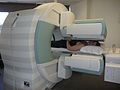
A nuclear medicine whole-body bone scan. The nuclear medicine whole-body bone scan is generally used in evaluations of various bone-related pathology, such as for bone pain, stress fracture, nonmalignant bone lesions, bone infections, or the spread of cancer to the bone.
ICD-9-CM92.14
OPS-301 code3-705
MedlinePlus003833

A bone scan or bone scintigraphy /sɪnˈtɪɡrəfi/ is a nuclear medicine imaging technique used to help diagnose and assess different bone diseases. These include cancer of the bone or metastasis, location of bone inflammation and fractures (that may not be visible in traditional X-ray images), and bone infection (osteomyelitis).[1]

Nuclear medicine provides functional imaging and allows visualisation of bone metabolism or bone remodeling, which most other imaging techniques (such as X-ray computed tomography, CT) cannot.[2][3] Bone scintigraphy competes with positron emission tomography (PET) for imaging of abnormal metabolism in bones, but is considerably less expensive.[4] Bone scintigraphy has higher sensitivity but lower specificity than CT or MRI for diagnosis of scaphoid fractures following negative plain radiography.[5]

History

[edit]
Bone scan showing multiple bone metastases from prostate cancer.

Some of the earliest investigations into skeletal metabolism were carried out by George de Hevesy in the 1930s, using phosphorus-32 and by Charles Pecher in the 1940s.[6][7]

In the 1950s and 1960s calcium-45 was investigated, but as a beta emitter proved difficult to image. Imaging of positron and gamma emitters such as fluorine-18 and isotopes of strontium with rectilinear scanners was more useful.[8][9] Use of technetium-99m (99mTc) labelled phosphates, diphosphonates or similar agents, as in the modern technique, was first proposed in 1971.[10][11]

Principle

[edit]

The most common radiopharmaceutical for bone scintigraphy is 99mTc with methylene diphosphonate (MDP).[12] Other bone radiopharmaceuticals include 99mTc with HDP, HMDP and DPD.[13][14] MDP adsorbs onto the crystalline hydroxyapatite mineral of bone.[15] Mineralisation occurs at osteoblasts, representing sites of bone growth, where MDP (and other diphosphates) "bind to the hydroxyapatite crystals in proportion to local blood flow and osteoblastic activity and are therefore markers of bone turnover and bone perfusion".[16][17]

The more active the bone turnover, the more radioactive material will be seen. Some tumors, fractures and infections show up as areas of increased uptake.[18]

Note that the technique depends on the osteoblastic activity during remodelling and repair processes following initial osteolytic activity. This leads to a limitation of the applicability of this imaging technique with diseases not featuring this osteoblastic (reactive) activity, for example with multiple myeloma. Scintigraphic images remain falsely negative for a long period of time and therefore have only limited diagnostic value. In these cases CT or MRI scans are preferred for diagnosis and staging.

Technique

[edit]

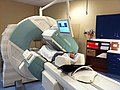
In a typical bone scan technique, the patient is injected (usually into a vein in the arm or hand, occasionally the foot) with up to 740 MBq of technetium-99m-MDP and then scanned with a gamma camera, which captures planar anterior and posterior or single photon emission computed tomography (SPECT) images.[19][14] In order to view small lesions SPECT imaging technique may be preferred over planar scintigraphy.[20]

In a single phase protocol (skeletal imaging alone), which will primarily highlight osteoblasts, images are usually acquired 2–5 hours after the injection (after four hours 50–60% of the activity will be fixed to bones).[19][14][21] A two or three phase protocol utilises additional scans at different points after the injection to obtain additional diagnostic information. A dynamic (i.e. multiple acquired frames) study immediately after the injection captures perfusion information.[21][22] A second phase "blood pool" image following the perfusion (if carried out in a three phase technique) can help to diagnose inflammatory conditions or problems of blood supply.[23]

A typical effective dose obtained during a bone scan is 6.3 millisieverts (mSv).[24]

PET bone imaging

[edit]

Although bone scintigraphy generally refers to gamma camera imaging of 99mTc radiopharmaceuticals, imaging with positron emission tomography (PET) scanners is also possible, using fluorine-18 sodium fluoride ([18F]NaF).

For quantitative measurements, 99mTc-MDP has some advantages over [18F]NaF. MDP renal clearance is not affected by urine flow rate and simplified data analysis can be employed which assumes steady state conditions. It has negligible tracer uptake in red blood cells, therefore correction for plasma to whole blood ratios is not required unlike [18F]NaF. However, disadvantages include higher rates of protein binding (from 25% immediately after injection to 70% after 12 hours leading to the measurement of freely available MDP over time), and less diffusibility due to higher molecular weight than [18F]NaF, leading to lower capillary permeability.[25]

There are several advantages of the PET technique, which are common to PET imaging in general, including improved spatial resolution and more developed attenuation correction techniques. Patient experience is improved as imaging can be started much more quickly following radiopharmaceutical injection (30–45 minutes, compared to 2–3 hours for MDP/HDP).[26][27] [18F]NaF PET is hampered by high demand for scanners, and limited tracer availability.[28][29]

References

[edit]
[edit]
Revisions and contributorsEdit on WikipediaRead on Wikipedia
from Grokipedia
Bone scintigraphy, also known as a scan, is a imaging technique that utilizes a , typically technetium-99m-labeled diphosphonate such as Tc-99m-methylene diphosphonate (MDP), to evaluate and detect areas of abnormal turnover. The procedure involves intravenous injection of the tracer, which binds to in areas of active function, followed by imaging with a to capture gamma rays emitted by the decaying , producing two- or three-dimensional images of the . This method is highly sensitive for identifying skeletal pathologies, often detecting lesions before they are visible on plain radiographs, with a sensitivity approaching 95-100% for conditions like fractures and metastases. The technique typically proceeds in multiple phases to assess different aspects of bone physiology: a perfusion phase immediately after injection to evaluate blood flow (lasting 60-90 seconds), a blood pool phase about 5-10 minutes post-injection to assess hyperemia, and a delayed phase 2-6 hours later for static whole-body imaging that highlights bone uptake. Adult patients receive 500-925 MBq (13-25 mCi) of the tracer, with imaging acquired in anterior and posterior projections using a low-energy high-resolution ; single-photon emission computed tomography (SPECT) or SPECT/CT may be incorporated for enhanced localization and specificity. Preparation is minimal, emphasizing hydration to facilitate renal of unbound tracer (about 50% of the dose) and reducing imaging artifacts, though contraindications include due to fetal . Bone scintigraphy is widely indicated for diagnosing and staging oncologic conditions, particularly skeletal metastases from , , and cancers, where it demonstrates multifocal "hot spots" of increased uptake signifying heightened osteoblastic activity. It is also essential for detecting occult fractures, , prosthetic joint infections, and metabolic bone diseases like Paget's disease or , offering functional insights into that anatomical imaging alone cannot provide. While its specificity is lower (around 70-80%) compared to MRI or CT—necessitating correlation with other modalities—its advantages include whole-body coverage in a single session (typically 30-60 minutes for planar imaging) and low dose equivalent to 1-2 years of background exposure. Limitations include reduced in renal impairment, where tracer clearance is delayed, and potential false positives from degenerative changes or artifacts; emerging alternatives like F-18 PET/CT offer higher resolution but at greater cost and .

Fundamentals

Principle of Operation

Bone scintigraphy operates on the principle of detecting areas of abnormal bone metabolism through the use of bone-seeking , primarily methylene diphosphonate (Tc-99m MDP). Following intravenous injection, Tc-99m MDP circulates in the blood and binds to crystals in the matrix via , a process where the groups of the tracer adsorb onto the structure of . This binding is preferentially enhanced in regions of increased osteoblastic activity, where local blood flow is elevated and osteoid mineralization is active, leading to greater tracer accumulation. As a result, sites of high bone turnover, such as those associated with fractures, infections, or metastases, exhibit elevated uptake, visualized as "hot spots" on the resulting images. The process relies on the physical properties of Tc-99m, which decays by emitting gamma photons at 140 keV, an energy well-suited for detection by gamma cameras. These cameras employ a to restrict photons to parallel paths, preventing scatter and improving , followed by a scintillation crystal (typically doped with ) that converts gamma photons into visible light flashes. Photomultiplier tubes then amplify these light signals to generate electrical pulses, which are processed to form two-dimensional planar images or three-dimensional tomographic (SPECT) reconstructions. The 6-hour physical of Tc-99m allows sufficient time for while minimizing patient . In addition to the standard delayed bone phase, acquired 2-6 hours post-injection to highlight skeletal uptake, optional dynamic phases can assess earlier physiological processes. The blood flow phase, captured immediately after injection (1-3 seconds per frame for about 60 seconds), evaluates regional through rapid tracer distribution via arterial flow. The subsequent soft tissue or blood pool phase, obtained 5-10 minutes post-injection, reflects extravascular accumulation in hyperemic tissues due to increased capillary permeability and . These phases are particularly useful for distinguishing osseous from pathologies. Quantitative evaluation in bone scintigraphy is generally semi-quantitative rather than absolute, as standardized uptake values () akin to those in PET imaging are not routinely applied due to variability in tracer kinetics and lack of standardized protocols. Instead, region-of-interest (ROI) analysis is employed to measure relative uptake intensity by calculating counts or count ratios between suspicious areas and reference regions, such as contralateral normal , providing a comparative assessment of metabolic activity. This approach aids in gauging the severity of abnormalities but remains operator-dependent and supplementary to visual interpretation.

Radiopharmaceuticals

Bone scintigraphy primarily employs (Tc-99m)-labeled bisphosphonates as , with Tc-99m methylene diphosphonate (MDP) being the most widely used agent due to its favorable affinity and imaging properties. These agents form stable complexes with Tc-99m, typically in a hexacoordinated structure involving oxygen atoms from the groups. The bisphosphonates bind to crystals in , facilitating detection of areas with altered osteoblastic activity. Preparation of Tc-99m MDP is kit-based, involving the addition of Tc-99m pertechnetate (Tc-99mO₄⁻) to a freeze-dried containing MDP (typically 10 mg), stannous dihydrate (1 mg) as a , and ascorbic acid (2 mg) as a stabilizer. The mixture is gently agitated and allowed to react at room temperature for 5–15 minutes, yielding a radiochemically pure product (>95%) verified by using solvents such as saline or acetone/methyl ethyl ketone. The labeled agent remains stable for up to 6–8 hours post-preparation when stored at room temperature or 4–8°C, after which it should be discarded to ensure efficacy. Pharmacokinetically, Tc-99m MDP demonstrates rapid clearance from plasma with approximately 15–35% initial binding to plasma proteins, primarily , increasing to 30–60% over time. uptake peaks within 1–2 hours post-intravenous injection, reaching 50–60% of the administered dose by 4 hours, while over 50% is excreted renally within 3 hours, with negligible gastrointestinal elimination. For optimal imaging, scans are typically performed 2–4 hours after injection to balance bone accumulation and clearance. Standard dosimetry for adults involves an administered activity of 500–740 MBq (13–20 mCi), or 8–10 MBq/kg body weight, scaled for obese patients up to 13 MBq/kg; pediatric doses are weight-based, starting at a minimum of 40 MBq and following EANM/SNMMI pediatric dosage guidelines. This results in an effective whole-body dose of approximately 3–4 mSv for adults, with the receiving the highest due to preferential uptake. Alternative bisphosphonates include Tc-99m hydroxymethylene diphosphonate (HMDP) and Tc-99m hydroxyethylidene diphosphonate (HEDP), which share similar preparation and pharmacokinetic profiles but may exhibit slight variations in biodistribution and image quality. For (PET) applications, sodium fluoride (¹⁸F-NaF) serves as a less common alternative, offering higher resolution but requiring production; typical adult doses are 200–370 MBq (5–10 mCi).

History

Early Developments

The origins of bone scintigraphy trace back to the early 20th century, when observations in painters in the demonstrated accumulation in , leading to bone tumors and providing the first evidence of bone-seeking properties. In the mid-20th century, nuclear medicine pioneers explored radionuclides that selectively accumulated in to detect abnormalities such as metastases. In the , initial attempts at bone imaging utilized positron and gamma emitters like (¹⁸F), which was introduced as a bone-seeking tracer following early studies on absorption by and reported in 1940. Clinical application of ¹⁸F-sodium (Na¹⁸F) for bone scanning emerged in the early , enabling the visualization of skeletal lesions through positron detection, though limited by the availability of imaging equipment at the time. Parallel developments involved gamma-emitting isotopes, with strontium-85 (⁸⁵Sr) gaining prominence for photoscanning in the late and early . The first demonstration of ⁸⁵Sr for detecting metastatic lesions occurred in , when it was used to skeletal uptake in patients with known cancer, offering improved sensitivity over radiographic methods for early lesion detection. These precursors laid the groundwork for bone scintigraphy but faced limitations due to long physical half-lives (e.g., 64 days for ⁸⁵Sr) and suboptimal imaging quality. A pivotal advancement came in 1960 with the development of (⁹⁹ᵐTc) as a agent, spearheaded by Powell Richards at , who proposed its use as a short-lived gamma emitter ideal for diagnostic scans. This , with a 6-hour and 140 keV gamma emission, revolutionized by enabling safer, higher-resolution imaging compared to earlier radionuclides. In the mid-1960s, ⁹⁹ᵐTc began to be explored for applications, marking the transition toward more practical tracers. The 1960s saw the refinement of bone-specific tracers, culminating in the early 1970s with the introduction of ⁹⁹ᵐTc-labeled by G. Subramanian and J.G. McAfee, who described a metabolizable complex using tripolyphosphate and stannous chloride for skeletal localization in 1971. This agent provided rapid blood clearance and high bone uptake, superior to prior options like ⁸⁵Sr or ¹⁸F, and received FDA approval in 1971, facilitating widespread clinical adoption. Subsequent diphosphonate derivatives, beginning in the early 1970s, further enhanced image quality by improving skeletal contrast, with methylene diphosphonate (MDP) introduced in 1975. Early clinical use of bone scintigraphy focused on detecting osseous metastases, with the first routine applications in the mid-1960s using ⁸⁵Sr and ¹⁸F to cancers like and , where scans identified lesions months before radiographic visibility. By the early 1970s, ⁹⁹ᵐTc-polyphosphate scans became standard for staging, demonstrating high sensitivity (up to 90% for metastases) in initial studies. Initial imaging relied on rectilinear scanners, which offered poor (approximately 1 cm) and required prolonged scan times (up to 1 hour per view) due to mechanical raster scanning, limiting throughput and patient comfort in the . The transition to gamma cameras in the late , invented by Hal Anger in 1957 and commercialized thereafter, addressed these challenges by enabling static and dynamic imaging of entire organs in minutes, with improved resolution (around 0.5 cm) and versatility for bone studies. By the 1970s, bone scintigraphy was established as a for , routinely used in staging and restaging of metastatic disease, with seminal studies confirming its role in detecting multifocal lesions across the . Initial explorations also extended to benign conditions, including trauma—where three-phase protocols identified fractures and stress injuries—and , with early reports in the mid-1970s highlighting uptake patterns in to differentiate from tumors. These milestones solidified bone scintigraphy's diagnostic utility, paving the way for broader applications.

Technological Advancements

In the 1970s and 1980s, bone scintigraphy transitioned from rectilinear scanners to Anger cameras, which enabled faster imaging acquisition and higher throughput for clinical use, facilitating the widespread adoption of technetium-99m-labeled diphosphonates as radiotracers. This shift improved image quality and reduced scan times compared to earlier planar techniques, allowing for more efficient evaluation of skeletal abnormalities. Concurrently, the introduction of three-phase bone scintigraphy in the mid-1970s provided a dynamic assessment comprising flow, blood pool, and delayed phases, enhancing differentiation between infectious processes—characterized by persistent hyperperfusion—and neoplastic conditions, where uptake is primarily delayed. The late 1980s marked the widespread adoption of (SPECT) in bone scintigraphy, enabling three-dimensional reconstruction that significantly improved lesion localization and diagnostic confidence over traditional planar imaging. SPECT enhanced the detection of subtle abnormalities, particularly in complex regions like the spine and , through better contrast and depth resolution. During the 2000s, the development of hybrid SPECT/CT systems revolutionized bone imaging by integrating functional scintigraphic data with anatomical CT details, allowing precise correlation of radiotracer uptake with structural and reducing interpretive . These systems became clinically standard around 2004, improving specificity in identifying fractures, degenerative changes, and metastases. Additionally, pinhole collimators gained prominence in pediatric applications, offering high-resolution magnification for small skeletal structures such as the hips and wrists, which is crucial for detecting conditions like Legg-Calvé-Perthes disease or stress fractures in children. In the and , advancements in quantitative SPECT, incorporating CT-based and scatter corrections, have enabled accurate measurement of radiotracer uptake, supporting standardized uptake value () calculations for monitoring treatment response in metastatic disease. Hybrid SPECT/MRI systems have emerged, combining with superior soft-tissue contrast from MRI to better delineate involvement and early osteonecrosis without from CT. Furthermore, algorithms, particularly deep neural networks, now assist in automated and uptake quantification on scans, streamlining of metastatic hotspots and improving in large-scale studies. As of 2025, generative AI has been explored for automated report generation from scans, further enhancing clinical efficiency. These technological evolutions have substantially enhanced the specificity of bone scintigraphy, reducing false-positive rates in detection from around 30% with planar to less than 10% using SPECT/CT hybrids, thereby minimizing unnecessary interventions and refining prognostic assessments.

Procedure

Patient Preparation

Patient preparation for bone scintigraphy focuses on ensuring safety, optimizing image quality by facilitating tracer clearance, and addressing individual patient factors to minimize artifacts and risks. No special dietary restrictions are typically required, allowing patients to eat and drink normally prior to the procedure. However, in pediatric cases, optional may be considered to reduce discomfort or motion during , though this is not standard practice. Hydration is a key component to promote renal excretion of the radiopharmaceutical, such as technetium-99m-labeled diphosphonate, and to reduce soft tissue and bladder artifacts. Patients are encouraged to drink 1 liter or more of (approximately 4-6 glasses) between tracer injection and , with continued fluid intake for at least 24 hours afterward. In cases of renal impairment, additional emphasis is placed on hydration, and may be delayed or scheduled shortly after injection to enhance tracer clearance. Medication considerations include informing the healthcare team about recent use of agents that could alter tracer uptake, such as bisphosphonates or , which may reduce skeletal accumulation and affect interpretation. Patients should also report any allergies to radiopharmaceutical kit components, like stannous chloride in MDP preparations, or recent intake of bismuth-containing medications (e.g., Pepto-Bismol) or barium contrast, which should be avoided for at least 4 days prior to minimize interference. Informed consent is obtained prior to the procedure, during which patients are educated on the process, including the total duration of 3-5 hours (encompassing injection, a 2-4 hour uptake period, and scanning). is explained as approximately 4 mSv to the whole body, equivalent to about 1-2 years of natural , with potential for incidental findings unrelated to the primary indication. Special considerations apply to vulnerable populations. Bone scintigraphy is generally contraindicated in due to fetal radiation exposure of around 4-5 mGy, which, while below thresholds for deterministic effects, warrants alternatives like or MRI unless clinically essential. For breastfeeding individuals, nursing should be interrupted for 24 hours post-injection, with pumped milk discarded during this period to limit infant exposure. In patients with renal impairment, preparation includes verifying kidney function and potentially scheduling shortly after injection to enhance clearance. For pediatric patients, the administered dose is weight-based, typically 5.2 MBq/kg (0.14 mCi/kg) with a minimum of 74 MBq (2 mCi). To further optimize image quality, patients receive voiding instructions: is advised from injection until , with the emptied immediately before the scan to minimize pelvic artifacts from accumulated tracer in urine.

Imaging Acquisition

Bone scintigraphy acquisition begins with the intravenous administration of the , typically methylene diphosphonate (Tc-99m MDP), at a dose of 500–1,110 MBq (13–30 mCi) for adults. This is followed by a delay of 2–4 hours to allow for tracer uptake in the bone, during which patients are encouraged to remain well-hydrated and void frequently to enhance image quality by reducing background activity. The procedure may incorporate an optional three-phase protocol to assess different physiological aspects. The flow phase captures immediate immediately after injection, acquiring 30–60 dynamic images at 1–3 seconds per frame in a 64×64 matrix or larger over 60 seconds. The blood pool phase follows 5–10 minutes post-injection, obtaining static images for 3–5 minutes each in a 128×128 matrix to evaluate hyperemia, aiming for approximately 300,000 counts per image. The delayed phase, performed 2–6 hours after injection, focuses on through whole-body or regional . Imaging is conducted using a single- or dual-head equipped with low-energy high-resolution (LEHR) parallel-hole , optimized for the 140 keV emissions of Tc-99m; an ultra-high-resolution may be used for enhanced detail in delayed images. A 20% energy window is centered at 140 keV, with acquisition matrices of 256×1,024 for whole-body scans and 128×128 for spot views or SPECT. Zoom factors are applied for extremity to improve resolution. Standard scan protocols include whole-body surveys in anterior and posterior projections at a table speed of 10–15 cm/min, targeting at least 1.5 million total counts to ensure adequate statistics. Spot views of areas of interest are acquired for 4–10 minutes or 250,000–1,000,000 counts per view, depending on the region (e.g., higher counts for /). If needed, SPECT supplements planar views with 60–64 projections over 360°, each lasting 10–40 seconds, often integrated with CT for correction. Patients are positioned with arms at their sides for whole-body imaging, with additional lateral or oblique views as required for specific regions; palms down positioning aids hand scans. The total acquisition time for planar imaging is typically 30–60 minutes, with an additional 20–40 minutes for SPECT if performed. Quality control involves routine gamma camera calibration for uniformity and energy peaking, verification of radiopharmaceutical purity (>95% labeling efficiency via thin-layer chromatography), and post-acquisition review for motion artifacts or incomplete coverage, prompting repeat views if necessary.

Image Interpretation

Normal Anatomy

In bone scintigraphy, normal images of healthy adults exhibit symmetrical and mild radiotracer uptake throughout the osseous structures, reflecting baseline and . This uptake is typically more prominent in metabolically active trabecular bone, such as the including the spine, pelvis, and ribs, compared to the cortical bone of shafts, which appears faint. Higher physiologic uptake is observed at sites of increased turnover, including the growth plates in children, the , and the sacroiliac joints; the shows uniform but occasionally patchy distribution due to suture lines. Whole-body patterns in normal scans demonstrate homogenous skeletal distribution with prominent extraosseous activity in the kidneys and from renal of unbound tracer, accounting for approximately 34% of the dose within 4 hours post-injection. Liver and background activity remains low, with a typical bone-to- uptake of around 3:1, ensuring clear skeletal visualization without significant overlap. No focal asymmetries exceeding minor degenerative variations are present, and symmetrical mild "hot" appearances from vascular structures like the or joints (e.g., acromioclavicular, sternoclavicular) are considered physiologic variants rather than artifacts. Age-related variations influence uptake patterns; in adolescents, physeal closure diminishes epiphyseal hotspots, while elderly individuals often show increased vertebral body uptake due to degenerative changes like osteophytosis, alongside symmetrical joint activity from . In children, overall skeletal uptake is higher due to active remodeling, with characteristic metaphyseal bands in growing long bones and intense symmetric activity at physes representing growth centers. These pediatric patterns normalize with skeletal maturity, providing a baseline for distinguishing physiologic from pathologic deviations.

Pathological Findings

Bone scintigraphy reveals pathological findings primarily through alterations in radiotracer uptake, reflecting changes in bone , blood flow, and osteoblastic activity. Increased uptake, or "hot spots," indicates heightened bone turnover and is the most common abnormality, while decreased uptake, or "cold spots," signifies reduced or purely lytic processes. These patterns are interpreted in the context of clinical history and correlated with other modalities for accurate . Increased uptake manifests as focal hot spots in conditions such as metastases, which often appear as multiple discrete areas of intense accumulation, particularly in the and proximal appendicular bones in cases like or . In fractures, uptake is typically linear and evolves over time, becoming evident within 24-72 hours post-injury and persisting for weeks to years depending on healing; for instance, appendicular fractures show 95-100% sensitivity at 72 hours. presents with diffuse increased uptake in the acute phase, especially on delayed images, with overall sensitivity up to 94%, though specificity decreases in the presence of hardware or prior fractures. Specific disease patterns further characterize abnormalities: contrasting with the intense, coarsely expanded bone outline seen in Paget's disease, where scintigraphy delineates the extent of active remodeling. often produces a "superscan" appearance, with uniform high uptake throughout the , diminished and renal visualization, resulting from accelerated metabolic bone turnover. Decreased uptake as cold spots occurs in early avascular necrosis, where reduced blood flow leads to photopenic defects in the or other sites, detectable with high sensitivity on SPECT imaging before structural changes appear on radiographs. Purely lytic lesions, such as those in without reactive sclerosis, also show cold spots due to minimal osteoblastic response, contributing to the modality's lower sensitivity (around 50-60%) for this condition. Multi-phase bone scintigraphy enhances differentiation: the flow and blood pool phases demonstrate hyperemia in or (e.g., hot in ), while appearing cold in like early ; the delayed phase shows increased uptake in both tumors and trauma due to osteoblastic repair. For metastases, bone scintigraphy offers 80-95% sensitivity, particularly for osteoblastic lesions, but specificity is lower (60-80%), necessitating correlation to distinguish from degenerative or traumatic changes. The flare phenomenon, an initial increase in uptake intensity or number of lesions on serial scans 2-6 months after initiating therapy (e.g., hormonal treatment for metastases), indicates a positive response rather than progression, improving prognostic assessment. Quantitative analysis, such as lesion-to-normal bone uptake ratios exceeding 2:1, raises suspicion for , while serial imaging tracks progression or response over time.

Clinical Applications

Primary Indications

Bone scintigraphy serves as a primary imaging modality for evaluating skeletal metastases in various malignancies, particularly prostate, breast, and lung cancers, where it detects osteoblastic lesions with high sensitivity, identifying 70-90% of occult metastases not visible on plain radiographs. In prostate cancer, the National Comprehensive Cancer Network (NCCN) guidelines recommend bone scintigraphy for initial staging in intermediate- to high-risk patients, such as those with Gleason score >7, PSA >20 ng/mL, or clinical stage T3/T4, due to its ability to assess whole-body involvement efficiently. Similarly, for breast cancer, it is indicated in stage III-IV disease or symptomatic patients to guide staging and treatment planning. The American College of Radiology (ACR) Appropriateness Criteria rate bone scintigraphy as usually appropriate (rating 8) for suspected bone metastases in known malignancy or unexplained bone pain. In trauma settings, bone scintigraphy is routinely used to detect occult fractures, including stress fractures and insufficiency fractures in the elderly , offering a sensitivity exceeding 95% within 72 hours post-injury when radiographs are negative. This makes it valuable for evaluating unexplained or suspected non-accidental trauma in , where early metabolic changes precede structural alterations visible on other imaging. For infectious processes, three-phase bone scintigraphy is indicated to diagnose , distinguishing it from soft-tissue with over 90%, particularly in chronic or prosthetic joint infections. It evaluates periprosthetic loosening or infection in joint replacements, aiding surgical decision-making. In metabolic bone diseases, bone scintigraphy assesses the extent of conditions like or , often revealing a "superscan" pattern of diffusely increased uptake due to heightened osteoblastic activity. It is also employed in Paget's disease and fibrous dysplasia to map active disease sites. Additional primary indications include pediatric skeletal dysplasias for evaluating multifocal involvement and growth abnormalities, applications for overuse injuries like , and preoperative planning in to identify lesions or assess viability. The Society of Nuclear Medicine and Molecular Imaging (SNMMI) Practice Guideline endorses these uses for its sensitivity in detecting early osseous abnormalities. Bone scintigraphy is often preferred over MRI for whole-body screening in these indications due to its rapid acquisition, broad coverage, and cost-effectiveness, typically at lower expense and shorter scan times compared to targeted MRI protocols.

Diagnostic Utility in Specific Conditions

In prostate cancer, bone scintigraphy demonstrates approximately 85% sensitivity for detecting bone metastases, making it a standard initial staging tool as recommended by the European Association of Urology (EAU) guidelines, though PSMA-PET shows superior sensitivity for early detection. In breast cancer, bone scintigraphy detects 60-80% of metastatic lesions, with utility in identifying solitary hotspots that can guide targeted biopsy, but specificity is limited to around 70% due to false positives from degenerative changes mimicking uptake patterns seen in normal anatomy. For osteomyelitis, the three-phase bone scintigraphy protocol achieves 90% sensitivity and 80% specificity, offering advantages over MRI in evaluating chronic multifocal involvement by assessing whole-body perfusion, blood pool, and delayed uptake phases. In Paget's disease, bone scintigraphy effectively maps active versus quiescent disease areas, aiding in monitoring response to therapy, where radiotracer uptake intensity correlates with serum levels as a marker of bone turnover. For reflex sympathetic dystrophy (now termed type I), asymmetric increased uptake in the hot phase of three-phase scintigraphy supports early diagnosis by highlighting regional hyperperfusion and hyperemia. Meta-analyses, including systematic reviews of fractures, report pooled sensitivity approaching 95% for bone scintigraphy in detecting fractures overall, underscoring its role in trauma assessment, though limitations persist in lytic-only diseases such as , where sensitivity drops below 50% due to minimal osteoblastic response. In oncologic follow-up, serial bone scintigraphy every 3-6 months evaluates progression of metastatic disease, particularly when integrated with rising (PSA) levels to correlate imaging changes with biochemical markers.

Advanced Modalities

SPECT Integration

(SPECT) enhances bone scintigraphy by providing three-dimensional imaging through rotational acquisition of the around the patient, typically over 180 to 360 degrees, followed by using filtered back-projection or iterative methods to generate slices of tracer distribution. This approach builds on planar imaging by capturing multiple projections, enabling volumetric assessment of radiotracer uptake in bone turnover processes with technetium-99m-labeled diphosphonates. Compared to planar bone scintigraphy, SPECT offers superior lesion detection, with studies reporting 71% to 95% elucidation of equivocal findings, and improved localization of abnormalities in depth and size, allowing differentiation between superficial and deep lesions such as rib fractures versus vertebral metastases. Precise anatomical correlation reduces interpretive ambiguity, particularly in complex regions like the spine or pelvis, where planar views superimpose structures. Standard protocols involve 120 to 360 projections acquired at 15 to 50 seconds per projection, resulting in a total scan time of 15 to 25 minutes and spatial resolution of 8 to 12 mm, depending on the gamma camera system. Hybrid SPECT/CT systems integrate low-dose computed tomography for attenuation correction and anatomical mapping, significantly boosting specificity in from approximately 36% with SPECT alone to 85% to 92% by clarifying benign versus malignant uptake patterns. This fusion enables quantification of lesion volume, aiding in planning for metastatic disease. Clinically, SPECT is routinely applied to resolve equivocal planar results, evaluate pediatric skeletal dysplasias for growth plate involvement, and assess post-surgical hardware for loosening or , where it alters management in up to 50% of cases. Despite these benefits, SPECT integration increases radiation exposure by 2 to 10 mSv from the added CT component, necessitating judicious use, particularly in . Motion artifacts, such as respiratory movement, can cause misalignment up to 5 mm, potentially degrading image quality and requiring coaching or immobilization.

PET Bone Imaging

PET bone imaging represents an advanced alternative to traditional single-photon bone scintigraphy, utilizing positron-emitting tracers to evaluate and with enhanced resolution and sensitivity. The primary tracer, sodium fluoride (F-18 NaF), is bone-specific and accumulates in areas of high osteoblastic activity through with in , reflecting blood flow and . In contrast, F-18 fluorodeoxyglucose (FDG) targets glucose in tumors and inflammatory cells rather than directly, making it suitable for assessing tumor viability and involvement adjacent to bone. The of F-18 is 110 minutes, necessitating production in a nearby for timely use. A fundamental difference in PET bone imaging lies in the physics of positron annihilation, where emitted positrons combine with electrons to produce two keV photons emitted at 180 degrees, allowing electronic collimation without physical collimators used in single-photon techniques. This results in markedly higher sensitivity and spatial resolution, approximately 4-5 mm compared to 10-15 mm for Tc-99m-based , enabling detection of smaller s. Whole-body imaging can be completed in 15-20 minutes with 2-5 minutes per bed position, significantly shorter than the 3-4 hours required for traditional bone uptake and acquisition. Hybrid PET/CT systems are standard, providing co-registration with anatomical CT data for precise lesion localization and characterization. Standard protocols for F-18 NaF PET involve intravenous injection of 185-370 MBq (5-10 mCi), adjusted for body weight or , followed by a 30-90 minute uptake period for imaging or 90-120 minutes for whole-body or extremity evaluation. No is required, and patients are encouraged to and void frequently to reduce activity. For F-18 FDG, similar dosing (typically 370 MBq) is used, but with a focus on 60-minute uptake to capture metabolic activity in bone-related pathologies. Emission imaging is performed in 3D mode, with low-dose CT for attenuation correction and diagnostic purposes. Key advantages of PET bone imaging include superior detection of early osseous s, with F-18 NaF demonstrating sensitivities of 90-100% for bone metastases compared to 80% or less for Tc-99m , particularly for small lesions under 1 cm. Standardized uptake value () quantification allows objective monitoring of lesion response to , offering a metric not readily available in conventional . The technique also reduces indeterminate findings through better specificity when integrated with CT, as evidenced by studies showing up to 40% fewer equivocal results in metastatic evaluation. In clinical applications, F-18 NaF PET excels in staging and , where it outperforms SPECT for identifying small metastatic foci and altering management in high-risk cases. It is also valuable for evaluating benign bone tumors, such as osteoid osteomas, by highlighting areas of active remodeling. For infections, F-18 FDG complements by detecting involvement and , though it is less specific for pure bone changes. Evidence from 2010s trials, including prospective comparisons, confirms F-18 NaF PET's role in reducing false negatives and improving diagnostic confidence in these settings; recent studies from 2023–2025, including comparisons in and , continue to affirm its superiority, with emerging hybrid technologies enhancing resolution further. Despite these benefits, drawbacks include the need for on-site or nearby production due to the short , limiting availability compared to generator-produced Tc-99m. Additionally, PET bone imaging is costlier, with procedure costs typically $2,000–$3,000 (as of 2023) versus $300–$800 for standard , depending on location and insurance, though it is reimbursable for high-risk cases under certain guidelines.

Limitations and Safety

Artifacts and Pitfalls

Bone scintigraphy is susceptible to various artifacts and pitfalls that can lead to misinterpretation of images, potentially mimicking or obscuring pathological conditions. Technical artifacts arise primarily from procedural errors or equipment issues. Patient motion during acquisition can cause blurring of images, particularly in whole-body scans, which may simulate diffuse skeletal abnormalities; this is mitigated by using immobilization devices or sedation in uncooperative patients. Contamination from urine or sweat on the skin often produces focal hot spots, especially in the pelvic or axillary regions, and can be addressed by thorough cleaning of the affected area followed by repeat imaging if necessary. Collimator-related issues, such as septal penetration when using high-energy tracers like those in alternative bone imaging protocols, can result in star-like artifacts or overestimation of uptake intensity; proper collimator selection and calibration prevent this. Physiological pitfalls frequently stem from normal or age-related variants that resemble disease. Symmetric uptake in degenerative joints, such as hotspots in the spine or knees, can mimic metastatic disease and should be correlated with patient age and expected normal patterns. Superscan appearances, characterized by intense skeletal uptake with faint soft-tissue and renal visualization, may be mimicked by conditions like hypercalcemia from , leading to diffuse avidity without ; clinical with serum calcium levels is essential. Iatrogenic factors can introduce confounding uptake or attenuation. Recent administration of iodinated contrast agents for CT imaging can increase soft-tissue uptake, particularly in the intestines, due to altered biodistribution of the radiotracer; delaying bone scintigraphy by at least 24 hours after contrast administration reduces this interference. Metallic hardware, such as prosthetics or orthopedic implants, causes photon attenuation resulting in photopenic (cold) defects on planar images, which may obscure underlying lesions; hybrid SPECT/CT imaging helps differentiate these by providing anatomical correlation and correcting for attenuation. Injection-related artifacts are common and directly impact image quality. Extravasation of the radiotracer at the injection site produces a focal hot spot that can be distinguished from true by its asymmetry and linear vascular pattern; proper technique and documentation of the site minimize this. Inadequate patient hydration prior to imaging leads to concentrated activity, causing overlap and obscuring pelvic structures; encouraging fluid intake and voiding immediately before scanning prevents this. Interpretation pitfalls often involve benign conditions simulating . Vascular hotspots from inflammation, such as in , appear as focal rib uptake and can be mistaken for metastases; multi-view aids in localization. Healing fractures may present with increased uptake mimicking metastatic lesions, particularly in the early reparative phase; serial over time demonstrates resolution or evolution to confirm benignity. Several strategies mitigate these artifacts and pitfalls across bone scintigraphy protocols. Multi-view or whole-body imaging enhances localization and reduces superimposition errors. Hybrid CT fusion in SPECT/CT provides anatomical detail to distinguish artifacts from true pathology. Awareness of uptake timing is crucial, such as delaying imaging by 24 hours to account for transient effects from agents like G-CSF, which can cause diffuse uptake mimicking superscan or metastases.

Radiation Dosimetry

Bone scintigraphy with technetium-99m methylene diphosphonate (Tc-99m MDP) typically involves an administered activity of 500–800 MBq for adults, resulting in an effective dose of 4–6 mSv for standard whole-body planar imaging. This dose is comparable to approximately two years of natural background radiation exposure, which averages 2–3 mSv annually worldwide. When integrated with single-photon emission computed tomography and computed tomography (SPECT/CT), the effective dose increases to 7–10 mSv, primarily due to the additional low-dose CT component contributing 2–5 mSv. The highest organ-absorbed doses occur in the bladder wall at 0.03–0.07 mGy/MBq, reflecting prolonged radiotracer before , while surfaces receive about 0.035 mGy/MBq and kidneys approximately 0.009 mGy/MBq. Gonadal doses are lower, typically 0.5–1 mSv total for a standard adult activity, with ovaries at around 0.003 mGy/MBq and testes at 0.002 mGy/MBq. In comparison, (PET) modalities deliver similar or higher effective doses: 18F-sodium fluoride (NaF) PET yields 4–7 mSv, while 18F-fluorodeoxyglucose (FDG) PET ranges from 7–14 mSv, owing to the higher positron energy (511 keV) of versus the gamma emission (140 keV) of Tc-99m. The risk of cancer induction from a typical bone scintigraphy procedure is estimated at approximately 1 in 2,000 for fatal cancer, based on linear no-threshold models extrapolating from higher-dose data. To minimize this risk, the as low as reasonably achievable (ALARA) principle guides dose optimization through tailored administered activities and imaging protocols. In pediatric patients, the effective dose coefficient is higher at 0.02–0.05 mSv/MBq, particularly for those under 5 years (up to 0.025 mSv/MBq), necessitating activity scaling to approximately one-third of levels based on body weight to maintain comparable while reducing exposure. Bone scintigraphy is an absolute during unless benefits outweigh risks, as the fetal effective dose can reach 0.2–0.5 mGy (or higher without ), potentially elevating risks despite being below deterministic thresholds. Risk mitigation strategies include encouraging patient hydration post-injection to accelerate urinary excretion and reduce bladder residence time, thereby lowering organ doses by up to 50%. Low-activity protocols (e.g., 300–500 MBq) are recommended for follow-up scans, and all procedures must be justified per (IAEA) guidelines emphasizing clinical necessity and alternatives assessment.

References

Add your contribution
Related Hubs
User Avatar
No comments yet.