Hubbry Logo
CaponCaponMain
Open search
Capon
Community hub
Capon
logo
8 pages, 0 posts
0 subscribers
Be the first to start a discussion here.
Capon
Capon
from Wikipedia
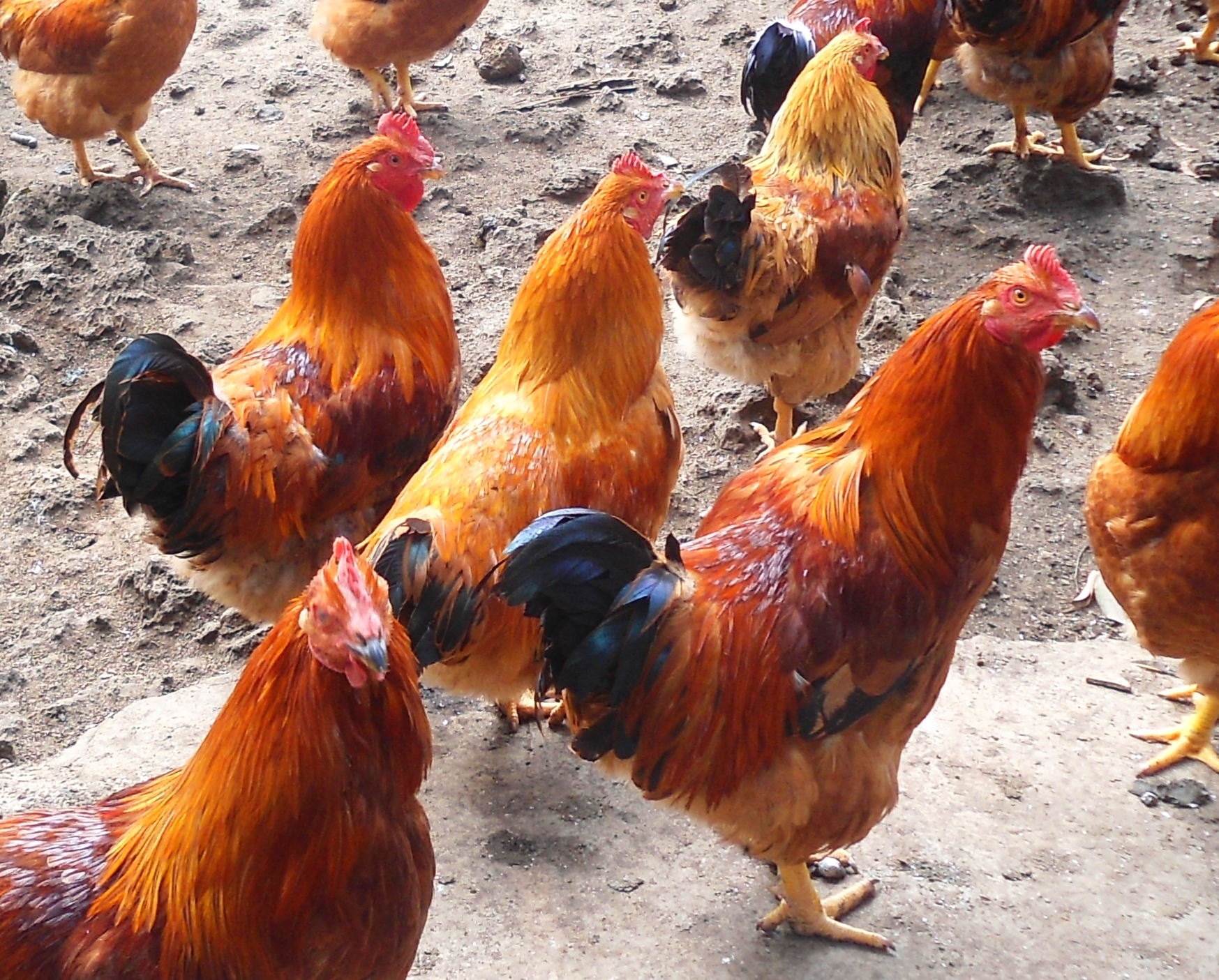
Live capons in Hainan, China, displaying characteristic small head, comb and wattle

A capon (from Latin: cāpō, genitive cāpōnis) is a male chicken that has been castrated or neutered, either physically or chemically, to improve the quality of its flesh for food, and, in some countries like Spain, fattened by forced feeding.

History

[edit]
David Rijckaert II, Still life with a lemon and capon

The origins of caponised chickens are contested. They were known in ancient China as well as in ancient Greece and ancient Rome.[1]

An early record of caponisation is found under the Roman Republic: the Lex Fannia of 162 BC forbade fattening hens to conserve grain rations, so the Romans instead castrated roosters, which resulted in a doubling of size.[2]: 305  It was also practiced later throughout medieval times, with gastronomic texts describing capons as preferred poultry since the ordinary fowl of the farmyard was regarded as peasant fare and "popular malice crediting monks with a weakness for capons."[2]: 309 

In the early 20th century, France was internationally renowned for maintaining a strong caponisation tradition with widespread and established industries throughout the country.[1]

William Shakespeare mentioned capon in the famous "All the world's a stage" monologue from his play As You Like It (written c.1600). He similarly describes capon as a food of the wealthy. The monologue describes human life as consisting of seven stages, and the fifth stage is a middle-aged man who has reached the point where he has acquired wisdom and wealth. The monologue describes the fifth stage as: "The Justice, In fair round belly, with a good capon lin'd". In addition his character Sir John Falstaff is described as or implied to be fond of capons.

Effects of caponisation

[edit]
An example of chicken castration in Southeast Asia. The caponisation is usually performed by veterinary personnel and should follow some general guidelines.

Caponisation is the process of turning a cockerel into a capon. Caponisation can be done by surgically removing the bird's testes, or may also be accomplished through the use of estrogen implants. With either method, the male sex hormones normally present are no longer effective. Caponisation must be done before the rooster matures so that it develops without the influence of male sex hormones.

Capons are not as aggressive as normal roosters. This makes capons easier to handle and allows capons to be kept together with other capons since their reduced aggression prevents them from fighting.

The lack of sex hormones results in meat that is less gamey in taste. Capon meat is also more moist, tender and flavorful than that of a cockerel or a hen, which is due not only to the hormonal differences during the capon's development but also because capons are not as active as roosters, which makes their meat more tender and fatty.[3]

Capons develop a smaller head, comb and wattle than those of a normal rooster.

Capons are fairly rare in industrial meat production. Chickens raised for meat are bred and raised so that they mature very quickly. Industrial chickens can be sent to market in as little as five weeks. Capons produced under these conditions will taste very similar to conventional chicken meat, making their production unnecessary.

Specialised production

[edit]
Capons in a French market

Capons are produced in France, in several provinces, notably the Gers and Jura regions. They are a speciality of Bresse (Chapon de Bresse), where they have their own appellation to differentiate them from capons from other regions. In Bresse, they are exclusively produced from the Bresse blue foot breed (patte bleue), and fed a certain diet which makes it even more tender than from other regions and breeds, making it a desirable meat.

Capons are also produced in many regions of northern Italy, such as Piedmont, Friuli-Venezia Giulia, Emilia-Romagna, and Marche. In the early 20th century, capon was commonly eaten for the main family feast on Christmas in Tuscany and northern Italian regions, which was a rare treat for peasant or working class families.[4][5][6]

In the gastronomy of Spain, capons are usually eaten during the Christmas season in the northern regions. Capons of Vilalba and Lugo are particularly famous and are sold all over the country.

In China, capons are often raised specifically for consumption during Chinese New Year.

In Thailand, capons are also used for Hainanese Chicken Rice by established restaurants like Go Kok (in Lat Phrao), An An Lao (in Bangkok's Soi Ari / Sukhumvit 26), and the Bangkok branches of Boon Tong Kee, among many other fine Cantonese/Thai-Chinese restaurants.

[edit]

In the UK physical caponisation was made illegal in 1982 via The Welfare of Livestock (Prohibited Operations) Regulations 1982. This was reinforced in 2007 by The Mutilations (Permitted Procedures) (England) Regulations 2007 which made castration of all domesticated birds illegal. However, it is not illegal to import castrated animals, so capons are therefore available for sale in the UK.[7]

[edit]

See also

[edit]

References

[edit]
[edit]
Revisions and contributorsEdit on WikipediaRead on Wikipedia
from Grokipedia
A capon is a young male surgically castrated before to improve the tenderness, flavor, and size of its for production. The procedure, known as caponization, typically occurs between 3 and 6 weeks of age, after which the is fattened on a diet rich in grains, , or to reach weights of 6 to 12 pounds. Originating in ancient civilizations including Greco-Roman and Chinese societies, the practice was refined by the Romans, who valued capons for their superior culinary qualities over standard roosters or hens. Castration redirects growth hormones, resulting in higher body weight, increased fat content, juicier texture, and reduced gaminess compared to intact birds, making capon meat particularly prized for during holidays and feasts. Despite these advantages, capon production has declined in modern agriculture due to concerns over the invasive —often performed without —and the availability of alternative breeds, though it persists in niche markets for its distinctive gourmet appeal.

Definition and Biology

Biological Basis of Caponization

Caponization entails the surgical excision of the testes in juvenile male chickens (Gallus gallus domesticus), thereby abolishing the endogenous production of s, principally testosterone, which originates from Leydig cells within the testicular tissue. This procedure induces a state of , fundamentally altering endocrine signaling and metabolic pathways that govern growth, fat partitioning, and secondary sexual differentiation. In intact roosters, testosterone exerts anabolic effects by binding to androgen receptors, promoting , myofiber proliferation, and the suppression of , while also facilitating the expression of genes associated with aggressive behavior and reproductive maturation. The cessation of testosterone synthesis post-caponization redirects nutritional resources away from gonadal maintenance and secondary sex traits—such as and wattle , crowing, and territorial aggression—toward linear somatic growth and visceral fat accumulation. Physiologically, this manifests as elevated plasma lipid profiles, including higher triglycerides and , reflecting enhanced in hepatic and adipose tissues due to unopposed estrogenic influences from adrenal sources and peripheral . Transcriptomic analyses reveal downregulation of androgen-responsive pathways in organs like the liver, , and , correlating with reduced and improved feed efficiency for weight gain, often yielding capons 20-30% heavier than intact cockerels by maturity. At the cellular level, the deficit impairs activity and trabecular remodeling in long bones, potentially elevating density through compensatory mechanisms, though biomechanical strength may vary by breed and age at . Muscle quality shifts toward greater marbling and tenderness, attributable to diminished crosslinking—typically promoted by testosterone-mediated synthesis—and lower , which reduces in postmortem evaluation. These adaptations underscore caponization's utility in husbandry, leveraging hormonal to optimize carcass composition for culinary attributes over reproductive vigor.

Physiological Changes Post-Caponization

Caponization, the surgical removal of the testes in young chickens, results in a profound reduction in circulating testosterone levels, typically decreasing plasma concentrations to near-undetectable amounts within weeks post-procedure. This halts secondary sexual maturation, leading to of reproductive organs and secondary sex characteristics such as the and wattles, which remain underdeveloped and pale compared to intact cockerels. The absence of testosterone redirects metabolic resources toward somatic growth, yielding capons with significantly higher live body weights—often 20-30% greater than uncastrated males by slaughter age—due to enhanced feed intake and prolonged growth phases without the energy demands of sexual behavior or . Carcass composition shifts markedly, with increased dressing percentages (up to 5-10% higher), elevated abdominal and subcutaneous fat deposition (promoting marbling and tenderness), and heavier alongside a wider angle, though overall lean muscle yield may vary by breed. Skeletal physiology is adversely affected, as testosterone deprivation impairs homeostasis; capons exhibit reduced tibial mineral density, lower ash content in long bones, thinner cortical trabeculae, and diminished biomechanical strength, increasing susceptibility despite comparable bone lengths. Metabolically, the procedure elevates lipid profiles, including higher triglycerides and , correlating with accumulation but also potential shifts in immune function and reduced aggression. These alterations collectively enhance meat quality traits like tenderness and juiciness, attributable to diminished development and intramuscular .

Historical Development

Ancient and Classical Origins

The practice of caponization, involving the of young roosters to produce capons, is first attested in Roman agricultural literature during the late . , in his De Re Rustica composed in 37 BC, explicitly describes castrating cocks to create capons, employing a method of burning the lower leg with a hot iron to burst the skin and applying a afterward, which resulted in birds that grew larger and more docile. This technique aimed to enhance fattening and tenderness by suppressing male hormones, yielding superior to intact roosters in size and flavor. Lucius Junius Moderatus Columella, writing in the mid-1st century AD in De Re Rustica, provides additional details on the procedure, including manual manipulation to crush the testes through the , confirming the surgical intent behind capon production. These texts reflect a developed understanding of the physiological benefits, as capons exhibited reduced , increased deposition, and slower growth rates that improved carcass quality for culinary use. Roman poultry farming emphasized such modifications to meet demands for premium meat, with capons featured in elite diets alongside other domesticated . Although claims of earlier Greek origins exist—such as castration practices purportedly dating to the —no contemporary Greek sources, including Aristotle's works on animals, document caponization, suggesting the technique crystallized in Roman contexts amid expanding agricultural efficiency. Sumptuary laws like the Lex Fannia of 161 BC, which restricted grain use for fattening hens to conserve resources during wartime, may have incentivized shifting focus to capons, as these neutered males required less feed relative to their yield while evading prohibitions on female . By the Imperial period, capons appeared in recipe collections such as , underscoring their status as a valued for tender, flavorful flesh.

Medieval to Renaissance Practices

In the , caponization gained prominence in regions such as and , where it was commonly practiced to produce birds for elite consumption, with gastronomic texts documenting capons as a preferred option over standard farmyard fowl due to their superior tenderness and flavor. Monks and farmers reared these castrated roosters specifically for seasonal feasts and religious celebrations, capitalizing on the procedure's effects of increased deposition and reduced muscular development, which yielded richer than that of intact males. Surgical was typically performed on young cockerels, aligning with longstanding techniques that enhanced carcass quality without modern alternatives like hormonal implants. By the , capon production expanded across , including in under the Tudor dynasty (1485–1603), where birds were neutered at approximately 2–3 months of age to achieve optimal meat tenderness for banquets and medicinal diets. In , capons featured prominently in papal and noble cuisine, as evidenced by recipes in Bartolomeo Scappi's (1570), which prescribed marinating and frying the birds to highlight their delicate texture and gamier profile compared to younger chickens. This era saw capons elevated as symbols of affluence, often stuffed or roasted whole for holidays like , reflecting a continuity of medieval fattening methods involving specialized feeds to promote rapid weight gain up to 4–5 kg live weight. Regional variations persisted, with Alpine areas like documenting early surgical methods using rudimentary tools for precise testis removal, minimizing infection risks in pre-antibiotic conditions and enabling capons to serve dual roles in brooding chicks post-recovery. Overall, these practices prioritized empirical outcomes—tender, high-yield —over welfare concerns absent from contemporary records, establishing capons as a staple for discerning palates through the .

Industrial and Modern Production

In contemporary poultry production, caponization has largely transitioned from historical commercial scales to niche, small-scale operations, driven by the dominance of fast-growing breeds that achieve market weight in 6 weeks with tender , rendering the extended rearing period (typically 4-6 months) for capons economically unviable. Production costs for capons are approximately three times higher than for standard chickens due to surgical procedures, prolonged fattening, and lower feed efficiency post-castration. In the United States, capon output peaked in the late with processors like Wapsie Produce in handling up to 500,000 birds annually before ceasing operations in 2010 amid rising costs and market shifts; current production is limited to small farms, such as those yielding around 50,000 capons per year, primarily for holiday gourmet markets in the Northeast and Midwest. maintains more consistent but artisanal production, particularly in where 56% of surveyed small-scale native breed farms engage in seasonal capon rearing for demand, using slow-growing genotypes like those in conservation programs. specializes in regional varieties such as Chapon de Bresse under protected designations in areas like and Jura, emphasizing free-range systems with corn-based feeds to enhance meat quality. Other European countries, including , produce capons from local breeds for traditional cuisine, though volumes remain low without large industrial facilities. Modern techniques prioritize early surgical caponization at 3-6 weeks of age on restrained cockerels to minimize , often using native or hybrid slow-growing strains rather than commercial broilers like Cornish Cross, which yield suboptimal flavor despite faster growth. Post-operative rearing involves controlled environments with high-energy feeds to promote fat deposition, but concerns— including procedural pain without and risks like —have led to bans in regions such as the , further constraining expansion. Experimental alternatives like immunocastration or chemical methods are under study but not widely adopted commercially due to efficacy and regulatory hurdles. Overall, capon production persists as a high-value specialty, appealing to consumers seeking superior tenderness and flavor over mass-market efficiency.

Production Techniques

Surgical Castration Methods

Surgical caponization, the primary method for producing s, entails the bilateral removal of the internal testes from young cockerels to halt testosterone production and promote desirable characteristics. The procedure is typically performed on aged 4 to 8 weeks, as this timing minimizes surgical trauma while allowing sufficient post-operative growth for fattening. Performed without general or , it relies on manual restraint to immobilize the , often using a specialized holder or by hand, with the goal of completing each side in seconds to reduce distress. Preparation precedes the incision: cockerels are fasted for 24-36 hours without and 12-24 hours without to shrink abdominal organs, facilitating testis access and lowering hemorrhage risk. A small incision, approximately 1-2 cm long, is made laterally through the skin, either between the last two or along the flank near the junction of the body wall and , avoiding major vessels and the when possible. Specialized caponizing —long, curved instruments with blunt tips—are inserted through the incision to probe for the testes, which are pale, kidney-shaped structures located dorsally near the kidneys and adrenal glands. Once located, each testis is grasped entirely by the and extracted via a twisting motion that avulses it from the and associated vasculature, severing connections without ligation or cautery in traditional techniques. The incision is left unsutured, allowing natural healing by secondary intention, though some modern variants apply topical antiseptics or antibiotics immediately post-extraction to mitigate . Incomplete removal of testicular tissue can result in partial hormonal activity, yielding intermediate phenotypes rather than full capons. The operation requires skilled practitioners, as novices risk damaging adjacent organs like the intestines or kidneys, with reported mortality rates of 5-10% in less controlled settings due to hemorrhage or . Regional variations exist: in European traditional production, such as in or , bilateral flank incisions predominate for precision, while some Asian or small-scale methods favor a single midline approach, though the latter increases contamination risks. Tools beyond may include or for incision and hemostatic agents in contemporary veterinary adaptations, but core avulsion technique remains unchanged for efficacy and simplicity. Sterilization of instruments between birds—via or alcohol—is standard to prevent cross-infection.

Post-Operative Rearing and Fattening

Following surgical , caponized cockerels are typically transferred to a clean, isolated facility to minimize infection risks, where they receive access to feed and along with prophylactic antibiotics for approximately 5 days. This post-operative phase emphasizes recovery from procedural stress, with reduced activity levels due to the absence of testosterone-driven behaviors, resulting in docility that facilitates group housing without aggression. Rearing extends beyond initial recovery, often spanning 140 to 150 days or more until slaughter, as capons exhibit slower early growth but achieve higher final body weights through enhanced feed intake and fat deposition compared to intact males. Housing in pens or semi-intensive systems promotes better fattening outcomes than confined batteries, with free access to balanced diets typically comprising 75% cereals in traditional Label Rouge production to support muscle development and accumulation. European regulations mandate a minimum fattening period of 77 days post-castration to ensure optimal carcass quality, during which capons convert feed efficiently into tender, higher-yield meat. Fattening protocols prioritize caloric density, with protein levels around 18.5-22% to target processing weights of 4 kg or more by 22-24 weeks of age, yielding carcasses with increased abdominal and intermuscular for improved juiciness and flavor. In free-range or small-flock systems, this phase leverages the birds' reduced growth and sedentary tendencies to minimize energy expenditure on locomotion, directing resources toward adiposity. Overall, these practices yield capons averaging 2-3 times the weight of standard broilers at maturity, though extended rearing demands careful monitoring for to avoid complications like obesity-related issues.

Scale and Regional Variations

Capon is primarily small-scale and artisanal, relying on manual surgical caponization and rearing of slow-growing native breeds, which limits scalability compared to chicken farming. Industrial production remains rare due to welfare concerns, procedural complexity, and the need for specialized fattening periods of 4-6 months, contrasting with the 5-week cycles of conventional . In resource-limited settings, such as rural or , caponization supports backyard systems with 10-50 birds per operation, yielding body weights of 2-3 kg after 6 months under semi-intensive management. In , production blends small-scale traditional methods with some industrial approaches, peaking seasonally in late winter for markets and utilizing breeds like those from and . emphasizes premium regional variants, such as capons raised under standards, often on farms with free-range elements and corn-maize diets for enhanced flavor. features localized products like Capón de Vilalba from Galicia, produced via traditional at 40-60 days and slaughtered pre-, with annual outputs tied to holiday demand rather than year-round volume. Asian production, particularly in and , favors indigenous breeds for caponization at 7-11 weeks, with smallholder systems dominating and occasional semi-commercial scales using hormonal alternatives in research settings. In the United States, output is minimal and centralized, with , Inc. as the primary commercial entity marketing capons nationwide, though total volumes do not exceed niche segments. and maintain modest regional traditions with native strains, focusing on free-range rearing for export and local festive consumption.

Meat Quality and Culinary Value

Improvements in Carcass Traits

Caponization, the surgical of young roosters, results in enhanced carcass traits compared to intact males, primarily through increased feed intake, fat deposition, and overall body mass accumulation due to suppressed gonadal production. Studies demonstrate that capons exhibit significantly higher live body weights, often reaching 3-4 kg or more at slaughter ages of 20-30 weeks, versus 2-2.5 kg for uncastrated roosters of similar breeds and rearing conditions, attributed to prolonged growth phases without reproductive energy diversion. Key improvements include elevated dressing percentages (typically 70-75% versus 65-70% in roosters) and higher carcass yields, driven by greater abdominal and intermuscular accumulation, which can constitute 3-5% of body weight in capons compared to under 2% in intact birds. muscle weights are heavier in capons, with showing increased mass and a wider breast angle, enhancing marketable yield; for instance, in layer-line males, caponized birds displayed superior breast meat proportions at maturity. and yields also rise, with capons yielding higher total dissectible meat (up to 60-65% of carcass) due to reduced density and improved marbling. These traits stem from caponization-induced metabolic shifts favoring over , as evidenced by proteomic analyses revealing upregulated fat storage pathways and altered muscle fiber types toward slower, more marbled profiles. In native breeds like Mos or Extremeña Azul, capons consistently show 10-20% greater weights and overall carcass fat content, correlating with economic premiums for higher-value cuts, though this varies by age at (optimal at 4-8 weeks) and post-operative feeding regimes emphasizing energy-dense diets.

Sensory and Nutritional Attributes

Capon meat exhibits enhanced sensory qualities, including greater tenderness, juiciness, and flavor intensity, relative to intact roosters, owing to castration-induced fat marbling that reduces muscle fiber toughness and improves moisture retention. Sensory panel assessments yield higher scores for capons in breast muscle tenderness (4.61 vs. 4.10, P ≤ 0.01), juiciness (4.60 vs. 4.20, P ≤ 0.01), aroma (4.65 vs. 4.25, P = 0.025), and flavor (4.75 vs. 4.30, P ≤ 0.01), with similar advantages in leg muscle. Instrumental measures corroborate this, showing lower Warner-Bratzler shear force in capon breast (15.87 N vs. 18.71 N, P ≤ 0.01) and leg (19.94 N vs. 23.90 N, P ≤ 0.01), alongside reduced drip loss and improved water-holding capacity. The elevated contributes to a richer, less fibrous and amplified flavor profile, with capon leg meat displaying higher monounsaturated s (P ≤ 0.05) that enhance without altering core saturation levels. However, outcomes can vary by breed and rearing; in some indigenous lines, capons rate juicier yet occasionally tougher than roosters, though broilers surpass both in tenderness. Nutritionally, capon features increased crude —1.66% in and 5.93% in versus 1.23% and 4.03% in cockerels (P ≤ 0.01)—alongside marginally higher crude protein (e.g., 24.94% vs. 24.03% in , P ≤ 0.01), yielding a denser energy profile while preserving poultry's lean protein base. A standard 85 g serving of roasted capon and skin provides 195 kcal, 25 g protein, 9.9 g total (including 2.8 g saturated), 73 mg , and negligible carbohydrates, per USDA data. This enrichment, particularly in monounsaturated forms (P ≤ 0.05), supports flavor but elevates caloric intake compared to leaner cuts.

Traditional Recipes and Cultural Significance

Capon has held cultural prominence in as a luxurious choice, particularly for festive occasions, due to its larger size and tender meat compared to standard chickens. In , capon features prominently in as cappone di Natale, symbolizing abundance and often served stuffed and roasted for family gatherings. Similarly, in , capon is a staple, valued for its flavorful, moist flesh that serves large tables during celebrations like Noël. Historically, capons were favored by and from the onward, representing wealth as their production required specialized fattening practices. Traditional preparation emphasizes to highlight the bird's marbled and delicate flavor, typically starting at high around 450°F (232°C) to crisp the skin, then reducing to 350°F (177°C) until the internal temperature reaches 165°F (74°C). is common, incorporating ingredients like chestnuts, , , , and herbs such as or sage, as seen in Italian recipes where a 4-pound (1.8 kg) capon is filled with 11 oz (312 g) ground , 7 oz (198 g) , and 1 lb (454 g) chestnuts before for about 2.5 hours. Medieval English recipes from circa 1390, such as "Capons in Councy," involve capon pieces in spiced gravy garnished with boiled egg yolks, reflecting early techniques for enhancing tenderness. In , , capon broth serves as a base for Christmas , simmered slowly from the bird's meat to yield a rich stock symbolizing seasonal indulgence. French variations include chapon aux marrons, roasted with chestnuts and truffles, underscoring capon's role in elevating holiday meals with its superior juiciness over or hen. These recipes persist because caponization—castration before —yields meat with higher fat content and milder flavor, making it ideal for whole roasting without gaminess. Culturally, capon embodies festivity and status, as its 5-6 pound (2.3-2.7 kg) weight feeds multiple diners, a trait prized in pre-industrial eras when size signified prosperity.

Welfare Considerations and Criticisms

Procedural Pain and Mortality Risks

Surgical caponization typically involves making bilateral incisions in the abdominal or flank region of young roosters, aged 2-8 weeks, to the testes, a procedure performed without or analgesia in most production settings. This absence of mitigation results in acute procedural from tissue incision, manipulation, and , manifesting in behavioral indicators such as vocalization, struggling, and prolonged recovery distress, as inferred from general avian surgical welfare assessments where similar unmitigated interventions elicit measurable nociceptive responses. Post-operative persists for hours to days due to and potential nerve damage, exacerbating stress and , though direct quantitative scoring in caponized birds remains limited compared to mammalian models. Mortality risks arise primarily from surgical complications including hemorrhage, , and , with rates varying by operator skill, bird age, and hygiene protocols. Peer-reviewed studies report immediate post-procedural mortality of 6.6% in controlled trials on crossbred chickens, attributed to operative failures. Higher incidences, up to 20% during itself, have been documented in smaller cohorts, often linked to vascular damage or anesthesia-free handling stress. Broader reviews of surgical in indicate risks ranging from 5-20%, occasionally reaching 25% in older or less optimal conditions, such as delayed caponization at 9-10 weeks. These outcomes underscore procedural hazards, prompting advocacy for alternatives like immunocastration to circumvent such losses.

Long-Term Health Outcomes

Caponization, by removing testicular function and thus production, alters long-term skeletal integrity in roosters, often resulting in reduced density and increased fragility. Studies on crossbred chickens have shown that capon tibiae exhibit lower densitometric parameters, such as reduced mineral content and ash percentage, compared to intact males, with effects persisting through maturity at 24 weeks. Histomorphometric analyses reveal thinner cortical walls and decreased trabecular thickness in capons, contributing to biomechanical weakness that may predispose birds to fractures during extended rearing or handling. These skeletal changes stem from disrupted bone homeostasis, including elevated plasma ionized calcium levels post-18 weeks in capons, yet without compensatory increases in mass or strength. Castration-induced impairs activity and mineral deposition, leading to a net loss in bone quality over time, as evidenced by geometric parameters like reduced cross-sectional in tibial midshafts. While some research notes no overall change in total bone weight, age-sex interactions highlight progressive deterioration in capon bone proportion relative to body , exacerbating risks in heavier, fattened birds. Beyond bones, caponization downregulates genes associated with antioxidant defense in liver, , and , potentially diminishing resistance and accelerating cellular aging processes. Increased abdominal and accumulation from altered may indirectly strain cardiovascular or joint health, though direct long-term morbidity data remain limited; empirical observations prioritize skeletal vulnerabilities as the primary welfare concern in mature capons. No studies indicate heightened overall mortality rates solely from these outcomes, but prolonged capon rearing amplifies susceptibility, informing debates on production .

Debates on Necessity and Alternatives

Proponents of capon production argue that surgical castration remains necessary for achieving superior meat tenderness, flavor, and fat marbling in slow-growing heritage breeds, which cannot be fully replicated by modern broiler strains optimized for rapid growth and uniformity. These attributes support niche markets in regions like and , where capons command premium prices for holiday feasts, justifying the practice despite welfare concerns. Critics, including animal welfare organizations, contend that caponization is obsolete in contemporary , as selectively bred broilers achieve comparable or better carcass yields without invasive procedures, rendering castration unnecessary for commercial viability. Immunocastration, involving against (GnRH), emerges as a primary alternative, suppressing testosterone production non-surgically and yielding effects akin to caponization, such as increased deposition and reduced . Studies in chickens demonstrate that GnRH enhances body weight gain and alters development similarly to surgical methods, while avoiding procedural and risks. However, adoption remains limited in due to variable efficacy on meat color and composition compared to traditional capons, with most applications tested in pigs rather than widespread in avian production as of 2023. Hormonal implants offer another non-surgical option, temporarily inhibiting reproductive hormones in roosters, but regulatory hurdles and inconsistent long-term effects on growth performance restrict their use in food animals. Genetic selection for capon-like traits in intact males or layer-type cockerels represents a breeding-focused alternative, potentially eliminating altogether, though it requires extended rearing periods that may not align with efficient modern systems. Debates center on balancing these innovations' welfare benefits against potential shortfalls in replicating capon-specific sensory qualities, with calls for further trials to assess economic feasibility.

Regulatory and Economic Aspects

Surgical caponization, the primary method for producing capons, is permitted in the majority of countries where the practice occurs, including member states and the , though subject to general requirements such as minimizing pain during procedures. In the , it is explicitly defined and authorized under Commission Regulation (EC) No 543/2008, which classifies a capon as "a male castrated surgically before reaching and slaughtered at a minimum age of 140 days," with production standards emphasizing rearing conditions rather than prohibiting the castration itself. This allows traditional capon farming in countries like , where the procedure must comply with national veterinary oversight to ensure hygiene and reduce suffering. In the United States, no federal or state laws prohibit surgical caponization of cockerels under one year of age, enabling commercial and small-scale production without specific regulatory barriers beyond standard poultry handling guidelines. However, the practice is restricted in certified organic production; the USDA's 2023 final rule amending the Organic Livestock and Poultry Standards explicitly lists caponization among prohibited physical alterations for livestock, aligning with broader exclusions of non-therapeutic surgeries to uphold organic welfare principles. The stands out with a outright ban on physical caponization, enacted in 1982 under The Welfare of Livestock (Prohibited Operations) Regulations, which deem the procedure inhumane due to risks of pain and infection without ; this prohibition persists post-Brexit, limiting domestic production to imported capons only. Chemical caponization via hormones is more broadly restricted or banned in regions like the and UK, where growth-promoting hormones in are prohibited under directives, though surgical methods remain the focus of capon-specific regulations elsewhere. No comprehensive global bans exist beyond these cases, and the practice continues in and other regions without noted legal impediments, often under traditional or unregulated systems.

Market Demand and Economic Viability

Capon production caters to a , predominantly in where cultural traditions drive demand for festive meals, such as dinners in , , and . In , approximately 56% of farms raising native chicken breeds produce capons, often using semi-intensive methods with a minimum fattening period of 77 days post-castration as per EU regulations. Demand peaks seasonally, with capons valued for their superior tenderness and flavor compared to standard , though overall volumes remain low relative to broiler chicken production. In the United States, the market has contracted significantly from historical peaks of 500,000 units processed annually by individual facilities, now limited to and specialty outlets. Economic viability hinges on premium pricing that offsets higher production costs, including surgical castration, extended rearing to 16 weeks for market weight of 8-10 pounds, and elevated feed expenses versus 5-8 weeks for conventional broilers. Capons command prices up to four times that of typical chicken per pound historically, with current retail figures around $6-7.59 per pound, enabling profitability in small-scale, organic, or resource-poor settings where local breeds are caponized for income generation. In regions like Romania, organic capon breeding presents opportunities for farmers amid growing consumer preference for specialty poultry, though scalability is constrained by labor-intensive procedures and limited mass-market appeal. Challenges include procedural risks and welfare debates, potentially increasing costs without proportional demand growth outside traditional markets.

Immunocastration and Emerging Alternatives

Immunocastration involves administering vaccines that target (GnRH) to induce antibody production, thereby suppressing testosterone secretion and mimicking the physiological effects of surgical in male . This method, tested using vaccines like Improvac (originally developed for ), has been applied experimentally to roosters to produce capon-like birds with reduced , enhanced deposition, and improved tenderness without invasive procedures. Studies on breeds such as Amarela da Beira Baixa demonstrate that two doses of Improvac, given at 14 and 21 weeks of age, significantly lower plasma testosterone levels, resulting in body weights and bone development comparable to surgically caponized males by 28 weeks. Research indicates immunocastration yields meat with fatty acid profiles, color, and composition similar to traditional capons, including higher and monounsaturated fatty acids, without adverse effects on overall carcass quality. For instance, immunocastrated roosters exhibit thigh muscle development and reduced sexual behaviors akin to capons, supporting its viability as a welfare-friendly alternative that avoids surgical risks like hemorrhage, , and 5-20% mortality rates associated with physical caponization. However, efficacy can vary by breed, dosage timing, and individual , with incomplete suppression in some cases leading to residual testosterone activity. Emerging alternatives include GnRH-based vaccines tailored for and hormonal implants such as deslorelin (e.g., Suprelorin), which provide reversible chemical suppression of gonadal function for 3-12 months, reducing rooster aggression and promoting fattening in non-commercial settings like sanctuaries. These implants, administered subcutaneously, inhibit release, yielding capon-like traits with minimal invasiveness, though long-term data on remains limited compared to immunocastration trials. Ongoing explores genetic selection for naturally low-testosterone lines or CRISPR-edited birds with suppressed reproductive traits, but these face regulatory hurdles and are not yet commercially viable for capon production. Overall, immunocastration shows promise for scaling capon production while addressing welfare concerns, pending broader approval and cost reductions.

References

Add your contribution
Related Hubs
User Avatar
No comments yet.