Hubbry Logo
OtitisOtitisMain
Open search
Otitis
Community hub
Otitis
logo
8 pages, 0 posts
0 subscribers
Be the first to start a discussion here.
Otitis
Otitis
from Wikipedia
Otitis
SpecialtyENT surgery

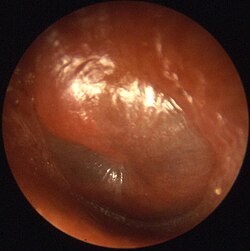
Otitis is a general term for inflammation in ear or ear infection, inner ear infection, middle ear infection of the ear, in both humans and other animals. When infection is present, it may be viral or bacterial.[1][2] When inflammation is present due to fluid build up in the middle ear and infection is not present it is considered Otitis media with effusion.[3] It is subdivided into the following:

  • Otitis externa, external otitis, involves inflammation (either infectious or non-infectious) of the external auditory canal, sometimes extending to the pinna or tragus.[4] Otitis externa can be acute or chronic. It can be fungal or bacterial. The most common aetiology of acute otitis externa is bacterial infection,[5] while chronic cases are often associated with underlying skin diseases such as eczema or psoriasis.[6] A third form, malignant otitis externa, or necrotising otitis externa, is a potentially life-threatening, invasive infection of the external auditory canal and skull.[7] Usually associated with Pseudomonas aeruginosa infection, this form typically occurs in older people with diabetes mellitus, or immunocompromised people.[7] Otomycosis is the fungal form of Otitis Externa that is more common in coastal regions.
  • Otitis media, or middle ear infection, involves the middle ear. In otitis media, the ear is infected or clogged with fluid behind the ear drum, in the normally air-filled middle-ear space. This is the most common infection and very common in babies younger than 6 months. This condition sometimes requires a surgical procedure called myringotomy and tube insertion.
  • Otitis interna, or labyrinthitis, involves the inner ear. The inner ear includes sensory organs for balance and hearing. When the inner ear is inflamed, vertigo is a common symptom. Other symptoms in adults include pain and drainage from ear or problems with hearing.[8] Symptoms in children can include excessive crying, touching at ears, drainage, and fever.[8]

Treatment can range from increasing fluids and over-the-counter medicine to manage symptoms to antibiotics prescribed by medical providers.[9]

References

[edit]
[edit]
Revisions and contributorsEdit on WikipediaRead on Wikipedia
from Grokipedia
Otitis is a general term for of the , which can affect the outer, middle, or inner portions of the and is often caused by bacterial or viral infections. The condition encompasses several distinct types, including ( of the external auditory canal), ( of the space behind the ), and otitis interna ( of the inner ear's labyrinthine structures). These infections are among the most common health issues, particularly in children, with otitis media alone accounting for millions of medical visits annually worldwide. Otitis externa, also known as swimmer's ear, typically arises from bacterial infection, most commonly , often triggered by moisture in the , trauma from cleaning, or underlying conditions like eczema. Symptoms include , itching, redness, swelling, and discharge, and it is more prevalent in warm, humid environments or among frequent swimmers. Treatment usually involves topical antibiotics and ear drops, with prevention focusing on keeping the ears dry. Otitis media is the most frequent type, especially in young children due to that allows fluid buildup and secondary infection following upper respiratory illnesses; common pathogens include , , and . It presents with , fever, , and sometimes fluid drainage if the ruptures, and can lead to complications like chronic effusion or if untreated. Management often includes for mild cases, antibiotics for severe bacterial infections, and tympanostomy tubes for recurrent episodes. Otitis interna, or , is rarer and usually results from the spread of infection from the or via viral causes like or systemic illnesses, leading to of the vestibular and cochlear structures. Key symptoms are severe vertigo, , hearing loss, and , which can significantly impair balance and daily function. Treatment emphasizes supportive care, antiemetics, vestibular suppressants, and addressing any underlying infection, though recovery may take weeks to months. Overall, early diagnosis through otoscopy and appropriate antimicrobial therapy are crucial to prevent or other sequelae across all forms of otitis.

Classification

Otitis externa

Otitis externa, commonly referred to as swimmer's ear, is an inflammation—infectious or noninfectious—of the external auditory , which may extend to the auricle or pinna. This condition primarily involves the skin lining the , distinguishing it from deeper ear inflammations. Anatomically, otitis externa is confined to the external , bounded laterally by the concha of the auricle and medially by the tympanic membrane. The external auditory measures approximately 2.5 cm in length, comprising a lateral cartilaginous portion (about one-third of its length) lined with containing hair follicles, sebaceous glands, and ceruminous glands, and a medial bony portion covered by thin, tightly adherent . The condition is classified as acute if it lasts less than 6 weeks or chronic if it persists for more than 3 months. Common subtypes include acute diffuse , the most prevalent form involving widespread canal inflammation; acute localized (furunculosis), characterized by infection of a single leading to formation; eczematous , often linked to underlying dermatologic conditions with chronic, moist, erythematous changes; and malignant (necrotizing) , a severe, invasive form that can lead to of the , predominantly in immunocompromised individuals such as elderly diabetics. Otitis externa is a frequent presentation in primary care, with an annual incidence of approximately 4 per 1,000 individuals in the United States and a lifetime of about 10%. Roughly 95% of cases are acute, underscoring its predominance as a short-term condition in general practice.

Otitis media

Otitis media refers to of the cleft, encompassing the and its mucoperiosteal lining. This condition arises from an inflammatory process affecting the air-filled space behind the tympanic membrane, often leading to fluid accumulation and potential . The primary subtypes include acute otitis media (AOM), characterized by sudden onset of accompanied by signs of acute such as pain and fever; with (OME), involving persistent nonpurulent fluid in the without acute symptoms; and chronic suppurative otitis media (CSOM), marked by persistent discharge through a perforated tympanic membrane. These subtypes differ in duration, , and clinical presentation, with AOM typically resolving within weeks, OME lasting months, and CSOM persisting beyond three months. A key anatomical factor in otitis media is , which impairs ventilation and drainage of the , resulting in negative middle ear pressure and fluid buildup. This dysfunction often stems from the tube's immature or obstructed state, particularly in young children, facilitating bacterial ascension from the nasopharynx. is most prevalent in children under 5 years of age, with peak incidence occurring between 6 and 18 months, affecting approximately 80% of children by age 3.

Otitis interna

Otitis interna, also known as , is an inflammatory condition affecting the of the , which includes the and vestibular apparatus responsible for hearing and balance. This inflammation disrupts the normal function of the inner ear's sensory structures, leading to symptoms such as vertigo, hearing impairment, and disequilibrium. The primary forms of otitis interna are serous and suppurative. Serous labyrinthitis arises from inflammatory mediators and toxins from adjacent infections, such as , without direct bacterial invasion of the spaces. Viral labyrinthitis, caused by viruses such as or , involves direct viral infection of the structures. In contrast, suppurative labyrinthitis involves direct bacterial infection, often as a complication of or , where pathogens like or enter the . Anatomically, the targets the endolymphatic (potassium-rich) and perilymphatic (sodium-rich) fluid spaces within the membranous and , causing edema, cellular damage, and interference with function in the and vestibular organs. This results in , which may be transient in serous cases but is often permanent and profound in suppurative forms due to irreversible damage to cochlear neurons and structures. Otitis interna is distinguished from vestibular neuritis, which involves isolated inflammation of the without auditory involvement; in otitis interna, and are hallmark features due to cochlear participation. The condition is rare, accounting for a small fraction of disorders, with limited epidemiological data indicating an incidence that increases with age and is often secondary to bacterial (particularly in children under 2 years) or acute . It can occasionally spread from infections via the round or oval windows.

Causes

Infectious causes

Infectious causes of otitis primarily involve bacterial, viral, and fungal pathogens that target specific anatomical regions of the ear, leading to inflammation through direct invasion or secondary complications. Bacterial infections are the most common, with distinct predominant organisms for each type of otitis. For otitis externa, Pseudomonas aeruginosa is the dominant bacterial pathogen, accounting for 22-62% of cases, often thriving in the moist environment of the external auditory canal. Staphylococcus aureus is also frequently isolated, comprising 11-34% of infections. These bacteria typically cause acute inflammation by colonizing the skin of the ear canal, exacerbated by trauma or moisture. In otitis media, Streptococcus pneumoniae and nontypeable Haemophilus influenzae are the leading pathogens, responsible for the majority (typically 70-90%) of bacterial cases alongside Moraxella catarrhalis. These organisms ascend from the nasopharynx via the Eustachian tube, forming biofilms that contribute to persistent middle ear effusion. For otitis interna (labyrinthitis), bacterial involvement is less common but includes Streptococcus species, such as S. pneumoniae, which spread contiguously from untreated otitis media or via meningitis, resulting in suppurative inflammation of the inner ear structures. Viral pathogens play a significant role, particularly in predisposing to bacterial or causing direct involvement. (HSV) and varicella-zoster virus (VZV) can lead to or interna through reactivation, with VZV causing (herpes zoster oticus), characterized by vesicular eruptions in the ear canal, facial palsy, and due to involvement. In , () is a key viral contributor, often complicating upper respiratory infections and increasing the risk of acute by up to one-third in affected children, primarily through and enhanced bacterial adherence. Fungal infections are rarer but prominent in chronic or invasive cases, especially in immunocompromised individuals. Aspergillus species, such as A. fumigatus, and Candida species are the primary culprits in chronic , particularly among diabetics where impairs local immunity and promotes fungal overgrowth in humid conditions. These fungi invade the epithelium, leading to necrotizing infections like malignant in severe cases. Transmission modes vary by otitis type and . often results from water exposure, as in swimmer's ear, where retained moisture facilitates bacterial entry into the external canal, with higher incidence in warm, humid environments. typically follows viral upper respiratory tract infections, which cause obstruction and allow bacterial ascension from the nasopharynx. For otitis interna, pathogens spread hematogenously from distant sites like or via direct extension from adjacent ear infections, though viral reactivation (e.g., VZV) occurs endogenously without external transmission. Antibiotic resistance trends in S. pneumoniae for otitis media have shifted post-introduction of pneumococcal conjugate vaccines (PCVs), with overall resistance rates declining due to reduced carriage of vaccine serotypes, but non-vaccine serotypes exhibiting increased resistance in some regions, necessitating updated therapeutic approaches. As of 2024-2025, post-pandemic data indicate a further increase in H. influenzae and emergence of non-vaccine S. pneumoniae serotypes with resistance. These infectious agents contribute to by inducing mucosal and fluid accumulation, which can progress to complications if untreated.

Noninfectious causes

Noninfectious causes of otitis encompass a range of mechanical, , and environmental factors that disrupt the of the ear's skin barrier or drainage mechanisms, primarily affecting and media. These triggers often initiate independently of microbial but can predispose the ear to secondary infections by compromising protective barriers such as cerumen and epithelial . Trauma to the external auditory is a leading noninfectious cause of , frequently resulting from the insertion of swabs, which abrade the delicate lining and remove protective cerumen. Similarly, ill-fitting hearing aids or earplugs can cause chronic and microtrauma, leading to eczematous changes and in the . Such injuries impair the canal's natural defenses, fostering an environment conducive to further complications. Allergic reactions, particularly , contribute to noninfectious otitis externa by eliciting responses in the or auricle. Common allergens include in earrings, which provoke eczematous inflammation upon prolonged contact, and topical agents such as neomycin in ear drops or certain cosmetics that trigger localized swelling and itching. These reactions manifest as chronic or relapsing externa, often mimicking infectious forms but resolving with allergen avoidance. Autoimmune conditions rarely underlie noninfectious otitis, with standing out as a systemic disorder that episodically inflames cartilaginous structures, including the auricle, presenting as recurrent otitis externa-like symptoms. This immune-mediated destruction spares the ear lobule, distinguishing it from infectious perichondritis, and requires immunosuppressive therapy for management. Environmental factors play a significant role in noninfectious through disruption of the skin barrier. Excessive moisture from or humid climates macerates the canal , reducing cerumen's protective function and promoting known as "swimmer's ear." Cold exposure, such as in , can similarly damage auricular , initiating noninfectious perichondritis that erodes . For , noninfectious blockage from obstructs ventilation, leading to effusion without acute infection. Chemical irritants, including components in hair products like shampoos and dyes, can induce acute or chronic via irritant or in the external . and preservatives in these agents penetrate during routine use, causing and that may persist without removal. Avoidance of such irritants is key to prevention.

Pathophysiology

Mechanisms in otitis externa

Otitis externa typically begins with a disruption of the protective barriers in the external auditory , where moisture from activities such as or excessive perspiration, or mechanical trauma from cotton swabs or other objects, leads to the breakdown of the cerumen layer and the acidic epithelial surface. This alteration compromises the 's natural defenses, allowing opportunistic pathogens like and to colonize the skin. The resulting infection shifts the 's from its normal acidic range of 5 to 5.7, which inhibits bacterial growth, to a more alkaline environment that favors microbial proliferation, particularly of Pseudomonas species. The inflammatory response is initiated by bacterial invasion, triggering the release of pro-inflammatory cytokines that promote and increased . This cascade causes rapid and in the canal's , narrowing the lumen and exacerbating occlusion. The swelling stretches the sensitive and overlying the and , resulting in severe that is characteristic of the condition and often worsens with jaw movement or pressure on the tragus. In cases of repeated or persistent insults, the acute progresses to a chronic form, defined as lasting more than three months or recurring four or more times annually, leading to epithelial , , and formation of . These changes further impair the self-cleaning mechanism of the by disrupting epithelial migration, perpetuating debris accumulation and secondary infections, often in association with underlying dermatologic conditions like eczema or . A severe variant known as malignant or necrotizing otitis externa arises predominantly in immunocompromised individuals, such as those with diabetes mellitus, where Pseudomonas aeruginosa invades the soft tissues and extends to the skull base, causing vasculitis, thrombosis, and osteitis of the temporal bone. This progression involves relentless bacterial proliferation and inflammatory destruction, potentially leading to cranial nerve palsies and intracranial complications, with historical mortality rates approaching 53% if not aggressively managed.

Mechanisms in otitis media

Otitis media primarily arises from dysfunction of the , which normally equalizes pressure between the and nasopharynx while facilitating . Obstruction of the occurs due to inflammation, often triggered by viral upper respiratory infections, or anatomical factors such as its shorter, wider, and more horizontal orientation in young children, impairing ventilation and drainage. This dysfunction results in negative pressure relative to , promoting transudation of sterile fluid into the space and forming an initial effusion. The negative pressure created by obstruction facilitates the ascension of bacteria from the nasopharynx into the , transitioning the sterile effusion to an infectious process. Common pathogens include and nontypeable , which colonize the nasopharyngeal mucosa and migrate through the dysfunctional tube. In chronic cases, such as with effusion persisting beyond three months, bacterial biofilms form on the mucosa, consisting of adherent microbial communities embedded in a protective matrix that enhances persistence and antibiotic resistance. Effusions in otitis media vary in composition, with serous effusions characterized by low and clear, watery fluid resulting from simple transudation due to imbalance. In contrast, mucoid effusions exhibit high and thick, glue-like consistency, driven by in the mucosa that increases production in response to prolonged . This alters the epithelial lining, contributing to the chronicity of the condition. In acute suppurative , the accumulation of purulent within the confined space generates significant pressure against the tympanic membrane, leading to its erosion and potential if untreated. The tympanic membrane, under acute tension from the expanding effusion, thins and ruptures at its weakest point, allowing drainage of but risking secondary complications. The immune response in acute otitis media involves rapid influx of neutrophils into the , recruited by inflammatory cytokines such as interleukin-8 and , resulting in the formation of purulent rich in cellular and enzymes. This polymorphonuclear leukocyte infiltration characterizes the acute phase, amplifying tissue edema and hyperemia while attempting to contain the bacterial proliferation. In severe cases, unchecked inflammation may spread through the round or windows to involve the , potentially causing .

Mechanisms in otitis interna

Otitis interna, also known as , involves inflammation of the structures, including the and vestibular apparatus, leading to and balance disturbances. The primary mechanisms stem from infectious or immune-mediated insults that disrupt the delicate endolymphatic and perilymphatic compartments, causing direct cellular damage or secondary inflammatory responses. These processes can originate from viral or bacterial pathogens and, less commonly, autoimmune reactions, with the severity depending on the route of entry and host response. Viral invasion typically occurs through hematogenous spread or direct entry via the round or , resulting in either direct cochlear infection or immune-mediated damage. Common viruses include , , and varicella-zoster, which trigger the release of inflammatory mediators that inflame the labyrinthine membranes. This can lead to endolymphatic hydrops, an accumulation of that distends the scala media and impairs function, contributing to transient or permanent auditory and vestibular symptoms. Bacterial spread to the often arises from adjacent infections, such as or, less frequently, involvement, facilitating entry through the internal auditory canal or fenestrae. In suppurative , bacteria like invade the perilymphatic spaces, leading to accumulation primarily in the scala tympani and rapid destruction of sensory epithelia. This acute inflammatory response generates toxins and cytokines that exacerbate tissue necrosis, distinguishing it from the more indolent serous forms driven by bacterial byproducts alone. Vestibular disruption in otitis interna primarily involves degeneration of hair cells within the otolith organs and , triggered by the inflammatory milieu. This damage interrupts the mechanotransduction of angular and linear accelerations, resulting in severe vertigo, directed away from the affected side, and imbalance due to asymmetric vestibular signaling. The involvement of the further amplifies these effects, often mimicking central vestibular disorders. The pathway to hearing loss in otitis interna progresses from acute inflammation to chronic structural changes, including fibrosis and ossification of the , known as labyrinthitis ossificans. In severe or untreated cases, particularly post-meningitic, inflammatory debris organizes into fibrous tissue that eventually calcifies, obliterating the cochlear scalae and preventing neural transduction. This underscores the importance of early intervention to mitigate irreversible sensorineural deficits. An autoimmune hypothesis has been proposed for serous or idiopathic forms of otitis interna, where triggers may involve molecular mimicry between microbial antigens and proteins, potentially activating self-reactive T-cells and leading to T-cell infiltration of the . This could promote destruction of hair cells and stria vascularis via release and . Such mechanisms are associated with systemic conditions like Cogan syndrome and highlight a possible role for adaptive immunity in non-infectious .

Signs and symptoms

In otitis externa

, commonly known as swimmer's ear, primarily affects the external auditory and is characterized by localized symptoms due to and of the skin lining the canal. The hallmark symptom is severe , often described as intense and throbbing, which is exacerbated by manipulation of the , such as traction on the pinna or pressure on the tragus (positive traction test), as well as by jaw movements that involve the region. This pain arises from irritation of the sensitive and is typically disproportionate to the visible on examination. Itching is a common early symptom, frequently preceding the onset of pain, and may result from initial irritation or allergic components in the external canal. Discharge, or otorrhea, is another prominent feature, ranging from clear in mild cases to purulent and foul-smelling in bacterial infections, such as those caused by . Swelling manifests as and of the canal walls, which can partially or completely occlude the , leading to a sensation of fullness and due to debris accumulation rather than middle ear involvement. In severe acute cases, regional signs may include preauricular or and low-grade fever, indicating possible extension of beyond the canal. Chronic otitis externa, persisting beyond three months, differs by featuring scaling, lichenified, or cracking skin in the canal without the acute severe pain, often associated with underlying dermatologic conditions like eczema.

In otitis media

Otitis media, encompassing both acute otitis media (AOM) and otitis media with effusion (OME), primarily presents with symptoms related to middle ear inflammation and fluid accumulation, often leading to a sensation of ear fullness and pressure due to effusion buildup. This pressure commonly results in mild conductive hearing loss, as the fluid impairs sound transmission across the ossicles, affecting auditory acuity without involving sensorineural pathways. In children, who account for the majority of cases, these symptoms may manifest subtly, such as through frequent ear tugging or complaints of muffled hearing, particularly in OME where overt pain is less prominent. Otalgia in AOM is typically characterized as deep and throbbing, arising from and on the tympanic membrane, and may intensify at night or during . Spontaneous rupture of the tympanic membrane can occur in severe cases, leading to sudden pain relief accompanied by purulent drainage from the . Systemic manifestations in pediatric patients often include high fever exceeding 38.5°C and , reflecting the infectious nature of AOM, while or vertigo remains rare unless complications such as extension to adjacent structures arise. Otoscopic examination reveals key signs, including tympanic membrane bulging and in AOM, whereas OME shows amber-colored fluid levels behind a retracted or neutral membrane without significant . In chronic or recurrent otitis media, persistent middle ear effusion can lead to ongoing conductive hearing loss, which in young children may contribute to delays in language development and speech acquisition due to impaired auditory input during critical periods. This is particularly concerning in preschool-aged children, where untreated effusion lasting beyond three months heightens the risk of behavioral and educational challenges secondary to auditory deprivation. Pain from middle ear involvement may occasionally refer to the inner ear, mimicking labyrinthine symptoms, though this is uncommon without direct spread.

In otitis interna

Otitis interna, also known as , primarily manifests through vestibular and auditory disruptions stemming from inflammation of the structures. The hallmark symptom is acute vertigo, characterized by a sudden and severe sensation of spinning that can last for several days in the acute phase, often accompanied by —involuntary, rapid eye movements that impair focus and exacerbate disorientation. This vestibular involvement leads to significant imbalance and , where patients struggle with coordination and may experience falls due to suppressed vestibular function, presenting an acute profile that can mimic Meniere's disease but without the recurrent episodes typical of the latter. Auditory symptoms are equally prominent, featuring unilateral that typically begins with high-frequency sounds and is frequently paired with , a persistent ringing or buzzing in the affected . and commonly arise from the intense vestibular suppression, further compounding the patient's distress during the initial onset. In cases linked to viral etiologies, such as herpes zoster causing , additional neurological signs may emerge, including facial weakness or paralysis on the ipsilateral side alongside the core vestibular and auditory deficits. from vestibular dysfunction can persist, contributing to ongoing gait instability. Recovery varies by type: in serous (often viral) , partial restoration of hearing is possible, particularly for lower frequencies, though some high-frequency loss and mild imbalance may linger; conversely, suppurative (bacterial) forms frequently result in permanent and vestibular deficits due to irreversible damage. Otitis interna often arises as a complication of untreated , where infection spreads to the .

Diagnosis

Individuals experiencing ear inflammation accompanied by pain, redness, swelling, fever, discharge, or a strong pressure sensation should consult a healthcare professional promptly, as these symptoms may indicate an infection such as otitis media or externa necessitating antibiotics, topical preparations, or further evaluation. Medical care is also recommended if symptoms do not improve within 1-2 days or worsen.

Clinical evaluation

Clinical evaluation of otitis begins with a detailed to identify the onset, duration, and potential triggers of symptoms, which helps differentiate between types such as externa, media, and interna. For acute , history typically reveals a recent onset (less than 48 hours) of ear pain or fever, often following an upper respiratory infection, with peak incidence in children aged 6 to 24 months. In otitis externa, patients report pruritus or pain exacerbated by manipulation of the ear, linked to exposures like swimming (increasing risk fivefold) or trauma from cotton swabs. For otitis interna (labyrinthitis), history includes sudden vertigo, nausea, and vomiting, often preceded by viral upper respiratory infections or middle ear disease. Risk factors across types include young age, immunosuppression, and environmental exposures such as passive smoke or daycare attendance for media, while humidity and dermatologic conditions like eczema predispose to externa. Physical examination focuses on otoscopy to assess the external canal and tympanic membrane, supplemented by specialized maneuvers. Otoscopy in otitis externa shows an erythematous, edematous canal with debris, while in media it reveals a bulging or erythematous tympanic membrane; pneumatic otoscopy, with 70% to 90% sensitivity, confirms reduced mobility indicative of middle ear effusion. tests, such as and Weber, evaluate conductive versus , particularly useful in interna where sensorineural deficits predominate. In interna, examination may include observation and balance tests like Romberg to assess vestibular involvement. Differentiation between types relies on specific findings: pinna or tragus tenderness strongly suggests externa due to periosteal irritation, whereas may reveal a dark or absent glow behind the tympanic membrane in media, indicating effusion, though pneumatic otoscopy is more reliable. Absence of canal involvement on otoscopy points away from externa toward media or interna. Red flags warranting urgent evaluation include neurological symptoms such as severe vertigo, , facial weakness, or altered mental status, which may signal complications like in interna or intracranial extension. In pediatric patients, particularly infants, evaluation emphasizes behavioral cues since verbal description is limited; signs include tugging, irritability, poor feeding, or restless sleep, often accompanying low-grade fever in media.

Diagnostic tests

Diagnostic tests for otitis play a crucial role in confirming the presence of , identifying causative pathogens, assessing function, and evaluating potential complications, particularly when clinical evaluation suggests involvement beyond the initial assessment. These methods are especially important in cases of treatment , immunocompromised patients, or suspected complications like . Culture and sensitivity testing is a primary approach to identify bacterial pathogens and guide . For , an ear swab of the discharge from the external auditory canal is performed, particularly in immunocompromised individuals, recurrent cases, or when is suspected; common isolates include and . In , tympanocentesis—needle aspiration of fluid—is reserved for severe, refractory, or complicated infections, such as in hospitalized patients or those not responding to initial antibiotics, allowing culture to detect pathogens like or . of the may accompany cultures to detect or fungi rapidly. Audiometric evaluation assesses hearing impairment associated with otitis, while tympanometry measures middle ear pressure and eardrum mobility. identifies the type and degree of hearing loss, such as conductive loss with an air-bone gap greater than 15 dB in otitis media with effusion (OME), and is indicated for persistent symptoms. Tympanometry produces a flat curve in OME due to fluid accumulation reducing tympanic membrane compliance, providing objective confirmation of middle ear effusion when pneumatic otoscopy is inconclusive. These tests are routinely used in pediatric and adult cases to monitor resolution and detect chronic effects. Imaging modalities are employed to investigate complications or atypical presentations. Computed tomography (CT) of the is the preferred initial study for suspected as a complication of or externa, revealing bone erosion, swelling, or abscess formation. (MRI) is utilized for (labyrinthitis) to evaluate involvement, such as of the or , and to detect associated abscesses or enhancement indicative of sensorineural complications. Blood tests support the diagnosis by indicating systemic involvement. A complete blood count (CBC) often shows leukocytosis in acute bacterial otitis, reflecting the inflammatory response, though it lacks specificity for the site of infection. Serologic testing for viral causes, such as varicella-zoster virus in Ramsay Hunt syndrome-related otitis interna, is performed in suspected viral labyrinthitis to confirm etiology through antibody detection. Advanced molecular techniques, like (PCR), enhance detection in atypical or viral cases. PCR on ear fluid or identifies viral pathogens in or interna, such as respiratory viruses in up to 71% of samples or in COVID-19-associated , aiding in cases where culture is negative. Reverse transcription PCR (RT-PCR) is particularly useful for viruses in non-bacterial presentations.

Treatment

Pharmacological management

Pharmacological management of otitis targets the underlying infection, inflammation, and associated symptoms, with treatments tailored to the specific type—externa, media, or interna—and the suspected , whether bacterial, viral, or inflammatory. Antibiotics are reserved for confirmed or suspected bacterial cases to minimize resistance, while analgesics and anti-inflammatories address pain and swelling across all types. , without immediate antibiotics, is recommended for uncomplicated acute (AOM) in children older than 2 years who have mild symptoms, as per (AAP) guidelines, which emphasize high-dose amoxicillin to counter penicillin-resistant strains when antibiotics are indicated. For otitis externa, topical antibiotics like otic drops (0.2% to 0.3%, often combined with dexamethasone) are preferred for bacterial infections, applied twice daily for 7 days, as they provide effective coverage against common pathogens such as without risk. Systemic antibiotics are avoided unless the infection extends beyond the canal, such as in immunocompromised patients or malignant otitis externa. In cases of eczematous or inflammatory , topical corticosteroids (e.g., 1% or betamethasone) alone or in combination with antibiotics reduce and itching, promoting faster resolution than antibiotics alone. In otitis media, oral high-dose amoxicillin (80 to 90 mg/kg/day in two divided doses) is the first-line for children under 2 years or those with severe symptoms, achieving clinical cure rates over 80% against and , including many resistant strains. For penicillin-allergic patients or treatment failures, alternatives like amoxicillin-clavulanate or intramuscular/IV ceftriaxone (50 mg/kg/day for 1 to 3 days) are used, particularly in young children or vomiting cases. A 5- to 10-day course is typical, shortened based on age and severity to reduce unnecessary exposure. For otitis interna (labyrinthitis), treatment depends on whether it is viral, serous (non-suppurative), or bacterial suppurative. In bacterial cases, intravenous broad-spectrum antibiotics such as (1 to 2 g daily) are administered to cover likely pathogens like species, often alongside for drainage if needed. Oral corticosteroids (e.g., 1 mg/kg/day for 5 to 7 days, tapered) are recommended for serous labyrinthitis to reduce and improve recovery of balance function when initiated early. For herpes zoster-related () cases, oral acyclovir (800 mg five times daily for 7 to 10 days) shortens and duration. Pain management is essential across all otitis types, with nonsteroidal anti-inflammatory drugs (NSAIDs) like ibuprofen (10 mg/kg every 6 to 8 hours) or acetaminophen (15 mg/kg every 4 to 6 hours) providing effective short-term relief for earache, often more so than in children with AOM. In severe cases unresponsive to these, opioids are generally avoided in children under 18 years due to safety risks; consider alternatives or specialist consultation. Antiviral agents like are considered only if precedes AOM, reducing secondary bacterial complications in young children. Overall, duration and selection follow evidence-based guidelines to balance efficacy and antimicrobial stewardship.

Surgical interventions

Surgical interventions for otitis are indicated in cases of persistent effusion, recurrent infections, structural complications like , or refractory disease not responsive to medical . These procedures aim to restore function, prevent further damage, and alleviate symptoms by addressing underlying anatomical issues. In with effusion (OME), is a common procedure involving a small incision in the tympanic membrane to drain accumulated fluid from the space. This is frequently combined with the insertion of (also known as grommets or ventilation tubes) to provide ongoing and prevent reaccumulation of effusion. placement improves short-term hearing outcomes and reduces the prevalence of effusion compared to . According to a , tubes enhance hearing at 1 to 3 months post-insertion, though benefits may diminish by 12 to 24 months. Placement of may also reduce the incidence of recurrent acute , with Cochrane reviews indicating a significant increase in the proportion of children free from acute episodes in the first six months following insertion. For chronic suppurative complicated by —a destructive growth of keratinizing squamous epithelium in the or mastoid— is the standard surgical approach. This involves removal of infected mastoid air cells and cholesteatoma matrix to eradicate and prevent intracranial spread. Techniques include canal wall-up mastoidectomy, which preserves the posterior canal wall for better and hearing, or canal wall-down mastoidectomy, preferred for extensive to ensure complete clearance and a safer, dry ear cavity. Open mastoidectomy with reconstruction in a single stage achieves eradication in approximately 93% of cases. Postoperative hearing outcomes vary, but canal wall-down approaches often yield superior audiologic results in cholesteatomatous chronic compared to closed techniques. In chronic otitis externa, particularly when granulation tissue, stenosis, or osteitis develops, surgical debridement under microscopic guidance is performed to meticulously clean the external auditory canal, remove debris, and excise hyperplastic or necrotic tissue. This is especially useful in refractory or necrotizing cases to promote and prevent progression to complications like malignant otitis externa. Debridement facilitates access for topical therapies and can resolve symptoms in most patients when combined with appropriate care, though it is typically reserved for cases unresponsive to initial conservative measures. Labyrinthine surgery for suppurative —an acute bacterial of the often secondary to —is rare and generally limited to severe, refractory cases where formation or persistent suppuration threatens hearing and balance. Procedures may include labyrinthine drainage or shunting to evacuate purulent material, though these are infrequently required due to effective therapy and for source control. In exceptional circumstances, labyrinthectomy may be considered to halt vertigo and , but it results in permanent in the affected ear. Overall, surgical intervention in the prioritizes preservation of function and is pursued only after exhaustive medical management.

Prevention

General preventive measures

Maintaining proper ear hygiene is essential to prevent otitis across types, particularly externa. After or bathing, individuals should thoroughly dry the canal by tilting the head to allow water to drain and gently drying with a or using a on the lowest, coolest setting to avoid moisture retention that fosters . Additionally, avoiding the use of swabs or other objects to clean the prevents trauma to the skin, which can create entry points for . Vaccination plays a key role in reducing the incidence of otitis media. The pneumococcal conjugate vaccine (PCV) has been shown to decrease pneumococcal acute otitis media by 20% to 53% in low-risk infants, with modest effects on all-cause acute otitis media (6% relative risk reduction). Similarly, influenza vaccines reduce the risk of acute otitis media by approximately 16% in children aged 6 months to 6 years, alongside lowering use by 30%. Avoiding exposure to is crucial, as it impairs function and increases the risk of . Living with a smoker is associated with a 37% to 62% higher odds of middle ear disease in children, primarily through and disruption. provides protective benefits for infants, reducing acute episodes by up to 50% in those exclusively breastfed for at least 4 months due to immunoglobulins and factors in . Managing environmental factors, such as allergies, can help minimize blockage leading to . contributes to tube dysfunction via mucosal swelling, and control with antihistamines theoretically reduces congestion, though clinical evidence for direct prevention of effusion is limited and inconsistent.

Otitis Externa

Prevention strategies for otitis externa focus on mitigating moisture and bacterial exposure in the . For individuals prone to swimmer's ear, applying ear drops composed of equal parts white vinegar and immediately after helps evaporate trapped water and restore the 's acidic environment, reducing risk. This , used as three to four drops per , is effective provided there is no perforation. Additionally, wearing earplugs during water sports or prevents water ingress, particularly in those with narrow canals or frequent aquatic exposure. In diabetic patients, maintaining strict glycemic control is vital to avert progression to malignant otitis externa, a severe necrotizing form linked to that impairs . Glucose management, alongside complete treatment of any acute externa episodes, minimizes recurrence and complications in this population.

Otitis Media

Tailored prevention for otitis media emphasizes addressing anatomical and infectious vulnerabilities. In children with recurrent acute , adenoidectomy—surgical removal of the adenoids—significantly lowers the frequency of episodes by improving function and reducing bacterial reservoirs, especially when combined with prior history. This procedure is particularly beneficial for persistent or chronic cases unresponsive to conservative measures. Chewing gum or consuming syrup promotes patency through increased salivation and antimicrobial effects, reducing acute incidence by approximately 25-30% in children up to 12 years old. For high-risk groups, such as those with , early insertion prevents chronic with effusion by ventilating the and averting persistent fluid buildup, which affects up to 61% of these children requiring repeat procedures otherwise.

Otitis Interna

Preventive measures for otitis interna, or , center on interrupting pathways of involvement from contiguous infections. Prompt antibiotic treatment of acute or bacterial is crucial to halt bacterial spread to the , as untreated middle ear infections can lead to suppurative in vulnerable cases. These strategies build on general by targeting viral or bacterial ascent specific to inner ear anatomy.

Complications

Acute complications

Acute complications of otitis arise when infection spreads beyond the primary site, potentially leading to serious intratemporal or intracranial involvement if untreated or inadequately managed. These short-term sequelae are more common in severe cases, particularly among immunocompromised individuals or young children, and require prompt intervention to prevent progression. In otitis externa, infection can extend to surrounding soft tissues, causing of the face or neck through contiguous spread from the external auditory canal. This complication manifests as , swelling, and tenderness beyond the , often necessitating systemic antibiotics to halt progression. Additionally, perichondritis may develop as an abscess-like inflammation of the auricular cartilage's , leading to if not addressed early; it is characterized by severe pain and potential deformity of the pinna. For acute otitis media, the most frequent acute complication is , occurring in approximately 0.2% of cases, where infection erodes into the mastoid air cells, resulting in postauricular swelling, fever, and protrusion of the auricle. palsy can also arise from erosive affecting the within the , presenting as acute unilateral facial weakness in about 0.03% of episodes and requiring urgent evaluation for decompression if persistent. Bezold's represents a rare but grave intratemporal extension, forming a deep neck via rupture through the mastoid tip, often complicating coalescent and demanding surgical drainage alongside antibiotics. Otitis interna, or , carries risks of intracranial spread, notably bacterial resulting from a that allows pathogens to access the . This life-threatening event presents with nuchal rigidity, altered mental status, and severe , underscoring the need for immediate analysis and broad-spectrum antimicrobials. is a rare but critical acute complication, particularly in immunocompromised patients with malignant , where uncontrolled infection leads to systemic dissemination; mortality in such cases can reach up to 20% despite aggressive therapy.

Chronic complications

Chronic complications of otitis primarily stem from recurrent or unresolved infections, resulting in persistent structural damage and functional impairments that can significantly affect . Untreated acute cases may progress to these chronic states, exacerbating long-term risks. Hearing impairment represents one of the most prevalent chronic sequelae. In , arises from scarring of the mucosa, tympanic membrane perforations, and ossicular chain fixation or erosion, which impair sound transmission to the . , though less common, can develop in chronic suppurative otitis media due to inflammatory spread or toxic effects on the , with higher frequencies often affected more severely and potentially leading to irreversible deficits. Studies indicate that millions worldwide experience such hearing rehabilitation needs from , underscoring its global impact. Cholesteatoma formation is a destructive chronic complication in suppurative , where keratinizing squamous accumulates in the , exerting pressure and enzymatic erosion on surrounding structures. This erosive growth frequently leads to ossicle destruction—particularly of the and —causing severe and potential extension to adjacent bone. In unsafe chronic suppurative with , ossicular erosion rates are notably higher compared to non-cholesteatomatous cases, often necessitating surgical reconstruction. Tympanic membrane commonly develops in chronic through repeated and negative pressure, forming retraction pockets that weaken the membrane's integrity. These pockets, often in the posterosuperior quadrant, can progress to or if unresolved, further compromising the barrier against recurrent infections and contributing to ongoing . plays a central role in this , with retraction pockets serving as precursors to more severe in longstanding disease. In pediatric populations, prolonged otitis media with effusion (OME) poses developmental risks, including speech and language delays due to fluctuating conductive hearing loss during critical auditory learning windows. Chronic OME hinders normal by reducing access to phonetic cues, potentially affecting expressive and receptive skills if effusion persists beyond three months. This temporary auditory deprivation can lead to broader communication challenges, emphasizing the need for early intervention in young children. Balance disorders emerge as a chronic outcome particularly from otitis interna, where labyrinthine inflammation causes vestibular hypofunction and long-term disequilibrium. Damage to the vestibular system may result in persistent vertigo, imbalance, or oscillopsia, with recovery prolonged if the infection erodes inner ear structures. Recurrent otitis media has been linked to enduring vestibular dysfunction, manifesting as subtle gait instability or heightened fall risk in affected individuals.

Epidemiology

Global prevalence

Otitis, which includes infections of the external, middle, and , imposes a substantial burden, affecting an estimated 391 million people with new episodes annually as of 2021, predominantly in the form of that constitutes over 80% of all otitis episodes. This high incidence underscores the condition's widespread impact, particularly in low- and middle-income countries where access to care may exacerbate outcomes, with over 80% of cases occurring there. Otitis externa carries a lifetime of approximately 10%, with an annual incidence of about 1%, though rates are notably higher in tropical regions due to and in swimmers, where can exceed 20% among frequent participants. For , around 80% of children worldwide experience at least one episode of acute otitis media by age 3, while up to 90% encounter otitis media with effusion at some point during childhood. In 2021, global incident cases of otitis media reached 391 million, reflecting a slight increase from prior decades but concentrated heavily among young children. Otitis interna remains rare, with an estimated annual incidence of 3-5 cases per 100,000 people, and is frequently underreported owing to its overlap with other vestibular disorders and challenges in diagnosis. Trends indicate a decline in otitis media incidence in populations with high pneumococcal conjugate vaccine coverage; for instance, introduction of the PCV13 vaccine in the 2010s correlated with roughly a 25-30% reduction in cases among children under 5 in several high-income settings.

Risk factors and demographics

Otitis media predominantly affects young children under the age of 5 years, particularly those between 6 months and 2 years, due to the shorter and more horizontal orientation of their Eustachian tubes, which facilitates the ascent of pathogens from the nasopharynx into the middle ear. In contrast, otitis externa is more common in adults engaged in frequent water exposure activities, such as swimming, which creates a moist environment conducive to bacterial overgrowth in the external ear canal. Certain comorbidities significantly elevate the risk of specific otitis types; for instance, diabetes mellitus is a primary for malignant otitis externa, present in 90-100% of cases due to impaired immune response and microvascular complications that allow opportunistic infections like to invade deeper tissues. Similarly, children with cleft palate face a substantially higher risk of , with prevalence rates reaching 90-96% compared to approximately 20% in the general pediatric population, corresponding to an of around 5 for recurrent episodes stemming from and poor middle ear ventilation. Socioeconomic factors, including daycare attendance, double the risk of otitis media in young children by increasing exposure to respiratory pathogens in group settings, thereby promoting viral upper respiratory infections that precede bacterial superinfection in the middle ear. Ethnic disparities are evident in otitis media susceptibility, with Native American and Alaska Native children experiencing rates up to 4-5 times higher than the general U.S. population—often exceeding 50% for chronic or recurrent cases versus about 20% overall—attributed to a combination of genetic predispositions, environmental exposures, and limited access to preventive care. A slight male predominance exists in otitis media, with a male-to-female ratio of approximately 1.2:1, potentially linked to differences in immune responses and anatomical variations in the Eustachian tube.

History

Early descriptions

The earliest known descriptions of otitis appear in ancient Greek medicine, where Hippocrates (c. 460–370 BCE) documented symptoms such as severe ear pain and purulent discharge, associating them with inflammation of the ear structures. These observations, recorded in the Hippocratic Corpus, marked the initial recognition of acute ear infections as distinct clinical entities, often linked to humoral imbalances like excess phlegm. During the , (Ibn Sina, 980–1037 CE) advanced understanding in his comprehensive , a foundational text that linked pus formation to underlying in disorders, including abscesses and suppuration. He described otologic conditions in detail, recommending therapeutic drainage to alleviate pus accumulation and prevent progression, reflecting an early pathophysiological insight into inflammatory processes. In the , provided further clarity through Giovanni Battista Morgagni's De Sedibus et Causis Morborum per Anatomen Indagatis (1761), which included reports demonstrating suppuration as a primary site of infection leading to life-threatening extensions, such as intracranial abscesses. These findings shifted focus from symptomatic descriptions to correlative , underscoring suppuration's role in otitis complications. The 19th century saw refinements in etiology, with Joseph Toynbee's 1860 work emphasizing the Eustachian tube's critical function in , as its obstruction impaired aeration and drainage, fostering bacterial proliferation. Early interventions remained rudimentary, relying on lancing the tympanic membrane () to release pus and cauterization with agents like to reduce inflammation, though these methods often resulted in high complication rates, including persistent perforations and secondary infections.

Modern developments

In the early , advances in transformed the understanding of otitis pathogens. Christian Gram's staining method, introduced in 1884, enabled differentiation of bacteria and laid the groundwork for identifying key etiological agents. By the 1920s, was recognized as a primary cause of , particularly nontypeable strains, following its initial description in and clarification of its role in respiratory infections post-1918 . The introduction of antibiotics marked a pivotal shift in otitis management during the mid-20th century. Sulfonamides, first used clinically in the 1930s, dramatically reduced mortality from bacterial infections, including complications of such as and , by targeting pathogens like and H. influenzae. By the 1940s, penicillin further revolutionized treatment, proving effective against acute caused by susceptible bacteria and significantly lowering rates of progression to invasive disease. Vaccination efforts in the late 20th and early 21st centuries substantially decreased the burden of . The type b (Hib) , licensed in 1985, led to a rapid decline in invasive Hib disease, including associated cases, with incidence dropping over 99% in vaccinated populations by the early 1990s. The (PCV7), introduced in 2000, reduced caused by vaccine s by 60-70%, mitigating recurrent and complicated episodes in children. The 13-valent (PCV13), licensed in 2010, expanded coverage and resulted in further declines, with overall pneumococcal incidence decreasing by an additional 46% compared to the PCV7 era. Surgical techniques also evolved to address persistent otitis. Hermann Schwartze's procedure, described in 1873, was refined in the 1950s with the advent of high-speed air-driven drills operating at up to 300,000 rpm, allowing more precise bone removal and reducing operative risks in chronic suppurative otitis media. Concurrently, tympanostomy tubes emerged as a key intervention for otitis media with ; in 1954, otolaryngologist Beverly Armstrong developed the modern plastic tube design, which provided sustained ventilation and drastically cut rates of recurrent infections requiring multiple interventions. Recent research has illuminated mechanisms underlying chronic otitis, particularly through studies on bacterial biofilms starting in the . A 2006 investigation using scanning electron microscopy detected biofilms on mucosa in over 90% of children with recurrent or with effusion, explaining treatment resistance and persistence of nontypeable H. influenzae and other pathogens. Clinical guidelines have incorporated these insights; the 2022 American Academy of Otolaryngology-Head and Neck Surgery (AAO-HNS) update on tympanostomy tubes recommends their use for persistent with effusion after , emphasizing shared decision-making to balance benefits against risks like tympanic membrane perforation.

References

Add your contribution
Related Hubs
User Avatar
No comments yet.