Hubbry Logo
LactationLactationMain
Open search
Lactation
Community hub
Lactation
logo
8 pages, 0 posts
0 subscribers
Be the first to start a discussion here.
Lactation
Lactation
from Wikipedia
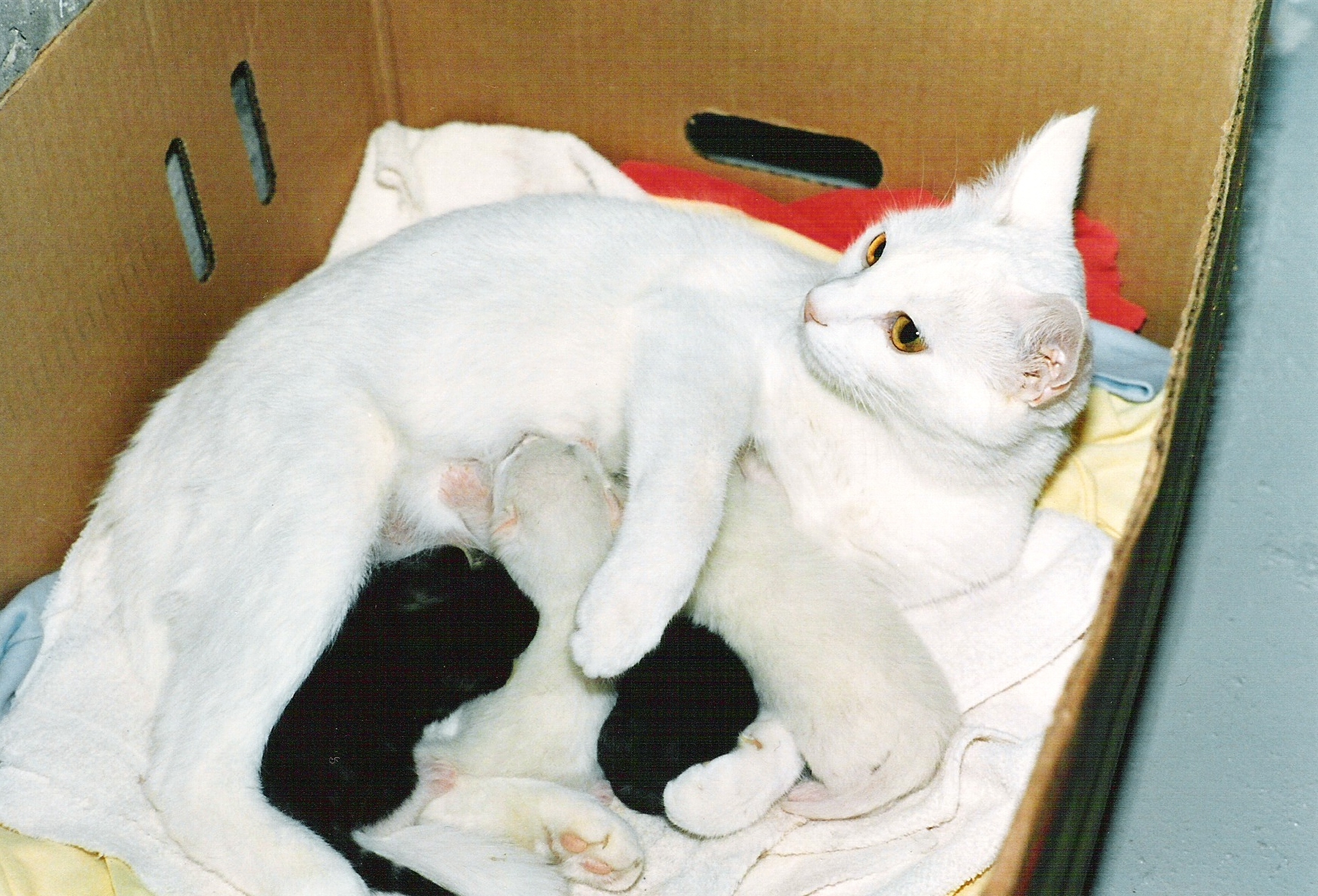
Kittens nursing
Lactating female coyote with visible teats

Lactation describes the secretion of milk from the mammary glands in addition to the period of time that a mother lactates to feed her young. The process can occur with all sexually mature female mammals, although it may predate mammals.[1] The process of feeding milk in all female creatures is called nursing, and in humans it is also called breastfeeding. Newborn infants often produce some milk from their own breast tissue, known colloquially as witch's milk.

In most species, lactation is a sign that the female has been pregnant at some point in her life, although in humans and goats, it can happen without pregnancy.[2][3] Nearly every species of mammal has teats; except for monotremes, egg-laying mammals, which instead release milk through ducts in the abdomen. In only a handful of species of mammals, certain bat species, is milk production a normal male function.

Galactopoiesis is the maintenance of milk production. This stage requires prolactin. Oxytocin is critical for the milk let-down reflex in response to suckling. Galactorrhea is milk production unrelated to nursing. It can occur in males and females of many mammal species as result of hormonal imbalances such as hyperprolactinaemia.

Purpose

[edit]

The chief function of a lactation is to provide nutrition and immune protection to the young after birth. Due to lactation, the mother-young pair can survive even if food is scarce or too hard for the young to attain, expanding the environmental conditions the species can withstand. The costly investment of energy and resources into milk is outweighed by the benefit to offspring survival.[4] In almost all mammals, lactation induces a period of infertility (in humans, lactational amenorrhea), which serves to provide the optimal birth spacing for survival of the offspring.[5]

Human

[edit]
Milk secretion from a human breast

Hormonal influences

[edit]

From the eighteenth week of pregnancy (the second and third trimesters), a woman's body produces hormones that stimulate the growth of the milk duct system in the breasts:

  • Progesterone influences the growth in size of alveoli and lobes; high levels of progesterone inhibit lactation before birth. Progesterone levels drop after birth; this triggers the onset of copious milk production.[6]
  • Estrogen stimulates the milk duct system to grow and differentiate. Like progesterone, high levels of estrogen also inhibit lactation. Estrogen levels also drop at delivery and remain low for the first several months of breastfeeding.[6] Breastfeeding mothers should avoid estrogen based birth control methods, as a spike in estrogen levels may reduce a mother's milk supply.
  • Prolactin contributes to the increased growth and differentiation of the alveoli, and also influences differentiation of ductal structures. High levels of prolactin during pregnancy and breastfeeding also increase insulin resistance, increase growth factor levels (IGF-1) and modify lipid metabolism in preparation for breastfeeding. During lactation, prolactin is the main factor maintaining tight junctions of the ductal epithelium and regulating milk production through osmotic balance.
  • Human placental lactogen (HPL) – from the second month of pregnancy, the placenta releases large amounts of HPL. This hormone is closely associated with prolactin and appears to be instrumental in breast, nipple, and areola growth before birth.
  • Follicle stimulating hormone (FSH), luteinizing hormone (LH), and human chorionic gonadotropin (hCG), through control of estrogen and progesterone production, and also, by extension, prolactin and growth hormone production, are essential.
  • Growth hormone (GH) is structurally very similar to prolactin and independently contributes to its galactopoiesis.
  • Adrenocorticotropic hormone (ACTH) and glucocorticoids such as cortisol have an important lactation inducing function in several animal species, including humans. Glucocorticoids play a complex regulating role in the maintenance of tight junctions.
  • Thyroid-stimulating hormone (TSH) and thyrotropin-releasing hormone (TRH) are very important galactopoietic hormones whose levels are naturally increased during pregnancy.
  • Oxytocin contracts the smooth muscle of the uterus during and after birth, and during orgasm(s). After birth, oxytocin contracts the smooth muscle layer of band-like cells surrounding the alveoli to squeeze the newly produced milk into the duct system. Oxytocin is necessary for the milk ejection reflex, or let-down, in response to suckling, to occur.

It is also possible to induce lactation without pregnancy through combinations of birth control pills, galactagogues, and milk expression using a breast pump.

Breastfeeding (correct latch-on position)
Breastfeeding a newborn baby
Breastfeeding of an older child

Secretory differentiation

[edit]

During the latter part of pregnancy, the woman's breasts enter into the Secretory Differentiation stage. This is when the breasts make colostrum (see below), a thick, sometimes yellowish fluid. At this stage, high levels of progesterone inhibit most milk production. It is not a medical concern if a pregnant woman leaks any colostrum before her baby's birth, nor is it an indication of future milk production.

Secretory activation

[edit]

At birth, prolactin levels remain high, while the delivery of the placenta results in a sudden drop in progesterone, estrogen, and HPL levels. This abrupt withdrawal of progesterone in the presence of high prolactin levels stimulates the copious milk production of Secretory Activation.

When the breast is stimulated, prolactin levels in the blood rise, peak in about 45 minutes, and return to the pre-breastfeeding state about three hours later. The release of prolactin triggers the cells in the alveoli to make milk. Prolactin also transfers to the breast milk. Some research indicates that prolactin in milk is greater at times of higher milk production, and lower when breasts are fuller, and that the highest levels tend to occur between 2 a.m. and 6 a.m.[7]

Other hormones—notably insulin, thyroxine, and cortisol—are also involved, but their roles are not yet well understood. Although biochemical markers indicate that Secretory Activation begins about 30–40 hours after birth, mothers do not typically begin feeling increased breast fullness (the sensation of milk "coming in the breast") until 50–73 hours (2–3 days) after birth.

Colostrum is the first milk a breastfed baby receives. It contains higher amounts of white blood cells and antibodies than mature milk, and is especially high in immunoglobulin A (IgA), which coats the lining of the baby's immature intestines, and helps to prevent pathogens from invading the baby's system. Secretory IgA also helps prevent food allergies.[8] Over the first two weeks after the birth, colostrum production slowly gives way to mature breast milk.[6]

Autocrine control - Galactopoiesis

[edit]

The hormonal endocrine control system drives milk production during pregnancy and the first few days after the birth. When the milk supply is more firmly established, autocrine (or local) control system begins.

During this stage, the more that milk is removed from the breasts, the more the breast will produce milk.[9][10] Research also suggests that draining the breasts more fully also increases the rate of milk production.[11] Thus the milk supply is strongly influenced by how often the baby feeds and how well it is able to transfer milk from the breast. Low supply can often be traced to:

  • not feeding or pumping often enough
  • inability of the infant to transfer milk effectively caused by, among other things:
    • jaw or mouth structure deficits
    • poor latching technique
    • premature birth
    • drowsiness in the baby, due to illness, medication or recovery from medical procedures
  • rare maternal endocrine disorders
  • hypoplastic breast tissue
  • inadequate calorie intake or malnutrition of the mother

Milk ejection reflex

[edit]
Flowchart showing the mechanism of let-down reflex

This is the mechanism by which milk is transported from the breast alveoli to the nipple. Suckling by the baby stimulates the paraventricular nuclei and supraoptic nucleus in the hypothalamus, which signals to the posterior pituitary gland to produce oxytocin. Oxytocin stimulates contraction of the myoepithelial cells surrounding the alveoli, which already hold milk. The increased pressure causes milk to flow through the duct system and be released through the nipple. This response can be conditioned e.g. to the cry of the baby.

Milk ejection is initiated in the mother's breast by the act of suckling by the baby. The milk ejection reflex (also called let-down reflex) is not always consistent, especially at first. Once a woman is conditioned to nursing, let-down can be triggered by a variety of stimuli, including the sound of any baby. Even thinking about breastfeeding can stimulate this reflex, causing unwanted leakage, or both breasts may give out milk when an infant is feeding from one breast. However, this and other problems often settle after two weeks of feeding. Stress or anxiety can cause difficulties with breastfeeding. The release of the hormone oxytocin leads to the milk ejection or let-down reflex. Oxytocin stimulates the muscles surrounding the breast to squeeze out the milk. Breastfeeding mothers describe the sensation differently. Some feel a slight tingling, others feel immense amounts of pressure or slight pain/discomfort, and still others do not feel anything different. A minority of mothers experience a dysphoric milk ejection reflex immediately before let-down, causing anxiety, anger or nausea, amongst other negative sensations, for up to a few minutes per feed.

A poor milk ejection reflex can be due to sore or cracked nipples, separation from the infant, a history of breast surgery, or tissue damage from prior breast trauma. If a mother has trouble breastfeeding, different methods of assisting the milk ejection reflex may help. These include feeding in a familiar and comfortable location, massage of the breast or back, or warming the breast with a cloth or shower.

Milk ejection reflex mechanism

[edit]

This is the mechanism by which milk is transported from the breast alveoli to the nipple. Suckling by the baby innervates slowly adapting[12] and rapidly-adapting[13] mechanoreceptors that are densely packed around the areolar region. The electrical impulse follows the spinothalamic tract, which begins by innervation of fourth intercostal nerves. The electrical impulse then ascends the posterolateral tract for one or two vertebral levels and synapses with second-order neurons, called tract cells, in the posterior dorsal horn. The tract cells then decussate via the anterior white commissure to the anterolateral corner and ascend to the supraoptic nucleus and paraventricular nucleus in the hypothalamus, where they synapse with oxytocinergic third-order neurons. The somas of these neurons are located in the hypothalamus, but their axon and axon terminals are located in the infundibulum and pars nervosa of the posterior pituitary, respectively. The oxytocin is produced in the neuron's soma in the supraoptic and paraventricular nuclei, and is then transported down the infundibulum via the hypothalamo-neurohypophyseal tract with the help of the carrier protein, neurophysin I, to the pars nervosa of the posterior pituitary, and then stored in Herring bodies, where they are stored until the synapse between second- and third-order neurons.

Following the electrical impulse, oxytocin is released into the bloodstream. Through the bloodstream, oxytocin makes its way to myoepithelial cells, which lie between the extracellular matrix and luminal epithelial cells that also make up the alveoli in breast tissue. When oxytocin binds to the myoepithelial cells, the cells contract. The increased intra-alveolar pressure forces milk into the lactiferous sinuses, into the lactiferous ducts (a study found that lactiferous sinuses may not exist.[14] If this is true then milk simply enters the lactiferous ducts), and then out the nipple.

Afterpains

[edit]

A surge of oxytocin also causes the uterus to contract. During breastfeeding, mothers may feel these contractions as afterpains. These may range from period-like cramps to strong labour-like contractions and can be more severe with second and subsequent babies.[15][16]

Without pregnancy, induced lactation, relactation

[edit]

In humans, induced lactation and relactation have been observed frequently in some cultures, and demonstrated with varying success in adoptive mothers, wet nurses, and women with lactophilia.[17][18] It appears plausible that the possibility of lactation in women (or females of other species) who are not biological mothers does confer an evolutionary advantage, especially in groups with high maternal mortality and tight social bonds.[19][20] The phenomenon has been also observed in most primates, in some lemurs, and in dwarf mongooses.[21][22]

Lactation can be induced in humans by a combination of physical and psychological stimulation, by drugs, or by a combination of those methods.[23] Several protocols for inducing lactation were developed by Jack Newman and Lenore Goldfarb and are commonly called the Newman-Goldfarb protocols. The "regular protocol" involves the use of birth control pills to mimic the hormone levels of pregnancy with domperidone to stimulate milk production, followed by discontinuing the birth control and the introducing use of a double electric breast pump to induce milk production.[24] Additional protocols exist to support an accelerated timeline and to support induced lactation in menopausal parents.

Some couples may stimulate lactation outside of pregnancy for sexual purposes.

Rare accounts of male lactation (as distinct from galactorrhea) exist in historical medical and anthropological literature.[25] Most recently a subject of transgender health care, multiple case reports have described transgender women successfully inducing lactation.[26][27] Research has indicated that such breast milk is nutritionally comparable to both the milk of naturally lactating and induced lactating cisgender women.[28]

Domperidone is a drug that can induce lactation.[29][30]

Evolution

[edit]

Charles Darwin recognized that mammary glands seemed to have developed specifically from cutaneous glands, and hypothesized that they evolved from glands in brood pouches of fish, where they would provide nourishment for eggs.[1] The latter aspect of his hypothesis has not been confirmed; however, more recently the same mechanism has been postulated for early synapsids.[31]

As all mammals lactate, lactation must have evolved before the last common ancestor of all mammals, which places it at a minimum in the Middle or Late Triassic when monotremes diverged from therians.[32] O. T. Oftedal has argued that therapsids evolved a proto-lacteal fluid in order to keep eggs moist, an adaptation necessitated due to synapsids’ parchment shelled eggs which are more vulnerable to evaporation and dehydration than the mineralized eggs produced by some sauropsids.[31][33] This protolacteal fluid became a complex, nutrient-rich milk which then allowed a decline in egg size by reducing the dependence on a large yolk in the egg.[20] The evolution of lactation is also believed to have resulted in the more complex dentition seen in mammals, as lactation would have allowed the prolonged development of the jaw before the eruption of teeth.[31]

Oftedal also proposed that the protolacteal fluid was initially secreted through pilosebaceous glands on mammary patches, analogous to the areola, and that hairs on this patch transported the fluid to the hatchlings as is seen in monotremes. In monotremes, they are said to have evolved from apocrine sweat glands.[34] This would have occurred in the mammal lineages that diverged after monotremes, metatheria and eutheria. In this scenario, some genes and signaling pathways involved in lactation evolved from ancient precursors which facilitated secretions from spiny structures, which themselves evolved from odontodes.[35]

Occurrence outside Mammalia

[edit]

Recent research, as documented in the journal Science, has shed light on the behavior of certain species of caecilians. These studies reveal that some caecilians exhibit a phenomenon wherein they provide their hatchlings with a nutrient-rich substance akin to milk, delivered through a maternal vent. Among the species investigated, the oviparous nonmammalian caecilian amphibian Siphonops annulatus stood out, indicating that the practice of lactation may be more widespread among these creatures than previously thought. As detailed in a 2024 study, researchers collected 16 mothers of the Siphonops annulatus species from cacao plantations in Brazil's Atlantic Forest and filmed them with their altricial hatchlings in the lab. The mothers remained with their offspring, which suckled on a white, viscous liquid from their cloaca, experiencing rapid growth in their first week. This milk-like substance, rich in fats and carbohydrates, is produced in the mother's oviduct epithelium's hypertrophied glands, similar to mammal milk. The substance was released seemingly in response to tactile and acoustic stimulation by the babies. The researchers observed the hatchlings emitting high-pitched clicking sounds as they approached their mothers for milk, a behavior unique among amphibians. This milk-feeding behavior may contribute to the development of the hatchlings' microbiome and immune system, similar to mammalian young. The presence of milk production in caecilians that lay eggs suggests an evolutionary transition between egg-laying and live birth.[36][37][38]

Another well known example of nourishing young with secretions of glands is the crop milk of certain birds such as columbiform birds (pigeons and doves), among others. As in mammals, this also appears to be directed by prolactin.[39] Other birds such as flamingos and penguins utilize similar feeding techniques.[40]

The discus fish (Symphysodon) is known for (biparentally) feeding their offspring by epidermal mucus secretion.[41][42] A closer examination reveals that, as in mammals and birds, the secretion of this nourishing fluid may be controlled by prolactin.[43] Similar behavior is seen in at least 30 species of cichlids.[41]

Lactation is also the hallmark of adenotrophic viviparity – a breeding mechanism developed by some insects, most notably tsetse flies. The single egg of the tsetse develops into a larva inside the uterus where it is fed by a milky substance secreted by a milk gland inside the uterus.[44] The cockroach species Diploptera punctata is also known to feed their offspring by milky secretions.[45]

Toxeus magnus, an ant-mimicking jumping spider species of Southeast Asia, also lactates. It nurses its offspring for about 38 days, although they are able to forage on their own after 21 days. Blocking nursing immediately after birth resulted in complete mortality of the offspring, whereas blocking it 20 days after birth resulted in increased foraging and reduced survival. This form of lactation may have evolved from production of trophic eggs.[46]

See also

[edit]

References

[edit]

Further reading

[edit]
Revisions and contributorsEdit on WikipediaRead on Wikipedia
from Grokipedia
Lactation is the physiological process by which female mammals produce and secrete from the mammary glands to nourish their offspring after giving birth. This process is essential for providing optimal and immune to newborns and is a defining feature of mammals, occurring across species but with particular adaptations in humans for . In humans, lactation begins with development during , driven by rising levels of and progesterone, which promote glandular tissue proliferation and prepare the breasts for milk production. Following parturition, the abrupt withdrawal of placental progesterone initiates stage II lactogenesis, typically within 48 to 72 hours postpartum, marking the transition to copious milk secretion. This secretory activation is complemented by stage I lactogenesis, which starts in the second trimester of and involves initial cellular changes for milk synthesis. The maintenance of lactation relies on neuroendocrine mechanisms involving key hormones: from the stimulates milk synthesis in alveolar cells, while oxytocin triggers contraction for ejection, or let-down reflex, in response to during suckling. Frequent and effective or removal sustains these hormonal signals, ensuring ongoing production; without regular demand, milk synthesis declines. Other hormones, such as and progesterone, play indirect roles by modulating prolactin sensitivity and overall breast function. Human breast milk is a complex, dynamic biofluid tailored to infant needs, comprising approximately 87% water, 3.8% fat, 1.0% protein, 7% , and essential vitamins, minerals, enzymes, and bioactive factors like immunoglobulins and oligosaccharides. It evolves through phases—colostrum (first 3–5 days, antibody-rich for immune priming), transitional milk (days 5–14, increasing volume and nutrients), and mature milk (thereafter, providing complete )—delivering all required macronutrients and micronutrients for exclusive feeding in the first six months of life. Beyond , breastfeeding confers benefits including reduced infection risk for infants, lower maternal postpartum hemorrhage, and long-term health advantages like decreased chronic disease incidence for both mother and child.

Biological Foundations

Definition and Process Overview

Lactation is the by which mammary glands synthesize and secrete to nourish , primarily occurring in mammals after giving birth. This process is a hallmark of the class Mammalia, distinguishing mammals from other vertebrates through the of specialized milk-producing tissues that provide essential nutrients and immune factors to newborns. production involves the coordinated activity of alveolar epithelial cells within the mammary glands, which synthesize key components such as , proteins, and from blood precursors, packaging them into secretory vesicles for release. The core stages of lactation encompass mammogenesis, lactogenesis, and galactokinesis, forming a sequential pathway that prepares, initiates, and sustains milk availability. Mammogenesis refers to the growth and differentiation of mammary tissue, developing a network of alveoli and ducts capable of milk production, which begins during and intensifies in preparation for . Lactogenesis follows, marking the onset of active milk synthesis and as the alveolar cells transition to a secretory state, producing initially and then mature milk. Galactokinesis completes the process by facilitating milk removal through the ejection mechanism triggered by suckling, ensuring ongoing production via feedback inhibition of lactation when milk accumulates. The term "lactation" derives from the Latin word lac, meaning "," reflecting its ancient recognition as a vital physiological function.

Milk Composition and Variations

Human is primarily composed of , which constitutes approximately 87-88% of its total volume, providing hydration while serving as a medium for dissolved nutrients and bioactive compounds. The macronutrients include carbohydrates, predominantly at 6-7% (60-70 g/L), which supplies and aids in calcium absorption; lipids at 3-5% (35-50 g/L), mainly in the form of triglycerides; and proteins at 0.8-1.2% (8-10 g/L), consisting of caseins (about 40% of total protein) for formation in the gut and whey proteins (60%) such as alpha-lactalbumin and for digestibility and antimicrobial properties. Micronutrients encompass vitamins (e.g., A, D, E, K, and ) and minerals (e.g., calcium, , iron, and ), present in bioavailable forms tailored to needs. Additionally, bioactive factors like immunoglobulins (primarily secretory IgA), , and cytokines contribute to immune protection and gut maturation.
ComponentApproximate ConcentrationKey Functions
87-88%Hydration and nutrient transport
Carbohydrates ()6-7% (60-70 g/L)Energy source, osmotic balance, support
3-5% (35-50 g/L)High-energy density, essential fatty acids for development
Proteins (caseins and )0.8-1.2% (8-10 g/L)Growth, immune defense, enzymatic activity
Vitamins and mineralsVariable (e.g., 0.4-1 mg/L )Metabolic support, bone health, antioxidant protection
Bioactive factors (e.g., immunoglobulins)0.1-1 g/L IgA, neutralization
Milk composition varies significantly between colostrum, the initial secretion produced in the first 3-5 days postpartum, and mature milk, which develops by 10-14 days and persists thereafter. Colostrum is lower in volume (about 2-20 mL per feed) but richer in proteins (1.4-2.5% or 14-25 g/L) and bioactive components like immunoglobulins and growth factors, providing concentrated immune support, while it has lower fat (2-3%) and lactose (5-6%) levels compared to mature milk's 3-5% fat and 6-7% lactose. These shifts reflect an adaptation from immunological priming to sustained nutritional delivery as the infant's gut matures. Species-specific differences in milk composition align with offspring developmental needs; for instance, human milk contains higher lactose (6-7%) than cow's milk (4.5-5%), supporting greater brain growth in human infants through increased energy from carbohydrate metabolism, whereas cow's milk has higher protein (3-3.5%) suited to faster somatic growth in calves. Human milk also features unique human milk oligosaccharides (HMOs), complex carbohydrates absent in cow's milk, which promote beneficial gut microbiota colonization and barrier function in infants. Adaptations in milk structure enhance nutrient delivery and infant health; milk fat globules, emulsified droplets coated by a trilayer membrane rich in phospholipids and glycoproteins, provide a stable energy source (contributing ~50% of calories) and deliver bioactive membrane components that support intestinal development and reduce inflammation. Oligosaccharides, comprising up to 1-2 g/L in human milk, act as prebiotics by fostering Bifidobacterium growth in the infant gut, thereby modulating the microbiome to prevent pathogen adhesion and support immune tolerance. During lactation stages, composition evolves dynamically: fat content often increases from 2-3% in early mature milk to 4-5% by 3-6 months, optimizing energy provision as the infant's intake rises, while protein levels decline slightly from transitional milk phases. In humans, average daily milk yield stabilizes at 500-1000 mL by 1-6 months postpartum, sufficient to meet an infant's needs of ~750-800 mL/day for exclusive . The nutritional energy density averages 65-70 kcal per 100 mL, primarily from , enabling efficient caloric intake without excessive volume.

Physiological Mechanisms

Hormonal Regulation

Lactation is primarily regulated by a coordinated interplay of hormones that prepare the mammary glands during and subsequently initiate and maintain milk production postpartum. and progesterone, elevated throughout , promote the proliferation and differentiation of mammary epithelial cells, leading to alveolar development and the synthesis of milk precursors, but they inhibit full lactation by suppressing activity. Following delivery, the abrupt decline in these hormones removes the inhibition, allowing lactation to commence. Prolactin, secreted by lactotroph cells in the gland, is the key for stimulating synthesis in mammary alveolar cells, with its release triggered by the suckling stimulus that inhibits hypothalamic production. serves as the primary prolactin-inhibiting factor (PIF), tonically suppressing secretion under basal conditions, but this inhibition is relieved during through neural signals from the to the , resulting in pulsatile surges that sustain production. Oxytocin, released from the in response to a neurogenic reflex activated by suckling or even the anticipation of it, induces contraction of myoepithelial cells surrounding the alveoli, facilitating milk ejection without directly influencing synthesis. Additional feedback mechanisms ensure balance in milk production; for instance, accumulation of milk in the mammary glands leads to local autocrine inhibition via the feedback inhibitor of lactation (FIL), a whey-derived protein that downregulates secretory activity in alveolar cells until milk is removed. Disruptions in this hormonal axis, such as in —a postpartum caused by ischemic of the due to severe hemorrhage—can result in deficiency, leading to agalactorrhea or complete lactation failure.

Stages of Lactation

Lactation progresses through distinct sequential stages that prepare the for milk production, initiate secretion, maintain output, and eventually terminate the process upon . These stages encompass mammogenesis, secretory differentiation, secretory activation, galactopoiesis, and involution, each characterized by specific cellular and molecular changes regulated primarily by hormonal and autocrine factors. Mammogenesis, often designated as stage 0, involves the extensive proliferation and differentiation of mammary epithelial structures during . Driven by rising levels of and progesterone from the ovaries and , this phase expands the ductal and alveolar networks, significantly increasing the glandular tissue volume in humans by term. from the further supports lobuloalveolar development, preparing the gland for future secretory functions without initiating milk synthesis due to the inhibitory effects of high progesterone. Secretory differentiation, or stage I of lactogenesis, occurs primarily in the second half of and finalizes the maturation of alveolar epithelial cells into secretory units capable of production. During this period, mammary epithelial cells (MECs) express genes for protein synthesis, such as beta-casein and acidic protein, and reorganize their cytoskeletal and secretory apparatus, including the development of tight junctions and Golgi complexes. Although colostrum-like fluid is produced, overt is suppressed by elevated progesterone levels, ensuring synthesis begins only post-delivery. This stage establishes the biochemical competence of MECs for lactation. Secretory activation, known as stage II of lactogenesis, marks the onset of copious milk production postpartum, typically around days 2-5 after birth in humans, with physical signs such as the breasts feeling fuller and heavier and milk volumes increasing gradually. Triggered by the precipitous decline in progesterone following placental expulsion, this phase involves the closure of tight junctions between MECs, preventing paracellular leakage and shifting to active transcellular milk secretion. surges facilitate increased synthesis of and , leading to a rapid rise in milk volume from to transitional milk. In the early days, frequent nursing or expression to remove colostrum is essential to build and sustain the milk supply, facilitating the transition to transitional and eventually mature milk. This transition is critical for establishing adequate milk supply in the early neonatal period. Galactopoiesis, or stage III, represents the sustained maintenance of milk synthesis throughout established lactation, primarily under autocrine control rather than endocrine dominance. Milk accumulation in the alveolar lumen releases a whey protein called feedback inhibitor of lactation (FIL), which binds to receptors on MECs and inhibits further secretion in a dose-dependent manner, thereby matching production to infant demand. Frequent milk removal dilutes FIL and stimulates prolactin-mediated synthesis, ensuring dynamic regulation; this local feedback loop allows adaptation to varying nursing frequencies without relying solely on systemic hormones. Cessation of lactation initiates involution, a reversible remodeling phase triggered by prolonged stasis after , involving widespread of secretory epithelial cells. Within days of discontinuation, unremoved induces expression of pro-apoptotic factors like TGF-β and IGFBP-5, leading to 80-90% reduction in alveolar structures through and degradation. Macrophages and neutrophils facilitate clearance of debris, restoring the to a pre-pregnancy-like state while preserving cells for potential future cycles. This process underscores the gland's plasticity across reproductive stages.

Lactation in Humans

Initiation During Pregnancy and Postpartum

During pregnancy, the mammary glands undergo significant proliferation and differentiation in preparation for lactation, primarily driven by placental hormones such as , progesterone, and estrogens. These hormones stimulate the growth of alveolar structures within the breast tissue, transforming the ductal system into a network capable of production; from the also contributes synergistically to this ductal and lobular development throughout . This preparatory phase ensures that the mammary is primed for secretory activity, with functional differentiation enhanced by additional factors like insulin and glucocorticoids. Following delivery, the abrupt decline in progesterone and levels triggers the onset of copious , beginning with production within hours of birth. , a nutrient-dense, antibody-rich fluid, is secreted in small volumes—typically 40-50 ml on the first day—to meet the newborn's immediate needs and support immune development. By days 2-5 postpartum, this transitions to transitional milk, which becomes increasingly creamy and voluminous; mothers often notice their breasts becoming fuller and heavier as milk volumes gradually increase. Frequent nursing or pumping to remove colostrum and early milk is essential for building the milk supply and preventing engorgement. This transitional phase precedes full maturation into nutrient-complete by around day 10 as lactogenesis II fully activates. This shift is marked by increased fat and content, reflecting the mammary gland's adaptation to sustained production. New mothers often encounter initial challenges during this postpartum initiation, including , which typically peaks around days 3-5 as milk volume surges and increases, leading to swelling, firmness, and discomfort if feeding is infrequent. Delayed onset of lactation (DOL), defined as lactogenesis II occurring after day 3, affects approximately 26% of mothers globally, with rates ranging from 10% to 58% depending on region and risk factors. Common contributors include cesarean deliveries, which delay skin-to-skin contact and elevate like , as well as from labor complications, both of which can inhibit oxytocin release and prolong the transition. Breastfeeding in the early also provokes afterpains—sharp that assist in postpartum involution by compressing blood vessels and reducing hemorrhage. These cramps, mediated by oxytocin surges during suckling, are more intense in multiparous women due to a more responsive and can resemble menstrual pain, often worsening with each subsequent feeding session in the first few days. While beneficial for recovery, afterpains may cause significant discomfort, typically subsiding within a week as the contracts to its pre-pregnancy size.

Milk Ejection and Let-Down Reflex

The milk ejection reflex, also known as the let-down reflex, is a neurohormonal mechanism that enables the release of from the mammary alveoli into the ducts during . Suckling by the stimulates endings (afferents) in the and , which transmit signals via the to the . This neural input prompts the release of oxytocin from the gland, which circulates to the breasts and binds to receptors on myoepithelial cells surrounding the alveolar structures. The resulting contraction of these cells squeezes out of the alveoli and propels it toward the , facilitating efficient transfer to the . Many breastfeeding individuals report a subjective sensation during let-down, commonly described as tingling, pins and needles, or a warm feeling in the breasts, though not all experience it. Multiple ejections can occur within a single feeding, with studies using showing this pattern in most sessions, which helps maximize milk removal and supports ongoing production. Various factors influence the efficacy of the milk ejection reflex. Psychological or physiological stress elevates levels, which can suppress oxytocin release and inhibit the reflex, potentially leading to reduced flow. In contrast, skin-to-skin contact between mother and promotes oxytocin secretion through tactile and sensory stimulation, enhancing let-down reliability. The reflex often becomes conditioned over time, allowing non-tactile cues such as the sound of an to trigger oxytocin release and ejection independently of suckling. Impaired or insufficient milk ejection, sometimes referred to as inhibited let-down, can disrupt breastfeeding by preventing effective milk removal despite adequate production. In rare cases, exogenous oxytocin administered via has been used to stimulate the reflex, particularly when psychological or physiological barriers persist, though its routine use is limited due to potential side effects and variable efficacy.

Maintenance and Cessation

Maintenance of lactation, known as galactopoiesis, relies on a demand-driven mechanism where frequent or pumping stimulates ongoing milk synthesis. This process is regulated primarily by autocrine factors within the , ensuring that milk production matches demand through regular removal of milk via suckling or mechanical expression. Peak milk production typically averages around 750 mL per day during the first six months postpartum, supporting exclusive needs. Sustaining lactation imposes significant nutritional demands on the mother, requiring an additional approximately 500 kcal per day above pre-pregnancy levels to meet expenditure for milk synthesis. This increased caloric intake, combined with higher requirements for macronutrients and micronutrients, can elevate the risk of deficiencies if dietary habits are inadequate; for instance, is common among lactating women due to limited transfer into , often necessitating supplementation of 4,000 IU daily to maintain maternal and infant status. Cessation of lactation occurs through gradual , which progressively reduces levels and triggers involution—a remodeling process involving and tissue resorption that unfolds over several weeks. In contrast, abrupt cessation disrupts this balance, leading to milk stasis, engorgement, and an elevated risk of due to bacterial proliferation in stagnant . Prolonged breastfeeding confers notable health benefits for the mother, with meta-analyses from the 2020s indicating a 4.3% reduction in risk for every additional 12 months of lactation duration. Similarly, is associated with a 37% lower risk of compared to shorter durations or none.

Non-Pregnancy Lactation

Induced Lactation

Induced lactation refers to the process of stimulating production in individuals who have not recently been , often to enable in adoptive parents, non-gestational arrangements, or other scenarios where biological lactation is not occurring. This approach typically involves a combination of hormonal, mechanical, and supportive interventions to mimic the physiological changes of and postpartum lactation. The goal is to establish at least a partial supply, which can provide nutritional, immunological, and bonding benefits to the , though full exclusivity is rare without supplementation. Standard protocols for induced lactation begin with to simulate hormones, using combined and progesterone for 3-6 months to promote development, followed by cessation of these hormones 4-8 weeks before the anticipated start to allow surge, akin to postpartum hormonal shifts. is then enhanced pharmacologically with agents like (10-20 mg four times daily) or metoclopramide (10 mg three times daily) for 2-4 weeks or longer, which increase serum levels and support milk synthesis. These medications are often combined with mechanical , as alone is insufficient for sustained production. Non-pharmacological methods form the cornerstone of induced lactation, emphasizing frequent stimulation through pumping or manual expression every 2-3 hours, including overnight sessions, to build supply over 1-3 months of preparation. Herbal galactagogues, such as (2-3 capsules three times daily), are commonly used adjuncts, with some evidence suggesting they may boost perceived milk volume in about 50% of users, though clinical efficacy varies and side effects like gastrointestinal upset can occur. Other herbs like blessed thistle or moringa are sometimes incorporated, but all should be monitored by healthcare providers due to limited rigorous data on safety during lactation induction. Success rates for induced lactation typically result in partial milk supply sufficient for supplementation rather than exclusive , with studies reporting 50-75% of participants achieving some production, often within 4-8 weeks of intensive protocol adherence. For instance, a 2023 Iranian study found 66% success in non-gestational mothers producing milk for adopted , while earlier reviews note higher rates (up to 89%) in resource-limited settings with strong , though full supply occurs in fewer than 25% of cases. Factors influencing outcomes include starting early (ideally 2-3 months pre-arrival), consistent pumping, and prior parity, with adoptive mothers often supplementing with donor milk or to meet needs. Historically, induced lactation has roots in wet nursing traditions dating back to ancient civilizations, where non-puerperal women stimulated milk production through suckling or manual methods to feed orphaned or abandoned infants when biological mothers were unavailable. In modern contexts, particularly since the 1970s, organizations like have formalized protocols for adoptive breastfeeding, updating guidelines in the 2020s to include inclusive support for diverse family structures, emphasizing emotional bonding alongside nutritional goals.

Relactation and Suppression

Relactation refers to the re-establishment of production in women who have previously lactated but experienced an interruption, often due to separation from their or temporary cessation of . The primary techniques involve frequent and regular breast stimulation, such as through direct suckling by the or mechanical pumping every 2-3 hours, including at night, to mimic the demand-driven nature of normal lactation. Supplementary feeding methods, like using a or cup-feeding expressed or , can support the 's during the initial phase while supply rebuilds. Success rates for relactation are generally high, ranging from 75% to 98% for complete or partial production, with outcomes more favorable when the interruption is recent—such as within the first few months postpartum—and when supported by skilled counseling; for instance, one study reported 92% complete relactation among mothers using repeated suckling without medications. Medications may assist in specific cases: synthetic oxytocin can enhance the ejection if let-down is inhibited, while galactagogues like may boost levels to increase supply, though evidence shows mechanical stimulation alone suffices for most cases. In emergency contexts, such as crises or disasters where mothers are separated from their , relactation is prioritized to provide optimal without relying on potentially contaminated supplies, with protocols emphasizing motivation, privacy for pumping, and from other lactating women. Lactation suppression, conversely, involves intentionally halting production, typically postpartum when is not desired or feasible. Natural methods include gradual by reducing feeding frequency over days to weeks, combined with avoiding to prevent engorgement, and using supportive measures like cold compresses or cabbage leaves to alleviate discomfort. Mechanical approaches, such as wearing a supportive and expressing only enough to relieve , facilitate a slower decline in without abrupt cessation. Hormonal interventions, particularly —a that inhibits secretion—are highly effective, with a single 1 mg oral dose achieving suppression in over 90% of cases within 1-2 days and fewer rebound lactation symptoms compared to older agents like . This method is often recommended in medical scenarios, such as prior to for , where must cease to avoid drug transfer to the and to reduce physiological changes that could complicate or . Potential complications from these processes require careful management. For relactation aided by galactagogues like , elevated levels can lead to hyperprolactinemia, manifesting as , menstrual irregularities, or rarely more serious effects like cardiac arrhythmias, necessitating monitoring through serial blood tests of concentrations if symptoms arise. Suppression with carries risks of mild, transient side effects such as , , or in about 10% of users, though these are generally less severe than with alternatives and resolve without intervention; engorgement or can occur if is too abrupt, underscoring the preference for gradual methods. In both relactation and suppression, professional medical oversight is essential to tailor approaches and mitigate risks, particularly in vulnerable populations.

Evolutionary and Comparative Aspects

Evolutionary Origins

Lactation is believed to have originated as a proto-lactatory secretion in the common ancestors of mammals, the synapsids, approximately 300 million years ago during the Pennsylvanian period. This early form likely consisted of glandular skin secretions similar to sweat, which served to moisten and protect parchment-shelled eggs from desiccation in a terrestrial environment, gradually evolving into nutrient-rich milk as synapsids transitioned toward more advanced reproductive strategies. Fossil and comparative anatomical evidence suggests that these secretions first appeared in early therapsids during the Permian period (299–251 million years ago), marking a key innovation in the synapsid lineage that diverged from sauropsids (reptiles and birds). The genetic foundations of lactation are deeply conserved, with key regulatory genes such as those encoding and oxytocin receptors traceable to reptilian ancestors, indicating that the hormonal control of milk production predates mammalian diversification. Mammary glands themselves evolved through the modification of ancestral sweat glands associated with hair follicles, a process that integrated existing epidermal structures into a specialized milk-secreting apparatus unique to the synapsid line. This evolutionary repurposing allowed for the development of mammary ridges and nipples, enhancing the efficiency of nutrient transfer to offspring. The adaptive value of proto-lactation lay in its ability to support extended , reducing the vulnerability of eggs and hatchlings to environmental stresses like and microbial in arid Permian landscapes. By providing hydration, antimicrobial protection, and initial , these secretions enabled smaller-bodied therapsids to invest more in survival without relying solely on yolk reserves, facilitating the shift from to in later mammals. This trait likely contributed to the ecological success of therapsids amid mass extinctions, underscoring lactation's role as a pivotal evolutionary . Genomic analyses of , the egg-laying mammals that represent the basal branch of extant mammals, have revealed lactation-related genes that bridge proto-lactation in synapsids to the complex systems in placentals. For instance, studies have identified conserved milk protein genes in and echidna that share homology with those in therian mammals, while also highlighting unique monotreme-specific adaptations like the monotreme lactation protein (MLP), which provides defense and underscores the gradual evolution of composition. These findings, supported by , illustrate how lactation genes were co-opted and refined across mammalian clades, with monotremes serving as a critical link in understanding the transition from simple secretions to advanced viviparous nourishment.

Lactation Across Mammalian Species

Lactation in monotremes, the most primitive mammalian group, is characterized by a short duration and a unique delivery mechanism lacking nipples. In the (Ornithorhynchus anatinus), lactation typically lasts 3-4 months, during which is secreted from specialized mammary glands that open onto hairless areolar patches on the , allowing the young to lap up the oozing directly from the skin. This primitive system reflects the evolutionary retention of ancestral traits, with providing essential nutrients for the rapid growth of puggles after from eggs. Marsupials exhibit a prolonged lactation period adapted to their short and extended pouch development, with milk composition dynamically shifting to support different developmental stages. In like the (Osphranter rufus), initial is brief and rich in growth factors to promote early pouch young attachment and survival, transitioning to higher-fat and protein formulations as the joey matures; pouch lasts approximately 8 months, after which the young continues suckling outside the pouch for another 3-4 months using specialized teats that produce stage-specific types. This adaptive switching allows a single female to simultaneously nurse offspring of varying ages from different mammary glands, optimizing during extended dependency. Among placental mammals, lactation durations vary widely to match ecological demands, from brief intense periods to extended provisioning. (Loxodonta africana and Elephas maximus) nurse calves for 2-3 years, with composition evolving to support prolonged growth in social herds; in contrast, rabbits (Oryctolagus cuniculus) wean after about 4 weeks, relying on concentrated for rapid post-natal development in litters. Seals, such as the (Mirounga angustirostris), employ a during their 4-week lactation, producing extremely high- (rising from 15% to 55% fat content) that enables pups to gain mass equivalent to their multiple times without maternal . Behavioral adaptations further diversify lactation strategies across mammals, enhancing survival in challenging environments. Communal nursing is prevalent in some rodents, like house mice (Mus musculus), where multiple females share nursing duties in a single nest, increasing pup survival rates through collective milk provision and despite potential costs to individual litters. In bears (Ursus spp.), delayed implantation synchronizes birth and lactation with , allowing females to den and nurse cubs without food intake for months, relying on fat reserves to sustain milk production during this energetically demanding phase.

Lactation in Non-Mammals

In Other Vertebrates

In birds, particularly pigeons and doves of the family , a nutrient-rich known as is produced in the crop, an enlargement of the esophageal lining, and regurgitated to feed hatchlings called squabs. This is composed primarily of proteins and lipids, with minimal carbohydrates, providing essential nourishment during the early altricial stage when squabs are unable to forage independently. Both parents contribute to its production, stimulated by , mirroring hormonal regulation in mammalian lactation. Among fish, certain species exhibit analogous parental provisioning through skin secretions rather than true lactation. In discus fish (Symphysodon spp.), both parents secrete a mucus layer from their epidermis that serves as the primary food source for fry in the weeks following yolk sac absorption. This mucus is rich in proteins, lipids, ions, and metabolites such as fructose biphosphate aldolase and heat shock proteins, supporting energy needs and osmoregulation in the nutrient-poor early environment. Reptiles and amphibians generally lack mammary glands, but some show rare forms of skin-based nutrient provisioning. In oviparous such as Siphonops annulatus, females secrete a lipid-rich "milk" from both hypertrophied and cloacal glands, which altricial hatchlings consume via dermatophagy using specialized teeth. This secretion, containing high levels of and sugars, sustains for up to two months post-hatching, representing a non-mammalian parallel to lactation without true milk glands. These vertebrate analogs suggest evolutionary links to proto-mammalian nurturing strategies, with shared hormonal pathways like prolactin and oxytocin facilitating parental care and secretions across taxa, as evidenced by comparative studies on vertebrate reproductive behaviors.

In Invertebrates and Exceptions

In tsetse flies (Glossina spp.), a form of adenotrophic viviparity occurs where female flies nourish intrauterine larvae through specialized milk glands that secrete nutrient-rich fluids into the uterus, providing lipids, proteins, and other essentials for larval development over approximately 10 days. These secretions, produced by accessory glands connected to the milk gland tubules, enable the larvae to grow to a size comparable to the adult female before being deposited, representing an invertebrate analog to viviparous nutrient provisioning. Certain , such as the wood-feeding Salganea esakii, exhibit parent- stomodeal trophallaxis, where adults regurgitate nutrient-laden fluids from the directly into the mouths of nymphs, facilitating the transfer of essential microbes and digested materials for gut and in nutrient-poor environments. This , observed in subsocial , supports independence by supplementing their limited abilities, though it differs from glandular production by relying on processed food rather than . Exceptions to typical female-only lactation occur in some mammals, such as male Dayak fruit bats (Dyacopterus spadiceus), where individuals in a Malaysian population produce and eject from functional s, likely induced by elevated levels during breeding seasons to supplement female provisioning in monogamous pairs. In (Capra hircus), pseudo-lactation or abnormal milk secretion can arise from hormonal imbalances during pseudopregnancy, where persistent activity elevates progesterone and , leading to development and fluid production without or parturition. Debates persist on classifying these as "true" lactation, with criteria emphasizing specialized glandular synthesis of fluids over mere regurgitation of ingested material, as the former implies evolutionary convergence on dedicated provisioning organs for offspring viability. In tsetse flies and viviparous like Diploptera punctata, uterine glandular secretions qualify more closely, while trophallactic behaviors in subsocial species represent a spectrum of care strategies.

References

Add your contribution
Related Hubs
User Avatar
No comments yet.