


Community hub
Recent from talks
Contribute something
Nothing was collected or created yet.
Lipoprotein(a)
View on Wikipedia
| LPA | |||||||||||||||||||||||||||||||||||||||||||||||||||
|---|---|---|---|---|---|---|---|---|---|---|---|---|---|---|---|---|---|---|---|---|---|---|---|---|---|---|---|---|---|---|---|---|---|---|---|---|---|---|---|---|---|---|---|---|---|---|---|---|---|---|---|
 | |||||||||||||||||||||||||||||||||||||||||||||||||||
| Identifiers | |||||||||||||||||||||||||||||||||||||||||||||||||||
| Aliases | LPA, AK38, APOA, LP, Lipoprotein(a), Lp(a) | ||||||||||||||||||||||||||||||||||||||||||||||||||
| External IDs | HomoloGene: 87856; GeneCards: LPA; OMA:LPA - orthologs | ||||||||||||||||||||||||||||||||||||||||||||||||||
| |||||||||||||||||||||||||||||||||||||||||||||||||||
| |||||||||||||||||||||||||||||||||||||||||||||||||||
| |||||||||||||||||||||||||||||||||||||||||||||||||||
| |||||||||||||||||||||||||||||||||||||||||||||||||||
| Wikidata | |||||||||||||||||||||||||||||||||||||||||||||||||||
| |||||||||||||||||||||||||||||||||||||||||||||||||||


Lipoprotein(a) is a low-density lipoprotein variant containing a protein called apolipoprotein(a). Genetic and epidemiological studies have identified lipoprotein(a) as a risk factor for atherosclerosis and related diseases, such as coronary heart disease and stroke.[3][4][5][6]
Lipoprotein(a) was discovered in 1963 by Kåre Berg.[7] The human gene encoding apolipoprotein(a) was successfully cloned in 1987.[8]
Structure
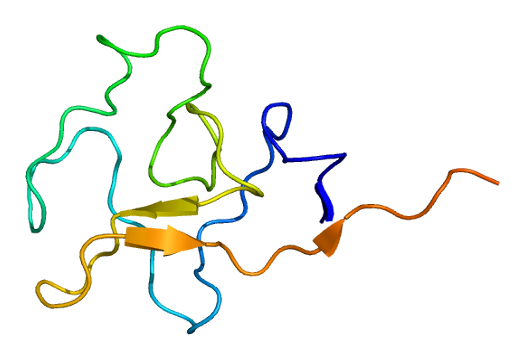
[edit]Lipoprotein(a) [Lp(a)] consists of an LDL-like particle and the specific apolipoprotein(a), which is bound covalently to the apoB contained in the outer shell of the particle. Lp(a) plasma concentrations are highly heritable[9][10] and mainly controlled by the LPA gene[11] located on chromosome 6q25.3–q26.[12] Apo(a) proteins vary in size due to a size polymorphism [KIV-2 VNTR], which is caused by a variable number of kringle IV repeats in the LPA gene.[13] This size variation at the gene level is expressed on the protein level as well, resulting in apo(a) proteins with 10 to more than 50 kringle IV repeats (each of the variable kringle IV consists of 114 amino acids).[8][14] These variable apo(a) sizes are known as "apo(a) isoforms".
There is a general inverse correlation between the size of the apo(a) isoform and the Lp(a) plasma concentration.[15] One theory explaining this correlation involves different rates of protein synthesis. Specifically, the larger the isoform, the more apo(a) precursor protein accumulates intracellularly in the endoplasmic reticulum. Lp(a) is not fully synthesised until the precursor protein is released from the cell, so the slower production rate for the larger isoforms limits the plasma concentration.[16][17]
Populations
[edit]Lp(a) concentrations can vary by more than one thousand between individuals, from <0.2 to >200 mg/dL. Scientists have found that this range of concentrations has been observed in all populations studied. The mean and median concentrations differ among world populations. Most prominently, there is a two to threefold higher mean Lp(a) plasma concentration in populations of African descent compared to Asian, Oceanic, or European populations.[18][19] The general inverse correlation between apo(a) isoform size and Lp(a) plasma concentration is observed in all populations.[15] However, it was also discovered that mean Lp(a) associated with certain apo(a) isoforms varies between populations.[citation needed]
In addition to size effects, mutations in the LPA promoter may lead to a decreased apo(a) production.[20]
The Atherosclerosis Risk in Communities (ARIC) Study is a community-based cohort from 4 geographically diverse US communities. The ARIC Study found that the proportion of Atherosclerotic Cardiovascular Disease cases potentially attributable to elevated Lp(a) was 10.2% among Black adults compared with 4.7% among white adults. The population-attributable fraction ratio for Black adults compared with white adults was 2.30. Because the hazard ratios for ASCVD associated with higher Lp(a) did not significantly differ between races, the ARIC study concluded that these differences appeared to be driven largely by racial differences in the distribution of Lp(a) levels.[21]
Function and pathology
[edit]Lp(a) is assembled at the hepatocyte cell membrane surface, which is similar to typical LDL particles. However, there are other possible locations of assembly. The particles mainly exist in plasma.[22][23][24][25]
Lp(a) contributes to the process of atherogenesis. The structure of apolipoprotein(a) is similar to plasminogen and tPA (tissue plasminogen activator), and it competes with plasminogen for its binding site, leading to reduced fibrinolysis.[26][27] Also, because Lp(a) stimulates secretion of PAI-1, it leads to thrombogenesis.[28][3][29] It also may enhance coagulation by inhibiting the function of tissue factor pathway inhibitor.[30]
Moreover, Lp(a) carries atherosclerosis-causing cholesterol and binds atherogenic pro-inflammatory oxidised phospholipids as a preferential carrier of oxidised phospholipids in human plasma,[31] which attracts inflammatory cells to vessel walls and leads to smooth muscle cell proliferation.[32][33][34] Moreover, Lp(a) also is hypothesised to be involved in wound healing and tissue repair by interacting with components of the vascular wall and extracellular matrix.[35][36] Apo(a), a distinct feature of the Lp(a) particle, binds to immobilized fibronectin and endows Lp(a) with the serine-proteinase-type proteolytic activity.[37]
Nonetheless, individuals without Lp(a) or with very low Lp(a) levels seem to be healthy.[citation needed] Thus, plasma Lp(a) is not vital, at least under normal environmental conditions.[citation needed] Since apo(a)/Lp(a) appeared rather recently in mammalian evolution — only old world monkeys and humans have been shown to harbour Lp(a) — its function might not be vital, but just evolutionarily advantageous under certain environmental conditions, e.g., in case of exposure to certain infectious diseases.[20]
Catabolism and clearance
[edit]The half-life of Lp(a) in circulation is approximately three to four days.[23] The mechanism and sites of Lp(a) catabolism are largely unknown. The LDL receptor has been reported as a receptor for Lp(a) clearance, but is not a major pathway of Lp(a) metabolism under normal or hypercholesterolemic conditions.[29][38][39] The kidney has been identified as playing a role in Lp(a) clearance from plasma.[40]
Disease
[edit]High Lp(a) in blood correlates with coronary heart disease (CHD), cardiovascular disease (CVD), atherosclerosis, thrombosis, and stroke.[41] However, the association between Lp(a) levels and stroke is not as strong as that between Lp(a) and cardiovascular disease.[3] Lp(a) concentrations may be affected by disease states (for example, kidney failure or autoinflammatory conditions), but are only slightly affected by diet, exercise, and other environmental factors.[citation needed]
Most commonly prescribed lipid-reducing drugs have little or no effect on Lp(a) concentration. Results using statin medications have been mixed in most trials, although a meta-analysis published in 2012 suggests that atorvastatin may be of benefit.[42]
Niacin (Vitamin B3) has been shown to reduce the levels of Lp(a) significantly in individuals with high levels of low-molecular weight Lp(a).[43][44]
High Lp(a) correlates with early atherosclerosis independently of other cardiac risk factors, including LDL. In patients with advanced cardiovascular disease, Lp(a) indicates a coagulant risk of plaque thrombosis. Apo(a) contains domains very similar to plasminogen (PLG). Lp(a) accumulates in the vessel wall and inhibits the binding of PLG to the cell surface, reducing plasmin generation, which increases clotting. This inhibition of PLG by Lp(a) also promotes the proliferation of smooth muscle cells. These unique features of Lp(a) suggest that Lp(a) causes generation of clots and atherosclerosis.[45]
Diagnostic testing
[edit]Numerous studies confirming a strong correlation between elevated Lp(a) and heart disease have led to the consensus that Lp(a) is an important independent predictor of cardiovascular disease.[46][3] Animal studies have shown that Lp(a) may directly contribute to atherosclerotic damage by increasing plaque size, inflammation, instability, and smooth muscle cell growth.[47] Genetic data also support the theory that Lp(a) causes cardiovascular disease.[4]
The European Atherosclerosis Society recommends that patients with a moderate or high risk of cardiovascular disease should have their Lp(a) levels checked. Any patient with one of the following risk factors should be screened:
- premature cardiovascular disease
- Familial hypercholesterolaemia
- family history of premature cardiovascular disease
- family history of elevated Lp(a)
- recurrent cardiovascular disease despite statin treatment
- ≥3% ten-year risk of fatal cardiovascular disease according to the European guidelines
- ≥10% ten-year risk of fatal and/or non-fatal cardiovascular disease according to the U.S. guidelines[3]
If the level is elevated, treatment should be initiated to bring the level below 50 mg/dL. In addition, the patient's other cardiovascular risk factors (including LDL levels) should be managed optimally.[3] Apart from the total Lp(a) plasma concentration, the apo(a) isoform might be an important risk parameter as well.[48][49]
Prior studies of the relationship between Lp(a) and ethnicity have shown inconsistent results. Lp(a) levels seem to differ in different populations. For example, in some African populations, Lp(a) levels are higher on average than in other groups, so that using a risk threshold of 30 mg/dl could classify over 50% of the individuals as higher risk.[50][51][52][53] Some part of this complexity may be related to the different genetic factors involved in determining Lp(a) levels. One recent study showed that in different ethnic groups, different genetic alterations were associated with increased Lp(a) levels.[54]
More recent data suggest that prior studies were underpowered. The Atherosclerosis Risk in Communities (ARIC) Study followed 3467 African Americans and 9851 whites for 20 years. The researchers found that an elevated Lp(a) conferred the same risk in each group. African Americans had roughly three times the level of Lp(a); however, Lp(a) also predicted an increased risk of stroke.[55]
Approximate levels of risk are indicated by the results below, although at present, there are various methods by which to measure Lp(a). A standardized international reference material has been developed and is accepted by the WHO Expert Committee on Biological Standardization and the International Federation of Clinical Chemistry and Laboratory Medicine. Although further standardization is still needed, the development of a reference material is an important step toward standardizing results.[56][57]
Lipoprotein(a) — Lp(a)[58]
- Desirable: <14 mg/dL (<35 nmol/L)
- Borderline risk: 14–30 mg/dL (35–75 nmol/L)
- High risk: 31–50 mg/dL (75–125 nmol/L)
- Very high risk: >50 mg/dL (>125 nmol/L)
Lp(a) appears with different isoforms (per kringle repeats) of apolipoprotein; 40% of the variation in Lp(a) levels when measured in mg/dl can be attributed to different isoforms. Lighter Lp(a) are also associated with disease. Thus, a test with simple quantitative results may not provide a complete assessment of risk.[59]
The US FDA has given the Tina-quant® lipoprotein Lp(a) RxDx assay from Roche a Breakthrough Device Designation. The assay is designed to identify patients who may benefit from therapies aimed at decreasing Lp(a) levels.[60]
Treatment
[edit]The current simplest treatment for elevated Lp(a) is to take 1–3 grams of niacin daily, typically in an extended-release form. Niacin therapy may reduce Lp(a) levels by 20–30%.[61] However more recent research suggests that the inflammatory effects of the breakdown products of excess niacin lead to an increase in risk of major adverse cardiovascular event.[62]
A meta-analysis suggested that atorvastatin may lower Lp(a) levels.[42] In severe cases, such as familial hypercholesterolemia or treatment-resistant hypercholesterolemia, LDL apheresis may dramatically reduce Lp(a). The goal of the treatment is to reduce levels to below 50 mg/dL. Cost is prohibitively high.[3]
A meta-analysis of six clinical trials confirmed that flaxseed supplementation modestly lowers Lp(a) levels.[63]
Testosterone is known to reduce Lp(a) levels.[64] Testosterone replacement therapy also appears to be associated with lower Lp(a) levels.[64][65] Estrogen replacement therapy in post-menopausal women will reduce Lp(a).[66] Raloxifene has not been shown to reduce Lp(a), while tamoxifen has.[67]
L-carnitine may also reduce Lp(a) levels. A systematic review and meta-analysis found a significant reduction with oral but not intravenous carnitine.[68] Other medications that are in various stages of development include thyromimetics, cholesterol-ester-transfer protein (CETP inhibitors), anti-sense oligonucleopeptides and small interfering RNAs (such as Pelacarsen and Olpasiran),[69] and proprotein convertase subtilisin/kexin type 9 (PCSK9) inhibitors.[65][70]
The American Academy of Pediatrics now recommends that all children between the ages of nine and eleven years old be screened for hyperlipidemia. Lp(a) levels should be considered in children with a family history of early heart disease or high blood cholesterol levels. However, there have not been enough studies to determine which therapies might be beneficial.[71]
Clinical trials
[edit]Several investigational new drugs that lower Lp(a) levels are currently being evaluated in clinical trials for the treatment of cardiovascular disease.[72]
| Drug | Modality | Mechanism | Dosing / administration | Clinical trial | Trial endpoints |
|---|---|---|---|---|---|
| Pelacarsen | Antisense oligonucleotide | Targets LPA mRNA | Subcutaneous injection once monthly | Phase 3 – Lp(a) HORIZON[73] | Time to first occurrence of cardiovascular death, non-fatal myocardial infarction, non-fatal stroke, or urgent coronary revascularization requiring hospitalization |
| Olpasiran | siRNA (GalNAc-conjugated) | " | Subcutaneous injection every 12 weeks | Phase 3 – OCEAN(a)-Outcomes[74] | Time to first occurrence of coronary heart-disease death, myocardial infarction, or urgent coronary revascularization |
| Zerlasiran | siRNA | " | Subcutaneous injection; dosing under study (e.g., every 16–24 weeks) | Phase 2 – ALPACAR-360[75] | Placebo-adjusted, time-averaged percent change in Lp(a) from baseline through ~36 weeks |
| Lepodisiran | siRNA (extended-duration) | " | Infrequent subcutaneous dosing (under study) | Phase 2[76] | Placebo-adjusted, time-averaged percent change in serum Lp(a) from day 60 to day 180 |
| Muvalaplin | Oral small-molecule | Inhibits Lp(a) assembly | Oral, once daily in trials | Phase 2 – KRAKEN[77] | Percent change in Lp(a) from baseline at 12 weeks |
Interactions
[edit]Lp(a) has been shown to interact with calnexin,[78][79] fibronectin,[37] and fibrinogen beta chain.[80]
See also
[edit]
- Lipoprotein – Biochemical assembly for transporting hydrophobic lipid molecules
- Apolipoprotein – Proteins that bind lipids to transport them in body fluids
- Very-low-density lipoprotein – One of the five major groups of lipoprotein
- Combined hyperlipidemia
References
[edit]- ^ a b c GRCh38: Ensembl release 89: ENSG00000198670 – Ensembl, May 2017
- ^ "Human PubMed Reference:". National Center for Biotechnology Information, U.S. National Library of Medicine.
- ^ a b c d e f g Nordestgaard BG, Chapman MJ, Ray K, Borén J, Andreotti F, Watts GF, et al. (December 2010). "Lipoprotein(a) as a cardiovascular risk factor: current status". European Heart Journal. 31 (23): 2844–2853. doi:10.1093/eurheartj/ehq386. PMC 3295201. PMID 20965889.
- ^ a b Kamstrup PR, Tybjærg-Hansen A, Nordestgaard BG (April 2011). "Lipoprotein(a) and risk of myocardial infarction--genetic epidemiologic evidence of causality". Scandinavian Journal of Clinical and Laboratory Investigation. 71 (2): 87–93. doi:10.3109/00365513.2010.550311. PMID 21231777. S2CID 23045050.
- ^ Smolders B, Lemmens R, Thijs V (June 2007). "Lipoprotein (a) and stroke: a meta-analysis of observational studies". Stroke. 38 (6): 1959–1966. doi:10.1161/STROKEAHA.106.480657. PMID 17478739.
- ^ Amiri M, Raeisi-Dehkordi H, Verkaar AJ, Wu Y, van Westing AC, Berk KA, et al. (May 2023). "Circulating lipoprotein (a) and all-cause and cause-specific mortality: a systematic review and dose-response meta-analysis". European Journal of Epidemiology. 38 (5): 485–499. doi:10.1007/s10654-022-00956-4. PMC 10164031. PMID 36708412.
- ^ Berg K (1963). "A new serum type system in man—the Ld system". Acta Pathologica et Microbiologica Scandinavica. 59 (3): 369–382. doi:10.1111/j.1699-0463.1963.tb01808.x. PMID 14064818.
- ^ a b McLean JW, Tomlinson JE, Kuang WJ, Eaton DL, Chen EY, Fless GM, et al. (1987). "cDNA sequence of human apolipoprotein(a) is homologous to plasminogen". Nature. 330 (6144): 132–137. Bibcode:1987Natur.330..132M. doi:10.1038/330132a0. PMID 3670400. S2CID 4344313.
- ^ Wade DP, Puckey LH, Knight BL, Acquati F, Mihalich A, Taramelli R (November 1997). "Characterization of multiple enhancer regions upstream of the apolipoprotein(a) gene". The Journal of Biological Chemistry. 272 (48): 30387–30399. doi:10.1074/jbc.272.48.30387. PMID 9374529.
- ^ Langsted A, Nordestgaard BG (April 2022). "Value of Genetic Testing for Lipoprotein(a) Variants". Circulation: Genomic and Precision Medicine. 15 (2) e003737. doi:10.1161/CIRCGEN.122.003737. PMID 35311528.
- ^ Coassin S, Chemello K, Khantalin I, Forer L, Döttelmayer P, Schönherr S, et al. (April 2022). "Genome-Wide Characterization of a Highly Penetrant Form of Hyperlipoprotein(a)emia Associated With Genetically Elevated Cardiovascular Risk". Circulation: Genomic and Precision Medicine. 15 (2) e003489. doi:10.1161/CIRCGEN.121.003489. PMC 9018215. PMID 35133173.
- ^ "Symbol report for LPA". HGNC. Hugo Gene Nomenclature Committee. Retrieved 19 June 2024.
- ^ Scipione CA, Koschinsky ML, Boffa MB (2018-01-02). "Lipoprotein(a) in clinical practice: New perspectives from basic and translational science". Critical Reviews in Clinical Laboratory Sciences. 55 (1): 33–54. doi:10.1080/10408363.2017.1415866. ISSN 1040-8363. PMID 29262744.
- ^ Utermann G, Menzel HJ, Kraft HG, Duba HC, Kemmler HG, Seitz C (August 1987). "Lp(a) glycoprotein phenotypes. Inheritance and relation to Lp(a)-lipoprotein concentrations in plasma". The Journal of Clinical Investigation. 80 (2): 458–465. doi:10.1172/JCI113093. PMC 442258. PMID 2956279.
- ^ a b Sandholzer C, Hallman DM, Saha N, Sigurdsson G, Lackner C, Császár A, et al. (April 1991). "Effects of the apolipoprotein(a) size polymorphism on the lipoprotein(a) concentration in 7 ethnic groups". Human Genetics. 86 (6): 607–614. doi:10.1007/BF00201550. PMID 2026424. S2CID 19657929.
- ^ Lobentanz EM, Krasznai K, Gruber A, Brunner C, Müller HJ, Sattler J, et al. (April 1998). "Intracellular metabolism of human apolipoprotein(a) in stably transfected Hep G2 cells". Biochemistry. 37 (16): 5417–5425. doi:10.1021/bi972761t. PMID 9548923.
- ^ Brunner C, Lobentanz EM, Pethö-Schramm A, Ernst A, Kang C, Dieplinger H, et al. (December 1996). "The number of identical kringle IV repeats in apolipoprotein(a) affects its processing and secretion by HepG2 cells". The Journal of Biological Chemistry. 271 (50): 32403–32410. doi:10.1074/jbc.271.50.32403. PMID 8943305.
- ^ Patel AP, Wang (汪敏先) M, Pirruccello JP, Ellinor PT, Ng K, Kathiresan S, Khera AV (January 2021). "Lp(a) (Lipoprotein[a]) Concentrations and Incident Atherosclerotic Cardiovascular Disease: New Insights From a Large National Biobank". Arteriosclerosis, Thrombosis, and Vascular Biology. 41 (1): 465–474. doi:10.1161/ATVBAHA.120.315291. PMC 7769893. PMID 33115266.
- ^ Kronenberg F, Mora S, Stroes ES, Ference BA, Arsenault BJ, Berglund L, et al. (October 2022). "Lipoprotein(a) in atherosclerotic cardiovascular disease and aortic stenosis: a European Atherosclerosis Society consensus statement". European Heart Journal. 43 (39): 3925–3946. doi:10.1093/eurheartj/ehac361. PMC 9639807. PMID 36036785.
- ^ a b Pati N, Rouf A, Pati U (February 2000). "Simultaneous mutations (A/G(-418) and C/T(-384)) in the apo(a) promoter of individuals with low Lp(a) levels". Molecular Genetics and Metabolism. 69 (2): 165–167. doi:10.1006/mgme.1999.2956. PMID 10720444.
- ^ Grant JK, Martin SS, Zhang S, Matsushita K, Virani SS, Blumenthal RS, et al. (July 2024). "Racial Differences in the Burden of Atherosclerotic Cardiovascular Disease Related to Elevated Lipoprotein(a) Levels: The ARIC Study". Circulation. 150 (3): 250–252. doi:10.1161/CIRCULATIONAHA.124.069582. PMID 39008561.
- ^ White AL, Lanford RE (November 1994). "Cell surface assembly of lipoprotein(a) in primary cultures of baboon hepatocytes". The Journal of Biological Chemistry. 269 (46): 28716–28723. doi:10.1016/S0021-9258(19)61964-2. PMID 7961823.
- ^ a b Rader DJ, Cain W, Zech LA, Usher D, Brewer HB (February 1993). "Variation in lipoprotein(a) concentrations among individuals with the same apolipoprotein (a) isoform is determined by the rate of lipoprotein(a) production". The Journal of Clinical Investigation. 91 (2): 443–447. doi:10.1172/JCI116221. PMC 287951. PMID 8432853.
- ^ Dieplinger H, Utermann G (June 1999). "The seventh myth of lipoprotein(a): where and how is it assembled?". Current Opinion in Lipidology. 10 (3): 275–283. doi:10.1097/00041433-199906000-00010. PMID 10431664.
- ^ Koschinsky ML, Marcovina SM (April 2004). "Structure-function relationships in apolipoprotein(a): insights into lipoprotein(a) assembly and pathogenicity". Current Opinion in Lipidology. 15 (2): 167–174. doi:10.1097/00041433-200404000-00009. PMID 15017359. S2CID 45103589.
- ^ Romagnuolo R, Scipione CA, Bazzi ZA, Boffa MB, Koschinsky ML (August 2018). "Inhibition of pericellular plasminogen activation by apolipoprotein(a): Roles of urokinase plasminogen activator receptor and integrins αMβ2 and αVβ3". Atherosclerosis. 275: 11–21. doi:10.1016/j.atherosclerosis.2018.05.029. PMID 29852400.
- ^ Romagnuolo R, DeMarco K, Scipione CA, Boffa MB, Koschinsky ML (September 2018). "Apolipoprotein(a) inhibits the conversion of Glu-plasminogen to Lys-plasminogen on the surface of vascular endothelial and smooth muscle cells". Thrombosis Research. 169: 1–7. doi:10.1016/j.thromres.2018.07.002. PMID 29990619.
- ^ Banach M, Aronow WS, Serban C, Sahabkar A, Rysz J, Voroneanu L, et al. (2015). "Lipids, blood pressure and kidney update 2014". Pharmacological Research. 95–96: 111–125. doi:10.1016/j.phrs.2015.03.009. PMC 4696333. PMID 25819754.
- ^ a b Romagnuolo R, Scipione CA, Boffa MB, Marcovina SM, Seidah NG, Koschinsky ML (May 2015). "Lipoprotein(a) catabolism is regulated by proprotein convertase subtilisin/kexin type 9 through the low density lipoprotein receptor". The Journal of Biological Chemistry. 290 (18): 11649–11662. doi:10.1074/jbc.M114.611988. PMC 4416867. PMID 25778403.
- ^ Pan S, Kleppe LS, Witt TA, Mueske CS, Simari RD (September 2004). "The effect of vascular smooth muscle cell-targeted expression of tissue factor pathway inhibitor in a murine model of arterial thrombosis". Thrombosis and Haemostasis. 92 (3): 495–502. doi:10.1160/TH04-01-0006. PMID 15351845. S2CID 1212821.
- ^ Tsimikas S, Brilakis ES, Miller ER, McConnell JP, Lennon RJ, Kornman KS, et al. (July 2005). "Oxidized phospholipids, Lp(a) lipoprotein, and coronary artery disease". The New England Journal of Medicine. 353 (1): 46–57. doi:10.1056/NEJMoa043175. PMID 16000355.
- ^ Banach M (April 2016). "Lipoprotein (a)-We Know So Much Yet Still Have Much to Learn ..." Journal of the American Heart Association. 5 (4) e003597. doi:10.1161/JAHA.116.003597. PMC 4859302. PMID 27108250.
- ^ Gouni-Berthold I, Berthold HK (November 2011). "Lipoprotein(a): current perspectives". Current Vascular Pharmacology. 9 (6): 682–692. doi:10.2174/157016111797484071. PMID 21529331.
- ^ Tsimikas S, Witztum JL (August 2008). "The role of oxidized phospholipids in mediating lipoprotein(a) atherogenicity". Current Opinion in Lipidology. 19 (4): 369–377. doi:10.1097/MOL.0b013e328308b622. PMID 18607184. S2CID 24081304.
- ^ Brown MS, Goldstein JL (1987). "Plasma lipoproteins: teaching old dogmas new tricks". Nature. 330 (6144): 113–114. doi:10.1038/330113a0. PMID 3670399. S2CID 4322332.
- ^ Kostner GM, Bihari-Varga M (August 1990). "Is the atherogenicity of Lp(a) caused by its reactivity with proteoglycans?". European Heart Journal. 11 Suppl E (Suppl E): 184–189. doi:10.1093/eurheartj/11.suppl_e.184. PMID 2146124.
- ^ a b Salonen EM, Jauhiainen M, Zardi L, Vaheri A, Ehnholm C (December 1989). "Lipoprotein(a) binds to fibronectin and has serine proteinase activity capable of cleaving it". The EMBO Journal. 8 (13): 4035–4040. doi:10.1002/j.1460-2075.1989.tb08586.x. PMC 401578. PMID 2531657.
- ^ Knight BL, Perombelon YF, Soutar AK, Wade DP, Seed M (April 1991). "Catabolism of lipoprotein(a) in familial hypercholesterolaemic subjects". Atherosclerosis. 87 (2–3): 227–237. doi:10.1016/0021-9150(91)90025-X. PMID 1830206.
- ^ Rader DJ, Mann WA, Cain W, Kraft HG, Usher D, Zech LA, et al. (March 1995). "The low density lipoprotein receptor is not required for normal catabolism of Lp(a) in humans". The Journal of Clinical Investigation. 95 (3): 1403–1408. doi:10.1172/JCI117794. PMC 441483. PMID 7883987.
- ^ Albers JJ, Koschinsky ML, Marcovina SM (May 2007). "Evidence mounts for a role of the kidney in lipoprotein(a) catabolism". Kidney International. 71 (10): 961–962. doi:10.1038/sj.ki.5002240. PMID 17495935.
- ^ Wilde C (2003). Hidden Causes of Heart Attack and Stroke: Inflammation, Cardiology's New Frontier. Abigon Press. pp. 182–183. ISBN 978-0-9724959-0-5.
- ^ a b Takagi H, Umemoto T (January 2012). "Atorvastatin decreases lipoprotein(a): a meta-analysis of randomized trials". International Journal of Cardiology. 154 (2): 183–186. doi:10.1016/j.ijcard.2011.09.060. PMID 21996415.
- ^ Sahebkar A, Reiner Ž, Simental-Mendía LE, Ferretti G, Cicero AF (November 2016). "Effect of extended-release niacin on plasma lipoprotein(a) levels: A systematic review and meta-analysis of randomized placebo-controlled trials". Metabolism: Clinical and Experimental. 65 (11): 1664–1678. doi:10.1016/j.metabol.2016.08.007. PMID 27733255.
- ^ Artemeva NV, Safarova MS, Ezhov MV, Afanasieva OI, Dmitrieva OA, Pokrovsky SN (May 2015). "Lowering of lipoprotein(a) level under niacin treatment is dependent on apolipoprotein(a) phenotype". Atherosclerosis. Supplements. 18: 53–58. doi:10.1016/j.atherosclerosissup.2015.02.008. PMID 25936305.
- ^ Caplice NM, Panetta C, Peterson TE, Kleppe LS, Mueske CS, Kostner GM, et al. (November 2001). "Lipoprotein (a) binds and inactivates tissue factor pathway inhibitor: a novel link between lipoproteins and thrombosis". Blood. 98 (10): 2980–2987. doi:10.1182/blood.V98.10.2980. PMID 11698280.
- ^ "Lp(a) and atherosclerotic cardiovascular disease: Guidlines - Lp(a) Forum". 2024-03-20. Retrieved 2025-07-09.
- ^ Kamstrup PR, Nordestgaard BG (October 2009). "Lipoprotein(a) should be taken much more seriously". Biomarkers in Medicine. 3 (5): 439–441. doi:10.2217/bmm.09.57. PMID 20477514.
- ^ Klausen IC, Sjøl A, Hansen PS, Gerdes LU, Møller L, Lemming L, et al. (July 1997). "Apolipoprotein(a) isoforms and coronary heart disease in men: a nested case-control study". Atherosclerosis. 132 (1): 77–84. doi:10.1016/S0021-9150(97)00071-3. PMID 9247362.
- ^ Paultre F, Pearson TA, Weil HF, Tuck CH, Myerson M, Rubin J, et al. (December 2000). "High levels of Lp(a) with a small apo(a) isoform are associated with coronary artery disease in African American and white men". Arteriosclerosis, Thrombosis, and Vascular Biology. 20 (12): 2619–2624. doi:10.1161/01.ATV.20.12.2619. PMID 11116062. S2CID 12507462.
- ^ Helmhold M, Bigge J, Muche R, Mainoo J, Thiery J, Seidel D, et al. (December 1991). "Contribution of the apo[a] phenotype to plasma Lp[a] concentrations shows considerable ethnic variation". Journal of Lipid Research. 32 (12): 1919–1928. doi:10.1016/S0022-2275(20)41895-4. PMID 1840066.
- ^ Cobbaert C, Mulder P, Lindemans J, Kesteloot H (September 1997). "Serum LP(a) levels in African aboriginal Pygmies and Bantus, compared with Caucasian and Asian population samples". Journal of Clinical Epidemiology. 50 (9): 1045–1053. doi:10.1016/S0895-4356(97)00129-7. hdl:1765/68815. PMID 9363039. S2CID 2188933. Archived from the original on 2024-06-11. Retrieved 2023-11-30.
- ^ Schmidt K, Kraft HG, Parson W, Utermann G (February 2006). "Genetics of the Lp(a)/apo(a) system in an autochthonous Black African population from the Gabon". European Journal of Human Genetics. 14 (2): 190–201. doi:10.1038/sj.ejhg.5201512. PMID 16267501.
- ^ Dahlén GH, Ekstedt B (September 2001). "The importance of the relation between lipoprotein(a) and lipids for development of atherosclerosis and cardiovascular disease". Journal of Internal Medicine. 250 (3): 265–267. doi:10.1046/j.1365-2796.2001.00889.x. PMID 11555135. S2CID 44679184.
- ^ Dumitrescu L, Glenn K, Brown-Gentry K, Shephard C, Wong M, Rieder MJ, et al. (January 2011). Kloss-Brandstaetter A (ed.). "Variation in LPA is associated with Lp(a) levels in three populations from the Third National Health and Nutrition Examination Survey". PLOS ONE. 6 (1) e16604. Bibcode:2011PLoSO...616604D. doi:10.1371/journal.pone.0016604. PMC 3030597. PMID 21305047.
- ^ Virani SS, Brautbar A, Davis BC, Nambi V, Hoogeveen RC, Sharrett AR, et al. (January 2012). "Associations between lipoprotein(a) levels and cardiovascular outcomes in black and white subjects: the Atherosclerosis Risk in Communities (ARIC) Study". Circulation. 125 (2): 241–249. doi:10.1161/CIRCULATIONAHA.111.045120. PMC 3760720. PMID 22128224.
- ^ Marcovina SM, Albers JJ, Scanu AM, Kennedy H, Giaculli F, Berg K, et al. (December 2000). "Use of a reference material proposed by the International Federation of Clinical Chemistry and Laboratory Medicine to evaluate analytical methods for the determination of plasma lipoprotein(a)". Clinical Chemistry. 46 (12): 1956–1967. doi:10.1093/clinchem/46.12.1956. PMID 11106328.
- ^ Dati F, Tate JR, Marcovina SM, Steinmetz A (2004). "First WHO/IFCC International Reference Reagent for Lipoprotein(a) for Immunoassay--Lp(a) SRM 2B". Clinical Chemistry and Laboratory Medicine. 42 (6): 670–676. doi:10.1515/CCLM.2004.114. PMID 15259385. S2CID 24696473.
- ^ Ryan GM, Torelli J (2005). Beyond cholesterol: 7 life-saving heart disease tests that your doctor may not give you. New York: St. Martin's Griffin. pp. 91. ISBN 978-0-312-34863-2.
- ^ Boerwinkle E, Menzel HJ, Kraft HG, Utermann G (April 1989). "Genetics of the quantitative Lp(a) lipoprotein trait. III. Contribution of Lp(a) glycoprotein phenotypes to normal lipid variation". Human Genetics. 82 (1): 73–78. doi:10.1007/BF00288277. PMID 2523852. S2CID 912295.
- ^ "FDA Grants Breakthrough Device Designation to Blood Test Measuring Lp(a)". HCP Live. 2024-05-22. Archived from the original on 2024-05-26. Retrieved 2024-06-11.
- ^ Boden WE, Sidhu MS, Toth PP (March 2014). "The therapeutic role of niacin in dyslipidemia management". Journal of Cardiovascular Pharmacology and Therapeutics. 19 (2): 141–158. doi:10.1177/1074248413514481. PMID 24363242. S2CID 5134822.
- ^ Ferrell M, Wang Z, Anderson JT, Li XS, Witkowski M, DiDonato JA, et al. (February 2024). "A terminal metabolite of niacin promotes vascular inflammation and contributes to cardiovascular risk". Nature Medicine. 30 (2): 424–434. doi:10.1038/s41591-023-02793-8. PMC 11841810. PMID 38374343.
- ^ Sahebkar A, Katsiki N, Ward N, Reiner Ž (May 2021). "Flaxseed Supplementation Reduces Plasma Lipoprotein(a) Levels: A Meta-Analysis". Alternative Therapies in Health and Medicine. 27 (3): 50–53. PMID 31634874.
- ^ a b Zmunda JM, Thompson PD, Dickenson R, Bausserman LL (June 1996). "Testosterone decreases lipoprotein(a) in men". The American Journal of Cardiology. 77 (14): 1244–1247. doi:10.1016/S0002-9149(96)00174-9. PMID 8651107.
- ^ a b Parhofer KG (2011). "Lipoprotein(a): medical treatment options for an elusive molecule". Current Pharmaceutical Design. 17 (9): 871–876. doi:10.2174/138161211795428777 (inactive 1 July 2025). PMID 21476974.
{{cite journal}}: CS1 maint: DOI inactive as of July 2025 (link) - ^ Anagnostis P, Galanis P, Chatzistergiou V, Stevenson JC, Godsland IF, Lambrinoudaki I, et al. (May 2017). "The effect of hormone replacement therapy and tibolone on lipoprotein (a) concentrations in postmenopausal women: A systematic review and meta-analysis". Maturitas. 99: 27–36. doi:10.1016/j.maturitas.2017.02.009. hdl:10044/1/48763. PMID 28364865.
- ^ Sahebkar A, Serban MC, Penson P, Gurban C, Ursoniu S, Toth PP, et al. (July 2017). "The Effects of Tamoxifen on Plasma Lipoprotein(a) Concentrations: Systematic Review and Meta-Analysis". Drugs. 77 (11): 1187–1197. doi:10.1007/s40265-017-0767-4. PMC 5501893. PMID 28573436.
- ^ Serban MC, Sahebkar A, Mikhailidis DP, Toth PP, Jones SR, Muntner P, et al. (January 2016). "Impact of L-carnitine on plasma lipoprotein(a) concentrations: A systematic review and meta-analysis of randomized controlled trials". Scientific Reports. 6 19188. Bibcode:2016NatSR...619188S. doi:10.1038/srep19188. PMC 4709689. PMID 26754058.
- ^ "About Trials - Lp(a) Forum". 2024-03-13. Retrieved 2025-07-09.
- ^ Kim KA, Park HJ (January 2023). "New Therapeutic Approaches to the Treatment of Dyslipidemia 2: LDL-C and Lp(a)". Journal of Lipid and Atherosclerosis. 12 (1): 37–46. doi:10.12997/jla.2023.12.1.37. PMC 9884549. PMID 36761062.
- ^ "Expert panel on integrated guidelines for cardiovascular health and risk reduction in children and adolescents: summary report". Pediatrics. 128 Suppl 5 (Suppl 5): S213 – S256. December 2011. doi:10.1542/peds.2009-2107C. PMC 4536582. PMID 22084329.
- ^ De Los Reyes C, Rikhi RR, Doherty S, Hernandez S, Mirzai S, Shapiro MD, et al. (December 2025). "Current Clinical Trials for Treating Elevated Lipoprotein(a)". Current Cardiovascular Risk Reports. 19 (1): 7. doi:10.1007/s12170-025-00759-8. PMC 12282488. PMID 40703143.
- ^ Clinical trial number NCT04023552 for "Assessing the Impact of Lipoprotein (a) Lowering With Pelacarsen (TQJ230) on Major Cardiovascular Events in Patients With CVD (Lp(a)HORIZON)" at ClinicalTrials.gov
- ^ Clinical trial number NCT05581303 for "Olpasiran Trials of Cardiovascular Events and Lipoprotein(a) Reduction (OCEAN(a)) - Outcomes Trial" at ClinicalTrials.gov
- ^ Clinical trial number NCT04606602 for "Evaluate SLN360 in Participants With Elevated Lipoprotein(a) at High Risk of Atherosclerotic Cardiovascular Disease Events" at ClinicalTrials.gov
- ^ Clinical trial number NCT06292013 for "A Study to Investigate the Effect of Lepodisiran on the Reduction of Major Adverse Cardiovascular Events in Adults With Elevated Lipoprotein(a) - ACCLAIM-Lp(a)" at ClinicalTrials.gov
- ^ Clinical trial number NCT05563246 for "A Study of LY3473329 in Adult Participants With Elevated Lipoprotein(a) at High Risk for Cardiovascular Events" at ClinicalTrials.gov
- ^ Bonen DK, Nassir F, Hausman AM, Davidson NO (August 1998). "Inhibition of N-linked glycosylation results in retention of intracellular apo[a] in hepatoma cells, although nonglycosylated and immature forms of apolipoprotein[a] are competent to associate with apolipoprotein B-100 in vitro". Journal of Lipid Research. 39 (8): 1629–1640. doi:10.1016/S0022-2275(20)32192-1. PMID 9717723.
- ^ Nassir F, Xie Y, Davidson NO (April 2003). "Apolipoprotein[a] secretion from hepatoma cells is regulated in a size-dependent manner by alterations in disulfide bond formation". Journal of Lipid Research. 44 (4): 816–827. doi:10.1194/jlr.M200451-JLR200. PMID 12562843.
- ^ Klose R, Fresser F, Kochl S, Parson W, Kapetanopoulos A, Fruchart-Najib J, et al. (December 2000). "Mapping of a minimal apolipoprotein(a) interaction motif conserved in fibrin(ogen) beta — and gamma -chains". The Journal of Biological Chemistry. 275 (49): 38206–38212. doi:10.1074/jbc.M003640200. PMID 10980194.
External links
[edit]- Lipoprotein(a) at the U.S. National Library of Medicine Medical Subject Headings (MeSH)
- Overview of all the structural information available in the PDB for UniProt: P08519 (Apolipoprotein(a)) at the PDBe-KB.
PDB gallery | |
|---|---|
|


Lipids: lipoprotein particle metabolism | ||
|---|---|---|
| Lipoprotein particle classes and subclasses |
|  |
| Apolipoproteins | ||
| Extracellular enzymes | ||
| Lipid transfer proteins | ||
| Cell surface receptors | ||
| ATP-binding cassette transporter | ||