Hubbry Logo
LDL receptorLDL receptorMain
Open search
LDL receptor
Community hub
LDL receptor
logo
8 pages, 0 posts
0 subscribers
Be the first to start a discussion here.
LDL receptor
LDL receptor
from Wikipedia

LDLR
Available structures
PDBOrtholog search: PDBe RCSB
Identifiers
AliasesLDLR, FH, FHC, LDLCQ2, low density lipoprotein receptor, FHCL1
External IDsOMIM: 606945; MGI: 96765; HomoloGene: 55469; GeneCards: LDLR; OMA:LDLR - orthologs
Orthologs
SpeciesHumanMouse
Entrez
Ensembl
UniProt
RefSeq (mRNA)

NM_001252658
NM_001252659
NM_010700

RefSeq (protein)

NP_000518
NP_001182727
NP_001182728
NP_001182729
NP_001182732

NP_001239587
NP_001239588
NP_034830

Location (UCSC)Chr 19: 11.09 – 11.13 MbChr 9: 21.63 – 21.66 Mb
PubMed search[3][4]
Wikidata
View/Edit HumanView/Edit Mouse

The low-density lipoprotein receptor (LDL-R) is a mosaic protein of 839 amino acids (after removal of 21-amino acid signal peptide)[5] that mediates the endocytosis of cholesterol-rich low-density lipoprotein (LDL). It is a cell-surface receptor that recognizes apolipoprotein B100 (ApoB100), which is embedded in the outer phospholipid layer of very low-density lipoprotein (VLDL), their remnants—i.e. intermediate-density lipoprotein (IDL), and LDL particles. The receptor also recognizes apolipoprotein E (ApoE) which is found in chylomicron remnants and IDL. In humans, the LDL receptor protein is encoded by the LDLR gene on chromosome 19.[6][7][8] It belongs to the low density lipoprotein receptor gene family.[9] It is most significantly expressed in bronchial epithelial cells and adrenal gland and cortex tissue.[10]

Michael S. Brown and Joseph L. Goldstein were awarded the 1985 Nobel Prize in Physiology or Medicine for their identification of LDL-R[11] and its relation to cholesterol metabolism and familial hypercholesterolemia.[12] Disruption of LDL-R can lead to higher LDL-cholesterol as well as increasing the risk of related diseases. Individuals with disruptive mutations (defined as nonsense, splice site, or indel frameshift) in LDLR have an average LDL-cholesterol of 279 mg/dL, compared with 135 mg/dL for individuals with neither disruptive nor deleterious mutations. Disruptive mutations were 13 times more common in individuals with early-onset myocardial infarction or coronary artery disease than in individuals without either disease.[13]

Structure

[edit]

Gene

[edit]

The LDLR gene resides on chromosome 19 at the band 19p13.2 and is split into 18 exons.[8] Exon 1 contains a signal sequence that localises the receptor to the endoplasmic reticulum for transport to the cell surface. Beyond this, exons 2-6 code the ligand binding region; 7-14 code the epidermal growth factor (EGF) domain; 15 codes the oligosaccharide rich region; 16 (and some of 17) code the membrane spanning region; and 18 (with the rest of 17) code the cytosolic domain.

This gene produces 6 isoforms through alternative splicing.[14]

Protein

[edit]

This protein belongs to the LDLR family and is made up of a number of functionally distinct domains, including 3 EGF-like domains, 7 LDL-R class A domains, and 6 LDL-R class B repeats.[14]

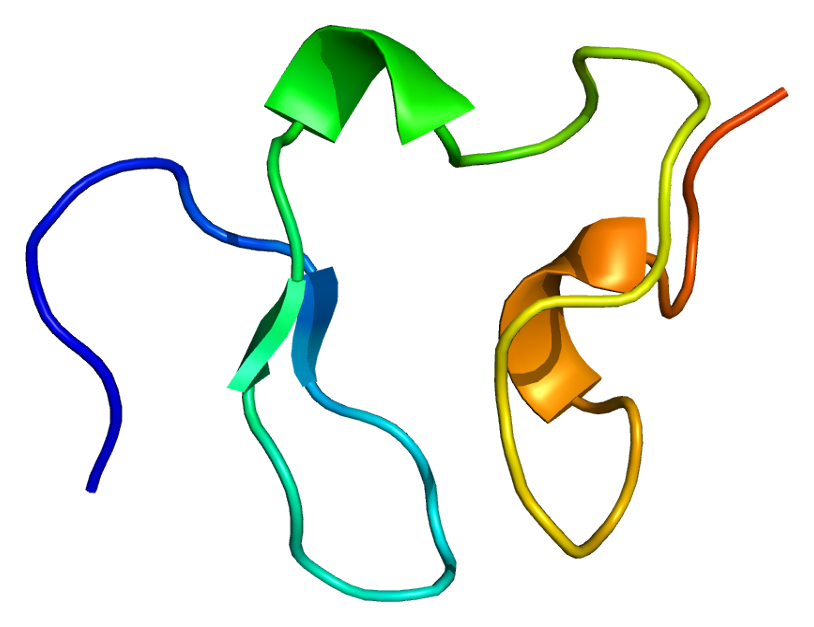
The N-terminal domain of the LDL receptor, which is responsible for ligand binding, is composed of seven sequence repeats (~50% identical). Each repeat, referred to as a class A repeat or LDL-A, contains roughly 40 amino acids, including 6 cysteine residues that form disulfide bonds within the repeat. Additionally, each repeat has highly conserved acidic residues which it uses to coordinate a single calcium ion in an octahedral lattice. Both the disulfide bonds and calcium coordination are necessary for the structural integrity of the domain during the receptor's repeated trips to the highly acidic interior of the endosome. The exact mechanism of interaction between the class A repeats and ligand (LDL) is unknown, but it is thought that the repeats act as "grabbers" to hold the LDL. Binding of ApoB requires repeats 2-7 while binding ApoE requires only repeat 5 (thought to be the ancestral repeat).

Next to the ligand binding domain is an EGF precursor homology domain (EGFP domain). This shows approximately 30% homology with the EGF precursor gene. There are three "growth factor" repeats; A, B and C. A and B are closely linked while C is separated by the YWTD repeat region, which adopts a beta-propeller conformation (LDL-R class B domain). It is thought that this region is responsible for the pH-dependent conformational shift that causes bound LDL to be released in the endosome.

A third domain of the protein is rich in O-linked oligosaccharides but appears to show little function. Knockout experiments have confirmed that no significant loss of activity occurs without this domain. It has been speculated that the domain may have ancestrally acted as a spacer to push the receptor beyond the extracellular matrix.

The single transmembrane domain of 22 (mostly) non-polar residues crosses the plasma membrane in a single alpha helix.

The cytosolic C-terminal domain contains ~50 amino acids, including a signal sequence important for localizing the receptors to clathrin-coated pits and for triggering receptor-mediated endocytosis after binding. Portions of the cytosolic sequence have been found in other lipoprotein receptors, as well as in more distant receptor relatives.[15][16][17]

Mutations

[edit]

Loss-of-function mutations in the gene encoding the LDL receptor are known to cause familial hypercholesterolaemia.

There are 5 broad classes of mutation of the LDL receptor:

  • Class 1 mutations affect the synthesis of the receptor in the endoplasmic reticulum (ER).
  • Class 2 mutations prevent proper transport to the Golgi body needed for modifications to the receptor.
    • e.g. a truncation of the receptor protein at residue number 660 leads to domains 3,4 and 5 of the EGF precursor domain being missing. This precludes the movement of the receptor from the ER to the Golgi, and leads to degradation of the receptor protein.
  • Class 3 mutations stop the binding of LDL to the receptor.
    • e.g. repeat 6 of the ligand binding domain (N-terminal, extracellular fluid) is deleted.
  • Class 4 mutations inhibit the internalization of the receptor-ligand complex.
    • e.g. "JD" mutant results from a single point mutation in the NPVY domain (C-terminal, cytosolic; C residue converted to a Y, residue number 807). This domain recruits clathrin and other proteins responsible for the endocytosis of LDL, therefore this mutation inhibits LDL internalization.
  • Class 5 mutations give rise to receptors that cannot recycle properly. This leads to a relatively mild phenotype as receptors are still present on the cell surface (but all must be newly synthesised).[18]

Gain-of-function mutations decrease LDL levels and are a target of research to develop a gene therapy to treat refractory hypercholesterolemia.[19]

Function

[edit]

LDL receptor mediates the endocytosis of cholesterol-rich LDL and thus maintains the plasma level of LDL.[20] This occurs in all nucleated cells, but mainly in the liver which removes ~70% of LDL from the circulation. LDL receptors are clustered in clathrin-coated pits, and coated pits pinch off from the surface to form coated endocytic vesicles that carry LDL into the cell.[21] After internalization, the receptors dissociate from their ligands when they are exposed to lower pH in endosomes. After dissociation, the receptor folds back on itself to obtain a closed conformation and recycles to the cell surface.[22] The rapid recycling of LDL receptors provides an efficient mechanism for delivery of cholesterol to cells.[23][24] It was also reported that by association with lipoprotein in the blood, viruses such as hepatitis C virus, Flaviviridae viruses and bovine viral diarrheal virus could enter cells indirectly via LDLR-mediated endocytosis.[25] LDLR has been identified as the primary mode of entry for the Vesicular stomatitis virus in mice and humans.[26] In addition, LDLR modulation is associated with early atherosclerosis-related lymphatic dysfunction.[27] Synthesis of receptors in the cell is regulated by the level of free intracellular cholesterol; if it is in excess for the needs of the cell then the transcription of the receptor gene will be inhibited.[28] LDL receptors are translated by ribosomes on the endoplasmic reticulum and are modified by the Golgi apparatus before travelling in vesicles to the cell surface.

Clinical significance

[edit]

In humans, LDL is directly involved in the development of atherosclerosis, which is the process responsible for the majority of cardiovascular diseases, due to accumulation of LDL-cholesterol in the blood [citation needed]. Hyperthyroidism may be associated with reduced cholesterol via upregulation of the LDL receptor, and hypothyroidism with the converse. A vast number of studies have described the relevance of LDL receptors in the pathophysiology of atherosclerosis, metabolic syndrome, and steatohepatitis.[29][30] Previously, rare mutations in LDL-genes have been shown to contribute to myocardial infarction risk in individual families, whereas common variants at more than 45 loci have been associated with myocardial infarction risk in the population. When compared with non-carriers, LDLR mutation carriers had higher plasma LDL cholesterol, whereas APOA5 mutation carriers had higher plasma triglycerides.[31] Recent evidence has connected MI risk with coding-sequence mutations at two genes functionally related to APOA5, namely lipoprotein lipase and apolipoprotein C-III.[32][33] Combined, these observations suggest that, as well as LDL cholesterol, disordered metabolism of triglyceride-rich lipoproteins contributes to MI risk. Overall, LDLR has a high clinical relevance in blood lipids.[34][35]

Clinical marker

[edit]

A multi-locus genetic risk score study based on a combination of 27 loci, including the LDLR gene, identified individuals at increased risk for both incident and recurrent coronary artery disease events, as well as an enhanced clinical benefit from statin therapy. The study was based on a community cohort study (the Malmö Diet and Cancer study) and four additional randomized controlled trials of primary prevention cohorts (JUPITER and ASCOT) and secondary prevention cohorts (CARE and PROVE IT-TIMI 22).[36]

Interactive pathway map

[edit]

Click on genes, proteins and metabolites below to link to respective articles.[§ 1]

[[File:
Statin_Pathway_WP430go to articlego to articlego to articlego to articlego to articlego to articlego to articlego to articlego to articlego to articlego to articlego to articlego to articlego to articlego to articlego to articlego to articlego to articlego to articlego to articlego to articlego to articlego to articlego to articlego to articlego to articlego to articlego to articlego to articlego to articlego to articlego to articlego to articlego to articlego to articlego to articlego to articlego to articlego to articlego to articlego to articlego to articlego to articlego to articlego to articlego to articlego to articlego to articlego to article
[[
]]
[[
]]
[[
]]
[[
]]
[[
]]
[[
]]
[[
]]
[[
]]
[[
]]
[[
]]
[[
]]
[[
]]
[[
]]
[[
]]
[[
]]
[[
]]
[[
]]
[[
]]
[[
]]
[[
]]
[[
]]
[[
]]
[[
]]
[[
]]
[[
]]
[[
]]
[[
]]
[[
]]
[[
]]
[[
]]
[[
]]
[[
]]
[[
]]
[[
]]
[[
]]
[[
]]
[[
]]
[[
]]
[[
]]
[[
]]
[[
]]
[[
]]
[[
]]
[[
]]
[[
]]
[[
]]
[[
]]
[[
]]
[[
]]
[[
]]
Statin_Pathway_WP430go to articlego to articlego to articlego to articlego to articlego to articlego to articlego to articlego to articlego to articlego to articlego to articlego to articlego to articlego to articlego to articlego to articlego to articlego to articlego to articlego to articlego to articlego to articlego to articlego to articlego to articlego to articlego to articlego to articlego to articlego to articlego to articlego to articlego to articlego to articlego to articlego to articlego to articlego to articlego to articlego to articlego to articlego to articlego to articlego to articlego to articlego to articlego to articlego to article
|alt=Statin pathway edit]]
Statin pathway edit
  1. ^ The interactive pathway map can be edited at WikiPathways: "Statin_Pathway_WP430".

References

[edit]

Further reading

[edit]
[edit]
Revisions and contributorsEdit on WikipediaRead on Wikipedia
from Grokipedia
The low-density lipoprotein receptor (LDLR) is a cell surface that binds and internalizes cholesterol-carrying particles, such as (LDL), into cells via , thereby regulating in mammals. Encoded by the LDLR gene on , the receptor is synthesized as a 120 kDa precursor in the rough and matures to 160 kDa in the Golgi apparatus through the addition of O-linked carbohydrate chains. Its extracellular domain consists of seven cysteine-rich LDL-A repeats for ligand binding, three EGF-like repeats, and a β-propeller domain, while the intracellular domain features an NPxY motif that interacts with adaptor proteins for clathrin-mediated uptake. Functionally, LDLR localizes to clathrin-coated pits on the plasma membrane, where it captures - and E-containing lipoproteins like LDL, (VLDL), and chylomicron remnants; the complex is rapidly internalized within 3–5 minutes, delivering to lysosomes for degradation while the receptor recycles to the surface. In endosomes, the low triggers ligand release, allowing LDLR to return to the cell surface for reuse, a process essential for preventing excessive circulating . Physiologically, LDLR-mediated uptake suppresses hepatic synthesis by downregulating and promotes esterification via ACAT, maintaining systemic lipid balance; it is predominantly expressed in the liver, adrenal glands, and macrophages. Mutations in the LDLR gene, affecting over 2,300 variants, disrupt receptor synthesis, transport, binding, or recycling, leading to (FH), an autosomal dominant disorder with heterozygote prevalence of approximately 1 in 250 and homozygote prevalence of approximately 1 in 300,000 (as of 2023), characterized by elevated LDL levels (up to 800 mg/dL in homozygotes) and accelerated . Beyond lipid metabolism, LDLR family members, including related proteins like , contribute to broader roles such as clearance and cellular signaling, highlighting the receptor's evolutionary conservation across vertebrates.

Structure

Gene

The LDLR gene, which encodes the low-density lipoprotein receptor, is located on the short arm of chromosome 19 at cytogenetic band 19p13.2 in humans. It spans approximately 45 kb of genomic DNA and consists of 18 exons, with most exons corresponding to distinct functional domains of the encoded protein. The gene exhibits strong evolutionary conservation across mammals, reflecting its critical role in lipid homeostasis. For instance, the mouse Ldlr gene shares 76% nucleotide sequence identity with the human LDLR gene, including preservation of exon-intron boundaries. The promoter region of the LDLR contains regulatory elements (SREs) that mediate responsiveness to intracellular levels, enabling transcriptional activation when are depleted. These SREs bind sterol regulatory element-binding proteins (SREBPs), which drive under low- conditions. of the LDLR pre-mRNA generates multiple transcript variants, including isoforms that result from and produce truncated proteins. Such variants, like those lacking specific in the , can impair receptor maturation or stability, potentially altering uptake efficiency. For example, one variant skips an in-frame , yielding a shorter isoform with possible functional consequences in .

Protein

The mature receptor (LDLR) is a single-pass type I transmembrane composed of 839 , with a calculated molecular mass of approximately 91 kDa that appears as 160 kDa on due to extensive post-translational . The protein is synthesized as a 860-amino-acid precursor, from which a 21-amino-acid is cleaved during maturation in the and Golgi apparatus. This , including both N- and O-linked forms, significantly alters the protein's electrophoretic mobility and contributes to its overall structural integrity. The LDLR exhibits a modular domain architecture characteristic of the low-density lipoprotein receptor family. The extracellular portion begins with the ligand-binding domain, comprising seven tandem cysteine-rich low-density lipoprotein receptor type A (LA) repeats (LA1–LA7), each approximately 40 amino acids long and stabilized by three disulfide bonds. This is followed by the epidermal growth factor (EGF) precursor homology domain, which includes two EGF-like repeats (A and B; ~40–80 amino acids each with conserved disulfide patterns), a six-bladed β-propeller module formed by six YWTD repeats (~350 amino acids), and a serine/threonine-rich O-linked sugar domain (~58 amino acids). The protein then spans the membrane via a hydrophobic transmembrane helix (~22 amino acids) and ends with a 50-amino-acid cytoplasmic tail featuring the conserved NPVY sequence motif essential for intracellular interactions. Structural studies have elucidated key features of the LDLR at atomic resolution. Crystal structures of isolated LA repeats, such as LA5, reveal compact folds with acidic residues forming potential ligand-binding pockets capable of coordinating calcium ions to stabilize interactions. More comprehensive insights come from cryo-electron microscopy (cryo-EM) reconstructions of the LDLR ectodomain, which demonstrate how the LA repeats and β-propeller domain position to engage the apoB-100 protein on particles, with the binding interface involving specific residues on LA4–LA5 and the propeller blades. These structures highlight the receptor's conformational flexibility, particularly in the hinge regions between domains, which is influenced by pH-dependent changes but maintained by bridges throughout the extracellular region. Post-translational modifications play a critical role in the LDLR's structural maturation and stability. The protein contains 18 potential N-linked glycosylation sites, primarily in the LA and EGF domains, where complex oligosaccharides are added in the Golgi, increasing the apparent mass and aiding proper folding. Additionally, the O-linked sugar domain is densely glycosylated at up to 27 serine/ residues with simple sugars like GalNAc and , forming an extended, flexible linker that protects against and ensures membrane insertion; mutations disrupting these O-glycans lead to misfolded, unstable protein. These modifications collectively contribute to the receptor's rod-like extracellular conformation, approximately 25 nm in length, as observed in electron microscopy.

Mutations

Mutations in the LDLR gene, which encodes the receptor, encompass a diverse array of genetic alterations including point mutations, deletions, insertions, and splicing defects. As of 2024, the Human Gene Mutation Database (HGMD) catalogs over 2,900 such variants associated with impaired receptor function. These mutations predominantly affect the protein's synthesis, transport, ligand binding, internalization, or , leading to structural disruptions in key domains such as the ligand-binding repeats or epidermal growth factor-like domains. LDLR mutations are classified into five functional classes based on their molecular consequences. Class 1 mutations, or null alleles, abolish the synthesis of the receptor precursor protein, often due to mutations, frameshifts, or large deletions that prevent transcription or initiation. Class 2 mutations are transport-defective, resulting in the receptor being retained in the (ER) due to misfolding; these are subdivided into class 2A (complete retention) and class 2B (partial transport to the Golgi). Class 3 mutations impair ligand binding by altering the cysteine-rich repeats in the extracellular domain, disrupting the structural integrity required for (LDL) interaction. Class 4 mutations defective in internalization typically involve defects in the cytoplasmic tail, preventing clustering into clathrin-coated pits. Class 5 mutations hinder , causing the receptor to be degraded in lysosomes rather than returned to the cell surface, often due to alterations in the membrane-spanning or cytoplasmic regions. Notable examples illustrate these classes' structural impacts. The French Canadian founder mutation is a >15 kb deletion encompassing the promoter and exon 1, classified as class 1, which eliminates the start codon and promoter elements, preventing any receptor synthesis. Another example is the p.Cys222Arg missense mutation in ligand-binding repeat 5 (encoded by exon 4), a class 3 variant where substitution of the conserved cysteine residue disrupts intra-repeat disulfide bonds essential for domain folding and stability, thereby abolishing LDL binding. Many mutations, particularly in classes 2 and 3, induce protein misfolding, triggering ER mechanisms that retain the aberrant receptor in the ER for degradation via the unfolded protein response, preventing its trafficking to the plasma membrane. For instance, over 50% of LDLR variants fall into class 2, where misfolded domains like the ligand-binding repeats lead to ER retention and subsequent proteasomal degradation. This structural consequence underscores the receptor's reliance on precise pairing for proper conformation across its modular domains.

Function

Ligand Binding

The (LDL) receptor (LDLR) primarily recognizes and binds LDL particles through their B-100 (apoB-100) component, exhibiting a high affinity with a (Kd) of approximately 9-10 nM for normal LDL subfractions. Additionally, the LDLR binds secondary ligands such as (apoE) on (VLDL) and (IDL) remnants, with apoE displaying even higher affinity (Kd ~1-16 nM depending on isoform and lipidation state), facilitating the clearance of these cholesterol-rich particles. Binding occurs at neutral extracellular (approximately 7.4) and is mediated mainly by ligand-binding repeats 4 and 5 (LA4 and LA5) within the receptor's extracellular domain, involving calcium-dependent electrostatic interactions between acidic residues in these repeats and basic / motifs in apoB-100 and apoE, supplemented by hydrophobic contacts that stabilize the complex. This sensitivity ensures high-affinity association at the cell surface, as protonation of key residues at lower disrupts these interactions, promoting ligand release in acidic environments. Upon engagement, the LDLR undergoes localized conformational adjustments in its LA repeats, allowing the receptor to envelop the particle more closely through multivalent interactions across multiple binding sites on apoB-100, enhancing without a global closure of the receptor structure at neutral . The specificity of LDLR binding discriminates against (HDL), which lacks apoB-100 and typically contains insufficient apoE to engage the receptor effectively, thereby preventing non-specific uptake of protective HDL particles.

Endocytosis and Recycling

Upon binding of (LDL) to the LDL receptor (LDLR) on the cell surface, the receptor-ligand complex undergoes -mediated . The cytoplasmic tail of the LDLR contains an NPVY motif that serves as an endocytic signal, recruiting the adaptor AP-2 (adaptin-2), specifically its μ2 subunit, which binds directly to this motif. This interaction facilitates the clustering of LDLR into clathrin-coated pits at the plasma membrane, leading to the invagination and pinching off of coated vesicles that internalize the complex. Additionally, the accessory protein ARH (also known as LDLRAP1, autosomal recessive hypercholesterolemia protein) plays a crucial role in this process by binding to the NPVY motif via its phosphotyrosine-binding domain and simultaneously interacting with both clathrin and the β2 subunit of AP-2, thereby enhancing receptor clustering and internalization efficiency, particularly in hepatocytes.71751-7/fulltext) Following , the clathrin-coated vesicles uncoat and fuse with early endosomes, where the mildly acidic environment ( approximately 5.5–6.0) induces a conformational change in the LDLR, causing dissociation of the bound LDL particle. This pH-dependent release is mediated by the folding of the receptor's -binding domain over its β-propeller region, which occludes the and promotes ligand unloading. The freed LDLR is then sorted into tubules that bud from the endosomal and fuse with the plasma , returning the receptor to the cell surface with a recycling half-time of about 10 minutes. In contrast, the released LDL particles remain in the endosomal lumen and are trafficked to late endosomes and lysosomes for degradation. Within lysosomes, lysosomal enzymes hydrolyze the LDL particle, breaking down its protein component (apolipoprotein B-100) and liberating esters, which are subsequently hydrolyzed by lysosomal acid lipase to free . This delivered serves as a key regulator of cellular . The recycling process is highly efficient, with nearly all internalized LDLRs returning to the plasma membrane per endocytic cycle, allowing a single receptor to mediate the uptake of hundreds of LDL particles over its lifespan of 20–24 hours.

Regulation

Transcriptional Regulation

The transcription of the LDLR gene is primarily controlled by the sterol regulatory element-binding protein 2 (SREBP-2) pathway, which responds to cellular levels to maintain . Under conditions of sterol depletion, SREBP-2, bound to the SREBP cleavage-activating protein (SCAP) in the (ER), is transported to the Golgi apparatus. There, sequential proteolytic cleavages by site-1 (S1P) and site-2 (S2P) release the N-terminal domain of SREBP-2, enabling its translocation to the nucleus. This domain binds to the sterol regulatory element-1 (SRE-1) in the LDLR promoter, stimulating transcription and increasing LDLR mRNA levels by 5- to 10-fold to enhance cholesterol uptake. Conversely, elevated intracellular triggers feedback inhibition through the Insig-SCAP interaction. Cholesterol-bound SCAP associates with Insig proteins in the ER membrane, anchoring the SREBP-2-SCAP complex and preventing its Golgi transport and subsequent activation. This mechanism suppresses LDLR transcription when is abundant, ensuring tight regulation of receptor expression at the mRNA level. Basal LDLR transcription involves additional factors such as SP1, which binds to multiple GC-rich elements in the proximal promoter to support constitutive expression. Liver-specific enhancers further modulate LDLR expression in hepatic tissues by integrating tissue-specific signals. Hormonal and circadian cues also influence LDLR transcription. Insulin promotes LDLR gene expression through activation of the (PI3K) pathway, enhancing SREBP-2 activity in hepatocytes. Circadian rhythms regulate LDLR promoter activity via the CLOCK/BMAL1 heterodimer, which binds E-box elements to drive oscillatory expression, with negative modulation by Hes1 and Hes6.

Post-Transcriptional Regulation

Emerging evidence highlights of LDLR mRNA stability and . MicroRNAs, such as miR-27a/b and miR-148a, bind to the 3' (UTR) of LDLR mRNA, promoting its degradation and reducing receptor expression, particularly in response to inflammatory signals or therapy. RNA-binding proteins like heterogeneous nuclear ribonucleoprotein (hnRNP) D and tristetraprolin (TTP) also modulate LDLR mRNA by influencing decay rates, providing an additional layer of control over independent of transcriptional mechanisms. These regulators are potential therapeutic targets for fine-tuning LDLR levels in .

Post-Translational Control

The proprotein convertase subtilisin/kexin type 9 () binds to the epidermal growth factor-like precursor homology domain (EGF-A) of the (LDLR) on the cell surface, forming a complex that undergoes clathrin-mediated . This interaction directs the LDLR to late endosomes and lysosomes for degradation, bypassing the normal recycling pathway and thereby limiting LDL uptake. Without PCSK9, the LDLR has a of approximately 20 hours, allowing hundreds of recycling cycles; PCSK9 binding dramatically shortens this to about 1-2 hours by enhancing lysosomal targeting. Phosphorylation of the LDLR cytoplasmic modulates its internalization efficiency during . Specific serine residues, such as Ser-833, serve as sites for a high molecular weight resembling II. This alters the receptor's interaction with adaptor proteins like autosomal recessive hypercholesterolemia (ARH) and disabled-2 (DAB2). II-mediated enhances the recruitment of these adaptors to the NPVY motif in the , promoting rapid clustering into clathrin-coated pits and increasing the rate of internalization. This provides a regulatory mechanism to fine-tune LDLR activity in response to cellular signaling cues, such as those from insulin or levels. Glycosylation of the LDLR extracellular domains influences both binding affinity and intracellular trafficking. N-linked and within the ligand-binding repeats and linker regions stabilize the receptor's structure, enhancing its affinity for B-containing LDL particles by up to fivefold. Proper is essential for efficient anterograde transport from the to the Golgi and plasma membrane, as under-glycosylated LDLR variants exhibit impaired folding and retention in the secretory pathway. Disruptions in , such as those induced by mutations or pharmacological inhibitors, reduce trafficking efficiency and surface expression, thereby decreasing overall clearance. During endosomal recycling, the LDLR's conformational stability is sensitive to and changes. In the neutral of the plasma membrane (~7.4), the receptor adopts an open conformation for LDL binding; upon acidification in early endosomes ( ~6.0), protonation of key residues triggers a closed conformation, releasing LDL for lysosomal degradation while allowing receptor recycling. Endosomal ionic conditions, including low calcium (~0.1 mM) and elevated magnesium (~1 mM), further destabilize the closed form to favor dissociation and promote efficient return to the cell surface. These environmental factors ensure rapid turnover, with ionic imbalances potentially leading to receptor mis-sorting and reduced recycling efficiency.

Clinical Significance

Role in Lipid Metabolism

The (LDL) receptor plays a central role in by facilitating the hepatic clearance of approximately 60-70% of circulating plasma LDL particles. This process primarily occurs in the liver, where LDL receptors on hepatocytes bind apoB-containing lipoproteins, leading to their internalization and degradation, thereby regulating plasma levels and preventing the buildup of atherogenic particles that contribute to . In humans, this receptor-mediated uptake accounts for the daily clearance of roughly 1 g of , maintaining systemic lipid balance. The LDL receptor integrates with broader cholesterol homeostasis mechanisms, including reverse cholesterol transport (RCT), where (HDL) particles deliver peripheral to the liver for excretion. While the LDL receptor handles LDL influx, the scavenger receptor class B type 1 (SR-B1) mediates selective uptake of esters from HDL without particle degradation, ensuring efficient recycling and maintaining intracellular free pools essential for cellular function. This interplay supports net efflux from tissues, with LDL receptor activity influencing overall hepatic flux to prevent overload. Elevated intracellular from LDL receptor-mediated uptake triggers on synthesis pathways. Specifically, it suppresses 3-hydroxy-3-methylglutaryl-coenzyme A (, the rate-limiting enzyme in de novo biosynthesis, via sterol regulatory element-binding proteins (SREBPs). This regulation promotes the diversion of excess toward synthesis in the liver, enhancing fecal excretion and sustaining . Hepatocytes express approximately 10510^5 LDL receptors per cell, enabling high-capacity clearance to support these metabolic adjustments.

Familial Hypercholesterolemia

(FH) is an primarily caused by mutations in the LDL receptor (LDLR) gene, leading to impaired clearance of (LDL-C) from the bloodstream. More than 1,700 distinct mutations in LDLR have been identified, accounting for approximately 90% of FH cases worldwide. These mutations result in a gene-dosage effect, where the severity of the disease correlates with the number of affected : heterozygous FH, with one mutated LDLR allele, has a of about 1 in 250 individuals, while homozygous FH, with both alleles mutated, is much rarer at approximately 1 in 1,000,000. The condition was first linked to defects in the LDL receptor in 1973 by Michael S. Brown and , whose pioneering work demonstrated that FH fibroblasts exhibited deficient high-affinity binding of LDL, establishing the receptor's critical role in . In heterozygous FH, the most common form, patients typically present with markedly elevated LDL-C levels ranging from 190 to 400 mg/dL, often accompanied by tendon xanthomas—cholesterol deposits in tendons, particularly the Achilles and hand extensors—and premature coronary artery disease (CAD) with onset before age 50 years. Homozygous FH manifests more severely, with untreated LDL-C levels exceeding 500 mg/dL, cutaneous xanthomas appearing in childhood, and accelerated atherosclerosis leading to CAD as early as the first or second decade of life, often resulting in limited survival without intervention. These phenotypes arise from the autosomal dominant inheritance pattern, where even a single defective LDLR allele halves receptor function, substantially reducing LDL uptake. The of FH centers on diminished LDLR-mediated , which impairs the hepatic clearance of circulating LDL particles and causes profound hypercholesterolemia. This chronic elevation in LDL-C promotes the accumulation of cholesterol in arterial walls, initiating and damage through , , and formation, which accelerate atherogenesis and increase the risk of cardiovascular events. LDLR mutations are classified into several functional categories that variably affect receptor synthesis, , binding, or , further contributing to the spectrum of disease severity.

Diagnostic Markers and Therapies

Diagnosis of LDL receptor (LDLR)-related disorders, primarily familial hypercholesterolemia (FH), relies on a combination of clinical, biochemical, and genetic approaches. Genetic testing using next-generation sequencing (NGS) panels targeting the LDLR, APOB, and PCSK9 genes is a cornerstone for confirming monogenic FH, enabling the identification of pathogenic variants in up to 80% of cases with high LDL cholesterol (LDL-C) levels. These panels often include LDLRAP1 for autosomal recessive forms and have improved diagnostic yield through comprehensive exon and intron boundary coverage. Cascade screening, which involves systematic testing of first-degree relatives of index cases, follows international guidelines from organizations like the European Atherosclerosis Society and is recommended for all confirmed FH probands to facilitate early intervention. This approach has been shown to reduce cardiovascular event rates by enabling earlier statin initiation and achieving up to a 50% relative risk reduction in family members through timely lipid-lowering therapy. Biomarkers play a key role in risk stratification and monitoring. Elevated LDL-C levels remain the primary biochemical marker, with thresholds above 190 mg/dL in adults or 160 mg/dL in children prompting further evaluation for FH. Coronary artery calcium (CAC) scoring via computed tomography assesses subclinical burden and predicts cardiovascular events in FH patients, with scores ≥100 Agatston units indicating high risk independent of LDL-C. Functional assays, such as lymphocyte-based LDL binding and uptake studies on stimulated T-lymphocytes, provide direct evidence of LDLR activity defects, particularly useful for variant interpretation when genetic findings are ambiguous, though they are less commonly used due to the availability of NGS. Therapeutic strategies for LDLR-related disorders aim to enhance LDL clearance or inhibit cholesterol synthesis. Statins, such as and , are first-line agents that upregulate hepatic LDLR expression by inhibiting , which activates sterol regulatory element-binding protein-2 (SREBP-2) and increases LDLR transcription, leading to 20-60% LDL-C reductions depending on dose and patient . inhibitors, including the , prevent PCSK9-mediated LDLR degradation, resulting in sustained LDL-C reductions of approximately 60% when added to statin therapy, with robust efficacy in both heterozygous and homozygous FH. For homozygous FH patients with minimal residual LDLR function, , a microsomal triglyceride transfer protein inhibitor, serves as adjunctive therapy, achieving 40-50% LDL-C lowering by reducing assembly and secretion in the liver. Emerging therapies target genetic underpinnings more directly. CRISPR-Cas9 editing trials, such as those evaluating editing of or ANGPTL3 (e.g., CTX310 by ), entered phase 1/2 as of 2024, demonstrating up to 50% LDL-C reductions in early data from heterozygous FH cohorts without serious adverse events. As of November 2025, the first-in-human trial of CRISPR -editing therapy has shown safe and effective reductions in and triglycerides in participants with elevated , including one with homozygous FH. Antisense oligonucleotide (ASO) therapies targeting , like AZD8233, are in phase 2 trials and offer oral or subcutaneous options that durably lower LDL-C by 40-60% by enhancing LDLR recycling, showing promise for FH management beyond monoclonal antibodies. Newer treatments, including therapies, offer the potential to normalize plasma LDL-C levels even in homozygous FH as of 2025.

Pathways and Interactions

Cholesterol Uptake Pathway

The (LDL) receptor facilitates the uptake of from plasma LDL particles through a highly regulated endocytic pathway. Circulating LDL, primarily composed of cholesteryl esters and B-100 (ApoB-100), binds to the extracellular domain of the LDL receptor on the cell surface, particularly in hepatocytes and other cholesterol-requiring cells, with high affinity at neutral pH. This binding clusters the receptor-ligand complex into clathrin-coated pits on the plasma membrane, mediated by the receptor's cytoplasmic NPxY motif and adaptor proteins like autosomal recessive hypercholesterolemia (ARH). Upon internalization via clathrin-coated vesicles, the complex is transported to early endosomes, where the acidic environment (pH ~6) induces a conformational change in the receptor's epidermal growth factor (EGF)-like domain, leading to dissociation of LDL from the receptor. The unbound receptor recycles back to the plasma membrane via recycling endosomes, completing a cycle in approximately 10 minutes and allowing the receptor to bind additional LDL particles over its 20-hour lifespan. Meanwhile, the free LDL particle progresses to late endosomes and lysosomes. In lysosomes, the LDL particle undergoes degradation: lysosomal acid lipase (LAL) hydrolyzes the cholesteryl esters into free and fatty acids, while proteases break down ApoB-100 into . The released free is then exported from the into the , a process facilitated by the soluble lysosomal protein NPC2, which transfers to the membrane-bound NPC1 for egress through lysosomal contact sites. This transport prevents lysosomal accumulation and toxicity. The liberated cholesterol traffics to the (ER), where it undergoes esterification by acyl-CoA:cholesterol acyltransferase (ACAT) for storage in lipid droplets. This influx integrates with de novo cholesterol synthesis by activating feedback inhibition: elevated ER cholesterol suppresses the proteolytic processing and nuclear translocation of sterol regulatory element-binding protein-2 (SREBP-2), which in turn reduces transcription of the 3-hydroxy-3-methylglutaryl-CoA reductase () gene, the rate-limiting enzyme in cholesterol biosynthesis, and also downregulates LDL receptor expression itself. This completes a homeostatic loop, balancing exogenous uptake with endogenous production. Key visualizable steps in this pathway include: (1) receptor-ligand complex formation at the plasma ; (2) clathrin-mediated ; (3) pH-dependent dissociation in early endosomes; (4) lysosomal by ; (5) NPC1/NPC2-mediated cholesterol egress; (6) transport to ER for esterification; and (7) SREBP-mediated feedback inhibition of .

Interactions with Other Receptors

The low-density lipoprotein receptor (LDLR) engages in cooperative interactions with other members of the LDL receptor family, particularly low-density lipoprotein receptor-related protein 1 (), to facilitate the of (apoE)-rich remnants in the liver. , a large endocytic receptor, shares structural similarities with LDLR and contributes to the clearance of triglyceride-rich lipoproteins such as remnants and (VLDL) particles that contain apoE as a . This cooperation involves shared endocytic machinery, where both receptors mediate internalization via clathrin-coated pits, allowing efficient hepatic uptake and degradation of these remnants to prevent their accumulation in circulation. Studies have shown that compensates for LDLR deficiency in conditions like , highlighting their functional partnership in . In neuronal tissues, LDLR exhibits competitive and antagonistic relationships with very low-density lipoprotein receptor (VLDLR) and apolipoprotein E receptor 2 (ApoER2), influencing transport and signaling pathways essential for development and synaptic function. VLDLR and ApoER2, both members of the LDL receptor family, preferentially bind apoE-containing lipoproteins in the , where they mediate the uptake of for neuronal migration, dendritic growth, and signaling. Unlike LDLR, which primarily handles (LDL) particles in peripheral tissues, VLDLR and ApoER2 compete for the same apoE ligands in neurons, potentially limiting LDLR's role in local delivery under high apoE availability. This antagonism is evident in models, where ablation of VLDLR or ApoER2 alters neuronal positioning and , underscoring their overlapping yet distinct contributions to . Proprotein convertase /kexin type 9 () acts as a key negative regulator of LDLR by binding to its extracellular domain and promoting receptor degradation. Secreted PCSK9 interacts with LDLR on the cell surface, forming a complex that prevents LDLR recycling and directs it to lysosomal degradation, thereby reducing the number of functional receptors available for LDL uptake. This extracellular binding mechanism, independent of intracellular trafficking, enhances PCSK9's inhibitory effect, leading to elevated plasma LDL levels. Genetic and pharmacological studies confirm that PCSK9 variants with gain-of-function promote excessive LDLR degradation, while loss-of-function mutations increase receptor availability and lower . Under conditions of , LDLR shows functional overlap with scavenger receptors, such as scavenger receptor class A (SR-A), in the uptake of modified LDL particles that are no longer recognized by LDLR. Oxidatively modified LDL (oxLDL), generated during or oxidative damage, binds poorly to LDLR but is efficiently internalized by SR-A on macrophages and endothelial cells, contributing to formation in . This shift in receptor usage represents a compensatory mechanism where scavenger receptors handle pathological lipoproteins, bypassing LDLR's specificity for native LDL and exacerbating plaque development. Experimental evidence from models demonstrates that oxLDL uptake via SR-A induces pro-inflammatory responses, distinct from LDLR-mediated pathways.

References

Add your contribution
Related Hubs
User Avatar
No comments yet.