Hubbry Logo
Pierre JanetPierre JanetMain
Open search
Pierre Janet
Community hub
Pierre Janet
logo
8 pages, 0 posts
0 subscribers
Be the first to start a discussion here.
Pierre Janet
Pierre Janet
from Wikipedia

Key Information

Pierre Marie Félix Janet (/ʒɑːˈn/; French: [ʒanɛ]; 30 May 1859 – 24 February 1947) was a pioneering French psychologist, physician, philosopher, and psychotherapist in the field of dissociation and traumatic memory.

He is ranked alongside William James and Wilhelm Wundt as one of the founding fathers of psychology.[1] He was the first to introduce the link between past experiences and present-day disturbances and was noted for his studies involving induced somnambulism.[2][3]

Biography

[edit]

Janet studied under Jean-Martin Charcot at the Psychological Laboratory in the Salpêtrière Hospital in Paris.[2] He first published the results of his research in his philosophy thesis in 1889 and in his medical thesis, L'état mental des hystériques, in 1892. He earned a medical doctorate the following year after completing a study on the mental state of hysterics.[4]

In 1898, Janet was appointed lecturer in psychology at the Sorbonne.[5] In 1901, he founded the French Psychological Society[4] and a year later he attained the chair of experimental and comparative psychology at the Collège de France, a position he held until 1936. He was a member of the Institut de France from 1913, and was a central figure in French psychology in the first half of the 20th century.[6] He was elected an international honorary member of the American Academy of Arts and Sciences in 1932,[7] a member of the United States National Academy of Sciences in 1938,[8] and an international member of the American Philosophical Society in 1940.[9]

Theories

[edit]

Janet was one of the first people to allege a connection between events in a subject's past life and their present-day trauma, and coined the words "dissociation"[10] and "subconscious".[11] His study of the "magnetic passion" or "rapport" between the patient and the hypnotist anticipated later accounts of the transference phenomenon.[12]

The 20th century saw Janet developing a grand model of the mind in terms of levels of energy, efficiency and social competence, which he set out in publications including Obsessions and Psychasthenia (1903) and From Anguish to Ecstasy (1926), among others.[13] In its concern for the construction of the personality in social terms, this model has been compared to the social behaviorism of George Herbert Mead[14] something which explains Lacan's early praise of "Janet, who demonstrated so admirably the signification of feelings of persecution as phenomenological moments in social behaviour".[15]

Developmental hierarchy

[edit]

Janet established a developmental model of the mind in terms of a hierarchy of nine "tendencies" of increasingly complex organisational levels.[16]

He detailed four "lower tendencies", rising from the "reflexive" to the "elementary intellectual"; two "middle tendencies", involving language and the social world; and three "higher tendencies", the "rational-ergotic" world of work, and the "experimental and progressive tendencies".[17]

According to Janet, neurosis could be seen as a failure to integrate, or a regression to earlier tendencies,[18] and he defined subconsciousness as "an act which has kept an inferior form amidst acts of a higher level".[19] Janet also introduced the concept of idee fixe during his research and dialogues with patients. Here, the subconscious, is considered the root of all hysterical manifestations.[20] It constitutes the nucleus of the second state of personality, which he called as etat second.[20]

Influence on depth psychology

[edit]
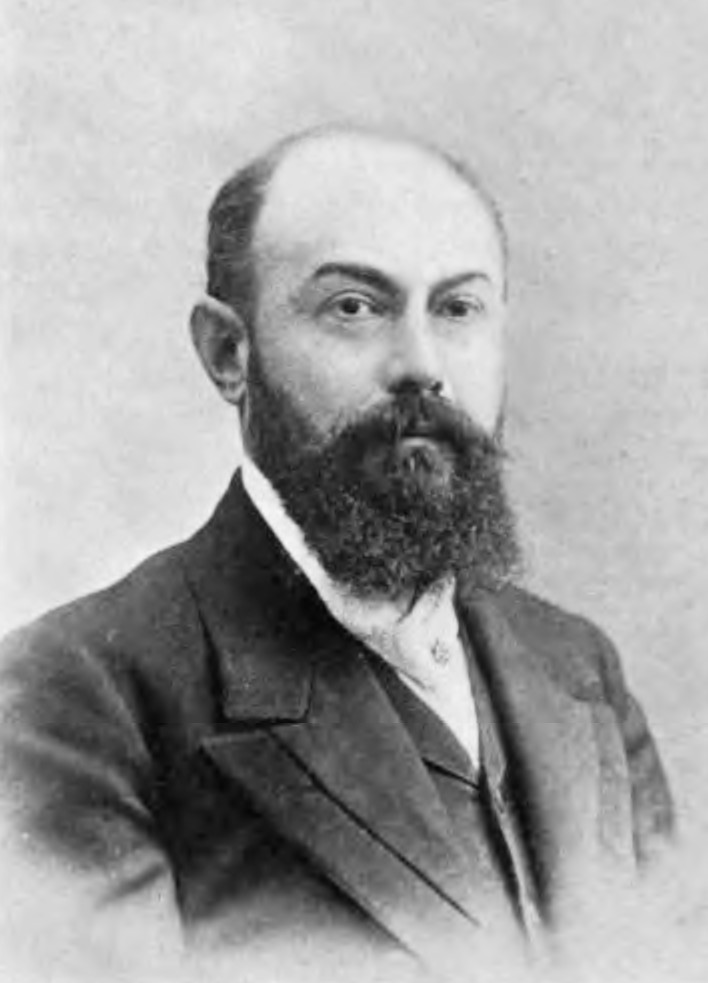
Pierre Janet, by Dornac

William James

[edit]

In his 1890 essay The Hidden Self,[21] William James wrote of P. Janet's observations of "hysterical somnambulist" patients at Havre Hospital, detailed in Janet's 1889 doctorate of letters thesis, De l'Automatisme Psychologique.[22] James made note of various aspects of automatism and the apparent multiple personalities ("two selves") of patients variously exhibiting "trances, subconscious states" or alcoholic delirium tremens. James was apparently fascinated by these manifestations and said, "How far the splitting of the mind into separate conciousnesses may obtain in each one of us is a problem. P. Janet holds that it is only possible where there is an abnormal weakness, and consequently a defect of unifying or coordinating power."[citation needed]

Freud

[edit]

Controversy over whose ideas came first, Janet's or Sigmund Freud's, emerged at the 1913 Congress of Medicine in London.[23] Prior to that date, Freud had freely acknowledged his debt to Janet, particularly in his work with Josef Breuer, writing for example of "the theory of hysterical phenomena first put forward by P. Janet and elaborated by Breuer and myself".[24] He stated further that "we followed his example when we took the splitting of the mind and dissociation of the personality as the centre of our position", but he was also careful to point out where "the difference lies between our view and Janet's".[25]

Writing in 1911 of the neurotic's withdrawal from reality, Freud stated: "Nor could a fact like this escape the observation of Pierre Janet; he spoke of a loss of 'the function of reality'",[26] and as late as 1930, Freud drew on Janet's expression "psychological poverty" in his work on civilisation.[27]

However, in his report on psychoanalysis in 1913, Janet argued that many of the novel terms of psychoanalysis were only old concepts renamed, even down to the way in which his own "psychological analysis" preceded Freud's "psychoanalysis".[23] This provoked angry attacks from Freud's followers, and thereafter Freud's own attitude towards Janet cooled. In his lectures of 1915-16, Freud said that "for a long time I was prepared to give Janet very great credit for throwing light on neurotic symptoms, because he regarded them as expressions of idées inconscientes which dominated the patients". However, after what Freud saw as his backpedalling in 1913, he said, "I think he has unnecessarily forfeited much credit".[28]

The charge of plagiarism stung Freud especially. In his autobiographical sketch of 1925, he denied firmly that he had plagiarized Janet,[29] and as late as 1937, he refused to meet Janet on the grounds that "when the libel was spread by French writers that I had listened to his lectures and stolen his ideas he could with a word have put an end to such talk"[30] but did not.

A balanced judgement might be that Janet's ideas, as published, did indeed form part of Freud's starting point, but that Freud subsequently developed them substantively in his own fashion.[31]

Jung

[edit]

Carl Jung studied with Janet in Paris in 1902[32] and was much influenced by him, for example equating what he called a complex with Janet's idée fixe subconsciente.[33]

Jung's view of the mind as "consisting of an indefinite, because unknown, number of complexes or fragmentary personalities"[34] built upon what Janet in Psychological Automatism called "simultaneous psychological existences".[35]

Jung wrote of the debt owed to "Janet for a deeper and more exact knowledge of hysterical symptoms", and talked of "the achievements of Janet, Flournoy, Freud and others"[36] in exploring the unconscious.

Adler

[edit]

Alfred Adler openly derived his inferiority complex concept from Janet's Sentiment d'incomplétude,[37] and the two men cited each other's work on the issue in their writings.[38]

Publications

[edit]

In 1923, Janet wrote a definitive text on suggestion, La médecine psychologique, and in 1928-32 published several definitive papers on memory. His two-volume Obsessions et la psychastenie also proposed more than 60 different kinds of obsessions.[5]

While Janet did not publish much in English, the 15 lectures that he gave at Harvard Medical School between 15 October and the end of November 1906 were published in 1907 as The Major Symptoms of Hysteria. He received an honorary doctorate from Harvard University in 1936.

Of his great synthesis of human psychology, Henri Ellenberger wrote that "this requires about twenty books and several dozen of articles".[39]

See also

[edit]

References

[edit]

Further reading

[edit]
[edit]
Revisions and contributorsEdit on WikipediaRead on Wikipedia
from Grokipedia
Pierre Janet (1859–1947) was a French , , and physician who pioneered the systematic study of dissociation as a core psychological response to overwhelming trauma, laying foundational concepts for understanding , , and mental disorders. Born on May 30, 1859, in , Janet initially pursued studies in , earning his in 1881 and teaching at a lycée in , where he began experimenting with on patients like "Léonie" to explore phenomena. He later shifted to medicine, working under at the Salpêtrière Hospital's psychological laboratory from 1889, which shaped his clinical approach to mental illness. Janet's doctoral thesis in , L'Automatisme psychologique (1889), introduced key ideas like psychological automatism—automatic behaviors driven by fixed ideas—and the role of dissociation in splitting from conscious awareness, preventing their integration into personal narrative. His medical thesis, L'État mental des hystériques (1892), further detailed how vehement emotions from trauma create isolated "" elements that manifest as symptoms like or . Throughout his career, Janet held prominent academic positions, including director of the Salpêtrière psychological laboratory, professor of at the Sorbonne in 1898, and chair of psychology at the from 1902 until his retirement. He emphasized a diathesis-stress model for mental disorders, combining innate vulnerabilities (like weakened psychic synthesis) with environmental traumas to explain , and advocated therapeutic methods such as , psychological analysis, and logagogy—philosophical dialogue to strengthen mental tension and integrate fixed ideas. Major works like Les Obsessions et la psychasthénie (1903) and Médications psychologiques (1919) expanded on obsession, personality, and psychophysical treatments to enhance adaptation and prevent relapses. Janet died on February 24, 1947, in , leaving a legacy in that prioritized verbal narration of traumas to transform them from sensory reenactments into coherent history.

Biography

Early Life and Education

Pierre Janet was born on May 30, 1859, in , , into a middle-class family; his father was a . His uncle, the philosopher Paul Janet, significantly influenced his early intellectual development by advocating the integration of philosophical and medical studies. Janet completed his secondary education at the Collège Sainte-Barbe in and , where he developed a strong foundation in philosophy and the sciences. In 1879, he was admitted to the prestigious , from which he graduated in 1882 with the in philosophy—a competitive examination that qualified him to teach in French lycées. Encouraged by his uncle, Janet enrolled in medical studies at the shortly after his philosophical training, aiming to bridge the gap between philosophy and the natural sciences. His introduction to psychology occurred during his work at the Salpêtrière Hospital under the neurologist , from around 1889, where he closely observed patients exhibiting and responded to hypnotic suggestions. Janet's early philosophical outlook was shaped by the works of Théodule Ribot, a pioneer in scientific psychology, and , whose evolutionary theories emphasized in . These influences informed his initial publications in philosophical venues, such as articles in the Revue Philosophique exploring themes of psychological automatism and prior to his doctoral .

Professional Career

Janet's professional career began with his doctoral in , L'automatisme psychologique (1889), which explored phenomena through and marked his entry into psychological research. He subsequently pursued medical studies, earning his M.D. in 1893 with a dissertation on the of hysterics, while continuing to teach at the Lycée in until around 1889. This period laid the foundation for his integration of philosophical inquiry with clinical observation. From 1898 to 1902, Janet served as a lecturer in at the Sorbonne, advancing experimental approaches to the field. In 1902, he was appointed to the chair of experimental and at the , a position he held until his retirement in 1936, where he delivered influential lectures on and . Concurrently, he directed the psychological laboratory at the Sorbonne, fostering research in pathological . Clinically, Janet worked at the Salpêtrière Hospital under , directing its psychological laboratory from around 1890 until 1902, where he conducted detailed and dissociation. He also maintained a private practice in and treated patients at a sanatorium in Vanves, applying psychological analysis to therapeutic ends. In 1901, Janet founded the Société de Psychologie, serving as its first president, and co-established the Journal de Psychologie Normale et Pathologique in 1904 to promote interdisciplinary dialogue. Janet's international stature grew through election as an honorary member of the American Academy of Arts and Sciences in 1903 and multiple lecture tours in the United States starting in 1904, where he collaborated with American psychologists on trauma and processes. These efforts solidified his role as a bridge between European and American psychology during the early 20th century.

Later Years and Death

Janet retired from his position at the in 1936 after more than three decades of teaching . Despite his retirement, he remained active in clinical practice, continuing to see patients at the Sainte-Anne in until 1942. Throughout the 1930s and into the 1940s, Janet sustained his scholarly output, producing articles and engaging in therapeutic work amid the escalating tensions leading to . During , Janet resided in occupied , where the hardships of the German occupation and wartime conditions affected daily life for residents, including limitations on movement and resources. At over 80 years old by the war's outset, his advanced age compounded these challenges, restricting his activities primarily to writing and occasional lectures on psychological medicine. He persisted in exploring themes of and adaptation, contributing to the field even as broader European intellectual exchange was disrupted by the conflict. Janet died on February 24, 1947, in at the age of 87, reportedly while working on a paper concerning the of . His passing marked the end of a prolific career that spanned , , and , and it elicited recognition from contemporaries in the psychological community for his enduring contributions to understanding trauma and dissociation. In the years following his death, the International Society for the Study of Trauma and Dissociation established the Pierre Writing Award in his honor, an annual prize for outstanding work in the field of dissociative disorders and trauma, underscoring his lasting impact.

Key Theories and Concepts

The Subconscious and Automatism

Pierre Janet introduced the concept of the subconscient—often translated as the —as a dynamic level of mental activity operating below the threshold of conscious , encompassing automated psychological processes that influence behavior without voluntary control. This notion, articulated in his seminal 1889 doctoral thesis L'Automatisme Psychologique, predated Freud's formulation of the unconscious by several years and emphasized the subconscious as a repository of ideas and actions detached from personal . Janet viewed the subconscious not as a static repository but as an active force capable of generating independent psychological phenomena, distinct from mere physiological mechanisms. Central to Janet's framework was psychological automatism, defined as the involuntary execution of mental functions—such as thoughts, sensations, or movements—driven by ideas without the involvement of . He observed this phenomenon prominently in states like and somnambulism (), where individuals could perform complex actions, recall memories, or express emotions as if guided by an autonomous . Unlike simple physiological reflexes, which are innate and non-psychological, automatism involved higher-order mental operations synthesized subconsciously, often manifesting as dissociated streams of activity that bypassed the patient's willful integration. In clinical settings, Janet illustrated automatism through the mechanism of idées fixes (fixed ideas), subconscious mental images or beliefs that autonomously directed patient behavior, leading to repetitive or compulsive actions outside conscious regulation. For instance, he documented cases where patients under would enact elaborate narratives or physical feats prompted by these entrenched ideas, demonstrating how automatism could produce behaviors resembling alternate personalities or involuntary hallucinations, yet remaining psychologically synthesized rather than purely reflexive. These observations, drawn from his work at the Salpêtrière Hospital under , highlighted automatism's role in everyday lapses as well as pathological states, distinguishing it from automatic physiological responses like knee-jerk reflexes by its dependence on ideational content. Janet's ideas on the and automatism were philosophically rooted in Herbert Spencer's ism, which posited mental functions as hierarchically organized adaptations evolving from simpler to more complex forms, integrated with empirical data from Charcot's neurological clinic. He adapted Spencer's synthetic to argue that automatism represented a regression or incomplete synthesis of mental , where processes emerged when higher integrative functions failed under stress, blending evolutionary with clinical experimentation to explain unconscious mental dynamics. This foundation later extended to his broader of dissociation, where automatism served as a key mechanism for psychological fragmentation.

Dissociation and Hysteria

Pierre Janet conceptualized dissociation as a pathological narrowing or splitting of the field of consciousness, resulting in a fragmentation that isolates certain mental elements from voluntary control and awareness. This process often manifests in hysterical disorders through phenomena such as alternate personalities or amnesia, where portions of experience become inaccessible to the primary stream of consciousness. In his seminal work, Janet described this as the existence of "two states of consciousness," exemplified in cases like that of his patient Lucie, who exhibited distinct personality states disconnected from her main awareness. Such dissociation represents a defensive response in individuals with a predisposition to mental inefficiency, preventing full integration of traumatic experiences into higher mental functions. The etiology of , according to , stems from or intense emotional shocks—such as terror or overwhelming stress—that exceed the individual's psychological capacity, leading to their dissociation from the main . These dissociated elements form "fixed ideas" that autonomously generate symptoms including , , or sensory alterations without organic basis. 's observations built upon Jean-Martin Charcot's studies of at the Salpêtrière Hospital, where Charcot had demonstrated of hysterical symptoms, but shifted emphasis from neurological lesions to psychological mechanisms, arguing that arises from a failure in mental synthesis rather than . He viewed the as a repository for these dissociated traumatic elements, operating through automatism outside conscious regulation. For treatment, Janet advocated psychological analysis to uncover and reintegrate dissociated ideas, employing methods such as therapeutic conversation and to restore unity to the personality and alleviate symptoms. , in particular, allowed access to layers, enabling the reliving and resolution of without the need for physical interventions. This approach distinctly differentiated hysterical symptoms from organic diseases by focusing on their psychological origins and reversibility through mental means, as outlined in his thesis on mental accidents in hysterics.

Psychasthenia and Obsessions

Pierre Janet introduced the concept of psychasthenia in his seminal work Les Obsessions et la Psychasthénie (1903), defining it as a chronic lowering of mental tension that results in psychological exhaustion, pervasive doubt, and repetitive rumination, impairing an individual's ability to synthesize experiences and adapt to reality. Unlike , which involves acute splits often linked to trauma, psychasthenia represents a more insidious debilitation of higher mental functions, such as volition and , without the dramatic motor or sensory symptoms characteristic of hysterical states. This condition manifests as a gradual erosion of psychological force, where everyday worries amplify into fixed ideas that dominate . Within psychasthenia, obsessions and compulsions emerge as intrusive thoughts and ritualistic behaviors that Janet viewed as desperate, yet futile, efforts to restore mental synthesis and elevate the diminished psychological tension. Obsessions, such as recurrent doubts or blasphemous ideas, intrude upon the mind despite the patient's of their , while compulsions—repetitive acts like checking or washing—serve as temporary bulwarks against overwhelming anxiety but ultimately exacerbate the underlying . These phenomena arise in the advanced stages of psychasthenia, when the mind's energy is diverted from adaptive synthesis toward primitive, isolated operations, leading to a sense of mental incompleteness. Key symptoms of psychasthenia include phobias, scruples, and , which Janet illustrated through detailed clinical cases drawn from his practice at the Salpêtrière Hospital. For instance, in one case, a named Achille progressed from mild —excessive moral doubting over trivial matters—to debilitating and compulsive rituals that confined him to his home, demonstrating how normal anxiety escalates into total psychological paralysis when mental tension remains unaddressed. Another , Irène, exhibited obsessive rumination on after initial hysterical episodes, evolving into chronic doubt and phobic avoidance that hindered daily functioning, highlighting the continuum from adaptive worry to psychasthenic exhaustion. These cases underscore Janet's observation that psychasthenic symptoms intensify progressively, often triggered by prolonged stress or inherited predispositions, resulting in a narrowed field of dominated by fixed ideas. Janet's therapeutic approach to psychasthenia emphasized proactive restoration of mental rather than mere analytical uncovering of causes, advocating for psychological reeducation to rebuild tension and volitional capacity. Methods included structured will-training exercises, such as progressive tasks to enhance concentration and , alongside educational interventions that encouraged patients to confront and integrate obsessive ideas into broader functions. In practice, Janet applied these techniques to cases like Irène's, using guided to foster adaptive behaviors and reduce rumination, achieving partial recovery by strengthening the patient's overall psychological synthesis without relying solely on or suggestion. This emphasis on building resilience distinguished Janet's method from contemporaneous psychoanalytic techniques, prioritizing empowerment over insight alone. In severe psychasthenia, symptoms could overlap with dissociation, where obsessive elements fragmented into automorphisms.

Developmental Hierarchy

Pierre Janet developed a model of psychological development framed as a nine-level , representing the progressive organization of mental functions from basic physiological responses to complex integrative processes. This structure posits the mind as evolving through stages of increasing complexity, where each level builds upon the previous ones to enable more adaptive behaviors. The levels, as outlined in his work, are: reflexes (simple automatic responses to stimuli), sensorimotor (coordinated movements and sensations), perceptual (recognition and differentiation of sensory input), imaging ( and representations), automatic (unconscious routine actions), habitual (learned patterns integrated into daily functioning), directed (purposeful actions guided by intent), rational ( and problem-solving), and higher synthesis (integration of all levels into creative and moral judgment). At the core of this lies an evolutionary perspective, viewing the mind as an shaped by biological and psychological progression. Lower levels manage routine and survival-oriented functions, such as reflexes and sensorimotor coordination, thereby conserving energy and allowing higher levels to address novel challenges, , and . Janet drew on Darwinian principles to argue that this stratification mirrors the phylogenetic development of , where simpler organisms exhibit basic tendencies while more advanced ones achieve synthesis through layered complexity. This model emphasizes efficiency: automatization of lower functions frees cognitive resources for elevated synthesis, promoting overall psychological health. Janet applied this to , proposing that mental disorders arise from developmental arrests or regressions to inferior levels, disrupting the normal progression toward synthesis. For instance, often manifests as a fixation at the perceptual level, where traumatic experiences prevent advancement to higher integration, leading to dissociated symptoms and reduced mental tension. Such pathologies reflect a in the adaptive hierarchy, where overwhelming events cause a descent to primitive functioning, impairing voluntary control and reality adaptation. The empirical foundation for this model stemmed from Janet's extensive clinical observations of patients at the Salpêtrière Hospital, where he documented how traumatic histories correlated with hierarchical disruptions in mental functioning. Complementing these case studies, Janet incorporated insights from , analyzing animal behaviors and human phylogenetic parallels to validate the evolutionary layering of tendencies. These sources provided rigorous evidence that psychological development follows a hierarchical , with deviations explaining varied forms of mental illness.

Influence and Legacy

Impact on William James and American Psychology

William James encountered Pierre Janet's work during his extended stay in Europe from 1889 to 1890, including visits to psychological laboratories in Paris such as the Salpêtrière Hospital, where Janet conducted his research under Jean-Martin Charcot. This exposure profoundly shaped James's understanding of subconscious processes and automatism, concepts central to Janet's 1889 dissertation L'Automatisme psychologique. In his seminal The Principles of Psychology (1890), James extensively cited and integrated Janet's findings, particularly on how subconscious influences could operate independently of conscious awareness, leading to phenomena like anesthesia and secondary personalities. For instance, in Chapter 10 on the consciousness of self, James referenced Janet's observations of patients exhibiting "alternating personalities," using them to illustrate the multiplicity of the self and the stream-like nature of consciousness, where subconscious automatisms contribute to the flow of mental life without full awareness. James's adoption of these ideas marked a key importation of French psychological insights into American thought, emphasizing functional aspects of mind over structural analysis. Janet's direct engagement with American audiences further amplified his influence, culminating in his 1906 Lowell Lectures at , delivered in French and later published as Major Symptoms of Hysteria (1907). These lectures elaborated on automatism, dissociation, and the , resonating with James's functionalist framework by highlighting how mental processes adapt to stress through subconscious mechanisms. James, who had praised Janet's earlier work in his 1896 Lowell Lectures on exceptional mental states, attended or followed these presentations closely, noting their alignment with his concepts of —where thoughts flow continuously with subconscious undercurrents—and multiple selves as dynamic, adaptive entities rather than fixed structures. Through such exchanges, Janet's ideas reinforced James's view of as a practical of mental functioning, influencing the development of as a core American psychological motif. The intellectual rapport between Janet and James extended to personal correspondence, with at least two extant letters from Janet to James preserved in Harvard's archives, discussing psychological theories and mutual research interests from the early 1900s. These exchanges, alongside James's frequent citations of Janet in works like The Varieties of Religious Experience (1902), fostered a collaborative bridge between French and American psychology. Janet's concepts of subconscious automatism and dissociation informed James's broader functionalist approach, which emphasized the adaptive purposes of mental life, and this legacy permeated American psychology through James's students and successors. Figures like James Rowland Angell, who succeeded James at Harvard and formalized functionalism in his 1906 address "The Province of Functional Psychology," echoed Janet's emphasis on mental integration and hierarchy, while John Dewey integrated similar ideas of subconscious habit formation into his instrumentalist psychology, viewing mind as a tool for environmental adaptation. Thus, Janet played a pivotal role in linking Charcot's clinical traditions with the pragmatic, function-oriented ethos of early 20th-century American psychology.

Relationship with Sigmund Freud and Psychoanalysis

Pierre Janet and Sigmund Freud's relationship was marked by early intellectual overlaps followed by profound theoretical divergences and personal animosity, shaping the trajectory of dynamic psychiatry. Both scholars were influenced by Jean-Martin Charcot at the Salpêtrière Hospital in Paris; Freud visited from autumn 1885 to spring 1886, where he encountered Janet, a postgraduate student three years his junior, and learned to view neurosis as a psychological rather than purely organic condition. Initially, Freud acknowledged Janet's pioneering work, particularly in recognizing neurotic symptoms as stemming from unconscious or "subconscious" ideas fixed by trauma, as outlined in Janet's 1889 publication L'automatisme psychologique. This aligned closely with the trauma-based theory Freud and Josef Breuer developed in Studies on Hysteria (1895), where they credited Janet's priority in publishing on hysteria and dissociation. The relationship soured amid controversies over originality and . Freud initially adopted Janet's concepts of dissociation—describing as a splitting of the psyche into conscious and realms—but later dismissed the "subconscious" as a makeshift idea, favoring his own theory of repression where are actively pushed into the unconscious due to . Janet accused Freud of plagiarizing French trauma studies, merely renaming terms like "psychological analysis" to "" while downplaying his debt; in his 1925 book Psychological Healing, Janet explicitly claimed Freud had derived his ideas from earlier French work but altered the terminology to claim novelty. Freud, in turn, minimized any influence in his 1914 essay "On the History of the Psycho-Analytic Movement" and a letter to E.A. Bennet, asserting no personal contact with Janet and portraying him as hostile to from the outset, despite evidence of early mutual respect. This rift was exacerbated by Freud's shift toward a sexual etiology of neuroses in the , generalizing to Oedipal conflicts, which Janet viewed as an oversimplification diverging from his emphasis on broader traumatic and hereditary factors in subconscious fixed ideas. Janet's critiques of Freudian were pointed and ideological. He rejected what he termed "pan-sexualism," arguing that Freud's universal emphasis on sexual drives ignored the role of psychological synthesis failures and dissociation in neuroses, preferring his own methodical approach of reintegrating elements through psychological means over Freud's free association and interpretation. In works like Principles of (1925), Janet positioned his theories as superior for treating and psychasthenia, decrying as derivative and overly focused on conflict rather than structural psyche deficits. Freud's refusal to meet Janet personally, as documented in historical analyses, underscored this hostility, with Freud reportedly avoiding him during later visits to . Despite Freud's dominance in the , Janet's ideas endured and influenced branches of , particularly , which revived concepts of dissociation and trauma integration amid critiques of Freud's repression model. Historians note that while Freud elaborated on shared foundations from Janet and Breuer—such as the role of unconscious processes—Janet's structural view of the psyche as a prone to lowering and splitting persisted in studies of , offering a counterpoint to Freudian . This legacy highlights Janet's foundational role in dynamic , even as Freud's innovations overshadowed it for decades.

Influence on Carl Jung and Analytical Psychology

Carl Gustav Jung encountered Pierre Janet's ideas during his studies in in the winter of 1902–1903, where he attended Janet's lectures at the Salpêtrière Hospital and was profoundly influenced by his theories on dissociation and processes. Additionally, Jung's exposure came indirectly through his mentor at the Hospital, who had integrated Janet's concepts into his work on , emphasizing dissociation as a key mechanism in psychic disturbances. This dual pathway shaped Jung's early thinking, leading him to adopt Janet's notion of dissociation to conceptualize psychological complexes as autonomous fragments of the psyche, akin to Janet's "subconscious fixed ideas" (idées fixes subconscientes)—emotionally charged thoughts that operate independently and conscious integration. In his 1912 lectures compiled as The Theory of , Jung explicitly referenced Janet's "fonction du réel" to critique overly narrow views of reality adaptation in , while aligning his explanation of neurotic retardation with Janet's hereditary and degenerative models. Jung and Janet shared a foundational view of the psyche as multi-layered, comprising conscious and subconscious elements where dissociation allows autonomous psychic contents to influence behavior and thought. For both, these subconscious influences manifest in symptoms like hysteria or obsessions, with Janet's clinical observations of automatisms paralleling Jung's description of complexes as "feeling-toned" entities that can possess partial autonomy. Jung's technique of amplification—expanding on symbolic material through associations to uncover deeper meanings—echoed Janet's analytical method of exploring fixed ideas to reintegrate dissociated elements, though Jung emphasized the reversible nature of dissociation, allowing for therapeutic synthesis rather than Janet's more permanent view in severe cases. Despite these parallels, Jung diverged from by infusing his framework with mythological and archetypal dimensions, viewing complexes as bridges to a , whereas maintained a strictly clinical and empirical approach focused on individual pathology and physiological correlates. This expansion transformed Janet's dissociationism into a cornerstone of , enabling Jung to explore universal psychic structures beyond the personal traumas central to Janet's work.

Effects on Alfred Adler and Individual Psychology

Alfred Adler encountered Pierre Janet's work in the early 1900s, particularly through his engagement with French psychological literature during his formative years as a physician and researcher in Vienna. In his seminal 1907 book The Neurotic Constitution, Adler referenced Janet's concepts of subconscious processes and hysteria, integrating them into his analysis of neurotic symptoms as manifestations of underlying psychological tensions. This early reading shaped Adler's shift from organic explanations of neurosis toward a more dynamic, subconscious-oriented model, where bodily inferiorities trigger compensatory psychological mechanisms. Janet's notion of sentiment d'incomplétude (feeling of incompleteness) profoundly influenced Adler's theory of organ inferiority and the , which he viewed as subconscious-driven forces propelling individuals toward compensation or overcompensation. Adler explicitly derived his from Janet's idea, extending it to argue that perceived insufficiencies in organs or abilities motivate striving, often rooted in conflicts rather than purely conscious awareness. These compensatory mechanisms, for Adler, mirrored Janet's emphasis on automatisms that disrupt normal psychological functioning, leading to neurotic patterns when fails. Both thinkers highlighted social adaptation as central to psychological health, with Janet's hierarchical model of mental functions—from lower automatisms to higher synthesis—paralleling Adler's conception of a developmental in goal-oriented behavior and social interest. Adler's "style of life," the unique synthesis of an individual's goals and attitudes formed in early influences, echoed Janet's idea of as an integrative adapting to social demands. Janet's theories also played an indirect role in Adler's active participation in the Psychoanalytic Society (founded in 1902), where discussions of dynamics and —drawn from Janet's work via Charcot's legacy—informed Adler's evolving critiques of Freudian orthodoxy and his development of . In later acknowledgments, Adler cited Janet approvingly in his 1927 book Understanding Human Nature, praising the sentiment d'incomplétude for its alignment with his views on universal inferiority feelings as drivers of human motivation and . This reference underscored the enduring impact of Janet's subconscious framework on Adler's holistic approach to , emphasizing compensation through social utility over pathological fixation.

Contemporary Relevance in Trauma and Dissociation Studies

Pierre Janet's theories have experienced a significant revival in contemporary trauma studies, positioning him as a key precursor to modern understandings of post-traumatic stress disorder (PTSD) and complex trauma models. His concept of dissociation as a defensive response to overwhelming experiences has informed current frameworks for how trauma disrupts psychological adaptation, leading to symptoms like intrusive memories and emotional numbing. For instance, Bessel van der Kolk highlights Janet's influence in explaining how the body retains the physiological imprint of trauma, emphasizing dissociation's role in fragmented memory processing as seen in PTSD. Recent reviews further link Janet's ideas to developmental arrests in psychopathology, where early trauma hinders psychic synthesis and perpetuates dissociative states into adulthood. In the study of (DID), Janet's work on dissociation as a core mechanism remains foundational, influencing diagnostic and therapeutic guidelines. The International Society for the Study of Trauma and Dissociation (ISSTD) endorses a phase-oriented approach to DID treatment that echoes Janet's emphasis on integrating dissociated states through stabilization and work. This framework views DID not as mere fragmentation but as a hierarchical breakdown of mental functioning under trauma, guiding clinicians to prioritize before trauma confrontation. Scholarship from 2020 to 2025 has increasingly integrated Janet's concepts with neurobiological models of trauma, exploring how dissociation correlates with altered activity in regions like the during emotional processing. Studies highlight his relevance in understanding persistent as a for poorer psychiatric outcomes post-trauma, bridging psychological and neural perspectives. Critiques in recent literature also address how Freudian paradigms historically overshadowed Janet's trauma-focused dissociation theory, advocating for a renewed emphasis on his integrative approach in discussions. Janet's therapeutic legacies persist in phase-oriented treatments for trauma, which prioritize stabilization, trauma processing, and reintegration to restore adaptive functioning. Modern protocols, such as those in the American Psychological Association's guidelines for complex trauma, adapt his three-phase model—focusing on symptom reduction before memory integration—to enhance outcomes in PTSD and . This structured method has demonstrated efficacy in reducing dissociation and improving self-regulation, underscoring Janet's enduring impact on evidence-based .

Major Works

Books

Pierre Janet's contributions to psychology are extensively documented in his numerous monographs, totaling over 17,000 printed pages across his career. These works, primarily published in French by Félix and later Flammarion, evolved from clinical case studies to comprehensive treatises on and , influencing subsequent thinkers including . Janet's foundational thesis, L'Automatisme psychologique (1889), examined subconscious automatic behaviors in patients with and hypnosis-induced states, positing dissociation as a core mechanism where become isolated from conscious awareness. This Paris-published work, based on his observations at the Salpêtrière Hospital under , established automatism as a lower form of mental activity and introduced the concept of psychological synthesis. Its significance lies in pioneering experimental approaches to the , laying groundwork for trauma theory. Janet's medical thesis, L'État mental des hystériques (1892), further detailed how vehement emotions from trauma create isolated "subconscious" elements that manifest as symptoms like amnesia or anesthesia. In Névroses et idées fixes (1898), Janet detailed case studies of patients dominated by persistent "fixed ideas" stemming from traumatic origins, particularly in hysterical neuroses. Drawing from clinical examples, he differentiated primary fixed ideas (unconscious and automatic) from secondary ones (conscious but intrusive), emphasizing their role in symptom formation and advocating substitution therapy to replace maladaptive ideas. Published amid growing interest in neuroses, this two-volume edition advanced understandings of idée fixe as a dissociative phenomenon. Les Obsessions et la psychasthénie (1903), a two-volume exploration, provided a detailed typology of psychasthenic disorders, contrasting them with through analyses of obsessions, phobias, and . Janet described psychasthenia as a lowering of psychological tension leading to inefficient mental synthesis, using patient narratives to illustrate obsessive cycles and their roots in hereditary or acquired weaknesses. This work, reissued in later editions, formalized psychasthenia as a distinct diagnostic category and highlighted therapeutic needs for rebuilding mental . Janet's Les Médications psychologiques (1919), issued in three volumes as Études historiques, psychologiques et cliniques sur les méthodes de la psychothérapie, offered a comprehensive survey of psychological treatments from historical precedents to contemporary methods. The first volume addressed moral influence and automatism utilization; the second, clinical applications in neuroses; and the third, acquisitions from psychophysiological interventions like and . Written post-World War I amid rising demands, it synthesized Janet's therapeutic philosophy, stressing elevation of mental level through directed synthesis. Among his later publications, La Médecine psychologique (1923) outlined principles of , advocating integration of psychological insights into medical practice to address conflicts and promote adaptive conduct. This concise volume, translated as Principles of Psychotherapy (1924), reflected Janet's mature views on healing through belief modification and tension restoration. Finally, De l'angoisse à l'extase (1926–1928), a two-volume study of beliefs and sentiments, traced emotional extremes from pathological anxiety to mystical ecstasy via case analyses of religious delusions and affective disorders. Janet explored how beliefs shape psychological states, using examples like ecstatic visions to illustrate dissociation's spectrum in human conduct. Published toward the end of his active writing, it extended his hierarchy model to spiritual and emotional phenomena.

Articles and Lectures

Janet's early contributions to periodical literature appeared in the Revue Philosophique de la France et de l'Étranger during the , where he explored intersections of and emerging psychological concepts. His 1885 article "Note sur quelques phénomènes de somnambulisme," published in the journal in 1886, detailed observations of hypnotic states and actions in patients like Léonie, laying groundwork for his theories on automatism. Subsequent pieces, such as "Les actes inconscients" (1888) and "Étude sur un cas d'aboulie et d'idées fixes" (1891), examined fixed ideas, unconscious acts, and inhibitory disorders, bridging philosophical inquiry with . These publications, often based on case studies from his time at , helped establish dissociation as a key psychological mechanism. A significant portion of Janet's dissemination of ideas occurred through public lectures, which he delivered across academic institutions and later expanded into written works. In 1906, he presented fifteen lectures at Harvard University's Medical School on the symptoms of , including motor disturbances, contractures, and emotional factors, which were compiled and published in English as The Major Symptoms of Hysteria in 1907. Upon his appointment as professor of at the in 1902, Janet conducted annual courses over three decades, covering diverse topics such as the of conduct, the evolution of memory and time (L'évolution de la mémoire et de la notion du temps, 1928), religious , and social acts. These lectures, attended by students and professionals, served as platforms for integrating clinical observations with theoretical advancements in . Janet frequently contributed to medical journals, particularly the Annales Médico-Psychologiques, where he published detailed accounts of clinical cases illustrating , obsessions, and dissociation. Examples include studies from the onward, such as analyses of patients exhibiting somnambulic automatisms and phobias, which demonstrated the role of subconscious fixed ideas in symptom formation. Following , his post-1920 articles in the same journal addressed war neuroses, exploring traumatic aftereffects like tremors, amnesias, and moral fatigue in veterans, emphasizing and therapeutic interventions. These pieces built on his wartime consultations at the French military health service, highlighting the societal impact of trauma. Throughout his career, Janet authored numerous articles and contributions, many appearing in society proceedings and international conference volumes, which played a crucial role in globalizing his concepts of psychological automatism and therapeutic dissociation. These concise publications and oral addresses complemented his by providing timely, case-driven insights into mental disorders.

References

Add your contribution
Related Hubs
User Avatar
No comments yet.