


Community hub
Recent from talks
Contribute something
Nothing was collected or created yet.
Human behavior
View on Wikipedia

| Part of a series on |
| Sociology |
|---|
.svg) |

Human behavior is the potential and expressed capacity (mentally, physically, and socially) of human individuals or groups to respond to internal and external stimuli throughout their life. Behavior is driven by genetic and environmental factors that affect an individual. Behavior is also driven, in part, by thoughts and feelings, which provide insight into individual psyche, revealing such things as attitudes and values. Human behavior is shaped by psychological traits, as personality types vary from person to person, producing different actions and behavior.
Human behavior encompasses a vast array of domains that span the entirety of human experience. Social behavior involves interactions between individuals and groups, while cultural behavior reflects the diverse patterns, values, and practices that vary across societies and historical periods. Moral behavior encompasses ethical decision-making and value-based conduct, contrasted with antisocial behavior that violates social norms and legal standards. Cognitive behavior involves mental processes of learning, memory, and decision-making, interconnected with psychological behavior that includes emotional regulation, mental health, and individual differences in personality and temperament.
Developmental behavior changes across the human lifespan from infancy through aging, while organizational behavior governs conduct in workplace and institutional settings. Consumer behavior drives economic choices and market interactions, and political behavior shapes civic engagement, voting patterns, and governance participation. Religious behavior and spiritual practices reflect humanity's search for meaning and transcendence, while gender and sexual behavior encompass identity expression and intimate relationships. Collective behavior emerges in groups, crowds, and social movements, often differing significantly from individual conduct.
Contemporary human behavior increasingly involves digital and technological interactions that reshape communication, learning, and social relationships. Environmental behavior reflects how humans interact with natural ecosystems and respond to climate change, while health behavior encompasses choices affecting physical and mental well-being. Creative behavior drives artistic expression, innovation, and cultural production, and educational behavior governs learning processes across formal and informal settings.
Social behavior accounts for actions directed at others. It is concerned with the considerable influence of social interaction and culture, as well as ethics, interpersonal relationships, politics, and conflict. Some behaviors are common while others are unusual. The acceptability of behavior depends upon social norms and is regulated by various means of social control.[1] Social norms also condition behavior, whereby humans are pressured into following certain rules and displaying certain behaviors that are deemed acceptable or unacceptable depending on the given society or culture.
Cognitive behavior accounts for actions of obtaining and using knowledge. It is concerned with how information is learned and passed on, as well as creative application of knowledge and personal beliefs such as religion. Physiological behavior accounts for actions to maintain the body. It is concerned with basic bodily functions as well as measures taken to maintain health. Economic behavior accounts for actions regarding the development, organization, and use of materials as well as other forms of work. Ecological behavior accounts for actions involving the ecosystem. It is concerned with how humans interact with other organisms and how the environment shapes human behavior.
The study of human behavior is inherently interdisciplinary, drawing from psychology, sociology, anthropology, neuroscience, economics, political science, criminology, public health, and emerging fields like cyberpsychology and environmental psychology. The nature versus nurture debate remains central to understanding human behavior, examining the relative contributions of genetic predispositions and environmental influences. Contemporary research increasingly recognizes the complex interactions between biological, psychological, social, cultural, and environmental factors that shape behavioral outcomes, with practical applications spanning clinical psychology, public policy, education, marketing, criminal justice, and technology design.
Study
[edit]Human behavior is studied by the social sciences, which include psychology, sociology, Gender Studies, ethology,[2] and their various branches and schools of thought.[3] There are many different facets of human behavior, and no one definition or field study encompasses it in its entirety.[4] The nature versus nurture debate is one of the fundamental divisions in the study of human behavior;[5] this debate considers whether behavior is predominantly affected by genetic or environmental factors.[6] The study of human behavior sometimes receives public attention due to its intersection with cultural issues, including crime, sexuality, and social inequality.[7]
Some natural sciences also place emphasis on human behavior. Neurology and evolutionary biology, study how behavior is controlled by the nervous system and how the human mind evolved, respectively.[8] In other fields, human behavior may be a secondary subject of study when considering how it affects another subject.[9] Outside of formal scientific inquiry, human behavior and the human condition is also a major focus of philosophy and literature.[8] Philosophy of mind considers aspects such as free will, the mind–body problem, and malleability of human behavior.[10]
Human behavior may be evaluated through questionnaires, interviews, and experimental methods. Animal testing may also be used to test behaviors that can then be compared to human behavior.[11] Twin studies are a common method by which human behavior is studied.[12] Twins with identical genomes can be compared to isolate genetic and environmental factors in behavior. Lifestyle, susceptibility to disease, and unhealthy behaviors have been identified to have both genetic and environmental indicators through twin studies.[13]
Social behavior
[edit].jpg)
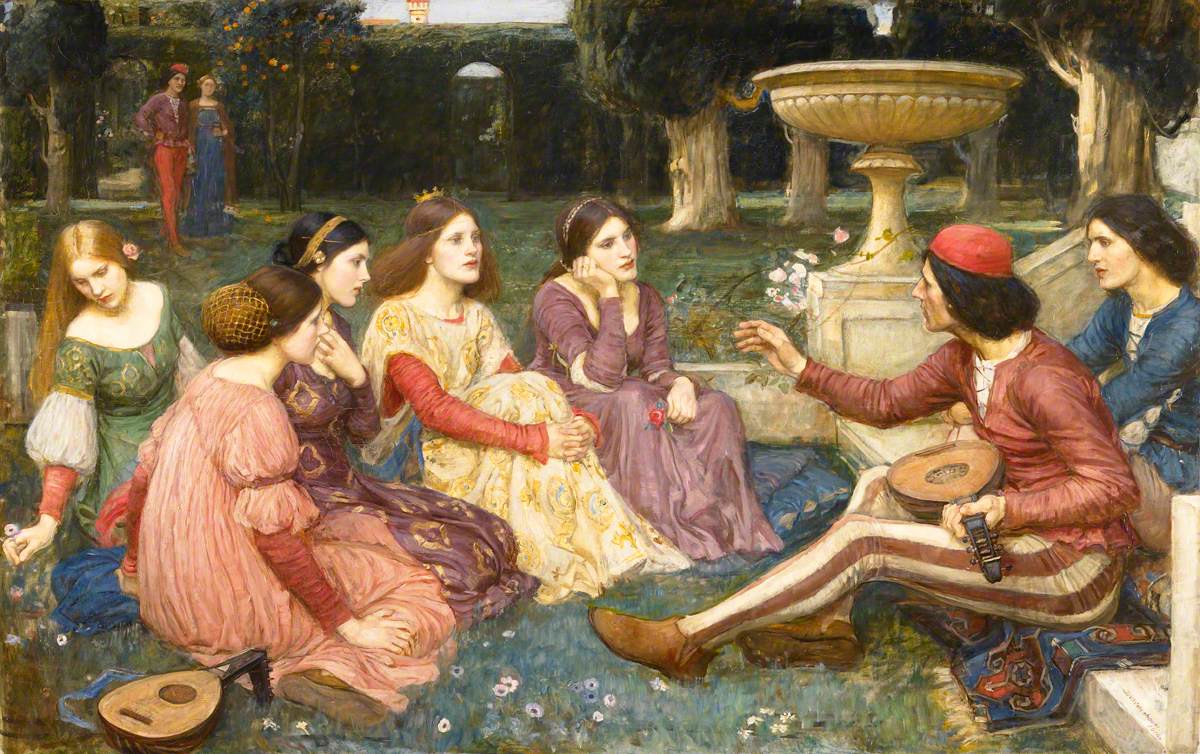
Human social behavior is the behavior that considers other humans, including communication and cooperation. It is highly complex and structured, based on advanced theory of mind that allows humans to attribute thoughts and actions to one another. Through social behavior, humans have developed society and culture distinct from other animals.[14] Human social behavior is governed by a combination of biological factors that affect all humans and cultural factors that change depending on upbringing and societal norms.[15] Human communication is based heavily on language, typically through speech or writing. Nonverbal communication and paralanguage can modify the meaning of communications by demonstrating ideas and intent through physical and vocal behaviors.[16]
Social norms
[edit]Human behavior in a society is governed by social norms. Social norms are unwritten expectations that members of society have for one another. These norms are ingrained in the particular culture that they emerge from, and humans often follow them unconsciously or without deliberation. These norms affect every aspect of life in human society, including decorum, social responsibility, property rights, contractual agreement, morality, and justice.[17] Many norms facilitate coordination between members of society and prove mutually beneficial, such as norms regarding communication and agreements. Norms are enforced by social pressure, and individuals that violate social norms risk social exclusion.[18]
Systems of ethics are used to guide human behavior to determine what is moral. Humans are distinct from other animals in the use of ethical systems to determine behavior. Ethical behavior is human behavior that takes into consideration how actions will affect others and whether behaviors will be optimal for others. What constitutes ethical behavior is determined by the individual value judgments of the person and the collective social norms regarding right and wrong. Value judgments are intrinsic to people of all cultures, though the specific systems used to evaluate them may vary. These systems may be derived from divine law, natural law, civil authority, reason, or a combination of these and other principles. Altruism is an associated behavior in which humans consider the welfare of others equally or preferentially to their own. While other animals engage in biological altruism, ethical altruism is unique to humans.[19]
Deviance is behavior that violates social norms. As social norms vary between individuals and cultures, the nature and severity of a deviant act is subjective. What is considered deviant by a society may also change over time as new social norms are developed. Deviance is punished by other individuals through social stigma, censure, or violence.[20] Many deviant actions are recognized as crimes and punished through a system of criminal justice.[21] Deviant actions may be punished to prevent harm to others, to maintain a particular worldview and way of life, or to enforce principles of morality and decency.[22] Cultures also attribute positive or negative value to certain physical traits, causing individuals that do not have desirable traits to be seen as deviant.[23]
Interpersonal relationships
[edit].jpg)
Interpersonal relationships can be evaluated by the specific choices and emotions between two individuals, or they can be evaluated by the broader societal context of how such a relationship is expected to function. Relationships are developed through communication, which creates intimacy, expresses emotions, and develops identity.[16] An individual's interpersonal relationships form a social group in which individuals all communicate and socialize with one another, and these social groups are connected by additional relationships. Human social behavior is affected not only by individual relationships, but also by how behaviors in one relationship may affect others.[24] Individuals that actively seek out social interactions are extraverts, and those that do not are introverts.[25]
Romantic love is a significant interpersonal attraction toward another. Its nature varies by culture, but it is often contingent on gender, occurring in conjunction with sexual attraction, sexual orientation and romantic orientation. It takes different forms and is associated with many individual emotions. Many cultures place a higher emphasis on romantic love than other forms of interpersonal attraction. Marriage is a union between two people, though whether it is associated with romantic love is dependent on the culture.[26] Individuals that are closely related by consanguinity form a family. There are many variations on family structures that may include parents and children as well as stepchildren or extended relatives.[27] Family units with children emphasize parenting, in which parents engage in a high level of parental investment to protect and instruct children as they develop over a period of time longer than that of most other mammals.[28]
Politics and conflict
[edit]
When humans make decisions as a group, they engage in politics. Humans have evolved to engage in behaviors of self-interest, but this also includes behaviors that facilitate cooperation rather than conflict in collective settings. Individuals will often form in-group and out-group perceptions, through which individuals cooperate with the in-group and compete with the out-group. This causes behaviors such as unconsciously conforming, passively obeying authority, taking pleasure in the misfortune of opponents, initiating hostility toward out-group members, artificially creating out-groups when none exist, and punishing those that do not comply with the standards of the in-group. These behaviors lead to the creation of political systems that enforce in-group standards and norms.[29]
When humans oppose one another, it creates conflict. It may occur when the involved parties have a disagreement of opinion, when one party obstructs the goals of another, or when parties experience negative emotions such as anger toward one another. Conflicts purely of disagreement are often resolved through communication or negotiation, but incorporation of emotional or obstructive aspects can escalate conflict. Interpersonal conflict is that between specific individuals or groups of individuals.[30] Social conflict is that between different social groups or demographics. This form of conflict often takes place when groups in society are marginalized, do not have the resources they desire, wish to instigate social change, or wish to resist social change. Significant social conflict can cause civil disorder.[31] International conflict is that between nations or governments. It may be solved through diplomacy or war.
Cultural and cross-cultural behavior
[edit]
Cultural and cross-cultural behavior represents one of the most fundamental aspects of human psychology, encompassing the complex ways in which cultural contexts shape cognition, emotion, social interaction, and behavioral expression across diverse human populations. This field examines both universal patterns of human behavior that transcend cultural boundaries and the variations in psychological processes that emerge from different cultural environments and historical experiences.[32]
Cultural behavior developed through human migration and adaptation across diverse environments, beginning approximately 70,000-100,000 years ago when early modern humans began their journey out of Africa. This process enabled cultural evolution at rates far exceeding genetic adaptation, allowing humans to colonize virtually every terrestrial environment through sophisticated mechanisms of cultural transmission.[33] Notable examples include the colonization of Australia 50,000 years ago and the Polynesian expansion across the Pacific Ocean, which required advanced navigation technologies and cultural knowledge systems.
Contemporary research reveals significant cultural influences on fundamental psychological processes. The distinction between individualistic and collectivistic cultural orientations profoundly affects cognition, with individualistic cultures promoting analytic thinking styles while collectivistic cultures foster holistic thinking patterns.[34] These differences extend to self-concept, emotional expression, moral reasoning, and social interaction patterns.
Cross-cultural psychology faces methodological challenges related to the overrepresentation of WEIRD (Western, Educated, Industrialized, Rich, and Democratic) populations, which represent less than 12% of the world's population but account for over 95% of psychological research samples.[35] Contemporary efforts emphasize collaborative research practices and recognition of diverse epistemologies and Indigenous knowledge systems.
Cultural adaptation and acculturation represent critical processes through which individuals navigate cultural change and contact. When encountering new cultural environments through migration or cultural contact, individuals engage in behavioral, cognitive, and identity changes that vary from assimilation to integration strategies.[36] The success of cultural adaptation depends on factors including cultural distance, social support, language proficiency, and individual characteristics.
Developmental behavior
[edit].jpg)
Developmental behavior encompasses the systematic changes in human behavior patterns that occur across the entire lifespan, from conception through death. These behavioral transformations reflect the complex interplay between biological maturation, environmental influences, and individual experiences that shape how humans think, feel, and act at different life stages.[37]
Infancy and early childhood represent periods of rapid behavioral development, characterized by the emergence of fundamental capacities for social interaction, emotional regulation, and cognitive processing. Attachment theory provides a crucial framework for understanding early developmental behavior, demonstrating how infants' behavioral patterns with primary caregivers establish internal working models that influence social and emotional behavior throughout life.[38] The emergence of theory of mind around age 4-5 represents a critical milestone, enabling children to understand that others have different beliefs and intentions.
Adolescence brings dramatic changes in developmental behavior, driven by brain reorganization particularly in the prefrontal cortex, which affects behavioral regulation and decision-making. Identity formation represents a central developmental task, involving exploration and commitment to various roles, values, and beliefs. Contemporary research reveals that adolescent mental health challenges affect approximately one in seven adolescents globally, significantly impacting behavioral development during this critical period.[39]
Adult developmental behavior is characterized by increasing complexity as adults navigate multiple roles and responsibilities. Young adulthood involves establishing intimate relationships and career development, while middle adulthood focuses on generativity and family responsibilities. Research on adult neuroplasticity demonstrates that the brain remains capable of significant change throughout life, supporting continued behavioral growth and adaptation.[40]
Late-life developmental behavior encompasses complex patterns of adaptation and change that characterize aging processes. The concept of successful aging emphasizes behavioral patterns that promote continued engagement and life satisfaction. Research on socioemotional selectivity theory suggests that older adults become increasingly selective in their social relationships, prioritizing emotionally meaningful connections as an adaptive strategy for maximizing well-being.[41]
Understanding developmental behavior requires integration of multiple theoretical frameworks. Jean Piaget's theory of cognitive development describes how thinking patterns evolve through distinct stages, while Erik Erikson's theory of psychosocial development provides a framework for understanding social and emotional behavioral patterns across eight lifespan stages. Bronfenbrenner's ecological systems theory emphasizes how multiple environmental contexts influence developmental behavior through nested systems of influence from family to cultural values.[42]
Moral behavior
[edit]
Moral behavior encompasses actions and decisions guided by principles of right and wrong, reflecting an individual's ethical framework and value system. Humans are distinguished from other animals by their capacity for complex moral reasoning and the development of sophisticated ethical systems that govern behavior within societies.[43] Research demonstrates that moral behavior involves complex interactions between emotional intuitions and rational deliberation, with specific brain regions dedicated to processing moral information and generating ethical judgments.
Moral development begins in early childhood and continues throughout life, involving the gradual acquisition of moral principles and their application in complex situations. Lawrence Kohlberg's theory of the stages of moral development identifies six stages progressing from simple obedience to authority in childhood to abstract principles of justice and human rights in adulthood.[44] Children demonstrate early moral intuitions, showing preferences for fairness and helping behavior as young as 15 months old.
Neuroimaging research has identified specific brain regions involved in moral behavior, particularly the ventromedial prefrontal cortex (VMPFC), which plays a central role in moral decision-making and emotional responses to moral dilemmas.[45] The VMPFC integrates emotional and cognitive information to generate moral judgments, working alongside regions that process empathy, theory of mind, and social emotions such as guilt, shame, and moral outrage.
Cross-cultural studies reveal both universal moral concerns, such as harm prevention and fairness, and culturally specific moral values. Moral foundations theory identifies six fundamental moral concerns that vary in importance across cultures: care/harm, fairness/cheating, loyalty/betrayal, authority/subversion, sanctity/degradation, and liberty/oppression.[46] Individual differences in moral behavior are influenced by personality traits, moral identity, and group contexts, with phenomena such as the bystander effect demonstrating how social situations can affect ethical decision-making.
Antisocial and criminal behavior
[edit]
Antisocial and criminal behavior encompasses actions that violate societal norms, laws, and the rights of others. This behavioral domain includes deceptive practices, violent crimes, sexual offenses, property crimes, organized criminal enterprises, and extremist ideologies. Such behaviors exist across all cultures and societies, though their specific manifestations and societal responses vary considerably.[47] Research demonstrates that antisocial behavior involves complex interactions between genetic predispositions, environmental factors, and neurobiological abnormalities that affect impulse control and moral reasoning.
Deceptive and fraudulent behavior
[edit]
Deceptive behavior involves the intentional misrepresentation of information to gain advantage or avoid consequences. Lying constitutes the most fundamental form of deceptive behavior, with research indicating that the average person tells 1-2 lies per day, though this varies significantly among individuals.[48] Pathological lying, also known as pseudologia fantastica, represents an extreme form characterized by compulsive, excessive lying that serves no clear external purpose.
Fraud represents a specific category involving intentional misrepresentation to obtain money, property, or services through false pretenses. Contemporary examples include Bernie Madoff's Ponzi scheme and cryptocurrency fraud schemes that exploit cognitive biases and emotional vulnerabilities. Identity theft and social engineering attacks exploit human psychology through techniques like phishing, pretexting, and manipulation of cognitive biases such as authority bias and social proof.[49]
Conspiracy theories and hoaxing represent forms of deceptive behavior involving the deliberate spread of false information to manipulate public opinion or create confusion. These behaviors exploit cognitive biases such as confirmation bias and motivated reasoning, often targeting emotionally charged topics to maximize viral spread and social impact.
Exploitation
[edit]_(14577570000).jpg)
Exploitation represents a fundamental form of antisocial behavior characterized by taking unfair advantage of others' vulnerabilities for personal or group benefit. Economic exploitation involves the systematic extraction of surplus value from workers' labor, manifesting through wage theft, unpaid overtime, and exploitation of migrant workers. The gig economy has created new forms of economic exploitation where workers bear costs and risks traditionally assumed by employers.[50]
Sexual exploitation involves abuse of power imbalances to obtain sexual services through force, fraud, or coercion. Sex trafficking represents the most severe form, involving recruitment and transportation of persons for commercial sexual exploitation. Environmental exploitation involves systematic degradation of natural resources for economic benefit, often imposing costs on future generations and marginalized communities through environmental racism and climate change. Digital exploitation has emerged through "surveillance capitalism," where human experience is converted into behavioral data for predictive products sold to third parties.
Historical forms include slavery, which represented systematic ownership and forced labor of human beings as property, and unethical scientific experimentation that prioritized knowledge acquisition over participant welfare, leading to the establishment of the Nuremberg Code and other ethical oversight mechanisms.
Violent and aggressive behavior
[edit]
Violent behavior represents a failure of control systems in the prefrontal cortex to regulate aggressive impulses. Domestic violence, assault, homicide, and mass violence all involve an imbalance between prefrontal regulatory influences and heightened activity in the amygdala and other limbic regions.[51] Serial killing and mass shootings represent extreme forms characterized by planning and repetitive acts, while Gang violence and hate crimes often involve group dynamics that amplify individual aggressive tendencies through deindividuation and moral disengagement.
Sexual crimes and organized criminal behavior
[edit]Sexual crimes involve non-consensual sexual acts and represent severe violations of personal autonomy. Sexual assault, rape, child sexual abuse, and sex trafficking cause significant psychological trauma and often stem from distorted cognitive patterns, power motivations, and deficits in empathy.[52]
Organized crime involves structured groups engaging in illegal activities for profit, including drug cartels, human trafficking organizations, and traditional crime families. These organizations operate through violence, corruption, and exploitation of illegal markets, providing social identity and economic opportunities to individuals who struggle with conventional social integration.[53]
Extremism and psychological factors
[edit]
Extremism involves adoption of ideologies that justify violence against perceived enemies. Terrorism, hate crimes, and domestic terrorism share common psychological mechanisms despite different ideological content. The radicalization process typically involves a quest for personal significance, exposure to extremist narratives, and integration into radical networks.[54]
Antisocial behavior is associated with abnormalities in brain systems involved in impulse control, emotional regulation, and moral reasoning. Genetic factors account for approximately 50% of the variance in antisocial behavior, with environmental factors such as childhood trauma, substance abuse, and social disadvantage contributing significantly.[55] Antisocial personality disorder and psychopathy represent severe forms characterized by persistent patterns of disregard for others' rights, involving deficits in empathy, remorse, and behavioral control.
Cognitive behavior
[edit].jpg)
Human cognition is distinct from that of other animals. This is derived from biological traits of human cognition, but also from shared knowledge and development passed down culturally. Humans are able to learn from one another due to advanced theory of mind that allows knowledge to be obtained through education. The use of language allows humans to directly pass knowledge to one another.[56][57] The human brain has neuroplasticity, allowing it to modify its features in response to new experiences. This facilitates learning in humans and leads to behaviors of practice, allowing the development of new skills in individual humans.[57] Behavior carried out over time can be ingrained as a habit, where humans will continue to regularly engage in the behavior without consciously deciding to do so.[58]
Humans engage in reason to make inferences with a limited amount of information. Most human reasoning is done automatically without conscious effort on the part of the individual. Reasoning is carried out by making generalizations from past experiences and applying them to new circumstances. Learned knowledge is acquired to make more accurate inferences about the subject. Deductive reasoning infers conclusions that are true based on logical premises, while inductive reasoning infers what conclusions are likely to be true based on context.[59]
Emotion is a cognitive experience innate to humans. Basic emotions such as joy, distress, anger, fear, surprise, and disgust are common to all cultures, though social norms regarding the expression of emotion may vary. Other emotions come from higher cognition, such as, guilt, shame, embarrassment, pride, envy, and jealousy. These emotions develop over time rather than instantly and are more strongly influenced by cultural factors.[60] Emotions are influenced by sensory information, such as color and music, and moods of happiness and sadness. Humans typically maintain a standard level of happiness or sadness determined by health and social relationships, though positive and negative events have short-term influences on mood. Humans often seek to improve the moods of one another through consolation, entertainment, and venting. Humans can also self-regulate mood through exercise and meditation.[61]
Creativity is the use of previous ideas or resources to produce something original. It allows for innovation, adaptation to change, learning new information, and novel problem solving. Expression of creativity also supports quality of life. Creativity includes personal creativity, in which a person presents new ideas authentically, but it can also be expanded to social creativity, in which a community or society produces and recognizes ideas collectively.[62] Creativity is applied in typical human life to solve problems as they occur. It also leads humans to carry out art and science. Individuals engaging in advanced creative work typically have specialized knowledge in that field, and humans draw on this knowledge to develop novel ideas. In art, creativity is used to develop new artistic works, such as visual art or music. In science, those with knowledge in a particular scientific field can use trial and error to develop theories that more accurately explain phenomena.[63]
Religious behavior is a set of traditions that are followed based on the teachings of a religious belief system. The nature of religious behavior varies depending on the specific religious traditions. Most religious traditions involve variations of telling myths, practicing rituals, making certain things taboo, adopting symbolism, determining morality, experiencing altered states of consciousness, and believing in supernatural beings. Religious behavior is often demanding and has high time, energy, and material costs, and it conflicts with rational choice models of human behavior, though it does provide community-related benefits. Anthropologists offer competing theories as to why humans adopted religious behavior.[64] Religious behavior is heavily influenced by social factors, and group involvement is significant in the development of an individual's religious behavior. Social structures such as religious organizations or family units allow the sharing and coordination of religious behavior. These social connections reinforce the cognitive behaviors associated with religion, encouraging orthodoxy and commitment.[65] According to a Pew Research Center report, 54% of adults around the world state that religion is very important in their lives as of 2018.[66]
Psychological behavior
[edit]
Psychological behaviors encompass the complex patterns of emotional, cognitive, and behavioral responses that individuals exhibit in managing their mental well-being. These behaviors exist on a continuum and are influenced by both biological and environmental factors. Mental health behaviors include emotional regulation, stress responses, coping mechanisms, trauma responses, and psychological resilience.[67]
Emotional regulation and stress response
[edit]
Emotional regulation refers to the processes by which individuals manage, modify, and respond to their emotional experiences.[68] These behaviors involve metacognitive awareness of one's emotional state and the implementation of strategies to modulate emotional responses. Emotional dysregulation serves as a transdiagnostic symptom across multiple mental health conditions, including anxiety disorders, substance use disorders, and major depressive disorder. Effective strategies include mindfulness practices, cognitive reappraisal, and behavioral activation.[67]
Stress response behaviors represent adaptive mechanisms for dealing with challenging situations, involving both physiological changes and behavioral adaptations. Research using national population samples reveals that positive coping strategies demonstrate a strong predictive relationship with psychological well-being (standardized coefficient of 0.43), while negative coping strategies show strong association with psychological distress (standardized coefficient of 0.81).[69]
Trauma response and resilience
[edit]Trauma response behaviors encompass immediate and long-term reactions following exposure to traumatic events, including fight, flight, freeze, and fawn responses. Initial responses typically include exhaustion, confusion, anxiety, dissociation, and heightened physical arousal. Long-term responses can develop into post-traumatic stress disorder (PTSD), which affects approximately 3.5% of adults annually.[70]
Psychological resilience represents the ability to maintain psychological well-being and adaptive functioning in the face of adversity. Resilient behaviors include cognitive flexibility, maintaining optimism, developing strong social connections, and engaging in meaning-making activities. Resilience can be developed through cognitive-behavioral therapy, mindfulness training, and building self-efficacy.[71]
Cognitive biases and decision-making
[edit]
Cognitive biases represent systematic patterns of deviation from rationality in judgment and decision-making that significantly influence human behavior. Common biases include confirmation bias, availability heuristic, and anchoring bias. Research in behavioral economics demonstrates that these biases have significant effects on economic decision-making, with explanatory variables accounting for approximately 30-45% of overall response variance in probabilistic judgment errors.[72]
Addiction and compulsive behaviors
[edit]Addiction and compulsive behaviors represent persistent engagement in activities despite harmful consequences. Compulsive behavior consists of repetitive acts characterized by the feeling that one "has to" perform them while being aware that these acts are not aligned with overall goals. Addictive behaviors involve hijacking of the brain's dopamine system, particularly in the nucleus accumbens, leading to neuroadaptations that shift behavior from impulsive to compulsive patterns. Approximately 10% of the general population exhibits OCD-related sub-threshold symptoms that include compulsive behaviors.[73]
Personality and individual differences
[edit]
Personality traits represent stable individual differences that significantly influence psychological behaviors and mental health outcomes. The Big Five personality model identifies five major dimensions that predict various behavioral patterns: extraversion, neuroticism, conscientiousness, agreeableness, and openness to experience. Neuroticism is particularly relevant as it predicts increased vulnerability to anxiety, depression, and stress-related disorders, while conscientiousness is associated with better self-regulation and more effective stress management.[74]
Mental health interventions and positive psychology
[edit]Mental health intervention behaviors encompass therapeutic and self-directed actions to improve psychological well-being. Evidence-based approaches include Acceptance and Commitment Therapy (ACT), which focuses on developing psychological flexibility, and Dialectical Behavior Therapy (DBT), which teaches distress tolerance, interpersonal effectiveness, and emotion regulation skills. Contemporary interventions also incorporate technology-based solutions, including digital therapeutics and smartphone-based interventions.[67]
Positive psychology behaviors encompass character strengths, positive emotions, and actions that allow individuals to build meaningful and fulfilling lives. These include practices such as gratitude expression, optimism cultivation, forgiveness, and engagement in activities that provide meaning and purpose. Research demonstrates that positive psychology interventions can effectively enhance well-being and reduce symptoms of depression and anxiety.[75]
Cognitive and health behaviors
[edit]Memory and learning behaviors encompass psychological processes of acquiring, storing, and retrieving information that fundamentally shape human experience. Attention behaviors represent cognitive processes of selectively concentrating on specific information while filtering out distractions, with difficulties such as those seen in Attention-Deficit/Hyperactivity Disorder (ADHD) significantly impacting behavioral regulation and daily functioning.
Sleep behaviors encompass complex patterns of rest and circadian rhythms that fundamentally influence psychological well-being. Sleep psychology research demonstrates that sleep behaviors are causally related to mental health difficulties, with poor sleep increasing negative emotional responses while decreasing positive emotions. Health psychology behaviors encompass actions individuals take to maintain or improve their physical and mental health, with the three primary health behaviors of sleep, physical activity, and diet showing strong interconnected relationships with mental health and well-being.[76]
Physiological behavior
[edit]
Humans undergo many behaviors common to animals to support the processes of the human body. Humans eat food to obtain nutrition. These foods may be chosen for their nutritional value, but they may also be eaten for pleasure. Eating often follows a food preparation process to make it more enjoyable.[77] Humans dispose of waste through urination and defecation. Excrement is often treated as taboo, particularly in developed and urban communities where sanitation is more widely available and excrement has no value as fertilizer.[78] Humans also regularly engage in sleep, based on homeostatic and circadian factors. The circadian rhythm causes humans to require sleep at a regular pattern and is typically calibrated to the day-night cycle and sleep-wake habits. Homeostasis is also maintained, causing longer sleep longer after periods of sleep deprivation. The human sleep cycle takes place over 90 minutes, and it repeats 3–5 times during normal sleep.[79]
There are also unique behaviors that humans undergo to maintain physical health. Humans have developed medicine to prevent and treat illnesses. In industrialized nations, eating habits that favor better nutrition, hygienic behaviors that promote sanitation, medical treatment to eradicate diseases, and the use of birth control significantly improve human health.[80] Humans can also engage in exercise beyond that required for survival to maintain health.[81] Humans engage in hygiene to limit exposure to dirt and pathogens. Some of these behaviors are adaptive while others are learned. Basic behaviors of disgust evolved as an adaptation to prevent contact with sources of pathogens, resulting in a biological aversion to feces, body fluids, rotten food, and animals that are commonly disease vectors. Personal grooming, disposal of human corpses, use of sewerage, and use of cleaning agents are hygienic behaviors common to most human societies.[82]
Humans reproduce sexually, engaging in sexual intercourse for both reproduction and sexual pleasure. Human reproduction is closely associated with human sexuality and an instinctive desire to procreate, though humans are unique in that they intentionally control the number of offspring that they produce.[83] Humans engage in a large variety of reproductive behaviors relative to other animals, with various mating structures that include forms of monogamy, polygyny, and polyandry. How humans engage in mating behavior is heavily influenced by cultural norms and customs.[84] Unlike most mammals, humans ovulate spontaneously rather than seasonally, with a menstrual cycle that typically lasts 25–35 days.[85]
Humans are bipedal and move by walking. Human walking corresponds to the bipedal gait cycle, which involves alternating heel contact and toe off with the ground and slight elevation and rotation of the pelvis. Balance while walking is learned during the first 7–9 years of life, and individual humans develop unique gaits while learning to displace weight, adjust center of mass, and coordinate neural control with movement.[86] Humans can achieve higher speed by running. The endurance running hypothesis proposes that humans can outpace most other animals over long distances through running, though human running causes a higher rate of energy exertion. The human body self-regulates through perspiration during periods of exertion, allowing humans more endurance than other animals.[87] The human hand is prehensile and capable of grasping objects and applying force with control over the hand's dexterity and grip strength. This allows the use of complex tools by humans.[88]
Economic behavior
[edit]Humans engage in predictable behaviors when considering economic decisions, and these behaviors may or may not be rational. Humans make basic decisions through cost–benefit analysis and the acceptable rate of return at the minimum risk. Human economic decision making is often reference dependent, in which options are weighed in reference to the status quo rather than absolute gains and losses. Humans are also loss averse, fearing loss rather than seeking gain.[89] Advanced economic behavior developed in humans after the Neolithic Revolution and the development of agriculture. These developments led to a sustainable supply of resources that allowed specialization in more complex societies.[90]
Work
[edit]
The nature of human work is defined by the complexity of society. The simplest societies are tribes that work primarily for sustenance as hunter-gatherers. In this sense, work is not a distinct activity but a constant that makes up all parts of life, as all members of the society must work consistently to stay alive.
More advanced societies developed after the Neolithic Revolution, emphasizing work in agricultural and pastoral settings. In these societies, production is increased, ending the need for constant work and allowing some individuals to specialize and work in areas outside of food-production. This also created non-laborious work, as increasing occupational complexity required some individuals to specialize in technical knowledge and administration.[90] Laborious work in these societies has variously been carried out by slaves, serfs, peasants, and guild craftsmen.
The nature of work changed significantly during the Industrial Revolution in which the factory system was developed for use by industrializing nations. In addition to further increasing general quality of life, this development changed the dynamic of work. Under the factory system, workers increasingly collaborate with others, employers serve as authority figures during work hours, and forced labor is largely eradicated. Further changes occur in post-industrial societies where technological advance makes industries obsolete, replacing them with mass production and service industries.[91]
Humans approach work differently based on both physical and personal attributes, and some work with more effectiveness and commitment than others. Some find work to contribute to personal fulfillment, while others work only out of necessity.[92] Work can also serve as an identity, with individuals identifying themselves based on their occupation. Work motivation is complex, both contributing to and subtracting from various human needs. The primary motivation for work is for material gain, which takes the form of money in modern societies. It may also serve to create self-esteem and personal worth, provide activity, gain respect, and express creativity.[93] Modern work is typically categorized as laborious or blue-collar work and non-laborious or white-collar work.[94]
Leisure
[edit]
Leisure is activity or lack of activity that takes place outside of work. It provides relaxation, entertainment, and improved quality of life for individuals.[95] Engaging in leisure can be beneficial for physical and mental health. It may be used to seek temporary relief from psychological stress, to produce positive emotions, or to facilitate social interaction. However, leisure can also facilitate health risks and negative emotions caused by boredom, substance abuse, or high-risk behavior.[96]
Leisure may be defined as serious or casual.[95][97] Serious leisure behaviors involve non-professional pursuit of arts and sciences, the development of hobbies, or career volunteering in an area of expertise.[97] Casual leisure behaviors provide short-term gratification, but they do not provide long-term gratification or personal identity. These include play, relaxation, casual social interaction, volunteering, passive entertainment, active entertainment, and sensory stimulation. Passive entertainment is typically derived from mass media, which may include written works or digital media. Active entertainment involves games in which individuals participate. Sensory stimulation is immediate gratification from behaviors such as eating or sexual intercourse.[95]
Consumption
[edit]Humans operate as consumers that obtain and use goods. All production is ultimately designed for consumption, and consumers adapt their behavior based on the availability of production. Mass consumption began during the Industrial Revolution, caused by the development of new technologies that allowed for increased production.[98] Many factors affect a consumer's decision to purchase goods through trade. They may consider the nature of the product, its associated cost, the convenience of purchase, and the nature of advertising around the product. Cultural factors may influence this decision, as different cultures value different things, and subcultures may have different priorities when it comes to purchasing decisions. Social class, including wealth, education, and occupation may affect one's purchasing behavior. A consumer's interpersonal relationships and reference groups may also influence purchasing behavior.[99]
Digital behavior
[edit]
Digital behavior encompasses human actions and decision-making processes that occur through digital technology systems, including smartphones, social media platforms, and internet connections. Modern humans spend an average of 6.5 hours per day engaged in online activities, primarily for information retrieval and social interaction.[100] Digital environments have fundamentally altered how humans interact and process information, creating new social patterns that differ from traditional face-to-face relationships and establishing complex effects on mental health and cognitive development.[101]
Social media and interpersonal relationships
[edit]Social media platforms have fundamentally changed human social behavior by establishing new communication methods and relationship dynamics. Heavy social media use has been linked to measurable changes in brain structure, particularly in areas associated with addictive behavior and reward processing. Longitudinal studies of children aged 9–11 years show that high social media usage correlates with accelerated changes in cerebellum development over four-year periods.[102]
Prolonged use of platforms such as Facebook has been associated with symptoms of depression, anxiety, and stress. High social media users show 2-3 times higher odds of perceived social isolation compared to low users, with this association being particularly strong among young adults aged 19–32.[103] However, research also indicates that internet usage can increase family communication, with studies showing approximately 102 minutes of increased weekly family contact time for each standard deviation increase in usage.[104]
Cyberbullying and digital harassment
[edit]
Cyberbullying has emerged as a significant form of digital behavior with serious public health implications, particularly among adolescents. This behavior involves using digital technologies to repeatedly harm, intimidate, or harass others, differing from traditional bullying through anonymity, 24/7 accessibility, and potential for viral spread of harmful content. Cyberbullying victimization affects 13.99% to 57.5% of children and adolescents globally, with females, school-aged populations, and frequent internet users being more vulnerable.[105]
The effects on victims include increased rates of depression, anxiety, suicidal behavior, and academic problems. Cyberbullying involving pictures or video images tends to be most harmful to adolescents, with approximately 32% of targets experiencing stress symptoms and 38% reporting emotional distress.[106]
Technology addiction and digital wellness
[edit]
Smartphone addiction affects approximately 6.3% of the global smartphone user population, though prevalence rates in certain groups can range from 21.7% to 67.8%. Women consistently score higher than men in problematic smartphone use across multiple countries, and medical students show particularly high rates of addiction, ranging from 15.6% to 81.1%.[107]
Heavy smartphone usage is associated with emotion-regulation difficulties, impulsive behavior, decreased cognitive abilities, sleep disturbances, and reduced brain gray matter volume. However, the relationship between technology use and cognitive health is complex, as moderate digital technology use has been associated with reduced risk of cognitive impairment and slower rates of cognitive decline in older adults.[108]
Digital consumer behavior and online decision-making
[edit]Digital environments have transformed traditional consumer behavior through data-driven personalization and algorithmic mediation systems. Artificial intelligence and machine learning algorithms analyze vast amounts of user data to predict and influence purchasing decisions, fundamentally changing how consumers discover and evaluate products. Modern consumers conduct extensive online research before making purchases, with social media platforms playing increasingly important roles in product discovery and purchase decisions. Digital behavior patterns can be used to predict individual cognitive abilities and preferences, providing opportunities for understanding and influencing consumer decision-making processes through sophisticated forms of targeted marketing that adapt to individual user behaviors in real-time.[100]
Gender and sexual behavior
[edit]
Gender and sexual behavior encompass the complex patterns of identity expression, intimate relationships, and reproductive conduct that characterize human experience across cultures and developmental stages. These behaviors reflect the interaction of biological, psychological, social, and cultural factors that shape how individuals understand and express their gender identity and engage in sexual relationships. Research demonstrates that gender and sexual behaviors exist along continuums rather than discrete categories, with significant individual variation in expression and experience.[109] Contemporary understanding recognizes the distinction between biological sex, gender identity, gender expression, and sexual orientation as separate but interrelated dimensions of human experience.[110][111]
Gender identity and expression
[edit]
Gender identity development begins early in childhood and involves complex interactions between biological predispositions, cognitive development, and social learning processes. Most children develop a stable sense of gender identity by ages 3–5,[112][113] though expression and understanding may continue evolving throughout the lifespan. Cross-cultural studies reveal significant variation in gender roles and expectations, with many cultures recognizing gender categories beyond the Western binary, including the hijra of South Asia, the fa'afafine of Samoa, and the Two-Spirit people of various Native American tribes.
Neurobiological research has identified potential biological contributions to gender identity development, including prenatal hormone exposure, genetic factors, and brain structure differences. Studies examining brain imaging data suggest that individuals with gender dysphoria may show brain activation patterns more similar to their experienced gender than their assigned sex at birth.[114] Gender expression varies significantly across individuals and cultures, with research indicating that supportive environments for diverse gender expressions are associated with better mental health outcomes.
Sexual orientation and attraction
[edit]
Sexual orientation encompasses complex patterns of emotional, romantic, and sexual attraction that exist along a continuum rather than in discrete categories. Biological research has identified several contributing factors, including genetic influences, prenatal hormone exposure, and birth order effects. The fraternal birth order effect shows that homosexual men have on average a greater number of older brothers than heterosexual men, with the incidence of homosexuality increasing by approximately 33% with each older brother, supporting hypotheses about maternal immune responses affecting fetal brain development.[115]
Research indicates that sexual orientation likely results from complex interactions between multiple genetic variants, environmental factors, and developmental processes. Epigenetic mechanisms may also play important roles in sexual orientation development.[114]
Intimate relationships and sexual behavior
[edit]
Human intimate relationships involve complex behavioral patterns of attachment, communication, and mutual support that extend beyond reproductive functions. Pair bonding behaviors include emotional intimacy, physical affection, shared activities, and long-term commitment, serving important psychological and social functions regardless of sexual orientation or reproductive capacity. Attachment theory provides a framework for understanding how early caregiving experiences influence later relationship behaviors, with secure attachment styles typically demonstrating greater relationship satisfaction and more effective communication skills.[116]
Sexual behavior encompasses a wide range of activities serving reproductive, relational, and recreational functions. Research indicates significant variation in sexual behavior patterns across individuals, cultures, and historical periods, reflecting the complex interplay of biological drives, psychological factors, and social influences.[117] Studies consistently show that comprehensive sexual education programs are associated with delayed sexual initiation, increased contraceptive use, and reduced rates of sexually transmitted infections.[118][119] Contemporary research recognizes diverse relationship structures beyond traditional monogamous partnerships, with relationship satisfaction depending more on communication quality, mutual respect, and shared values than on specific relationship structures.[120]
Psychological and social implications
[edit]
The psychological implications of gender and sexual behavior significantly impact mental health, social relationships, and overall well-being. Research consistently demonstrates that individuals who experience acceptance and affirmation of their gender identity and sexual orientation show better mental health outcomes, including lower rates of depression, anxiety, and suicidal ideation.[121][122] Conversely, experiences of rejection, discrimination, and minority stress are associated with significant psychological distress and increased risk of mental health problems.[123]
Minority stress theory explains how stigma, prejudice, and discrimination create chronic stress for sexual and gender minorities, leading to mental health disparities. LGBTQ+ individuals experience higher rates of depression, anxiety, substance abuse, and suicide attempts compared to heterosexual and cisgender populations, though these disparities appear largely attributable to social factors rather than inherent aspects of diverse sexual orientations or gender identities. Social support and community connection play crucial roles in promoting positive outcomes, with family acceptance, peer support, and access to LGBTQ+-affirming communities significantly improving mental health and well-being. Historical analysis shows that attitudes toward sexual behavior and gender expression have varied dramatically across time periods and cultural contexts, with contemporary globalization leading to both increased awareness of diversity and, in some contexts, increased persecution of sexual and gender minorities.
Ecological behavior
[edit]
Like all living things, humans live in ecosystems and interact with other organisms. Human behavior is affected by the environment in which a human lives, and environments are affected by human habitation. Humans have also developed man-made ecosystems such as urban areas and agricultural land. Geography and landscape ecology determine how humans are distributed within an ecosystem, both naturally and through planned urban morphology.[124]
Humans exercise control over the animals that live within their environment. Domesticated animals are trained and cared for by humans. Humans can develop social and emotional bonds with animals in their care. Pets are kept for companionship within human homes, including dogs and cats that have been bred for domestication over many centuries. Livestock animals, such as cattle, sheep, goats, and poultry, are kept on agricultural land to produce animal products. Domesticated animals are also kept in laboratories for animal testing. Non-domesticated animals are sometimes kept in nature reserves and zoos for tourism and conservation.[125]
Causes and factors
[edit]Human behavior is influenced by biological and cultural elements. The structure and agency debate considers whether human behavior is predominantly led by individual human impulses or by external structural forces.[98] Behavioral genetics considers how human behavior is affected by inherited traits. Though genes do not guarantee certain behaviors, certain traits can be inherited that make individuals more likely to engage in certain behaviors or express certain personalities.[126] An individual's environment can also affect behavior, often in conjunction with genetic factors. An individual's personality and attitudes affect how behaviors are expressed, formed in conjunction by genetic and environmental factors.[127]
Age
[edit].jpg)
- Infants
Infants are limited in their ability to interpret their surroundings shortly after birth. Object permanence and understanding of motion typically develop within the first six months of an infant's life, though the specific cognitive processes are not understood.[128] The ability to mentally categorize different concepts and objects that they perceive also develops within the first year.[129] Infants are quickly able to discern their body from their surroundings and often take interest in their own limbs or actions they cause by two months of age.[130]
Infants practice imitation of other individuals to engage socially and learn new behaviors. In young infants, this involves imitating facial expressions, and imitation of tool use takes place within the first year.[131] Communication develops over the first year, and infants begin using gestures to communicate intention around nine to ten months of age. Verbal communication develops more gradually, taking form during the second year of age.[132]
- Children
Children develop fine motor skills shortly after infancy, in the range of three to six years of age, allowing them to engage in behaviors using the hands and eye–hand coordination and perform basic activities of self sufficiency.[133] Children begin expressing more complex emotions in the three- to six-year-old range, including humor, empathy, and altruism, as well engaging in creativity and inquiry.[134] Aggressive behaviors also become varied at this age as children engage in increased physical aggression before learning to favor diplomacy over aggression.[135] Children at this age can express themselves using language with basic grammar.[136]
As children grow older, they develop emotional intelligence.[137] Young children engage in basic social behaviors with peers, typically forming friendships centered on play with individuals of the same age and gender.[138] Behaviors of young children are centered around play, which allows them to practice physical, cognitive, and social behaviors.[139] Basic self-concept first develops as children grow, particularly centered around traits such as gender and ethnicity,[140] and behavior is heavily affected by peers for the first time.[141]
- Adolescents
Adolescents undergo changes in behavior caused by puberty and the associated changes in hormone production. Production of testosterone increases sensation seeking and sensitivity to rewards in adolescents as well as aggression and risk-taking in adolescent boys. Production of estradiol causes similar risk-taking behavior among adolescent girls. The new hormones cause changes in emotional processing that allow for close friendships, stronger motivations and intentions, and adolescent sexuality.[142]
Adolescents undergo social changes on a large scale, developing a full self-concept and making autonomous decisions independently of adults. They typically become more aware of social norms and social cues than children, causing an increase in self-consciousness and adolescent egocentrism that guides behavior in social settings throughout adolescence.[143]
Culture and environment
[edit]Human brains, as with those of all mammals, are neuroplastic. This means that the structure of the brain changes over time as neural pathways are altered in response to the environment. Many behaviors are learned through interaction with others during early development of the brain.[144] Human behavior is distinct from the behavior of other animals in that it is heavily influenced by culture and language. Social learning allows humans to develop new behaviors by following the example of others. Culture is also the guiding influence that defines social norms.[145]
Physiology
[edit]Neurotransmitters, hormones, and metabolism are all recognized as biological factors in human behavior.[11]
Physical disabilities can prevent individuals from engaging in typical human behavior or necessitate alternative behaviors. Accommodations and accessibility are often made available for individuals with physical disabilities in developed nations, including health care, assistive technology, and vocational services.[146] Severe disabilities are associated with increased leisure time but also with a lower satisfaction in the quality of leisure time. Productivity and health both commonly undergo long-term decline following the onset of a severe disability.[147] Mental disabilities are those that directly affect cognitive and social behavior. Common mental disorders include mood disorders, anxiety disorders, personality disorders, and substance dependence.[148]
See also
[edit]
References
[edit]- ^ Bicchieri, Cristina; Muldoon, Ryan; Sontuoso, Alessandro (2023), "Social Norms", in Zalta, Edward N.; Nodelman, Uri (eds.), The Stanford Encyclopedia of Philosophy (Winter 2023 ed.), Metaphysics Research Lab, Stanford University, retrieved 2025-07-28
- ^ "OBSSR | Office of Behavioral and Social Sciences Research". obssr.od.nih.gov. Retrieved 2025-07-28.
- ^ Longino 2013, pp. 13–14.
- ^ Longino 2013, pp. 7–8.
- ^ Disorders, Institute of Medicine (US) Forum on Neuroscience and Nervous System (2008), "Grand Challenge: Nature Versus Nurture: How Does the Interplay of Biology and Experience Shape Our Brains and Make Us Who We Are?", From Molecules to Minds: Challenges for the 21st Century: Workshop Summary, National Academies Press (US), retrieved 2025-07-28
- ^ Longino 2013, p. 2.
- ^ Longino 2013, p. 11.
- ^ a b Longino 2013, p. 1.
- ^ Longino 2013, p. 8.
- ^ Longino 2013, pp. 9–10.
- ^ a b Longino 2013, p. 12.
- ^ "Twin Study Sheds Light on Nature vs Nurture Debate". Neuroscience from Technology Networks. Retrieved 2025-07-28.
- ^ Boomsma, Dorret; Busjahn, Andreas; Peltonen, Leena (2002). "Classical twin studies and beyond". Nature Reviews Genetics. 3 (11): 872–882. doi:10.1038/nrg932. PMID 12415317.
- ^ Levinson, Stephen C.; Enfield, Nicholas J. (2006). Roots of Human Sociality. Routledge. pp. 1–3. doi:10.4324/9781003135517. ISBN 978-1-00-313551-7.
- ^ Duck 2007, pp. 1–5.
- ^ a b Duck 2007, pp. 10–14.
- ^ Clifford-Vaughan, M. (June 1967). "VII—Social Change and Legal Norms". Proceedings of the Aristotelian Society. 67 (1): 103–110. doi:10.1093/aristotelian/67.1.103.
- ^ Young, H. Peyton (August 2015). "The Evolution of Social Norms". Annual Review of Economics. 7 (1): 359–387. doi:10.1146/annurev-economics-080614-115322.
- ^ Ayala, Francisco J. (11 May 2010). "The difference of being human: Morality". Proceedings of the National Academy of Sciences. 107 (supplement_2): 9015–9022. doi:10.1073/pnas.0914616107. PMC 3024030. PMID 20445091.
- ^ Goode 2015, pp. 3–4.
- ^ Goode 2015, p. 7.
- ^ Goode 2015, p. 5.
- ^ Goode 2015, p. 6.
- ^ Duck 2007, p. 107.
- ^ Argyle, Michael; Lu, Luo (January 1990). "The happiness of extraverts". Personality and Individual Differences. 11 (10): 1011–1017. doi:10.1016/0191-8869(90)90128-E.
- ^ Duck 2007, pp. 56–60.
- ^ Duck 2007, pp. 121–125.
- ^ Geary, David C.; Flinn, Mark V. (May 2001). "Evolution of Human Parental Behavior and the Human Family". Parenting. 1 (1–2): 5–61. doi:10.1080/15295192.2001.9681209.
- ^ Alford, John R.; Hibbing, John R. (December 2004). "The Origin of Politics: An Evolutionary Theory of Political Behavior". Perspectives on Politics. 2 (4): 707–723. doi:10.1017/S1537592704040460.
- ^ Barki, Henri; Hartwick, Jon (March 2004). "Conceptualizing the Construct of Interpersonal Conflict". International Journal of Conflict Management. 15 (3): 216–244. doi:10.1108/eb022913.
- ^ Mitchell, Christopher R. (2005). "Conflict, Social Change and Conflict Resolution. An Enquiry". Berghof Handbook for Conflict Transformation. Berghof Foundation.
- ^ Matsumoto, David; Hwang, Hyi Sung (January 2012). "Culture and Emotion: The Integration of Biological and Cultural Contributions". Journal of Cross-Cultural Psychology. 43 (1): 91–118. doi:10.1177/0022022111420147.
- ^ Fogarty, Laurel; Kandler, Anne (2020). "The fundamentals of cultural adaptation: implications for human adaptation". Scientific Reports. 10 (1) 14318. Bibcode:2020NatSR..1014318F. doi:10.1038/s41598-020-70475-3. PMC 7459347. PMID 32868809.
- ^ Wang, Qi (2016). "Why Should We All Be Cultural Psychologists? Lessons from the Study of Social Cognition". Perspectives on Psychological Science. 11 (5): 583–596. doi:10.1177/1745691616645552. PMC 5119767. PMID 27694456.
- ^ Henrich, Joseph; Heine, Steven J.; Norenzayan, Ara (2010). "The weirdest people in the world?". Behavioral and Brain Sciences. 33 (2–3): 61–83. doi:10.1017/S0140525X0999152X. PMID 20550733.
- ^ Berry, John W. (2005). "Acculturation: Living successfully in two cultures". International Journal of Intercultural Relations. 29 (6): 697–712. doi:10.1016/j.ijintrel.2005.07.013.
- ^ Greve, Werner (2023). "Adaptation across the Lifespan: Towards a Processual Evolutionary Explanation of Human Development". Integrative Psychological and Behavioral Science. 57 (4): 1119–1139. doi:10.1007/s12124-023-09767-y. PMC 10622369. PMID 37097544.
- ^ Ainsworth, Mary D Salter; Blehar, Mary C; Waters, Everett; Wall, Sally (1978). "Patterns of Attachment: A Psychological Study of the Strange Situation". Lawrence Erlbaum Associates.
- ^ Kapadia, Farzana (2024). "Adolescent Mental Health and Well-Being: A Public Health of Consequence". American Journal of Public Health. 114 (2): 158–160. doi:10.2105/AJPH.2023.307543. PMC 10862208. PMID 38335487.
- ^ Park, Denise C; Bischof, Gérard N (2013). "The aging mind: neuroplasticity in response to cognitive training". Dialogues in Clinical Neuroscience. 15 (1): 109–119. doi:10.31887/DCNS.2013.15.1/dpark. PMC 3622463. PMID 23576894.
- ^ Carstensen, Laura L (2006). "The influence of a sense of time on human development". Science. 312 (5782): 1913–1915. Bibcode:2006Sci...312.1913C. doi:10.1126/science.1127488. PMID 16809530.
- ^ Bronfenbrenner, Urie (1979). The Ecology of Human Development. Harvard University Press.
- ^ Ellemers, Naomi; van der Toorn, Jojanneke; Paunov, Yavor; van Leeuwen, Thed (2019). "The Psychology of Morality: A Review and Analysis of Empirical Studies Published From 1940 Through 2017". Personality and Social Psychology Review. 23 (4): 332–366. doi:10.1177/1088868318811759. PMC 6791030. PMID 30658545.
- ^ Rest, James; Narvaez, Darcia; Bebeau, Muriel J.; Thoma, Stephen J. (1999). Postconventional Moral Thinking: A Neo-Kohlbergian Approach. Mahwah, NJ: Lawrence Erlbaum Associates. ISBN 978-0-8058-2726-2.[page needed]
- ^ Mendez, Mario F. (2009). "The Neurobiology of Moral Behavior: Review and Neuropsychiatric Implications". CNS Spectrums. 14 (11): 608–620. doi:10.1017/s1092852900023853. PMC 3163302. PMID 20173686.
- ^ Graham, Jesse; Nosek, Brian A.; Haidt, Jonathan; Iyer, Ravi; Koleva, Spassena; Ditto, Peter H. (2011). "Mapping the moral domain". Journal of Personality and Social Psychology. 101 (2): 366–385. doi:10.1037/a0021847. PMC 3116962. PMID 21244182.
- ^ Moffitt, Terrie E. (1993). "Adolescence-limited and life-course-persistent antisocial behavior: a developmental taxonomy". Psychological Review. 100 (4): 674–701. doi:10.1037/0033-295X.100.4.674. PMID 8255953.
- ^ Serota, Kim B.; Levine, Timothy R.; Boster, Franklin J. (2010). "The prevalence of lying in America: Three studies of self-reported lies". Human Communication Research. 36 (1): 2–25. doi:10.1111/j.1468-2958.2009.01366.x.
- ^ Montañez, R.; Golob, E.; Xu, S. (2020). "Human Cognition Through the Lens of Social Engineering Cyberattacks". Frontiers in Psychology. 11 1755. doi:10.3389/fpsyg.2020.01755. PMC 7554349. PMID 33101096.
- ^ Zafirovski, Milan (December 2019). "Exploitation in contemporary societies: An exploratory comparative analysis". The Social Science Journal. 56 (4): 565–587. doi:10.1016/j.soscij.2018.09.002.
- ^ Siever, Larry J. (2008). "Neurobiology of Aggression and Violence". American Journal of Psychiatry. 165 (4): 429–442. doi:10.1176/appi.ajp.2008.07111774. PMC 4176893. PMID 18346997.
- ^ Marshall, William L.; Laws, D. Richard (2003). "A brief history of behavioral and cognitive behavioral approaches to sexual offender treatment". Sexual Abuse. 15 (2): 75–92. doi:10.1177/107906320301500201. PMID 12616926.
- ^ Gøtzsche-Astrup, Oluf; Overgaard, Bjarke; Lindekilde, Lasse (2022). "Vulnerable and dominant: Bright and dark side personality traits and values of individuals in organized crime in Denmark". Scandinavian Journal of Psychology. 63 (5): 536–544. doi:10.1111/sjop.12831. PMC 9790643. PMID 35604004.
- ^ Kruglanski, Arie W.; Gelfand, Michele J.; Bélanger, Jocelyn J.; Sheveland, Anna; Hetiarachchi, Malkanthi; Gunaratna, Rohan (2014). "The Psychology of Radicalization and Deradicalization: How Significance Quest Impacts Violent Extremism". Political Psychology. 35: 69–93. doi:10.1111/pops.12163.
- ^ Rhee, Soo Hyun; Waldman, Irwin D. (2002). "Genetic and environmental influences on antisocial behavior: a meta-analysis of twin and adoption studies". Psychological Bulletin. 128 (3): 490–529. doi:10.1037/0033-2909.128.3.490. PMID 12002699.
- ^ Tomasello, Michael; Rakoczy, Hannes (2003). "What Makes Human Cognition Unique? From Individual to Shared to Collective Intentionality". Mind and Language. 18 (2): 121–147. doi:10.1111/1468-0017.00217.
- ^ a b Colagè, Ivan; d'Errico, Francesco (2020). "Culture: The Driving Force of Human Cognition". Topics in Cognitive Science. 12 (2): 654–672. doi:10.1111/tops.12372. PMID 30033618.
- ^ Wood, Wendy; Rünger, Dennis (4 January 2016). "Psychology of Habit". Annual Review of Psychology. 67 (1): 289–314. doi:10.1146/annurev-psych-122414-033417. PMID 26361052.
- ^ Evans, Jonathan St. B. T.; Newstead, Stephen E.; Byrne, Ruth M. J. (2019). "Introduction". Human Reasoning. doi:10.4324/9781315785028. ISBN 978-1-315-78502-8.
- ^ Evans 2003, pp. 1–21.
- ^ Evans 2003, pp. 47–.
- ^ Runco, Mark A. (2018). Sternberg, Robert J.; Kaufman, James C. (eds.). The Nature of Human Creativity. Cambridge University Press. pp. 246–263. doi:10.1017/9781108185936.018. ISBN 978-1-108-18593-6.
- ^ Simon, Herbert A. (2001). "Creativity in the Arts and the Sciences". The Kenyon Review. 23 (2): 203–220. JSTOR 4338222.
- ^ Sosis, Richard; Alcorta, Candace (January 2003). "Signaling, solidarity, and the sacred: The evolution of religious behavior". Evolutionary Anthropology: Issues, News, and Reviews. 12 (6): 264–274. doi:10.1002/evan.10120.
- ^ Cornwall, Marie (1989). "The Determinants of Religious Behavior: A Theoretical Model and Empirical Test". Social Forces. 68 (2): 572–592. doi:10.2307/2579261. JSTOR 2579261.
- ^ "'How religious commitment varies by country among people of all ages". Pew Forum on Religion & Public Life. 13 June 2018. Archived from the original on 27 August 2018. Retrieved 9 March 2019.
- ^ a b c Menefee, Deleene S.; Ledoux, Tracey; Johnston, Craig A. (2022). "The Importance of Emotional Regulation in Mental Health". American Journal of Lifestyle Medicine. 16 (1): 28–31. doi:10.1177/15598276211049771. PMC 8848120. PMID 35185423.
- ^ Kozubal, Magdalena; Szuster, Anna; Wielgopolan, Adrianna (2023-08-14). "Emotional regulation strategies in daily life: the intensity of emotions and regulation choice". Frontiers in Psychology. 14 1218694. doi:10.3389/fpsyg.2023.1218694. ISSN 1664-1078. PMC 10460911. PMID 37645071.
- ^ Meng, X; D'Arcy, C (2015). "Coping strategies and distress reduction in psychological well-being? A structural equation modelling analysis using a national population sample". Epidemiology and Psychiatric Sciences. 24 (4): 378–383. doi:10.1017/S2045796015000505. PMC 7137609. PMID 26077164.
- ^ "Trauma-Informed Care in Behavioral Services". Understanding the Impact of Trauma. National Center for Biotechnology Information. 2014.
- ^ Sisto, Antonella; Vicinanza, Flavia; Campanozzi, Laura Leondina; Ricci, Giovanna; Tartaglini, Daniela; Tambone, Vittoradolfo (2019). "Towards a Transversal Definition of Psychological Resilience: A Literature Review". Medicina. 55 (11): 745. doi:10.3390/medicina55110745. PMC 6915594. PMID 31744109.
- ^ Da Silva, Sergio; Gupta, Rashmi; Monzani, Dario (2023). "Editorial: Highlights in psychology: cognitive bias". Frontiers in Psychology. 14 1242809. doi:10.3389/fpsyg.2023.1242809. PMC 10352116. PMID 37469886.
- ^ Luigjes, Judy; Lorenzetti, Valentina; de Haan, Sanneke; Youssef, George J; Murawski, Carsten; Sjoerds, Zsuzsika; van den Brink, Wim; Denys, Damiaan; Fontenelle, Leonardo F; Yücel, Murat (2019). "Defining Compulsive Behavior". Neuropsychological Review. 29 (1): 4–13. doi:10.1007/s11065-019-09404-9. PMC 6499743. PMID 31016439.
- ^ Nasello, J. A.; Triffaux, J. M.; Hansenne, M. (2024). "Individual differences and personality traits across situations". Current Issues in Personality Psychology. 12 (2): 109–119. doi:10.5114/cipp/159942. PMC 11129046. PMID 38807696.
- ^ Park, N.; Peterson, C.; Szvarca, D.; Vander Molen, R. J.; Kim, E. S.; Collon, K. (2014). "Positive Psychology and Physical Health: Research and Applications". American Journal of Lifestyle Medicine. 10 (3): 200–206. doi:10.1177/1559827614550277. PMC 6124958. PMID 30202275.
- ^ Wickham, S. R.; Amarasekara, N. A.; Bartonicek, A.; Conner, T. S. (2020). "The Big Three Health Behaviors and Mental Health and Well-Being". Frontiers in Psychology. 11 579205. doi:10.3389/fpsyg.2020.579205. PMC 7758199. PMID 33362643.
- ^ Mann, Jim; Truswell, A. Stewart, eds. (2012). Essentials of Human Nutrition (4th ed.). Oxford: Oxford University Press. p. 1. ISBN 978-0-19-956634-1.[page needed]
- ^ Jewitt, Sarah (October 2011). "Geographies of shit: Spatial and temporal variations in attitudes towards human waste". Progress in Human Geography. 35 (5): 608–626. doi:10.1177/0309132510394704.
- ^ Gillberg, Mats (June 1997). "Human sleep/wake regulation". Acta Anaesthesiologica Scandinavica. 41 (S110): 8–10. doi:10.1111/j.1399-6576.1997.tb05482.x. PMID 9248514.
- ^ McKeown, Thomas (1980). The Role of Medicine. Princeton University Press. p. 78. ISBN 978-1-4008-5462-2.
- ^ Vina, J.; Sanchis-Gomar, F.; Martinez-Bello, V.; Gomez-Cabrera, M.C. (2012). "Exercise acts as a drug; the pharmacological benefits of exercise: Exercise acts as a drug". British Journal of Pharmacology. 167 (1): 1–12. doi:10.1111/j.1476-5381.2012.01970.x. PMC 3448908. PMID 22486393.
- ^ Curtis, Valerie A. (2007). "A Natural History of Hygiene". Canadian Journal of Infectious Diseases and Medical Microbiology. 18 (1): 11–14. doi:10.1155/2007/749190. PMC 2542893. PMID 18923689.
- ^ Baggott, L. M. (1997). Human Reproduction. Cambridge University Press. p. 5. ISBN 978-0-521-46914-2.
- ^ Newson, Lesley (2013). "Cultural Evolution and Human Reproductive Behavior". In Clancy, Kathryn B. H.; Hinde, Katie; Rutherford, Julienne N. (eds.). Building Babies: Primate Development in Proximate and Ultimate Perspective. New York: Springer. p. 487. ISBN 978-1-4614-4060-4. OCLC 809201501.
- ^ Jones, Richard E.; Lopez, Kristin H. (2014). "The Menstrual Cycle". Human Reproductive Biology. pp. 51–66. doi:10.1016/B978-0-12-382184-3.00003-9. ISBN 978-0-12-382184-3.
- ^ Inman, Verne T. (1966-05-14). "Human Locomotion". Canadian Medical Association Journal. 94 (20): 1047–1054. PMC 1935424. PMID 5942660.
- ^ Carrier, David R.; Kapoor, A. K.; Kimura, Tasuku; Nickels, Martin K.; Scott, Eugenie C.; So, Joseph K.; Trinkaus, Erik (August 1984). "The Energetic Paradox of Human Running and Hominid Evolution [and Comments and Reply]". Current Anthropology. 25 (4): 483–495. doi:10.1086/203165.
- ^ Wells, Richard; Greig, Michael (December 2001). "Characterizing human hand prehensile strength by force and moment wrench". Ergonomics. 44 (15): 1392–1402. doi:10.1080/00140130110109702. PMID 11936830.
- ^ Santos, Laurie R; Hughes, Kelly D (February 2009). "Economic cognition in humans and animals: the search for core mechanisms". Current Opinion in Neurobiology. 19 (1): 63–66. doi:10.1016/j.conb.2009.05.005. PMID 19541475.
- ^ a b Neff 1985, pp. 24–33.
- ^ Neff 1985, pp. 41–46.
- ^ Neff 1985, p. 2.
- ^ Neff 1985, pp. 142–153.
- ^ Neff 1985, pp. 79–80.
- ^ a b c Stebbins, Robert A. (January 2001). "The costs and benefits of hedonism: some consequences of taking casual leisure seriously". Leisure Studies. 20 (4): 305–309. doi:10.1080/02614360110086561.
- ^ Caldwell, Linda L. (February 2005). "Leisure and health: why is leisure therapeutic?". British Journal of Guidance & Counselling. 33 (1): 7–26. doi:10.1080/03069880412331335939.
- ^ a b Stebbins, Robert A. (May 2001). "Serious leisure". Society. 38 (4): 53–57. doi:10.1007/s12115-001-1023-8. ProQuest 206716048.
- ^ a b de Vries, Jan (2008). The Industrious Revolution: Consumer Behavior and the Household Economy, 1650 to the Present. Cambridge University Press. pp. 4–7. ISBN 978-0-511-40993-6.
- ^ Gajjar, Nilesh B. (2013). "Factors Affecting Consumer Behavior". International Journal of Research in Health Science. 1 (2): 10–15. ISSN 2320-771X.[predatory publisher]
- ^ a b Kelly, C.A.; Sharot, T. (2024). "Web-browsing patterns reflect and shape mood and mental health". Nature Human Behaviour. 9 (1): 133–146. doi:10.1038/s41562-024-02065-6. PMC 11774758. PMID 39572688.
- ^ Hoehe, MR; Thibaut, F (2020). "Going digital: how technology use may influence human brains and behavior". Dialogues in Clinical Neuroscience. 22 (2): 93–97. doi:10.31887/DCNS.2020.22.2/mhoehe. PMC 7366947. PMID 32699509.
- ^ Nivins, S; Sauce, B; Liebherr, M; Judd, N; Klingberg, T (2024). "Long-term impact of digital media on brain development in children". Scientific Reports. 14 (1) 13030. Bibcode:2024NatSR..1413030N. doi:10.1038/s41598-024-63566-y. PMC 11156852. PMID 38844772.
- ^ Primack, BA; Shensa, A; Sidani, JE; Whaite, EO; Lin, LY; Rosen, D; Colditz, JB; Radovic, A; Miller, E (2017). "Social Media Use and Perceived Social Isolation Among Young Adults in the U.S." American Journal of Preventive Medicine. 53 (1): 1–8. doi:10.1016/j.amepre.2017.01.010. PMC 5722463. PMID 28279545.
- ^ Li, C; Ning, G; Xia, Y; Guo, K; Liu, Q (2022). "Does the Internet Bring People Closer Together or Further Apart? The Impact of Internet Usage on Interpersonal Communications". Behavioral Sciences. 12 (11): 425. doi:10.3390/bs12110425. PMC 9687672. PMID 36354402.
- ^ Kowalski, RM; Giumetti, GW; Schroeder, AN; Lattanner, MR (2014). "Bullying in the digital age: a critical review and meta-analysis of cyberbullying research among youth". Psychological Bulletin. 140 (4): 1073–1137. doi:10.1037/a0035618. PMID 24512111.
- ^ Nixon, CL (2014). "Current perspectives: the impact of cyberbullying on adolescent health". Adolescent Health, Medicine and Therapeutics. 5: 143–158. doi:10.2147/AHMT.S36456. PMC 4126576. PMID 25177157.
- ^ Sohn, SY; Rees, P; Wildridge, B; Kalk, NJ; Carter, B (2019). "Prevalence of problematic smartphone usage and associated mental health outcomes amongst children and young people: a systematic review, meta-analysis and GRADE of the evidence". BMC Psychiatry. 19 (1) 356. doi:10.1186/s12888-019-2350-x. PMC 6883663. PMID 31779637.
- ^ Benge, Jared F.; Scullin, Michael K. (14 April 2025). "A meta-analysis of technology use and cognitive aging". Nature Human Behaviour. 9 (7): 1405–1419. doi:10.1038/s41562-025-02159-9. PMID 40229575.
- ^ De Loof, A. (2018). "Only two sex forms but multiple gender variants: How to explain?". Communicative & Integrative Biology. 11 (1) e1427399. doi:10.1080/19420889.2018.1427399. PMC 5824932. PMID 29497472.
- ^ Thornton, Suzanne; Roy, Dooti; Parry, Stephen; LaLonde, Donna; Martinez, Wendy; Ellis, Renee; Corliss, David (2021-03-17), Best Practices for Collecting Gender and Sex Data, arXiv:2103.09647
- ^ Moleiro, Carla; Pinto, Nuno (2015-10-01). "Sexual orientation and gender identity: review of concepts, controversies and their relation to psychopathology classification systems". Frontiers in Psychology. 6: 1511. doi:10.3389/fpsyg.2015.01511. ISSN 1664-1078. PMC 4589638. PMID 26483748.
- ^ Society, Canadian Paediatric. "An affirming approach to caring for transgender and gender-diverse youth | Canadian Paediatric Society". cps.ca. Retrieved 2025-07-27.
- ^ Olson, Kristina. "Early Findings from the TransYouth Project: Gender Development in Transgender Children" (PDF). Princeton Digital Library.
- ^ a b Roselli, C. E. (2018). "Neurobiology of gender identity and sexual orientation". Journal of Neuroendocrinology. 30 (7) e12562. doi:10.1111/jne.12562. PMC 6677266. PMID 29211317.
- ^ Roselli, C. E. (2018). "Neurobiology of gender identity and sexual orientation". Journal of Neuroendocrinology. 30 (7) e12562. doi:10.1111/jne.12562. ISSN 1365-2826. PMC 6677266. PMID 29211317.
- ^ Seshadri, Krishna G. (2016). "The neuroendocrinology of love". Indian Journal of Endocrinology and Metabolism. 20 (4): 558. doi:10.4103/2230-8210.183479. ISSN 2230-8210. PMC 4911849. PMID 27366726.
- ^ Ember, Carol R. (2019-09-26). "Sexuality". HRAF - Yale University.
- ^ "Comprehensive Sexuality Education". www.acog.org. Retrieved 2025-07-27.
- ^ Myat, Su Mon; Pattanittum, Porjai; Sothornwit, Jen; Ngamjarus, Chetta; Rattanakanokchai, Siwanon; Show, Kyaw Lwin; Jampathong, Nampet; Lumbiganon, Pisake (2024-02-21). "School-based comprehensive sexuality education for prevention of adolescent pregnancy: a scoping review". BMC Women's Health. 24 (1): 137. doi:10.1186/s12905-024-02963-x. ISSN 1472-6874. PMC 10882910. PMID 38383384.
- ^ Rubel, Alicia N.; Bogaert, Anthony F. (2015-11-22). "Consensual Nonmonogamy: Psychological Well-Being and Relationship Quality Correlates". The Journal of Sex Research. 52 (9): 961–982. doi:10.1080/00224499.2014.942722. ISSN 0022-4499. PMID 25189189.
- ^ Price, Myeshia (2023). "Association of Gender Identity Acceptance with Fewer Suicide Attempts Among Transgender and Nonbinary Youth". Transgender Health. 8 (1): 56–63. doi:10.1089/trgh.2021.0079. PMC 9991447. PMID 36895315.
- ^ Amos, Natalie; Grant, Ruby; Lin, Ashleigh; Hill, Adam O.; Pang, Ken C.; Skinner, S. Rachel; Cook, Teddy; Carman, Marina; Bourne, Adam (2025-07-01). "Mental Health and Wellbeing Outcomes Among Trans Young People in Australia Who Are Supported to Affirm Their Gender". Journal of Adolescent Health. 77 (1): 51–58. doi:10.1016/j.jadohealth.2025.03.011. ISSN 1054-139X. PMID 40445156.
- ^ Wittgens, Charlotte; Fischer, Mirjam M.; Buspavanich, Pichit; Theobald, Sabrina; Schweizer, Katinka; Trautmann, Sebastian (2022). "Mental health in people with minority sexual orientations: A meta-analysis of population-based studies". Acta Psychiatrica Scandinavica. 145 (4): 357–372. doi:10.1111/acps.13405. ISSN 1600-0447. PMID 35090051.
- ^ Steiner, F. (2008). "Human Ecology: Overview". In Jørgensen, Sven Erik; Fath, Brian D. (eds.). Encyclopedia of Ecology. Elsevier. pp. 1898–1906. doi:10.1016/B978-008045405-4.00626-1. ISBN 978-0-08-045405-4. OCLC 256490644.
- ^ Hosey, Geoff; Melfi, Vicky (2014). "Human-Animal Interactions, Relationships and Bonds: A Review and Analysis of the Literature". International Journal of Comparative Psychology. 27 (1). doi:10.46867/ijcp.2014.27.01.01.
- ^ Plomin, Robert; DeFries, John C.; McClearn, Gerald E. (2008). "Overview". Behavioral Genetics (5th ed.). Worth Publishers. pp. 1–4. ISBN 978-1-4292-0577-1.
- ^ Beauchaine, T. P.; Hinshaw, S. P.; Gatzke-Kopp, L. (2008). "Genetic and Environmental Influences on Behavior". Child and Adolescent Psychopathology. Wiley. pp. 58–90. ISBN 978-0-470-00744-0.
- ^ Bremner & Wachs 2010, pp. 234–235.
- ^ Bremner & Wachs 2010, pp. 264–265.
- ^ Bremner & Wachs 2010, pp. 337–340.
- ^ Bremner & Wachs 2010, pp. 346–347.
- ^ Bremner & Wachs 2010, pp. 398–399.
- ^ Woody & Woody 2019, pp. 259–260.
- ^ Woody & Woody 2019, p. 263.
- ^ Woody & Woody 2019, p. 279.
- ^ Woody & Woody 2019, pp. 268–269.
- ^ Charlesworth 2019, p. 346.
- ^ Woody & Woody 2019, p. 281.
- ^ Woody & Woody 2019, p. 290.
- ^ Charlesworth 2019, p. 343.
- ^ Charlesworth 2019, p. 353.
- ^ Peper, Jiska S.; Dahl, Ronald E. (2013). "The Teenage Brain: Surging Hormones – Brain-Behavior Interactions During Puberty". Current Directions in Psychological Science. 22 (2): 134–139. doi:10.1177/0963721412473755. PMC 4539143. PMID 26290625.
- ^ Choudhury, Suparna; Blakemore, Sarah-Jayne; Charman, Tony (December 2006). "Social cognitive development during adolescence". Social Cognitive and Affective Neuroscience. 1 (3): 165–174. doi:10.1093/scan/nsl024. PMC 2555426. PMID 18985103.
- ^ Van Schaik 2016, Chapter 2.4.
- ^ Van Schaik 2016, Chapter 3.1.
- ^ Lutz, Barbara J.; Bowers, Barbara J. (October 2005). "Disability in Everyday Life". Qualitative Health Research. 15 (8): 1037–1054. doi:10.1177/1049732305278631. PMID 16221878.
- ^ Powdthavee, Nattavudh (December 2009). "What happens to people before and after disability? Focusing effects, lead effects, and adaptation in different areas of life". Social Science & Medicine. 69 (12): 1834–1844. doi:10.1016/j.socscimed.2009.09.023. PMID 19833424.
- ^ Krueger, Robert F. (1999-10-01). "The Structure of Common Mental Disorders". Archives of General Psychiatry. 56 (10): 921–926. doi:10.1001/archpsyc.56.10.921. PMID 10530634.
Bibliography
[edit]- Bremner, Gavin; Wachs, Theodore D., eds. (2010). The Wiley-Blackwell Handbook of Infant Development. Vol. 1: Basic Research (2nd ed.). Wiley-Blackwell. ISBN 978-1-4443-3273-5.
- Charlesworth, Leanne Wood (2019). "Early Childhood". In Hutchison, Elizabeth D. (ed.). Dimensions of Human Behavior: The Changing Life Course (6th ed.). SAGE Publications. pp. 327–395. ISBN 978-1-5443-3934-4. LCCN 2018021374.
- Duck, Steve (2007). Human Relationships (4th ed.). SAGE Publications. ISBN 978-1-4129-2999-8.
- Evans, Dylan (2003). Emotion: A Very Short Introduction. Oxford University Press. ISBN 978-0-19-280461-7.
- Goode, Erich (2015). "The Sociology of Deviance: An Introduction". In Goode, Erich (ed.). The Handbook of Deviance. Wiley. pp. 3–29. doi:10.1002/9781118701386. ISBN 978-1-118-70132-4.
- Longino, Helen E. (2013). Studying Human Behavior: How Scientists Investigate Aggression and Sexuality. University of Chicago Press. doi:10.7208/9780226921822 (inactive 1 July 2025). ISBN 978-0-226-92182-2.
{{cite book}}: CS1 maint: DOI inactive as of July 2025 (link) - Neff, Walter S. (1985). Work and Human Behavior (3rd ed.). Aldine Publishing Company. ISBN 978-0-202-30319-2.
- Van Schaik, Carel P. (2016). The primate origins of human nature. Foundations of human biology. Hoboken, New Jersey: Wiley-Blackwell. ISBN 978-1-119-11820-6.
- Woody, Debra J.; Woody, David (2019). "Early Childhood". In Hutchison, Elizabeth D. (ed.). Dimensions of Human Behavior: The Changing Life Course (6th ed.). SAGE Publications. pp. 251–326. ISBN 978-1-5443-3934-4. LCCN 2018021374.
External links
[edit]
 Media related to Human behavior at Wikimedia Commons

| International | |
|---|---|
| National | |
| Other | |

Human behavior
View on GrokipediaBiological and Evolutionary Foundations
Genetic Influences and Heritability
Heritability in the context of human behavior quantifies the proportion of observed variation in traits or behaviors within a population that can be attributed to genetic differences among individuals, rather than environmental factors. This estimate, denoted as , is derived primarily from twin studies comparing monozygotic (identical) twins, who share nearly 100% of their DNA, with dizygotic (fraternal) twins, who share about 50%, as well as adoption studies separating genetic from rearing environment effects. A comprehensive meta-analysis of over 2,800 twin studies encompassing more than 17,000 traits reported an average heritability of 49% across behavioral, psychiatric, and cognitive domains, with genetic influences clustering by functional categories such as personality (around 40%) and psychopathology (around 50%). These findings underscore that while environment plays a role, genetic factors systematically account for a substantial portion of individual differences in behavior.[3] For cognitive abilities like intelligence, heritability estimates from twin studies rise developmentally: approximately 20-40% in infancy, increasing to 50% in childhood and up to 80% in adulthood, reflecting a diminishing influence of shared environment over time.[7] Genome-wide association studies (GWAS) corroborate this, identifying thousands of genetic variants with small effects that collectively explain 10-25% of intelligence variance, though polygenic scores derived from such data predict behavioral outcomes beyond IQ alone.[8] Personality traits, often modeled via the Big Five framework (openness, conscientiousness, extraversion, agreeableness, neuroticism), show moderate heritability of 30-60%, with twin studies consistently estimating 40-50% genetic contribution after accounting for nonshared environmental influences.[9][10] Antisocial behavior and aggression likewise exhibit significant genetic underpinnings, with meta-analyses of twin and adoption studies yielding heritability estimates of 40-65%, higher for aggressive subtypes (e.g., 65% for direct aggression) than rule-breaking behaviors.[11][12] Genetic risks often interact with environmental triggers, such as childhood maltreatment amplifying heritability for conduct disorder via gene-environment (GxE) effects on monoamine oxidase A (MAOA) variants.[13] Recent GWAS have identified polygenic signals overlapping with educational attainment and impulsivity, explaining up to 5-10% of variance in externalizing behaviors.[14] Critics of behavioral genetics, often from ideological perspectives in academia, have questioned twin study assumptions like the equal environment assumption, yet replications across diverse populations and methods (e.g., GCTA estimating SNP heritability) yield converging estimates, countering claims of methodological inflation.[15] Heritability does not imply determinism; traits remain malleable through interventions, and estimates vary by population variance (e.g., higher in high-SES groups due to reduced environmental noise). Polygenicity dominates, with no single "behavior gene," emphasizing causal complexity where genetics predispose rather than dictate outcomes.[16][17]Evolutionary Adaptations in Behavior
Human behaviors exhibit adaptations forged by natural selection to address recurrent challenges in ancestral environments, such as resource acquisition, predator avoidance, and mate competition, prioritizing traits that enhanced reproductive success.[18] These adaptations manifest in domain-specific psychological mechanisms, including cheater-detection modules for social exchange and spatial navigation skills refined for hunting and gathering.[19] Cross-cultural consistencies, such as universal preferences for kin altruism and aversion to incest, provide empirical support, with twin studies indicating heritabilities exceeding 50% for traits like extraversion and aggression.[20] Sexual selection and anisogamy underpin pronounced sex differences in behavior, with males typically displaying greater risk-taking, physical aggression, and promiscuity due to lower obligatory parental investment compared to females' nine-month gestation and extended lactation.[21] Robert Trivers' 1972 parental investment theory posits that the sex investing more in offspring becomes more selective in mate choice, evidenced by women's consistent valuation of male resources and status across 37 cultures in David Buss's 1989 study, while men prioritize cues of fertility like youth and waist-to-hip ratio.[22] [23] These patterns persist despite modern environments, with meta-analyses showing male variance in reproductive success historically 4-8 times higher than females, driving competitive behaviors like status-seeking.[24] Kin selection, formalized by W.D. Hamilton in 1964, explains altruism toward relatives via inclusive fitness, where individuals sacrifice for kin to propagate shared genes, quantified by Hamilton's rule (rB > C, with r as genetic relatedness, B as benefit to recipient, and C as cost to actor).[25] In humans, this yields greater resource allocation to offspring and siblings—e.g., parents investing disproportionately in sons during high paternal condition per Trivers-Willard effects—supported by ethnographic data from hunter-gatherers showing 2-3 times higher aid to full siblings versus half-siblings.[23] Experimental paradigms, like the dictator game, reveal donations scaling with perceived relatedness, with fMRI studies linking such decisions to activation in brain regions associated with empathy and kin recognition.[26] Beyond kin, reciprocal altruism evolves through iterated interactions in small ancestral groups, fostering cooperation via reputation tracking and punishment of defectors, as modeled in Robert Trivers' 1971 framework and evidenced by ultimatum game rejections of unfair offers across societies, where proposers offer 40-50% splits to avoid retaliation.[27] Coalitional psychology, adapted for alliance formation against threats, underlies group aggression and xenophobia, with genetic evidence from HLA similarity preferences indicating pathogen-avoidance mechanisms.[28] These adaptations, while functional in Pleistocene contexts of scarcity and tribal conflict, can maladapt in modern settings, contributing to phenomena like status competition in economies of abundance.[29]Neurobiological Substrates
The neurobiological substrates of human behavior encompass neural structures, circuits, and chemical signaling systems that underpin cognitive, emotional, and motivational processes. The brain's cerebral cortex, particularly the prefrontal cortex (PFC), supports executive functions such as planning, impulse control, and decision-making, with functional neuroimaging studies demonstrating PFC activation during tasks requiring behavioral inhibition and social evaluation.[30] Subcortical regions like the amygdala process emotional salience and threat detection, integrating sensory inputs to modulate fear responses and social judgments, as evidenced by amygdala hyperactivity in anxiety-related behaviors observed via fMRI.[31] The basal ganglia, including the striatum, facilitate habit formation and reward processing, linking environmental cues to action selection through dopaminergic projections.[32] Neurotransmitters play critical roles in modulating these substrates. Dopamine, released in the mesolimbic pathway from the ventral tegmental area to the nucleus accumbens, drives motivation and reinforcement learning, with microdialysis studies in humans showing phasic dopamine surges correlating with value-based choices and social context evaluation.[33] Serotonin, primarily from the raphe nuclei, influences mood stability and aggression inhibition; reduced serotonergic activity, as measured by PET imaging of receptor binding, associates with impulsive and antisocial behaviors in clinical populations.[34] Norepinephrine from the locus coeruleus enhances arousal and attention, facilitating adaptive responses to novelty or stress, while GABAergic inhibition in cortical and limbic circuits prevents excessive excitation, as disruptions in GABA signaling link to disorders of behavioral dysregulation.[35] Integrated neural circuits bridge these elements to generate coherent behaviors. The orbitofrontal cortex (OFC) and ventromedial PFC form loops with the amygdala and striatum to evaluate rewards and punishments in decision-making, with lesion studies revealing deficits in real-world adaptive choices following OFC damage.[36] For emotional and motivational behaviors, the limbic system's connectivity—encompassing the hippocampus for contextual memory and hypothalamus for homeostatic drives—interacts with cortical areas to prioritize actions, as optogenetic manipulations in non-human primates and human tractography data confirm circuit-specific roles in approach-avoidance conflicts.[37] These substrates exhibit plasticity through synaptic strengthening, influenced by experience, underscoring causal links between neural activity patterns and observable behavioral traits, though individual variability arises from genetic and environmental factors modulating circuit efficacy.[38] Empirical evidence from intracranial recordings and pharmacological interventions supports these mechanisms, revealing how disruptions, such as in Parkinson's disease affecting dopaminergic circuits, directly impair motivation and executive control.[39]Psychological Mechanisms
Cognitive Processes and Biases
Cognitive processes comprise the mental operations by which humans perceive, attend to, learn from, remember, reason about, and act upon environmental stimuli to produce adaptive behavior. These processes operate largely unconsciously and automatically in many cases, with conscious deliberation reserved for novel or complex situations, as evidenced by dual-process theories distinguishing System 1 (fast, intuitive) from System 2 (slow, analytical) thinking. Empirical research using reaction time tasks and neuroimaging shows that attention selectively filters sensory input, with capacity limits around 4-7 items in working memory as quantified in classic experiments like those involving change blindness and inattentional blindness. Memory systems, including episodic recall supported by the hippocampus, enable learning from past experiences but are prone to reconstruction errors, as demonstrated in studies where false memories are implanted via suggestive questioning. Decision-making and problem-solving rely on heuristics—mental shortcuts evolved for efficiency in ancestral environments—that facilitate quick judgments under uncertainty but introduce predictable errors known as cognitive biases. Pioneering work by Amos Tversky and Daniel Kahneman identified these deviations from normative rationality models, such as expected utility theory, through experiments revealing non-Bayesian probability assessments. For instance, the availability heuristic leads individuals to overestimate event likelihoods based on vivid or recent examples, as shown in studies where participants judged risks like shark attacks higher after media coverage compared to statistical bases.[40] Anchoring bias occurs when initial arbitrary values unduly influence subsequent estimates, with meta-analyses confirming effect sizes across diverse tasks from numerical guessing to legal sentencing. Confirmation bias manifests as a preference for information confirming preexisting beliefs, often ignoring disconfirming evidence, which laboratory paradigms like the Wason selection task illustrate through low detection rates of falsifying instances (around 10-20% in standard conditions). This bias contributes to polarized behaviors, such as in-group favoritism or resistance to scientific consensus, with field studies on political discourse showing selective exposure to congruent media sources. Overconfidence bias, where subjective probability estimates exceed actual accuracy, appears in calibration studies across domains like medicine and finance, with typical overestimation by 10-20% in probabilistic forecasts. While these biases reflect bounded rationality rather than outright irrationality—serving adaptive functions like energy conservation in resource-scarce settings—their persistence underscores the gap between evolved cognition and modern demands for precision. Neuroimaging reveals overlapping neural substrates, such as prefrontal involvement in both heuristic reliance and bias mitigation via cognitive control. Interventions like debiasing training, including consideration of alternatives, yield modest improvements in controlled settings, though transfer to real-world behavior remains limited.Emotional and Motivational Systems
Human emotional systems encompass innate, subcortical circuits that generate affective states to guide adaptive responses, conserved across mammals and rooted in evolutionary pressures for survival and reproduction.[41] Neuroscientist Jaak Panksepp delineated seven primary-process emotional systems through cross-species brain stimulation studies: SEEKING (promoting exploration and appetite), FEAR (eliciting avoidance of threats), RAGE (facilitating defensive aggression), LUST (driving sexual pursuit), CARE (fostering nurturing bonds), PANIC/GRIEF (signaling social separation distress), and PLAY (supporting social learning and joy).[42] These systems operate via homologous neural networks in the midbrain and brainstem, independent of cortical language centers, yielding raw feelings that propel behavior without conscious deliberation; for instance, FEAR activation in the periaqueductal gray triggers freezing or flight in response to predators, a mechanism traceable to ancestral environments.[41] At a phenotypic level, these primaries manifest as discrete basic emotions, with psychologist Paul Ekman identifying six universals—anger, disgust, fear, happiness, sadness, and surprise—via consistent facial expressions across isolated cultures, including pre-literate Fore tribes in Papua New Guinea studied in the 1960s and 1970s.[43] Empirical validation came from high-agreement recognition rates (70-90%) in cross-cultural experiments, underscoring emotions' role in rapid social signaling rather than cultural invention.[44] Evolutionarily, such emotions coordinate multi-system responses: disgust averts pathogen ingestion, as evidenced by innate rejection of bitter tastes in infants, while happiness reinforces resource acquisition, with hedonic hotspots in the nucleus accumbens amplifying positive reinforcement learning.[45] These functions prioritize causal realism in decision-making, favoring proximate threats over abstract risks, as seen in hyperbolic discounting of future dangers in fMRI studies of amygdala activation.[46] Motivational systems intertwine with emotions through dopaminergic pathways, particularly the mesolimbic route from ventral tegmental area to nucleus accumbens, which encodes reward prediction errors to sustain goal-directed effort.[47] Dopamine surges during anticipated rewards, as in SEEKING, propel instrumental behaviors like foraging or learning, with phasic bursts (e.g., 100-300% baseline increase) correlating to motivational vigor in primate electrophysiology; deficits, as in Parkinson's disease, diminish initiation despite intact pleasure capacity.[48] Negative emotions like FEAR motivate aversion via opposing circuits, including serotonin-modulated inhibition, ensuring balanced homeostasis; for example, opioid antagonists elevate PANIC responses, mimicking grief-induced separation behaviors observed in rodent pups.[41] This integration yields causal drivers of human action: positive affects amplify persistence toward high-value outcomes, while aversive ones enforce risk mitigation, with empirical support from reinforcement learning models showing 20-50% variance in behavior explained by emotional valence in economic choice tasks.[47] Disruptions, such as blunted dopamine signaling in depression, impair both appetitive motivation and anhedonia resolution, highlighting emotions' primacy over volitional control in behavioral economics.[49]Personality Traits and Individual Variation
Personality traits represent stable individual differences in tendencies to exhibit consistent patterns of thoughts, feelings, and behaviors across situations and over time. The Big Five model, also known as the Five-Factor Model, identifies five broad dimensions—openness to experience, conscientiousness, extraversion, agreeableness, and neuroticism—that capture the majority of variance in personality.[50] These traits emerge from factor-analytic studies of self-reports, peer ratings, and behavioral observations, with substantial cross-cultural replication.[51] Heritability estimates from twin and adoption studies indicate that genetic factors account for 40-50% of the variance in Big Five traits, with the remainder attributable to non-shared environmental influences and measurement error.[52] [10] Neuroticism and extraversion show heritability around 48% and 53%, respectively, while conscientiousness is at 44%.[53] Genome-wide association studies have identified hundreds of genetic loci associated with these traits, supporting a polygenic basis.[54] Environmental factors, including unique experiences rather than shared family upbringing, contribute to individual variation, underscoring that traits arise from gene-environment interactions rather than deterministic inheritance.[55] Longitudinal research demonstrates moderate rank-order stability of Big Five traits, with test-retest correlations increasing from approximately 0.50 in adolescence to 0.70 or higher in adulthood over intervals of years to decades.[56] [57] Mean-level changes follow a maturity principle, where conscientiousness and agreeableness tend to increase, and neuroticism decreases with age, though individual trajectories vary due to life events and personal agency.[58] Traits exhibit some situational flexibility, but individual differences in trait levels predict behavioral consistency better than situational variance alone.[50] These traits hold predictive validity for diverse life outcomes, with facets often outperforming broad domains in precision.[59] High conscientiousness correlates with academic achievement, job performance, and longevity, explaining up to 10-15% of variance in career success.[60] Extraversion predicts social network size and leadership roles, while low agreeableness links to entrepreneurial success but higher conflict.[61] Neuroticism associates with poorer mental health and relationship stability.[62] Interactions between traits add modest incremental prediction, but main effects dominate, affirming traits' causal role in behavioral outcomes beyond intelligence or demographics.[63][64]Developmental Trajectories
Infancy, Childhood, and Attachment
Human infancy is characterized by rapid neurobiological changes that underpin emerging behavioral patterns. The brain undergoes explosive growth, forming over 1 million new neural connections per second during the first few years, with approximately 80% of development occurring within the initial 1,000 days of life.[65][66] Newborns exhibit innate reflexes such as rooting, sucking, and grasping, alongside preferences for human faces and voices, which facilitate early social bonding and survival-oriented behaviors.[67] Temperament, observable from birth, influences behavioral reactivity; studies indicate 20-60% heritability for traits like negative emotionality and activity level, with twin research showing genetic influences on infant profiles such as withdrawn/inhibited patterns that exhibit stability into later periods.[68][69] Attachment formation emerges prominently in the first year, as infants develop proximity-seeking behaviors toward primary caregivers, driven by evolutionary imperatives for protection. John Bowlby posited attachment as an innate system promoting survival, empirically assessed by Mary Ainsworth's Strange Situation paradigm, which classifies infants into secure (51.6% prevalence globally), avoidant, resistant, or disorganized categories based on responses to separation and reunion.[70] Secure attachment, marked by distress upon separation and comfort upon reunion, correlates with modest long-term advantages in social competence (effect size d=0.39) and reduced internalizing symptoms, though effect sizes vary and do not imply determinism, as genetic factors and later experiences moderate outcomes.[71] Insecure patterns, often linked to inconsistent caregiving, show associations with heightened vulnerability to anxiety and poorer peer relations, yet meta-analyses reveal attachment stability around 60-70% from infancy to early childhood, with shifts possible via environmental interventions like responsive parenting.[72][73] In childhood, from ages 2 to 12, behavioral repertoires expand through cognitive, emotional, and social milestones, building on infantile foundations. Children achieve gross motor skills like walking by 12-15 months and fine motor tasks such as drawing by age 3, alongside emotional regulation advances including recognizing basic emotions by 18 months and self-soothing by preschool years.[74][75] Piagetian-inspired research, tempered by modern critiques, highlights preoperational thought (ages 2-7) involving symbolic play and egocentrism, transitioning to concrete operations (7-11) with logical reasoning about tangible events.[76] Socially, attachment security predicts cooperative play and empathy development, but heritability of traits like extraversion (up to 50%) interacts with family dynamics, where authoritative parenting fosters prosocial behaviors more effectively than permissive or authoritarian styles, per longitudinal data.[77][78] Disruptions, such as prolonged separation, elevate risks for externalizing behaviors, though resilient trajectories are common, underscoring multifactorial causation over singular attachment effects.[79]Adolescence and Risk-Taking
Adolescents, typically aged 10 to 19, display elevated levels of risk-taking behaviors compared to children and adults, including speeding, substance experimentation, and unprotected sex, which account for approximately 50% of adolescent deaths worldwide due to injuries from accidents, violence, and self-harm.[80] This surge peaks around ages 15 to 17 and correlates with a three-fold higher fatal crash rate among drivers aged 16 to 19 compared to those over 20, even after controlling for miles driven.[81] The neurobiological basis involves asynchronous brain development, as described by the dual systems model, where the socioemotional system—centered on the limbic regions like the ventral striatum—matures earlier, heightening sensitivity to immediate rewards, while the prefrontal cortex, governing impulse control and long-term planning, develops more gradually into the mid-20s.[82] This imbalance amplifies reward-driven decisions, particularly under peer influence, with functional MRI studies showing adolescents' striatal activation to potential gains exceeding that of adults, yet weaker prefrontal modulation.[83] Peer presence further exacerbates this by boosting ventral striatum responses to risky choices, explaining why solitary adolescents take fewer risks than those in groups.[84] Evolutionary perspectives frame adolescent risk-taking as adaptive for promoting independence, exploration, and status-seeking in competitive environments, such as foraging for resources or signaling fitness to potential mates, rather than mere immaturity or pathology.[85] In ancestral contexts, moderate risks could yield high reproductive benefits by facilitating dispersal from family groups and coalition formation, though modern environments with high-stakes technology like vehicles amplify costs.[86] Empirical data underscore these patterns: in 2023, 7.2% of U.S. adolescents aged 12 to 17 reported past-month illicit drug use, with marijuana most common at 15.8% among high school students, while 13.6% of global 15- to 19-year-olds engaged in heavy episodic drinking in 2016.[87][80] These behaviors cluster, with polysubstance users facing compounded health risks, including a 2-5 times elevated odds of mental health disorders and delinquency.[88] Interventions targeting prefrontal maturation, such as cognitive training or delaying driving privileges, have shown modest reductions in crashes by up to 20% in evaluated programs.[81]Adulthood, Maturity, and Senescence
Adulthood represents the longest phase of human development, typically commencing after adolescence around ages 18–25, when individuals transition to independent roles involving career establishment, pair-bonding, and reproduction. Behaviorally, this period is marked by declining impulsivity and risk-taking compared to adolescence, with longitudinal data indicating stabilization of routines and goals as prefrontal cortex maturation enhances executive control over decisions. Personality traits, assessed via the Big Five model, show high rank-order stability (correlations of 0.50–0.70 over 20–50 years), though mean-level shifts occur: conscientiousness rises through the 30s and 40s, reflecting better impulse management and relational commitments, while agreeableness increases, fostering cooperation in family and work contexts.[89][90][91] Psychological maturity, distinct from chronological age, emerges as a capacity for self-awareness, autonomy, and resilience, enabling adaptive responses to stressors without relational triangulation or conformity-driven avoidance. Empirical markers include tolerance for ambiguity, ego strength in facing failures, and prioritization of long-term outcomes over immediate gratification, with these traits consolidating by mid-adulthood (ages 30–50). Cognitive behaviors peak variably: fluid intelligence (e.g., novel problem-solving) crests in the early 20s before gradual decline, whereas crystallized intelligence (accumulated knowledge) and emotional perception strengthen into the 50s–60s, supporting wiser judgment in social dilemmas.[92][93][94] In senescence, commencing around age 65, behavioral shifts arise from neurobiological attrition, including reduced neural plasticity and dopaminergic signaling, yielding slower processing speeds (declining 1–2% annually post-60) and diminished cognitive flexibility. Risk aversion heightens, with older adults favoring conservative strategies in decision-making tasks, potentially adaptive for resource preservation but linked to rigidity in novel environments. Social behaviors often emphasize legacy transmission and selective investment in kin networks, with agreeableness persisting while openness to experience wanes, though wisdom—integrating experience with uncertainty tolerance—can buffer declines, as evidenced in prosocial advising roles. Despite these patterns, individual variation persists due to heritability (40–60% for cognitive trajectories) and lifestyle factors like physical activity mitigating senescence effects.[95][89][90]Social and Interpersonal Dynamics
Cooperation, Altruism, and Reciprocity
Human cooperation manifests as behaviors where individuals contribute to collective outcomes at personal cost, enabling group benefits beyond solitary efforts. Altruism, characterized by actions that reduce the actor's fitness while increasing that of others, underpins much of this cooperation, while reciprocity involves conditional exchanges where aid is returned in kind. Evolutionarily, these traits are explained through kin selection, where aid is directed toward genetic relatives to enhance inclusive fitness, as formalized by Hamilton's rule (rB > C, with r as genetic relatedness, B as benefit to recipient, and C as cost to actor). [96] Experimental evidence supports this in humans, with greater altruism toward kin in financial decision-making paradigms aligning with predicted relatedness thresholds. [97] Reciprocal altruism extends cooperation to non-kin via expected future repayments, as modeled by Trivers in 1971, requiring mechanisms like memory of past interactions, error detection in cheaters, and moralistic punishment to stabilize exchanges. [98] In laboratory settings, public goods games reveal humans contributing 40-60% of endowments on average, with cooperation sustained by conditional strategies mirroring others' inputs rather than unconditional free-riding. [99] Iterated interactions foster reciprocity, as tit-for-tat strategies—cooperating initially but mirroring defection—outperform alternatives in promoting sustained cooperation. Neurobiologically, oxytocin administration enhances trust and reciprocal transfers in economic games, facilitating adaptation to trustworthy partners by modulating amygdala responses to social cues. [100] Indirect reciprocity further bolsters altruism through reputation-based systems, where individuals help those with good reputations to maintain their own standing, effective in larger groups where direct exchanges are infeasible. [101] Empirical studies in varying group sizes show cooperation persists via norms and punishment, though it declines with free-riders unless countered by sanctions or cultural transmission. [102] These mechanisms collectively resolve the evolutionary puzzle of costly prosociality, with human ultrasociality amplified by cultural evolution layering learned norms atop biological predispositions. [103]Aggression, Competition, and Conflict
Aggression refers to behaviors intended to inflict physical or psychological harm on others, often arising from competition for limited resources, status, or mates.[104] It manifests in two primary forms: reactive aggression, characterized by impulsive, anger-driven responses to perceived threats or provocations, and proactive aggression, which involves calculated, instrumental actions to achieve goals such as dominance or resource gain.[105] Reactive forms are linked to heightened emotional arousal and defensive neural pathways, while proactive forms correlate with reward-seeking brain systems.[106] Genetic factors substantially influence aggressive tendencies, with twin and adoption studies estimating heritability at 50-65% for aggressive behaviors in children and persisting into adulthood.[11] [13] Hormonally, baseline testosterone exhibits a weak positive correlation with aggression (r ≈ 0.05), but acute elevations in testosterone more robustly predict aggressive responses (r ≈ 0.11), particularly in competitive contexts.[107] [108] These biological underpinnings interact with environmental triggers, yet evidence from controlled experiments underscores that innate propensities, rather than purely social learning, drive baseline variability in aggression.[109] Competition fuels aggression by pitting individuals or groups against one another for scarce goods, with evolutionary pressures selecting for traits that enhance survival and reproductive success through rivalry.[104] In ancestral environments, intrasexual competition—especially among males for mates—likely amplified proactive aggression, as evidenced by higher violence rates in mating-relevant scenarios across human societies.[110] Intergroup conflicts, often coalitional, emerge when resource overlaps or territorial disputes incentivize collective aggression, promoting in-group loyalty while targeting out-groups; empirical models show such dynamics evolve even without direct individual benefits, sustained by cultural transmission of group norms.[111] [112] Interpersonal conflicts escalate to aggression when perceived inequities or status threats override de-escalation cues, with game-theoretic analyses revealing that defection in repeated interactions (e.g., prisoner's dilemma paradigms) mirrors real-world escalations under high stakes.[113] In modern settings, urban density and resource inequality correlate with elevated aggression rates, as documented in cross-national crime data where homicide rates exceed 10 per 100,000 in high-competition, low-trust societies like those in Latin America as of 2023.[114] Mitigation strategies, such as institutional enforcement of property rights, reduce conflict by aligning incentives toward cooperation over violence, though biological predispositions persist absent such structures.[115]Social Norms, Conformity, and Deviance
Social norms constitute the informal, collectively recognized expectations that guide individual behavior within groups and societies, distinguishing between descriptive norms—perceptions of what others typically do—and injunctive norms—beliefs about what is approved or disapproved.[116] These norms facilitate coordination and cooperation by signaling adaptive behaviors, often enforced through social sanctions like approval or ostracism rather than formal laws, though violations can escalate to legal consequences in cases of deeply ingrained mores. Empirical studies, such as those distinguishing norm types, demonstrate that descriptive norms strongly predict compliance in resource-sharing dilemmas, while injunctive norms influence moral judgments, underscoring norms' role in sustaining group stability without centralized authority.[117][118] Conformity arises when individuals align their actions with group norms, even against personal evidence or preferences, driven by informational influence (seeking accuracy) and normative influence (avoiding rejection). In Solomon Asch's 1951 line-judgment experiments, participants faced unanimous incorrect group responses; approximately 75% conformed at least once across 12 critical trials, with 33% conforming on over half, despite the task's objective clarity.[119] Recent replications, including a 2023 study with 210 participants, yielded similar error rates of 25-33%, confirming robustness across eras and suggesting conformity stems from evolved mechanisms for social coordination rather than mere suggestibility.[120] Cross-cultural meta-analyses reveal higher conformity in collectivist societies (e.g., Asia) versus individualist ones (e.g., North America), with rates correlating to cultural emphasis on interdependence, as seen in Bond and Smith's 1996 review of Asch paradigms across 17 countries.[121] Obedience to authority figures, a related conformity variant, was illustrated in Stanley Milgram's 1961 study where 65% of participants administered what they believed were lethal shocks under experimenter directive, though subsequent critiques highlight demand characteristics and participant skepticism, tempering interpretations of blind obedience.[122][123] Deviance occurs when behavior contravenes established norms, ranging from minor infractions (e.g., unconventional dress) to serious crimes, often prompting social control to reaffirm boundaries. Sociological theories attribute deviance to structural strains, as in Robert Merton's framework where blocked legitimate goal access (e.g., economic success) via limited means fosters innovations like illicit enterprise, supported by data linking poverty and unemployment to property crime elevations—U.S. rates show 20-30% higher deviance in low-SES areas per longitudinal cohorts.[124][125] Peer associations amplify deviance through differential reinforcement, with adolescent studies indicating deviant peers double the odds of aggression escalation via shared attitudes.[126] Labeling theory posits that official reactions (e.g., arrest) amplify deviance by stigmatizing identities, evidenced in self-fulfilling prophecies where labeled youth exhibit 15-25% recidivism hikes.[127] While deviance disrupts cohesion, functionalist views note its utility in highlighting norm flaws or spurring change, as historical innovations (e.g., civil rights challenges) initially deemed deviant catalyzed reforms; however, unchecked deviance correlates with societal instability, per metrics like elevated homicide in norm-eroded communities.[128] Factors like low social bonds and high impulsivity predict deviance rates, with meta-analyses affirming family disruption and weak attachments elevate risks by 1.5-2 times across demographics.[129][130]Cultural and Environmental Modulations
Cross-Cultural Universals vs. Specifics
Human behavior exhibits a core set of universals shaped by evolutionary pressures and shared biological substrates, alongside variations arising from cultural transmission, ecological demands, and historical contingencies. Cross-cultural research distinguishes these by examining ethnographic databases like the Human Relations Area Files (HRAF), which codes behaviors from hundreds of societies to identify near-invariant patterns, such as the formation of kin-based groups and reciprocal altruism, against culture-specific practices like ritual mourning or economic exchange systems.[131] Empirical studies reveal that universals often pertain to fundamental motivations, while specifics modulate their expression, with within-culture individual differences frequently exceeding between-culture gaps in traits like values and personality.[132][133] Basic emotional expressions represent a prominent universal, with facial configurations for happiness, sadness, anger, fear, disgust, surprise, and contempt recognized at above-chance levels by participants from diverse isolates, including preliterate New Guinea highlanders and urbanized groups, as established in Paul Ekman's foundational fieldwork and corroborated by recent machine learning models achieving over 90% accuracy in cross-cultural decoding of spontaneous expressions.[134][135] These patterns align with Darwin's 1872 hypothesis of innate signaling, resistant to cultural override despite display rules that may mask or exaggerate them in social contexts.[136] Mate preferences display robust sex-differentiated universals: across 37 cultures surveyed in the 1980s and 45 nations in 2020 replications, women consistently rank financial prospects and ambition higher (effect sizes d > 1.0), while men prioritize youth and physical attractiveness (correlating with fertility cues), patterns holding even after controlling for socioeconomic development and persisting in 90% of sampled societies.[137][138] Such consistencies support adaptationist accounts over socialization alone, as deviations are rare and tied to extreme ecologies rather than normative cultural norms.[139] Prosociality at dyadic and small-group levels follows shared heuristics, with economic games eliciting similar reciprocity rates—punishing defection at costs to self—in samples from 10+ countries, including forager and industrialized groups, indicating evolved mechanisms for cooperation predating complex societies.[140] Incest avoidance and attachment bonds to caregivers also near-universally constrain behavior, documented in HRAF analyses of family structures across 186 societies, though kin term systems vary.[141] Cultural specifics emerge in higher-order social dynamics, such as attribution biases: Westerners favor dispositional explanations for actions (e.g., "he failed due to laziness"), while East Asians emphasize situational factors, as shown in experimental vignettes yielding 65% vs. 20% contextual attributions, linked to holistic vs. analytic cognition shaped by rice vs. wheat farming legacies.[142][143] Conformity pressures differ, with Asch-line experiments replicating at 37% error rates in individualistic U.S. samples but approaching 60% in collectivist settings like China, reflecting interdependent self-concepts that prioritize harmony over autonomy.[144] Greeting rituals exemplify specifics: universal tendencies toward affiliation signals (e.g., smiles, proximity) adapt into forms like Japan's ojigi bow, conveying hierarchy via depth (15-45 degrees based on status), absent in egalitarian hunter-gatherer handshakes or Inuit nose rubs, which instead emphasize equality through gaze avoidance or scent exchange.[145] Child socialization varies analogously, with independence training (e.g., solo play in Germany) fostering self-reliance versus relational training (e.g., group care in Kenya) promoting interdependence, yielding divergent outcomes in independence tests by age 5.[146] These universals and specifics interact via gene-environment interplay, where biological preparedness (e.g., for language acquisition) canalizes development but local norms fine-tune expressions, as in cultural neuroscience findings of amplified default mode network activity for self-reflection in individualistic societies.[147] Overemphasizing differences risks overlooking adaptive constants, as evidenced by WEIRD (Western, Educated, Industrialized, Rich, Democratic) sampling biases inflating perceived variability in mainstream psychological literature, whereas broader sampling affirms evolutionary baselines.[148][149]Environmental Influences and Gene-Environment Interactions
Environmental factors exert significant effects on human behavior through direct physiological impacts and social mechanisms. Prenatal and early childhood exposure to environmental toxins, such as lead, has been linked to increased antisocial behavior and criminality in adulthood. A systematic review of 17 studies found a consistent association between childhood blood lead levels and later delinquent or criminal outcomes, with effect sizes indicating higher risk even at low exposure levels below current regulatory thresholds.[150] Similarly, nutritional deficiencies, like iodine shortage, reduce average population IQ by 10-15 points, impairing cognitive behaviors such as problem-solving and impulse control. Socioeconomic status (SES) influences behavior via resource availability; lower SES correlates with higher rates of externalizing behaviors like aggression, partly due to chronic stress and limited cognitive stimulation.[151] Gene-environment interactions (GxE) reveal how genetic predispositions amplify or mitigate environmental effects on behavior. In aggression, the low-activity variant of the MAOA gene (often termed the "warrior gene") interacts with childhood maltreatment to elevate antisocial outcomes. A meta-analysis of 27 studies (N=13,988) confirmed this GxE, showing maltreated individuals with low MAOA activity exhibited 1.5-2 times higher rates of conduct disorder and violent behavior compared to high-activity counterparts or non-maltreated low-activity individuals.[152] This interaction operates via monoamine oxidase's role in neurotransmitter regulation, where environmental adversity dysregulates serotonin and dopamine pathways in genetically susceptible individuals.[153] For cognitive behaviors underpinning decision-making and adaptability, the Scarr-Rowe hypothesis posits that heritability of intelligence quotient (IQ) increases in higher SES environments, as enriched settings allow fuller genetic expression while deprivation suppresses it. Empirical support from twin studies, including a longitudinal analysis of 7-year-old monozygotic and dizygotic twins, demonstrated heritability of IQ at 0.20 in low-SES families versus 0.72 in high-SES ones, indicating environmental constraints attenuate genetic variance in impoverished conditions.[154] Personality traits show similar interplay; twin research indicates genetic influences on extraversion and neuroticism strengthen from adolescence to adulthood as individuals select environments matching their genotypes (gene-environment correlation), with shared family environment fading post-childhood.[155] These interactions underscore causal realism: environments do not act in isolation but modulate genetic potentials, with empirical data from adoption and twin designs estimating that non-shared environmental factors (e.g., unique experiences) explain 40-60% of variance in adult personality stability, beyond shared family effects.[156] Methodological challenges persist, including measurement error in environmental stressors and population stratification in genetic associations, yet replicated findings from diverse cohorts affirm GxE's role over main effects alone.[157]Sex and Gender Differences
Innate Biological Sex Differences
Human males and females exhibit innate biological differences arising from genetic, hormonal, and developmental factors that influence behavior. These include sexual dimorphism in body size and strength, with males on average 10-15% taller and possessing greater upper-body muscle mass, predisposing them to higher rates of physical aggression and risk-taking in competitive contexts.[158] Hormonal profiles differ markedly, as prenatal and pubertal exposure to higher testosterone levels in males shapes traits like assertiveness and dominance-seeking, while estrogen and progesterone in females promote nurturing behaviors.[159] Twin and adoption studies indicate heritability estimates of 40-60% for many sex-linked behavioral traits, underscoring genetic contributions beyond environmental socialization.[158] Testosterone, circulating at 10-20 times higher concentrations in adult males than females, correlates with increased aggression and risk-taking. Experimental administration of exogenous testosterone to human males elevates aggressive responses in competitive scenarios and enhances status-seeking behaviors, both prosocial (e.g., generosity to gain prestige) and antisocial (e.g., punishment of rivals).[160] [159] Meta-analyses confirm small to moderate positive associations between baseline testosterone and impulsive aggression, particularly in males with low cortisol levels or high dominance orientations, though effects vary by context and dosage.[161] In females, lower testosterone aligns with reduced physical confrontations but heightened verbal and relational aggression. These hormonal influences manifest prenatally, as congenital adrenal hyperplasia in XX females elevates androgen exposure and shifts play preferences toward rough-and-tumble activities typically male-typical.[158] Structural and functional brain differences further underpin behavioral dimorphism. Males possess larger overall brain volumes (about 10% greater after body size adjustment) and exhibit higher intra-hemispheric connectivity, facilitating spatial and mechanical reasoning, while females show stronger inter-hemispheric connections supporting verbal fluency and social cognition.[162] [163] Diffusion tensor imaging reveals sex-specific white matter patterns, with males displaying advantages in visuospatial tasks and females in episodic memory, correlating with adaptive behaviors like navigation versus empathy.[163] These neural variances, evident from infancy, contribute to divergent interests: males gravitate toward systemizing (e.g., engineering, mechanics) and females toward empathizing (e.g., people-oriented vocations), as quantified in large-scale studies with effect sizes of d=0.5-1.0.[164] Personality traits display consistent sex differences across cultures, per meta-analyses of the Big Five model. Females score higher in neuroticism (d=0.40), agreeableness (d=0.50), and aspects of extraversion like warmth, reflecting greater emotional sensitivity and prosocial tendencies, while males exceed in assertiveness and sensation-seeking (d=0.30-0.50).[165] [166] These patterns hold transnationally, with genetic factors explaining up to 50% of variance, and predict behavioral outcomes such as males' overrepresentation in entrepreneurship and criminality, and females' in caregiving roles.[167] Evolutionary frameworks, like Trivers' parental investment theory, posit that females' greater obligatory gestation and lactation foster selectivity in mating and higher kin altruism, whereas males' lower per-offspring investment favors quantity-oriented strategies, including polygyny and intra-sexual competition.[168] Empirical support includes universal mate preferences: females prioritizing resource provision and males physical attractiveness, with cross-cultural consistency (r>0.70).[169] Despite cultural modulations, these biological foundations persist, as evidenced by convergence in sex ratios of interests even in egalitarian societies.[22]Gender Roles, Expression, and Socialization Effects
Gender roles encompass the expectations, behaviors, and attributes deemed appropriate for individuals based on their biological sex, often manifesting in divisions of labor, interpersonal styles, and occupational preferences across societies.[170] These roles exhibit cross-cultural consistencies, such as greater male involvement in hunting or risk-taking activities and female emphasis on nurturing and social coordination, which align with evolved sex differences in physical strength, reproductive strategies, and cognitive predispositions rather than arising solely from cultural imposition.[171] Twin studies reveal substantial heritability in gender-typed behaviors and nonconformity, with monozygotic twins showing higher concordance for traits like toy preferences and activity interests compared to dizygotic pairs, indicating genetic influences outweigh shared environmental socialization in shaping role adherence.[172][173] Socialization processes, including parental guidance, peer interactions, and media exposure, reinforce these roles through differential treatment from infancy, such as encouraging boys toward physical play and girls toward relational activities. A meta-analysis of 172 studies found parents systematically provide more emotional support and proximity to daughters while promoting independence and achievement in sons, though these effects are modest (effect sizes around d=0.2-0.4) and do not fully account for persistent sex differences in outcomes like career choices.[174] Longitudinal research tracking children from ages 7 to 19 demonstrates that gendered interests in activities—boys favoring mechanical and competitive pursuits, girls relational and aesthetic ones—emerge early and stabilize despite varying socialization intensities, suggesting biology canalizes responses to environmental cues rather than socialization overriding innate propensities.[175] In contexts of intensive gender-neutral socialization, such as preschools in Sweden designed to minimize role stereotypes, sex differences in play styles and leadership emergence nevertheless persist, underscoring the limited causal power of deliberate socialization to alter fundamental expressions.[176] Gender expression, the outward manifestation of internalized roles through dress, mannerisms, and self-presentation, is modulated by socialization but constrained by biological substrates like prenatal hormone exposure influencing brain organization. Empirical evidence from meta-analyses indicates small to moderate sex differences in emotional expression, with girls socialized toward higher displays of positive affect and empathy, yet these patterns hold across cultures where socialization varies, implying universals driven by adaptive sex differences in social cognition.[177][178] Studies on personality traits show that while socialization amplifies traits like agreeableness in females and assertiveness in males, heritability estimates for Big Five dimensions exceed 40-50%, with shared environment (including socialization) contributing less than 10% to variance, challenging claims of roles as purely constructed.[179] Cross-cultural data reveal near-universal gaps in occupational interests, with men overrepresented in thing-oriented fields (e.g., engineering) and women in people-oriented ones (e.g., nursing), even in nations with high gender equality, where such divergences widen rather than diminish, as per the gender-equality paradox observed in Scandinavian cohorts.[180] Critiques of overemphasizing socialization often stem from ideological preferences in academic literature, yet rigorous evidence prioritizes biological realism: attempts to socially engineer expression, such as through non-binary promotion, encounter resistance from innate dysphoria rates and reversion to stereotypes in free-choice settings.[181] For instance, heritability of gender dysphoria in twin registries reaches 20-62% for monozygotic pairs, far exceeding fraternal concordance, indicating that socialization pressures alone fail to explain nonconforming expressions without genetic underpinnings.[182] Overall, socialization effects operate as amplifiers of predisposed trajectories, fostering conformity to roles that enhance reproductive fitness, but they cannot supplant the causal primacy of sex-differentiated biology in human behavior.[183]Sexual Orientation, Attraction, and Reproduction
Sexual orientation encompasses patterns of erotic, romantic, or affectionate attraction to individuals of the opposite sex (heterosexual), same sex (homosexual), or both (bisexual). Twin studies demonstrate moderate heritability for non-heterosexual orientation, with monozygotic twins exhibiting concordance rates of approximately 30% when one twin identifies as same-sex oriented, compared to lower rates in dizygotic twins, indicating genetic influences alongside non-shared environmental factors.[184] Genome-wide association studies estimate that genetic variants account for 8-25% of the variance in same-sex sexual behavior, with no single gene determining orientation but polygenic contributions interacting with prenatal hormonal exposure and other developmental factors.[185] [186] Evolutionary persistence of non-heterosexual orientations, which confer no direct reproductive advantage, is explained by mechanisms such as sexually antagonistic selection, wherein alleles promoting homosexuality in one sex enhance fecundity in the opposite sex among relatives, thereby maintaining genetic prevalence.[187] Alternative hypotheses include kin selection, where non-reproducing individuals aid relatives' offspring survival, though empirical support remains mixed and contested by data showing elevated fertility in female carriers of such genes.[188] These orientations do not preclude reproduction, as bisexual individuals and some homosexuals engage in opposite-sex pairings, but population-level data link predominant heterosexual attraction to sustained species reproduction. Sexual attraction exhibits robust sex differences rooted in asymmetric parental investment: males, facing lower obligatory costs in gamete production, prioritize cues of fertility such as physical attractiveness, youth, and symmetry in mates, while females emphasize traits signaling resource acquisition and commitment, like ambition, financial prospects, and social status.[189] These preferences, tested across 37 cultures involving over 10,000 participants, persist despite socioeconomic variation, with men valuing chastity and beauty more highly and women favoring older, higher-status partners, aligning with evolutionary pressures for paternal certainty and offspring provisioning.[139] Biological underpinnings include olfactory responses to major histocompatibility complex dissimilarity and visual processing of waist-to-hip ratios (0.7 optimal for female attractiveness), modulated by testosterone and estrogen levels.[186] Reproductive behaviors reflect these attractions and strategies, with heterosexual dyads driving human propagation through pair-bonding, ovulation concealment favoring long-term investment, and sex-specific tactics: males pursue short-term mating opportunities more frequently due to lower per-offspring costs, yielding higher variance in lifetime reproductive success, whereas females select for quality over quantity to maximize offspring viability.[190] Global fertility rates, averaging 2.3 births per woman as of 2023, underscore reproduction's centrality to behavior, influenced by attraction-driven mate choice, though modern factors like contraception decouple attraction from obligatory reproduction.[189] Non-heterosexual attractions, while integral to individual behavior, contribute minimally to direct gene transmission, highlighting evolutionary trade-offs in behavioral diversity.[187]Economic and Political Behaviors
Rational Choice, Incentives, and Biases
Rational choice theory posits that individuals make decisions by evaluating available options to maximize their expected utility, assuming preferences are complete, transitive, and based on self-interest. This framework underpins much of neoclassical economics, where agents are modeled as rationally selecting actions that optimize outcomes given constraints like prices and incomes.[191] Empirical support includes observed responses to policy changes, such as increased labor supply when tax rates decrease, aligning with predictions of utility maximization.[192] Incentives, as changes in costs or benefits, systematically alter behavior by shifting the marginal utility of actions. For instance, financial rewards for health-promoting activities, like smoking cessation programs offering cash payments, have demonstrated sustained behavior change in randomized trials, with participants 2-3 times more likely to quit compared to non-incentivized groups.[193] In economic contexts, higher wages correlate with greater worker effort and productivity, as evidenced by meta-analyses showing elasticities of labor supply around 0.2-0.5.[194] Politically, subsidies for renewable energy adoption have boosted installation rates by 10-20% in affected regions, illustrating how altered incentives drive resource allocation.[195] However, human decisions often deviate from strict rationality due to cognitive biases and bounded rationality. Herbert Simon's concept of bounded rationality, introduced in 1957, argues that individuals satisfice—select satisfactory rather than optimal options—owing to limited information processing capacity and time.[196] In economic experiments, prospect theory by Kahneman and Tversky (1979) reveals loss aversion, where losses loom larger than equivalent gains, leading to risk-averse choices in gains and risk-seeking in losses; for example, people reject gambles with positive expected value if framed as potential losses.[197] Confirmation bias further distorts political decision-making, as individuals favor information confirming preexisting beliefs, such as voters dismissing evidence against preferred candidates.[198] This heuristic, rooted in representativeness judgments, contributes to phenomena like overconfidence in market bubbles, where investors extrapolate recent trends despite contrary data.[199] While incentives can mitigate some biases by aligning payoffs with accurate deliberation, systemic deviations underscore the need for institutional designs, like default options in retirement savings, which exploit inertia to improve outcomes.[200]Political Tribalism, Ideology, and Leadership
Political tribalism refers to the human tendency to form strong in-group loyalties based on political affiliations, often prioritizing group identity over objective evaluation of ideas or evidence. This behavior stems from evolutionary adaptations where ancestral humans survived by cooperating within small tribes while competing against outsiders, fostering an "us versus them" mentality that politics exploits in modern large-scale societies. Empirical studies indicate that such tribalism manifests as affective polarization, where individuals express increasing emotional hostility toward opposing political parties rather than mere policy disagreements. In the United States, affective polarization has risen sharply since the late 1970s, surpassing trends in other democracies, with partisan animus driving social divisions beyond ideological differences.[201][202][203][204] Ideological formation involves psychological mechanisms that integrate personal traits, cognitive biases, and social influences to create coherent belief systems about governance, morality, and society. Personality traits from the Big Five model show reliable but modest correlations with ideology: conservatism links positively to Conscientiousness (r ≈ 0.14) and negatively to Openness to Experience (r ≈ -0.20), while liberalism associates oppositely, suggesting innate dispositions influence worldview stability without determining it causally. These patterns hold across meta-analyses of over 575,000 participants, though environmental factors like upbringing and peer groups modulate expressions, with mechanisms such as motivated reasoning reinforcing ideological consistency by selectively processing information to affirm prior beliefs.[205][206][207][208] Leadership emerges within tribal and ideological contexts through evolved traits that signal competence and coordination ability, often blending dominance for threat resolution and prestige for voluntary followership. Evolutionary leadership theory posits specialized psychological adaptations for leader-follower dynamics, where effective leaders exhibit traits like decisiveness, social intelligence, and reciprocity, as seen in service-for-prestige models where followers grant status to those providing benefits without coercion. In political settings, these traits correlate with emergence in groups, though dark triad elements like narcissism can propel ascent at the cost of long-term stability, evidenced by historical analyses of authoritarian rises tied to charisma over policy acumen. Mainstream academic sources on these topics frequently exhibit left-leaning biases, potentially underemphasizing biological determinism in favor of socialization narratives, necessitating scrutiny against cross-cultural and longitudinal data.[209][210][211]Work, Consumption, and Leisure Patterns
In pre-agricultural societies, hunter-gatherers typically devoted 15 to 20 hours per week to subsistence activities such as foraging and hunting, leaving substantial time for social interaction, play, and rest, which anthropological studies of groups like the !Kung San describe as integrating work with leisurely pursuits rather than rigid separation.[212] [213] The transition to agriculture around 10,000 BCE increased workload demands, with farmers in contemporary analogs working approximately 10 hours more per week than neighboring foragers, as evidenced by studies in the Philippines comparing Agta hunter-gatherers to farming communities.[214] This shift prioritized surplus production over immediate leisure, setting a precedent for labor intensification driven by population pressures and storage needs. In modern economies, annual working hours vary significantly by nation and development level; OECD countries averaged about 1,736 hours per worker in 2023, equivalent to roughly 37 hours per week, with Mexico at 2,207 hours and Germany at around 1,340 hours, reflecting differences in productivity, wages, and cultural norms.[215] [216] Time-use surveys indicate that paid work occupies 3-5 hours daily on average in developed nations, but total labor including unpaid domestic tasks extends this, particularly for women who allocate 1-2 more hours daily to housework and childcare globally, resulting in men enjoying 2 hours more weekly leisure time in the US among married couples aged 25-64.[217] [218] Behavioral economics models explain these patterns through income and substitution effects: higher wages encourage substituting leisure for work (substitution effect) but also enable affording more goods, often leading to backward-bending labor supply curves where individuals at higher incomes opt for reduced hours.[219] Consumption behaviors exhibit elastic responses to income, with households in low-income countries directing over 50% of expenditure to food per Engel's law observations, while in high-income OECD nations, non-essentials like housing (32.9% of US expenditures in 2023) and entertainment rise, though global data show persistent inelasticity for necessities amid rising materialism.[220] [221] Leisure patterns in developed countries have trended upward since the mid-20th century, with US adults gaining about 4-5 hours weekly from 1965 to 2003 due to technological efficiencies and shorter workweeks, yet recent shifts toward screen-based activities—averaging 2-3 hours daily—correlate with fragmented attention and reduced active pursuits.[222] [217] Gender disparities persist, with women reporting lower leisure quality due to multitasking unpaid duties, exacerbating a "free-time gap" of up to 20% for young women in some surveys.[223] These allocations reflect causal trade-offs where work funds consumption, but excess labor crowds out leisure, influencing well-being as per utility maximization frameworks prioritizing balanced time use.[224]Pathological and Antisocial Behaviors
Mental Disorders and Maladaptive Traits
Mental disorders refer to syndromes involving persistent disturbances in thoughts, emotions, or behaviors that cause significant distress or impairment in social, occupational, or other functioning. According to the World Health Organization, over one billion individuals worldwide lived with a mental disorder in 2023, making them a leading cause of disability. In the United States, the National Institute of Mental Health reported that 57.8 million adults—equivalent to 22.8% of the adult population—experienced any mental illness in 2021, with serious mental illness affecting 14.1 million adults or 5.5%. Major depressive disorder had a prevalence of 8.3% among U.S. adults, while anxiety disorders affected 19.1% in the past year.[225][226][227] Heritability estimates from twin and family studies indicate substantial genetic contributions to many disorders, though environmental factors interact with genetic predispositions. Meta-analyses of twin studies show heritability for schizophrenia around 80%, attention-deficit/hyperactivity disorder (ADHD) at 80%, bipolar disorder near 80%, and autism spectrum disorders between 64% and 91%. Major depressive disorder exhibits lower heritability of approximately 37%, while generalized anxiety disorder is around 32% and panic disorder 48%. Genome-wide association studies confirm polygenic risk scores predict liability across disorders, with shared genetic variants influencing multiple conditions like schizophrenia, bipolar disorder, and major depression. Environmental triggers, such as childhood adversity or stress, modulate expression but do not account for variance independently of genetics in most cases; for instance, correlations between maltreatment and illness partly reflect genetic confounds.[228][229][230] Sex differences in prevalence are empirically robust, with females showing higher rates of internalizing disorders like depression (roughly twice the male rate) and anxiety, while males predominate in externalizing disorders such as substance use disorders and antisocial personality disorder. In U.S. data, serious mental illness prevalence was 7.1% for females versus 4.8% for males, with young adult females aged 18-25 exhibiting rates up to 3.5 times higher than males. These patterns hold across cultures and persist after controlling for reporting biases, likely stemming from biological factors including hormonal influences and genetic sex differences rather than solely socialization.[231][226][232] Maladaptive traits encompass subclinical or personality features that deviate from adaptive norms and predict dysfunctional behaviors, such as the Dark Triad: narcissism (grandiosity and entitlement), Machiavellianism (manipulativeness), and psychopathy (callousness and impulsivity). These traits correlate with exploitative interpersonal behaviors, reduced empathy, and higher rates of deception or aggression. Twin studies estimate moderate heritability for Dark Triad traits, ranging from 30% to 64%, with unique environmental influences dominating variance. In population samples, subclinical psychopathy affects about 1-5% at elevated levels, while narcissism prevalence in non-clinical adults hovers around 6-10% depending on measurement. Such traits often co-occur with Cluster B personality disorders (e.g., borderline, narcissistic), which have heritability estimates of 40-60% and manifest in unstable relationships, impulsivity, and emotional dysregulation leading to social impairment.[233][234][235] These disorders and traits disrupt adaptive human behaviors, with depression linked to motivational deficits and withdrawal, schizophrenia to perceptual distortions impairing reality-testing, and Dark Triad features to short-term gains at long-term relational costs. Empirical evidence from longitudinal studies underscores that genetic liabilities, amplified by adverse environments, drive most variance, challenging purely environmental causal models prevalent in some academic narratives despite lower evidential support. Treatment outcomes remain modest, with pharmacotherapy and therapy addressing symptoms but not curing underlying etiologies in most genetic-heavy cases.[236][237]Criminality, Exploitation, and Violence
Males perpetrate the vast majority of violent crimes worldwide, with data from the United States indicating that they accounted for 78.9% of arrests for violent offenses in 2019.[238] Globally, intentional homicide rates for males consistently exceed those for females, as evidenced by World Bank data aggregating national statistics, reflecting patterns driven by interpersonal and criminal motivations rather than socio-political ones.[239] These disparities persist across cultures, where male violence often stems from competition for status, resources, or mates, as observed in anthropological analyses of conflict logics.[240] Biological underpinnings contribute causally to these patterns, with elevated testosterone levels in males positively associated with impulsive aggression and violent criminal acts in both sexes, though the effect is stronger in men due to baseline hormonal differences.[241] Genetic factors further play a role, as twin and adoption studies demonstrate heritability estimates for antisocial behavior ranging from 40% to 60%, interacting with environmental triggers like low socioeconomic status to amplify criminal trajectories.[242] For instance, variants in androgen-related genes have been linked to heightened risk for aggressive offenses, underscoring a neuroandrogenic basis for male-biased criminality.[243] Exploitation in human behavior often involves strategic deception or coercion to extract resources, with evolutionary models positing specialized psychological adaptations for detecting and deploying exploitative tactics within social groups, particularly in hierarchies where reputation and reciprocity modulate outcomes.[244] Property crimes, such as robbery and fraud, show less extreme sex disparities than violence—males comprise about 63% of U.S. property crime arrests—but still reflect opportunistic male tendencies tied to risk-taking propensities.[238] In mating contexts, exploitative behaviors like sexual coercion exhibit cross-cultural prevalence among males, calibrated to cues of vulnerability and low retaliation risk, as inferred from homicide and assault data patterns.[245] Violence extends beyond crime to interpersonal aggression, where cross-cultural studies reveal universal male overrepresentation in lethal conflicts, often as a byproduct of intrasexual rivalry rather than random impulse.[246] Biosocial integrations highlight how prenatal testosterone exposure predicts later antisocial outcomes, with meta-analyses confirming its role in reducing impulse control and empathy, core facilitators of exploitative violence.[247] While environmental factors like family disruption exacerbate risks, causal realism demands recognizing innate predispositions, as evidenced by consistent sex ratios in prison populations exceeding 90% male across developed nations.[248]Addictions, Compulsions, and Extremism
Addictions represent a chronic brain disorder characterized by compulsive engagement in rewarding stimuli despite adverse consequences, primarily through dysregulation of the mesolimbic dopamine pathway. This system, originating in the ventral tegmental area and projecting to the nucleus accumbens, facilitates learning and motivation via dopamine release, which addictive substances and behaviors amplify, leading to tolerance, withdrawal, and craving. For instance, opioids and stimulants directly elevate dopamine levels, while behavioral addictions like gambling trigger similar surges through anticipation of reward.[249][250] In the United States, substance use disorders affected approximately 48.5 million individuals aged 12 or older in the past year as of 2023 data, with alcohol use disorder alone impacting 27.9 million (9.7% of that age group). Behavioral addictions, such as internet gaming disorder recognized in the DSM-5, exhibit parallel neuroadaptations, though prevalence estimates vary, with compulsive sexual behavior affecting 3-6% of adults in epidemiological studies.[251][252] Compulsions differ from addictions in motivational structure, often serving to alleviate anxiety or distress rather than pursue hedonic reward, as seen in obsessive-compulsive disorder (OCD) where repetitive acts mitigate intrusive thoughts. Neuroimaging reveals OCD compulsions involve hyperactivation in cortico-striato-thalamo-cortical circuits, contrasting with addiction's emphasis on ventral striatal reward deficits. However, overlaps exist: individuals with OCD face elevated risks of substance misuse, with one study finding a 2-3 times higher odds of alcohol and drug dependence compared to controls, potentially due to self-medication of anxiety. Compulsive behaviors can escalate in non-clinical contexts, such as hoarding or trichotillomania, classified under obsessive-compulsive and related disorders, affecting 1-2% lifetime prevalence globally. Unlike addictions, compulsions typically lack the positive reinforcement cycle, though chronic engagement may habituate prefrontal control mechanisms.[253][254] Extremism, encompassing rigid ideological commitments that may drive antisocial actions, shares partial parallels with compulsive processes through motivational imbalances and reward-seeking akin to addiction models. Psychological profiles of extremists often feature dogmatism, cognitive rigidity, and overconfidence, with slower evidence processing in dogmatic individuals linked to impulsive decision-making. Emerging evidence suggests ideological radicalization can mimic addiction trajectories, involving dopamine-mediated reinforcement from group affiliation or doctrinal certainty, as vulnerability factors like trauma or isolation parallel substance dependence risk. For example, studies on violent extremism identify ego-defensiveness and obsessive traits, with OCD symptoms correlating to higher endorsement of extreme beliefs in surveys. Yet, extremism primarily stems from social and ideological incentives rather than isolated compulsion, with personality disorders like narcissism or psychopathy appearing in 10-20% of radicalized samples, though causality remains debated due to selection biases in clinical data. Treatment analogies from addiction, such as cognitive-behavioral interventions targeting reward reattribution, show preliminary efficacy in deradicalization programs.[255][256][257][258]Modern Technological and Ecological Influences
Digital Media, Social Networks, and Behavior
Digital media and social networks have profoundly integrated into daily human behavior, with over 5.24 billion active user identities worldwide as of early 2025, representing a 4.1% increase from the previous year.[259] Global average daily usage stands at 2 hours and 21 minutes, primarily through platforms designed to maximize engagement via algorithmic feeds and notifications.[260] These technologies leverage variable reward schedules, akin to slot machines, triggering dopamine release that reinforces habitual checking and scrolling behaviors.[261] Prolonged exposure to digital media correlates with reduced attention spans, as evidenced by longitudinal observations showing average focus on screens dropping from 2.5 minutes in 2004 to 47 seconds by 2023 among computer users.[262] Peer-reviewed studies link excessive social media multitasking to impaired cognitive performance and concentration difficulties, particularly in adolescents, where short-form video reels exacerbate fragmented attention.[263] [264] Mechanisms involve disrupted prefrontal cortex activity, fostering impulsivity and diminished sustained focus, though causation remains debated due to self-selection in heavy users.[265] Social networks amplify emotional and social behaviors through mechanisms like social comparison and cyberbullying, contributing to heightened anxiety and depressive symptoms in longitudinal cohorts.[266] A 2024 study of UK adolescents found bidirectional associations, where greater problematic use predicted increased depression and loneliness over time, mediated by low self-esteem and disrupted sleep.[267] [268] Addiction-like patterns emerge from compulsive use interfering with daily functioning, with neurochemical responses mirroring substance dependencies via reward pathway activation.[269] However, some analyses controlling for confounders like prior mental health report no direct causal link to worsened outcomes, suggesting bidirectional or third-variable influences.[270] [271] In group dynamics, social media fosters selective exposure to like-minded content, prevalent on platforms like Facebook, yet meta-analyses indicate limited evidence that this directly escalates affective polarization.[272] Systematic reviews of 121 studies attribute rising polarization partly to algorithmic fragmentation and misinformation spread, though effects vary by platform and user ideology, with Twitter showing stronger ideological divides.[273] [274] Experimental data suggest algorithms may restrict cross-cutting views, reinforcing tribalism, but real-world quasi-experiments find in-person interactions more potent for depolarization than online echo chambers.[275] [276] Overall, while social networks accelerate information cascades and behavioral mimicry, their net impact on societal cohesion depends on platform design and user agency.Technology Addiction and Cyber Dynamics
Technology addiction encompasses compulsive use of digital devices and online platforms, characterized by excessive engagement that interferes with daily functioning. A meta-analysis estimates the global prevalence of smartphone addiction at 26.99%, with internet addiction affecting approximately 7% of the world's population.[277][278] Among adolescents, rates reach 25.89% for internet addiction, driven by easy access and reward-based designs of applications.[279] Neurologically, technology use triggers dopamine release in the brain's reward pathways, akin to gambling or substance use, fostering habitual checking and escalation.[261] Elevated peripheral blood dopamine levels correlate with higher addiction severity in adolescents, supporting a biochemical basis for compulsion.[280] Withdrawal from prolonged sessions induces a dopamine deficit state, manifesting as irritability, anxiety, and reduced motivation.[261] Excessive screen time, particularly in children, alters brain structure, with studies linking high exposure to differences in white matter development and impaired attention networks.[281] Behavioral consequences include diminished attention spans and socioemotional deficits. Children with over two hours of daily screen time show eightfold increased risk of attention-related diagnoses, alongside fractured focus from rapid content shifts.[282][283] Problematic use correlates with elevated depression, anxiety, and interpersonal conflicts, as compulsive engagement supplants real-world interactions and productivity.[284][285]
Cyber dynamics refer to altered behavioral patterns in digital environments, where anonymity and reduced cues facilitate disinhibited actions. John Suler's online disinhibition effect identifies factors such as dissociative anonymity, invisibility, and asynchronicity, which lower restraints and amplify toxic or benign expressions compared to face-to-face settings.[286] This manifests in cyberbullying, with 55% of students reporting lifetime experiences and 21% of youth encountering it annually, often via platforms like social media.[287][288] Such dynamics exacerbate addiction cycles through echo chambers and validation loops, where algorithmic feeds reinforce extreme views and compulsive scrolling. Problematic social media engagement heightens risks of emotional dysregulation and social withdrawal, with longitudinal data showing bidirectional links to mental health declines.[269] Interventions targeting self-regulation prove effective in mitigating these effects, underscoring causal pathways from unchecked access to behavioral maladaptation.[289]