Hubbry Logo
Professional mourningProfessional mourningMain
Open search
Professional mourning
Community hub
Professional mourning
logo
8 pages, 0 posts
0 subscribers
Be the first to start a discussion here.
Professional mourning
from Wikipedia
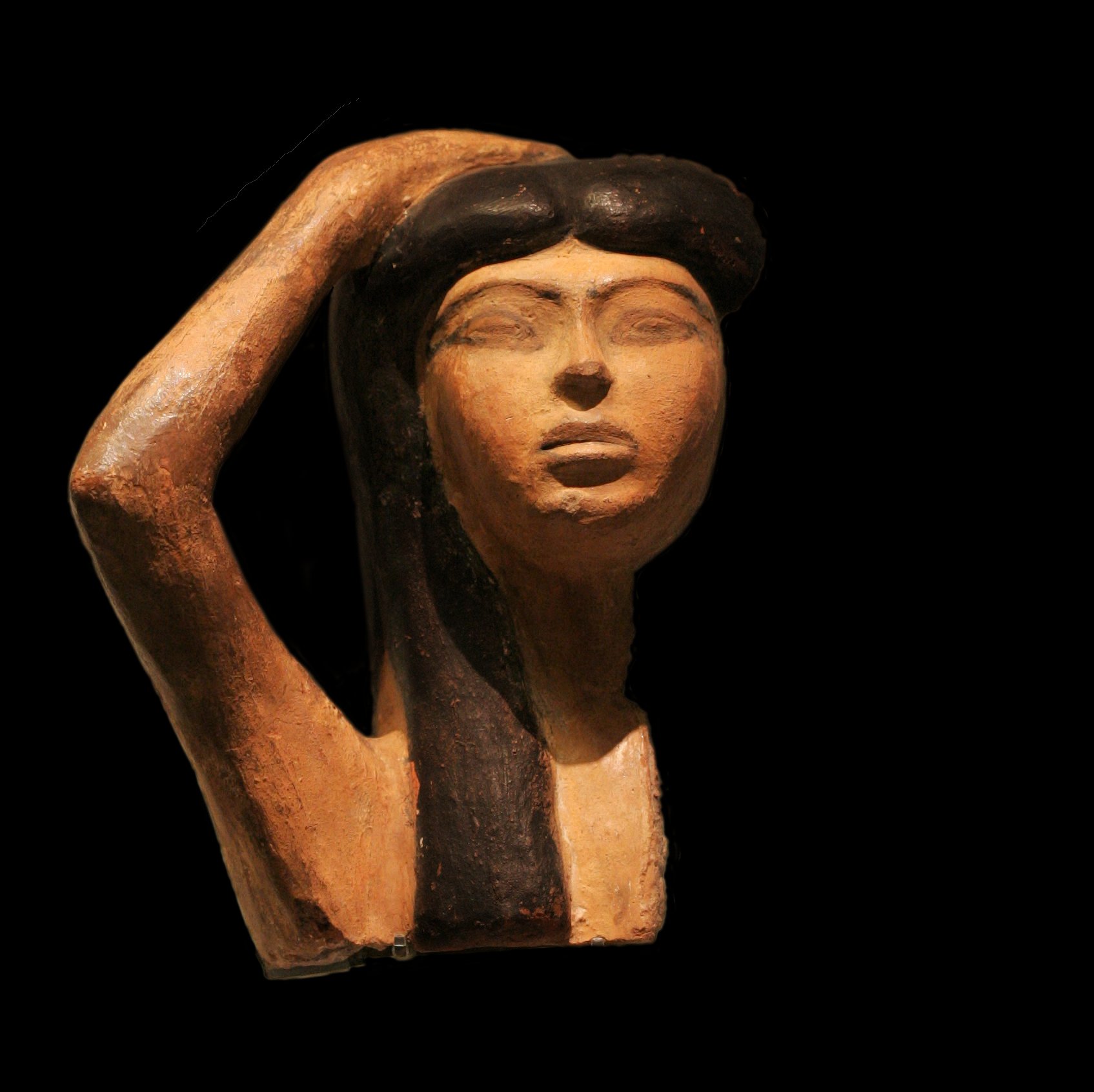
Mourner, suspected to represent Isis mourning Osiris. 18th dynasty, 1550–1295 BC. Terra cotta

Professional mourning or paid mourning is a type of public performance in which actors pretend to grieve for the recently deceased, with the goal of being indistinguishable from real mourners. As an occupation it originates from Egyptian, Chinese, Mediterranean and Near Eastern cultures. Professional mourners, also called wailers, moirologists,[1] or mutes, are compensated to lament or deliver a eulogy and help comfort and entertain the grieving family, or to improve the public spectacle of the funeral. Mentioned in the Bible[2] and other religious texts, the occupation is widely invoked and explored in literature, from the Ugaritic epics of early centuries BC[3] to modern poetry.

History

[edit]

Most of the people hired to perform the act of professional mourning were women. Men were deemed unfit due to expectations of being less emotional.[4] Mourning was sometimes one of only a few paid occupations available to women.[4] Mourners were also seen as a sign of wealth and social status; The more wailers or mourners that followed a casket around, the more respected the deceased was in society.[5]

Egypt

[edit]
Egyptian mourners inscribed on a tomb

In ancient Egypt, the mourners would be making an ostentatious display of grief which included tearing at dishevelled hair, loud wailing, beating of exposed breasts, and smearing the body with dirt.[6] There are many inscriptions on tombs and pyramids of crowds of people following a body throughout the funerary procession.[5] However, the most important of these women were the two impersonating the two godddesses Isis and Nephthys.

Isis and Nephthys were both Egyptian goddesses who were believed to play a special role when someone died. They were to be impersonated as a mourning ritual by professional mourners. In most inscriptions seen, one of them is at either end of the corpse.[5] There are also rules for impersonation of these two goddesses, for example the portrayer's body had to be shaved completely, they had to be childless, and they had to have the names of Isis or Nephthys tattooed on their shoulders for identification.[5] Evidence of professional mourning is seen in Ancient Egypt through different pyramid and tomb inscriptions. Different inscriptions show women next to tombs holding their bodies in ways that show sorrow, such as "hands holding the backs of their necks, crossing their arms on their chests, kneeling and/or bending their bodies forwards".[7]

China

[edit]

Professional mourners have been regular attendees of Chinese funerals since 756.[8] The tradition of professional mourning stemmed from theatrical performances that would occur during funerary processions.[8] There were musical performances at funerals as early as the third century. Scholar Jeehee Hong describes one such scene:

"they...set up wooden figures of Xiang Yu and Liu Bang participating in the banquet at Goose Gate. The show lasted quite some time." This performance was part of a funeral procession during the Dali reign (766–779) as the coffin of the deceased was being carried on the streets to his tomb site. The main funerary ritual had taken place at the house of the deceased, and now the mourners were walking in the funeral procession, along with a troupe of performers. The latter performance of this celebrated episode of the feast at the Goose Gate (Hongmen) from the Three Kingdoms saga was preceded by the enactment of a combat scene between two celebrated soldiers in history that was performed alongside the procession.[9]

Most of the historical evidence of mourning exists in the form of inscriptions on the different panels of tombs. Each slab contains a different story, and by the analysis of these inscriptions we are able to tell that these were played out during the funeral. For example:

Each scene—the preparation of food, the groom with a horse, and the entertainment – is unfailingly reminiscent of classical representations that adorn many tomb walls or coffin surfaces created since the Han period...these motifs are generally understood by students of Chinese funerary art as a banquet for the deceased...it is clear they represent the deceased couple because of the motif's strong connection to traditional representations of performances prepared for tomb occupants[10]

India

[edit]

Female professional mourners, called rudaali, are common in many parts of India, especially in the Western Indian state of Rajasthan.[11]

Europe

[edit]
Etching of death criers in long cloaks and holding bells
Death Crier or Death Watch

In Roman history, mourners were hired to accompany funerary rituals and were often thought to be theatrical. In early history the public mourners, called praeficiae, would follow musicians in a funeral procession to sing for the dead.[12]

This tradition evolved from singing to wailing and became more a spectacle because it was seen as a sign of wealth if a funeral had wailers, the more money you had the more wailers you could afford. Funerals began posting decrees to exclude paid mourners as they would often scratch at their faces to injure themselves or making over-dismal wails that were often offensive to genuine mourners. For public mournings that travelled through the streets of a city, hired mourners would often trail behind wailing to alert the town of a death.

By the 16th-17th century, in areas throughout France and Britain, this evolved into what became a man's profession, and had more intention of alerting of a death so others could mourn rather than mourning for the public. When a person of distinction passed, a "Death Crier" or "Death Watch" would walk through a town shouting of the loss and quoting scripture. They wore long black cloaks with skull and cross-bone patterns and carried a bell.[13]

In the Bible

[edit]

Professional mourning is brought up many times throughout the Bible. For example in Amos,

"Therefore thus says the LORD God of hosts, the Lord, "There is wailing in all the plazas, And in all the streets they say, 'Alas! Alas!' They also call the farmer to mourning And professional mourners to lamentation" (Amos 5:16).

According to Biblical analysts, this verse is implying that lamentation is like an art. People who were deemed "good" at wailing and moaning were then able to take part in more and more funerals, and were expected to make these moaning sounds.[14] The people who fulfilled the roles of these professional mourners were farmers who were done cropping for their season, and didn't have much else to do, so they took on this role for the extra money it would get them.[14]

Another instance of professional mourning worth noting is in Chronicles, the Bible says

"Then Jeremiah chanted a lament for Josiah. And all the male and female singers speak about Josiah in their lamentations to this day. And they made them an ordinance in Israel; behold, they are also written in the Lamentations." (2 Chronicles 35:25).

When someone of power dies, in this case Josiah, everyone can fill the role of mourner, professionals aren't needed because everyone feels the weight of the loss. Everyone becomes the professional mourner.

In the book of Jeremiah,

"Thus says the Lord of hosts, “Consider and call for the mourning women, that they may come; And send for the wailing women, that they may come! “Let them make haste and take up a wailing for us, That our eyes may shed tears and our eyelids flow with water" (Jeremiah 9: 17–18).

These three quotes from the Bible are just three of many that pertain to professional mourning.

Modern practice

[edit]

China

[edit]

Professional mourning is still practiced in China and other Asian countries. Chinese professional mourners in particular have survived dramatic cultural shifts such as the Cultural Revolution, though not without having to adjust to the times. For example, in an interview published in 2009, one professional mourner, who wailed and played the suona, recounted how, after the Proclamation of the People's Republic of China, he and his troupe began playing revolutionary songs like "The Sky in the Communist Regions Is Brighter" during funerals.[15] In fact, some cultures even think that the use of professional mourners brings a certain religious and historical application to funeral processions.[16]

A common ritual in China involves the family paying the mourners in advance and bringing them in lavish style to the location where the funeral will take place. The mourners are trained in the art of singing and bring a band with them.[17] The first step is for the mourners to line up outside and crawl.[16] While crawling, the mourner says with anguish the name of the person.[17] This is symbolic of daughters running home from their families in an effort to see the body. Next, a eulogy is performed in loud, sobbing fashion and backed up by dramatic instrumental tunes, driving the attendees to tears. One of the common lines used during these eulogies are "Why did you leave us so soon? The earth is covered in a black veil for you. The rivers and streams are crying to tell your story – that of an honest man...I shed tears for your children and grandchildren. We’re so sorry we could not keep you here"[citation needed]

Then the family is told to bow in front of the casket three times, and suddenly a belly dancer takes the so called "stage" and the song picks up, lights start flashing, and everyone is upbeat again. Since the funeral is usually a couple of days after the actual death, the goal of the professional mourner is to remind everyone attending the funeral about the sadness and pain that is associated with when someone passes away. They also have the job of bringing the mood right back up with lighting and fun songs after the wailing and mourning is done.[17]

United Kingdom

[edit]

In the United Kingdom, a company called "Rent A Mourner" (now defunct[18]) enabled families to increase the number of guests at a funeral by hiring actors to play a role, for example, a distant cousin or uncle.[19] Mourners were expected to be able to interact with guests without giving away that they had been hired by the family. This practice spans across religions; mourners have been hired at Jewish and Christian events.[19] These mourners were paid somewhere between $30 - $120 per event, not including potential tips.[19]

Egypt

[edit]

In Egypt, when someone in the family dies the women in the family would start the lamenting process, and the neighbors and the community would join throughout the day. Professional mourners would also come up and help lead the family in mourning by making grief-stricken shrieks, cherishing and reminiscing about the deceased. A funeral dirge is also performed by the mourners in which prayers are offered in the form of song or poetry.[20] One of the teachings of Muhammad was that the sound of wailing woman was forbidden, but modern Egyptian culture does not heed to this part of the Quran as the wailing and mourners follow the body to the graveyard.[20] All of this occurs within the same day, or if the deceased were to pass away in the night, the following day.[20]

[edit]

Films

[edit]
  • The Italian mondo film Women of the World (1963) features a segment about professional mourning
  • The British spy movie Funeral In Berlin (1966), directed by Guy Hamilton and starring Michael Caine, has a "mourner for hire" as part of the plot to exfiltrate a defector from East Berlin.[21]
  • The Indian film Rudaali (1993), directed by Kalpana Lajmi and set in Rajasthan, is about the life of a professional mourner, or Rudaali.[22]
  • The short documentary Tabaki (2001), directed by Bahman Kiarostami, follows the lives of "mourners for hire".[23]
  • The Philippine film Crying Ladies (2003), directed by Mark Meily, follows the lives of three women who work as professional mourners, set in the Philippines.[24]
  • The Japanese film Miewoharu (2016), directed by Akiyo Fujumura. It is centered around Eriko, a woman that comes back to her home town to mourn her sister. After spending 10 years in Tokyo pursuing an acting career she then discovers her vocation as professional mourner.[25]

Literature

[edit]
  • In Honoré de Balzac's landmark novel Le Père Goriot (1835), the title character's funeral is attended by two professional mourners rather than his daughters.[26]
  • In E. M. Forster's novel Howards End (1910), for his wife's funeral, Charles Wilcox retains women to serve as mourners "from the dead woman's district, to whom black garments had been served out."[27]
  • In Zakes Mda's novel Ways of Dying (1995), Toloki is a self-employed professional mourner.[28]
  • In his 2014 novel Ghost Month, author Ed Lin states that professional mourners are available for hire in contemporary Taiwan.
  • In Japanese manga artist Junji Ito's collection The Liminal Zone (2021), the first of the four one-shot stories revolves around a couple named Yuzuru and Mako which come in contact with professional mourners at a rural village.

Television

[edit]
  • In the episode "Grave Danger" of The Cleveland Show, the title character Cleveland Brown, along with his friends Lester, Holt, Tim the Bear, and Dr. Fist, temporarily become professional mourners and sit in on several funerals while spending time at Stoolbend Cemetery.
  • In the episode "Death" in the travel documentary The Moaning of Life, host Karl Pilkington travels to Taiwan to train with a professional mourner and attends a memorial service.
  • In the episode "The Princess" of Rita, Uffe suggest that Rita may need a professional mourner to help her grieve after the death of her mother.
  • In the episode "Insufficient Praise" of Curb Your Enthusiasm, Richard's new girlfriend is a professional crier who places Larry in a number of predicaments.
  • In an episode of Nathan For You, Nathan Fielder convinces a funeral home to hire professional mourners. Unbeknownst to them he hired random actors off the street. And a test run of it ended in disaster.

Music

[edit]
  • Hank Williams' song "Nobody's Lonesome for Me" contains the lyric, "When the time comes around for me to lay down and die, I bet I'll have to go and hire me someone to cry".

See also

[edit]
  • Claque, an organized body of professional applauders in France
  • Grief
  • Keening, a form of vocal lament associated with mourning that is traditional in Ireland, Scotland, and other cultures.
  • Placebo (at funeral), someone who came to a funeral, claiming (often falsely) a connection with the deceased to try to get a share of any food and/or drink being handed out
  • Funeral#Mutes and professional mourners

References

[edit]
[edit]
Revisions and contributorsEdit on WikipediaRead on Wikipedia
from Grokipedia
Professional mourning refers to the practice of hiring individuals, often women known as professional wailers or moirologists, to publicly express through wailing, lamentations, and ritual performances at , serving to honor the deceased, support the bereaved, and fulfill cultural or religious expectations. This occupation, which dates back over 2,000 years, originated in ancient civilizations such as , , and the , where it signified and provided emotional in societies that valued elaborate rites. In , professional mourners—typically childless women representing the goddesses and —attended burials to wail, tear their hair, and inscribe divine names on their bodies, ensuring the deceased's safe passage to the through ritualized sorrow. Similarly, in ancient during the (206 BCE–220 CE), wailers performed scripted eulogies, dances, and rhythmic cries to embody and aid families in expressing restrained grief, a tradition rooted in Confucian principles that continues in rural areas today despite historical bans. In the Mediterranean, including and , large groups of hired mourners amplified funerals for the elite by loudly lamenting, self-harming symbolically, and weaving personal histories into improvised dirges, as seen in the enduring moirologists of Greece's Mani region who prepare corpses and lead multi-day laments blending mythology and local lore. The role of professional mourners has persisted in various forms across cultures, from the biblical references to hired lamenters in Hebrew traditions (e.g., Jeremiah 9:17) to contemporary practices in parts of , the , and , where they provide communal support and prevent during bereavement. While modernization and urbanization have diminished the practice in many urban settings, it remains vital in communities emphasizing collective grief, often compensating mourners modestly for services lasting hours or days.

Overview and Definition

Historical Context

Professional mourning refers to the practice of hiring individuals, often women, to perform simulated expressions of at funerals, including wailing, lamentations, , and ritualistic gestures, in order to honor the deceased and provide emotional support to bereaved families. This tradition emerged in ancient societies as a means to fulfill social expectations for elaborate public displays of sorrow, particularly among elite classes who sought to demonstrate their status through grand spectacles. In contexts where families might lack extensive personal mourning networks, professional mourners filled this role, ensuring that the event conveyed appropriate communal reverence and amplified the deceased's social standing. A key aspect of professional mourning is the distinction between genuine familial and the performative elements enacted by hired participants, which served not only to intensify the emotional atmosphere but also to adhere to cultural norms of etiquette. These often drew from mythological or religious motifs, such as representations of goddesses in Egyptian rituals, to invoke divine for the soul's journey. The practice contributed to communal , allowing participants to collectively process loss while reinforcing social hierarchies through the scale of the mourning ensemble. The earliest documented evidence of professional mourning dates to around 2686 BCE in during , where tomb depictions show hired women leading funeral processions with ritual cries to aid the deceased's transition. Similar practices appeared in other early civilizations, such as ancient by the (circa 206 BCE–220 CE), where mourners were engaged to heighten displays. Over time, this custom evolved across , , and , adapting to local beliefs while maintaining its core function of ritualized sorrow.

Core Practices and Rituals

Professional mourners typically engage in wailing through high-pitched cries and loud sobbing to publicly express profound during proceedings. They also perform acts of , such as tearing their clothes, ripping their hair, or scratching their faces, as symbolic gestures of despair and loss. Additionally, mourners compose and deliver improvised laments, often in the form of chanted or sung verses that praise the deceased's life achievements and virtues, enhancing the emotional depth of the ceremony. To simulate authentic mourning, professional mourners utilize performative techniques, including controlled vocal expressions like structured cries and chants to convey intensity, alongside deliberate such as slumped postures and gestural movements that embody sorrow. These elements are synchronized with the overall , where mourners time their outbursts and movements to align with key moments, creating a cohesive display of collective anguish. Such methods draw from longstanding traditions of theatrical . In group settings, professional mourners interact dynamically by leading synchronized chants or forming processions that amplify the spectacle of shared mourning, often in larger numbers to intensify the visual and auditory impact of the . This collective participation fosters a sense of communal bonding among attendees through repetitive, harmonized expressions of woe. Anthropological studies highlight the psychological role of these performances in triggering genuine emotions among participants, as the ritualistic theater of wailing and gestures facilitates release and emotional processing for the bereaved. By externalizing in a structured yet evocative manner, such practices help transform individual sorrow into a shared affective experience, aiding in the communal navigation of loss.

Historical Development

Ancient Egypt and Near East

In ancient Egyptian society, professional mourning was an integral part of funerary rituals, particularly from onward (c. 2686–2181 BCE), where wealthy families hired women known as professional mourners—often referred to as the "kites of "—to accompany the funeral procession along the . These women, depicted in tomb art such as those from the tombs of (c. 1320–1292 BCE) and officials like (TT 100), performed ritual cries, beat their breasts, struck their heads against the ground, and wailed loudly to express grief and invoke divine aid for the deceased's journey to the . These practices were deeply tied to religious beliefs, with mourners acting as intermediaries between the living and the gods, embodying the goddesses and from the to ensure the deceased's safe passage and rebirth in the (underworld). Specific gestures, such as throwing dust or ashes on their heads, baring their breasts, and reciting laments like those inscribed in the tomb of Neferhotep (TT 49), symbolized chaos and while ritually propitiating deities to protect the from perils during its transformation. This integration of with polytheistic theology underscored the Egyptians' emphasis on eternal life, where the mourners' performances were essential for balancing ma'at (cosmic order) and facilitating the ka (life force) and ba () in the . Parallels existed in the , particularly in Mesopotamian Sumerian culture (c. 2500 BCE), where professional lamenters known as gala priests—often male functionaries performing in a gender-ambiguous role—were hired to recite dirges at funerals and in religious ceremonies. Texts from this period, including elements in the epic poem The Descent of Inanna (c. 1900–1600 BCE), describe these lamenters leading communal cries of "Alas my city!" and similar invocations to mourn the dead and appease deities like , mirroring Egyptian rituals in their theatrical intensity. In Sumerian society, the gala served as ritual specialists, using emotive performances to bridge the human and divine realms, ensuring the deceased's spirit did not haunt the living and facilitating a peaceful transition to the . By the Ptolemaic period (305–30 BCE), these traditions began to decline in due to Hellenistic Greek influences, which introduced simpler burial customs and reduced emphasis on elaborate native mourning rituals amid cultural and administrative changes. In the Near East, similar shifts occurred under Persian and later Hellenistic rule, though professional lamentation persisted in localized forms tied to temple practices.

Ancient China and East Asia

In ancient China, professional mourning emerged as a formalized practice during the (1046–256 BCE), where hired mourners known as kusang were engaged to perform elaborate funeral rituals that emphasized , a core Confucian virtue. These rituals, detailed in classical texts such as the (Liji), prescribed specific mourning behaviors to honor the deceased and maintain social harmony, with families contracting mourners to ensure the ceremonies met the required standards of grief expression and propriety. The Book of Rites, compiled from Zhou-era traditions, underscores how such practices served to publicly demonstrate a family's devotion, transforming personal loss into a communal affirmation of ethical duties. Key practices included staged weeping and wailing during funeral processions, where mourners would lead cries to amplify the family's sorrow, often accompanied by chanting eulogies that recounted the deceased's virtues and life achievements. These performances were not mere theatrics but integral to the structure, helping to guide the spirit of the dead toward the while reinforcing communal bonds. Hired mourners, typically women skilled in expressive lamentation, would integrate into the , their vocalizations echoing the prescribed forms of outlined in Zhou ritual codes. By the (206 BCE–220 CE), these customs had solidified and began influencing neighboring East Asian societies through cultural and philosophical exchanges, particularly via Confucian texts that spread to Korea and . In Korea, ancestral rites incorporated similar hired lamenters for elaborate funerals among the elite, adapting Chinese models to local shamanistic elements, as seen in records of royal burials. Japanese practices, influenced during the same period through and textual transmission, featured comparable roles in courtly ceremonies, where professional wailers assisted in fulfilling familial obligations during processions and ancestral . Professional mourning was largely reserved for the and wealthy classes, reflecting the hierarchical nature of Zhou and Han society, where the scale of signified status. Mourners were often trained within specialized guilds or familial lines to performances to the deceased's rank, ensuring that even the appearance of aligned with social distinctions prescribed in texts. This exclusivity underscored as both a display of affluence and a mechanism for upholding Confucian .

Ancient India and South Asia

In the (c. 1500–500 BCE), funeral rites emphasized or accompanied by lamentations recited by family members, as described in hymns of the such as 10.14 and 10.18, which invoke , the god of death, and express grief over the deceased's journey to the . These rituals focused on purification and transition, with women often leading the expressions of sorrow through spontaneous cries and invocations. The practice of collective mourning is depicted in later periods, particularly during the epic era reflected in the (compiled c. 400 BCE–400 CE), where descriptions of royal funerals show groups of women, including widows and female relatives, performing laments. In the (Book 11), following the , these women gather to wail rhythmically, beating their breasts and invoking to guide the souls, creating a display of that underscores the scale of loss for elite families. These scenes highlight the role of women in ritualized mourning to honor the dead and affirm social bonds, though explicit references to hired professionals are absent in the texts. Ancient South Asian mourning practices showed some regional variations, with northern regions influenced by Vedic traditions favoring and elaborate laments, while southern areas incorporated elements of and indigenous customs. However, evidence for distinct professional mourning roles tied to these differences remains limited in ancient sources. Buddhist and Jain influences during the post-Vedic period (after c. 500 BCE) promoted more restrained expressions of , contrasting with earlier Vedic elaborations and contributing to evolving funerary customs.

Ancient Greece and Rome

In , professional mourning was characterized by the performance of goos (personal laments) and thrēnos (formal s), often delivered by hired women known as thrēnōdoi or goōdes to amplify grief during funerals. These lamentations appear prominently in Homer's , where women, including professional mourners, lead ritual wails over the dead, such as Andromache's improvised for , blending spontaneous emotion with structured poetic elements to honor the deceased and invoke communal sorrow. Around 594 BCE, the Athenian lawgiver critiqued the excesses of such practices and enacted reforms to limit the number of hired mourners, prohibit self-laceration, and restrict elaborate displays, aiming to curb social disruption and economic strain on families while preserving core rituals. Roman society adapted these Greek influences during the (509–27 BCE), employing praeficae—professional female mourners who rent their garments, beat their breasts, and wail in flute-accompanied processions while participants wore the toga pulla for somber display. The , Rome's earliest codified from circa 450 BCE, regulated these performances to prevent ostentation, allowing no more than three veiled women, one in a , and ten players per , while explicitly forbidding women from tearing their cheeks or forming choruses of (conclamationes) to maintain public order. Philosophers like condemned professional mourning as performative and insincere in his Laws (circa 360 BCE), where he prohibits hired lamenters—often Carian women singing composed dirges—from funerals, viewing their theatrical grief as corrupting civic virtue and promoting emotional excess over rational restraint. Despite such critiques, the practice persisted among elites; at Julius Caesar's funeral in 44 BCE, professional mourners contributed to the elaborate and public wails, heightening the spectacle alongside Mark Antony's oration to solidify Caesar's legacy. Following Alexander the Great's conquests after 323 BCE, Hellenistic cultures fused Greek mourning rituals with Egyptian customs, evident in Ptolemaic Alexandria where professional lamentations blended with Osirian dirges and communal wailing, creating syncretic funerary performances that integrated Greek poetic improvisation and Egyptian ritual emphasis on afterlife transition.

Biblical and Middle Eastern Traditions

In the , professional mourning is prominently referenced in prophetic literature, particularly in the context of communal over impending national calamity. The , dated to around the 6th century BCE, explicitly calls for the hiring of skilled wailing women to lead mourning rituals, as seen in Jeremiah 9:17-18, where the urges: "Consider and call for the mourning women, that they may come; And send for skillful wailing women, that they may come. Let them make haste And take up a wailing for us, That our eyes may run with tears, And our eyelids gush with water." These women were professional mourners compensated to perform dirges and evoke collective sorrow, a practice integrated into Judean society during times of distress. Similarly, the Amos, writing in the 8th century BCE, condemns the widespread use of such mourners in Amos 5:16, stating: "Therefore thus says the LORD God of hosts, the Lord: 'There shall be wailing in all streets, And they shall say in all the highways, "Alas! Alas!" They shall call the farmer to mourning, And skillful lamenters to wailing.'" Here, the hiring of professional lamenters symbolizes the pervasive hypocrisy and superficiality of Israel's rituals amid , portraying them as emblematic of a corrupt society. These biblical depictions connect to broader ancient Near Eastern traditions, including literature from around 1400 BCE, where professional lamenters appear in mythological narratives to express profound grief. In such as the and related epics, mourners—often women skilled in ritual weeping and self-laceration—facilitate communal catharsis during divine deaths or losses, reflecting standardized roles in funerary and mythic rites. For instance, the cycle describes elaborate laments by figures like over Baal's demise, underscoring the cultural expectation of hired experts to amplify sorrow through poetic wails and gestures. This practice extends from earlier Sumerian influences evident in Near Eastern archaeology, where similar ritual specialists appear in Mesopotamian burial contexts. Echoes of professional mourning persist in the New Testament, particularly in the Gospel accounts of Jesus' crucifixion and burial, where women followers engage in public lamentation that aligns with 1st-century Jewish customs. In Luke 23:27, for example, "a great multitude of the people followed Him, and women who also mourned and lamented Him," suggesting a procession reminiscent of hired mourners who wailed to honor the deceased and console the bereaved. While not explicitly labeled as professionals, these women's roles parallel the Semitic tradition of compensated lamenters, who were commonly employed to sustain mourning through the burial process. As a Semitic custom, professional mourning served to channel communal expression of , fostering social solidarity in the face of or , yet it drew sharp prophetic critiques for its commercialization and potential for insincerity. Biblical prophets like and viewed the practice as emblematic of ritualistic excess divorced from genuine , highlighting how hired could deeper spiritual failings. This tension underscores the dual role of such mourners in ancient Middle Eastern societies: vital facilitators of collective emotion, yet targets of reformist condemnation.

Contemporary Practices

China and Taiwan

In contemporary rural China, professional mourning persists primarily through kusang troupes—groups specializing in ritual wailing and lamentations—that have seen a resurgence since the economic reforms of the late 1970s and 2000s, after being suppressed during the Cultural Revolution. These performers, often women, are hired to amplify grief at funerals, ensuring the event honors the deceased with emotional intensity and avoiding family embarrassment from subdued mourning. Earnings for individual mourners typically range from 100 to 500 RMB per event, varying by region, duration, and troupe size, allowing some to make a full-time living through multiple engagements annually. A prominent example is Ding Ding Mao (real name Hu Xinglian), a celebrated kusangren in Chongqing active throughout the 2010s, renowned for her theatrical cries, dances, and ability to evoke tears from attendees, as featured in media reports from the period. In , professional mourning maintains a vibrant presence, particularly in traditional funerals influenced by customs, with performers blending ancient wailing techniques with contemporary elements like songs, dances, and to create immersive spectacles. High-profile figures such as Liu Jun-lin, who gained international attention through a 2013 profile, exemplify this adaptation; as a leading mourner and leader of the Filial Daughters Band, she attends dozens of funerals yearly, using expressive cries and modern choreography to honor the deceased while engaging diverse audiences. This practice, rooted in familial and communal rituals, remains in demand for its role in publicly validating , especially among older generations. Regulatory changes in the 2020s have targeted excessive rituals in urban , with authorities promoting "civilized" and eco-friendly practices to curb lavish displays under national management guidelines updated in 2025. Despite these urban restrictions, demand for professional mourners endures in rural areas and among ethnic minority communities, such as the Miao or Yi groups in southwestern provinces, where traditional customs integrate kusang into multi-day ceremonies resistant to central standardization. Training for professional mourners in and occurs through informal networks, often family-based or within local troupes, emphasizing emotional regulation, vocal techniques for sustained wailing, and cultural to perform convincingly without personal attachment. These guilds or systems, passed down orally, prepare practitioners to adapt performances to family needs, with historical peaks suggesting up to 100,000 active mourners in regions like before recent regulations.

Greece and Mediterranean Regions

In contemporary Greece, professional mourning persists mainly through the work of moirologists, elderly women in the remote villages of the Mani peninsula in the Peloponnese region. These practitioners, often in their 80s or older, improvise poetic laments known as moirologia during funerals, weaving together threads of Greek mythology, local historical events, and personalized narratives of the deceased's life to evoke collective grief and catharsis. Dressed in black with embroidered veils, they lead rituals that extend beyond the burial to memorial services on the third, ninth, and fortieth days after death, as well as the first anniversary, helping families process loss and symbolically guide the soul to the afterlife. Families hire them, viewing their performance as essential for honoring the dead and maintaining communal bonds. This modern practice briefly echoes ancient Greek goos traditions of ritual lamentation, adapted into a folkloric exclusive to women in rural settings. Across broader Mediterranean regions, professional has become rare in modern and , though vestiges appear in southern Italian communities like and , where historical chiangimuerti or naccarata performers once chanted dirges for status and ritual efficacy, now largely supplanted by family-led expressions. In , echoes persist in Orthodox funerals through group chants and dirges led by kinswomen or priests during processions, emphasizing communal without formalized payment. Efforts to preserve these traditions focus on their folkloric value, with training transmitted orally from generation to generation in Mani villages, though the practice faces decline due to depopulating rural areas and the aging of practitioners without younger successors. Despite reduced demand from urban migration, the custom experiences occasional spikes during economic crises, as families hire moirologists to display through elaborate funerals.

India and South Asia

In contemporary , professional mourning is exemplified by the rudali tradition, primarily practiced in rural areas of , where women from lower castes are hired by upper-caste families to perform elaborate displays of grief at funerals, including wailing, chest-beating, and lamentations lasting up to 12 days. These women, often widows or from marginalized communities, fulfill a cultural role that allows veiled high-caste women to maintain decorum while expressing sorrow through proxies. Rooted briefly in Vedic origins linked to ancient epics, the practice persists in niche rural settings but faces significant decline. Similar roles exist in Hindu funeral rites across , such as in and , where hired mourners assist in rituals, though has led to a substantial reduction in demand in traditional communities. In , rudalis typically earn between 500-1000 INR per , supplemented by food and clothing, but this income is precarious and insufficient for sustenance. Modern challenges include legal prohibitions on caste-based discrimination, which have disrupted traditional recruitment patterns reliant on social hierarchies, pushing many practitioners toward alternative livelihoods like farming. The profession is classified as dying due to rising , migration to cities, and a shift toward subdued, family-led . Occasional revivals occur in film-inspired cultural events, drawing attention to the tradition's fading heritage. As a result, amateur family members increasingly handle duties, reflecting broader socio-economic transformations in .

Other Global Variations

In , particularly in rural areas, families sometimes hire professional mourners known as "khóc thuê" to perform theatrical wailing and cries during multi-day wakes, allowing bereaved relatives to focus on logistical duties such as preparing meals and receiving guests. These mourners, often women skilled in dramatic lamentations, enhance the emotional atmosphere of the rituals, which can span several days and include processions to honor the deceased. Remnants of professional mourning persist sporadically in parts of , such as among the in , where women serve as hired wailers to add solemnity and express communal grief during funerals, blending with local customs that emphasize elaborate displays of emotion. In some Middle Eastern contexts, including communities influenced by Islamic traditions, professional female mourners are engaged for the 40th-day rituals following a , performing laments that integrate with religious observances regardless of whether the family is Muslim or Christian. These practices, though less formalized today, reflect historical adaptations where hired grievers help amplify collective mourning while adhering to faith-based rites. In Western countries like the and , professional mourning has emerged as a rare, modern anomaly in the 21st century, with companies offering "rent-a-mourner" services during the to provide actors who pose as grieving attendees at sparsely populated funerals. These services, such as the UK-based Rent A Mourner firm, charge approximately £45 to £68 per person for two hours of discreet participation, including crying and mingling at services, often viewed satirically as a solution for isolated deaths. While not widespread, such hires underscore a shift toward commodified in individualistic societies. Among global diasporas, Chinese-Vietnamese immigrant communities in the adapt traditional by maintaining multi-day rituals with altars, , and communal wailing during wakes, though professional hires are rare and often replaced by or temple-led performances to preserve cultural continuity. These adaptations, observed in enclaves, blend Vietnamese customs with American funeral norms, emphasizing ancestor veneration over hired theatricality.

Cultural and Social Dimensions

Social and Psychological Roles

Professional mourning plays a significant role in amplifying social aspects of funerals, particularly by increasing and signaling the deceased's status within the . In many historical and contemporary contexts, the presence of hired mourners creates a larger gathering, which can reduce feelings of isolation for families with limited relatives, especially in modern urban settings where small units are common. This amplification enhances the perceived honor of the deceased, as the number of mourners traditionally correlates with social prestige, drawing more participants and fostering a collective display of . From a psychological perspective, professional mourners facilitate for attendees by modeling overt expressions of , which can be particularly beneficial in cultures where public emotional displays are restrained or stigmatized. indicates that rituals aid in bereavement processing by providing a structured outlet for emotions, helping mourners validate and externalize their sorrow, thereby reducing long-term psychological distress. For instance, larger rituals have been shown to bolster psycho-social support and mitigate regrets among the bereaved, promoting emotional resilience through shared mourning experiences. Studies from the early 2020s further link such rituals to therapy, where ritualistic elements assist in integrating loss into one's narrative, enhancing overall outcomes. On a communal level, professional mourning reinforces cultural norms around , strengthening social bonds by normalizing public emotion and preventing stigma associated with solitary or subdued . These practices create opportunities for participation, which anthropologists note helps reaffirm group identity and support networks during times of loss. In contemporary settings, such as in , they continue to provide familial emotional scaffolding, ensuring that aligns with societal expectations of communal solidarity. However, critiques in highlight potential drawbacks, including perceptions of insincerity that may lead to among genuine mourners. When appears performative, it can undermine authentic processing, fostering cynicism or disconnection in the ritual's participants, as observed in discussions of hired mourning's .

Economic and Professional Aspects

Professional mourning operates as an informal occupation worldwide, lacking standardized formal certifications and relying instead on skill-based hierarchies developed through hands-on experience. In regions like , practitioners typically enter the field via apprenticeships or self-directed practice, observing and imitating seasoned mourners during actual funerals to hone techniques such as wailing, eulogizing, and emotional . This training emphasizes adaptability to cultural rituals and client needs, with no regulatory bodies overseeing entry; progression to higher roles, such as leading performances or managing groups, depends on reputation and demonstrated expertise built over years of service. Compensation for professional mourners follows per-event models, with fees ranging from $30 to $120 per globally, depending on , event duration (typically 2-3 hours), and performance complexity. In , rates have evolved significantly; early practitioners earned 50-100 yuan per commission in the , while established professionals now charge 10,000-40,000 yuan for tiered packages that include elaborate group performances, with bonuses for customized elements like tailored eulogies. As of 2025, some established practitioners in report annual incomes exceeding $28,000. Demand fluctuates seasonally, peaking during traditional mourning periods such as festivals, which can increase earnings for active mourners but also intensify competition. The market for professional mourning has transitioned from ancient systems of —where mourners were supported by wealthy families or communities—to a contemporary structure, enabling flexible, on-demand hiring through personal networks or emerging services. In , this evolution is evident in the of wailers, who now operate as daily contractors for funerals, blending with modern accessibility via informal booking arrangements. Although no widespread digital platforms existed as of late 2025, the sector's growth reflects broader funeral industry trends toward commodified , with practitioners like those in forming small businesses to handle multiple engagements. Despite its persistence, professional mourning faces significant challenges, including deep-seated that portrays the work as lowly or inauthentic, deterring new entrants and contributing to workforce attrition. Health risks are prominent, particularly vocal strain from prolonged wailing and shouting, which can lead to hoarseness, raw throats, and long-term damage akin to that experienced by performers; practitioners often report exhaustion after extended sessions without adequate recovery protocols. These issues contribute to challenges amid the profession's emotional and physical demands, though efforts to younger entrants are emerging in places like .

Gender and Societal Norms

Professional mourning has historically been a predominantly occupation, with women comprising nearly all practitioners across various cultures due to societal norms that permitted them greater latitude in expressing grief openly. In and , for instance, professional mourners were exclusively women, as men were often barred by cultural expectations of or legal restrictions on excessive lamentation, such as Solon's reforms in that regulated mourning but assigned it to female performers. This gender division persists in modern contexts; in Greece's Mani region, professional moirologists are almost entirely elderly women who lead laments, reflecting enduring norms that associate emotional display with . Similarly, in , rudalis—professional wailers—are overwhelmingly women from marginalized communities, hired for their perceived ability to embody raw sorrow. The profession's gendered structure reveals complex power dynamics, often exploiting women from lower social strata while occasionally providing economic agency. In , low-caste tribal women like those depicted in Mahasweta Devi's Rudali are coerced into the role by poverty, their grief commodified and performed for upper-caste families, perpetuating caste-based dehumanization and patriarchal control over female emotions. In , elderly women in remote villages serve as moirologists out of necessity, their labor undervalued yet essential to communal rituals, highlighting the marginalization of aging females in a male-dominated society. Despite this exploitation, the work can foster ; for rudalis, collective mourning offers in otherwise oppressive environments, transforming performative sorrow into a means of survival and subtle resistance. Cultural shifts in the have begun to challenge this female monopoly, though male participation remains exceptional. In , where khóc thuê (hired crying) traditions endure, rare instances of male mourners have emerged in urban settings during the 2020s, signaling evolving norms amid modernization. Feminist scholarship from the 2010s onward has critiqued these practices as reinforcing performative , where women's bodies are scripted to enact exaggerated , as analyzed in adaptations of Rudali that expose the intersection of oppression and . Intersectionality further complicates these norms, linking gender to class and race in ways that subvert dominant expectations. In communities, particularly among , mourning practices emphasize expressive communal rituals led by women—such as celebrations blending African ancestral wails with Christian elements—directly challenging Western ideals of stoic restraint and highlighting racial resilience against . These traditions underscore how professional and informal mourning by Black women resists erasure, weaving personal loss into collective narratives of survival across class and racial lines.

Representations in Media

Film and Television

Professional mourning has been depicted in various films and television programs, often serving as a lens to explore themes of , tradition, and societal commodification of emotions. In Indian cinema, the 1993 film , directed by , portrays the life of a professional mourner from a lower- background in rural , highlighting the exploitation and social stigma faced by women in this profession. The story, adapted from Mahasweta Devi's short story, uses the protagonist's journey to critique hierarchies and roles intertwined with mourning practices. In East Asian cinema, the 2008 Japanese film Departures (Okuribito), directed by Yōjirō Takita, tangentially addresses rites through the protagonist's work as a nokanshi—a preparer of bodies for —reflecting broader cultural attitudes toward death and mourning in . This Oscar-winning emphasizes the ritualistic and emotional labor involved in end-of-life ceremonies, drawing parallels to professional mourning traditions without directly featuring hired wailers. Similarly, the 2019 American-Chinese film The Farewell, directed by Lulu Wang, incorporates professional mourners into a family scene, inspired by real Chinese kusang practices where performers sing lamentations to honor the deceased. Television documentaries have provided more direct and ethnographic portrayals. A 2013 feature profiled Liu Jun-Lin, Taiwan's renowned professional mourner, showcasing her performances of wailing and singing at funerals to amplify communal grief, a rooted in Chinese cultural rites. In 2020, (DW) produced a series on Greek moirologists, examining how these paid lamenters in rural areas like Mani preserve ancient customs through improvised dirges and ritual cries, often passed down through women. Narratively, professional mourning frequently symbolizes the of in media, portraying it as a service that both eases and exploits emotional . In Western productions, such depictions often lean toward , critiquing the idea through exaggerated or humorous lenses, as seen in the 2018 short film Good Mourning, where a hired mourner faces dilemmas in faking sorrow for profit. This contrasts with more reverent treatments in non-Western contexts, underscoring tensions between authenticity and . Regarding cultural accuracy, Hollywood and Western media tend to exaggerate professional mourning for dramatic or comedic effect, sometimes reducing complex rituals to stereotypes, whereas 2020s Asian cinema on streaming platforms like has trended toward nuanced, insider perspectives—evident in films like The Farewell—that honor the emotional and cultural depth of these practices without .

Literature and Folklore

In ancient Greek literature, Homer's Iliad depicts mourning through the goos, a spontaneous lament performed by kinswomen expressing raw grief, as seen in Briseis's wailing for Achilles (Iliad 19.287–300) and the handmaidens' cries for Patroclus (Iliad 18.28–31). Complementing this is the thrênos, a structured dirge composed and performed by professional mourners to ritualize collective sorrow, a practice implied in the epic's funeral scenes despite its focus on personal laments. Indian epics like the feature extensive dirges by women following the , where queens and relatives lament fallen warriors through ritualized weeping and invocations, underscoring grief's communal role in Hindu tradition. This motif evolves in modern , notably Mahasweta Devi's Rudali (1979), which portrays Rajasthan's rudalis—low-caste women hired to wail at funerals—as exploited laborers navigating poverty and emotional commodification. Similarly, Nidhi Dugar Kundalia's The Lost Generation (2016) chronicles rudalis as haunting symbols of feudal decay and caste hypocrisy, where their fabricated tears expose societal inequalities in post-independence . Folklore worldwide preserves the weeping woman archetype as a harbinger of loss, evident in Chinese tales of mournful spirits (kusang) who wail to propitiate the dead, blending professional mourning with supernatural admonition. In Middle Eastern traditions, professional female mourners perform chest-beating laments at funerals, echoing jinn lore where spectral women embody unresolved grief and communal catharsis. European variants collected by the Grimm brothers, such as motifs of sorrowful cries in tales like "How Mrs. Fox Married Again," transform weeping into narrative symbols of widowhood and societal transition, often critiquing rigid gender roles. These representations frequently interpret professional mourning as a critique of , where performative masks deeper social fractures, a theme rooted in biblical precursors like the hired mourners in Jeremiah 9:17 who amplify public sorrow.

Music and Performing Arts

In traditional musical practices associated with professional mourning, Greek moirologia—improvised lament chants performed by professional mourners known as moirologists—serve as a central expression of during funerals, particularly in regions like the , where they intertwine personal eulogies with elements of mythology, religion, and local history. These vocalizations, often delivered in a raw, emotive style accompanying the ritual lament or klama, emphasize communal and have been documented in live performances that highlight their spontaneous, narrative-driven nature. In some contexts, these chants draw on ancient precedents, such as lyre-accompanied laments evoking figures like Penthos, the of , though modern moirologia are typically unaccompanied to preserve their intimate, wailing intensity. Similarly, in Chinese funeral traditions, kusang—a form of professional mourning involving wailing and songs—allows hired mourners to honor the deceased by praising their virtues and ancestral lineage, creating an atmosphere of reverence and emotional release. Performers like those in employ a repertoire of pieces such as "Namo Amitabha" and "How I Miss You," blending melodic cries with shouts to simulate familial sorrow and facilitate spiritual transitions for the departed. Modern adaptations of these traditions have integrated professional mourning into broader . In during the 2010s, folk operas like gezaixi incorporated mourning elements into festival performances, where audiences and fans ritually wept to "crying songs" that evoked loss and nostalgia, transforming personal into shared cultural experiences at temple circuits and public events. In , experimental theater pieces at the 2025 International Festival for explored themes of and lamentation, as seen in stagings of ancient sacred dramas like The Triumph of Horus, which features ritual laments by goddesses and , adapted to contemporary sonic rituals of . Professional mourning also manifests in live performing arts beyond strict rituals. In Vietnam, street performances at funerals feature hired ensembles of singers, musicians, acrobats, and martial artists who deliver upbeat yet poignant shows to celebrate the deceased's life, evolving from traditional processions into standalone cultural spectacles that blend mourning with entertainment. Rare Western fusions appear in avant-garde sound art, such as Taryn Simon's 2018 installation An Occupation of Loss, where professional mourners from diverse cultures enacted global lament traditions in a gallery setting, using amplified wails and chants to probe the acoustics of grief. These musical and performative elements of professional mourning have gained cultural significance through preservation efforts, including audio recordings that capture ephemeral chants and wails for archival study, contributing to broader recognitions of lament traditions as .

References

Add your contribution
Related Hubs
User Avatar
No comments yet.