Hubbry Logo
TGF alphaTGF alphaMain
Open search
TGF alpha
Community hub
TGF alpha
logo
8 pages, 0 posts
0 subscribers
Be the first to start a discussion here.
TGF alpha
TGF alpha
from Wikipedia

TGFA
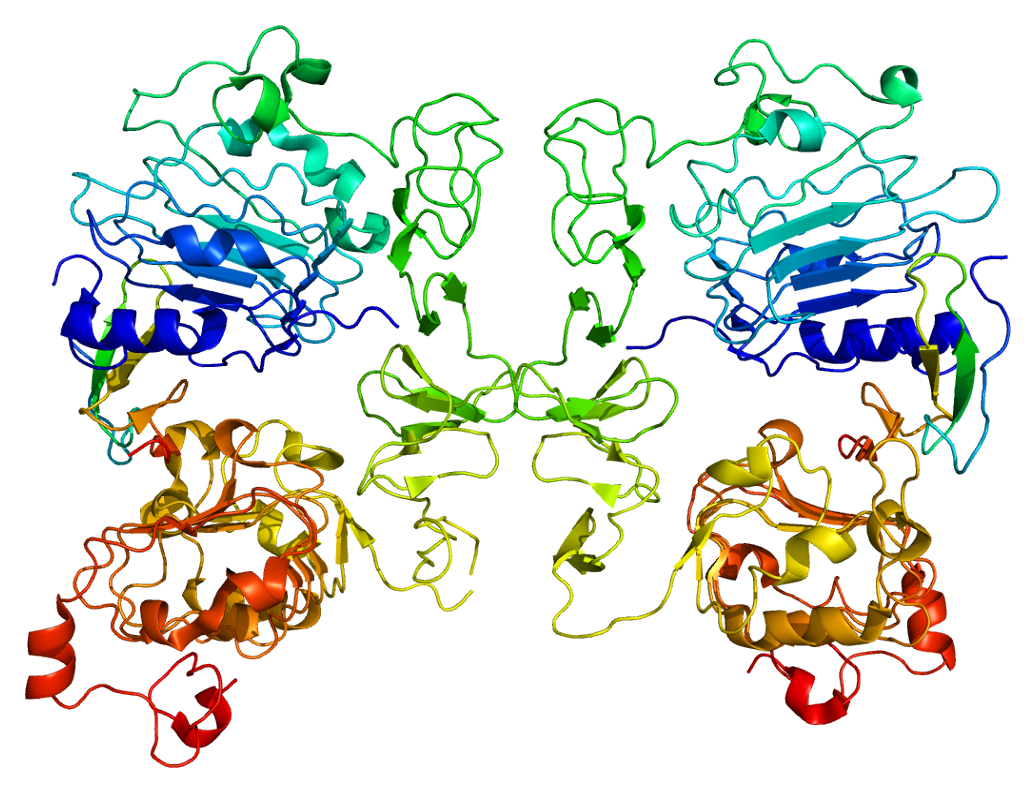
Available structures
PDBOrtholog search: PDBe RCSB
Identifiers
AliasesTGFA, TFGA, transforming growth factor alpha, Transforming growth factor - α
External IDsOMIM: 190170; MGI: 98724; HomoloGene: 2431; GeneCards: TGFA; OMA:TGFA - orthologs
Orthologs
SpeciesHumanMouse
Entrez
Ensembl
UniProt
RefSeq (mRNA)

NM_001099691
NM_001308158
NM_001308159
NM_003236

NM_031199

RefSeq (protein)

NP_001093161
NP_001295087
NP_001295088
NP_003227

NP_112476
NP_001390047

Location (UCSC)Chr 2: 70.45 – 70.55 MbChr 6: 86.17 – 86.25 Mb
PubMed search[3][4]
Wikidata
View/Edit HumanView/Edit Mouse

Transforming growth factor alpha (TGF-α) is a protein that in humans is encoded by the TGFA gene.[5] As a member of the epidermal growth factor (EGF) family, TGF-α is a mitogenic polypeptide.[6] The protein becomes activated when binding to receptors capable of protein kinase activity for cellular signaling.

TGF-α is a transforming growth factor that is a ligand for the epidermal growth factor receptor, which activates a signaling pathway for cell proliferation, differentiation and development. This protein may act as either a transmembrane-bound ligand or a soluble ligand. This gene has been associated with many types of cancers, and it may also be involved in some cases of cleft lip/palate.[5]

Synthesis

[edit]

TGF-α is synthesized internally as part of a 160 (human) or 159 (rat) amino acid transmembrane precursor.[7] The precursor is composed of an extracellular domain containing a hydrophobic transmembrane domain, 50 amino acids of TGF-α, and a 35-residue-long cytoplasmic domain.[7] In its smallest form, TGF-α has six cysteines linked together via three disulfide bridges. Collectively, all members of the EGF/TGF-α family share this structure. The protein, however, is not directly related to TGF-β.

Limited success has resulted from attempts to synthesize of a reductant molecule to TGF-α that displays a similar biological profile.[8]

Synthesis in the stomach

[edit]

In the stomach, TGF-α is manufactured within the normal gastric mucosa.[9] TGF-α has been shown to inhibit gastric acid secretion.

Function

[edit]

TGF-α can be produced in macrophages, brain cells, and keratinocytes. TGF-α induces epithelial development. Considering that TGF-α is a member of the EGF family, the biological actions of TGF-α and EGF are similar. For instance, TGF-α and EGF bind to the same receptor. When TGF-α binds to EGFR it can initiate multiple cell proliferation events.[8] Cell proliferation events that involve TGF-α bound to EGFR include wound healing and embryogenesis. TGF-α is also involved in tumerogenesis and believed to promote angiogenesis.[7]

TGF-α has also been shown to stimulate neural cell proliferation in the adult injured brain.[10]

Receptor

[edit]

A 170-kDa glycosylated protein known as the EGF receptor binds to TGF-α allowing the polypeptide to function in various signaling pathways.[6] The EGF receptor is characterized by having an extracellular domain that has numerous amino acid motifs. EGFR is essential for a single transmembrane domain, an intracellular domain (containing tyrosine kinase activity), and ligand recognition.[6] As a membrane anchored-growth factor, TGF-α can be cleaved from an integral membrane glycoprotein via a protease.[7] Soluble forms of TGF-α resulting from the cleavage have the capacity to activate EGFR. EGFR can be activated from a membrane-anchored growth factor as well.

When TGF-α binds to EGFR it dimerizes triggering phosphorylation of a protein-tyrosine kinase. The activity of protein-tyrosine kinase causes an autophosphorylation to occur among several tyrosine residues within EGFR, influencing activation and signaling of other proteins that interact in many signal transduction pathways.

Epidermal growth factor receptor (EGFR) signaling pathway upon binding to TGF-α.

Animal studies

[edit]

In an animal model of Parkinson's disease where dopaminergic neurons have been damaged by 6-hydroxydopamine, infusion of TGF-α into the brain caused an increase in the number of neuronal precursor cells.[10] However TGF-α treatment did not result in neurogenesis of dopaminergic neurons.[11]

Human studies

[edit]

Neuroendocrine system

[edit]

The EGF/TGF-α family has been shown to regulate luteinizing hormone-releasing hormone (LHRH) through a glial-neuronal interactive process.[6] Produced in hypothalamic astrocytes, TGF-α indirectly stimulates LHRH release through various intermediates. As a result, TGF-α is a physiological component essential to the initiation process of female puberty.[6]

Suprachiasmatic nucleus

[edit]

TGF-α has also been observed to be highly expressed in the suprachiasmatic nucleus (SCN) (5). This finding suggests a role for EGFR signaling in the regulation of CLOCK and circadian rhythms within the SCN.[12] Similar studies have shown that when injected into the third ventricle TGF-α can suppress circadian locomotor behavior along with drinking or eating activities.[12]

Tumors

[edit]

This protein shows potential use as a prognostic biomarker in various tumors, like gastric carcinoma.[13] or melanoma has been suggested.[14] Elevated TGF-α is associated with Menetrier's disease, a precancerous condition of the stomach.[15]

Interactions

[edit]

TGF alpha has been shown to interact with GORASP1[16] and GORASP2.[16]

See also

[edit]

References

[edit]

Further reading

[edit]
[edit]
Revisions and contributorsEdit on WikipediaRead on Wikipedia
from Grokipedia
Transforming growth factor alpha (TGF-α), encoded by the TGFA gene on human chromosome 2p13, is a 50-amino-acid polypeptide member of the (EGF) family that functions as a potent by binding to and activating the (EGFR). Discovered in 1978 as a factor secreted by virus-transformed fibroblasts that induced anchorage-independent growth in normal cells, TGF-α was cloned in 1984, revealing its structural similarity to EGF and its role in epithelial . The protein is synthesized as a 160-amino-acid transmembrane precursor that undergoes proteolytic cleavage by ADAM17 (also known as TACE) to release the mature soluble form, enabling both paracrine and , while the membrane-bound precursor supports juxtacrine interactions. In normal , TGF-α plays essential roles in epithelial development and , including promoting keratinocyte proliferation, mucous cell differentiation in the airways and , and eyelid closure during embryogenesis. It is expressed in various epithelial tissues, such as , ductal epithelium, and , with expression levels regulated by stimuli like , cytokines (e.g., IL-13), and signals to support processes like and tissue . Notably, TGF-α inhibits parietal cell function to reduce secretion and maintains intestinal niches, contributing to mucosal integrity. Dysregulation of TGF-α is implicated in several pathologies, particularly epithelial cancers where overexpression drives autocrine EGFR activation, enhancing tumor , , and in malignancies such as colorectal, , and head and cancers. In non-neoplastic conditions, excessive TGF-α signaling causes hypertrophic gastropathy in , leading to protein-losing polyposis, which has shown responsiveness to EGFR inhibitors like . Transgenic models overexpressing TGF-α have further demonstrated its oncogenic potential, inducing squamous cell carcinomas and mammary tumors, underscoring its dual role as a physiological regulator and pathological driver.

Molecular Structure and Gene

Gene Characteristics

The TGFA , which encodes alpha (TGF-α), is located on the short arm of human chromosome 2 at position 2p13.3, specifically within the genomic coordinates NC_000002.12 (70,447,284..70,553,826) on the complementary strand. This spans approximately 106 kb of genomic DNA and consists of 7 exons, with producing multiple transcript variants that encode isoforms of the precursor protein. The primary transcript encodes a 160-amino-acid precursor protein known as pro-TGF-α, which serves as the foundation for the mature growth factor involved in (EGFR) signaling. Key sequence motifs in this precursor include a 23-amino-acid N-terminal that directs the protein to the secretory pathway and a C-terminal (residues 99–121) that anchors the precursor to the before proteolytic processing. The TGFA gene exhibits strong evolutionary conservation across mammalian , with high similarity in the coding regions—particularly the EGF-like domain—indicating its critical role in conserved developmental processes. For instance, orthologs in and other mammals share over 90% identity in the mature , underscoring the functional importance of this -receptor system throughout mammalian evolution. Certain genetic variants and polymorphisms in TGFA have been linked to disease susceptibility, notably nonsyndromic cleft lip with or without cleft palate (CL/P). The TaqI polymorphism (rs3732249) in the 3' untranslated region, first identified in association studies, increases CL/P risk by up to twofold in some populations, particularly when combined with environmental factors like maternal smoking. Other variants, such as those in the promoter region, have shown inconsistent but supportive associations in meta-analyses, highlighting TGFA's role in orofacial development.

Protein Structure and Processing

The human TGFα precursor is a 160-amino-acid transmembrane glycoprotein encoded by the TGFA gene. It features an N-terminal signal peptide comprising residues 1–23, which is cleaved co-translationally to target the protein for secretion; a short pro-region of 16 amino acids (residues 24–39); the 50-amino-acid mature TGFα domain (residues 40–89) within the extracellular region; a hydrophobic transmembrane domain spanning residues 99–121; and a C-terminal cytoplasmic tail of 39 amino acids (residues 122–160) that includes sites for palmitoylation at Cys153 and Cys154. The mature TGFα polypeptide is a single-chain protein that folds into a compact, three-loop structure characteristic of the EGF-like domain, stabilized by three intramolecular disulfide bonds linking Cys8–Cys21, Cys16–Cys32, and Cys34–Cys43 (with positions numbered relative to the of the mature sequence). These disulfide bonds, formed between six conserved cysteine residues, maintain the rigid conformation essential for receptor binding and are a hallmark of the EGF family. The fold consists of an antiparallel β-sheet and extended loops, with no additional post-translational modifications directly on the mature domain beyond potential N-glycosylation in the precursor pro-region. Proteolytic maturation of the precursor occurs primarily at the cell surface, where metalloproteases such as ADAM17 (also known as TACE) cleave at specific sites flanking the mature domain—specifically, between Ala39 and Val40, and between Val89 and Val90 in the precursor sequence—to release the soluble 5.6 kDa mature TGFα. This ectodomain shedding is regulated and can be stimulated by various signals, including G-protein-coupled receptor activation. The resulting soluble form circulates extracellularly and exhibits greater long-range paracrine activity compared to the membrane-anchored precursor, which supports localized juxtacrine signaling; the soluble isoform demonstrates enhanced stability against rapid degradation in physiological fluids relative to transient membrane presentation.

Biosynthesis and Tissue Expression

Primary Sites of Synthesis

Transforming growth factor alpha (TGF-α) is synthesized primarily in epithelial cells of various tissues, as well as in specific immune and glial cell populations. In the skin, serve as a major site of TGF-α production, where it supports epidermal proliferation and repair. Epithelial cells lining the , particularly those in the , are prominent producers, with expression detected in both normal and hyperplastic states. Macrophages represent another key cellular source, with activated macrophages in wound sites and alveolar macrophages expressing and secreting TGF-α to promote tissue remodeling. In the , glial cells, especially , constitute the primary producers under normal physiological conditions. Additionally, epithelium expresses TGF-α, localized particularly in the cap cells of developing terminal end buds and alveolar structures. Within the stomach, parietal cells specifically synthesize TGF-α, which exerts inhibitory effects on acid secretion through autocrine and . During embryonic development, TGF-α expression is prominent in embryonic epithelia, including those of the and other organs, where transcripts and proteins are detected as early as mid-gestation to regulate growth and differentiation.

Regulation of Expression

The expression of transforming growth factor alpha (TGF-α) is tightly regulated at multiple levels, ensuring precise control over its production in response to cellular and environmental cues. At the transcriptional level, the human TGF-α promoter contains consensus binding sites for transcription factors such as and Sp1, which mediate responsiveness to and inflammatory signals. Members of the EGF family, including EGF itself, induce TGF-α transcription through EGFR-dependent activation of intracellular pathways, leading to increased promoter activity and mRNA accumulation. Phorbol esters, which activate (PKC), similarly stimulate TGF-α by mimicking EGF signaling and enhancing transcriptional rates, as demonstrated in pituitary and gastric cell models. Cytokines like interleukin-1 (IL-1) further promote TGF-α transcription by activating , a key regulator with multiple binding sites in the promoter region, thereby linking to growth factor production. Post-transcriptional mechanisms provide an additional layer of control, particularly influencing mRNA stability and protein maturation. Growth factors such as EGF and itself stabilize TGF-α mRNA, extending its from approximately 40-60 minutes under basal conditions to over 8 hours, as observed in human carcinoma cell lines where EGFR signaling predominates over transcriptional changes. The conversion of membrane-bound pro-TGF-α to soluble mature TGF-α occurs via ectodomain shedding, a process regulated by PKC activation; phorbol esters like PMA trigger this cleavage through metalloproteinases such as TACE/ADAM17, increasing bioactive ligand release without requiring new protein synthesis. TGF-α expression is also modulated through feedback loops involving its receptor, EGFR, forming an autocrine circuit that autoregulates production. Binding of TGF-α to EGFR activates downstream signaling cascades, including MAPK/Erk pathways, which in turn enhance TGF-α transcription and shedding, sustaining availability in responsive cells like those in gliomas and carcinomas. Tissue-specific regulators further fine-tune this expression; in , induces TGF-α production, promoting epithelial proliferation via EGFR-mediated pathways. Similarly, in mammary tissue, acts through estrogen receptor α (ERα) to directly induce TGF-α , elevating mRNA and protein levels by 2- to 3-fold in estrogen-dependent tumor cells.

Receptor Interaction and Signaling

Binding to EGFR

TGF-α exhibits high-affinity binding to the (EGFR, also known as ErbB1), a 170-kDa transmembrane receptor expressed on the surface of various cell types. The (K_d) for this interaction is approximately 1 nM, reflecting a strong and specific association that initiates receptor activation. This binding promotes the dimerization of EGFR monomers, a critical step in receptor activation. The ligand-induced dimerization triggers conformational changes in the extracellular domain of EGFR, transitioning from a tethered, autoinhibited state to an extended form that allows the intracellular domains of two receptor molecules to interact and autophosphorylate. Structural studies confirm that TGF-α binding exposes a dimerization arm in domain II of the EGFR extracellular region, facilitating symmetric or asymmetric dimer interfaces essential for signal initiation. TGF-α competes directly with (EGF) for the identical on EGFR, displaying comparable affinity but resulting in prolonged receptor occupancy relative to EGF. This extended occupancy arises from differences in dissociation kinetics, particularly TGF-α's greater sensitivity to changes that favor receptor over degradation, enhancing its overall potency in stimulating cellular responses. The structural basis for binding specificity lies in the EGF-like domain of TGF-α, a 50-amino-acid polypeptide that inserts into the ligand-binding cleft formed by domains I and III of EGFR, mimicking EGF's interaction while stabilizing the receptor in its active conformation.

Intracellular Signaling Pathways

Upon binding of TGF-α to EGFR, the receptor undergoes dimerization, leading to rapid autophosphorylation on specific intracellular residues, such as Y1068, Y1086, Y1148, and Y1173. These events create high-affinity docking sites for Src homology 2 (SH2) domain-containing adaptor proteins, initiating multiple downstream signaling cascades. This autophosphorylation is a critical step in , as it transforms the EGFR domain into an active state capable of phosphorylating both itself and substrate proteins. One primary pathway activated is the mitogen-activated protein kinase (MAPK) cascade, where phosphorylated EGFR recruits the adaptor protein Grb2 complexed with son of sevenless (SOS), a guanine nucleotide exchange factor. Grb2-SOS facilitates the activation of Ras by promoting the exchange of GDP for GTP, which in turn recruits and activates Raf kinase. This initiates the sequential phosphorylation of MEK and ERK, culminating in ERK translocation to the nucleus to regulate transcription factors that drive cell proliferation and differentiation. Parallel to this, EGFR activates the phosphoinositide 3-kinase (PI3K)-Akt pathway through direct binding or via adaptors like Gab1, generating phosphatidylinositol (3,4,5)-trisphosphate (PIP3) to recruit and phosphorylate Akt, thereby promoting cell survival, growth, and inhibition of apoptosis. Additionally, phospholipase Cγ (PLCγ) binds to phosphorylated EGFR (e.g., at Y992), becoming activated to hydrolyze phosphatidylinositol 4,5-bisphosphate (PIP2) into inositol 1,4,5-trisphosphate (IP3) and diacylglycerol (DAG); IP3 then mobilizes intracellular calcium stores, influencing further signaling events like PKC activation. EGFR signaling also exhibits crosstalk with other pathways, notably the Janus kinase/signal transducer and activator of transcription (JAK/STAT) pathway in specific cellular contexts. For instance, EGFR can indirectly activate STAT proteins through Src family kinases or in response to inflammatory signals like IFN-γ, where upregulated EGFR enhances STAT and transcriptional activity, contributing to integrated responses in proliferation and immune modulation. This interplay allows for fine-tuned cellular outcomes but can amplify pathological signaling when dysregulated.

Physiological Roles

Development and Embryogenesis

Transforming growth factor alpha (TGF-α) exhibits a distinct temporal expression pattern during embryogenesis, with mRNA levels peaking in early stages to support critical developmental processes. In the , TGF-α transcripts are detected at high levels during peri-implantation and early postimplantation phases, coinciding with rapid embryonic growth and tissue differentiation. This early peak suggests TGF-α functions as a fetal , facilitating proliferation and differentiation in various embryonic tissues. Furthermore, TGF-α promotes epithelial-mesenchymal interactions essential for , acting as a chemoattractant for mesenchymal cells in structures like the optic region and . In mouse models, TGF-α is essential for eyelid closure and hair follicle development, as demonstrated by targeted gene disruption studies. Homozygous TGF-α null mice exhibit open eyelids at birth, reduced eye size, and abnormal hair follicles characterized by wavy hair and curly whiskers, highlighting its role in epithelial invagination and appendage formation. These phenotypes arise from impaired EGFR-mediated signaling, which TGF-α activates to drive peridermal-epidermal interactions during late gestation. Heterozygous mutants show milder defects, indicating dose-dependent effects on ocular and follicular morphogenesis. TGF-α contributes to branching during , influencing ductal elongation and invasion into the stroma. In mammary , TGF-α expression correlates with pubertal ductal outgrowth, where it stimulates localized branching and epithelial proliferation via autocrine and paracrine mechanisms. This process involves epithelial-mesenchymal crosstalk, with TGF-α enhancing end bud progression and side branching in response to hormonal cues. TGF-α is involved in palate formation, with genetic variations linked to congenital defects. In humans, TGF-α is expressed in the developing palate from gestational weeks 6 to 12, supporting mesenchymal migration and shelf fusion through epithelial-mesenchymal signaling. Polymorphisms in the human TGFA are associated with nonsyndromic cleft with or without cleft palate, underscoring its role in craniofacial epithelial integrity and fusion events. These findings indicate TGF-α's necessity for precise spatiotemporal regulation during palatal embryogenesis.

Tissue Maintenance and Repair

TGFα plays a critical role in promoting epithelial during , primarily by stimulating migration and re-epithelialization. In response to injury, TGFα is produced by , platelets, and activated macrophages at the site, where it binds to the (EGFR) on to enhance their motility and proliferation. This process facilitates the rapid coverage of the wound bed, as evidenced by studies showing that TGFα application accelerates epidermal regeneration in animal models of cutaneous injury. In the , TGFα contributes to the maintenance of gastric mucosal integrity by inhibiting acid from parietal cells and supporting epithelial restitution following damage. Expressed by gastric epithelial cells, TGFα acts in a paracrine manner to suppress histamine-stimulated acid production while promoting the migration and proliferation of mucosal cells to restore the epithelial barrier. This protective mechanism is particularly important in preventing formation, with experimental evidence demonstrating that TGFα-deficient models exhibit impaired mucosal repair after exposure to irritants like or NSAIDs. TGFα exerts angiogenic effects essential for tissue repair by upregulating (VEGF) expression, which in turn stimulates endothelial and vessel formation. Although primarily induced in epithelial cells like , this VEGF upregulation supports neovascularization at injury sites, enhancing nutrient delivery and oxygen supply during healing. and studies confirm that TGFα treatment increases VEGF secretion, leading to robust without directly altering endothelial permeability. Additionally, TGFα regulates circadian rhythms through its rhythmic expression in the (SCN), the master circadian pacemaker in the . Within the SCN, TGFα modulates locomotor activity and sleep-wake cycles by inhibiting neuronal firing and altering , with peak levels correlating with the rest phase in nocturnal . Infusion of TGFα into the SCN disrupts these rhythms, highlighting its role in fine-tuning daily physiological beyond peripheral repair processes.

Pathological Implications

Cancer Development and Progression

Transforming growth factor alpha (TGF-α) plays a pivotal oncogenic role through autocrine stimulation in various epithelial cancers, where tumor cells produce and respond to their own TGF-α, leading to sustained (EGFR) hyperactivation and uncontrolled proliferation. In , TGF-α mRNA and protein are detectable in 50-70% of primary tumors, contributing to autocrine growth regulation. Similarly, in , TGF-α overexpression drives EGFR-dependent tumorigenesis and epithelial-mesenchymal transition (EMT), enhancing malignant transformation. In , autocrine TGF-α expression correlates with high EGFR levels, promoting tumor development and progression. TGF-α further facilitates cancer progression by promoting and . As a potent angiogenic factor, TGF-α is more effective than EGF in stimulating vascular endothelial and tube formation, often secreted by tumors to support neovascularization. TGF-α is frequently overexpressed in 30-70% of epithelial tumors, including , colorectal, and head and cancers, underscoring its broad contribution to tumor vascularization and invasive potential. High TGF-α levels are associated with poor in several malignancies, serving as a potential . In gastric , serum TGF-α concentrations predict adverse outcomes and recurrence post-surgery, with elevated levels indicating aggressive disease. Recent insights as of 2025 highlight the efficacy of EGFR inhibitors, such as , in targeting TGF-α-overexpressing tumors; for instance, combined with chemotherapy improves survival in RAS/BRAF wild-type metastatic , where TGF-α drives ligand-dependent EGFR signaling. These findings support precision therapies that disrupt TGF-α-mediated EGFR activation to mitigate progression in ligand-high subsets.

Non-Cancerous Disorders

Transforming growth factor alpha (TGF-α) overexpression is a key pathological feature in , a rare premalignant condition characterized by hypertrophic gastropathy with foveolar hyperplasia and . This overexpression activates (EGFR) signaling, leading to excessive proliferation of surface mucous cells, reduced mass, and diminished acid secretion, which collectively contribute to gastric mucosal and due to protein leakage. In affected individuals, elevated TGF-α levels in gastric mucosa correlate with disease severity, and therapeutic interventions targeting EGFR, such as , have shown promise in alleviating symptoms by normalizing mucosal architecture. Polymorphisms in the TGFA gene, which encodes TGF-α, have been associated with increased risk of nonsyndromic cleft lip with or without cleft palate (CL/P), a common congenital malformation arising from disrupted palatal fusion during embryogenesis. These genetic variants, particularly in the Taql restriction site, alter TGF-α expression or function, impairing mesenchymal and synthesis necessary for palatal shelf elevation and fusion. Epidemiological studies indicate that such polymorphisms interact with environmental factors like maternal smoking to elevate CL/P susceptibility, with odds ratios ranging from 1.5 to 2.0 in certain populations. Animal models overexpressing TGF-α demonstrate enhanced palatal development, underscoring its critical role in orofacial . TGF-α contributes to neuroendocrine regulation, particularly in the timing of onset through modulation of luteinizing hormone-releasing hormone (LHRH) neurons in the . Glial cells secrete TGF-α, which binds to EGFR on LHRH neurons, stimulating their excitability and pulsatile LHRH release, thereby initiating secretion and reproductive maturation. Disruptions in this pathway, such as reduced TGF-α signaling, delay in models, highlighting its pivotal role in the glial-neuronal that gates pubertal activation. In fibrotic and inflammatory conditions, TGF-α promotes pathological hyperproliferation and tissue remodeling, as seen in pulmonary fibrosis where its levels rise in response to injury, driving alveolar epithelial cell proliferation and extracellular matrix deposition. TGF-α deficiency attenuates bleomycin-induced lung fibrosis in mice, indicating its pro-fibrogenic effects via sustained EGFR activation. Similarly, in psoriasis, an inflammatory skin disorder, elevated TGF-α in lesional keratinocytes enhances epidermal hyperplasia through EGFR-mediated signaling, contributing to plaque formation and scaling. This hyperproliferative response parallels mechanisms in wound healing but becomes dysregulated in chronic inflammation.

Clinical Studies and Applications

Preclinical Animal Models

Preclinical studies utilizing animal models have provided key insights into the physiological and pathological roles of transforming growth factor alpha (TGF-α). In knockout mice lacking the TGF-α gene, homozygous mutants exhibit viable phenotypes but display notable developmental abnormalities, including open s at birth (eyelid closure defects) and irregularities such as wavy hair and curly whiskers, highlighting TGF-α's importance in epithelial development and architecture. These mice also demonstrate impaired , with delayed epithelial regeneration in and corneal tissues, underscoring TGF-α's role in tissue repair processes. The viability of these knockouts is attributed to compensatory mechanisms involving other (EGFR) ligands, such as EGF, which mitigate the loss of TGF-α signaling and prevent lethality. Transgenic models overexpressing TGF-α have revealed its potent oncogenic potential. In skin-targeted overexpression, such as under the control of epidermal-specific promoters, TGF-α induces epidermal , , and spontaneous formation of squamous papillomas, accelerating tumorigenesis when combined with chemical carcinogens like DMBA, where nearly all treated transgenic develop papillomas and sebaceous adenomas compared to controls. Similarly, mammary gland-specific overexpression, often driven by the (MMTV) promoter, leads to epithelial progressing to ductal carcinomas, with tumor incidence varying by genetic background but consistently elevated relative to wild-type . These findings establish TGF-α as a driver of hyperproliferative lesions in EGFR-responsive tissues. In neurological contexts, intracerebral infusion of TGF-α in rodent models of has been explored for its neurogenic effects. In the 6-hydroxydopamine (6-OHDA) lesioned rat model, continuous intrastriatal delivery of TGF-α via osmotic minipumps promotes proliferation and migration of endogenous neural precursors in the , increasing striatal without altering cell fate toward neurons. However, this enhanced precursor activity does not lead to functional recovery of the dopaminergic system, as evidenced by persistent amphetamine-induced rotational asymmetry, indicating limited restorative potential in this paradigm. Angiogenesis assays further demonstrate TGF-α's vascular effects. In the hamster cheek pouch , implantation of pellets containing purified TGF-α induces robust neovascularization, proving more potent than equivalent amounts of EGF, which requires higher concentrations for comparable effects. This superior angiogenic activity positions TGF-α as a key mediator in tumor-associated vessel formation, distinct from EGF's profile.

Human Clinical Findings and Therapeutics

Elevated serum levels of alpha (TGF-α) have been identified as a potential for gastrointestinal malignancies, including gastric cancer across all disease stages, with mean levels significantly higher in patients (269 ± 102 pg/ml) compared to healthy controls (147 ± 18 pg/ml). In high-risk , TGF-α forms part of a four- signature (alongside TNF-RII, TIMP-1, and CRP) that independently predicts poorer survival outcomes. Similarly, high TGFA expression in tissues correlates with reduced overall survival, disease-specific survival, and progression-free interval, demonstrating strong prognostic value with a diagnostic accuracy of AUC 0.967. Clinical investigations in cancer patients have linked elevated TGF-α levels to disruptions in circadian rhythms, where rhythmic expression influences locomotor activity and sleep-wake cycles; observations associate these elevations with symptoms such as and flattened circadian patterns. Phase II trials of EGFR monoclonal antibodies, such as , have demonstrated antitumor activity in metastatic , with objective response rates of 8–13% in monotherapy settings for chemotherapy-refractory patients and up to 32% when combined with immunotherapies like and nivolumab in microsatellite instability-high tumors, reflecting efficacy in contexts of high EGFR ligand activity including TGF-α. Increased TGF-α expression has been implicated in acquired resistance to these agents, underscoring the need for patient stratification based on ligand levels to optimize response rates around 20% in relevant subsets. As of 2025, advances in TGF-α-targeted therapeutics emphasize EGFR pathway inhibition through monoclonal antibodies and emerging modalities like PROTACs and CRISPR-Cas editing, with combination approaches enhancing efficacy in ; preclinical and early clinical data support their exploration as adjuncts to to overcome resistance in TGF-α-overexpressing tumors. While direct TGF-α inhibitors remain limited in advanced trials, ongoing efforts focus on ligand-specific sequestration to mitigate progression and bolster immune responses in tumors.

Molecular Interactions

Protein-Protein Interactions

TGF-α, a member of the (EGF) family, primarily interacts with the (EGFR, also known as ErbB1), which serves as its canonical high-affinity receptor. This direct binding, characterized by a in the nanomolar range, is essential for ligand-induced receptor dimerization and . Seminal studies using radiolabeled binding assays confirmed this interaction as the key mechanism for TGF-α's mitogenic effects. The binding of TGF-α to EGFR is further modulated by heparan sulfate proteoglycans, which can influence ligand presentation and receptor accessibility on the cell surface, as shown in studies of effects on growth factor-receptor complexes. The membrane-bound precursor form of TGF-α (pro-TGF-α) engages in intracellular interactions with Golgi reassembly-stacking proteins GORASP1 (GRASP65) and GORASP2 (GRASP55), which facilitate proper trafficking and processing through the Golgi apparatus. These associations, identified via co-immunoprecipitation and interaction databases derived from high-throughput screens, underscore the role of pro-TGF-α in secretory pathways prior to ectodomain shedding. Direct binding partners of TGF-α have been systematically identified using techniques such as yeast two-hybrid screening and co-immunoprecipitation, confirming interactions with EGFR and GORASP1/2 while revealing no direct associations with or cadherins. These methods emphasize validated physical contacts, excluding indirect or speculative linkages.

Functional Consequences

The interaction between transforming growth factor alpha (TGF-α) and Golgi reassembly stacking proteins 1 and 2 (GORASP1/2, also known as GRASP65 and GRASP55) plays a in the processing and of the TGF-α precursor. The transmembrane precursor of TGF-α tethers to the PDZ domain of GORASP2 via its C-terminal motif, facilitating its transport from the Golgi apparatus to the plasma membrane, where ectodomain shedding by metalloproteases releases the mature soluble . This tethering acts as a chaperone mechanism, ensuring efficient maturation and ; disruption of the interaction, such as through in the C-terminal motif, leads to retention of the precursor in the Golgi, reducing efficiency and impairing downstream EGFR activation. Consequently, GORASP2-mediated processing enhances the bioavailability of TGF-α for autocrine and , supporting cellular proliferation and tissue remodeling processes. TGF-α binding to (EGFR) induces heterodimerization with ErbB2 (HER2), which amplifies mitogenic signaling in cancer cells. Unlike EGFR homodimers, the EGFR-ErbB2 heterodimer exhibits enhanced activity and prolonged of downstream effectors, such as those in the MAPK/ERK pathway, leading to sustained and survival signals. In oncogenic contexts, this amplification is particularly pronounced due to frequent ErbB2 overexpression, where TGF-α-driven heterodimers promote tumor growth more potently than ligand-induced homodimers, contributing to aggressive phenotypes in and other carcinomas. ErbB2's role as the preferred dimerization partner ensures robust lateral signaling propagation, elevating mitogenic responses beyond what EGFR alone can achieve. Dysregulated TGF-α interactions contribute to resistance against EGFR-targeted therapies in various cancers. Elevated autocrine production of TGF-α in tumor cells can bypass EGFR inhibition by monoclonal antibodies or inhibitors, reactivating downstream pathways like PI3K/AKT and sustaining proliferation despite treatment. Recent analyses highlight how upregulated TGF-α expression correlates with acquired resistance in colorectal and head-and-neck cancers, where it strengthens EGFR-ErbB2 heterodimers or alternative -receptor complexes, underscoring the need for combined therapies targeting sources. As of 2025, emerging studies emphasize TGF-α's role in fostering adaptations that evade EGFR blockade, informing next-generation inhibitors that disrupt processing or autocrine loops.

References

Add your contribution
Related Hubs
User Avatar
No comments yet.