Hubbry Logo
Topical medicationTopical medicationMain
Open search
Topical medication
Community hub
Topical medication
logo
8 pages, 0 posts
0 subscribers
Be the first to start a discussion here.
Topical medication
Topical medication
from Wikipedia
A medical professional administering nose drops
Instillation of eye drops

A topical medication is a medication that is applied to a particular place on or in the body. Most often topical medication means application to body surfaces such as the skin or mucous membranes to treat ailments via a large range of classes including creams, foams, gels, lotions, and ointments.[1] Many topical medications are epicutaneous, meaning that they are applied directly to the skin. Topical medications may also be inhalational, such as asthma medications, or applied to the surface of tissues other than the skin, such as eye drops applied to the conjunctiva, or ear drops placed in the ear, or medications applied to the surface of a tooth[citation needed]. The word topical derives from Greek τοπικός topikos, "of a place".[citation needed]

Justification

[edit]

Topical drug delivery is a route of administering drugs via the skin to provide topical therapeutic effects. As skin is one of the largest and most superficial organs in the human body, pharmacists utilise it to deliver various drugs. This system usually provides a local effect on certain positions of the body. In ancient times, people used herbs to put on wounds for relieving the inflammatory effect or as pain relievers[citation needed]. The use of topical drug delivery system is much broader now, from smoking cessation to beauty purposes. Nowadays, there are numerous dosage forms that can be used topically, including cream, ointment, lotion, patches, dusting powder and much more.[2] There are many advantages for this drug delivery system – avoiding first pass metabolism which can increase its bioavailability, being convenient and easy to apply to a large area, being easy to terminate the medication and avoiding gastro-intestinal irritations. All these can increase patient compliance. However, there are several disadvantages to this system – causing skin irritations and symptoms like rashes and itchiness may occur. Also, only small particles can pass through the skin, which limits the choice of drugs. Since skin is the main medium of the topical drug delivery system, its conditions determine the rate of skin penetration leading to affecting the pharmacokinetics of the drug. The temperature, pH value, and dryness of the skin need to be considered. There are some novel topical drugs in the market which can utilise the system as much as possible.

This localized system provides topical therapeutic effects via skin, eyes, nose and vagina[3] to treat diseases. The most common usage is for local skin infection problems. Dermatological products have various formulations and range in consistency though the most popular dermal products are semisolid dosage forms[4] to provide topical treatment.[citation needed]

Factor affecting topical drug absorption

[edit]

Topical drug absorption depends on two major factors – biological and physicochemical properties.

The first factor concerns body structure effects on the drugs. The degradation of drugs can be affected by the site of applications. Some studies discovered different Percutaneous absorption patterns. Apart from the place, age also affects the absorption as the skin structure changes with age. The lowered collagen and broadened blood capillary networks happen with aging. These features alter the effectiveness of absorption of both hydrophilic and lipophilic substances into stratum corneum underneath the surface of the skin.[5] The skin surface integrity can also affect the permeability of drugs such as the density of hair follicles, sweat glands or disintegrated by inflammation or dehydration.

The other factor concerns metabolism of medications on skin. When the percutaneous drug is applied on skin, it will be gradually absorbed down the skin. Normally, when the drugs are absorbed, they will be metabolised by various enzymes in our body and the amount will be lower. The exact amount delivered to the target action site determines the potency and bioavailability of the drugs. If the concentration is too low, the therapeutic effect is impeded; if the concentration is too high, drug toxicity may happen to cause side effects or even do harm to our body. For the topical drug delivery way, degradation of drugs in skin is very low compared to liver. The metabolism of drugs is mainly by metabolic enzyme cytochrome P450, and this enzyme is not active in skin. The CYP450 actively metabolized drugs can then maintain high concentration when being applied on skin. Despite CYP450 enzyme action, the partition coefficient (K) determines the activity of topical drugs. The ability of drug particles to go through the skin layer also affects the absorption of drugs. For transdermal activity, medicines with higher K value are harder to get rid of the lipid layer of skin cells. The trapped molecules then cannot penetrate into the skin. This reduces the efficacy of the transdermal drugs. The drugs target cells underneath the skin or need to diffuse into blood capillary to exert their effect. Meanwhile, the size of particles affects this transdermal process. The smaller the drug molecules, the faster the rate of penetration. Polarity of the drugs can affect this diffusion rate too. If the drug shows lower degree of ionization, it is less polar. Therefore, it can have a faster absorption rate.

Local versus systemic effect

[edit]

The definition of the topical route of administration sometimes states that both the application location and the pharmacodynamic effect thereof is local.[6]

A transdermal patch which delivers medication is applied to the skin. The patch is labelled with the time and date of administration as well as the administrator's initials.

In other cases, topical is defined as applied to a localized area of the body or to the surface of a body part regardless of the location of the effect.[7][8] By this definition, topical administration also includes transdermal application, where the substance is administered onto the skin but is absorbed into the body to attain systemic distribution. Such medications are generally hydrophobic chemicals, such as steroid hormones. Specific types include transdermal patches which have become a popular means of administering some drugs for birth control, hormone replacement therapy, and prevention of motion sickness. One example of an antibiotic that may be applied topically is chloramphenicol.

If defined strictly as having a local effect, the topical route of administration can also include enteral administration of medications that are poorly absorbable by the gastrointestinal tract. One poorly absorbable antibiotic is vancomycin, which is recommended by mouth as a treatment for severe Clostridioides difficile colitis.[9]

Choice of base formulation

[edit]

A medication's potency often is changed with its base. For example, some topical steroids will be classified one or two strengths higher when moving from cream to ointment. As a rule of thumb, an ointment base is more occlusive and will drive the medication into the skin more rapidly than a solution or cream base.[10]

The manufacturer of each topical product has total control over the content of the base of a medication. Although containing the same active ingredients, one manufacturer's cream might be more acidic than the next, which could cause skin irritation or change its absorption rate. For example, a vaginal formulation of miconazole antifungal cream might irritate the skin less than an athlete's foot formulation of miconazole cream. These variations can, on occasion, result in different clinical outcomes, even though the active ingredient is the same. No comparative potency labeling exists to ensure equal efficacy between brands of topical steroids (percentage of oil vs water dramatically affect the potency of topical steroid). Studies have confirmed that the potency of some topical steroid products may differ according to manufacturer or brand. An example of this is the case of brand name Valisone cream and Kenalog cream in clinical studies have demonstrated significantly better vasoconstrictions than some forms of this drug produced by generic drug manufacturers.[10] However, in a simple base like an ointment, much less variation between manufacturers is common.

In dermatology, the base of a topical medication is often as important as the medication itself. It is extremely important to receive a medication in the correct base, before applying to the skin. A pharmacist should not substitute an ointment for a cream, or vice versa, as the potency of the medication can change. Some physicians use a thick ointment to replace the waterproof barrier of the inflamed skin in the treatment of eczema, and a cream might not accomplish the same clinical intention.

Formulations

[edit]

There are many general classes, with no clear dividing line among similar formulations. As a result, what the manufacturer's marketing department chooses to list on the label of a topical medication might be completely different from what the form would normally be called.

Cream

[edit]

A cream is an emulsion of oil and water in approximately equal proportions. It penetrates the stratum corneum outer layer of skin wall. Cream is thicker than lotion, and maintains its shape when removed from its container. It tends to be moderate in moisturizing tendency. For topical steroid products, oil-in-water emulsions are common. Creams have a significant risk of causing immunological sensitization due to preservatives and have a high rate of acceptance by patients. There is a great variation in ingredients, composition, pH, and tolerance among generic brands.[11]

Foam

[edit]

Topical corticosteroid foams are suitable for treating a range of skin conditions that respond to corticosteroids. These foams are typically simple to apply, which can lead to better patient compliance and, in turn, improve treatment results for those who favor a more convenient and cleaner topical option. Foam can be typically seen with topical steroids marketed for the scalp.[12]

Gel

[edit]

Gels are thicker than liquids. Gels are often a semisolid emulsion and sometimes use alcohol as a solvent for the active ingredient; some gels liquefy at body temperature. Gel tends to be cellulose cut with alcohol or acetone. Gels tend to be self-drying, tend to have greatly variable ingredients between brands, and carry a significant risk of inducing hypersensitivity due to fragrances and preservatives. Gel is useful for hairy areas and body folds. In applying gel one should avoid fissures in the skin, due to the stinging effect of the alcohol base. Gel enjoys a high rate of acceptance due to its cosmetic elegance.[11]

Lotion

[edit]
Tube of factor 15 sun block lotion.

Lotions are similar to solution but are thicker and tend to be more emollient in nature than the solution. They are usually oil mixed with water, and more often than not have less alcohol than solution. Lotions can be drying if they contain a high amount of alcohol.[citation needed]

Ointment

[edit]
Metal case for Cruz Roja ointment from Mexico (beginning of the 20th century) from the permanent collection of the Museo del Objeto del Objeto.

An ointment is a homogeneous, viscous, semi-solid preparation; most commonly a greasy, thick water-in-oil emulsion (80% oil, 20% water) having a high viscosity, that is intended for external application to the skin or mucous membranes[citation needed]. Ointments have a water number that defines the maximum amount of water that they can contain. They are used as emollients or for the application of active ingredients to the skin for protective, therapeutic, or prophylactic purposes and where a degree of occlusion is desired.[citation needed]

Ointments are used topically on a variety of body surfaces. These include the skin and the mucous membranes of the eye (an eye ointment), chest, vagina, and the nose. An ointment may or may not be medicated.

Ointments are usually very moisturizing, and good for dry skin[citation needed]. They have a low risk of sensitization due to having few ingredients beyond the base oil or fat, and low irritation risk. There is typically little variability between brands of drugs. They are often disliked by patients due to greasiness.[11]

The vehicle of an ointment is known as the ointment base. The choice of a base depends upon the clinical indication for the ointment. The different types of ointment bases are:

The medicaments are dispersed in the base and are divided after penetrating the living cells of the skin[citation needed].

The water number of an ointment is the maximum quantity of water that 100g of a base can contain at 20 °C.

Ointments are formulated using hydrophobic, hydrophilic, or water-emulsifying bases to provide preparations that are immiscible, miscible, or emulsifiable with skin secretions. They can also be derived from hydrocarbon (fatty), absorption, water-removable, or water-soluble bases.

Evaluation of ointments:[citation needed]

  1. Drug content
  2. Release of medicament from base
  3. Medicament penetration
  4. Consistency of the preparation
  5. Absorption of medicament into blood stream
  6. Irritant effect

Properties which affect choice of an ointment base are:[citation needed]

  1. Stability
  2. Penetrability
  3. Solvent property
  4. Irritant effects
  5. Ease of application and removal

Methods of preparation of ointments:

  • Fusion: In this method the ingredients are melted together in descending order of their melting points and stirred to ensure homogeneity.[citation needed]
  • Trituration: In this finely subdivided insoluble medicaments are evenly distributed by grinding with a small amount of the base followed by dilution with gradually increasing amounts of the base.

Paste

[edit]

Paste combines three agents – oil, water, and powder. It is an ointment in which a powder is suspended.

Powder

[edit]

Powder[13] is either the pure drug by itself (talcum powder), or is made of the drug mixed in a carrier such as corn starch or corn cob powder (Zeosorb AF – miconazole powder). Can be used as an inhaled topical (cocaine powder used in nasal surgery).[citation needed]

Shake lotion

[edit]

A shake lotion is a mixture that separates into two or three parts over time. Frequently, an oil mixed with a water-based solution needs to be shaken into suspension before use and includes the instructions: "Shake well before use".[citation needed]

Solid

[edit]

Medication may be placed in a solid form. Examples are deodorants, antiperspirants, astringents, and hemostatic agents. Some solids melt when they reach body temperature (e.g. rectal suppositories).[citation needed]

Sponge

[edit]

Certain contraceptive methods rely on sponge as a carrier of liquid medicine. Lemon juice embedded in a sponge has been used as a primitive contraception in some cultures.[citation needed]

Tape

[edit]

Cordran tape is an example of a topical steroid applied under occlusion by tape. This greatly increases the potency and absorption of the topical steroid and is used to treat inflammatory skin diseases.[citation needed]

Tincture

[edit]

A tincture is a skin preparation that has a high percentage of alcohol. It would normally be used as a drug vehicle if drying of the area is desired.[citation needed]

Topical solution

[edit]

Topical solutions can be marketed as drops, rinses, or sprays, are generally of low viscosity, and often use alcohol or water in the base.[14][15][16] These are usually a powder dissolved in alcohol, water, and sometimes oil; although a solution that uses alcohol as a base ingredient, as in topical steroids, can cause drying of the skin.[17][page needed] There is significant variability among brands, and some solutions may cause irritation, depending on the preservative(s) and fragrances used in the base.

Some examples of topical solutions are given below:

  1. Aluminium acetate topical solution: This is colorless, with a faint acetous odour and sweetish taste. It is applied topically as an astringent after dilution with 10-40 parts of water. This is used in many types of dermatologic creams, lotions, and pastes. Commercial premeasured and packed tablets and powders are available for this preparation.[18]
  2. Povidone iodine topical solution: This is a chemical complex of iodine with polyvinylpyrrolidone. The agent is a polymer with an average molecular weight of 40,000. The povidone iodine contains 10% available iodine, slowly released when applied to skin. This preparation is employed topically as a surgical scrub and non irritating antiseptic solution; its effectiveness is directly attributed to the presence and release of iodine from the complex. Commercial product: Betadine solution.[19]

Transdermal patch

[edit]

Transdermal patches can be a very precise time released method of delivering a drug. Cutting a patch in half might affect the dose delivered. The release of the active component from a transdermal delivery system (patch) may be controlled by diffusion through the adhesive which covers the whole patch, by diffusion through a membrane which may only have adhesive on the patch rim or drug release may be controlled by release from a polymer matrix. Cutting a patch might cause rapid dehydration of the base of the medicine and affect the rate of diffusion.[citation needed]

Vapor

[edit]

Some medications are applied as an ointment or gel, and reach the mucous membrane via vaporization. Examples are nasal topical decongestants and smelling salt.[citation needed]

Topical Drug Classification System (TCS)

[edit]
Graphical abstract of Topical Drug Classification System[20]

Topical drug classification system (TCS) is proposed by the FDA. It is designed from the Biopharmaceutics Classification System (BCS) for oral immediate release solid drug products which is very successful for decades. There are 3 aspects to assess and 4 classes in total.[citation needed] The 3 aspects include qualitative (Q1), quantitative (Q2) and similarity of in vitro release (IVR) rate (Q3).[20]

Advantages of topical drug delivery systems

[edit]

In the early 1970s, the Alza Corporation, through their founder Alejandro Zaffaroni, filed the first US patents describing transdermal delivery systems for scopolamine, nitroglycerin and nicotine.[21] People found that applying medicines on the body surfaces is beneficial in many aspects. Skin medicines can give faster onset and local effect on our body as the surface cream can bypass first pass metabolism such as hepatic and intestinal metabolism[citation needed]. Apart from the absorption, dermal drugs effectively prevent oral delivery limitations such as nausea and vomiting and poor appliances due to unpalatable tastes of the drugs[citation needed] . Topical application is an easy way for patients to tackle skin infections in a painless and non-invasive way. From a patient perspective, applying drugs on skin also provides stable dosage in blood so as to give the optimal bioavailability and therapeutic effects. In case of overdose or unwanted side effects, patients can take off or wash out the medicines quickly to eliminate toxicity by simply removing the patch to stop the delivery of drugs.[22]

Disadvantages of topical drug delivery systems

[edit]

The site of putting the patches for topical drugs may get irritated and have rashes and feel itchy. Hence, some topical drugs including nicotine patches for smoking cessation are advised to change places for each application to avoid continuous irritation of the skin[citation needed]. Also, since the drug needs to penetrate the skin, some drugs may not be able to pass through the skin. Some drugs are then "wasted" and the bioavailability of the drug will decrease.[citation needed]

Challenges for designing topical dosage form

[edit]

Skin penetration is the main challenge for any topical dosage form. The drug needs to penetrate the skin in order to get into the body to apply its function. The drug follows Fick's first law of diffusion.[23] One of the most common versions of Fick's first law of diffusion is:[citation needed]

where

For D is described by the Stokes–Einstein equation. The equation is:
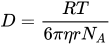
where

Assuming concentration gradient is constant for all newly applied topical drugs and the temperature is constant (normal body temperature: 37 °C), the viscosity and radius of the drug determine the flux of diffusion. The higher the viscosity or the larger the radius of the drug is, the lower the diffusion flux of the drug is.[23]

New developments

[edit]

There are many factors for drug developers to consider in developing new topical formulations.

The first one is the effect of the drug vehicle. The medium to carry the topical drugs can affect the penetration of the drug active ingredient and efficacy. For example, this carrier can have a cooling, drying, emollient or protective action to suit the required conditions of the application site such as applying gel or lotion for hairy areas. Meanwhile, scientists need to match the type of preparation with the type of lesions. For example, they need to avoid oily ointments for acute weepy dermatitis. Chemists also need to consider the irritation or any sensitization potential to ensure that the topical application can be stable during storage and transport to maintain its efficacy.[21] Another potential material is nanofiber-based dispersion to improve the adhesion of active ingredients on the skin.[2]

In order to enhance drug penetration into the skin, scientists have several ways to achieve their purposes by using chemical, biochemical, physical, and super saturation enhancement. Advanced Emulgel technology is a breakthrough in painkilling topical drugs.[citation needed] It helps the gel to enter deeply down the skin layer to strengthen the delivery of diclofenac to the point of pain so as to achieve better therapeutic effects by modifying the above properties.[21]

See also

[edit]

References

[edit]
[edit]
Revisions and contributorsEdit on WikipediaRead on Wikipedia
from Grokipedia
Topical medication refers to pharmaceutical preparations applied directly to body surfaces such as the skin or mucous membranes to achieve localized therapeutic effects or systemic absorption into the bloodstream. These medications are designed to treat specific areas without necessarily affecting the entire body, though some formulations, like transdermal patches, allow controlled release for broader physiological impacts. Common forms of topical medications include creams, ointments, gels, lotions, foams, pastes, powders, sprays, oils, tinctures, and adhesive patches, each selected based on the treatment site, skin type, and desired absorption rate. For instance, ointments provide an occlusive barrier for enhanced penetration in dry skin conditions, while lotions offer a lighter, non-greasy option for larger or hairy areas. They are widely used for dermatological issues like eczema, psoriasis, fungal infections, and diaper rash; pain management in conditions such as arthritis or muscle strains; wound care; and systemic applications including nicotine replacement therapy or hormone delivery. The primary advantages of topical medications lie in their targeted delivery, which enables higher concentrations at the site of action while minimizing systemic exposure and associated side effects, such as gastrointestinal upset from oral drugs. This approach also reduces the risk of drug interactions and abuse potential compared to systemic alternatives, making them particularly suitable for chronic skin conditions or localized pain. However, challenges include variable skin absorption influenced by factors like formulation thickness and application site, potential for local irritation, and the need for proper technique to ensure efficacy.

Overview

Definition and Purpose

Topical medications are pharmaceutical preparations applied directly to external or internal body surfaces, such as the skin, mucous membranes, eyes, ears, or nose, to deliver active ingredients for therapeutic effects. These formulations enable localized treatment by targeting the site of application, minimizing exposure to other body areas, and can also facilitate systemic absorption when intended. Unlike systemic routes like oral ingestion or injection, topical application allows for direct contact with affected tissues, which is particularly beneficial for conditions requiring precise, site-specific delivery. The primary purpose of topical medications is to provide active pharmaceutical ingredients (APIs) that treat superficial or localized conditions, such as dermatitis, bacterial infections, or inflammatory skin disorders, by exerting effects primarily at the application site. For instance, dermatological preparations like corticosteroid creams address pruritus and inflammation in eczema, while ophthalmic drops treat ocular infections or glaucoma. Otic solutions, applied to the ear canal, target infections like otitis externa. Additionally, certain topical formulations enable controlled systemic absorption for broader applications, such as transdermal patches for pain relief or hormone replacement therapy, offering sustained release without invasive procedures. A key advantage of topical administration over oral or injectable routes is its ability to bypass the gastrointestinal tract and first-pass metabolism in the liver, potentially improving bioavailability and reducing gastrointestinal side effects for suitable drugs. This direct targeting enhances efficacy for local therapies while allowing for lower doses in systemic cases, thereby minimizing overall drug exposure and associated risks.

Historical Development

The use of topical medications traces its origins to ancient civilizations, where ointments and salves were commonly employed for treating wounds, skin conditions, and pain. In ancient Egypt, as documented in the Ebers Papyrus dating to approximately 1500 BCE, willow bark extracts were applied topically to alleviate general aches and pains, leveraging the bark's natural analgesic properties derived from salicin precursors. Egyptian medicine also featured a variety of ointments made from animal fats, honey, and herbs to address physical ailments, often combining practical remedies with ritualistic elements. Similarly, Greek and Roman healers utilized salves for dermatological issues; Hippocratic texts from around 400 BCE describe the application of plant-based poultices and oils, while Roman pharmacologists like Galen (c. 129–216 CE) formulated eye salves (collyria) incorporating saffron, myrrh, and other botanicals for inflammation and infections. These early formulations emphasized natural ingredients mixed into greasy bases for adherence to the skin, laying foundational practices for localized drug delivery. During the medieval and Renaissance periods, topical applications advanced amid the rise of syphilis as a major epidemic, prompting the widespread adoption of mercury-based ointments. By the 16th century, mercury was applied topically in forms like unguents and friction rubs to treat syphilitic lesions, as recommended by physicians such as Paracelsus, despite its toxicity causing side effects like oral ulcers. These treatments evolved from earlier medieval salves, with apothecaries in Renaissance Florence producing compounded ointments housed in monastic shops, incorporating fats and waxes as basic cream-like bases for better skin absorption. This era marked a shift toward more systematic pharmaceutical preparation, influenced by humoral theory, where topicals balanced bodily fluids through external application. The 19th and 20th centuries brought transformative milestones in topical medication development, driven by scientific isolation of active compounds. In the 1940s, amid World War II efforts to combat infections, penicillin was formulated into topical ointments for wound care; early clinical reports from 1945 described its use in eye ointments to treat staphylococcal infections, rapidly reducing symptoms within days. The 1950s introduced corticosteroid topicals, with hydrocortisone ointment approved for dermatological use around 1952, revolutionizing treatment for inflammatory skin conditions like eczema by suppressing local immune responses. By the 1970s, transdermal delivery systems emerged, exemplified by the FDA approval of the scopolamine patch in 1979 for motion sickness prevention, containing 1.5 mg of the drug and delivering in vivo approximately 1 mg steadily over three days via a 2.5 cm² membrane. In the modern era post-2000, topical medications have shifted toward nanotechnology and bioadhesive systems to enhance penetration and targeted release, with several FDA approvals reflecting this innovation. Bioadhesive nanoparticles, such as those using poly(lactic-co-glycolic acid) (PLGA), have been integrated into creams for sustained drug delivery in skin disorders, improving bioavailability while minimizing systemic exposure. Notable examples include research on liposomal formulations for psoriasis treatment in the 2010s, which encapsulate anti-inflammatory agents for deeper dermal absorption. The FDA has approved numerous nanotechnology-based products, including topicals for applications such as wound care to address challenges like antibiotic resistance.

Therapeutic Rationale

Indications and Uses

Topical medications are widely used in dermatology to treat various inflammatory, infectious, and pruritic skin conditions. For instance, they are indicated for managing eczema (atopic dermatitis), where topical corticosteroids like fluocinolone or triamcinolone relieve redness, itching, and swelling. Psoriasis, particularly plaque psoriasis, is treated with agents such as calcipotriene, a vitamin D analog that helps reduce scaling and inflammation. Acne vulgaris benefits from topical antibiotics like clindamycin or retinoids to control bacterial proliferation and comedone formation. For wounds and bacterial skin infections, such as impetigo or secondarily infected dermatitis, antibiotic creams containing mupirocin or neomycin are applied to prevent or treat localized infections. In ophthalmology, topical eye drops are a primary treatment for glaucoma, a condition characterized by elevated intraocular pressure that can damage the optic nerve. Prostaglandin analogs like latanoprost or beta-blockers such as timolol are instilled to lower intraocular pressure and preserve vision. Otic preparations, including ear drops, are indicated for otitis externa, commonly known as swimmer's ear, which involves inflammation and infection of the external ear canal. Combinations like ciprofloxacin with dexamethasone or hydrocortisone are used to combat bacterial infection and reduce associated swelling and pain. Transdermal patches enable systemic delivery through the skin for conditions requiring steady absorption. Nicotine patches are indicated as an aid to smoking cessation by alleviating withdrawal symptoms and cravings. Estrogen patches, such as those containing estradiol, are used for hormone replacement therapy in postmenopausal women to treat moderate to severe vasomotor symptoms like hot flashes. Mucosal applications of topical medications target specific sites for local effects. Nasal sprays containing corticosteroids, such as fluticasone, are indicated for seasonal and perennial allergic rhinitis to reduce nasal congestion, sneezing, and itching. Vaginal creams with antifungals like clotrimazole or miconazole treat yeast infections (candidiasis) by eradicating the fungal overgrowth in the vaginal mucosa. Specific examples highlight targeted uses, such as lidocaine patches for post-herpetic neuralgia, a form of neuropathic pain following shingles, where the patch provides localized analgesia. Calcipotriene, as noted, serves as a cornerstone for psoriasis management.

Justification for Topical Administration

Topical administration provides targeted delivery of active pharmaceutical ingredients directly to the affected site, enabling high local concentrations while limiting systemic exposure and thereby reducing the incidence of adverse effects associated with broader distribution. This localized action is particularly beneficial for conditions involving skin, mucous membranes, or musculoskeletal tissues, where systemic therapies might lead to off-target effects. For instance, topical non-steroidal anti-inflammatory drugs (NSAIDs) achieve therapeutic levels at sites of inflammation with substantially lower risk of gastrointestinal complications compared to oral NSAIDs, which are metabolized systemically and can cause clinically significant upper gastrointestinal events in approximately 2% to 4% of users annually. The route also promotes greater patient compliance, as topical medications are non-invasive, allow for easy self-application without medical supervision, and are well-suited for long-term management of chronic conditions such as osteoarthritis or psoriasis. Patients often prefer this method over oral or injectable alternatives due to its convenience and reduced need for healthcare provider involvement, which can enhance overall treatment persistence in outpatient settings. Clinical evidence from dermatology supports this, with adherence rates to topical therapies reported at 50-75% in self-reported studies, reflecting improved tolerability and autonomy compared to more burdensome systemic options for ongoing use. Furthermore, topical routes circumvent hepatic first-pass metabolism, preserving drug potency and permitting lower doses to achieve equivalent therapeutic outcomes, which is advantageous for agents prone to extensive liver inactivation. Transdermal fentanyl patches exemplify this, attaining approximately 90% bioavailability by bypassing gastrointestinal absorption and first-pass effects, thus requiring reduced dosing frequency and minimizing metabolic variability. In addition, topical formulations often demonstrate cost-effectiveness through simpler manufacturing requirements relative to sterile injectables, involving fewer regulatory hurdles for scale-up and enabling broader accessibility, particularly for generic versions in conditions like acne or actinic keratosis.

Pharmacokinetics

Factors Affecting Absorption

The absorption of topical medications through the skin or mucosa is primarily governed by the stratum corneum, the outermost layer of the epidermis, which acts as the principal barrier to permeation due to its compact structure of corneocytes embedded in a lipid matrix. This barrier limits drug entry, with penetration occurring via three main routes: the intercellular pathway, where molecules diffuse through the lipid domains between corneocytes; the transcellular route, involving direct passage through corneocytes and their surrounding lipids; and the appendageal route, through skin appendages such as hair follicles and sweat glands, which bypasses much of the stratum corneum but contributes minimally to overall absorption for most compounds. Physicochemical properties of the drug significantly influence absorption rates. Lipophilicity, quantified by the logarithm of the octanol-water partition coefficient (log P), is optimal in the range of 1–3 for effective partitioning into the stratum corneum lipids, while excessive hydrophilicity or hydrophobicity reduces permeation. Molecular weight below 500 Da facilitates diffusion, as larger molecules face greater steric hindrance in navigating the tortuous skin pathways. Additionally, the drug's solubility in the formulation vehicle is critical, ensuring adequate release and partitioning from the vehicle to the skin surface. Formulation factors also modulate absorption by altering skin-vehicle interactions. The pH of the vehicle affects drug ionization; for instance, unionized forms predominate at pH levels matching the drug's pKa, enhancing lipoidal solubility and penetration. Occlusion, achieved by covering the application site with impermeable materials, increases stratum corneum hydration by preventing water evaporation, which can elevate water content from 10–15% to up to 50%, thereby loosening the lipid matrix and boosting permeation. Physiological variables further impact absorption dynamics. Elevated skin hydration, whether intrinsic or induced, swells corneocytes and expands intercellular spaces, accelerating drug diffusion. Increased dermal blood flow enhances clearance of permeated drug from the viable epidermis, potentially sustaining the concentration gradient and indirectly supporting higher flux, though it does not directly alter barrier penetration. Age-related changes, such as epidermal thinning in the elderly, can increase absorption compared to younger skin by reducing the diffusion path length. Application site variations are pronounced; for example, the axillae exhibit 3–4 times greater absorption than the forearms due to thinner stratum corneum and higher follicular density. Environmental conditions influence permeation by modifying skin barrier integrity. Higher temperatures increase molecular kinetic energy and skin blood flow, elevating diffusion rates across the stratum corneum. Elevated humidity enhances skin hydration, further promoting drug uptake by softening the barrier lipids. The process of skin permeation for topical drugs follows passive diffusion principles, as described by Fick's first law: J=DdcdxJ = -D \frac{dc}{dx} where JJ represents the steady-state flux, DD is the diffusion coefficient through the skin, and dcdx\frac{dc}{dx} is the concentration gradient across the barrier. This equation underscores how absorption depends on maintaining a favorable gradient and optimizing diffusivity.

Local Versus Systemic Effects

Topical medications exert their effects either locally at the site of application or systemically through absorption into the bloodstream, depending on the drug's properties and application conditions. Local effects occur when the drug acts directly on the target tissues in the skin layers, such as the epidermis and dermis, without significant entry into the systemic circulation. For instance, topical nonsteroidal anti-inflammatory drugs (NSAIDs) deliver high concentrations to affected tissues for pain relief while minimizing systemic adverse effects. This localized action targets nerve endings and inflammatory sites, providing efficacy comparable to oral formulations at the application area. In contrast, systemic effects arise from percutaneous absorption, where the drug diffuses through the skin barrier into the dermal capillaries and enters the bloodstream for whole-body distribution. An example is transdermal nitroglycerin patches, which release the drug to cause vasodilation and relieve angina by reducing cardiac preload and myocardial oxygen demand. Similarly, topical testosterone gels achieve systemic levels sufficient to treat hypogonadism, improving libido, muscle mass, and bone density akin to injectable forms. These effects enable therapeutic benefits beyond the skin but increase the risk of off-target actions. The balance between local and systemic effects is influenced by factors such as dose, application area, and use of occlusion. Higher doses or larger application areas elevate the potential for systemic absorption, while occlusive dressings significantly enhance penetration—up to seven-fold for steroids—by increasing skin hydration and drug retention. Topical minoxidil exemplifies primarily local action, stimulating hair growth via potassium channel opening in hair follicles with minimal systemic exposure. For systemically active topicals, monitoring plasma levels is essential to assess exposure and prevent overdose. Risks include hypothalamic-pituitary-adrenal (HPA) axis suppression from topical corticosteroids, leading to adrenal insufficiency with prolonged use, particularly under occlusion or on thin skin areas. Bioavailability, a key metric for systemic potential, is calculated as F=AUCtopicalAUCIVF = \frac{\text{AUC}_{\text{topical}}}{\text{AUC}_{\text{IV}}}, where AUC represents the area under the plasma concentration-time curve; for most skin-applied topicals, this ranges from 1-20%, reflecting low overall absorption.

Formulation Design

Choice of Vehicle and Base

The choice of vehicle and base in topical medication formulations is critical for ensuring drug stability, controlled release, and optimal absorption through the skin. Vehicles serve as carriers that dissolve or suspend the active pharmaceutical ingredient (API), while bases provide the structural matrix that influences the formulation's physical properties and interaction with the skin. Selection begins with evaluating the API's physicochemical characteristics, such as solubility, and the target application's requirements, including the skin's condition and the desired therapeutic outcome. Topical bases are broadly classified into hydrophilic (aqueous or water-miscible) and lipophilic (oleaginous or oil-based) types. Hydrophilic bases, such as those incorporating water-soluble polymers, are preferred for APIs that are water-soluble and for application sites with normal to high hydration levels, as they facilitate rapid dissolution and release. In contrast, lipophilic bases, like hydrocarbon mixtures, are selected for lipophilic APIs and dry or compromised skin sites, where they enhance solubility and provide a protective barrier. This distinction ensures better drug partitioning into the stratum corneum, as mismatched solubility can hinder release and bioavailability. Key properties of bases guide their selection based on therapeutic and patient needs. Emollient bases, which soften and hydrate the skin, are ideal for dry or eczematous conditions by restoring the lipid barrier. Occlusive bases form a protective film that reduces transepidermal water loss and enhances penetration by hydrating the stratum corneum. Non-greasy, water-washable bases improve cosmetic acceptability and ease of application, particularly for hairy or facial areas, promoting patient adherence. Selection criteria prioritize compatibility between the base and API to maintain stability and efficacy. For instance, water-sensitive APIs prone to hydrolysis should avoid aqueous hydrophilic bases to prevent degradation, while the desired release profile—sustained for chronic conditions or rapid for acute relief—dictates the base's viscosity and solubility. Common bases include petrolatum, an occlusive hydrocarbon used for its barrier properties in protective ointments; lanolin, an emollient absorption base that incorporates water while moisturizing; and polyethylene glycol, a water-soluble base for non-occlusive, easily removable formulations. An inappropriate base can significantly impair efficacy through unfavorable partitioning of the drug from the vehicle into the skin. The partition coefficient, defined as K=CskinCvehicleK = \frac{C_{\text{skin}}}{C_{\text{vehicle}}}, quantifies this distribution; low values due to solubility mismatches reduce drug flux and therapeutic delivery. Studies indicate that such mismatches can diminish absorption and overall efficacy by limiting the drug's availability at the site of action. Emerging research from the 2020s has highlighted the importance of microbiome-friendly bases to avoid disrupting the skin's microbial balance, which can lead to dysbiosis and exacerbate conditions like atopic dermatitis. These bases minimize antimicrobial preservatives and incorporate prebiotic or neutral components to support beneficial microbiota, aligning formulation design with insights into skin ecology.

Physical Forms of Topical Medications

Topical medications are formulated in various physical forms to optimize drug delivery to the skin or mucous membranes, categorized primarily as semi-solid, liquid, solid, and gaseous based on their state and application properties. These forms are designed to ensure appropriate contact time, absorption, and patient adherence while accommodating the anatomical and physiological barriers of the application site. Semi-solid forms, such as ointments and creams, utilize greasy or non-greasy bases to promote skin adherence and prolonged drug release. Greasy bases, often hydrocarbon-based, provide occlusive properties that enhance hydration and penetration, while non-greasy, water-washable bases reduce residue and improve cosmetic acceptability for repeated use. Spreadability in these forms is quantified by viscosity measurements, typically in the range of 10,000 to 100,000 centipoise (cP), which influences ease of application and uniformity of coverage. Liquid forms include solutions and suspensions, which are particularly suited for application to mucosal surfaces or non-occluded skin areas where rapid spreading and absorption are desired without the need for occlusion. Solutions offer homogeneous drug distribution for quick onset, whereas suspensions allow for higher drug loading in insoluble forms, ensuring even dispersal upon shaking. These forms facilitate penetration in areas with natural moisture, such as oral or vaginal mucosa, by leveraging lower viscosity for better flow and coverage. Solid forms encompass powders and patches, designed for controlled release and minimal mess. Dusting powders provide a dry, absorbent layer for superficial infections or irritation, absorbing exudate while delivering active ingredients gradually. Patches, often adhesive and matrix-based, enable sustained transdermal delivery over hours to days, regulating release rates through diffusion across a rate-controlling membrane. These forms are ideal for precise dosing in chronic conditions requiring consistent exposure. Gaseous forms, including vapors and foams, deliver medication via aerosolization for even distribution over large or irregular surfaces. Foams expand upon release to form a light, non-greasy layer that collapses quickly for absorption, while vapors utilize propellants for fine mist application resembling inhalation but targeted topically. Aerosol dynamics in these forms involve propellant evaporation and bubble formation in foams, influencing deposition uniformity and evaporation rate for optimal skin contact. Across all physical forms, key properties include rheology, which governs flow behavior under shear stress—such as thixotropy in semi-solids for easy spreading followed by structural recovery—and stability, ensuring chemical integrity and microbial resistance with typical shelf-lives exceeding two years under proper storage. Patient usability is enhanced by tailored textures that minimize irritation and maximize compliance, with non-greasy options preferred for daily applications. Since 2010, there has been a notable evolution in topical forms, shifting from simple ointments to multifunctional formulations that support combination therapies, incorporating enhancers for dual-action delivery and improved bioavailability. This progression reflects advances in polymer technology and nanotechnology, enabling hybrid systems that address multiple therapeutic needs in a single application.

Delivery Systems

Topical Drug Classification System

The Topical Drug Classification System (TCS) is a scientifically grounded framework proposed by U.S. Food and Drug Administration (FDA) researchers to categorize topical drug products into four classes, aiding in the development, evaluation, and regulatory approval of generic semisolid formulations. Introduced in the mid-2010s, TCS draws inspiration from the Biopharmaceutics Classification System (BCS) used for oral drugs but adapts it to the complexities of dermal delivery by focusing on formulation attributes that influence drug release and skin interaction. This system classifies products based on their qualitative (Q1) and quantitative (Q2) composition sameness relative to a reference listed drug (RLD), combined with in vitro release (IVR) profile similarity as a surrogate for microstructure and arrangement of matter (Q3). The classification criteria emphasize factors that impact drug permeability through the skin, retention within cutaneous layers, and potential for systemic exposure. TCS Class I includes products with identical Q1, Q2, and Q3 attributes to the RLD, representing the simplest formulations where drug release is rapid and consistent, facilitating superficial absorption primarily in the stratum corneum and upper epidermis with minimal variability in local effects. Class II comprises formulations with matching Q1 and Q2 but divergent IVR profiles, indicating differences in microstructure that may alter permeability rates and lead to variable retention in deeper skin layers or increased systemic potential. Class III features dissimilar Q1 and Q2 but comparable IVR, suggesting compensatory formulation adjustments that maintain similar delivery kinetics despite compositional changes. Finally, Class IV denotes products differing in all three parameters, posing the highest risk for inconsistent absorption and requiring extensive testing to ensure bioequivalence. These criteria help predict how formulation design influences the balance between localized therapeutic action and unintended systemic distribution. In practice, TCS guides formulation development by stratifying risk levels, enabling developers to prioritize in vitro assessments over costly clinical endpoint studies for lower-risk classes (I and III), where biowaivers may be granted based on IVR and in vitro-in vivo correlation (IVIVC) models. For bioequivalence testing of generics, it streamlines abbreviated new drug application (ANDA) submissions by recommending tiered approaches: in vitro data suffice for Classes I and III, while Classes II and IV often necessitate clinical trials or additional permeation studies to confirm comparable skin deposition and flux. For example, hydrophilic active ingredients in emulsion-based systems classified as TCS II may exhibit enhanced release variability, supporting their use in mucosal or compromised skin delivery where controlled permeation is critical. Recent updates to TCS integration have incorporated advancements in testing methodologies, notably the FDA's 2022 guidance on in vitro permeation testing (IVPT), which recommends standardized protocols using human or animal skin models to compare flux and distribution profiles for generic topicals, particularly in Classes II and IV. This revision enhances TCS applicability for generics by bridging IVR data with permeation outcomes, reducing reliance on human studies while ensuring product performance. Post-2020, TCS has been aligned with Quality by Design (QbD) principles in formulation strategies, allowing systematic identification of critical material attributes (e.g., excipient ratios) and process parameters that influence Q3, thereby optimizing development for consistent skin targeting and minimizing variability in absorption.

Advantages and Disadvantages of Topical Delivery

Topical drug delivery offers several advantages over systemic routes, primarily due to its ability to target the site of action directly on or through the skin, thereby minimizing exposure to distant organs. This localized therapy significantly reduces systemic toxicity, as the majority of the drug remains confined to the application area, avoiding first-pass metabolism in the liver and gastrointestinal tract. For instance, topical nonsteroidal anti-inflammatory drugs (NSAIDs) are associated with a much lower incidence of gastrointestinal adverse effects—rates similar to placebo, versus up to 15% for oral NSAIDs—making them preferable for patients at risk of ulcers or bleeding. Additionally, the ease of discontinuation enhances safety; if adverse local effects occur, simply removing the formulation halts drug release almost immediately, unlike oral or injectable routes that may persist in the system longer. Another key benefit is the potential for sustained release, allowing for prolonged therapeutic effects without frequent reapplication. Advanced topical systems, such as certain lipid nanoparticle-based formulations, can maintain drug delivery for up to 24 hours, improving patient adherence and steady-state concentrations at the target site. This is particularly useful for chronic conditions requiring consistent local exposure. Despite these benefits, topical delivery has notable disadvantages, including highly variable absorption influenced by skin barrier integrity, hydration, and anatomical site, often resulting in low systemic bioavailability for many compounds. Skin irritation is a common issue, exacerbated by pathological skin conditions or occlusive application that can disrupt the stratum corneum. Furthermore, efficacy is largely limited to lipophilic drugs, as hydrophilic molecules penetrate the lipoidal skin barrier poorly, restricting the range of treatable conditions. Comparative studies highlight topical delivery's edge in specific scenarios; topical treatments are recommended as first-line therapy for mild-to-moderate atopic dermatitis, offering direct action and fewer systemic side effects than oral alternatives reserved for severe cases. Patient-specific factors can amplify drawbacks, including allergic reactions to excipients like parabens in formulation bases, with contact dermatitis incidence ranging from 1-4% among users, though overall rates remain low.

Development Challenges

Design and Formulation Hurdles

One major hurdle in designing topical medications is ensuring the chemical stability of the active pharmaceutical ingredient (API) within the formulation base, particularly against degradation pathways such as oxidation in aqueous vehicles. Oxidation can be triggered by reactive oxygen species from environmental factors or formulation components, leading to reduced efficacy over time, and is commonly mitigated by incorporating antioxidants like ascorbic acid or chelating agents such as EDTA. In topical semi-solids, this challenge is exacerbated by the presence of water or lipids that promote hydrolytic or oxidative reactions, necessitating rigorous stability testing under accelerated conditions to predict shelf-life. Scalability from laboratory to commercial production poses significant challenges in achieving uniform drug distribution in semi-solid formulations, where inconsistencies can arise due to variations in mixing dynamics and viscosity. High-shear mixing techniques are often employed to ensure homogeneous dispersion of the API in large batches, but scaling up requires quality-by-design approaches to maintain content uniformity within ±3% of the target concentration, as uneven distribution may lead to variable dosing and therapeutic inconsistencies. This process is further complicated by the need to control particle size and emulsion stability during transfer to industrial equipment, potentially requiring pilot-scale validation to bridge lab and manufacturing gaps. Demonstrating bioequivalence for generic topical products represents a critical formulation obstacle, relying on in vitro permeation testing (IVPT) to compare skin flux rates between the test and reference products. Regulatory standards typically require the 90% confidence interval of the flux ratio to fall within 80-125% to establish sameness, but achieving this demands precise control over formulation variables like vehicle composition to match permeation profiles across ex vivo human skin models. Variations in donor skin integrity or test conditions can widen this range, making IVPT a high-variance method that often necessitates multiple replicates for reliable outcomes. Patient variability introduces substantial design challenges, with inter-subject differences in skin barrier function and absorption leading to substantial variations in drug bioavailability from topical applications, often exceeding 10-fold. Factors such as age, hydration levels, and anatomical site contribute to this heterogeneity, complicating the development of formulations with predictable delivery and often requiring adaptive dosing strategies based on individual pharmacokinetic monitoring. Addressing this demands robust in silico modeling to account for physiological variances, yet current approaches still struggle to fully standardize absorption across diverse populations. Emerging hurdles include integrating modern computational tools like AI for optimized formulation design, as highlighted in 2023 studies developing platforms for predictive property evaluation in drug delivery systems. These AI-driven methods aim to accelerate hurdle resolution by simulating stability and release profiles, but their application to topicals remains limited by the need for high-quality datasets on skin-specific interactions. A key formulation challenge for chronic conditions is attaining zero-order release kinetics, where the drug is delivered at a constant rate independent of concentration to maintain steady therapeutic levels without peaks and troughs. Traditional diffusion-based topicals often exhibit first-order kinetics, leading to rapid initial release followed by decline, and overcoming this requires advanced matrix designs like nanotechnology-enhanced systems to sustain delivery over extended periods. However, achieving true zero-order profiles is technically demanding due to the interplay of polymer erosion, swelling, and skin permeation barriers.

Regulatory and Safety Considerations

Regulatory approval for topical medications is overseen by major bodies such as the U.S. Food and Drug Administration (FDA) and the European Medicines Agency (EMA). The FDA requires abbreviated new drug applications (ANDAs) for generic topical products to demonstrate bioequivalence through in vitro permeation testing (IVPT) studies, which compare the permeation profiles of the test product against a reference listed drug using human or animal skin models. Similarly, the EMA's guideline on the quality and equivalence of locally applied, locally acting cutaneous products emphasizes physicochemical characterization, in vitro release testing, and permeation studies to ensure therapeutic equivalence for generics. Safety testing for topical medications focuses on potential skin reactions and includes assessments for irritation, sensitization, and phototoxicity. For irritation, alternatives to the traditional Draize rabbit skin test, such as in vitro reconstructed human epidermis assays, are increasingly recommended to evaluate cytotoxicity and barrier disruption. Sensitization potential is commonly evaluated using the Local Lymph Node Assay (LLNA) in mice or non-animal alternatives like the Direct Peptide Reactivity Assay, with the FDA endorsing these in vitro and in chemico methods over animal testing where feasible. Phototoxicity testing employs the 3T3 neutral red uptake assay to detect photoallergic or phototoxic responses in products exposed to sunlight. Post-market surveillance is critical for monitoring adverse events associated with topical medications, with mandatory reporting systems like the FDA's MedWatch and EMA's EudraVigilance capturing real-world data. Allergic contact dermatitis, a common adverse event from topical drugs, affects an estimated 10-17% of patients undergoing patch testing for suspected reactions, though general population prevalence ranges from 1.7% to 9.8%. Studies from 2021-2025 highlight increased pharmacovigilance concerns over systemic risks from high-potency topical corticosteroids, including adrenal suppression and osteoporosis, particularly with prolonged use on large areas. Considerations for special populations underscore heightened risks in pediatrics and pregnancy. In children, thinner skin and higher body surface-area-to-weight ratio lead to greater percutaneous absorption compared to adults, amplifying the potential for systemic exposure and side effects from topicals. Under the current FDA Pregnancy and Lactation Labeling Rule (PLLR), risks of many topical medications, such as certain corticosteroids and antifungals, are described in narrative summaries indicating potential adverse fetal effects based on animal studies and limited human data, necessitating cautious use to minimize risks like low birth weight. Recent regulatory updates include the EU's 2024 Regulation (EU) 2024/858, which prohibits certain nanomaterials (e.g., colloidal silver, copper) in cosmetic and topical products and restricts others like hydroxyapatite (nano) in specific applications if safety data are insufficient, effective from February 2025 for market placement and November 2025 for availability. This addresses potential nanoparticle penetration and toxicity in dermal applications.

Recent Advances

Innovations in Topical Formulations

Since the 2010s, innovations in topical formulations have focused on enhancing drug penetration, targeted release, and therapeutic efficacy while minimizing side effects, driven by advances in nanotechnology and responsive materials. These developments address limitations in traditional topical systems, such as poor skin barrier traversal for hydrophilic drugs and inconsistent release profiles in dynamic wound environments. Key contributions include nanoscale carriers and smart polymers, which have demonstrated improved bioavailability and clinical outcomes in dermatological and wound care applications. Nanotechnology has revolutionized topical delivery through liposomal carriers and nanostructured lipid carriers (NLCs), which significantly enhance skin penetration, particularly for hydrophilic drugs. Liposomes, with their phospholipid bilayers mimicking skin lipids, promote deeper permeation by fusing with the stratum corneum or disrupting lipid packing, leading to 2- to 5-fold increases in flux for entrapped hydrophilic substances compared to conventional solutions, as shown in ex vivo human skin studies. NLCs, composed of solid and liquid lipids, further improve this by reducing drug crystallinity and creating an occlusive film on the skin, resulting in an 81-fold enhancement in epidermal permeation for lipophilic actives like clobetasol propionate, while maintaining skin integrity. These carriers have been integrated into creams and gels for conditions like psoriasis and atopic dermatitis, offering sustained release and reduced dosing frequency. The integration of microneedles into topical formulations represents a major advancement for painless, enhanced delivery, bypassing the stratum corneum without needles. Dissolving microneedles, made from biodegradable polymers like polyvinyl alcohol, dissolve upon skin contact to release payloads directly into the dermis, achieving higher bioavailability than passive diffusion. Although hollow microneedle devices like BD Soluvia received FDA approval for intradermal vaccine delivery in 2011, dissolving variants have advanced in clinical trials since the 2010s, demonstrating equivalent immunogenicity to intramuscular injections for vaccines while improving patient compliance. Recent prototypes show 3- to 10-fold higher antigen delivery efficiency in preclinical models. Smart polymers, particularly pH-responsive hydrogels, enable on-demand drug release tailored to wound microenvironments, where pH shifts from neutral (healthy skin ~5.5) to alkaline (infected wounds ~7.4-9.0). These hydrogels, often based on chitosan or poly(acrylic acid), swell and degrade in response to pH changes, facilitating controlled release of antimicrobials like silver nanoparticles, with studies reporting increased payload release at alkaline pH compared to acidic conditions. This innovation supports chronic wound management by reducing infection risks and promoting healing phases. Combination therapies in fixed-dose topical creams, such as corticosteroids paired with antibiotics, have evolved to optimize efficacy and mitigate resistance, particularly in inflammatory skin infections. Formulations like betamethasone-fusidic acid combinations provide anti-inflammatory and antibacterial effects in a single application, improving adherence and limiting monotherapy exposure that fosters resistance; clinical evaluations indicate reduced bacterial load without increased resistance markers in short-term use for eczema. These fixed-dose products align with guidelines recommending antibiotic pairings to prevent resistance development in dermatological practice. Clinical impacts of these innovations are evident in recent trials, where nano-emulsions in topical formulations have accelerated wound healing by enhancing active ingredient bioavailability and modulating inflammation. A 2023 preclinical study in rabbit wound models using curcumin-loaded nanostructured lipid carriers reported approximately 60% wound closure by day 7, compared to 32% for controls, attributed to improved angiogenesis and reduced oxidative stress. Similarly, nanoemulsion-based dressings showed significantly shorter healing times in rat models, underscoring their translational potential. Addressing pre-2020 gaps, 3D-printed patches have emerged as customizable topical delivery systems since the mid-2010s, enabling precise dosing and patient-specific designs. These patches, fabricated via extrusion or stereolithography, incorporate microneedle arrays or reservoirs for controlled release, with studies demonstrating higher drug deposition in the skin compared to commercial patches. This technology supports personalized medicine in dermatology, such as tailored psoriasis treatments.

Emerging Technologies and Research

Iontophoresis employs a low-intensity electric current to drive charged drug molecules across the skin barrier via electromigration and electroosmosis, significantly enhancing transdermal absorption compared to passive diffusion. Studies have demonstrated that this technique can increase drug flux by factors ranging from 10 to 100-fold for various macromolecules, depending on molecular charge and current density. Sonophoresis, on the other hand, utilizes low-frequency ultrasound waves to temporarily disrupt the stratum corneum, creating transient aqueous channels that facilitate drug permeation; enhancements of up to 1000-fold have been reported for hydrophilic compounds like insulin in preclinical models. Both methods are being explored in combination with microneedles for insulin delivery, where iontophoresis-assisted systems in laboratory animals have shown effective blood glucose regulation without invasive injections, though human trials remain in early stages as of 2025. Wearable devices integrating Internet of Things (IoT) technology represent a frontier in topical delivery, with prototypes featuring smart patches that monitor drug release, skin adhesion, and therapeutic efficacy in real-time via sensors for biomarkers like pH and temperature. These IoT-enabled patches, developed in 2024, enable remote patient adherence tracking and adaptive dosing adjustments through smartphone connectivity, improving outcomes in chronic conditions such as pain management and dermatological therapies. Prototypes incorporate flexible electronics and biodegradable substrates to ensure comfort and disposability, with initial testing showing over 90% accuracy in detecting application compliance. Advancements in gene therapy for topical applications include CRISPR-loaded nanoparticles designed for targeted editing in skin disorders, leveraging lipid carriers to penetrate the epidermis and edit genes associated with conditions like epidermolysis bullosa. Preclinical studies as of 2025 have demonstrated safe dermal delivery and efficacy in correcting genetic mutations without systemic exposure. Similarly, mRNA-based topicals using lipoic lipid nanoparticles have emerged for dermatological genome editing, enabling strain-promoted transdermal delivery that enhances translation efficiency while minimizing inflammation in preclinical skin models. These approaches address unmet needs in inherited skin diseases by providing localized, non-viral vectors that achieve up to 50% editing efficiency in keratinocytes. Sustainability efforts in topical delivery focus on biodegradable bases derived from plant polymers, such as agro-waste polysaccharides, to minimize environmental impact from pharmaceutical waste. These natural polymers, including chitosan and cellulose derivatives, offer controlled release profiles comparable to synthetic alternatives while fully degrading in soil within months, reducing microplastic pollution from discarded formulations. Research from 2023-2025 highlights their integration into transdermal patches, where plant-based matrices maintain drug stability and permeation rates while supporting circular economy principles in pharmaceutical packaging. Current research trends emphasize AI-driven predictive modeling for skin permeation, with machine learning algorithms analyzing molecular descriptors to forecast drug absorption with accuracies exceeding 85% in validation datasets from 2023 studies. These models, often based on random forests or neural networks, integrate physicochemical properties and skin barrier variables to optimize formulations, reducing the need for costly in vivo testing. By 2025, AI tools have accelerated pipeline development for topical therapies, achieving R² values above 0.87 for permeability predictions across diverse compound libraries.

Formulations

Cream

Creams are semi-solid topical formulations primarily composed of oil-in-water (O/W) or water-in-oil (W/O) emulsions, containing approximately 20-50% water along with oils, emulsifiers, and other excipients to form a stable, spreadable base. In O/W creams, the external phase is aqueous, making them suitable for hydrated skin, while W/O creams have an oily continuous phase for better barrier properties; common emulsifiers include stearates such as stearic acid, which help maintain emulsion integrity by reducing interfacial tension between phases. Stabilizers like preservatives and thickeners are also incorporated to prevent microbial growth and enhance viscosity, ensuring the formulation remains homogeneous during storage and application. Preparation of creams involves emulsification processes, typically through homogenization, where the oil and water phases are mixed under high shear to achieve a uniform droplet size of less than 10 μm, which is critical for physical stability and preventing phase separation. The process begins by heating the phases separately to facilitate blending, followed by cooling while continuing agitation to solidify the emulsion; this method ensures small, evenly distributed droplets that resist creaming or coalescence over time. Creams are widely applied in dermatological treatments, such as moisturizing dry or chapped skin to restore hydration and barrier function, or delivering active pharmaceuticals like corticosteroids for inflammatory conditions. For instance, betamethasone cream is commonly used to alleviate itching, redness, and inflammation associated with eczema by applying a thin layer to affected areas once or twice daily. Their advantages include a non-greasy texture that allows easy spreading and absorption without residue, making them cosmetically acceptable for daily use, though disadvantages encompass reduced occlusivity compared to oilier bases, potentially leading to faster drying, and the risk of emulsion separation if not properly stabilized. Additionally, the evaporation of water from O/W creams upon application produces a cooling sensation, which is particularly beneficial for soothing inflamed or irritated skin areas.

Foam

Foam formulations in topical medications consist of a liquid concentrate that incorporates active pharmaceutical ingredients, solvents, and surfactants to stabilize gas bubbles upon expansion. Propellant-driven foams typically use hydrocarbons such as butane, propane, or dimethyl ether to generate the gas phase, while non-propellant variants rely on chemical generators or mechanical dispensers to produce foam without pressurized gases. Surfactants, such as non-ionic or amphoteric types, are essential for maintaining bubble integrity and preventing collapse during application. Preparation involves filling the formulation into aerosol containers under pressure for propellant-based systems, where the mixture is sealed with a valve mechanism to control dispensing. Upon release, the pressure drop causes the propellant to expand rapidly, increasing the volume by 5 to 10 times and forming a light, airy structure suitable for skin application. Non-propellant foams are produced using specialized pumps that incorporate air during extrusion, avoiding the need for canning under pressure. These foams find applications in treating conditions like androgenetic alopecia with minoxidil 5% foam, applied twice daily to the scalp to promote hair regrowth. They are also used for anti-infective purposes, such as in antifungal or antibacterial foams targeting scalp infections, offering a less messy alternative to liquid suspensions that can run off hairy surfaces. Advantages of foam formulations include uniform coverage over large or irregular skin areas due to their expandability and non-tactile feel, which enhances patient compliance by minimizing residue. However, the use of flammable propellants poses fire risks, particularly near open flames, and limits their use in certain environments. Additionally, foams often have a shorter shelf life of 6 to 12 months after opening due to propellant volatility and potential microbial ingress. In hairy areas like the scalp, foams reduce greasiness compared to oily liquids, allowing easier penetration through follicles without matting hair. This spreading property further enhances drug absorption by increasing the surface area of contact with the skin.

Gel

Gels are semi-solid topical formulations characterized by their transparent, jelly-like consistency, which allows for precise and controlled application to the skin or mucous membranes. This structure arises from a three-dimensional network formed by hydrophilic polymers dispersed in an aqueous medium, providing a smooth, non-greasy texture that enhances patient compliance. Unlike more opaque or emulsified forms, gels facilitate even spreading and minimal residue, making them suitable for targeted delivery in dermatological treatments. The primary composition of topical gels involves hydrophilic polymers such as carbomer, typically at concentrations of 0.5-2%, which are cross-linked polyacrylic acids dispersed in water to create a stable matrix. These polymers swell upon hydration, forming a viscous network that is maintained at a pH range of 5-7 to ensure optimal stability and prevent degradation. Preparation entails dispersing the carbomer in water, followed by neutralization with a base like sodium hydroxide to ionize the carboxyl groups, thereby forming the gel network with a viscosity typically ranging from 5,000 to 50,000 cP, which governs spreadability and retention on the skin. In clinical applications, gels are widely used for conditions requiring localized therapy, such as acne treatments with benzoyl peroxide gels that deliver antimicrobial action directly to affected areas, and antiviral formulations like acyclovir gels for managing herpes simplex infections on the skin or mucous membranes. These examples highlight gels' ability to incorporate active ingredients effectively for sustained exposure. Advantages include their clear appearance, non-staining properties, and quick-drying nature, which reduce mess and improve aesthetics compared to oilier bases. However, drawbacks encompass a potential drying effect on the skin due to their high water content and evaporative components, as well as limited suitability for incorporating lipophilic (oily) drugs, which may not dissolve well in the hydrophilic matrix. A key feature of gel formulations is their capacity for controlled drug release through matrix diffusion, where the active ingredient diffuses gradually from the polymer network to the application site, prolonging therapeutic effects and minimizing dosing frequency. This mechanism is particularly advantageous for mucous membrane applications, where the gel's adherence and viscosity enhance contact time and bioavailability without irritation.

Lotion

A lotion is a lightweight, fluid topical preparation intended for application over extensive skin areas, distinguished by its pourable consistency and non-greasy feel. It is typically formulated as a dilute oil-in-water (O/W) emulsion or suspension, featuring a low oil phase content, often less than 20%, to ensure spreadability without occlusion. Humectants such as glycerin are commonly incorporated to attract and retain moisture, enhancing skin hydration while minimizing drying effects. The preparation of lotions generally involves straightforward mixing of aqueous and oily components, often with emulsifiers, stabilizers, and preservatives, to achieve a uniform dispersion. This process yields products with low to medium viscosity, facilitating easy pouring and application without the need for advanced equipment. The resulting formulations exhibit fluid properties that allow for rapid distribution across the skin surface. Lotions find widespread use in topical medications such as sunscreens for ultraviolet protection, calamine-based products for itch relief from irritations like poison ivy, and insect repellents containing agents like DEET. These applications leverage the lotion's ability to cover broad areas effectively, providing a cooling sensation upon evaporation that soothes inflamed skin. Advantages include straightforward application over the body, particularly on hairy or large surfaces, and a non-occlusive nature that permits skin breathing; however, drawbacks encompass the need for frequent reapplication due to quick drying and potential evaporation-induced loss of active ingredients. Many lotion formulations, especially suspensions, require shaking before use to achieve uniform dispersion of insoluble particles, ensuring consistent delivery of the active components. They are particularly suited for non-occluded skin applications, where evaporation aids in drying and cooling without trapping moisture that could exacerbate certain conditions.

Ointment

Ointments are semisolid preparations designed for topical application, characterized by their anhydrous, greasy bases that provide a protective barrier on the skin. These formulations typically consist of 80-100% oleaginous components such as petrolatum, which serves as the primary hydrophobic base, along with other ingredients like mineral oil or anhydrous lanolin to enhance spreadability and emolliency. Hydrophobic active pharmaceutical ingredients (APIs), such as certain steroids or antibiotics, dissolve readily in these non-aqueous bases, ensuring uniform distribution without phase separation. Preparation of ointments involves methods that achieve homogeneity and stability, primarily through fusion or levigation. In the fusion process, solid components like waxes or petrolatum are melted together on a water bath at controlled temperatures (typically 60-80°C), followed by incorporation of liquid or powdered ingredients while stirring during cooling to prevent crystallization. Levigation is employed for insoluble powders, where the active is triturated with a small amount of base to form a smooth paste before dilution with the remaining base, resulting in a high-viscosity product often exceeding 100,000 centipoise (cP) for optimal spreadability and adherence. Ointments find widespread use in dermatological applications due to their occlusive properties, serving as a barrier to protect damaged skin from external irritants and moisture loss. For instance, they are commonly applied to minor burns to promote healing by reducing evaporation and preventing infection. Antibiotic ointments, such as those containing bacitracin, are particularly effective for treating and preventing bacterial infections in cuts, scrapes, and superficial wounds, where the base maintains prolonged contact with the affected area. The primary advantages of ointments include their strong occlusive effect, which can increase drug absorption through the skin by up to 10-fold via hydration of the stratum corneum, and their protective role in maintaining skin integrity. They are especially suitable for water-repellent applications on dry, cracked skin, where the anhydrous base prevents further dehydration and soothes irritation. However, disadvantages encompass potential staining of clothing and bedding from the oily residue, as well as challenges in maintaining hygiene due to their greasy texture, which can trap dirt and bacteria if not cleansed properly.

Paste

Paste formulations represent a class of semi-solid topical medications distinguished by their thick, stiff consistency, achieved through the incorporation of a high proportion of powdered substances into a greasy base, which enables localized containment and protection of the skin without spreading or flowing. These preparations are particularly suited for conditions requiring a mechanical barrier to shield affected areas from moisture, friction, or irritants, while allowing controlled release of active ingredients. The composition of pastes typically includes 20-50% finely powdered inert or medicinal substances, such as zinc oxide or starch, dispersed in an ointment base like white soft paraffin or a mixture of liquid and soft paraffins, creating a non-greasy, absorbent matrix that adheres firmly to the skin. This high powder content differentiates pastes from ointments by imparting a drier, more rigid texture, with the powders serving both as diluents and functional agents for absorption and protection. For instance, Lassar's paste, a classic formulation for psoriasis, contains 24% zinc oxide, 24% starch, 2% salicylic acid, and 50% white soft paraffin, forming a durable mechanical barrier that soothes inflamed skin and reduces scaling. Preparation of pastes generally involves the fusion or incorporation method on a small scale, where powdered components are sieved to ensure uniformity and then triturated with a melted base using a mortar and pestle until a smooth, homogeneous mixture is obtained, followed by cooling to achieve the desired stiff consistency with high viscosity greater than that of ointments. This manual process ensures even distribution of powders, preventing grittiness, and is commonly used in extemporaneous compounding for customized applications. In clinical applications, pastes are widely employed for protective purposes in dermatology and pediatrics, such as zinc oxide-based formulations containing up to 40% zinc oxide to treat and prevent diaper rash by forming a barrier against urine and feces. In oral care, corticosteroid-containing dental pastes, like those with 0.1% triamcinolone acetonide, are applied topically to lesions such as aphthous ulcers or inflammatory conditions, providing relief from pain and swelling through localized anti-inflammatory action. The advantages of pastes include their excellent absorbency for excess moisture, non-flowing nature that maintains medication at the site of application, and ability to create a protective shield, making them ideal for chronic or weeping skin conditions. However, their bulky texture can make application and spreading challenging, and removal often requires oil-based cleansers due to strong adherence, potentially leading to inconvenience for patients.

Powder

Topical powders are finely divided solid dosage forms designed for direct application to the skin, providing localized therapeutic effects through absorption or mechanical action. These formulations typically consist of micronized active pharmaceutical ingredients (APIs) blended with inert excipients such as talc, cornstarch, zinc oxide, or kaolin to enhance spreadability and moisture absorption. For applications on open wounds, powders must be sterile to prevent contamination and infection. The particle size of topical powders is critical for safe and effective use, generally ranging from 0.1 to 10 micrometers to ensure an impalpable texture that minimizes skin irritation while allowing uniform distribution. Larger particles, up to 50 micrometers, may be used in some dusting powders to reduce inhalation risk, but uniformity is essential to avoid segregation during storage or application. Preparation of medicated topical powders involves reducing the API to the desired particle size through milling or micronization, followed by sieving through appropriate meshes (e.g., 100-200 mesh) to achieve homogeneity, and then intimate blending with diluents and other excipients using geometric dilution for low-dose APIs. This process ensures even distribution of the active components, such as antifungals like clotrimazole or tolnaftate, which are commonly incorporated for antimicrobial activity. Topical powders find applications in treating and preventing superficial skin conditions, including antifungal foot powders for athlete's foot (tinea pedis) where they absorb moisture and deliver agents like tolnaftate directly to affected areas. They are also used as dusting powders for bedsores (pressure ulcers) to reduce friction, absorb exudate, and promote a dry environment that discourages bacterial growth. A key advantage of topical powders is their non-occlusive nature, which permits skin ventilation and provides a cooling sensation through moisture evaporation, making them suitable for intertriginous areas prone to maceration. They are also economical and stable, with extended shelf life compared to liquid forms. However, disadvantages include the potential for inhalation of fine particles, particularly in pediatric or respiratory-compromised patients, and challenges in achieving even coverage, which can lead to inconsistent drug delivery. Additionally, they may cake or lose efficacy in humid conditions without proper moisture-absorbing excipients.

Shake Lotion

Shake lotions are topical suspensions consisting of insoluble powders dispersed in an aqueous vehicle, designed to settle upon standing but resuspend easily with agitation prior to application. Typical compositions include 15% calamine (a mixture of zinc oxide or carbonate and ferric oxide) and additional zinc oxide, along with suspending agents such as bentonite magma for stability and deflocculation, humectants like glycerin, and electrolytes like sodium citrate to control particle aggregation and prevent caking. These formulations are deflocculated to promote slow sedimentation and easy resuspension, often incorporating surfactants or ionic agents to maintain particle separation without forming a hard sediment. Preparation involves grinding the insoluble powders into a fine state, then incorporating them into the aqueous base with suspending agents to achieve uniform dispersion; sodium citrate, for instance, induces partial deflocculation of calamine particles while interacting with bentonite to ensure pourability. The mixture is agitated thoroughly during compounding to form the initial suspension, but users must shake the container vigorously before each use to redistribute settled particles evenly across the vehicle. This process distinguishes shake lotions from stable emulsions like those in standard lotion bases, emphasizing the need for mechanical resuspension. Shake lotions find applications in providing soothing relief for acute skin irritations, such as rashes, pruritus, poison ivy, chickenpox, or shingles, where they help dry oozing lesions and reduce inflammation. Calamine lotion, a prototypical example, leverages zinc oxide's mild astringent properties to form a protective, occlusive film on the skin, offering temporary cooling and antipruritic effects without greasiness. Advantages of shake lotions include their mattifying effect from the powder component, which absorbs excess moisture and provides non-occlusive temporary relief for weeping dermatoses, along with ease of application over large areas. However, the inherent settling of particles necessitates frequent shaking, potentially leading to uneven dosing, and their liquid nature results in shorter skin contact time compared to more viscous formulations, limiting efficacy for prolonged treatment.

Solid Forms

Solid forms of topical medications encompass rigid preparations such as sticks and troches, engineered for targeted application and precise dosing on cutaneous or mucosal sites. These dosage forms consist primarily of waxy bases, including natural substances like beeswax or synthetic polymers such as polyethylene glycol (PEG), combined with active pharmaceutical ingredients (APIs) and molded into shapes like cylindrical rods or flat discs for ease of use. Preparation of these solids typically involves heating the base to its melting point, uniformly dispersing the API to avoid degradation, and pouring the molten mixture into pre-shaped molds where it cools and solidifies to achieve a hardness exceeding 5 kg/cm², ensuring mechanical stability during handling and application. Common applications include lip balms formulated with sunscreen agents for localized ultraviolet protection on the lips and vaginal suppositories for delivering antimicrobials or anti-inflammatories to mucosal tissues. These forms offer advantages such as high portability for on-the-go use and precise dosing without the need for spreading tools, distinguishing them from spreadable semi-solids like pastes or greasy ointments. However, limitations include potential brittleness leading to fracture under stress and challenges in conforming to irregular body surfaces, which can hinder uniform application. In mucosal contexts, such as vaginal or oral troches, solid forms enable erosion-controlled release, where contact with physiological fluids gradually dissolves the base matrix to liberate the API over time, promoting sustained local efficacy.

Sponge

Sponge-based topical medications consist of porous polymer structures designed for controlled delivery of active agents through moist environments, facilitating absorption and sustained release at the application site. These formulations are particularly suited for areas requiring hydration and protection, such as wounds or mucosal surfaces, where they expand upon contact with fluids to conform to irregular shapes. The primary composition involves polymer sponges, most commonly polyurethane, which are impregnated with solutions, gels, or active pharmaceutical ingredients to enhance therapeutic effects. Polyurethane is selected for its biocompatibility, flexibility, and open-cell structure that allows for fluid retention and drug elution. For instance, antimicrobial sponges may incorporate agents like polyhexamethylene biguanide (PHMB) at concentrations of 0.5% or silver compounds directly into the foam matrix during manufacturing. In contraceptive applications, the sponge is a soft polyurethane foam containing spermicides such as nonoxynol-9 at 1000 mg per unit, providing a barrier and chemical spermicidal action. Preparation typically entails impregnating the polymer base with the active solution or gel, followed by drying to form a stable, compact structure that expands upon wetting. This process ensures even distribution of the medicament, with the sponge's porosity enabling controlled release as it absorbs exudate or moisture. For vaginal sponges, the dry form is wetted with water just prior to insertion to activate the spermicide and facilitate expansion. Wound dressings are often pre-impregnated and sterilized, ready for direct application without additional preparation. Applications of sponge topicals include wound dressings infused with antiseptics to manage exudate and prevent infection in chronic or acute injuries, as well as vaginal sponges for contraception by blocking sperm access to the cervix. These are especially useful in moist wound beds, where the sponge maintains a hydrated environment conducive to healing, or in intravaginal use for up to 24 hours of protection during multiple acts of intercourse. Silver-impregnated polyurethane sponges are specifically employed for antimicrobial action in partial-thickness burns, where they reduce bacterial load, promote re-epithelialization, and shorten healing time compared to traditional dressings. Advantages of sponge formulations include sustained release of active agents for up to 24 hours, high absorbency to handle moderate to heavy exudate, and ease of application in hard-to-reach areas due to their expandability. However, potential drawbacks encompass the risk of foam fragments remaining in the wound bed, which can complicate healing or necessitate additional intervention, particularly in negative pressure therapy contexts, and their limitation to specific sites like wounds or vaginal cavities due to size and shape constraints.

Tape

Adhesive tapes for topical medication feature a pressure-sensitive adhesive matrix, typically composed of acrylic polymers or silicones, into which the active drug is embedded to enable controlled release onto the skin surface. This matrix is supported by a backing layer, often made of polyethylene, polyurethane, or fabric, which provides structural integrity and prevents drug loss through the reverse side. The adhesive formulation ensures intimate contact with the skin, facilitating localized drug delivery while minimizing systemic absorption. For instance, polyacrylate-based adhesives are favored for their biocompatibility and ability to incorporate lipophilic or hydrophilic drugs without compromising tackiness. Preparation of these tapes involves dissolving or dispersing the drug within the adhesive resin, followed by coating the mixture onto the backing material using techniques such as solvent casting, hot-melt extrusion, or gravure coating, and subsequent lamination to assemble multi-layer structures if needed. The resulting tapes exhibit peel adhesion strengths typically ranging from 1 to 2 N/cm, balancing secure attachment with ease of removal to reduce patient discomfort. Drying or curing steps follow to solidify the adhesive layer, ensuring uniform drug distribution and stability. This manufacturing process allows for customization based on the drug's solubility and the desired release profile. In applications, occlusive adhesive tapes impregnated with salicylic acid are commonly employed for treating warts, where the tape's impermeability enhances keratolytic action by maintaining moisture and promoting desquamation of infected tissue over several days of application. Similarly, tapes medicated with analgesics like lidocaine provide targeted relief for localized pain, such as in musculoskeletal strains or post-procedural discomfort, by delivering the agent directly to nociceptors in the skin. Microporous variants, featuring perforations in the backing, improve breathability to reduce maceration while maintaining adhesion, and are often utilized in surgical tapes for securing dressings without compromising wound aeration. These tapes offer the advantage of extended wear, often lasting 12 to 24 hours, which supports consistent drug delivery and patient compliance without frequent reapplication. However, a notable drawback is the potential for skin stripping or traumatic removal upon peeling, which can exacerbate irritation, particularly in sensitive or compromised skin, necessitating gentle removal techniques or silicone-based alternatives for minimization.

Tincture

A tincture is an alcoholic or hydroalcoholic solution used in topical medication, consisting of an active pharmaceutical ingredient (API) dissolved in a mixture of ethanol and water, typically containing 50-90% alcohol by volume, without requiring additional bases or vehicles for stability. This high alcohol content serves as both solvent and preservative, extracting non-water-soluble components from vegetable or chemical sources while ensuring microbial stability. Preparation involves simple dissolution or maceration of the API in the ethanol-water menstruum, often followed by filtration to achieve the desired concentration, resulting in a clear, volatile liquid that evaporates rapidly upon skin application. The evaporation leaves behind the active residue, facilitating localized drug delivery without greasy remnants. Tinctures are primarily applied topically as antiseptics and for dermatological treatments, such as iodine tincture (2% w/v iodine with 44-50% alcohol) for disinfecting minor cuts, scrapes, and preventing bacterial infections. They are also used in nail treatments, for example, undecylenic acid tinctures to combat fungal infections like athlete's foot affecting periungual areas. These formulations provide advantages including rapid skin penetration—enhanced by ethanol's ability to disrupt the stratum corneum barrier—and inherent antimicrobial properties from the alcohol solvent. However, drawbacks include stinging or burning sensations upon application due to alcohol's irritant effects and potential skin drying from solvent evaporation. In the case of 2% iodine tincture, the alcohol evaporates quickly after application, depositing an iodine residue that provides prolonged disinfection while minimizing residue buildup.

Topical Solution

A topical solution is a clear, non-viscous liquid formulation consisting of one or more active pharmaceutical ingredients (APIs) dissolved in a suitable solvent, such as water, alcohol, or glycols, designed for direct application to the skin, mucous membranes, or other external surfaces. These solutions are formulated to be stable, with the API fully solubilized to prevent precipitation and ensure uniformity, often incorporating preservatives and stabilizers to maintain clarity and efficacy over time. Unlike tinctures, which rely heavily on high alcohol content for evaporation and extraction, topical solutions may use mixed or non-alcoholic solvents to facilitate mucosal application without rapid drying. Preparation of topical solutions involves dissolving the API in the chosen solvent system, followed by filtration—typically through a 0.22-micron membrane—to achieve sterility, particularly for applications like eye or ear drops. The pH is then adjusted to a range of 4 to 8 using buffers to optimize stability, compatibility with biological tissues, and drug solubility, with ocular formulations specifically buffered to approximate tear fluid pH for comfort and reduced irritation. Viscosity is maintained below 50 cP to ensure easy administration and spreadability, mimicking natural fluids like tears (1-10 cP) while allowing for controlled flow. Common applications include eye and ear drops for treating infections, such as ciprofloxacin otic solution used twice daily for acute otitis externa in adults and children over 1 year. Medicated shampoos also exemplify topical solutions, applied to the scalp for conditions like seborrheic dermatitis. Advantages of these formulations include precise dosing via dropper mechanisms, enabling accurate delivery of small volumes (e.g., 4-12 drops per application), and rapid absorption due to the liquid state facilitating quick diffusion across membranes. However, disadvantages encompass potential run-off from application sites, leading to wasted drug and reduced efficacy, as well as limited contact time before evaporation or dilution, which can hinder sustained therapeutic action.

Transdermal Patch

Transdermal patches are medicated adhesive devices applied to the skin that enable the controlled, sustained release of drugs into the systemic circulation, bypassing first-pass metabolism and providing prolonged therapeutic effects over hours to days. These systems are particularly suited for patients requiring consistent drug levels, such as those with chronic conditions, and represent a key advancement in noninvasive drug delivery. The composition of a transdermal patch typically includes a drug reservoir, which can be in matrix form where the drug is dispersed in a polymer matrix or in a liquid reservoir contained within a membrane; a rate-controlling layer, such as a semi-permeable membrane that regulates drug diffusion; and an adhesive layer that secures the patch to the skin while allowing permeation. An impermeable backing layer protects the reservoir and prevents drug loss from the non-skin side. These components work together to ensure unidirectional drug release through the skin at a predictable rate. Preparation of transdermal patches often involves solvent casting or layering techniques, where the drug-polymer mixture is cast onto a backing, followed by application of the rate-controlling membrane and adhesive, and then cutting into individual units. This process allows for precise control over the release profile, typically achieving rates of 5-20 μg/cm²/hr depending on the drug and formulation. Common applications include nicotine patches for smoking cessation, which deliver nicotine to alleviate withdrawal symptoms and support abstinence; fentanyl patches for chronic pain management in opioid-tolerant patients, providing continuous analgesia; and estradiol patches for menopausal symptom relief, such as hot flashes, by maintaining steady hormone levels. Advantages of transdermal patches include the achievement of steady-state plasma concentrations through zero-order kinetics, minimizing peaks and troughs associated with oral dosing and improving patient compliance. However, disadvantages encompass skin irritation or erythema, reported in approximately 10-20% of users depending on the formulation, as well as higher costs due to manufacturing complexity and residual drug disposal requirements. Advanced transdermal patches incorporate iontophoretic enhancements, utilizing a low-intensity electric current to drive charged drug ions across the skin barrier, thereby increasing delivery efficiency for molecules that diffuse poorly passively. This approach has shown promise in improving transdermal flux for peptides and other hydrophilic compounds without invasive procedures.

Vapor

Vapor formulations in topical medication consist of volatile active pharmaceutical ingredients (APIs) dissolved or dispersed in carriers that facilitate evaporation or aerosolization for therapeutic effects through inhalation or ambient diffusion. Common compositions include compounds such as menthol, camphor, and eucalyptus oil in a petrolatum base, as seen in over-the-counter products like Vicks VapoRub, where active ingredients are camphor (4.8%), eucalyptus oil (1.2%), and menthol (2.63%). These volatile APIs have low sublimation points or volatilities at room temperature, allowing them to release vapors without requiring heat, unlike higher-boiling-point substances. Alternative carriers, such as alcohol, can enhance evaporation for liniment-style vapors, while aerosolized forms use propellants to disperse fine mists containing these ingredients. Preparation of vapor formulations emphasizes incorporating APIs with boiling points below 100°C or high vapor pressures to ensure controlled release, often through simple mixing into semi-solid bases or encapsulation in microcarriers to modulate volatilization rates and prevent rapid dissipation. For instance, in petrolatum-based rubs, the volatile oils are blended homogeneously to achieve uniform evaporation upon application, with encapsulation techniques like liposomes sometimes employed in advanced formulations to sustain vapor release over time. This process avoids complex synthesis, focusing instead on stability testing to maintain API integrity during storage, as excessive heat or light can accelerate unintended volatilization. Applications of vapor formulations primarily target respiratory symptoms through evaporative topical effects, such as applying rubs to the chest or throat for cough suppression and congestion relief in common colds, where inhaled vapors provide symptomatic alleviation without direct contact. While inhalers for asthma deliver aerosolized vapors systemically, topical uses emphasize localized diffusion, including essential oil vapors like those from eucalyptus for soothing nasal passages. A specific example is camphor vapors, which diffuse through air to stimulate cold receptors in the nasal mucosa, enhancing the sensation of airflow and aiding decongestion by desensitizing sensory nerves. These formulations offer advantages like non-contact delivery via airborne vapors, enabling rapid onset of sensory relief within minutes of application, which improves patient comfort for upper respiratory issues. However, drawbacks include inconsistent dosing due to variable environmental factors affecting evaporation rates, and potential respiratory risks such as irritation or aspiration leading to lipid pneumonia if the base is inhaled improperly. Camphor-containing vapors also carry toxicity concerns, including seizures or dermatitis with misuse or ingestion.

References

Add your contribution
Related Hubs
User Avatar
No comments yet.