Hubbry Logo
Medical laboratoryMedical laboratoryMain
Open search
Medical laboratory
Community hub
Medical laboratory
logo
8 pages, 0 posts
0 subscribers
Be the first to start a discussion here.
Medical laboratory
Medical laboratory
from Wikipedia
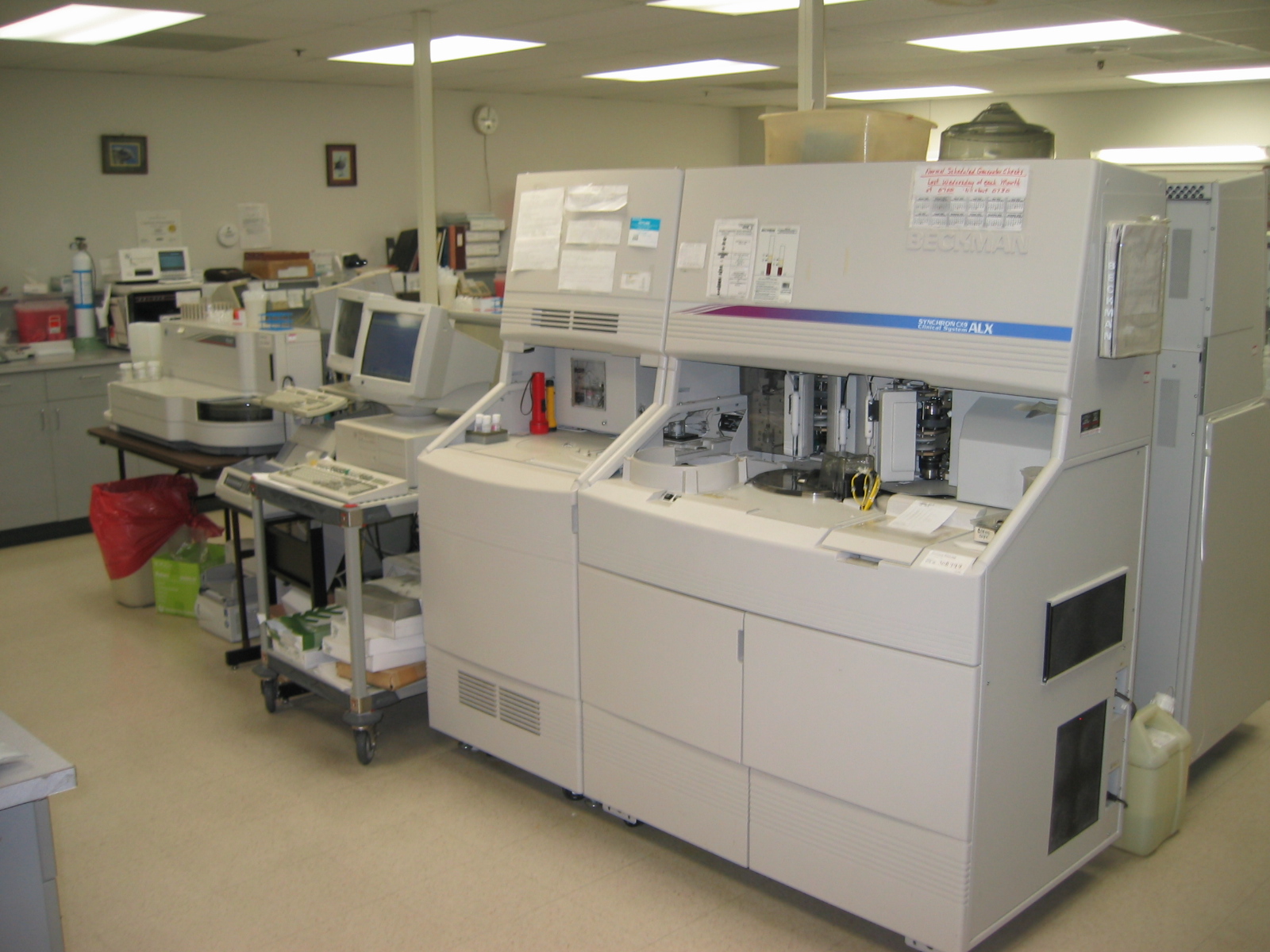
Clinical laboratory in a hospital setting showing several automated analysers.

A medical laboratory or clinical laboratory is a laboratory where tests are conducted out on clinical specimens to obtain information about the health of a patient to aid in diagnosis, treatment, and prevention of disease.[1] Clinical medical laboratories are an example of applied science, as opposed to research laboratories that focus on basic science, such as found in some academic institutions.

Medical laboratories vary in size and complexity and so offer a variety of testing services. More comprehensive services can be found in acute-care hospitals and medical centers, where 70% of clinical decisions are based on laboratory testing.[2] Doctors offices and clinics, as well as skilled nursing and long-term care facilities, may have laboratories that provide more basic testing services. Commercial medical laboratories operate as independent businesses and provide testing that is otherwise not provided in other settings due to low test volume or complexity.[3]

Departments

[edit]

In hospitals and other patient-care settings, laboratory medicine is provided by the Department of Pathology and Medical Laboratory, and generally divided into two sections, each of which will be subdivided into multiple specialty areas.[4] The two sections are:

Layouts of clinical laboratories in health institutions vary greatly from one facility to another. For instance, some health facilities have a single laboratory for the microbiology section, while others have a separate lab for each specialty area.

The testing in the laboratory is traditionally categorized by the clinical purpose of the test, which determines how the test should be used throughout the spectrum of diagnosis and care. There are four major categories namely screening tests, diagnostic tests, monitoring tests and follow-up tests.

Screening tests are offered to the asymptomatic people to reveal possible diseases. On the contrary, diagnostic tests are used to prove or disapprove certain conditions. To follow the course of the disease or the reaction to treatment, monitoring tests are presented. Lastly, there are tests during the follow-up to determine the results following treatment.[11]

Laboratory equipment for hematology (black analyser) and urinalysis (left of the open centrifuge).

The following is an example of a typical breakdown of the responsibilities of each area:

  • Microbiology includes culturing of the bacteria in clinical specimens, such as feces, urine, blood, sputum, cerebrospinal fluid, and synovial fluid, as well as possible infected tissue. The work here is mainly concerned with cultures, to look for suspected pathogens which, if found, are further identified based on biochemical tests. Also, sensitivity testing is carried out to determine whether the pathogen is sensitive or resistant to a suggested medicine. Results are reported with the identified organism(s) and the type and amount of drug(s) that should be prescribed for the patient.
  • Parasitology is where specimens are examined for parasites. For example, fecal samples may be examined for evidence of intestinal parasites such as tapeworms or hookworms.
  • Virology is concerned with identification of viruses in specimens such as blood, urine, and cerebrospinal fluid.
  • Hematology analyzes whole blood specimens to perform full blood counts and includes the examination of blood films. Other specialized tests include cell counts on various bodily fluids.
  • Coagulation testing determines various blood clotting times, coagulation factors, and platelet function.
  • Clinical biochemistry commonly performs dozens of different tests on serum or plasma. These tests, mostly automated, includes quantitative testing for a wide array of substances, such as lipids, blood sugar, enzymes, and hormones.
  • Toxicology is mainly focused on testing for pharmaceutical and recreational drugs. Urine and blood samples are the common specimens.
  • Immunology/Serology uses the process of antigen-antibody interaction as a diagnostic tool. Compatibility of transplanted organs may also be determined with these methods.
  • Immunohematology, or blood bank determines blood groups, and performs compatibility testing on donor blood and recipients. It also prepares blood components, derivatives, and products for transfusion. This area determines a patient's blood type and Rh status, checks for antibodies to common antigens found on red blood cells, and cross matches units that are negative for the antigen.
  • Urinalysis tests urine for many analytes, including microscopically. If more precise quantification of urine chemicals is required, the specimen is processed in the clinical biochemistry lab.
  • Histopathology processes solid tissue removed from the body (biopsies) for evaluation at the microscopic level.
  • Cytopathology examines smears of cells from all over the body (such as from the cervix) for evidence of inflammation, cancer, and other conditions.
  • Molecular diagnostics includes specialized tests involving DNA and RNA analysis.
  • Cytogenetics involves using blood and other cells to produce a DNA karyotype. This can be helpful in cases of prenatal diagnosis (e.g. Down's syndrome) as well as in some cancers which can be identified by the presence of abnormal chromosomes.
  • Surgical pathology examines organs, limbs, tumors, fetuses, and other tissues biopsied in surgery such as breast mastectomies.

Medical laboratory staff

[edit]
Clinical laboratory in a hospital setting with two technologists shown.

The staff of clinical laboratories may include:

Labor shortages

[edit]

The United States has a documented shortage of working laboratory professionals. For example, as of 2016 vacancy rates for Medical Laboratory Scientists ranged from 5% to 9% for various departments. The decline is primarily due to retirements, and to at-capacity educational programs that cannot expand which limits the number of new graduates. Professional organizations and some state educational systems are responding by developing ways to promote the lab professions in an effort to combat this shortage. In addition, the vacancy rates for the MLS were tested again in 2018. The percentage range for the various departments has developed a broader range of 4% to as high as 13%.[14] The higher numbers were seen in the Phlebotomy and Immunology.[14] Microbiology was another department that has had a struggle with vacancies.[14] Their average in the 2018 survey was around 10-11% vacancy rate across the United States.[14] Recruitment campaigns, funding for college programs, and better salaries for the laboratory workers are a few ways they are focusing to decrease the vacancy rate.[15] The National Center For Workforce Analysis has estimated that by 2025 there will be a 24% increase in demand for lab professionals.[16][17] Highlighted by the COVID-19 pandemic, work is being done to address this shortage including bringing pathology and laboratory medicine into the conversation surrounding access to healthcare.[18] COVID-19 brought the laboratory to the attention of the government and the media, thus giving opportunity for the staffing shortages as well as the resource challenges to be heard and dealt with.[19]

Types of laboratory

[edit]

In most developed countries, there are two main types of lab processing the majority of medical specimens. Hospital laboratories are attached to a hospital, and perform tests on their patients. Private (or community) laboratories receive samples from general practitioners, insurance companies, clinical research sites and other health clinics for analysis. For extremely specialised tests, samples may go to a research laboratory. Some tests involve specimens sent between different labs for uncommon tests. For example, in some cases it may be more cost effective if a particular laboratory specializes in a less common tests, receiving specimens (and payment) from other labs, while sending other specimens to other labs for those tests they do not perform.

In many countries there are specialized types of medical laboratories according to the types of investigations carried out. Organisations that provide blood products for transfusion to hospitals, such as the Red Cross, will provide access to their reference laboratory for their customers. Some laboratories specialize in Molecular diagnostic and cytogenetic testing, in order to provide information regarding diagnosis and treatment of genetic or cancer-related disorders.

Specimen processing and work flow

[edit]

In a hospital setting, sample processing will usually start with a set of samples arriving with a test request, either on a form or electronically via the laboratory information system (LIS). Inpatient specimens will already be labeled with patient and testing information provided by the LIS. Entry of test requests onto the LIS system involves typing (or scanning where barcodes are used) in the laboratory number, and entering the patient identification, as well as any tests requested. This allows laboratory analyzers, computers and staff to recognize what tests are pending, and also gives a location (such as a hospital department, doctor or other customer) for results reporting.

Once the specimens are assigned a laboratory number by the LIS, a sticker is typically printed that can be placed on the tubes or specimen containers. This label has a barcode that can be scanned by automated analyzers and test requests uploaded to the analyzer from the LIS.

Specimens are prepared for analysis in various ways. For example, chemistry samples are usually centrifuged and the serum or plasma is separated and tested. If the specimen needs to go on more than one analyzer, it can be divided into separate tubes.

Many specimens end up in one or more sophisticated automated analysers, that process a fraction of the sample to return one or more test results. Some laboratories use robotic sample handlers (Laboratory automation) to optimize the workflow and reduce the risk of contamination from sample handling by the staff.

The work flow in a hospital laboratory is usually heaviest from 2:00 am to 10:00 am. Nurses and doctors generally have their patients tested at least once a day with common tests such as complete blood counts and chemistry profiles. These orders are typically drawn during a morning run by phlebotomists for results to be available in the patient's charts for the attending physicians to consult during their morning rounds. Another busy time for the lab is after 3:00 pm when private practice physician offices are closing. Couriers will pick up specimens that have been drawn throughout the day and deliver them to the lab. Also, couriers will stop at outpatient drawing centers and pick up specimens. These specimens will be processed in the evening and overnight to ensure results will be available the following day.

Laboratory informatics

[edit]

The large amount of information processed in laboratories is managed by a system of software programs, computers, and terminology standards that exchange data about patients, test requests, and test results known as a Laboratory information system or LIS. The LIS is often interfaced with the hospital information system, EHR and/or laboratory instruments. Formats for terminologies for test processing and reporting are being standardized with systems such as Logical Observation Identifiers Names and Codes (LOINC) and Nomenclature for Properties and Units terminology (NPU terminology).

These systems enable hospitals and labs to order the correct test requests for each patient, keep track of individual patient and specimen histories, and help guarantee a better quality of results. Results are made available to care providers electronically or by printed hard copies for patient charts.

Result analysis, validation and interpretation

[edit]

According to various regulations, such as the international ISO 15189 norm, all pathological laboratory results must be verified by a competent professional. In some countries, staffs composed of clinical scientists do the majority of this work inside the laboratory with certain abnormal results referred to the relevant pathologist. Doctor Clinical Laboratory scientists have the responsibility for limited interpretation of testing results in their discipline in many countries. Interpretation of results can be assisted by some software in order to validate normal or non-modified results.

In other testing areas, only professional medical staff (pathologist or clinical Laboratory) is involved with interpretation and consulting. Medical staff are sometimes also required in order to explain pathology results to physicians. For a simple result given by phone or to explain a technical problem, often a medical technologist or medical lab scientist can provide additional information.

Medical laboratory departments in some countries are exclusively directed by a specialized Doctor laboratory Science. In others, a consultant, medical or non-medical, may be the head the department. In Europe and some other countries, Clinical Scientists with a Masters level education may be qualified to head the department. Others may have a PhD and can have an exit qualification equivalent to medical staff (e.g., FRCPath in the UK).

In France, only medical staff (Pharm.D. and M.D. specialized in anatomical pathology or clinical Laboratory Science) are authorized to discuss laboratory results.

Medical laboratory accreditation

[edit]

Credibility of medical laboratories is paramount to the health and safety of the patients relying on the testing services provided by these labs. Credentialing agencies vary by country. The international standard in use today for the accreditation of medical laboratories is ISO 15189 - Medical laboratories - Requirements for quality and competence.

In the United States, billions of dollars is spent on unaccredited lab tests, such as Laboratory developed tests which do not require accreditation or FDA approval; about a billion USD a year is spent on US autoimmune LDTs alone.[20] Accreditation is performed by the Joint Commission, College of American Pathologists, AAB (American Association of Bioanalysts), and other state and federal agencies. Legislative guidelines are provided under CLIA 88 (Clinical Laboratory Improvement Amendments) which regulates Medical Laboratory testing and personnel.

The accrediting body in Australia is NATA, where all laboratories must be NATA accredited to receive payment from Medicare.

In France the accrediting body is the Comité français d'accréditation (COFRAC). In 2010, modification of legislation established ISO 15189 accreditation as an obligation for all clinical laboratories.[21]

In the United Arab Emirates, the Dubai Accreditation Department (DAC) is the accreditation body that is internationally recognised[22] by the International Laboratory Accreditation Cooperation (ILAC) for many facilities and groups, including Medical Laboratories, Testing and Calibration Laboratories, and Inspection Bodies.

In Hong Kong, the accrediting body is Hong Kong Accreditation Service (HKAS). On 16 February 2004, HKAS launched its medical testing accreditation programme.

In Canada, laboratory accreditation is not mandatory, but is becoming more and more popular. Accreditation Canada (AC) is the national reference. Different provincial oversight bodies mandate laboratories in EQA participations like LSPQ (Quebec), IQMH (Ontario) for example.

Industry

[edit]
Laboratoire de La Muette, medical laboratory in Paris

The laboratory industry is a part of the broader healthcare and health technology industry. Companies exist at various levels, including clinical laboratory services, suppliers of instrumentation equipment and consumable materials, and suppliers and developers of diagnostic tests themselves (often by biotechnology companies).[23]

Clinical laboratory services includes large multinational corporations such LabCorp, Quest Diagnostics, and Sonic Healthcare[24] but a significant portion of revenue, estimated at 60% in the United States, is generated by hospital labs.[25] In 2018, the total global revenue for these companies was estimated to reach $146 billion by 2024.[26] Another estimate places the market size at $205 billion, reaching $333 billion by 2023.[27] The American Association for Clinical Chemistry (AACC) represents professionals in the field.

Clinical laboratories are supplied by other multinational companies which focus on materials and equipment, which can be used for both scientific research and medical testing. The largest of these is Thermo Fisher Scientific.[28] In 2016, global life sciences instrumentation sales were around $47 billion, not including consumables, software, and services.[28] In general, laboratory equipment includes lab centrifuges, transfection solutions, water purification systems, extraction techniques, gas generators, concentrators and evaporators, fume hoods, incubators, biological safety cabinets, bioreactors and fermenters, microwave-assisted chemistry, lab washers, and shakers and stirrers.[29]

United States

[edit]
Brochure illustrating the work of the CDC Division of Laboratory Sciences

In the United States, estimated total revenue as of 2016 was $75 billion, about 2% of total healthcare spending.[24] In 2016, an estimated 60% of revenue was done by hospital labs, with 25% done by two independent companies (LabCorp and Quest).[25] Hospital labs may also outsource their lab, known as outreach, to run tests; however, health insurers may pay the hospitals more than they would pay a laboratory company for the same test, but as of 2016, the markups were questioned by insurers.[30] Rural hospitals, in particular, can bill for lab outreach under the Medicare's 70/30 shell rule.[31]

Laboratory developed tests are designed and developed inside a specific laboratory and do not require FDA approval; due to technological innovations, they have become more common[32] and are estimated at a total value of $11 billion in 2016.[33]

Due to the rise of high-deductible health plans, laboratories have sometimes struggled to collect when billing patients; consequently, some laboratories have shifted to become more "consumer-focused".[34]

See also

[edit]

References

[edit]

Further reading

[edit]
Revisions and contributorsEdit on WikipediaRead on Wikipedia
from Grokipedia
A medical laboratory, also known as a clinical laboratory, is a healthcare facility that performs a wide range of laboratory procedures on biological specimens—such as , , tissues, and other bodily fluids—to support the , treatment, monitoring, and prevention of diseases. These laboratories are typically staffed by trained professionals including medical laboratory scientists, pathologists, and technicians, and are often integrated within or adjacent to hospitals, though they can also operate independently or in physician offices. The core functions of medical laboratories encompass the pre-analytical (specimen collection and handling), analytical (testing and analysis), and post-analytical (result interpretation and reporting) phases, ensuring accurate and reliable outcomes through rigorous protocols. Key departments within these facilities include (analyzing biochemical components like glucose and electrolytes), (examining cells for disorders such as ), (identifying pathogens like and viruses), (detecting immune responses), blood banking (managing transfusions), and (studying tissues and cells for cancer), and (using techniques like PCR for genetic analysis). Advanced , such as modular analyzers and total systems, enhances efficiency and precision, while adherence to international standards like ensures and competency. Medical laboratories play a pivotal role in healthcare by confirming diagnoses (e.g., identifying through blood glucose tests or cancer via tissue biopsies), monitoring therapeutic responses, screening for threats, and contributing to and research. , approximately 37% of clinical professionals work in hospitals, 20% in independent labs, and 10% in settings, handling biohazardous materials under strict guidelines. Laboratory results support roughly 70% of clinical decisions. Globally, these facilities are essential for epidemic control and quality management, as emphasized by organizations like the in promoting standardized practices.

Overview

Definition and Purpose

A medical laboratory, also known as a clinical laboratory, is a specialized healthcare facility equipped to perform chemical, microscopic, bacteriological, and other analytical tests on bodily fluids, tissues, and specimens to obtain information about patient health. These laboratories are staffed by trained scientists and technicians and are typically integrated into or affiliated with hospitals, clinics, or independent centers, enabling the detection of diseases, evaluation of treatment efficacy, and support for preventive health measures. By processing samples such as , , and biopsies, they provide objective data that clinicians rely on for accurate medical interventions. The primary purpose of a medical laboratory is to facilitate informed clinical , with laboratory results influencing approximately 70% of all medical decisions. This includes aiding in through tests like microbial cultures to identify infections, monitoring therapeutic levels in blood to adjust treatments for conditions such as or , and conducting screenings like cholesterol panels to assess cardiovascular risk and prevent chronic diseases. These functions not only support individual patient care but also contribute to broader epidemiological surveillance, such as tracking infectious disease outbreaks. Medical laboratories distinguish between routine testing, which involves common, high-volume analyses like complete blood counts (CBC) for general health assessment, and esoteric testing, which encompasses specialized, low-volume procedures such as rare genetic assays for diagnosing inherited disorders. Routine tests are typically automated and performed in-house for rapid turnaround, while esoteric tests often require advanced equipment and are referred to reference centers due to their complexity and infrequency. Over time, the scope of medical laboratories has evolved from basic techniques in the , which enabled early microbial identification, to modern integrated diagnostic hubs incorporating automation, , and digital networks for comprehensive patient management.

Historical Development

The foundations of medical laboratories in the were laid by pioneering work in and , which shifted diagnostics from clinical observation to scientific analysis. Louis Pasteur's experiments in the 1860s and 1870s established the through laboratory-based studies on fermentation and microbial causation, enabling the development of as a core laboratory discipline for identifying pathogens. Similarly, advanced in the 1850s by introducing cellular pathology, emphasizing microscopic examination of tissues to understand processes, which formalized laboratory techniques in autopsies and . These contributions, rooted in European academic settings, transformed into essential tools for and . By the 1890s, the establishment of dedicated clinical laboratories in marked a key milestone in integrating lab work into routine patient care, particularly in the United States. The opened its laboratory in 1889 under William Henry Welch, evolving into the first formal clinical lab by 1896, where oversaw routine tests like urinalyses and blood examinations to support bedside medicine. This model contrasted with Europe's earlier academic emphasis, where university-affiliated labs in institutions like Berlin's focused on research-driven since the mid-19th century, while U.S. development prioritized hospital expansion for practical diagnostics amid rapid and reforms. The mid-20th century brought automation and standardization, accelerated by World War II's demands for efficient medical support. The war spurred the creation of mobile labs and uniform procedures for blood typing and bacteriology in military settings, leading to post-war manuals that standardized lab methods across Allied nations and boosted training programs for technicians. In the and , automated analyzers like the , introduced in 1957 by Leonard Skeggs, revolutionized by enabling high-throughput testing of blood samples, reducing manual labor and increasing accuracy in hospitals worldwide. Post-1980s digital integration and the genomic era further evolved laboratories into data-driven hubs. Laboratory information systems (LIS) emerged in the 1980s, using standards like HL7 to automate result reporting and workflow, enhancing efficiency in both U.S. hospital networks and European academic centers. After 2000, the Project's completion in 2003 propelled , with next-generation sequencing (NGS) technologies shifting labs toward genomic profiling for , such as identifying genetic mutations in cancer, fundamentally altering testing paradigms globally. In the 2020s, particularly following the , medical laboratories have increasingly incorporated (AI) and advanced to enhance diagnostic accuracy, workflow efficiency, and . As of 2025, AI tools are widely adopted for image analysis in , anomaly in test results, and of equipment, with surveys indicating that over 60% of clinical labs utilize some form of AI integration.

Types of Laboratories

Hospital-Based Laboratories

Hospital-based laboratories are in-house facilities integrated within hospitals or clinics, designed to perform a wide range of diagnostic tests on clinical specimens to support immediate care, including urgent STAT tests that require rapid results, such as blood gas analysis for emergency room patients experiencing respiratory distress. These laboratories operate as essential components of the healthcare delivery system, providing objective data that informs , treatment, and monitoring directly at the point of care. In terms of scale and capacity, hospital-based laboratories typically process thousands of samples daily, with government-affiliated facilities serving an average of around 2,000 patients per day, and many larger ones exceeding 2,000 patients through automated systems. They maintain 24/7 operations in settings to accommodate continuous demands, including (POCT) in intensive care units for real-time monitoring of parameters like glucose levels or gases. Key advantages include rapid turnaround times for critical results, often under one hour for STAT tests, which enable timely clinical decisions and improve patient outcomes in fast-paced environments. Additionally, seamless integration with electronic health records (EHR) systems enhances efficiency by allowing immediate access to test results within the patient's digital medical file. Hospital-based laboratories face unique challenges, such as managing high volumes from admissions, which can prolong times and strain resources during peak periods. Post-COVID-19, enhanced infection control protocols have become critical, including stricter measures for handling airborne pathogens like , such as universal masking, improved ventilation, and rigorous specimen decontamination to prevent transmission within the facility.

Independent and Reference Laboratories

Independent and reference laboratories are private entities that operate independently of hospitals and physicians' offices, receiving specimens from a wide array of sources including clinics, outpatient facilities, and healthcare providers for diagnostic testing. Prominent examples in the United States include and , which function as large-scale commercial operations processing hundreds of millions of tests annually to support routine and specialized diagnostics across diverse patient populations. These laboratories often serve as reference facilities, performing tests that are referred from smaller labs or providers lacking the necessary equipment or expertise. In their operations, independent laboratories emphasize high-volume routine testing, such as annual wellness panels that include , glucose, and complete blood counts, enabling efficient screening for common health conditions. They also specialize in esoteric and reference tests, including advanced like genetic sequencing or biomarkers, which require sophisticated instrumentation not typically available in smaller settings. This dual focus allows them to handle both standardized, high-throughput assays and complex, low-volume analyses, often utilizing automated systems to manage scale while maintaining accuracy. The economic model of these laboratories relies primarily on revenue generated through contracts with health insurers, organizations, and healthcare providers, who outsource testing to leverage cost efficiencies and broad test menus. Globally, similar operations are exemplified by Synlab in , which operates over 350 laboratories across more than 30 countries, providing diagnostic services under comparable frameworks with public and private payers. This contract-based structure supports their role as scalable service providers, with revenues tied to volume-based s and negotiated rates that reflect operational efficiencies. Following the , independent laboratories adapted by expanding telehealth-integrated sample collection options, such as at-home for self-collection of nasal swabs or blood samples, which facilitated remote testing without in-person visits. and LabCorp, for instance, introduced or scaled mobile services and direct-to-consumer , enhancing accessibility amid disruptions. Additionally, these entities bolstered through diversified sourcing of and equipment, investing in domestic manufacturing partnerships to mitigate global shortages experienced during the crisis. These measures ensured continuity of testing services while addressing heightened demand for infectious disease diagnostics.

Internal Organization

Departments and Disciplines

Medical laboratories are organized into specialized departments and disciplines that focus on distinct aspects of diagnostic testing, enabling comprehensive analysis of specimens. These divisions ensure that tests are performed with expertise in specific methodologies, contributing to accurate and care. Core departments handle routine and high-volume analyses, while others address more targeted or complex evaluations. Coordination among departments allows for integrated testing panels, where a single sample, such as blood, may be routed to multiple areas for complete profiling. The clinical chemistry department primarily analyzes chemical constituents in body fluids like , serum, and to assess metabolic and organ function. Common tests include measurements of glucose for monitoring, for electrolyte balance, and enzymes for liver and cardiac health, often using techniques such as and to quantify analytes with high precision. This discipline supports a wide range of routine panels, such as comprehensive metabolic panels, which evaluate , liver, and electrolyte status. Hematology focuses on the study of cells and to diagnose disorders like , infections, and clotting abnormalities. Key tests include the (CBC), which enumerates red blood cells, , and platelets, typically performed via automated that detects cellular properties through laser-based light scattering and . studies, such as , further aid in evaluating bleeding risks. Microbiology identifies and characterizes infectious agents in clinical samples to guide antimicrobial therapy. This involves culturing bacteria from specimens like sputum or wounds on selective media, followed by identification through biochemical tests, morphology, and susceptibility profiling to determine antibiotic resistance. Examples include isolating pathogens like Staphylococcus aureus from blood cultures or detecting Mycobacterium tuberculosis in respiratory samples. Immunology examines responses, particularly through detection of and antigens for diagnosing infections, allergies, and autoimmune conditions. tests, such as (ANA) assays via , help identify autoimmune diseases like systemic lupus erythematosus by detecting autoantibodies against nuclear components. Other tests include (ELISA) for specific in conditions like . Anatomic pathology, also known as surgical pathology, involves microscopic examination of tissues to diagnose structural diseases, including cancers. Tissue biopsies are processed into slides for histological analysis, where pathologists assess cellular architecture and apply stains to determine malignancy and stage, such as evaluating tumor invasion depth in breast cancer specimens according to TNM criteria. This discipline is crucial for confirming diagnoses from surgical resections or needle biopsies. Transfusion medicine ensures safe blood product administration by verifying donor-recipient compatibility. Blood typing identifies ABO and Rh antigens on red blood cells using tests, while assesses compatibility to prevent hemolytic reactions, such as confirming as a universal donor. This department also manages and component preparation for therapies like platelet transfusions. In recent years, has emerged as a dedicated discipline, utilizing techniques like (PCR) to amplify and detect genetic material for precise identification of pathogens, mutations, or genetic disorders. PCR-based tests enable rapid diagnosis of infections, such as SARS-CoV-2 RNA detection, and oncologic applications like identifying EGFR mutations in biopsies. This area addresses growing needs in and infectious disease surveillance. Interdepartmental coordination facilitates efficient sample handling, such as directing a specimen to for CBC, chemistry for metabolic panels, and for serological markers, ensuring holistic diagnostic insights without redundant collections. This collaboration reduces errors and optimizes resource use in high-volume settings.

Laboratory Personnel and Roles

Medical laboratories rely on a diverse team of professionals to perform diagnostic testing, ensure quality, and interpret results accurately. Core personnel include medical (MLS), also known as medical laboratory technologists or clinical laboratory scientists, who conduct a wide range of laboratory tests on specimens, such as , , and tissues, to aid in disease diagnosis and treatment monitoring. These professionals typically hold a in medical technology, , or a related field, followed by certification from organizations like the American for (ASCP). , who are physicians specializing in diagnosing diseases through laboratory analysis, oversee the interpretation of complex test results and provide consultative services to clinicians. They require a (MD) degree, completion of a residency in (typically 3-4 years), and often . Phlebotomists play a crucial frontline role by collecting specimens via or capillary puncture, labeling samples, and ensuring proper handling to maintain specimen integrity for testing. The organizational hierarchy in medical laboratories supports efficient operations and . Laboratory managers oversee overall operations, including budgeting, compliance, and , while supervisors focus on day-to-day technical oversight, staff training, and measures. Trainees, often enrolled in accredited programs, assist in routine tasks under supervision to gain hands-on experience before full certification. Training and certification for laboratory personnel vary globally to meet regulatory standards. In the United States, MLS programs are accredited by the National Accrediting Agency for Clinical Laboratory Sciences (NAACLS), emphasizing a combination of didactic and clinical rotations, with state-specific licensing such as the Clinical Laboratory Scientist (CLS) in requiring a , one year of postgraduate , and an exam. In the United Kingdom, biomedical scientists must register with the Health and Care Professions Council (HCPC), which requires an accredited degree in biomedical science and demonstration of proficiency in areas like clinical biochemistry and . is essential for adapting to emerging technologies, such as next-generation sequencing (NGS) for genomic diagnostics, with organizations like the offering accredited modules on NGS workflows and applications in infectious disease testing. Efforts to promote diversity and inclusion address longstanding imbalances and enhance multicultural competence in the . As of 2022, approximately 69% of clinical laboratory technologists and technicians are women, according to U.S. data, prompting initiatives to encourage male participation and leadership opportunities. Professional bodies like the ASCP advocate for equitable representation to better serve diverse patient populations, incorporating multicultural training in education programs to foster and address health disparities. These include workshops on unconscious bias and inclusive practices, which help build teams that reflect community demographics and improve diagnostic equity.

Operational Workflow

Specimen Management

Specimen management in medical laboratories refers to the pre-analytical processes involved in handling biological samples from collection through preparation, aimed at preserving sample integrity, ensuring accurate identification, and minimizing errors that could affect diagnostic outcomes. This phase is crucial as pre-analytical errors account for approximately 60-70% of all laboratory issues, potentially leading to misdiagnosis or delayed treatment. Collection methods vary by sample type and must adhere to standardized protocols to maintain quality. For blood specimens, is the primary technique, involving the use of a sterile needle to draw into evacuated tubes specific to the test, such as additive-free tubes for serum or anticoagulated tubes for plasma. samples are typically collected via the clean-catch midstream method, where the patient cleans the genital area, discards the initial urine stream to reduce , and collects the middle portion into a sterile container to avoid external microbes. Swab collections, used for respiratory or mucosal specimens, employ sterile synthetic-tipped swabs (e.g., or Dacron) inserted into the target site, such as the nasopharynx, and rotated to absorb material before placement in . Pre-analytical considerations are essential to ensure sample suitability. Patients may need to fast for 8-12 hours prior to glucose testing to prevent elevated results from recent food intake, while forensic or legal specimens require strict chain-of-custody documentation, including signed logs tracking handling from collection to to prevent tampering or loss of evidentiary value. After preparation, specimens are routed to relevant laboratory departments based on test requirements. Processing steps begin immediately post-collection to stabilize the sample. separates cellular components from serum or plasma, typically at 3,000-3,500 rpm for 10-15 minutes to achieve clear separation without disrupting analytes. Aliquoting involves transferring portions of the processed sample into secondary tubes using to avoid cross-contamination and allow subdivision for multiple tests, while labeling with barcodes or unique identifiers (including details, collection date/time, and specimen type) ensures throughout the . Storage conditions are tailored to the sample's stability needs. For instance, DNA extracted from blood or tissue is stored at -80°C to maintain integrity for years, as higher temperatures lead to degradation over weeks. Common error sources in specimen management include hemolysis and contamination, which can invalidate results. Hemolysis, the rupture of red blood cells often due to forceful drawing, vigorous shaking, or delayed processing, releases intracellular contents like potassium, falsely elevating levels and affecting up to 3.3% of routine samples, while accounting for 29% of preanalytical errors in some studies. Contamination risks arise from inadequate cleaning during collection or improper tube handling, introducing microbes or extraneous substances that interfere with assays. Post-COVID-19 updates have enhanced protocols for infectious specimens, emphasizing viral inactivation through methods like addition of buffers or (e.g., 56°C for 30 minutes) to neutralize while preserving nucleic acids for testing. Remote collection via mail-in kits, such as self-swab nasal tests returned in pre-labeled envelopes with stabilizing media, has also been adopted to facilitate widespread surveillance without in-person visits.

Testing Processes and Automation

Medical laboratory testing encompasses a range of analytical procedures that transform prepared specimens into quantifiable data for clinical , with playing a pivotal role in enhancing speed, accuracy, and scalability. , often reserved for low-volume or specialized assays, relies on technician-performed techniques like or , but these are labor-intensive and prone to variability. In contrast, automated testing dominates high-throughput environments, utilizing integrated analyzers that process large sample volumes with minimal human intervention. For instance, platforms detect biomarkers such as hormones or antibodies through antigen-antibody reactions, with systems like the cobas pro integrated solutions capable of handling up to 4,400 tests per hour in mid- to high-volume settings. Robotic systems further streamline by managing repetitive tasks, including precise pipetting and sample aliquoting to minimize contamination risks. The Aptio Automation, for example, incorporates for sample mixing and proportional dispensing, supporting connectivity to over 50 analyzers across multiple disciplines and enabling flexible configurations for high-volume chemistry and workflows. These advancements reduce hands-on time, allowing laboratories to scale operations without proportional increases in staffing. Among key technologies, employs hydrodynamic focusing and interrogation to analyze cell populations based on size, granularity, and markers, facilitating applications like for diagnosis and subset enumeration in immunodeficiencies. In toxicology, excels at identifying and quantifying substances by ionizing samples and separating ions by , using analyzers such as quadrupoles or time-of-flight instruments for definitive drug screening and metabolite detection in clinical cases. These methods provide high specificity, often serving as confirmatory tools after initial screening. Artificial intelligence integration has accelerated since 2023, particularly for image-based in , where models automate white blood cell differentials from peripheral blood smears, achieving rapid classification of cell types with reduced error rates compared to manual review. Such AI-driven systems, combining and , support efficient anomaly flagging in high-volume settings, enhancing diagnostic throughput without compromising precision. Quality control is embedded throughout automated runs to maintain result integrity, with built-in calibrators establishing to standards and internal standards monitoring performance in real-time to detect drifts. Regular maintenance schedules, including instrument validation and preventive servicing, are mandated to avert , ensuring compliance with analytical standards and operational reliability. These protocols, often automated via software alerts, allow for proactive adjustments during testing cycles. Workflow optimization addresses peak demands, such as early morning influxes in laboratories from overnight inpatient collections, through that groups compatible samples for simultaneous analysis on automated lines. This approach balances efficiency with urgency, prioritizing STAT samples while consolidating routine tests to maximize analyzer utilization during high-activity periods. Outputs from these processes feed into systems for seamless result dissemination.

Laboratory Informatics

Laboratory informatics encompasses the application of to manage, process, and analyze data generated in medical laboratories, ensuring efficient integration and . At its core, the Laboratory Information System (LIS) serves as the primary digital platform, handling order entry, specimen tracking, and result reporting to streamline laboratory operations. The LIS facilitates order entry by capturing incoming test requests, either manually or electronically, and accessioning specimens for processing. It tracks specimens from collection through analysis and reporting, automating updates to patient records and generating comprehensive reports grouped by analyzers, time periods, or diagnoses. LIS systems also manage inventory by monitoring reagents, supplies, and equipment levels, preventing shortages that could disrupt testing. Bidirectional data flow enables seamless exchange, such as auto-populating patient demographics from electronic health records (EHR) or information systems (HIS), while software connects analyzers to the LIS for transmission and instrument control. LIS platforms interface with EHR and HIS using HL7 standards, which define message formats for orders (ORM) and results (ORU), promoting across healthcare systems. This integration allows test orders to flow from clinical providers to the lab and results to return promptly, enhancing care coordination. Post-2020, cloud-based LIS solutions have gained widespread adoption, offering scalability to handle increasing volumes without on-premises infrastructure limitations. These systems enable remote access, automatic updates, and multi-site connectivity, supporting growth amid rising test demands. Additionally, AI-driven have emerged, using to forecast equipment maintenance needs by analyzing usage patterns and , thereby minimizing downtime and extending instrument lifespan. Despite these advances, laboratory faces significant challenges in data privacy and . Compliance with regulations like HIPAA in the and GDPR in requires robust and access controls to protect sensitive patient data from breaches. Interoperability issues persist in multi-site networks, where varying standards and legacy systems hinder seamless data exchange, leading to inefficiencies and errors.

Quality Control and Results

Analysis, Validation, and Interpretation

In medical laboratories, the validation process begins after initial testing to confirm the accuracy and reliability of results before they are reported. Delta checks, a common post-analytical method, compare current test results with prior values from the same to detect discrepancies that may indicate errors such as specimen mix-ups or analytical issues; if the difference exceeds predefined thresholds, it triggers a manual review. Reference ranges, typically established as the central 95% of values from a healthy reference with 95% intervals, provide benchmarks for assessing normality, ensuring results are contextualized appropriately for demographics like age and sex. Flagged results, such as those outside reference ranges or failing delta checks, undergo manual verification by laboratory technologists or pathologists to rule out pre-analytical, analytical, or post-analytical errors. Interpretation of validated results involves evaluating their , often requiring specialist input for complex cases. In cytology, for instance, abnormal findings like atypical squamous cells or glandular lesions necessitate pathologist sign-off to confirm diagnoses and correlate with clinical history, reducing interpretive errors through expert review. Critical values—results indicating immediate life-threatening conditions, such as levels exceeding 0.4 ng/mL suggesting —must be notified promptly to clinicians, typically within one hour via direct communication to enable urgent intervention. Practices for and interpretation vary by country, reflecting differences in and regulatory frameworks. , validation and routine interpretation are primarily technologist-led under medical director oversight, with pathologists consulted for complex or flagged cases to integrate efficiently. , as part of the European model, pathologists maintain fuller involvement in laboratory result oversight, emphasizing specialized review across both anatomic and clinical disciplines to ensure comprehensive interpretation. To minimize errors in these processes, laboratories employ proficiency testing programs, where external samples are analyzed periodically to benchmark performance against peers, identifying systematic issues like calibration drifts that could affect validation accuracy. , including intra-laboratory audits of flagged cases, further enhances reliability by cross-verifying interpretations and fostering continuous improvement. Recent developments integrate for preliminary flagging of anomalies in results, accelerating detection of potential errors while awaiting human validation, as demonstrated in studies showing improved diagnostic efficiency in clinical settings.

Accreditation and Standards

Medical laboratories adhere to international and national standards to ensure quality, competence, and reliability in diagnostic testing. The primary global standard is , which specifies requirements for quality management systems and technical competence in medical laboratories, applicable to both standalone facilities and those within larger healthcare organizations. This standard promotes patient welfare by fostering confidence in laboratory results through structured processes for risk management, pre-examination, examination, and post-examination activities. In the United States, the (CLIA) of 1988 establish federal proficiency testing and quality control requirements for laboratories performing tests on human specimens, overseen by the (CMS), Centers for Disease Control and Prevention (CDC), and (FDA). Accreditation is granted by recognized bodies following rigorous evaluations, including document reviews, on-site audits, and proficiency testing. In the US, the (CAP) Laboratory Accreditation Program conducts peer-based inspections to verify compliance with CLIA and , while The performs surveys assessing laboratory operations against performance standards for safety and quality. Internationally, the United Kingdom Accreditation Service (UKAS) accredits medical laboratories to through assessments of quality systems and technical proficiency, ensuring impartiality and competence. In India, the National Accreditation Board for Testing and Calibration Laboratories (NABL) provides accreditation under , involving application review, technical audits, and corrective action plans for any non-conformities identified during surveillance. The accreditation process typically requires laboratories to implement corrective and preventive actions for deficiencies, with ongoing monitoring through periodic reassessments to maintain status. Accreditation yields significant benefits, including enhanced reliability of test results, which supports accurate clinical and reduces diagnostic errors. It also enables international mutual recognition of laboratory services through arrangements like those of the International Laboratory Accreditation Cooperation (ILAC), facilitating seamless referral of samples across borders for specialized testing. The 2022 revision of , with a transition period ending in 2025, introduced stronger emphases on risk-based approaches and , incorporating requirements for digital tools and to address modern laboratory informatics challenges. In low-resource settings, achieving presents substantial challenges due to limited funding, infrastructure, and trained personnel, often hindering widespread adoption in developing countries. The (WHO) addresses these gaps through support programs like the Stepwise Laboratory Improvement Process Towards (SLIPTA), which provides a graduated framework for quality improvement in resource-constrained African laboratories, aiming to build capacity for eventual full compliance. These initiatives help bridge disparities by offering training and technical assistance, though persistent barriers such as issues and regulatory inconsistencies continue to limit in many regions.

Challenges and Industry

Workforce Shortages

In the United States, medical laboratory vacancy rates remained elevated in 2024, with specialized labs reporting approximately 13% vacancies and departments facing up to 17% as of 2022, despite a slight decline from peaks. The projects 2% growth in employment for clinical laboratory technologists and technicians from 2024 to 2034, slower than the average for all occupations and exacerbating s due to rising retirements and burnout, potentially leading to vacancy rates exceeding 20% in high-demand areas by the decade's end. Globally, the estimates a severe of workers in , projected to reach 6.1 million by 2030—a 45% increase from 2013 levels—with laboratory technologist positions contributing to overall understaffing that hinders diagnostic services. Several factors contribute to these shortages. The medical laboratory is aging, with an average age of approximately 42 years as of 2023 and over 60% of professionals approaching , creating a loss of expertise without sufficient replacements. Educational pipelines are constrained, as the number of training programs has declined by 15% over the past decade, limiting new entrants amid growing test volumes. The post-COVID-19 era intensified the crisis through staff burnout and exodus, with heavy workloads and inadequate staffing cited as top contributors to professionals leaving the field. Additionally, from technology sectors draws potential workers away, as laboratories vie for talent in a shrinking labor pool affected by broader demographic trends. These staffing challenges have significant impacts on laboratory operations and patient care. Shortages lead to processing backlogs, delaying test results and potentially extending turnaround times by hours or days, which can postpone critical diagnoses. Overburdened staff face heightened error risks due to fatigue and rushed workflows, compromising result accuracy and safety. In extreme cases, labs have reduced testing volumes or restricted services to high-risk patients, further straining healthcare delivery. Efforts to address shortages include international recruitment of skilled laboratory scientists to fill long-term vacancies and tele-laboratory supervision, such as telepathology, which enables remote oversight to optimize limited on-site staff. Recent 2025 surveys indicate that AI augmentation is helping mitigate workloads, with 73% of healthcare organizations reporting reduced operational costs and efficiency gains in data analytics and administrative tasks, potentially easing staffing pressures by 20-40% in adopting labs.

Global Industry Landscape

The global medical industry, which includes clinical laboratory services for diagnostics, testing, and analysis, is valued at approximately USD 246 billion in 2025. This market size reflects projections updated from 2024 estimates and is primarily driven by the expanding needs of aging populations worldwide and the rising prevalence of chronic diseases such as , cardiovascular conditions, and cancer, which necessitate frequent diagnostic testing. In terms of major players, the dominates the North American segment, where Laboratory Corporation of America () and are leading players in the clinical laboratory services market through their extensive networks of independent labs and outreach services. In , Roche Diagnostics leads with innovative solutions in molecular and testing, supporting a mature market focused on precision medicine. , particularly and , is experiencing rapid growth—projected at a CAGR of around 4-5% through 2030—fueled by public-private partnerships that bolster laboratory infrastructure, such as government collaborations with diagnostic firms to expand testing access in urban and rural areas. Key trends shaping the industry include a post-COVID-19 surge in molecular testing , with PCR capacity expanding substantially—reaching up to 128 million tests per month in major markets by mid-2022—to support ongoing infectious disease surveillance and non-COVID applications like and genetic screening. However, emerging markets, such as those in , continue to grapple with infrastructural deficits, including unreliable , limited equipment maintenance, and fragmented supply chains that hinder reliable testing. Looking ahead, the adoption of for automated analysis and devices is poised to add significant value, with AI-driven diagnostics and portable systems projected to contribute over USD 50 billion in market expansion by 2030 through faster turnaround times and decentralized services. This growth underscores opportunities for innovation but also highlights ethical challenges, such as ensuring equitable access to advanced technologies in underserved regions to avoid widening disparities.

References

Add your contribution
Related Hubs
User Avatar
No comments yet.