Hubbry Logo
Cockroach farmingCockroach farmingMain
Open search
Cockroach farming
Community hub
Cockroach farming
logo
8 pages, 0 posts
0 subscribers
Be the first to start a discussion here.
Cockroach farming
Cockroach farming
from Wikipedia
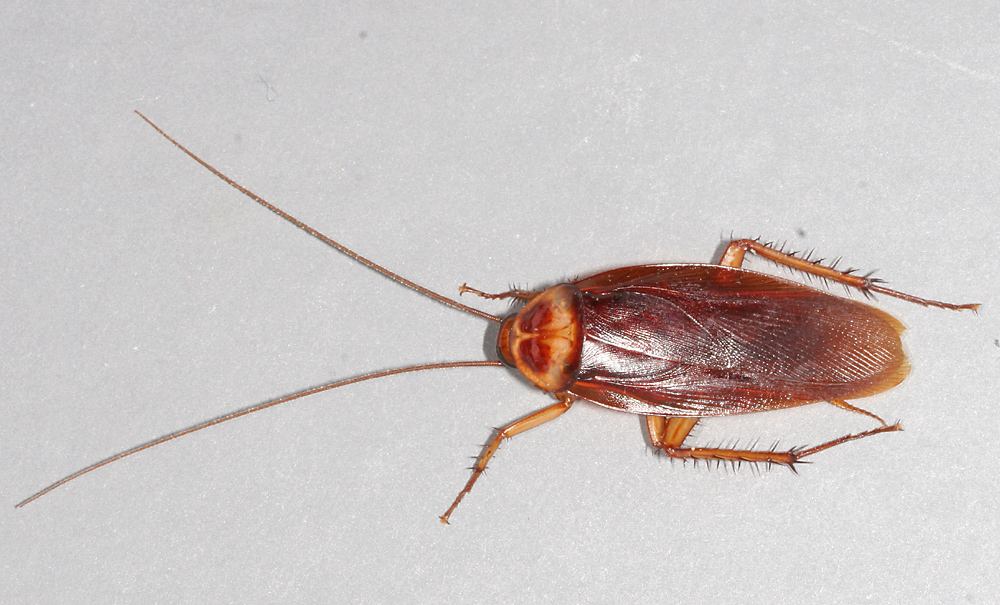
Periplaneta americana (American cockroach) – the favoured species for farming

Cockroach farming is a specific type of insect farming that involves the breeding of cockroaches as livestock in controlled facilities. Such farming is a sizable industry in China, where large buildings are home to millions of insects. They can be raised as a food source for humans, as feed for non-human animals such as lizards, or sold to the pharmaceutical industry for use in medicine. The cockroaches are often killed in vats of boiling water before being dried, and, depending on their purpose, they may be crushed, ready for processing. Prospective farmers are able to obtain how-to kits to begin their farming venture, while larger companies are able to produce billions of cockroaches every year.

Market

[edit]

The Traditional Chinese Medicine industry and cosmetic companies are primary purchasers of the insect. Cockroaches are a cheap source of protein, and, like other insects, are proposed as an alternative to the meat industry. Cosmetic companies value the cellulose-like quality of cockroach wings.[1]

Pharmaceutical companies are using cockroaches as research potential for new cures, including treatments for cancer and AIDS. The School of Pharmacy and Chemistry at the Dali University has published papers regarding the anti-carcinogenic properties of cockroaches.[1] A potion made from cockroaches (Kangfuxin Ye) is taken by millions of people in China, where the local authorities claim they have "remarkable effects". According to a government report, "more than 40 million people have been cured" of a variety of ailments after being prescribed the potion.[2] However, there is no scientific evidence of these claims.

The Institute of Stem Cell Biology and Regenerative Medicine in Bangalore, India — along with other institutions — are investigating the possibility of farming cockroaches for their milk. The Pacific beetle cockroach (Diploptera punctata) produces a crystal-like milk which is a potential "superfood".[3]

Growth in China

[edit]

The industry is booming in China, where dried cockroaches can sell for up to US$20 a pound. In 2013, it was estimated that there were around 100 cockroach farms in China.[1] The growth in the industry coincides with public pressure to end other sorts of farming, particularly those which supply traditional Chinese cooking and the pharmaceutical industry. Environmental and humanitarian concerns make certain ingredients derived from animal products increasingly difficult to obtain.[4]

The largest cockroach farm is near Xichang, Sichuan, southwestern China, where it breeds six billion cockroaches a year.[2] Run by the Good Doctor Pharmaceutical Group, the company uses artificial intelligence systems to monitor the conditions in the farm.[2] This includes keeping them in dimly-lit spaces at around 30 degrees Celsius.[4][5]

The growth of the industry in China has been helped by the lack of government regulation, with companies free to begin in most suitable environments if they have a licence to breed bugs.[4]

Ease and profitability

[edit]

Cockroach farmers describe the insects as being "easy to raise and profitable".[1] Cockroaches are omnivores and can feed on rotten vegetables, a readily available and cheap source of food. This allows farms to feed the livestock with the waste product of other industries such as potato and pumpkin peelings from local restaurants. Gathering the insects is also a relatively simple process; they can easily be vacuumed out of their nests, drowned in a vat of boiling water, and then dried in the sun.[1]

As an insect, cockroaches are not susceptible to the same diseases as mammals and poultry.[1] The hardy creatures have a widely reported capacity for survival. The American cockroach (Periplaneta americana) in particular has the second-largest genome of known insect genomes. An unusual number of their genes relate to taste and smell, which helps them to avoid toxic food. Genes relating to development and immunity help cockroaches grow quickly and resist disease.[6] The American cockroach is the most popular species for farming.[1] Start-up costs for cockroach farms are low, and there are few regulations. "How-to" kits are available for enterprising farmers.[1]

Challenges

[edit]

Some farmers choose to hide the nature of their farm, referring to it as "special farming" in an attempt at secrecy. This is due to the stigma attached to the creatures and the possible negative reaction from neighbouring organisations.[1]

One primary cause for concern with such farms is the potential for the insects to escape, something that could lead to a "catastrophe" according to Zhu Chaodong, a professor and head of insect evolution studies at the Institute of Zoology in Beijing.[2] In August 2013, over a million cockroaches escaped from a farm in Jiangsu province.[1] The insects were kept inside an unregistered building too close to a protected watershed. When the owner was out to lunch, the authorities, who did not know about the roaches, razed the structure. They had to come back to exterminate the insects afterward.[4]

References

[edit]
Revisions and contributorsEdit on WikipediaRead on Wikipedia
from Grokipedia
Cockroach farming is the industrial-scale breeding and rearing of cockroaches in controlled environments for commercial exploitation, primarily centered in where it has emerged as a significant sector of the . The practice predominantly involves the (Periplaneta americana), whose extracts and bioactive compounds are harvested for use in to promote , reduce inflammation, and combat bacterial infections, including those resistant to conventional antibiotics like MRSA. These medicinal applications stem from the insect's rich profile of , proteins, and other metabolites that exhibit antibacterial, anticancer, and regenerative properties, as demonstrated in clinical formulations such as the extract "Kangfuxin," approved in since the . The industry has scaled rapidly, with approximately 100 large-scale farms operating across as of the early , and hundreds more facilities today, including a prominent operation by the Good Doctor Pharmaceutical Group in that produces up to 6 billion adult cockroaches annually in an AI-monitored, climate-controlled building spanning the size of two sports fields. These farms process vast quantities of organic waste—such as 50 tons of scraps daily at some sites—as feed, converting refuse into valuable while minimizing environmental impact through low-resource rearing methods that require minimal water and land compared to traditional . Economically, the sector yields high returns, with investments as low as $3 per production cycle generating up to $20 in revenue from pulverized roach products sold to pharmaceutical and firms. Beyond medicine, cockroach farming supports diverse applications, including protein-rich feed for and , cosmetics derived from wing for moisturizing effects, and emerging sources like nutrient-dense "cockroach milk" from species such as the Pacific (Diploptera punctata), which contains protein crystals with higher caloric value than cow's milk. Despite its potential for sustainable and , the industry faces challenges such as regulatory gaps, public aversion leading to operational secrecy, and risks of mass escapes, as seen in a 2013 incident where one million roaches fled a farm in province. Ongoing research continues to validate and expand the therapeutic efficacy of cockroach-derived compounds, positioning the practice at the intersection of entomiculture, , and innovation.

History and Development

Origins in Traditional Practices

The use of cockroaches in (TCM) dates back over 2,000 years, with early references appearing in ancient texts such as ’s Materia Medica Classic (approximately 100-200 AD), which documents insect-based prescriptions including cockroaches for therapeutic purposes. By the , the (, compiled between 1552 and 1578) further elaborated on their medicinal properties, describing the (Periplaneta americana) as having a salty and cold nature suitable for treating , , and conditions like furuncles, carbuncles, and . These texts positioned cockroaches as a remedy for ailments involving inflammation and poor circulation, such as burns and ulcers, reflecting their integration into holistic TCM frameworks aimed at restoring bodily balance. Traditional preparation methods involved non-commercial, small-scale collection and processing in , particularly , where practitioners gathered wild or locally reared , killed them by with boiled water, and dried them via sun exposure or roasting to produce whole-insect powders. These powders were then ground and often mixed with other for topical or oral application, promoting by enhancing tissue repair and reducing swelling, as noted in historical TCM formulations for skin ulcers and burns. Such practices emphasized the insect's perceived ability to "destroy accumulation" and invigorate blood flow, underscoring a foundational reliance on empirical rather than large-scale production. Scientific interest in cockroaches emerged in the 20th century, driven by studies on their exceptional resilience to environmental stressors, including radiation exposure documented in mid-century experiments that highlighted their survival capabilities compared to other organisms. This curiosity extended to their bioactive compounds, with the discovery of antimicrobial peptides in insects during the 1980s revealing potential therapeutic molecules capable of combating infections, sparking further exploration of cockroach-derived substances for medical applications. These early investigations laid the groundwork for later advancements, including the expansion of cockroach farming into commercial scales in the 21st century to meet growing pharmaceutical demands.

Modern Industry Growth

The commercialization of farming in gained momentum around 2010, driven by increasing demand for the insects in and emerging sustainable applications. Early adopters like farmer Wang Fuming transitioned to cockroach breeding that year, capitalizing on low startup costs and rising market prices for dried specimens, which jumped from about $2 per pound to $20 per pound within three years. A landmark development occurred with the establishment of one of the first large-scale facilities in , , by Good Doctor Pharmaceutical, which pioneered industrial-scale production using controlled environments to breed millions of cockroaches for pharmaceutical extraction. By 2013, the industry had expanded rapidly, with over 100 farms operating across , collectively producing billions of insects annually to supply medicinal powders, , and . This growth was fueled by the insects' efficiency in converting waste into valuable , aligning with national priorities for . Government bodies, such as the provincial administration, endorsed these operations through official reports on production achievements and scientific breakthroughs in medicinal applications. Key milestones in the late 2010s further propelled the sector's visibility. In 2018, the World Economic Forum spotlighted Chinese cockroach farms for their role in processing kitchen waste—such as one facility consuming 50 tonnes daily to sustain a billion insects—positioning the practice as a model for global waste management and alternative proteins. As of early 2025, China's cockroach production had reached approximately 6 billion adults per year, predominantly from major sites like Xichang, supporting a multi-million-dollar industry while inspiring exploratory operations in other Asian countries amid rising interest in entomiculture.

Farming Methods

Species Used

The primary species utilized in cockroach farming is Periplaneta americana, the , valued for its large adult size of up to 4 cm in length, which facilitates efficient harvesting and processing. This species exhibits rapid reproduction, with females producing 9-10 oothecae over their lifetime, each containing 14-16 eggs, enabling 3-4 generations per year under optimal conditions. P. americana is omnivorous, consuming a wide range of organic matter including plant-based feeds like and , which supports cost-effective cultivation. Secondary species include , the Dubia roach, commonly employed in Western feeder insect operations due to its quiet demeanor and minimal odor production compared to other cockroaches. Another species, Eupolyphaga sinensis, is farmed specifically for extracts, where it is processed for bioactive compounds used in blood circulation treatments. These species share key biological advantages that enhance their suitability for farming, including low susceptibility to diseases due to robust innate immunity. Nutritionally, they offer 60-70% crude protein on a basis, along with rich content and essential , making them viable for feed and medicinal applications. Additionally, they adapt well to dense populations in enclosed setups without significant when provided adequate shelter and , allowing for scalable production.

Cultivation and Management Techniques

Cockroach farming facilities are typically designed as climate-controlled, multi-tiered structures to maximize space efficiency and . These setups often feature plastic trays, bins, or shelves in sealed rooms, with barriers such as moats containing to prevent escapes. Optimal environmental conditions include temperatures of 28–32°C and relative of 60–80%, which support rapid growth and reproduction while minimizing disease risk; for instance, rearing at 29°C and 70% has been shown to facilitate healthy embryonic development and adult maturation in Periplaneta americana. Large-scale operations in , such as those spanning the area of two soccer fields (approximately 14,000 m²), can house up to 6 billion individuals by utilizing vertically containers with open access to and . Feeding regimens leverage the omnivorous nature of farmed , primarily using organic waste to reduce costs and environmental impact. Farms process substantial volumes of scraps, residues, or formulated feeds like commercial or chow, with daily inputs reaching 50 tonnes in major facilities to sustain billions of . Breeding is managed through controlled cycles, where females produce oothecae ( cases containing 12–16 eggs) every 4–10 days; these are often isolated and incubated separately under stable conditions to hatch in 4–6 weeks, ensuring synchronized population growth and preventing overcrowding. Species-specific adaptations, such as the rapid ootheca production in P. americana, allow for efficient scaling without excessive intervention. Harvesting involves collecting mature adults at peak , typically via methods that immobilize the for live removal, such as cooling to slow movement or mechanical to aggregate them. Following collection, is performed humanely through freezing, which induces rapid and death due to the ' small body mass, or for immediate processing. Waste management integrates the collection of (cockroach excrement), which is composted on-site into a nutrient-rich high in , , and , suitable for direct agricultural use without further maturation due to its low pathogen content. In advanced Chinese operations, automated systems employing AI monitor over 80 parameters, including , , , and , to optimize cycles. These technologies enable annual outputs exceeding 6 billion adults across integrated farms, processing equivalent waste volumes while producing valuable byproducts.

Applications

Medicinal and Pharmaceutical Uses

Cockroach extracts, particularly from the (Periplaneta americana), have been utilized in (TCM) for centuries to treat conditions such as digestive disorders, skin wounds, and inflammation, owing to their rich content of bioactive compounds including , antioxidants, and growth factors. These compounds, such as like periplanetasin-2, exhibit antifungal, antibacterial, and tissue repair properties that support their therapeutic applications. Extraction typically involves crushing and drying the insects followed by solvent processing with , water, or to isolate active ingredients like ethanol extracts used in formulations. Prominent pharmaceutical products derived from cockroach extracts include Kangfuxin (KFX), an ethanol extract approved by China's (NMPA) in 1998 for treating ulcers, burns, and by promoting tissue regeneration and reducing inflammation. Another example is the Xiaoyanyigan tablet, which incorporates extracts to address blood stagnation and related inflammatory conditions, including gastric ulcers. In , -derived extracts are incorporated into beauty products in for their regenerative effects on . Scientific studies from 2015 to 2023 have validated the efficacy of these extracts in and treatment, particularly through mechanisms involving antioxidation, anti-inflammation, and activation of pathways like JAK/ to promote and migration. For instance, in models of cutaneous wounds, KFX treatment resulted in significantly faster closure, with complete by day 8 compared to controls, and reduced wound areas by days 3–6 (p < 0.05), alongside increased epidermal thickness and proliferating cell counts. These findings underscore the extracts' potential in accelerating recovery, though trials remain limited outside . As of 2025, ongoing research explores cockroach extracts for treating antibiotic-resistant infections. China produces dozens of tons of dried P. americana powder annually for pharmaceutical purposes, supporting a growing industry focused on bioactive extraction. Regulatory approval is established in and select Asian markets for products like KFX, but adoption in Western countries is restricted due to stringent oversight by agencies like the U.S. (FDA), which classifies as potential contaminants rather than approved therapeutic sources.

Feed and Nutritional Applications

Farmed cockroaches, particularly species like Periplaneta americana and Nauphoeta cinerea, are processed into high-protein meal for use as animal feed, offering 50-70% crude protein on a dry weight basis. This meal is rich in essential amino acids and unsaturated fatty acids, making it suitable for poultry, aquaculture, and reptile diets. In aquaculture trials with juvenile Nile tilapia (Oreochromis niloticus), replacing up to 25% of fishmeal with American cockroach meal maintained growth performance and feed utilization without adverse effects on metabolism or intestinal health. Similarly, in juvenile common carp (Cyprinus carpio), substituting 20-40% of fishmeal with cockroach residue improved weight gain, specific growth rates, antioxidant capacity, and immune function, while reducing reliance on expensive traditional proteins. Such substitutions offer potential cost benefits in insect-based aquafeeds due to the low production costs of cockroach biomass. In human consumption, cockroaches are prepared as fried snacks or powdered ingredients in and , where they provide a complete profile meeting WHO requirements for most essentials like and . These offer approximately 60% protein and 18% on a dry basis, along with high levels of minerals such as magnesium (362 mg/100g) and iron (275 mg/100g). Their production has a low environmental footprint, requiring about 10 times less water per kilogram of protein than , due to efficient feed conversion and minimal resource needs. Cockroach farms also support by converting organic waste into , with the ' frass serving as a nutrient-rich . For instance, the Xichang farm in houses over 1 billion that process 50 tonnes of kitchen and restaurant scraps daily—equivalent in weight to seven adult elephants—reducing landfill waste while generating protein-rich output. Larger operations can handle 50-100 tonnes of organic waste per day across facilities. Emerging research explores the potential integration of insect-derived proteins, including from , into foods, leveraging their high digestibility (86-90%) and bioactive nutrients. The has facilitated this growth by approving insect proteins for aquafeed since 2017 and expanding to and pigs in 2021, enabling broader commercial applications.

Market and Economics

Global and Regional Market Overview

The cockroach farming industry remains a niche segment within the broader edible sector, with holding an estimated 90% of global production capacity. As of 2025, the Chinese market is valued at several hundred million dollars annually, driven primarily by pharmaceutical and feed applications, while worldwide output reaches approximately 10-15 billion cockroaches per year. The largest single facility, operated by Gooddoctor Pharmaceutical in , province, produces 6 billion adult cockroaches annually, contributing significantly to this total. This dominance stems from over 100 large-scale farms in , many leveraging low-cost waste feed to achieve high yields. Regionally, province leads China's operations, with additional hubs in and hosting dozens of facilities focused on medicinal extraction and waste processing. has seen smaller-scale farms emerge for local feed production, contributing to the national total of over 100 operations. Small-scale attempts at cockroach farming for medicinal purposes emerged in in the early , but the Ministry of Agriculture and banned imports and farming in 2014 due to environmental and risks, preventing further development. Emerging interest has also been reported in , where cockroach farming is explored as a sustainable protein source. The maintains a modest for live feeder roaches in the pet sector, supported by independent breeders supplying online retailers. Trade in cockroach products primarily involves processed forms like dried powder and extracts, with exporting limited volumes of dried powder to for use in cosmetics and traditional remedies. The typically flows from farms to pharmaceutical processors and feed mills, where are ground into powder for applications in wound-healing ointments and animal nutrition. Pricing varies by form: live fetch $5-10 per kilogram, while dried powder commands $40-50 per kilogram, and concentrated extracts can reach higher values for medicinal use. These dynamics reflect efficient, low-input farming that converts food waste into high-value outputs. Projections indicate a 15-20% (CAGR) for the cockroach farming sector through 2030, aligning with the broader edible market's expansion to $8 billion globally by that year at a 24% CAGR. This growth is fueled by rising demand for sustainable protein sources amid challenges, bolstered by (FAO) endorsements of agriculture for its low environmental footprint compared to traditional . In , AI-optimized farms and government-backed into cockroach-derived antimicrobials are expected to accelerate adoption, potentially extending exports to new markets in and .

Profitability and Economic Factors

Cockroach farming features notably low startup costs compared to traditional operations, typically ranging from a few hundred to several thousand dollars for small-scale setups involving basic bins, climate control systems, and initial stock of eggs or nymphs. For instance, entrepreneurs in have initiated farms using abandoned structures and minimal equipment, with initial investments often under $1,000 for egg purchases and roofing materials. Operational expenses are primarily limited to feed—frequently sourced for free from such as scraps and leftovers—and labor, which constitutes a small fraction of overall costs due to the ' low maintenance needs and automated feeding processes in larger facilities. These factors keep ongoing expenses at 20-30% of revenue for many operations, enhancing economic accessibility for rural farmers. Revenue in cockroach farming derives from multiple streams, including the sale of live insects for pet food or bait at approximately $0.01 to $0.05 per unit, dried whole cockroaches or powder for medicinal and cosmetic applications at $20 to $50 per kilogram, and byproducts like extracted proteins for animal feed. In China, where the industry is most developed, dried Periplaneta americana cockroaches fetch around $20 per pound for pharmaceutical use, driving demand from traditional medicine producers. A representative example illustrates the potential returns: an investment of 20 yuan (about $3) in feed can yield 150 yuan (about $20) per production cycle, highlighting the high return-on-investment ratio enabled by efficient resource use. Profit margins in cockroach farming often reach 70-80%, attributed to short production cycles of 45-60 days from to and exceptional reproductive yields, where a single female can produce 300-400 offspring over her lifespan of about one year under optimal conditions. This rapid turnover allows for multiple generations annually, with mid-scale farms achieving break-even within 6-12 months through scaled production. The low input requirements and minimal risks further bolster these margins, making the practice more lucrative than conventional like , where returns are comparatively slim. Government incentives significantly enhance viability, particularly in China, where state-funded research into cockroaches' medicinal properties has supported industry growth since the 1990s, including subsidies for eco-friendly farms that utilize waste processing to reduce environmental impact—potentially covering up to 50% of setup costs for sustainable operations. Globally, programs like the EU's Horizon Europe framework provide grants for insect protein research and development, funding projects that promote scalable, low-emission alternatives to traditional feeds and fostering economic scalability amid rising market demand for sustainable agriculture.

Challenges and Concerns

Operational and Biological Challenges

Cockroach farming faces several operational hurdles related to maintaining healthy populations in high-density environments. While cockroaches like Periplaneta americana exhibit low overall susceptibility to many pathogens, high stocking densities increase the risk of disease transmission, including bacterial and viral agents that cockroaches can carry or acquire from contaminated feed sources such as food waste. Rare fungal infections, such as those caused by Metarhizium anisopliae—an typically used as a —can occur if spores are inadvertently introduced via feed or equipment, leading to outbreaks that require immediate isolation of affected batches. Mitigation strategies include enhanced ventilation to reduce humidity levels that favor fungal growth, strict protocols for new stock, and routine monitoring, which help limit spread in controlled facilities. Containment remains a critical challenge due to the rapid reproductive rates of farmed species, with female P. americana producing up to 800 over her lifetime, potentially leading to and escape risks if enclosures fail. Sealed, climate-controlled facilities with reinforced barriers, such as moats stocked with predatory fish like , are standard in large-scale Chinese operations to prevent mass escapes. Pheromone-based traps, leveraging aggregation pheromones such as fecal volatiles, aid in monitoring and capturing stray individuals within enclosures. A notable incident occurred in at a farm in Dafeng, Jiangsu Province, , where over one million escaped after a storage wall collapsed during renovations, resulting in local environmental disruptions and requiring extensive recapture efforts. Scalability is constrained by environmental sensitivities and resource demands in expanding operations. P. americana thrives at around 29°C but experiences increased mortality above 35°C, with lethal thresholds reaching 43°C in moist conditions, necessitating precise temperature regulation in large hangars to avoid mass die-offs during heatwaves. Odor control is managed through biofiltration systems similar to those used in confined animal feeding operations. In non-automated farms, harvesting—typically involving manual collection from breeding bins followed by steaming and drying—is labor-intensive, requiring workers to handle millions of daily without compromising hygiene. Quality control is paramount, particularly for applications in pharmaceuticals and feed, where contaminants from waste-based diets must be minimized. Farms feeding kitchen scraps test for like lead, , and , as these can bioaccumulate in insect tissues; the Chinese Pharmacopoeia mandates limits such as ≤1.0 mg/kg for lead in P. americana extracts used in medicines like Kangfuxin. Processing steps, including thorough washing and drying, ensure compliance, with routine assays verifying contaminant-free output to meet standards for and consumption.

Ethical and Environmental Issues

Cockroach farming has sparked debates on , particularly regarding the potential of . Studies indicate that exhibit nociceptive responses to noxious stimuli, with neural and behavioral evidence suggesting they experience pain-like states, as demonstrated in research on the (Periplaneta americana) where sensory afferents activate differently to harmful versus innocuous inputs. A 2020 study showed that exhibit reduced startle responses to electric shocks following exposure to a venom that acts on the endogenous opioid system like an ; opioid antagonist administration prevents this reduction, implying endogenous pain modulation mechanisms. These findings have fueled concerns from animal welfare advocates, who argue that common slaughter methods in —such as boiling, freezing, or grinding—could cause unnecessary suffering, drawing parallels to criticisms leveled by groups like PETA against farming practices. A 2024 report by Eurogroup for Animals further emphasized welfare risks in insect farming, calling for standardized guidelines. However, currently receive no legal protections equivalent to those for under most animal welfare laws, leaving ethical oversight largely voluntary. Environmentally, cockroach farming poses risks of invasive species proliferation if farmed P. americana escape containment, potentially exacerbating pest issues in non-native ecosystems where they already transmit pathogens like E. coli and Salmonella. Despite this, proponents highlight net sustainability benefits, such as waste processing; for instance, large-scale Chinese operations with billions of cockroaches convert substantial food waste into biomass, with one facility using one billion roaches to process thousands of tons annually, reducing landfill methane emissions. Insect protein production, including from cockroaches, also offers a low carbon footprint, emitting approximately 1-2 kg CO₂-equivalent per kg of protein compared to 15-68 kg for beef, due to efficient feed conversion and minimal land use. These advantages position cockroach farming as a potential tool for circular economies, though escape prevention remains critical. Ethical concerns extend to cultural perceptions and socioeconomic equity. In Western societies, strong stigma associates with filth and , limiting consumer acceptance of insect-based products and hindering market adoption despite nutritional potential. In , where farming employs rural workers in an industry producing billions annually, it provides economic opportunities for impoverished communities but raises equity issues, as small-scale farmers navigate stringent protocols to prevent spread in dense rearing environments. Regulatory frameworks reveal gaps in oversight. The European Union maintained bans on insect imports for food until 2023, when approvals for species like house crickets and yellow mealworms as novel foods lifted restrictions following EFSA safety assessments, though cockroaches remain unauthorized for direct consumption. Globally, calls for standardized ethics in insect farming have grown, with FAO analyses emphasizing the need for welfare guidelines amid expanding production, as highlighted in 2025 reports on sustainable agriculture.

References

Add your contribution
Related Hubs
User Avatar
No comments yet.