Hubbry Logo
DaratumumabDaratumumabMain
Open search
Daratumumab
Community hub
Daratumumab
logo
8 pages, 0 posts
0 subscribers
Be the first to start a discussion here.
Daratumumab
Daratumumab
from Wikipedia

Daratumumab
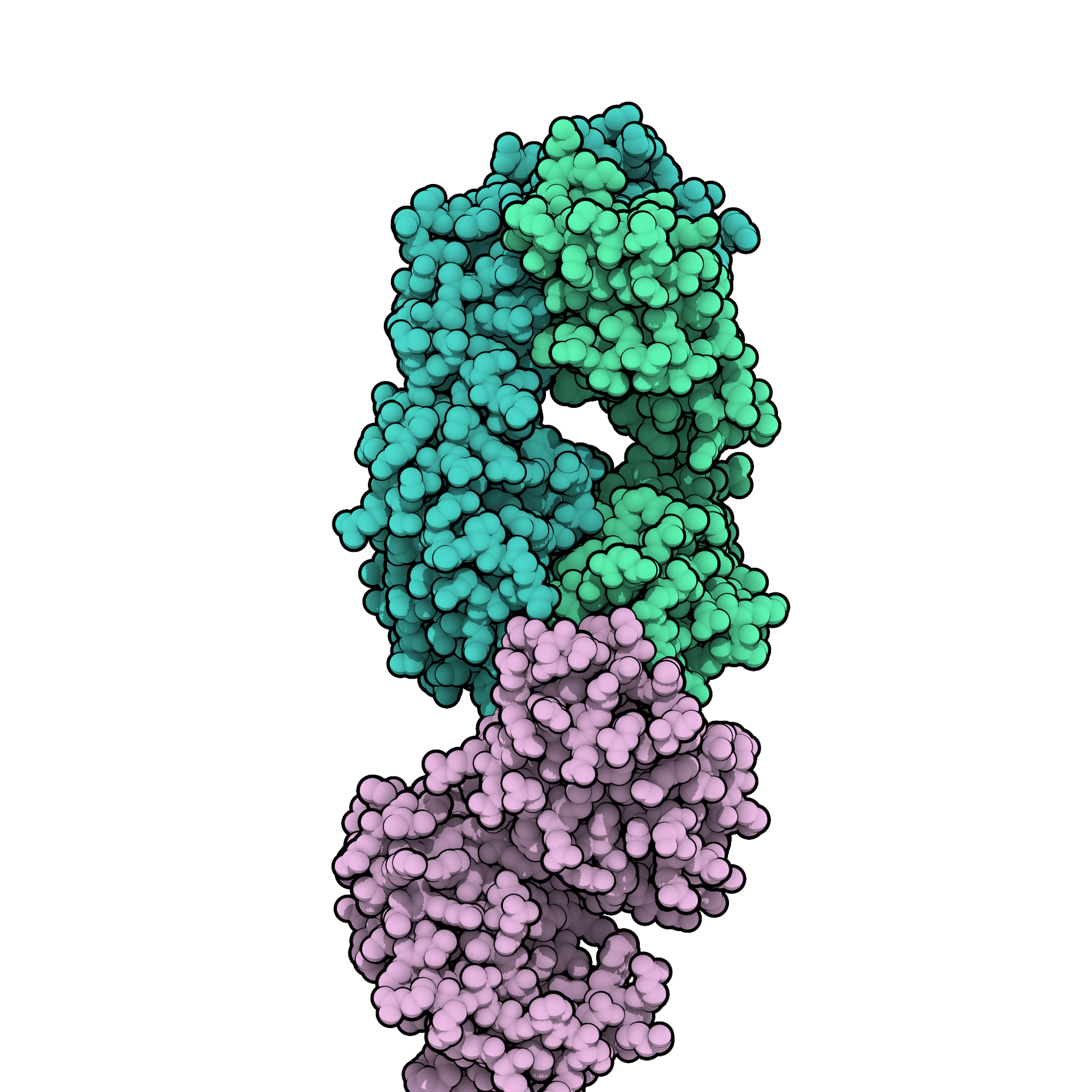
Fab fragment of daratumumab (teal/green) binding CD38 (pale pink). From PDB entry 7DHA
Monoclonal antibody
TypeWhole antibody
SourceHuman
TargetCD38
Clinical data
Trade namesDarzalex, Darzalex SC
AHFS/Drugs.comMonograph
MedlinePlusa616002
License data
Pregnancy
category
  • AU: C
Routes of
administration
Intravenous, subcutaneous
ATC code
Legal status
Legal status
Identifiers
CAS Number
DrugBank
ChemSpider
  • none
UNII
KEGG
ChEMBL
Chemical and physical data
FormulaC6466H9996N1724O2010S42
Molar mass145391.67 g·mol−1
 ☒NcheckY (what is this?)  (verify)

Daratumumab, sold under the brand name Darzalex among others, is an anti-cancer monoclonal antibody medication. It binds to CD38,[7] which is overexpressed in multiple myeloma cells.[8] Daratumumab was originally developed by Genmab, but it is now being jointly developed by Genmab along with the Johnson & Johnson subsidiary Janssen Biotech, which acquired worldwide commercialization rights to the drug from Genmab.[9]

Daratumumab was granted breakthrough therapy drug status in 2013, for multiple myeloma. It was granted orphan drug status for multiple myeloma, diffuse large B cell lymphoma, follicular lymphoma, and mantle cell lymphoma.[10]

It is available in combination with hyaluronidase as daratumumab/hyaluronidase (brand name Darzalex Faspro).[11][12]

Medical uses

[edit]

In May 2018, the US Food and Drug Administration (FDA) approved daratumumab for use in combination with bortezomib, melphalan and prednisone to include the treatment of people with newly diagnosed multiple myeloma who are ineligible for autologous stem cell transplant.[13]

In the European Union it is indicated as monotherapy for the treatment of adults with relapsed and refractory multiple myeloma,[14] whose prior therapy included a proteasome inhibitor and an immunomodulatory agent and who have demonstrated disease progression on the last therapy.[15]

Side effects

[edit]

Treatment of multiple myeloma with daratumumab potentially increases the patient's susceptibility to bacterial and viral infections, due to the killing of natural killer cells (which are the main innate immune system defense against virus).[16] Daratumumab frequently causes human cytomegalovirus (CMV) reactivation by an unknown mechanism.[17] Injection related reactions (inflammation-like) are also common.[18]

Interactions

[edit]

With blood compatibility testing

[edit]

Daratumumab can also bind to CD38 present on red blood cells and interfere with routine testing for clinically significant antibodies. People will show a panel-reactive antibody response, including a positive auto-control, which tends to mask the presence of any clinically significant antibodies. Treatment of the antibody panel cells with dithiothreitol (DTT) and repeating testing will effectively negate the binding of daratumumab to CD38 on the red blood cell surface; however, DTT also inactivates/destroys many antigens on the red blood cell surface by disrupting disulfide bonds. The only antigen system affected that is associated with common, clinically significant antibodies is Kell, making crossmatch testing with K-negative RBCs a reasonable alternative when urgent transfusion is indicated.[19] It is therefore advisable to do a baseline antibody screen and Rh & Kell phenotyping (type and screen) before starting the therapy. If antibody screen is negative, proceed with phenotype matched transfusions during therapy. If antibody screen is positive, give specific antigen negative blood. The incompatibility may persist for up to 6 months after stopping the medicine. Furthermore, blood transfusion centers should be routinely notified when sending such a sample.

With flow cytometry testing

[edit]

Daratumumab can also interfere with flow cytometric evaluation of multiple myeloma, causing an apparent lack of plasma cells.[20]

Pharmacology

[edit]

Mechanism of action

[edit]

Daratumumab is an IgG1k monoclonal antibody directed against CD38. CD38 is overexpressed in multiple myeloma cells. Daratumumab binds to a different CD38 epitope amino-acid sequence than does the anti-CD38 monoclonal antibody isatuximab.[21] Daratumumab binds to CD38, causing cells to apoptose via antibody-dependent cellular cytotoxicity, complement-dependent cytotoxicity, inhibition of mitochondrial transfer or antibody-dependent cellular phagocytosis.[22][23][24][25]

These effects are dependent upon fragment crystallizable region immune effector mechanisms.[26] Antibody-dependent cellular cytotoxicity is by means of natural killer cells.[27]

Unlike isatuximab which causes apoptosis directly, daratumumab only induces apoptosis indirectly.[26]

Multiple myeloma cells with higher levels of CD38 show greater daratumumab-mediated cell lysis than cells with low CD38 expression.[28] CD38 enzyme results in the formation of the immunosuppressive substance adenosine, so eliminating CD38-containing cells increases the ability of the immune system to eliminate cancer.[22]

Economics

[edit]

In 2023, the Institute for Clinical and Economic Review (ICER) identified Darzalex (daratumumab) as one of five high-expenditure drugs that experienced significant net price increases without new clinical evidence to justify the hikes. Specifically, Darzalex's wholesale acquisition cost rose by approximately 7.6%, leading to an additional $190 million in costs to U.S. payers.[29]

History

[edit]

Encouraging preliminary results were reported in June 2012, from a Phase I/II clinical trial in relapsed multiple myeloma participants.[30] Updated trial results presented in December 2012, indicate daratumumab is continuing to show promising single-agent anti-myeloma activity.[31] A 2015 study compared monotherapy 8 and 16 mg/kg at monthly to weekly intervals.[8]

Daratumumab was given priority review status by the US Food and Drug Administration (FDA) for multiple myeloma as a combination therapy (second line).[24]

Daratumumab phase III trials for multiple myeloma show great promise in combination therapy with lenalidomide and dexamethasone,[32] as well as with bortezomib and dexamethasone.[33][needs update]

In November 2015, the US Food and Drug Administration (FDA) approved daratumumab for treatment of multiple myeloma in people who had received at least three prior therapies.[34][35] In May 2016 daratumumab was also conditionally approved by the European Medicines Agency for treatment of multiple myeloma.[36]

In November 2016, the FDA approved daratumumab in combination with lenalidomide or bortezomib and dexamethasone for the treatment of people with multiple myeloma who have received at least one prior therapy.[37]

The European Commission granted a marketing authorisation in May 2016.[38]

References

[edit]
Revisions and contributorsEdit on WikipediaRead on Wikipedia
from Grokipedia
Daratumumab is a human IgG1κ monoclonal antibody that specifically binds to , a transmembrane highly expressed on malignant plasma cells in , inducing tumor cell through , antibody-dependent cell-mediated cytotoxicity, antibody-dependent cellular , and direct . It was first approved by the U.S. in November 2015 as monotherapy for patients with who had received at least three prior lines of therapy, marking it as the first CD38-targeted agent in its class. Subsequent approvals expanded its use to frontline and relapsed settings, often in combination with inhibitors, immunomodulatory drugs, or corticosteroids, demonstrating improved and overall response rates in clinical trials such as CASTOR, POLLUX, and . A subcutaneous , daratumumab and hyaluronidase-fihj (Darzalex Faspro), was approved in for broader accessibility, reducing times while maintaining . Common adverse effects include -related reactions, , , and infections, necessitating premedication and monitoring, though its risk-benefit profile has established it as a cornerstone in therapy.

Medical Applications

Indications and Approvals

Daratumumab received accelerated approval from the (FDA) on November 16, 2015, as monotherapy for adult patients with who have received at least three prior lines of therapy, including a and an immunomodulatory agent, or who are double- to both classes. This was based on response rates in heavily pretreated relapsed or (RRMM) patients. The (EMA) granted conditional marketing authorization for the same monotherapy indication in RRMM on May 20, 2016, for patients with at least three prior therapies. Subsequent FDA expansions included approval on January 31, 2019, for combination with and dexamethasone (D-Rd) in RRMM patients after at least one prior line of therapy. On June 27, 2019, the FDA approved daratumumab with , , and (D-VMP) for newly diagnosed (NDMM) patients ineligible for autologous transplant. Further, on September 26, 2019, approval extended to daratumumab with , , and dexamethasone (D-VTd) for NDMM patients eligible for transplant, and on September 20, 2020, to daratumumab with and dexamethasone for RRMM after at least two prior lines. The EMA aligned with similar combination approvals, including D-Rd for RRMM after one prior line on June 28, 2019, and D-VMP for transplant-ineligible NDMM on December 18, 2018. The subcutaneous formulation, daratumumab and hyaluronidase-fihj (Darzalex Faspro), was FDA-approved on May 1, 2020, initially for monotherapy and later expanded to match intravenous indications, including RRMM combinations after one or more prior lines and NDMM frontline regimens. On July 30, 2024, the FDA approved Darzalex Faspro with , , and dexamethasone (D-VRd) for induction and consolidation in transplant-eligible NDMM patients. EMA approvals for the subcutaneous form followed, including D-VTd for transplant-eligible NDMM on January 27, 2020, and extensions to D-VRd. In 2025, the approved subcutaneous daratumumab monotherapy on July 23 for adults with high-risk smoldering , marking the first licensed treatment for this precursor condition, based on data in asymptomatic patients at high risk of progression. This targets patients without active myeloma symptoms but with biomarkers indicating elevated risk, such as involvement exceeding 60% or serum free light chain ratio greater than 100. FDA consideration for this indication received Oncologic Drugs Advisory Committee support in June 2025 but remained pending full approval as of October 2025.

Clinical Efficacy Evidence

In the phase 3 POLLUX trial evaluating daratumumab plus and dexamethasone (D-Rd) versus and dexamethasone (Rd) in patients with relapsed or refractory (RRMM) who had received at least one prior therapy, the overall response rate (ORR) was 93% with D-Rd compared to 76% with Rd, including higher rates of very good partial response or better (81% vs. 49%). D-Rd reduced the risk of progression or death by 63%, with a (HR) for (PFS) of 0.37 after a median follow-up of 13.5 months, and longer-term data confirmed sustained PFS benefits. The phase 3 CASTOR trial assessed daratumumab plus and dexamethasone (D-Vd) versus and dexamethasone (Vd) in RRMM patients with one to three prior lines of therapy, yielding an ORR of 83% with D-Vd versus 63% with Vd, and PFS of 18.0 months versus 7.3 months in that . Extended follow-up at 42 months showed PFS rates of 22% with D-Vd versus 1% with Vd, alongside deeper responses including higher (MRD) negativity rates. For newly diagnosed (NDMM) in transplant-eligible patients, the phase 3 trial demonstrated that daratumumab plus , , and dexamethasone (D-VRd) induction followed by daratumumab plus (DR) maintenance improved PFS compared to VRd alone, with PFS projected at 17 years in the D-VRd arm based on 2025 projections and sustained MRD negativity in nearly two-thirds of patients achieving over 95% 48-month PFS rates. At a follow-up of 47.5 months, D-VRd yielded higher rates of MRD negativity at 10^{-5} and 10^{-6} thresholds. Subgroup analyses from trials like PERSEUS indicate daratumumab-containing regimens provide PFS benefits in patients with high-risk cytogenetic abnormalities (HRCAs, including del(17p), t(4;14), t(14;16), or gain(1q)), though outcomes may be attenuated compared to standard-risk patients; for instance, 1q gain or amplification, present in up to 40% of cases, correlates with reduced CD38 expression and potentially inferior responses despite overall HR reductions. In high-risk smoldering , the phase 3 AQUILA trial of subcutaneous daratumumab monotherapy versus active monitoring reported a 51% lower risk of progression to active myeloma or death after median follow-up exceeding 5 years (65 months), with continued single-agent activity observed at around 7 years but limited long-term overall survival data due to the disease's indolent nature. Real-world studies in RRMM report ORRs of 76-93% with daratumumab-based regimens, varying by prior refractoriness and combination (e.g., 76.3% overall in relapsed settings, lower at 30% for monotherapy), with median PFS ranging from 6-28 months depending on lines of therapy and cytogenetic risk, though these outcomes reflect heterogeneous populations and shorter follow-up than pivotal trials.

Comparative Effectiveness

In relapsed/refractory multiple myeloma (RRMM), daratumumab plus bortezomib and dexamethasone (D-Vd) showed superior progression-free survival (PFS) over Vd alone in the phase 3 CASTOR trial, with a median PFS of 16.6 months versus 7.9 months (hazard ratio [HR] 0.39; 95% CI 0.33-0.47) and an overall survival (OS) benefit (HR 0.74; 95% CI 0.59-0.92 at 3-year follow-up). Similarly, in the POLLUX trial, daratumumab plus lenalidomide and dexamethasone (D-Rd) extended median PFS to 18.4 months compared to 9.3 months with Rd alone (HR 0.44; 95% CI 0.35-0.55), though OS gains were more modest in heavily pretreated subgroups. These head-to-head data indicate daratumumab adds approximately 7-9 months of PFS when combined with proteasome inhibitor or immunomodulatory drug backbones, driven by deeper responses in CD38-expressing disease, but real-world analyses suggest attenuated OS benefits in triple-class refractory settings due to subsequent therapies. Meta-analyses of daratumumab combinations versus -, -, or -based regimens confirm consistent PFS improvements (pooled HR 0.40-0.50 across RRMM trials), with matching-adjusted indirect comparisons showing daratumumab monotherapy or D-Rd outperforming plus low-dose dexamethasone in OS for heavily pretreated patients (HR 0.72). In newly diagnosed ineligible for transplant, D-Rd reduced progression risk versus , , and dexamethasone (VRd) (HR 0.59 for PFS), though direct superiority in OS remains unproven without mature data. Efficacy depends on baseline expression, with reduced responses in low-CD38 tumors, underscoring no universal advantage over backbone therapies in all causal pathways of disease progression. Compared to bispecific antibodies (e.g., ) or CAR-T therapies (e.g., cilta-cel) in daratumumab-refractory RRMM, daratumumab regimens offer earlier-line, outpatient administration with lower toxicity but shallower responses (complete response rates 10-20% lower) and shorter PFS in triple-class exposed patients (median 6-12 months versus 18-24 months for CAR-T). Indirect comparisons favor CAR-T for OS in refractory cases (HR 0.50-0.70 versus daratumumab historical controls), reflecting T-cell redirection's independence from targeting, though daratumumab's role persists as a less resource-intensive bridge to these modalities.
Trial/RegimenComparisonMedian PFS (months)PFS HR (95% CI)OS HR (if available)
CASTOR (D-Vd vs Vd, RRMM)Post-1L16.6 vs 7.90.39 (0.33-0.47)0.74 (0.59-0.92)
POLLUX (D-Rd vs Rd, RRMM)Post-1L IMiD18.4 vs 9.30.44 (0.35-0.55)Modest gain
APOLLO (D-Vd vs Vd, RRMM)Post-Len/Pom11.2 vs 7.10.63 (0.50-0.79)0.79 (0.60-1.03)

Safety and Tolerability

Common Adverse Effects

The most common adverse effects of daratumumab in patients, observed across pivotal phase 3 trials such as POLLUX (daratumumab plus and dexamethasone), CASTOR (daratumumab plus and dexamethasone), and (daratumumab plus and dexamethasone), include infusion-related reactions, , , , upper respiratory tract infections, and . These effects are generally manageable with monitoring and supportive care, with hematologic toxicities showing reversibility in the majority of cases following dose interruption or adjustment. Infusion-related reactions with intravenous daratumumab occurred in 41% to 48% of patients overall, with incidences of 45% to 56% specifically at the first dose; most were grade 1 or 2 (e.g., , , chills, or throat irritation), and grade 3 events ranged from 2% to 9%. protocols, including intravenous corticosteroids (e.g., dexamethasone 20 mg or 100 mg), antipyretics (e.g., acetaminophen 650-1000 mg), and antihistamines (e.g., diphenhydramine 25-50 mg), administered 1-3 hours prior to , along with post-infusion oral corticosteroids for the first two cycles, substantially mitigate these reactions; infusion rate reductions or interruptions are recommended for symptomatic management. In contrast, the subcutaneous formulation (daratumumab with hyaluronidase-fihj) yields lower rates of administration-related reactions, at 12.7% to 13% overall, primarily mild and not requiring routine infusion rate adjustments. Hematologic cytopenias are frequent and regimen-dependent: affected 40% to 48% of patients (13% grade 3/4), 50% to 91% (12% to 56% grade 3/4), and 67% to 90% (3% to 47% grade 3/4), with periodic monitoring advised to guide holding or discontinuing therapy if severe. Upper infections occurred in 44% to 52% of patients (2% to 6% grade 3/4), often linked to from cytopenias or concurrent therapies. was reported in 35% to 40% (up to 8% grade 3/4), typically self-limiting but contributing to dose reductions in some cases. Post-marketing data align with trial findings, confirming these as the predominant non-serious events without emerging patterns of increased severity.

Serious Risks and Management

Daratumumab treatment is associated with an elevated risk of serious infections, including and upper infections, occurring in approximately 38% of patients overall, due to CD38-mediated depletion of immune cells leading to and . , often exacerbated by concomitant therapies, increases susceptibility to bacterial infections and , with grade 3/4 reported in up to 40% of cases in combination regimens. Management includes routine monitoring of complete blood counts, (G-CSF) prophylaxis or treatment for severe , and prophylaxis such as acyclovir or valacyclovir for zoster prevention, alongside consideration of antibacterial agents like levofloxacin or trimethoprim-sulfamethoxazole for high-risk patients. Intravenous immunoglobulin (IVIG) supplementation may be employed for profound to mitigate recurrent infections. Hepatitis B virus (HBV) reactivation, sometimes fatal, has been observed in less than 1% of patients, particularly those with resolved infection, necessitating pre-treatment screening for HBV surface , core , and DNA levels, followed by antiviral prophylaxis (e.g., entecavir) and ongoing monitoring in at-risk individuals. is rare but reported in post-marketing surveillance, warranting at baseline and periodically during therapy. Infusion-related reactions (IRRs), manifesting as dyspnea, , or in severe cases (affecting <5% for serious events), arise from cytokine release and complement activation, with higher incidence during initial doses. Premedication with corticosteroids, antihistamines, and antipyretics is standard, alongside gradual infusion rate escalation after the first cycle; for , immediate discontinuation, epinephrine, and supportive care are required, with rechallenge possible after resolution under close supervision. In long-term follow-ups from phase 3 trials reported through 2025, approximately 5-15% of patients discontinued due to serious toxicities, primarily infections or IRRs, underscoring the need for vigilant risk-benefit assessment and dose adjustments or interruptions based on toxicity grading. Secondary malignancies linked to prolonged immunosuppression have been noted anecdotally but lack robust incidence data beyond background risks, with no clear causal elevation attributable solely to daratumumab in controlled studies.

Long-Term Safety Data

In extended follow-up analyses of pivotal trials such as PERSEUS and CASSIOPEIA, the long-term safety profile of daratumumab in multiple myeloma patients has shown no emergence of novel adverse events beyond those observed in initial phases, with cumulative exposure highlighting persistent but plateauing risks associated with immune modulation. In the PERSEUS trial's primary analysis, second primary malignancies occurred in 10.7% of patients receiving daratumumab plus VRd compared to 7.2% in the VRd arm, a pattern consistent in maintenance phases without disproportionate escalation over time. Similarly, the 6-year CASSIOPEIA update reported second primary malignancies in 11.4% of the daratumumab-containing arm during maintenance, attributable in part to prolonged immunosuppression from CD38-targeted depletion of immune effector cells alongside lenalidomide's known oncogenic risks. Sustained cytopenias, including neutropenia and thrombocytopenia, exhibit higher grade 3/4 incidence with daratumumab maintenance (e.g., 54.2% versus 46.9% with lenalidomide alone), but real-world data indicate stabilization without indefinite progression, linked causally to cumulative dosing's impact on hematopoiesis rather than irreversible marrow toxicity. Infection rates, elevated early due to NK cell and B-cell subset depletion, plateau after approximately 6 months yet remain 20-30% higher than comparators, as evidenced by meta-analyses and registry observations through 2025, underscoring chronic vulnerability from impaired humoral immunity without evidence of late-onset surges. Diverging from short-term profiles dominated by infusion-related reactions, long-term data reveal greater persistence of fatigue (reported in up to 40% of extended maintenance recipients), potentially stemming from ongoing metabolic or inflammatory sequelae of CD38 blockade, contrasted by diminished acute hypersensitivity over cycles. Real-world registries in 2024-2025, including Korean and European cohorts, corroborate trial findings with comparable durability of known risks and absence of unanticipated signals, though empirical scrutiny warrants heightened vigilance for chronic immunosuppression in elderly patients, where baseline frailty amplifies infection and cytopenia causality independent of trial selection biases.

Interactions and Diagnostic Considerations

Pharmacokinetic Interactions

Daratumumab, a monoclonal antibody, undergoes catabolic degradation rather than cytochrome P450 (CYP450)-mediated metabolism, resulting in negligible inhibition or induction of CYP enzymes and limited potential for CYP450-based pharmacokinetic interactions. Clinical assessments in multiple myeloma regimens confirm no significant pharmacokinetic alterations when combined with , , or , standard agents in polypharmacy for the disease. Although formal drug-drug interaction studies have not been conducted, daratumumab's exposure remains consistent in these combinations, supporting its safe co-administration without dose adjustments for these partners. The subcutaneous formulation of daratumumab, co-administered with recombinant human hyaluronidase PH20 (rHuPH20), enhances dispersion and absorption through subcutaneous tissue by temporarily degrading hyaluronan, achieving bioavailability comparable to intravenous administration without meaningful changes in overall pharmacokinetic profile or steady-state concentrations. This facilitates faster administration while maintaining equivalent systemic exposure, with no reported pharmacokinetic conflicts arising from the enzyme's activity. Population pharmacokinetic analyses indicate that daratumumab's steady-state levels are unaffected by renal or mild hepatic impairment, conditions prevalent in up to 50% of multiple myeloma patients at baseline, obviating the need for dose modifications in these populations. Age, race, and mild hepatic dysfunction similarly exert no clinically relevant impact on exposure, underscoring daratumumab's pharmacokinetic stability amid common comorbidities. For concomitant medications metabolized via strong CYP3A4 inducers or inhibitors, monitoring is advised due to potential indirect effects on polypharmacy partners, though daratumumab itself poses minimal risk.

Interference with Laboratory Tests

Daratumumab binds to CD38, which is expressed at low levels on the surface of red blood cells (RBCs), leading to interference with indirect antiglobulin testing (IAT, also known as the indirect Coombs test) used for antibody screening and crossmatching in pre-transfusion compatibility assessments. This binding causes a positive direct antiglobulin test (DAT) in approximately 70-80% of treated patients and pan-reactivity in serum antibody screens, potentially masking clinically significant alloantibodies against minor antigens while ABO and RhD typing remain unaffected. To mitigate this interference, RBCs can be pretreated with 0.2 M dithiothreitol (DTT), which denatures and eliminates the pan-reactivity without affecting detection of most clinically relevant antibodies, though it may inactivate certain antigens like Kell. Alternatively, daratumumab-specific immunoadsorption reagents, such as Daraex, selectively remove the drug from serum to resolve interference in IAT. Guidelines recommend establishing blood type and screen prior to initiating daratumumab therapy, with validated DTT or reagent-based methods for ongoing transfusion needs; for emergencies, administer ABO/RhD-compatible RBCs without crossmatch if necessary. These approaches, validated internationally since 2016, ensure transfusion safety despite persistent interference lasting up to 6 months post-treatment. In flow cytometry-based minimal residual disease (MRD) assessment for multiple myeloma, daratumumab coats CD38-high plasma cells, causing masking that precludes accurate enumeration and risks false-negative results. Validated strategies include using CD38-independent gating markers (e.g., CD138, CD27), anti-CD38 nanobodies like JK36 for specific detection, or temporarily holding therapy 3-6 months prior to testing to allow drug clearance. Such adaptations maintain MRD sensitivity at 10^{-5} to 10^{-6} levels, as demonstrated in studies adjusting for therapeutic monoclonal antibody persistence.

Pharmacology

Mechanism of Action

Daratumumab is a human immunoglobulin G1κ (IgG1κ) monoclonal antibody that binds with high affinity to a unique epitope on the CD38 transmembrane glycoprotein, which is highly expressed on malignant plasma cells in multiple myeloma. CD38 functions as a multifunctional ectoenzyme involved in calcium signaling and cell adhesion, but its overexpression on myeloma cells—often exceeding 90% of surface coverage—renders them particularly susceptible to antibody-mediated targeting without inherent off-target proliferative inhibition. This binding specificity exploits the ubiquity of CD38 on plasma cells as a causal driver of selective cytotoxicity. The primary mechanisms of action involve Fc-dependent immune effector functions: antibody-dependent cellular cytotoxicity (ADCC) mediated by natural killer cells and macrophages, complement-dependent cytotoxicity (CDC) through activation of the classical complement pathway, and antibody-dependent cellular phagocytosis (ADCP) by monocytes and macrophages. These pathways collectively recruit and activate immune cells to lyse CD38-positive targets, with empirical data showing potency scaling with CD38 density on tumor cells. Additionally, daratumumab induces direct apoptosis in CD38-expressing cells via antibody cross-linking, which disrupts signaling and promotes programmed cell death independent of immune effectors. This multifaceted biochemistry underscores daratumumab's reliance on intact CD38 expression for efficacy, as reduced antigen levels diminish ADCC and CDC responses.

Pharmacokinetics and Administration

Daratumumab exhibits nonlinear pharmacokinetics following intravenous (IV) administration, primarily due to target-mediated drug disposition, with clearance decreasing as a function of dose and time owing to saturation and depletion of antigens on target cells. The mean linear clearance is approximately 171 mL/day, and the volume of distribution is limited to about 4.7 L, indicating primary confinement to the vascular and extracellular spaces. Metabolism follows typical pathways for immunoglobulin G1 kappa monoclonal antibodies, involving proteolytic catabolism into peptides and amino acids without cytochrome P450 involvement or significant renal/hepatic excretion; elimination is dominated by the nonlinear target-mediated component alongside a parallel linear process. The terminal half-life associated with the linear clearance phase is approximately 18 days (standard deviation 9 days), though effective half-life extends to around 20-21 days at steady-state concentrations achieved after roughly 5 months of intermittent dosing. Standard IV dosing is weight-based at 16 mg/kg, administered weekly for 6-9 weeks followed by biweekly for up to 16 weeks and then every 4 weeks, allowing accumulation (ratio ~1.6 for maximum concentration) to reach plateau levels with minimal further empirical buildup after initial cycles. Subcutaneous (SC) daratumumab, formulated as DARZALEX FASPRO and approved by the FDA in May 2020, uses a fixed dose of 1800 mg co-administered with recombinant human hyaluronidase, yielding an absolute bioavailability of approximately 70% and peak concentrations delayed to 3-4 days post-injection. This route reduces administration time to 3-5 minutes via abdominal injection, versus 3-7 hours for initial IV infusions (shorter for subsequent doses), while achieving comparable trough concentrations and efficacy to IV without requiring body weight adjustments. The SC half-life mirrors IV at ~20 days, with similar nonlinear clearance dynamics and accumulation patterns upon repeated dosing per the same schedule.

Pharmacodynamics

Daratumumab, a human IgG1κ monoclonal antibody targeting , induces pharmacodynamic effects through multiple immune-mediated mechanisms, including antibody-dependent cellular cytotoxicity (ADCC), complement-dependent cytotoxicity (CDC), antibody-dependent cellular phagocytosis (ADCP), and direct induction of apoptosis in CD38-expressing cells. Administration results in rapid depletion of peripheral CD38-positive cells, such as malignant plasma cells and immunosuppressive regulatory B cells, with this depletion correlating directly with clinical responses in multiple myeloma patients. The process involves initial engagement of natural killer (NK) cells for ADCC against target cells, though NK cell counts subsequently decline due to their own CD38 expression, highlighting a dynamic balance in immune effector function. Biomarker studies from clinical trial subsets demonstrate that higher baseline CD38 expression density on myeloma cells predicts deeper responses to daratumumab, with patients achieving partial response or better exhibiting significantly elevated pretreatment CD38 levels compared to non-responders. This correlation underscores the causal link between target antigen density and effector mechanism efficacy, as quantified by flow cytometry in relapsed/refractory multiple myeloma cohorts treated with daratumumab monotherapy. Post-discontinuation, CD38 expression on hematopoietic cells, including NK cells and residual plasma cells, empirically recovers to baseline levels within approximately six months, indicating reversibility of the depletion effects. Prolonged daratumumab exposure, however, may contribute to NK cell exhaustion, as evidenced by phenotypic shifts and reduced functional recovery in long-term treated patients, potentially limiting sustained immune modulation.

Development and Regulatory Timeline

Discovery and Preclinical Studies

Daratumumab, a fully human IgG1κ monoclonal antibody targeting , was discovered by in the late 2000s using the company's HuMAb-Mouse platform for generating human antibodies. was selected as a target based on its overexpression on malignant plasma cells in , where it is present at high density on nearly all tumor cells, contrasted with low or absent expression on most normal hematopoietic cells, providing a favorable therapeutic window. This differential expression supported the rationale for antibody-mediated depletion of -positive myeloma cells while minimizing off-target effects on healthy tissues. Preclinical studies validated daratumumab's efficacy in vitro and in vivo, demonstrating multiple mechanisms of myeloma cell killing, including antibody-dependent cellular cytotoxicity (ADCC), complement-dependent cytotoxicity (CDC), antibody-dependent cellular phagocytosis (ADCP), and direct apoptosis induction. In mouse xenograft models using CD38-expressing human multiple myeloma cell lines, daratumumab monotherapy significantly inhibited tumor growth and induced regression, with ADCC identified as the predominant mechanism due to recruitment of natural killer cells. These findings, reported as early as 2009, confirmed the antibody's potency against primary myeloma cells and established proof-of-concept for CD38 targeting in hematologic malignancies. Genmab secured early intellectual property on daratumumab, including composition-of-matter patents extending into the 2020s, which facilitated progression to clinical development. Following these preclinical successes, Genmab filed an Investigational New Drug application with the U.S. FDA around 2010, enabling the initiation of first-in-human studies. In 2012, Genmab entered a global licensing agreement with Janssen Biotech, Inc., granting Janssen exclusive rights to further develop and commercialize the antibody while retaining milestones and royalties.

Pivotal Clinical Trials

The GEN501 trial, a phase 1/2 study initiated in 2008 and enrolling patients with relapsed or refractory multiple myeloma (RRMM), evaluated daratumumab monotherapy via dose escalation up to 24 mg/kg weekly, establishing the recommended dose of 16 mg/kg based on safety and preliminary efficacy. In the monotherapy cohort at 16 mg/kg (n=31 heavily pretreated patients), the overall response rate (ORR) was 29.2% (95% CI 20.8-38.9), with 2 complete responses and median duration of response of 7.6 months; however, the open-label design introduced potential assessment biases, and infusion-related reactions occurred in 56% of patients, mostly grade 1/2. These findings supported further development but highlighted limitations in durability for advanced disease. The phase 3 CASTOR trial, randomized and open-label, enrolled 498 RRMM patients (1-3 prior lines) to daratumumab plus bortezomib and dexamethasone (D-Vd) versus bortezomib-dexamethasone (Vd) from 2013 onward, with primary endpoint progression-free survival (PFS). Interim analysis showed median PFS not reached versus 7.2 months (HR 0.39, P<0.001), ORR 83% versus 63%, and later updates confirmed OS benefit (HR 0.71 after median 59.1 months follow-up), particularly in patients with one prior line. Open-label nature may have favored subjective endpoints like response rates, though blinded independent review mitigated some bias for PFS. Similarly, the phase 3 POLLUX trial (open-label, randomized) compared daratumumab plus lenalidomide and dexamethasone (D-Rd) versus Rd alone in 569 RRMM patients (≥1 prior line), demonstrating median PFS not reached versus 18.4 months (HR 0.37, P<0.001) and ORR 93% versus 82% in initial 2016 results. Four-year updates affirmed deepened responses and OS improvement (median 67.6 versus 52.5 months, HR 0.72). Limitations included higher-grade infections in the D-Rd arm and reliance on investigator-assessed endpoints prone to open-label bias. In newly diagnosed multiple myeloma (NDMM), the phase 3 MAIA trial (randomized, open-label) assessed D-Rd versus Rd in 737 transplant-ineligible patients, yielding median PFS 44.5 versus 17.5 months after 44.3 months follow-up (HR 0.47), ORR 93% versus 82%, and subsequent OS benefit (HR 0.66 at 5 years). The design's lack of blinding could inflate response durability estimates, though MRD negativity rates (28% versus 11% at 10^-5 sensitivity) supported biological activity.00466-6/fulltext) Recent phase 3 PERSEUS trial updates (randomized, open-label) in transplant-eligible NDMM (n=709) showed daratumumab-VRd induction/consolidation followed by D-R maintenance versus VRd yielding 48-month PFS of 84.5% versus 67.7% (HR 0.42) and sustained MRD negativity in 64% of D-VRd patients associated with >95% PFS at 48 months. For high-risk smoldering myeloma, the phase 3 AQUILA trial (randomized) compared daratumumab monotherapy (n=206) versus active monitoring, reducing progression or death risk by 51% (HR 0.49; median follow-up 65.2 months) with ORR 63.4%, though long-term OS data remain immature and the population limits direct comparability to active MM trials.

Regulatory Approvals and Formulation Advances

Daratumumab received Designation from the (FDA) on May 1, 2013, for the treatment of in patients who had progressed after at least three prior therapies, including a and an immunomodulatory agent, or those to both classes. The FDA granted accelerated approval on November 16, 2015, for intravenous daratumumab monotherapy in adults with relapsed or (RRMM) following four or more prior lines of therapy. The (EMA) followed with a conditional authorisation on May 20, 2016, for the same monotherapy indication in RRMM patients who had received at least three prior therapies. Label expansions occurred progressively for combination regimens in RRMM and newly diagnosed (NDMM). Between 2017 and 2023, FDA approvals included daratumumab with and dexamethasone (September 2017), and dexamethasone (January 2017, converted from accelerated to full), and dexamethasone (June 2019), and , , and for transplant-ineligible NDMM (June 2019). EMA approvals mirrored these for RRMM combinations by 2017-2019, with NDMM extensions including daratumumab--melphalan- in 2019 and further frontline combinations by 2023, though timings and exact regimens showed minor variances due to differing evidentiary thresholds. Post-approval commitments included evaluations for pediatric use, but the FDA waived such requirements in multiple instances, citing the rarity of in children and impracticability of studies. Formulation advances focused on administration efficiency. The FDA approved a split-dosing intravenous regimen on February 12, 2019, reducing infusion times after initial cycles. A subcutaneous , daratumumab and hyaluronidase-fihj (Darzalex Faspro), received FDA approval on May 1, 2020, enabling fixed-duration subcutaneous dosing in under five minutes for monotherapy and combinations across indications. The EMA approved the subcutaneous version in June 2020. In 2025, the EMA granted approval on July 23 for subcutaneous daratumumab monotherapy in high-risk smoldering , based on benefits. The FDA's Oncologic Drugs Advisory Committee voted favorably on May 20, 2025, supporting its benefit-risk profile for the same indication, with full approval pending. Global regulatory harmonization remains incomplete, with EMA often adopting indications slightly ahead in some combination contexts while FDA emphasizes confirmatory data for conversions from accelerated status.

Economic and Access Issues

Pricing and Market Dynamics

In the United States, the wholesale acquisition cost for daratumumab (branded as Darzalex) stands at approximately $7,310 per 1,800 mg vial for the subcutaneous formulation, with intravenous doses typically requiring multiple vials for standard 16 mg/kg administrations, resulting in per-infusion costs of around $7,000 to $8,000 depending on patient weight and regimen. For treatment regimens, such as daratumumab in combination with , , and dexamethasone, the drug acquisition cost reaches about $200,866 in the first year and $137,434 in the second year, contributing to annual treatment expenses exceeding $300,000 when including full cycles. In the , pricing is negotiated lower through assessments, with cumulative vial costs ranging from €823 to €31,941 annually per patient, though exact figures vary by country and formulation. In Japan, the National Health Insurance (NHI) reimbursement prices for Darzalex (daratumumab) intravenous infusion are ¥52,262 per 100 mg/5 mL vial and ¥187,970 per 400 mg/20 mL vial (as of recent updates in 2025). These are the official drug prices set for reimbursement under Japan's National Health Insurance system, manufactured by Janssen Pharma (ヤンセンファーマ), may vary slightly with updates, and do not include patient co-payments (typically 10-30%). Emerging markets see further reductions due to voluntary licensing and local manufacturing, often below EU levels but still substantial relative to GDP per capita. Patent exclusivity for , a , extends beyond initial composition-of-matter protections expiring around 2026-2029 in major markets, with additional formulation and method-of-use pushing full entry into the 2030s, including potential U.S. protections until 2035. This prolonged exclusivity supports Janssen's () market dominance, where Darzalex generated $11.6 billion in global sales in recent years, capturing a leading share—estimated over 70%—of the biologic segment through expanded indications and combination therapies. Discounts negotiated through pharmacy benefit managers (PBMs) and the 340B program substantially lower net prices from list levels, with reporting $47.8 billion in total rebates, fees, and discounts across its portfolio in 2024, including growing 340B payments of $7.4 billion. However, transparency reports indicate that 340B entities often apply markups of up to 4.9 times acquisition costs on drugs like daratumumab, sustaining high net expenditures despite these mechanisms, as gross-to-net reductions reached $334 billion industry-wide for brand-name drugs in 2023. Market dynamics are further driven by Janssen's subcutaneous formulation advancements, which reduce administration times and costs compared to intravenous versions, bolstering uptake without eroding .

Cost-Effectiveness Evaluations

Cost-effectiveness analyses of daratumumab in relapsed/refractory (RRMM) have generally reported incremental cost-effectiveness ratios (ICERs) exceeding $200,000 per quality-adjusted life-year (QALY) gained, despite modest QALY increments of 1-2 years. For instance, in comparisons of daratumumab plus and dexamethasone (DRd) versus alternative regimens like VRd or Rd, models yielded ICERs of approximately $1.4 million per progression-free QALY, driven by high drug acquisition costs that outweighed extensions in (PFS). Similarly, evaluations of daratumumab plus , , and (D-VMP) in transplant-ineligible patients showed additional QALYs of about 2 but ICERs around 226,000226,000-262,000, with sensitivity analyses highlighting vulnerability to discount rates and assumptions about resistance development. In newly diagnosed (NDMM), particularly high-risk or transplant-eligible subsets, modeling based on the trial suggests more favorable outcomes. Extrapolations from data, which demonstrated superior PFS and negativity with daratumumab plus , , and dexamethasone (D-VRd) versus VRd, indicate potential QALY gains supporting cost-effectiveness under certain thresholds, especially when factoring in reduced need for subsequent therapies and long-term PFS projections. One analysis affirmed first-line daratumumab as cost-effective in transplant-eligible NDMM, contrasting with broader first-line critiques where ICERs exceeded payer thresholds like $150,000/QALY due to upfront costs. High daratumumab acquisition costs—often $6,500 per —causally offset PFS benefits in base-case models, with ICERs proving sensitive to weights, time horizons, and resistance rates that diminish long-term gains. Internationally, variances arise from negotiated pricing in single-payer systems; for example, impact models in settings with volume-based discounts have projected daratumumab as cost-effective at willingness-to-pay thresholds below U.S. levels, though probabilistic sensitivity analyses show in 40-50% of scenarios.

Global Access and Biosimilar Prospects

Daratumumab has secured regulatory approvals in numerous countries worldwide, including the , nations, , , and others, enabling its integration into treatment protocols since its initial FDA approval in 2015. By October 2024, over 500,000 patients globally had received daratumumab-based therapies, reflecting broad dissemination in high-income markets. However, penetration remains low in low- and middle-income countries (LMICs), where economic constraints limit adoption despite the persistence of older regimens like and ; a 2023 international survey found daratumumab available but underutilized in such settings due to affordability barriers. The has evaluated daratumumab for its Model List of but declined inclusion, with expert committees highlighting insufficient evidence of cost-effectiveness for equitable access in resource-limited environments as of the 2023 list. Reimbursement for daratumumab varies significantly by region, influencing real-world uptake. In the United States, Medicare Part B covers the drug for FDA-approved indications following initial approvals, subject to standard deductibles and copayments. Globally, assessments (HTAs) in cost-constrained systems have led to rejections or restrictions; for instance, Australia's denied public funding for frontline daratumumab combinations in 2023, citing inadequate value relative to incremental benefits. Such decisions underscore disparities, with high-income countries achieving higher rates while LMICs rely on out-of-pocket payments or forego the altogether. Prospects for biosimilars hinge on patent expirations and regulatory hurdles for complex monoclonal antibodies like daratumumab. Key patents are expected to lapse starting in 2029 in the , 2030 in , and 2031 in , potentially paving the way for biosimilar competition post-2030 in these markets. As of October 2025, no s are approved in the or , though an active pipeline includes candidates such as HLX15 (developed by Shanghai Henlius Biotech in partnership with ), with clinical development ongoing for indications. The first daratumumab , Daratumia by BIOCAD, gained approval in in August 2025, marking an early entry in select jurisdictions and hinting at gradual expansion to enhance affordability where originator pricing dominates. These advancements could mitigate access gaps, particularly if WHO prequalification facilitates quality-assured versions for LMICs.

Criticisms and Limitations

Debates on Clinical Value

Daratumumab has demonstrated improved (PFS) and overall survival (OS) in randomized controlled trials for , particularly when added to backbone regimens, with proponents citing deep responses and high rates of (MRD) negativity as evidence of substantial clinical value. In the trial for transplant-ineligible newly diagnosed patients, daratumumab plus and dexamethasone (D-Rd) yielded a OS of 67.6 months compared to 51.8 months with lenalidomide and dexamethasone alone, representing an approximate 16-month absolute gain. Pooled analyses from trials in relapsed/refractory settings showed OS of 65.0 months with daratumumab versus 38.2 months with control arms. These outcomes are supported by elevated MRD negativity rates, such as 14.9% sustained for at least 6 months with D-Rd versus 4.3% in controls, which correlate with prolonged PFS and OS in multiple studies. Advocates argue these metrics justify daratumumab's frontline positioning, as MRD negativity serves as a prognostic indicator of durable remission. However, skeptics question the robustness of these benefits, noting that surrogate endpoints like MRD negativity and PFS do not always reliably predict OS gains, with meta-analyses showing only moderate associations between MRD status and OS due to effective subsequent therapies mitigating differences. Regulatory bodies have not fully endorsed MRD as a validated surrogate for OS, citing methodological variability across trials that limits its beyond PFS. In , PFS durations are often shorter than in trials, particularly with prior exposures; for instance, median PFS was 19.8 months for patients with 0-1 prior lines versus 6.2 months for those with 2 or more, reflecting challenges in heavily pretreated populations where trial optimism from press releases may not translate. Absolute OS extensions in some relapsed settings, such as 12.4 months median PFS in the APOLLO trial, are viewed as modest increments over historical standards rather than transformative shifts. Further debate surrounds daratumumab's incremental value atop modern regimens, where additions yield PFS improvements but OS data remain immature or show hazard ratios suggesting relative rather than absolute dominance; for example, quadruplet regimens with daratumumab enhance response depth over like VRd, yet critics contend the gains—such as reduced progression risk without proportional OS leaps—may not outweigh positioning it early, preserving it for later lines amid evolving therapies. While superior to doublet historical controls, real-world variability and surrogate-to-hard-outcome discrepancies prompt caution against over-positioning based solely on endpoints.

Resistance Mechanisms and Durability

Resistance to daratumumab in arises primarily through antigen escape, where malignant plasma cells downregulate or lose expression on their surface, enabling evasion of (ADCC), (CDC), and direct induced by the drug. This loss often results from selective pressure favoring pre-existing -low subclones or post-treatment downregulation via (transfer of -daratumumab complexes to effector cells like monocytes and granulocytes) and upregulation of complement inhibitors such as CD55 and CD59. Clonal evolution under daratumumab therapy thus promotes outgrowth of resistant variants, mirroring immune evasion patterns observed with other monoclonal antibodies targeting tumor antigens. In relapsed or following prior daratumumab exposure, overall response rates to retreatment or subsequent anti-CD38 regimens typically range from 30% to 54%, reflecting diminished efficacy due to these escape mechanisms, with median often limited to 6-8 months in refractory cohorts. Combination therapies, such as daratumumab with lenalidomide-dexamethasone or , can partially mitigate resistance by engaging complementary pathways (e.g., or inhibition), yet empirical data indicate median durations of response or plateau at approximately 12-24 months in relapsed settings, even with extended follow-up through 2025. No clinically validated biomarkers reliably predict primary resistance to daratumumab, though exploratory studies highlight potential roles for baseline expression levels, NK cell phenotypes, and genomic alterations in the bone marrow microenvironment; these factors influence susceptibility but lack prospective utility for patient selection. The absence of such markers underscores the challenge of indefinite daratumumab use, as cumulative immune adaptations and tumor heterogeneity inevitably erode long-term control, necessitating sequential therapies.

Overuse and Resource Allocation Concerns

Daratumumab's expansion into earlier lines of therapy for has prompted concerns over "line creep," where use precedes robust overall survival data from pivotal trials initially focused on relapsed or settings. A 2024 payer analysis determined that incorporating daratumumab in first-line treatment yields an exceeding $150,000 per quality-adjusted life-year threshold, highlighting marginal clinical gains relative to escalating expenditures. This shift diverts finite healthcare resources from lower-cost generics or supportive care options, particularly in settings where proportional survival extensions remain unproven against established backbones like lenalidomide-dexamethasone. Real-world utilization patterns reveal frequent deviations from approved dosing schedules, with daratumumab administered more often than FDA recommendations, thereby inflating treatment costs without of enhanced . Such overuse contributes to substantial budget strains; for instance, integrating daratumumab into relapsed-refractory regimens is projected to raise healthcare expenditures by $6.17 million over five years in modeled populations adopting it at scale. In resource-constrained systems, this imposes opportunity costs, prioritizing high-cost biologics over palliative or generic alternatives where causal chains link expenditures to limited incremental benefits in rather than transformative outcomes. Critics argue that pharmaceutical-sponsored expansions, often via combination approvals, outpace conservative application in lower-risk or ineligible patients, as real-world data underscore higher-than-necessary utilization without commensurate durability gains. Registries and pharmacoeconomic models emphasize reserving daratumumab for later lines where is strongest, avoiding non-evidence-based creep that burdens systems amid stagnant overall curves in early adoption scenarios. This perspective aligns with causal assessments prioritizing empirical thresholds for , cautioning against routine frontline deployment absent proportional value in diverse patient cohorts.

References

  1. https://www.jnjmedicalconnect.com/media/attestation/congresses/[oncology](/page/Oncology)/2024/ims/comparative-efficacy-of-carvykti-in-cartitude4-versus-alternative-treatments-from-daratumumab-clinic.pdf
Add your contribution
Related Hubs
User Avatar
No comments yet.